Ethers
Ethers are organic compounds containing an ether functional group, characterized by an oxygen atom bonded to two hydrocarbon radicals. These compounds are valuable in synthesis and serve as solvents in various chemical reactions. At CymitQuimica, we offer a selection of high-quality ethers to support your research and industrial applications, ensuring reliable and effective results. Our range of ethers meets diverse laboratory requirements, from routine experiments to advanced research.
Found 40711 products of "Ethers"
Sort by
Purity (%)
0
100
|
0
|
50
|
90
|
95
|
100
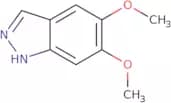
5,6-Dimethoxy-1H-indazole
CAS:<p>5,6-Dimethoxy-1H-indazole is a phosphite that has been used as an intermediate in the synthesis of some pharmaceuticals. It has been shown to have hypotensive effects in rats and depressant effects in mice. The nitro group on 5,6-dimethoxy-1H-indazole can be reduced to an aminopropyl group by reaction with chloride and methyl alcohol or piperazine. This reaction produces two products: 1) a chloro compound that is not pharmacologically active and 2) a methylated product that retains all the original activity of 5,6-dimethoxy-1H-indazole. 5,6-Dimethoxy-1H-indazole also interacts with DNA by binding to nitrous oxide (N2O), which is present at high levels in clinical settings such as dentists' offices. Nitrous oxide reacts with 5,6-dimethoxy-1H</p>Formula:C9H10N2O2Purity:Min. 95%Color and Shape:PowderMolecular weight:178.19 g/mol4-Amino-3-(trifluoromethoxy)benzoic acid
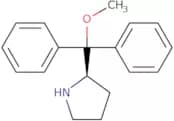
CAS:<p>Please enquire for more information about 4-Amino-3-(trifluoromethoxy)benzoic acid including the price, delivery time and more detailed product information at the technical inquiry form on this page</p>Formula:C8H6F3NO3Purity:Min. 95%Molecular weight:221.13 g/mol(R)-2-(Methoxydiphenylmethyl)pyrrolidine
CAS:Controlled Product<p>Please enquire for more information about (R)-2-(Methoxydiphenylmethyl)pyrrolidine including the price, delivery time and more detailed product information at the technical inquiry form on this page</p>Formula:C18H21NOPurity:Min. 95%Molecular weight:267.37 g/mol1-(4-Bromo-2,5-dimethoxybenzyl)piperazine
CAS:Controlled Product<p>Please enquire for more information about 1-(4-Bromo-2,5-dimethoxybenzyl)piperazine including the price, delivery time and more detailed product information at the technical inquiry form on this page</p>Formula:C13H19BrN2O2Purity:Min. 95%Molecular weight:315.21 g/mol(2S, 3S)-3-(Ethoxycarbonyl)-oxirane-2-carboxylic acid
CAS:<p>Please enquire for more information about (2S, 3S)-3-(Ethoxycarbonyl)-oxirane-2-carboxylic acid including the price, delivery time and more detailed product information at the technical inquiry form on this page</p>Formula:C6H8O5Purity:Min. 95%Color and Shape:Clear LiquidMolecular weight:160.12 g/molN-(1,2,3,4-Tetrahydro-7-methoxy-1-oxo-2-naphthalenyl)propanamide
CAS:Controlled Product<p>Please enquire for more information about N-(1,2,3,4-Tetrahydro-7-methoxy-1-oxo-2-naphthalenyl)propanamide including the price, delivery time and more detailed product information at the technical inquiry form on this page</p>Formula:C14H17NO3Purity:Min. 95%Molecular weight:247.29 g/mol1-(4-Methoxyphenyl)-7-oxo-6-(4-(2-oxopiperidin-1-yl)phenyl)-4,5,6,7-tetrahydro-1H-pyrazolo[3,4-c]pyridine-3-carboxylic acid
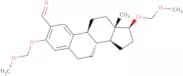
CAS:<p>Apixaban is a novel, orally active, and selective factor Xa inhibitor. It is the first oral anticoagulant that has been developed to inhibit both free and clot-bound thrombin. Apixaban binds reversibly to the active site of factor Xa and inhibits factor Xa-mediated conversion of prothrombin to thrombin, resulting in an increased concentration of prothrombin in blood. Apixaban also inhibits the activity of thrombin-activated protein C (APC) that degrades fibrin clots by proteolytic cleavage of fibrinogen. This drug has a crystalline form with a particle size between 10 and 100 μm.</p>Formula:C25H24N4O5Purity:Min. 95%Molecular weight:460.48 g/mol2-Formyl-3,17b-O-bis(methoxymethyl)estradiol
CAS:Controlled Product<p>Please enquire for more information about 2-Formyl-3,17b-O-bis(methoxymethyl)estradiol including the price, delivery time and more detailed product information at the technical inquiry form on this page</p>Formula:C23H32O5Purity:Min. 95%Molecular weight:388.5 g/mol2,3-Dihydro-1-(3-hydroxypropyl)-5-[(2R)-2-[[2-[2-(2,2,2-trifluoroethoxy)phenoxy]ethyl]amino]propyl]-1H-indole-7-carbonitrile
CAS:<p>Please enquire for more information about 2,3-Dihydro-1-(3-hydroxypropyl)-5-[(2R)-2-[[2-[2-(2,2,2-trifluoroethoxy)phenoxy]ethyl]amino]propyl]-1H-indole-7-carbonitrile including the price, delivery time and more detailed product information at the technical inquiry form on this page</p>Formula:C25H30F3N3O3Purity:Min. 95%Molecular weight:477.52 g/molN-Benzyl-4-carboethoxypiperidine
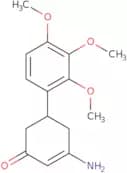
CAS:<p>N-Benzyl-4-carboethoxypiperidine (NBP) is a potential drug for the treatment of Alzheimer's disease. It is an acetylcholinesterase inhibitor that blocks the breakdown of acetylcholine, leading to increased levels of this neurotransmitter in the brain. NBP has been shown to inhibit butyrylcholinesterase, an enzyme responsible for breaking down acetylcholine. This inhibition leads to increased levels of acetylcholine in the brain and prevents the development of Alzheimer's disease. NBP has also been shown to have a low level of toxicity in mice and rats and does not inhibit other enzymes such as carboxypeptidases or aminopeptidases.</p>Formula:C15H21NO2Purity:Min. 95%Color and Shape:Clear LiquidMolecular weight:247.33 g/mol3-Amino-5-(2,3,4-trimethoxyphenyl)cyclohex-2-en-1-one
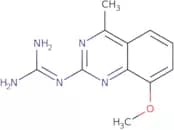
CAS:Controlled Product<p>Please enquire for more information about 3-Amino-5-(2,3,4-trimethoxyphenyl)cyclohex-2-en-1-one including the price, delivery time and more detailed product information at the technical inquiry form on this page</p>Formula:C15H19NO4Purity:Min. 95%Molecular weight:277.32 g/molN-(8-Methoxy-4-methylquinazolin-2-yl)guanidine
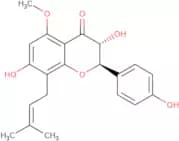
CAS:<p>Please enquire for more information about N-(8-Methoxy-4-methylquinazolin-2-yl)guanidine including the price, delivery time and more detailed product information at the technical inquiry form on this page</p>Formula:C11H13N5OPurity:Min. 95%Molecular weight:231.25 g/mol3,7,4'-Trihydroxy-5-methoxy-8-prenylflavanone, (2R,3R)-
CAS:<p>3,7,4'-Trihydroxy-5-methoxy-8-prenylflavanone, (2R,3R)- is a prenylated flavonoid compound, which is a type of naturally occurring polyphenol. These compounds are known for their complex structures and biological activities, frequently contributing to the therapeutic properties of various plants. The source of this flavanone is often plants belonging to the Fabaceae family, including the roots and other parts of certain legumes, where it accumulates as part of the plant’s secondary metabolism.</p>Purity:Min. 95%5-(2,4-Dimethoxyphenyl)cyclohexane-1,3-dione
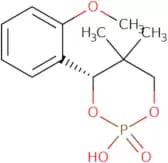
CAS:Controlled Product<p>Please enquire for more information about 5-(2,4-Dimethoxyphenyl)cyclohexane-1,3-dione including the price, delivery time and more detailed product information at the technical inquiry form on this page</p>Formula:C14H16O4Purity:Min. 95%Molecular weight:248.27 g/mol(S)-(-)-2-Hydroxy-4-(2-methoxyphenyl)-5,5-dimethyl-1,3,2-dioxaphosphorinane 2-oxide
CAS:<p>(S)-(-)-2-Hydroxy-4-(2-methoxyphenyl)-5,5-dimethyl-1,3,2-dioxaphosphorinane 2-oxide is a crystallization inhibitor. It can be used in the treatment of osteoporosis and to prevent the calcification of prostate tissue. (S)-(-)-2-Hydroxy-4-(2-methoxyphenyl)-5,5-dimethyl-1,3,2-dioxaphosphorinane 2-oxide has been shown to inhibit nucleation and crystal growth by adsorbing to the surfaces of nuclei and inhibiting inhibitor molecules from diffusing into the nucleus. This compound also inhibits the crystallization process by binding to one molecule of phosphate on each phosphate site on a crystal surface. The result is that there are fewer sites available for other molecules to bind, preventing crystal growth.</p>Formula:C12H17O5PPurity:Min. 95%Color and Shape:Slightly Yellow PowderMolecular weight:272.23 g/molDimethyl 7,7'-dimethoxy-[4,4'-bibenzo[d][1,3]dioxole]-5,5'-dicarboxylate
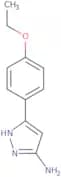
CAS:<p>Dimethyl 7,7'-dimethoxy-[4,4'-bibenzo[d][1,3]dioxole]-5,5'-dicarboxylate is a biocompatible polymer that can be used in the treatment of liver injury. It has been shown to have an inhibitory effect on hepatic enzyme activities and synchronous fluorescence. Dimethyl 7,7'-dimethoxy-[4,4'-bibenzo[d][1,3]dioxole]-5,5'-dicarboxylate can be used as a matrix for curcuma aromatica to remove wastewater contaminants. This polymer also has the ability to inhibit monoethyl ether-induced liver injury in low-dose groups and reduce hepatitis B virus replication.</p>Formula:C20H18O10Purity:Min. 95%Molecular weight:418.35 g/mol5-(4-Ethoxyphenyl)-1H-pyrazol-3-amine
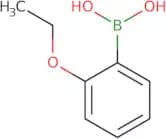
CAS:<p>Please enquire for more information about 5-(4-Ethoxyphenyl)-1H-pyrazol-3-amine including the price, delivery time and more detailed product information at the technical inquiry form on this page</p>Formula:C11H13N3OPurity:Min. 95%Molecular weight:203.24 g/mol2-Ethoxyphenylboronic acid
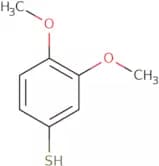
CAS:<p>Ethoxyphenylboronic acid is a triazine compound which inhibits inflammation by inhibiting the kinase that catalyzes the phosphorylation of arachidonic acid. It also inhibits lipid kinase, which is involved in the metabolism of lipids, and it has been shown to inhibit cancer cell growth through hydrogen bond interactions with DNA. Ethoxyphenylboronic acid has been shown to have anti-inflammatory properties and may be useful for the treatment of inflammatory diseases such as arthritis. The compound can also inhibit hydrogen peroxide-induced oxidative damage in cells, due to its ability to release intracellular glutathione.</p>Formula:C8H11BO3Purity:Min. 95%Molecular weight:165.98 g/mol3,4-Dimethoxythiophenol
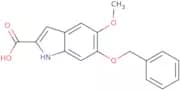
CAS:<p>3,4-Dimethoxythiophenol is a chemical compound that is used as a fluorescence probe to study biological functions in cells. It reacts with hydroxyl groups and other reactive sites on proteins, including sulfhydryl groups, thiols, and amines. 3,4-Dimethoxythiophenol has been shown to inhibit the viability of cancer cells (e.g., prostate cancer cells) by interfering with the function of dehydrogenase enzymes. 3,4-Dimethoxythiophenol also inhibits growth of microglia (cells that protect neurons) in vitro. This inhibition is due to the production of reactive oxygen species by the microglial cells. The chemical structure of this compound includes a hydroxyl group and two methoxy groups.</p>Formula:C8H10O2SPurity:Min. 95%Color and Shape:Clear LiquidMolecular weight:170.23 g/mol6-Benzyloxy-5-methoxyindole-2-carboxylic acid
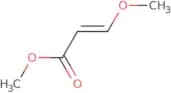
CAS:<p>Please enquire for more information about 6-Benzyloxy-5-methoxyindole-2-carboxylic acid including the price, delivery time and more detailed product information at the technical inquiry form on this page</p>Formula:C17H15NO4Purity:Min. 95%Molecular weight:297.31 g/molMethyl trans -3-methoxy acrylate
CAS:<p>Methyl trans-3-methoxy acrylate is a reactive monocarboxylic acid. It is used in the synthesis of other compounds, such as polymers and pharmaceuticals. Methyl trans-3-methoxy acrylate reacts with hydrogen chloride to form methyl 3-chloroacrylate and hydrochloric acid, and with trimethyl borate to form methyl 3-bromoacrylate. The reaction mechanism for the formation of methyl 3-bromoacrylate is similar to that for the formation of methyl 3-chloroacrylate. The reaction can be carried out in a steel or glass vessel equipped with a magnetic stirring device and equipped with an electric heating mantle or flame. The activation energies for these reactions are relatively high at 43 kcal/mol (for the metathesis reaction) and 44 kcal/mol (for the reaction with trimethyl borate). This product has been shown to react with propionate</p>Formula:C5H8O3Purity:Min. 95%Color and Shape:Clear LiquidMolecular weight:116.12 g/mol(S)-1,2,3,4,5,6,7,8-Octahydro-1-[(4-methoxyphenyl)methyl]isoquinoline (acetate salt )
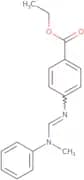
CAS:<p>(S)-1,2,3,4,5,6,7,8-Octahydro-1-[(4-methoxyphenyl)methyl]isoquinoline (acetate salt ) is a diphosphine that can be used as a catalyst to produce formic acid from methanol and carbon monoxide. This product is an enantiomer of picric acid and has been shown to be an effective additive in the crystallization of picric acid. The acetate salt is also optically pure.</p>Purity:Min. 95%N-(Ethoxycarbonylphenyl)-N'-methyl-N'-phenylformamidine
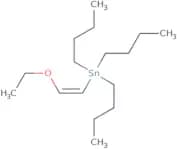
CAS:<p>Please enquire for more information about N-(Ethoxycarbonylphenyl)-N'-methyl-N'-phenylformamidine including the price, delivery time and more detailed product information at the technical inquiry form on this page</p>Formula:C15H14N2O2Purity:Min. 95%Molecular weight:254.28 g/mol(Z)-1-Ethoxy-2-(tributylstannyl)ethene
CAS:Controlled Product<p>(Z)-1-Ethoxy-2-(tributylstannyl)ethene is a synthetic intermediate that is used in palladium-catalyzed cross-coupling reactions. The product of the reaction can be an acetaldehyde or a halopyridine. The yield and selectivity of the reaction depends on the nature of the reactants, solvent, and catalyst. This compound has also been reinvestigated for its ability to form an anion with electrophilic reactants.</p>Purity:Min. 95%Ethyl 2-(ethoxymethylene)-3-oxobutanoate
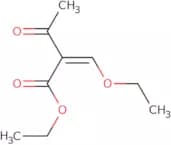
CAS:<p>Ethyl 2-(ethoxymethylene)-3-oxobutanoate is an industrial chemical that is used as a precursor to acetoacetate. It is produced by the condensation of formaldehyde and ethyl acetoacetate, which yields two molecules of ethyl 2-(ethoxymethylene)-3-oxobutanoate. This reaction can be performed in three steps, with the first step involving the addition of formaldehyde and hydrazine to acetoacetate. The second step involves heating the reaction mixture until it boils, followed by cooling and filtering. The third step requires refluxing for six hours before distilling off the liquid. Ethyl 2-(ethoxymethylene)-3-oxobutanoate can also be synthesized from orthoformic acid and ethyl acetoacetate in an experiment that produces 1 mole of product for every mole of starting material.</p>Formula:C9H14O4Purity:Min. 95%Molecular weight:186.21 g/mol4-(Methoxycarbonyl)bicyclo[2.1.1]hexane-1-carboxylic acid
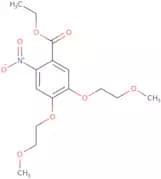
CAS:<p>Please enquire for more information about 4-(Methoxycarbonyl)bicyclo[2.1.1]hexane-1-carboxylic acid including the price, delivery time and more detailed product information at the technical inquiry form on this page</p>Formula:C9H12O4Purity:Min. 95%Molecular weight:184.19 g/molEthyl 4,5-bis(2-methoxyethoxy)-2-nitrobenzoate
CAS:<p>Please enquire for more information about Ethyl 4,5-bis(2-methoxyethoxy)-2-nitrobenzoate including the price, delivery time and more detailed product information at the technical inquiry form on this page</p>Formula:C15H21NO8Purity:Min. 95%Molecular weight:343.33 g/molDimethoxymethane
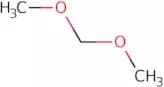
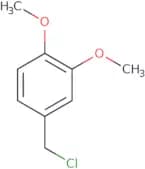
CAS:<p>Dimethoxymethane is a colorless liquid with a sweet odor. Dimethoxymethane has been used as an intermediate in organic synthesis, as well as a solvent for various reactions.</p>Formula:C3H8O2Purity:Min. 95%Molecular weight:76.09 g/mol3,4-Dimethoxybenzyl chloride
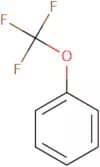
CAS:<p>3,4-Dimethoxybenzyl chloride is an acetate extract that has been shown to have anticancer properties. It is also a corrosion inhibitor with the ability to inhibit fatty acid demethylation and antimicrobial agents. It has been used in pharmaceutical preparations for treating high blood pressure, as well as in the production of eugenol, papaverine and other drugs.</p>Formula:C9H11ClO2Purity:Min. 95%Molecular weight:186.64 g/mol(Trifluoromethoxy)benzene
CAS:<p>(Trifluoromethoxy)benzene is a colorless liquid that has a boiling point of 97.1°C and a flashpoint of 23°C. It is an aromatic hydrocarbon with the molecular formula C6H3(OCH2CF3) and a molecular weight of 132.2 g/mol. The compound belongs to group P2, it's soluble in water, and can be prepared by reacting trifluoroacetic acid with methyl pentanoate. (Trifluoromethoxy)benzene has antimicrobial properties, but it also causes autoimmune diseases in animals. It is used as an industrial solvent and as a reagent for the preparation of other chemicals.</p>Formula:C7H5OF3Purity:Min. 95%Molecular weight:162.11 g/mol[1-(2-Methoxyethyl)-1H-indol-3-yl]acetic acid
CAS:Controlled Product<p>Please enquire for more information about [1-(2-Methoxyethyl)-1H-indol-3-yl]acetic acid including the price, delivery time and more detailed product information at the technical inquiry form on this page</p>Formula:C13H15NO3Purity:Min. 95%Molecular weight:233.26 g/mol3-(4-Methoxyphenyl)pyrazole
CAS:<p>3-(4-Methoxyphenyl)pyrazole is a fungicide that belongs to the group of nitrophenol derivatives. It inhibits the growth of plant pathogenic fungi by inhibiting the synthesis of proteins and nucleic acids. 3-(4-Methoxyphenyl)pyrazole has an inhibitory effect on seed germination and germination, as well as on hydroxymethylation reactions in fungal mycelia. 3-(4-Methoxyphenyl)pyrazole also has bactericidal properties and can be used for controlling bacteria in water systems.</p>Formula:C10H10N2OPurity:Min. 95%Molecular weight:174.2 g/mol8-Methoxymethyl-1-methyl-3-(2-methylpropyl) xanthine
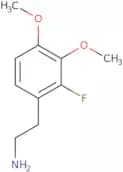
CAS:Controlled Product<p>8-Methoxymethyl-1-methyl-3-(2-methylpropyl) xanthine (8MMX) is an intracellular calcium ion chelator that inhibits enzyme activity in the cyclic nucleotide phosphodiesterase enzyme family. 8MMX has been shown to be a potent inhibitor of both cyclic nucleotide phosphodiesterases and cyclic nucleotide phosphodiesterase isoenzymes. 8MMX has been shown to inhibit bladder contractility and improve bladder function in animal models. It also reduces the incidence of papillary muscle rupture, which can lead to heart failure, and improves ventricular function by increasing the rate of relaxation of the left ventricle.<br>8MMX is a potential treatment for pulmonary hypertension, which is caused by increased concentrations of intracellular calcium ions.</p>Formula:C12H18N4O3Purity:Min. 95%Molecular weight:266.3 g/mol2-(2-Fluoro-3,4-dimethoxyphenyl)ethanamine
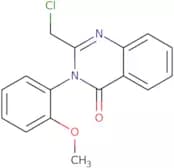
CAS:Controlled Product<p>Please enquire for more information about 2-(2-Fluoro-3,4-dimethoxyphenyl)ethanamine including the price, delivery time and more detailed product information at the technical inquiry form on this page</p>Formula:C10H14FNO2Purity:Min. 95%Molecular weight:199.22 g/mol2-(Chloromethyl)-3-(2-methoxyphenyl)quinazolin-4(3H)-one
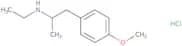
CAS:Controlled Product<p>Please enquire for more information about 2-(Chloromethyl)-3-(2-methoxyphenyl)quinazolin-4(3H)-one including the price, delivery time and more detailed product information at the technical inquiry form on this page</p>Formula:C16H13ClN2O2Purity:Min. 95%Molecular weight:300.74 g/molN-Ethyl-4-methoxy amphetamine hydrochloride
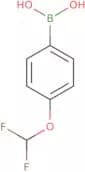
CAS:Controlled Product<p>Please enquire for more information about N-Ethyl-4-methoxy amphetamine hydrochloride including the price, delivery time and more detailed product information at the technical inquiry form on this page</p>Formula:C12H20ClNOPurity:Min. 95%Molecular weight:229.75 g/mol4-(Difluoromethoxy)phenylboronic acid
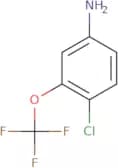
CAS:<p>Please enquire for more information about 4-(Difluoromethoxy)phenylboronic acid including the price, delivery time and more detailed product information at the technical inquiry form on this page</p>Formula:C7H7BF2O3Purity:Min. 95%Molecular weight:187.94 g/mol4-Chloro-3-(trifluoromethoxy)aniline
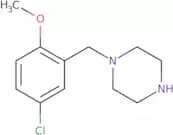
CAS:<p>Please enquire for more information about 4-Chloro-3-(trifluoromethoxy)aniline including the price, delivery time and more detailed product information at the technical inquiry form on this page</p>Formula:C7H5ClF3NOPurity:Min. 95%Color and Shape:Clear LiquidMolecular weight:211.57 g/mol1-(5-Chloro-2-methoxybenzyl)piperazine
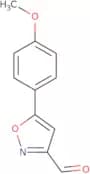
CAS:Controlled Product<p>Please enquire for more information about 1-(5-Chloro-2-methoxybenzyl)piperazine including the price, delivery time and more detailed product information at the technical inquiry form on this page</p>Formula:C12H17ClN2OPurity:Min. 95%Molecular weight:240.73 g/mol5-(4-Methoxyphenyl)isoxazole-3-carboxaldehyde
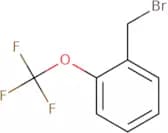
CAS:<p>5-(4-Methoxyphenyl)isoxazole-3-carboxaldehyde (5MI) is a broad-spectrum antimicrobial agent that exhibits activity against bacteria and fungi. It has been shown to be active against gram-positive bacteria, including Staphylococcus aureus, as well as Candida albicans and other pathogenic fungi. 5MI is active in the presence of ethanol, but not in the absence of alcohol. In vitro studies show that 5MI inhibits the growth of gram-negative bacteria such as Escherichia coli and Salmonella enterica serovar Typhimurium. 5MI also exhibits antifungal activity against Aspergillus niger and Saccharomyces cerevisiae.</p>Formula:C11H9NO3Purity:Min. 95%Molecular weight:203.19 g/mol2-(Trifluoromethoxy)benzyl bromide
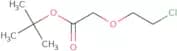
CAS:<p>2-(Trifluoromethoxy)benzyl bromide is a computational study of ionic liquids with substitutions. The viscosity of the liquid was found to be dependent on the size of the substituent and the number of substitutions. The compound was found to be selective for one isomer over another due to its different structural features. Experimental studies have shown that 2-(trifluoromethoxy)benzyl bromide has high permeability in ionic liquids, which is a desired property in ionic liquids. Advances in this field have led to new compounds and more knowledge about the properties of ionic liquids.</p>Purity:Min. 95%tert-Butyl 2-(2-chloroethoxy)acetate
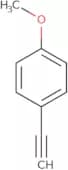
CAS:<p>Please enquire for more information about tert-Butyl 2-(2-chloroethoxy)acetate including the price, delivery time and more detailed product information at the technical inquiry form on this page</p>Formula:C8H15ClO3Purity:Min. 95%Color and Shape:Clear, colourless liquid.Molecular weight:194.66 g/mol4-Methoxyphenylacetylene
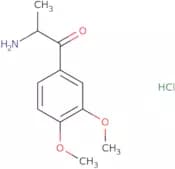
CAS:<p>4-Methoxyphenylacetylene is a phosphane that has been extensively studied for its reactivity in cross-coupling reactions with electron-deficient olefins. 4-Methoxyphenylacetylene has been shown to react with chlorides and form an intermediate chloride, which reacts with an olefin to form an ether. X-ray crystal structures of the reaction mechanism have been determined. The transfer mechanism involves nucleophilic attack of chloride on the phosphorus atom followed by elimination of hydrogen chloride from the phosphorus. The reaction product is an ether.</p>Formula:C9H8OPurity:Min. 95%Color and Shape:White Clear LiquidMolecular weight:132.16 g/mol2-Amino-3',4'-dimethoxypropiophenone hydrochloride
CAS:Controlled Product<p>Please enquire for more information about 2-Amino-3',4'-dimethoxypropiophenone hydrochloride including the price, delivery time and more detailed product information at the technical inquiry form on this page</p>Formula:C11H16ClNO3Purity:Min. 95%Molecular weight:245.7 g/mol4-Chloro-2,5-dimethoxynitrobenzene
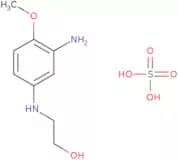
CAS:Controlled Product<p>4-Chloro-2,5-dimethoxynitrobenzene (CDMNB) is a solvent and a synthetic intermediate. It is soluble in diethylene, solvents, and sodium formate. CDMNB can be reduced with catalytic reduction or amines to 2,5-dimethoxybenzoic acid. CDMNB has been shown to react with xylene under catalytic conditions to produce 4-chloro-3,5-dimethoxybenzoic acid. This reaction can be monitored by liquid phase chromatography or cyclic voltammetry.</p>Formula:C8H8ClNO4Purity:Min. 95%Molecular weight:217.61 g/mol2-((3-Amino-4-methoxyphenyl)amino)ethanol sulfate
CAS:<p>2-((3-Amino-4-methoxyphenyl)amino)ethanol sulfate is a potent antibacterial agent that inhibits the growth of bacteria by binding to the 50S ribosomal subunit. It is also used in dermatology, as an aminophenol, and as an ingredient in cosmetics. 2-((3-Amino-4-methoxyphenyl)amino)ethanol sulfate has been shown to be efficacious against bacterial infections caused by methicillin resistant Staphylococcus aureus (MRSA), Pseudomonas aeruginosa, Proteus mirabilis, and Klebsiella pneumoniae. This compound also has antihistamine properties.</p>Formula:C9H16N2O6SPurity:Min. 95%Molecular weight:280.3 g/molrac-3-hexadecanamido-2-methoxypropan-1-ol phosphocholine monohydrate
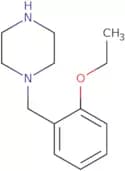
CAS:<p>Please enquire for more information about rac-3-hexadecanamido-2-methoxypropan-1-ol phosphocholine monohydrate including the price, delivery time and more detailed product information at the technical inquiry form on this page</p>Formula:C25H55N2O7PPurity:Min. 95%Molecular weight:526.69 g/mol1-(2-Ethoxybenzyl)piperazine
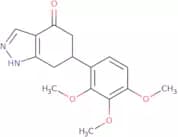
CAS:Controlled Product<p>Please enquire for more information about 1-(2-Ethoxybenzyl)piperazine including the price, delivery time and more detailed product information at the technical inquiry form on this page</p>Formula:C13H20N2OPurity:Min. 95%Molecular weight:220.31 g/mol6-(2,3,4-Trimethoxyphenyl)-1,5,6,7-tetrahydro-4H-indazol-4-one
CAS:Controlled Product<p>Please enquire for more information about 6-(2,3,4-Trimethoxyphenyl)-1,5,6,7-tetrahydro-4H-indazol-4-one including the price, delivery time and more detailed product information at the technical inquiry form on this page</p>Formula:C16H18N2O4Purity:Min. 95%Molecular weight:302.33 g/mol4-Hydroxy-N-(2-Piperidinylmethyl)-2,5-Bis(2,2,2-Trifluoroethoxy)Benzamide
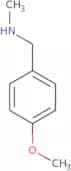
CAS:<p>Please enquire for more information about 4-Hydroxy-N-(2-Piperidinylmethyl)-2,5-Bis(2,2,2-Trifluoroethoxy)Benzamide including the price, delivery time and more detailed product information at the technical inquiry form on this page</p>Formula:C17H20F6N2O4Purity:Min. 95%Molecular weight:430.34 g/mol4-Methoxy-N-methylbenzylamine
CAS:<p>4-Methoxy-N-methylbenzylamine is a synthesized compound that is structurally similar to piperazine. It has been synthesized using the Chloramine T method and has been shown to be active as an amine receptor ligand. This molecule binds to the amine receptor site of the GABAA receptor with high affinity, inhibiting chloride ion flow. The functional groups on this molecule are likely responsible for its binding activity. 4-Methoxy-N-methylbenzylamine may be useful in the treatment of scopolamine-induced amnesia, due to its ability to bind to specific receptors in the brain.</p>Formula:C9H13NOPurity:Min. 95%Color and Shape:Clear LiquidMolecular weight:151.21 g/mol1-[2-(5-Methoxy-1H-indol-3-yl)ethyl]-5-oxopyrrolidine-3-carboxylic acid
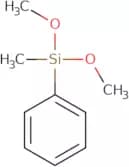
CAS:Controlled Product<p>Please enquire for more information about 1-[2-(5-Methoxy-1H-indol-3-yl)ethyl]-5-oxopyrrolidine-3-carboxylic acid including the price, delivery time and more detailed product information at the technical inquiry form on this page</p>Formula:C16H18N2O4Purity:Min. 95%Molecular weight:302.33 g/molDimethoxymethylphenylsilane
CAS:<p>Dimethoxymethylphenylsilane is a chemical compound that can be used as a substrate film. It is commonly used in gravimetric analysis, thermal expansion, and electrochemical impedance spectroscopy. Dimethoxymethylphenylsilane has been shown to form cationic polymers when heated with fatty acids. This polymerization process requires hydrochloric acid for activation. Dimethoxymethylphenylsilane has also been shown to react with zirconium oxide at high temperatures and form a reactive surface layer of titanium dioxide on the surface of the zirconium oxide. The molecule consists of an oxygen atom, two methyl groups, and two phenyl groups. The solid catalyst has a diameter of approximately 1 nm and its NMR spectra are consistent with those expected for this type of molecule.</p>Purity:Min. 95%[2-(4-methoxyphenyl)ethyl]methylamine
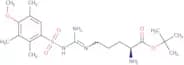
CAS:Controlled Product<p>2-(4-methoxyphenyl)ethyl]methylamine is a pharmacological agent that inhibits protein synthesis. It has been shown to have an optimum concentration of 1 μM, with maximal inhibition at 10 μM. 2-(4-methoxyphenyl)ethyl]methylamine binds to the basic amino acid residues of proteins and inhibits the activity of eosinophil cationic protein, which is responsible for histamine release. 2-(4-Methoxyphenyl)ethyl]methylamine has also been shown to reduce the activity of epidermal growth factor, which is responsible for cell proliferation and differentiation. The drug has been demonstrated to be an effective inhibitor of activated eosinophils, but not normal cells. 2-(4-Methoxyphenyl)ethyl]methylamine may be used as a treatment for chronic asthma patients who suffer from eosinophilic inflammation in their</p>Formula:C10H15NOPurity:Min. 95%Molecular weight:165.23 g/molNω-(4-Methoxy-2,3,6-trimethylbenzenesulfonyl)-L-arginine tert-butyl ester
CAS:<p>Please enquire for more information about Nomega-(4-Methoxy-2,3,6-trimethylbenzenesulfonyl)-L-arginine tert-butyl ester including the price, delivery time and more detailed product information at the technical inquiry form on this page</p>Formula:C20H34N4O5SPurity:Min. 95%Molecular weight:442.57 g/mol2(2-Ethoxyethoxy)ethanol
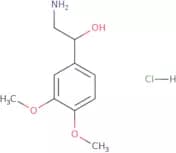
CAS:<p>2(2-Ethoxyethoxy)ethanol is a glycol ether that is used as a substrate film in analytical methods, such as thin layer chromatography. It has been shown to be toxic to the liver and kidney, but not the heart. 2(2-Ethoxyethoxy)ethanol is also an experimental solubility data and can be used to measure the hydrophobic effect of organic compounds. This substance has high values for solubility, which may be due to its glycol ester type. 2(2-Ethoxyethoxy)ethanol does not show toxicity to the heart when administered orally or by inhalation, but does show toxicity to the liver and kidney at high doses.</p>Formula:C6H14O3Purity:Min. 98 Area-%Color and Shape:PowderMolecular weight:134.17 g/mol2-Hydroxy-2-(3,4-dimethoxyphenyl)ethylamine hydrochloride
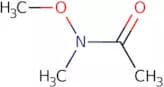
CAS:Controlled Product<p>Please enquire for more information about 2-Hydroxy-2-(3,4-dimethoxyphenyl)ethylamine hydrochloride including the price, delivery time and more detailed product information at the technical inquiry form on this page</p>Formula:C10H15NO3·HClPurity:Min. 95%Molecular weight:233.69 g/molN-Methoxy-N-methylacetamide
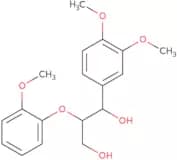
CAS:<p>N-Methoxy-N-methylacetamide is a nucleophilic amide that can be synthesized by the reaction of acetamide with methylmagnesium chloride. It has been used to synthesize an enantiopure derivative of 2-aminopropanol, which is used in the synthesis of potent antitumor agents. N-Methoxy-N-methylacetamide has shown potent anticancer activity in mice and rats. This molecule exhibits a carbonyl group that can act as an enolate, which is a reactive intermediate within chemical reactions. The nucleophilic attack on this carbonyl group leads to intramolecular hydrogen transfer, producing a more stable product.</p>Formula:C4H9NO2Purity:Min. 95%Molecular weight:103.12 g/mol1-(3,4-Dimethoxyphenyl)-2-(2-methoxyphenoxy)propane-1,3-diol
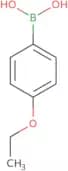
CAS:<p>1,3-Dimethoxy-2-(2-methoxyphenoxy)propane-1,3-diol (DMMP) is a natural product with antioxidant properties. It has been shown to be a potent inhibitor of the epidermal growth factor receptor (EGFR), and also inhibits the activity of the response elements for EGFR. DMMP is also a potent inhibitor of proliferation in human cancer cells and can inhibit the growth of tumour cells that are resistant to methotrexate. DMMP is a precursor to protocatechuic acid, which has been shown to have anti-herpes virus effects. DMMP has been shown to decrease the rate of second order reactions through its ability to react with carbonyl groups on proteins. This reaction leads to an increase in stability and decreases the rate of protein degradation by proteases. A mutant strain was found that can produce this compound without any external stimulus, making it ideal for use as an antibiotic against bacterial</p>Formula:C18H22O6Purity:Min. 95 Area-%Color and Shape:PowderMolecular weight:334.36 g/mol(4-Ethoxyphenyl)boronic acid
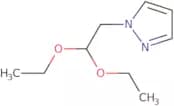
CAS:<p>4-Ethoxyphenylboronic acid is a boron-containing compound that has been shown to have potent antiviral activity. This compound is synthesized from adipose tissue and optical properties of the phenoxazine derivative are studied in order to find an efficient process for solid-phase synthesis. 4-Ethoxyphenylboronic acid has been shown to inhibit triglyceride lipase and fatty acid, which may be an important drug target. It has also been found to have potent antagonistic effects on fatty acids.</p>Formula:C8H11BO3Purity:Min. 95%Molecular weight:165.98 g/mol1-(2,2-Diethoxyethyl)-1H-pyrazole
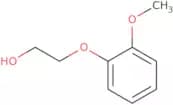
CAS:<p>Please enquire for more information about 1-(2,2-Diethoxyethyl)-1H-pyrazole including the price, delivery time and more detailed product information at the technical inquiry form on this page</p>Formula:C9H16N2O2Purity:Min. 95%Molecular weight:184.24 g/mol2-(2-Methoxyphenoxy)ethanol
CAS:<p>2-(2-Methoxyphenoxy)ethanol (2-MPE) is a metabolite of propanediol, which is a precursor in the synthesis of polyurethanes. 2-MPE can be oxidized by monooxygenases to form syringyl and other reactive metabolites. Basic hydrolysis may also produce monomers such as phenols, alcohols, and carboxylic acids. Syringyl is one of the metabolic products of 2-MPE, which has been shown to be resistant to degradation by basidiomycete fungi.</p>Formula:C9H12O3Purity:Min. 95%Molecular weight:168.19 g/mol4-(4-Hydroxymethyl-3-methoxyphenoxy)-butyric acid
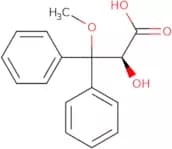
CAS:Controlled Product<p>4-(4-Hydroxymethyl-3-methoxyphenoxy)-butyric acid (HMPA) is a synthetic compound that is used in the production of butyric acid. It is also used as a reagent in the preparation of enzymes and enzyme preparations, such as serine proteases. HMPA has been used as an intermediate in the synthesis of ribulose, which is a sugar molecule found in plants. The structure of this compound can be determined by FTIR spectroscopy and by X-ray crystallography. HMPA has been shown to have hydrogen bonding between its molecules, which may account for its stability. Hydrogen bonding accounts for the solidity of this compound and its resistance to heat and solvents.</p>Formula:C12H16O5Purity:Min. 95%Molecular weight:240.25 g/mol(S)-2-Hydroxy-3-methoxy-3,3-diphenylpropionic acid
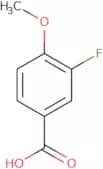
CAS:<p>This is a crystalline form of the pyrimidine derivative (S)-2-Hydroxy-3-methoxy-3,3-diphenylpropionic acid. The compound has been shown to have antiplatelet properties and is currently being developed as an antithrombotic agent. In vitro studies have shown that ambrisentan inhibits platelet aggregation, thromboxane synthesis, and leukocyte adhesion. It also reduces the levels of serum cholesterol and triglycerides in patients with chronic heart failure. Ambrisentan has been studied in clinical trials for the treatment of pulmonary hypertension associated with chronic obstructive pulmonary disease (COPD) and idiopathic pulmonary fibrosis (IPF).</p>Formula:C16H16O4Purity:Min. 95%Molecular weight:272.3 g/mol3-Fluoro-4-methoxybenzoic acid
CAS:<p>3-Fluoro-4-methoxybenzoic acid is a dipolar molecule with a fluorine atom. It has been synthesized experimentally and the yields are determined by the experimental conditions. 3-Fluoro-4-methoxybenzoic acid has two isomers, which can be differentiated by their resonances. The molecule also has an asymmetric C3(CF)2Cl group in the middle of its structure that can rotate freely.</p>Formula:C8H7FO3Purity:Min. 95%Color and Shape:PowderMolecular weight:170.14 g/mol3,4,5-Trimethoxybenzoic acid anhydride
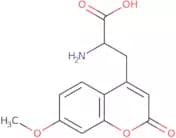
CAS:<p>3,4,5-Trimethoxybenzoic acid anhydride is a synthetic chemical compound that is used as a pharmaceutical intermediate. It is mainly used to prepare potent anticancer agents and potent anticancer drugs. 3,4,5-Trimethoxybenzoic acid anhydride reacts with amines in the presence of a base to form substituted amides. This reaction has been shown by crystal x-ray diffraction to be sensitive to the solvent polarity and temperature of the reaction medium. The compound can also react with chloride ion to form 3,4,5-trichlorobenzoic acid anhydride (3TCBA).</p>Formula:C20H22O9Purity:(%) Min. 85%Color and Shape:PowderMolecular weight:406.38 g/molH-β-(7-Methoxycoumarin-4-yl)-Ala-OH
CAS:<p>Please enquire for more information about H-beta-(7-Methoxycoumarin-4-yl)-Ala-OH including the price, delivery time and more detailed product information at the technical inquiry form on this page</p>Formula:C13H13NO5Purity:Min. 95%Molecular weight:263.25 g/molH-Cys(4-methoxytrityl)-2-chlorotrityl resin (200-400 mesh)
<p>Please enquire for more information about H-Cys(4-methoxytrityl)-2-chlorotrityl resin (200-400 mesh) including the price, delivery time and more detailed product information at the technical inquiry form on this page</p>Purity:Min. 95%4-Chloro-6-methoxyquinoline
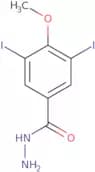
CAS:<p>4-Chloro-6-methoxyquinoline is an inhibitor of bacterial DNA gyrase. It has antibacterial activity against Gram-positive and Gram-negative bacteria, including Staphylococcus aureus, Enterococcus faecalis, and Pseudomonas aeruginosa. 4-Chloro-6-methoxyquinoline is a synthetic compound that was reinvestigated for its antibacterial activity. It has been shown to be effective in the treatment of Staphylococcal infections. The mechanism of action may involve inhibition of topoisomerase II or interference with the synthesis of DNA by binding to the enzyme bacterial DNA gyrase. Quinidine and cinchonidine are quinine derivatives that have been found to inhibit bacterial DNA gyrase. These compounds are found in the bark of Cinchona species, which includes Cinchona ledgeriana, Cinchona officinalis, and Cinchona succirub</p>Formula:C10H8ClNOPurity:Min. 95%Molecular weight:193.029443,5-Diiodo-4-methoxybenzhydrazide
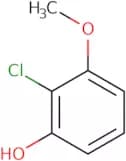
CAS:<p>3,5-Diiodo-4-methoxybenzhydrazide is a high quality chemical that is useful in the preparation of complex compounds. This compound has been shown to be an excellent reagent and useful intermediate for the synthesis of various fine chemicals. It has been used as a precursor for the production of the antiviral drug Tamiflu, among other pharmaceuticals. 3,5-Diiodo-4-methoxybenzhydrazide is also a versatile building block that can be used in research or as a reaction component in organic synthesis.</p>Formula:C8H8I2N2O2Purity:Min. 95%Color and Shape:PowderMolecular weight:417.97 g/mol2-Chloro-3-methoxyphenol
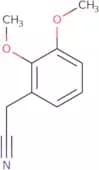
CAS:<p>Please enquire for more information about 2-Chloro-3-methoxyphenol including the price, delivery time and more detailed product information at the technical inquiry form on this page</p>Formula:C7H7ClO2Purity:Min. 95%Molecular weight:158.58 g/mol2,3-(Dimethoxyphenyl)acetonitrile
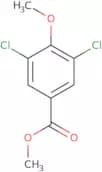
CAS:<p>2,3-(Dimethoxyphenyl)acetonitrile is a chemical intermediate that is used in the synthesis of pharmaceuticals and specialty chemicals. It can be used as a reaction component and reagent for the synthesis of other chemicals. This compound has a high quality and is also a versatile building block for complex compounds. 2,3-(Dimethoxyphenyl)acetonitrile has been shown to be useful in the production of fine chemicals such as pharmaceuticals, agrochemicals, and dyes. The CAS number for this compound is 4468-57-9.</p>Formula:C10H11NO2Purity:Min. 95%Molecular weight:177.2 g/molMethyl 3,5-dichloro-4-methoxybenzoate
CAS:<p>Methyl 3,5-dichloro-4-methoxybenzoate is a fine chemical and useful building block for research chemicals. It belongs to the class of speciality chemicals and can be used as a reagent in organic synthesis. Methyl 3,5-dichloro-4-methoxybenzoate is a versatile building block that has been reported in the synthesis of many complex compounds. This compound can also be used as an intermediate or scaffold for medicinal chemistry applications.</p>Formula:C9H8Cl2O3Purity:Min. 95%Molecular weight:235.06 g/mol4-Difluoromethoxyphenylboronic acid pinacol ester
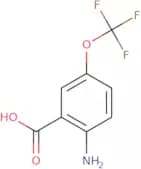
CAS:<p>Please enquire for more information about 4-Difluoromethoxyphenylboronic acid pinacol ester including the price, delivery time and more detailed product information at the technical inquiry form on this page</p>Formula:C13H17BF2O3Purity:Min. 95%Molecular weight:270.08 g/mol2-Amino-5-(trifluoromethoxy)benzoic acid
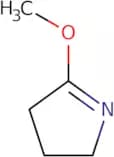
CAS:<p>Please enquire for more information about 2-Amino-5-(trifluoromethoxy)benzoic acid including the price, delivery time and more detailed product information at the technical inquiry form on this page</p>Formula:C8H6F3NO3Purity:Min. 95%Molecular weight:221.13 g/mol5-Methoxy-3,4-dihydro-2H-pyrrole
CAS:<p>5-Methoxy-3,4-dihydro-2H-pyrrole is a chemical compound that contains a pyrrole ring. It can be found in the form of dehydrogenation and intramolecular hydrogen. 5-Methoxy-3,4-dihydro-2H-pyrrole has been shown to have antibacterial effects against Mycobacterium tuberculosis and other bacteria. 5-Methoxy-3,4-dihydro-2H-pyrrole also reacts with nitroacetate to form an aziridine, which is an intermediate in the synthesis of several pharmaceuticals. This chemical compound is used in the preparation of bipyrrole compounds such as naphthalene and alicyclic compounds such as nitrophenols.</p>Formula:C5H9NOPurity:Min. 95%Molecular weight:99.13 g/mol2-(2-Ethoxyphenoxy)ethyl bromide
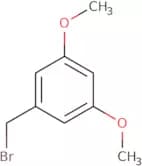
CAS:<p>2-(2-Ethoxyphenoxy)ethyl bromide is a substance that is found as an impurity in the drug sulphonamide. It has been shown to be an optical isomer of methanol and ethanol, which have base form. The substance crystallizes in the form of white needles and its base form is tamsulosin hydrochloride. It has been used as a reagent for organic chemistry reactions, such as recrystallization, and as an impurity in organic solvents.</p>Formula:C10H13BrO2Purity:Min. 95%Molecular weight:245.11 g/mol3,5-Dimethoxybenzyl bromide
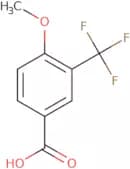
CAS:<p>3,5-Dimethoxybenzyl bromide is a difluoro compound that has been synthesized as a potential CB2 receptor agonist. It has been shown to bind to both CB1 and CB2 receptors in cell culture. 3,5-Dimethoxybenzyl bromide has also been shown to inhibit the growth of mouse melanoma cells by inducing apoptosis and cell cycle arrest, which may be due to its ability to demethylate pterostilbene derivatives. 3,5-Dimethoxybenzyl bromide is an example of a nucleophilic agent because it can donate a proton from the hydroxyl group on the benzene ring. The chloride ion forms an ionic bond with the negatively charged oxygen atom on the benzoic acid group. This type of bond is called an ester linkage or ester bond.</p>Formula:C9H11O2BrPurity:Min. 94%Color and Shape:PowderMolecular weight:231.09 g/mol4-Methoxy-3-(trifluoromethyl)benzoic acid
CAS:<p>4-Methoxy-3-(trifluoromethyl)benzoic acid is a useful scaffold that can be used as a building block for the synthesis of complex compounds. It has been shown to react with various reagents and is a versatile building block that can be used in organic synthesis. 4-Methoxy-3-(trifluoromethyl)benzoic acid is a high quality chemical and has been classified as speciality chemicals. This product is also known by the CAS number 213598-09-5.</p>Formula:C9H7F3O3Purity:Min. 98 Area-%Color and Shape:PowderMolecular weight:220.15 g/mol(4S,5R)-3-Benzoyl-2-(4-methoxyphenyl)-4-phenyl-5-oxazolidinecarboxylic acid
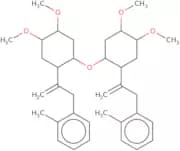
CAS:<p>Please enquire for more information about (4S,5R)-3-Benzoyl-2-(4-methoxyphenyl)-4-phenyl-5-oxazolidinecarboxylic acid including the price, delivery time and more detailed product information at the technical inquiry form on this page</p>Formula:C24H21NO5Purity:Min. 95%Color and Shape:White To Off-White SolidMolecular weight:403.43 g/mol2-(4,5-Dimethoxy-2-(1-((2-methylphenyl)methyl)vinyl)cyclohexyl)ether
CAS:<p>2-(4,5-Dimethoxy-2-(1-((2-methylphenyl)methyl)vinyl)cyclohexyl)ether is a versatile building block for the synthesis of complex compounds. It is also an intermediate in the synthesis of useful scaffolds and reaction components. This compound has a high quality and can be used as a reagent or research chemicals.</p>Formula:C36H50O5Purity:Min. 95%Molecular weight:562.78 g/molH-D-Cys(4-methoxytrityl)-2-chlorotrityl resin (200-400 mesh)
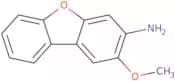
<p>Please enquire for more information about H-D-Cys(4-methoxytrityl)-2-chlorotrityl resin (200-400 mesh) including the price, delivery time and more detailed product information at the technical inquiry form on this page</p>Purity:Min. 95%3-Amino-2-methoxy-dibenzofuran
CAS:<p>3-Amino-2-methoxy-dibenzofuran (3AMD) is a cytotoxic agent that is used in the treatment of bladder carcinoma. 3AMD inhibits DNA synthesis, leading to cell death by inhibiting the production of proteins vital for cell division. 3AMD has been shown to be a potent inhibitor of cyclen-dependent kinases and to induce DNA damage in human cells. 3AMD also has significant cytotoxicity against malignant cells and has been shown to inhibit the growth of tumours in mice. 3AMD may have carcinogenic potential due to its structural similarity with other carcinogens such as aniline and aminobiphenyl.</p>Purity:Min. 95%Molecular weight:213.23 g/molKaempferol-7,4'-dimethoxy-8-butyryl ester
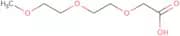
CAS:<p>Kaempferol-7,4'-dimethoxy-8-butyryl ester is a fine chemical that is used as a versatile building block for the synthesis of complex compounds. It is also used in research chemicals and as a reagent and speciality chemical. Kaempferol-7,4'-dimethoxy-8-butyryl ester has CAS number 1284229-43-1 and can be used as an intermediate for the synthesis of other compounds. It is also a useful scaffold for the synthesis of high quality compounds with potential pharmaceutical applications.</p>Formula:C21H20O7Purity:Min. 95%Molecular weight:384.38 g/mol(2-(2-Methoxyethoxy)ethoxy)acetic acid
CAS:<p>2-(2-Methoxyethoxy)ethoxy)acetic acid (MEAA) is a cell stabilizer that can be used in the treatment of cancer, diabetes, and other diseases. MEAA has been shown to inhibit the growth of cells by binding to and stabilizing the cytoskeleton through inhibition of protein synthesis. It also prevents the activation of pro-inflammatory cytokines and reactive oxygen species. MEAA's magnetic resonance spectroscopy properties have been studied in detail and it has been shown to bind well with silver ions. MEAA has also been shown to have high cytotoxicity when combined with laser ablation therapy.</p>Formula:C7H14O5Purity:90%Color and Shape:Clear LiquidMolecular weight:178.18 g/mol2-Chloro-3-methoxybenzaldehyde
CAS:<p>Please enquire for more information about 2-Chloro-3-methoxybenzaldehyde including the price, delivery time and more detailed product information at the technical inquiry form on this page</p>Formula:C8H7ClO2Purity:Min. 95%Molecular weight:170.59 g/mol2-Hydroxy-5-[(4-{[(6-methoxypyridazin-3-yl)amino]sulfonyl}phenyl)diazenyl]benzoic acid
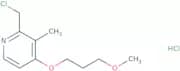
CAS:<p>Used in treatment of nonspecific ulcerative colitis</p>Formula:C18H15N5O6SPurity:Min. 95%Color and Shape:PowderMolecular weight:429.41 g/mol2-Chloromethyl-4-(3-methoxypropoxy)-3-methylpyridine hydrochloride
CAS:<p>Please enquire for more information about 2-Chloromethyl-4-(3-methoxypropoxy)-3-methylpyridine hydrochloride including the price, delivery time and more detailed product information at the technical inquiry form on this page</p>Formula:C11H17Cl2NO2Purity:Min. 95%Molecular weight:266.16 g/molPAL resin (200-400 mesh) 4-Alkoxy-2,6-dimethoxybenzylamine resin
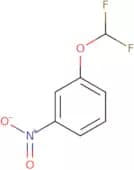
<p>Please enquire for more information about PAL resin (200-400 mesh) 4-Alkoxy-2,6-dimethoxybenzylamine resin including the price, delivery time and more detailed product information at the technical inquiry form on this page</p>Purity:Min. 95%3-(Difluoromethoxy)nitrobenzene
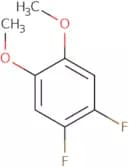
CAS:<p>Please enquire for more information about 3-(Difluoromethoxy)nitrobenzene including the price, delivery time and more detailed product information at the technical inquiry form on this page</p>Formula:C7H5F2NO3Purity:Min. 95%Molecular weight:189.12 g/mol1,2-Difluoro-4,5-dimethoxybenzene
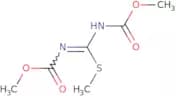
CAS:<p>Diffraction is a technique that is used to measure the angles of the reflections from a crystal or other material. Single-crystal x-ray diffraction (SCXRD) is one form of diffraction that uses a single crystal to generate an image. Diffraction was first observed in 1807 by English scientist William Hyde Wollaston and French physicist Joseph von Fraunhofer. Diffraction can be used to determine the structures of ionic, linear, or annulated frameworks, such as those found in 1,2-Difluoro-4,5-dimethoxybenzene. The molecular geometry and relative orientation of the atoms in these frameworks can be determined through diffraction. This technique is often used to characterize polymers with cyclic structures such as penicillin and cyclic voltammetry. <br>Diffraction studies have shown that 1,2-Difluoro-4,5-dimethoxybenzene has a hydroxylase</p>Formula:C8H8F2O2Purity:Min. 97 Area-%Color and Shape:PowderMolecular weight:174.14 g/mol1,3-Bis(methoxycarbonyl)-2-methyl-2-thiopseudourea
CAS:<p>1,3-Bis(methoxycarbonyl)-2-methyl-2-thiopseudourea (BMTC) is a novel anticancer agent that has been synthesized to be water soluble and also has significant cytotoxicity. BMTC is believed to exert its anticancer activity by binding to the colchicine binding site on tubulin which is involved in microtubule dynamics. The antitubulin effect of BMTC results in inhibition of cell division and growth. BMTC also inhibits cancer cell proliferation and migration. It has shown significant cytotoxicity against human prostate cancer cells and ovarian cancer cells, as well as inhibiting tumor xenografts in mice.</p>Formula:C6H10N2O4SPurity:Min. 95%Color and Shape:White PowderMolecular weight:206.22 g/mol4-Fluoro-2-methoxyphenol
CAS:<p>4-Fluoro-2-methoxyphenol is a fluorinating agent that is used in the manufacture of pharmaceuticals, plastics and pesticides. It has been shown to induce apoptosis in cultured cells by upregulating reactive oxygen species (ROS) and increasing mitochondrial membrane permeability, as well as inhibiting cellular physiology. 4-Fluoro-2-methoxyphenol also inhibits the production of ATP and may be toxic to cells by interfering with dinucleotide phosphate.</p>Formula:C7H7FO2Purity:Min. 95%Color and Shape:Clear LiquidMolecular weight:142.13 g/molN-(4-Methoxybenzylidene)-4-butylaniline
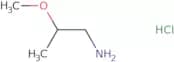
CAS:<p>N-(4-Methoxybenzylidene)-4-butylaniline is an organic compound that belongs to the group of liquid crystals. It has been used in the study of phase transitions and thermal properties. The melting point of N-(4-methoxybenzylidene)-4-butylaniline is between -80 and -90 °C, depending on the solvent. This compound has a low proton affinity, but it can be oxidized to form a radical cation.</p>Formula:C18H21NOPurity:Min. 95%Molecular weight:267.37 g/mol(2-Methoxypropyl)amine hydrochloride
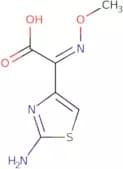
CAS:<p>2-Methoxypropyl)amine hydrochloride (2MPPA) is a versatile building block that can be used in the synthesis of complex compounds. It is a research chemical that is used as a reagent and as a speciality chemical for the production of pharmaceuticals, agrochemicals, and other organic chemicals. 2MPPA can be used as an intermediate in the manufacture of useful scaffolds or useful reaction components. This product has CAS number 70807-90-8 and is of high quality.</p>Formula:C4H11NO·HClPurity:Min. 95%Color and Shape:SolidMolecular weight:125.6 g/mol2-Amino-a-(methoxyimino)-4-thiazoleacetic acid
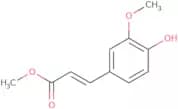
CAS:<p>2-Amino-a-(methoxyimino)-4-thiazoleacetic acid is a reaction product of cefotaxime and n-dimethyl formamide. It has been shown to be an effective agent for the treatment of wastewater with a high organic content. 2-Amino-a-(methoxyimino)-4-thiazoleacetic acid also reacts with chloride ions to form cleavage products that are soluble in water, making it an ideal choice for wastewater treatment. This compound is not toxic and can be used as a drug to treat patients with infections caused by bacteria resistant to other antibiotics. 2-Amino-a-(methoxyimino)-4-thiazoleacetic acid binds to mismatched base pairs in DNA, inhibiting DNA synthesis and causing cell death by apoptosis.</p>Formula:C6H7N3O3SPurity:Min. 95%Molecular weight:201.2 g/molMethyl (2E)-3-(4-hydroxy-3-methoxyphenyl)acrylate
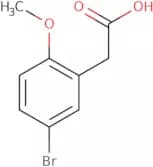
CAS:<p>Methyl (2E)-3-(4-hydroxy-3-methoxyphenyl)acrylate is a natural compound, which belongs to the group of ferulate esters. It has been shown that methyl (2E)-3-(4-hydroxy-3-methoxyphenyl)acrylate inhibits the activity of esterases, which are enzymes that hydrolyze esters. This inhibition leads to an accumulation of ferulic acid in the blood, which is associated with bowel disease. Methyl (2E)-3-(4-hydroxy-3-methoxyphenyl)acrylate has been shown to be effective against murine hepatoma cells and polymorphonuclear leucocytes, which are white blood cells that can be found in the blood and other tissues. The inhibitory effect on these cells may be due to its ability to bind to ferulic acid and caffeic acids.</p>Formula:C11H12O4Purity:Min. 95%Color and Shape:White PowderMolecular weight:208.21 g/mol(5-Bromo-2-methoxyphenyl)acetic acid
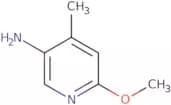
CAS:<p>5-Bromo-2-methoxyphenyl)acetic acid (BMPEA) is a hydroxylated derivative of aspartic acid. It has been shown to induce apoptotic cell death in various cell lines, including human lung cells and rat hippocampal cells. BMPEA is synthesized by the solid-phase method and is characterized by a constant structure. It can be used to treat degenerative diseases and other conditions where apoptosis is desirable, such as Alzheimer's disease, Parkinson's disease, amyotrophic lateral sclerosis, retinitis pigmentosa, and Duchenne muscular dystrophy.</p>Formula:C9H9BrO3Purity:Min. 95%Color and Shape:PowderMolecular weight:245.07 g/mol5-Amino-2-methoxy-4-methylpyridine
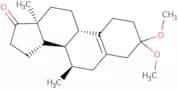
CAS:<p>5-Amino-2-methoxy-4-methylpyridine is a small molecule that inhibits bromodomains. Bromodomains are protein domains that bind to acetylated lysine residues on histones. 5-Amino-2-methoxy-4-methylpyridine binds to the bromodomain, preventing the acetylated lysine residues from binding with other proteins and inhibiting transcription. This drug has been shown to be effective in treating prostate cancer by interacting with the androgen receptor. 5-Amino-2-methoxy-4-methylpyridine also interacts with ATPase, which may lead to increased levels of ATP production, and has been shown to have antitumor effects in vitro.</p>Formula:C7H10N2OPurity:Min. 95%Molecular weight:138.17 g/mol7α-Methyl-3,3-dimethoxy-5(10)-estrene-17-one
CAS:Controlled Product<p>Please enquire for more information about 7alpha-Methyl-3,3-dimethoxy-5(10)-estrene-17-one including the price, delivery time and more detailed product information at the technical inquiry form on this page</p>Formula:C21H32O3Purity:Min. 95%Color and Shape:PowderMolecular weight:332.48 g/mol




![1-(4-Methoxyphenyl)-7-oxo-6-(4-(2-oxopiperidin-1-yl)phenyl)-4,5,6,7-tetrahydro-1H-pyrazolo[3,4-c]p…](/_next/image/?url=https%3A%2Fstatic.cymitquimica.com%2Fproducts%2F3D%2Fthumb-webp%2FFM155764.webp&w=3840&q=75)
![2,3-Dihydro-1-(3-hydroxypropyl)-5-[(2R)-2-[[2-[2-(2,2,2-trifluoroethoxy)phenoxy]ethyl]amino]propyl…](/_next/image/?url=https%3A%2Fstatic.cymitquimica.com%2Fproducts%2F3D%2Fthumb-webp%2FFD103483.webp&w=3840&q=75)


![Dimethyl 7,7'-dimethoxy-[4,4'-bibenzo[d][1,3]dioxole]-5,5'-dicarboxylate](/_next/image/?url=https%3A%2Fstatic.cymitquimica.com%2Fproducts%2F3D%2Fthumb-webp%2FFD139796.webp&w=3840&q=75)
![(S)-1,2,3,4,5,6,7,8-Octahydro-1-[(4-methoxyphenyl)methyl]isoquinoline (acetate salt )](/_next/image/?url=https%3A%2Fstatic.cymitquimica.com%2Fproducts%2F3D%2Fthumb-webp%2FFO29465.webp&w=3840&q=75)
![4-(Methoxycarbonyl)bicyclo[2.1.1]hexane-1-carboxylic acid](/_next/image/?url=https%3A%2Fstatic.cymitquimica.com%2Fproducts%2F3D%2Fthumb-webp%2FFM76248.webp&w=3840&q=75)
![[1-(2-Methoxyethyl)-1H-indol-3-yl]acetic acid](/_next/image/?url=https%3A%2Fstatic.cymitquimica.com%2Fproducts%2F3D%2Fthumb-webp%2FFM135744.webp&w=3840&q=75)





![1-[2-(5-Methoxy-1H-indol-3-yl)ethyl]-5-oxopyrrolidine-3-carboxylic acid](/_next/image/?url=https%3A%2Fstatic.cymitquimica.com%2Fproducts%2F3D%2Fthumb-webp%2FFM119445.webp&w=3840&q=75)
![[2-(4-methoxyphenyl)ethyl]methylamine](/_next/image/?url=https%3A%2Fstatic.cymitquimica.com%2Fproducts%2F3D%2Fthumb-webp%2FFM51362.webp&w=3840&q=75)











![2-Hydroxy-5-[(4-{[(6-methoxypyridazin-3-yl)amino]sulfonyl}phenyl)diazenyl]benzoic acid](/_next/image/?url=https%3A%2Fstatic.cymitquimica.com%2Fproducts%2F3D%2Fthumb-webp%2FFH134950.webp&w=3840&q=75)