Ethers
Ethers are organic compounds containing an ether functional group, characterized by an oxygen atom bonded to two hydrocarbon radicals. These compounds are valuable in synthesis and serve as solvents in various chemical reactions. At CymitQuimica, we offer a selection of high-quality ethers to support your research and industrial applications, ensuring reliable and effective results. Our range of ethers meets diverse laboratory requirements, from routine experiments to advanced research.
Found 40712 products of "Ethers"
Sort by
Purity (%)
0
100
|
0
|
50
|
90
|
95
|
100
4-Benzyloxy-3-methoxy-N-methylphenethylamine hydrochloride
CAS:Controlled Product<p>Please enquire for more information about 4-Benzyloxy-3-methoxy-N-methylphenethylamine hydrochloride including the price, delivery time and more detailed product information at the technical inquiry form on this page</p>Formula:C17H22ClNO2Purity:Min. 95%Molecular weight:307.81 g/mol3-Ethoxy-androsta-3,5-dien-17-one
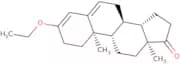
CAS:Controlled Product<p>3-Ethoxy-androsta-3,5-dien-17-one is a chemical compound that can be synthesized by high performance liquid chromatography. It is an impurity in the synthesis of contraceptive drugs and is also used as a starting material for the preparation of other steroids with pharmacopeial standards. 3-Ethoxy-androsta-3,5-dien-17-one is a hydrogenation product of 3β,5α,17β-trihydroxyandrostanol and has been shown to have antiestrogenic activity. The substance produces chromatographic peaks at Rf 0.6 on silica gel TLC plates using triethyl orthoformate as the mobile phase.</p>Formula:C21H30O2Purity:Min. 95%Molecular weight:314.46 g/mol4-Methoxyphenyl isocyanate
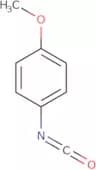
CAS:<p>4-Methoxyphenyl isocyanate (4MPIC) is a reactive organic compound that is used in the synthesis of polymers. 4MPIC reacts with amines to form amides, and can be used as a photophysical probe to study reaction mechanisms. It has been shown to react with hydroxy groups in polymers and form an insoluble polymer. 4MPIC also has antibacterial activity, although it is not active against all bacteria. This compound also reacts with chlorine atoms to form heterocycles, which are efficient for the synthesis of pharmaceuticals.</p>Formula:C8H7NO2Purity:Min. 95%Color and Shape:Clear LiquidMolecular weight:149.15 g/molTriethoxy(propyl)silane
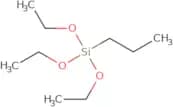
CAS:<p>Triethoxy(propyl)silane is an organosilicon compound that has reactive properties. It is a polymeric material that can be used as a component in paints, coatings, and sealants. The reaction of triethoxy(propyl)silane with sodium hydroxide solution yields hydrogen fluoride, water vapor, and hydrochloric acid. Triethoxy(propyl)silane has been shown to react with hydroxide solution to form polycarboxylic acids. The hydroxyl group on the triethoxy(propyl)silane molecule is responsible for the transport properties of this compound.</p>Formula:C9H22O3SiPurity:Min. 95%Molecular weight:206.35 g/mol2-(Trifluoromethoxy)benzyl bromide
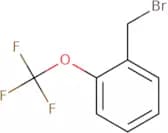
CAS:<p>2-(Trifluoromethoxy)benzyl bromide is a computational study of ionic liquids with substitutions. The viscosity of the liquid was found to be dependent on the size of the substituent and the number of substitutions. The compound was found to be selective for one isomer over another due to its different structural features. Experimental studies have shown that 2-(trifluoromethoxy)benzyl bromide has high permeability in ionic liquids, which is a desired property in ionic liquids. Advances in this field have led to new compounds and more knowledge about the properties of ionic liquids.</p>Purity:Min. 95%3-Methoxyphenethylamine
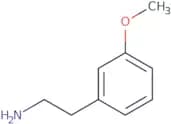
CAS:Controlled Product<p>3-Methoxyphenethylamine is a naturally occurring phenethylamine that is found in the human body. It is produced by the enzyme phenylethanolamine N-methyltransferase from dopamine and 3-methoxytyramine. 3-Methoxyphenethylamine can be found in the saliva, but also in the brain, muscle and kidneys. Its presence has been detected in women's breast milk. This compound has been shown to have a significant effect on chloride ion absorption and renal blood flow, as well as on 5-hydroxyindoleacetic acid levels in the urine of patients with Parkinson's disease. The predominant metabolite of 3-methoxyphenethylamine is 3-hydroxymethylphenethylamine (3HMPEA).</p>Formula:C9H13NOPurity:Min. 95%Color and Shape:Colorless Clear LiquidMolecular weight:151.21 g/mol1-(4-Methoxybenzyl)piperazine
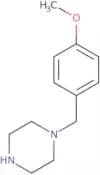
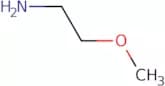
CAS:Controlled Product<p>1-(4-Methoxybenzyl)piperazine is a chemical compound that has been shown to have inhibitory activities against cancer cells. It also shows potential for the treatment of type 2 diabetes and Alzheimer's disease. The mechanism of action is not well understood, but it may be due to its ability to induce mitochondrial biogenesis and insulin sensitivity. 1-(4-Methoxybenzyl)piperazine has also been shown to improve memory in rats with spontaneous dementia, similar to the effects of donepezil (a drug used for Alzheimer's disease). 1-(4-Methoxybenzyl)piperazine can be taken orally or administered via injection.</p>Formula:C12H18N2OPurity:Min. 95%Molecular weight:206.28 g/mol2-Methoxyethanamine
CAS:<p>2-Methoxyethanamine is a metabolite of the drug 2-methoxyethanol. It is an amine that can be found in urine samples. Its structure consists of a hydroxyl group, sodium carbonate, and an intramolecular hydrogen. 2-Methoxyethanamine inhibits the production of angiotensin II, which reduces blood pressure. This molecule has antihypertensive activity because it prevents the conversion of angiotensin I to angiotensin II in the kidneys. 2-Methoxyethanamine also has a stepwise mechanism for its synthesis from ethylene diamine and nitrogen atoms. It can be oxidized by hydrochloric acid or reduced by hydrogen bond or amines. The redox potential of this molecule is -0.06 V, which makes it a nucleophilic compound with an amide bond as its conjugate base.</p>Formula:C3H9NOPurity:Min. 95%Color and Shape:Colourless To Yellow Clear LiquidMolecular weight:75.11 g/mol[4-[2-(Diethylamino)ethoxy]-3-iodophenyl][2-(1-hydroxybutyl)-3-benzofuranyl]-methanone
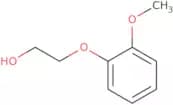
CAS:Controlled Product<p>Please enquire for more information about [4-[2-(Diethylamino)ethoxy]-3-iodophenyl][2-(1-hydroxybutyl)-3-benzofuranyl]-methanone including the price, delivery time and more detailed product information at the technical inquiry form on this page</p>Formula:C25H30INO4Purity:Min. 95%Molecular weight:535.41 g/mol2-(2-Methoxyphenoxy)ethanol
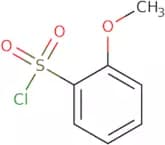
CAS:<p>2-(2-Methoxyphenoxy)ethanol (2-MPE) is a metabolite of propanediol, which is a precursor in the synthesis of polyurethanes. 2-MPE can be oxidized by monooxygenases to form syringyl and other reactive metabolites. Basic hydrolysis may also produce monomers such as phenols, alcohols, and carboxylic acids. Syringyl is one of the metabolic products of 2-MPE, which has been shown to be resistant to degradation by basidiomycete fungi.</p>Formula:C9H12O3Purity:Min. 95%Molecular weight:168.19 g/mol2-Methoxybenzenesulphonyl chloride
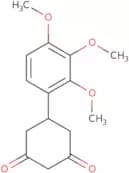
CAS:<p>2-Methoxybenzenesulphonyl chloride is an enzyme inhibitor that has been shown to have anti-cancer and anti-HIV activity. It inhibits the growth of cancer cells by interfering with protein synthesis and preventing RNA transcription. 2-Methoxybenzenesulphonyl chloride has also been shown to be effective in treating chronic hepatitis, degenerative diseases, and autoimmune diseases. This drug is metabolized through a number of metabolic transformations, including oxidation by cytochrome P450 enzymes or conjugation with glucuronic acid. The pro-apoptotic protein Bax is induced by 2-methoxybenzenesulphonyl chloride in human HL60 cells, which may be due to its ability to induce transcriptional regulation.</p>Formula:C7H7ClO3SPurity:Min. 97%Color and Shape:PowderMolecular weight:206.65 g/mol5-(2,3,4-Trimethoxyphenyl)cyclohexane-1,3-dione
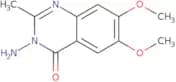
CAS:Controlled Product<p>Please enquire for more information about 5-(2,3,4-Trimethoxyphenyl)cyclohexane-1,3-dione including the price, delivery time and more detailed product information at the technical inquiry form on this page</p>Formula:C15H18O5Purity:Min. 95%Molecular weight:278.3 g/mol3-Amino-6,7-dimethoxy-2-methylquinazolin-4(3H)-one
CAS:Controlled Product<p>Please enquire for more information about 3-Amino-6,7-dimethoxy-2-methylquinazolin-4(3H)-one including the price, delivery time and more detailed product information at the technical inquiry form on this page</p>Formula:C11H13N3O3Purity:Min. 95%Molecular weight:235.24 g/mol1-(4-Bromo-2,5-dimethoxybenzyl)piperazine
CAS:Controlled Product<p>Please enquire for more information about 1-(4-Bromo-2,5-dimethoxybenzyl)piperazine including the price, delivery time and more detailed product information at the technical inquiry form on this page</p>Formula:C13H19BrN2O2Purity:Min. 95%Molecular weight:315.21 g/mol1-[2-(Methoxycarbonyl)phenyl]-5-oxopyrrolidine-3-carboxylic acid
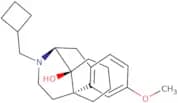
CAS:<p>Please enquire for more information about 1-[2-(Methoxycarbonyl)phenyl]-5-oxopyrrolidine-3-carboxylic acid including the price, delivery time and more detailed product information at the technical inquiry form on this page</p>Formula:C13H13NO5Purity:Min. 95%Molecular weight:263.25 g/mol(-)-3-Methoxy butorphanol
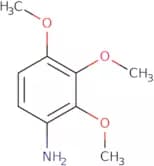
CAS:Controlled Product<p>Please enquire for more information about (-)-3-Methoxy butorphanol including the price, delivery time and more detailed product information at the technical inquiry form on this page</p>Formula:C22H31NO2Purity:Min. 95%Molecular weight:341.49 g/mol2,3,4-Trimethoxyaniline
CAS:<p>2,3,4-Trimethoxyaniline (2,3,4-TMXA) is a methoxylated monophenolic compound. It has been shown to be effective at disrupting the microtubules in cancer cells and is believed to work by inhibiting the enzyme topoisomerase II. 2,3,4-TMXA also inhibits dopamine synthesis and blocks the amine uptake system in cancer cells. This agent has been shown to be an effective anticancer drug for human serum at nanomolar concentrations.</p>Formula:C9H13NO3Purity:Min. 95%Molecular weight:183.2 g/mol1-[(2,5-Dimethoxyphenyl)methyl]piperazine HCl
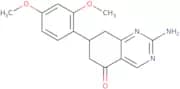
CAS:Controlled Product<p>Please enquire for more information about 1-[(2,5-Dimethoxyphenyl)methyl]piperazine HCl including the price, delivery time and more detailed product information at the technical inquiry form on this page</p>Formula:C13H20N2O2HClPurity:Min. 95%Molecular weight:272.77 g/mol2-Amino-7-(2,4-dimethoxyphenyl)-7,8-dihydroquinazolin-5(6H)-one
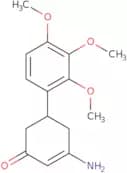
CAS:Controlled Product<p>Please enquire for more information about 2-Amino-7-(2,4-dimethoxyphenyl)-7,8-dihydroquinazolin-5(6H)-one including the price, delivery time and more detailed product information at the technical inquiry form on this page</p>Formula:C16H17N3O3Purity:Min. 95%Molecular weight:299.32 g/mol3-Amino-5-(2,3,4-trimethoxyphenyl)cyclohex-2-en-1-one
CAS:Controlled Product<p>Please enquire for more information about 3-Amino-5-(2,3,4-trimethoxyphenyl)cyclohex-2-en-1-one including the price, delivery time and more detailed product information at the technical inquiry form on this page</p>Formula:C15H19NO4Purity:Min. 95%Molecular weight:277.32 g/mol(-)-N-[1-(R)-Ethoxycarbonxyl-3-phenylpropyl]-L-alanine
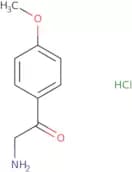
CAS:<p>Please enquire for more information about (-)-N-[1-(R)-Ethoxycarbonxyl-3-phenylpropyl]-L-alanine including the price, delivery time and more detailed product information at the technical inquiry form on this page</p>Formula:C15H21NO4Purity:Min. 95%Molecular weight:279.33 g/mol2-Amino-4'-methoxyacetophenone hydrochloride
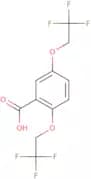
CAS:Controlled Product<p>Please enquire for more information about 2-Amino-4'-methoxyacetophenone hydrochloride including the price, delivery time and more detailed product information at the technical inquiry form on this page</p>Formula:C9H11NO2·HClPurity:Min. 95%Color and Shape:PowderMolecular weight:201.65 g/mol2,5-Bis(2,2,2-trifluoroethoxy)benzoic acid
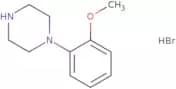
CAS:<p>Please enquire for more information about 2,5-Bis(2,2,2-trifluoroethoxy)benzoic acid including the price, delivery time and more detailed product information at the technical inquiry form on this page</p>Formula:C11H8F6O4Purity:Min. 95%Color and Shape:PowderMolecular weight:318.17 g/mol1-(2-Methoxylphenyl)-piperazine monohydrobromide
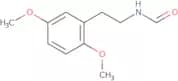
CAS:Controlled Product<p>Please enquire for more information about 1-(2-Methoxylphenyl)-piperazine monohydrobromide including the price, delivery time and more detailed product information at the technical inquiry form on this page</p>Purity:Min. 95%2-(2,5-Dimethoxyphenyl)ethylformamide
CAS:Controlled Product<p>Please enquire for more information about 2-(2,5-Dimethoxyphenyl)ethylformamide including the price, delivery time and more detailed product information at the technical inquiry form on this page</p>Formula:C11H15NO3Purity:Min. 95%Molecular weight:209.24 g/mol3-[2-(Ethoxycarbonyl)-1-methyl-1H-indol-3-yl]propanoic acid
CAS:Controlled Product<p>Please enquire for more information about 3-[2-(Ethoxycarbonyl)-1-methyl-1H-indol-3-yl]propanoic acid including the price, delivery time and more detailed product information at the technical inquiry form on this page</p>Formula:C15H17NO4Purity:Min. 95%Molecular weight:275.3 g/mol3-(Difluoromethoxy)benzaldehyde
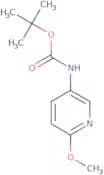
CAS:<p>Please enquire for more information about 3-(Difluoromethoxy)benzaldehyde including the price, delivery time and more detailed product information at the technical inquiry form on this page</p>Formula:C8H6F2O2Purity:Min. 95%Molecular weight:172.13 g/moltert-Butyl-n-(6-methoxy-3-pyridyl)carbamate
CAS:<p>Please enquire for more information about tert-Butyl-n-(6-methoxy-3-pyridyl)carbamate including the price, delivery time and more detailed product information at the technical inquiry form on this page</p>Formula:C11H16N2O3Purity:Min. 95%Molecular weight:224.26 g/mol(S)-1,2,3,4,5,6,7,8-Octahydro-1-[(4-methoxyphenyl)methyl]isoquinoline (acetate salt )
CAS:<p>(S)-1,2,3,4,5,6,7,8-Octahydro-1-[(4-methoxyphenyl)methyl]isoquinoline (acetate salt ) is a diphosphine that can be used as a catalyst to produce formic acid from methanol and carbon monoxide. This product is an enantiomer of picric acid and has been shown to be an effective additive in the crystallization of picric acid. The acetate salt is also optically pure.</p>Purity:Min. 95%(9Z)-N-[(3-Methoxyphenyl)methyl]-9-octadecenamide
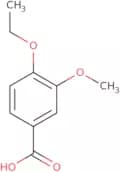
CAS:<p>Please enquire for more information about (9Z)-N-[(3-Methoxyphenyl)methyl]-9-octadecenamide including the price, delivery time and more detailed product information at the technical inquiry form on this page</p>Formula:C26H43NO2Purity:Min. 95%Molecular weight:401.63 g/mol4-Ethoxy-3-methoxybenzoic acid
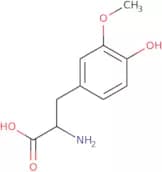
CAS:<p>4-Ethoxy-3-methoxybenzoic acid is a white crystalline solid that belongs to the class of isomers. This compound has been used in biological studies to study the functional theory of bond cleavage, hydroxyl group, and cleavage products. 4-Ethoxy-3-methoxybenzoic acid has also been shown to be a substrate for radical chain reactions, which are initiated by electron transfer from an organic molecule and may produce hydroperoxides or peroxides. The fatty acids found in this chemical react with trichloroacetic acid to form esters and conjugates. These esters are more water soluble than the original fatty acids, making them useful as solvents for organic reactions. 4-Ethoxy-3-methoxybenzoic acid is a precursor for coriolus pigment, which provides coloration for coniferous trees such as pine and spruce.</p>Formula:C10H12O4Purity:Min. 95%Molecular weight:196.2 g/mol2-Amino-3-(4-hydroxy-3-methoxyphenyl)propanoic acid
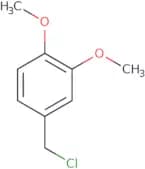
CAS:Controlled Product<p>2-Amino-3-(4-hydroxy-3-methoxyphenyl)propanoic acid is a metabolite of levodopa in the body. It is formed by oxidation of levodopa via the enzyme catechol-O-methyltransferase (COMT). This compound is used as an analytical reagent to measure levels of levodopa and its metabolites in biological samples. 2-Amino-3-(4-hydroxy-3-methoxyphenyl)propanoic acid can also be used to diagnose Parkinson’s disease, since it is produced in excess when dopamine production decreases due to the degeneration of dopaminergic neurons. The concentration–time curve for this compound can be used to calculate the clearance rate of levodopa from the blood plasma.</p>Formula:C10H13NO4Purity:Min. 95 Area-%Color and Shape:PowderMolecular weight:211.21 g/mol3,4-Dimethoxybenzyl chloride
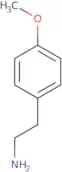
CAS:<p>3,4-Dimethoxybenzyl chloride is an acetate extract that has been shown to have anticancer properties. It is also a corrosion inhibitor with the ability to inhibit fatty acid demethylation and antimicrobial agents. It has been used in pharmaceutical preparations for treating high blood pressure, as well as in the production of eugenol, papaverine and other drugs.</p>Formula:C9H11ClO2Purity:Min. 95%Molecular weight:186.64 g/mol4-Methoxy phenethylamine
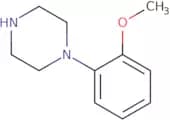
CAS:Controlled Product<p>4-Methoxy phenethylamine (4MPEA) is a natural compound that has been found to have biological properties. It is a precursor of dopamine and norepinephrine, which are neurotransmitters in the brain. 4MPEA is an irreversible enzyme inhibitor with a hydroxyl group. The kinetic data for this compound has been determined by nitrogen atoms. Gamma-aminobutyric acid (GABA) is involved in the regulation of neuronal excitability and plays an important role in preventing seizures. 4MPEA may have potential as a drug for treating epilepsy or other neurological disorders.</p>Formula:C9H13NOPurity:Min. 95%Molecular weight:151.21 g/mol1-(2-Methoxyphenyl)piperazine
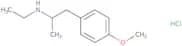
CAS:Controlled Product<p>1-(2-Methoxyphenyl)piperazine is a drug that has been shown to have locomotor activity, antihypertensive activity, and inhibitory properties. It also acts as a matrix effect and receptor activity. 1-(2-Methoxyphenyl)piperazine has been shown to have inhibitory effects on 5-ht7 receptors, which are mainly found in the brain. This drug binds to the 5-ht2 receptor, which is a type of serotonin receptor in the brain. The binding of 1-(2-methoxyphenyl)piperazine to the 5-ht2 receptor inhibits the release of dopamine from neurons and leads to necrotic cell death. This drug can also be used as an analytical tool for measuring 5-ht1a receptors, which is a type of serotonin receptor found in the brain.</p>Formula:C11H16N2OPurity:Min. 95%Molecular weight:192.26 g/molN-Ethyl-4-methoxy amphetamine hydrochloride
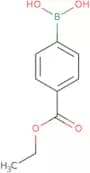
CAS:Controlled Product<p>Please enquire for more information about N-Ethyl-4-methoxy amphetamine hydrochloride including the price, delivery time and more detailed product information at the technical inquiry form on this page</p>Formula:C12H20ClNOPurity:Min. 95%Molecular weight:229.75 g/mol4-(Ethoxycarbonyl)phenylboronic acid
CAS:<p>4-(Ethoxycarbonyl)phenylboronic acid is a potential use for picric acid detection. It has been shown to be a chemosensor with an electrochemical impedance spectroscopy response that is sensitive to chloride ions. 4-(Ethoxycarbonyl)phenylboronic acid can be used as a linker in multigram-scale synthesis of aryl halides, and its reaction mechanism has been elucidated by crystal x-ray diffraction. The synthesis of this compound is scalable and involves the formation of an apical carboxylate from ethoxycarbonyl phenyl boronic acid and an aryl halide.</p>Formula:C9H11BO4Purity:Min. 95%Color and Shape:PowderMolecular weight:193.99 g/mol4-Methoxy-3-(trifluoromethyl)aniline
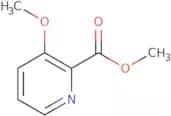
CAS:<p>4-Methoxy-3-(trifluoromethyl)aniline is a benzene derivative that is stabilized by the methoxy and trifluoromethyl groups. The crystal structure of 4-methoxy-3-(trifluoromethyl)aniline has been determined to be orthorhombic, with space group Pbca and lattice constants a=6.541(2), b=8.829(2), c=5.744(1) Å at 100 K. This compound has a benzene ring with four methyl substituents on the phenyl ring, two of which are located on the para position. The molecule also contains two O atoms in positions 1 and 2, as well as two F atoms in positions 3 and 4.</p>Formula:C8H8F3NOPurity:Min. 95%Molecular weight:191.15 g/molMethyl 3-methoxypicolinate
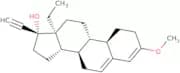
CAS:<p>Please enquire for more information about Methyl 3-methoxypicolinate including the price, delivery time and more detailed product information at the technical inquiry form on this page</p>Purity:Min. 95%(17a)-13-Ethyl-3-methoxy-18,19-dinorpregna-3,5-dien-20-yn-17-ol
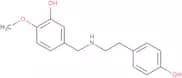
CAS:Controlled Product<p>Please enquire for more information about (17a)-13-Ethyl-3-methoxy-18,19-dinorpregna-3,5-dien-20-yn-17-ol including the price, delivery time and more detailed product information at the technical inquiry form on this page</p>Formula:C22H30O2Purity:Min. 95%Molecular weight:326.47 g/molN-(p-Hydroxyphenethyl)-N-(3-hydroxy-4-methoxy)benzylamine
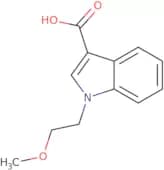
CAS:Controlled Product<p>Narciprimine is a natural product with cytotoxic activity and was first isolated from the Narcissus plant. It is a n-oxide that contains a hydroxyphenethyl group, which is substituted by an oxygen function. This compound has been shown to have biological properties and chemical diversity due to its n-oxide structure. Narciprimine has been shown to inhibit the biosynthesis of narciclasine and haemanthamine, which are alkaloids with cytotoxic activities. The protopine moiety has also been found in narciprimin, but is not present in other related compounds such as narciclasine or haemanthamine. Narciprimin belongs to the chemical class of n-oxides, which are derived from nitrosobenzene derivatives.</p>Formula:C16H19NO3Purity:Min. 95%Color and Shape:PowderMolecular weight:273.33 g/mol1-(2-Methoxyethyl)-1H-indole-3-carboxylic acid
CAS:Controlled Product<p>Please enquire for more information about 1-(2-Methoxyethyl)-1H-indole-3-carboxylic acid including the price, delivery time and more detailed product information at the technical inquiry form on this page</p>Formula:C12H13NO3Purity:Min. 95%Molecular weight:219.24 g/mol3-(Chloromethyl)-4-methoxybenzaldehyde
CAS:<p>3-(Chloromethyl)-4-methoxybenzaldehyde is a natural product that can be extracted from the rhizomes of the plant. It has been shown to have antibacterial activity in laboratory experiments and has been used in traditional medicine for the treatment of fungus infections. 3-(Chloromethyl)-4-methoxybenzaldehyde is an imidazolylmethyl derivative with a hexane structure. It reacts with hydrochloric acid to form a molecule called chloromethylation, which is also known as an esterification reaction. Piperazine acts as a catalyst in this reaction, increasing its scalability and making it suitable for large-scale production. The compound exhibits radical scavenging activity, which may be due to its ability to donate electrons or hydrogen atoms to free radicals.</p>Formula:C9H9CIO2Purity:Min. 95%Molecular weight:288.08 g/mol4-[2-(Cyclopropylmethoxy)ethyl]phenol
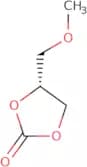
CAS:<p>4-[2-(Cyclopropylmethoxy)ethyl]phenol is a potent beta-blocker that has been used as an antiglaucoma drug. This substance has been shown to have cardiovascular effects, such as vasodilation and peripheral vasoconstriction, that are mediated by its blockade of beta-adrenergic receptors. 4-[2-(Cyclopropylmethoxy)ethyl]phenol also reduces intraocular pressure in the eye, which may be due to its inhibition of prostaglandin synthesis.</p>Formula:C12H16O2Purity:Min. 95%Molecular weight:192.25 g/mol(R)-(+)-4-(Methoxymethyl)-1,3-dioxolan-2-one
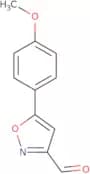
CAS:<p>Please enquire for more information about (R)-(+)-4-(Methoxymethyl)-1,3-dioxolan-2-one including the price, delivery time and more detailed product information at the technical inquiry form on this page</p>Formula:C5H8O4Purity:Min. 95%Molecular weight:132.11 g/mol5-(4-Methoxyphenyl)isoxazole-3-carboxaldehyde
CAS:<p>5-(4-Methoxyphenyl)isoxazole-3-carboxaldehyde (5MI) is a broad-spectrum antimicrobial agent that exhibits activity against bacteria and fungi. It has been shown to be active against gram-positive bacteria, including Staphylococcus aureus, as well as Candida albicans and other pathogenic fungi. 5MI is active in the presence of ethanol, but not in the absence of alcohol. In vitro studies show that 5MI inhibits the growth of gram-negative bacteria such as Escherichia coli and Salmonella enterica serovar Typhimurium. 5MI also exhibits antifungal activity against Aspergillus niger and Saccharomyces cerevisiae.</p>Formula:C11H9NO3Purity:Min. 95%Molecular weight:203.19 g/mol4-(Methoxycarbonyl)bicyclo[2.1.1]hexane-1-carboxylic acid
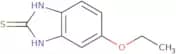
CAS:<p>Please enquire for more information about 4-(Methoxycarbonyl)bicyclo[2.1.1]hexane-1-carboxylic acid including the price, delivery time and more detailed product information at the technical inquiry form on this page</p>Formula:C9H12O4Purity:Min. 95%Molecular weight:184.19 g/mol5-Ethoxy-2-mercaptobenzimidazole
CAS:<p>5-Ethoxy-2-mercaptobenzimidazole is a corrosion inhibitor that has been shown to inhibit the growth of cancer cells by causing them to undergo apoptotic cell death. It also has a protective effect on nerve cells, as evidenced by its ability to prevent the neurotoxic effects of hydrochloric acid. 5-Ethoxy-2-mercaptobenzimidazole is synthesized from 2-(2'-hydroxyethoxy)benzaldehyde and ethyl chloroformate in the presence of sodium chloride and hydrochloric acid. It is then converted into 5-ethoxy-2-mercaptobenzimidazole with sodium hydroxide.</p>Formula:C9H10N2OSPurity:Min. 95%Color and Shape:PowderMolecular weight:194.25 g/mol4-Methoxybenzylamine
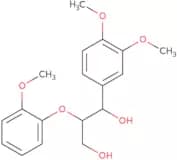
CAS:<p>4-Methoxybenzylamine is an organic amine that has a redox potential of -0.14 V (vs. SHE) and a pK a of 10.5. It is used in the synthesis of trifluoroacetic acid esters, which are used as pharmaceutical intermediates. 4-Methoxybenzylamine has been shown to be effective in alleviating pain in animal models, and its mechanism of action may be due to inhibition of the enzyme cyclooxygenase. The kinetic data for this reaction were obtained by studying the deuterium isotope effect, which is characterized by a low energy barrier and rapid reaction rate. The hydrolysis step is also important for the reaction mechanism, with protocatechuic acid being an intermediate product. Hydrochloric acid is needed for dehydration of the reactants, while an aryl halide can be used instead in some cases. In these reactions, there are many possible reaction</p>Formula:C8H11NOPurity:Min. 95%Molecular weight:137.18 g/mol1-(3,4-Dimethoxyphenyl)-2-(2-methoxyphenoxy)propane-1,3-diol
CAS:<p>1,3-Dimethoxy-2-(2-methoxyphenoxy)propane-1,3-diol (DMMP) is a natural product with antioxidant properties. It has been shown to be a potent inhibitor of the epidermal growth factor receptor (EGFR), and also inhibits the activity of the response elements for EGFR. DMMP is also a potent inhibitor of proliferation in human cancer cells and can inhibit the growth of tumour cells that are resistant to methotrexate. DMMP is a precursor to protocatechuic acid, which has been shown to have anti-herpes virus effects. DMMP has been shown to decrease the rate of second order reactions through its ability to react with carbonyl groups on proteins. This reaction leads to an increase in stability and decreases the rate of protein degradation by proteases. A mutant strain was found that can produce this compound without any external stimulus, making it ideal for use as an antibiotic against bacterial</p>Formula:C18H22O6Purity:Min. 95 Area-%Color and Shape:PowderMolecular weight:334.36 g/mol


![[4-[2-(Diethylamino)ethoxy]-3-iodophenyl][2-(1-hydroxybutyl)-3-benzofuranyl]-methanone](/_next/image/?url=https%3A%2Fstatic.cymitquimica.com%2Fproducts%2F3D%2Fthumb-webp%2FFD150040.webp&w=3840&q=75)

![1-[2-(Methoxycarbonyl)phenyl]-5-oxopyrrolidine-3-carboxylic acid](/_next/image/?url=https%3A%2Fstatic.cymitquimica.com%2Fproducts%2F3D%2Fthumb-webp%2FFM123736.webp&w=3840&q=75)
![1-[(2,5-Dimethoxyphenyl)methyl]piperazine HCl](/_next/image/?url=https%3A%2Fstatic.cymitquimica.com%2Fproducts%2F3D%2Fthumb-webp%2FFD112280.webp&w=3840&q=75)
![(-)-N-[1-(R)-Ethoxycarbonxyl-3-phenylpropyl]-L-alanine](/_next/image/?url=https%3A%2Fstatic.cymitquimica.com%2Fproducts%2F3D%2Fthumb-webp%2FFE22879.webp&w=3840&q=75)
![3-[2-(Ethoxycarbonyl)-1-methyl-1H-indol-3-yl]propanoic acid](/_next/image/?url=https%3A%2Fstatic.cymitquimica.com%2Fproducts%2F3D%2Fthumb-webp%2FFE127998.webp&w=3840&q=75)

![(S)-1,2,3,4,5,6,7,8-Octahydro-1-[(4-methoxyphenyl)methyl]isoquinoline (acetate salt )](/_next/image/?url=https%3A%2Fstatic.cymitquimica.com%2Fproducts%2F3D%2Fthumb-webp%2FFO29465.webp&w=3840&q=75)
![(9Z)-N-[(3-Methoxyphenyl)methyl]-9-octadecenamide](/_next/image/?url=https%3A%2Fstatic.cymitquimica.com%2Fproducts%2F3D%2Fthumb-webp%2FFN165022.webp&w=3840&q=75)


![4-[2-(Cyclopropylmethoxy)ethyl]phenol](/_next/image/?url=https%3A%2Fstatic.cymitquimica.com%2Fproducts%2F3D%2Fthumb-webp%2FFC20740.webp&w=3840&q=75)
![4-(Methoxycarbonyl)bicyclo[2.1.1]hexane-1-carboxylic acid](/_next/image/?url=https%3A%2Fstatic.cymitquimica.com%2Fproducts%2F3D%2Fthumb-webp%2FFM76248.webp&w=3840&q=75)