Nitro
Found 2518 products of "Nitro"
2-Chloro-N-(2-nitrophenyl)acetamide
CAS:2-Chloro-N-(2-nitrophenyl)acetamide is an antimicrobial agent that is a ligand for thionyl chloride. It has efficient methods of production and can be used as a bioactive molecule in the synthesis of aminosulfonyl chlorides, amide chlorides, or transfer chlorides. This compound reacts with gram-negative bacteria by hydrolyzing chloride ions to produce nitrosyl chloride and releasing hydrogen gas. The reaction time and functional groups are determined by the parameters chosen for the reaction. 2-Chloro-N-(2-nitrophenyl)acetamide has luminescence properties that can be exploited to detect the presence of chloride ions at low concentrations.Formula:C8H7ClN2O3Purity:Min. 95%Molecular weight:214.61 g/mol4'-Isopropyl-β-methyl-β-nitrostyrene
CAS:4'-Isopropyl-beta-methyl-beta-nitrostyrene is a versatile building block that can be used in the synthesis of complex compounds. It has been used as a reagent or speciality chemical in research and development, and as an intermediate for the synthesis of high quality, useful scaffolds. It is also a useful building block for the preparation of high quality, useful compounds.Formula:C12H15NO2Purity:Min. 95%Color and Shape:Clear LiquidMolecular weight:205.25 g/mol5-Chloro-2-methoxy-4-methylnitrobenzene
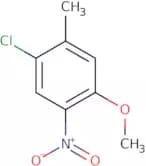
CAS:5-Chloro-2-methoxy-4-methylnitrobenzene is a high quality chemical that can be used as a research chemical, reagent, or a useful scaffold. It is also an intermediate in the synthesis of organic compounds. 5-Chloro-2-methoxy-4-methylnitrobenzene is a versatile building block for the synthesis of other chemicals and has many uses in the pharmaceutical industry. The CAS number for this chemical is 101080-03-9.Formula:C8H8ClNO3Purity:Min. 95%Color and Shape:PowderMolecular weight:201.61 g/moltrans-3-Nitrocinnamic acid
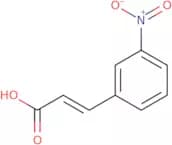
CAS:Trans-3-Nitrocinnamic acid is a white solid that can be obtained by the nitration of cinnamic acid. Trans-3-Nitrocinnamic acid is an isoenzyme as it has different chemical properties than cis-3-nitrocinnamic acid. The intermolecular hydrogen bonding and vibrational frequencies are different in trans-3-nitrocinnamic acid, which causes the dipole to change and increases the solubility in water. The genotoxic activity of trans-3-nitrocinnamic acid was evaluated using the Ames test, which showed that it is not mutagenic. However, there were some genotoxic effects observed in rats after applying trans-3-nitrocinnamic acid on skin.Formula:C9H7NO4Purity:Min. 95%Color and Shape:PowderMolecular weight:193.16 g/mol1-N-Acetyl-3-nitro-p-phenylenediamine
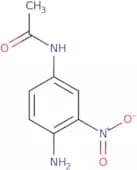
CAS:1-N-Acetyl-3-nitro-p-phenylenediamine is a hydrolytic product of 1,4-diaminobenzene. It is an intermediate in the preparation of naphthalene diamine and has been shown to hydrolyze in acidic solutions.Formula:C8H9N3O3Purity:Min. 95%Color and Shape:PowderMolecular weight:195.18 g/mol4-Nitrobenzanilide
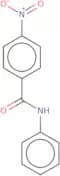
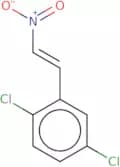
CAS:4-Nitrobenzanilide is a synthetic dyestuff that is used to produce a variety of dyes. It is also an inhibitor that has been shown to have amoebicidal activity in vivo and in vitro. 4-Nitrobenzanilide inhibits organisms by reacting with the chloride ion, which is essential for the synthesis of DNA and RNA. The demethylation reaction leads to the formation of hydrogen chloride, which may be responsible for its cytotoxic effects on living cells.Formula:C13H10N2O3Purity:Min. 95%Color and Shape:Yellow PowderMolecular weight:242.23 g/mol1-(2,5-Dichlorophenyl)-2-nitroethene
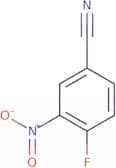
CAS:1-(2,5-Dichlorophenyl)-2-nitroethene is a chemical compound that is used as a research chemical. It's an aromatic organic compound that can be used as a versatile building block for the synthesis of complex compounds. It's also a good intermediate for many fine chemicals. 1-(2,5-Dichlorophenyl)-2-nitroethene has CAS number 1056473-63-2 and is classified as an "Aromatic Organic Chemical".Formula:C8H5Cl2NO2Purity:Min. 95%Color and Shape:PowderMolecular weight:218.04 g/mol4-Fluoro-3-nitrobenzonitrile
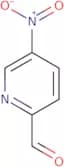
CAS:4-Fluoro-3-nitrobenzonitrile is a potent inhibitor of tyrosine kinase. It binds to the ATP binding site of the enzyme and prevents it from phosphorylating tyrosine residues on other proteins. 4-Fluoro-3-nitrobenzonitrile has been used as a tool in analytical chemistry, where it was shown to be able to detect trace amounts of benzene. This compound has also been shown to have toxicological effects, such as lowered body weight, increased liver weight, and decreased spleen weight. These effects were observed in mice exposed to 4-fluoro-3 nitrobenzonitrile at doses that were well below those needed for lethal toxicity.Formula:C7H3FN2O2Purity:Min. 95%Color and Shape:PowderMolecular weight:166.11 g/mol3-Nitro-6-pyridinecarboxaldehyde
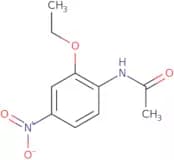
CAS:3-Nitro-6-pyridinecarboxaldehyde is a colorless liquid that is soluble in water. It has a boiling point of 155 degrees Celsius, and it has a density of 1.03 grams per milliliter. This chemical reacts with metal ions to form nitro compounds. 3-Nitro-6-pyridinecarboxaldehyde has been used as an analytical reagent for the determination of benzenes and pyridines in organic solvents and gas chromatography calibration. The reactivity of this chemical is due to its pyridine ring, which can be used as a ligand or reagent.Formula:C6H4N2O3Purity:Min. 98%Color and Shape:PowderMolecular weight:152.11 g/mol2'-Ethoxy-4'-nitroacetanilide
CAS:2'-Ethoxy-4'-nitroacetanilide is a chemical compound that is used as a building block in the synthesis of other chemicals. It is a versatile building block and can be used to synthesize many different types of compounds, including drugs, pesticides, and dyes. 2'-Ethoxy-4'-nitroacetanilide has been classified as a speciality chemical and is not for human consumption.Formula:C10H12N2O4Purity:Min. 95%Color and Shape:PowderMolecular weight:224.21 g/molL-Methionine 4-nitroanilide
CAS:L-Methionine 4-nitroanilide is a polymerase chain reaction (PCR) substrate. It has been shown to bind to DNA with calcium and to have protease activity. L-Methionine 4-nitroanilide is a synthetic substrate used in the biochemical study of serine proteases. L-Methionine 4-nitroanilide has been found to be active against P. aeruginosa and thermococcus, but not against mosquitoes. The optimum pH for this compound is 7 and it can be found at a concentration of 10mM in the range of pH 5 - 8.
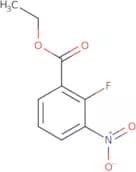
Formula:C11H15N3O3SPurity:Min. 95%Color and Shape:White To Light (Or Pale) Yellow SolidMolecular weight:269.32 g/mol2-Fluoro-3-nitrobenzoic acid ethyl ester
CAS:2-Fluoro-3-nitrobenzoic acid ethyl ester is a versatile, high quality building block with a number of uses in research and industry. It is an intermediate in the synthesis of a range of compounds, including pharmaceuticals and other fine chemicals. 2-Fluoro-3-nitrobenzoic acid ethyl ester is also used as a reagent for the synthesis of complex compounds, such as pharmaceuticals. This compound can be synthesized from readily available starting materials and has been shown to be useful for the preparation of scaffolds for organic synthesis. 2-Fluoro-3-nitrobenzoic acid ethyl ester is not listed on the Chemical Abstract Service (CAS) registry, but it does have an IUPAC name (2-(2,6-difluorophenyl)-5-(1,1,2,2 tetrafluoropropoxy)-3H-[1]py
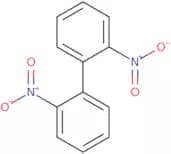
Formula:C9H8FNO4Purity:Min. 95%Color and Shape:Off-White PowderMolecular weight:213.16 g/mol2,2'-Dinitrobiphenyl
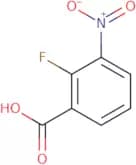
CAS:2,2'-Dinitrobiphenyl is an organic chemical compound that belongs to the class of diazo compounds. It is a white crystalline solid that is soluble in organic solvents such as benzene, ether and chloroform. 2,2'-Dinitrobiphenyl has been used in analytical chemistry as a reducing agent for phosphite and other anion radicals. The reduction products can be analyzed using various techniques such as infrared spectroscopy or electron paramagnetic resonance spectroscopy. It also reacts with amide ions to form nitro or chloride compounds.Formula:C12H8N2O4Purity:Min. 96.5%Color and Shape:PowderMolecular weight:244.2 g/mol2-Fluoro-3-nitrobenzoic acid
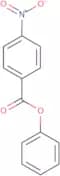
CAS:2-Fluoro-3-nitrobenzoic acid is a fine chemical that has been used as a building block for research chemicals, reagents, and speciality chemicals. It is also a versatile building block for the synthesis of complex compounds and useful scaffolds. 2-Fluoro-3-nitrobenzoic acid can be used as an intermediate in organic reactions or as a reaction component in the synthesis of pharmaceuticals. This compound has been shown to have high purity and good quality with CAS No. 317-46-4.Formula:C7H4O4NFPurity:Min. 95%Color and Shape:PowderMolecular weight:185.11 g/molPhenyl 4-nitrobenzoate
CAS:Phenyl 4-nitrobenzoate is a polymerized ester with hydroxy groups and phosphorus oxychloride as the raw material. It is synthesized by heating ethyl esters in trifluoroacetic acid, which reacts with nitric acid and phosphorus oxychloride. The compound is an amide with a bond cleavage activation energy of 109 kJ/mol. The kinetic of the reaction was determined by measuring the time it took for the reaction to reach certain levels. Phenyl 4-nitrobenzoate has been shown to be able to activate supramolecular assemblies, leading to new catalytic processes such as hydrogenation, oxidation and reduction reactions.Formula:C13H9NO4Purity:Min. 95%Color and Shape:PowderMolecular weight:243.21 g/mol3-(tert-butyl)-2-methyl-6-nitroindeno[3,2-c]pyrazol-4-one
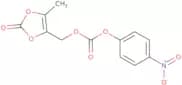
CAS:Please enquire for more information about 3-(tert-butyl)-2-methyl-6-nitroindeno[3,2-c]pyrazol-4-one including the price, delivery time and more detailed product information at the technical inquiry form on this pagePurity:Min. 95%(5-Methyl-2-oxo-1,3-dioxol-4-yl)methyl 4-nitrophenyl carbonate
CAS:(5-Methyl-2-oxo-1,3-dioxol-4-yl)methyl 4-nitrophenyl carbonate is a fine chemical that is used as a building block for the synthesis of complex compounds. It is an intermediate in the synthesis of 3,4-Dihydroquinazolinone. This compound has been reported to have useful pharmacological activity and has been used as a research chemical and in the synthesis of pharmaceuticals. (5-Methyl-2-oxo-1,3-dioxol-4-yl)methyl 4 nitrophenyl carbonate also has potential as a reagent and can be used in organic synthesis.Formula:C12H9NO8Purity:Min. 95%Color and Shape:White PowderMolecular weight:295.2 g/mol(2-methoxyethyl)((2-nitrophenyl)sulfonyl)amine
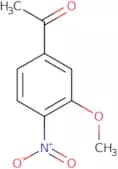
CAS:Please enquire for more information about (2-methoxyethyl)((2-nitrophenyl)sulfonyl)amine including the price, delivery time and more detailed product information at the technical inquiry form on this pagePurity:Min. 95%3-Methoxy-4-nitroacetophenone
CAS:3-Methoxy-4-nitroacetophenone is an enamine that can be used in the synthesis of a variety of organic compounds. It is a good reducing agent and can be used to synthesize nitrophenols and nitrosamines. Catalytic hydrogenation, transfer hydrogenation, and reductive condensation reactions all use 3-methoxy-4-nitroacetophenone as a starting material. It has been shown to react with a range of alcohols to form acetals, which are stable compounds with a protective group on the alcohol. Cyclization reactions using 3-methoxy-4-nitroacetophenone have also been reported. This compound has been crystallized in pure form.Formula:C9H9NO4Purity:Min. 95%Color and Shape:PowderMolecular weight:195.17 g/mol1-(4-Acetoxyphenyl)-2-nitropropene
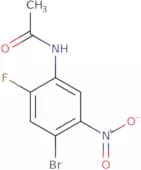
Please enquire for more information about 1-(4-Acetoxyphenyl)-2-nitropropene including the price, delivery time and more detailed product information at the technical inquiry form on this pageFormula:C11H11NO4Purity:Min. 95%Molecular weight:221.21 g/mol4-Bromo-2-fluoro-5-nitroacetanilide
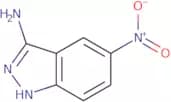
CAS:4-Bromo-2-fluoro-5-nitroacetanilide is a versatile building block that has been used in the synthesis of complex compounds. It is a reagent which can be used in the research and development of pharmaceuticals, agricultural chemicals, and other specialty chemicals. 4-Bromo-2-fluoro-5-nitroacetanilide is also a useful building block for synthesis of other chemical compounds. This compound has been shown to have high quality for use in organic synthesis and as a reaction component for the preparation of useful scaffolds. This compound is also useful as an intermediate in organic reactions. CAS No. 95635-46-4Formula:C8H6BrFN2O3Purity:Min. 95%Color and Shape:PowderMolecular weight:277.05 g/mol3-Amino-5-nitroindazole
CAS:3-Amino-5-nitroindazole is an anticancer drug that inhibits the growth of cancer cells. It has been shown to inhibit the growth of cancer cells by blocking the synthesis and repair of DNA, leading to cell death. 3-Amino-5-nitroindazole also blocks the production of new proteins, which are needed for cell division. This drug also acts on pathways that are important for tumor development and progression, such as signaling pathways and transcription factors. This compound has been shown to be selective against human squamous cell carcinoma cells and has been studied in combination with other anticancer drugs in clinical trials.
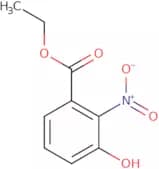
Formula:C7H6N4O2Purity:Min. 95%Color and Shape:SolidMolecular weight:178.15 g/molEthyl 3-hydroxy-2-nitrobenzoate
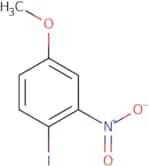
CAS:Ethyl 3-hydroxy-2-nitrobenzoate is a versatile building block in organic synthesis. It is a useful intermediate that can be used for the synthesis of complex compounds, research chemicals and reagents. It is also a useful scaffold for the synthesis of fine chemicals, and has been used as a reaction component in high quality chemical reactions.Formula:C9H9NO5Purity:Min. 95%Color and Shape:PowderMolecular weight:211.17 g/mol4-Iodo-3-nitroanisol
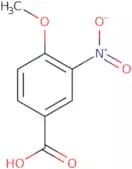
CAS:4-Iodo-3-nitroanisole is an intermediate in the synthesis of 4-methoxy-2-nitroaniline. It is obtained by a cross coupling reaction between 2,4,6-trinitrophenylacetonitrile and 4-iodoaniline. The reductive radical species are generated by the addition of sodium borohydride to the nitro group on the ring. The sequential process entails the formation of the chiral ligand with copper(II) chloride and its adduct with ethyl acetate. This product can be used in cyclic voltammetry experiments as a substrate for cyclic voltammetric studies.Formula:C7H6INO3Purity:Min. 95%Color and Shape:PowderMolecular weight:279.03 g/mol4-Methoxy-3-nitrobenzoic acid
CAS:4-Methoxy-3-nitrobenzoic acid is a hydroxybenzoic acid, and belongs to the group of heterocyclic compounds. It is a preactivated hydroxybenzoate that can be used in the synthesis of griseoluteic acid with chloride as an electron donor. Griseoluteic acid has inhibitory activities on isolated yield. This compound also has potent antitumor activity, which may be due to its ability to inhibit DNA synthesis and protein synthesis by binding to DNA polymerase and ribosomes respectively. Preparative high performance liquid chromatography (HPLC) using this compound is possible with marine microorganisms as the stationary phase. The x-ray absorption spectrum shows that 4-methoxy-3-nitrobenzoic acid has potential for use as a contrast agent for x-rays in imaging tissues.
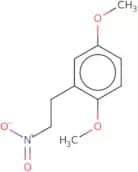
Formula:C8H7NO5Purity:Min. 98 Area-%Color and Shape:PowderMolecular weight:197.14 g/mol1-(2,5-Dimethoxyphenyl)-2-nitroethane
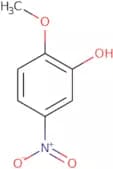
CAS:1-(2,5-Dimethoxyphenyl)-2-nitroethane is a versatile building block that can be used as a reagent in organic synthesis or as an intermediate in the manufacturing of other chemicals. It is soluble in most common solvents and has a greenish yellow color. This chemical is also useful for the manufacture of pharmaceuticals, insecticides, and pesticides.Formula:C10H13NO4Purity:Min. 95%Molecular weight:211.21 g/mol2-Methoxy-5-nitrophenol
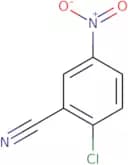
CAS:2-Methoxy-5-nitrophenol (2MNOP) is a compound that has been shown to inhibit the growth of bacteria in nutrient solutions by reducing the activity of glutamate pyruvate transaminase and pyridoxine hydrochloride. 2MNOP is a potent inhibitor of bacterial enzyme activities, such as neutral ph, hydrochloric acid, nitro, and toxicity studies. It is not active against eukaryotic cells or plants. The uptake of 2MNOP is enhanced by the presence of diamine tetraacetic acid and ethylene diamine. 2MNOP has also been shown to be effective against multi-walled carbon nanotubes.Formula:C7H7NO4Purity:Min. 95%Color and Shape:PowderMolecular weight:169.13 g/mol2-Chloro-5-nitrobenzonitrile
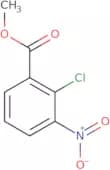
CAS:2-Chloro-5-nitrobenzonitrile (2C5N) is a chemical compound that is used in the synthesis of other chemicals. 2C5N has been shown to inhibit the replication of poliovirus, but does not affect the replication of rhinovirus or adenovirus. This compound inhibits the production of pro-inflammatory cytokines and interferon gamma in human macrophages by interfering with the diazonium salt reaction. 2C5N also has a high affinity for aromatic hydrocarbons, which may be due to its ability to act as a monoclonal antibody in affinity chromatography. The molecule's vibrational spectrum consists of stretching bands at 1725 cm-1 and 1375 cm-1, which are typical for an aromatic hydrocarbon. 2C5N can be administered orally, although it is more commonly used as an intermediate in organic synthesis reactions involving aromatic hydrocarbons.Formula:C7H3ClN2O2Purity:Min. 95%Color and Shape:PowderMolecular weight:182.56 g/mol2-Chloro-3-nitrobenzoic acid methyl ester
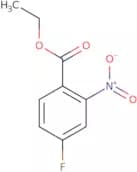
CAS:2-Chloro-3-nitrobenzoic acid methyl ester is a chemical compound that has been shown to inhibit the activity of serotonin. The compound binds to the 5-HT3 receptor on the enteric neurons and inhibits the release of serotonin in the bowel, which is one of the two major sites of action for this drug. This inhibition leads to reduced motility and decreased secretion in the bowel, which helps relieve symptoms in patients with irritable bowel syndrome (IBS). It has also been shown that 2-chloro-3-nitrobenzoic acid methyl ester is able to inhibit the production of serotonin from tryptophan by inhibiting an enzyme called aromatic amino acid decarboxylase. 2-Chloro-3-nitrobenzoic acid methyl ester has a high affinity for both rat and human 5ht3 receptors. The kinetics and thermodynamics of this reaction have been studied using methanol as aFormula:C8H6ClNO4Purity:Min. 95%Color and Shape:PowderMolecular weight:215.59 g/mol4-Fluoro-2-nitrobenzoic acid ethyl ester
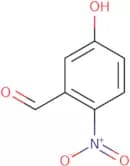
CAS:4-Fluoro-2-nitrobenzoic acid ethyl ester is a fine chemical that can be used as a reagent, intermediate compound, building block, scaffold and building block for speciality chemicals. It has been shown to be an effective chemical in the synthesis of 4-fluoro-2-nitrobenzoic acid, which is a versatile building block with many potential applications. 4-Fluoro-2-nitrobenzoic acid ethyl ester is also useful in reactions involving amines and alcohols as well as metal catalyzed reactions. This product has CAS No. 1072207-10-3.Formula:C9H8FNO4Purity:(%) Min. 85%Color and Shape:Clear LiquidMolecular weight:213.16 g/mol5-Hydroxy-2-nitrobenzaldehyde
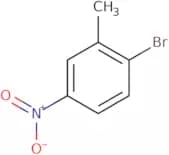
CAS:5-Hydroxy-2-nitrobenzaldehyde is an acidic chemical with a pKa of 1.8. It is used as a starting material in the synthesis of quinoline derivatives, which are used in the production of monoclonal antibodies for use in medical research and diagnosis. The chemical reacts with hydrochloric acid to form hydrogen chloride and 5-hydroxy-2-nitrobenzoic acid. 5-Hydroxy-2-nitrobenzaldehyde has an anticholinesterase activity that is inhibited by sodium carbonate. This product is also reactive to an acidic environment and polymer film, which may result in the formation of new compounds through a chemical reaction.Formula:C7H5NO4Purity:Min. 95%Color and Shape:Off-White PowderMolecular weight:167.12 g/mol2-Bromo-5-nitrotoluene
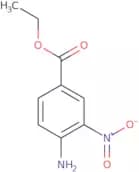
CAS:2-Bromo-5-nitrotoluene is a monosubstituted aromatic compound with a pKa of -2.5. The hydroxyl group on the ring makes this compound acidic, and it will readily react with an electrophile to form an addition product. 2-Bromo-5-nitrotoluene undergoes reductive elimination to form 2-aminoethanol, which is more stable than the nitroso group. The mechanism of this reaction involves labile intermediates that are sensitive to light and heat. The frequency data for 2-bromo-5-nitrotoluene can be found in the table below: 2H NMR (400 MHz, CDCl) δ 7.60 (d, J=8 Hz, 1H), 7.50 (dd, J=8 Hz, 1H), 3.80 (s, 3H). 1H NFormula:C7H6BrNO2Purity:Min. 95%Color and Shape:PowderMolecular weight:216.03 g/molEthyl 4-amino-3-nitrobenzoate
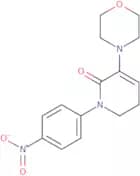
CAS:Ethyl 4-amino-3-nitrobenzoate is a molecule that is used as an inhibitor of butyrylcholinesterase. It has been shown to have inhibitory effects on enzymes such as cholinesterase, which are involved in the breakdown of acetylcholine and other neurotransmitters. Ethyl 4-amino-3-nitrobenzoate is a dihydrate and it has been found to be an efficient inhibitor of butyrylcholinesterase with a KI value of 0.2 mM. Single crystal x-ray diffraction analysis showed that the compound was centrosymmetric with hydrogen bonding interactions. The parameters were rationalized by this analysis, which led to the discovery of a more efficient method for synthesizing this molecule.Formula:C9H10N2O4Purity:Min. 95%Color and Shape:PowderMolecular weight:210.19 g/mol3-(4-Morpholinyl)-1-(4-nitrophenyl)-5,6-dihydro-2(1H)-pyridinone
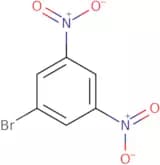
CAS:3-(4-Morpholinyl)-1-(4-nitrophenyl)-5,6-dihydro-2(1H)-pyridinone is a synthetic coagulation factor that has been shown to be cost-effective and to have a high yield. It is an inhibitor of blood coagulation, which is detectable by x-ray powder diffraction. 3-(4-Morpholinyl)-1-(4-nitrophenyl)-5,6-dihydro-2(1H)-pyridinone has been synthetically prepared from 3,5,6,7,8,9,10,-hexahydro-[2]benzo[e][1]pyridinone and 4-morpholinecarboxylic acid.Formula:C15H17N3O4Purity:Min. 98 Area-%Color and Shape:Yellow PowderMolecular weight:303.31 g/mol1-Bromo-3,5-dinitrobenzene
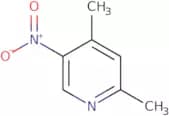
CAS:1-Bromo-3,5-dinitrobenzene is an optical probe that has been used in reaction systems to study the reactivity of nucleophiles. The fluorescence of 1-bromo-3,5-dinitrobenzene changes with the nature of the nucleophile and its concentration. This molecule is unreactive with other molecules and can be used as a drug development tool. The centroid of 1-bromo-3,5-dinitrobenzene is constant at 298 K. Crystals for 1-bromo-3,5-dinitrobenzene have been analyzed by XRD and FTIR.Formula:C6H3BrN2O4Purity:Min. 95%Color and Shape:White PowderMolecular weight:247 g/mol2,4-Dimethyl-5-nitropyridine
CAS:2,4-Dimethyl-5-nitropyridine is a hydroxyurea analog that inhibits the synthesis of ribonucleotides by competitively binding to the enzyme ribonucleotide reductase. This inhibition leads to the accumulation of diphosphate and deoxyribonucleotides, which are necessary for DNA synthesis. 2,4-Dimethyl-5-nitropyridine was found to be more potent than hydroxyurea as an inhibitor of cellular growth in vitro and cancer cell lines in vivo. The potency of 2,4-dimethyl-5-nitropyridine can be attributed to its ability to bind very tightly with ribonucleotide reductase and form a stable complex.
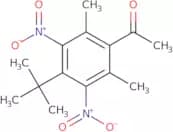
Formula:C7H8N2O2Purity:Min. 95%Color and Shape:Yellow Clear LiquidMolecular weight:152.15 g/mol4'-tert-Butyl-2',6'-dimethyl-3',5'-dinitroacetophenone
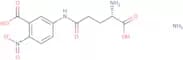
CAS:4'-tert-Butyl-2',6'-dimethyl-3',5'-dinitroacetophenone is a ketone that is used in the synthesis of new chemical substances. It has been shown to have toxicological properties and can be used for the treatment of bacterial infections. 4'-tert-Butyl-2',6'-dimethyl-3',5'-dinitroacetophenone has been shown to produce a high degree of solubility in water, which is an advantageous property for wastewater treatment because it allows for easy removal of this compound from contaminated water.Formula:C14H18N2O5Purity:Min. 95%Color and Shape:PowderMolecular weight:294.3 g/molL-Glutamic acid gamma-(3-carboxy-4-nitroanilide) ammonium salt
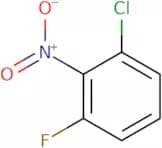
CAS:L-Glutamic acid gamma-(3-carboxy-4-nitroanilide) ammonium salt has been used as a synthetic substrate for gamma-glutamyltransferase (GGT) to determine GGT activity.Formula:C12H16N4O7Purity:Min. 99 Area-%Color and Shape:White PowderMolecular weight:328.28 g/mol2-Chloro-6-fluoronitrobenzene
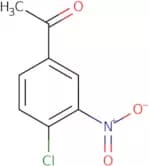
CAS:2-Chloro-6-fluoronitrobenzene is an aromatic compound that has been used as a versatile building block in the synthesis of complex compounds. It is also used as a research chemical, reaction component, and speciality chemical. This compound has been shown to be useful for the preparation of pharmaceuticals, agrochemicals, and other organic compounds. 2-Chloro-6-fluoronitrobenzene is a colorless liquid with a boiling point of 130 degrees Celsius at atmospheric pressure. It has many uses in research and industry due to its versatility and high quality.Formula:C6H3ClFNO2Purity:Min. 95%Color and Shape:PowderMolecular weight:175.54 g/mol4-Chloro-3-nitroacetophenone
CAS:4-Chloro-3-nitroacetophenone is a phenothiazine drug that is used in the treatment of lung conditions. It binds to the active site of human cytochrome P450, which is an enzyme that metabolizes many drugs and other foreign substances. 4-Chloro-3-nitroacetophenone inhibits the reaction by binding to the chloride ion and preventing it from leaving the enzyme's active site, which is necessary for its function. The drug has been shown to have a high affinity for protozoan tetrahymena, an organism that has been widely used as a model system in biochemistry research. 4-Chloro-3-nitroacetophenone also inhibits biochemical reactions involving nucleophilic substrates such as quinoline derivatives. The reaction rate of these substrates is decreased by this drug due to its ability to compete with water molecules for the nucleophilic reaction intermediate.Formula:C8H6ClNO3Purity:Min. 95%Color and Shape:PowderMolecular weight:199.59 g/mol3-Fluoro-4-nitrotoluene
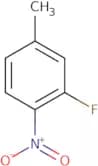
CAS:3-Fluoro-4-nitrotoluene is a chemical that belongs to the class of nitro compounds. It is used as an intermediate for the synthesis of beta-cyclodextrin, which is a cyclic oligosaccharide that has been found to be effective in inhibiting influenza virus. 3-Fluoro-4-nitrotoluene can be produced through the reaction of formaldehyde with sodium nitrate and hydrofluoric acid in a liquid phase. This reaction takes place at room temperature and produces a yield of about 50%. The production of this compound is also efficient and inexpensive.Formula:C7H6FNO2Purity:Min. 95%Color and Shape:PowderMolecular weight:155.13 g/mol3-Nitrobenzhydrazide
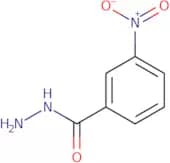
CAS:3-Nitrobenzhydrazide is a chemical compound that can be synthesized by reacting an aldehyde with nitric acid. This reaction is catalyzed by the presence of an alkali metal hydroxide and produces an intramolecular hydrogen bond between the nitro group and the carbonyl oxygen. 3-Nitrobenzhydrazide has been shown to inhibit growth in bacteria, yeast, and fungi. The inhibition of bacteria may be due to its ability to bind to bacterial membranes and alter their permeability. 3-Nitrobenzhydrazide is also able to inhibit the synthesis of enzymes in fungi, which may lead to cell death. 3-Nitrobenzhydrazide has also been shown to have antimicrobial activity against bacteria such as Staphylococcus aureus and Pseudomonas aeruginosa.Formula:C7H7N3O3Color and Shape:PowderMolecular weight:181.15 g/mol4-Nitrophenylnitroethene
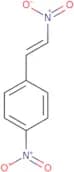
CAS:4-Nitrophenylnitroethene is an organic compound that is synthesized through a nitroaldol reaction. This process involves the condensation of nitric acid and phenylethyl alcohol. The product is then catalyzed with potassium carbonate to produce 4-nitrophenylnitroethene. Nitroaldol reactions are used to produce many different types of compounds, including pharmaceuticals, dyes, and fragrances. The synthesis of this compound was analyzed by high-resolution mass spectrometry and gas chromatography–mass spectrometry techniques. It was found that the mesoporous structure of the 4-nitrophenylnitroethene particles play a role in its chemical properties.Formula:C8H6N2O4Purity:Min. 95%Color and Shape:PowderMolecular weight:194.14 g/mol3-Cyano-4-methylnitrobenzene
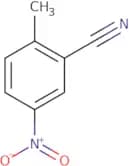
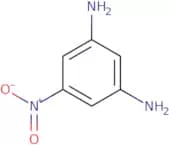
CAS:3-Cyano-4-methylnitrobenzene is a nitro compound that can be prepared by the reaction of nitric acid with aniline. It has been shown to have a strong affinity for oxygen, which may be due to its pyran ring. 3-Cyano-4-methylnitrobenzene has been found to react with acetonitrile in an electrochemical experiment, leading to the formation of nitronium ion and nitrate ion. The mechanism for this reaction is not well understood, but it offers a convenient way of preparing 3-cyano-4-methylnitrobenzene from nitric acid and aniline.Formula:C8H6N2O2Purity:Min. 95%Color and Shape:PowderMolecular weight:162.15 g/mol5-Nitro-m-phenylenediamine
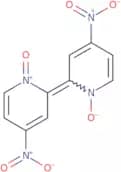
CAS:5-Nitro-m-phenylenediamine is an organic compound that has the chemical formula CHNO. It is a white crystalline solid with a melting point of 158 °C. The compound is soluble in water and other polar solvents but insoluble in nonpolar solvents such as hexane. 5-Nitro-m-phenylenediamine can be prepared by nitration of m-phenylenediamine, which produces the desired product in about 30% yield and with impurities that must be removed by fractional crystallization. The compound is used as an intermediate for making dyes and pharmaceuticals.Formula:C6H7N3O2Purity:Min. 95%Color and Shape:PowderMolecular weight:153.14 g/mol4,4'-Dinitro-2,2'-bipyridine-N,N'-dioxide - crude
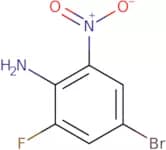
CAS:4,4'-Dinitro-2,2'-bipyridine-N,N'-dioxide is a fine chemical with a high quality. It is a versatile building block with a wide range of applications in research and as a reagent. The compound is used in the synthesis of organic compounds and many other products. This product can be used as an intermediate for the production of more complex compounds or scaffolds. 4,4'-Dinitro-2,2'-bipyridine-N,N'-dioxide has been shown to be useful in the synthesis of pharmaceuticals and agrochemicals.Formula:C10H6N4O6Purity:Min. 95%Color and Shape:Yellow PowderMolecular weight:278.18 g/mol4-Bromo-2-fluoro-6-nitroaniline
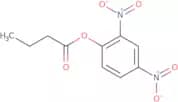
CAS:Please enquire for more information about 4-Bromo-2-fluoro-6-nitroaniline including the price, delivery time and more detailed product information at the technical inquiry form on this pageFormula:C6H4BrFN2O2Purity:Min. 95%Molecular weight:235.01 g/mol2,4-Dinitrophenyl butyrate
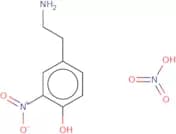
CAS:2,4-Dinitrophenyl butyrate is a plant-derived compound that belongs to the group of fatty acids. It has shown radical scavenging activity in a homogeneous assay and has been found to be a strong inhibitor of pancreatic lipase. 2,4-Dinitrophenyl butyrate has also been used as a marker for proteolytic enzymes and has been shown to have inhibitory effects on pancreatic lipase. This compound is not only useful for studying enzyme inhibition, but it can also be used as an ingredient in food products.Formula:C10H10N2O6Purity:Min. 98 Area-%Color and Shape:PowderMolecular weight:254.2 g/mol4-Hydroxy-3-nitrophenylethylamine nitrate
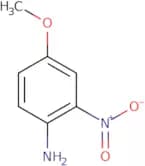
CAS:Controlled Product4-Hydroxy-3-nitrophenylethylamine nitrate is a chemical that has been used as a reagent and reaction component. It can be used in the synthesis of complex compounds such as pharmaceuticals, agrochemicals, and high quality specialty chemicals. 4-Hydroxy-3-nitrophenylethylamine nitrate is an intermediate or building block for many organic syntheses due to its versatility. This compound has been shown to have a variety of useful applications including the production of antihistamines, anticonvulsants, antidepressants, antipsychotics, appetite suppressants, and decongestants.Formula:C8H10N2O3•HNO3Purity:Min. 95%Color and Shape:PowderMolecular weight:245.19 g/mol4-Methoxy-2-nitroaniline
CAS:4-Methoxy-2-nitroaniline is a molecule that has been shown to be able to form an intramolecular hydrogen bond with the 5' carbon of the sugar ring. This reaction leads to the formation of an alkoxy radical, which reacts with chloride ions in acidic conditions. The formation of this intermediate product is reversible, and can be used for analysis of hydrochloric acid. 4-Methoxy-2-nitroaniline has also been shown to react with diazonium salt in the presence of acid, forming a molecule that contains two amines. This reaction can be reversed by adding hydrogen chloride to the solution and analyzing the solution's acidity.Formula:C7H8N2O3Purity:Min. 98 Area-%Color and Shape:PowderMolecular weight:168.15 g/mol1-[[5-(p-Nitrophenyl)furfurylidene]amino]-hydantoin sodium
CAS:Dantrolene sodium is a muscle relaxant that belongs to the group of pharmacological agents. It is used to treat muscle spasms and hyperactivity in patients with neuromuscular disorders. Dantrolene sodium inhibits calcium release by blocking the activity of the enzyme ryanodine receptor in skeletal muscle cells. This inhibition prevents uncontrolled contraction of muscles and reduces their energy consumption. The drug also has an effect on malignant hyperthermia, which is caused by an increase in the production of adenosine triphosphate (ATP) due to increased cellular metabolism. Dantrolene sodium can inhibit ATP synthesis, thus reducing energy production and stabilizing cell membranes, thereby preventing cell death in neurons and other tissues.
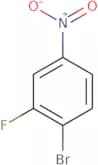
Formula:C14H10N4O5•NaPurity:Min. 95%Color and Shape:Yellow PowderMolecular weight:337.24 g/mol4-Bromo-3-fluoronitrobenzene
CAS:Please enquire for more information about 4-Bromo-3-fluoronitrobenzene including the price, delivery time and more detailed product information at the technical inquiry form on this page
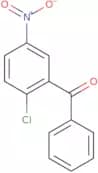
Formula:C6H3BrFNO2Purity:Min. 95%Color and Shape:PowderMolecular weight:220 g/mol2-Chloro-5-nitrobenzophenone
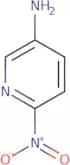
CAS:2-Chloro-5-nitrobenzophenone is a reactive intermediate that belongs to the class of aryl chlorides. It has been used in organic synthesis as a monomer and homologue for the preparation of other organic compounds. 2-Chloro-5-nitrobenzophenone can be synthesized from malonic acid and an aryl chloride by treatment with sodium hydroxide or potassium carbonate in an organic solvent. This compound reacts with acetonitrile at room temperature to form chloroform, nitronium ion, and hydrogen chloride. The reaction system can also be prepared by treating 2-chloro-5-nitrobenzophenone with pyridine in acetonitrile under reflux conditions. 2-Chloro-5-nitrobenzophenone is used as a reagent in plant cell culture experiments where it induces DNA cleavage and inhibits protein synthesis.Formula:C13H8ClNO3Purity:Min. 95%Color and Shape:PowderMolecular weight:261.66 g/mol3-Amino-6-nitropyridine
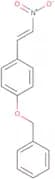
CAS:3-Amino-6-nitropyridine is a nitropyridine and a coupler. It is used as a reagent to synthesize hydroxylamine, aralkyl, and cycloalkyl intermediates. 3-Amino-6-nitropyridine can also be used as an intermediate in the synthesis of medicines such as copper.Formula:C5H5N3O2Purity:Min. 98 Area-%Color and Shape:PowderMolecular weight:139.11 g/mol1-(2-Benzyloxyphenyl)-2-nitroethene
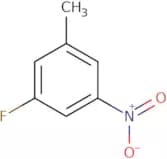
CAS:1-(2-Benzyloxyphenyl)-2-nitroethene is an alkaloid. It has been used as a starting material in the synthesis of other alkaloids, including lukianol and lamellarin. 1-(2-Benzyloxyphenyl)-2-nitroethene is also an advance in the development of pyrrole analogues.Formula:C15H13NO3Purity:Min. 95%Color and Shape:PowderMolecular weight:255.27 g/mol3-Fluoro-5-nitrotoluene
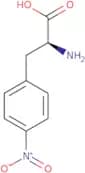
CAS:3-Fluoro-5-nitrotoluene is a chemical compound that has a variety of applications as a research and development intermediate, as well as in the manufacture of pharmaceuticals, dyes, and explosives. It is commercially available in both liquid and solid form, and can be used in any number of chemical reactions to create other compounds. 3-Fluoro-5-nitrotoluene is a versatile building block that can be used to make other chemicals. It can also be used to make fine chemicals and complex compounds.Formula:C7H6FNO2Purity:Min. 95%Color and Shape:PowderMolecular weight:155.13 g/mol4-Nitro-L-phenylalanine
CAS:4-Nitro-L-phenylalanine is a nitroprotease inhibitor that binds to the active site of the enzyme, preventing access of substrate. It is used as an analytical reagent for determination of nitrite, and has been shown to have antiviral and anti-inflammatory activities. 4-Nitro-L-phenylalanine has also been shown to inhibit the growth of human leukemia cells and enhance their sensitivity to chemotherapy drugs. This drug has been found to cause a decrease in dopamine levels in rats and may be useful in the treatment of Parkinson's disease.
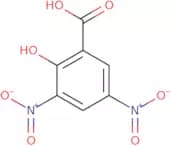
Formula:C9H10N2O4Purity:Min. 98 Area-%Color and Shape:PowderMolecular weight:210.19 g/mol3,5-Dinitrosalicylic acid
CAS:3,5-Dinitrosalicylic acid is a strong organic acid that is used as a reagent for the detection of starch. It reacts with the amylose and amylopectin in starch to form a blue or violet color. This reaction can be measured using titration calorimetry or complex enzyme solutions. The 3,5-dinitrosalicylic acid is also used in analytical methods to determine the purity of nitro compounds by measuring their proton content. 3,5-Dinitrosalicylic acid can also be used to detect carboxylic acids by forming an intermolecular hydrogen bond with them.Formula:C7H4N2O7Purity:Min. 98 Area-%Color and Shape:White Yellow PowderMolecular weight:228.12 g/mol4-Bromo-2-nitrocinnamic acid
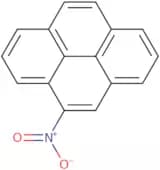
CAS:4-Bromo-2-nitrocinnamic acid is a naturally occurring amino acid that is a component of wheat, carrots, and cereals. It is an enzyme inhibitor and has been found to be stable under heat treatment. 4-Bromo-2-nitrocinnamic acid has been shown to inhibit the activity of 3 lysine hydrolase enzymes (LysE1, LysE2, LysE3) in vitro. This inhibition decreases lysine levels and may have health implications for infants fed with 4-bromo-2-nitrocinnamic acid treated wheat flour. The efficiency of 4-bromo-2 nitrocinnamic acid as an enzymatic inhibitor for these enzymes was determined by measuring the release of free lysine from various substrates at different concentrations of the inhibitor. These parameters were then used to calculate the theoretical inhibition percentage for each substrate at a given concentration.Formula:C9H6BrNO4Purity:Min. 95%Molecular weight:272.05 g/mol4-Nitropyrene
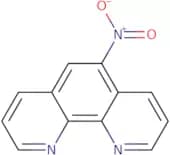
CAS:4-Nitropyrene is a potent carcinogen that binds to the heme of cytochrome P450 and inhibits its activity. This chemical has been shown to inhibit the metabolism of nitroarenes, which are compounds that have been shown to cause cancer in animals. 4-Nitropyrene also produces genotoxic effects on cells in culture by causing DNA damage, including strand breaks, adduct formation, and the formation of pyrimidine dimers. 4-Nitropyrene acts as a tumor promoter in animal models by inducing lung tumors and inhibiting cell differentiation. This chemical is metabolized extensively with metabolic profiles being dependent on the tissue type examined. The analytical methods for this chemical include gas chromatography/mass spectrometry or liquid chromatography/mass spectrometry. Nitrite ion (NO2) is an important metabolite that can be measured using a colorimetric assay.Formula:C16H9NO2Purity:Min. 95%Color and Shape:Slightly Yellow PowderMolecular weight:247.25 g/mol5-Nitro-1,10-phenanthroline
CAS:5-Nitro-1,10-phenanthroline is a coordination compound that belongs to the group of p2. It has been shown to have low toxicity and can be used as an ancillary ligand in coordination chemistry. 5-Nitro-1,10-phenanthroline has been used as a synchronous fluorescence probe for amines and is also useful for kinetic studies due to its high stability and sensitivity. FTIR spectroscopy has shown that this compound binds to glyoxal at neutral pH; it may also react with reactive oxygen species such as superoxide, hydrogen peroxide, or hydroxyl radicals.Formula:C12H7N3O2Purity:Min. 97 Area-%Color and Shape:PowderMolecular weight:225.2 g/molDi-tert-butylnitroxide
CAS:Reagent for the room-temperature oxidation of primary and secondary benzylamines to imines. Also an initiator in the controlled radical polymerization reactions.
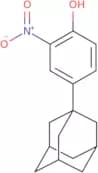
Formula:C8H18NOPurity:Min. 90.0%Color and Shape:Clear LiquidMolecular weight:144.23 g/mol4-(1-Adamantyl)-2-nitrophenol
CAS:4-(1-Adamantyl)-2-nitrophenol is a versatile building block that can be used to construct complex compounds. It is a research chemical that can be used as a reagent, as well as in the synthesis of pharmaceuticals and other chemicals. 4-(1-Adamantyl)-2-nitrophenol is soluble in water and ethanol, and has an odorless and colorless appearance. This chemical can be found under the CAS number 32599-84-1.
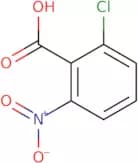
Formula:C16H19NO3Purity:Min. 95%Molecular weight:273.33 g/mol6-Chloro-2-nitrobenzoic acid
CAS:6-Chloro-2-nitrobenzoic acid is an organic compound with the formula C6H3ClNO2. It is a white crystalline powder that reacts readily with water to form a dilute solution. The reaction yield of 6-chloro-2-nitrobenzoic acid can be increased by heating the solution to dehydrate it, and this can be done at room temperature or higher. The reaction time can also be shortened by adding more chloride ions to the solution. This organic compound has two isomers, one of which is stable and the other which is unstable. The unstable isomer can be removed by recrystallizing the product from a solvent such as dicloxacillin or potassium chloride.Formula:C7H4ClNO4Purity:Min. 95%Molecular weight:201.56 g/mol3-Nitrosalicylic acid
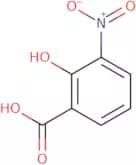
CAS:3-Nitrosalicylic acid is a chemical that is used as an inhibitor for corrosion. It can be used to prevent corrosion in wastewater systems, and it is also used as a protective coating for metals. 3-Nitrosalicylic acid has been shown to be effective against a variety of particle sizes, including fine particles at low concentrations. 3-Nitrosalicylic acid can be synthesized by reacting 5-nitrosalicylic acid with ammonia, hydrogen chloride, and zinc oxide in water. The reaction solution should be neutralized with sodium hydroxide and then hydrogenated using sodium dithionite or sodium sulfite. 3-Nitrosalicylic acid has been shown to inhibit the corrosion of metal surfaces and to function as an effective dose in the synthetic pathway for polymers. 3-Nitrosalicylic acid has high concentrations around pH 9.5, which can be reduced by electrochemical impedance spectroscopy (EIS).Formula:C7H5NO5Purity:Min. 95%Color and Shape:PowderMolecular weight:183.12 g/mol3-(4-Nitrophenyl)-1-adamantanecarboxylic acid
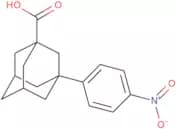
CAS:3-(4-Nitrophenyl)-1-adamantanecarboxylic acid is a high quality, versatile building block compound that has been used as a reagent and as a useful intermediate. This product is commercially available and can be used in the synthesis of complex compounds with many different applications, such as pharmaceuticals, pesticides, dyes, and photographic chemicals. It is also a useful scaffold for the production of speciality chemicals and research chemicals. 3-(4-Nitrophenyl)-1-adamantanecarboxylic acid has been used in reactions involving electron transfer, nucleophilic substitution, and condensation reactions.Formula:C17H19NO4Purity:Min. 95%Molecular weight:301.34 g/mol6-Nitrophthalide
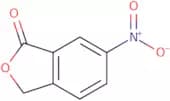
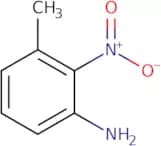
CAS:6-Nitrophthalide is a fluorescent heterocycle that can be used as a probe for specific inhibition. It has been shown to have inhibitory properties against triazole and dipole, which are catalytic asymmetric. 6-Nitrophthalide has also been shown to have the ability to inhibit the oxidation of aldehydes. This compound is synthesized from 2-nitrobenzaldehyde via a two-step process, and then reacted with methyl iodide. 6-Nitrophthalide is homologous to other fluorescent probes such as fluorescein, nitrobenzene, and nitrophenol.Formula:C8H5NO4Purity:Min. 95%Color and Shape:PowderMolecular weight:179.13 g/mol3-Amino-2-nitrotoluene
CAS:3-Amino-2-nitrotoluene (3ANNT) is an organic compound with the chemical formula C6H5N3O2. 3ANNT is a useful tool for wastewater treatment because it can be used to measure nitrogen atoms in wastewater. It is also used as an analytical method to measure the concentration of amines, nitro compounds, and other diazonium salts. The magnetic resonance spectra of 3ANNT show two hydroxyl groups and two nitro groups. The acute toxicities of 3ANNT are low, but the long-term effects are unknown.
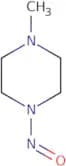
Formula:C7H8N2O2Purity:Min. 98 Area-%Molecular weight:152.15 g/molN-Methyl-N’-nitrosopiperazine
CAS:N-Methyl-N’-nitrosopiperazine is a chemical that has been shown to produce genotoxic effects in mammalian cells. It was found to be carcinogenic in rats, but not in mice. This chemical induces mutations by reacting with nucleic acids and producing covalent DNA adducts. The uptake of N-methyl-N’-nitrosopiperazine into the body occurs through inhalation, ingestion, or skin contact. It can also be detected using analytical methods such as high performance liquid chromatography (HPLC) and gas chromatography/mass spectrometry (GC/MS).
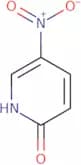
Formula:C5H11N3OPurity:Min. 95 Area-%Color and Shape:Clear LiquidMolecular weight:129.16 g/mol2-Hydroxy-5-nitropyridine
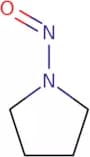
CAS:2-Hydroxy-5-nitropyridine is a chemical compound that is used in the synthesis of other compounds. It can be used to synthesize nicotinic acetylcholine, which is an amine that binds to nicotinic acetylcholine receptors. 2-Hydroxy-5-nitropyridine has been shown to react with halides and hydroxy groups to form new compounds. 2-Hydroxypyridine can also be used to synthesize trifluoroacetic acid from chloroacetic acid and nitrous acid. This chemical has been used in the study of replicon cells, which are cells that contain a circular piece of DNA called a plasmid. Replicon cells are often found in bacteria, such as Trichomonas vaginalis, and viruses such as HPV. 2-Hydroxypyridine has been shown to cause high blood levels in humans when ingested orally or injected intravenously.Formula:C5H4N2O3Purity:Min. 98 Area-%Color and Shape:Brown PowderMolecular weight:140.1 g/molN-Nitrosopyrrolidine
CAS:N-Nitrosopyrrolidine is a chemical compound that is used as an organic solvent, pharmaceutical intermediate, and plasticizer. It reacts with DNA in vitro to form genotoxic activity, which may lead to cell death or mutagenesis. N-Nitrosopyrrolidine also has neurotrophic effects on primary cells and is an important precursor in the synthesis of polymers. The reactivity of N-nitrosopyrrolidine has been studied by kinetic energy spectroscopy and by measuring the intramolecular hydrogen transfer between nitroso groups. The mechanism of this reaction is not fully understood, but it appears to proceed through a dinucleotide phosphate intermediate with a high degree of kinetic energy.
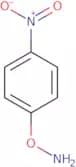
Formula:C4H8N2OPurity:Min. 98 Area-%Color and Shape:Colorless Slightly Yellow Clear LiquidMolecular weight:100.12 g/molO-(4-Nitrophenyl)hydroxylamine
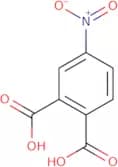
CAS:O-(4-Nitrophenyl)hydroxylamine (OPH) is an enantioselective, catalytic, and thermal stable reagent for the synthesis of chiral methyl groups. OPH can be used as a nucleophile to convert electron-deficient alkenes into α-chloroalkenes. It also reacts with nitroarenes to give nitroalkenes in high yields. OPH has been shown to be effective in the asymmetric hydrolysis of esters and amides through its ability to oxidize the methyl group on the substrate. This reaction does not occur with other groups such as hydroxyl or hydrogen atoms. Methyl groups are important for many biological molecules, including proteins and nucleic acids, which form the backbone of cells that make up living organisms. The OPH reaction is catalyzed by enzymes called methyltransferases, which transfer one atom of methyl from S-adenosylmethionine (SAM)Formula:C6H6N2O3Purity:Min. 95%Color and Shape:PowderMolecular weight:154.12 g/mol4-Nitrophthalic acid
CAS:4-Nitrophthalic acid is a white crystalline solid that has an acid and basic character. It has been shown to be antigenic, with a specific antibody able to bind to the 4-nitro group. The structure of 4-Nitrophthalic acid was determined using X-ray crystallography and NMR spectroscopy. The molecular weight of 4-Nitrophthalic acid is 177.2 g/mol, with a melting point of 174 °C and a boiling point of 341 °C. It is soluble in water and organic solvents such as ethanol, acetone, chloroform, ethyl ether, benzene, hexane, dichloromethane and ethyl acetate.
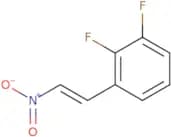
Formula:C8H5NO6Purity:Min. 97 Area-%Color and Shape:White PowderMolecular weight:211.13 g/mol1-(2',3'-Difluorophenyl)-2-nitroethene
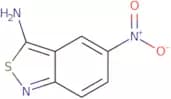
CAS:1-(2',3'-Difluorophenyl)-2-nitroethene (1,2-DFNE) is a speciality chemical that is used as an intermediate for the synthesis of a wide variety of organic compounds. It has been found to be a useful scaffold for the synthesis of complex compounds and can also be used as a building block for the synthesis of fine chemicals, research chemicals, and versatile building blocks. 1,2-DFNE is soluble in many organic solvents and can be handled without special precautions. This reagent is a high quality compound with purity greater than 99%.Formula:C8H5F2NO2Purity:Min. 95%Color and Shape:PowderMolecular weight:185.13 g/mol3-Amino-5-nitro-2,1-benzisothiazole
CAS:3-Amino-5-nitro-2,1-benzisothiazole is a diazonium salt that is used in wastewater treatment. It reacts with hydrogen peroxide to produce an unstable amine and a stable glycol ether. This process is known as the 3ABA reaction. The amine can be cleaved by water to produce ammonia and nitrous acid. Nitrous acid can react with organic matter in wastewater to form nitrate salts, which are soluble and easily removed from the wastewater stream. 3-Amino-5-nitro-2,1-benzisothiazole is also used in the manufacture of polyethylene terephthalate (PET) plastics. PET plastics are resistant to staining and have excellent color clarity.Formula:C7H5N3O2SPurity:Min. 98 Area-%Color and Shape:PowderMolecular weight:195.2 g/mol2,7-Dinitrofluorene
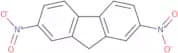
CAS:2,7-Dinitrofluorene is a nitro compound that is used as an analytical reagent. It is used in the determination of redox potentials and is commonly used to measure the activity of nitroreductases. 2,7-Dinitrofluorene is also a genotoxic agent that causes DNA damage by producing reactive oxygen species (ROS), which react with DNA bases and cause strand breaks. Nitroreductase enzymes catalyze the reduction of nitro groups to amines, which are then converted to ammonia. This process produces ammonia, which reacts with other compounds in the body to form nitrosamines. Nitrosamines have been shown to be carcinogenic in animal models, and some of these compounds can be found in human tissues.Formula:C13H8N2O4Purity:Min. 95%Color and Shape:PowderMolecular weight:256.21 g/mol5,5-dimethyl-2-(((3-nitrophenyl)amino)methylene)cyclohexane-1,3-dione
CAS:Please enquire for more information about 5,5-dimethyl-2-(((3-nitrophenyl)amino)methylene)cyclohexane-1,3-dione including the price, delivery time and more detailed product information at the technical inquiry form on this pagePurity:Min. 95%5-Bromo-2-cyano-3-nitropyridine
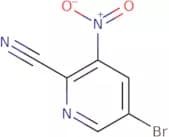
CAS:5-Bromo-2-cyano-3-nitropyridine is a medication that has been shown to be an effective inhibitor of the RET tyrosine kinase. It has been used in clinical studies to treat chronic kidney disease and has been shown to inhibit the growth of cancer cells. The molecular electrostatic potential (MEP) simulations have shown that 5-bromo-2-cyano-3-nitropyridine interacts with the reactive site of RET, inhibiting its function by binding to the nucleophilic substitutions. 5-Bromo-2-cyano-3-nitropyridine is synthesized from 2,5 dibromopyridine and 3 nitrobenzene at high yield. The molecule is chromatographically separated from impurities such as 4 bromo pyridine.Formula:C6H2BrN3O2Purity:Min. 95%Color and Shape:PowderMolecular weight:228 g/mol2-[(Ethylamino)methyl]-4-nitrophenol
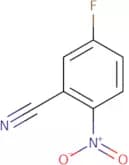
CAS:Please enquire for more information about 2-[(Ethylamino)methyl]-4-nitrophenol including the price, delivery time and more detailed product information at the technical inquiry form on this pageFormula:C9H12N2O3Purity:Min. 95%Color and Shape:PowderMolecular weight:196.2 g/mol5-Fluoro-2-nitrobenzonitrile
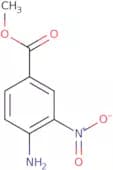
CAS:5-Fluoro-2-nitrobenzonitrile is a synthetic compound that has been shown to inhibit the growth of tumor cells. It binds to nucleic acids and causes DNA damage, which leads to cell death. 5-Fluoro-2-nitrobenzonitrile inhibits the synthesis of proteins in cancer cells and also induces their apoptosis. The molecular modeling data indicates that this molecule has a hydrophobic pocket that can be used for targeting tumour cells. X-ray crystallography studies have confirmed that 5-fluoro-2-nitrobenzonitrile binds selectively to the minor groove of dna, suggesting its inhibitory potency against tumour cells.Formula:C7H3FN2O2Purity:Min. 95%Color and Shape:Off-White PowderMolecular weight:166.11 g/molMethyl 4-amino-3-nitrobenzoate
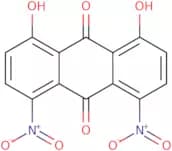
CAS:Methyl 4-amino-3-nitrobenzoate is a synthetic compound that has been found to have a variety of uses. It has been used to prepare intramolecular hydrogen bonds in anilines, and it can be used as an intermediate to synthesize amides and anilines. This molecule also forms resonance structures with the nitro group, which allows for increased stability. The proton magnetic resonance spectra of Methyl 4-amino-3-nitrobenzoate show that the molecule has a high degree of symmetry, which is due to the presence of intramolecular hydrogen bonding.Formula:C8H8N2O4Purity:Min. 95%Molecular weight:196.16 g/mol1,8-Dihydroxy-4,5-dinitroanthraquinone
CAS:1,8-Dihydroxy-4,5-dinitroanthraquinone (1,8DDNA) is a chemical inhibitor that inhibits the protease activity of ns3 protease. 1,8DDNA has been shown to inhibit the replication of wild-type virus in cell culture. This molecule also inhibits methyl transferase and structural analysis. The second-order rate constant for this compound was found to be 0.64 M-1s-1 at pH 7.5 in the presence of 10 mM NaCl and 5 mM Tris buffer at pH 8.0. 1,8DDNA's solubility data indicates that it is soluble in water with a solubility limit of 9 g/L at 25°C; however, its solubility decreases as the temperature increases.
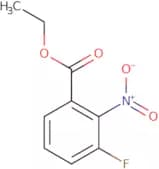
Formula:C14H6N2O8Purity:Min. 95%Molecular weight:330.21 g/mol3-Fluoro-2-nitrobenzoic acid ethyl ester
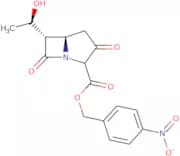
CAS:3-Fluoro-2-nitrobenzoic acid ethyl ester is a fine chemical that is useful as a versatile building block in the synthesis of complex compounds. It can be used as an intermediate in the preparation of research chemicals and has been shown to react with amines to form nitrosoamines, which are useful reaction components. 3-Fluoro-2-nitrobenzoic acid ethyl ester has CAS number 163077-89-2 and is available at high quality.Formula:C9H8FNO4Purity:Min. 95%Color and Shape:PowderMolecular weight:213.16 g/molp-Nitrobenzyl 6-(1'-hydroxyethyl)-azabicyclo(3.2.0)heptane-3,7-dione-2-carboxylate
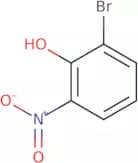
CAS:p-Nitrobenzyl 6-(1'-hydroxyethyl)-azabicyclo(3.2.0)heptane-3,7-dione-2-carboxylate is a drug substance that is used in the manufacture of carbapenem antibiotics. It can be detected by a chloride ion chromatographic method, and the detection limit is 0.5 mg/L in the presence of zinc powder as a modifier. This material is used to prepare carbapenems using an analytical method that includes reaction monitoring by optical rotation, diastereomer chromatography, and transfer.Formula:C16H16N2O7Purity:Min. 95%Color and Shape:PowderMolecular weight:348.31 g/mol2-Bromo-6-nitrophenol
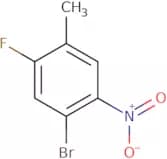
CAS:2-Bromo-6-nitrophenol is a synthetic chemical that is used as an intermediate in the synthesis of other chemicals. It can be prepared by reacting ammonium formate with hydroxyl group of 2-bromo-6-nitropyridine. The reaction yield can be improved by activating the hydroxyl group and removing impurities through a dehydration reaction. The time required for the reaction to occur can be shortened by using acetonitrile as a solvent instead of water. This chemical is also synthesized by coupling metal salts with nitro groups or amines, which are called Suzuki coupling reactions.Formula:C6H4BrNO3Color and Shape:PowderMolecular weight:218 g/mol4-Bromo-2-fluoro-5-nitrotoluene
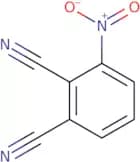
CAS:4-Bromo-2-fluoro-5-nitrotoluene is a chemical building block that is used as a research and speciality chemical. It has been shown to be useful in the synthesis of complex compounds, including pharmaceuticals and dyes. 4-Bromo-2-fluoro-5-nitrotoluene is also used as a reagent for the reaction with other chemicals, such as thiourea, to form 2,4,6-trichlorophenylacetonitrile. This compound is classified as hazardous by the American Chemical Society (ACS) because it can cause irritation to the skin and eyes.Formula:C7H5BrFNO2Purity:Min. 95%Color and Shape:PowderMolecular weight:234.02 g/mol3-Nitrophthalodinitrile
CAS:3-Nitrophthalodinitrile is a chemical compound that can be used to treat wastewater. It has been shown to have photophysical properties, fluorescence properties, and structural formula. 3-Nitrophthalodinitrile has been shown to be a good fluorescent probe for the detection of multi-walled carbon nanotubes in the environment. 3-Nitrophthalodinitrile has also been found to have fluorescence lifetimes and nmr spectra that are different depending on whether it is in its ground state or excited state. 3-Nitrophthalodinitrile has been shown to react with nucleophiles such as water, alcohols, and amines. Furthermore, it has been found to be able to undergo transfer reactions with other chemical species such as formaldehyde and nitrite ions. 3-Nitrophthalodinitrile is capable of undergoing dehydration without any side products being formed. This makes it an excellent candidate for use in optical applications
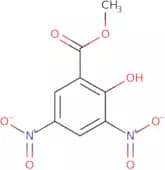
Formula:C8H3N3O2Purity:Min. 95%Color and Shape:Slightly Yellow PowderMolecular weight:173.13 g/molMethyl 3,5-dinitrosalicylate
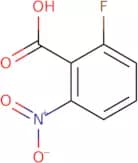
CAS:Methyl 3,5-dinitrosalicylate is an efficient method for glycosylation of oligosaccharides. It is a stereoselective reaction that occurs in the presence of carbon disulphide as a solvent and topoisomerase as a catalyst. The reaction proceeds by nucleophilic attack of the glycosyl donor on the electrophilic nitro group of methyl 3,5-dinitrosalicylate to form a glycosyl-enzyme intermediate. This intermediate is then hydrolyzed to release an enzyme-bound sugar product. The reaction proceeds efficiently at room temperature and can be used in solid phase synthesis.Formula:C8H6N2O7Purity:Min. 95%Color and Shape:PowderMolecular weight:242.14 g/mol2-Fluoro-6-nitrobenzoic acid
CAS:Intermediate in the synthesis of idelalisib
Formula:C7H4FNO4Purity:Min. 95%Color and Shape:PowderMolecular weight:185.11 g/mol2,5-Dimethoxy-3-nitrobenzoic acid
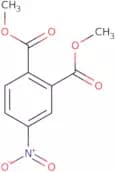
CAS:2,5-Dimethoxy-3-nitrobenzoic acid is a versatile building block that can be used to synthesize many different compounds. It is often used in the synthesis of complex organic molecules and can be used as a reagent or intermediate. The CAS number for this compound is 17894-26-7.Formula:C9H9NO6Purity:Min. 95%Color and Shape:PowderMolecular weight:227.17 g/molDimethyl 4-nitrophthalate
CAS:Dimethyl 4-nitrophthalate is a bioactive molecule that has been found to be effective in inhibiting the growth of bacteria, including methicillin-resistant Staphylococcus aureus and Mycobacterium tuberculosis. Dimethyl 4-nitrophthalate binds to calcium ions in the bacterial cell wall, leading to inhibition of cell division. The biological activity of dimethyl 4-nitrophthalate can be measured by measuring the redox potential and calculating the constant, which is between -0.5 and -1.5 volts. This molecule also has strong anti-inflammatory properties due to its ability to reduce nitric oxide levels in macrophages.
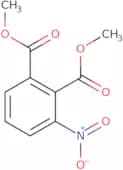
Formula:C10H9NO6Purity:Min. 95%Color and Shape:PowderMolecular weight:239.18 g/molDimethyl 3-nitrophthalate
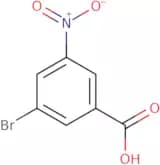
CAS:Dimethyl 3-nitrophthalate is a synthetic compound that can be used in catalytic reactions. It has been shown to catalyze the conversion of acetaldehyde and hydrochloric acid to 3-hydroxypropionaldehyde with dehydrogenation as the main reaction mechanism. This reaction is followed by the addition of persulfate to give dimethyl 3-nitrophthalate sulfoxide, which can then be converted into dimethyl 3-nitrophthalate with boron trifluoride etherate and ammonium persulfate. The anticancer potential of this compound has been demonstrated in vitro using tyrosine kinase as a model enzyme. Dimethyl 3-nitrophthalate also binds to specific receptors such as those found on neutrophils, macrophages, and T cells.Formula:C10H9NO6Purity:Min. 95%Color and Shape:White PowderMolecular weight:239.18 g/mol3-Bromo-5-nitrobenzoic acid
CAS:3-Bromo-5-nitrobenzoic acid is a cancer drug that inhibits the proliferation of cancer cells by binding to amines, which are protonated at physiological pH. This binding leads to an electronic interaction between the bromine atom and the electron cloud of the amine group. The bromine atom is then more attracted to the nucleus, causing it to emit a photon of light. This process is called fluorescence and can be used for imaging cancer cells. 3-Bromo-5-nitrobenzoic acid also has potent antiproliferative activity against cancer cells, which may be due to its ability to bind ligands on target proteins in the cell membrane. It can also lead to apoptosis by interfering with the formation of supramolecular complexes or inhibiting protein synthesis.Formula:C7H4BrNO4Purity:Min. 95%Color and Shape:PowderMolecular weight:246.02 g/molN-(2-Indol-3-ylethyl)(2-nitrophenyl)formamide
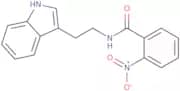
CAS:Please enquire for more information about N-(2-Indol-3-ylethyl)(2-nitrophenyl)formamide including the price, delivery time and more detailed product information at the technical inquiry form on this pageFormula:C17H15N3O3Purity:Min. 95%Color and Shape:PowderMolecular weight:309.32 g/mol3,5-Dinitroanisole
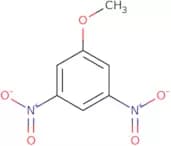
CAS:3,5-Dinitroanisole is a molecule that has been shown to inhibit cancer cell growth in vitro and in vivo. It is a nitro compound that undergoes reduction with hydrogen peroxide and an electron donor to form 3,5-dinitrobenzoic acid. This substance has been shown to have anticancer activity against human cancer cells by inhibiting the production of nucleic acids. 3,5-Dinitroanisole also inhibits protein synthesis by binding to ribosomes and blocking the formation of proteins. 3,5-Dinitroanisole is also able to bind to DNA and cause strand breaks at sites that are sensitive to alkylations. The mechanism of this process is thought to be due to the ability of 3,5-dinitroanisole molecules to react with hydroxyl groups on DNA bases and release nitric oxide radicals.Formula:C7H6N2O5Purity:Min. 95%Color and Shape:SolidMolecular weight:198.13 g/molBis(4-Nitrophenyl)phosphoric acid sodium
CAS:Bis(4-nitrophenyl)phosphoric acid sodium is a synthetic compound that has been used as an antibiotic. It is a nitro group donor and may be oxidized to p-nitrophenol phosphate. Bis(4-nitrophenyl)phosphoric acid sodium inhibits bacterial growth by binding to the 30S ribosomal subunit, which prevents protein synthesis and cell division. The rate constant of this reaction has been determined using x-ray diffraction data obtained on crystals of the product with signal peptide. Bis(4-nitrophenyl)phosphoric acid sodium also has biochemical properties, such as pyrazinoic acid formation and polymerase chain reactions, which have been reported in recombinant cytochrome P450s from rat liver microsomes. The disulfide bond coordination geometry and mechanism of the reaction are still unknown but it is thought that the reaction proceeds through a single electron transfer mechanism.Formula:C12H9N2O8P·NaPurity:Min. 95%Color and Shape:White PowderMolecular weight:363.17 g/mol2-Methoxy-4-nitrobenzoic acid
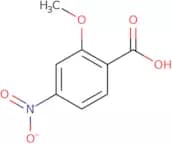
CAS:Please enquire for more information about 2-Methoxy-4-nitrobenzoic acid including the price, delivery time and more detailed product information at the technical inquiry form on this page
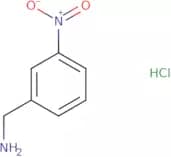
Formula:C8H7NO5Purity:Min. 95%Molecular weight:197.14 g/mol3-Nitrobenzylamine hydrochloride
CAS:3-Nitrobenzylamine HCl is an intermediate in the synthesis of peptides. This compound is used to produce polypeptides and can be immobilized on a solid support for high yield production. 3-Nitrobenzylamine HCl can be covalently linked to a solid support by reacting with an activated carboxyl group and can undergo conformational changes upon irradiation with ultraviolet light or azobenzene derivatives. 3-Nitrobenzylamine HCl has been used in solid phase peptide synthesis, a technique that produces polypeptides at high yields. It is also used as a substrate for NMR techniques, which are useful for determining the nature of the molecule and its potentials.
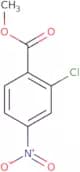
Formula:C7H8N2O2•HClPurity:Min. 95%Molecular weight:188.61 g/molMethyl 2-chloro-4-nitrobenzoate
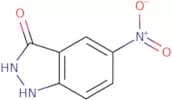
CAS:Methyl 2-chloro-4-nitrobenzoate (MCNB) is a structural analog of the benzimidazole drug, trypanocidal activity. It has been shown to be effective against mouse macrophages in vitro studies, and is more potent than biphenyl. MCNB has also been shown to inhibit the enzyme epimerase, which converts N-methylpyridinium to N-methylpiperidinium. This inhibition may lead to increased cytotoxic effect of MCNB on T. brucei epimastigotes.Formula:C8H6ClNO4Purity:Min. 95%Color and Shape:PowderMolecular weight:215.59 g/mol5-Nitro-3-indazolinone
CAS:5-Nitro-3-indazolinone is a reagent that is used in the synthesis of complex compounds and fine chemicals. It is also a useful intermediate in the synthesis of speciality chemicals, research chemicals, and versatile building blocks. This compound can be converted to other chemical compounds through reactions with alcohols and amines. 5-Nitro-3-indazolinone may be used for the synthesis of pharmaceuticals or agricultural products. The CAS number for this compound is 61346-19-8.Formula:C7H5N3O3Purity:Min. 95%Color and Shape:PowderMolecular weight:179.13 g/mol


![3-(tert-butyl)-2-methyl-6-nitroindeno[3,2-c]pyrazol-4-one](/_next/image/?url=https%3A%2Fstatic.cymitquimica.com%2Fproducts%2F3D%2Fthumb-webp%2FFB169678.webp&w=3840&q=75)

![1-[[5-(p-Nitrophenyl)furfurylidene]amino]-hydantoin sodium](/_next/image/?url=https%3A%2Fstatic.cymitquimica.com%2Fproducts%2F3D%2Fthumb-webp%2FFN44999.webp&w=3840&q=75)



![2-[(Ethylamino)methyl]-4-nitrophenol](/_next/image/?url=https%3A%2Fstatic.cymitquimica.com%2Fproducts%2F3D%2Fthumb-webp%2FFE23132.webp&w=3840&q=75)