Nitro
Found 2518 products of "Nitro"
2-Nitrobenzenesulfonohydrazide
CAS:Controlled ProductApplications 2-Nitrobenzenesulfonohydrazide (cas# 5906-99-0) is a useful research chemical.
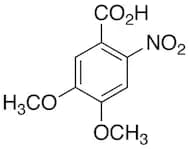
Formula:C6H7N3O4SColor and Shape:NeatMolecular weight:217.24,5-Dimethoxy-2-nitrobenzoic Acid
CAS:Controlled ProductApplications 4,5-Dimethoxy-2-nitrobenzoic Acid (cas# 4998-07-6) is a compound useful in organic synthesis.
Formula:C9H9NO6Color and Shape:NeatMolecular weight:227.17Methyl 2-Hydroxy-5-nitronicotinate
CAS:Controlled ProductApplications Methyl 2-Hydroxy-5-nitronicotinate
Formula:C7H6N2O5Color and Shape:Off-WhiteMolecular weight:198.134-Hydroxy-3-nitro-5-sulfamoylbenzoic acid
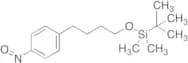
CAS:Controlled ProductFormula:C7H6N2O7SColor and Shape:NeatMolecular weight:262.197tert-Butyldimethyl(4-(nitrosophenyl)butoxy)silane
Controlled ProductApplications tert-Butyldimethyl(4-(nitrosophenyl)butoxy)silane is an intermediate used in the synthesis of (E)-S-(3-((4-((4-(4-hydroxybutyl)phenyl)diazenyl)phenyl)amino)-3-oxopropyl) methanesulfonothioate (H895230), which is a useful research chemical.
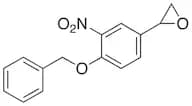
Formula:C16H27NO2SiColor and Shape:NeatMolecular weight:293.477rac-4-Benzyloxy-3-nitrostyrene Oxide
CAS:Controlled ProductApplications rac-4-Benzyloxy-3-nitrostyrene Oxide (cas# 51582-41-3) is a compound useful in organic synthesis.
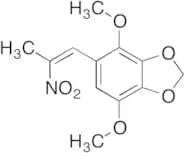
References Karellas, P., et al.: J. Med. Chem., 51, 6128 (2008),Formula:C15H13NO4Color and Shape:NeatMolecular weight:271.272-Nitro Iso-apiole
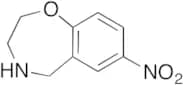
CAS:Controlled ProductFormula:C12H13NO6Color and Shape:NeatMolecular weight:267.2352,3,4,5-Tetrahydro-7-nitro-1,4-benzoxapine
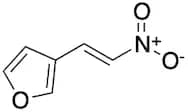
CAS:Controlled ProductFormula:C9H10N2O3Color and Shape:NeatMolecular weight:194.1873-(2-nitroethenyl)furan
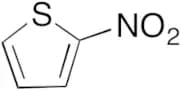
CAS:Controlled ProductFormula:C6H5NO3Color and Shape:NeatMolecular weight:139.1092-Nitrothiophene (Technical Grade)
CAS:Controlled ProductApplications 2-Nitrothiophene is a useful compound in the synthesis of thiophene containing compounds.
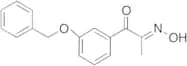
References Sun, Xin, et al.: J. of Polymer Sci., Part A:, 56(7), 776-782 (2018)Formula:C4H3NO2SColor and Shape:NeatMolecular weight:129.143’Benzyloxyisonitrosopropiophenone
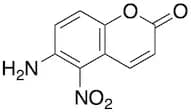
Controlled ProductFormula:C16H15NO3Color and Shape:NeatMolecular weight:269.36-Amino-5-nitrochromen-2-one
CAS:Controlled ProductApplications 6-Amino-5-nitrochromen-2-one is a reagent used in the synthesis of pyranopyridinediones.
References Khan, M. et al.: J. Pure App. Sci., 22, 37 (2004);Formula:C9H6N2O4Color and Shape:NeatMolecular weight:206.155Cantrodifene
CAS:Controlled ProductStability Moisture Sensitive
Applications 4-Isothiocyanato-4'-nitrodiphenyl ether (cas# 19881-18-6) is a useful research chemical.
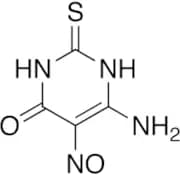
Not a dangerous good if item is equal to or less than 1g/ml and there is less than 100g/ml in the packageFormula:C13H8N2O3SColor and Shape:NeatMolecular weight:272.276-Amino-5-nitroso-2-thiouracil
CAS:Controlled ProductApplications Pyrimidine with the ability to form complexes with heavy metal ions.
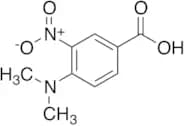
References Iltzsch, M., et al.: Biochem. Pharmacol., 48, 781 (1994),Formula:C4H4N4O2SColor and Shape:NeatMolecular weight:172.174-(Dimethylamino)-3-nitrobenzoic Acid
CAS:Controlled ProductApplications 4-(dimethylamino)-3-nitrobenzoic Acid (cas# 28096-56-2) is a useful research chemical.
Formula:C9H10N2O4Color and Shape:NeatMolecular weight:210.1872,6-Dinitrobenzoic Acid
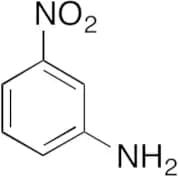
CAS:Controlled ProductFormula:C7H4N2O6Color and Shape:NeatMolecular weight:212.1173-Nitroaniline
CAS:Controlled ProductApplications 3-Nitroaniline acts as an azo dye used in analytical toxicity studies.
Not a dangerous good if item is equal to or less than 1g/ml and there is less than 100g/ml in the package
References Garner, R.C. et al.: Mut. Res., et al 44, 9 (1977)Formula:C6H6N2O2Color and Shape:NeatMolecular weight:138.121-Amino-2-nitro-ethenol Ammonium Salt
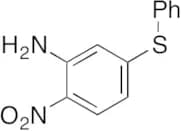
CAS:Controlled ProductFormula:C2H4N2O3•NH3Color and Shape:NeatMolecular weight:121.092-Nitro-5-phenylthioaniline
CAS:Controlled ProductApplications 2-Nitro-5-phenylthioaniline is a useful synthetic intermediate. It was used to synthesize methyl 5(6)-phenylsulfinyl-2-benzimidazolecarbamate as a potent anthelmintic.
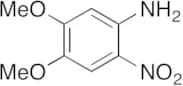
References Averkin, E., et al.: J. Med. Chem., 18, 1164 (1975);Formula:C12H10N2O2SColor and Shape:NeatMolecular weight:246.284,5-Dimethoxy-2-nitroaniline
CAS:Controlled ProductApplications 4,5-Dimethoxy-2-nitroaniline (cas# 7595-31-5) is a compound useful in organic synthesis.
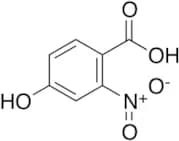
Not a dangerous good if item is equal to or less than 1g/ml and there is less than 100g/ml in the packageFormula:C8H10N2O4Color and Shape:OrangeMolecular weight:198.184-Hydroxy-2-nitrobenzoic Acid
CAS:Controlled ProductApplications 4-hydroxy-2-nitrobenzoic acid (cas# 74230-08-3) is a useful research chemical.
Formula:C7H5NO5Color and Shape:Dark Red To Dark BrownMolecular weight:183.118N-[4-Bromo-3-(bistrifluoromethyl)phenyl]-2-hydroxy-5-nitrobenzamide
Controlled ProductFormula:C14H8BrF3N2O4Color and Shape:NeatMolecular weight:405.1235-Nitro-1-benzofuran
CAS:Controlled ProductApplications 5-Nitro-1-benzofuran is a chemical reagent used in the synthesis of internal alkynes. Also used in the preparation of anti-oxidants quinolines.
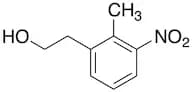
References Lu, L. et al.: Eur. J. Org. Chem., 2013, 1644 (2013); Kuzmin, V. et al.: Russ. Chem. Bull., 57, 2405 (2008);Formula:C8H5NO3Color and Shape:Light Yellow To Light BrownMolecular weight:163.132-Methyl-3-nitrobenzeneethanol
CAS:Controlled ProductFormula:C9H11NO3Color and Shape:NeatMolecular weight:181.1895-Chloro-4-nitro-2,1,3-benzoselenadiazole
CAS:Controlled ProductApplications 5-Chloro-4-nitro-2,1,3-benzoselenadiazole (cas# 20718-46-1) is a compound useful in organic synthesis.
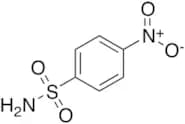
References Turesky, R., et al.: J. Agric. Food Chem., 53, 3248 (2005),Formula:C6H2ClN3O2SeColor and Shape:NeatMolecular weight:262.514-Nitrobenzenesulfonamide
CAS:Applications 4-Nitrobenzenesulfonamide (cas# 6325-93-5) is a useful research chemical.
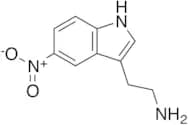
Formula:C6H6N2O4SMolecular weight:202.192-(5-Nitro-1H-indol-3-yl)ethanamine
CAS:Controlled ProductFormula:C10H11N3O2Color and Shape:NeatMolecular weight:205.2132-[(7-Nitro-2,1,3-benzoxadiazol-4-yl)amino]ethanethiol
CAS:Controlled ProductApplications 2-[(7-Nitro-2,1,3-benzoxadiazol-4-yl)amino]ethanethiol is used in the preparation of fluorescent N/S acyl derivatives.
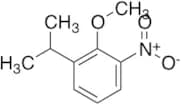
References 2-[(7-Nitro-2,1,3-benzoxadiazol-4-yl)thio]ethanamineFormula:C8H8N4O3SColor and Shape:NeatMolecular weight:240.242-Isopropyl-6-nitro Anisole
CAS:Controlled ProductFormula:C10H13NO3Color and Shape:NeatMolecular weight:195.215Nitro(trimethylsilyl)acetylene
CAS:Controlled ProductApplications Nitro(trimethylsilyl)acetylene acts as a reagent in the synthesis, reactions, complexes, and properties of nitroalkynes as a unique class of energetic materials. Synthesis of nitro(trimethylsilyl)acetylene.
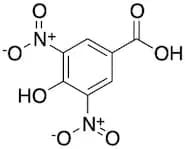
References Windler, G. K., et al.: Synthesis, 46, 2383 (2014); Schmitt, R. J., et al.: Synthesis, 2, 123 (1986)Formula:C5H9NO2SiColor and Shape:NeatMolecular weight:143.2163,5-Dinitro-4-hydroxybenzoic Acid
CAS:Controlled ProductApplications 3,5-DINITRO-4-HYDROXYBENZOIC ACID (cas# 1019-52-9) is a useful research chemical.
Formula:C7H4N2O7Color and Shape:NeatMolecular weight:228.1164-Nitro-benzeneethanol
CAS:Controlled ProductApplications 4-Nitro-benzeneethanol is a useful synthetic intermediate. It can be used to synthesize N-phenylethylindole carboxamides as SAR study of allosteric modulators of CB1 receptor. It can also be used to prepare 2-aza-2'-deoxyinosine-containing oligodeoxyribonucleotide duplexes.
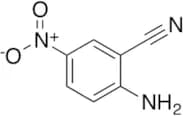
References Piscitelli, F., et al.: J. Med. Chem., 55, 5627 (2012); Acedo, M., et al.: J. Org. Chem., 60, 6262 (1995)Formula:C8H9NO3Color and Shape:NeatMolecular weight:167.165-Nitroanthranilonitrile
CAS:Controlled ProductApplications 5-Nitroanthranilonitrile (cas# 17420-30-3) is a useful research chemical.
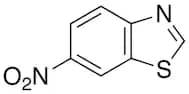
Formula:C7H5N3O2Color and Shape:NeatMolecular weight:163.136-Nitrobenzothiazole
CAS:Controlled ProductApplications A related compound of 1,2,3-benzothiadiazoles as synergists against the housefly (M. domestica).
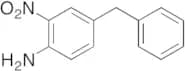
References Gil, D.L., et al.: Pesticide Biochem. Physiol., 6, 338 (1976),Formula:C7H4N2O2SColor and Shape:NeatMolecular weight:180.184-Benzyl-2-nitroaniline
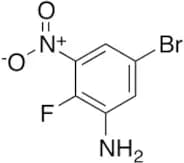
CAS:Controlled ProductFormula:C13H12N2O2Color and Shape:NeatMolecular weight:228.2475-Bromo-2-fluoro-3-nitroaniline
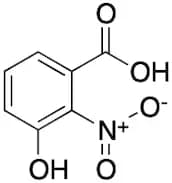
CAS:Controlled ProductFormula:C6H4BrFN2O2Color and Shape:NeatMolecular weight:235.0113-Hydroxy-2-nitrobenzoic Acid
CAS:Controlled ProductApplications 3-Hydroxy-2-nitrobenzoic Acid (cas# 602-00-6) is a compound useful in organic synthesis.
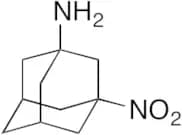
Formula:C7H5NO5Color and Shape:NeatMolecular weight:183.121-Amino-3-nitroadamantane
CAS:Controlled ProductImpurity Vildagliptin Impurity
Applications 1-Amino-3-nitroadamantane has potential application in co-catalyst for transition metal reactions and maybe a useful intermediate for the synthesis of Vildagliptin (V305000), an antidiabetic drug that inhibits dipeptidyl peptidase 4 (DPP-4). Vildagliptin exhibits antioxidant properties and may be an apoptotic compound against pancreatic cancer cells.
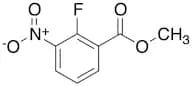
References Amritha, C., et al.: JCDR 9, FC14 (2015); Ahren, B., et al.: J. Clin. Endocrinol. Metab., 89, 2078 (2004), Ahren, B., et al.: Diabetes Care, 27, 2874 (2004), Barlocco, D., et al.: Curr. Opin. Invest. Drugs, 5, 1094 (2004)Formula:C10H16N2O2Color and Shape:NeatMolecular weight:196.25Methyl 2-fluoro-3-nitrobenzoate
CAS:Controlled ProductApplications Methyl 2-fluoro-3-nitrobenzoate
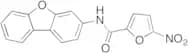
Formula:C8H6FNO4Color and Shape:NeatMolecular weight:199.14N-(3-Dibenzofuranyl)-5-nitro-2-furancarboxamide
CAS:Applications N-(3-Dibenzofuranyl)-5-nitro-2-furancarboxamide is synthesized from Dibenzo[b,d]furan-3-amine (D418205), which is a building block used as a reactant in the preparation of dibenzofuryl(phosphonomethyl)alanines as endothelin converting enzyme inhibitors.
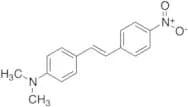
References De Lombaert, S., et al.: J. Med. Chem., 43, 488 (2000);Formula:C17H10N2O5Color and Shape:NeatMolecular weight:322.274-Dimethylamino-4'-nitrostilbene
CAS:Controlled ProductApplications 4-Dimethylamino-4'-nitrostilbene (cas# 4584-57-0) is a useful research chemical.
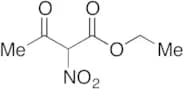
Not a dangerous good if item is equal to or less than 1g/ml and there is less than 100g/ml in the packageFormula:C16H16N2O2Color and Shape:NeatMolecular weight:268.32Ethyl Nitroacetoacetate
CAS:Controlled ProductFormula:C6H9NO5Color and Shape:NeatMolecular weight:175.1392-Bromo-4'-nitroacetophenone
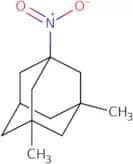
CAS:2-Bromo-4'-nitroacetophenone is a chemical compound that has been shown to be active in enzyme inhibition experiments. It has been found to inhibit the activity of histidine decarboxylase, which catalyzes the conversion of histidine to histamine, and uv absorption. 2-Bromo-4'-nitroacetophenone binds to the active site of P450 enzymes, inhibiting their catalytic activity. This compound also inhibits fatty acid oxidation by binding to fatty acid hydroxylase and hydrogen bonds with tyrosine residues in proteins. 2-Bromo-4'-nitroacetophenone is structurally similar to 2-bromoacetophenone, which has been shown to have antihistaminic properties.Formula:C8H6BrNO3Purity:Min. 95%Color and Shape:PowderMolecular weight:244.04 g/mol3,5-Dimethyl-1-nitroadamantane
CAS:Please enquire for more information about 3,5-Dimethyl-1-nitroadamantane including the price, delivery time and more detailed product information at the technical inquiry form on this page
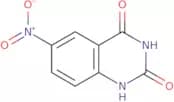
Purity:Min. 95%6-Nitro-1H-quinazoline-2,4-dione
CAS:6-Nitro-1H-quinazoline-2,4-dione (6NQD) is a carbonyl compound and an intermolecular hydrogen bond donor. It is synthesized by nitration of 1H-quinazoline-2,4-dione with nitric acid. This product has been studied by x-ray diffraction and spectroscopy techniques. 6NQD has been found to have yields of 48% in the synthesis reaction and the average yield is 61%. The x-ray analysis technique was used to characterize the molecular structure of this product. 6NQD has shown to be centrosymmetric and exhibits intermolecular hydrogen bonding.Formula:C8H5N3O4Purity:Min. 95%Color and Shape:PowderMolecular weight:207.14 g/mol3-Nitrobenzylchloride
CAS:3-Nitrobenzylchloride is a chemical compound that has an x-ray crystal structure. This molecule was synthesized by reacting 3-nitrobenzyl alcohol with thionyl chloride in the presence of sodium hydroxide and water. The reaction product was then purified by recrystallization from hexane to obtain the desired compound, which had an analytical purity of 98%. 3-Nitrobenzylchloride is a model system for studying nucleophilic attack, intramolecular hydrogen bonding, and halogen compounds. It can also be used to study radical coupling reactions of nitroalkanes, halides, and amines. 3-Nitrobenzylchloride can be used in analytical chemistry as a reagent for quality control tests on naphthalene and amines.
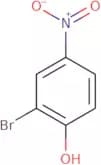
Formula:C7H6ClNO2Purity:Min. 95%Molecular weight:171.58 g/mol2-Bromo-4-nitrophenol
CAS:2-Bromo-4-nitrophenol is a byproduct of the reaction between hydrogen peroxide and sodium bromate. It can be detected in the presence of hydrochloric acid, which reacts with 2-bromo-4-nitrophenol to form an orange color that can be detected spectrophotometrically. 2-Bromo-4-nitrophenol has been shown to inhibit the growth of various strains of bacteria, including Escherichia coli, Bacillus subtilis, and Pseudomonas aeruginosa. This compound binds to flavin adenine dinucleotide (FAD) as well as other nucleophilic cofactors such as thioredoxin reductase. The binding affinity is increased when carbon sources are present. This property makes it a useful inhibitor for catalytic reduction reactions in biotechnology and synthetic chemistry applications.br>br> 2B4NP is a byFormula:C6H4BrNO3Purity:Min. 95%Color and Shape:PowderMolecular weight:218 g/molMethyl 3-nitroisonicotinate
CAS:Methyl 3-nitroisonicotinate is a synthetic compound that belongs to the nitro group. It is a strong nucleophile that has been shown to react with chloride to give an active methylene chloride, which can be used for the synthesis of other compounds. Methyl 3-nitroisonicotinate also reacts with nucleophilic amines, including pyridine and ammonia, to form methyl 3-aminoisonicotinate. This compound has been shown to have antimicrobial activity against bacteria such as Staphylococcus aureus and Escherichia coli. Methyl 3-nitroisonicotinate is stable in basic conditions and at neutral pH but hydrolyzes rapidly in acid conditions.Formula:C7H6N2O4Purity:Min. 95%Molecular weight:182.13 g/molFmoc-3-nitro-L-phenylalanine
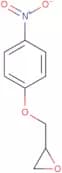
CAS:Please enquire for more information about Fmoc-3-nitro-L-phenylalanine including the price, delivery time and more detailed product information at the technical inquiry form on this pageFormula:C24H20N2O6Purity:Min. 98 Area-%Color and Shape:White PowderMolecular weight:432.43 g/mol1,2-Epoxy-3-(4-nitrophenoxy)propane
CAS:1,2-Epoxy-3-(4-nitrophenoxy)propane is an epoxide that is a reactive intermediate that participates in a number of reactions, including the formation of disulfide bonds. It has been shown to have genotoxic effects and to be toxic to polymorphonuclear leucocytes. The compound can also inhibit detoxification enzymes, which may make it useful as a biomarker for environmental exposure to xenobiotics. 1,2-Epoxy-3-(4-nitrophenoxy)propane has also been shown to be a potential anti-cancer agent in gene therapy studies. This compound inhibits energy metabolism by inhibiting the enzyme glyceraldehyde 3 phosphate dehydrogenase (GAPDH).
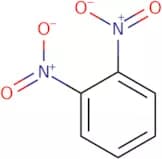
Formula:C9H9NO4Purity:Min. 95%Molecular weight:195.17 g/mol1,2-Dinitrobenzene
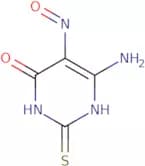
CAS:1,2-Dinitrobenzene (DNB) is a nucleophilic compound that reacts with hydrochloric acid to form the corresponding nitroso derivative. It is used as an analytical reagent to measure the concentration of amines in organic compounds. DNB has been shown to be potent inducer of DNA strand breaks, and genotoxic activity in mammalian cells. DNB also has biological properties such as binding to fatty acids and inhibiting the dehydroascorbic acid reductase enzyme.Formula:C6H4N2O4Purity:Min. 95%Color and Shape:PowderMolecular weight:168.11 g/mol6-Amino-5-nitroso-2-thiouracil
CAS:6-Amino-5-nitroso-2-thiouracil is a water molecule that has been synthesized and characterized by the kinetic method. It has an intense absorption line at 514 nm and can be used as a marker for technetium. 6-Amino-5-nitroso-2-thiouracil is also a ligand, which is a chemical that binds to metal ions in order to form coordination complexes. 6-Amino-5-nitroso-2-thiouracil is formed by the reaction of chloramine with ammonia, as well as other reactions involving chlorine atoms. 6Amino - 5 nitroso - 2 thiouracil can be used as a chelate ring, which is a type of ligand that contains both nitrogen and sulfur atoms. Bleomycin, a five membered ring molecule, reacts with 6 amino - 5 nitroso - 2 thiouracil toFormula:C4H4N4O2SPurity:Min. 95%Molecular weight:172.17 g/mol2-Iodo-4-nitroanisole
CAS:2-Iodo-4-nitroanisole is a reagent that catalyzes the labeling of proteins with iodine. The reaction is anomalously slow in the presence of bovine serum albumin and results in an increase in the amount of labeled protein. This reagent can also be used to study the kinetics of reactions involving nitrous oxide. The rate of reaction is dependent on the concentration of hydrogen ions, which is why this reagent is often used in assays that have acidic conditions. 2-Iodo-4-nitroanisole can also be used to label lysine residues on proteins by reacting with nitrous oxide and dinitrogen tetroxide, which react at high rates when they are mixed together.Formula:C7H6INO3Purity:Min. 95%Molecular weight:279.03 g/mol3-Nitrobenzanilide
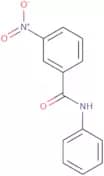
CAS:3-Nitrobenzanilide is an intermediate in the synthesis of a number of pharmaceuticals and pesticides. It is used as an activated reagent to introduce the benzoyl group by reaction with dimethylformamide. 3-Nitrobenzanilide can be prepared from phenylacetonitrile, benzoyl chloride, and ammonia or from nitrobenzene and sodium cyanide. The nature of the nitro group on the benzene ring determines whether the product is a diazo compound or a carbonyl compound. 3-Nitrobenzanilide has been shown to have plant disease control properties via its ability to inhibit plant enzymes such as acetylcholine esterase.
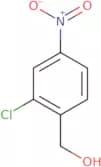
Formula:C13H10N2O3Purity:Min. 95%Molecular weight:242.23 g/mol(2-Chloro-4-nitrophenyl)methanol
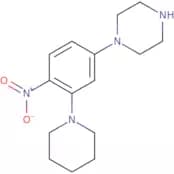
CAS:Please enquire for more information about (2-Chloro-4-nitrophenyl)methanol including the price, delivery time and more detailed product information at the technical inquiry form on this pageFormula:C7H6ClNO3Purity:Min. 95%Color and Shape:PowderMolecular weight:187.58 g/mol1-(4-Nitro-3-piperidin-1-ylphenyl)piperazine
CAS:1-(4-Nitro-3-piperidin-1-ylphenyl)piperazine is a synthetic molecule that is used as a polymerization initiator. It can be used to prepare polymers with functional groups that contain nitro and piperidine groups. 1-(4-Nitro-3-piperidin-1-ylphenyl)piperazine reacts with monomers such as thiourea, which are then polymerized by the addition of other reagents such as solvents or catalysts. The most common use of 1-(4-Nitro-3-piperidin-1-ylphenyl)piperazine is in the synthesis of nalidixic acid, an antibiotic drug that inhibits bacterial growth by preventing DNA replication. This compound has been shown to be nonhazardous to humans and animals in bioassays, although it may cause toxic effects on the skin, eyes, and respiratory system when exposedFormula:C15H22N4O2Purity:Min. 95%Molecular weight:290.36 g/mol1,8-Dinitropyrene
CAS:1,8-Dinitropyrene is a genotoxic and mutagenic potential agent. It has been shown to induce nitric oxide synthase activity in rat liver microsomes, which may be due to its ability to activate the redox potential of the cells. 1,8-Dinitropyrene also induces enzyme activities such as p450 and nitroreductase in rat liver microsomes. This chemical has an analytical detection limit of 0.05 ppm and can be used as a marker for environmental exposure. 1,8-Dinitropyrene is genotoxic and carcinogenic in rats but not mice. It has been shown to induce mutations at the thymidine position of calf-thymus DNA and is potent inducer of genetic mutation in vitro.Formula:C16H8N2O4Purity:Min. 95%Color and Shape:PowderMolecular weight:292.25 g/molMethyl3-formyl-4-nitrobenzoate
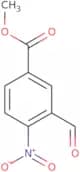
CAS:Methyl3-formyl-4-nitrobenzoate is a polycyclic, boronic ester ligand that can be used in organic synthesis. It has a monocyclic alkenyl group with substitutable hydrogens and a haloalkyl substituent. The heterocycle is an aryloxy substituted with an alkynyl group. This reagent has been patented by the University of California.Formula:C9H7NO5Purity:Min. 95%Molecular weight:209.16 g/mol3-(Methylnitrosamino)propionitrile
CAS:3-(Methylnitrosamino)propionitrile (NNK) is a potent, but toxic, carcinogen that has been shown to be one of the major causes of lung cancer in animals. It is metabolized to 3-aminobenzamide and N-nitrosodimethylamine (NDMA) by cytochrome P450 enzymes. These metabolites are then further converted into reactive species that bind covalently with DNA, leading to mutations and ultimately cancer. The activation of NNK can be prevented by inhibiting the enzyme hydrolysis or by blocking the synthesis of the reactive metabolites.Formula:C4H7N3OPurity:Area-% Min. 95 Area-%Molecular weight:113.12 g/mol3-Nitropropionic acid
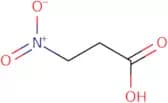
CAS:3-Nitropropionic acid (3NPA) is a mitochondrial toxin that causes neuronal death by inhibiting complex enzyme activities and inducing reactive oxygen species production. 3NPA also alters mitochondrial membrane potential and induces pro-apoptotic protein expression, leading to neuronal cell death. 3NPA has been shown to be effective in the treatment of experimental models of infectious diseases, such as rat sepsis and human HIV infection, by reducing the number of activated T cells and CD4+ T cells. 3NPA also exhibits anti-inflammatory properties by inhibiting the inflammatory responses of monocytes/macrophages and neutrophils.Formula:C3H5NO4Purity:Min. 95%Color and Shape:PowderMolecular weight:119.08 g/mol2-Amino-4-chloro-3-nitropyridine
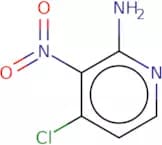
CAS:2-Amino-4-chloro-3-nitropyridine is a potent inhibitory molecule that inhibits the activity of the enzyme acetylcholinesterase. It has been used in the treatment of chronic pain, and has been shown to be effective for inhibiting malonate esters and amino acid esters. This drug is an ethyl ester that can be synthesized from chlorobenzene and malonic acid by chlorinating it with chlorine gas. 2-Amino-4-chloro-3-nitropyridine has also been shown to have a high affinity for malonic acid diethyl esters.Formula:C5H4ClN3O2Purity:Min. 98 Area-%Color and Shape:PowderMolecular weight:173.56 g/mol4-Nitroisoxazole
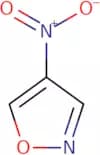
CAS:4-Nitroisoxazole is a primary amino compound that has been synthesized from the reaction of nitrobenzene with ammonia. 4-Nitroisoxazole is homochiral, meaning it can exist in only one form. It has been shown to stabilize secondary and tertiary amines, which are used as building blocks for peptides, proteins, and other biomolecules. When 4-nitroisoxazole is treated with zinc powder in hydrochloric acid, an asymmetric synthesis occurs. The resulting product is an isoxazole with two different chiral centers. This process can be catalyzed by ammonium nitrate, which is a chemical reagent that can be used for industrial purposes such as fertilizer production.Formula:C3H2N2O3Purity:Min. 95%Molecular weight:114.06 g/molN-α-Z-L-lysine 4-nitrophenyl ester hydrochloride
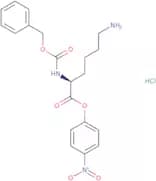
CAS:N-alpha-Z-L-lysine 4-nitrophenyl ester hydrochloride is a protease that belongs to the family of serine proteases. It is produced by the biotechnological process of enzymatic extraction from the natural polysaccharide carrageenan. This product has been used in the production of high yield and purified enzymes for industrial applications. The enzyme has been shown to have cysteine and hydrolytic activity, as well as being able to break peptidic bonds in peptides. N-alpha-Z-L-lysine 4-nitrophenyl ester hydrochloride also has a high specificity for proteolytic cleavage of proteins at their carboxy terminal end.Formula:C20H23N3O6•HClPurity:Min. 95%Molecular weight:437.87 g/mol4-(Methylnitrosoamino)-1-(3-pyridinyl)-1-butanone
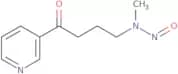
CAS:4-(Methylnitrosoamino)-1-(3-pyridinyl)-1-butanone (NNK) is a carcinogenic chemical that has been identified in tobacco smoke. It induces squamous cell carcinomas in the respiratory tract of rodents and induces lung cancer in the offspring of pregnant rats exposed to NNK. This compound binds to double-stranded DNA, with high affinity for the minor groove, and inhibits DNA synthesis by binding to enzymes such as polymerase chain. In addition, it has been shown to cause transformation of epithelial cells into mesenchymal cells in vitro. 4-(Methylnitrosoamino)-1-(3-pyridinyl)-1-butanone binds to α7 nicotinic acetylcholine receptors and increases the response element activity.
Formula:C10H13N3O2Purity:Min. 95%Color and Shape:PowderMolecular weight:207.23 g/mol1-Nitro-Cyclohexene
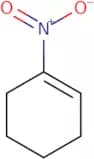
CAS:1-Nitro-cyclohexene is an aromatic compound that reacts with nitric oxide to form a nitroso. 1-Nitro-cyclohexene has been shown to be a reactive intermediate in the Covid-19 pandemic, catalyzing the formation of covidimycin from dimethoxymethylpenicillin. 1-Nitro-cyclohexene also has been found to react with hydrogen peroxide and flavin mononucleotide to form hydroxyl radicals, which are highly reactive chemical species capable of damaging DNA and other cellular components. The toxicity of 1-nitrocyclohexene is related to its ability to form nitrosamines and nitrophenols, which are both carcinogenic. 1-Nitro-cyclohexene can also react with protonated amines or amides to form imines or imides, which are chemically stable species that can persist in the environment.Formula:C6H9NO2Purity:Min. 95%Molecular weight:127.14 g/mol5-Nitrosoquinolin-8-ol
CAS:5-Nitrosoquinolin-8-ol is a chemical inhibitor that can be used in the study of enzyme function. It reacts with the active site of the enzymes and prevents them from carrying out their normal functions. 5-Nitrosoquinolin-8-ol has been shown to inhibit the growth of cancer cells and to have antiinflammatory properties. 5-Nitrosoquinolin-8-ol has been shown to bind to sephadex G-100 and potassium dichromate, which are both types of ion exchangers. The redox potential for this compound is -0.84 V. This means it will not react easily with other compounds, which makes it a good candidate for use as an inhibitor in biochemical studies. The nitrogen atoms in this compound are reactive, which means they can form covalent bonds with other molecules in a reaction called nitrosation. Structural biology is a branch of science that deals with studying the three dimensional structure of biological macFormula:C9H6N2O2Purity:Min. 95%Color and Shape:Yellow To Green SolidMolecular weight:174.16 g/mol2-Chloro-4-nitro-6-bromoaniline
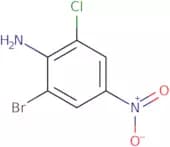
CAS:2-Chloro-4-nitro-6-bromoaniline is a dispersive, linear range, ammonolysis and chloride free oxidant for wastewater treatment. This compound is effective at removing organic pollutants from wastewater and has been shown to be both environmentally safe and cost effective. 2-Chloro-4-nitro-6-bromoaniline is also used as a polymerization initiator in the production of polyester resins. It can be manufactured by recycling anilines by reacting them with bromine in the presence of an acid catalyst. 2CNBBA is used as a hydrogen bond acceptor in microextraction of chlorinated compounds from water samples.Formula:C6H4BrClN2O2Purity:Min. 95%Molecular weight:251.46 g/mol2,4-Difluoro-5-nitrobenzonitrile
CAS:2,4-Difluoro-5-nitrobenzonitrile is a chemical that has been found to have affinity for the central nervous system. It inhibits the reuptake of monoamines such as dopamine and serotonin. This chemical has been shown to be endogenously produced in humans and animals. 2,4-Difluoro-5-nitrobenzonitrile also inhibits the uptake of amines by blocking the activity of their respective transporters. The compound is an isomeric mixture of two possible structures, which differ in their position on the benzene ring. The first form is characterized by a low affinity for neurotransmitter receptors and therefore has low inhibitory properties on monoamine uptake. The second form has greater affinity for neurotransmitter receptors and therefore has greater inhibitory properties on monoamine uptake, although at higher concentrations it may lead to adverse effects on muscle tissue.
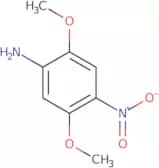
Formula:C7H2F2N2O2Purity:Min. 95%Color and Shape:PowderMolecular weight:184.1 g/mol2,5-Dimethoxy-4-nitroaniline
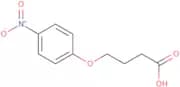
CAS:Controlled ProductPlease enquire for more information about 2,5-Dimethoxy-4-nitroaniline including the price, delivery time and more detailed product information at the technical inquiry form on this pageFormula:C8H10N2O4Purity:Min. 95%Molecular weight:198.18 g/mol4-(4-Nitrophenoxy)butanoic acid
CAS:Controlled ProductPlease enquire for more information about 4-(4-Nitrophenoxy)butanoic acid including the price, delivery time and more detailed product information at the technical inquiry form on this page
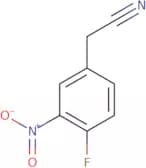
Formula:C10H11NO5Purity:Min. 95%Molecular weight:225.2 g/mol(4-Fluoro-3-Nitrophenyl)Acetonitrile
CAS:4-Fluoro-3-nitrophenylacetonitrile is a monomer that can be synthesised from the reaction of carbamic acid and diphenyl ether. It is chiral, stereoselective and nucleophilic. 4-Fluoro-3-nitrophenylacetonitrile can also be synthesised by reacting fluoroacetamide with sodium cyanide in water, forming the corresponding amide, which reacts with acetonitrile to form the nitro compound. The anti-cancer properties of 4-fluoro-3 nitrophenylacetonitrile have been studied in vitro and in vivo. This substance has been shown to inhibit growth of cancer cells and induce apoptosis. In addition, this substance has been used as a synthetic strategy for dihydroisoquinolines, which are important for their anti-cancer properties.
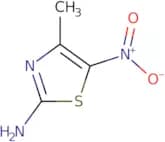
Formula:C8H5FN2O2Purity:Min. 95%Molecular weight:180.14 g/mol4-Methyl-5-nitrothiazol-2-amine
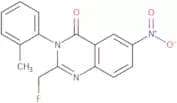
CAS:Please enquire for more information about 4-Methyl-5-nitrothiazol-2-amine including the price, delivery time and more detailed product information at the technical inquiry form on this pageFormula:C4H5N3O2SPurity:Min. 95%Color and Shape:PowderMolecular weight:159.17 g/mol2-(Fluoromethyl)-3-(2-methylphenyl)-6-nitro-3H-quinazolin-4-one
CAS:Controlled ProductPlease enquire for more information about 2-(Fluoromethyl)-3-(2-methylphenyl)-6-nitro-3H-quinazolin-4-one including the price, delivery time and more detailed product information at the technical inquiry form on this page
Formula:C16H12FN3O3Purity:Min. 95%Molecular weight:313.28 g/mol1-(2-Nitrophenyl)-1,2-ethanediol
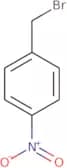
CAS:1-(2-Nitrophenyl)-1,2-ethanediol is a chemical that has been shown to inhibit the glutamate-induced increase in cytosolic Ca2+ concentration. It also prevents the loss of membrane integrity and protects against cell death by inhibiting apoptosis. 1-(2-Nitrophenyl)-1,2-ethanediol also inhibits amp-activated protein kinase activity and increases ATP production. These effects may be due to its ability to reduce intracellular Ca2+ levels and prevent Ca2+ overload in mitochondria. 1-(2-Nitrophenyl)-1,2-ethanediol has been shown to have a protective effect on isolated heart cells and ventricular myocytes from hypoxia/reoxygenation injury and is an effective model system for investigating biochemical properties of glutamate excitotoxicity.Formula:C8H9NO4Purity:Min. 95%Color and Shape:PowderMolecular weight:183.16 g/mol4-Nitrobenzyl bromide
CAS:4-Nitrobenzyl bromide is a reactive compound that reacts with the hydroxyl group of phenols to form 4-nitrophenols. It has been shown to react with congestive heart failure (CHF) patients' sera and bind to receptors on the surface of red blood cells, thereby inhibiting their ability to carry oxygen. The reaction mechanism for this process is unclear, but it is thought that it may involve a nucleophilic attack on the double bond in the phenol by a hydroxyl radical. This chemical can also be used as an analytical method for determining organic acids in natural compounds. Monoclonal antibodies are used for this purpose because they are specific for certain organic acids and thus will only react with them.Formula:C7H6BrNO2Purity:Min. 95%Color and Shape:PowderMolecular weight:216.03 g/mol6-Hydroxy-5-nitronicotinic acid
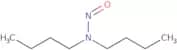
CAS:Please enquire for more information about 6-Hydroxy-5-nitronicotinic acid including the price, delivery time and more detailed product information at the technical inquiry form on this pageFormula:C6H4N2O5Purity:Min. 95%Molecular weight:184.11 g/molN-Nitroso-di-n-butylamine
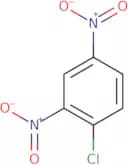
CAS:N-Nitroso-di-n-butylamine is a nitrosamine that is a product of wastewater treatment. It has been shown to inhibit mitochondrial function and induce liver lesions in rats at high doses. N-Nitroso-di-n-butylamine is structurally similar to the natural substrate ribose, which leads to inhibition of xanthine oxidase, an enzyme involved in purine metabolism. The structural analysis revealed the presence of reactive sites that are susceptible to attack by nucleophiles, such as hydroxyl radicals or hydrogen peroxide. This indicates that N-Nitroso-di-n-butylamine may be a precursor for other carcinogenic compounds. NADH is reduced by NADH dehydrogenase (complex I) in mitochondria to produce NAD+, which subsequently donates electrons to the electron transport chain and generates ATP. The ability of NNDB to inhibit complex I activity was assessed using hl60Formula:C8H18N2OPurity:Min. 95%Molecular weight:158.24 g/mol2,4-Dinitrochlorobenzene
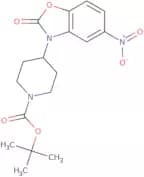
CAS:2,4-Dinitrochlorobenzene is a chemical that has been shown to have an anti-allergic effect. It is used as a reagent in analytical methods for the determination of disease activity. 2,4-Dinitrochlorobenzene inhibits the production of nitric oxide (NO) and prostaglandin E2 (PGE2) by binding to reactive oxygen species (ROS). The inhibition of NO and PGE2 synthesis causes a decrease in the activation of nuclear factor kappa B (NF-κB), which leads to decreased expression of various genes that are regulated by NF-κB. 2,4-Dinitrochlorobenzene has also been shown to increase glutathione levels, which may be due to its ability to inhibit protein thiols and squamous cell carcinoma cells.Formula:C6H3ClN2O4Purity:Min. 95%Color and Shape:PowderMolecular weight:202.55 g/moltert-Butyl 4-(5-nitro-2-oxo-1,3-benzoxazol-3(2H)-yl)piperidine-1-carboxylate
CAS:Controlled ProductPlease enquire for more information about tert-Butyl 4-(5-nitro-2-oxo-1,3-benzoxazol-3(2H)-yl)piperidine-1-carboxylate including the price, delivery time and more detailed product information at the technical inquiry form on this pageFormula:C17H21N3O6Purity:Min. 95%Molecular weight:363.37 g/molN,N-Dimethyl-2-nitroaniline
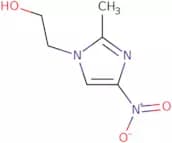
CAS:N,N-Dimethyl-2-nitroaniline is a colorless liquid with a characteristic odor. It has a boiling point of 170 degrees Celsius and a melting point of -10 degrees Celsius. The molecule is composed of two nitro groups and one methyl group, which are in an ionic bond. N,N-Dimethyl-2-nitroaniline can be found in solvents such as hexane or benzene and has an intramolecular hydrogen bonding frequency of 3.4 GHz. This compound is soluble in water and ethanol, but insoluble in ether.Formula:C8H10N2O2Purity:Min. 95%Molecular weight:166.18 g/mol2-(2-Methyl-4-nitro-1H-imidazol-1-yl)ethanol
CAS:Please enquire for more information about 2-(2-Methyl-4-nitro-1H-imidazol-1-yl)ethanol including the price, delivery time and more detailed product information at the technical inquiry form on this page
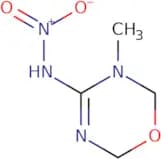
Formula:C6H9N3O3Purity:Min. 95%Molecular weight:171.15 g/mol3-Methyl-4-nitroimino-tetrahydro-1,3,5-oxadiazine
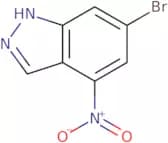
CAS:3-Methyl-4-nitroiminoperhydro-1,3,5-oxadiazine is a synthetic chemical compound that can be used as a pressurizing agent. It is an acidic compound and has high yield. 3-Methyl-4-nitroiminoperhydro-1,3,5-oxadiazine is also used to produce formic acid and can be found in the environment as a pollutant. This chemical may be harmful to insects. 3-Methyl-4-nitroiminoperhydro-1,3,5-oxadiazine has been used in scientific research to synthesize paraformaldehyde and recycled materials from formaldehyde. This chemical is also often used as a diluent or reagent in laboratory experiments.Formula:C4H8N4O3Purity:Min. 95%Molecular weight:160.13 g/mol6-Bromo-4-nitro-1H-indazole
CAS:Please enquire for more information about 6-Bromo-4-nitro-1H-indazole including the price, delivery time and more detailed product information at the technical inquiry form on this page
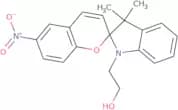
Formula:C7H4BrN3O2Purity:Min. 95%Molecular weight:242.03 g/mol1-(2-Hydroxyethyl)-3,3-dimethylindolino-6'-nitrobenzopyrylospiran
CAS:Please enquire for more information about 1-(2-Hydroxyethyl)-3,3-dimethylindolino-6'-nitrobenzopyrylospiran including the price, delivery time and more detailed product information at the technical inquiry form on this page
Purity:Min. 95%3-Nitrobenzyl bromide
CAS:3-Nitrobenzyl bromide (3NB) is a lectin that binds to the carbohydrate moieties of glycoproteins. It has been shown to inhibit protease activity and be an inhibitor of nitro group formation by reacting with sodium carbonate. 3NB has also been used in sample preparation for monoclonal antibody production. 3-Nitrobenzyl bromide can be used as a probe for hydrogen bonds, which may be due to its ability to form an intermolecular hydrogen bond with other molecules. 3NB inhibits fatty acid synthesis and cardiac contractile function, which is likely due to its inhibitory properties on hydrogen bonding.
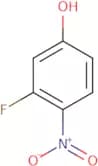
Formula:C7H6BrNO2Purity:Min. 95%Color and Shape:Off-White PowderMolecular weight:216.03 g/mol3-Fluoro-4-nitrophenol
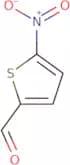
CAS:3-Fluoro-4-nitrophenol is an organic solvent that is used in the synthesis of a number of organic and inorganic compounds, including diazonium salts. 3-Fluoro-4-nitrophenol can be reacted with organometallic reagents to form tetraphenylmethane derivatives. It has been shown to have potential use as a precursor for the synthesis of a number of pharmaceuticals, such as regorafenib, which is an antiangiogenic drug. 3-Fluoro-4-nitrophenol reacts with chloride ions to form coelomic acid (3-fluoroaniline) and other organic acids. Reaction with magnesium and aluminium produces silicon nitride.Formula:C6H4FNO3Purity:Min. 95%Molecular weight:157.1 g/mol5-Nitrothiophene-2-carboxaldehyde
CAS:5-Nitrothiophene-2-carboxaldehyde (5NT) is a chemical compound that belongs to the class of dihedral molecules. It is commonly used as an antimicrobial agent and has been shown to have amoebicidal activity in tissue culture. 5NT also inhibits cell growth and proliferation in certain bacteria, such as Staphylococcus aureus strains, by interfering with DNA replication and protein synthesis. Although 5NT is not active against other types of bacteria, it has been shown to be effective against MRSA in laboratory studies. The biological properties of 5NT are still being studied.
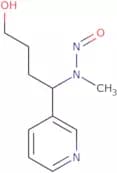
Formula:C5H3NO3SPurity:Min. 95%Molecular weight:157.15 g/mol4-(N-Methyl-N-nitrosamino)-4-(3-pyridyl)butane-1-ol
CAS:4-(N-Methyl-N-nitrosamino)-4-(3-pyridyl)butane-1-ol is a chemical that can be found in tobacco smoke. It has been shown that chronic exposure to 4-(N-methyl-N-nitrosamino)-4-(3-pyridyl)butane-1-ol causes cancer in rodents, as evidenced by increased rates of tumorigenesis. This chemical also has the ability to inhibit butyric acid formation, which may reduce the risk of colon cancer. The carcinogenic effect of this chemical is due to its ability to react with DNA and form adducts that cause methylation at C8 position on guanine nucleotide (G). These adducts lead to mutations, which can lead to cancer.Formula:C10H15N3O2Purity:Min. 95%Molecular weight:209.25 g/mol2,6-Dinitroaniline
CAS:2,6-Dinitroaniline is an organic compound that is used as a pesticide. It is classified as a group P2 carcinogen and has been shown to cause cancer in laboratory animals. 2,6-Dinitroaniline binds to DNA and RNA molecules in plant cells, which inhibits protein synthesis and the production of energy in mitochondria. It also inhibits cell division by binding with proteins that regulate the cell cycle. The most common assay for 2,6-dinitroaniline is an immunosorbent assay that uses monoclonal antibodies to detect its presence in tissues or culture media. This test can be used for both qualitative and quantitative analysis of 2,6-dinitroaniline levels. Other methods include gas chromatography/mass spectrometry (GC/MS), liquid chromatography (LC)/MS, high performance liquid chromatography (HPLC), or thin layer chromatography (TLC).
Formula:C6H5N3O4Purity:Min. 95%Color and Shape:Light (Or Pale) Yellow To Orange Yellow SolidMolecular weight:183.12 g/mol4-Nitro lenalidomide
CAS:4-Nitro lenalidomide is an organic compound that is a derivative of the drug lenalidomide. It is synthesized by reacting 2-nitrobenzaldehyde with amines, yielding 4-nitro-N-(2-chloroethyl)-N-(2,3-dihydroxypropyl)benzamide or 4-nitrolenalidomide. This reaction occurs in tetrahydrofuran (THF) as a solvent and in the presence of sodium borohydride (NaBH4). The four nitro groups are used to control the enantiomeric purity of the product. The chemical formula for 4-nitro lenalidomide is C12H14ClNO2.Formula:C13H11N3O5Purity:Min. 95%Molecular weight:289.24 g/mol4-Nitrophenylhydrazine hydrochloride
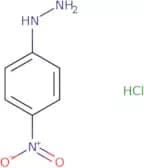
CAS:4-Nitrophenylhydrazine hydrochloride is an organic compound that belongs to the class of hydrazines. It is a colorless solid that has a melting point of 202-204 °C. 4-Nitrophenylhydrazine hydrochloride is used in the synthesis of other compounds, such as trifluoroacetic acid and nucleophilic compounds. The chemical structure can be analyzed using nuclear magnetic resonance (NMR) spectroscopy, which shows that this compound contains amines and nitro groups. 4-Nitrophenylhydrazine hydrochloride is also soluble in water due to its acidic nature. This compound reacts with bases and alcohols to form salts, such as monosodium salt.
Formula:C6H7N3O2·HClPurity:Min. 95%Color and Shape:PowderMolecular weight:189.6 g/mol4-Fluoro-3-nitropyridine
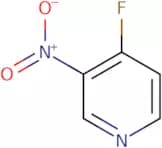
CAS:4-Fluoro-3-nitropyridine is a reactive chemical that can react with alcohols, amines, and amino acids. It has been shown to have absorption spectra in the ultraviolet region of the light spectrum. 4-Fluoro-3-nitropyridine is also a pyridine derivative.Formula:C5H3FN2O2Purity:Min. 95%Color and Shape:Off-White PowderMolecular weight:142.09 g/mol1-(2-Amino-5-nitrophenyl)ethanone
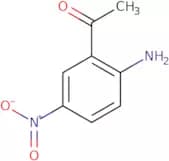
CAS:Please enquire for more information about 1-(2-Amino-5-nitrophenyl)ethanone including the price, delivery time and more detailed product information at the technical inquiry form on this pageFormula:C8H8N2O3Purity:Min. 95%Molecular weight:180.16 g/mol4-Amino-1,3-dimethyl-2,6-dioxo-5-nitrosopyrimidine
CAS:4-Amino-1,3-dimethyl-2,6-dioxo-5-nitrosopyrimidine is a monoclonal antibody that binds to cancer cells. It has been shown to be effective in the treatment of leukemia, Hodgkin's disease, and non-Hodgkin's lymphoma. The binding of 4-Amino-1,3-dimethyl-2,6-dioxo-5-nitrosopyrimidine to cancer cells is due to the formation of a coordination geometry between the copper complex and the nitrogen atoms on the amino group. This drug has been shown to inhibit tumor growth by blocking the synthesis of DNA and RNA, which are key components in cell division. 4AADNP also inhibits cancer cells' ability to uptake glucose by inhibiting cellular glucose transporters. The binding affinity of 4AADNP for cancer cells is higher than for normal cells because cancer cells have more receptors for this drugFormula:C6H8N4O3Purity:Min. 95%Molecular weight:184.15 g/mol3-Nitropyridine
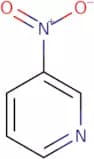
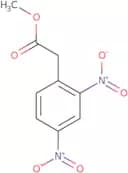
CAS:3-Nitropyridine is a nitro compound that is used in the preparation of pharmaceuticals. It has been shown to have an inhibitory effect on HIV and other viruses, which may be due to its ability to react with nucleophilic groups. 3-Nitropyridine has also been shown to have an inhibitory effect on the human immunodeficiency virus (HIV) by reacting with the acidic group of the virus. This reaction prevents the virus from binding to cells and entering them. 3-Nitropyridine is also used as a solvent for organic reactions.Formula:C5H4N2O2Purity:Min. 95%Color and Shape:PowderMolecular weight:124.1 g/molMethyl (2,4-dinitrophenyl)acetate
CAS:Please enquire for more information about Methyl (2,4-dinitrophenyl)acetate including the price, delivery time and more detailed product information at the technical inquiry form on this pageFormula:C9H8N2O6Purity:Min. 95%Molecular weight:240.17 g/mol2-Methyl-3,5-dinitrobenzonitrile
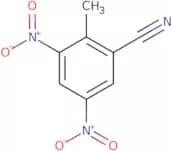
CAS:2-Methyl-3,5-dinitrobenzonitrile is a nitro compound that is used as a coccidiostat in the poultry industry. It inhibits the development of coccidiosis in chickens by preventing the growth of protozoa. 2-Methyl-3,5-dinitrobenzonitrile binds to DNA and RNA and prevents protein synthesis, thereby inhibiting cell division and causing death. This drug has been shown to be an analog of benzene, hexane, and pyridine. The structural analysis of this molecule reveals that it contains two nitro groups attached to a benzene ring. One nitro group is located on each methyl group. The hydrogen atoms are replaced by fluorine atoms with one hydrogen atom being replaced by chloride atom. The other nitro group is located on the 3rd carbon on the right side of the benzene ring. This molecule also contains three chlorine atoms which are attached to two adjacent carbonsFormula:C8H5N3O4Purity:Min. 95%Molecular weight:207.14 g/mol2-Cyclohexyl-4,6-dinitrophenol
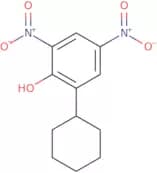
CAS:2-Cyclohexyl-4,6-dinitrophenol is a chemical that inhibits the synthesis of viral DNA. It has been shown to have minimal toxicity in animal models and may be used for the treatment of metabolic disorders, such as hepatic steatosis or hepatitis. 2-Cyclohexyl-4,6-dinitrophenol has also been shown to inhibit the toll-like receptor (TLR) pathway and induce an antiviral state in vitro. In addition, it was found to have an effect on mitochondrial membrane potential, which may explain its antiviral activity. 2-Cyclohexyl-4,6-dinitrophenol has also been shown to inhibit viral replication in cells infected with HIV and other viruses such as Hepatitis C virus.Formula:C12H14N2O5Purity:Min. 95%Molecular weight:266.25 g/mol







![N-[4-Bromo-3-(bistrifluoromethyl)phenyl]-2-hydroxy-5-nitrobenzamide](/_next/image/?url=https%3A%2Fstatic.cymitquimica.com%2Fproducts%2FTR%2Fthumb-webp%2FB680365.webp&w=3840&q=75)


![2-[(7-Nitro-2,1,3-benzoxadiazol-4-yl)amino]ethanethiol](/_next/image/?url=https%3A%2Fstatic.cymitquimica.com%2Fproducts%2FTR%2Fthumb-webp%2FN493585.webp&w=3840&q=75)