Ketones
Found 18868 products of "Ketones"
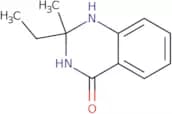
2-Ethyl-2-methyl-1,2,3-trihydroquinazolin-4-one
CAS:Please enquire for more information about 2-Ethyl-2-methyl-1,2,3-trihydroquinazolin-4-one including the price, delivery time and more detailed product information at the technical inquiry form on this page
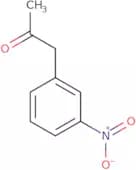
Purity:Min. 95%(3-Nitrophenyl)acetone
CAS:3-Nitrophenylacetone is a white solid that is soluble in water and polar organic solvents. 3-Nitrophenylacetone can be used as a building block for the synthesis of other compounds, such as pharmaceuticals and dyes. This compound has been researched for its ability to inhibit protein glycosylation. 3-Nitrophenylacetone is also used as an intermediate in the synthesis of polyurethanes and polycarbonates.Formula:C9H9NO3Purity:Min. 95%Color and Shape:White PowderMolecular weight:179.17 g/mol3-Octadecanone
CAS:3-Octadecanone is a fatty acid that can be found in the seed oils of Cochlospermaceae. 3-Octadecanone has been shown to inhibit the growth of colorectal carcinoma cells and also has anti-inflammatory properties. It is able to bind to pyridoxal phosphate, which is required for the synthesis of bioactive molecules such as fatty acids and prostaglandins. 3-Octadecanone has also demonstrated antimalarial activity against erythrocytic stages of Plasmodium falciparum, the parasite that causes malaria, and also inhibits cancer cell proliferation in vitro. This compound is an important source of bioactive molecules due to its functional groups and fatty acid content.
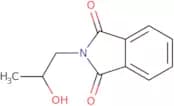
Formula:C18H36OPurity:Min. 95%Color and Shape:PowderMolecular weight:268.48 g/mol2-(2-Hydroxypropyl)-1H-isoindole-1,3(2H)-dione
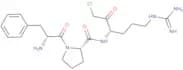
CAS:Please enquire for more information about 2-(2-Hydroxypropyl)-1H-isoindole-1,3(2H)-dione including the price, delivery time and more detailed product information at the technical inquiry form on this pageFormula:C11H11NO3Purity:Min. 95%Color and Shape:PowderMolecular weight:205.21 g/molD-Phenylalanyl-prolyl-arginyl chloromethyl ketone
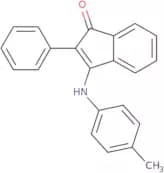
CAS:D-Phenylalanyl-prolyl-arginyl chloromethyl ketone is a chemical compound that inhibits the proteolytic activity of serine proteases. It binds to the thrombin receptor on the surface of cells and prevents activation of fibrinogen by thrombin, which is an enzyme that promotes clotting. D-Phenylalanyl-prolyl-arginyl chloromethyl ketone also blocks platelet aggregation and has shown an ability to induce muscle cell proliferation. This drug has been used in pharmacological experiments as an inhibitor binding agent.Formula:C21H31ClN6O3Purity:Min. 90 Area-%Color and Shape:PowderMolecular weight:450.96 g/mol3-((4-methylphenyl)amino)-2-phenylinden-1-one
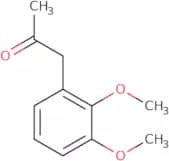
CAS:Please enquire for more information about 3-((4-methylphenyl)amino)-2-phenylinden-1-one including the price, delivery time and more detailed product information at the technical inquiry form on this pagePurity:Min. 95%(2,3-Dimethoxyphenyl)acetone
CAS:2,3-Dimethoxyphenylacetone is a synthetic compound that has been used as a precursor to other compounds. The synthesis of 2,3-dimethoxyphenylacetone requires the reaction of lithium aluminum hydride with acrylonitrile and hydriodic acid. The molecule can be cyclized in two different ways to form either 2,3-dimethoxybenzaldehyde or 3-methoxybenzaldehyde. The structure of 2,3-dimethoxyphenylacetone is similar to that of hydrazoic acid which has been used as an intermediate in the synthesis of other compounds such as pyrazines.
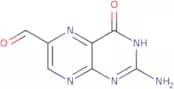
Formula:C11H14O3Purity:Min. 95%Color and Shape:PowderMolecular weight:194.23 g/mol2-Amino-6-formylpteridin-4-one
CAS:2-Amino-6-formylpteridin-4-one is a reactive compound that can cause oxidative injury in humans. It has been shown to cause hydrogen bond cleavage and the loss of structural integrity in human serum. 2-Amino-6-formylpteridin-4-one also induces apoptosis by inhibiting the mitochondrial membrane potential and releasing cytochrome c from the mitochondria into the cytosol. 2-Amino-6-formylpteridin-4-one is an inhibitor of binding to anion radicals, which may be beneficial for treating skin disorders such as psoriasis.Formula:C7H5N5O2Purity:Min. 97 Area-%Color and Shape:PowderMolecular weight:191.15 g/mol1,1-Diphenylacetone
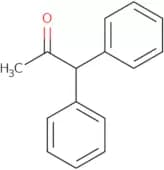
CAS:1,1-Diphenylacetone is a molecule that belongs to the group of aromatic hydrocarbons. It has two functional groups, a carbonyl group and a diphenyl ether. 1,1-Diphenylacetone can be synthesized by reacting benzene with acetone in the presence of sodium hydroxide. The molecule fluoresces with a short lifetime and has been used as a corrosion inhibitor for metals such as copper and aluminum. 1,1-Diphenylacetone has also been used to synthesize polymers via free radical polymerization or copolymerization reactions. X-ray structures have shown that 1,1-diphenylacetone binds to metal ions such as copper or silver ions. This binding causes light emission when the metal ion is excited by an external source such as x-rays or visible light.
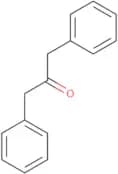
Formula:C15H14OPurity:Min. 95%Molecular weight:210.27 g/mol1,3-Diphenylacetone
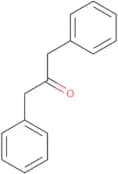
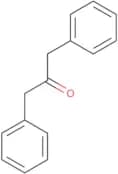
CAS:1,3-Diphenylacetone is a fine chemical that can be used as a building block for research chemicals, as a reagent in organic synthesis, or as a speciality chemical. It is also a versatile building block and has been shown to be useful in the formation of complex compounds. 1,3-Diphenylacetone can react with electrophiles to form new carbon-carbon bonds and has been used in reactions involving nucleophilic substitution, electrophilic addition, and Michael reactions. 1,3-Diphenylacetone is also water soluble and has been shown to be compatible with both ionic and covalent solvents.Formula:C15H14OPurity:Min. 99.0 Area-%Molecular weight:210.28 g/mol6α-Fluoro-17,21-Dihydroxy-16α-Methylpregna-4,9(11)-Diene-3,20-Dione 21-Acetate
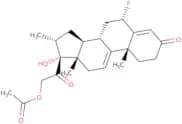
CAS:Controlled Product6alpha-Fluoro-17,21-Dihydroxy-16alpha-Methylpregna-4,9(11)-Diene-3,20-Dione 21-Acetate is a synthetic angiostatic agent that inhibits the angiogenic process by affecting the growth of new blood vessels. It has been shown to inhibit proteolytic activity and to have an inhibitory effect on tumour necrosis factor-α (TNF-α) induced activation of endothelial cells and their proliferation. 6alpha-Fluoro-17,21-Dihydroxy-16alpha-Methylpregna-4,9(11)-Diene 3,20 Dione 21 Acetate also inhibits the growth of fetal bovine aortic endothelial cells in culture. The drug was also found to significantly reduce the monolayer cell viability after uptake by endothelial cells.Formula:C24H31FO5Purity:Min. 95%Molecular weight:418.5 g/mol2-((4-(isopropyl)phenyl)methylene)indane-1,3-dione
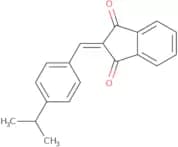
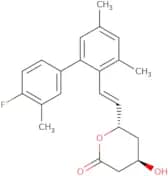
CAS:Please enquire for more information about 2-((4-(isopropyl)phenyl)methylene)indane-1,3-dione including the price, delivery time and more detailed product information at the technical inquiry form on this pageFormula:C19H16O2Purity:Min. 95%Color and Shape:Powder(4α,6β(E))-DL-6-(2-(4'-Fluoro-3,3',5-trimethyl(1,1'-biphenyl)-2-Yl)ethenyl)tetrahydro-4-hydroxy-2H-pyran-2-one
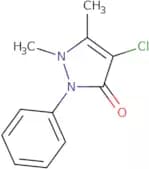
CAS:Controlled Product(4alpha,6beta(E))-DL-6-(2-(4'-Fluoro-3,3',5-trimethyl(1,1'-biphenyl)-2-Yl)ethenyl)tetrahydro-4-hydroxy-2H-pyran-2-one is a pharmacological agent that binds to and inhibits the HMG CoA reductase enzyme. This enzyme plays a role in the production of cholesterol, which is used to form bile acids and steroid hormones. The ring structure of (4alpha,6beta(E))-DL-6-(2-(4'-Fluoro-3,3',5-trimethyl(1,1'-biphenyl)-2--Yl)ethenyl)tetrahydro -4hydroxy -2H pyran 2 one allows for it to bind to the active site of the reductase enzymeFormula:C22H23FO3Purity:Min. 95%Molecular weight:354.41 g/mol4-chloro-2,3-dimethyl-1-phenyl-3-pyrazolin-5-one
CAS:Please enquire for more information about 4-chloro-2,3-dimethyl-1-phenyl-3-pyrazolin-5-one including the price, delivery time and more detailed product information at the technical inquiry form on this page
Purity:Min. 95%3-(4-chlorophenyl)spiro[1,3-thiazolidine-2,3'-indoline]-4,7-dione
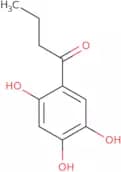
CAS:Please enquire for more information about 3-(4-chlorophenyl)spiro[1,3-thiazolidine-2,3'-indoline]-4,7-dione including the price, delivery time and more detailed product information at the technical inquiry form on this pageFormula:C16H11ClN2O2SPurity:Min. 95%Color and Shape:PowderMolecular weight:330.79 g/mol1-(2,4,5-Trihydroxyphenyl)butan-1-one
CAS:1-(2,4,5-Trihydroxyphenyl)butan-1-one is a chemoattractant protein that is involved in the inflammatory response. It has been shown to be a potent stimulator of neutrophil migration in maternal blood and also has anti-inflammatory properties. 1-(2,4,5-Trihydroxyphenyl)butan-1-one may function as an adjuvant by activating immune cells and inducing cytokine production. 1-(2,4,5-Trihydroxyphenyl)butan-1-one also functions as a cofactor for dopamine and dinucleotide phosphate activity in the central nervous system. This protein has inhibitory properties against various biological activities of pharmacological agents such as histamine release and vascular permeability. Studies have shown that this compound can be toxic to mice when administered at high doses.
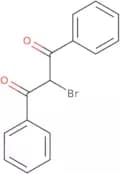
Formula:C10H12O4Purity:Min. 95%Color and Shape:Yellow PowderMolecular weight:196.2 g/mol2-Bromo-1,3-diphenylpropane-1,3-dione
CAS:2-Bromo-1,3-diphenylpropane-1,3-dione is a ligand that binds to metal ions. It has been used as an efficient method for the synthesis of phenyl groups in organic chemistry. 2-Bromo-1,3-diphenylpropane-1,3-dione was found to have a catalytic effect on reactions involving halides and phosphine. A study on the reaction mechanism revealed that 2-bromo-1,3-diphenylpropane-1,3-dione acts as an electron donor to phosphites and phosphines. The xray diffraction study showed that the ligand binds to metal ions through its phenyl groups.
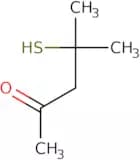
Formula:C15H11BrO2Purity:Min. 95%Molecular weight:303.15 g/mol4-Mercapto-4-methyl-pentan-2-one
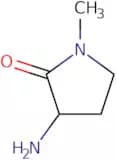
CAS:4-Mercapto-4-methyl-pentan-2-one is a fatty acid that is used as a flavor and fragrance agent. It has shown potential as a biomarker for exposure to volatile organic compounds (VOCs). 4-Mercapto-4-methylpentan2one has been found to inhibit the transcriptional regulation of genes encoding thiols and is an important component of the matrix effect. This compound can be extracted by solid phase microextraction, which will require sample preparation before use. The wild type strain of Escherichia coli was used in this experiment, but it may also be possible to use other bacteria such as Bacillus subtilis or Pseudomonas aeruginosa. Chemical ionization mass spectrometry was used to identify 4-mercapto-4-methylpentan2one in the extract.Formula:C6H12SOPurity:Min. 98 Area-%Molecular weight:132.22 g/mol3-Amino-1-methylpyrrolidin-2-one
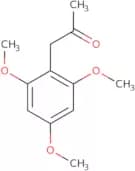
CAS:3-Amino-1-methylpyrrolidin-2-one is a versatile building block that has many applications in the research field. It can be used as a reagent or a speciality chemical and as an intermediate in organic synthesis. 3-Amino-1-methylpyrrolidin-2-one is also used as a reaction component and scaffold for complex compounds. This chemical has CAS number 119329-48-5.Formula:C5H10N2OPurity:Min. 98 Area-%Color and Shape:Clear LiquidMolecular weight:114.15 g/mol(2,4,6-Trimethoxyphenyl)acetone
CAS:(2,4,6-Trimethoxyphenyl)acetone is a chemical compound that has been detected in human breath. It is a metabolite of tetracycline and chloramphenicol. It is also seen in the urine of patients receiving these antibiotics. The drug can be detected in the blood or urine of individuals who have not taken any antibiotic drugs. (2,4,6-Trimethoxyphenyl)acetone has been used as an indicator for antibiotic use by researchers. This chemical compound may have low toxicity and is only found at low levels in humans.
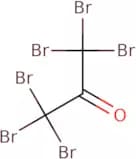
Formula:C12H16O4Purity:Min. 95%Color and Shape:PowderMolecular weight:224.25 g/mol1,1,1,3,3,3-Hexabromoacetone
CAS:Hexabromoacetone is a synthetic chemical that belongs to the class of organometallics. It is an efficient method for preparing amines and primary alcohols from halogenated acetones, as well as a polymerization inhibitor. Hexabromoacetone is also used in analytical methods for detecting amines and primary alcohols. The compound has antiviral properties, with its action being primarily due to UV irradiation. This chemical can be prepared using hydrogen chloride and hydroxyl groups, or by using uv irradiation on 2-bromoethanol.
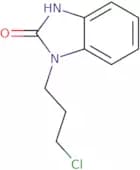
Formula:C3Br6OPurity:Min. 97 Area-%Color and Shape:PowderMolecular weight:531.46 g/mol1-(3-Chloropropyl)-1,3-dihydro-2H-benzimidazole-2-one
CAS:Phenylmethyl (PM) is a drug that belongs to the class of phenylmethanesulfonamides. It is used in the treatment of diarrhea, specifically in cases where there are no other suitable anti-diarrheal drugs available. The active form of PM is 1-(3-chloropropyl)-1,3-dihydro-2H-benzimidazole-2-one (PCP). This drug inhibits bacterial growth by binding to the 50S ribosomal subunit and inhibiting protein synthesis. PCP has been shown to have a narrow spectrum of activity against most enteric bacteria and some protozoa. The drug is poorly absorbed from the gastrointestinal tract and does not cross the blood–brain barrier, which limits its use for systemic infections.
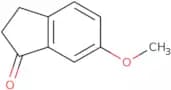
Formula:C10H11ClN2OPurity:Min. 95%Color and Shape:PowderMolecular weight:210.66 g/mol6-Methoxy-1-indanone
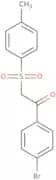
CAS:6-Methoxy-1-indanone is a chemical compound that can be found in the form of two structural isomers. They both have the same pharmacokinetic properties and are potent inhibitors of 5-HT1A receptors. 6-Methoxy-1-indanone also has potent inhibitory activity on the MT2 receptors, which are present in the central nervous system. This compound has been shown to be an active methylene group with neurodegenerative disease and has carbonyl groups.Formula:C10H10O2Purity:Min. 98 Area-%Color and Shape:PowderMolecular weight:162.19 g/mol1-(4-bromophenyl)-2-((4-methylphenyl)sulfonyl)ethan-1-one
CAS:Please enquire for more information about 1-(4-bromophenyl)-2-((4-methylphenyl)sulfonyl)ethan-1-one including the price, delivery time and more detailed product information at the technical inquiry form on this pagePurity:Min. 95%Di-N-tridecyl ketone
CAS:Di-N-tridecyl ketone is a functional group that is found in unsaturated ketones, mercaptals, cyclic hydrocarbons, and fatty acids. It has been shown to have a number of functions in vivo including reaction mechanism, hydrocarbon group, fatty acid, and metal surface. Di-N-tridecyl ketone has also been shown to be biosynthesized by plates and long-chain as condensation products.Formula:C27H54OPurity:Min. 95%Color and Shape:PowderMolecular weight:394.72 g/mol7-[4-[4-(4-Fluorobenzoyl)Piperidin-1-Yl]Butyl]-1,3-Dimethylpurine-2,6-Dione
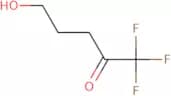
CAS:Controlled Product7-[4-[4-(4-Fluorobenzoyl)Piperidin-1-Yl]Butyl]-1,3-Dimethylpurine-2,6-Dione is a drug that belongs to the group of adenosine receptor antagonists. It has been shown to inhibit phosphodiesterase activity and is used as a pharmaceutical dosage. 7-[4-[4-(4-Fluorobenzoyl)Piperidin-1-Yl]Butyl]-1,3-Dimethylpurine-2,6-Dione has been shown to bind to the 5HT2C receptor in vitro. This drug may have therapeutic potential for obesity and type 2 diabetes mellitus treatment.Formula:C23H28FN5O3Purity:Min. 95%Molecular weight:441.5 g/mol1,1,1-Trifluoro-5-hydroxy-2-pentanone
CAS:1,1,1-Trifluoro-5-hydroxy-2-pentanone is a versatile building block that has been used extensively in the synthesis of complex compounds. It is an important reagent for the preparation of speciality chemicals and reactive intermediates. 1,1,1-Trifluoro-5-hydroxy-2-pentanone is also a useful intermediate for the synthesis of other compounds. This compound can be reacted with various groups to produce valuable scaffolds for drug discovery research.
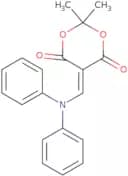
Formula:C5H7F3O2Purity:Min. 95%Color and Shape:PowderMolecular weight:156.1 g/mol5-((diphenylamino)methylene)-2,2-dimethyl-1,3-dioxane-4,6-dione
CAS:Please enquire for more information about 5-((diphenylamino)methylene)-2,2-dimethyl-1,3-dioxane-4,6-dione including the price, delivery time and more detailed product information at the technical inquiry form on this page
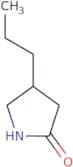
Purity:Min. 95%4-Propylpyrrolidin-2-one
CAS:4-Propylpyrrolidin-2-one is a chemical compound. It is the product of the condensation of two molecules of butyric acid and one molecule of hexanoic acid. The cyclization reaction occurs at the 4 position, forming a six-membered ring. This reaction can be catalyzed by bromine or UV light. Brivaracetam is a drug that belongs to the class of antiepileptic drugs and was developed as an analog of levetiracetam, which inhibits voltage-gated sodium channels in neurons. It has been shown to have only weak affinity for benzodiazepine binding sites and does not cause sedation or memory impairment.
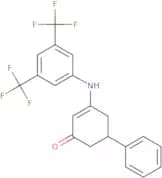
Formula:C7H13NOPurity:Min. 95%Color and Shape:PowderMolecular weight:127.18 g/mol3-((3,5-bis(trifluoromethyl)phenyl)amino)-5-phenylcyclohex-2-en-1-one
CAS:Please enquire for more information about 3-((3,5-bis(trifluoromethyl)phenyl)amino)-5-phenylcyclohex-2-en-1-one including the price, delivery time and more detailed product information at the technical inquiry form on this pagePurity:Min. 95%(2,4,5-Trimethoxyphenyl)acetone
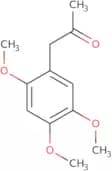
CAS:Controlled Product(2,4,5-Trimethoxyphenyl)acetone is an organic compound that inhibits the replication of RNA. It was found to inhibit the activity of beta-asarone and inhibit the conversion of asarone to o-benzoquinones in cell cultures. This agent also has genotoxic effects on human liver cells. (2,4,5-Trimethoxyphenyl)acetone binds to 5-hydroxytryptamine receptors and inhibits their activities, which can lead to a decrease in serotonin concentrations. (2,4,5-Trimethoxyphenyl)acetone is a colorless liquid at room temperature with a molecular weight of 174.24 grams/mol.
Formula:C12H16O4Purity:Min. 95%Molecular weight:224.25 g/mol2-[[(4-Acetylphenyl)amino]methylene]-5,5-dimethyl-1,3-cyclohexanedione
CAS:Please enquire for more information about 2-[[(4-Acetylphenyl)amino]methylene]-5,5-dimethyl-1,3-cyclohexanedione including the price, delivery time and more detailed product information at the technical inquiry form on this page
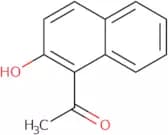
Formula:C17H19NO3Purity:Min. 95%Color and Shape:PowderMolecular weight:285.34 g/mol1-(2-Hydroxy-1-naphthyl)ethan-1-one
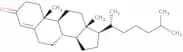
CAS:1-(2-Hydroxy-1-naphthyl)ethan-1-one is a carbonyl compound that can be used as a fluorescent probe for the determination of copper(II) ions. It has been shown to have selective binding properties and fluorescence properties with cancer cells, which may be due to its ability to bind to the active methylene group of the cancer cell's protein. Crystallographic studies have shown that 1-(2-Hydroxy-1-naphthyl)ethan-1-one binds to hydrogen bonds and hydroxide solution in water.Formula:C12H10O2Purity:Min. 95%Color and Shape:Yellow PowderMolecular weight:186.21 g/mol4-Cholesten-3-one
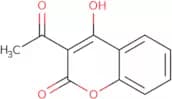
CAS:Controlled Product4-Cholesten-3-one is a steroid that is structurally similar to cholesterol. It has been used as a model system to study the biosynthesis of cholesterol and plant sterols. 4-Cholesten-3-one can be synthesized by the oxidation of cholestenone by cytochrome P450 enzymes in rat liver microsomes. The reaction mechanism of this process involves a dinucleotide phosphate intermediate. This compound has also been shown to inhibit cancer cell viability and human fecal sterols, suggesting that it may have potential as an anti-cancer drug or for the treatment of cholesterol disorders.Formula:C27H44OPurity:Min. 95%Color and Shape:Off-White PowderMolecular weight:384.65 g/mol3-Acetyl-4-hydroxy-2H-chromen-2-one
CAS:3-Acetyl-4-hydroxy-2H-chromen-2-one is a potent inhibitor of human lipoxygenase and soybean lipoxygenase. This compound has been shown to inhibit the growth of cancer cells in culture, with IC50 values ranging from 1.5 to 8.0 μM. 3-Acetyl-4-hydroxy-2H-chromen-2-one inhibits the activation of hydrogen peroxide by inhibiting the activity of enzymes such as amine oxidases and coumarin hydroxylases that are involved in the production of hydrogen peroxide. 3-(3'-acetylphenyl)acrylic acid (3APAA), which is structurally related to 3-(3'-acetylphenethyl)acrylic acid, was identified as an additional metabolite for this compound. The molecular docking analysis of these two compounds revealed that they have similar binding modes with regard to their binding affinity for the enzyme active
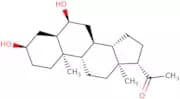
Formula:C11H8O4Purity:Min. 95%Color and Shape:PowderMolecular weight:204.18 g/mol5β-Pregnan-3α,6α-diol-20-one
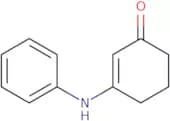
CAS:Controlled Product5β-Pregnan-3α,6α-diol-20-one is an anticoagulant that inhibits the action of thrombin. It has been shown to inhibit the inflammatory response in a number of autoimmune diseases and inflammatory disorders. This drug also has a nitro group, which can be reduced to an hydroxyl group by reaction with sodium nitrite or other reducing agents. The antimicrobial properties of 5β-pregnan-3α,6α-diol-20-one are thought to be due to its ability to form particle aggregates with magnetic particles. These aggregates have an inhibitory effect on bacterial growth.Formula:C21H34O3Purity:Min. 95%Color and Shape:PowderMolecular weight:334.49 g/mol3-Anilinocyclohex-2-en-1-one
CAS:3-Anilinocyclohex-2-en-1-one is an organic compound that has been modified with groups of atoms to give it a particular function. The functional theory states that the molecule will have a different shape, depending on the modifications made to it. 3-Anilinocyclohex-2-en-1-one is a fluorescing molecule with a low energy transfer rate. It is macroscopic and photophysical in nature, which means that it can be analysed by techniques such as polarimetry and FTIR spectroscopy. The modification of 3-Anilinocyclohex-2-en-1-one alters its frequency and may also stabilize the molecule.
Formula:C12H13NOPurity:Min. 95%Color and Shape:PowderMolecular weight:187.24 g/mol11-(tert-butyl)spiro[1,2,3-trihydroquinazoline-2,4'-cyclohexane]-4-one
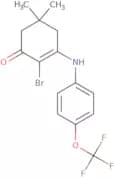
CAS:Please enquire for more information about 11-(tert-butyl)spiro[1,2,3-trihydroquinazoline-2,4'-cyclohexane]-4-one including the price, delivery time and more detailed product information at the technical inquiry form on this pagePurity:Min. 95%2-bromo-5,5-dimethyl-3-((4-(trifluoromethoxy)phenyl)amino)cyclohex-2-en-1-one
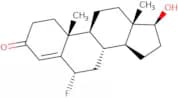
CAS:Please enquire for more information about 2-bromo-5,5-dimethyl-3-((4-(trifluoromethoxy)phenyl)amino)cyclohex-2-en-1-one including the price, delivery time and more detailed product information at the technical inquiry form on this pagePurity:Min. 95%(6α,17β)-6-Fluoro-17-Hydroxyandrost-4-En-3-One
CAS:Controlled Product(6alpha,17beta)-6-Fluoro-17-Hydroxyandrost-4-En-3-One is an androgen that has both agonistic and antagonistic effects on nuclear receptors. It activates the androgen receptor and is equipotent with testosterone. This drug also inhibits the estrogen receptor, but does not bind to the progesterone receptor. This synthetic agent is used for treating hypogonadism in males due to castration or aging and prostate cancer.Formula:C19H27FO2Purity:Min. 95%Molecular weight:306.41 g/mol3-(tert-butyl)-6-nitroindeno[3,2-c]pyrazol-4-one
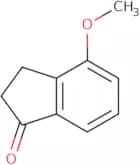
CAS:Please enquire for more information about 3-(tert-butyl)-6-nitroindeno[3,2-c]pyrazol-4-one including the price, delivery time and more detailed product information at the technical inquiry form on this pagePurity:Min. 95%4-Methoxy-1-indanone
CAS:4-Methoxy-1-indanone is a quinoline derivative that is used as an intermediate for the synthesis of a number of bioactive molecules, such as gephyrotoxin (a potent neurotoxin) and oxime derivatives. 4-Methoxy-1-indanone has been shown to be activated by metal ions and oximes to form iminium cations. These cations are then converted into chloride or carbonic anions by dehydrogenase enzymes, which are important in the metabolism of carbohydrates in living organisms.Formula:C10H10O2Purity:Min. 95%Color and Shape:PowderMolecular weight:162.19 g/mol7-Fluoro-5-Phenyl-1,3-Dihydro-1,4-Benzodiazepin-2-One
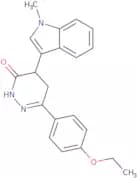
CAS:Controlled Product7-Fluoro-5-phenyl-1,3-dihydro-1,4-benzodiazepin-2-one is a potential drug candidate that has been found to have high affinity for the benzodiazepine receptor. It was synthesized by reacting 7-fluoro-5-(chloromethyl)benzo[b]thiophene with 2,5-dimethoxybenzaldehyde in the presence of sodium hydroxide and acetic acid. The compound was characterized using techniques such as nuclear magnetic resonance (NMR), mass spectrometry (MS) and infrared spectroscopy (IR). The affinity of 7FDBZ was measured at 4 nM. The parameters used for predicting binding affinity were hydrophobicity and hydrogen bond acceptor properties. A predictive model was generated based on these parameters that shows good agreement with experimental data. The probe is hydrophobic in nature and may bind to the receptor due toFormula:C15H11FN2OPurity:Min. 95%Molecular weight:254.26 g/mol3-(4-ethoxyphenyl)-5-(1-methylindol-3-yl)-1H,4H,5H-1,2-diazin-6-one
CAS:Please enquire for more information about 3-(4-ethoxyphenyl)-5-(1-methylindol-3-yl)-1H,4H,5H-1,2-diazin-6-one including the price, delivery time and more detailed product information at the technical inquiry form on this pagePurity:Min. 80%5-[3,4-(Methylenedioxy)phenyl]-cyclohexane-1,3-dione
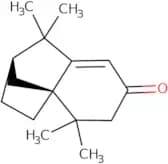
CAS:5-[3,4-(Methylenedioxy)phenyl]-cyclohexane-1,3-dione is a versatile building block for the synthesis of complex compounds. It is a reagent that is used in the preparation of research chemicals and speciality chemicals. The compound has been shown to be useful as a building block or scaffold for various reactions. This chemical also has many useful applications, such as being an intermediate in the synthesis of pharmaceuticals and agrochemicals. 5-[3,4-(Methylenedioxy)phenyl]-cyclohexane-1,3-dione is available commercially with CAS No. 55579-76-5 and can be used in high quality experiments when it is required as a reaction component.Formula:C13H12O4Purity:Min. 95%Molecular weight:232.23 g/mol(-)-Isolongifolen-9-one
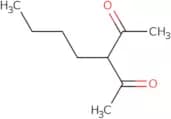
CAS:(-)-Isolongifolen-9-one is a sesquiterpenoid compound, which is a type of naturally occurring terpenoid. It is primarily derived from plants and essential oils, particularly those in the Pinaceae family. The compound's molecular structure contributes to its characteristic aromatic properties, making it a subject of interest in both chemical and biological research.Formula:C15H22OPurity:Min. 95%Molecular weight:218.33 g/mol3-Butyl-2,4-pentanedione
CAS:3-Butyl-2,4-pentanedione is a chemical compound that belongs to the class of alkylating agents. 3-Butyl-2,4-pentanedione is an intermediate in the production of polymers and other chemicals. It is used as a solvent for coatings, adhesives, and rubber products. The molecule has two substructures: an alkyl group and a double bond between carbon atoms 2 and 4. This double bond allows 3-butyl-2,4-pentanedione to react with other molecules to form new structures. 3-Butyl-2,4-pentanedione can be used in solar cells because it absorbs light from the sun and converts it into energy through photovoltaic reactions.
Formula:C9H16O2Purity:Min. 95%Color and Shape:Colorless PowderMolecular weight:156.22 g/mol1,3-Diphenylacetone, 97.0%+
CAS:1,3-Diphenylacetone is a high quality chemical that is used as a reagent and intermediate in the production of specialty chemicals. It can be used to synthesize other compounds such as pharmaceuticals, pesticides, and lubricants. 1,3-Diphenylacetone has been shown to be an effective building block for a variety of chemical reactions. This compound is also versatile because it can be used as a research chemical or scaffold for synthesis of other compounds. 1,3-Diphenylacetone has CAS number 102-04-5 and can be found in the speciality chemical category.Formula:C15H14OPurity:Min. 97.0 Area-%Molecular weight:210.28 g/molRef: 3D-D-6112
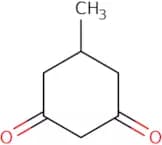
1kgTo inquire5kgTo inquire250gTo inquire500gTo inquire2500gTo inquire-Unit-kgkgTo inquire5-Methylcyclohexane-1,3-dione
CAS:5-Methylcyclohexane-1,3-dione is a dione that is synthesized by the reaction of glyoxal with α-pinene. It has two functional groups and three chiral centers. This compound can be activated by azides and undergoes alkylation reactions with aldehydes to form pinonic acid derivatives. 5-Methylcyclohexane-1,3-dione also undergoes thermal isomerization to form azides and dioxime derivatives.
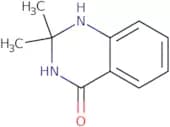
Formula:C7H10O2Purity:Min. 95%Color and Shape:PowderMolecular weight:126.15 g/mol2,2-dimethyl-1,2,3-trihydroquinazolin-4-one
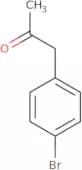
CAS:2,2-dimethyl-1,2,3-trihydroquinazolin-4-one is a natural product that belongs to the family of quinazolinones. It is found in a variety of microorganisms and plants. It has been isolated from the fungus Penicillium notatum, where it acts as an inhibitor of glycerol dehydratase. This compound also inhibits dereplication by inhibiting the synthesis of anthranilic acid. 2,2-dimethyl-1,2,3-trihydroquinazolin-4-one has been shown to inhibit the biosynthesis of anthranilamide and other bioactive natural products. It is a potent antibacterial agent against Gram positive bacteria such as Staphylococcus aureus and Bacillus subtilis.Purity:Min. 95%(4-Bromophenyl)acetone
CAS:Controlled Product4-Bromophenylacetone is a useful building block that is used in the synthesis of fine chemicals, research chemicals, and specialty chemicals. This compound can be used as a reagent or as a speciality chemical and has been shown to be highly reactive. 4-Bromophenylacetone is also a versatile building block with many possible reactions. It has also been shown to be an intermediate for the synthesis of pharmaceuticals and agrochemicals. CAS No. 6186-22-7Formula:C9H9BrOPurity:Min. 95%Color and Shape:Clear LiquidMolecular weight:213.07 g/molFluindione
CAS:Fluindione is an oral hypolipidemic drug that belongs to the coumarin derivatives. The drug has been shown to reduce serum cholesterol and triglyceride levels, as well as body mass index (BMI). Fluindione is a prodrug that is converted in vivo to its active form, 7-hydroxycoumarin. The metabolism of fluindione may be affected by other drugs such as ketoconazole, erythromycin, and cimetidine. Fluindione has been shown to have a beneficial effect on patients who suffer from bowel disease or cardiac diseases such as atrial fibrillation. Patients who are elderly or hypersensitive are advised to avoid this medication due to its side effects, which include symptoms such as rash, fever, hypotension, tachycardia and high values of liver enzymes.Formula:C15H9FO2Purity:Min. 95%Color and Shape:PowderMolecular weight:240.23 g/mol3-(3,4-dimethoxyphenyl)indeno[2,3-d]pyrazol-4-one
CAS:Please enquire for more information about 3-(3,4-dimethoxyphenyl)indeno[2,3-d]pyrazol-4-one including the price, delivery time and more detailed product information at the technical inquiry form on this pagePurity:Min. 95%3,8-Dihydroxy-6H-benzo[c]chromen-6-one
CAS:3,8-Dihydroxy-6H-benzo[c]chromen-6-one (3,8 DHC) is a natural compound that has been shown to have antioxidant and anti-inflammatory properties. It increases the production of ATP (cellular energy) by activating the ATP binding cassette transporter and increasing autophagy. 3,8 DHC may also inhibit apoptosis (cell death), which has been observed in studies involving balloon injury and atherosclerotic lesions. This compound may also have potential therapeutic benefits for bowel disease, cancer, and neuronal death.
Formula:C13H8O4Purity:Min. 95%Color and Shape:White To Beige To Yellow To Brown SolidMolecular weight:228.2 g/mol(3S,4R)-3-[(1R)-1-Hydroxyethyl]-4-[(1R)-1-methyl-3-diazo-3- (p-nitrobenzyloxycarbonyl)-2-oxopropyl]azetidin-2 -one
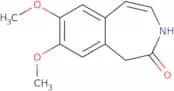
CAS:CAS No. 137391-68-5 is a fine chemical that is used as a building block in organic chemistry research and as a reagent, speciality chemical, or intermediate. This compound has been shown to be useful in the synthesis of complex compounds and can be employed as a versatile building block for the synthesis of pharmaceuticals and other chemicals. This compound has also been shown to be an excellent reaction component, making it an ideal scaffold for the construction of larger molecules.Formula:C17H18N4O7Purity:Min. 96 Area-%Color and Shape:White PowderMolecular weight:390.35 g/mol7,8-Dimethoxy-1,3-dihydro-2H-3-benzazepin-2-one
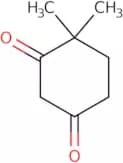
CAS:The compound 7,8-dimethoxy-1,3-dihydro-2H-3-benzazepin-2-one is an amide with a pH of 3. It has a molecular weight of 191.31 and a melting point of 79.7 degrees Celsius. The compound is used in the industrial preparation of pharmaceuticals and can be reacted with trifluoroacetic acid to form 3,4-dimethoxyphenylacetic acid.Formula:C12H13O3NPurity:Min. 95%Color and Shape:White PowderMolecular weight:219.24 g/mol4,4-Dimethyl-1,3-cyclohexanedione
CAS:4,4-Dimethyl-1,3-cyclohexanedione is a covalent inhibitor that inhibits the acetoxylation of l-type calcium channels. This inhibition prevents the opening of calcium channels, which leads to a decrease in neuronal excitability. 4,4-Dimethyl-1,3-cyclohexanedione has shown antimycobacterial activity against mycobacteria in dilution assays and can be used for the treatment of tuberculosis. It also has been shown to have antagonistic activities against nerve injury and isomers with potential use for nerve damage. The reaction time for this compound is not known.Formula:C8H12O2Purity:Min. 97.5 Area-%Color and Shape:PowderMolecular weight:140.18 g/mol2-(((2-Indol-3-ylethyl)amino)ethylidene)indane-1,3-dione
CAS:Please enquire for more information about 2-(((2-Indol-3-ylethyl)amino)ethylidene)indane-1,3-dione including the price, delivery time and more detailed product information at the technical inquiry form on this page
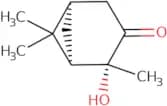
Formula:C21H18N2O2Purity:Min. 95%Color and Shape:PowderMolecular weight:330.38 g/mol(+)-(1R,2R,5R)-2-Hydroxy-3-pinanone
CAS:(+)-(1R,2R,5R)-2-Hydroxy-3-pinanone is an organic compound that can be prepared by a kinetic resolution of the racemic mixture of (+)-(1S,2S,5S)-2-hydroxy-3-pinanone. This reaction is performed in two steps: first the racemic mixture is converted to the corresponding chiral acetylacetonate by reaction with acetic anhydride followed by hydrolysis with sodium hydroxide. The pentane reacts with the ring opening of the acetylacetonate to give (+)-(1R,2R,5R)-2-hydroxypinanone and its enantiomer. The nature of this preparative method means that it is not possible to recover (+)-(1R,2R,5R)-2-hydroxypinanone from the reaction products.Formula:C10H16O2Purity:Min. 95%Color and Shape:PowderMolecular weight:168.23 g/moltrans-4,5-Dichloro-4,5-dimethyl-1,3-dioxolan-2-one
CAS:Trans-4,5-Dichloro-4,5-dimethyl-1,3-dioxolan-2-one is a fine chemical that can be used as a versatile building block and as an intermediate. It is also useful in research. Trans-4,5-Dichloro-4,5-dimethyl-1,3-dioxolan-2-one has been shown to be a useful reagent in complex organic synthesis because of its high quality. This compound is used to produce useful scaffolds and reaction components.
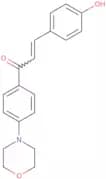
Formula:C5H6Cl2O3Purity:Min. 95%Color and Shape:PowderMolecular weight:185.01 g/mol3-(4-Hydroxyphenyl)-1-(4-morpholin-4-ylphenyl)prop-2-en-1-one
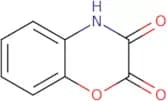
CAS:Please enquire for more information about 3-(4-Hydroxyphenyl)-1-(4-morpholin-4-ylphenyl)prop-2-en-1-one including the price, delivery time and more detailed product information at the technical inquiry form on this pageFormula:C19H19NO3Purity:Min. 95%Color and Shape:PowderMolecular weight:309.36 g/mol2H-1,4-Benzoxazine-2,3(4H)-dione
CAS:2H-1,4-Benzoxazine-2,3(4H)-dione is an organic compound that has a catalytic lactonization reaction. It has been used to form acyl groups from carboxylic acids and amides from alcohols in the presence of an acid catalyst. The cyclic lactam formed can be hydrolyzed to a linear amide by heating with water. 2H-1,4-Benzoxazine-2,3(4H)-dione is also used in the hydrogenation of nitro compounds and haloalkanes. This compound can be prepared by refluxing isatin with hydroxamic acid or solvents such as methylene chloride. This compound also undergoes hydroxamic acid reactions to form hydroxamic acids.
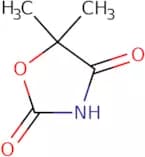
Formula:C8H5NO3Purity:Min. 95%Color and Shape:PowderMolecular weight:163.13 g/mol5,5-Dimethyloxazolidine-2,4-dione
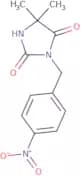
CAS:5,5-Dimethyloxazolidine-2,4-dione (DMOD) is a chemical inhibitor that inhibits human cytochrome P450 3A4. DMOD also inhibits the activities of other enzymes such as trimethadione reductase and methyldopa reductase. DMOD is used for the treatment of symptoms associated with congestive heart failure in humans. It has been shown to increase the levels of serum creatinine and blood urea nitrogen, which may be attributed to its inhibition of renal function production. DMOD also has an effect on locomotor activity and causes decreased appetite in rats. This drug is well absorbed following oral administration and has a short half-life of 2 hours.Formula:C5H7NO3Purity:Min. 95%Color and Shape:PowderMolecular weight:129.11 g/mol5,5-Dimethyl-3-(4-nitrobenzyl)imidazolidine-2,4-dione
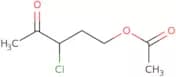
CAS:5,5-Dimethyl-3-(4-nitrobenzyl)imidazolidine-2,4-dione is a versatile chemical that can be used as a building block in the synthesis of complex compounds. It is an intermediate in the production of research chemicals and is also used as a reaction component in the synthesis of speciality chemicals. 5,5-Dimethyl-3-(4-nitrobenzyl)imidazolidine-2,4-dione has been shown to have high quality properties when synthesized using high purity reagents.Formula:C12H13N3O4Purity:Min. 95%Color and Shape:White PowderMolecular weight:263.25 g/mol5-Acetoxy-3-chloro-2-pentanone
CAS:5-Acetoxy-3-chloro-2-pentanone is a thioformamide that is used as an intermediate in the synthesis of vitamin B1. It is also a precursor to formic acid and formaldehyde, which are used in the production of dyes and other chemical products. 5-Acetoxy-3-chloro-2-pentanone is synthesized by reacting hydroxylamine with acetyl chloride. The reaction proceeds via a nucleophilic substitution reaction. This product has a high yield and can be produced with various alkyl groups, such as 1-4C, 2C, 3C, 4C, 5C, 6C, 7C, 8C or 9C. 5-Acetoxy-3-chloro-2-pentanone can be used to produce formic acid or formaldehyde by reacting it with sodium hydroxide or potassium hydroxide respectively.
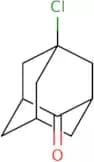
Formula:C7H11ClO3Purity:Min. 95%Molecular weight:178.61 g/mol5-Chloro-2-adamantanone
CAS:5-Chloro-2-adamantanone is an organic solvent that has nucleophilic properties. It can act as a reactive, nucleophile, or carbonyl group. 5-Chloro-2-adamantanone is synthesized by the reaction of 2-chloroadamantane with chlorosulfonic acid in the presence of zinc chloride at room temperature. The yield of this reaction is dependent on the concentration of zinc chloride used and ranges from 23% to 66%. This reaction can be optimized by altering the reaction time and temperature, as well as by using different halides.
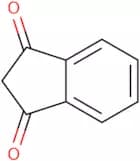
Formula:C10H13ClOPurity:Min. 95%Molecular weight:184.66 g/mol1,3-Indanedione
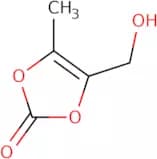
CAS:1,3-Indanedione is an organic compound that is a reactive fatty acid. It reacts with copper to form a complex. The reaction mechanism of 1,3-Indanedione with copper is not yet fully understood. 1,3-Indanedione has been shown to be effective against prostate cancer cells at an optimum concentration. This compound also has potential use in the treatment of other types of cancers and as a light emitting material in photonics applications.Formula:C9H6O2Purity:Min. 95%Color and Shape:Beige PowderMolecular weight:146.14 g/mol4-(Hydroxymethyl)-5-methyl-1,3-dioxol-2-one
CAS:4-(Hydroxymethyl)-5-methyl-1,3-dioxol-2-one is a reagent used in organic synthesis, particularly for the introduction of the non-chiral (oxodioxolenyl)methyl carbamate group to active pharmaceutical ingredients (APIs) to afford the corresponding pro-drug. The pro-drug helps to increase the bio-availability of the active drug which is generated in vivo by a base catalysed decomposition process that destroys the 1,3-dioxol-2-one ring. A high-profile example of this is the hypertension drug Alizsartan medoxomil. 4-(Hydroxymethyl)-5-methyl-1,3-dioxol-2-one can be reacted with oxalyl chloride to afford (5-methyl-2-oxo-1,3-dioxol-4-yl)methyloxyoxayl chloride which provides for an alternative approach to introduce the (oxodioxolenyl)methyl carbamate group.Formula:C5H6O4Purity:Min. 95%Color and Shape:Colorless Clear LiquidMolecular weight:130.1 g/molIndole-3-acetone
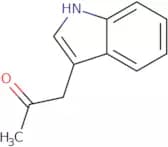
CAS:Controlled ProductIndole-3-acetone is a nitrogen nucleophile that has been used in the synthesis of amino acids. Indole-3-acetone has also been shown to inhibit the oxidation of primary amines and chloride by oxidases, which play a role in the physiology of plants. It also inhibits hydroxylase and pyrylium, which are enzymes involved in plant metabolism. Indole-3-acetone is found in dietary sources such as cabbage, cauliflower, celery, and spinach.
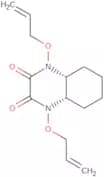
Formula:C11H11NOColor and Shape:PowderMolecular weight:173.21 g/molcis-5,6-Tetramethylen-1,4-diallyloxypiperazine-2,3-dione
CAS:cis-5,6-Tetramethylen-1,4-diallyloxypiperazine-2,3-dione is a versatile building block and useful scaffold for the synthesis of pharmaceuticals. It has been shown to be an excellent reaction component in organic synthesis and as a speciality chemical. cis-5,6-Tetramethylen-1,4-diallyloxypiperazine-2,3-dione is a high quality reagent that can be used in research work.Formula:C14H20N2O4Purity:Min. 95%Molecular weight:280.32 g/molDihydro-5-methoxy-2,4(1H,3H)-pyrimidinedione
CAS:Dihydro-5-methoxy-2,4(1H,3H)-pyrimidinedione is a high quality chemical and useful building block. It is a fine chemical and research chemicals as well as a versatile building block that can be used in synthesis of various compounds. Dihydro-5-methoxy-2,4(1H,3H)-pyrimidinedione has been shown to have activity against methicillin resistant Staphylococcus aureus (MRSA) and Clostridium perfringens.Formula:C5H8N2O3Purity:Min. 95%Color and Shape:PowderMolecular weight:144.13 g/mol1-(1H-Indazol-3-yl)ethanone
CAS:Controlled Product1-(1H-Indazol-3-yl)ethanone is a drug that belongs to the class of c6 alkyl ionizable. It has been shown to have an inhibitory effect on the enzyme thiomorpholine, which is involved in the biosynthesis of the neurotransmitter acetylcholine and other important biochemicals. 1-(1H-Indazol-3-yl)ethanone is used in clinical medication for autoimmune diseases, inflammatory diseases, cancer, and morpholine. It is also used as a research chemical for studying cancer and morpholine.
Formula:C9H8N2OPurity:Min. 95%Color and Shape:White To Off-White SolidMolecular weight:160.17 g/mol7-Amino-2-(4-methoxyphenyl)[1,2,4]triazolo[1,5-a]pyrimidin-5(4H)-one
CAS:7-Amino-2-(4-methoxyphenyl)[1,2,4]triazolo[1,5-a]pyrimidin-5(4H)-one is a fine chemical that belongs to the category of versatile building blocks. It can be used as a reagent for research purposes and as a speciality chemical for the production of complex compounds. This compound is also an important building block for the synthesis of compounds with high quality and useful scaffolds.Formula:C12H11N5O2Purity:Min. 95%Color and Shape:PowderMolecular weight:257.25 g/molVanillylideneacetone
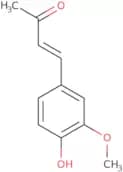
CAS:Vanillylideneacetone (VDA) is a natural compound that belongs to the class of phenylethanoids. It has been shown to have anti-inflammatory properties, which may be due to inhibition of prostaglandin synthesis. VDA also exhibits antimicrobial activity against Gram-positive and Gram-negative bacteria, as well as some fungi and yeast. In vitro antifungal activity has been observed in human serum, cell lysis with the presence of trypsin, and cytotoxicity in carcinoma cell lines. Toxicological studies have shown no adverse effects on locomotor activity or carcinogenicity at high doses.Formula:C11H12O3Purity:Min. 95%Color and Shape:Yellow PowderMolecular weight:192.21 g/mol5-Chloro-1-indanone
CAS:5-Chloro-1-indanone is an organic molecule with a reactive functional group that can react with other molecules. The most common reaction is the Friedel-Crafts reaction, which is used to make alkenes from aldehydes and aluminum chloride. 5-Chloro-1-indanone is also used in the acylation reaction, which involves the transfer of an acyl group to a molecule. This process has many applications, such as synthesis of pesticides and pharmaceuticals, and can be used to produce low energy chlorine gas. Panc-1 cells are often used in anticancer research because they are sensitive to carcinogens. 5-Chloro-1-indanone was shown to inhibit cell growth in these cells by reacting with hydrogen chloride (HCl) in water to form 5-(chloromethyl)-1H indene and hydrochloric acid (HCl).Formula:C9H7ClOPurity:Min. 95%Color and Shape:PowderMolecular weight:166.6 g/molEupatilin
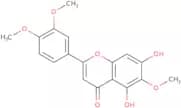
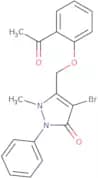
CAS:Eupatilin is a flavonoid compound, which is derived from the Artemisia species. This plant-based source has been traditionally used in various medicinal applications across different cultures. Eupatilin’s mode of action involves inhibition of pro-inflammatory cytokines and modulation of signaling pathways associated with inflammation, such as the NF-kB pathway. Additionally, it has been found to possess antioxidant activities, which further contributes to its therapeutic potential.Formula:C18H16O7Purity:Min. 95%Color and Shape:PowderMolecular weight:344.32 g/mol3-((2-acetylphenoxy)methyl)-4-bromo-2-methyl-1-phenyl-3-pyrazolin-5-one
CAS:Please enquire for more information about 3-((2-acetylphenoxy)methyl)-4-bromo-2-methyl-1-phenyl-3-pyrazolin-5-one including the price, delivery time and more detailed product information at the technical inquiry form on this page
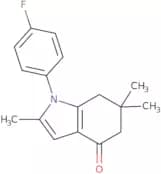
Formula:C19H17BrN2O3Purity:Min. 95%Color and Shape:PowderMolecular weight:401.25 g/mol1-(4-Fluorophenyl)-2,6,6-trimethyl-5,6,7-trihydroindol-4-one
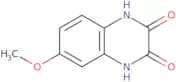
CAS:Please enquire for more information about 1-(4-Fluorophenyl)-2,6,6-trimethyl-5,6,7-trihydroindol-4-one including the price, delivery time and more detailed product information at the technical inquiry form on this pageFormula:C17H18FNOPurity:Min. 95%Color and Shape:PowderMolecular weight:271.33 g/mol6-Methoxy-1,4-dihydroquinoxaline-2,3-dione
CAS:6-Methoxy-1,4-dihydroquinoxaline-2,3-dione is a nitrile that is generated by the catalytic oxidation of quinoxaline. It is a colorless to yellow solid with a melting point of about 155°C. 6-Methoxy-1,4-dihydroquinoxaline-2,3-dione has been shown to be an effective nitrile for the synthesis of diketene. 6-Methoxy-1,4-dihydroquinoxaline-2,3-dione can be converted into hydrochloric acid and ethanol through hydrolysis with hydrochloric acid or ethanol in the presence of heat. This reaction will proceed more quickly at higher temperatures. The filtration method can be used to remove any unwanted solids from the reaction mixture.Formula:C9H8N2O3Purity:Min. 95%Color and Shape:PowderMolecular weight:192.17 g/mol3-[(4-Chlorophenyl)amino]-5,5-dimethylcyclohex-2-en-1-one
CAS:The compound is a chiral molecule, meaning that it has two different structures. One side of the molecule is the mirror image of the other. The translation and conformation of this molecule are asymmetric because the carbon atoms in its chain are not lined up in a straight line. The hydrogen bonds that form between these chains are also asymmetric, as one side of the molecule has more than one hydrogen bond while the other side only has one hydrogen bond.Formula:C14H16ClNOPurity:Min. 95%Molecular weight:249.74 g/mol2-Azabicyclo[2.2.1]hept-5-en-3-one
CAS:2-Azabicyclo[2.2.1]hept-5-en-3-one is a carbocyclic nucleoside that is synthesized from cyclopentyl and organic solvent, imine, lactam, and fluorine. It has been shown to have potential as a prodrug for the treatment of cancer when it is converted to 2-azabicyclo[2.2.1]heptane by an enzyme called lactamase in the body. Molecular modeling studies show that this compound has a high level of fluidity and can be used in liquid chromatography methods. The enantiomer of this molecule has also been identified and is being studied as a possible drug candidate for the treatment of malaria.
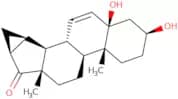
Formula:C6H7NOPurity:Min. 95%Color and Shape:PowderMolecular weight:109.13 g/mol3β,5-Dihydroxy-15β,16β-methylene-5β-androst-6-en-17-one
CAS:Controlled Product3b,5-Dihydroxy-15b,16b-methylene-5b-androst-6-en-17-one is a steroid hormone that has been shown to have antihypertensive properties. It has been shown to reduce the production of angiotensin II by inhibiting the enzyme angiotensin converting enzyme (ACE). 3b,5-Dihydroxy-15b,16b-methylene-5b-androst-6-en 17 one has also been shown to be a potent inhibitor of the enzyme 3beta hydroxysteroid dehydrogenase type 1 (3betaHSD1) and 5alpha reductase type 2 (5alphaRD2), which are enzymes that convert cortisone to cortisol and dihydrotestosterone to testosterone respectively. These effects on steroidogenesis may account for its observed antihypertensive activity.
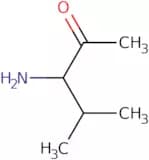
Formula:C20H28O3Purity:Min. 95%Color and Shape:PowderMolecular weight:316.43 g/mol3-Amino-4-methylpentan-2-one hydrochloride
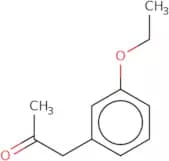
CAS:3-Amino-4-methylpentan-2-one hydrochloride is a versatile building block that is used for the synthesis of high quality research chemicals, useful scaffolds, and speciality chemicals. It is also used as a reagent in organic syntheses. This chemical has a wide range of uses and is a fine chemical that can be used as an intermediate or reaction component. 3-Amino-4-methylpentan-2-one hydrochloride can be reacted with other compounds to form complex molecules that have many different applications.Formula:C6H13NO•HClPurity:Min. 95%Color and Shape:SolidMolecular weight:151.63 g/mol(3-Ethoxyphenyl)acetone
CAS:3-Ethoxyphenylacetone is a white crystalline solid that is soluble in cold water and insoluble in ethanol. It is a chemical reagent that can be used for research purposes such as to study the mechanism of various chemical reactions. 3-Ethoxyphenylacetone can be used as a building block in the synthesis of more complex compounds and as an intermediate in the synthesis of other chemicals. 3-Ethoxyphenylacetone can also be used as a scaffold to create novel compounds with different functional groups.Formula:C11H14O2Purity:Min. 85 Area-%Color and Shape:Clear LiquidMolecular weight:178.23 g/mol5-Methyl-2,3-hexanedione
CAS:5-Methyl-2,3-hexanedione is a chemical compound that has been shown to be effective against avian influenza and the influenza virus. 5-Methyl-2,3-hexanedione inhibits the growth of influenza viruses by binding to the virus particles and preventing them from attaching to cells in the respiratory tract. This chemical also prevents the release of infectious viral particles from infected cells. The rate of encapsulation was determined by measuring the amount of 5-methyl-2,3-hexanedione that was adsorbed onto tylosin particles in a plate test. The encapsulation rate is greater than 80%. 5-Methyl-2,3-hexanedione has also been shown to inhibit tylosin resistance in vitro.Formula:C7H12O2Purity:Min. 95%Color and Shape:Clear LiquidMolecular weight:128.17 g/mol3-(tert-butyl)indeno[3,2-c]isoxazol-4-one
CAS:Please enquire for more information about 3-(tert-butyl)indeno[3,2-c]isoxazol-4-one including the price, delivery time and more detailed product information at the technical inquiry form on this page
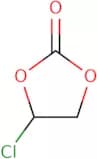
Formula:C14H13NO2Purity:Min. 95%Color and Shape:PowderMolecular weight:227.26 g/mol4-Chloro-1,3-dioxolan-2-one
CAS:4-Chloro-1,3-dioxolan-2-one is a reactive functional group that can be classified as a carbonyl compound. It has been shown to react with hydroxyl groups and methyl ethyl groups. 4-Chloro-1,3-dioxolan-2-one is also a strong nucleophile and can also be used in transfer reactions.
The reaction solution of 4-chloro-1,3-dioxolan 2 one contains constant pressure and electrochemical impedance spectroscopy (EIS). The carbonate anion reacts with hydrogen fluoride to release CO2 gas, which was observed by particle tracking velocimetry (PTV) and PTV analysis. The nitrogen atoms in the molecule are low energy and react with HCl at room temperature to produce NH4Cl.
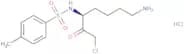
4 Chloro 1,3 dioxolan 2 one is not soluble in water but it is soluble in hydrochloricFormula:C3H3ClO3Purity:Min. 95%Color and Shape:Colorless Clear LiquidMolecular weight:122.51 g/molN-α-Tosyl-L-lysine chloromethyl ketone HCl
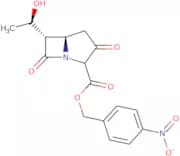
CAS:N-alpha-Tosyl-L-lysine chloromethyl ketone HCl is a chemical compound that binds to DNA. It has been shown to induce neuronal death and caspase-independent cell death in HL60 cells. The compound can also be used as a biochemical probe to study the apoptosis pathway. N-alpha-Tosyl-L-lysine chloromethyl ketone HCl is currently being investigated as an antiinflammatory agent for chronic coughs due to its ability to inhibit proteases.Formula:C14H21ClN2O3S·HClPurity:Min. 95%Color and Shape:PowderMolecular weight:369.31 g/molp-Nitrobenzyl 6-(1'-hydroxyethyl)-azabicyclo(3.2.0)heptane-3,7-dione-2-carboxylate
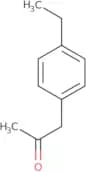
CAS:p-Nitrobenzyl 6-(1'-hydroxyethyl)-azabicyclo(3.2.0)heptane-3,7-dione-2-carboxylate is a drug substance that is used in the manufacture of carbapenem antibiotics. It can be detected by a chloride ion chromatographic method, and the detection limit is 0.5 mg/L in the presence of zinc powder as a modifier. This material is used to prepare carbapenems using an analytical method that includes reaction monitoring by optical rotation, diastereomer chromatography, and transfer.Formula:C16H16N2O7Purity:Min. 95%Color and Shape:PowderMolecular weight:348.31 g/mol4-Ethylphenylacetone
CAS:Controlled Product4-Ethylphenylacetone is a high quality reagent and useful building block for the production of more complex compounds. It is an intermediate for the production of fine chemicals, speciality chemicals, and research chemicals. 4-Ethylphenylacetone can be used as a versatile building block in organic synthesis, providing a scaffold to form new structures with different functional groups. This product has been shown to react with nucleophiles such as amines and alcohols to form new compounds.
Formula:C11H14OPurity:90%Color and Shape:Clear LiquidMolecular weight:162.23 g/molEthyl tridecyl ketone
CAS:Ethyl tridecyl ketone (ETK) is a fatty acid that is an oxidation product of the natural fatty acids found in plants. ETK has been shown to inhibit cell growth and physiological function, which may be due to its ability to react with plasma proteins, such as polysorbate. ETK is also an anti-inflammatory agent and has shown activity against infectious diseases. ETK inhibits the production of inflammatory cytokines by interfering with the synthesis of arachidonic acid, which is an important precursor for these molecules.
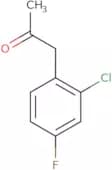
Formula:C16H32OPurity:Min. 95%Color and Shape:PowderMolecular weight:240.42 g/mol(2-Chloro-4-fluorophenyl)acetone
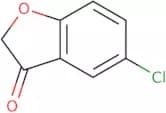
CAS:2-Chloro-4-fluorophenyl)acetone (CAS No. 845781-18-2) is a fine chemical that is useful as a scaffold for the synthesis of various compounds, including pharmaceuticals, pesticides and dyes. The compound is used as an intermediate in the synthesis of other chemicals such as pharmaceuticals, research chemicals and speciality chemicals. The compound has versatile uses, making it a useful building block in organic chemistry. It can be used to make a wide range of compounds that have different properties and functions. 2-Chloro-4-fluorophenyl)acetone also has high quality and purity.Formula:C9H8ClFOPurity:Min. 95%Color and Shape:PowderMolecular weight:186.61 g/mol5-Chloro-1-benzofuran-3(2H)-one
CAS:5-Chloro-1-benzofuran-3(2H)-one (5CBF) is a versatile building block that can be used to make a wide range of different compounds. It has been shown as an effective reagent in the synthesis of complex compounds and research chemicals. 5CBF is also used as a high quality intermediate in organic synthesis, as well as being a useful scaffold for chemical reactions.
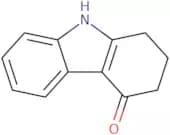
Formula:C8H5ClO2Purity:Min. 98 Area-%Color and Shape:PowderMolecular weight:168.58 g/mol1,2,3,9-Tetrahydro-4H-carbazol-4-one
CAS:1,2,3,9-Tetrahydro-4H-carbazol-4-one is a cyclic ketone compound, which can be synthesized through various organic reactions involving appropriate precursors. It is often derived from indole-based substrates through catalytic hydrogenation, allowing the formation of its stable tetrahydro structure with a retained core carbazole skeleton.
Formula:C12H11NOPurity:Min. 95%Color and Shape:PowderMolecular weight:185.23 g/mol6-Fluoro-1,3,4 ,5-tetrahydro-3-[4-[3-methoxy-4-(4-methyl-1H-imidazol-1-yl)phenyl]-1H-1 ,2,3-triazol-1-yl]-1-(2-trifluoroethyl)-2H-1-benzazepin-2-one
CAS:6-Fluoro-1,3,4,5-tetrahydro-3-[4-[3-methoxy-4-(4-methyl-1H-imidazol-1-yl)phenyl]-1H-- 1,2,3-triazol-1yl]-1-(2trifluoroethyl)-2H-1benzazepin-2one (6FTH) is an anticancer drug that belongs to the class of benzothiazole derivatives. It has been shown to have potent antiangiogenic and antiproliferative properties in preclinical studies. 6FTH has been shown to be effective against colon cancer and breast cancer cells in vitro. It also inhibits the growth of squamous cell carcinoma cells by downregulating the expression of proteins involved in tumorigenesis. The compound has been found to be safe when used as an adjuvant to a combination therapy containing cisplatinFormula:C25H22F4N6O2Purity:Min. 98 Area-%Color and Shape:PowderMolecular weight:514.48 g/mol6-α-Fluoro-Pregn-4-ene-3,20-dione
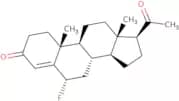
CAS:Controlled Product6-alpha-Fluoro-Pregn-4-ene-3,20-dione is a polymer that belongs to the class of polymers. It is a three component polymer composed of vinyl acetate, vinyl chloride and ethylene. 6-alpha-Fluoro-Pregn-4-ene-3,20-dione is used as a monomer in the production of polypropylene and polyethylene. This polymer has shown to have good mechanical properties such as strength and toughness.
Formula:C21H29FO2Purity:Min. 95%Molecular weight:332.45 g/mol6-Fluoropregn-4-Ene-3,20-Dione
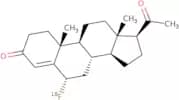
CAS:Controlled Product6-Fluoropregn-4-Ene-3,20-Dione is a hydrocarbon that is used in the production of an oil solution for oral administration. This product is well tolerated and has been shown to have good activity against Leptosphaeria species, which are members of the class of microorganisms. 6-Fluoropregn-4-Ene-3,20-Dione may be used as diluent with other substances. It can also be used as a corynebacterium culture media or as a dehydrated culture medium for corynebacteria. 6FPD can also be used to make emulsions containing microorganisms such as Cylindrocarpon species and Hydrolysing strains. It can function as a peracid or alkylene acylate oxidising agent.Formula:C21H29FO2Purity:Min. 95%Molecular weight:332.45 g/mol1,3-Diphenylacetone
CAS:1,3-Diphenylacetone is a redox potential polymer that is soluble in organic solvents and is used as a film-forming polymer. It has been shown to have some intramolecular hydrogen bonding between the ketone and the nitrogen atoms, which can be seen in its chemical structure. The FTIR spectra of this compound show that it has a hydroxyl group and gives off water vapor when heated. 1,3-Diphenylacetone is an excellent solvent for detergents because it does not corrode metals or rubber. This molecule also has a basic structure due to its benzyl groups.Formula:C15H14OPurity:Min. 95%Color and Shape:PowderMolecular weight:210.28 g/mol2-(2-Butyl)-4-{4-[4-(4-methyloxy-phenyl)-piperazin-1-yl]-phenyl}-2,4-dihydro-[1,2,4]-triazol-3-one
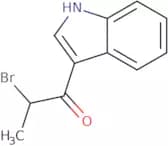
CAS:2-(2-Butyl)-4-{4-[4-(4-methyloxy-phenyl)-piperazin-1-yl]-phenyl}-2,4-dihydro-[1,2,4]-triazol-3-one (ITZ) is an antifungal drug that inhibits the synthesis of ergosterol. It is used in the treatment of systemic fungal infections such as candidiasis and cryptococcosis. ITZ is a metabolite of itraconazole and fluconazole. The presence of impurities in ITZ can be detected by liquid chromatography with a diode array detector or a fluorescence detector. An antiinfective drug product should be bioequivalent to the reference product and have comparable levels of impurities. Chromatograms are used to identify peaks on a graph and measure their height (area under the curve) to determine how much of each substance is present in the sample.Formula:C23H29N5O2Purity:Min. 95%Color and Shape:White To Yellow SolidMolecular weight:407.51 g/mol2-Bromo-1-(1H-indol-3-yl)propan-1-one
CAS:Controlled ProductPlease enquire for more information about 2-Bromo-1-(1H-indol-3-yl)propan-1-one including the price, delivery time and more detailed product information at the technical inquiry form on this pageFormula:C11H10BrNOPurity:Min. 85%Color and Shape:PowderMolecular weight:252.11 g/mol


![3-(4-chlorophenyl)spiro[1,3-thiazolidine-2,3'-indoline]-4,7-dione](/_next/image/?url=https%3A%2Fstatic.cymitquimica.com%2Fproducts%2F3D%2Fthumb-webp%2FFC169673.webp&w=3840&q=75)

![7-[4-[4-(4-Fluorobenzoyl)Piperidin-1-Yl]Butyl]-1,3-Dimethylpurine-2,6-Dione](/_next/image/?url=https%3A%2Fstatic.cymitquimica.com%2Fproducts%2F3D%2Fthumb-webp%2FFF99814.webp&w=3840&q=75)
![2-[[(4-Acetylphenyl)amino]methylene]-5,5-dimethyl-1,3-cyclohexanedione](/_next/image/?url=https%3A%2Fstatic.cymitquimica.com%2Fproducts%2F3D%2Fthumb-webp%2FFA169010.webp&w=3840&q=75)
![11-(tert-butyl)spiro[1,2,3-trihydroquinazoline-2,4'-cyclohexane]-4-one](/_next/image/?url=https%3A%2Fstatic.cymitquimica.com%2Fproducts%2F3D%2Fthumb-webp%2FFB169893.webp&w=3840&q=75)
![3-(tert-butyl)-6-nitroindeno[3,2-c]pyrazol-4-one](/_next/image/?url=https%3A%2Fstatic.cymitquimica.com%2Fproducts%2F3D%2Fthumb-webp%2FFB169679.webp&w=3840&q=75)

![5-[3,4-(Methylenedioxy)phenyl]-cyclohexane-1,3-dione](/_next/image/?url=https%3A%2Fstatic.cymitquimica.com%2Fproducts%2F3D%2Fthumb-webp%2FFM66989.webp&w=3840&q=75)

![3-(3,4-dimethoxyphenyl)indeno[2,3-d]pyrazol-4-one](/_next/image/?url=https%3A%2Fstatic.cymitquimica.com%2Fproducts%2F3D%2Fthumb-webp%2FFD169741.webp&w=3840&q=75)
![3,8-Dihydroxy-6H-benzo[c]chromen-6-one](/_next/image/?url=https%3A%2Fstatic.cymitquimica.com%2Fproducts%2F3D%2Fthumb-webp%2FFD171109.webp&w=3840&q=75)
![(3S,4R)-3-[(1R)-1-Hydroxyethyl]-4-[(1R)-1-methyl-3-diazo-3- (p-nitrobenzyloxycarbonyl)-2-oxopropyl…](/_next/image/?url=https%3A%2Fstatic.cymitquimica.com%2Fproducts%2F3D%2Fthumb-webp%2FFH38865.webp&w=3840&q=75)



![7-Amino-2-(4-methoxyphenyl)[1,2,4]triazolo[1,5-a]pyrimidin-5(4H)-one](/_next/image/?url=https%3A%2Fstatic.cymitquimica.com%2Fproducts%2F3D%2Fthumb-webp%2FFA134729.webp&w=3840&q=75)

![3-[(4-Chlorophenyl)amino]-5,5-dimethylcyclohex-2-en-1-one](/_next/image/?url=https%3A%2Fstatic.cymitquimica.com%2Fproducts%2F3D%2Fthumb-webp%2FFC123031.webp&w=3840&q=75)
![2-Azabicyclo[2.2.1]hept-5-en-3-one](/_next/image/?url=https%3A%2Fstatic.cymitquimica.com%2Fproducts%2F3D%2Fthumb-webp%2FFA10344.webp&w=3840&q=75)

![3-(tert-butyl)indeno[3,2-c]isoxazol-4-one](/_next/image/?url=https%3A%2Fstatic.cymitquimica.com%2Fproducts%2F3D%2Fthumb-webp%2FFB169751.webp&w=3840&q=75)

![6-Fluoro-1,3,4 ,5-tetrahydro-3-[4-[3-methoxy-4-(4-methyl-1H-imidazol-1-yl)phenyl]-1H-1 ,2,3-triazo…](/_next/image/?url=https%3A%2Fstatic.cymitquimica.com%2Fproducts%2F3D%2Fthumb-webp%2FFB151723.webp&w=3840&q=75)
![2-(2-Butyl)-4-{4-[4-(4-methyloxy-phenyl)-piperazin-1-yl]-phenyl}-2,4-dihydro-[1,2,4]-triazol-3-one](/_next/image/?url=https%3A%2Fstatic.cymitquimica.com%2Fproducts%2F3D%2Fthumb-webp%2FFB19470.webp&w=3840&q=75)