Amides
Amides are a wide range of chemical compounds that contain at least one heterocyclic ring, which has atoms of at least two different elements in the ring structure, and at least one amide group (-CONH2). These compounds are crucial in the synthesis of pharmaceuticals, polymers, and agrochemicals. Amides exhibit unique properties and reactivity, making them valuable intermediates in organic synthesis. At CymitQuimica, we offer a comprehensive selection of high-quality amides to support your research and industrial needs.
Found 16393 products of "Amides"
Sort by
Purity (%)
0
100
|
0
|
50
|
90
|
95
|
100
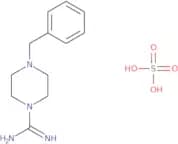
4-Benzylpiperazine-1-carboximidamide sulfate
CAS:<p>4-Benzylpiperazine-1-carboximidamide sulfate is a versatile building block that can be used in the synthesis of complex compounds. It is a useful intermediate that can be used in the production of research chemicals and speciality chemicals. 4-Benzylpiperazine-1-carboximidamide sulfate is also an excellent reagent for reactions involving complex substrates, such as high quality and useful scaffolds.</p>Formula:C12H20N4O4SPurity:Min. 95%Color and Shape:PowderMolecular weight:316.4 g/mol2-(Methylthio)acetamide
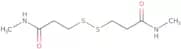
CAS:<p>Methylthioacetic acid is a weak organic acid that is used as an ophthalmic drug. When methylthioacetic acid is activated, intramolecular hydrogen bonds form between the methylthiosulfonate ion and the nitrate ion. This process requires spin resonance to take place, which can be explained by the functional theory of kinetics. The reaction of methylthioacetic acid with nitrate ions to form methylthiosulfonate ions has been shown to be rapid and reversible in both dry weight and wet weight experiments. The alkylation of methylthioacetic acid with ethyl bromoacetate has been shown to produce thermochemically stable imine and phosphate ions.</p>Formula:C3H7NOSPurity:Min. 95%Color and Shape:PowderMolecular weight:105.16 g/molN,N'-Dimethyl-3,3'-dithiodipropionamide
CAS:<p>N,N'-Dimethyl-3,3'-dithiodipropionamide (DTDPA) is a strong oxidizing agent that is used as a catalyst in organic synthesis. It can be used to convert xylene and benzene into products that are less toxic and more easily removed from the environment. DTDPA can also be used to remove 2-methyl-4-isothiazolin-3-one, chloroform, and other pollutants from water. DTDPA has been shown to react with hydrogen peroxide or hydrochloric acid to produce oxygen gas and chlorine, which is an effective disinfectant against bacteria such as Staphylococcus aureus or Pseudomonas aeruginosa. This chemical also reacts with toluene or chloroform to produce peroxides which have been shown to have an anti-inflammatory effect on cells.</p>Formula:C8H16N2O2S2Purity:(Q-1H Nmr) Min 95%Color and Shape:White/Off-White SolidMolecular weight:236.36 g/mol4-Chloro-3-nitrophenylacetamide
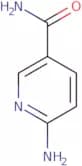
CAS:<p>4-Chloro-3-nitrophenylacetamide is a chemical compound that can be used as a reagent, useful scaffold for research, and a high quality research chemical. CAS No. 5540-60-3, this versatile building block is useful for the synthesis of complex compounds and fine chemicals.</p>Formula:C8H7ClN2O3Purity:Min. 98 Area-%Color and Shape:PowderMolecular weight:214.61 g/mol6-Aminonicotinamide
CAS:<p>6-Aminonicotinamide is an experimental drug that has shown promising results in animal studies. This compound may be useful for the treatment of cancer, due to its ability to inhibit reactive oxygen species and maintain mitochondrial membrane potential. 6-Aminonicotinamide also has a protective effect against radiation-induced cell damage, as it prevents oxidative injury to DNA and protein. In addition, 6-aminonicotinamide can stimulate the proliferation of pluripotent cells, which are cells that have the ability to differentiate into any type of cell in the body. Finally, this compound was shown to have antitumor effects by inhibiting squamous carcinoma tumor growth in experimental models.</p>Formula:C6H7N3OPurity:Min. 95%Color and Shape:PowderMolecular weight:137.14 g/mol2,2'-(Diazene-1,2-diyl)bis(2-methylpropanimidamide) dihydrochloride
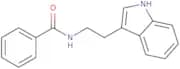
CAS:<p>2,2'-(Diazene-1,2-diyl)bis(2-methylpropanimidamide) dihydrochloride (BPDC) is a synthetic compound that is used as an analytical reagent and a model system for oxidative injury. It has significant cytotoxicity on human cells in cell culture. BPDC induces oxidative damage to proteins and DNA by increasing the production of reactive oxygen species such as hydrogen peroxide, superoxide, and hydroxyl radicals. The mechanism of action is not well understood but may be due to Toll-like receptor signalling pathways. This compound has been shown to inhibit the activity of antioxidant enzymes such as glutathione peroxidase and catalase. It also inhibits the activity of proinflammatory cytokines such as IL-6 and IL-8. BPDC is being investigated for its potential use in bowel disease treatment.</p>Formula:C8H20Cl2N6Purity:Min. 95%Color and Shape:PowderMolecular weight:271.19 g/molN-(2-Indol-3-ylethyl)benzamide
CAS:<p>N-(2-indol-3-ylethyl)benzamide (4-AIBA) is a functional, health functional food. It has shown anticancer activity in a human colon carcinoma cell line, and it inhibits the production of nitrous oxide from inducible nitric oxide synthase, which is important for tumor invasion. 4-AIBA also inhibits tyrosinase activity, an enzyme that is involved in melanin synthesis. This inhibition may be beneficial to skin conditions such as acne or pigmentation disorders. The compound also inhibits the degranulation of mast cells and stimulates cell proliferation in rat mesenteric lymph nodes.</p>Formula:C17H16N2OPurity:Min. 95%Color and Shape:PowderMolecular weight:264.32 g/molN-(3,5-Dichloro-4-Pyridinyl)-2-[1-(4-Fluorobenzyl)-5-Hydroxy-1H-Indol-3-Yl]-2-Oxoacetamide
CAS:Controlled Product<p>N-(3,5-Dichloro-4-Pyridinyl)-2-[1-(4-Fluorobenzyl)-5-Hydroxy-1H-Indol-3-Yl]-2-Oxoacetamide is a prodrug that is metabolized to the active form in vivo. It inhibits the activity of cyclic nucleotide phosphodiesterase (PDE), an enzyme that catalyzes the conversion of cAMP to AMP and PDE, which catalyzes the conversion of cGMP to GMP. This drug has been shown to have a potent inhibitory effect on inflammatory cytokines such as IL-6 and TNFα. N-(3,5-Dichloro-4-pyridinyl)-2-[1-(4 fluorobenzyl)-5 hydroxy 1H indol 3 yl]-2 oxoacetamide has been shown to be effective for treatment of inflammatory diseases such as bronch</p>Formula:C22H14Cl2FN3O3Purity:Min. 95%Molecular weight:458.27 g/mol2,5-Dimethoxybenzamide
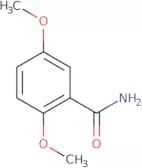
CAS:<p>2,5-Dimethoxybenzamide is a potent inhibitor of the enzyme DECATENASE. This enzyme plays an important role in the biosynthesis of the aromatic amino acids phenylalanine and tyrosine. 2,5-Dimethoxybenzamide has been shown to have anticancer activity in vitro and in vivo. Remoxipride is a synthetic drug that competitively inhibits the action of benzodiazepines on GABA receptors by binding to them with high affinity. It was developed as an antipsychotic agent but was never marketed for this indication due to its adverse effects on motor coordination. Remoxipride has also been shown to have estrogenic activity, which may be due to its ability to bind with high affinity and inhibit the enzyme aromatase, which converts testosterone into estradiol.</p>Formula:C9H11NO3Purity:Min. 95%Color and Shape:PowderMolecular weight:181.19 g/molRink amide PEGA resin
<p>Rink amide PEGA resin is a cation-exchange resin that has been modified with poly(ethylene glycol) and poly(ethylene oxide). It binds to calcium ions, which are required for cell division. Activated resins can be used in animal diagnostic tests to measure blood glucose levels or as an adsorbent for the removal of heavy metals from drinking water. Rink amide PEGA resin can be used to modify polymer conjugates and assay biological properties, such as cancer cells or solid-phase synthesis.</p>Purity:Min. 95%Color and Shape:Powder3-Ethoxybenzamide
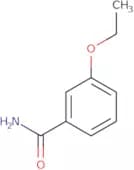
CAS:<p>3-Ethoxybenzamide is a crystalline compound that can form complexes with metal ions. It has been shown to inhibit bacterial growth by binding to the enzyme thiourea, which is essential for the biosynthesis of thiamine. 3-Ethoxybenzamide also inhibits the production of hydrogen sulfide, which is produced by bacteria and a cause of foul odors. 3-Ethoxybenzamide has been shown to have antibacterial activity against Gram-positive bacteria such as Staphylococcus aureus and Streptococcus pyogenes. 3-Ethoxybenzamide also inhibits the growth of Gram-negative bacteria such as Escherichia coli and Salmonella typhimurium. This compound has also been shown to have anti-inflammatory activities through its ability to inhibit prostaglandin synthesis in mice.</p>Formula:C9H11NO2Purity:Min. 95%Color and Shape:PowderMolecular weight:165.19 g/molN-Isopropylacrylamide
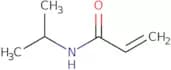
CAS:<p>N-Isopropylacrylamide is a biocompatible polymer that is used in the preparation of polymers. It is a solid phase microextraction material that is used in sample preparation and purification. N-Isopropylacrylamide has a phase transition temperature of -5°C and can be polymerized to form a polymer. This polymerization process can be done with or without catalysts, which are required for the formation of many other types of polymers. N-Isopropylacrylamide has been shown to have good affinity for human serum and wastewater treatment effluent samples, as well as for chitosan polymer surfaces. The kinetic data show that this polymer possesses high capacity for trifluoroacetic acid (TFA) reactivity, which makes it suitable for use in reaction solutions.</p>Formula:C6H11NOPurity:Min. 98.5 Area-%Color and Shape:White PowderMolecular weight:113.16 g/molN-[2-(1,3-Dimethylbutyl)phenyl]-5-fluoro-1,3-dimethyl-1H-pyrazole-4-carboxamide
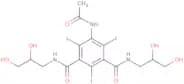
CAS:Controlled Product<p>N-[2-(1,3-Dimethylbutyl)phenyl]-5-fluoro-1,3-dimethyl-1H-pyrazole-4-carboxamide is an herbicide that belongs to the group of fatty acid amides. It is a selective postemergence herbicide that inhibits the germination and growth of plants by inhibiting the synthesis of fatty acids. Unlike other chemical pesticides, it has no effect on animals or humans and it is not toxic to plants. The selectivity of N-[2-(1,3-Dimethylbutyl)phenyl]-5-fluoro-1,3-dimethyl-1H-pyrazole-4-carboxamide makes it a good candidate for use in combination preparations with other chemicals.</p>Purity:Min. 95%5-(Acetylamino)-N,N'-bis(2,3-dihydroxypropyl)-2,4,6-triiodo-1,3-benzenedicarboxamide
CAS:<p>5-(Acetylamino)-N,N'-bis(2,3-dihydroxypropyl)-2,4,6-triiodo-1,3-benzenedicarboxamide is a reactive iodinated contrast agent that is used in the diagnostic imaging of body cavities and blood vessels. It can be prepared by the acetylation of 5-(acetylamino)naphthalene-2,3-diol with 2,4,6-triiodobenzene dicarboxylic acid using an alkali metal as a base. The yields for this reaction are dependent on the type of solvent used. This chemical has two functional groups: an amide and an acetate group. It reacts with iohexol to form a radiocontrast product that contains both iodine and propanediol. This process is industrially carried out by mixing 5-(acetylamino)naphthalene-2,</p>Formula:C16H20I3N3O7Purity:Min. 95%Color and Shape:White PowderMolecular weight:747.06 g/mol1-Adamantane carboxamide
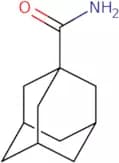
CAS:<p>1-Adamantane carboxamide is a potent inhibitor of amines and its activity has been tested with a reaction solution. The chemical structure of 1-adamantane carboxamide is shown in Figure 1. This molecule also has inhibitory effects on insulin resistance and nervous system diseases. It was found to have an inhibitory effect on the enzyme DOPA decarboxylase, which is involved in the synthesis of dopamine, norepinephrine and epinephrine. The inhibition of this enzyme leads to increased levels of dopamine in the brain, which can lead to improved cognition, mood and motor skills. 1-Adamantane carboxamide also has a hydroxyl group that mimics the polarizer in biomimetic molecules.</p>Formula:C11H17NOPurity:Min. 95%Color and Shape:PowderMolecular weight:179.26 g/mol4-Nitrobenzenesulfonamide
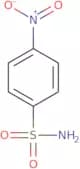
CAS:<p>4-Nitrobenzenesulfonamide is an organic compound that consists of a nitro group, a sulfonamide group, and an amine. It is the active analog of 4-dimethylaminobenzoic acid, which is used as an inhibitor of histamine release in the treatment of allergic reactions. The molecule has been shown to bind to copper ions and triflic acid and has been used as a catalyst for aziridination.</p>Formula:C6H6N2O4SPurity:Min. 96 Area-%Color and Shape:White PowderMolecular weight:202.19 g/mol2-Iodoacetamide
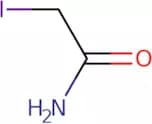
CAS:<p>2-Iodoacetamide is a synthetic retinoid that binds to the DNA of cells, altering transcription. It also has been found to be effective in treating bowel disease and has been shown to have dna binding activity. The compound was synthesized by attaching iodine molecules to acetamide. 2-Iodoacetamide targets the protein thiols on the surface of cells, which are responsible for oxidation and damage due to reactive oxygen species (ROS). This compound is metabolized by alcohol dehydrogenase and can be used as a biological sample or natural compound.</p>Formula:C2H4INOPurity:Min. 95%Color and Shape:SolidMolecular weight:184.96 g/mol3-Cyanobenzamide
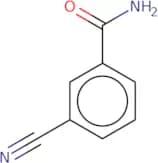
CAS:<p>3-Cyanobenzamide is an organic compound with the formula CHC(N)NH. It is a white crystalline solid that can be obtained by reacting benzamide with cyanoacetylene. There are three possible isomers of 3-cyanobenzamide: 3-cyano-1-(substituted phenyl)benzamide, 3-cyano-2-(substituted phenyl)benzamide, and 3-cyano-3-(substituted phenyl)benzamide. The optimal reaction conditions for the synthesis of 3-cyanobenzamide are in the presence of hydrogen bonding, such as n-hexane, amide, and phase equilibrium. Studies have determined that 3-cyanobenzamide has the potential to cause cancer or liver toxicity in humans. In addition, this chemical has been shown to be an effective inhibitor of alpha glucosidase enzymes in vitro and in vivo.</p>Formula:C8H6N2OPurity:Min. 90%Molecular weight:146.15 g/molN-(4-Fluorophenyl)acetamide
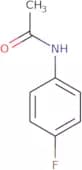
CAS:<p>4-Fluorophenylacetic acid is a synthetic organic compound that has been used as a model system for the study of the reaction between hydrogen sulfate and hydrogen. 4-Fluorophenylacetic acid is a fluorinated analog of acetamide, which can be synthesized from sodium borohydride and hydrogen fluoride. It has been shown to inhibit the growth of Mycobacterium tuberculosis in an on-line assay and is also active against Mycobacterium avium complex. 4-Fluorophenylacetic acid also inhibits rat liver microsomes with a second order rate constant of 0.0006 M−1 s−1 at pH 7.4 and 37 °C (pH and temperature not specified). The biological properties of 4-fluorophenylacetic acid are not well understood, but it may bind to hydrophobic regions on proteins or DNA through hydrogen bonding interactions.</p>Formula:C8H8FNOPurity:Min. 95%Color and Shape:PowderMolecular weight:153.15 g/mol2-Hydroxysalicylamide
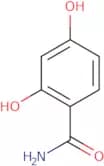
CAS:<p>2-Hydroxysalicylamide is a low-energy, small molecule that has shown to be an effective inhibitor of serine proteases. It binds to the active site of the protease, blocking catalysis and inhibiting the growth of cancer cells. 2-Hydroxysalicylamide has been shown to inhibit the transcriptional regulation of pro-inflammatory genes in a patterning assay and it inhibits tumor growth in a pain model. This drug also suppresses the expression of suppressor genes and can be used as an analgesic without causing side effects.<br>2-Hydroxysalicylamide is also a polarizer for tissues, meaning that it preferentially accumulates in tissues with high water content such as breast tissue. This property has been shown to be useful for imaging cancerous tumors.</p>Formula:C7H7NO3Purity:Min. 95%Color and Shape:PowderMolecular weight:153.14 g/mol4-Iodobenzenesulphonamide
CAS:<p>4-Iodobenzenesulphonamide is a drug with antifungal and anticancer activity. The compound has been shown to inhibit the growth of cancer cells in vitro. It also has an antifungal effect in vitro, which is most likely due to its ability to inhibit the synthesis of ergosterol, a component of the cell membrane. 4-Iodobenzenesulphonamide may be used for the treatment of cervical cancer and vulvovaginal candidiasis. This drug does not show any serious side effects, but it has been shown to have some adverse effects on liver function tests and red blood cells.</p>Formula:C6H6INO2SPurity:Min. 95%Color and Shape:PowderMolecular weight:283.09 g/molPigment YellOw 5;2-[(2-NitrOphenyl)azO]-3-OxO-N-phenylbutanamide
CAS:<p>Please enquire for more information about Pigment YellOw 5;2-[(2-NitrOphenyl)azO]-3-OxO-N-phenylbutanamide including the price, delivery time and more detailed product information at the technical inquiry form on this page</p>Purity:Min. 95%LL-37 amide trifluoroacetate
CAS:<p>Please enquire for more information about LL-37 amide trifluoroacetate including the price, delivery time and more detailed product information at the technical inquiry form on this page</p>Formula:C205H341N61O52•(C2HF3O2)xPurity:Min. 95%Color and Shape:PowderMolecular weight:4,492.28 g/molN-(4-(4-bromophenyl)-2,5-thiazolyl)hexanamide
CAS:<p>Please enquire for more information about N-(4-(4-bromophenyl)-2,5-thiazolyl)hexanamide including the price, delivery time and more detailed product information at the technical inquiry form on this page</p>Purity:Min. 95%5-Amino-N,N'-bis(2,3-dihydroxypropyl)-2,4,6-triiodo-1,3-benzenedicarboxamide
CAS:<p>5-Amino-N,N'-bis(2,3-dihydroxypropyl)-2,4,6-triiodo-1,3-benzenedicarboxamide is an experimental compound that is used in the industrial preparation of pharmaceuticals and agricultural chemicals. It has a molecular weight of 191.14 g/mol. The crystallization process involves the use of ethanol to create supersaturation and then cooling to induce crystallization. This compound can be synthesized by an iodination reaction with x-ray irradiation at low temperatures.</p>Formula:C14H18I3N3O6Purity:Min. 95%Color and Shape:White PowderMolecular weight:705.02 g/molMorpholine-4-carboxamide
CAS:<p>Morpholine-4-carboxamide is a polymerase chain inhibitor that inhibits the activity of DNA polymerases. It binds to the DNA template strand and prevents the enzyme from adding nucleotides to the primer strand, thereby inhibiting DNA synthesis. Morpholine-4-carboxamide has shown efficacy in treating hyperproliferative diseases such as cancer cells and psoriasis. This drug has been shown to inhibit caspase activation and histone protein acetylation, which may be related to its anti-cancer properties. Morpholine-4-carboxamide also binds to cannabinoid receptor 2 (CB2) and may have therapeutic effects on inflammatory diseases such as psoriasis and arthritis.</p>Formula:C5H10N2O2Purity:Min. 95%Molecular weight:130.15 g/mol2-Methoxy-5-(2-oxopropyl)benzenesulfonamide
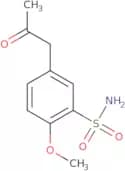
CAS:<p>2-Methoxy-5-(2-oxopropyl)benzenesulfonamide is a metal catalyst that can be used in the synthesis of tamsulosin hydrochloride, an alpha blocker that is used to treat benign prostatic hyperplasia. It catalyzes the reaction between 2-methoxybenzenesulfonyl chloride and 3-amino-1,2,4-triazole. The industrial importance of this compound is due to its ability to be used as a catalyst for various chemical reactions.</p>Formula:C10H13NO4SPurity:Min. 95%Color and Shape:PowderMolecular weight:243.28 g/molTris[N-Ethyl-1,1,2,2,3,3,4,4,5,5,6,6,7,7,8,8,8-heptadecafluoro-N-(2-hydroxyethyl)-1-Octanesulfonamide] phosphate
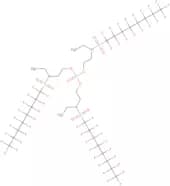
CAS:Controlled Product<p>Tris[N-ethyl-1,1,2,2,3,3,4,4,5,5,6,6,7,7,8,8-heptadecafluoro-N-(2-hydroxyethyl)-1-octanesulfonamide] phosphate is a sulfonate that has been mixed with other chemicals. It is used as a chemical substance for the production of other substances. Tris[N-ethyl-1,1,2,2,3]3,[4],4,[5],5,[6],6-[7],7,[8],8-[heptadecafluoro-N-(2-hydroxyethyl)-1-octanesulfonamide] phosphate has not been classified by the International Agency for Research on Cancer (IARC).</p>Formula:C36H27F51N3O10PS3Purity:Min. 95%Molecular weight:1,757.7 g/molTropicamide
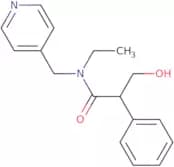
CAS:<p>Tropicamide is a cholinergic agent that is used as a short-term mydriatic, or eye dilator, for diagnostic purposes. It belongs to the group of nonsteroidal anti-inflammatory drugs and has been shown to have a stable complex with benzalkonium chloride. Tropicamide has been shown to affect the signal pathways in cells, leading to an increase in IL-2 receptor expression. This drug also affects locomotor activity and has been studied as a potential treatment for murine sarcoma virus. Tropicamide is administered intravenously and can cause side effects such as blurred vision, nausea, vomiting and convulsions. Tropicamide may be given together with phenylephrine in order to reduce these side effects.</p>Formula:C17H20N2O2Purity:Min. 95%Color and Shape:PowderMolecular weight:284.35 g/molAvanafil
CAS:<p>Avanafil is a drug that can be used as a treatment for male erectile dysfunction. It works by inhibiting the production of PDE5, which is an enzyme that regulates the levels of cGMP in the penis. Avanafil has been shown to be effective when taken at a dose of 100 mg; this is because it takes about 30 minutes for avanafil to reach its peak level. Avanafil has a chemical stability that is greater than 12 hours, with an average lifespan of 24 hours. The drug also has no major drug interactions and does not inhibit any other drugs from working.</p>Formula:C23H26ClN7O3Purity:Min. 98 Area-%Color and Shape:White PowderMolecular weight:483.95 g/mol2-acetyl-N-phenyl-3-((3-(trifluoromethyl)phenyl)amino)prop-2-enamide
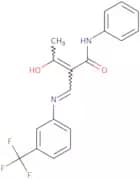
CAS:<p>Please enquire for more information about 2-acetyl-N-phenyl-3-((3-(trifluoromethyl)phenyl)amino)prop-2-enamide including the price, delivery time and more detailed product information at the technical inquiry form on this page</p>Formula:C18H15F3N2O2Purity:Min. 95%Color and Shape:PowderMolecular weight:348.32 g/molN-(n-Butyl)thiophosphoric triamide
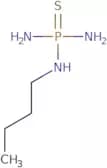
CAS:<p>N-(n-Butyl)thiophosphoric triamide is a triamide herbicide that inhibits the plant enzyme fatty acid synthase. It has been shown to inhibit the uptake of glycol ethers, such as glycol esters, into plants by acting on the glycol ester hydroxyl group. This chemical also inhibits the synthesis of fatty acids in plants and reduces lipid content in perennial ryegrass and solanum tuberosum. N-(n-Butyl)thiophosphoric triamide also inhibits nitrous oxide emissions from wastewater treatment plants.</p>Formula:C4H14N3PSPurity:Min. 95%Color and Shape:White PowderMolecular weight:167.21 g/molIfosfamide
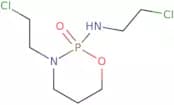
CAS:<p>Alkylating agent; anti-cancer agent</p>Formula:C7H15Cl2N2O2PPurity:Min. 98 Area-%Color and Shape:White Off-White PowderMolecular weight:261.09 g/molN,N-Dimethylmorpholine-4-carboxamide
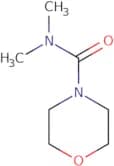
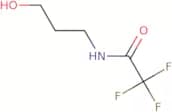
CAS:<p>Dimethylmorpholine-4-carboxamide (DMMC) is an unsymmetrical, synthetic carbamate that has antiviral properties. The antiviral properties of DMMC are due to its ability to inhibit the synthesis of viral proteins by binding to a site on the enzyme RNA polymerase and blocking the formation of a functional enzyme. This agent also has been shown to inhibit the production of nitric oxide in k562 cells. DMMC is marketed for use as an insecticide, but it has not been approved for this use. In crystallography studies, DMMC was found to have high yield and low melting point.</p>Formula:C7H14N2O2Purity:Min. 95%Color and Shape:Colorless PowderMolecular weight:158.2 g/molN-(3-Hydroxypropyl)trifluoroacetamide
CAS:<p>N-(3-Hydroxypropyl)trifluoroacetamide is an alkaline hydrolysis product of 3-hydroxypropyl trifluoroacetate. It is a primary amino compound that can be used as an intermediate in the production of vinyl ethers and acetals. This chemical is used for the synthesis of vinyl acetals, which are important intermediates in the manufacturing of polymers.</p>Formula:C5H8F3NO2Purity:90%Color and Shape:PowderMolecular weight:171.12 g/molPantethine
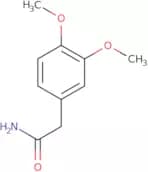
CAS:<p>Pantethine is a dietary supplement, which is a derivative of pantothenic acid, sourced from vitamin B5. As a biologically active compound, it undergoes conversion to pantetheine, which then forms coenzyme A (CoA) and acyl-carrier proteins. This conversion is critical, as CoA is an essential cofactor involved in numerous biochemical reactions that are integral to fatty acid metabolism, among other processes.</p>Formula:C22H42N4O8S2Purity:Min. 95%Color and Shape:PowderMolecular weight:554.72 g/molHomoveratramide
CAS:<p>Homoveratramide is a synthetic drug that is used as an antibacterial agent. It has a broad spectrum of activity against bacteria, fungi, and protozoa. Homoveratramide has been shown to be effective against both Gram-positive and Gram-negative bacteria, including Staphylococcus aureus, Streptococcus pneumoniae, Escherichia coli, Salmonella enterica, Pseudomonas aeruginosa, and Klebsiella pneumoniae. Homoveratramide inhibits the synthesis of DNA by binding to the enzyme ribonucleotide reductase. This produces a bacteriostatic effect on the cell by halting DNA replication and transcription.</p>Formula:C10H13NO3Purity:Min. 95%Color and Shape:PowderMolecular weight:195.22 g/mol2-indol-3-yl-2-oxo-N-(4-(trifluoromethoxy)phenyl)ethanamide
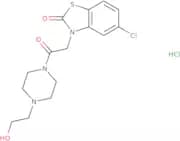
CAS:<p>Please enquire for more information about 2-indol-3-yl-2-oxo-N-(4-(trifluoromethoxy)phenyl)ethanamide including the price, delivery time and more detailed product information at the technical inquiry form on this page</p>Formula:C17H11F3N2O3Purity:Min. 95%Color and Shape:PowderMolecular weight:348.28 g/molTiaramide hydrochloride
CAS:<p>Tiaramide hydrochloride is a nonsteroidal anti-inflammatory drug that inhibits the production of prostaglandins. It has been shown to have an anti-inflammatory activity in bowel disease and inflammatory bowel disease, which may be due to its ability to inhibit the production of prostaglandin synthesis. Tiaramide hydrochloride is also a coumarin derivative that can form an n-oxide on exposure to air or light. It has been used in tissue culture experiments as a nanoparticulate composition, where it was found to have a dose-dependent effect on cell viability and proliferation. Tiaramide hydrochloride has been used in sample preparation for human serum and rat liver microsomes, where it showed a hydroxyl group that binds with fatty acids.</p>Formula:C15H18ClN3O3S·HClPurity:Min. 95%Color and Shape:PowderMolecular weight:392.3 g/mol2-Cyanobenzamide
CAS:<p>2-Cyanobenzamide is a corrosion inhibitor that is used in the electrochemical industry to protect metals from corrosion. It has been shown to be suitable for use as a corrosion inhibitor in salt water and other corrosive environments. 2-Cyanobenzamide has been shown to have light sensitive properties, which is why it should not be exposed to direct light or stored in dark containers. It also inhibits enzymes that are involved in the production of reactive oxygen species (ROS) such as superoxide anion and hydrogen peroxide. The reaction of 2-cyanobenzamide with aluminium, sodium sulfide, and polymeric matrices has also been studied extensively.<br>2-Cyanobenzamide can be synthesized by reacting benzoyl chloride with ammonia and cyanogen bromide. This reaction produces a mixture of mono-, di-, tri-, and tetramers of 2-cyanobenzamide. These products can then be separated using analytical methods such as</p>Formula:C8H6N2OPurity:Min. 95%Molecular weight:146.15 g/mol(3-(2,6-dichlorophenyl)-5-methylisoxazol-4-yl)-N-(5-methylisoxazol-3-yl)formamide
CAS:<p>Please enquire for more information about (3-(2,6-dichlorophenyl)-5-methylisoxazol-4-yl)-N-(5-methylisoxazol-3-yl)formamide including the price, delivery time and more detailed product information at the technical inquiry form on this page</p>Purity:Min. 95%N-[2-(2,3-Dimethoxyphenyl)ethyl]-2-chlorobenzamide
CAS:Controlled Product<p>N-[2-(2,3-Dimethoxyphenyl)ethyl]-2-chlorobenzamide is a versatile building block that can be used as a reaction component and reagent. It is an intermediate in the synthesis of pharmaceuticals and fine chemicals and has been shown to be useful in the synthesis of complex compounds. This compound reacts with nucleophiles, such as amines and alcohols, by replacing the chloride group with a variety of functional groups. The product is then hydrolyzed to release the original reactant. N-[2-(2,3-Dimethoxyphenyl)ethyl]-2-chlorobenzamide has a CAS number of 320576-19-0 and can be found at ChemDiv.com.</p>Formula:C17H18ClNO3Purity:Min. 95%Molecular weight:319.78 g/mol2-Amino-N-[2-(5-methoxy-1H-indol-3-yl)ethyl]acetamide hydrochloride
CAS:<p>2-Amino-N-[2-(5-methoxy-1H-indol-3-yl)ethyl]acetamide hydrochloride is a magnetic compound that has been shown to be an effective cancer antigen. It is a derivative of the amino acid sequence of α,β-unsaturated fatty acids and can be used as a dietary supplement. 2-Amino-N-[2-(5-methoxy-1H-indol-3-yl)ethyl]acetamide hydrochloride has been shown to bind to fatty acid receptors on the surface of antigen presenting cells (APCs). It also activates the immune system by activating APCs, which leads to the production of cytokines and chemokines. This compound has also been shown to stimulate T cells in culture, leading to activation and proliferation of tumor cells.</p>Formula:C13H17N3O2·HClPurity:Min. 95%Color and Shape:PowderMolecular weight:283.75 g/mol2-Amino-5-methylbenzamide
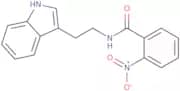
CAS:<p>2-Amino-5-methylbenzamide (2AMB) is a potent inhibitor of the enzyme dihydropyrimidine dehydrogenase and is used in cancer research for its ability to inhibit tumor cell line growth. 2AMB has been shown to inhibit the synthesis of DNA, RNA, and protein in various human cell lines. The mechanism of this inhibition is not well understood, but it may be due to its ability to inhibit the activity of synthetases involved in nucleotide biosynthesis or by inhibiting the reaction system that converts hydration into ATP.</p>Formula:C8H10N2OPurity:Min. 95%Color and Shape:PowderMolecular weight:150.18 g/molN-(2-Indol-3-ylethyl)(2-nitrophenyl)formamide
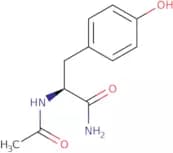
CAS:<p>Please enquire for more information about N-(2-Indol-3-ylethyl)(2-nitrophenyl)formamide including the price, delivery time and more detailed product information at the technical inquiry form on this page</p>Formula:C17H15N3O3Purity:Min. 95%Color and Shape:PowderMolecular weight:309.32 g/molAcetyl-L-tyrosine amide
CAS:<p>Acetyl-L-tyrosine amide is an analog of L-tyrosine that is used as an active substance in the field of uv absorption. Acetyl-L-tyrosine amide reacts with sodium hydroxide to form a soluble salt, which has been shown to have binding constants that are comparable to those of human serum. This compound also has fluorescence properties and can be used for the determination of neutral pH. The reaction products formed between acetyl-L-tyrosine amide and sodium hydroxide are hydrolyzed by acids and yield a molecule with rotameric properties. These rotameric properties can be modeled using a protein model without affecting the stability or function of the protein.</p>Formula:C11H14N2O3Purity:Min. 95%Color and Shape:PowderMolecular weight:222.24 g/molBrinzolamide
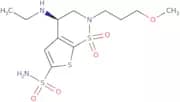
CAS:<p>Inhibitor of carbonic anhydrase</p>Formula:C12H21N3O5S3Purity:Min. 98 Area-%Color and Shape:PowderMolecular weight:383.51 g/molL-Aspartic acid β-naphthylamide
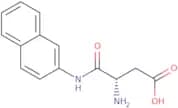
CAS:<p>L-Aspartic acid beta-naphthylamide is a dietary amino acid that is metabolized to oxaloacetate in the liver. This metabolite is then converted to aspartate and glutamate, which are both important for brain functions. L-Aspartic acid beta-naphthylamide has been shown to have regulatory effects on peptide hormones, such as inhibiting the synthesis of angiotensin II and vasopressin in rats. L-Aspartic acid beta-naphthylamide also has anti-cancer properties, which may be due to its ability to inhibit the growth of cancer cells by hydrolyzing proteins and enzymes involved in fatty acid synthesis.</p>Formula:C14H14N2O3Purity:Min. 95%Molecular weight:258.27 g/mol2-Amino-N-[2-(2-chlorobenzoyl)-4-nitrophenyl]acetamide
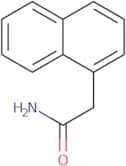
CAS:<p>2-Amino-N-[2-(2-chlorobenzoyl)-4-nitrophenyl]acetamide is a fine chemical that is used as a building block in organic synthesis. It is a versatile intermediate for the synthesis of other compounds and can be used to make a variety of useful scaffolds. 2-Amino-N-[2-(2-chlorobenzoyl)-4-nitrophenyl]acetamide has been used in research and development of pharmaceuticals, agrochemicals, herbicides, and other compounds.</p>Formula:C15H12ClN3O4Purity:Min. 95%Color and Shape:Slightly Yellow PowderMolecular weight:333.73 g/mol1-Naphthaleneacetamide
CAS:<p>1-Naphthaleneacetamide is a plant growth regulator that belongs to the class of compounds known as auxins. It inhibits the production of chlorophyll and reduces photosynthetic activity in plants, thereby causing a decrease in chlorophyll content. 1-Naphthaleneacetamide has been shown to have genotoxic effects on human cells in tissue culture. This agent also has an effect on DNA damage and repair and can be used as an analytical method for determining the presence of surfactant sodium dodecyl (SDS) in urine samples by fluorescence spectrometry.</p>Formula:C12H11NOPurity:Min. 98 Area-%Color and Shape:PowderMolecular weight:185.22 g/mol




![N-(3,5-Dichloro-4-Pyridinyl)-2-[1-(4-Fluorobenzyl)-5-Hydroxy-1H-Indol-3-Yl]-2-Oxoacetamide](/_next/image/?url=https%3A%2Fstatic.cymitquimica.com%2Fproducts%2F3D%2Fthumb-webp%2FFD101748.webp&w=3840&q=75)
![N-[2-(1,3-Dimethylbutyl)phenyl]-5-fluoro-1,3-dimethyl-1H-pyrazole-4-carboxamide](/_next/image/?url=https%3A%2Fstatic.cymitquimica.com%2Fproducts%2F3D%2Fthumb-webp%2FFD156991.webp&w=3840&q=75)

![Pigment YellOw 5;2-[(2-NitrOphenyl)azO]-3-OxO-N-phenylbutanamide](/_next/image/?url=https%3A%2Fstatic.cymitquimica.com%2Fproducts%2F3D%2Fthumb-webp%2FFP40385.webp&w=3840&q=75)








![N-[2-(2,3-Dimethoxyphenyl)ethyl]-2-chlorobenzamide](/_next/image/?url=https%3A%2Fstatic.cymitquimica.com%2Fproducts%2F3D%2Fthumb-webp%2FFD66108.webp&w=3840&q=75)
![2-Amino-N-[2-(5-methoxy-1H-indol-3-yl)ethyl]acetamide hydrochloride](/_next/image/?url=https%3A%2Fstatic.cymitquimica.com%2Fproducts%2F3D%2Fthumb-webp%2FFA116384.webp&w=3840&q=75)

![2-Amino-N-[2-(2-chlorobenzoyl)-4-nitrophenyl]acetamide](/_next/image/?url=https%3A%2Fstatic.cymitquimica.com%2Fproducts%2F3D%2Fthumb-webp%2FFA17795.webp&w=3840&q=75)