Carboxylic Acids
Carboxylic acids are organic molecules characterized by having a carboxyl-type functional group (-COOH). These acids are fundamental in various chemical reactions, including esterification, amidation, and decarboxylation. Carboxylic acids are widely used in the production of pharmaceuticals, polymers, and agrochemicals. In this section, you can find a large number of carboxylic acids ready to be used. At CymitQuimica, we provide a broad range of high-quality carboxylic acids to support your research and industrial applications.
Found 12453 products of "Carboxylic Acids"
Sort by
Purity (%)
0
100
|
0
|
50
|
90
|
95
|
100
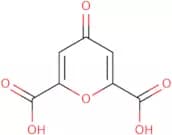
Chelidonic acid
CAS:<p>Chelidonic acid is a natural compound that is found in many plants, including the bark of the canna tree. Chelidonic acid has been shown to inhibit enzymes responsible for the degradation of dextran sulfate and p-hydroxybenzoic acid. Chelidonic acid also has immunomodulatory effects on cells, which may be due to its ability to inhibit glutamate release from macrophages. Chelidonic acid is used as a chemical precursor in pharmaceutical preparations such as protocatechuic acid. It can be synthesized by reacting hydrochloric acid with chelidonium majus extract.</p>Formula:C7H4O6Purity:Min. 95%Color and Shape:PowderMolecular weight:184.1 g/molEthyl tert-butylacetate
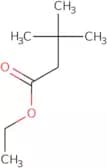
CAS:<p>Ethyl tert-butylacetate is an organic compound with the formula CH3COOC2H5. It is a colorless liquid that is soluble in water, acetone, and ether. The product has a fruity odor and is used as a solvent in perfumes, paints, and varnishes. This material can also be used to synthesize pyridinium chlorides. Ethyl tert-butylacetate reacts with magnesium to produce ethyl magnesium bromide and hydrogen gas.</p>Formula:C8H16O2Purity:Min. 95%Molecular weight:144.21 g/mol1,2,3,4-Tetrahydroquinoline-3-carboxylic acid
CAS:<p>Tetrahydroquinoline-3-carboxylic acid is a crystalline, water-soluble compound. It is an intermediate in the synthesis of l-phenylalanine, paraformaldehyde and formaldehyde. Tetrahydroquinoline-3-carboxylic acid can be hydrolyzed to produce formic acid and hydrogen chloride. This product is also optically active and can be used as an indicator for hydroiodic acid.</p>Formula:C10H11NO2Purity:Min. 95%Molecular weight:177.2 g/mol15-Tritylmercapto-4,7,10,13-tetraoxapentadecanoic acid monohydrate
CAS:Please enquire for more information about 15-Tritylmercapto-4,7,10,13-tetraoxapentadecanoic acid monohydrate including the price, delivery time and more detailed product information at the technical inquiry form on this pageFormula:C30H36O6S•H2OPurity:Min. 95%Color and Shape:PowderMolecular weight:542.68 g/molBromoacetic acid-13C2
CAS:<p>Please enquire for more information about Bromoacetic acid-13C2 including the price, delivery time and more detailed product information at the technical inquiry form on this page</p>Formula:C2H3BrO2Purity:Min. 95%Color and Shape:PowderMolecular weight:140.95 g/mol1-Benzyl-5-methyl-1H-1,2,3-triazole-4-carboxylic acid
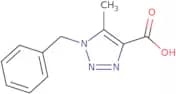
CAS:<p>1-Benzyl-5-methyl-1H-1,2,3-triazole-4-carboxylic acid is a compound with an esterified hydroxyl group in the form of an acetylacetone. It can be used as a monohydrate or dihydrate and it is stabilized by hydrogen bonding. 1-Benzyl-5-methyl-1H-1,2,3-triazole-4-carboxylic acid has been studied as a potential drug for cancer treatment because it is active against tumor cells and has little toxicity to normal cells.</p>Formula:C11H11N3O2Purity:Min. 95%Molecular weight:217.22 g/mol2-Amino-4,6-difluorobenzoic acid
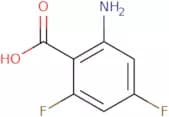
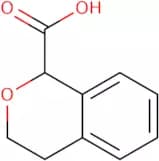
CAS:<p>Please enquire for more information about 2-Amino-4,6-difluorobenzoic acid including the price, delivery time and more detailed product information at the technical inquiry form on this page</p>Formula:C7H5F2NO2Purity:Min. 95%Molecular weight:173.12 g/mol3,4-Dihydro-1H-isochromene-1-carboxylic acid
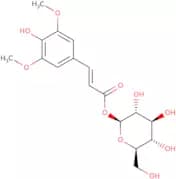
CAS:<p>3,4-Dihydro-1H-isochromene-1-carboxylic acid is a pyridine derivative that has been used as an intermediate in the synthesis of other compounds. 3,4-Dihydro-1H-isochromene-1-carboxylic acid is a weak acid that can be prepared by the reaction of 3,4-dihydroisoquinoline with chloroform and hydrochloric acid. It is also synthesized from 1,4 benzodioxane and phenylacetic acid. This compound has been used to prepare amides, amidines, and ureas. 3,4-Dihydroisoquinoline is also used as a precursor for the synthesis of pyridinium salts.</p>Formula:C10H10O3Purity:Min. 95%Molecular weight:178.18 g/molSinapic acid acyl-beta-D-glucoside
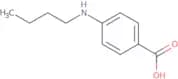
CAS:<p>a functionalised glucoside</p>Formula:C17H22O10Purity:Min. 95%Molecular weight:386.35 g/mol4-(Butylamino)benzoic acid
CAS:<p>4-(Butylamino)benzoic acid is a non-steroidal anti-inflammatory drug (NSAID) that has been used to treat pain. It is a prodrug, which is metabolized in the liver to 4-(butylamino)-phenylacetic acid, its active form. The 4-(butylamino)benzoic acid molecule has a hydrophobic effect and binds to chloride ions. This binding inhibits the production of prostaglandins, which are mediators of pain. 4-(Butylamino)benzoic acid also reduces the activity of plasma cells that produce antibodies and increases the activity of lymphocytes and platelets, leading to an increase in immunoglobulin levels.</p>Formula:C11H15NO2Purity:Min. 95%Color and Shape:PowderMolecular weight:193.24 g/molDelta-9(11)-Fluorometholone acetate
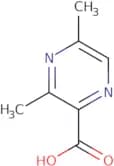
CAS:Controlled Product<p>Please enquire for more information about Delta-9(11)-Fluorometholone acetate including the price, delivery time and more detailed product information at the technical inquiry form on this page</p>Formula:C24H30O4Purity:Min. 95%Molecular weight:382.49 g/mol3,5-Dimethylpyrazine-2-carboxylic acid
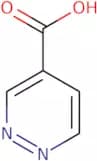
CAS:<p>Please enquire for more information about 3,5-Dimethylpyrazine-2-carboxylic acid including the price, delivery time and more detailed product information at the technical inquiry form on this page</p>Purity:Min. 95%4-Pyridazinecarboxylic acid
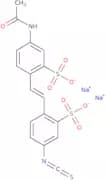
CAS:<p>4-Pyridazinecarboxylic acid is a salt that contains sodium. It is a white crystalline solid that is soluble in water, ethanol, and acetone. It has been shown to be effective against Leishmania species and Cryptococcus neoformans. 4-Pyridazinecarboxylic acid inhibits the growth of these fungi by binding to their cell membrane and inhibiting protein synthesis. 4-Pyridazinecarboxylic acid forms coordination complexes with metal ions that are involved in electron transfer reactions during the oxidative phosphorylation process. This leads to a decrease in ATP production and an increase in reactive oxygen species (ROS), which disrupts the function of macrophages and other phagocytic cells, leading to immunosuppression.</p>Formula:C5H4N2O2Purity:Min. 95%Molecular weight:124.1 g/mol4-Acetamido-4'-isothiocyanatostilbene-2,2'-disulfonic acid, sodium salt
CAS:<p>4-Acetamido-4'-isothiocyanatostilbene-2,2'-disulfonic acid, sodium salt (AITC-S) is a stilbene derivative with inhibitory properties. It has been shown to inhibit the uptake of camp in rat ventricular myocytes and caco-2 cells as well as the release of camp from rat renal proximal tubules. AITC-S also inhibits the transport of camp into the cells. The mechanism by which AITC-S inhibits uptake is not yet known, but it may be due to competition for a common carrier or an effect on intracellular metabolism. This compound has also been shown to have an acute ischemic protective effect on rats when administered before reperfusion following coronary artery occlusion.</p>Formula:C17H12N2Na2O7S3Purity:Min. 95%Molecular weight:498.46 g/molSodium acetate trihydrate
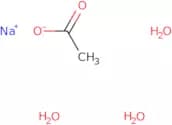
CAS:<p>Sodium acetate trihydrate is a salt that is used in the production of sodium salts and surface methodology, as well as in analytical methods. It is also used to prepare anhydrous sodium. Sodium acetate trihydrate can be used as a cell lysis agent for water vapor.</p>Formula:CH3COONa·3H2OPurity:Min. 95%Color and Shape:White/Off-White SolidMolecular weight:136.08 g/molGanoderic acid S
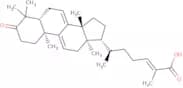
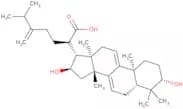
CAS:Controlled Product<p>Ganoderic acid S is a triterpenoid compound that has been shown to inhibit the growth of human cancer cells in vitro. It contains a carbonyl group and an hydroxyl group, which are reactive molecules that can form covalent bonds with proteins and other molecules. Ganoderic acid S also has anti-inflammatory properties and can inhibit the release of growth factors, such as monoclonal antibodies, from immune cells. In addition, it inhibits the production of mitochondrial enzymes, such as hydroxylases and oxidases, by binding to the heme moiety in their active site.<br>Ganoderic acid S is found in rhizoma gastrodiae (a type of mushroom), which has been used for centuries in traditional Chinese medicine to treat various conditions. The populations of mice given ganoderic acid S orally for three months showed increased life span and reduced tumor incidence.</p>Purity:Min. 95%4-(2-Hydroxyethyl)-1H-pyrrole-3-carboxylic acid
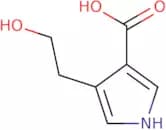
CAS:<p>Please enquire for more information about 4-(2-Hydroxyethyl)-1H-pyrrole-3-carboxylic acid including the price, delivery time and more detailed product information at the technical inquiry form on this page</p>Formula:C7H9NO3Purity:Min. 95 Area-%Color and Shape:PowderMolecular weight:155.15 g/mol4-Bromobenzenesulfonic acid
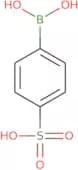
CAS:<p>4-Bromobenzenesulfonic acid is a chemical used in the synthesis of organic molecules. It is an intermediate in the production of cyclopropylboronic acid, which is used as a building block in various organic syntheses. 4-Bromobenzenesulfonic acid can be prepared by reacting pyridine with acetic anhydride and then adding sodium carbonate to remove water. This reaction produces a molecule with two acid groups that are nucleophilic and can react with carboxylic acids to form esters. The yield for this reaction is high and it does not require any special equipment or conditions. This chemical is also used as a linker for other compounds during synthesis reactions, such as diazonium salts or dioxane. 4-Bromobenzenesulfonic acid reacts with triethylphosphite to give disulfides, which are important for protein structure.</p>Formula:C6H7BO5SPurity:Min. 95%Molecular weight:201.99 g/mol4-(2-Chlorophenyl)-9-methyl-6H-thieno[3,2-f][1,2,4]triazolo[4,3-a][1,4]diazepine-2-propanoic acid methyl ester
CAS:Controlled Product<p>Please enquire for more information about 4-(2-Chlorophenyl)-9-methyl-6H-thieno[3,2-f][1,2,4]triazolo[4,3-a][1,4]diazepine-2-propanoic acid methyl ester including the price, delivery time and more detailed product information at the technical inquiry form on this page</p>Formula:C19H17ClN4O2SPurity:Min. 95%Molecular weight:400.88 g/mol2-Bromo-5-methylbenzoic acid
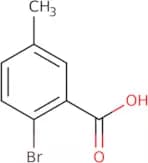
CAS:<p>2-Bromo-5-methylbenzoic acid is an organic compound that can be synthesized in the laboratory. It is used as a starting material for synthesis of various quinazolinones, which are ionic liquid catalysts. 2-Bromo-5-methylbenzoic acid has also been shown to inhibit ethylene production from glycols and to act as a potential catalyst for the conversion of trifluoromethane into ionic liquids. The synthesis of 2-bromo-5-methylbenzoic acid is not well documented, but it can be made by reacting methyl bromide with benzaldehyde or acetone in the presence of sodium hydroxide or potassium hydroxide. This reaction produces bromobenzene, which reacts with phosphorus pentachloride to produce 2-bromo-5-methylbenzoic acid.</p>Formula:C8H7BrO2Purity:Min. 95%Color and Shape:PowderMolecular weight:215.04 g/molTert-butyl(8-anti)-3-azabicyclo[3.2.1]oct-8-ylcarbamate
CAS:<p>Tert-butyl(8-anti)-3-azabicyclo[3.2.1]oct-8-ylcarbamate (tBAA) is a heterocycle that has been modified to enhance its pharmacokinetic properties. Tert-butyl(8-anti)-3-azabicyclo[3.2.1]oct-8-ylcarbamate was designed to be metabolically stable and have a high bioavailability and isosteric properties with phosphatidylinositol, which it uses as a substrate in the catalytic cycle. This modification also increased tBAA's stability in vivo, leading to an increase in efficacy. The covalent attachment of the phenyl ring on the tertiary amine nitrogen of tBAA provides additional protection against hepatic metabolism by CYP450 enzymes, making it more potent than other compounds with similar structures that are not covalently attached to the amine group.</p>Formula:C12H22N2O2Purity:Min. 95%Molecular weight:226.32 g/molN-Boc-amino-(4-N-fmoc-piperidinyl)carboxylic acid
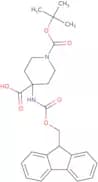
CAS:<p>Please enquire for more information about N-Boc-amino-(4-N-fmoc-piperidinyl)carboxylic acid including the price, delivery time and more detailed product information at the technical inquiry form on this page</p>Formula:C26H30N2O6Purity:Min. 95%Molecular weight:466.53 g/molComanic acid
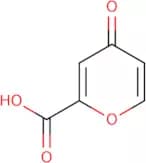
CAS:<p>Comanic acid is an organic compound that is a derivative of pyridinium. It can be synthesized from acetyl chloride and pyridine by reaction with silver ions in the presence of ethyl esters. Comanic acid has been shown to have anticholinergic activity and inhibit prostatic hypertrophy in rats. It is metabolized to propantheline, which has been shown to be a molecule that binds to chemokine receptors, inhibiting chemotaxis of activated T lymphocytes.</p>Formula:C6H4O4Purity:Min. 95%Color and Shape:White To Yellow To Red SolidMolecular weight:140.09 g/molJ147
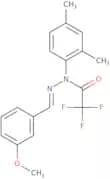
CAS:<p>2,2,2-Trifluoroacetic acid 1-(2,4-dimethylphenyl)-2-[(3-methoxyphenyl)methylene]hydrazide is a neuroprotective drug that belongs to the class of hydrazides. It has been shown to have neurotrophic activity in vitro and in vivo and can be used for the treatment of conditions such as diabetic neuropathy or cancer tissues. 2,2,2-Trifluoroacetic acid 1-(2,4-dimethylphenyl)-2-[(3-methoxyphenyl)methylene]hydrazide also has anti-inflammatory properties and can be used for the treatment of autoimmune diseases. The drug's mechanism of action is not fully understood but is thought to involve monoamine neurotransmitters.</p>Formula:C18H17F3N2O2Purity:Min. 95%Molecular weight:350.34 g/molMedronic acid
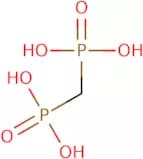
CAS:<p>Medronic acid is a drug that is used for the treatment of chronic bowel disease. Medronic acid is a prodrug, which is converted to its active form, meclofenamic acid, by esterases in the bowel. Medronic acid has been shown to inhibit the activity of 5-lipoxygenase and cyclooxygenase-2 enzymes, and thereby reduce inflammation. It also decreases the production of prostaglandins and leukotrienes in humans. Medronic acid has been shown to be an effective treatment for bone cancer with no significant side effects. Medronic acid has been shown to inhibit the activity of 5-lipoxygenase and cyclooxygenase-2 enzymes, and thereby reduce inflammation. It also decreases the production of prostaglandins and leukotrienes in humans. Medronic acid has been shown to be an effective treatment for bone cancer with no significant side effects.</p>Formula:CH6O6P2Purity:Min. 95%Color and Shape:White PowderMolecular weight:176 g/molTetrahydro-a-(1-naphthalenylmethyl)-2-furanpropanoic Acid 2-(Diethylamino)ethyl Ester
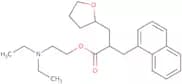
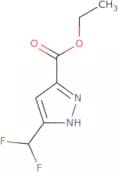
CAS:Controlled Product<p>Tetrahydro-a-(1-naphthalenylmethyl)-2-furanpropanoic Acid 2-(Diethylamino)ethyl Ester is a fatty acid analog that has antimicrobial properties. It is used in the treatment of bone cancer, and can be used to diagnose and treat other diseases such as glomerular filtration rate, receptor binding, and malonic acid. Tetrahydro-a-(1-naphthalenylmethyl)-2-furanpropanoic Acid 2-(Diethylamino)ethyl Ester binds to receptors on cells, which leads to an increase in the amount of monoamine neurotransmitters released by the cells.</p>Formula:C24H33NO3Purity:Min. 95%Molecular weight:383.52 g/molEthyl 3-(difluoromethyl)-1H-pyrazole-5-carboxylate
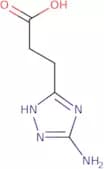
CAS:<p>Please enquire for more information about Ethyl 3-(difluoromethyl)-1H-pyrazole-5-carboxylate including the price, delivery time and more detailed product information at the technical inquiry form on this page</p>Formula:C7H8F2N2O2Purity:Min. 95%Color and Shape:PowderMolecular weight:190.15 g/mol3-(3-Amino-1H-1,2,4-triazol-5-yl)propanoic acid
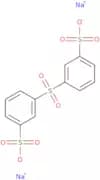
CAS:<p>Aminoguanidine is a selective inhibitor of the enzyme succinic dehydrogenase, which catalyzes the conversion of succinic acid to fumarate. Aminoguanidine is used in the treatment of diabetic complications and other conditions that result from high levels of blood glucose in order to lower the levels of blood sugar. The drug is administered orally or intravenously as aminoguanidine hydrochloride, which is converted to aminoguanidine in the body. Aminoguanidine can also be synthesized by reacting succinic anhydride with guanidine hydrochloride in a regioselective reaction. This synthesis yields quantitatively aminoguanidine, with little or no formation of guanidine. The product can be purified by washing with alkali and recrystallizing it from water. X-ray diffraction studies have shown that aminoguanidine hydrochloride exists as zwitterions in solution at physiological pH values.</p>Formula:C5H8N4O2Purity:Min. 95%Molecular weight:156.14 g/molDiphenylsulfone-3,3'-disulfonic Acid Disodium Salt
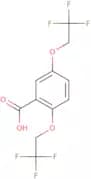
CAS:<p>Please enquire for more information about Diphenylsulfone-3,3'-disulfonic Acid Disodium Salt including the price, delivery time and more detailed product information at the technical inquiry form on this page</p>Purity:Min. 95%2,5-Bis(2,2,2-trifluoroethoxy)benzoic acid
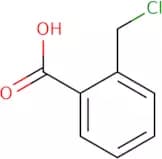
CAS:<p>Please enquire for more information about 2,5-Bis(2,2,2-trifluoroethoxy)benzoic acid including the price, delivery time and more detailed product information at the technical inquiry form on this page</p>Formula:C11H8F6O4Purity:Min. 95%Color and Shape:PowderMolecular weight:318.17 g/mol2-(Chloromethyl)benzoic acid
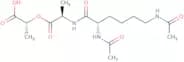
CAS:<p>2-(Chloromethyl)benzoic acid (CMBA) is a reactive chemical that can be used as an oxidant or a carbanion. CMBA is activated by sulfinyl, alicyclic, and sulfoxides, which are organic compounds with one or more sulfur atoms. These reactions may be either alkylation or condensation reactions. The activated CMBA can then react with chlorine to form chlorinated products. This reaction can be catalyzed by low energy sources, such as light or heat.</p>Formula:C8H7ClO2Purity:Min. 95%Color and Shape:PowderMolecular weight:170.59 g/molAc-Lys(Ac)-D-Ala-D-lactic acid
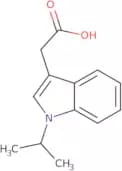
CAS:<p>Please enquire for more information about Ac-Lys(Ac)-D-Ala-D-lactic acid including the price, delivery time and more detailed product information at the technical inquiry form on this page</p>Formula:C16H27N3O7Purity:Min. 95%Molecular weight:373.4 g/mol(1-Isopropyl-1H-indol-3-yl)acetic acid
CAS:Controlled Product<p>Please enquire for more information about (1-Isopropyl-1H-indol-3-yl)acetic acid including the price, delivery time and more detailed product information at the technical inquiry form on this page</p>Formula:C13H15NO2Purity:Min. 95%Molecular weight:217.26 g/mol4-{[1-(tert-Butoxycarbonyl)azetidin-3-yl]oxy}benzoic acid
CAS:<p>Please enquire for more information about 4-{[1-(tert-Butoxycarbonyl)azetidin-3-yl]oxy}benzoic acid including the price, delivery time and more detailed product information at the technical inquiry form on this page</p>Formula:C15H19NO5Purity:Min. 95%Molecular weight:293.32 g/mol(Asp371)-Tyrosinase (369-377) (human) acetate salt
CAS:<p>Tyrosinase protein:<br>Peptide Tyrosinase (Asp371) – HLA-A*0201 (YMDGTMSQV) is a human tyrosinase-derived (369-377) peptide by posttranslational conversion of the sequence YMNGTMSQV. Tyrosinase is an oxidase membrane-bound protein. Tyrosinase play a key role in the melanin synthesis pathway. Tyrosinase is presented on the surface of HLA-A*02:01 melanomas and also expressed in melanocytes. Tyrosinase has been still suggested to be a tumor antigen and might be implicated in improvement of immunotherapeutic strategies such as for efficient anticancer vaccine development.<br>Applications of Peptide Tyrosinase (Asp371) – HLA-A*0201 (YMDGTMSQV):<br>Peptide Tyrosinase (Asp371) – HLA-A*0201 (YMDGTMSQV) is used to stimulate specific cytotoxic T lymphocytes (CTL) in PBMCs and then to analyze CTL response especially the cytokine production by ELISPOT assay. Peptide Tyrosinase (Asp371) – HLA-A*0201 (YMDGTMSQV) is also involved in experimental therapies of metastatic melanoma by allogeneic hematopoietic stem cell transplantation. In fact, cytotoxic T cells were generated from peripherical blood mononuclear cells (PBMCs) of HLA-A*02:01 healthy donors after being stimulated by injection of Asp371 antigen (2). This strategy raises issues which concern the graft versus tumor (GvT) effect and graft versus host disease (GvHD).</p>Formula:C42H66N10O16S2Purity:Min. 95%Molecular weight:1,031.16 g/moltert-Butyl azetidine-3-carboxylate
CAS:<p>Please enquire for more information about tert-Butyl azetidine-3-carboxylate including the price, delivery time and more detailed product information at the technical inquiry form on this page</p>Formula:C8H15NO2Purity:Min. 95%Molecular weight:157.21 g/molDehydrotumulosic acid
CAS:Controlled Product<p>Dehydrotumulosic acid is a natural product that has been shown to inhibit the activity of P-glycoprotein (P-gp) in vitro. It also inhibits tumor growth and metastasis by inducing apoptosis in HL60 cells, as well as inhibiting the proliferation of human leukemia cells. Dehydrotumulosic acid is not toxic to normal cells because it does not induce apoptosis in these cells. The effect on tumor cell proliferation was found with an acetate extract of dehydrotumulosic acid and matrix effects were observed by use of poria, which may lead to a more accurate analytical method. Pharmacokinetic studies have been done with dehydrotumulosic acid, but no toxicity or adverse effects have been reported for this drug. This compound is being investigated for its potential use in cancer therapy and treatment.</p>Formula:C31H48O4Purity:Min. 95%Color and Shape:SolidMolecular weight:484.71 g/mol6-Deschloro-4-chloro cyproterone acetate
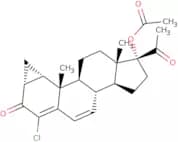
CAS:Controlled Product<p>Please enquire for more information about 6-Deschloro-4-chloro cyproterone acetate including the price, delivery time and more detailed product information at the technical inquiry form on this page</p>Formula:C24H29ClO4Purity:Min. 95%Molecular weight:416.94 g/molEthyl 4-chloroacetoacetate
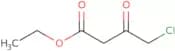
CAS:<p>Ethyl 4-chloroacetoacetate is a chiral organic compound that is synthesized by the asymmetric synthesis of ethyl chloroacetate. This reaction is performed in an organic solution, using sodium salts as the solvent. The expression plasmid and logarithmic growth phase are needed for the enzyme catalysis and stereoselective reactions. The reaction solution is recombined with hydrochloric acid and chiral compound to produce high yields of ethyl 4-chloroacetoacetate.</p>Formula:C6H9ClO3Purity:Min. 95%Color and Shape:Colorless Clear LiquidMolecular weight:164.59 g/molEthyl 1-benzyl-3-(4-bromophenyl)-1H-pyrazole-5-carboxylate
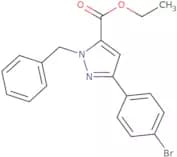
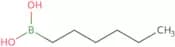
CAS:Controlled Product<p>Please enquire for more information about Ethyl 1-benzyl-3-(4-bromophenyl)-1H-pyrazole-5-carboxylate including the price, delivery time and more detailed product information at the technical inquiry form on this page</p>Formula:C19H17BrN2O2Purity:Min. 95%Molecular weight:385.25 g/molN-Hexylboronic acid
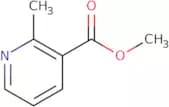
CAS:<p>N-Hexylboronic acid is an organometallic compound that has been used as a model system to study the catalytic mechanism of the Suzuki coupling reaction. It has also been shown to be a substrate film for use in the suzuki coupling reaction when combined with Raney nickel, which can be used to synthesize organic compounds. N-Hexylboronic acid has been shown to inhibit the activity of pancreatic lipase, but not cholesterol esterase or cholesterol ester hydrolase. The skeleton of this molecule is made up of six carbon atoms and one boron atom. Hydrogen chloride and aliphatic hydrocarbons are inhibitors of N-hexylboronic acid.</p>Formula:C6H15BO2Purity:Min. 95%Molecular weight:129.99 g/mol2-Methylnicotinic acid methyl ester
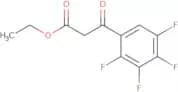
CAS:<p>2-Methylnicotinic acid methyl ester is a synthetic chemical compound that belongs to the isomer family. It has been used in the synthesis of cocaine and isomers, as well as in the modification of drugs. 2-Methylnicotinic acid methyl ester can be synthesised from 2-methylpyridine and formaldehyde via the method of methylmagnesium iodide. 2-Methylnicotinic acid methyl ester has been shown to be a potent inhibitor of human platelet aggregation, which may be due to its structural similarity to nicotine.</p>Formula:C8H9NO2Purity:Min. 95%Color and Shape:PowderMolecular weight:151.16 g/molEthyl (2,3,4,5-tetrafluorobenzoyl)acetate
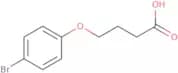
CAS:<p>Ethyl (2,3,4,5-tetrafluorobenzoyl)acetate is a new oxazine derivative that inhibits bacterial growth by binding to the DNA gyrase and topoisomerase IV. It also exhibits antibacterial activity against Gram-positive bacteria such as methicillin-resistant Staphylococcus aureus (MRSA). This compound is an analog of the quinolone antibacterials. The most efficient example of this class of compounds is ofloxacin.</p>Formula:C11H8F4O3Purity:Min. 95%Color and Shape:PowderMolecular weight:264.17 g/mol4-(4-Bromophenoxy)butanoic acid
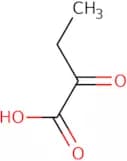
CAS:Controlled Product<p>Please enquire for more information about 4-(4-Bromophenoxy)butanoic acid including the price, delivery time and more detailed product information at the technical inquiry form on this page</p>Formula:C10H11BrO3Purity:Min. 95%Molecular weight:259.1 g/mol2-Ketobutyric acid
CAS:<p>2-Ketobutyric acid is a chemical compound that is an intermediate in the metabolism of amino acids. It can be synthesized from malic acid and glutamic acid by asymmetric synthesis. 2-Ketobutyric acid inhibits the production of ATP, leading to metabolic inhibition. Sprague-Dawley rats were used to prove this theory. 2-Ketobutyric acid has also been shown to inhibit insulin resistance and cell culture. Hydrogen bonds between 2-ketobutyric acid and the enzyme glutamate dehydrogenase are thought to be responsible for this effect on glucose uptake and conversion into energy.</p>Formula:C4H6O3Purity:Min. 95%Molecular weight:102.09 g/molMART-1 (26-35) (human) trifluoroacetate salt
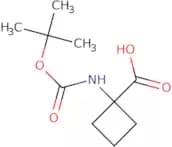
CAS:<p>Native Melan-A (26-35) decapeptide derives from the melanocyte lineage-specific protein Melan-A/MART-1, which is expressed in almost 75-100% of primary and metastatic melanomas.<br>The region 26-35 of Melan-A protein acts as an antigenic peptide that is recognized by CD8+ tumor-reactive cytolytic T lymphocytes (CTLs) for designing antigen-specific cancer vaccines1. It has been shown that CD8+ Melan-A-specific CTLs isolated from melanoma patients efficiently lyse the Melan-A-expressing HLA-A*0201+ melanoma cell line. However, CTLs preferentially recognize the Melan-A (26-35) peptide as compared with the Melan-A (27-35) peptide. Moreover, the Melan-A (26-35) A27L analog (ELAGIGILTV) has a higher binding affinity to HLA-A*0201 than the native Melan-A (26-35) peptide (EAAGIGILTV), and consequently displays more potent antigenicity and immunogenicity.<br>It has been reported that the concentration of Melan-A (26-35) A27L analog required to obtain 50% of maximal antigenic activity (EC50) is 0.01nM, whereas that of the native Melan-A (26-35) peptide is 0.25nM1. Therefore, the relative activity of Melan-A (26-35) A27L analog is 25 fold higher than that of the native Melan-A (26-35) peptide.<br>Furthermore, functional competition assay has shown that the concentration of Melan-A (26-35) A27L analog required to achieve 50% inhibition (IC50) of tumor lysis is 2nM, which is 10 fold lower than that of the native Melan-A (26-35) peptide. Regarding peptide stability in human serum, the half-lifes (t1/2) of the native Melan-A (26-35) peptide and the A27L analog are quite similar (45 and 40min, respectively) as measured by HPLC-ESI-MS, but much higher than that of the Melan-A (27-35) nonapeptide (5min).</p>Formula:C42H74N10O14Purity:Min. 95%Molecular weight:943.1 g/molBoc-1-amino-1-cyclobutane carboxylic acid
CAS:<p>Boc-1-amino-1-cyclobutane carboxylic acid is a synthetic and potent agonist of the androgen receptor. It is an analog of apalutamide, which is a selective antagonist of the androgen receptor. Boc-1-amino-1-cyclobutane carboxylic acid has been shown to have high oral bioavailability, which makes it suitable for oral administration. Boc-1-amino-1-cyclobutane carboxylic acid has been shown to have increased functional activity in cancer cells, which may be due to its ability to inhibit the growth of tumor cells by binding to their androgen receptors. Boc-1-amino-1-cyclobutane carboxylic acid has also been found to have good affinity for the androgen receptor when tested on cultured cells.</p>Formula:C10H17NO4Purity:Min. 95%Color and Shape:White/Off-White SolidMolecular weight:215.25 g/molZ-alpha-aminoisobutyric acid
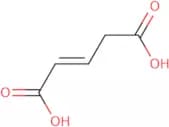
CAS:<p>Z-alpha-aminoisobutyric acid is an amide with a conformational pattern that resembles the alpha-helix. It has been shown to inhibit the formation of oligomers, which are aggregates of peptides and proteins, in the gas phase. Z-alpha-aminoisobutyric acid also stabilizes peptides and proteins in aqueous solution by preventing them from forming intramolecular hydrogen bonds. The infrared spectroscopy shows that z-alpha-aminoisobutyric acid is a conformer with a dihedral angle of about 120 degrees.</p>Formula:C12H15NO4Purity:Min. 95%Molecular weight:237.25 g/molGlutaconic acid
CAS:<p>Glutaconic acid is a carboxylic acid that inhibits the production of malonic acid by inhibiting the activity of the enzyme succinate dehydrogenase. This inhibition leads to the accumulation of ethylmalonic acid, which can be detected in urine. Glutaconic acid is used as a diagnostic test for diseases such as diabetic neuropathy and infectious diseases such as malaria. It also has inhibitory properties on glutamate-induced neuronal death, making it a potential therapeutic agent for conditions such as amyotrophic lateral sclerosis and Parkinson's disease.</p>Formula:C5H6O4Purity:Min. 95%Molecular weight:130.1 g/mol1,1-Bis(1,1-dimethylethyl) (3R)-3-[[(9H-fluoren-9-ylmethoxy)carbonyl]amino]-1,1,3-propanetricarboxylate
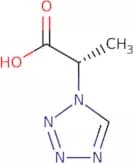
CAS:<p>Please enquire for more information about 1,1-Bis(1,1-dimethylethyl) (3R)-3-[[(9H-fluoren-9-ylmethoxy)carbonyl]amino]-1,1,3-propanetricarboxylate including the price, delivery time and more detailed product information at the technical inquiry form on this page</p>Formula:C29H35NO8Purity:Min. 95%Molecular weight:525.59 g/mol(2S)-2-(1H-Tetrazol-1-yl)propanoic acid
CAS:<p>Please enquire for more information about (2S)-2-(1H-Tetrazol-1-yl)propanoic acid including the price, delivery time and more detailed product information at the technical inquiry form on this page</p>Formula:C4H6N4O2Purity:Min. 95%Molecular weight:142.12 g/molZiconotide acetate
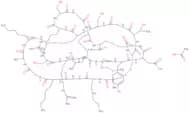
CAS:Controlled ProductZiconotide acetate is a polymer conjugate of ziconotide and goserelin acetate. It is used to treat severe chronic pain in patients who have not responded to other treatments, such as opioids or local anesthetics. Ziconotide acetate is administered by injection into the intrathecal space, where it acts on nerve cells in the dorsal horn of the spinal cord. The drug is slowly released from the polymer conjugate over time, which effectively reduces its irritant effects. It also has low solubility in water, which helps reduce its rate of clearance from the body. The active substances in this drug are ziconotide and goserelin acetate, both of which have been shown to be effective for treating chronic pain. Ziconotide acetate has also been shown to cause a decrease in blood levels of cholesterol and lipoproteins, although this effect may be due to goserelin acetate rather than ziconotide itself.Formula:C102H172N36O32S7C2H4O2Purity:Min. 95%Molecular weight:2,699.19 g/mol1-Methyl-1H-benzimidazole-2-carboxylic acid
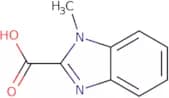
CAS:Controlled Product<p>1-Methyl-1H-benzimidazole-2-carboxylic acid is a synthetic compound that can be used as an antiprotozoal. It has been shown to have good activity against intestinalis, vaginalis, and intestinalis species. 1-Methyl-1H-benzimidazole-2-carboxylic acid binds to the acetyl groups of the parasite's cell membrane and inhibits the formation of the cytoplasmic membrane. This prevents the parasite from synthesizing ATP, which causes them to die. 1-Methyl-1H-benzimidazole-2-carboxylic acid also has strong activity against Giardia lamblia, which is caused by its ability to inhibit protein synthesis in this organism.</p>Formula:C9H8N2O2Purity:Min. 95%Color and Shape:PowderMolecular weight:176.17 g/molDimethyl 1-[2-(1H-indol-3-yl)ethyl]-2,5-dimethyl-1H-pyrrole-3,4-dicarboxylate
CAS:Controlled Product<p>Please enquire for more information about Dimethyl 1-[2-(1H-indol-3-yl)ethyl]-2,5-dimethyl-1H-pyrrole-3,4-dicarboxylate including the price, delivery time and more detailed product information at the technical inquiry form on this page</p>Formula:C20H22N2O4Purity:Min. 95%Molecular weight:354.4 g/molγ-Oxo-3-pyridinebutyric acid
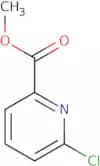
CAS:<p>Gamma-oxo-3-pyridinebutyric acid (GOBA) is a non-protein amino acid that has been shown to be involved in the development of cancer. GOBA was found to be present in urine samples from patients with liver cancer and breast cancer, as well as in healthy individuals. GOBA is also present in rat liver microsomes and human liver, where it is converted into gamma-aminobutyric acid (GABA). This conversion may be due to GOBA's hydroxy group that can be oxidized by cytochrome P450 enzymes. The biological activity of GOBA appears to depend on its carboxyl group, which can form a complex with molybdenum. This complex inhibits the activity of the protein polymerase chain reaction, leading to a decrease in transcriptional regulation. In animal experiments, GOBA has been shown to inhibit tumor growth and induce cell cycle arrest by inhibiting the expression of cyclin D1 at the</p>Formula:C9H9NO3Purity:Min. 95%Color and Shape:PowderMolecular weight:179.17 g/molMethyl 6-chloro-2-pyridinecarboxylate
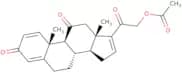
CAS:<p>Methyl 6-chloro-2-pyridinecarboxylate is a reactive, organic compound that belongs to the class of monomers. It is a white crystalline solid with a melting point of approximately 130 degrees Celsius. This chemical can be synthesized by reacting 2-chlorobenzothiazole with sodium carbonate in water at temperatures between 100 and 140 degrees Celsius. The reaction yields methyl 6-chloro-2-pyridinecarboxylate as well as chloride and picolinic acid as side products. This compound has been shown to have neurotoxic effects when administered to rats at high doses.</p>Formula:C7H6ClNO2Purity:Min. 95%Molecular weight:171.58 g/mol21-Hydroxy-pregna-1,4,16-triene-3,11,20-trione 21-acetate
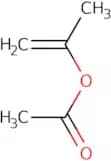
CAS:Controlled Product<p>Please enquire for more information about 21-Hydroxy-pregna-1,4,16-triene-3,11,20-trione 21-acetate including the price, delivery time and more detailed product information at the technical inquiry form on this page</p>Formula:C23H26O5Purity:Min. 95%Molecular weight:382.45 g/molIsopropenyl acetate
CAS:<p>Isopropenyl acetate is a fatty acid that is esterified with acetic anhydride to form a quinoline derivative. This reaction is catalyzed by the addition of concentrated hydrochloric acid and zirconium oxide. The product can be used as a reactant in cationic polymerization reactions. Isopropenyl acetate has been shown to have kinetic and thermodynamic properties that are similar to those of other polyethers, and it also reacts in the same manner as glycol ethers.</p>Formula:C5H8O2Purity:Min. 95%Color and Shape:Clear LiquidMolecular weight:100.12 g/mol4-[(4-Acetylphenyl)amino]-4-oxobutanoic acid
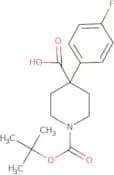
CAS:<p>Please enquire for more information about 4-[(4-Acetylphenyl)amino]-4-oxobutanoic acid including the price, delivery time and more detailed product information at the technical inquiry form on this page</p>Formula:C12H13NO4Purity:Min. 95%Molecular weight:235.24 g/molBoc-4-(4-fluorophenyl)-piperidine-4-carboxylic acid
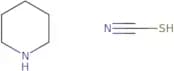
CAS:<p>Please enquire for more information about Boc-4-(4-fluorophenyl)-piperidine-4-carboxylic acid including the price, delivery time and more detailed product information at the technical inquiry form on this page</p>Formula:C17H22FNO4Purity:Min. 95%Molecular weight:323.36 g/molThiocyanic acidpiperidine
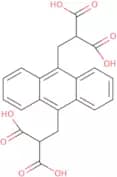
CAS:Controlled Product<p>Thiocyanic acidpiperidine is a substrate for film hydroxide solution. It reacts with hydrochloric acid to form hydrogen chloride and thiocyanate ion. Thiocyanic acidpiperidine is a reactive compound that can be used as a radiation-sensitive reagent in the synthesis of β-unsaturated ketones. The reaction is carried out in an immiscible solvent such as dichloromethane or chloroform and sodium hydroxide solution. This efficient method has been shown to be useful for the preparation of β-unsaturated ketones.</p>Formula:C6H12N2SPurity:Min. 95%Molecular weight:144.24 g/mol9,10-Anthracenediyl-bis(methylene)dimalonic acid
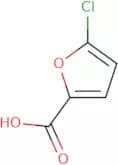
CAS:<p>9,10-Anthracenediyl-bis(methylene)dimalonic acid (ADMA) is a fluorescent probe that is used to measure the levels of ADMA in cells. This compound is able to bind to cell nuclei, which can then be detected by fluorescence microscopy. ADMA has been shown to be useful as a marker for cancer and other diseases such as diabetes or Alzheimer's disease. The detection sensitivity of ADMA can be increased by combining it with heparin, which binds strongly to this molecule and increases its solubility in water. The use of ADMA as an imaging agent has been reported in several clinical studies.</p>Formula:C22H18O8Purity:Min. 95%Color and Shape:PowderMolecular weight:410.37 g/mol5-Chlorofuran-2-carboxylic acid
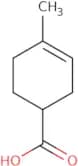
CAS:<p>5-Chlorofuran-2-carboxylic acid is an unlabeled compound that has been found in the chloroacetate fraction of a crude extract of leaves from the plant Garcinia hombroniana. The compound was evaluated for its potential as a bioactive molecule using acetylation, which led to the formation of 5-chlorofuran-2-carboxylic acid methyl ester. This compound was then analysed for its chemical properties, including sequences and parameters. 5-Chlorofuran-2-carboxylic acid methyl ester had no effects on the growth rate of Escherichia coli, but did inhibit the activity of some enzymes involved in DNA replication and repair. Furan, an anion found in 5-chlorofuran-2-carboxylic acid methyl ester, is also present in many other compounds such as 2,4,6 trichlorophenol and 2,5 dichlorophenol</p>Formula:C5H3ClO3Purity:Min. 95%Molecular weight:146.53 g/mol4-Methylcyclohex-3-ene-1-carboxylic acid
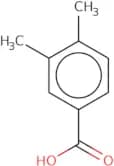
CAS:<p>4-Methylcyclohex-3-ene-1-carboxylic acid is an anionic compound that is used in the preparation of perfumes. This substance has been shown to have a cycloaddition reaction with nonionic detergents and isoprene, catalyzing the oxidation of terephthalic acid to ethylene. 4-Methylcyclohex-3-ene-1-carboxylic acid can also be used as a medicinal agent for aromatization or as a catalyst for the production of aldehydes.</p>Formula:C8H12O2Purity:Min. 95%Color and Shape:White PowderMolecular weight:140.18 g/mol3,4-Dimethylbenzoic acid
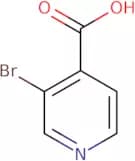
CAS:<p>3,4-Dimethylbenzoic acid is a benzoate compound that is produced by bacteria. It has been shown to have a viscosity of 0.05 cP at 25°C and a melting point of 181°C. It also has the molecular formula C9H11O2, which consists of two carbons, 11 hydrogens, and one oxygen atom. 3,4-Dimethylbenzoic acid is found in urine samples as a metabolite of p-hydroxybenzoic acid (p-OHBA). This compound also has photochemical properties and can be used for analytical determination of urinary p-OHBA levels. 3,4-Dimethylbenzoic acid is not active against bacterial pathogens such as Staphylococcus aureus or Salmonella enterica serovar Typhimurium. However, it does show some activity against Pseudomonas aeruginosa and Escherichia coli.</p>Formula:C9H10O2Purity:Min. 98 Area-%Color and Shape:PowderMolecular weight:150.17 g/mol3-Bromo-4-pyridinecarboxylic acid
CAS:<p>3-Bromo-4-pyridinecarboxylic acid is a naphthyridine derivative that is used in drug development. It is a crystalline solid that can be dissolved in organic solvents. 3-Bromo-4-pyridinecarboxylic acid has been shown to have antiinflammatory properties and can be used as an oxidant. 3-Bromo-4-pyridinecarboxylic acid is being investigated as a receptor subtype for inflammatory diseases, and it has also been used to study the mechanism of chronic inflammatory diseases.</p>Formula:C6H4BrNO2Purity:Min. 95%Molecular weight:202.01 g/molCyclopropanecarboxylic acid chloride
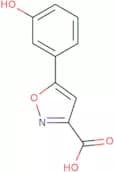
CAS:<p>Cyclopropanecarboxylic acid chloride is an organic compound with a molecular formula of C3H6Cl2O. It belongs to the group of carboxylic acids and has a pyrazole ring, which is a potential drug target. Cyclopropanecarboxylic acid chloride has been found to be active against infectious diseases such as herpes, influenza, and Ebola. The mechanism of action for this compound is not yet fully understood but it has been shown to have an effect on growth factors and kinetic data.</p>Formula:C4H5ClOPurity:Min. 95%Molecular weight:104.53 g/mol5-(3-Hydroxyphenyl)isoxazole-3-carboxylic acid
CAS:<p>Please enquire for more information about 5-(3-Hydroxyphenyl)isoxazole-3-carboxylic acid including the price, delivery time and more detailed product information at the technical inquiry form on this page</p>Formula:C10H7NO4Purity:Min. 95%Molecular weight:205.17 g/molTolfenamic Acid
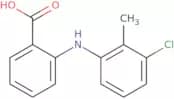
CAS:<p>Tolfenamic acid is a non-steroidal anti-inflammatory drug that has been shown to inhibit the MCL-1 protein, which is involved in the regulation of programmed cell death. It has been used for the treatment of bowel disease and can be given orally or rectally. Tolfenamic acid may be effective against inflammatory bowel diseases such as ulcerative colitis and Crohn's disease. Tolfenamic acid binds to anionic sites on the matrix of cartilage and inhibits the production of prostaglandin E2 by inhibiting cyclooxygenase activity. Tolfenamic acid has also been shown to reduce pain by inhibiting the enzyme COX-2, which is associated with inflammation. The drug also has a strong effect on human polymorphonuclear leukocytes (PMN).</p>Formula:C14H12ClNO2Purity:Min. 97%Color and Shape:PowderMolecular weight:261.7 g/molPolyoxyethylated 12-hydroxystearic acid
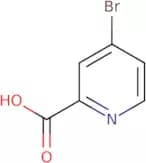
CAS:<p>Polyoxyethylated 12-hydroxystearic acid is a surface active agent that is used as an adjuvant in pharmaceutical preparations. Polyoxyethylated 12-hydoxystearic acid has been shown to have antimicrobial properties, which are due to its ability to disrupt the lipid membrane of bacteria and fungi. This agent also has a protective effect against the cytotoxicity of trifluoroacetic acid, which is often used in cell culture studies. Polyoxyethylated 12-hydoxystearic acid also has potential applications in cancer therapy because it can be conjugated with anticancer drugs to form liposome nanoparticles, which may allow for more efficient delivery of these drugs into cancer cells.</p>Color and Shape:Off-White Powder4-Bromo-pyridine-2-carboxylic acid
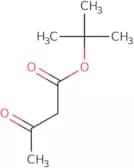
CAS:<p>4-Bromo-pyridine-2-carboxylic acid is a metabotropic glutamate receptor antagonist that inhibits the neurotransmitter glutamate. It has been shown to have antibacterial activity against Staphylococcus aureus and anti-inflammatory properties against the fungus Candida albicans. The drug is orally bioavailable, which means it can be taken by mouth, and has a pharmacokinetic profile that increases its bioavailability. This means that 4-Bromo-pyridine-2-carboxylic acid is an inhibitor of deoxycytidine kinase and may be used as an antifungal agent.</p>Formula:C6H4BrNO2Purity:Min. 95%Color and Shape:White To Light (Or Pale) Grey SolidMolecular weight:202.01 g/moltert-Butyl acetoacetate
CAS:<p>tert-Butyl acetoacetate is an organic molecule that contains nitrogen atoms. The structure of tert-butyl acetoacetate can be described as a planar molecule with two hydrogen atoms and two carbon atoms. One of the hydrogen atoms is bonded to the carbon atom in the middle, and the other hydrogen atom is bonded to one of the carbons on the outside. The compound has a coordination geometry with a sodium ion in its center, and it can also exist as an anion or as a cation. Tert-butyl acetoacetate was synthesized by reacting sodium carbonate with tert-butyl alcohol. This reaction is exothermic and produces tert-butyl acetoacetate along with water and sodium hydroxide. In addition, tert-butyl acetoacetate is toxicologically studied, which has shown that it does not have any carcinogenic effects or adverse effects on reproduction in rats at doses up to 2000 mg/kg/day</p>Formula:C8H14O3Purity:Min. 95%Molecular weight:158.19 g/molBeta-CIT-FP
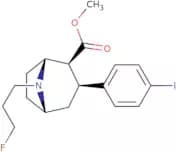
CAS:Controlled Product<p>Methyl (1R,2S,3S)-8-(3-Fluoropropyl)-3-(4-Iodophenyl)-8-Azabicyclo[3.2.1]Octane-2-Carboxylate is a potent dopamine receptor agonist with a high affinity for the D2 and D3 receptors in the brain. It has been shown to have antiparkinsonian effects in animal models of Parkinson's disease by increasing dopamine levels in the prefrontal cortex and striatum. This drug has also been shown to be effective in clinical studies for the diagnosis of Parkinson's disease. Methyl (1R,2S,3S)-8-(3-Fluoropropyl)-3-(4-Iodophenyl)-8-Azabicyclo[3.2.1]Octane-2-Carboxylate binds to both dopamine and serotonin receptors, which may account for its therapeutic effects on Parkinson</p>Formula:C18H23FINO2Purity:Min. 95%Molecular weight:431.28 g/mol4-Phenoxyphenylboronic acid
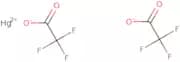
CAS:<p>4-Phenoxyphenylboronic acid is a chemical inhibitor of protein kinase. It binds to the ATP binding site of the enzyme and prevents ATP from binding, thereby inhibiting the phosphorylation of proteins. This inhibition blocks the activation of downstream pathways that are involved in cell proliferation, leading to apoptotic cell death. 4-Phenoxyphenylboronic acid has been shown to inhibit growth of human cancer cells in vitro. This molecule also inhibits root formation and plant growth, which may be due to its ability to selectively inhibit protein kinases found in plant cells.</p>Formula:C12H11BO3Purity:Min. 95%Molecular weight:214.02 g/molMercuric trifluoroacetate
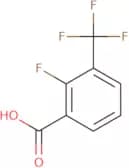
CAS:Controlled Product<p>Mercuric trifluoroacetate is an organic compound that contains mercury and a carboxylic acid. It is an acid that is formed when mercury reacts with hydrochloric acid. Mercuric trifluoroacetate has been shown to be effective in the synthesis of a number of organic compounds, including the nonsteroidal anti-inflammatory drug (NSAID) 3-hydroxyanthranilic acid. This compound also inhibits the production of prostaglandin E2 in human leukocytes, which may be related to its inhibitory properties on congestive heart failure. Mercuric trifluoroacetate can also cause autoimmune diseases in mice by suppressing the production of interleukin-4 and interleukin-10, which are cytokines involved in immune responses.</p>Formula:C4F6HgO4Purity:Min. 95%Molecular weight:426.62 g/mol2-Fluoro-3-(trifluoromethyl)benzoic acid
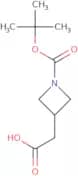
CAS:<p>2-Fluoro-3-(trifluoromethyl)benzoic acid is an amide that has been shown to inhibit the growth of Huh-7 human hepatoma cells, which express ABCA1. This compound has been shown to bind to and inhibit the activity of the enzyme acid hydrazide. It has also been shown to be active against methoxy functional assays and macrophage cell lines.</p>Formula:C8H4F4O2Purity:Min. 95%Molecular weight:208.11 g/mol2-(1-(tert-Butoxycarbonyl)azetidin-3-yl)acetic acid
CAS:<p>Please enquire for more information about 2-(1-(tert-Butoxycarbonyl)azetidin-3-yl)acetic acid including the price, delivery time and more detailed product information at the technical inquiry form on this page</p>Formula:C10H17NO4Purity:Min. 95%Molecular weight:215.25 g/molTrestolone acetate
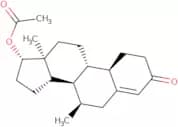
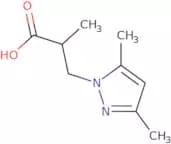
CAS:Controlled Product<p>Trestolone acetate is a synthetic anti-cancer compound that has been shown to inhibit the growth of cancer cells in animal models. It is an estrogen receptor modulator that binds to the estrogen receptor and inhibits its activation by estradiol. Trestolone acetate has also been shown to inhibit the production of inflammatory cytokines, such as tumor necrosis factor-α (TNF-α) and interleukin-1β (IL-1β), which may be due to its ability to act as a growth factor for immune cells. Trestolone acetate can be used for the treatment of degenerative diseases or bowel disease, such as Crohn's disease. This drug also has a beneficial effect in inflammatory diseases, such as IBD, and autoimmune diseases, such as rheumatoid arthritis. The effective dose is 10 mg/kg body weight per day given orally.</p>Formula:C21H30O3Purity:Min. 95%Molecular weight:330.46 g/mol3-(3,5-Dimethyl-1H-pyrazol-1-yl)-2-methylpropanoic acid
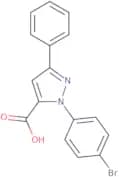
CAS:Controlled Product<p>Please enquire for more information about 3-(3,5-Dimethyl-1H-pyrazol-1-yl)-2-methylpropanoic acid including the price, delivery time and more detailed product information at the technical inquiry form on this page</p>Formula:C9H14N2O2Purity:Min. 95%Molecular weight:182.22 g/mol1-(4-Bromophenyl)-3-phenyl-1H-pyrazole-5-carboxylic acid
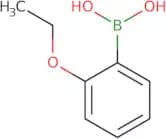
CAS:Controlled Product<p>Please enquire for more information about 1-(4-Bromophenyl)-3-phenyl-1H-pyrazole-5-carboxylic acid including the price, delivery time and more detailed product information at the technical inquiry form on this page</p>Formula:C16H11BrN2O2Purity:Min. 95%Color and Shape:PowderMolecular weight:343.17 g/mol2-Ethoxyphenylboronic acid
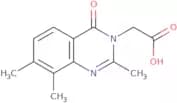
CAS:<p>Ethoxyphenylboronic acid is a triazine compound which inhibits inflammation by inhibiting the kinase that catalyzes the phosphorylation of arachidonic acid. It also inhibits lipid kinase, which is involved in the metabolism of lipids, and it has been shown to inhibit cancer cell growth through hydrogen bond interactions with DNA. Ethoxyphenylboronic acid has been shown to have anti-inflammatory properties and may be useful for the treatment of inflammatory diseases such as arthritis. The compound can also inhibit hydrogen peroxide-induced oxidative damage in cells, due to its ability to release intracellular glutathione.</p>Formula:C8H11BO3Purity:Min. 95%Molecular weight:165.98 g/mol(2,7,8-Trimethyl-4-oxoquinazolin-3(4H)-yl)acetic acid
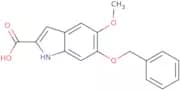
CAS:Controlled Product<p>Please enquire for more information about (2,7,8-Trimethyl-4-oxoquinazolin-3(4H)-yl)acetic acid including the price, delivery time and more detailed product information at the technical inquiry form on this page</p>Formula:C13H14N2O3Purity:Min. 95%Molecular weight:246.26 g/mol6-Benzyloxy-5-methoxyindole-2-carboxylic acid
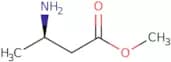
CAS:<p>Please enquire for more information about 6-Benzyloxy-5-methoxyindole-2-carboxylic acid including the price, delivery time and more detailed product information at the technical inquiry form on this page</p>Formula:C17H15NO4Purity:Min. 95%Molecular weight:297.31 g/mol(R)-3-Amino-butyric acid methyl ester
CAS:<p>Please enquire for more information about (R)-3-Amino-butyric acid methyl ester including the price, delivery time and more detailed product information at the technical inquiry form on this page</p>Formula:C5H11NO2Purity:Min. 95%Molecular weight:117.15 g/moltert-Butyl 4-chloro-5,6-dihydropyrido[3,4-d]pyrimidine-7(8H)-carboxylate
CAS:<p>Please enquire for more information about tert-Butyl 4-chloro-5,6-dihydropyrido[3,4-d]pyrimidine-7(8H)-carboxylate including the price, delivery time and more detailed product information at the technical inquiry form on this page</p>Formula:C12H16ClN3O2Purity:Min. 95%Molecular weight:269.73 g/molPhenylphosphonic Acid
CAS:<p>Phenylphosphonic acid is an inorganic compound that belongs to the group of phosphonic acids. It is used as a model system for reactions involving zirconium oxide, pyrazole ring, and p-nitrophenyl phosphate. Phenylphosphonic acid has been shown to be able to efficiently react with metal hydroxides under acidic conditions. The rate of this reaction increases with increasing concentration of the metal hydroxide and decreasing pH. This reaction also produces picolinic acid, which can be detected by its yellow color. Phenylphosphonic acid has been shown to have covalent linkages between nitrogen atoms and phosphorus atoms. X-ray crystal structures have revealed that the molecule has a linear structure with the nitrogen atom located on one side of the molecule and the phosphorus atom on the other side. It also contains two electron pairs at its center, which are responsible for its electrochemical properties.</p>Formula:C6H7O3PPurity:Min. 95%Molecular weight:158.09 g/mol4-Methoxy retinoic acid
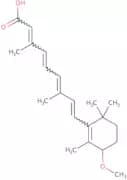
CAS:<p>Please enquire for more information about 4-Methoxy retinoic acid including the price, delivery time and more detailed product information at the technical inquiry form on this page</p>Formula:C21H30O3Purity:Min. 95%Molecular weight:330.46 g/molPiperazine-2-carboxylic acid methyl esterdihydrochloride
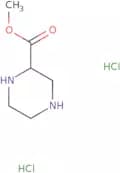
CAS:<p>Piperazine-2-carboxylic acid methyl ester (PPCM) is a chemical compound that is used as an intermediate in the production of ethylenediamine and piperazine-2-carboxylic acid dihydrochloride. It is a white crystalline solid that can be synthesized by reacting ethylene diamine with piperazine-2-carboxylic acid. PPCM has been shown to inhibit the growth of bacteria, yeast, and fungi by inhibiting protein synthesis. This chemical also inhibits the production of proteins essential for respiration and cell wall formation.</p>Formula:C6H14Cl2N2O2Purity:Min. 95%Molecular weight:217.09 g/mol2-Methyl-4-(2-methylbenzamido)benzoic acid
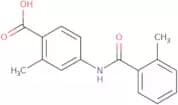
CAS:<p>2-Methyl-4-(2-methylbenzamido)benzoic acid is a synthetic drug that has oxidizing properties. It is used as an intermediate in the synthesis of medicines, and can also be used as an intermediate in the synthesis of dyes and pesticides. The structure of this molecule consists of two methyl groups on a benzene ring with two aminobenzoic acid molecules attached to it. This molecule has hydrogen bonds with both aminobenzoic acid groups, one of which has an alkyl group attached to it. 2-Methyl-4-(2-methylbenzamido)benzoic acid crystallizes in the monoclinic system and its molecular weight is 256.24 g/mol.</p>Formula:C16H15NO3Purity:Min. 95%Molecular weight:269.3 g/molMethyl 4-(benzyloxy)-1-methyl-1H-indole-2-carboxylate
CAS:Controlled Product<p>Please enquire for more information about Methyl 4-(benzyloxy)-1-methyl-1H-indole-2-carboxylate including the price, delivery time and more detailed product information at the technical inquiry form on this page</p>Formula:C18H17NO3Purity:Min. 95%Molecular weight:295.33 g/molall-trans 5,6-Epoxy retinoic acid
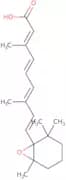
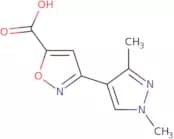
CAS:<p>5,6-Epoxy retinoic acid is a synthetic retinoid that has been shown to have biological properties in tissue culture and rat liver microsomes. It is an agonist of the retinoic acid receptor (RAR) and binds to DNA at the same site as all-trans retinoic acid. 5,6-Epoxyretinoic acid also has effects on gene expression in human serum and inhibits the proliferation of cancer cells by inducing apoptosis. The synthetic retinoid can be used as a novel chemotherapeutic agent for breast cancer or leukemia.</p>Formula:C20H28O3Purity:Min. 95 Area-%Color and Shape:Yellow PowderMolecular weight:316.43 g/mol3-(1,3-Dimethyl-1H-pyrazol-4-yl)isoxazole-5-carboxylic acid
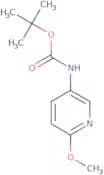
CAS:<p>Please enquire for more information about 3-(1,3-Dimethyl-1H-pyrazol-4-yl)isoxazole-5-carboxylic acid including the price, delivery time and more detailed product information at the technical inquiry form on this page</p>Formula:C9H9N3O3Purity:Min. 95%Molecular weight:207.19 g/moltert-Butyl-n-(6-methoxy-3-pyridyl)carbamate
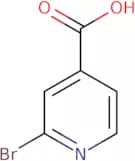
CAS:<p>Please enquire for more information about tert-Butyl-n-(6-methoxy-3-pyridyl)carbamate including the price, delivery time and more detailed product information at the technical inquiry form on this page</p>Formula:C11H16N2O3Purity:Min. 95%Molecular weight:224.26 g/mol2-Bromoisonicotinic acid
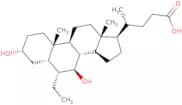
CAS:<p>2-Bromoisonicotinic acid is a phenylpyridine molecule that has been shown to have inhibitory activity against the NF-κB pathway, which regulates inflammatory responses. This compound inhibits the production of TNF-α triggered by lipopolysaccharide (LPS) in vitro and in vivo. 2-Bromoisonicotinic acid may be synthesized from commercially available starting materials and can be easily scaled up for large-scale synthesis. The properties of this molecule make it an excellent candidate for further investigation as a potential therapeutic or prophylactic agent for diseases involving inflammation.</p>Purity:Min. 95%6a-Ethyl-chenodeoxycholic acid
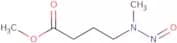
CAS:Controlled Product<p>Please enquire for more information about 6a-Ethyl-chenodeoxycholic acid including the price, delivery time and more detailed product information at the technical inquiry form on this page</p>Formula:C26H44O4Purity:Min. 95%Color and Shape:SolidMolecular weight:420.63 g/molN-Nitroso-N-methyl-4-aminobutyric acid methyl ester
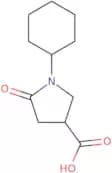
CAS:<p>Please enquire for more information about N-Nitroso-N-methyl-4-aminobutyric acid methyl ester including the price, delivery time and more detailed product information at the technical inquiry form on this page</p>Formula:C6H12N2O3Purity:Min. 95%Molecular weight:160.17 g/mol1-Cyclohexyl-5-oxopyrrolidine-3-carboxylic acid
CAS:<p>Please enquire for more information about 1-Cyclohexyl-5-oxopyrrolidine-3-carboxylic acid including the price, delivery time and more detailed product information at the technical inquiry form on this page</p>Formula:C11H17NO3Purity:Min. 95%Molecular weight:211.26 g/mol7,7-Azo-3-a,12-a-dihydroxytaurocholanic acid sodium salt
CAS:<p>Please enquire for more information about 7,7-Azo-3-a,12-a-dihydroxytaurocholanic acid sodium salt including the price, delivery time and more detailed product information at the technical inquiry form on this page</p>Formula:C26H42N3NaO6SPurity:Min. 95%Molecular weight:547.68 g/mol3-Bromo-2-methylbenzoic acid methyl ester
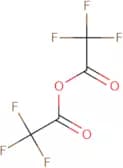
CAS:<p>3-Bromo-2-methylbenzoic acid methyl ester is a serotonin transporter and reuptake inhibitor. It has selectivities for serotonin, dopamine and norepinephrine transporters. 3-Bromo-2-methylbenzoic acid methyl ester acts as a linker molecule in the synthesis of complex molecules like neurotransmitters. It is also a bifunctional molecule that can act as an antidepressant or anti-anxiety drug by increasing serotonin levels in the brain. 3-Bromo-2-methylbenzoic acid methyl ester’s function as a ligand is to bind to receptors on cells, which may be linked with its effects on depression and anxiety.</p>Formula:C9H9BrO2Purity:Min. 95%Molecular weight:229.07 g/molTrifluoro acetic anhydride
CAS:<p>Trifluoro acetic anhydride is a chemical compound that is used in the laboratory as a model system to study antimicrobial agents and the reaction mechanism of these compounds. It has been shown to have receptor activity against infectious diseases and enzyme activities against bacterial growth. Trifluoroacetic anhydride has also been shown to inhibit plasma mass spectrometry, which may be due to its ability to react with water vapor. The chemical inhibitor can be recovered and reused for other experiments.</p>Formula:C4F6O3Purity:Min. 95%Color and Shape:Colorless Clear LiquidMolecular weight:210.03 g/mol




![4-(2-Chlorophenyl)-9-methyl-6H-thieno[3,2-f][1,2,4]triazolo[4,3-a][1,4]diazepine-2-propanoic acid …](/_next/image/?url=https%3A%2Fstatic.cymitquimica.com%2Fproducts%2F3D%2Fthumb-webp%2FFC20337.webp&w=3840&q=75)
![Tert-butyl(8-anti)-3-azabicyclo[3.2.1]oct-8-ylcarbamate](/_next/image/?url=https%3A%2Fstatic.cymitquimica.com%2Fproducts%2F3D%2Fthumb-webp%2FFT167890.webp&w=3840&q=75)
![4-{[1-(tert-Butoxycarbonyl)azetidin-3-yl]oxy}benzoic acid](/_next/image/?url=https%3A%2Fstatic.cymitquimica.com%2Fproducts%2F3D%2Fthumb-webp%2FFB125449.webp&w=3840&q=75)


![1,1-Bis(1,1-dimethylethyl) (3R)-3-[[(9H-fluoren-9-ylmethoxy)carbonyl]amino]-1,1,3-propanetricarbox…](/_next/image/?url=https%3A%2Fstatic.cymitquimica.com%2Fproducts%2F3D%2Fthumb-webp%2FFF47880.webp&w=3840&q=75)
![Dimethyl 1-[2-(1H-indol-3-yl)ethyl]-2,5-dimethyl-1H-pyrrole-3,4-dicarboxylate](/_next/image/?url=https%3A%2Fstatic.cymitquimica.com%2Fproducts%2F3D%2Fthumb-webp%2FFD121817.webp&w=3840&q=75)

![4-[(4-Acetylphenyl)amino]-4-oxobutanoic acid](/_next/image/?url=https%3A%2Fstatic.cymitquimica.com%2Fproducts%2F3D%2Fthumb-webp%2FFA114593.webp&w=3840&q=75)



![tert-Butyl 4-chloro-5,6-dihydropyrido[3,4-d]pyrimidine-7(8H)-carboxylate](/_next/image/?url=https%3A%2Fstatic.cymitquimica.com%2Fproducts%2F3D%2Fthumb-webp%2FFB144255.webp&w=3840&q=75)