Carboxylic Acids
Carboxylic acids are organic molecules characterized by having a carboxyl-type functional group (-COOH). These acids are fundamental in various chemical reactions, including esterification, amidation, and decarboxylation. Carboxylic acids are widely used in the production of pharmaceuticals, polymers, and agrochemicals. In this section, you can find a large number of carboxylic acids ready to be used. At CymitQuimica, we provide a broad range of high-quality carboxylic acids to support your research and industrial applications.
Found 12454 products of "Carboxylic Acids"
Sort by
Purity (%)
0
100
|
0
|
50
|
90
|
95
|
100
4-(Methoxycarbonyl)bicyclo[2.1.1]hexane-1-carboxylic acid
CAS:<p>Please enquire for more information about 4-(Methoxycarbonyl)bicyclo[2.1.1]hexane-1-carboxylic acid including the price, delivery time and more detailed product information at the technical inquiry form on this page</p>Formula:C9H12O4Purity:Min. 95%Molecular weight:184.19 g/mol3-Thienylmalonic acid
CAS:<p>3-Thienylmalonic acid is a template molecule that is used in kinetic studies of receptor binding reactions. It is a white solid with a molecular weight of 170.07 g/mol and an empirical formula of CHOS. 3-Thienylmalonic acid has been shown to be effective for corrosion inhibition, as it reacts with chloride ions to form a complex that does not allow the metal surface to corrode. This process can be done in a pH range from 1 to 14 and the reaction solution is colorless, odorless, and stable at room temperature. 3-Thienylmalonic acid also has photocatalytic activity, which allows it to degrade organic molecules such as malonic acid or human serum proteins. The compound can also be used as an electrochemical impedance spectroscopy (EIS) probe for wastewater treatment or chloride solutions.</p>Purity:Min. 95%tert-Butyl 2-(2-chloroethoxy)acetate
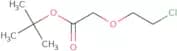
CAS:<p>Please enquire for more information about tert-Butyl 2-(2-chloroethoxy)acetate including the price, delivery time and more detailed product information at the technical inquiry form on this page</p>Formula:C8H15ClO3Purity:Min. 95%Color and Shape:Clear, colourless liquid.Molecular weight:194.66 g/mol4-(N-Methylamino)phenylboronic acid pinacol ester
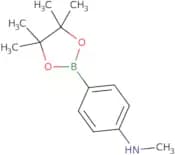
CAS:<p>Please enquire for more information about 4-(N-Methylamino)phenylboronic acid pinacol ester including the price, delivery time and more detailed product information at the technical inquiry form on this page</p>Formula:C13H20BNO2Purity:Min. 95%Molecular weight:233.11 g/mol[2-(4-Chlorophenyl)-1,3-thiazol-4-yl]acetic acid
CAS:<p>[2-(4-Chlorophenyl)-1,3-thiazol-4-yl]acetic acid is a potent antimicrobial agent that inhibits the growth of bacteria by binding to the 50S ribosomal subunit. It has shown antiinflammatory properties in animal models of bowel disease, skin cancer, and autoimmune diseases. This drug has also been shown to have no observable toxicity in humans at doses up to 5000 mg/day for 28 days. The drug binds to a number of enzymes including reactive oxygen species (ROS) scavengers and metabolic enzymes. There are no known drug interactions with this drug and it can be used safely with other nonsteroidal antiinflammatory drugs (NSAIDs).</p>Formula:C11H8ClNO2SPurity:Min. 95%Molecular weight:253.71 g/mol3,3-Difluoro-1-methylcyclobutanecarboxylic acid
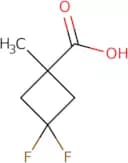
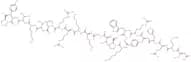
CAS:<p>Please enquire for more information about 3,3-Difluoro-1-methylcyclobutanecarboxylic acid including the price, delivery time and more detailed product information at the technical inquiry form on this page</p>Formula:C6H8F2O2Purity:Min. 95%Molecular weight:150.12 g/molAcetyl-ACTH (3-24) (human, bovine, rat) trifluoroacetate salt
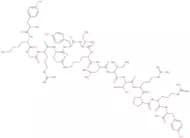
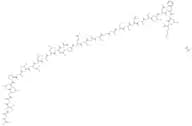
CAS:<p>Please enquire for more information about Acetyl-ACTH (3-24) (human, bovine, rat) trifluoroacetate salt including the price, delivery time and more detailed product information at the technical inquiry form on this page</p>Formula:C126H198N38O28SPurity:Min. 95%Molecular weight:2,725.23 g/molEthyl 2-chloroacetoacetate
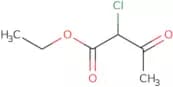
CAS:<p>Ethyl 2-chloroacetoacetate is an organic compound that is prepared industrially by the chlorination of acetoacetic acid. It has been shown to have antimicrobial activity against human pathogens, such as Staphylococcus aureus and Escherichia coli. The kinetic constants for this reaction are pH dependent and depend on the ionic strength of the solution. Ethyl 2-chloroacetoacetate reacts with hydroxide to form ethyl chlorocarbonate, which is hydrolyzed to give carbon dioxide and hydrogen chloride. The hydrogen bonding interactions between these two molecules are important in the mechanism of this reaction. This reaction also generates a characteristic NMR spectrum in which six peaks can be seen. Ethyl 2-chloroacetoacetate is acidic and hemolytic when dissolved in water, but it does not react with trifluoroacetic acid or low energy radiation.</p>Formula:C6H9ClO3Purity:Min. 95%Color and Shape:Clear LiquidMolecular weight:164.59 g/mol3'-Chloro-biphenyl-4-carboxylic acid
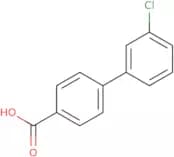
CAS:<p>Please enquire for more information about 3'-Chloro-biphenyl-4-carboxylic acid including the price, delivery time and more detailed product information at the technical inquiry form on this page</p>Purity:Min. 95%2-Oxovaleric acid
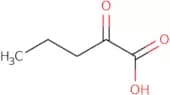
CAS:<p>2-Oxovaleric acid is a monocarboxylic acid that is produced by the oxidation of 2-oxopentanoic acid. It was first discovered as an inhibitory compound for glutamate dehydrogenase, which catalyzes the conversion of glutamate to alpha-ketoglutarate. This inhibition leads to a buildup of glutamate in the cell, which can cause metabolic disorders. The importance of 2-oxovaleric acid was demonstrated using a chromatographic method on type strain cells. The electron microscopic images showed that 2-oxovaleric acid inhibited the growth of bacteria by binding to extracellular Ca2+, carbon source, and animals.</p>Formula:C5H8O3Purity:Min. 95%Molecular weight:116.12 g/mol4-(4-Hydroxymethyl-3-methoxyphenoxy)-butyric acid
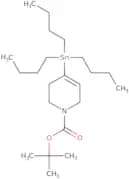
CAS:Controlled Product<p>4-(4-Hydroxymethyl-3-methoxyphenoxy)-butyric acid (HMPA) is a synthetic compound that is used in the production of butyric acid. It is also used as a reagent in the preparation of enzymes and enzyme preparations, such as serine proteases. HMPA has been used as an intermediate in the synthesis of ribulose, which is a sugar molecule found in plants. The structure of this compound can be determined by FTIR spectroscopy and by X-ray crystallography. HMPA has been shown to have hydrogen bonding between its molecules, which may account for its stability. Hydrogen bonding accounts for the solidity of this compound and its resistance to heat and solvents.</p>Formula:C12H16O5Purity:Min. 95%Molecular weight:240.25 g/mol3,6-Dihydro-4-(tributylstannyl)-1(2H)-pyridinecarboxylic acid t-butyl ester
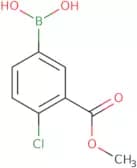
CAS:Controlled ProductPlease enquire for more information about 3,6-Dihydro-4-(tributylstannyl)-1(2H)-pyridinecarboxylic acid t-butyl ester including the price, delivery time and more detailed product information at the technical inquiry form on this pageFormula:C22H43NO2SnPurity:Min. 95%Color and Shape:PowderMolecular weight:472.29 g/mol(4-Chloro-3-(methoxycarbonyl)phenyl)boronic acid
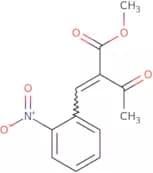
CAS:<p>Please enquire for more information about (4-Chloro-3-(methoxycarbonyl)phenyl)boronic acid including the price, delivery time and more detailed product information at the technical inquiry form on this page</p>Formula:C8H8BClO4Purity:Min. 95%Molecular weight:214.41 g/mol2-(2-Nitrobenzylidene)-3-oxobutanoic acid, methyl ester
CAS:<p>Please enquire for more information about 2-(2-Nitrobenzylidene)-3-oxobutanoic acid, methyl ester including the price, delivery time and more detailed product information at the technical inquiry form on this page</p>Formula:C12H11NO5Purity:Min. 95%Molecular weight:249.22 g/molBenzene-1,3-disulfonic acid disodium
CAS:<p>This is a polynuclear compound that has an electrochemical method for detection. It is catalytic, with a low detection limit. The shape of the crystals are spherical, which is due to the size of the crystals. There are no interferences in these measurements, as well as photomicrographs and dopamine sensor. This compound will have synergistic effects with chloride and glucose sensors. The following are some properties of benzene-1,3-disulfonic acid disodium salt: -It has a molecular weight of 227.2 -It has a melting point of about 237 degrees Celsius -It is soluble in water -It has a boiling point at about 515 degrees Celsius -Benzene-1,3-disulfonic acid disodium salt is not hazardous to humans if it is ingested orally; however, it can be harmful if inhaled or if it comes into contact with skin</p>Formula:C6H4Na2O6S2Purity:Min. 95%Color and Shape:PowderMolecular weight:282.2 g/mol3-(6-Chloro-1-methyl-1H-benzimidazol-2-yl)propanoic acid
CAS:Controlled ProductPlease enquire for more information about 3-(6-Chloro-1-methyl-1H-benzimidazol-2-yl)propanoic acid including the price, delivery time and more detailed product information at the technical inquiry form on this pageFormula:C11H11ClN2O2Purity:Min. 95%Molecular weight:238.67 g/mol1-[2-(5-Fluoro-1H-indol-3-yl)ethyl]-5-oxopyrrolidine-3-carboxylic acid
CAS:Controlled Product<p>Please enquire for more information about 1-[2-(5-Fluoro-1H-indol-3-yl)ethyl]-5-oxopyrrolidine-3-carboxylic acid including the price, delivery time and more detailed product information at the technical inquiry form on this page</p>Formula:C15H15FN2O3Purity:Min. 95%Molecular weight:290.29 g/mol4-Aminobicyclo[2.2.2]octane-1-carboxylic acid methyl ester
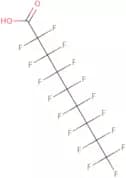
CAS:<p>Please enquire for more information about 4-Aminobicyclo[2.2.2]octane-1-carboxylic acid methyl ester including the price, delivery time and more detailed product information at the technical inquiry form on this page</p>Formula:C10H17NO2Purity:Min. 95%Molecular weight:183.25 g/molHeptadecafluorononanoic acid
CAS:<p>Heptadecafluorononanoic acid is a long-chain fatty acid that has been used as a building block in the synthesis of polymers. It has been shown to have an effect on locomotor activity and thermal expansion in human serum, as well as on maternal blood. Heptadecafluorononanoic acid has also been found to be effective for the treatment of hepatic steatosis and may have long-term efficacy. This compound is also able to bind with receptors, which can contribute to its biological properties. Heptadecafluorononanoic acid has been shown to inhibit geriatric patients' reaction solution. The analytical method for heptadecafluorononanoic acid consists of gas chromatography with flame ionization detection (GC-FID).</p>Formula:C9HF17O2Purity:Min. 95%Color and Shape:PowderMolecular weight:464.08 g/mol3-Methylglutaric acid
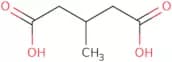
CAS:<p>3-Methylglutaric acid is an organic compound that belongs to the group of alkanocarboxylic acids. It has been shown to reduce the formation of malonic acid, which can be toxic to the heart and cause congestive heart failure. 3-Methylglutaric acid also inhibits oxidation catalysts and increases the production of energy in cells by providing electrons. The kinetic data for 3-methylglutaric acid have been determined using a gas chromatography technique on a high-temperature conversion reactor at a pH of 7.0 with a concentration of 0.1 M potassium phosphate buffer (pH 7) and a temperature of 70°C. 3-Methylglutaric acid has been shown to inhibit monoclonal antibody cationic polymerization, which may be due to its reactive nature and its ability to donate hydrogen ions or electrons.</p>Formula:C6H10O4Purity:Min. 95%Molecular weight:146.14 g/molNicotinuric acid
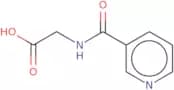
CAS:<p>Nicotinuric acid is an endogenous metabolite of nicotinic acid, which is a cofactor for the enzyme that catalyzes the conversion of phosphoenolpyruvate to pyruvate. Nicotinuric acid has been shown to be a potential biomarker for human pharmacokinetics. It has been shown to be involved in energy metabolism and may play a role in the pathogenesis of atherosclerotic cardiovascular disease. Nicotinuric acid is also a product of the enzymatic degradation of pyrrolidinecarboxylic acid, which is found in papillary muscle cells and penicillin-binding protein. The formation of nicotinuric acid can be inhibited by nicotinic acid, pyrazinoic acid, or by inhibitors of lc-ms/ms method.</p>Formula:C8H8N2O3Purity:Min. 95%Molecular weight:180.16 g/molPenetratin trifluoroacetate
CAS:<p>Cell-penetrating peptide derived from the third helix of the Antennapedia protein homeodomain. Penetratin also shows antimicrobial and antifungal activity.</p>Formula:C104H169N35O19S•(C2HF3O2)xPurity:Min. 95%Molecular weight:2,245.75 g/mol5-Bromo-1-methyl-1H-indole-3-carboxylic acid
CAS:Controlled Product<p>Please enquire for more information about 5-Bromo-1-methyl-1H-indole-3-carboxylic acid including the price, delivery time and more detailed product information at the technical inquiry form on this page</p>Formula:C10H8BrNO2Purity:Min. 95%Molecular weight:254.08 g/molChloroacetic Acid-13C2
CAS:<p>Please enquire for more information about Chloroacetic Acid-13C2 including the price, delivery time and more detailed product information at the technical inquiry form on this page</p>Purity:Min. 95%Methyl 5-oxopyrrolidine-3-carboxylate
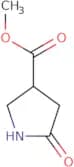
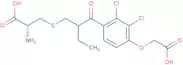
CAS:<p>Methyl 5-oxopyrrolidine-3-carboxylate is a nonsteroidal anti-inflammatory drug that reduces the production of pro-inflammatory cytokines. It binds to COX-2 and prevents the production of prostaglandins, which are involved in the inflammatory process. Methyl 5-oxopyrrolidine-3-carboxylate has been shown to inhibit mouse hippocampal cells and human THP1 cells, which are important in inflammation. This drug also interacts with other proteins and can be localized to mitochondria membrane potentials. Methyl 5-oxopyrrolidine-3-carboxylate has the potential for use as an anti-inflammatory agent for cellular localization in mitochondria membrane potentials.</p>Formula:C6H9NO3Purity:Min. 95%Molecular weight:143.14 g/molEthacrynic acid L-cysteine adduct
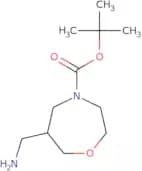
CAS:<p>Ethacrynic acid L-cysteine adduct (EAC) is a non-competitive inhibitor of phosphatases. It is a β-unsaturated ketone that has been shown to inhibit the phosphatase activity of pepsin and other enzymes. EAC binds to glutathione, forming an inactive covalent bond. The glutathione conjugate is inactivated by incubation with aminopyrine and pepsin, which degrades the glutathione moiety. This leads to the formation of a phosphatase inhibitor that is catalytic and competitive in nature. EAC can be used as a reagent for cell culture media or tissue sections, where it inhibits the activity of phosphatases that might interfere with certain enzymatic reactions.</p>Formula:C16H19Cl2NO6SPurity:Min. 95%Molecular weight:424.3 g/moltert-Butyl 6-(aminomethyl)-1,4-oxazepane-4-carboxylate
CAS:<p>Please enquire for more information about tert-Butyl 6-(aminomethyl)-1,4-oxazepane-4-carboxylate including the price, delivery time and more detailed product information at the technical inquiry form on this page</p>Formula:C11H22N2O3Purity:Min. 95%Molecular weight:230.3 g/moltert-Butyl 2,7-diazaspiro[3.5]nonane-7-carboxylate
CAS:<p>Please enquire for more information about tert-Butyl 2,7-diazaspiro[3.5]nonane-7-carboxylate including the price, delivery time and more detailed product information at the technical inquiry form on this page</p>Formula:C12H22N2O2Purity:Min. 95%Molecular weight:226.32 g/mol1-[2-(5-Methoxy-1H-indol-3-yl)ethyl]-5-oxopyrrolidine-3-carboxylic acid
CAS:Controlled Product<p>Please enquire for more information about 1-[2-(5-Methoxy-1H-indol-3-yl)ethyl]-5-oxopyrrolidine-3-carboxylic acid including the price, delivery time and more detailed product information at the technical inquiry form on this page</p>Formula:C16H18N2O4Purity:Min. 95%Molecular weight:302.33 g/mol3-[(Dimethylamino)methyl]benzoic acid hydrochloride
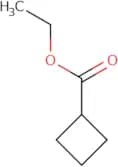
CAS:<p>Please enquire for more information about 3-[(Dimethylamino)methyl]benzoic acid hydrochloride including the price, delivery time and more detailed product information at the technical inquiry form on this page</p>Formula:C10H13NO2Purity:Min. 95%Molecular weight:179.22 g/molEthylcyclobutanecarboxylate
CAS:<p>Ethylcyclobutanecarboxylate is an organic compound that is used as a drug for the treatment of cancer. It has been shown to inhibit cholesterol ester transfer and has been used in the treatment of pancreatitis, autoimmune diseases, dyslipoproteinemia, and inflammatory diseases. This drug has been shown to reduce insulin resistance and can be used as a treatment for diabetes-associated complications. Ethylcyclobutanecarboxylate is also metabolized into a pharmacologically active form by cb2 receptor. The biological samples that have been studied include plasma and urine; however, it can also be detected in other types of tissue such as brain, stomach, and kidney.</p>Formula:C7H12O2Purity:Min. 95%Molecular weight:128.17 g/molEthyl 2-(2-Amino-4-thiazolyl)-2-(hydroxyimino)acetate
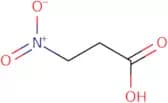
CAS:<p>Ethyl 2-(2-amino-4-thiazolyl)-2-(hydroxyimino)acetate is a phosphomolybdate antibiotic that is used in the treatment of respiratory tract infections. It binds to the bacterial enzyme, phosphomolybdate oxidase, and inhibits the formation of acid in the body. The reaction solution is recycled and activated with an acid catalyst to increase the yield of acetonitrile. The ion-pair formed by ethyl 2-(2-amino-4-thiazolyl)-2-(hydroxyimino)acetate and sodium carbonate is nucleophilic and reacts with nitrous to produce acetonitrile as a side product.</p>Formula:C7H9N3O3SPurity:Min. 95%Molecular weight:215.23 g/mol3-Nitropropionic acid
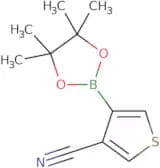
CAS:<p>3-Nitropropionic acid (3NPA) is a mitochondrial toxin that causes neuronal death by inhibiting complex enzyme activities and inducing reactive oxygen species production. 3NPA also alters mitochondrial membrane potential and induces pro-apoptotic protein expression, leading to neuronal cell death. 3NPA has been shown to be effective in the treatment of experimental models of infectious diseases, such as rat sepsis and human HIV infection, by reducing the number of activated T cells and CD4+ T cells. 3NPA also exhibits anti-inflammatory properties by inhibiting the inflammatory responses of monocytes/macrophages and neutrophils.</p>Formula:C3H5NO4Purity:Min. 95%Color and Shape:PowderMolecular weight:119.08 g/mol3-Cyanothiophene-4-boronic acid pinacol ester
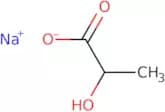
CAS:<p>Please enquire for more information about 3-Cyanothiophene-4-boronic acid pinacol ester including the price, delivery time and more detailed product information at the technical inquiry form on this page</p>Formula:C11H14BNO2SPurity:Min. 95%Molecular weight:235.11 g/molDL-Lactic acid sodium salt, 60% w/w syrup
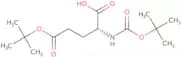
CAS:<p>Lactic acid is a natural product that has been used for many years as an antimicrobial agent in wastewater treatment. It is also used in the food industry to prevent the growth of bacteria and fungi, and as a preservative. Lactic acid has been shown to have a physiological effect on locomotor activity, which may be due to its ability to convert pyruvate into lactate. Lactic acid also inhibits the growth of some bacterial strains by increasing the disulfide bond formation between two cysteine residues. The sodium salt form of lactic acid is more soluble than the acid form and can be used as an experimental model for studying sodium-lactate interactions. Sodium lactate is used in maternal blood transfusions to increase blood pH levels during labor, and is also added to water vapor for humidification purposes.</p>Formula:C3H5O3NaColor and Shape:Colorless Clear LiquidMolecular weight:112.06 g/molBoc-D-glutamic acid-gamma-tert-butyl ester
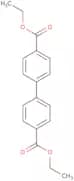
CAS:<p>Please enquire for more information about Boc-D-glutamic acid-gamma-tert-butyl ester including the price, delivery time and more detailed product information at the technical inquiry form on this page</p>Formula:C14H25NO6Purity:Min. 95%Molecular weight:303.35 g/molDiethyl 4,4'-Biphenyldicarboxylate
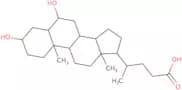
CAS:<p>Diethyl 4,4'-biphenyldicarboxylate is an organic compound that has a chiral center, making it optically active. It is an ester of biphenyl and dicarboxylic acid with the chemical formula CH2=C(CH3)2. The compound has been shown to be a model for other aromatic compounds with similar structures such as phenyl benzoate, which can also form crystals. Diethyl 4,4'-biphenyldicarboxylate is also a mesogen, which means it has liquid crystalline properties and can form thin films. The molecule's conformations are centrosymmetric and its crystal structure is spacer-type centrosymmetric.</p>Formula:C18H18O4Purity:Min. 95%Molecular weight:298.33 g/molMurideoxycholic acid
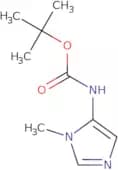
CAS:Controlled Product<p>Murideoxycholic acid is a bile acid that is used in combination with other antibiotics to treat infections caused by bacteria. Murideoxycholic acid inhibits the bacterial transport of bile acids, which are important for the digestion of fats and proteins. Murideoxycholic acid binds to the cytochrome P450 enzyme in humans and rats, inhibiting its activity. This binding prevents the production of bile acids from cholesterol in the liver, which prevents their normal excretion into the intestine and leads to an increased risk for gallstones. Murideoxycholic acid also has been shown to inhibit human CYP3A4 enzyme activity. The hydroxyl group on this molecule reacts with ferrous ions to produce hydroxyl radicals, which can lead to oxidative stress and lipid peroxidation.</p>Formula:C24H40O4Purity:Min. 95%Molecular weight:392.57 g/moltert-Butyl (1-methyl-1H-imidazol-5-yl)carbamate
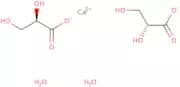
CAS:<p>Please enquire for more information about tert-Butyl (1-methyl-1H-imidazol-5-yl)carbamate including the price, delivery time and more detailed product information at the technical inquiry form on this page</p>Formula:C9H15N3O2Purity:Min. 95%Molecular weight:197.23 g/molD-Glyceric acid calcium dihydrate
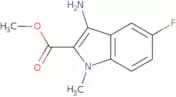
CAS:Please enquire for more information about D-Glyceric acid calcium dihydrate including the price, delivery time and more detailed product information at the technical inquiry form on this pageFormula:C3H6O4•Ca0•H2OPurity:Min. 95%Molecular weight:288.26 g/molMethyl 3-amino-5-fluoro-1-methyl-1H-indole-2-carboxylate
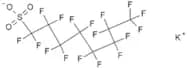
CAS:Controlled Product<p>Please enquire for more information about Methyl 3-amino-5-fluoro-1-methyl-1H-indole-2-carboxylate including the price, delivery time and more detailed product information at the technical inquiry form on this page</p>Formula:C11H11FN2O2Purity:Min. 95%Molecular weight:222.22 g/molHeptadecafluorooctanesulfonic acid potassium
CAS:<p>Please enquire for more information about Heptadecafluorooctanesulfonic acid potassium including the price, delivery time and more detailed product information at the technical inquiry form on this page</p>Formula:C8HF17O3S•KPurity:Min. 95%Color and Shape:PowderMolecular weight:539.23 g/mol4-(Trifluoromethoxy)phenylboronic Acid (contains varying amounts of Anhydride)
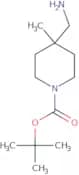
CAS:<p>4-(Trifluoromethoxy)phenylboronic acid is a boron-containing compound that has been shown to be a potent inhibitor of the histone deacetylase (HDAC) enzyme. It also has surfactant properties and can be used as a photochemical reagent. 4-(Trifluoromethoxy)phenylboronic acid is orally bioavailable and may have therapeutic potential for neurodegenerative diseases, such as Alzheimer's disease, Parkinson's disease, and Huntington's disease. It also has the ability to inhibit cancer cell growth by inhibiting HDAC activity. This drug has been found to cross-couple with organosilicon compounds in order to form new compounds with potent inhibitory activity against HDAC enzymes.</p>Formula:C7H6BF3O3Purity:Min. 95%Molecular weight:205.93 g/moltert-Butyl 4-(aminomethyl)-4-methylpiperidine-1-carboxylate
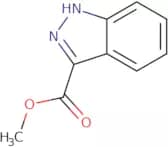
CAS:<p>Please enquire for more information about tert-Butyl 4-(aminomethyl)-4-methylpiperidine-1-carboxylate including the price, delivery time and more detailed product information at the technical inquiry form on this page</p>Formula:C12H24N2O2Purity:Min. 95%Molecular weight:228.33 g/molMethyl 1H-indazole-3-carboxylate
CAS:Controlled Product<p>Methyl 1H-indazole-3-carboxylate is a synthetic cannabinoid that is structurally related to the natural cannabinoid, anandamide. It has been shown to be a potent activator of the CB2 receptor and to inhibit spontaneous activity in mice. Methyl 1H-indazole-3-carboxylate also binds to CB1 receptors and has potential use as a cancer therapy due to its ability to induce apoptosis. This compound is illegal in many countries, including the United States and Canada, where it is classified as a Schedule I drug.</p>Formula:C9H8N2O2Purity:Min. 95%Molecular weight:176.17 g/mol(2S,3S,5S)-5-[(N-Formyl-L-leucyl)oxy]-2-hexyl-3-hydroxyhexadecanoic acid
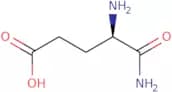
CAS:<p>Please enquire for more information about (2S,3S,5S)-5-[(N-Formyl-L-leucyl)oxy]-2-hexyl-3-hydroxyhexadecanoic acid including the price, delivery time and more detailed product information at the technical inquiry form on this page</p>Formula:C29H55NO6Purity:Min. 95%Molecular weight:513.75 g/molD-Glutamic acid α-amide
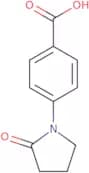
CAS:D-Glutamic acid alpha-amide is a carbohydrate that has been shown to have antibiotic properties. It can be produced by chemoenzymatic synthesis and is used as an animal feed additive. D-Glutamic acid alpha-amide is a conjugate of D-glutamic acid with either glycine or beta-alanine. The residue of this compound on red blood cells is measured in order to assess the amount of D-glutamic acid alpha-amide that has been ingested. This compound has also been shown to have antigenic properties, which can elicit immune responses when injected into animals. The meningococcal vaccine that contains D-glutamic acid alpha-amide was found to be effective at stimulating an immune response in mice against meningitis caused by gram negative species, such as Neisseria meningitidis.Formula:C5H10N2O3Purity:Min. 95%Color and Shape:PowderMolecular weight:146.14 g/mol4-(2-Oxopyrrolidin-1-yl)benzoic acid
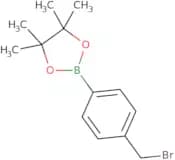
CAS:<p>4-(2-Oxopyrrolidin-1-yl)benzoic acid (4-OPBA) is a hydrogen bonding inhibitor that is used to study the interactions of cavity proteins. It has shown to interact with glutathione and prostaglandin D2, which are important for hematopoietic and inflammatory responses. 4-OPBA has been observed to bind with a water molecule in the cavity, which may explain its affinity for these molecular targets. The crystal structure of 4-OPBA shows that it forms an interaction with two water molecules and one other molecule in the cavity. This may be due to its ability to form hydrogen bonds with both water molecules as well as the molecule in the cavity.</p>Formula:C11H11NO3Purity:Min. 95%Molecular weight:205.21 g/mol4-(Bromomethyl)benzeneboronic acid pinacol ester
CAS:<p>4-(Bromomethyl)benzeneboronic acid pinacol ester (BBBA) is a hypochlorous acid derivative with a structural formula of C6H5BrOCH2. It is used as a fluorophore and has been shown to have anticancer activity. 4-Bromomethylbenzeneboronic acid pinacol ester reacts with hydrophobic molecules in the cell membrane, leading to disruption of the membrane and ultimately cell death. This compound can be used as an active oxygen source in biological assays, such as functional assays, because it generates reactive oxygen species and can act as a fluorescence probe for detection of biological samples.</p>Formula:C13H18BBrO2Purity:Min. 95 Area-%Color and Shape:White PowderMolecular weight:297 g/moltert-Butyl 4-(2-oxo-2,4-dihydro-1H-benzo[d][1,3]oxazin-1-yl)piperidine-1-carboxylate
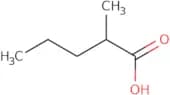
CAS:Controlled Product<p>Please enquire for more information about tert-Butyl 4-(2-oxo-2,4-dihydro-1H-benzo[d][1,3]oxazin-1-yl)piperidine-1-carboxylate including the price, delivery time and more detailed product information at the technical inquiry form on this page</p>Purity:Min. 95%2-Methyl pentanoic acid
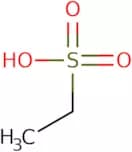
CAS:<p>2-Methyl pentanoic acid is a coordination complex that is synthesized by the condensation of propionyl chloride and 2-methylpentanoyl chloride. It has been shown to have anticancer activity against human cervical cancer cells, inhibiting the growth of cells in culture. The mechanism of action may be due to its ability to inhibit the production of mitochondrial proteins, leading to cell death. 2-Methyl pentanoic acid also has a strong affinity for fatty acids and can be used as an inhibitor of fatty acid synthase, which is an enzyme that catalyzes the synthesis of long chain fatty acids in mitochondria. 2-Methyl pentanoic acid can also be used as a treatment for seizures caused by divalproex sodium and isovaleric acid. It inhibits the production of 3-hydroxyisovaleric acid, which is responsible for these seizures, through competitive inhibition with valine at the 3 position on the enzyme's active site.</p>Formula:C6H12O2Purity:Min. 95%Color and Shape:Clear LiquidMolecular weight:116.16 g/molEthanesulfonic acid, 70% aqueous solution
CAS:<p>Ethanesulfonic acid solution - 70 wt. % in H2O is a monosodium salt that is used as an enzymatic reagent for the determination of bacteria and fungi, as well as for the detection of infectious diseases. It has been shown to be effective against microdialysis probes with a high degree of sensitivity and specificity. Ethanesulfonic acid solution - 70 wt. % in H2O has been shown to have significant physiological effects on various regions of the body, including bowel disease, polymerase chain reaction (PCR), glycol ethers, antimicrobial agents, and radiation. Ethanesulfonic acid solution - 70 wt. % in H2O also inhibits the growth of bacteria by acting as a coumarin derivative that reacts with nucleotides to form dinucleotide phosphate, which blocks DNA synthesis and transcription from RNA templates.</p>Formula:C2H6O3SPurity:(Titration) 68.0 To 72.0%Color and Shape:Clear LiquidMolecular weight:110.13 g/mol2-Methyl butyric acid
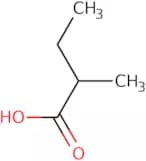
CAS:<p>2-Methyl butyric acid is a fatty acid that is produced by the fungus Monascus purpureus. 2-Methyl butyric acid has been shown to inhibit the activity of a number of enzymes in gland cells, including proteases, lipases, and amylases. This effect may be due to its ability to inhibit lipid peroxidation. Further research into the metabolic profiles of 2-methyl butyric acid has shown that it inhibits the activity of enzymes involved in fatty acid synthesis and metabolism, such as tiglic acid synthase and ketoacyl CoA reductase. It also shows some potential as a solid catalyst for kinetic studies.</p>Formula:C5H10O2Purity:Min. 95%Color and Shape:Clear LiquidMolecular weight:102.13 g/mol1-tert-Butyl 3-methyl 1H-indole-1,3-dicarboxylate
CAS:Controlled ProductPlease enquire for more information about 1-tert-Butyl 3-methyl 1H-indole-1,3-dicarboxylate including the price, delivery time and more detailed product information at the technical inquiry form on this pageFormula:C15H17NO4Purity:Min. 95%Molecular weight:275.3 g/molH-Lys-Phe-Lys-OH acetate salt
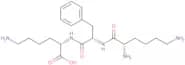
CAS:<p>H-Lys-Phe-Lys-OH acetate salt is a dinucleotide that contains two molecules of the amino acids lysine and phenylalanine. The H-Lys-Phe-Lys-OH acetate salt interacts with the monoclonal antibody, which then binds to the tumor cells. This interaction can be measured by an oscilloscope and is used for molecular imaging. The constant value is determined by optimizing the concentration of tripeptides and tetrapeptides in order to produce a fluorescent signal from the fatty acids. The glycosidic bond between the H-Lys-Phe-Lys molecule and its acetate salt allows for fluorescence, which can be measured by a monoclonal antibody.</p>Formula:C21H35N5O4Purity:Min. 95%Molecular weight:421.53 g/mol(1S,3S)-Methyl 3-aminocyclobutane carboxylate hydrochloride
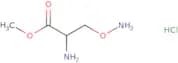
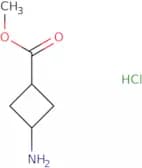
CAS:<p>Please enquire for more information about (1S,3S)-Methyl 3-aminocyclobutane carboxylate hydrochloride including the price, delivery time and more detailed product information at the technical inquiry form on this page</p>Formula:C6H12ClNO2Purity:Min. 95%Molecular weight:165.62 g/molMethyl 4-hydroxy-1-benzofuran-6-carboxylate
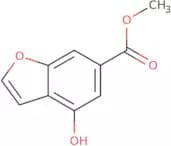
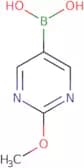
CAS:<p>Please enquire for more information about Methyl 4-hydroxy-1-benzofuran-6-carboxylate including the price, delivery time and more detailed product information at the technical inquiry form on this page</p>Formula:C10H8O4Purity:Min. 95%Molecular weight:192.17 g/mol2-Methoxypyrimidine-5-boronic acid
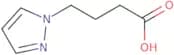
CAS:<p>Please enquire for more information about 2-Methoxypyrimidine-5-boronic acid including the price, delivery time and more detailed product information at the technical inquiry form on this page</p>Formula:C5H7BN2O3Purity:Min. 95%Molecular weight:153.93 g/mol4-(1H-Pyrazol-1-yl)butanoic acid
CAS:<p>Please enquire for more information about 4-(1H-Pyrazol-1-yl)butanoic acid including the price, delivery time and more detailed product information at the technical inquiry form on this page</p>Formula:C7H10N2O2Purity:Min. 95%Molecular weight:154.17 g/molMethyl3-iodothiophene-2-carboxylate
CAS:<p>Methyl3-iodothiophene-2-carboxylate is a chemical compound that is involved in the biosynthesis of eicosanoids. It can be synthesized by the cyclization of the corresponding lactam to produce an intermediate, which is then converted to methyl3-iodothiophene-2-carboxylate by hydrolysis or reduction. This compound has been shown to inhibit malaria parasites such as Plasmodium falciparum and Plasmodium vivax. Methyl3-iodothiophene-2-carboxylate also inhibits the growth of bacteria such as Staphylococcus aureus and Bacillus subtilis. The mechanism of action is believed to be due to its ability to inhibit protein synthesis by binding with ribosomes in prokaryotic cells.END></p>Formula:C6H5IO2SPurity:Min. 95%Molecular weight:268.07 g/molMethyl 4,5-dimethoxy-1-methyl-1H-indole-2-carboxylate
CAS:Controlled Product<p>Please enquire for more information about Methyl 4,5-dimethoxy-1-methyl-1H-indole-2-carboxylate including the price, delivery time and more detailed product information at the technical inquiry form on this page</p>Formula:C13H15NO4Purity:Min. 95%Molecular weight:249.26 g/mol1-(Benzyloxy)-6-oxo-1,6-dihydropyridine-2-carboxylic acid
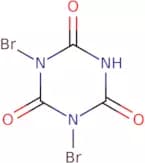
CAS:<p>Please enquire for more information about 1-(Benzyloxy)-6-oxo-1,6-dihydropyridine-2-carboxylic acid including the price, delivery time and more detailed product information at the technical inquiry form on this page</p>Formula:C13H11NO4Purity:Min. 95%Color and Shape:PowderMolecular weight:245.23 g/molDibromoisocyanuric acid
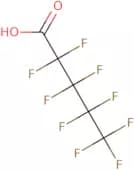
CAS:<p>Dibromoisocyanuric Acid is an intermediate in the metabolism of fatty acids. It has been shown to inhibit fatty acid synthesis by inhibiting the transfer reactions of fatty acids from their acyl coenzyme A ester to carnitine, which is necessary for transport across the mitochondrial membrane. Dibromoisocyanuric Acid also inhibits monoclonal antibody production by monocytes and macrophages. Dibromoisocyanuric Acid may be used as a tumor suppressor in mice with tumors because it reduces gamma-aminobutyric acid levels, leading to increased locomotor activity and decreased body mass index.</p>Formula:C3HBr2N3O3Purity:Min. 95%Color and Shape:PowderMolecular weight:286.87 g/molNonafluorovaleric acid
CAS:<p>Nonafluorovaleric acid is a glycol ether that is used as a solvent and in the manufacture of fluoropolymers. Nonafluorovaleric acid is considered to be a potential biomarker for perfluoroalkyl substances, which are toxic chemicals found in many household products. It has been shown to inhibit matrix metalloproteinase activity and can be used to study autoimmune diseases. Nonafluorovaleric acid can also be used as a synchronous fluorescent probe for enzyme-linked immunosorbent assays. The toxicity of this chemical has been studied extensively and it is well known that nonafluorovaleric acid can induce enzyme induction, leading to increased production of enzymes such as cytochrome P450.</p>Formula:C5HF9O2Purity:Min. 95%Color and Shape:Clear LiquidMolecular weight:264.05 g/mol4-Piperazinylphenylboronic acid, pinacol ester
CAS:<p>Please enquire for more information about 4-Piperazinylphenylboronic acid, pinacol ester including the price, delivery time and more detailed product information at the technical inquiry form on this page</p>Formula:C16H25BN2O2Purity:Min. 95%Color and Shape:PowderMolecular weight:288.19 g/mol5-[(3,5-Dimethyl-1H-pyrazol-1-yl)methyl]-2-furoic acid
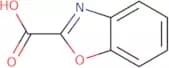
CAS:<p>Please enquire for more information about 5-[(3,5-Dimethyl-1H-pyrazol-1-yl)methyl]-2-furoic acid including the price, delivery time and more detailed product information at the technical inquiry form on this page</p>Formula:C11H12N2O3Purity:Min. 95%Molecular weight:220.22 g/molcBenzooxazole-2-carboxylic acid
CAS:<p>Benzooxazole-2-carboxylic acid is a chemical compound that has been studied for its potential in the treatment of cancer. It has been shown to bind to estrogen receptors and inhibit the growth of cancer cells. This anti-cancer agent also inhibits the growth of bacteria by binding to metal ions, such as chloride, which are needed for bacterial growth. Benzooxazole-2-carboxylic acid is excreted via urine, which can lead to kidney damage if taken in high doses.</p>Formula:C8H5NO3Purity:Min. 95%Molecular weight:163.13 g/mol1-Trifluoromethylcyclopropane-1-carboxylic acid
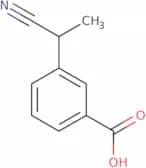
CAS:<p>1-Trifluoromethylcyclopropane-1-carboxylic acid is a ketone that is used in research in organic chemistry for the preparation of imidazole. It can be prepared by the transformation of ethyl 2-(trifluoromethyl)acrylate, and is also obtained from 1,4-dichloroacetone. 1-Trifluoromethylcyclopropane carboxylic acid has been shown to have some medicinal properties. It has been used in research on cancer cells and as an anti-inflammatory agent. The compound has a steric effect on the body and can be used as a weight loss drug, with one kilogram of 1-Trifluoromethylcyclopropane carboxylic acid being equivalent to 3 kilograms of weight loss.</p>Formula:C5H5F3O2Purity:Min. 95%Color and Shape:PowderMolecular weight:154.09 g/mol3-Cyanoethylbenzoic acid
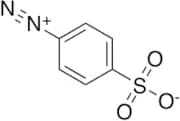
CAS:<p>3-Cyanoethylbenzoic acid is an anthropogenic compound that is produced by the Friedel-Crafts reaction between benzoyl chloride and acrylonitrile in the presence of a base. 3-Cyanoethylbenzoic acid is used as a solvent for chromatographic methods, such as gradient elution, ion exchange, and reversed phase. 3-Cyanoethylbenzoic acid has been used to determine the optical purity of benzoate salts and amides. This compound can be taken orally in solid oral dosage form or enterically in liquid oral dosage form. 3-Cyanoethylbenzoic acid interacts with other drugs that are metabolized by CYP3A4, such as erythromycin, to produce an active metabolite (N-desmethyldesipramide).</p>Formula:C10H9NO2Purity:Min. 95%Color and Shape:PowderMolecular weight:175.18 g/mol4-Diazobenzenesulfonic Acid
CAS:<p>Applications 4-Diazobenzenesulfonic acid (cas# 305-80-6) is a useful research chemical.<br></p>Formula:C6H4N2O3SMolecular weight:184.17Sarafotoxin C trifluoroacetate salt
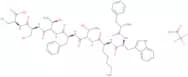
CAS:Sarafotoxin C is a peptide from the venom of the spider Phoneutria nigriventer that has been shown to have potent inhibitory properties on endothelin-1. Sarafotoxin C is able to block intracellular Ca2+ levels and signal pathways, leading to decreased levels of endothelin-1 as well as other inflammatory mediators. Sarafotoxin C has also been shown to have an anti-inflammatory effect in bowel disease, which may be due to its ability to inhibit the production of cytokines and prostaglandins. The biological properties of sarafotoxin C are related to its inhibition of polymerase chain reaction (PCR) amplification of DNA. This inhibition is due to the binding of sarafotoxin C with endothelin receptors on DNA, which prevents DNA polymerase from attaching. Endothelin-a receptor activity can also be inhibited by sarafotoxin C through enzymatic inactivation. SarafotFormula:C103H147N27O37S5Purity:Min. 95%Molecular weight:2,515.76 g/molSomatostatin-14 (7-14) trifluoroacetate salt
CAS:<p>Please enquire for more information about Somatostatin-14 (7-14) trifluoroacetate salt including the price, delivery time and more detailed product information at the technical inquiry form on this page</p>Formula:C49H66N10O12SPurity:Min. 95%Molecular weight:1,019.17 g/mol4-Abz-Gly-Pro-D-Leu-D-Ala-NHOH trifluoroacetate salt
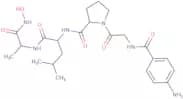
CAS:<p>4-Abz-Gly-Pro-D-Leu-D-Ala-NHOH trifluoroacetate salt is a synthetic, hydroxamic acid that inhibits the activity of collagenase, gelatinase and stromelysin. It also has inhibitory activities against metalloproteinases, such as matrix metalloproteinases and serine proteinases. 4-Abz-Gly-Pro-D-Leu-D-Ala-NHOH trifluoroacetate salt has been shown to inhibit the production of proinflammatory cytokines in human skin fibroblasts. This agent also induces the production of granulocytes in vitro.</p>Formula:C23H34N6O6Purity:Min. 95%Molecular weight:490.55 g/molH-Lys-Leu-Lys-OH triacetate salt
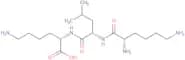
CAS:Please enquire for more information about H-Lys-Leu-Lys-OH triacetate salt including the price, delivery time and more detailed product information at the technical inquiry form on this pageFormula:C18H37N5O4•3C2H4O2Purity:Min. 95%Molecular weight:567.67 g/mol(D-Lys6)-LHRH trifluoroacetate salt
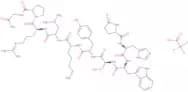
CAS:<p>Please enquire for more information about (D-Lys6)-LHRH trifluoroacetate salt including the price, delivery time and more detailed product information at the technical inquiry form on this page</p>Formula:C59H84N18O13·xC2HF3O2Purity:Min. 95%Color and Shape:White To Off-White SolidMolecular weight:1,253.41 g/molMyelin Oligodendrocyte Glycoprotein (35-55) (human) trifluoroacetate salt
CAS:<p>Please enquire for more information about Myelin Oligodendrocyte Glycoprotein (35-55) (human) trifluoroacetate salt including the price, delivery time and more detailed product information at the technical inquiry form on this page</p>Formula:C120H179N35O28SPurity:Min. 95%Molecular weight:2,591.99 g/mol(D-Tyr6,betaPhe11,Phe13, Nle 14)-Bombesin (6-14) (free acid) trifluoroacetate salt
CAS:<p>Please enquire for more information about (D-Tyr6,betaPhe11,Phe13, Nle 14)-Bombesin (6-14) (free acid) trifluoroacetate salt including the price, delivery time and more detailed product information at the technical inquiry form on this page</p>Formula:C63H79N13O12Purity:Min. 95%Molecular weight:1,210.38 g/molN-(tert-Butyloxycarbonyl)-8-amino-3,6-dioxaoctanoic acid
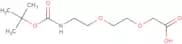
CAS:<p>N-(tert-Butyloxycarbonyl)-8-amino-3,6-dioxaoctanoic acid is a potential drug for hypercholesterolemia. It has been shown to lower LDL cholesterol and triglycerides levels in monkeys. The compound is orally bioavailable and can be taken orally. This drug also has the potential to be developed as a PCSK9 (proprotein convertase subtilisin/kexin type 9) inhibitor.</p>Formula:C11H21NO6Purity:Min. 95%Color and Shape:Clear LiquidMolecular weight:263.29 g/molH-Lys-Lys-Lys-Trp-Lys-Lys-Lys-OH acetate salt
CAS:Controlled Product<p>Please enquire for more information about H-Lys-Lys-Lys-Trp-Lys-Lys-Lys-OH acetate salt including the price, delivery time and more detailed product information at the technical inquiry form on this page</p>Formula:C47H84N18O8Purity:Min. 95%Molecular weight:1,029.29 g/molKisspeptin-54 (27-54) (human) trifluoroacetate salt
CAS:<p>Please enquire for more information about Kisspeptin-54 (27-54) (human) trifluoroacetate salt including the price, delivery time and more detailed product information at the technical inquiry form on this page</p>Formula:C149H226N42O39Purity:Min. 95%Molecular weight:3,229.65 g/molPAR-2 (1-6) (human) trifluoroacetate salt
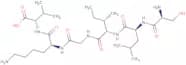
CAS:<p>PAR-2 is a cytosolic protein that is activated by calcium. PAR-2 activation induces the synthesis of prostaglandins and other inflammatory mediators, which stimulate the release of substances from cells such as cytokines and chemokines. PAR-2 also has an important role in cell proliferation, differentiation, apoptosis, and cancer development. PAR-2 activation is induced by proteases such as trypsin or soybean trypsin inhibitor. The trifluoroacetate salt form of PAR-2 (1-6) has been used to inhibit protease activity in colon cancer cells and prostate cancer cells.<br>PAR-2 (1-6) (human) trifluoroacetate salt H-Ser-Leu-Ile-Gly-Lys-Val-OH trifluoroacetate salt is a potent chemical inhibitor of trypsin activity with IC50 values of 0.5 µM for soybean trypsin inhibitor</p>Formula:C28H53N7O8Purity:Min. 95%Molecular weight:615.76 g/molTyr-Lys-Gly-(Cyclo(Glu26-Lys29),Pro34)-Neuropeptide Y (25-36) trifluoroacetate salt
CAS:<p>Please enquire for more information about Tyr-Lys-Gly-(Cyclo(Glu26-Lys29),Pro34)-Neuropeptide Y (25-36) trifluoroacetate salt including the price, delivery time and more detailed product information at the technical inquiry form on this page</p>Formula:C91H145N27O20Purity:Min. 95%Molecular weight:1,937.29 g/molNociceptin trifluoroacetate salt
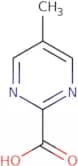
CAS:<p>Nociceptin trifluoroacetate salt is an opioid with low potency that is used in the treatment of pain. It has been shown to bind to the protein and inhibit protease, which has been proposed as a possible mechanism for its analgesic effects. Nociceptin trifluoroacetate salt may also have indirect effects on brain functions by regulating levels of nociceptin, a neuropeptide that interacts with nociceptive neurons in the brain. This drug has been shown to have nootropic effects in mice, including increased locomotor activity and improved memory retention. Nociceptin trifluoroacetate salt inhibits kappa-opioid receptors and is therefore used as a pharmacological tool for research into opioid receptor function.</p>Formula:C79H129N27O22Purity:Min. 95%Molecular weight:1,809.04 g/mol5-Methylpyrimidine-2-carboxylic acid
CAS:<p>Please enquire for more information about 5-Methylpyrimidine-2-carboxylic acid including the price, delivery time and more detailed product information at the technical inquiry form on this page</p>Formula:C6H6N2O2Purity:Min. 95%Molecular weight:138.12 g/mol(Pyr 1)-Opiorphin trifluoroacetate salt
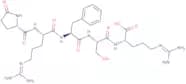
CAS:<p>Please enquire for more information about (Pyr 1)-Opiorphin trifluoroacetate salt including the price, delivery time and more detailed product information at the technical inquiry form on this page</p>Formula:C29H45N11O8Purity:Min. 95%Molecular weight:675.74 g/mol5-Ethylpyridine-2-carboxylic acid
CAS:<p>5-Ethylpyridine-2-carboxylic acid is a biologically active compound that is biosynthesized from the amino acid tryptophan. This compound is also known as 5-ethylpicolinic acid or 5-ethylpyridin-2-yl carboxylic acid. It is a phytoalexin, which is an antimicrobial agent produced by plants to inhibit pathogen growth. 5-Ethylpyridine-2-carboxylic acid has been shown to be effective against picolinic acid phosphoribosyltransferase and flavopereirine reductase in vitro, and has also been shown to have antimicrobial properties against Escherichia coli, Staphylococcus aureus, and Bacillus cereus. 5-Ethylpyridine-2-carboxylic acid can be prepared by reacting ethyl acetoacetate with pyridine</p>Formula:C8H9NO2Purity:Min. 95%Color and Shape:Off-White PowderMolecular weight:151.16 g/molUrocortin (human) trifluoroacetate salt
CAS:<p>Trifluoroacetate salt</p>Formula:C204H337N63O64Purity:Min. 95%Molecular weight:4,696.24 g/molHexanoyl-(Ala19,Lys27·28)-VIP (free acid) trifluoroacetate salt
<p>Please enquire for more information about Hexanoyl-(Ala19,Lys27·28)-VIP (free acid) trifluoroacetate salt including the price, delivery time and more detailed product information at the technical inquiry form on this page</p>Formula:C153H250N44O43SPurity:Min. 95%Molecular weight:3,425.96 g/mol3-Acetylphenylboronic acid, pinacol ester
CAS:<p>Please enquire for more information about 3-Acetylphenylboronic acid, pinacol ester including the price, delivery time and more detailed product information at the technical inquiry form on this page</p>Formula:C14H19BO3Purity:Min. 95%Molecular weight:246.11 g/molTRAF6 Peptide trifluoroacetate salt
CAS:<p>Please enquire for more information about TRAF6 Peptide trifluoroacetate salt including the price, delivery time and more detailed product information at the technical inquiry form on this page</p>Formula:C145H238N34O44Purity:Min. 95%Molecular weight:3,161.64 g/molBeta-Casomorphin (1-4) (bovine) acetate salt
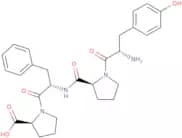
CAS:<p>Beta-Casomorphin (1-4) is a tetrapeptide that is derived from the amino acid sequence of bovine beta-casein. It inhibits the binding of opioid receptors and has been shown to have an inhibitory effect on muscle activity. Beta-Casomorphin (1-4) has also been shown to have a stabilizing effect on the genotype, which may be due to its ability to bind to DNA. Beta-Casomorphin (1-4) is detectable in urine and can be used as a marker for assessing the effectiveness of treatments in infants with Colic.</p>Formula:C28H34N4O6Purity:Min. 95%Molecular weight:522.59 g/molSuc-Arg-Pro-Phe-His-Leu-Leu-Val-Tyr-AMC trifluoroacetate salt
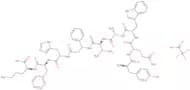
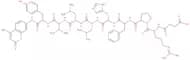
CAS:Please enquire for more information about Suc-Arg-Pro-Phe-His-Leu-Leu-Val-Tyr-AMC trifluoroacetate salt including the price, delivery time and more detailed product information at the technical inquiry form on this pageFormula:C66H88N14O14Purity:Min. 95%Molecular weight:1,301.49 g/molH-Trp-Lys-Tyr-Met-Val-D-Met-NH2 trifluoroacetate salt
CAS:<p>Please enquire for more information about H-Trp-Lys-Tyr-Met-Val-D-Met-NH2 trifluoroacetate salt including the price, delivery time and more detailed product information at the technical inquiry form on this page</p>Formula:C41H61N9O7S2·C2HF3O2Purity:Min. 95%Molecular weight:970.13 g/molPAR-4 (1-6) (human) trifluoroacetate salt
CAS:<p>Please enquire for more information about PAR-4 (1-6) (human) trifluoroacetate salt including the price, delivery time and more detailed product information at the technical inquiry form on this page</p>Formula:C28H41N7O9Purity:Min. 95%Molecular weight:619.67 g/moltrans-4-[(2,5-Dihydro-2,5-dioxo-1H-pyrrol-1-yl)methyl]cyclohexanecarboxylic acid
CAS:<p>4-Maleimidomethylcyclohexanecaroboxylic acid (4MAMC) is a bifunctional molecule that is conjugated to a polymer, which has the ability to bind with cellular antigens and target tissue. It is used in clinical chemistry because it can be detected at low concentrations. 4MAMC has been shown to reduce cirrhosis caused by chronic liver injury. 4MAMC also increases the uptake of coagulation factors and decreases the expression of prothrombin, which leads to an increase in clotting time. The localization of 4MAMC is determined by the type of polymer conjugate it is bound with; for example, when it binds with human serum albumin, it localizes on the surface of cells.</p>Formula:C12H15NO4Purity:Min. 95%Color and Shape:White PowderMolecular weight:237.25 g/molH-Arg-Ser-OH acetate salt
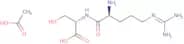
CAS:Controlled Product<p>Please enquire for more information about H-Arg-Ser-OH acetate salt including the price, delivery time and more detailed product information at the technical inquiry form on this page</p>Formula:C9H19N5O4Purity:Min. 95%Molecular weight:261.28 g/molPAR-4 (1-6) amide (mouse) trifluoroacetate salt
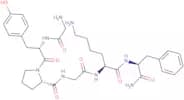
CAS:<p>PAR-4 (1-6) amide (mouse) trifluoroacetate salt H-Gly-Tyr-Pro-Gly-Lys-Phe-NH2 trifluoroacetate salt is a guanine nucleotide binding protein that belongs to the PAR family of proteins. It is expressed in wild type mice and binds to the cytosolic calcium, which regulates polymerase chain reaction. PAR-4 (1-6) amide (mouse) trifluoroacetate salt H-Gly-Tyr-Pro-Gly-Lys-Phe NH2 trifluoroacetate salt can be used as a potential drug target for epidermal growth factor. It has been shown to activate transcription polymerase chain and transcriptase polymerase chain during transcriptional regulation of messenger RNA.</p>Formula:C33H46N8O7Purity:Min. 95%Molecular weight:666.77 g/mol(D-Lys(nicotinoyl)1,b-(3-pyridyl)-Ala3,3,4-dichloro-D-Phe5,Asn6,D-Trp7·9, Nle 11)-Substance P trifluoroacetate salt
CAS:<p>Substance P is a tachykinin neuropeptide that belongs to the tachykinin family. It is found in the central and peripheral nervous system and has been shown to have an important role in locomotor activity, protein synthesis, receptor activity, and neurotransmitter release. Substance P is also associated with a number of diseases such as infectious diseases, sciatic nerve pain, and vasoactive intestinal peptide (VIP) production. This substance has been used for the diagnosis of neurogenic bladder dysfunction by measuring its effects on urinary bladder contractility.</p>Formula:C86H104Cl2N18O13Purity:Min. 95%Molecular weight:1,668.76 g/molACTH (1-39) (mouse, rat) trifluoroacetate salt
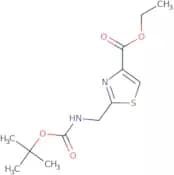
CAS:<p>Trifluoroacetate salt</p>Formula:C210H315N57O57SPurity:Min. 95%Molecular weight:4,582.16 g/molEthyl 2-((tert-butoxycarbonylamino)methyl)thiazole-4-carboxylate
CAS:Please enquire for more information about Ethyl 2-((tert-butoxycarbonylamino)methyl)thiazole-4-carboxylate including the price, delivery time and more detailed product information at the technical inquiry form on this pageFormula:C12H18N2O4SPurity:Min. 95%Molecular weight:286.35 g/mol
![4-(Methoxycarbonyl)bicyclo[2.1.1]hexane-1-carboxylic acid](/_next/image/?url=https%3A%2Fstatic.cymitquimica.com%2Fproducts%2F3D%2Fthumb-webp%2FFM76248.webp&w=3840&q=75)


![[2-(4-Chlorophenyl)-1,3-thiazol-4-yl]acetic acid](/_next/image/?url=https%3A%2Fstatic.cymitquimica.com%2Fproducts%2F3D%2Fthumb-webp%2FFC124498.webp&w=3840&q=75)



![1-[2-(5-Fluoro-1H-indol-3-yl)ethyl]-5-oxopyrrolidine-3-carboxylic acid](/_next/image/?url=https%3A%2Fstatic.cymitquimica.com%2Fproducts%2F3D%2Fthumb-webp%2FFF119448.webp&w=3840&q=75)
![4-Aminobicyclo[2.2.2]octane-1-carboxylic acid methyl ester](/_next/image/?url=https%3A%2Fstatic.cymitquimica.com%2Fproducts%2F3D%2Fthumb-webp%2FFA44258.webp&w=3840&q=75)


![tert-Butyl 2,7-diazaspiro[3.5]nonane-7-carboxylate](/_next/image/?url=https%3A%2Fstatic.cymitquimica.com%2Fproducts%2F3D%2Fthumb-webp%2FFT138842.webp&w=3840&q=75)
![1-[2-(5-Methoxy-1H-indol-3-yl)ethyl]-5-oxopyrrolidine-3-carboxylic acid](/_next/image/?url=https%3A%2Fstatic.cymitquimica.com%2Fproducts%2F3D%2Fthumb-webp%2FFM119445.webp&w=3840&q=75)
![3-[(Dimethylamino)methyl]benzoic acid hydrochloride](/_next/image/?url=https%3A%2Fstatic.cymitquimica.com%2Fproducts%2F3D%2Fthumb-webp%2FFD124093.webp&w=3840&q=75)


![(2S,3S,5S)-5-[(N-Formyl-L-leucyl)oxy]-2-hexyl-3-hydroxyhexadecanoic acid](/_next/image/?url=https%3A%2Fstatic.cymitquimica.com%2Fproducts%2F3D%2Fthumb-webp%2FFF23586.webp&w=3840&q=75)
![tert-Butyl 4-(2-oxo-2,4-dihydro-1H-benzo[d][1,3]oxazin-1-yl)piperidine-1-carboxylate](/_next/image/?url=https%3A%2Fstatic.cymitquimica.com%2Fproducts%2F3D%2Fthumb-webp%2FFB142189.webp&w=3840&q=75)




![5-[(3,5-Dimethyl-1H-pyrazol-1-yl)methyl]-2-furoic acid](/_next/image/?url=https%3A%2Fstatic.cymitquimica.com%2Fproducts%2F3D%2Fthumb-webp%2FFD115286.webp&w=3840&q=75)







![trans-4-[(2,5-Dihydro-2,5-dioxo-1H-pyrrol-1-yl)methyl]cyclohexanecarboxylic acid](/_next/image/?url=https%3A%2Fstatic.cymitquimica.com%2Fproducts%2F3D%2Fthumb-webp%2FFM54570.webp&w=3840&q=75)