Carboxylic Acids
Carboxylic acids are organic molecules characterized by having a carboxyl-type functional group (-COOH). These acids are fundamental in various chemical reactions, including esterification, amidation, and decarboxylation. Carboxylic acids are widely used in the production of pharmaceuticals, polymers, and agrochemicals. In this section, you can find a large number of carboxylic acids ready to be used. At CymitQuimica, we provide a broad range of high-quality carboxylic acids to support your research and industrial applications.
Found 12453 products of "Carboxylic Acids"
Sort by
Purity (%)
0
100
|
0
|
50
|
90
|
95
|
100
Dnp-Arg-Pro-Leu-Ala-Leu-Trp-Arg-Ser-OH trifluoroacetate salt
CAS:<p>Dnp-Arg-Pro-Leu-Ala-Leu-Trp-Arg-Ser-OH trifluoroacetate salt is a potent, competitive inhibitor of matrix metalloproteinase (MMP) 3 and MMP9. It binds to the catalytic zinc ion in the active site of these enzymes. Dnp-Arg-Pro-Leu-Ala-Leu-Trp-Arg-Ser-OH trifluoroacetate salt has been shown to inhibit tumor growth and promote neuronal death in vitro. This drug also blocks the release of matrix metalloproteins from cells, which are involved in extracellular processes such as cell migration and cell adhesion.</p>Formula:C52H77N17O14Purity:Min. 95%Molecular weight:1,164.27 g/molBiotinyl-(Des-Bromo)-Neuropeptide B (1-23) (human) trifluoroacetate salt
CAS:<p>Please enquire for more information about Biotinyl-(Des-Bromo)-Neuropeptide B (1-23) (human) trifluoroacetate salt including the price, delivery time and more detailed product information at the technical inquiry form on this page</p>Formula:C117H176N32O32SPurity:Min. 95%Molecular weight:2,574.91 g/mol2,2'-Biphenyldicarboxylic acid anhydride - 70%
CAS:<p>2,2'-Biphenyldicarboxylic acid anhydride is a diphenic anhydride that has a carboxylate group on one end and a phenyl group on the other. The nitrogen atoms in this molecule are part of the intramolecular hydrogen bonds that stabilize the molecule. 2,2'-Biphenyldicarboxylic acid anhydride is used in wastewater treatment as it reacts with amines to form ammonium salts. This process also releases hydrogen, which can be used for fuel cells or light emission. It is also used to produce other compounds such as malonic acid and phenylacetic acid.</p>Formula:C14H8O3Purity:(%) Min. 70%Color and Shape:Brown Beige PowderMolecular weight:224.21 g/mol3-Fluorophenyl boronic acid
CAS:<p>Please enquire for more information about 3-Fluorophenyl boronic acid including the price, delivery time and more detailed product information at the technical inquiry form on this page</p>Formula:C6H6BFO2Purity:Min. 95%Color and Shape:PowderMolecular weight:139.92 g/molAmyloid b-Protein (1-40) amide trifluoroacetate salt
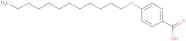
CAS:<p>Please enquire for more information about Amyloid b-Protein (1-40) amide trifluoroacetate salt including the price, delivery time and more detailed product information at the technical inquiry form on this page</p>Formula:C194H296N54O57SPurity:Min. 95%Molecular weight:4,328.82 g/mol4-(Dodecyloxy)benzoic Acid
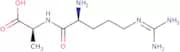
CAS:<p>4-(Dodecyloxy)benzoic acid is a white crystalline solid that can be synthesized from triazine, fatty acid, and 4-hydroxyphenylacetic acid. It has been found to be an efficient photosensitizer for the generation of singlet oxygen in organic systems. The photochemical properties of this compound have been studied using FT-IR spectroscopy and light emission and it has been found to emit in the near infrared region. 4-(Dodecyloxy)benzoic acid also has a mesomorphic phase, which can be seen as a change in its optical properties when heated or cooled. This chemical is hydrophobic with low solubility in water.</p>Purity:Min. 95%H-Arg-Ala-OH acetate salt
CAS:<p>H-Arg-Ala-OH acetate salt (HAA) is a histidine analogue that has been found to have physiological function as an endogenous substrate for serine protease. HAA acts as a competitive inhibitor of the serine protease enzyme by binding to the active site serine in the active site. The molecule is a disulfide bond and can be synthesized by the microorganism Corynebacterium glutamicum. This salt was extracted from yellowtail and found to inhibit corynebacterium glutamicum. X-ray absorption studies showed that the molecule contains a single amino acid, which is an analog of histidine.</p>Formula:C9H19N5O3Purity:Min. 95%Molecular weight:245.28 g/molLHRH II trifluoroacetate salt
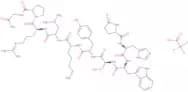
CAS:<p>LHRH II trifluoroacetate salt is a peptide hormone that is used to treat prostate cancer, breast cancer, and endometriosis. It binds to the ryanodine receptor in the cell membrane and induces the release of calcium from intracellular stores. LHRH II trifluoroacetate salt also promotes polymerase chain reactions which are important for DNA replication. This drug has been shown to increase epidermal growth factor (EGF) levels in carcinoma cell lines and has transcriptional regulatory activity in a model system. LHRH II trifluoroacetate salt can be used as an experimental model for clinical relevance because it can be used to study how hormones affect cellular processes such as transcriptional regulation.</p>Formula:C60H69N17O13Purity:Min. 95%Molecular weight:1,236.3 g/molMca-Gly-Ala-Lys-Arg-His-Arg-Lys-Val-NH2 trifluoroacetate salt
<p>Please enquire for more information about Mca-Gly-Ala-Lys-Arg-His-Arg-Lys-Val-NH2 trifluoroacetate salt including the price, delivery time and more detailed product information at the technical inquiry form on this page</p>Formula:C52H83N19O12Purity:Min. 95%Molecular weight:1,166.34 g/molBoc-Leu-Ser-Thr-Arg-AMC trifluoroacetate salt
CAS:<p>Boc-Leu-Ser-Thr-Arg-AMC trifluoroacetate salt is a synthetic substrate that is used in enzyme assays. The hydrolysis of the peptidyl ester bond by the enzyme results in release of AMC and an unstable intermediate, which reacts with AMC to form a stable fluorescent product. This product can be detected using various chromatographic techniques. Boc-Leu-Ser-Thr-Arg-AMC trifluoroacetate salt has been shown to be an effective anticoagulant for blood clotting and it is also used as a second order rate constant in the determination of coagulation factors.</p>Formula:C34H52N8O10Purity:Min. 95%Molecular weight:732.82 g/molBuccalin trifluoroacetate salt
CAS:<p>Buccalin is a cholinergic pharmaceutical drug that has been shown to have metabolic, growth factor, and chemotactic activities. It has been used in the treatment of various autoimmune diseases and infectious diseases. The mechanism of action for buccalin is unknown. Buccalin has been shown to have receptor activity in a variety of diagnostic agents such as monoclonal antibodies and fatty acids. It binds to acetylcholine receptors at the neuromuscular junction, leading to activation of muscle fibers by acetylcholine release from nerve endings.</p>Formula:C45H72N12O15SPurity:Min. 95%Molecular weight:1,053.19 g/molH-Cys-psi(CH2NH)Val-psi(CH2NH)Phe-Met-OH trifluoroacetate salt
CAS:<p>FTI-277 is a peptidomimetic compound that inhibits HIV-1 protease. FTI-277 is an orally active, potent, and selective inhibitor of HIV-1 protease. The drug has been shown to be effective in the treatment of HIV infection in various clinical trials. FTI-277 inhibited HIV replication in activated cells and disrupted virion production by binding to the target enzyme. FTI-277 also has potential for use as a diagnostic tool for detecting the presence of HIV in body fluids.</p>Formula:C22H38N4O3S2Purity:Min. 95%Molecular weight:470.69 g/mol3-Fluoro-2-nitrobenzoic acid
CAS:<p>3-Fluoro-2-nitrobenzoic acid is an anhydrous nitrating agent that reacts with 5-fluoro-2-nitrobenzoic acid to produce 3,5-difluoronitrobenzene. This reaction mixture is introduced into a reaction vessel and heated in the presence of sulfuric acid. 3-Fluoro-2-nitrobenzoic acid is used in the production of dyes and pharmaceuticals.</p>Formula:C7H4FNO4Purity:Min. 95%Color and Shape:PowderMolecular weight:185.11 g/molAc-Gly-Ala-Lys-AMC trifluoroacetate salt
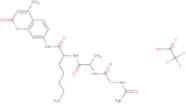
<p>Please enquire for more information about Ac-Gly-Ala-Lys-AMC trifluoroacetate salt including the price, delivery time and more detailed product information at the technical inquiry form on this page</p>Formula:C23H31N5O6Purity:Min. 95%Molecular weight:473.52 g/molFmoc-D-thiazolidine-4-carboxylic acid
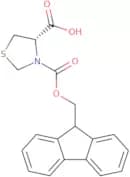
CAS:<p>Please enquire for more information about Fmoc-D-thiazolidine-4-carboxylic acid including the price, delivery time and more detailed product information at the technical inquiry form on this page</p>Formula:C19H17NO4SPurity:Min. 95%Molecular weight:355.41 g/molH-D-Ile-Phe-Lys-pNA trifluoroacetate salt
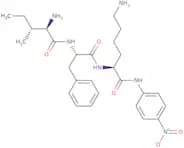
CAS:<p>Please enquire for more information about H-D-Ile-Phe-Lys-pNA trifluoroacetate salt including the price, delivery time and more detailed product information at the technical inquiry form on this page</p>Formula:C27H38N6O5Purity:Min. 95%Molecular weight:526.63 g/mol[p-Terphenyl]-4,4''-dicarboxylic acid
CAS:<p>4,4’-Dicarboxy-p-terphenyl is a disulfide amide with the molecular formula C14H10N2O2S. It is a chemical compound that has been shown to have antimicrobial activity. The antibacterial activity of 4,4’-Dicarboxy-p-terphenyl was evaluated by preparing a series of in vitro assays. The results showed that 4,4’-Dicarboxy-p-terphenyl inhibited the growth of bacteria and fungi at concentrations above 10 μg/mL. This drug also has been demonstrated to be effective against trifluoroacetic acid (TFA) induced congestive heart failure in experimental models. 4,4’-Dicarboxy-p-terphenyl has been found to have therapeutic potential for the treatment of metabolic disorders such as diabetes and hypertension. Structural analysis revealed that this drug contains a redox</p>Formula:C20H14O4Purity:Min. 95%Molecular weight:318.32 g/mol4-Bromobutyl acetate
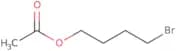
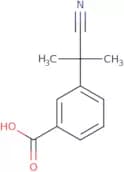
CAS:<p>4-Bromobutyl acetate is a nucleic acid that contains a hydroxyl group, two nitrogen atoms, and four carbon atoms. It is the acetic ester of 4-bromobutyric acid. 4-Bromobutyl acetate can be found in the nucleus of cells and in mitochondria. It has been shown to bind to p2y receptors on the surface of cells and is thought to have tuberculostatic activity in vitro. 4-Bromobutyl acetate has also been shown to inhibit viral replication by binding to template or molecule. This nucleic acid can be used as a sequencing template because it will form complementary base pairs with other molecules that contain complementary sequences of nucleic acids.</p>Formula:C6H11BrO2Purity:Min. 95%Molecular weight:195.05 g/mol3-(2-Cyanopropan-2-yl)benzoic acid
CAS:<p>Please enquire for more information about 3-(2-Cyanopropan-2-yl)benzoic acid including the price, delivery time and more detailed product information at the technical inquiry form on this page</p>Formula:C11H11NO2Purity:Min. 95%Molecular weight:189.21 g/molC3a (70-77)
CAS:<p>C3a is a molecule that is part of the complement system. It was first discovered in leukocytes and has since been detected in other populations. C3a is a chemotactic factor for neutrophils and eosinophils, which are types of white blood cells. C3a binds to the surface of cells by means of protein-antibody interactions, and it can also act as an anaphylatoxin by binding to mast cell receptors.</p>Formula:C35H61N13O10Purity:Min. 95%Molecular weight:823.94 g/mol(2-{Ethyl-[4-(4-nitro-phenylazo)-phenyl]-amino}-ethoxy)-acetic acid-4-nitro-phenyl ester
CAS:<p>Please enquire for more information about (2-{Ethyl-[4-(4-nitro-phenylazo)-phenyl]-amino}-ethoxy)-acetic acid-4-nitro-phenyl ester including the price, delivery time and more detailed product information at the technical inquiry form on this page</p>Formula:C24H23N5O7Purity:Min. 95%Molecular weight:493.47 g/molPAR-1 (1-6) (mouse, rat) trifluoroacetate salt
CAS:<p>Please enquire for more information about PAR-1 (1-6) (mouse, rat) trifluoroacetate salt including the price, delivery time and more detailed product information at the technical inquiry form on this page</p>Formula:C37H54N10O9Purity:Min. 95%Molecular weight:782.89 g/molNeuronostatin-19 (human, canine, porcine) trifluoroacetate salt
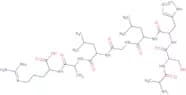
<p>Please enquire for more information about Neuronostatin-19 (human, canine, porcine) trifluoroacetate salt including the price, delivery time and more detailed product information at the technical inquiry form on this page</p>Formula:C90H151N29O25Purity:Min. 95%Molecular weight:2,039.34 g/molPreangiotensinogen (11-14) (human) acetate salt
CAS:<p>Please enquire for more information about Preangiotensinogen (11-14) (human) acetate salt including the price, delivery time and more detailed product information at the technical inquiry form on this page</p>Formula:C21H35N7O6Purity:Min. 95%Molecular weight:481.55 g/molH-Ala-His-Ala-OH acetate salt
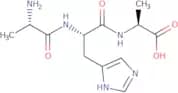
CAS:<p>Please enquire for more information about H-Ala-His-Ala-OH acetate salt including the price, delivery time and more detailed product information at the technical inquiry form on this page</p>Formula:C12H19N5O4Purity:Min. 95%Molecular weight:297.31 g/molAmyloid β/A4 Protein Precursor770 (586-595) (human, mouse, rat) trifluoroacetate salt
CAS:<p>Please enquire for more information about Amyloid beta/A4 Protein Precursor770 (586-595) (human, mouse, rat) trifluoroacetate salt including the price, delivery time and more detailed product information at the technical inquiry form on this page</p>Formula:C47H73N11O16SPurity:Min. 95%Molecular weight:1,080.21 g/molCys-Gly-Lys-Lys-Gly-Amyloid b-Protein (33-40) trifluoroacetate salt
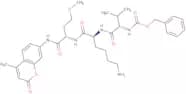
CAS:<p>Please enquire for more information about Cys-Gly-Lys-Lys-Gly-Amyloid b-Protein (33-40) trifluoroacetate salt including the price, delivery time and more detailed product information at the technical inquiry form on this page</p>Formula:C51H93N15O14S2Purity:Min. 95%Molecular weight:1,204.51 g/molZ-Val-Lys-Met-AMC acetate salt
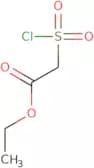
CAS:<p>Bortezomib is a proteasome inhibitor that binds to the catalytic site of the proteasome and inhibits its activity. Bortezomib is used as an anticancer agent to treat multiple myeloma, T-cell lymphomas, and other cancers. It has been shown to inhibit the growth of cancer cells and slow tumor progression in animal models. The drug has also been shown to decrease insulin resistance in mice with high blood sugar levels by inhibiting histone deacetylase (HDAC). This inhibition leads to increased expression of genes that are involved in glucose metabolism and decreased expression of genes that regulate fat production.<br>The drug also binds tightly to the insulin receptor, which may lead to improved glucose uptake into cells.</p>Formula:C34H45N5O7SPurity:Min. 95%Molecular weight:667.82 g/molEthyl 2-(chlorosulfonyl)acetate
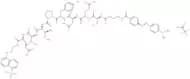
CAS:<p>Ethyl 2-(chlorosulfonyl)acetate is a drug candidate that inhibits the enzyme cholesterol acyltransferase (ACAT), which is responsible for the formation of cholesterol esters. It has been shown to be effective in animal models for the treatment of metabolic disorders, such as hypercholesterolemia and hypertriglyceridemia. In addition, it has been shown to inhibit the activity of serine proteases, which are involved in coagulation, amido hydrolase, and nucleophilic attack reactions. Ethyl 2-(chlorosulfonyl)acetate has also been shown to activate gene product in cellular studies with mouse fibroblasts.</p>Purity:Min. 95%Color and Shape:PowderMolecular weight:186.61 g/molDABCYL-γ-Abu-Ser-Gln-Asn-Tyr-Pro-Ile-Val-Gln-EDANS trifluoroacetate salt
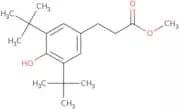
CAS:<p>Please enquire for more information about DABCYL-gamma-Abu-Ser-Gln-Asn-Tyr-Pro-Ile-Val-Gln-EDANS trifluoroacetate salt including the price, delivery time and more detailed product information at the technical inquiry form on this page</p>Formula:C73H97N17O18SPurity:Min. 95%Molecular weight:1,532.72 g/mol3,5-di-tert-Butyl-4-hydroxyphenylpropionic acid methyl ester
CAS:<p>3,5-di-tert-butyl-4-hydroxyphenylpropionic acid methyl ester is a compound that has been used as an analytical reagent and as a precursor to other chemicals. It is a white solid with a melting point of about 40°C. 3,5-di-tert-butyl-4-hydroxyphenylpropionic acid methyl ester is soluble in hexane, benzene, and diethylether. It also reacts with fatty acids to produce polymers. 3,5-di-tert-butyl-4-hydroxyphenylpropionic acid methyl ester has been shown to be an effective antibacterial agent against Gram negative bacteria such as Escherichia coli and Pseudomonas aeruginosa.</p>Formula:C18H28O3Purity:90%Color and Shape:Off-White PowderMolecular weight:292.41 g/molZ-Gly-Pro-Arg-4MbNA acetate salt
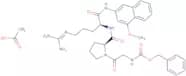
CAS:Controlled Product<p>Please enquire for more information about Z-Gly-Pro-Arg-4MbNA acetate salt including the price, delivery time and more detailed product information at the technical inquiry form on this page</p>Formula:C32H39N7O6·C2H4O2Purity:Min. 95%Molecular weight:677.75 g/mol2-Hydroxy-5-[(4-{[(6-methoxypyridazin-3-yl)amino]sulfonyl}phenyl)diazenyl]benzoic acid
CAS:<p>Used in treatment of nonspecific ulcerative colitis</p>Formula:C18H15N5O6SPurity:Min. 95%Color and Shape:PowderMolecular weight:429.41 g/molToxin GaTx1 trifluoroacetate salt
<p>Please enquire for more information about Toxin GaTx1 trifluoroacetate salt including the price, delivery time and more detailed product information at the technical inquiry form on this page</p>Formula:C147H224N46O47S9Purity:Min. 95%Molecular weight:3,676.23 g/molRANTES (human) trifluoroacetate salt
<p>Please enquire for more information about RANTES (human) trifluoroacetate salt including the price, delivery time and more detailed product information at the technical inquiry form on this page</p>Formula:C350H534N96O100S5Purity:Min. 95%Molecular weight:7,846.9 g/molPACAP-38 (28-38) (human, chicken, mouse, ovine, porcine, rat) trifluoroacetate salt
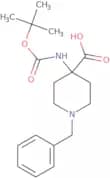
CAS:<p>PACAP-38 (28-38) is a peptide hormone that is produced in the brain and regulates various physiological processes. It has been shown to have effects on intestinal, pancreatic, and lung cells. PACAP-38 (28-38) is a potent antagonist of vasoactive intestinal polypeptide (VIP), which has been implicated in the regulation of gastrointestinal motility and fluid secretion. The peptide also inhibits cancer cell proliferation by activating cell death pathways.</p>Formula:C61H110N24O14Purity:Min. 95%Molecular weight:1,403.68 g/mol1-Benzyl-4-((tert-butoxycarbonyl)amino)piperidine-4-carboxylic acid
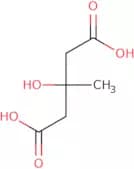
CAS:<p>Please enquire for more information about 1-Benzyl-4-((tert-butoxycarbonyl)amino)piperidine-4-carboxylic acid including the price, delivery time and more detailed product information at the technical inquiry form on this page</p>Formula:C18H26N2O4Purity:Min. 95%Molecular weight:334.41 g/mol3-Hydroxy-3-methylglutaric acid
CAS:<p>3-Hydroxy-3-methylglutaric acid is an organic acid that is a valuable intermediate in the chemical production of epidermal growth factor. 3-Hydroxy-3-methylglutaric acid also has been shown to be useful as a reagent for the detection of bacterial strains, including E. coli, Salmonella enterica, and Pseudomonas aeruginosa. The enzyme activities of 3-hydroxy-3-methylglutaric acid are not well understood, but it has been shown to have effects on congestive heart failure and bowel disease. 3-Hydroxy-3-methylglutaric acid may be used in the treatment of inflammatory bowel disease due to its ability to inhibit certain enzymes responsible for inflammation and pain. The long term toxicity and symptoms associated with 3-hydroxy-3-methylglutaric acid have not yet been studied, but it has been shown to have no effect on cardiac function</p>Formula:C6H10O5Purity:Min. 95%Molecular weight:162.14 g/mol(Des-Gly10,D-His2,D-Ser(tBu)6,Pro-NHEt 9)-LHRH acetate salt
<p>Please enquire for more information about (Des-Gly10,D-His2,D-Ser(tBu)6,Pro-NHEt 9)-LHRH acetate salt including the price, delivery time and more detailed product information at the technical inquiry form on this page</p>Formula:C60H86N16O13Purity:Min. 95%Molecular weight:1,239.42 g/molProtein Kinase P34 (cd2) Substrate trifluoroacetate salt
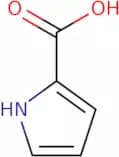
CAS:<p>H-ADAQHATPPKKKRKVEDPKDF-OH peptide, which can act as a substrate of Protein Kinase P34 (cd2). The peptide is supplied as a trifluoroacetate salt.</p>Formula:C106H172N32O32Purity:Min. 95%Molecular weight:2,406.7 g/molPyrrole-2-carboxylic acid
CAS:<p>Pyrrole-2-carboxylic acid is a polycyclic aromatic compound that can be found in coal tar. It has been shown to have anti-inflammatory, antiallergic, and antifungal properties. Pyrrole-2-carboxylic acid is produced by the human body as an intermediate in the metabolism of tryptophan. This compound can also be synthesized and used to treat chronic bronchitis, which is caused by excessive mucus production and inflammation of the airways. The reaction mechanism for pyrrole-2-carboxylic acid is similar to that of other drugs that are used in respiratory therapy, such as aminophylline or acetylcysteine.</p>Formula:C5H5NO2Purity:Min. 95%Molecular weight:111.1 g/mol(H-Cys-4MbNA)2 acetate salt (Disulfide bond)
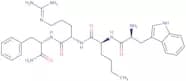
CAS:<p>Please enquire for more information about (H-Cys-4MbNA)2 acetate salt (Disulfide bond) including the price, delivery time and more detailed product information at the technical inquiry form on this page</p>Formula:C28H30N4O4S2Purity:Min. 95%Molecular weight:550.69 g/molH-Trp-Nle-Arg-Phe-NH2 acetate salt
CAS:<p>H-Trp-Nle-Arg-Phe-NH2 acetate salt is a muscle relaxant that binds to the muscle receptor site, which is responsible for contraction of skeletal muscles. It has been shown to be effective in treating anterior retractor mytilus in horses.</p>Formula:C32H45N9O4Purity:Min. 95%Molecular weight:619.76 g/molH-Ser-Leu-Ser-Leu-Ser-Pro-Gly-OH trifluoroacetate salt
CAS:<p>Please enquire for more information about H-Ser-Leu-Ser-Leu-Ser-Pro-Gly-OH trifluoroacetate salt including the price, delivery time and more detailed product information at the technical inquiry form on this page</p>Formula:C28H49N7O11Purity:Min. 95%Molecular weight:659.73 g/mol3-Benzoyl acrylic acid
CAS:<p>3-Benzoyl acrylic acid is an organic compound that is the product of a chemical reaction between benzaldehyde and acetic anhydride. It contains a carboxylic acid group, an hydroxyl group, a nitro group, and a particle. 3-Benzoyl acrylic acid has been shown to inhibit the growth factor epidermal growth factor (EGF). This inhibition occurs by binding to the receptor for EGF on the cell membrane and blocking its activation. 3-Benzoyl acrylic acid also inhibits fatty acid synthesis and mitochondrial membrane potential, which may be due to its ability to form ester hydrochloride.</p>Formula:C10H8O3Purity:Min. 95%Color and Shape:PowderMolecular weight:176.17 g/molDimethyl benzyl carbinol acetate
CAS:<p>Dimethyl benzyl carbinol acetate is a polymer that forms a film on the skin and prevents water loss. It has been shown to have enzyme-inhibiting properties, which may be due to its ability to prevent geranyl production. Dimethyl benzyl carbinol acetate has also been used as a sealant in microcapsules, which are then broken down by enzymes in order to release the contents of the capsule. Dimethyl benzyl carbinol acetate can also be used as an antimicrobial agent, where it inhibits bacterial cell growth by interfering with fatty acid synthesis.</p>Purity:Min. 95%(Des-Thr5)-Glucagon trifluoroacetate salt
CAS:<p>Please enquire for more information about (Des-Thr5)-Glucagon trifluoroacetate salt including the price, delivery time and more detailed product information at the technical inquiry form on this page</p>Formula:C149H218N42O47SPurity:Min. 95%Molecular weight:3,381.65 g/molHexanedioic acid
CAS:<p>Hexanedioic acid is a glycol ether that is used as an extraction solvent. It has been shown to be a good solvent for the separation of organic acids and aromatic compounds, such as malonic acid and caproic acid. Hexanedioic acid has also been shown to be a good solvent for the removal of sulfur and nitrogen compounds from water vapor. Hexanedioic acid can also be used as an oxidation catalyst in the chemical industry. Hexanedioic acid is stable in acidic and alkaline environments, but not in basic environments.</p>Formula:C6H10O4Color and Shape:White Off-White PowderMolecular weight:146.14 g/molH-Cit-AMC trifluoroacetate salt
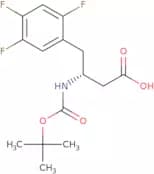
CAS:<p>Please enquire for more information about H-Cit-AMC trifluoroacetate salt including the price, delivery time and more detailed product information at the technical inquiry form on this page</p>Formula:C16H20N4O4Purity:Min. 95%Molecular weight:332.35 g/molBoc-(R)-3-Amino-4-(2,4,5-trifluorophenyl)butanoic acid
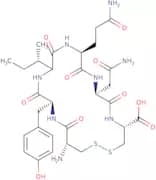
CAS:<p>Intermediate in the synthesis of sitagliptin</p>Formula:C15H18F3NO4Purity:Min. 95%Molecular weight:333.3 g/mol(Ile3)-Pressinoic acid
CAS:<p>Ile3-pressinoic acid is an amide that is structurally similar to gamma-aminobutyric acid. It has dose-dependent effects on fatty acid synthesis and redox potential. Ile3-pressinoic acid is a leishmania molecule that can be used as a diagnostic agent for the disease, as well as a potential treatment in cell culture and animal models. It also has been shown to have receptor activity on peptide hormones, including oxytocin receptors.</p>Formula:C30H44N8O10S2Purity:Min. 95%Molecular weight:740.85 g/molPeptide YY (3-36) trifluoroacetate salt
CAS:<p>Peptide YY (PYY) is a 36-amino acid peptide. It is cleaved from the larger protein, pancreatic polypeptide, by the enzyme dipeptidyl peptidase IV and circulates in plasma as PYY(3-36). The postprandial plasma levels of PYY are dose-dependent and increase with increasing doses of injected PYY. This response reflects the physiological effects of this hormone. A linear regression analysis revealed that PYY(3-36) has a significant effect on body weight loss and body mass index in humans. The effective dose for weight loss is yet to be determined, but it may be higher than 10 μg/kg/day.</p>Formula:C176H272N52O54Purity:Min. 95%Molecular weight:3,980.36 g/mol1-Pyreneboronic Acid (contains varying amounts of Anhydride)
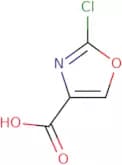
CAS:<p>1-Pyreneboronic acid is a fluorescent derivative of boronic acid. It has been shown to have synergistic effects with other compounds, such as glucose monitoring. 1-Pyreneboronic acid is used in the preparation of a fluorescent probe for use in dna duplex assays. The fluorescence properties of this compound are affected by the presence of hydroxy groups and benzyl groups, making it useful for protein detection and identification. This compound can be prepared using the suzuki coupling reaction and it has been shown that it has an effect on cell line raw264.7 cells.</p>Formula:C16H11BO2Purity:Min. 95%Molecular weight:246.07 g/mol2-Chlorooxazole-4-carboxylicacid
CAS:<p>2-Chlorooxazole-4-carboxylic acid is a synthetic compound belonging to the group of long-chain aliphatic carboxylic acids. It is an ester that can be synthesized by the reaction of toluene with 2,4-dichlorooxazole. The stereochemical configuration of this molecule is unknown. The synthesis of this compound has been reported in marine invertebrates and plants, including Mycalolide from the marine sponge Mycale sp.</p>Formula:C4H2ClNO3Purity:Min. 95%Molecular weight:147.52 g/molDibenzoyl-(-)-p-methoxy-L-tartaric acid
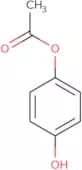
CAS:<p>Dibenzoyl-(-)-p-methoxy-L-tartaric acid is a chiral compound that has been extracted from plants and synthesized. It has a bitter taste and can be used as an enantiomer to treat schistosomiasis, a disease caused by parasitic flatworms. Dibenzoyl-(-)-p-methoxy-L-tartaric acid can be used as an enantiomer to treat schistosomiasis, which is caused by parasitic flatworms. The chemical is an anionic β-cyclodextrin derivative that binds to the parasites in the host's body and prevents them from releasing eggs into the water supply. This chemical also has pharmacological properties, such as antiinflammatory activities.</p>Formula:C20H18O10Purity:Min. 95%Color and Shape:White PowderMolecular weight:418.35 g/mol4-Hydroxyphenyl acetate
CAS:<p>4-Hydroxyphenyl acetate is a naturally occurring fatty acid that is found in many plants. It has been isolated from the seeds of Telfairia occidentalis and has been shown to inhibit the growth of bacteria at a pH of 7.5, with an optimal pH of 8.0. 4-Hydroxyphenyl acetate is an activated form of this compound, which means it contains two hydroxyl groups and does not have to be synthesized by enzymes. 4-Hydroxyphenyl acetate inhibits bacterial enzyme activities such as DNA gyrase and RNA polymerase, which are necessary for transcription and replication. The structure analysis of 4-hydroxy phenylacetate was determined using trifluoroacetic acid (TFA) on a wild-type strain of Escherichia coli K12.</p>Formula:C8H8O3Purity:Min. 98 Area-%Color and Shape:PowderMolecular weight:152.15 g/molMART-1 (27-35) (human) trifluoroacetate salt
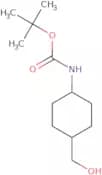
CAS:Controlled Product<p>Please enquire for more information about MART-1 (27-35) (human) trifluoroacetate salt including the price, delivery time and more detailed product information at the technical inquiry form on this page</p>Formula:C37H67N9O11Purity:Min. 95%Molecular weight:813.98 g/moltert-Butyl trans-4-(hydroxymethyl)cyclohexylcarbamate
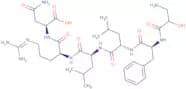
CAS:<p>Please enquire for more information about tert-Butyl trans-4-(hydroxymethyl)cyclohexylcarbamate including the price, delivery time and more detailed product information at the technical inquiry form on this page</p>Formula:C12H23NO3Purity:Min. 95%Molecular weight:229.32 g/mol(DL-Isoser 1)-TRAP-6 trifluoroacetate salt
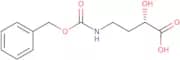
CAS:<p>Please enquire for more information about (DL-Isoser 1)-TRAP-6 trifluoroacetate salt including the price, delivery time and more detailed product information at the technical inquiry form on this page</p>Formula:C34H56N10O9Purity:Min. 95%Molecular weight:748.87 g/mol(S)-N-Carbobenzyloxy-4-amino-2-hydroxybutyric acid
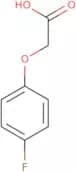
CAS:<p>(S)-N-Carbobenzyloxy-4-amino-2-hydroxybutyric acid is a benzene ring with a carboxylic acid group. It has the ability to modify polylactic acid, polycarbonate, and other polymers. The chain can be modified to include amino groups or antibacterial groups. (S)-N-Carbobenzyloxy-4-amino-2-hydroxybutyric acid also has antibacterial properties and is compatible with polylactic acid, which makes it ideal for use in polymer modifications.</p>Formula:C12H15NO5Purity:Min. 95%Molecular weight:253.25 g/mol4-Fluorophenoxyacetic acid
CAS:<p>4-Fluorophenoxyacetic acid is a chemical compound that is used as an insecticide. It has been shown to be effective against the planthopper and ipomoea, two agricultural pests. 4-Fluorophenoxyacetic acid binds to the active site of a specific protein in the insect's cells, inhibiting its function and causing cell death. 4-Fluorophenoxyacetic acid also inhibits the growth of human breast cancer cells in culture. The molecular weight of this compound is 180.2 g/mol and has a melting point of 185°C with a boiling point of 232°C at atmospheric pressure. 4-Fluorophenoxyacetic acid can be synthesized by reacting phenol with acetic anhydride in the presence of palladium complexes and nitrogen atoms. The reaction mechanism for this synthesis is nucleophilic addition to form a covalent bond between the nitrogen atom and sulfur atom on one side of the</p>Formula:C8H7FO3Purity:Min. 95%Color and Shape:PowderMolecular weight:170.14 g/molAdropin (34-76) (human, mouse, rat) trifluoroacetate salt
CAS:<p>Please enquire for more information about Adropin (34-76) (human, mouse, rat) trifluoroacetate salt including the price, delivery time and more detailed product information at the technical inquiry form on this page</p>Formula:C190H293N55O68S2Purity:Min. 95%Molecular weight:4,499.82 g/molOctreotide trifluoroacetate salt (Dimer, Parallel) (
<p>Please enquire for more information about Octreotide trifluoroacetate salt (Dimer, Parallel) ( including the price, delivery time and more detailed product information at the technical inquiry form on this page</p>Formula:C98H132N20O20S4Purity:Min. 95%Molecular weight:2,038.48 g/molC-Peptide 2 (rat) trifluoroacetate salt
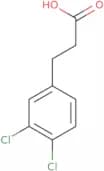
CAS:<p>Please enquire for more information about C-Peptide 2 (rat) trifluoroacetate salt including the price, delivery time and more detailed product information at the technical inquiry form on this page</p>Formula:C135H222N38O49Purity:Min. 95%Molecular weight:3,161.43 g/mol3-(3,4-dichlorophenyl)propanoic acid
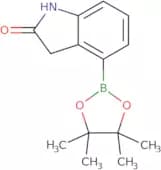
CAS:<p>3-(3,4-Dichlorophenyl)propanoic acid is a potent inhibitor of the lysine methyltransferase enzyme. This enzyme catalyzes the transfer of methyl groups from S-adenosylmethionine to lysine residues in proteins, and it is involved in cancer cell proliferation. 3-(3,4-Dichlorophenyl)propanoic acid inhibits the activity of this enzyme by covalently binding to lysine residues on the protein and preventing their methylation. Research has shown that 3-(3,4-Dichlorophenyl)propanoic acid can block tumor growth by inhibiting the activity of this enzyme.</p>Formula:C9H8O2Cl2Purity:Min. 95%Color and Shape:PowderMolecular weight:219.06 g/molOxindole-4-boronic acid, pinacol ester
CAS:<p>Please enquire for more information about Oxindole-4-boronic acid, pinacol ester including the price, delivery time and more detailed product information at the technical inquiry form on this page</p>Formula:C14H18BNO3Purity:Min. 95%Molecular weight:259.11 g/mol(D-Trp6)-LHRH (free acid) trifluoroacetate salt
CAS:<p>Please enquire for more information about (D-Trp6)-LHRH (free acid) trifluoroacetate salt including the price, delivery time and more detailed product information at the technical inquiry form on this page</p>Formula:C64H81N17O14Purity:Min. 95%Molecular weight:1,312.43 g/molEthyl-2-ethoxy-1-[[(2'-cyanobiphenyl-4-yl) methyl] benzimidazole-7-carboxylate
CAS:<p>Candesartan is a selective angiotensin II receptor antagonist that inhibits the binding of angiotensin II to its receptors, which in turn decreases the activity of angiotensin-converting enzyme. Candesartan cilexetil is an ester prodrug that has been shown to be effective in the treatment of high blood pressure. In the crystalline form, candesartan cilexetil is a white powder with a melting point of 130–135 °C and a solubility in water of >1 g/L. The molecular weight of candesartan cilexetil is 393.8 g/mol and it has a molecular formula C17H21NO2S. The chemical structure consists of two benzimidazole rings coupled together through an ethyl-2-ethoxy linker and attached to a carboxylate group on one end and an amide group on the other</p>Formula:C26H23N3O3Purity:Min. 95%Molecular weight:425.48 g/mol(Des-Gly2)-Exenatide trifluoroacetate salt
CAS:<p>Please enquire for more information about (Des-Gly2)-Exenatide trifluoroacetate salt including the price, delivery time and more detailed product information at the technical inquiry form on this page</p>Formula:C182H279N49O59SPurity:Min. 95%Molecular weight:4,129.52 g/molNeurokinin A trifluoroacetate salt
CAS:<p>Neurokinin A trifluoroacetate salt H-His-Lys-Thr-Asp-Ser-Phe-Val-Gly-Leu-Met-NH2 trifluoroacetate salt is a potent inducer of the basic protein. It has been shown to have cytotoxic effects on pluripotent cells in vitro. Neurokinin A is also a potent inducer of substance P, which is a neurotransmitter that mediates inflammatory lesions and cardiac effects. Neurokinin A has also been shown to have an effect on locomotor activity and polymerase chain reaction (PCR) amplification in vitro.</p>Formula:C50H80N14O14SPurity:Min. 95%Molecular weight:1,133.32 g/molNeuromedin U-25 (human) trifluoroacetate salt
CAS:<p>Please enquire for more information about Neuromedin U-25 (human) trifluoroacetate salt including the price, delivery time and more detailed product information at the technical inquiry form on this page</p>Formula:C141H203N41O38Purity:Min. 95%Molecular weight:3,080.37 g/molTRAP-6 ammonium acetate salt
CAS:<p>TRAP-6 is a biocompatible polymer that is used to prevent adhesion of platelets to the endothelium and activation of coagulation. TRAP-6 has been shown to be effective in preventing inflammatory bowel disease, as well as other bowel diseases, by inhibiting the release of inflammatory cytokines such as fibrinogen and erythropoietin. This drug has been shown to have clinical relevance in treating inflammatory bowel disease in animal models. TRAP-6 can also be used to inhibit the growth of bacteria by binding to bacterial cells or by inducing their death. In addition, TRAP-6 can bind with monoclonal antibodies and target specific cells for destruction.</p>Formula:C34H56N10O9Purity:Min. 95%Molecular weight:748.87 g/molCART (55-102) (human) trifluoroacetate salt
CAS:<p>CART (55-102) is a specific amino acid that has been shown to bind to the CART receptor. It has been found in human and rat tissue, including the brain, pituitary gland, and pancreas. This compound is thought to be involved in regulating appetite and energy expenditure. The CART (55-102) trifluoroacetate salt has been shown to be active in a variety of animal models for obesity and diabetes, as well as for reducing food intake.</p>Formula:C225H365N65O65S7Purity:Min. 95%Molecular weight:5,245.17 g/molPhenyl pyruvic acid
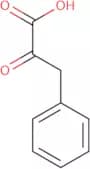
CAS:<p>Phenyl pyruvic acid is a sodium salt of phenylpyruvic acid that can be synthesized from phenylalanine, an amino acid. It has been shown to have antioxidant and anti-inflammatory properties. Phenyl pyruvic acid was found to inhibit oxidative injury caused by sodium nitroprusside in the rat brain, liver, and heart. Phenyl pyruvic acid also increased the activity of 3t3-l1 preadipocytes and improved energy metabolism in these cells. The synthesis of phenylpyruvate is catalyzed by a decarboxylase enzyme and it can be converted into insulin or phenylalanine.</p>Formula:C9H8O3Purity:Min. 95%Color and Shape:PowderMolecular weight:164.16 g/molH-Trp-Phe-Tyr-Ser(PO3H2)-Pro-Arg-AMC trifluoroacetate salt
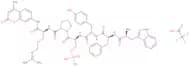
CAS:<p>Please enquire for more information about H-Trp-Phe-Tyr-Ser(PO3H2)-Pro-Arg-AMC trifluoroacetate salt including the price, delivery time and more detailed product information at the technical inquiry form on this page</p>Formula:C53H62N11O13PPurity:Min. 95%Molecular weight:1,092.1 g/molBiotinyl-MCH (salmon) trifluoroacetate salt
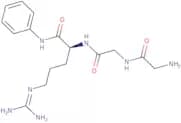
CAS:<p>Please enquire for more information about Biotinyl-MCH (salmon) trifluoroacetate salt including the price, delivery time and more detailed product information at the technical inquiry form on this page</p>Formula:C99H153N29O26S5Purity:Min. 95%Molecular weight:2,325.78 g/molH-Gly-Gly-Arg-anilide acetate salt
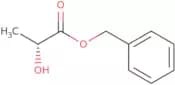
CAS:<p>Please enquire for more information about H-Gly-Gly-Arg-anilide acetate salt including the price, delivery time and more detailed product information at the technical inquiry form on this page</p>Formula:C16H25N7O3Purity:Min. 95%Molecular weight:363.42 g/molD-Lactic acid benzyl ester
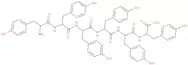
CAS:<p>D-Lactic acid benzyl ester is a chiral molecule that can be used as a feedstock for the production of D-lactic acid. It has been shown to catalyze hydrogenation reactions with an enhanced reaction rate and high selectivity when compared to other methods. The catalytic activity of D-lactic acid benzyl ester can be increased by using zeolites or iron catalyst, which are more expensive than the ligand used in this study. In addition, D-lactic acid benzyl ester was found to be more effective at catalysing the reaction between alkenes and hydrogen gas than other known catalysts. These findings indicate that it may be possible to use D-lactic acid benzyl ester as a cost-effective alternative to other catalysts in industrial processes.</p>Formula:C10H12O3Purity:Min. 95%Molecular weight:180.2 g/molH-Tyr-Tyr-Tyr-Tyr-Tyr-Tyr-OH trifluoroacetate salt
CAS:<p>The compound H-Tyr-Tyr-Tyr-Tyr-Tyr-Tyr-OH trifluoroacetate salt is a synthetic antigen for use in the production of immunoadsorbent conjugates. It is a postulated fluorescence molecule that interacts with specific antibodies to form an antigen. This antigen can be used as a probe for detecting antibodies in biological fluids and tissues by fluorescence microscopy and has been shown to have no antigenicity in skin reactions.</p>Formula:C54H56N6O13Purity:Min. 95%Molecular weight:997.06 g/mol6-(7-Nitro-benzo[2,1,3]oxadiazol-4-ylamino)-hexanoyl-Arg-Pro-Lys-Pro-Leu-Ala-Nva-Trp-Lys((7-dimethylaminocoumarin-4-yl)-acetyl)-NH2 trifluoroacetate salt
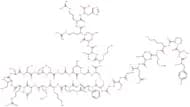
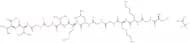
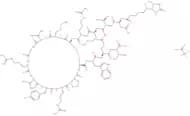
CAS:<p>Please enquire for more information about 6-(7-Nitro-benzo[2,1,3]oxadiazol-4-ylamino)-hexanoyl-Arg-Pro-Lys-Pro-Leu-Ala-Nva-Trp-Lys((7-dimethylaminocoumarin-4-yl)-acetyl)-NH2 trifluoroacetate salt including the price, delivery time and more detailed product information at the technical inquiry form on this page</p>Formula:C78H111N21O16Purity:Min. 95%Molecular weight:1,598.85 g/molNeurotensin (1-6) trifluoroacetate salt Pyr-Leu-Tyr-Glu-Asn-Lys-OH trifluoroacetate salt
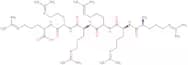
CAS:<p>Please enquire for more information about Neurotensin (1-6) trifluoroacetate salt Pyr-Leu-Tyr-Glu-Asn-Lys-OH trifluoroacetate salt including the price, delivery time and more detailed product information at the technical inquiry form on this page</p>Formula:C35H52N8O12Purity:Min. 95%Molecular weight:776.83 g/molH-Arg-Arg-Arg-Arg-Arg-Arg-OH trifluoroacetate salt
CAS:<p>H-Arg-Arg-Arg-Arg-Arg-Arg-OH trifluoroacetate salt is a compound that can be used as a cancer treatment. It has been shown to inhibit the growth of human retinal pigmented epithelial cells (p. pastoris) and induce apoptosis in these cells. H-Arg-Arg-Arg-Arg-Arg-Arg-OH trifluoroacetate salt interacts with the membrane of cells, blocking the binding site for growth factor and preventing the activation of downstream signaling pathways. This agent also binds to lysine residues on peptides, which are then degraded by proteases. H-Argo Arg Arg Arg Arg Arg Arg OH trifluoroacetate salt has been shown to have an affinity for flavone luteolin at neutral pH, as well as fatty acid molecules.</p>Formula:C36H74N24O7Purity:Min. 95%Molecular weight:955.13 g/molHCV NS4A Protein (21-34) (JT strain) trifluoroacetate salt
CAS:<p>Please enquire for more information about HCV NS4A Protein (21-34) (JT strain) trifluoroacetate salt including the price, delivery time and more detailed product information at the technical inquiry form on this page</p>Formula:C63H116N20O17Purity:Min. 95%Molecular weight:1,425.72 g/mol5-Ethylpyridine-2-carboxylic acid
CAS:<p>5-Ethylpyridine-2-carboxylic acid is a biologically active compound that is biosynthesized from the amino acid tryptophan. This compound is also known as 5-ethylpicolinic acid or 5-ethylpyridin-2-yl carboxylic acid. It is a phytoalexin, which is an antimicrobial agent produced by plants to inhibit pathogen growth. 5-Ethylpyridine-2-carboxylic acid has been shown to be effective against picolinic acid phosphoribosyltransferase and flavopereirine reductase in vitro, and has also been shown to have antimicrobial properties against Escherichia coli, Staphylococcus aureus, and Bacillus cereus. 5-Ethylpyridine-2-carboxylic acid can be prepared by reacting ethyl acetoacetate with pyridine</p>Formula:C8H9NO2Purity:Min. 95%Color and Shape:Off-White PowderMolecular weight:151.16 g/mol(D-Lys6)-LHRH trifluoroacetate salt
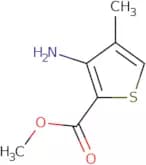
CAS:<p>Please enquire for more information about (D-Lys6)-LHRH trifluoroacetate salt including the price, delivery time and more detailed product information at the technical inquiry form on this page</p>Formula:C59H84N18O13·xC2HF3O2Purity:Min. 95%Color and Shape:White To Off-White SolidMolecular weight:1,253.41 g/mol3-Amino-4-methyl-thiophen-2-carboxylic acid methyl ester
CAS:<p>3-Amino-4-methylthiophen-2-carboxylic acid methyl ester (3AMTC) is a novel compound that has been shown to have antihypertensive activity, as well as other pharmacological actions. 3AMTC is an allosteric modulator of α7 nicotinic acetylcholine receptors, which are found in the central and peripheral nervous system. The efficacy of 3AMTC was evaluated using magnetic resonance spectroscopy to measure the effects on mouse tumor cells. This compound showed no carcinogenic potential, which may be due to its inability to cross the blood brain barrier.</p>Purity:Min. 95%Molecular weight:171.22 g/molCART (61-102) (human, rat) trifluoroacetate salt
CAS:<p>Please enquire for more information about CART (61-102) (human, rat) trifluoroacetate salt including the price, delivery time and more detailed product information at the technical inquiry form on this page</p>Formula:C189H310N58O56S7Purity:Min. 95%Molecular weight:4,515.3 g/molH-Val-Ala-pNA acetate salt
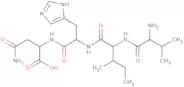
CAS:<p>Please enquire for more information about H-Val-Ala-pNA acetate salt including the price, delivery time and more detailed product information at the technical inquiry form on this page</p>Formula:C14H20N4O4Purity:Min. 95%Molecular weight:308.33 g/molFmoc-4-(neopentyloxysulfonyl)-Abu-OH (S)-2-(Fmoc-amino)-4-neopentyloxysulfonyl-butyric acid
CAS:<p>Please enquire for more information about Fmoc-4-(neopentyloxysulfonyl)-Abu-OH (S)-2-(Fmoc-amino)-4-neopentyloxysulfonyl-butyric acid including the price, delivery time and more detailed product information at the technical inquiry form on this page</p>Formula:C24H29NO7SPurity:Min. 95%Molecular weight:475.56 g/mol(D-Trp6)-LHRH (2-10) trifluoroacetate salt
CAS:<p>Please enquire for more information about (D-Trp6)-LHRH (2-10) trifluoroacetate salt including the price, delivery time and more detailed product information at the technical inquiry form on this page</p>Formula:C59H77N17O11Purity:Min. 95%Molecular weight:1,200.35 g/mol(Phenylac 1,D-Tyr(Et)2,Lys6,Arg8,des-Gly9)-Vasopressin trifluoroacetate salt
CAS:<p>Please enquire for more information about (Phenylac 1,D-Tyr(Et)2,Lys6,Arg8,des-Gly9)-Vasopressin trifluoroacetate salt including the price, delivery time and more detailed product information at the technical inquiry form on this page</p>Formula:C54H76N14O11Purity:Min. 95%Molecular weight:1,097.27 g/molEndothelin-3 (human, mouse, rabbit, rat) trifluoroacetate salt
CAS:<p>Trifluoroacetate salt</p>Formula:C121H168N26O33S4Purity:Min. 95%Molecular weight:2,643.05 g/molSarafotoxin B trifluoroacetate salt
CAS:<p>Component of snake venom; part of a family of vasoconstrictor isopeptides</p>Formula:C110H159N27O34S5Purity:Min. 95%Molecular weight:2,563.93 g/molAngiotensin II acetate salt
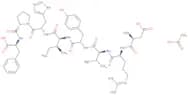
CAS:Controlled Product<p>Angiotensin II is a hormone that is produced in the kidneys and acts on the blood vessels, heart, and other tissues. It is also known as angiotensin II acetate salt H-Asp-Arg-Val-Tyr-Ile-His-Pro-Phe-OH acetate salt. Angiotensin II can increase blood pressure by constricting blood vessels and causing the release of aldosterone from the adrenal glands. This hormone also causes smooth muscle contraction in various organs, including the intestines. The synthesis of angiotensin II occurs through two different pathways: one involving renin and another involving prorenin. The renin pathway begins with renin converting angiotensinogen into angiotensin I, which is then converted to angiotensin II by angiotensins I converting enzyme (ACE). Angiotensin II has been shown to increase protein phosphorylation in myosin, leading to increased</p>Formula:C50H71N13O12·xC2H4O2Purity:Min. 95%Color and Shape:White SolidMolecular weight:1,046.18 g/mol2-Hydroxy-4-(methylthio)butyric acid calcium salt
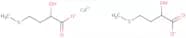
CAS:<p>2-Hydroxy-4-(methylthio)butyric acid calcium salt (2HMBAC) is a fatty acid that is found in malic acid. It is an important industrial chemical used for the preparation of other chemicals such as acetic anhydride, adipic acid, and butyric acid. 2HMBAC has been shown to have various biological functions including the inhibition of protein synthesis and the reduction of chloride ion transport. The dietary administration of 2HMBAC has been shown to relieve diarrhoea in rats.</p>Formula:C10H18CaO6S2Purity:Min. 95%Molecular weight:338.46 g/mol(Tyr0)-BNP-32 (human) trifluoroacetate salt
CAS:<p>Please enquire for more information about (Tyr0)-BNP-32 (human) trifluoroacetate salt including the price, delivery time and more detailed product information at the technical inquiry form on this page</p>Formula:C152H253N51O44S4Purity:Min. 95%Molecular weight:3,627.22 g/molHCV NS4A Protein (22-33) (FDA strain) trifluoroacetate salt
CAS:<p>Please enquire for more information about HCV NS4A Protein (22-33) (FDA strain) trifluoroacetate salt including the price, delivery time and more detailed product information at the technical inquiry form on this page</p>Formula:C54H99N15O14SPurity:Min. 95%Molecular weight:1,214.52 g/molSplenopentin acetate salt
CAS:<p>Splenopentin acetate salt H-Arg-Lys-Glu-Val-Tyr-OH acetate salt is an experimental drug that belongs to the group of peptide hormones. It has been shown to have beneficial effects on bowel disease in animal models and also has anti-inflammatory properties. Splenopentin acetate salt H-Arg-Lys-Glu-Val-Tyr-OH acetate salt activates the T cell receptor and stimulates cytokine production, thereby reducing inflammation and relieving symptoms of autoimmune diseases. Splenopentin acetate salt H-Arg-Lys-Glu-Val-Tyr-OH acetate salt also stimulates colonies of cells called macrophages, which then produce inflammatory mediators such as IL1, IL2, IL4, and IL6. This agent is biocompatible with human cells in vitro (in a test tube).</p>Formula:C31H51N9O9Purity:Min. 95%Molecular weight:693.79 g/moluPAR (84-95) (human) trifluoroacetate salt
CAS:<p>Please enquire for more information about uPAR (84-95) (human) trifluoroacetate salt including the price, delivery time and more detailed product information at the technical inquiry form on this page</p>Formula:C62H98N18O20SPurity:Min. 95%Molecular weight:1,447.62 g/molH-Val-AMC trifluoroacetate salt
CAS:<p>Please enquire for more information about H-Val-AMC trifluoroacetate salt including the price, delivery time and more detailed product information at the technical inquiry form on this page</p>Formula:C15H18N2O3Purity:Min. 95%Molecular weight:274.32 g/mol






![[p-Terphenyl]-4,4''-dicarboxylic acid](/_next/image/?url=https%3A%2Fstatic.cymitquimica.com%2Fproducts%2F3D%2Fthumb-webp%2FFT28045.webp&w=3840&q=75)
![(2-{Ethyl-[4-(4-nitro-phenylazo)-phenyl]-amino}-ethoxy)-acetic acid-4-nitro-phenyl ester](/_next/image/?url=https%3A%2Fstatic.cymitquimica.com%2Fproducts%2F3D%2Fthumb-webp%2FFE111186.webp&w=3840&q=75)
![2-Hydroxy-5-[(4-{[(6-methoxypyridazin-3-yl)amino]sulfonyl}phenyl)diazenyl]benzoic acid](/_next/image/?url=https%3A%2Fstatic.cymitquimica.com%2Fproducts%2F3D%2Fthumb-webp%2FFH134950.webp&w=3840&q=75)









![Ethyl-2-ethoxy-1-[[(2'-cyanobiphenyl-4-yl) methyl] benzimidazole-7-carboxylate](/_next/image/?url=https%3A%2Fstatic.cymitquimica.com%2Fproducts%2F3D%2Fthumb-webp%2FFE31863.webp&w=3840&q=75)


![6-(7-Nitro-benzo[2,1,3]oxadiazol-4-ylamino)-hexanoyl-Arg-Pro-Lys-Pro-Leu-Ala-Nva-Trp-Lys((7-dimeth…](/_next/image/?url=https%3A%2Fstatic.cymitquimica.com%2Fproducts%2F3D%2Fthumb-webp%2FFN110943.webp&w=3840&q=75)