Carboxylic Acids
Carboxylic acids are organic molecules characterized by having a carboxyl-type functional group (-COOH). These acids are fundamental in various chemical reactions, including esterification, amidation, and decarboxylation. Carboxylic acids are widely used in the production of pharmaceuticals, polymers, and agrochemicals. In this section, you can find a large number of carboxylic acids ready to be used. At CymitQuimica, we provide a broad range of high-quality carboxylic acids to support your research and industrial applications.
Found 12453 products of "Carboxylic Acids"
Sort by
Purity (%)
0
100
|
0
|
50
|
90
|
95
|
100
Z-L-α-aminobutyric acid
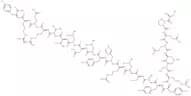
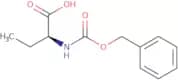
CAS:<p>Z-L-alpha-aminobutyric acid is a homogeneous, optically active, linear phosphinic analogue of alpha-aminobutyric acid. It has been used in the synthesis of phosphinic analogues of cyclosporin and undecapeptides with high yields. The coupling reaction between Z-L-alpha-aminobutyric acid and benzaldehyde was carried out in two steps to produce the desired product. A stepwise condensation between Z-L-alpha-aminobutyric acid and 3,4,5,6 tetrahydropyrimidine was also successful.</p>Formula:C12H15NO4Purity:Min. 98 Area-%Color and Shape:White PowderMolecular weight:237.25 g/molPACAP-27 (human, mouse, ovine, porcine, rat) trifluoroacetate salt
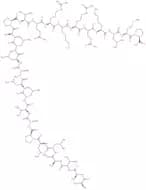
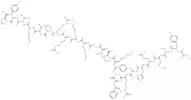
CAS:<p>Trifluoroacetate salt</p>Formula:C142H224N40O39SPurity:Min. 95%Molecular weight:3,147.61 g/mol(Des-Lys38)-M65 trifluoroacetate salt
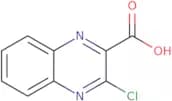
CAS:<p>Please enquire for more information about (Des-Lys38)-M65 trifluoroacetate salt including the price, delivery time and more detailed product information at the technical inquiry form on this page</p>Formula:C199H314N62O60S5Purity:Min. 95%Molecular weight:4,695.33 g/mol3-Chloroquinoxaline-2-carboxylic acid
CAS:<p>3-Chloroquinoxaline-2-carboxylic acid is a synthetic compound that has been shown to have antimicrobial properties against bacteria. It is a quinoxaline derivative, which is an important class of compounds for the development of new antibiotics. 3-Chloroquinoxaline-2-carboxylic acid has been shown to inhibit bacterial growth through different mechanisms including blocking DNA synthesis, binding to RNA polymerase, and inhibiting protein synthesis. It also has been shown to be effective against drug resistant bacteria such as methicillin resistant Staphylococcus aureus (MRSA).</p>Formula:C9H5ClN2O2Purity:Min. 95%Molecular weight:208.6 g/mol(2-Chlorophenyl)boronic acid
CAS:<p>2-Chlorophenylboronic acid is a diphenyl ether that can be used as a building block for the synthesis of benzodiazepine receptor ligands. It has been shown to be an efficient nucleophile, leading to the formation of carbonyl groups in the presence of halides. 2-Chlorophenylboronic acid has also been shown to inhibit p38 kinase activity and may be useful for anticancer therapy.</p>Formula:C6H6BClO2Purity:Min. 95%Molecular weight:156.37 g/molNeuromedin S (human) trifluoroacetate salt
<p>Please enquire for more information about Neuromedin S (human) trifluoroacetate salt including the price, delivery time and more detailed product information at the technical inquiry form on this page</p>Formula:C173H265N53O44Purity:Min. 95%Molecular weight:3,791.29 g/mol(Ala13)-Apelin-13 (human, bovine, mouse, rat) acetate salt
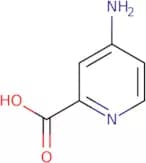
CAS:<p>Apelin-13 is a peptide hormone that is secreted from the stomach and small intestine. It may have analgesic effects through its interaction with μ-opioid receptors, which are also activated by morphine. Apelin-13 has been shown to increase locomotor activity in rats, suggesting it can potentiate the antinociceptive effect of morphine.</p>Formula:C63H107N23O16S·xC2H4O2Purity:Min. 95%Molecular weight:1,474.74 g/mol4-Aminopicolinic acid
CAS:<p>4-Aminopicolinic acid is a synthetic amine that has been shown to activate plant science. 4-Aminopicolinic acid is a cyclic peptide with two subunits, one of which is 4-amino-3-pyridinecarboxylic acid. This compound has been synthesized from picolinic acid, an agriculturally important compound that is found in plant and animal tissues. The synthesis of 4-aminopicolinic acid involves the reaction of picolinic acid with nitrous oxide, followed by hydrolysis and oxidation to form the desired product. Hplc analyses have confirmed the presence of picolinic acid in extracts from various plants containing this compound.</p>Formula:C6H6N2O2Purity:Min. 95%Color and Shape:White To Beige Or Pink To Light Brown SolidMolecular weight:138.12 g/mol1-Methyl-1-cyclohexanecarboxylic acid
CAS:<p>1-Methyl-1-cyclohexanecarboxylic acid is a fatty acid that is present in the conjugates of natural and synthetic oils. It is an unsaturated fatty acid with a cycloalkane ring structure. The synthesis of 1-methyl-1-cyclohexanecarboxylic acid has been shown to be catalyzed by a carboxylase, which converts acetyl CoA into malonyl CoA. This reaction is irreversible and can be used as the first step in the biosynthesis of fatty acids. 1-Methyl-1-cyclohexanecarboxylic acid has been shown to cause cell death in leukemia cells, as well as inhibit epileptic seizures in rats.</p>Formula:C8H14O2Purity:Min. 95%Molecular weight:142.2 g/molNuclear Factor NF-KB Inhibitor SN50 trifluoroacetate salt
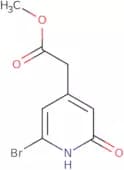
CAS:<p>SN50 is a nuclear factor NF-KB inhibitor that blocks the activity of transcription factors that are involved in inflammation and cancer. SN50 inhibits protease activity, which may be due to its ability to bind to response elements on DNA, leading to cytosolic calcium release and activation of signal pathways. It also binds to endothelin-a receptor and induces apoptosis. SN50 has been shown to have anti-tumour effects in resistant breast cancer cells as well as reducing serum aminotransferase levels in rats. This drug also activates transcriptional regulation by binding toll-like receptors and inducing colony stimulating factors. SN50 also has cardioprotective properties, which may be due to its ability to inhibit fatty acid synthase in cardiomyocytes.</p>Formula:C129H230N36O29SPurity:Min. 95%Molecular weight:2,781.5 g/molMethyl 6-bromo-1,2-dihydro-2-oxo-4-pyridineacetate
CAS:<p>Please enquire for more information about Methyl 6-bromo-1,2-dihydro-2-oxo-4-pyridineacetate including the price, delivery time and more detailed product information at the technical inquiry form on this page</p>Formula:C8H8BrNO3Purity:Min. 95%Molecular weight:246.06 g/molPAR-4 (1-6) amide (human) trifluoroacetate salt
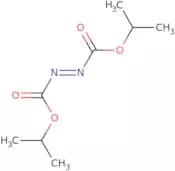
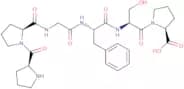
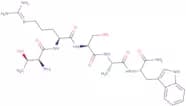
CAS:<p>Please enquire for more information about PAR-4 (1-6) amide (human) trifluoroacetate salt including the price, delivery time and more detailed product information at the technical inquiry form on this page</p>Formula:C28H42N8O8Purity:Min. 95%Molecular weight:618.68 g/molDiisopropyl azodicarboxylate - 40% toluene solution
CAS:<p>Diisopropyl azodicarboxylate is a chemical compound that reacts with hydrogen fluoride to form a mixture of diazo and triazole products. The chemical reaction is the first step in the synthesis of many pharmaceuticals, such as penicillin. Diisopropyl azodicarboxylate is used in eye disorders, metabolic disorders, and autoimmune diseases. It has been shown to be effective in treating bowel disease. This drug has been shown to have chemotherapeutic properties, which may be due to its ability to inhibit protein synthesis by binding to the nitrogen atoms on receptor molecules. Diisopropyl azodicarboxylate also reacts with trifluoroacetic acid, forming a disulfide bond that can be analyzed using structural analysis techniques or reaction solution methods.</p>Formula:C8H14N2O4Purity:Min. 95%Color and Shape:Yellow To Yellow Orange LiquidMolecular weight:202.21 g/molMAGE-3 Antigen (168-176) (human) acetate salt
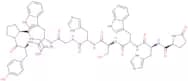
CAS:<p>Please enquire for more information about MAGE-3 Antigen (168-176) (human) acetate salt including the price, delivery time and more detailed product information at the technical inquiry form on this page</p>Formula:C48H71N11O15Purity:Min. 95%Molecular weight:1,042.14 g/molLHRH II trifluoroacetate salt
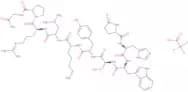
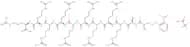
CAS:<p>LHRH II trifluoroacetate salt is a peptide hormone that is used to treat prostate cancer, breast cancer, and endometriosis. It binds to the ryanodine receptor in the cell membrane and induces the release of calcium from intracellular stores. LHRH II trifluoroacetate salt also promotes polymerase chain reactions which are important for DNA replication. This drug has been shown to increase epidermal growth factor (EGF) levels in carcinoma cell lines and has transcriptional regulatory activity in a model system. LHRH II trifluoroacetate salt can be used as an experimental model for clinical relevance because it can be used to study how hormones affect cellular processes such as transcriptional regulation.</p>Formula:C60H69N17O13Purity:Min. 95%Molecular weight:1,236.3 g/molH-Cys(NPys)-D-Arg-D-Arg-D-Arg-D-Arg-D-Arg-D-Arg-D-Arg-D-Arg-D-Arg-NH2 trifluoroacetate salt
CAS:<p>Please enquire for more information about H-Cys(NPys)-D-Arg-D-Arg-D-Arg-D-Arg-D-Arg-D-Arg-D-Arg-D-Arg-D-Arg-NH2 trifluoroacetate salt including the price, delivery time and more detailed product information at the technical inquiry form on this page</p>Formula:C62H118N40O12S2Purity:Min. 95%Molecular weight:1,679.99 g/mol4,4',4''-Nitrilotribenzoic acid
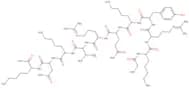
CAS:<p>4,4',4''-Nitrilotribenzoic acid is a low molecular weight activated compound with a hexane molecule and luminescence properties. This compound has been used in the detection of human pathogens, for example, Salmonella enterica serovar Typhimurium. The uptake of 4,4',4''-nitrilotribenzoic acid by these bacteria has been shown to be due to its peroxidase-like activity. 4,4',4''-Nitrilotribenzoic acid has also been used for the activation of polybenzimidazole and for polymerization reactions in polybenzimidazole films. The time required for polymerization depends on the concentration of 4,4',4''-nitrilotribenzoic acid used.</p>Formula:C21H15NO6Purity:Min. 95%Molecular weight:377.35 g/molSerpinin (mouse, rat) trifluoroacetate salt
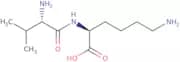
CAS:<p>Please enquire for more information about Serpinin (mouse, rat) trifluoroacetate salt including the price, delivery time and more detailed product information at the technical inquiry form on this page</p>Formula:C123H202N32O46Purity:Min. 95%Molecular weight:2,865.11 g/molH-Val-Lys-OH monoacetate salt
CAS:<p>Please enquire for more information about H-Val-Lys-OH monoacetate salt including the price, delivery time and more detailed product information at the technical inquiry form on this page</p>Formula:C11H23N3O3•C2H4O2Purity:Min. 95%Molecular weight:305.37 g/molBradykinin (2-7) acetate salt
CAS:<p>Please enquire for more information about Bradykinin (2-7) acetate salt including the price, delivery time and more detailed product information at the technical inquiry form on this page</p>Formula:C29H40N6O8Purity:Min. 95%Molecular weight:600.66 g/molCopeptin (rat) trifluoroacetate salt
CAS:<p>Copeptin (rat) trifluoroacetate salt is a peptide that belongs to the group of protein inhibitors. It can inhibit the activity of the acetylcholine receptor, which leads to an increase in muscle tone and rigidity. Copeptin is also used as a research tool for studying protein interactions, antibody-antigen reactions, cell biology, ligand-receptor binding, pharmacology and life sciences. Copeptin has been shown to inhibit ion channels such as nicotinic receptors and potassium channels. The CAS number for copeptin (rat) trifluoroacetate salt is 86280-64-0.</p>Formula:C183H307N57O61Purity:Min. 95%Molecular weight:4,281.74 g/molH-Phe-D-Met-Arg-Phe-NH2 trifluoroacetate salt
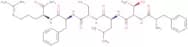
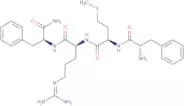
CAS:<p>Please enquire for more information about H-Phe-D-Met-Arg-Phe-NH2 trifluoroacetate salt including the price, delivery time and more detailed product information at the technical inquiry form on this page</p>Formula:C29H42N8O4SPurity:Min. 95%Molecular weight:598.76 g/molTumor Targeted Pro-Apoptotic Peptide trifluoroacetate salt
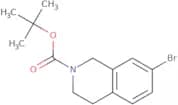
<p>Please enquire for more information about Tumor Targeted Pro-Apoptotic Peptide trifluoroacetate salt including the price, delivery time and more detailed product information at the technical inquiry form on this page</p>Formula:C94H174N32O22S2Purity:Min. 95%Molecular weight:2,168.72 g/moltert-Butyl 7-bromo-3,4-dihydroisoquinoline-2(1H)-carboxylate
CAS:<p>Please enquire for more information about tert-Butyl 7-bromo-3,4-dihydroisoquinoline-2(1H)-carboxylate including the price, delivery time and more detailed product information at the technical inquiry form on this page</p>Formula:C14H18BrNO2Purity:Min. 95%Color and Shape:PowderMolecular weight:312.2 g/mol(Des-Gly10,D-His2,D-Ser(tBu)6,Pro-NHEt 9)-LHRH acetate salt
<p>Please enquire for more information about (Des-Gly10,D-His2,D-Ser(tBu)6,Pro-NHEt 9)-LHRH acetate salt including the price, delivery time and more detailed product information at the technical inquiry form on this page</p>Formula:C60H86N16O13Purity:Min. 95%Molecular weight:1,239.42 g/molKemptide trifluoroacetate salt
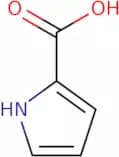
CAS:<p>Kemptide is a substrate molecule that has been shown to inhibit the enzyme activity of some protein kinases. Kemptide is a 3-amino acid peptide that contains the amino acids L-leucine, L-arginine, and L-arginine. It was originally isolated from an extract of human brain tissue and has been shown to inhibit the activity of protein kinase C (PKC), phosphorylase kinase, and glycogen synthase kinase 3β in vitro assays. Kemptide also inhibits the expression of genes encoding PKCα1, PKCα2, PKCδ, PKCε, PKCγ1, PKCγ2, PKCζ in t84 cells. The inhibition of these genes suggests that kemptide may be useful as a drug candidate for inhibiting protein kinases in vivo.</p>Formula:C32H61N13O9·xC2HF3O2Purity:Min. 95%Molecular weight:771.91 g/molPyrrole-2-carboxylic acid
CAS:<p>Pyrrole-2-carboxylic acid is a polycyclic aromatic compound that can be found in coal tar. It has been shown to have anti-inflammatory, antiallergic, and antifungal properties. Pyrrole-2-carboxylic acid is produced by the human body as an intermediate in the metabolism of tryptophan. This compound can also be synthesized and used to treat chronic bronchitis, which is caused by excessive mucus production and inflammation of the airways. The reaction mechanism for pyrrole-2-carboxylic acid is similar to that of other drugs that are used in respiratory therapy, such as aminophylline or acetylcysteine.</p>Formula:C5H5NO2Purity:Min. 95%Molecular weight:111.1 g/mol(H-Cys-4MbNA)2 acetate salt (Disulfide bond)
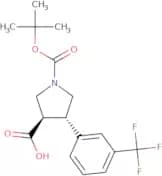
CAS:<p>Please enquire for more information about (H-Cys-4MbNA)2 acetate salt (Disulfide bond) including the price, delivery time and more detailed product information at the technical inquiry form on this page</p>Formula:C28H30N4O4S2Purity:Min. 95%Molecular weight:550.69 g/molBoc-(±)-trans-4-(3-trifluoromethylphenyl)pyrrolidine-3-carboxylic acid
CAS:<p>Please enquire for more information about Boc-(±)-trans-4-(3-trifluoromethylphenyl)pyrrolidine-3-carboxylic acid including the price, delivery time and more detailed product information at the technical inquiry form on this page</p>Formula:C17H20F3NO4Purity:Min. 95%Molecular weight:359.34 g/molH-Ser-Leu-Ser-Leu-Ser-Pro-Gly-OH trifluoroacetate salt
CAS:<p>Please enquire for more information about H-Ser-Leu-Ser-Leu-Ser-Pro-Gly-OH trifluoroacetate salt including the price, delivery time and more detailed product information at the technical inquiry form on this page</p>Formula:C28H49N7O11Purity:Min. 95%Molecular weight:659.73 g/molBoc-15-amino-4,7,10,13-tetraoxapentadecanoic acid
CAS:<p>Boc-15-amino-4,7,10,13-tetraoxapentadecanoic acid is a PEG compound with two different functional groups (also known as heterobifunctional). Unlike homobifunctional PEG compounds (same functional group on both ends), this type of compounds are more versatile as have two different anchor points. Boc-15-amino-4,7,10,13-tetraoxapentadecanoic acid is used as a linker and spacer to add a PEG moiety, via pegylation (a bioconjugation technique) to proteins, peptides, oligonucleotides, small molecules and nanoparticles.</p>Formula:C16H31NO8Purity:Min. 95%Molecular weight:365.42 g/mol(D-Lys16)-ACTH (1-24) (human, bovine, rat) trifluoroacetate salt
CAS:<p>Please enquire for more information about (D-Lys16)-ACTH (1-24) (human, bovine, rat) trifluoroacetate salt including the price, delivery time and more detailed product information at the technical inquiry form on this page</p>Formula:C136H210N40O31SPurity:Min. 95%Molecular weight:2,933.44 g/mol3-Benzoyl acrylic acid
CAS:<p>3-Benzoyl acrylic acid is an organic compound that is the product of a chemical reaction between benzaldehyde and acetic anhydride. It contains a carboxylic acid group, an hydroxyl group, a nitro group, and a particle. 3-Benzoyl acrylic acid has been shown to inhibit the growth factor epidermal growth factor (EGF). This inhibition occurs by binding to the receptor for EGF on the cell membrane and blocking its activation. 3-Benzoyl acrylic acid also inhibits fatty acid synthesis and mitochondrial membrane potential, which may be due to its ability to form ester hydrochloride.</p>Formula:C10H8O3Purity:Min. 95%Color and Shape:PowderMolecular weight:176.17 g/molD-α-Hydroxyisovaleric acid
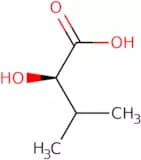
CAS:<p>D-alpha-Hydroxyisovaleric acid is a compound that is used to synthesize stereoisomers. It is also a component of supramolecular chemistry and has been used in the construction of supramolecular polymers. D-alpha-Hydroxyisovaleric acid can be found in some plants, such as valinomycin, isovaleric acid, and metarhizium. This stereoisomer can be synthetized from the hydroxy group and an amino acid or peptide. D-alpha-Hydroxyisovaleric acid has the ability to degrade nonribosomal peptides into smaller molecules through its hydrolytic properties. It also inhibits Verticillium dahliae, which causes wilt disease in plants, by inhibiting the synthesis of hydroxycarboxylates. D-alpha-Hydroxyisovaleric acid is biodegradable and can be used for industrial purposes as well as pharmaceuticals.</p>Formula:C5H10O3Purity:Min. 95%Color and Shape:White PowderMolecular weight:118.13 g/molH-Leu-Ser-Lys-Leu-NH2 trifluoroacetate salt
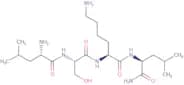
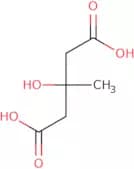
CAS:<p>L-Leu-Ser-Lys-Leu-NH2 is a cyclic peptide with the amino acid sequence H-Leu-Ser-Lys-Leu. It has been shown to have receptor activity and can be used as an experimental model of growth factors. L-Leu-Ser-Lys-Leu was found to stimulate collagen synthesis in a collagen gel, which may be due to its ability to inhibit the release of growth factor β1. L-Leu-Ser Lys Leu also has anti cancer effects by inhibiting the proliferation of malignant brain cells, as well as tubulointerstitial injury and renal cell carcinoma. This compound may also have some use in treating subarachnoid hemorrhage and fetal bovine serum (FBS) for tissue culture.</p>Formula:C21H42N6O5Purity:Min. 95%Molecular weight:458.6 g/mol3-Hydroxy-3-methylglutaric acid
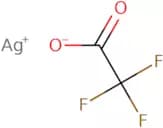
CAS:<p>3-Hydroxy-3-methylglutaric acid is an organic acid that is a valuable intermediate in the chemical production of epidermal growth factor. 3-Hydroxy-3-methylglutaric acid also has been shown to be useful as a reagent for the detection of bacterial strains, including E. coli, Salmonella enterica, and Pseudomonas aeruginosa. The enzyme activities of 3-hydroxy-3-methylglutaric acid are not well understood, but it has been shown to have effects on congestive heart failure and bowel disease. 3-Hydroxy-3-methylglutaric acid may be used in the treatment of inflammatory bowel disease due to its ability to inhibit certain enzymes responsible for inflammation and pain. The long term toxicity and symptoms associated with 3-hydroxy-3-methylglutaric acid have not yet been studied, but it has been shown to have no effect on cardiac function</p>Formula:C6H10O5Purity:Min. 95%Molecular weight:162.14 g/molSilver(I) 2,2,2-trifluoroacetate
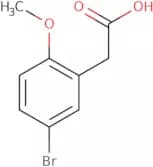
CAS:<p>Silver trifluoroacetate is a chemical compound that is a silver salt of trifluoroacetic acid. Silver trifluoroacetate is a white crystalline solid, soluble in water and alcohols, but insoluble in ethers. It has the chemical formula AgCF3CO2H. The crystal structure of silver trifluoroacetate has been determined by x-ray diffraction techniques and found to be orthorhombic with space group Pbam. The molecule consists of two 5-membered heteroaromatic rings, one containing carbon atoms and the other containing nitrogen atoms. The nitrogen atom is bonded to six hydrogen atoms and three fluorine atoms, while the carbon atom is bonded to four oxygen atoms and one fluorine atom. Synthesis methods for this compound include reacting silver nitrate with sodium carbonate in water vapor at 120°C.</p>Formula:C2AgF3O2Purity:Min. 95%Molecular weight:220.88 g/mol(5-Bromo-2-methoxyphenyl)acetic acid
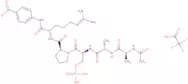
CAS:<p>5-Bromo-2-methoxyphenyl)acetic acid (BMPEA) is a hydroxylated derivative of aspartic acid. It has been shown to induce apoptotic cell death in various cell lines, including human lung cells and rat hippocampal cells. BMPEA is synthesized by the solid-phase method and is characterized by a constant structure. It can be used to treat degenerative diseases and other conditions where apoptosis is desirable, such as Alzheimer's disease, Parkinson's disease, amyotrophic lateral sclerosis, retinitis pigmentosa, and Duchenne muscular dystrophy.</p>Formula:C9H9BrO3Purity:Min. 95%Color and Shape:PowderMolecular weight:245.07 g/molAc-Ala-Ala-Ser(PO3H2)-Pro-Arg-pNA trifluoroacetate salt
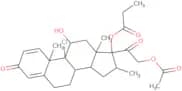
CAS:<p>Please enquire for more information about Ac-Ala-Ala-Ser(PO3H2)-Pro-Arg-pNA trifluoroacetate salt including the price, delivery time and more detailed product information at the technical inquiry form on this page</p>Formula:C28H43N10O12PPurity:Min. 95%Molecular weight:742.67 g/molBeclomethasone 21-acetate 17-propionate
CAS:Controlled Product<p>Please enquire for more information about Beclomethasone 21-acetate 17-propionate including the price, delivery time and more detailed product information at the technical inquiry form on this page</p>Formula:C27H35ClO7Purity:Min. 95%Molecular weight:507.02 g/molOsteostatin (1-5) amide (human, bovine, dog, horse, mouse, rabbit, rat) trifluoroacetate salt
CAS:<p>Please enquire for more information about Osteostatin (1-5) amide (human, bovine, dog, horse, mouse, rabbit, rat) trifluoroacetate salt including the price, delivery time and more detailed product information at the technical inquiry form on this page</p>Formula:C27H42N10O7Purity:Min. 95%Molecular weight:618.69 g/molBiotinyl-(Leu8,D-Trp22,Tyr25)-Somatostatin-28 trifluoroacetate salt
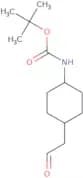
CAS:<p>Please enquire for more information about Biotinyl-(Leu8,D-Trp22,Tyr25)-Somatostatin-28 trifluoroacetate salt including the price, delivery time and more detailed product information at the technical inquiry form on this page</p>Formula:C148H223N43O42S3Purity:Min. 95%Molecular weight:3,372.82 g/molTert-Butyl Trans-4-(2-Oxoethyl)Cyclohexylcarbamate
CAS:<p>Please enquire for more information about Tert-Butyl Trans-4-(2-Oxoethyl)Cyclohexylcarbamate including the price, delivery time and more detailed product information at the technical inquiry form on this page</p>Formula:C13H23NO3Purity:Min. 95%Molecular weight:241.33 g/molAmyloid β-Protein (33-42) trifluoroacetate salt
CAS:<p>Please enquire for more information about Amyloid beta-Protein (33-42) trifluoroacetate salt including the price, delivery time and more detailed product information at the technical inquiry form on this page</p>Formula:C41H74N10O11SPurity:Min. 95%Molecular weight:915.15 g/mol1-{[5-(Cyclopropylcarbonyl)-1-methyl-4,5,6,7-tetrahydro-1H-pyrazolo[4,3-c]pyridin-3-yl]carbonyl}piperidine-4-carboxylic acid
CAS:<p>Please enquire for more information about 1-{[5-(Cyclopropylcarbonyl)-1-methyl-4,5,6,7-tetrahydro-1H-pyrazolo[4,3-c]pyridin-3-yl]carbonyl}piperidine-4-carboxylic acid including the price, delivery time and more detailed product information at the technical inquiry form on this page</p>Formula:C18H24N4O4Purity:Min. 95%Molecular weight:360.41 g/molLeu-Enkephalin amide acetate salt
CAS:<p>Leu-Enkephalin amide acetate salt H-Tyr-Gly-Gly-Phe-Leu-NH2 acetate salt is a peptide that is used as an analgesic and antipyretic drug. It is a synthetic form of endogenous enkephalins, which are natural pain relievers. The chemical stability of Leu-Enkephalin amide acetate salt H-Tyr-Gly-Gly-Phe-Leu-NH2 acetate salt makes it an effective drug for chronic use, and it has been shown to have a low side effect profile. This compound also has been shown to block the synthesis of histamine in vivo, but its bioavailability in vivo is not high due to its rapid degradation by proteases.</p>Formula:C28H38N6O6Purity:Min. 95%Color and Shape:PowderMolecular weight:554.64 g/mol(3,5-Diiodo-Tyr1,D-Ala2,N-Me-Phe4,glycinol5)-Enkephalin acetate salt
CAS:Controlled Product<p>Please enquire for more information about (3,5-Diiodo-Tyr1,D-Ala2,N-Me-Phe4,glycinol5)-Enkephalin acetate salt including the price, delivery time and more detailed product information at the technical inquiry form on this page</p>Formula:C26H33I2N5O6Purity:Min. 95%Molecular weight:765.38 g/mol1-Benzyl-4-((tert-butoxycarbonyl)amino)piperidine-4-carboxylic acid
CAS:<p>Please enquire for more information about 1-Benzyl-4-((tert-butoxycarbonyl)amino)piperidine-4-carboxylic acid including the price, delivery time and more detailed product information at the technical inquiry form on this page</p>Formula:C18H26N2O4Purity:Min. 95%Molecular weight:334.41 g/molTRAP-14 amide trifluoroacetate salt
CAS:<p>Please enquire for more information about TRAP-14 amide trifluoroacetate salt including the price, delivery time and more detailed product information at the technical inquiry form on this page</p>Formula:C81H119N21O22Purity:Min. 95%Molecular weight:1,738.94 g/molH-Ile-Ile-Ile-OH acetate salt
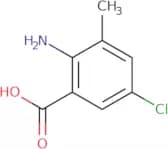
CAS:<p>Please enquire for more information about H-Ile-Ile-Ile-OH acetate salt including the price, delivery time and more detailed product information at the technical inquiry form on this page</p>Formula:C18H35N3O4Purity:Min. 95%Molecular weight:357.49 g/mol2-Amino-5-chloro-3-methylbenzoic acid
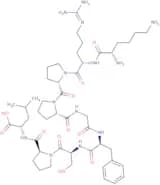
CAS:<p>2-Amino-5-chloro-3-methylbenzoic acid (ACMB) is a substructure of the insecticidal compound chlorantraniliprole. It is a solid at room temperature and has a molecular weight of 142.15 g/mol. ACMB can be extracted from n-hexane, chlorantraniliprole, or xylene using gravimetric analysis. The bioactivity of ACMB can be determined by an anthranilic assay, while its solubility data are available in the literature. ACMB has been shown to have insecticidal activity against lepidoptera larvae and cyanuric activity against mosquito larvae.</p>Formula:C8H8ClNO2Purity:Min. 95%Molecular weight:185.61 g/molLys-(Des-Arg9,Leu8)-Bradykinin trifluoroacetate salt
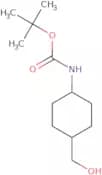
CAS:<p>Bradykinin is a peptide that is released in response to injury and inflammation. It has two receptors, B1 and B2. Bradykinin binds to the B2 receptor which leads to vasodilation, increased vascular permeability, and bronchoconstriction. Lys-(Des-Arg9,Leu8)-Bradykinin trifluoroacetate salt H-Lys-Arg-Pro-Pro-Gly-Phe-Ser-Pro-Leu (LBP) is a synthetic analogue of bradykinin that competes with bradykinin for binding sites on the bradykinin b2 receptor. LBP also inhibits lipoxygenase activity in vitro and in animals. This drug can be used as an antagonist against bradykinin b2 receptor or as an antiplatelet agent.</p>Formula:C47H75N13O11Purity:Min. 95%Molecular weight:998.18 g/moltert-Butyl trans-4-(hydroxymethyl)cyclohexylcarbamate
CAS:<p>Please enquire for more information about tert-Butyl trans-4-(hydroxymethyl)cyclohexylcarbamate including the price, delivery time and more detailed product information at the technical inquiry form on this page</p>Formula:C12H23NO3Purity:Min. 95%Molecular weight:229.32 g/molPACAP-38 (28-38) (human, chicken, mouse, ovine, porcine, rat) trifluoroacetate salt
CAS:<p>PACAP-38 (28-38) is a peptide hormone that is produced in the brain and regulates various physiological processes. It has been shown to have effects on intestinal, pancreatic, and lung cells. PACAP-38 (28-38) is a potent antagonist of vasoactive intestinal polypeptide (VIP), which has been implicated in the regulation of gastrointestinal motility and fluid secretion. The peptide also inhibits cancer cell proliferation by activating cell death pathways.</p>Formula:C61H110N24O14Purity:Min. 95%Molecular weight:1,403.68 g/molPeptide YY (13-36) (canine, mouse, porcine, rat) trifluoroacetate salt
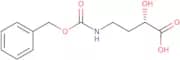
CAS:<p>Please enquire for more information about Peptide YY (13-36) (canine, mouse, porcine, rat) trifluoroacetate salt including the price, delivery time and more detailed product information at the technical inquiry form on this page</p>Formula:C135H209N41O38Purity:Min. 95%Molecular weight:3,014.36 g/mol(S)-N-Carbobenzyloxy-4-amino-2-hydroxybutyric acid
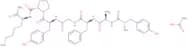
CAS:<p>(S)-N-Carbobenzyloxy-4-amino-2-hydroxybutyric acid is a benzene ring with a carboxylic acid group. It has the ability to modify polylactic acid, polycarbonate, and other polymers. The chain can be modified to include amino groups or antibacterial groups. (S)-N-Carbobenzyloxy-4-amino-2-hydroxybutyric acid also has antibacterial properties and is compatible with polylactic acid, which makes it ideal for use in polymer modifications.</p>Formula:C12H15NO5Purity:Min. 95%Molecular weight:253.25 g/mol(Lys7)-Dermorphin acetate salt
CAS:Controlled Product<p>Please enquire for more information about (Lys7)-Dermorphin acetate salt including the price, delivery time and more detailed product information at the technical inquiry form on this page</p>Formula:C43H57N9O9Purity:Min. 95%Molecular weight:843.97 g/molOsteostatin (1-5) (human, bovine, dog, horse, mouse, rabbit, rat) trifluoroacetate salt
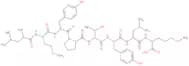
CAS:<p>Please enquire for more information about Osteostatin (1-5) (human, bovine, dog, horse, mouse, rabbit, rat) trifluoroacetate salt including the price, delivery time and more detailed product information at the technical inquiry form on this page</p>Formula:C27H41N9O8Purity:Min. 95%Molecular weight:619.67 g/molVIP Receptor-Binding Inhibitor L-8-K trifluoroacetate salt
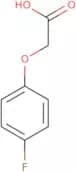
CAS:<p>Please enquire for more information about VIP Receptor-Binding Inhibitor L-8-K trifluoroacetate salt including the price, delivery time and more detailed product information at the technical inquiry form on this page</p>Formula:C50H77N9O12SPurity:Min. 95%Molecular weight:1,028.27 g/mol4-Fluorophenoxyacetic acid
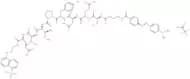
CAS:<p>4-Fluorophenoxyacetic acid is a chemical compound that is used as an insecticide. It has been shown to be effective against the planthopper and ipomoea, two agricultural pests. 4-Fluorophenoxyacetic acid binds to the active site of a specific protein in the insect's cells, inhibiting its function and causing cell death. 4-Fluorophenoxyacetic acid also inhibits the growth of human breast cancer cells in culture. The molecular weight of this compound is 180.2 g/mol and has a melting point of 185°C with a boiling point of 232°C at atmospheric pressure. 4-Fluorophenoxyacetic acid can be synthesized by reacting phenol with acetic anhydride in the presence of palladium complexes and nitrogen atoms. The reaction mechanism for this synthesis is nucleophilic addition to form a covalent bond between the nitrogen atom and sulfur atom on one side of the</p>Formula:C8H7FO3Purity:Min. 95%Color and Shape:PowderMolecular weight:170.14 g/molDABCYL-γ-Abu-Ser-Gln-Asn-Tyr-Pro-Ile-Val-Gln-EDANS trifluoroacetate salt
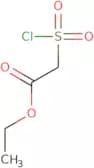
CAS:<p>Please enquire for more information about DABCYL-gamma-Abu-Ser-Gln-Asn-Tyr-Pro-Ile-Val-Gln-EDANS trifluoroacetate salt including the price, delivery time and more detailed product information at the technical inquiry form on this page</p>Formula:C73H97N17O18SPurity:Min. 95%Molecular weight:1,532.72 g/molEthyl 2-(chlorosulfonyl)acetate
CAS:<p>Ethyl 2-(chlorosulfonyl)acetate is a drug candidate that inhibits the enzyme cholesterol acyltransferase (ACAT), which is responsible for the formation of cholesterol esters. It has been shown to be effective in animal models for the treatment of metabolic disorders, such as hypercholesterolemia and hypertriglyceridemia. In addition, it has been shown to inhibit the activity of serine proteases, which are involved in coagulation, amido hydrolase, and nucleophilic attack reactions. Ethyl 2-(chlorosulfonyl)acetate has also been shown to activate gene product in cellular studies with mouse fibroblasts.</p>Purity:Min. 95%Color and Shape:PowderMolecular weight:186.61 g/molAntifreeze Polypeptide 6 (winter flounder) trifluoroacetate salt
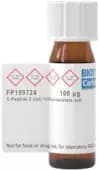
CAS:<p>Antifreeze Polypeptide 6 (AFP6) is a protein that belongs to the family of antifreeze proteins. AFP6 binds to ion channels and prevents the flow of ions, which prevents the formation of ice crystals. It also has been shown to interact with other proteins, such as receptors and peptides. This protein has been shown to be a research tool for studying cell biology and pharmacology. The CAS number for AFP6 is 122604-16-4.</p>Formula:C133H225N43O51•xC2HF3O2Purity:Min. 95%Molecular weight:3,242.47 g/molC-Peptide 2 (rat) trifluoroacetate salt
CAS:<p>Please enquire for more information about C-Peptide 2 (rat) trifluoroacetate salt including the price, delivery time and more detailed product information at the technical inquiry form on this page</p>Formula:C135H222N38O49Purity:Min. 95%Molecular weight:3,161.43 g/mol5-FAM-Amylin (mouse, rat) trifluoroacetate salt
CAS:<p>Please enquire for more information about 5-FAM-Amylin (mouse, rat) trifluoroacetate salt including the price, delivery time and more detailed product information at the technical inquiry form on this page</p>Formula:C188H282N52O59S2Purity:Min. 95%Molecular weight:4,278.7 g/molH-Asn-AMC trifluoroacetate salt
CAS:<p>Please enquire for more information about H-Asn-AMC trifluoroacetate salt including the price, delivery time and more detailed product information at the technical inquiry form on this page</p>Formula:C14H15N3O4Purity:Min. 95%Molecular weight:289.29 g/mol2,2-Dimethyl-4-oxo-3,8,11,14-tetraoxa-5-azahexadecan-16-oic acid
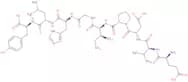
CAS:<p>2,2-Dimethyl-4-oxo-3,8,11,14-tetraoxa-5-azahexadecan-16-oic acid (DMTA) is a versatile building block that can be used in the synthesis of a wide variety of compounds. DMTA is an important intermediate for the synthesis of complex molecules and is a useful scaffold for drug development. It has been shown to be an effective reagent for the synthesis of 2,4,6-trinitrobenzenesulfonic acid as well as other useful compounds. DMTA also has high quality and purity with CAS No. 462100-06-7 and is a speciality chemical.</p>Formula:C13H25NO7Purity:Min. 95%Color and Shape:Colorless PowderMolecular weight:307.34 g/mol(D-Trp6)-LHRH (free acid) trifluoroacetate salt
CAS:<p>Please enquire for more information about (D-Trp6)-LHRH (free acid) trifluoroacetate salt including the price, delivery time and more detailed product information at the technical inquiry form on this page</p>Formula:C64H81N17O14Purity:Min. 95%Molecular weight:1,312.43 g/molNeurokinin A trifluoroacetate salt
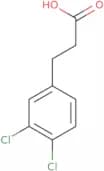
CAS:<p>Neurokinin A trifluoroacetate salt H-His-Lys-Thr-Asp-Ser-Phe-Val-Gly-Leu-Met-NH2 trifluoroacetate salt is a potent inducer of the basic protein. It has been shown to have cytotoxic effects on pluripotent cells in vitro. Neurokinin A is also a potent inducer of substance P, which is a neurotransmitter that mediates inflammatory lesions and cardiac effects. Neurokinin A has also been shown to have an effect on locomotor activity and polymerase chain reaction (PCR) amplification in vitro.</p>Formula:C50H80N14O14SPurity:Min. 95%Molecular weight:1,133.32 g/mol3-(3,4-dichlorophenyl)propanoic acid
CAS:<p>3-(3,4-Dichlorophenyl)propanoic acid is a potent inhibitor of the lysine methyltransferase enzyme. This enzyme catalyzes the transfer of methyl groups from S-adenosylmethionine to lysine residues in proteins, and it is involved in cancer cell proliferation. 3-(3,4-Dichlorophenyl)propanoic acid inhibits the activity of this enzyme by covalently binding to lysine residues on the protein and preventing their methylation. Research has shown that 3-(3,4-Dichlorophenyl)propanoic acid can block tumor growth by inhibiting the activity of this enzyme.</p>Formula:C9H8O2Cl2Purity:Min. 95%Color and Shape:PowderMolecular weight:219.06 g/mol(Des-Gly2)-Exenatide trifluoroacetate salt
CAS:<p>Please enquire for more information about (Des-Gly2)-Exenatide trifluoroacetate salt including the price, delivery time and more detailed product information at the technical inquiry form on this page</p>Formula:C182H279N49O59SPurity:Min. 95%Molecular weight:4,129.52 g/molAtrial Natriuretic Factor (5-27) (human) trifluoroacetate salt
CAS:<p>Please enquire for more information about Atrial Natriuretic Factor (5-27) (human) trifluoroacetate salt including the price, delivery time and more detailed product information at the technical inquiry form on this page</p>Formula:C97H154N34O32S3Purity:Min. 95%Molecular weight:2,404.67 g/molACV trifluoroacetate salt
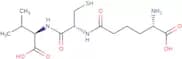
CAS:<p>ACV trifluoroacetate salt H-Aad (Cys-D-Val-OH)-OH trifluoroacetate salt is a nonheme iron that has been shown to be an oxidizing agent. It is used in the synthesis of antibiotics and other organic compounds. ACV trifluoroacetate salt H-Aad (Cys-D-Val-OH)-OH trifluoroacetate salt also has synthetase activity, which catalyzes the formation of a thiolate ligand from two molecules of acetyl coenzyme A (ACCOA) and one molecule of propionyl coenzyme A (PCCOA). This ligand binds to metal ions such as Fe2+, which are then reduced to Fe3+ by the metal cluster. The water ligands on the coordination sphere may be replaced by other ligands, such as lysine.</p>Formula:C14H25N3O6SPurity:Min. 95%Molecular weight:363.43 g/molTRAP-6 ammonium acetate salt
CAS:<p>TRAP-6 is a biocompatible polymer that is used to prevent adhesion of platelets to the endothelium and activation of coagulation. TRAP-6 has been shown to be effective in preventing inflammatory bowel disease, as well as other bowel diseases, by inhibiting the release of inflammatory cytokines such as fibrinogen and erythropoietin. This drug has been shown to have clinical relevance in treating inflammatory bowel disease in animal models. TRAP-6 can also be used to inhibit the growth of bacteria by binding to bacterial cells or by inducing their death. In addition, TRAP-6 can bind with monoclonal antibodies and target specific cells for destruction.</p>Formula:C34H56N10O9Purity:Min. 95%Molecular weight:748.87 g/molPhenyl pyruvic acid
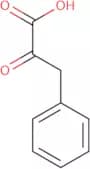
CAS:<p>Phenyl pyruvic acid is a sodium salt of phenylpyruvic acid that can be synthesized from phenylalanine, an amino acid. It has been shown to have antioxidant and anti-inflammatory properties. Phenyl pyruvic acid was found to inhibit oxidative injury caused by sodium nitroprusside in the rat brain, liver, and heart. Phenyl pyruvic acid also increased the activity of 3t3-l1 preadipocytes and improved energy metabolism in these cells. The synthesis of phenylpyruvate is catalyzed by a decarboxylase enzyme and it can be converted into insulin or phenylalanine.</p>Formula:C9H8O3Purity:Min. 95%Color and Shape:PowderMolecular weight:164.16 g/moltert-Butyl carbamate
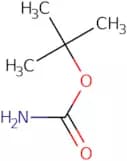
CAS:<p>tert-Butyl carbamate is a chemical compound that has been shown to inhibit the ubiquitin ligases, which are enzymes responsible for protein degradation. It binds to the active site of these enzymes and inhibits their activity. Tert-butyl carbamate has also been shown to have anti-inflammatory properties due to its ability to inhibit prostaglandin synthesis. This drug has been shown to be safe in humans at high doses and has a low toxicity profile.</p>Formula:C5H11NO2Purity:Min. 95%Color and Shape:White PowderMolecular weight:117.15 g/molH-Arg-Arg-Arg-Arg-Arg-Arg-OH trifluoroacetate salt
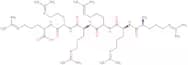
CAS:<p>H-Arg-Arg-Arg-Arg-Arg-Arg-OH trifluoroacetate salt is a compound that can be used as a cancer treatment. It has been shown to inhibit the growth of human retinal pigmented epithelial cells (p. pastoris) and induce apoptosis in these cells. H-Arg-Arg-Arg-Arg-Arg-Arg-OH trifluoroacetate salt interacts with the membrane of cells, blocking the binding site for growth factor and preventing the activation of downstream signaling pathways. This agent also binds to lysine residues on peptides, which are then degraded by proteases. H-Argo Arg Arg Arg Arg Arg Arg OH trifluoroacetate salt has been shown to have an affinity for flavone luteolin at neutral pH, as well as fatty acid molecules.</p>Formula:C36H74N24O7Purity:Min. 95%Molecular weight:955.13 g/molVIP (4-28) (human, mouse, rat) trifluoroacetate salt
CAS:<p>Please enquire for more information about VIP (4-28) (human, mouse, rat) trifluoroacetate salt including the price, delivery time and more detailed product information at the technical inquiry form on this page</p>Formula:C134H221N39O36SPurity:Min. 95%Molecular weight:2,986.5 g/molH-Val-AMC trifluoroacetate salt
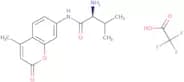
CAS:<p>Please enquire for more information about H-Val-AMC trifluoroacetate salt including the price, delivery time and more detailed product information at the technical inquiry form on this page</p>Formula:C15H18N2O3Purity:Min. 95%Molecular weight:274.32 g/mol3-Phenyl-1-adamantane carboxylic acid
CAS:<p>3-Phenyl-1-adamantane carboxylic acid is a thioester that can be used in the synthesis of anti-fungal and antiviral agents. 3-Phenyl-1-adamantane carboxylic acid has been shown to have anti-viral activity against herpes simplex virus type 1 (HSV-1) and type 2 (HSV-2). It also has anthelmintic properties, which may be due to its ability to inhibit the growth of parasitic worms. 3PCA can also be used in the synthesis of cyclic anthelmintics, which are drugs that treat worm infestations.</p>Formula:C17H20O2Purity:Min. 95%Color and Shape:White Off-White PowderMolecular weight:256.34 g/molLuteinizing Hormone-Releasing Hormone Antagonist trifluoroacetate salt
CAS:<p>Luteinizing Hormone-Releasing Hormone Antagonist trifluoroacetate salt is a potent antagonist of the luteinizing hormone-releasing hormone (LHRH) receptor. It is used specifically to treat platinum-resistant ovarian cancer, where it has been shown to be effective in reducing tumor size and volume. This drug has minimal toxicity and can be administered by injection or as a microcapsule. LHRH Antagonist trifluoroacetate salt is an analog of LHRH that has been modified so that it cannot cross the blood-brain barrier. It also binds to epidermal growth factor receptors, which are involved in cell proliferation, differentiation, and survival. Symptoms of overdose may include nausea, vomiting, headache, dizziness, seizures, and coma.</p>Formula:C48H59ClN12O8Purity:Min. 95%Molecular weight:967.51 g/molOrexin A (17-33) trifluoroacetate salt
CAS:<p>Orexin A (17-33) trifluoroacetate salt H-Tyr-Glu-Leu-Leu-His-Gly-Ala-Gly-Asn-His-Ala-Ala-Gly-Ile-Leu-Thr-Leu is a peptide fragment that belongs to the orexin family. It is a potent antagonist of the G protein coupled receptors, which are responsible for mediating the effects of endogenous and exogenous ligands. Orexin A (17-33) trifluoroacetate salt H has been shown to have cytosolic interactions with calcium ions, regulating their concentration in the cytosol. It also affects choline levels and increases intracellular calcium concentrations. The peptide also potentiates responses to cocaine and other drugs that target GPCRs. This drug has been shown to be active against xestospongin, an antibiotic that inhibits protein synthesis</p>Formula:C79H125N23O22Purity:Min. 95%Molecular weight:1,748.98 g/mol(D-Lys6)-LHRH trifluoroacetate salt
CAS:<p>Please enquire for more information about (D-Lys6)-LHRH trifluoroacetate salt including the price, delivery time and more detailed product information at the technical inquiry form on this page</p>Formula:C59H84N18O13·xC2HF3O2Purity:Min. 95%Color and Shape:White To Off-White SolidMolecular weight:1,253.41 g/mol3-Amino-4-methyl-thiophen-2-carboxylic acid methyl ester
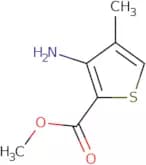
CAS:<p>3-Amino-4-methylthiophen-2-carboxylic acid methyl ester (3AMTC) is a novel compound that has been shown to have antihypertensive activity, as well as other pharmacological actions. 3AMTC is an allosteric modulator of α7 nicotinic acetylcholine receptors, which are found in the central and peripheral nervous system. The efficacy of 3AMTC was evaluated using magnetic resonance spectroscopy to measure the effects on mouse tumor cells. This compound showed no carcinogenic potential, which may be due to its inability to cross the blood brain barrier.</p>Purity:Min. 95%Molecular weight:171.22 g/molCART (61-102) (human, rat) trifluoroacetate salt
CAS:<p>Please enquire for more information about CART (61-102) (human, rat) trifluoroacetate salt including the price, delivery time and more detailed product information at the technical inquiry form on this page</p>Formula:C189H310N58O56S7Purity:Min. 95%Molecular weight:4,515.3 g/molH-Val-Ala-pNA acetate salt
CAS:<p>Please enquire for more information about H-Val-Ala-pNA acetate salt including the price, delivery time and more detailed product information at the technical inquiry form on this page</p>Formula:C14H20N4O4Purity:Min. 95%Molecular weight:308.33 g/molFmoc-4-(neopentyloxysulfonyl)-Abu-OH (S)-2-(Fmoc-amino)-4-neopentyloxysulfonyl-butyric acid
CAS:<p>Please enquire for more information about Fmoc-4-(neopentyloxysulfonyl)-Abu-OH (S)-2-(Fmoc-amino)-4-neopentyloxysulfonyl-butyric acid including the price, delivery time and more detailed product information at the technical inquiry form on this page</p>Formula:C24H29NO7SPurity:Min. 95%Molecular weight:475.56 g/mol(D-Trp6)-LHRH (2-10) trifluoroacetate salt
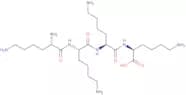
CAS:<p>Please enquire for more information about (D-Trp6)-LHRH (2-10) trifluoroacetate salt including the price, delivery time and more detailed product information at the technical inquiry form on this page</p>Formula:C59H77N17O11Purity:Min. 95%Molecular weight:1,200.35 g/molH-Lys-Lys-Lys-Lys-OH acetate salt
CAS:<p>H-Lys-Lys-Lys-Lys-OH acetate salt is a fatty acid that has been shown to form stable complexes with DNA and act as an intercalator. It also provides a repair mechanism for DNA, which may be due to its ability to bind to stem cell factor (SCF) and increase the proliferation of stem cells. H-Lys-Lys-Lys-Lys-OH acetate salt has significant cytotoxicity against viruses, such as human immunodeficiency virus type 1 (HIV1) and human papilloma virus type 16. This drug can also be used as an adjuvant in monoclonal antibody production by stimulating the production of antibodies from mouse spleen cells. H-Lys-Lys-Lys-Lys-OH acetate salt has been shown to inhibit the growth of E. coli K12 and Bacteria Corynebacterium diphtheriae, both of</p>Formula:C24H50N8O5Purity:Min. 95%Molecular weight:530.7 g/molAmyloid P Component (33-38) amide trifluoroacetate salt
CAS:<p>Please enquire for more information about Amyloid P Component (33-38) amide trifluoroacetate salt including the price, delivery time and more detailed product information at the technical inquiry form on this page</p>Formula:C37H56N10O7SPurity:Min. 95%Molecular weight:784.97 g/molH-Gly-Arg-Ala-Asp-Ser-Pro-Lys-OH acetate salt
CAS:<p>Glycine-arginine-aspartate (GAA) is a mimic of the endothelium-derived vasoactive peptide, nitric oxide (NO). It has been shown to attenuate the inflammatory response by decreasing leukocyte adhesion and migration. GAA is also a potent inhibitor of vascular permeability and can attenuate edema in animal models. Studies have shown that GAA prevents microvascular damage following brain infarction. The mechanism of action for GAA is not fully understood, but it may be due to its ability to inhibit fibronectin breakdown, which leads to cerebral edema. GAA's activity on the endothelium may be due to its ability to mimic NO or inhibit sulfate synthesis.</p>Formula:C29H51N11O11Purity:Min. 95%Molecular weight:729.78 g/molNeuronostatin-19 (human, canine, porcine) trifluoroacetate salt
<p>Please enquire for more information about Neuronostatin-19 (human, canine, porcine) trifluoroacetate salt including the price, delivery time and more detailed product information at the technical inquiry form on this page</p>Formula:C90H151N29O25Purity:Min. 95%Molecular weight:2,039.34 g/molOrphan GPCR SP9155 Agonist P518 (human) trifluoroacetate salt
CAS:<p>Please enquire for more information about Orphan GPCR SP9155 Agonist P518 (human) trifluoroacetate salt including the price, delivery time and more detailed product information at the technical inquiry form on this page</p>Formula:C127H195N37O37Purity:Min. 95%Molecular weight:2,832.13 g/molConjugated linoleic acid - liquid
CAS:<p>Conjugated linoleic acid (CLA) is a fatty acid found in beef and dairy products. It is a conjugated form of linoleic acid, which means it has two or more double bonds in its chemical structure. CLA may help to regulate energy metabolism by inhibiting the activity of enzymes involved in fat and carbohydrate metabolism. CLA has also been shown to have inhibitory properties against polymerase chain reaction (PCR), an enzyme that copies DNA during cell division. CLA has also been shown to reduce the symptoms of bowel disease, including reducing inflammation and improving insulin sensitivity. CLA may suppress body weight gain and fat accumulation in humans, as well as reduce the development of type 2 diabetes mellitus. In addition, CLA may be effective against infectious diseases such as tuberculosis and HIV/AIDS because it can lower levels of pro-inflammatory cytokines like tumor necrosis factor-α (TNF-α)</p>Formula:C18H32O2Purity:Min. 95%Color and Shape:Slightly Yellow Clear LiquidMolecular weight:280.45 g/molAngiotensin II acetate salt
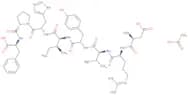
CAS:Controlled Product<p>Angiotensin II is a hormone that is produced in the kidneys and acts on the blood vessels, heart, and other tissues. It is also known as angiotensin II acetate salt H-Asp-Arg-Val-Tyr-Ile-His-Pro-Phe-OH acetate salt. Angiotensin II can increase blood pressure by constricting blood vessels and causing the release of aldosterone from the adrenal glands. This hormone also causes smooth muscle contraction in various organs, including the intestines. The synthesis of angiotensin II occurs through two different pathways: one involving renin and another involving prorenin. The renin pathway begins with renin converting angiotensinogen into angiotensin I, which is then converted to angiotensin II by angiotensins I converting enzyme (ACE). Angiotensin II has been shown to increase protein phosphorylation in myosin, leading to increased</p>Formula:C50H71N13O12·xC2H4O2Purity:Min. 95%Color and Shape:White SolidMolecular weight:1,046.18 g/molExtracellular Death Factor trifluoroacetate salt
CAS:<p>Extracellular Death Factor is a molecule that binds to calmodulin, which is a protein found in all animal cells. Extracellular Death Factor can be used to induce apoptotic cell death in any type of cell, including cancer cells. The molecule is composed of three amino acids: H-Asn-Asn-Trp-Asn-Asn-OH. This compound has been shown to inhibit the replication of DNA and RNA in gram negative bacteria and tuberculosis cells. It also has an effect on the structural analysis of the molecule and causes light emission when exposed to ultraviolet light.</p>Formula:C27H36N10O10Purity:Min. 95%Molecular weight:660.64 g/mol2-Hydroxyethanesulfonic acid sodium salt
CAS:<p>2-Hydroxyethanesulfonic acid sodium salt is a drug that is used to treat metabolic disorders such as cystinuria and hyperchloremic metabolic acidosis. It is also used for the treatment of water-vapor related respiratory problems and cataracts, as well as for the prevention of renal stone formation. This drug is made through electrochemical impedance spectroscopy of taurine in reaction solution with phosphorus pentoxide. 2-Hydroxyethanesulfonic acid sodium salt has been shown to increase locomotor activity in rats by improving their biochemical properties. This compound binds to the chloride ion receptor site on the Na+/K+ ATPase, causing an inhibition of the enzyme's function.</p>Formula:C2H5O4S·NaPurity:Min. 95%Color and Shape:White PowderMolecular weight:148.11 g/mol2-Hydroxy-4-(methylthio)butyric acid calcium salt
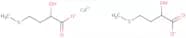
CAS:<p>2-Hydroxy-4-(methylthio)butyric acid calcium salt (2HMBAC) is a fatty acid that is found in malic acid. It is an important industrial chemical used for the preparation of other chemicals such as acetic anhydride, adipic acid, and butyric acid. 2HMBAC has been shown to have various biological functions including the inhibition of protein synthesis and the reduction of chloride ion transport. The dietary administration of 2HMBAC has been shown to relieve diarrhoea in rats.</p>Formula:C10H18CaO6S2Purity:Min. 95%Molecular weight:338.46 g/molHCV NS4A Protein (22-33) (FDA strain) trifluoroacetate salt
CAS:<p>Please enquire for more information about HCV NS4A Protein (22-33) (FDA strain) trifluoroacetate salt including the price, delivery time and more detailed product information at the technical inquiry form on this page</p>Formula:C54H99N15O14SPurity:Min. 95%Molecular weight:1,214.52 g/molSplenopentin acetate salt
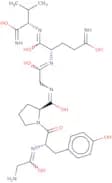
CAS:<p>Splenopentin acetate salt H-Arg-Lys-Glu-Val-Tyr-OH acetate salt is an experimental drug that belongs to the group of peptide hormones. It has been shown to have beneficial effects on bowel disease in animal models and also has anti-inflammatory properties. Splenopentin acetate salt H-Arg-Lys-Glu-Val-Tyr-OH acetate salt activates the T cell receptor and stimulates cytokine production, thereby reducing inflammation and relieving symptoms of autoimmune diseases. Splenopentin acetate salt H-Arg-Lys-Glu-Val-Tyr-OH acetate salt also stimulates colonies of cells called macrophages, which then produce inflammatory mediators such as IL1, IL2, IL4, and IL6. This agent is biocompatible with human cells in vitro (in a test tube).</p>Formula:C31H51N9O9Purity:Min. 95%Molecular weight:693.79 g/mol










![1-{[5-(Cyclopropylcarbonyl)-1-methyl-4,5,6,7-tetrahydro-1H-pyrazolo[4,3-c]pyridin-3-yl]carbonyl}pi…](/_next/image/?url=https%3A%2Fstatic.cymitquimica.com%2Fproducts%2F3D%2Fthumb-webp%2FFC119596.webp&w=3840&q=75)