Carboxylic Acids
Found 12457 products of "Carboxylic Acids"
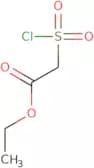
Ethyl 2-(chlorosulfonyl)acetate
CAS:Ethyl 2-(chlorosulfonyl)acetate is a drug candidate that inhibits the enzyme cholesterol acyltransferase (ACAT), which is responsible for the formation of cholesterol esters. It has been shown to be effective in animal models for the treatment of metabolic disorders, such as hypercholesterolemia and hypertriglyceridemia. In addition, it has been shown to inhibit the activity of serine proteases, which are involved in coagulation, amido hydrolase, and nucleophilic attack reactions. Ethyl 2-(chlorosulfonyl)acetate has also been shown to activate gene product in cellular studies with mouse fibroblasts.Purity:Min. 95%Color and Shape:PowderMolecular weight:186.61 g/molOsteocalcin (1-49) (human) acetate salt
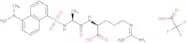
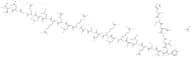
CAS:Osteocalcin is a protein that is synthesized by osteoblasts and released into the extracellular matrix. It is involved in the regulation of bone metabolism, including the synthesis and mineralization of bone matrix. Osteocalcin has been shown to be a marker for osteoarthritis, which may be due to its role in cartilage degradation. This protein has also been implicated in prognosis and diagnosis of this condition. Osteocalcin can be used as a marker for monitoring disease-modifying therapies such as chondroitin sulfate or cross-linking agents.Formula:C269H381N67O82S2Purity:Min. 95%Molecular weight:5,929.44 g/molDansyl-Ala-Arg-OH trifluoroacetate salt
CAS:Please enquire for more information about Dansyl-Ala-Arg-OH trifluoroacetate salt including the price, delivery time and more detailed product information at the technical inquiry form on this pageFormula:C21H30N6O5SPurity:Min. 95%Molecular weight:478.57 g/molUrocortin II (mouse) trifluoroacetate salt
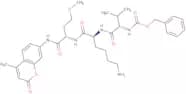
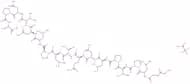
CAS:Please enquire for more information about Urocortin II (mouse) trifluoroacetate salt including the price, delivery time and more detailed product information at the technical inquiry form on this pageFormula:C187H320N56O50Purity:Min. 95%Molecular weight:4,152.89 g/molZ-Val-Lys-Met-AMC acetate salt
CAS:Bortezomib is a proteasome inhibitor that binds to the catalytic site of the proteasome and inhibits its activity. Bortezomib is used as an anticancer agent to treat multiple myeloma, T-cell lymphomas, and other cancers. It has been shown to inhibit the growth of cancer cells and slow tumor progression in animal models. The drug has also been shown to decrease insulin resistance in mice with high blood sugar levels by inhibiting histone deacetylase (HDAC). This inhibition leads to increased expression of genes that are involved in glucose metabolism and decreased expression of genes that regulate fat production.
The drug also binds tightly to the insulin receptor, which may lead to improved glucose uptake into cells.Formula:C34H45N5O7SPurity:Min. 95%Molecular weight:667.82 g/molEthylene glycol monoacetoacetate monomethacrylate
CAS:Ethylene glycol monoacetoacetate monomethacrylate is a metal chelate that is used to treat muscle diseases. It has been shown to act as a gamma-aminobutyric acid agonist and inhibit the release of acetylcholine from nerve endings. This drug can also be used as a chemical stabilizer in the synthesis of polymers in organic chemistry. Ethylene glycol monoacetoacetate monomethacrylate is insoluble in water and soluble in organic solvents such as ethanol, acetone, or benzene. It has been found to have a phase transition temperature at -139°C, which is suitable for applications that require low temperatures. Ethylene glycol monoacetoacetate monomethacrylate reacts with sodium carbonate to form an ester and methacrylic acid (MAA). The reaction solution is typically heated with stirring until it reaches 40°C-50°C. The particle size ofFormula:C10H14O5Purity:Min. 95%Color and Shape:Clear LiquidMolecular weight:214.22 g/molH-D-Phe-His-Leu-Leu-Arg-Glu-Val-Leu-Glu-Nle-Ala-Arg-A la-Glu-Gln-Leu-Ala-Gln-Gln-Ala-His-Ser-Asn-Arg-Lys-a-Me-Leu-Nle-Glu-Ile-Ile-NH 2 trifluoroacetate salt
CAS:Please enquire for more information about H-D-Phe-His-Leu-Leu-Arg-Glu-Val-Leu-Glu-Nle-Ala-Arg-A la-Glu-Gln-Leu-Ala-Gln-Gln-Ala-His-Ser-Asn-Arg-Lys-a-Me-Leu-Nle-Glu-Ile-Ile-NH 2 trifluoroacetate salt including the price, delivery time and more detailed product information at the technical inquiry form on this pageFormula:C159H267N49O43Purity:Min. 95%Molecular weight:3,553.13 g/molFibrinopeptide A (human) trifluoroacetate salt
CAS:Fibrinopeptide A is a peptide that is released from the fibrinolysis of fibrinogen. It can be used as a blood marker for the diagnosis of bowel disease and primary pulmonary hypertension, but not for other diseases such as infectious diseases. Fibrinopeptide A has been shown to be an effective model system for studying thrombin-mediated fibrin polymerization in vitro. This drug also can be used as a tool for investigating the disulfide bond in fibrinogen.Formula:C63H97N19O26Purity:Min. 95%Molecular weight:1,536.56 g/molLactoferricin B (4-14) (bovine) trifluoroacetate salt
CAS:Lactoferricin B (4-14) (bovine) trifluoroacetate salt is a peptide derivative, which is a fragment derived from bovine lactoferrin. It is obtained by enzymatic digestion of lactoferrin, a glycoprotein with a well-established role in the innate immune system. This specific peptide, Lactoferricin B (4-14), is known for its potent antimicrobial properties, attributed to its amphipathic structure that facilitates the disruption of microbial membranes. Additionally, it can modulate immune responses through interactions with immune cells, thereby influencing inflammatory processes.Formula:C70H113N25O13SPurity:Min. 95%Molecular weight:1,544.87 g/molHTLV-1 Tax (11-19) trifluoroacetate salt
CAS:Please enquire for more information about HTLV-1 Tax (11-19) trifluoroacetate salt including the price, delivery time and more detailed product information at the technical inquiry form on this pageFormula:C56H79N9O12Purity:Min. 95%Molecular weight:1,070.28 g/molAcetyl-ACTH (2-24) (human, bovine, rat) trifluoroacetate salt
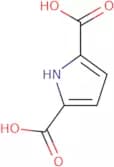
CAS:Please enquire for more information about Acetyl-ACTH (2-24) (human, bovine, rat) trifluoroacetate salt including the price, delivery time and more detailed product information at the technical inquiry form on this pageFormula:C135H207N39O30SPurity:Min. 95%Molecular weight:2,888.4 g/mol1H-Pyrrole-2,5-dicarboxylic acid
CAS:1H-Pyrrole-2,5-dicarboxylic acid is a biosynthetic precursor of the amide functional group. It is synthesized from the carboxylic acid functional group and ferrocene. It has been shown to be a putative precursor of pyrrole-2-carboxylic acid in the pyrrole system. 1H-Pyrrole-2,5-dicarboxylic acid reacts with carbon tetrachloride and diethyl iminodiacetate in refluxing chloroform to produce coelicolor. The reaction mechanism for this transformation is unknown, but it is hypothesized that it involves a radical mechanism.Formula:C6H5NO4Purity:Min. 95%Molecular weight:155.11 g/mol4-Chlorophenylboronic acid
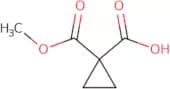
CAS:4-Chlorophenylboronic acid is a chemical compound that is used in the industrial preparation of biphenyl. It is produced by the Friedel-Crafts reaction between chlorine and 4-methoxyphenylboronic acid. This reaction can be carried out using a variety of solvents, such as chloroform or carbon tetrachloride. The optimal reaction conditions are acidic pH values, which are achieved by adding sodium carbonate to the solution. The product can be purified by distillation or crystallization. 4-Chlorophenylboronic acid can also be used for the synthesis of organic compounds through cross-coupling reactions with organometallic reagents, such as palladium chloride and triphenylphosphine, or through asymmetric synthesis with chiral ligands like (S)-proline and 2-(diphenylphosphino)ferrocene.Formula:C6H6BClO2Purity:Min. 95%Color and Shape:PowderMolecular weight:156.37 g/molCyclopropane-1,1-dicarboxylic acid, methylester
CAS:Please enquire for more information about Cyclopropane-1,1-dicarboxylic acid, methylester including the price, delivery time and more detailed product information at the technical inquiry form on this page
Formula:C6H8O4Purity:Min. 95%Color and Shape:PowderMolecular weight:144.13 g/molSarafotoxin C trifluoroacetate salt
CAS:Sarafotoxin C is a peptide from the venom of the spider Phoneutria nigriventer that has been shown to have potent inhibitory properties on endothelin-1. Sarafotoxin C is able to block intracellular Ca2+ levels and signal pathways, leading to decreased levels of endothelin-1 as well as other inflammatory mediators. Sarafotoxin C has also been shown to have an anti-inflammatory effect in bowel disease, which may be due to its ability to inhibit the production of cytokines and prostaglandins. The biological properties of sarafotoxin C are related to its inhibition of polymerase chain reaction (PCR) amplification of DNA. This inhibition is due to the binding of sarafotoxin C with endothelin receptors on DNA, which prevents DNA polymerase from attaching. Endothelin-a receptor activity can also be inhibited by sarafotoxin C through enzymatic inactivation. SarafotFormula:C103H147N27O37S5Purity:Min. 95%Molecular weight:2,515.76 g/mol(Leu116)-Prepro-Neuromedin U (104-136) (human) trifluoroacetate salt
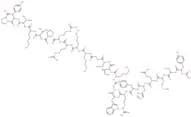
Please enquire for more information about (Leu116)-Prepro-Neuromedin U (104-136) (human) trifluoroacetate salt including the price, delivery time and more detailed product information at the technical inquiry form on this pageFormula:C177H276N46O45Purity:Min. 95%Molecular weight:3,768.37 g/molAmyloid Dan Protein (1-34) trifluoroacetate salt
CAS:Please enquire for more information about Amyloid Dan Protein (1-34) trifluoroacetate salt including the price, delivery time and more detailed product information at the technical inquiry form on this pageFormula:C185H268N48O51S2Purity:Min. 95%Molecular weight:4,044.53 g/molH-p-Chloro-Phe-D-Cys-b-(3-pyridyl)-Ala-D-Trp-Lys-tBu-Gly-Cys-2-Nal-NH2 trifluoroacetate salt (Disulfide bond)
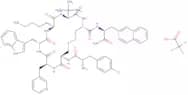
CAS:Please enquire for more information about H-p-Chloro-Phe-D-Cys-b-(3-pyridyl)-Ala-D-Trp-Lys-tBu-Gly-Cys-2-Nal-NH2 trifluoroacetate salt (Disulfide bond) including the price, delivery time and more detailed product information at the technical inquiry form on this pageFormula:C59H71ClN12O8S2Purity:Min. 95%Molecular weight:1,175.86 g/mol5-FAM-Woodtide trifluoroacetate salt
CAS:Please enquire for more information about 5-FAM-Woodtide trifluoroacetate salt including the price, delivery time and more detailed product information at the technical inquiry form on this pageFormula:C89H133N21O26SPurity:Min. 95%Molecular weight:1,945.2 g/molLithium acetoacetate
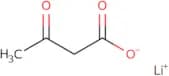
CAS:Lithium acetoacetate is a compound that is used in the treatment of cancer. It is a salt that contains lithium and acetoacetate. Lithium acetoacetate has been shown to be clinically relevant for the treatment of cancer, particularly in patients who have not responded well to other treatments. This drug has also been shown to induce apoptosis in animal cells, which may be due to its ability to produce acid.Formula:C4H6O3•LiPurity:Min. 95%Color and Shape:PowderMolecular weight:109.03 g/molMca-Pro-Lys-Pro-Leu-Ala-Leu-Dap (Dnp)-Ala-Arg-NH2 trifluoroacetate salt
CAS:Please enquire for more information about Mca-Pro-Lys-Pro-Leu-Ala-Leu-Dap (Dnp)-Ala-Arg-NH2 trifluoroacetate salt including the price, delivery time and more detailed product information at the technical inquiry form on this pageFormula:C61H89N17O17Purity:Min. 95%Molecular weight:1,332.46 g/molFibronectin Fragment (1954-1959) trifluoroacetate salt
CAS:Please enquire for more information about Fibronectin Fragment (1954-1959) trifluoroacetate salt including the price, delivery time and more detailed product information at the technical inquiry form on this pageFormula:C32H63N11O7Purity:Min. 95%Molecular weight:713.91 g/mol(Des-Gly10,D-Ser(tBu)6,Pro-NHNH29)-LHRH trifluoroacetate salt
CAS:Please enquire for more information about (Des-Gly10,D-Ser(tBu)6,Pro-NHNH29)-LHRH trifluoroacetate salt including the price, delivery time and more detailed product information at the technical inquiry form on this pageFormula:C58H83N17O13Purity:Min. 95%Molecular weight:1,226.39 g/molCell-permeable Caspase-1 Inhibitor I trifluoroacetate salt
CAS:Please enquire for more information about Cell-permeable Caspase-1 Inhibitor I trifluoroacetate salt including the price, delivery time and more detailed product information at the technical inquiry form on this pageFormula:C97H160N20O24Purity:Min. 95%Molecular weight:1,990.43 g/molOrotic acid hydrate
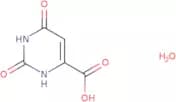
CAS:Orotic acid hydrate is a synthetic compound that is designed to be a growth regulator. Orotic acid hydrate is synthesized by reacting the orotate with pyridoxine hydrochloride, followed by crystallizing the product. Hydrogen bonds form between the water molecules and fatty acids in the crystals of OA hydrate. These hydrogen bonds stabilize the crystal structure and allow for its use as a growth regulator. The stability of this molecule can also be attributed to its ability to form hydrogen bonds with other molecules such as α-tocopherol, calcium carbonate, and synthetic cannabinoids. Orotic acid hydrate has been shown to have an effect on cancer cells because it reacts with daunorubicin in solution and inhibits DNA synthesis, inhibiting cell growth.Formula:C5H4N2O4·H2OPurity:Min. 95 Area-%Color and Shape:PowderMolecular weight:174.11 g/mol(3,4,5-Trifluorophenyl)boronic acid
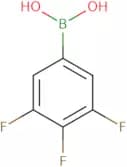
CAS:The trifluorophenylboronic acid is a boronic acid that has been used in the synthesis of vitamin B12. This compound is often used as a catalyst for the Suzuki coupling reaction. It can also be used to synthesize amides and synthons. The trifluorophenylboronic acid is soluble in water, ethanol, and acetone. The pH of the solution depends on the type of base added. For example, when an amine is added to the solution, it increases to approximately 8-9. When a p-hydroxybenzoic acid is added to the solution, it decreases to approximately 2-3.
Formula:C6H4BF3O2Purity:Min. 95%Color and Shape:PowderMolecular weight:175.9 g/molVasonatrin Peptide (VNP) trifluoroacetate salt
CAS:Please enquire for more information about Vasonatrin Peptide (VNP) trifluoroacetate salt including the price, delivery time and more detailed product information at the technical inquiry form on this pageFormula:C123H198N36O36S3Purity:Min. 95%Molecular weight:2,853.31 g/mol(D-Lys(nicotinoyl)1,b-(3-pyridyl)-Ala3,3,4-dichloro-D-Phe5,Asn6,D-Trp7·9, Nle 11)-Substance P trifluoroacetate salt
CAS:Substance P is a tachykinin neuropeptide that belongs to the tachykinin family. It is found in the central and peripheral nervous system and has been shown to have an important role in locomotor activity, protein synthesis, receptor activity, and neurotransmitter release. Substance P is also associated with a number of diseases such as infectious diseases, sciatic nerve pain, and vasoactive intestinal peptide (VIP) production. This substance has been used for the diagnosis of neurogenic bladder dysfunction by measuring its effects on urinary bladder contractility.Formula:C86H104Cl2N18O13Purity:Min. 95%Molecular weight:1,668.76 g/mol(Ser(Ac)3)-Ghrelin (mouse, rat) trifluoroacetate salt
CAS:Please enquire for more information about (Ser(Ac)3)-Ghrelin (mouse, rat) trifluoroacetate salt including the price, delivery time and more detailed product information at the technical inquiry form on this pageFormula:C141H233N45O42Purity:Min. 95%Molecular weight:3,230.64 g/mol4-Amino-3,5,6-trichloropyridine-2-carboxylic acid
CAS:4-Amino-3,5,6-trichloropyridine-2-carboxylic acid (4ATC) is a herbicide that inhibits the activity of pyridoxal phosphate (PLP)-dependent enzymes. 4ATC has been shown to be more toxic to plants than temozolomide and is used in vitro to study the effects of herbicides on cells. It inhibits cell growth and induces apoptosis in human cancer cells. In addition, 4ATC has been shown to inhibit the enzyme activities of group P2 proteins and nucleic acid synthesis. 4ATC also inhibits protein synthesis by inhibiting RNA synthesis in eukaryotic cells. 4ATC is not active against bacteria or fungi.Formula:C6H3Cl3N2O2Purity:Min. 95%Color and Shape:White To Tan SolidMolecular weight:241.46 g/molNeuropeptide F trifluoroacetate salt
CAS:Please enquire for more information about Neuropeptide F trifluoroacetate salt including the price, delivery time and more detailed product information at the technical inquiry form on this pageFormula:C210H328N58O58Purity:Min. 95%Molecular weight:4,593.21 g/molBNP-32 (rat) trifluoroacetate
CAS:Trifluoroacetate saltFormula:C146H239N47O44S3Purity:Min. 95%Molecular weight:3,452.95 g/mol(D-Ala3)-Dynorphin A (1-11) amide trifluoroacetate salt
CAS:Please enquire for more information about (D-Ala3)-Dynorphin A (1-11) amide trifluoroacetate salt including the price, delivery time and more detailed product information at the technical inquiry form on this page
Formula:C64H106N22O12Purity:Min. 95%Molecular weight:1,375.67 g/molEthyl 4-amino-2-mercaptopyrimidine-5-carboxylate
CAS:Please enquire for more information about Ethyl 4-amino-2-mercaptopyrimidine-5-carboxylate including the price, delivery time and more detailed product information at the technical inquiry form on this pageFormula:C7H9N3O2SPurity:Min. 95%Molecular weight:199.23 g/mol3-Methoxyphenylboronic acid
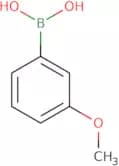
CAS:3-Methoxyphenylboronic acid is a photophysical molecule that can be used as an analytical reagent in plant physiology and analytical chemistry. 3-Methoxyphenylboronic acid reacts reversibly with copper ions to form a complex. The binding constants of the copper complex depend on the pH of the solution, which can be altered by adding a phosphate derivative to the solution. This reaction was investigated using cross-coupling techniques and showed that the binding constants for this complex are dependent on the type of solvent used. 3-Methoxyphenylboronic acid has also been used to measure glucose levels in blood samples.Formula:C7H9BO3Purity:Min. 95%Color and Shape:White PowderMolecular weight:151.96 g/mol2-Chlorooxazole-4-carboxylicacid
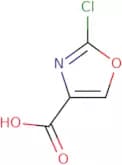
CAS:2-Chlorooxazole-4-carboxylic acid is a synthetic compound belonging to the group of long-chain aliphatic carboxylic acids. It is an ester that can be synthesized by the reaction of toluene with 2,4-dichlorooxazole. The stereochemical configuration of this molecule is unknown. The synthesis of this compound has been reported in marine invertebrates and plants, including Mycalolide from the marine sponge Mycale sp.Formula:C4H2ClNO3Purity:Min. 95%Molecular weight:147.52 g/mol(D-His2,D-Trp6)-LHRH trifluoroacetate salt
CAS:Please enquire for more information about (D-His2,D-Trp6)-LHRH trifluoroacetate salt including the price, delivery time and more detailed product information at the technical inquiry form on this pageFormula:C64H82N18O13Purity:Min. 95%Molecular weight:1,311.45 g/molMca-Pro-Leu-Ala-Cys(Mob)-Trp-Ala-Arg-Dap (Dnp)-NH2 trifluoroacetate salt
CAS:Please enquire for more information about Mca-Pro-Leu-Ala-Cys(Mob)-Trp-Ala-Arg-Dap (Dnp)-NH2 trifluoroacetate salt including the price, delivery time and more detailed product information at the technical inquiry form on this pageFormula:C66H82N16O17SPurity:Min. 95%Molecular weight:1,403.52 g/molMet-Enkephalin acetate salt
CAS:Please enquire for more information about Met-Enkephalin acetate salt including the price, delivery time and more detailed product information at the technical inquiry form on this pageFormula:C27H35N5O7S·xC2H4O2Purity:Min. 95%Molecular weight:573.66 g/molOxyntomodulin (human, mouse, rat) trifluoroacetate salt
CAS:Please enquire for more information about Oxyntomodulin (human, mouse, rat) trifluoroacetate salt including the price, delivery time and more detailed product information at the technical inquiry form on this pageFormula:C192H295N61O60SPurity:Min. 95%Molecular weight:4,449.84 g/molEndothelin-2 (human, canine) acetate
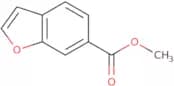
CAS:Acetate saltFormula:C115H160N26O32S4Purity:Min. 95%Molecular weight:2,546.92 g/molMethyl benzofuran-6-carboxylate
CAS:Methyl benzofuran-6-carboxylate is a synthetic retinoid that is a conformationally constrained analogue of retinoic acid, which is one of the most powerful biological molecules. Methyl benzofuran-6-carboxylate has been shown to be an effective anti-inflammatory agent and may be useful in the treatment of inflammatory skin diseases. It also inhibits the production of proinflammatory cytokines and chemokines, such as TNF-α, IL-1β, IL-8, CCL2, CXCL1, and CXCL2. Methyl benzofuran-6-carboxylate binds to specific receptors on cell surfaces to inhibit the production of inflammatory mediators. The drug also has been shown to have antiangiogenic activity. This property may be due to its ability to inhibit the production of vascular endothelial growth factor (VEGF) and other angiogenic factors.Formula:C10H8O3Purity:Min. 95%Molecular weight:176.17 g/molExendin-4 (1-8) trifluoroacetate salt
CAS:Please enquire for more information about Exendin-4 (1-8) trifluoroacetate salt including the price, delivery time and more detailed product information at the technical inquiry form on this pageFormula:C35H51N11O13Purity:Min. 95%Molecular weight:833.85 g/molDibenzoyl-(-)-p-methoxy-L-tartaric acid
CAS:Dibenzoyl-(-)-p-methoxy-L-tartaric acid is a chiral compound that has been extracted from plants and synthesized. It has a bitter taste and can be used as an enantiomer to treat schistosomiasis, a disease caused by parasitic flatworms. Dibenzoyl-(-)-p-methoxy-L-tartaric acid can be used as an enantiomer to treat schistosomiasis, which is caused by parasitic flatworms. The chemical is an anionic β-cyclodextrin derivative that binds to the parasites in the host's body and prevents them from releasing eggs into the water supply. This chemical also has pharmacological properties, such as antiinflammatory activities.
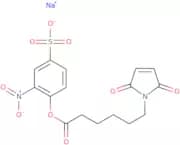
Formula:C20H18O10Purity:Min. 95%Color and Shape:White PowderMolecular weight:418.35 g/molEpsilon-Maleimidocaproic acid-(2-nitro-4-sulfo)-phenyl ester·sodium salt
CAS:Epsilon-Maleimidocaproic acid-(2-nitro-4-sulfo)-phenyl ester·sodium salt (EMAP) is a crosslinker that belongs to the group of heterobifunctional reagents. It has been used to conjugate monoclonal antibodies with other molecules, such as toxins. EMAP is activated by the dianion generated by protonation of the nitro groups on the phenyl ring and reacts with free amines or thiols in proteins. EMAP can be used for labeling immunotoxins for diagnostic use, maximizing detection sensitivity, and crosslinking DNA molecules for use in molecular cloning experiments.Formula:C16H15N2NaO9SPurity:Min. 95%Molecular weight:434.35 g/molDL-4-Hydroxymandelic acid
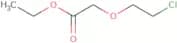
CAS:DL-4-Hydroxymandelic acid is a phenolic acid that belongs to the family of organic acids. It is synthesized from 4-hydroxyphenylpyruvate and p-hydroxybenzoic acid by an enzyme called hydroxylase in the liver. The frequency shift in DL-4-Hydroxymandelic acid is caused by the hydrogen bonding between its hydroxyl group and pyran ring. This reaction occurs spontaneously, with no need for a catalyst or a change in pH. The reaction mechanism starts with the addition of water to the molecule, which results in an intermediate that breaks down into two molecules of formaldehyde and one molecule of formate. The reaction solution was found to be acidic because it contained H+ ions (H+).Formula:C8H8O4Purity:Min. 95%Color and Shape:PowderMolecular weight:168.15 g/molEthyl 2-(2-chloroethoxy)acetate
CAS:Please enquire for more information about Ethyl 2-(2-chloroethoxy)acetate including the price, delivery time and more detailed product information at the technical inquiry form on this pageFormula:C6H11ClO3Purity:Min. 95%Molecular weight:166.6 g/molFmoc-L-aspartic acid β-methylpentyl ester
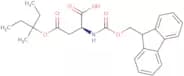
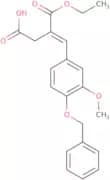
CAS:Fmoc-L-aspartic acid b-methylpentyl ester is a solid phase synthesis of Asp(OtBu)-OH that has been synthesized by reacting aspartic acid with piperidine and methylbenzene. This synthesis has been shown to be effective at temperatures below 25°C, to minimize the formation of water, and to be resistant to treatments with strong acids or bases. The synthesis has also been optimized for the peptidyl bond formation and peptide synthesis, resulting in enhanced yields.Formula:C25H29NO6Purity:Min. 95%Color and Shape:White PowderMolecular weight:439.5 g/mol3-(4-Methoxybenzoyl)acrylic acid
CAS:Please enquire for more information about 3-(4-Methoxybenzoyl)acrylic acid including the price, delivery time and more detailed product information at the technical inquiry form on this pageFormula:C11H10O4Purity:Min. 95%Color and Shape:PowderMolecular weight:206.19 g/molSecretin (porcine) acetate salt
CAS:Controlled ProductSecretin acetate salt H-His-Ser-Asp-Gly-Thr-Phe-Thr-Ser-Glu-Leu-Ser-Arg-Leu-Arg-Asp-Ser-Ala is a peptide that is secreted by the pancreas in response to the ingestion of food. Secretin stimulates the release of water and bicarbonate from the pancreas, as well as stimulating the gallbladder to contract, which results in increased flow of bile. Secretin also inhibits gastric acid secretion, slows intestinal motility, and stimulates pancreatic enzyme secretion. The amino acid sequence of this peptide is identical to that of leuprolide acetate (Lupron) and goserelin acetate (Zoladex), which are synthetic analogs with similar biological activity. This peptide can be synthesized on a solid phase or in solution phase. Solid phase synthesis involves attaching amino acidsFormula:C130H220N44O41Purity:Min. 95%Molecular weight:3,055.41 g/mol16-Hydroxyhexadecanoic acid
CAS:16-Hydroxyhexadecanoic acid is a fatty acid that contains 16 carbons and 2 hydroxyl groups. It can be found in rat liver microsomes, where it binds to the cytochrome P450 enzyme, inhibiting its activity. The structural analysis of this compound has been shown to have intermolecular hydrogen bonding between the nitrogen atoms and the oxygen atoms in the hydroxyl group. 16-Hydroxyhexadecanoic acid also exhibits phase transition temperatures, which are increased by adding water molecules. This compound also has an inhibitory effect on recombinant cytochrome P450 enzymes from p. pastoris and can be used as a substrate for methyl myristate metabolism. In addition, 16-hydroxyhexadecanoic acid binds to dinucleotide phosphate (NADPH) and fluoresces when excited at 340 nm using a fluorescence detector.Formula:C16H32O3Purity:Min. 95%Color and Shape:White PowderMolecular weight:272.42 g/molSPLUNC1 (22-39) trifluoroacetate salt
CAS:Please enquire for more information about SPLUNC1 (22-39) trifluoroacetate salt including the price, delivery time and more detailed product information at the technical inquiry form on this pageFormula:C82H135N21O25Purity:Min. 95%Molecular weight:1,815.08 g/molAlloferon 2 trifluoroacetate salt
CAS:Please enquire for more information about Alloferon 2 trifluoroacetate salt including the price, delivery time and more detailed product information at the technical inquiry form on this pageFormula:C46H69N19O15Purity:Min. 95%Molecular weight:1,128.16 g/mol2-Chloropyridine-4-boronic acid
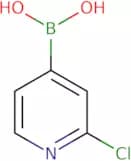
CAS:2-Chloropyridine-4-boronic acid is a nicotinic acetylcholine receptor antagonist that has been shown to be effective against trypanosomiasis. It blocks the binding of acetylcholine to its receptor, which prevents the propagation of an action potential in the postsynaptic cell. 2-Chloropyridine-4-boronic acid inhibits the enzymes cyclooxygenase and prostaglandin synthase, which are involved in inflammation. 2-Chloropyridine-4-boronic acid is potent and selective for nicotinic acetylcholine receptors, but it also binds to other sites on the enzyme. The molecular modeling studies have shown that this compound has a pharmacophore that can be used as a guide for drug design.
Formula:C5H5BClNO2Purity:Min. 95%Molecular weight:157.36 g/molCART (62-76) (human, rat) trifluoroacetate salt
CAS:Please enquire for more information about CART (62-76) (human, rat) trifluoroacetate salt including the price, delivery time and more detailed product information at the technical inquiry form on this pageFormula:C64H99N17O23S3Purity:Min. 95%Molecular weight:1,570.77 g/molKemptide trifluoroacetate salt
CAS:Kemptide is a substrate molecule that has been shown to inhibit the enzyme activity of some protein kinases. Kemptide is a 3-amino acid peptide that contains the amino acids L-leucine, L-arginine, and L-arginine. It was originally isolated from an extract of human brain tissue and has been shown to inhibit the activity of protein kinase C (PKC), phosphorylase kinase, and glycogen synthase kinase 3β in vitro assays. Kemptide also inhibits the expression of genes encoding PKCα1, PKCα2, PKCδ, PKCε, PKCγ1, PKCγ2, PKCζ in t84 cells. The inhibition of these genes suggests that kemptide may be useful as a drug candidate for inhibiting protein kinases in vivo.Formula:C32H61N13O9·xC2HF3O2Purity:Min. 95%Molecular weight:771.91 g/molD,L-Mevalonic acid lactone
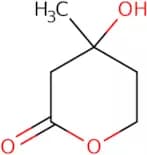
CAS:Mevalonic acid lactone is a natural compound that has been shown to have an effect on mitochondrial membrane potential. It has also been shown to inhibit the drug transporter P-glycoprotein, which is involved in the transport of drugs out of cells. Mevalonic acid lactone has also demonstrated an anti-inflammatory effect, as it inhibits the production of TNF-α and IL-6 in human serum. This compound also possesses antioxidant properties, which may be due to its hydroxyl group and phenoxy groups. Mevalonic acid lactone can be used as a model system for sesquiterpene lactones, and it is able to improve mitochondrial functions by inhibiting pyrazole ring formation.Formula:C6H10O3Purity:Min. 95%Color and Shape:PowderMolecular weight:130.14 g/molpTH-Related Protein (1-37) (human, mouse, rat) trifluoroacetate salt
CAS:Please enquire for more information about pTH-Related Protein (1-37) (human, mouse, rat) trifluoroacetate salt including the price, delivery time and more detailed product information at the technical inquiry form on this pageFormula:C197H317N63O53Purity:Min. 95%Molecular weight:4,416.02 g/mol3,4,9,10-Perylenetetracarboxylic diimide
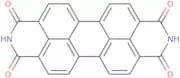
CAS:3,4,9,10-Perylenetetracarboxylic diimide is a model system for studying the mechanism of protonated pyridine. It is a bicyclic heterocycle that contains two phenyl rings and one imide group. The nitrogen atoms in the molecule form hydrogen bonds with other molecules and can be substituted with chlorine or bromine. 3,4,9,10-Perylenetetracarboxylic diimide has been shown to have chemical stability under conditions of hydrochloric acid and heat. This compound also has a high melting point and is not soluble in water. 3,4,9,10-Perylenetetracarboxylic diimide has been used to study the reaction mechanisms of chemical reactions involving light emission. This compound absorbs light at wavelengths longer than 400 nm (e.g., ultraviolet) and emits light at wavelengths shorter than 400 nm (e.g.,
Formula:C24H10N2O4Color and Shape:PowderMolecular weight:390.35 g/molH-Glu-Ala-Leu-Phe-Gln-pNA trifluoroacetate salt
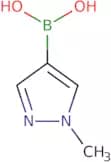
CAS:Please enquire for more information about H-Glu-Ala-Leu-Phe-Gln-pNA trifluoroacetate salt including the price, delivery time and more detailed product information at the technical inquiry form on this pageFormula:C34H46N8O10Purity:Min. 95%Molecular weight:726.78 g/mol(1-Methyl-1H-pyrazol-4-yl)boronic acid
CAS:(1-Methyl-1H-pyrazol-4-yl)boronic acid is a boronic acid that has been used for the synthesis of a number of heterocyclic compounds. Boronic acids are commonly used to synthesize phosphine ligands, which are reactive and can be used in cross-coupling reactions with organic halides, triflates, and tosylates. The efficiency of the reaction depends on the functional group present on the boron atom. (1-Methyl-1H-pyrazol-4-yl)boronic acid can inhibit the activity of many types of enzymes, including those involved in bacterial DNA synthesis and protein synthesis. (1-Methyl-1H-pyrazol-4-yl)boronic acid has been shown to have pharmacokinetic properties that depend on its ionization state.Formula:C4H7BN2O2Purity:Min. 95%Molecular weight:125.92 g/molEthyl 2-(4-hydroxyphenyl)-4-methylthiazole-5-carboxylate
CAS:Ethyl 2-(4-hydroxyphenyl)-4-methylthiazole-5-carboxylate is an anticancer agent that belongs to the class of formamidines. It is synthesized by refluxing ethyl 4-hydroxyphenylacetic acid with hexamethylenetetramine and acetic acid in ethanol. After purification, it is converted to its active form by reacting with hydrochloric acid. Ethyl 2-(4-hydroxyphenyl)-4-methylthiazole-5-carboxylate prevents the growth of cancer cells in culture by preventing DNA synthesis, which prevents RNA and protein synthesis. This agent has also been found to suppress paclitaxel production in cultured human breast cancer cells.Formula:C13H13NO3SPurity:Min. 95%Molecular weight:263.31 g/molL-Lysine acetate
CAS:Controlled ProductL-Lysine acetate is a precursor of L-lysine and is used in the treatment of cancers. It has been shown to promote the growth of pluripotent cells, which can differentiate into any tissue type. L-Lysine acetate promotes cellular transformation by increasing the expression of growth factor-β1 in cells. This compound also enhances cellular physiology, energy metabolism, and protein degradation. L-Lysine acetate inhibits the ubiquitin ligases that are involved in protein degradation, leading to an increase in cell proliferation. The use of L-Lysine acetate has shown promising results for the treatment of infectious diseases such as HIV/AIDS and tuberculosis. L-Lysine acetate blocks the replication of human immunodeficiency virus (HIV) by inhibiting reverse transcriptase activity and blocking its DNA chain elongation process.Formula:C8H18N2O4Purity:Min. 95%Color and Shape:PowderMolecular weight:206.24 g/molLys-Lys-IRS-1 (891-902) (dephosphorylated) (human) trifluoroacetate salt
CAS:Please enquire for more information about Lys-Lys-IRS-1 (891-902) (dephosphorylated) (human) trifluoroacetate salt including the price, delivery time and more detailed product information at the technical inquiry form on this pageFormula:C73H114N18O22Purity:Min. 95%Molecular weight:1,595.79 g/mol3-(Difluoromethyl)-1-methyl-1H-pyrazole-4-carboxylic acid
CAS:3-(Difluoromethyl)-1-methyl-1H-pyrazole-4-carboxylic acid is a synthetic chemical that is used as a pesticide. This chemical has been found to be more effective than other pesticides because it can inhibit the synthesis of fatty acids, which are necessary for the growth of insect larvae. 3-(Difluoromethyl)-1-methyl-1H-pyrazole-4-carboxylic acid is synthesized by reacting sodium hydroxide solution with triethyl orthoformate in the presence of hexamethylenetetramine. This reaction produces a mixture of diethyl ester and carboxylate esters, which are then separated from each other. The resulting carboxylate ester is then oxidized to produce 3-(difluoromethyl)-1-methyl-1H pyrazole 4 carboxylic acid.
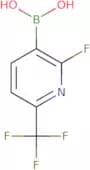
Formula:C6H6F2N2O2Purity:Min. 95%Color and Shape:White Off-White PowderMolecular weight:176.12 g/mol2-Fluoro-6-(trifluoroMethyl)pyridine-3-boronic acid
CAS:Please enquire for more information about 2-Fluoro-6-(trifluoroMethyl)pyridine-3-boronic acid including the price, delivery time and more detailed product information at the technical inquiry form on this page
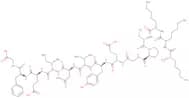
Formula:C6H4BF4NO2Purity:Min. 95%Molecular weight:208.91 g/molH-Gly-Arg-Gly-Asp-Ser-Pro-Cys-OH trifluoroacetate salt
CAS:H-Gly-Arg-Gly-Asp-Ser-Pro-Cys-OH trifluoroacetate salt is a peptide that has been shown to inhibit the growth of tumor cells. It has also been shown to have biological properties in a number of experimental models, including in vitro and in vivo studies. H-Gly-Arg-Gly-Asp-Ser-Pro-Cys-OH trifluoroacetate salt inhibits muscle cell proliferation by binding to the extracellular matrix protein collagen type I. This inhibition leads to reduced tissue formation and body growth. This peptide also inhibits the proliferation of cancer cells by blocking the production of growth factor beta 1 (GFβ1).
Formula:C25H42N10O11SPurity:Min. 95%Molecular weight:690.73 g/molSalusin-alpha (human) trifluoroacetate salt
CAS:Please enquire for more information about Salusin-alpha (human) trifluoroacetate salt including the price, delivery time and more detailed product information at the technical inquiry form on this page
Formula:C114H192N40O30Purity:Min. 95%Molecular weight:2,603 g/molAmyloid b-Protein (1-40) amide trifluoroacetate salt
CAS:Please enquire for more information about Amyloid b-Protein (1-40) amide trifluoroacetate salt including the price, delivery time and more detailed product information at the technical inquiry form on this pageFormula:C194H296N54O57SPurity:Min. 95%Molecular weight:4,328.82 g/molH-Arg-Arg-Arg-OH acetate salt
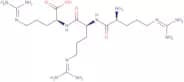
CAS:H-Arg-Arg-Arg-OH acetate salt is a polycarboxylic acid that is found in human immunoglobulins. It has been used as a synthetic substrate for the study of radiation enhancement. H-Arg-Arg-Arg-OH acetate salt is also an allergen and can cause allergic reactions, such as itching and swelling. This compound can be used to study the neutral pH, chemical reactions, protein synthesis, and the hydroxyl group.
Formula:C18H38N12O4Purity:Min. 95%Molecular weight:486.57 g/mol(Val5)-Angiotensin I trifluoroacetate salt
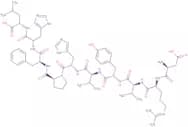
CAS:Angiotensin I is a peptide that belongs to the class of substances called angiotensins. This substance is found in many tissues and organs, including the brain, adrenal gland, and lung. Angiotensin I has been shown to be a pressor agent and also has biochemical effects on amino acid composition. The c-terminal sequence of this substance has been determined by incubating the molecule with pepsin at different pH values. The molecular weight of this substance is 938 Da and it has an amino acid composition of Asp-Arg-Val-Tyr-Val-His-Pro-Phe-His-Leu.Formula:C61H87N17O14Purity:Min. 95%Molecular weight:1,282.45 g/molTRAP-6 ammonium acetate salt
CAS:TRAP-6 is a biocompatible polymer that is used to prevent adhesion of platelets to the endothelium and activation of coagulation. TRAP-6 has been shown to be effective in preventing inflammatory bowel disease, as well as other bowel diseases, by inhibiting the release of inflammatory cytokines such as fibrinogen and erythropoietin. This drug has been shown to have clinical relevance in treating inflammatory bowel disease in animal models. TRAP-6 can also be used to inhibit the growth of bacteria by binding to bacterial cells or by inducing their death. In addition, TRAP-6 can bind with monoclonal antibodies and target specific cells for destruction.Formula:C34H56N10O9Purity:Min. 95%Molecular weight:748.87 g/molDiphenolic acid
CAS:Diphenolic acid is a reactive compound that is used as a solid catalyst. It has a hydroxyl group and a fatty acid, which makes it soluble in organic solvents. The methyl ethyl ester of diphenolic acid can be obtained from the reaction of diphenolic acid with methanol, ethanol or ethylene glycol. Diphenolic acid can also be obtained by reacting dibenzalacetone with an alcohol. Diphenolic acid has been used to synthesize monoclonal antibodies and linear calibration curves for electrochemical impedance spectroscopy. The hydroxyl group on diphenolic acid allows it to undergo reactions that are not possible for other compounds such as phenols, leading to its use in surface methodology and flow systems.Formula:C17H18O4Color and Shape:White PowderMolecular weight:286.32 g/mol(R,S)-α-Amino-3-hydroxy-5-methyl-4-isoxazolepropionic acid hydrobromide
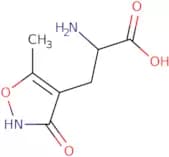
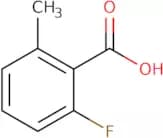
CAS:(R,S)-AMPA is a synthetic analog of the excitatory neurotransmitter glutamate, specifically designed to activate AMPA receptors, a subtype of ionotropic glutamate receptors. These receptors are pivotal in mediating fast synaptic transmission in the central nervous system. (R,S)-AMPA serves as a prototypical agonist for AMPA receptors, facilitating the study of receptor function and synaptic plasticity.Formula:C7H10N2O4•HBrPurity:Min. 95%Molecular weight:267.08 g/mol2-Fluoro-6-methylbenzoic acid
CAS:Please enquire for more information about 2-Fluoro-6-methylbenzoic acid including the price, delivery time and more detailed product information at the technical inquiry form on this page
Formula:C8H7FO2Purity:Min. 98 Area-%Color and Shape:White PowderMolecular weight:154.14 g/molH-Lys-Gly-Gly-Lys-OH acetate salt
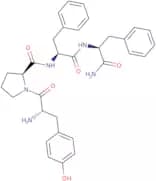
CAS:Please enquire for more information about H-Lys-Gly-Gly-Lys-OH acetate salt including the price, delivery time and more detailed product information at the technical inquiry form on this pageFormula:C16H32N6O5Purity:Min. 95%Molecular weight:388.46 g/molEndomorphin-2 trifluoroacetate salt
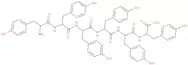
CAS:Endomorphin-2 is a cyclic peptide that is the endogenous ligand for the neurokinin-1 receptor and kappa-opioid receptors. It has been shown to have analgesic, anti-inflammatory, and antidiarrheal properties. Endomorphin-2 also has been shown to inhibit platelet aggregation and vasoconstriction in vivo. The biological activities of endomorphin-2 are similar to those of endomorphin-1, but it differs structurally in that it contains a single intramolecular hydrogen bond between the amide nitrogen of Tyr and Pro. This intramolecular hydrogen bond may be responsible for the high potency of endomorphin-2, as well as its conformational stability.Formula:C32H37N5O5Purity:Min. 95%Molecular weight:571.67 g/molH-Tyr-Tyr-Tyr-Tyr-Tyr-Tyr-OH trifluoroacetate salt
CAS:The compound H-Tyr-Tyr-Tyr-Tyr-Tyr-Tyr-OH trifluoroacetate salt is a synthetic antigen for use in the production of immunoadsorbent conjugates. It is a postulated fluorescence molecule that interacts with specific antibodies to form an antigen. This antigen can be used as a probe for detecting antibodies in biological fluids and tissues by fluorescence microscopy and has been shown to have no antigenicity in skin reactions.Formula:C54H56N6O13Purity:Min. 95%Molecular weight:997.06 g/mol6-(7-Nitro-benzo[2,1,3]oxadiazol-4-ylamino)-hexanoyl-Arg-Pro-Lys-Pro-Leu-Ala-Nva-Trp-Lys((7-dimethylaminocoumarin-4-yl)-acetyl)-NH2 trifluoroacetate salt
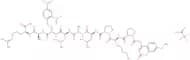
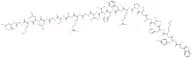
CAS:Please enquire for more information about 6-(7-Nitro-benzo[2,1,3]oxadiazol-4-ylamino)-hexanoyl-Arg-Pro-Lys-Pro-Leu-Ala-Nva-Trp-Lys((7-dimethylaminocoumarin-4-yl)-acetyl)-NH2 trifluoroacetate salt including the price, delivery time and more detailed product information at the technical inquiry form on this pageFormula:C78H111N21O16Purity:Min. 95%Molecular weight:1,598.85 g/molMyelin Proteolipid Protein (139-151) (depalmitoylated) (human, bovine, dog, mouse, rat) trifluoroacetate salt
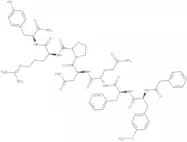
CAS:MPLP(139-151) is a peptide that is derived from the myelin proteolipid protein (PLP). MPLP(139-151) has been shown to inhibit macrophage inflammatory in vitro and brain inflammation in vivo. The inhibition of macrophages was mediated by the induction of apoptosis and inhibition of NF-κB. MPLP(139-151) also induced regression of experimental autoimmune encephalomyelitis in mice, which suggests that it might be useful as a therapeutic agent for multiple sclerosis or other inflammatory diseases.Formula:C72H104N20O16SPurity:Min. 95%Molecular weight:1,537.79 g/mol(Phenylac 1,D-Tyr(Me)2,Arg6·8,Tyr-NH29)-Vasopressin trifluoroacetate salt Phenylac-D-Tyr(Me)-Phe-Gln-Asn-Arg-Pro-Arg-Tyr-NH2 tri
CAS:Please enquire for more information about (Phenylac 1,D-Tyr(Me)2,Arg6·8,Tyr-NH29)-Vasopressin trifluoroacetate salt Phenylac-D-Tyr(Me)-Phe-Gln-Asn-Arg-Pro-Arg-Tyr-NH2 tri including the price, delivery time and more detailed product information at the technical inquiry form on this pageFormula:C62H83N17O13Purity:Min. 95%Color and Shape:PowderMolecular weight:1,274.43 g/molAc-Leu-Glu-His-Asp-aldehyde (pseudo acid) trifluoroacetate salt
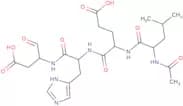
CAS:Ac-Leu-Glu-His-Asp-aldehyde (pseudo acid) trifluoroacetate salt is a chemical compound that belongs to the group of apoptosis proteins. It has been shown to have anti-inflammatory and neuroprotective effects in primary cells, as well as to induce apoptosis in HL60 cells. Ac-Leu-Glu-His-Asp-aldehyde (pseudo acid) trifluoroacetate salt is also able to inhibit the activation of the caspase pathway by preventing the release of cytochrome c from mitochondria and decreasing the mitochondrial membrane potential. The protein may be used as an agent for skin cancer treatment.Formula:C23H34N6O9Purity:Min. 95%Molecular weight:538.55 g/mol3-Bromophenyl boronic acid
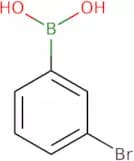
CAS:3-Bromophenyl boronic acid is a group P2 molecule with functional groups of vibrational and cross-coupling. It has been shown to inhibit the activity of aryl boronic acids, which are commonly used in analytical methods. 3-Bromophenyl boronic acid is also capable of inhibiting the production of alizarin, which is a dye that is used for staining biological tissue. The molecular modeling study revealed that this molecule has an atomic orbital with electron density distribution around the central carbon atom. This distribution indicates that it is more stable than other molecules with similar structures.Formula:C6H6BBrO2Purity:Min. 95%Color and Shape:PowderMolecular weight:200.83 g/molHIV-1 gag Protein p24 (65-73) (isolates MAL/U455) trifluoroacetate salt
CAS:Please enquire for more information about HIV-1 gag Protein p24 (65-73) (isolates MAL/U455) trifluoroacetate salt including the price, delivery time and more detailed product information at the technical inquiry form on this pageFormula:C44H79N11O14S2Purity:Min. 95%Molecular weight:1,050.3 g/molAngiotensin (1-12) (human) trifluoroacetate salt
CAS:Please enquire for more information about Angiotensin (1-12) (human) trifluoroacetate salt including the price, delivery time and more detailed product information at the technical inquiry form on this pageFormula:C73H109N19O16Purity:Min. 95%Molecular weight:1,508.77 g/molAmyloid beta-Protein (11-42) trifluoroacetate salt
CAS:Please enquire for more information about Amyloid beta-Protein (11-42) trifluoroacetate salt including the price, delivery time and more detailed product information at the technical inquiry form on this pageFormula:C152H244N40O42SPurity:Min. 95%Molecular weight:3,335.87 g/mol(D-Lys6)-LHRH trifluoroacetate salt
CAS:Please enquire for more information about (D-Lys6)-LHRH trifluoroacetate salt including the price, delivery time and more detailed product information at the technical inquiry form on this pageFormula:C59H84N18O13·xC2HF3O2Purity:Min. 95%Color and Shape:White To Off-White SolidMolecular weight:1,253.41 g/mol(Pyr 3)-Amyloid b-Protein (3-40) trifluoroacetate salt
CAS:Please enquire for more information about (Pyr 3)-Amyloid b-Protein (3-40) trifluoroacetate salt including the price, delivery time and more detailed product information at the technical inquiry form on this pageFormula:C187H283N51O53SPurity:Min. 95%Molecular weight:4,125.63 g/molNeuropeptide W-23 (rat) trifluoroacetate salt
CAS:Please enquire for more information about Neuropeptide W-23 (rat) trifluoroacetate salt including the price, delivery time and more detailed product information at the technical inquiry form on this pageFormula:C119H183N35O29SPurity:Min. 95%Molecular weight:2,600.01 g/molRetrocyclin-1 trifluoroacetate salt
CAS:Retrocyclin-1 trifluoroacetate salt is a synthetic antimicrobial peptide, which is derived from humanized sequences based on the theta-defensin family, originally found in certain primates. Retrocyclin-1 is particularly notable for its circular structure which contributes to its stability and biological activity. The peptide is produced through a process of solid-phase peptide synthesis, designed to mimic the native cyclic conformation of natural theta-defensins.Formula:C74H128N30O18S6Purity:Min. 95%Molecular weight:1,918.4 g/mol(2-Chlorophenyl)boronic acid
CAS:2-Chlorophenylboronic acid is a diphenyl ether that can be used as a building block for the synthesis of benzodiazepine receptor ligands. It has been shown to be an efficient nucleophile, leading to the formation of carbonyl groups in the presence of halides. 2-Chlorophenylboronic acid has also been shown to inhibit p38 kinase activity and may be useful for anticancer therapy.Formula:C6H6BClO2Purity:Min. 95%Molecular weight:156.37 g/molp-Sulfophenylazochromotropic acid trisodium salt
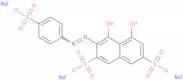
CAS:p-Sulfophenylazochromotropic acid trisodium salt is a chemical that can be used as a building block for the synthesis of various organic compounds. It is an intermediate for the synthesis of other chemicals and can be used as a research chemical in laboratories. This compound has been shown to be useful in the production of pharmaceuticals, agrochemicals, and dyes. CAS No. 23647-14-5.Formula:C16H9N2Na3O11S3Purity:Min. 95 Area-%Color and Shape:Yellow PowderMolecular weight:570.42 g/molLinolenic acid - 98%
CAS:Linolenic acid is a polyunsaturated fatty acid that is essential for human health. It is a precursor of prostaglandin E2 (PGE2), which has been implicated in the regulation of cell death and inflammation. Linolenic acid has been shown to induce apoptosis in vitro by inhibiting the mitochondrial membrane potential and activating caspases 3 and 9, thereby inducing neuronal death. In vivo, linolenic acid has been shown to have beneficial effects on cardiovascular function, including lowering cholesterol levels and improving blood flow to the heart. Linolenic acid also has antioxidant properties, which may be due to its ability to inhibit lipid peroxidation and scavenge free radicals.Formula:C18H30O2Purity:Min. 95%Color and Shape:PowderMolecular weight:278.43 g/molACTH (4-10) trifluoroacetate salt
CAS:ACTH (4-10) trifluoroacetate salt is a cholinergic agent that belongs to the class of neurotransmitters. It is synthesized from the naturally occurring hormone ACTH, which is released by the anterior pituitary gland in response to a variety of stimuli. This compound has been shown to have physiological effects on various organs, including adipose tissue and locomotor activity. It also shows neuroprotective effects in animal models and has neurotrophic properties. The therapeutic potential of this compound for brain functions is currently being explored.Formula:C44H59N13O10SPurity:Min. 95%Molecular weight:962.09 g/molSilver(I) 2,2,2-trifluoroacetate
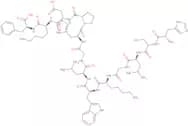
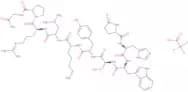
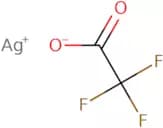
CAS:Silver trifluoroacetate is a chemical compound that is a silver salt of trifluoroacetic acid. Silver trifluoroacetate is a white crystalline solid, soluble in water and alcohols, but insoluble in ethers. It has the chemical formula AgCF3CO2H. The crystal structure of silver trifluoroacetate has been determined by x-ray diffraction techniques and found to be orthorhombic with space group Pbam. The molecule consists of two 5-membered heteroaromatic rings, one containing carbon atoms and the other containing nitrogen atoms. The nitrogen atom is bonded to six hydrogen atoms and three fluorine atoms, while the carbon atom is bonded to four oxygen atoms and one fluorine atom. Synthesis methods for this compound include reacting silver nitrate with sodium carbonate in water vapor at 120°C.Formula:C2AgF3O2Purity:Min. 95%Molecular weight:220.88 g/mol([13C6]Leu6)-Endothelin-1 (human, bovine, dog, mouse, porcine, rat) acetate salt
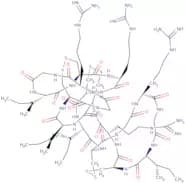
Please enquire for more information about ([13C6]Leu6)-Endothelin-1 (human, bovine, dog, mouse, porcine, rat) acetate salt including the price, delivery time and more detailed product information at the technical inquiry form on this page
Purity:Min. 95%Bombesin (8-14) acetate salt
CAS:Bombesin (8-14) acetate salt H-Trp-Ala-Val-Gly-His-Leu-Met-NH2 acetate salt is a bifunctional peptide that has been shown to inhibit the growth of prostate cancer cells. Bombesin (8-14) acetate salt H-Trp-Ala-Val-Gly-His-Leu-Met-NH2 acetate salt also has antiinflammatory properties and is used in treating inflammatory diseases. It inhibits collagen synthesis and fibrinogen activation, which may be important in the treatment of autoimmune diseases such as rheumatoid arthritis. Bombesin (8 14) acetate salt H Trp Ala Val Gly His Leu Met NH2 Acetate Salt has been shown to have no effect on healthy tissues when administered systemically.Formula:C38H57N11O7SPurity:Min. 95%Molecular weight:812 g/molWRW4
CAS:Please enquire for more information about WRW4 including the price, delivery time and more detailed product information at the technical inquiry form on this pageFormula:C61H65N15O6Purity:Min. 95%Molecular weight:1,104.27 g/molGRF (ovine, caprine) trifluoroacetate salt
CAS:Growth hormone-releasing factor (GRF) or GHRH (growth hormone-releasing hormone).Binds to the growth hormone-releasing hormone receptor (GHRH-R), causing growth hormone secretion.porcine: H-YADAIFTNSYRKVLGQLSARKLLQDIMSRQQGERNQEQGARVRL-NH2bovine: H-YADAIFTNSYRKVLGQLSARKLLQDIMNRQQGERNQEQGAKVRL-NH2ovine: H-YADAIFTNSYRKILGQLSARKLLQDIMNRQQGERNQEQGAKVRL-NH2human: H-YADAIFTNSYRKVLGQLSARKLLQDIMSRQQGESNQERGARARL-NH2Formula:C221H368N72O66SPurity:Min. 95%Molecular weight:5,121.8 g/mol(Asn670,Leu671)-Amyloid b/A4 Protein Precursor770 (667-676) trifluoroacetate salt
CAS:Please enquire for more information about (Asn670,Leu671)-Amyloid b/A4 Protein Precursor770 (667-676) trifluoroacetate salt including the price, delivery time and more detailed product information at the technical inquiry form on this pageFormula:C50H78N14O19Purity:Min. 95%Molecular weight:1,179.24 g/mol




























![6-(7-Nitro-benzo[2,1,3]oxadiazol-4-ylamino)-hexanoyl-Arg-Pro-Lys-Pro-Leu-Ala-Nva-Trp-Lys((7-dimeth…](/_next/image/?url=https%3A%2Fstatic.cymitquimica.com%2Fproducts%2F3D%2Fthumb-webp%2FFN110943.webp&w=3840&q=75)




![([13C6]Leu6)-Endothelin-1 (human, bovine, dog, mouse, porcine, rat) acetate salt](/_next/image/?url=https%3A%2Fstatic.cymitquimica.com%2Fproducts%2F3D%2Fthumb-webp%2FFL110023.webp&w=3840&q=75)