Carboxylic Acids
Carboxylic acids are organic molecules characterized by having a carboxyl-type functional group (-COOH). These acids are fundamental in various chemical reactions, including esterification, amidation, and decarboxylation. Carboxylic acids are widely used in the production of pharmaceuticals, polymers, and agrochemicals. In this section, you can find a large number of carboxylic acids ready to be used. At CymitQuimica, we provide a broad range of high-quality carboxylic acids to support your research and industrial applications.
Found 12453 products of "Carboxylic Acids"
Sort by
Purity (%)
0
100
|
0
|
50
|
90
|
95
|
100
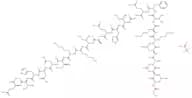
Alarin (rat) trifluoroacetate salt
CAS:<p>Please enquire for more information about Alarin (rat) trifluoroacetate salt including the price, delivery time and more detailed product information at the technical inquiry form on this page</p>Formula:C119H199N45O35Purity:Min. 95%Molecular weight:2,820.14 g/mol1-(Mercaptomethyl)cyclopropaneacetic acid
CAS:<p>1-(Mercaptomethyl)cyclopropaneacetic acid is a reaction product of hydrolysis, transfer, and industrialization. It is used in the synthesis of organic compounds such as quinolinediols and thioureas. 1-(Mercaptomethyl)cyclopropaneacetic acid is typically prepared by the reaction of an alkylsulfonyl chloride with an inorganic base such as lithium or sodium carbonate in an organic solvent such as acetonitrile. The compound is also used to produce other organosulfur compounds, including imino sulfides and disulfides.</p>Formula:C6H10O2SPurity:Min. 95%Color and Shape:PowderMolecular weight:146.21 g/molAlloferon 2 trifluoroacetate salt
CAS:<p>Please enquire for more information about Alloferon 2 trifluoroacetate salt including the price, delivery time and more detailed product information at the technical inquiry form on this page</p>Formula:C46H69N19O15Purity:Min. 95%Molecular weight:1,128.16 g/mol12-Doxyl stearic acid
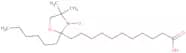
CAS:<p>12-Doxyl stearic acid is a fatty acid that inhibits the vasoactive intestinal peptide (VIP). The inhibitory effect of 12-Doxyl stearic acid on VIP was demonstrated by incubating the cells with this fatty acid and measuring the change in mitochondrial Ca2+ concentration. This inhibition was shown to be due to the inhibition of fatty acids and not an effect on Ca2+ ion channels. Fatty acids are important for normal cellular function, such as maintaining membrane fluidity and aiding in signal transduction. 12-Doxyl stearic acid has been shown to inhibit the production of cardiac fatty acids and may be useful in treating cardiac disorders. 12-Doxyl stearic acid also has a fluorescence probe that can be used to study how cells react to different conditions, such as changes in water vapor or pH levels.</p>Formula:C22H42NO4Purity:Min. 95%Color and Shape:Yellow Clear LiquidMolecular weight:384.57 g/molH-Arg-Met-OH acetate salt
CAS:<p>H-Arg-Met-OH acetate salt is a reactive chemical that is used in the treatment of hepatitis. It has been shown to be effective against virus and heart disease, as well as being active in the prevention of insulin resistance. H-Arg-Met-OH acetate salt is also used to determine if a person has had an allergic reaction by testing for elevated serum levels of this chemical. H-Arg-Met-OH acetate salt can be found in the blood, urine, and liver cells. This chemical is also present in mouse spleen cells and has been shown to react with specific antibodies.</p>Formula:C11H23N5O3SPurity:Min. 95%Molecular weight:305.4 g/mol3-[(2-Aminoethyl)dithio]propionic acid
CAS:<p>Dithiobis(3-mercaptopropionate) is an analog of 3-[(2-Aminoethyl)dithio]propionic acid (DTA). It has been used as a cross-linking agent for the synthesis of polymers with acidic pH. Dithiobis(3-mercaptopropionate) is also used for the synthesis of conjugates and bifunctional molecules. Dithiobis(3-mercaptopropionate) can be synthesized by reacting bis(sulfanylmethyl)amine with sodium azide in an acidic solution. The cross-linking reaction will produce a disulfide bond, which is a covalent linkage between two cysteine residues in two different polypeptides or proteins. This crosslink is irreversible, so it cannot be broken down by chemical processes, but can be broken down by enzymatic digestion.</p>Formula:C5H11NO2S2Purity:(%) Min. 95%Color and Shape:PowderMolecular weight:181.28 g/molC-Peptide (human) trifluoroacetate salt
CAS:<p>C-Peptide is a monoclonal antibody that binds to the β-cell and inhibits insulin release. It has been used in diagnosis of type 1 diabetes mellitus. C-Peptide is a hormone that regulates blood glucose levels by controlling the rate of glucose production in the liver, as well as by inhibiting the breakdown of glycogen in the liver. The C-terminal amino acid sequence Glu-Ala-Glu-Asp-Leu-Gln-Val-Gly-Gln-Val-Glu -Leu-Gly can be cleaved from the peptide by trifluoroacetic acid to yield free Gln, which can then be detected using mass spectrometry. Growth factors such as IGF1, FGF21, and HGF have been shown to increase C peptide levels in diabetic patients.</p>Formula:C129H211N35O48Purity:Min. 95%Molecular weight:3,020.26 g/mol6-Chloro-2-methylbenzoic acid
CAS:<p>6-Chloro-2-methylbenzoic acid is a methyl ester that is used in the synthesis of 2-chloro-6-fluorobenzaldehyde. This chemical reacts with hydrogen peroxide to produce chloride and 2,6-dichlorobenzoic acid. The compound can also be synthesized from 2,6-dichlorobenzaldehyde and methoxyethanol. 6CMB has been shown to react with anions such as Cl-, Br-, NO2-, SO3H, and PO3H2 to form organic carboxylates or sulfoxides. It has also been shown to be a byproduct of the reaction between chloral hydrate and potassium permanganate.</p>Formula:C8H7ClO2Purity:90%Color and Shape:PowderMolecular weight:170.59 g/moltert-Butyl 4,7-diazaspiro[2.5]octane-4-carboxylate
CAS:<p>Please enquire for more information about tert-Butyl 4,7-diazaspiro[2.5]octane-4-carboxylate including the price, delivery time and more detailed product information at the technical inquiry form on this page</p>Purity:Min. 95%Enterotoxin STp (E. coli) trifluoroacetate salt
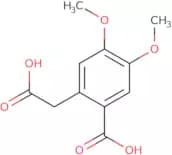
CAS:Controlled Product<p>Please enquire for more information about Enterotoxin STp (E. coli) trifluoroacetate salt including the price, delivery time and more detailed product information at the technical inquiry form on this page</p>Formula:C81H110N20O26S6Purity:Min. 95%Molecular weight:1,972.26 g/mol2-(Carboxymethyl)-4,5-dimethoxybenzoic acid
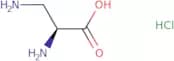
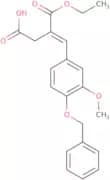
CAS:<p>Please enquire for more information about 2-(Carboxymethyl)-4,5-dimethoxybenzoic acid including the price, delivery time and more detailed product information at the technical inquiry form on this page</p>Formula:C11H12O6Purity:Min. 95%Molecular weight:240.21 g/molL(+)-2,3-Diaminopropionic acid HCl
CAS:<p>L(+)-2,3-Diaminopropionic acid HCl is a chiral modifier that is used in the separation of organic compounds. It has been shown to selectively interact with borate, sulfate, and hydroxyapatite. This interaction changes the physical properties of these substances by modifying their surface charge or adsorption capacity. L(+)-2,3-Diaminopropionic acid HCl has also been shown to be useful in diastereoselective reactions. The technique of elution can be used to isolate specific compounds from mixtures using this compound as a modifier. Hydrogen bonding groups and moieties on the functional group are important factors in the specificity of this interaction.END>></p>Formula:C3H8N2O2·HClPurity:Min. 95%Color and Shape:White PowderMolecular weight:140.57 g/molThymosin α1 acetate
CAS:<p>Thymalfasin is a peptide that belongs to the thymosin family. It is a biocompatible polymer with a number of biomedical applications, including as a component in wound dressings and anti-adhesive agents. Thymalfasin has been shown to be effective at inhibiting the replication of influenza A virus, which may be due to its ability to bind to toll-like receptor 4 (TLR4). This drug also has antitumor properties and has been shown to stimulate the production of IL-2 receptor in human monocytes. Thymalfasin also inhibits the growth of cancer cells, such as HL60 cells, by blocking DNA synthesis. The molecular weight of this compound is approximately 20-30 kDa.</p>Formula:C129H215N33O55•(C2H4O2)xPurity:Min. 95%Molecular weight:3,108.28 g/molα-CGRP (8-37) (mouse, rat) trifluoroacetate salt
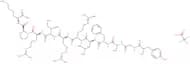
CAS:<p>Trifluoroacetate salt</p>Formula:C138H224N42O41Purity:Min. 95%Molecular weight:3,127.51 g/mol(Sar 1,Ile4·8)-Angiotensin II trifluoroacetate salt
CAS:<p>Please enquire for more information about (Sar 1,Ile4·8)-Angiotensin II trifluoroacetate salt including the price, delivery time and more detailed product information at the technical inquiry form on this page</p>Formula:C43H75N13O9Purity:Min. 95%Molecular weight:918.14 g/mol(Pyr 3)-Amyloid b-Protein (3-40) trifluoroacetate salt
CAS:<p>Please enquire for more information about (Pyr 3)-Amyloid b-Protein (3-40) trifluoroacetate salt including the price, delivery time and more detailed product information at the technical inquiry form on this page</p>Formula:C187H283N51O53SPurity:Min. 95%Molecular weight:4,125.63 g/mol4-Fluoro-2-(trifluoromethyl)phenylboronic acid
CAS:<p>The process development of 4-fluoro-2-(trifluoromethyl)phenylboronic acid (4FTFPBA) is a simplified procedure that can be scaled up and used for medicinal chemistry. This compound was synthesized by a boronic acid process using the Suzuki-Miyaura cross coupling reaction. The major factor to consider in this synthesis is the placement of the fluorine atom, which determines the relative reactivity and stability of the compound. In order to mimic these factors, an environment with low water content and a sequence that minimizes exposure to air are required.</p>Formula:C7H5BF4O2Purity:Min. 95%Color and Shape:PowderMolecular weight:207.92 g/molMethyl-N,N-diethyldithiocarbamate
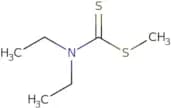
CAS:<p>Methyl-N,N-diethyldithiocarbamate is a copper complex that reacts with nitrogen atoms to form a stable chemical species. It has been shown to have cancer-fighting properties and is used in the treatment of liver cancer. Methyl-N,N-diethyldithiocarbamate also acts as an anti-inflammatory agent. The mechanism of action of methyl-N,N-diethyldithiocarbamate is not fully understood, but it has been suggested that this compound binds to p450 enzymes and inhibits their activity. This drug may also inhibit the production of carbon disulphide (CS2) by the liver microsomes and the elimination rate of methyl-N,N-diethyldithiocarbamate from rat livers.</p>Formula:C6H13NS2Purity:Min. 95%Color and Shape:Colorless PowderMolecular weight:163.31 g/molAmyloid β-Protein (1-40) trifluoroacetate salt
CAS:<p>Amyloid beta-protein (Aβ) is a protein that is involved in the metabolic processes that are thought to be associated with Alzheimer's disease. Aβ is a peptide of 39-43 residues and is found in amyloid plaques, which are aggregates of Aβ. The amino acid sequence of human Aβ has been determined by sequencing the cDNA and gene for this protein. The structure of the protein has been studied using molecular modeling, kinetic data, and predictive biomarker studies. Cleavage products have been identified from the protein, including beta-amyloid peptide (1-40), which can be used as a diagnostic marker for Alzheimer's disease. Structural analysis has also shown lysine residues that may serve as pharmaceutical targets for therapeutic intervention.</p>Formula:C194H295N53O58SPurity:Min. 95%Molecular weight:4,329.81 g/molPYX-1 trifluoroacetate salt
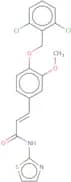
CAS:<p>Please enquire for more information about PYX-1 trifluoroacetate salt including the price, delivery time and more detailed product information at the technical inquiry form on this page</p>Formula:C70H105Cl2N19O16Purity:Min. 95%Molecular weight:1,539.61 g/molAmyloid β-Protein (25-35) amide trifluoroacetate salt
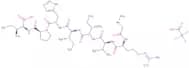
CAS:<p>Please enquire for more information about Amyloid beta-Protein (25-35) amide trifluoroacetate salt including the price, delivery time and more detailed product information at the technical inquiry form on this page</p>Formula:C45H82N14O13SPurity:Min. 95%Molecular weight:1,059.29 g/molH-Gly-His-Arg-Pro-OH acetate salt
CAS:<p>H-Gly-His-Arg-Pro-OH acetate salt is a synthetic monoclonal antibody that binds to fibrinogen. It has been used in the production of a model protein and as an anticoagulant. H-Gly-His-Arg-Pro-OH acetate salt has been shown to inhibit the growth of tissue plasminogen activator, which is a growth factor for cells involved in blood clotting. This drug also inhibits the release of acetylcholine from nerve cells, which may be due to its ability to bind to plasma proteins.</p>Formula:C19H31N9O5Purity:Min. 95%Molecular weight:465.51 g/molγ-Polyglutamic acid sodium - MW 800-1500
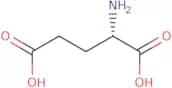
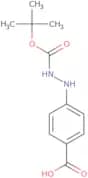
CAS:<p>Polymer of glutamic acid</p>Formula:(C5H9NO3)nPurity:Min. 95%Color and Shape:Powder4-(2'-N-Boc-hydrazino)benzoic acid
CAS:<p>Please enquire for more information about 4-(2'-N-Boc-hydrazino)benzoic acid including the price, delivery time and more detailed product information at the technical inquiry form on this page</p>Formula:C12H16N2O4Purity:Min. 95%Molecular weight:252.27 g/molAmyloid β-Protein (1-15) trifluoroacetate salt
CAS:<p>Amyloid beta-protein (1-15) is a peptide fragment of the amyloid protein that is associated with Alzheimer's disease. Amyloid beta-Protein (1-15) activates the transcription of a number of genes, including those that encode neurotrophic factors and growth factors. It has been shown to have neurotrophic properties and to increase the survival rate of neurons in vitro. It also protects against neuronal death induced by oxidative stress and high concentrations of glutamate. The structure of amyloid beta-protein (1-15) has been elucidated using molecular modeling techniques and X-ray crystallography. The trifluoroacetate salt form is stable at physiological pH levels and shows good solubility in water, making it an attractive therapeutic drug candidate.</p>Formula:C78H107N25O27Purity:Min. 95%Molecular weight:1,826.84 g/molDocosahexaenoic acid
CAS:<p>Docosahexaenoic acid (DHA) is a fatty acid that is usually obtained from fish oil. DHA has been shown to decrease the production of prostaglandin E2 (PGE2), which can lead to inflammation in various parts of the body. The synthesis and release of PGE2 is regulated by toll-like receptor 4 (TLR4). DHA has also been shown to reduce tumor size and improve survival rates in mice with breast cancer. DHA is a long-chain polyunsaturated fatty acid that can be found in many types of cells, including neurons. It has been shown to have beneficial effects on neuronal death during experimental models of stroke and traumatic brain injury.</p>Formula:C22H32O2Purity:Min. 95%Color and Shape:PowderMolecular weight:328.49 g/molEndothelin-3 (human, mouse, rabbit, rat) acetate
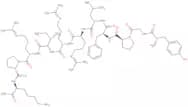
CAS:<p>Acetate salt</p>Formula:C121H168N26O33S4•(C2H4O2)xPurity:Min. 95%Molecular weight:2,643.05 g/mol(D-Ala3)-Dynorphin A (1-11) amide trifluoroacetate salt
CAS:<p>Please enquire for more information about (D-Ala3)-Dynorphin A (1-11) amide trifluoroacetate salt including the price, delivery time and more detailed product information at the technical inquiry form on this page</p>Formula:C64H106N22O12Purity:Min. 95%Molecular weight:1,375.67 g/molH-Lys-Cys-Thr-Cys-Cys-Ala-OH trifluoroacetate salt
CAS:<p>H-Lys-Cys-Thr-Cys-Cys-Ala-OH trifluoroacetate salt (KCTA) is a peptide that belongs to the group of thioneins and is characterized by a high content of lysine, cysteine and histidine residues. This peptide has been shown to be effective in treating subcutaneous tumors in mice. KCTA binds to metallothionein and gamma amino butyric acid (GABA), which are proteins that regulate energy metabolism in cells. KCTA has also been shown to have antimicrobial effects against human serum, which may be due to its ability to bind with thionein.</p>Formula:C22H41N7O8S3Purity:Min. 95%Molecular weight:627.8 g/mol(Asp76)-pTH (39-84) (human) trifluoroacetate salt
CAS:<p>Please enquire for more information about (Asp76)-pTH (39-84) (human) trifluoroacetate salt including the price, delivery time and more detailed product information at the technical inquiry form on this page</p>Formula:C211H356N66O73Purity:Min. 95%Molecular weight:4,985.49 g/mol(Val34)-Amyloid b-Protein (1-40) trifluoroacetate salt
CAS:<p>Please enquire for more information about (Val34)-Amyloid b-Protein (1-40) trifluoroacetate salt including the price, delivery time and more detailed product information at the technical inquiry form on this page</p>Formula:C193H293N53O58SPurity:Min. 95%Molecular weight:4,315.78 g/mol(Pro3)-Dynorphin A (1-11) amide trifluoroacetate salt
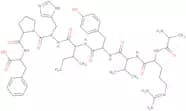
CAS:<p>Please enquire for more information about (Pro3)-Dynorphin A (1-11) amide trifluoroacetate salt including the price, delivery time and more detailed product information at the technical inquiry form on this page</p>Formula:C66H108N22O12Purity:Min. 95%Molecular weight:1,401.7 g/molAngiotensin A trifluoroacetate salt
CAS:<p>Angiotensin A trifluoroacetate salt H-Ala-Arg-Val-Tyr-Ile-His-Pro-Phe-OH is a drug that has been shown to be effective in treating chronic kidney disease and heart failure. It is a synthetic peptide that mimics the activity of angiotensin II, an important regulator of blood pressure. Angiotensin A trifluoroacetate salt H-Ala-Arg-Val-Tyr-Ile-His-Pro-Phe-OH binds to the angiotensin receptor, which causes vasoconstriction and increases the release of soluble guanylate cyclase. This drug also inhibits the production of matrix metalloproteinases, which break down collagen and other extracellular proteins.</p>Formula:C49H71N13O10Purity:Min. 95%Molecular weight:1,002.17 g/mol2-[(3,5,6-Trichloro-2-pyridinyl)oxy]acetic acid
CAS:<p>Carbaryl is a broad-spectrum insecticide that has been used to control pests in homes, gardens, and agricultural fields. It can be found in many products for use around the home, including flea collars and ant traps. Carbaryl is absorbed by plants through their leaves and roots and can affect photosynthetic activity. Carbaryl also affects plant metabolism by inhibiting proximal tubule function, which leads to an increase in urea nitrogen and urine production. Carbaryl can be toxic to humans when ingested or inhaled. The toxicity of carbaryl depends on its route of exposure (oral, inhalation, or skin). Carbaryl is metabolized through a number of metabolic reactions that include oxidation by cytochrome P450 enzymes, reduction by glutathione reductase, or conjugation with glucuronic acid.</p>Formula:C7H4Cl3NO3Purity:Min. 95%Color and Shape:PowderMolecular weight:256.47 g/molFibronectin Fragment (1376-1380) trifluoroacetate salt
CAS:<p>Please enquire for more information about Fibronectin Fragment (1376-1380) trifluoroacetate salt including the price, delivery time and more detailed product information at the technical inquiry form on this page</p>Formula:C24H39N11O8Purity:Min. 95%Molecular weight:609.64 g/molAtrial Natriuretic Factor (3-28) (rat) trifluoroacetate salt
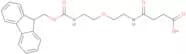
CAS:<p>Natriuretic factor is a peptide hormone that regulates blood pressure. This peptide is encoded by a gene located on chromosome 10 and is made up of 28 amino acids. Natriuretic factor binds to the membrane of mitochondria and zymogen granules, causing them to release their contents into the cytosol. The resulting increase in cytosolic volume causes an increased diastolic pressure, as well as an increased glomerular filtration rate and cardiac output. Natriuretic factors have also been shown to stimulate the production of natriuretic peptides, which are involved in water balance and electrolyte homeostasis.</p>Formula:C119H189N43O36S2Purity:Min. 95%Molecular weight:2,862.17 g/molN-(Fmoc-5-amino-3-oxa-pentyl)succinamic acid
CAS:<p>N-(Fmoc-5-amino-3-oxa-pentyl)succinamic acid is a high quality chemical that is used as an intermediate in the production of pharmaceuticals and other fine chemicals. It is also a reagent for use in peptide synthesis. N-(Fmoc-5-amino-3-oxa-pentyl)succinamic acid has a CAS No. 669073-62-5 and can be used as a useful scaffold for the production of complex compounds. This compound is also useful for research purposes, due to its versatility as a building block with speciality chemical applications.</p>Formula:C23H26N2O6Purity:Min. 95%Molecular weight:426.46 g/molNeuropeptide W-23 (rat) trifluoroacetate salt
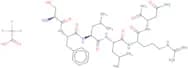
CAS:<p>Please enquire for more information about Neuropeptide W-23 (rat) trifluoroacetate salt including the price, delivery time and more detailed product information at the technical inquiry form on this page</p>Formula:C119H183N35O29SPurity:Min. 95%Molecular weight:2,600.01 g/molTRAP-6 amide trifluoroacetate salt
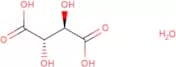
CAS:<p>Protease-activated receptor 1 (PAR-1) selective activating peptide, TFA salt. 98%.</p>Formula:C34H57N11O8Purity:Min. 95%Color and Shape:PowderMolecular weight:747.89 g/molmeso-Tartaric acid monohydrate
CAS:<p>Meso-tartaric acid monohydrate is a white crystalline substance that is soluble in water and has a strong acidic taste. It is an organic acid, which can be found in many fruits and vegetables. Meso-tartaric acid monohydrate is used as the sodium salt or potassium salt, which may lead to drug interactions with other drugs that are excreted through the kidneys. The product also inhibits the enzyme DPP-IV, which is involved in the degradation of glucagon and insulin. In addition, meso-tartaric acid monohydrate can cause an increase in surfactant sodium dodecyl sulfate (SDS) activity when it interacts with trifluoroacetic acid (TFA). Meso-tartaric acid monohydrate also prevents the growth of coli k-12 by inhibiting protein synthesis. This product has been shown to inhibit dpp-iv inhibitors from forming hydrogen bonds with malonic acid and polymorphon</p>Formula:C4H6O6·H2OPurity:Min. 95%Color and Shape:White PowderMolecular weight:168.1 g/mol6-FAM-(Glu13·17·20)-Osteocalcin (1-46) (mouse) trifluoroacetate salt
CAS:<p>Please enquire for more information about 6-FAM-(Glu13·17·20)-Osteocalcin (1-46) (mouse) trifluoroacetate salt including the price, delivery time and more detailed product information at the technical inquiry form on this page</p>Formula:C247H361N57O80S2Purity:Min. 95%Molecular weight:5,472.98 g/molRVG-9R trifluoroacetate salt
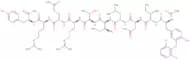
CAS:<p>Please enquire for more information about RVG-9R trifluoroacetate salt including the price, delivery time and more detailed product information at the technical inquiry form on this page</p>Formula:C201H334N82O55S2Purity:Min. 95%Molecular weight:4,843.45 g/molH-Asn-Gln-Glu-Gln-Glu(EDANS)-Arg-OH trifluoroacetate salt
<p>Please enquire for more information about H-Asn-Gln-Glu-Gln-Glu(EDANS)-Arg-OH trifluoroacetate salt including the price, delivery time and more detailed product information at the technical inquiry form on this page</p>Formula:C42H62N14O16SPurity:Min. 95%Molecular weight:1,051.09 g/molH-Phe-Arg-Arg-OH acetate salt
CAS:<p>The H-Phe-Arg-Arg-OH acetate salt is a reversible (acetylcholinesterase inhibitor). It reversibly binds to the enzyme, acetylcholinesterase and blocks the breakdown of acetylcholine, which is an important neurotransmitter. The H-Phe-Arg-Arg-OH acetate salt has been shown to be effective against rat hearts that have been damaged by lysosomal enzymes. This drug can also act as an endogenous buffer in the blood plasma, preventing changes in pH due to acidosis or alkalosis. The H-Phe-Arg-Arg-OH acetate salt is a subcomponent of citrate and myocardial proteins, which are essential for biosynthetic processes in the body. It has been shown to be maximally additive with other drugs that affect cardiac function, such as beta blockers and digitalis glycosides. Proteolysis is maximally inhibited by this drug when it</p>Formula:C21H35N9O4Purity:Min. 95%Molecular weight:477.56 g/molAmyloid Bri Protein (1-23) trifluoroacetate salt
CAS:<p>Please enquire for more information about Amyloid Bri Protein (1-23) trifluoroacetate salt including the price, delivery time and more detailed product information at the technical inquiry form on this page</p>Formula:C116H175N31O35S2Purity:Min. 95%Molecular weight:2,627.95 g/molNeuromedin S (human) trifluoroacetate salt
<p>Please enquire for more information about Neuromedin S (human) trifluoroacetate salt including the price, delivery time and more detailed product information at the technical inquiry form on this page</p>Formula:C173H265N53O44Purity:Min. 95%Molecular weight:3,791.29 g/mol4,6-Dichloro-2-methylnicotinic acid
CAS:<p>Please enquire for more information about 4,6-Dichloro-2-methylnicotinic acid including the price, delivery time and more detailed product information at the technical inquiry form on this page</p>Purity:Min. 95%H-Gly-Arg-Gly-Asp-D-Ser-Pro-OH trifluoroacetate salt
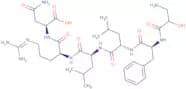
CAS:<p>H-Gly-Arg-Gly-Asp-D-Ser-Pro-OH trifluoroacetate salt (HGGDS) is a collagen gel that is used in the treatment of autoimmune diseases, such as arthritis and lupus. HGGDS inhibits the production of fibrinogen, which is a protein involved in blood clotting, by binding to its receptor on human fibroblasts. It also inhibits the production of basic proteins needed for the generation of collagen and activation of integrin receptors, which are involved in cell adhesion and migration. HGGDS also blocks transcription polymerase chain reactions (PCRs), which are necessary for the synthesis of DNA. This can lead to a decrease in cell proliferation and an increase in apoptosis.</p>Formula:C22H37N9O10Purity:Min. 95%Molecular weight:587.58 g/molOsteoblast Activating Peptide (human) trifluoroacetate salt
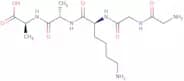
<p>Please enquire for more information about Osteoblast Activating Peptide (human) trifluoroacetate salt including the price, delivery time and more detailed product information at the technical inquiry form on this page</p>Formula:C120H196N38O37SPurity:Min. 95%Molecular weight:2,795.14 g/molH-Gly-Gly-Lys-Ala-Ala-OH acetate salt
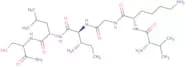
CAS:<p>Please enquire for more information about H-Gly-Gly-Lys-Ala-Ala-OH acetate salt including the price, delivery time and more detailed product information at the technical inquiry form on this page</p>Formula:C16H30N6O6Purity:Min. 95%Molecular weight:402.45 g/mol4,4',4''-Nitrilotribenzoic acid
CAS:<p>4,4',4''-Nitrilotribenzoic acid is a low molecular weight activated compound with a hexane molecule and luminescence properties. This compound has been used in the detection of human pathogens, for example, Salmonella enterica serovar Typhimurium. The uptake of 4,4',4''-nitrilotribenzoic acid by these bacteria has been shown to be due to its peroxidase-like activity. 4,4',4''-Nitrilotribenzoic acid has also been used for the activation of polybenzimidazole and for polymerization reactions in polybenzimidazole films. The time required for polymerization depends on the concentration of 4,4',4''-nitrilotribenzoic acid used.</p>Formula:C21H15NO6Purity:Min. 95%Molecular weight:377.35 g/molAc-Val-Arg-Pro-Arg-AMC trifluoroacetate salt
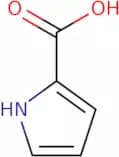
CAS:<p>Please enquire for more information about Ac-Val-Arg-Pro-Arg-AMC trifluoroacetate salt including the price, delivery time and more detailed product information at the technical inquiry form on this page</p>Formula:C34H51N11O7•C2HF3O2Purity:Min. 98 Area-%Color and Shape:PowderMolecular weight:839.86 g/molPyrrole-2-carboxylic acid
CAS:<p>Pyrrole-2-carboxylic acid is a polycyclic aromatic compound that can be found in coal tar. It has been shown to have anti-inflammatory, antiallergic, and antifungal properties. Pyrrole-2-carboxylic acid is produced by the human body as an intermediate in the metabolism of tryptophan. This compound can also be synthesized and used to treat chronic bronchitis, which is caused by excessive mucus production and inflammation of the airways. The reaction mechanism for pyrrole-2-carboxylic acid is similar to that of other drugs that are used in respiratory therapy, such as aminophylline or acetylcysteine.</p>Formula:C5H5NO2Purity:Min. 95%Molecular weight:111.1 g/molH-Ser-Leu-Ser-Leu-Ser-Pro-Gly-OH trifluoroacetate salt
CAS:<p>Please enquire for more information about H-Ser-Leu-Ser-Leu-Ser-Pro-Gly-OH trifluoroacetate salt including the price, delivery time and more detailed product information at the technical inquiry form on this page</p>Formula:C28H49N7O11Purity:Min. 95%Molecular weight:659.73 g/molDimethyl benzyl carbinol acetate
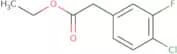
CAS:<p>Dimethyl benzyl carbinol acetate is a polymer that forms a film on the skin and prevents water loss. It has been shown to have enzyme-inhibiting properties, which may be due to its ability to prevent geranyl production. Dimethyl benzyl carbinol acetate has also been used as a sealant in microcapsules, which are then broken down by enzymes in order to release the contents of the capsule. Dimethyl benzyl carbinol acetate can also be used as an antimicrobial agent, where it inhibits bacterial cell growth by interfering with fatty acid synthesis.</p>Purity:Min. 95%(4-Chloro-3-fluorophenyl)acetic acid ethyl ester
CAS:<p>Please enquire for more information about (4-Chloro-3-fluorophenyl)acetic acid ethyl ester including the price, delivery time and more detailed product information at the technical inquiry form on this page</p>Formula:C10H10ClFO2Purity:Min. 95%Molecular weight:216.64 g/mol(D-Phe2·6,Pro3)-LHRH trifluoroacetate salt
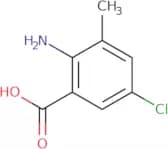
CAS:<p>Please enquire for more information about (D-Phe2·6,Pro3)-LHRH trifluoroacetate salt including the price, delivery time and more detailed product information at the technical inquiry form on this page</p>Formula:C59H80N14O13Purity:Min. 95%Molecular weight:1,193.35 g/mol2-Amino-5-chloro-3-methylbenzoic acid
CAS:<p>2-Amino-5-chloro-3-methylbenzoic acid (ACMB) is a substructure of the insecticidal compound chlorantraniliprole. It is a solid at room temperature and has a molecular weight of 142.15 g/mol. ACMB can be extracted from n-hexane, chlorantraniliprole, or xylene using gravimetric analysis. The bioactivity of ACMB can be determined by an anthranilic assay, while its solubility data are available in the literature. ACMB has been shown to have insecticidal activity against lepidoptera larvae and cyanuric activity against mosquito larvae.</p>Formula:C8H8ClNO2Purity:Min. 95%Molecular weight:185.61 g/mol(DL-Isoser 1)-TRAP-6 trifluoroacetate salt
CAS:<p>Please enquire for more information about (DL-Isoser 1)-TRAP-6 trifluoroacetate salt including the price, delivery time and more detailed product information at the technical inquiry form on this page</p>Formula:C34H56N10O9Purity:Min. 95%Molecular weight:748.87 g/mol5-FAM-Amylin (mouse, rat) trifluoroacetate salt
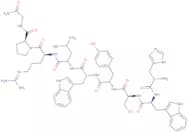
CAS:<p>Please enquire for more information about 5-FAM-Amylin (mouse, rat) trifluoroacetate salt including the price, delivery time and more detailed product information at the technical inquiry form on this page</p>Formula:C188H282N52O59S2Purity:Min. 95%Molecular weight:4,278.7 g/mol(D-Trp6)-LHRH (free acid) trifluoroacetate salt
CAS:<p>Please enquire for more information about (D-Trp6)-LHRH (free acid) trifluoroacetate salt including the price, delivery time and more detailed product information at the technical inquiry form on this page</p>Formula:C64H81N17O14Purity:Min. 95%Molecular weight:1,312.43 g/molEndomorphin-2 trifluoroacetate salt
CAS:<p>Endomorphin-2 is a cyclic peptide that is the endogenous ligand for the neurokinin-1 receptor and kappa-opioid receptors. It has been shown to have analgesic, anti-inflammatory, and antidiarrheal properties. Endomorphin-2 also has been shown to inhibit platelet aggregation and vasoconstriction in vivo. The biological activities of endomorphin-2 are similar to those of endomorphin-1, but it differs structurally in that it contains a single intramolecular hydrogen bond between the amide nitrogen of Tyr and Pro. This intramolecular hydrogen bond may be responsible for the high potency of endomorphin-2, as well as its conformational stability.</p>Formula:C32H37N5O5Purity:Min. 95%Molecular weight:571.67 g/molpTH (1-84) (rat) trifluoroacetate salt
<p>Please enquire for more information about pTH (1-84) (rat) trifluoroacetate salt including the price, delivery time and more detailed product information at the technical inquiry form on this page</p>Formula:C406H670N122O126S3Purity:Min. 95%Molecular weight:9,372.61 g/mol(Gly22)-Amyloid b-Protein (1-40) trifluoroacetate salt
CAS:<p>Please enquire for more information about (Gly22)-Amyloid b-Protein (1-40) trifluoroacetate salt including the price, delivery time and more detailed product information at the technical inquiry form on this page</p>Formula:C191H291N53O56SPurity:Min. 95%Molecular weight:4,257.74 g/mol(D-Tyr1,N-Me-Phe3)-Neuropeptide FF trifluoroacetate salt
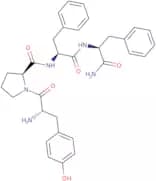
CAS:<p>Please enquire for more information about (D-Tyr1,N-Me-Phe3)-Neuropeptide FF trifluoroacetate salt including the price, delivery time and more detailed product information at the technical inquiry form on this page</p>Formula:C55H78N14O11Purity:Min. 95%Molecular weight:1,111.3 g/molAc-Leu-Glu-His-Asp-aldehyde (pseudo acid) trifluoroacetate salt
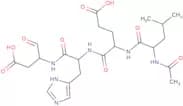
CAS:<p>Ac-Leu-Glu-His-Asp-aldehyde (pseudo acid) trifluoroacetate salt is a chemical compound that belongs to the group of apoptosis proteins. It has been shown to have anti-inflammatory and neuroprotective effects in primary cells, as well as to induce apoptosis in HL60 cells. Ac-Leu-Glu-His-Asp-aldehyde (pseudo acid) trifluoroacetate salt is also able to inhibit the activation of the caspase pathway by preventing the release of cytochrome c from mitochondria and decreasing the mitochondrial membrane potential. The protein may be used as an agent for skin cancer treatment.</p>Formula:C23H34N6O9Purity:Min. 95%Molecular weight:538.55 g/molHexanoyl-(Ala19,Lys27·28)-VIP (free acid) trifluoroacetate salt
<p>Please enquire for more information about Hexanoyl-(Ala19,Lys27·28)-VIP (free acid) trifluoroacetate salt including the price, delivery time and more detailed product information at the technical inquiry form on this page</p>Formula:C153H250N44O43SPurity:Min. 95%Molecular weight:3,425.96 g/mol5-Ethylpyridine-2-carboxylic acid
CAS:<p>5-Ethylpyridine-2-carboxylic acid is a biologically active compound that is biosynthesized from the amino acid tryptophan. This compound is also known as 5-ethylpicolinic acid or 5-ethylpyridin-2-yl carboxylic acid. It is a phytoalexin, which is an antimicrobial agent produced by plants to inhibit pathogen growth. 5-Ethylpyridine-2-carboxylic acid has been shown to be effective against picolinic acid phosphoribosyltransferase and flavopereirine reductase in vitro, and has also been shown to have antimicrobial properties against Escherichia coli, Staphylococcus aureus, and Bacillus cereus. 5-Ethylpyridine-2-carboxylic acid can be prepared by reacting ethyl acetoacetate with pyridine</p>Formula:C8H9NO2Purity:Min. 95%Color and Shape:Off-White PowderMolecular weight:151.16 g/molTyr-Lys-Gly-(Cyclo(Glu26-Lys29),Pro34)-Neuropeptide Y (25-36) trifluoroacetate salt
CAS:<p>Please enquire for more information about Tyr-Lys-Gly-(Cyclo(Glu26-Lys29),Pro34)-Neuropeptide Y (25-36) trifluoroacetate salt including the price, delivery time and more detailed product information at the technical inquiry form on this page</p>Formula:C91H145N27O20Purity:Min. 95%Molecular weight:1,937.29 g/mol(D-Lys6)-LHRH trifluoroacetate salt
CAS:<p>Please enquire for more information about (D-Lys6)-LHRH trifluoroacetate salt including the price, delivery time and more detailed product information at the technical inquiry form on this page</p>Formula:C59H84N18O13·xC2HF3O2Purity:Min. 95%Color and Shape:White To Off-White SolidMolecular weight:1,253.41 g/molGRF (human) acetate salt
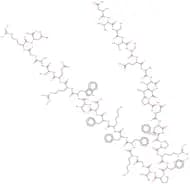
CAS:<p>Growth hormone-releasing factor (GRF) or GHRH (growth hormone-releasing hormone).Binds to the growth hormone-releasing hormone receptor (GHRH-R), causing growth hormone secretion.porcine: H-YADAIFTNSYRKVLGQLSARKLLQDIMSRQQGERNQEQGARVRL-NH2bovine: H-YADAIFTNSYRKVLGQLSARKLLQDIMNRQQGERNQEQGAKVRL-NH2ovine: H-YADAIFTNSYRKILGQLSARKLLQDIMNRQQGERNQEQGAKVRL-NH2human: H-YADAIFTNSYRKVLGQLSARKLLQDIMSRQQGESNQERGARARL-NH2</p>Formula:C215H358N72O66SPurity:Min. 98 Area-%Color and Shape:PowderMolecular weight:5,039.65 g/molBradykinin-Like Neuropeptide (Aplysia californica) trifluoroacetate salt
CAS:<p>Please enquire for more information about Bradykinin-Like Neuropeptide (Aplysia californica) trifluoroacetate salt including the price, delivery time and more detailed product information at the technical inquiry form on this page</p>Formula:C53H98N24O14SPurity:Min. 95%Molecular weight:1,327.56 g/mol(D-Trp6)-LHRH (2-10) trifluoroacetate salt
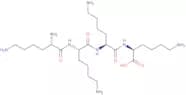
CAS:<p>Please enquire for more information about (D-Trp6)-LHRH (2-10) trifluoroacetate salt including the price, delivery time and more detailed product information at the technical inquiry form on this page</p>Formula:C59H77N17O11Purity:Min. 95%Molecular weight:1,200.35 g/molH-Lys-Lys-Lys-Lys-OH acetate salt
CAS:<p>H-Lys-Lys-Lys-Lys-OH acetate salt is a fatty acid that has been shown to form stable complexes with DNA and act as an intercalator. It also provides a repair mechanism for DNA, which may be due to its ability to bind to stem cell factor (SCF) and increase the proliferation of stem cells. H-Lys-Lys-Lys-Lys-OH acetate salt has significant cytotoxicity against viruses, such as human immunodeficiency virus type 1 (HIV1) and human papilloma virus type 16. This drug can also be used as an adjuvant in monoclonal antibody production by stimulating the production of antibodies from mouse spleen cells. H-Lys-Lys-Lys-Lys-OH acetate salt has been shown to inhibit the growth of E. coli K12 and Bacteria Corynebacterium diphtheriae, both of</p>Formula:C24H50N8O5Purity:Min. 95%Molecular weight:530.7 g/molWRW4
CAS:<p>Please enquire for more information about WRW4 including the price, delivery time and more detailed product information at the technical inquiry form on this page</p>Formula:C61H65N15O6Purity:Min. 95%Molecular weight:1,104.27 g/mol(Tyr0)-BNP-32 (human) trifluoroacetate salt
CAS:<p>Please enquire for more information about (Tyr0)-BNP-32 (human) trifluoroacetate salt including the price, delivery time and more detailed product information at the technical inquiry form on this page</p>Formula:C152H253N51O44S4Purity:Min. 95%Molecular weight:3,627.22 g/molMet-Enkephalin-Arg acetate salt
CAS:<p>Please enquire for more information about Met-Enkephalin-Arg acetate salt including the price, delivery time and more detailed product information at the technical inquiry form on this page</p>Formula:C33H47N9O8SPurity:Min. 95%Molecular weight:729.85 g/molAmylin (8-37) (human) trifluoroacetate salt
CAS:<p>Please enquire for more information about Amylin (8-37) (human) trifluoroacetate salt including the price, delivery time and more detailed product information at the technical inquiry form on this page</p>Formula:C138H216N42O45Purity:Min. 95%Molecular weight:3,183.45 g/mol5-Phenylisoxazole-3-carboxylic acid
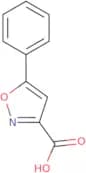
CAS:<p>5-Phenylisoxazole-3-carboxylic acid is a phenoxy compound that has been shown to inhibit the growth of tuberculosis bacteria. This drug binds to the postsynaptic potential in the cell membrane and inhibits the effector proteins from interacting with the receptor, preventing neurotransmitter release. The molecular modeling study showed that 5-Phenylisoxazole-3-carboxylic acid interacts with ethyl esters and rifampin, which inhibits xanthine oxidase. Xanthine oxidase inhibitors are used as a treatment for gout and hyperuricemia. 5-Phenylisoxazole-3-carboxylic acid also has fluorimetric properties, which can be used to measure its concentration in biological samples such as urine or plasma. Nitro groups in this drug make it susceptible to oxidation by nitric oxide, which can be monitored using nmr spectra.</p>Formula:C10H7NO3Purity:Min. 95%Molecular weight:189.17 g/molBiotinyl-Neuromedin S (human) trifluoroacetate salt
CAS:<p>Please enquire for more information about Biotinyl-Neuromedin S (human) trifluoroacetate salt including the price, delivery time and more detailed product information at the technical inquiry form on this page</p>Formula:C183H279N55O46SPurity:Min. 95%Molecular weight:4,017.58 g/mol(Gln22,Asn23)-Amyloid b-Protein (1-40) trifluoroacetate salt
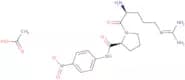
CAS:<p>Please enquire for more information about (Gln22,Asn23)-Amyloid b-Protein (1-40) trifluoroacetate salt including the price, delivery time and more detailed product information at the technical inquiry form on this page</p>Formula:C194H297N55O56SPurity:Min. 95%Molecular weight:4,327.84 g/molH-Arg-Pro-pNA trifluoroacetate salt
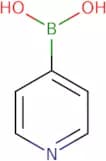
CAS:Controlled Product<p>Please enquire for more information about H-Arg-Pro-pNA trifluoroacetate salt including the price, delivery time and more detailed product information at the technical inquiry form on this page</p>Formula:C17H25N7O4Purity:Min. 95%Molecular weight:391.43 g/mol4-Pyridinylboronic acid
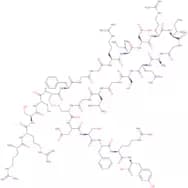
CAS:<p>4-Pyridinylboronic acid is a boron compound that contains two nitrogen atoms. It is an important reagent in organic synthesis and crystallography. 4-Pyridinylboronic acid has been shown to have biological properties, such as hydrogen bonding interactions. It is also used in the suzuki coupling reaction and the photochemical properties of the reaction solution are dependent on its coordination geometry. 4-pyridinylboronic acid has a high pH value, so it must be prepared in anhydrous sodium carbonate before use. The hydrogen bond between 4-pyridinylboronic acid and an azide is shown below: Nnowiki>/nowiki>Hnowiki>/nowiki>nowiki>/nowiki>Nnowiki>/nowiki>nowiki>/nowiki>H</p>Formula:C5H6BNO2Color and Shape:PowderMolecular weight:122.92 g/mol([ring-D5]Phe3)-Octreotide acetate salt
CAS:Controlled Product<p>Please enquire for more information about ([ring-D5]Phe3)-Octreotide acetate salt including the price, delivery time and more detailed product information at the technical inquiry form on this page</p>Formula:C49H61D5N10O10S2Purity:Min. 95%Molecular weight:1,024.27 g/mol(Lys18)-Pseudin-2 trifluoroacetate salt
CAS:<p>Please enquire for more information about (Lys18)-Pseudin-2 trifluoroacetate salt including the price, delivery time and more detailed product information at the technical inquiry form on this page</p>Formula:C122H203N37O32Purity:Min. 95%Molecular weight:2,700.15 g/molGRP (14-27) (human, porcine, canine) trifluoroacetate salt
CAS:<p>GRP (14-27) is a synthetic peptide that has an inhibitory effect on the growth of pancreatic cancer cells. It also inhibits the development of primary tumors in hamsters and inhibits tumor metastasis. GRP (14-27) binds to the cell surface receptor on T cells, which is responsible for mediating immune responses against tumors. GRP (14-27) has been shown to suppress tumor growth through immunoreactivity and has been found to be effective against a variety of cancers when used as an adjuvant therapy.</p>Formula:C75H110N24O16S2Purity:Min. 95%Molecular weight:1,667.96 g/mol4-tert-Butylphenylboronic acid
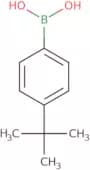
CAS:<p>4-tert-Butylphenylboronic acid is an aromatic hydrocarbon that belongs to the class of phenoxy. It is a molecule with nitrogen atoms and a molecular weight of 144.17 g/mol. 4-tert-Butylphenylboronic acid has been shown to form a copper complex in the presence of sodium trifluoroacetate, which is used for cross-coupling reactions. This compound also reacts with hydrochloric acid to form 4-methoxyphenylboronic acid and trimethyl boronate, which can be used as reaction products in organic synthesis. The stability of this compound has been studied using electrochemical impedance spectroscopy (EIS) on thin films.</p>Formula:C10H15BO2Purity:Min. 95%Color and Shape:White PowderMolecular weight:178.04 g/molPreptin (rat) trifluoroacetate salt
CAS:<p>Please enquire for more information about Preptin (rat) trifluoroacetate salt including the price, delivery time and more detailed product information at the technical inquiry form on this page</p>Formula:C181H268N48O51Purity:Min. 95%Molecular weight:3,932.36 g/molH-Gly-Pro-Arg-Pro-NH2 acetate salt
CAS:<p>H-Gly-Pro-Arg-Pro-NH2 acetate salt is a peptide with antiplatelet activity. It has been shown to inhibit the interaction between fibrinogen and platelets, which leads to the inhibition of thrombin formation and subsequent clotting. The amide bond in this peptide is susceptible to hydrolysis by enzymes such as phospholipase A2, which means that it can be broken down into smaller fragments that have different biological activities. H-Gly-Pro-Arg-Pro-NH2 acetate salt has been shown to inhibit the growth of babesia microti, a causative agent of babesiosis in cattle, through lysis of infected erythrocytes. This drug also inhibits the growth of hemagglutinating virus type 3 (HV3) and filovirus, two viruses that are not yet fully understood.</p>Formula:C18H32N8O4Purity:Min. 95%Molecular weight:424.5 g/molBenzyl acetate
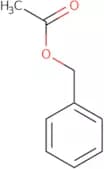
CAS:<p>Benzyl acetate is a colorless liquid that has a pleasant odor. It is used as a flavoring agent in food, beverages and tobacco products. Benzyl acetate is also used as an intermediate in the production of other chemicals. A low-dose group of rats was given benzyl acetate at doses of 0.5, 1, 5 and 10 mg/kg/day for 30 days. The animals were observed for changes in enzyme activities and thermal expansion reactions. Chronic exposure to benzyl acetate may cause carcinogenesis by inducing dimethyl fumarate (DMF) or methyl transferase activity.</p>Formula:C9H10O2Purity:Min. 95%Color and Shape:Colorless Clear LiquidMolecular weight:150.17 g/molPAR-2 (6-1) amide (human) trifluoroacetate salt
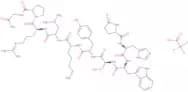
CAS:<p>Please enquire for more information about PAR-2 (6-1) amide (human) trifluoroacetate salt including the price, delivery time and more detailed product information at the technical inquiry form on this page</p>Formula:C28H54N8O7Purity:Min. 95%Molecular weight:614.78 g/mol(D-Ala6)-LHRH acetate salt Pyr-His-Trp-Ser-Tyr-D-Ala-Leu-Arg-Pro-Gly-NH2 acetate salt
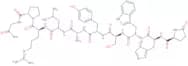
CAS:<p>Please enquire for more information about (D-Ala6)-LHRH acetate salt Pyr-His-Trp-Ser-Tyr-D-Ala-Leu-Arg-Pro-Gly-NH2 acetate salt including the price, delivery time and more detailed product information at the technical inquiry form on this page</p>Formula:C56H77N17O13Purity:Min. 95%Molecular weight:1,196.32 g/mol(Tyr(Me)21)-Neuropeptide Y (human, rat) trifluoroacetate salt
CAS:<p>Please enquire for more information about (Tyr(Me)21)-Neuropeptide Y (human, rat) trifluoroacetate salt including the price, delivery time and more detailed product information at the technical inquiry form on this page</p>Formula:C190H287N55O57SPurity:Min. 95%Molecular weight:4,285.71 g/molHemimellitic acid
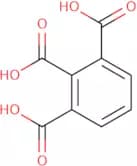
CAS:<p>Hemimellitic acid is a carboxylate that has an intramolecular hydrogen and a reactive hydroxyl group. It can be used as a precursor to the production of polymers and plastics. Hemimellitic acid is an inorganic acid that contains nitrogen atoms. It can exist as particles with a size range between 1 and 100 nanometers. The chemical structure of hemimellitic acid is related to the malonic acid; it is the methyl ethyl ester of malonic acid. Hemimellitic acid has thermodynamic data, including a standard enthalpy change of -3,079 kJ/mol (-8,726 cal/mol) and Gibbs free energy change of -2,837 kJ/mol (-6,927 cal/mol).</p>Formula:C9H6O6Purity:Min. 95%Color and Shape:White To Off-White SolidMolecular weight:210.14 g/mol3-Hydroxy-4-methyl-2-nitro-benzoic acid
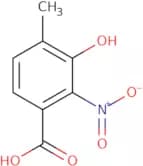
CAS:<p>3-Hydroxy-4-methyl-2-nitrobenzoic acid is an analog of the natural substrate for the enzyme nitroreductase. It can be used in oxidative coupling reactions to generate a covalently bonded product, which is immobilized on sepharose. 3-Hydroxy-4-methyl-2-nitrobenzoic acid has a high affinity for nucleic acids and can be used in biospecific assays. The chromophore of 3-hydroxy-4-methyl-2-nitrobenzoic acid is easily oxidized, leading to its use in nitroreduction reactions in which a nitro group is reduced to an amino group.</p>Purity:Min. 95%Gastrin I (rat) trifluoroacetate salt
CAS:<p>Trifluoroacetate salt</p>Formula:C94H128N22O31S2Purity:Min. 95%Molecular weight:2,126.28 g/molH-Gly-Tyr-NH2 acetate salt
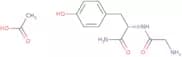
CAS:Controlled Product<p>Please enquire for more information about H-Gly-Tyr-NH2 acetate salt including the price, delivery time and more detailed product information at the technical inquiry form on this page</p>Formula:C13H19N3O5Purity:Min. 95%Molecular weight:297.31 g/mol(Phe2, Nle 4)-ACTH (1-24) (human, bovine, rat) trifluoroacetate salt
CAS:<p>Please enquire for more information about (Phe2, Nle 4)-ACTH (1-24) (human, bovine, rat) trifluoroacetate salt including the price, delivery time and more detailed product information at the technical inquiry form on this page</p>Formula:C137H212N40O30Purity:Min. 95%Molecular weight:2,899.4 g/molPyr-Pro-Val-pNA trifluoroacetate salt
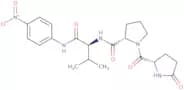
CAS:<p>Pyr-Pro-Val-pNA is a synthetic peptide that is structurally homologous to the proteases serine and chymotrypsin. This peptide has been shown to have proteolytic activity on fibronectin, n-terminal of angiotensin, and epithelium. Pyr-Pro-Val-pNA also causes an inflammatory response in leukocytes and shigella.</p>Formula:C21H27N5O6Purity:Min. 95%Molecular weight:445.47 g/molAcetyl-(D-Lys2, Sar 3)-Melanotropin-Potentiating Factor acetate salt
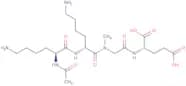
CAS:<p>Acetyl-(D-Lys2, Sar 3)-Melanotropin-Potentiating Factor acetate salt Ac-Lys-D-Lys-Sar-Glu-OH acetate salt is synthesized from a tetrapeptide. It has been shown to be neurotrophic and to stimulate the uptake of dopamine. Acetyl-(D-Lys2, Sar 3)-Melanotropin-Potentiating Factor acetate salt Ac-Lys-D-Lys-Sar-Glu-OH acetate salt has also been shown to be an analog of the growth factor nerve growth factor (NGF) and have similar effects on muscle tissue.</p>Formula:C22H40N6O8Purity:Min. 95%Molecular weight:516.59 g/mol




![3-[(2-Aminoethyl)dithio]propionic acid](/_next/image/?url=https%3A%2Fstatic.cymitquimica.com%2Fproducts%2F3D%2Fthumb-webp%2FFA17745.webp&w=3840&q=75)

![tert-Butyl 4,7-diazaspiro[2.5]octane-4-carboxylate](/_next/image/?url=https%3A%2Fstatic.cymitquimica.com%2Fproducts%2F3D%2Fthumb-webp%2FFB141899.webp&w=3840&q=75)









![2-[(3,5,6-Trichloro-2-pyridinyl)oxy]acetic acid](/_next/image/?url=https%3A%2Fstatic.cymitquimica.com%2Fproducts%2F3D%2Fthumb-webp%2FFT28420.webp&w=3840&q=75)
















![([ring-D5]Phe3)-Octreotide acetate salt](/_next/image/?url=https%3A%2Fstatic.cymitquimica.com%2Fproducts%2F3D%2Fthumb-webp%2FFR110015.webp&w=3840&q=75)