Carboxylic Acids
Found 12457 products of "Carboxylic Acids"
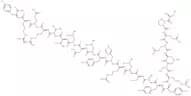
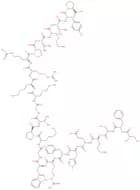
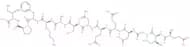
(Cys47)-HIV-1 tat Protein (47-57) trifluoroacetate salt
CAS:Please enquire for more information about (Cys47)-HIV-1 tat Protein (47-57) trifluoroacetate salt including the price, delivery time and more detailed product information at the technical inquiry form on this page
Formula:C58H114N32O13SPurity:Min. 95%Molecular weight:1,499.8 g/molRef: 3D-FC110136
Discontinued productH-Glu-Gly-Arg-pNA acetate salt
CAS:Controlled ProductPlease enquire for more information about H-Glu-Gly-Arg-pNA acetate salt including the price, delivery time and more detailed product information at the technical inquiry form on this page
Formula:C19H28N8O7Purity:Min. 95%Molecular weight:480.48 g/molRef: 3D-FG110745
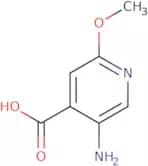
Discontinued product5-Amino-2-methoxyisonicotinic acid
CAS:5-Amino-2-methoxyisonicotinic acid is a carboxylic acid that is used in the synthesis of aminopyridines. The compound can be synthesized from formamidine acetate and diethyl dicarbonate. This process involves lithiation, followed by addition of an amine and finally conversion to the desired product with formamidine acetate. 5-Amino-2-methoxyisonicotinic acid can also be synthesized from formamide and diethyl ether. 5-Amino-2-methoxyisonicotinic acid is an analog of 2,4,6-trimethylaniline and has been shown to have similar properties to this compound, including strong basicity.
Formula:C7H8N2O3Purity:Min. 95%Molecular weight:168.15 g/mol3-Acetyl-alpha-boswellic acid
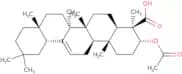
CAS:3-Acetyl-alpha-boswellic acid is a compound that has been derived from the plant Boswellia serrata. It has been shown to have antiinflammatory properties and may have clinical potential as an agent for the treatment of inflammatory diseases. 3-Acetyl-alpha-boswellic acid was found to inhibit the proliferation of myeloid leukemia cells, which were activated by cytokine stimulation. This compound also decreased the mitochondrial membrane potential in hl-60 cells, inhibited the plasma concentrations of proinflammatory cytokines, and had a two-way crossover study with healthy volunteers. In addition, it inhibits the production of 11-keto-beta-boswellic acid (KBA), which is a metabolite of 3AB that is associated with cancer progression. The antiinflammatory effects of 3AB are due to its ability to inhibit NFκB activation and downregulate IL1β and TNFα expression in leukemic cells.
Formula:C32H50O4Purity:Min. 95%Color and Shape:White PowderMolecular weight:498.74 g/molRef: 3D-FA65592
Discontinued product(Des-Ser3)-ACTH (1-24) (human, bovine, rat) trifluoroacetate salt
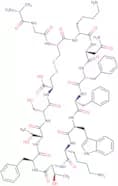
Please enquire for more information about (Des-Ser3)-ACTH (1-24) (human, bovine, rat) trifluoroacetate salt including the price, delivery time and more detailed product information at the technical inquiry form on this pageFormula:C133H205N39O29SPurity:Min. 95%Molecular weight:2,846.36 g/molRef: 3D-FD109958
Discontinued product(D-Trp8)-Somatostatin-14 trifluoroacetate salt
CAS:Please enquire for more information about (D-Trp8)-Somatostatin-14 trifluoroacetate salt including the price, delivery time and more detailed product information at the technical inquiry form on this page
Formula:C76H104N18O19S2Purity:Min. 95%Molecular weight:1,637.88 g/molRef: 3D-FT108921
Discontinued productBNP-45 (mouse) trifluoroacetate salt
CAS:Please enquire for more information about BNP-45 (mouse) trifluoroacetate salt including the price, delivery time and more detailed product information at the technical inquiry form on this page
Formula:C209H354N70O63S2Purity:Min. 95%Molecular weight:4,919.61 g/molRef: 3D-FB110157
Discontinued productH1-7 acetate salt
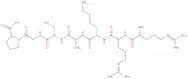
CAS:H1-7 acetate salt H-Arg-Arg-Lys-Ala-Ser-Gly-Pro-OH acetate salt is a synthetic, ternary complex of the amino acid histidine, arginine and lysine. It has been shown to inhibit β lactamase enzymes that are responsible for the hydrolysis of penicillin, cephalosporin, and monobactam antibiotics. The inhibition is due to the hydrophobic nature of the substrate binding site on β lactamase. This binding prevents the enzyme from hydrolyzing its substrate and inactivates it. In addition, H1-7 acetate salt H-Arg-Arg-Lys-Ala-Ser-Gly-Pro-OH acetate salt binds to calcium ions and has been shown to have a kinetic effect on β lactamases.Formula:C31H58N14O9Purity:Min. 95%Molecular weight:770.88 g/molRef: 3D-FA108539
Discontinued productBiphalin trifluoroacetate salt (
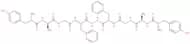
CAS:Biphalin trifluoroacetate salt (H-Tyr-D-Ala-Gly-Phe-NH)2 trifluoroacetate salt is a peptide hormone. It has been shown to be an opioid that binds to the μ and δ opioid receptors and inhibits the production of inflammatory mediators. Biphalin trifluoroacetate salt (H-Tyr-D-Ala-Gly-Phe-NH)2 trifluoroacetate salt has also been shown to have neuroprotective effects. This drug has low potency and can only be used in vivo models. Biphalin trifluoroacetate salt (H-Tyr-D-Ala-Gly-Phe-NH)2 trifluoroacetate salt is not active against skin cancer cells, but does show activity against other types of cancer cells.Formula:C46H56N10O10Purity:Min. 95%Molecular weight:909 g/molRef: 3D-FB110181
Discontinued productSerpinin (mouse, rat) trifluoroacetate salt
CAS:Please enquire for more information about Serpinin (mouse, rat) trifluoroacetate salt including the price, delivery time and more detailed product information at the technical inquiry form on this pageFormula:C123H202N32O46Purity:Min. 95%Molecular weight:2,865.11 g/molRef: 3D-FS109925
Discontinued productDynorphin A (1-13) amide trifluoroacetate salt
CAS:Please enquire for more information about Dynorphin A (1-13) amide trifluoroacetate salt including the price, delivery time and more detailed product information at the technical inquiry form on this page
Formula:C75H127N25O14Purity:Min. 95%Molecular weight:1,602.97 g/molRef: 3D-FD110159
Discontinued productPeptide YY (13-36) (canine, mouse, porcine, rat) trifluoroacetate salt
CAS:Please enquire for more information about Peptide YY (13-36) (canine, mouse, porcine, rat) trifluoroacetate salt including the price, delivery time and more detailed product information at the technical inquiry form on this pageFormula:C135H209N41O38Purity:Min. 95%Molecular weight:3,014.36 g/molRef: 3D-FP110395
Discontinued productPancreastatin (dephosphorylated) (porcine) trifluoroacetate salt
CAS:Pancreastatin is a cytosolic protein that inhibits the production of peptide hormones such as glucagon, insulin, and gastrin. It is used to treat bowel disease, including carcinoid syndrome and inflammatory bowel disease. Pancreastatin has been shown to inhibit the activity of cyclase enzymes that are responsible for the production of these hormones. Pancreatic beta-cells produce pancreatic polypeptide (PP), which is converted by pancreastatin into inactive PP2. Pancreatic alpha-cells produce somatostatin (SS), which is converted by pancreastatin into inactive SS2. Pancreatic delta cells produce pancreatic polypeptide (PP), which is not affected by pancreastatin. Pancreatic somatostatinomas secrete SS, which is not affected by pancreastatin.
Formula:C214H330N68O76SPurity:Min. 95%Molecular weight:5,103.39 g/molRef: 3D-FP109742
Discontinued product3-Amino-4-fluorobenzoic acid
CAS:3-Amino-4-fluorobenzoic acid is a hydrocarbon that is used as an analgesic. It has been shown to be nontoxic and has analgesic effects in the intestinal tract. 3-Amino-4-fluorobenzoic acid also has radiopaque properties, which makes it useful for diagnosis and treatment of certain types of cancer and other tumors. The analgesic effect of 3-amino-4-fluorobenzoic acid may be due to its ability to act as a competitive antagonist at the N -methyl--aspartate (NMDA) receptor, which is important in pain perception.
Formula:C7H6FNO2Purity:Min. 95%Molecular weight:155.13 g/molRef: 3D-FA64177
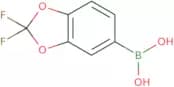
Discontinued product2,2-Difluoro-1,3-Benzodioxol-5-Ylboronic Acid
CAS:Please enquire for more information about 2,2-Difluoro-1,3-Benzodioxol-5-Ylboronic Acid including the price, delivery time and more detailed product information at the technical inquiry form on this pageFormula:C7H5BF2O4Purity:Min. 95%Molecular weight:201.92 g/molRef: 3D-FD89242
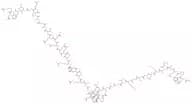
Discontinued productAdrenomedullin 5 (primate) trifluoroacetate salt
CAS:Please enquire for more information about Adrenomedullin 5 (primate) trifluoroacetate salt including the price, delivery time and more detailed product information at the technical inquiry form on this page
Formula:C253H394N82O71S2Purity:Min. 95%Molecular weight:5,784.48 g/molRef: 3D-FA109901
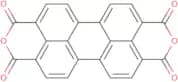
Discontinued product3,4,9,10-Perylenetetracarboxylic dianhydride
CAS:3,4,9,10-Perylenetetracarboxylic dianhydride is a dianhydride that is used in the production of polyesters. It has been shown to form herringbone structures when it is heated and forms kinetic energy. The formation of these structures can be induced by laser ablation. 3,4,9,10-Perylenetetracarboxylic dianhydride also has a redox potential that is more positive than most other organic compounds. This compound can undergo intermolecular hydrogen bonding with glycol ethers and copper chloride and can react with nitrogen atoms to produce photocurrent in model systems. 3,4,9,10-Perylenetetracarboxylic dianhydride also has hydroxyl groups that are important for the biosynthesis of fatty acids.
Formula:C24H8O6Purity:Min. 95%Color and Shape:Red PowderMolecular weight:392.32 g/molBIM-23627 trifluoroacetate salt
CAS:Please enquire for more information about BIM-23627 trifluoroacetate salt including the price, delivery time and more detailed product information at the technical inquiry form on this page
Formula:C58H69ClN12O8S2Purity:Min. 95%Molecular weight:1,161.83 g/molRef: 3D-FB109641
Discontinued productAcetyl-PACAP-38 (human, mouse, ovine, porcine, rat) trifluoroacetate salt
CAS:Please enquire for more information about Acetyl-PACAP-38 (human, mouse, ovine, porcine, rat) trifluoroacetate salt including the price, delivery time and more detailed product information at the technical inquiry form on this pageFormula:C205H333N63O54SPurity:Min. 95%Molecular weight:4,576.3 g/molRef: 3D-FA109807
Discontinued productVIP (3-28) (human, mouse, rat) trifluoroacetate salt
CAS:Please enquire for more information about VIP (3-28) (human, mouse, rat) trifluoroacetate salt including the price, delivery time and more detailed product information at the technical inquiry form on this pageFormula:C138H226N40O39SPurity:Min. 95%Molecular weight:3,101.58 g/molRef: 3D-FV109877
Discontinued productTAT 2-4 trifluoroacetate salt
CAS:Trifluoroacetate saltFormula:C132H240N66O29Purity:Min. 95%Molecular weight:3,215.75 g/molRef: 3D-FT110195
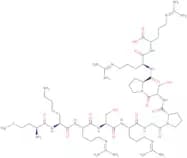
Discontinued productNuclear Factor NF-KB Inhibitor SN50 trifluoroacetate salt
CAS:SN50 is a nuclear factor NF-KB inhibitor that blocks the activity of transcription factors that are involved in inflammation and cancer. SN50 inhibits protease activity, which may be due to its ability to bind to response elements on DNA, leading to cytosolic calcium release and activation of signal pathways. It also binds to endothelin-a receptor and induces apoptosis. SN50 has been shown to have anti-tumour effects in resistant breast cancer cells as well as reducing serum aminotransferase levels in rats. This drug also activates transcriptional regulation by binding toll-like receptors and inducing colony stimulating factors. SN50 also has cardioprotective properties, which may be due to its ability to inhibit fatty acid synthase in cardiomyocytes.Formula:C129H230N36O29SPurity:Min. 95%Molecular weight:2,781.5 g/molRef: 3D-FN109704
Discontinued product(Sar 1,Ile4·8)-Angiotensin II trifluoroacetate salt
CAS:Please enquire for more information about (Sar 1,Ile4·8)-Angiotensin II trifluoroacetate salt including the price, delivery time and more detailed product information at the technical inquiry form on this page
Formula:C43H75N13O9Purity:Min. 95%Molecular weight:918.14 g/molRef: 3D-FS109771
Discontinued productPAR-2 (1-6) amide (human) trifluoroacetate salt
CAS:PAR-2 (1-6) amide (human) trifluoroacetate salt H-Ser-Leu-Ile-Gly-Lys-Val-NH2 trifluoroacetate salt is a protease inhibitor that inhibits the activity of PAR2, a protein receptor. PAR2 is implicated in cancer and inflammation. It has been shown to inhibit growth factor signaling, as well as activate toll-like receptor 4 and other inflammatory pathways. PAR2 inhibition has also been studied in vivo and found to be effective in treating wild type mice with melanoma cells. In vitro studies have shown that PAR2 inhibition by PAR 2 (1-6) amide (human) trifluoroacetate salt H-Ser-Leu-Ile-Gly-Lys-Val NH2 trifluoroacetate salt blocks the production of tumour necrosis factor alpha and interleukin 6.Formula:C28H54N8O7Purity:Min. 95%Molecular weight:614.78 g/molRef: 3D-FP109317
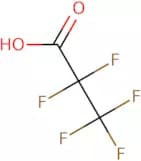
Discontinued productPentafluoropropionic acid
CAS:Pentafluoropropionic acid is a glycol ether that is used in the preparation of coumarin derivatives. It reacts with sodium carbonate and trifluoroacetic acid to form the corresponding acyl chloride, which then reacts with nitrogen atoms (e.g., ammonia) to form an amide or urea derivative. Pentafluoropropionic acid also reacts with hydrogen fluoride to form pentafluoropropane and hydrogen fluoride gas, which can be used as a propellant for aerosol sprays. Pentafluoropropionic acid binds to toll-like receptors on cancer cells and human serum, inhibiting their ability to synthesize DNA. The compound has been shown to inhibit tumor growth in mice by blocking the formation of cancer tissues.
Formula:C3HF5O2Purity:Min. 95%Color and Shape:Clear LiquidMolecular weight:164.03 g/molRef: 3D-FP32907
Discontinued productGAP 27 acetate salt
CAS:GAP 27 is a connexin that is expressed in the cardiac and skin cells. GAP 27 acetate salt H-Ser-Arg-Pro-Thr-Glu-Lys-Thr-Ile-Phe-Ile-Ile-OH acetate salt is made up of a number of amino acids, including serine, arginine, proline, glutamic acid, lysine, threonine and isoleucine. It has been shown to have biological function in vivo models and in vitro assays. GAP 27 acetate salt H-Ser-Arg-Pro-Thr-Glu-Lys-Thr--Ile--Phe--Ile--Ile--OH acetate salt has been shown to be non toxic to the heart and skin cells. This protein also shows growth factor activity when it interacts with toll like receptor 4 (TLR4) on human skin cells.Formula:C60H101N15O17Purity:Min. 95%Molecular weight:1,304.53 g/molRef: 3D-FG110171
Discontinued productChlorotoxin trifluoroacetate salt
CAS:Chlorotoxin trifluoroacetate salt is a chlorotoxin derivative that has been modified to be more soluble in aqueous solutions. It is used to identify skin cancer and other forms of cancer, as well as for the study of cellular function and structure. The molecule can be injected into tissue or cells, where it binds to nuclei and causes cell death. Chlorotoxin trifluoroacetate salt has minimal toxicity in humans and can be used on histological specimens with little disruption to the tissue. This reagent may also be used to target intracellular targets such as glioma cells.
Formula:C158H249N53O47S11Purity:Min. 95%Molecular weight:3,995.72 g/molRef: 3D-FC109715
Discontinued producttert-Butyl 2-amino-6,7-dihydrothiazolo[5,4-c]pyridine-5(4H)-carboxylate
CAS:Please enquire for more information about tert-Butyl 2-amino-6,7-dihydrothiazolo[5,4-c]pyridine-5(4H)-carboxylate including the price, delivery time and more detailed product information at the technical inquiry form on this page
Purity:Min. 95%(Phe2, Nle 4)-ACTH (1-24) (human, bovine, rat) trifluoroacetate salt
CAS:Please enquire for more information about (Phe2, Nle 4)-ACTH (1-24) (human, bovine, rat) trifluoroacetate salt including the price, delivery time and more detailed product information at the technical inquiry form on this page
Formula:C137H212N40O30Purity:Min. 95%Molecular weight:2,899.4 g/molRef: 3D-FP109714
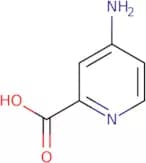
Discontinued product4-Aminopicolinic acid
CAS:4-Aminopicolinic acid is a synthetic amine that has been shown to activate plant science. 4-Aminopicolinic acid is a cyclic peptide with two subunits, one of which is 4-amino-3-pyridinecarboxylic acid. This compound has been synthesized from picolinic acid, an agriculturally important compound that is found in plant and animal tissues. The synthesis of 4-aminopicolinic acid involves the reaction of picolinic acid with nitrous oxide, followed by hydrolysis and oxidation to form the desired product. Hplc analyses have confirmed the presence of picolinic acid in extracts from various plants containing this compound.
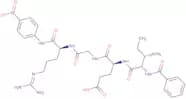
Formula:C6H6N2O2Purity:Min. 95%Color and Shape:White To Beige Or Pink To Light Brown SolidMolecular weight:138.12 g/molBz-Ile-Glu-Gly-Arg-pNA acetate salt
CAS:Bz-Ile-Glu-Gly-Arg-pNA acetate salt is an anticoagulant that binds to heparin. It has been shown to inhibit protease activity in soybean trypsin by binding to the active site of the enzyme. Bz-Ile-Glu-Gly-Arg-pNA acetate salt has also been shown to have a molecular weight of heparin and a protein synthesis inhibition rate of fibrinogen, which is responsible for coagulation.
Formula:C32H43N9O9Purity:Min. 95%Molecular weight:697.74 g/molRef: 3D-FB110748
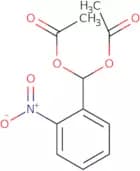
Discontinued product2-Nitrobenzaldiacetate
CAS:2-Nitrobenzaldiacetate is a chemical compound that has been used as a reaction component and reagent. It is also useful for the synthesis of other compounds. 2-Nitrobenzaldiacetate is a high quality, versatile building block that can be used to make complex compounds. The CAS number for this chemical is 6345-63-7. This compound has been shown to have many uses in research, such as being a useful intermediate or building block in synthetic organic chemistry.
Formula:C11H11NO6Purity:Min. 95%Color and Shape:PowderMolecular weight:253.21 g/molNeuropeptide EI (human, mouse, rat) trifluoroacetate salt
CAS:Neuropeptide EI is a cyclic peptide that has been shown to have receptor activity in the caudate putamen, as well as locomotor activity and metabolic rate. Neuropeptide EI has also been shown to inhibit lymphatic vessels and amide sequences in fat cells. It has been shown to have various biological functions, such as an anti-inflammatory agent, an analgesic, and a chemotherapeutic agent. It is active against cancer cells and autoimmune diseases, but is inactive against bacteria.
Formula:C63H98N16O23Purity:Min. 95%Molecular weight:1,447.55 g/molRef: 3D-FN108663
Discontinued product[p-Terphenyl]-4,4''-dicarboxylic acid
CAS:4,4’-Dicarboxy-p-terphenyl is a disulfide amide with the molecular formula C14H10N2O2S. It is a chemical compound that has been shown to have antimicrobial activity. The antibacterial activity of 4,4’-Dicarboxy-p-terphenyl was evaluated by preparing a series of in vitro assays. The results showed that 4,4’-Dicarboxy-p-terphenyl inhibited the growth of bacteria and fungi at concentrations above 10 μg/mL. This drug also has been demonstrated to be effective against trifluoroacetic acid (TFA) induced congestive heart failure in experimental models. 4,4’-Dicarboxy-p-terphenyl has been found to have therapeutic potential for the treatment of metabolic disorders such as diabetes and hypertension. Structural analysis revealed that this drug contains a redox
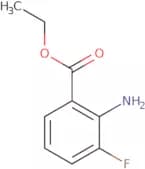
Formula:C20H14O4Purity:Min. 95%Molecular weight:318.32 g/mol2-Amino-3-fluorobenzoic acid ethyl ester
CAS:Please enquire for more information about 2-Amino-3-fluorobenzoic acid ethyl ester including the price, delivery time and more detailed product information at the technical inquiry form on this pageFormula:C9H10FNO2Purity:Min. 95%Color and Shape:PowderMolecular weight:183.18 g/molAcetyl-ACTH (4-24) (human, bovine, rat) trifluoroacetate salt
CAS:Please enquire for more information about Acetyl-ACTH (4-24) (human, bovine, rat) trifluoroacetate salt including the price, delivery time and more detailed product information at the technical inquiry form on this pageFormula:C123H193N37O26SPurity:Min. 95%Molecular weight:2,638.15 g/molRef: 3D-FA109962
Discontinued productBoc-Pressinoic acid Boc-Cys-Tyr-Phe-Gln-Asn-Cys-OH (Disulfide bond)
CAS:Please enquire for more information about Boc-Pressinoic acid Boc-Cys-Tyr-Phe-Gln-Asn-Cys-OH (Disulfide bond) including the price, delivery time and more detailed product information at the technical inquiry form on this page
Formula:C38H50N8O12S2Purity:Min. 95%Molecular weight:874.98 g/molRef: 3D-FB111209
Discontinued productpTH (1-84) (rat) trifluoroacetate salt
Please enquire for more information about pTH (1-84) (rat) trifluoroacetate salt including the price, delivery time and more detailed product information at the technical inquiry form on this page
Formula:C406H670N122O126S3Purity:Min. 95%Molecular weight:9,372.61 g/molRef: 3D-FP109826
Discontinued productAmyloid beta-Protein (1-42) (scrambled) trifluoroacetate salt
CAS:Please enquire for more information about Amyloid beta-Protein (1-42) (scrambled) trifluoroacetate salt including the price, delivery time and more detailed product information at the technical inquiry form on this page
Formula:C203H311N55O60SPurity:Min. 95%Molecular weight:4,514.04 g/molRef: 3D-FA110090
Discontinued product(Pen 5)-Urotensin II (4-11) (human) trifluoroacetate salt
CAS:Please enquire for more information about (Pen 5)-Urotensin II (4-11) (human) trifluoroacetate salt including the price, delivery time and more detailed product information at the technical inquiry form on this page
Formula:C52H68N10O12S2Purity:Min. 95%Molecular weight:1,089.29 g/molRef: 3D-FP109652
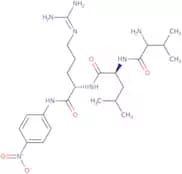
Discontinued productH-DL-Val-Leu-Arg-pNA acetate salt
CAS:H-DL-Val-Leu-Arg-pNA acetate salt is a natriuretic that is used to treat chronic kidney failure. It has an inhibitory effect on serine protease and epidermal growth factor, which are enzymes involved in the production of atrial natriuretic peptide (ANP). The drug also reduces blood pressure by inhibiting the activity of angiotensin II, which is a potent vasoconstrictor. H-DL-Val-Leu-Arg-pNA acetate salt has been shown to increase urea nitrogen levels by inhibiting the activity of alkaline phosphatase, which breaks down ammonia in the liver.
Formula:C23H38N8O5Purity:Min. 95%Molecular weight:506.6 g/molRef: 3D-FV110743
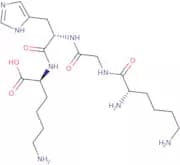
Discontinued productSPARC (119-122) (mouse) acetate salt
CAS:SPARC (119-122) (mouse) is an acetate salt of H-Lys-Gly-His-Lys-OH. SPARC (119-122) has been shown to be a mimetic of the c-terminal region of the protein SPARC and can bind to many metal ions including Zn2+, Mn2+, Cu2+, Co2+, Ni2+ and Mg2+. The binding affinity for these metals is dose dependent, with saturation occurring at high concentrations. This property may make this compound a therapeutic target for drug discovery strategies.Formula:C20H36N8O5Purity:Min. 95%Molecular weight:468.55 g/molRef: 3D-FS108680
Discontinued product(3R)-3-[(tert-Butoxycarbonyl)amino]-4-(2,4-difluorophenyl)butanoic acid
CAS:Please enquire for more information about (3R)-3-[(tert-Butoxycarbonyl)amino]-4-(2,4-difluorophenyl)butanoic acid including the price, delivery time and more detailed product information at the technical inquiry form on this page
Formula:C15H19F2NO4Purity:Min. 95%Molecular weight:315.31 g/molRef: 3D-FB99243
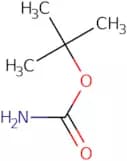
Discontinued producttert-Butyl carbamate
CAS:tert-Butyl carbamate is a chemical compound that has been shown to inhibit the ubiquitin ligases, which are enzymes responsible for protein degradation. It binds to the active site of these enzymes and inhibits their activity. Tert-butyl carbamate has also been shown to have anti-inflammatory properties due to its ability to inhibit prostaglandin synthesis. This drug has been shown to be safe in humans at high doses and has a low toxicity profile.
Formula:C5H11NO2Purity:Min. 95%Color and Shape:White PowderMolecular weight:117.15 g/molBradykinin-Like Neuropeptide (Aplysia californica) trifluoroacetate salt
CAS:Please enquire for more information about Bradykinin-Like Neuropeptide (Aplysia californica) trifluoroacetate salt including the price, delivery time and more detailed product information at the technical inquiry form on this page
Formula:C53H98N24O14SPurity:Min. 95%Molecular weight:1,327.56 g/molRef: 3D-FB108499
Discontinued product(Des-Gly10,Ser(Ac)4,D-Leu6,Pro-NHEt 9)-LHRH trifluoroacetate salt
Please enquire for more information about (Des-Gly10,Ser(Ac)4,D-Leu6,Pro-NHEt 9)-LHRH trifluoroacetate salt including the price, delivery time and more detailed product information at the technical inquiry form on this pageFormula:C61H86N16O13Purity:Min. 95%Molecular weight:1,251.44 g/molRef: 3D-FD109745
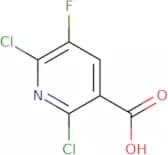
Discontinued product2,6-Dichloro-5-fluoronicotinic acid
CAS:2,6-Dichloro-5-fluoronicotinic acid (2,6-DCFNA) is a chlorinating agent that is activated in acidic solutions. It is used to produce the disinfectant peracetic acid and in the industrial process of producing phenol. 2,6-DCFNA reacts with chloride to form hypochlorous acid (HOCl), which causes inflammation in cells by activating inflammatory cells such as neutrophils and macrophages. 2,6-DCFNA also inhibits tyrosine kinase activity, which may contribute to its anti-inflammatory properties. The toxic effects of 2,6-DCFNA have been studied on hematopoietic cells in vitro. Studies show that this compound can cause apoptosis or death of these cells and may be useful for the treatment of inflammatory diseases such as rheumatoid arthritis. 2,6-DCFNA has also been shown to inhibit tumor growth when
Formula:C6H2Cl2FNO2Purity:Min. 95%Color and Shape:PowderMolecular weight:209.99 g/molRef: 3D-FD70870
Discontinued producta-(Trichloromethyl)benzyl acetate
CAS:a-(Trichloromethyl)benzyl acetate is an organic compound with the formula CHClCOCH. It is a colorless liquid which is soluble in organic solvents. This compound exhibits oxidative carbonylation activity, and has been shown to be used for the coating of particles, detergent compositions, and analytical methods. The microcapsules are prepared by encapsulating a fatty acid in a glycol ether. The health effects of this compound are not well understood but it is believed that it may have some carcinogenic properties.
Formula:C10H9Cl3O2Purity:Min. 95%Molecular weight:267.54 g/molRef: 3D-FR30859
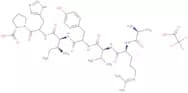
Discontinued productAngiotensin A (1-7) trifluoroacetate
CAS:Endogenous heptapetide which causes vasodilation and has anti-hypertensive properties.
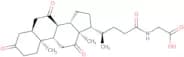
Formula:C40H62N12O9•(C2HF3O2)xPurity:Min. 95%Color and Shape:PowderMolecular weight:855 g/molGlycodehydrocholic acid
CAS:Controlled ProductGlycodehydrocholic acid is a bile acid that is synthesized from cholesterol by the liver and intestine. It is used for the diagnosis of cancer and other medical conditions, such as obesity. Glycodehydrocholic acid inhibits the growth of adipose tissue cells, which may be due to its ability to increase the expression of genes related to lipid metabolism. This drug has also been shown to have an inhibitory effect on mitochondria and tumor cells in human serum. Glycodehydrocholic acid can be measured using chromatographic methods with a sample preparation before analysis. This drug can also be detected in urine samples by gas-liquid chromatography or mass spectrometry. The metabolic profiles of women differ from men, so it is important to take this into account when performing analytical chemistry procedures on this compound.
Formula:C26H37NO6Purity:Min. 95%Color and Shape:White/Off-White SolidMolecular weight:459.58 g/molRef: 3D-FG158865
Discontinued product5,7-Docosadiynoic acid
CAS:5,7-Docosadiynoic acid is a fluorescent molecule that has been found to have low molecular weight, which makes it ideal for use in a variety of strategies. This compound can be used as a fluorescent probe for the detection of membrane interactions and also has many potential applications in polymerized optical devices. 5,7-Docosadiynoic acid is able to fluoresce when irradiated with light at wavelengths above 500 nm and has been shown to be excited by UV light. The chemical properties of 5,7-docosadiynoic acid make it an excellent candidate for use in sensors and optical devices.
Formula:C22H36O2Purity:Min. 95%Molecular weight:332.52 g/mol4-[2-[[(1S)-1-(2-Aminophenyl)-3-methylbutyl]amino]-2-oxoethyl]-2-ethoxybenzoic acid
CAS:Bosentan is a potent inhibitor of the uptake of organic anions. It is used in the treatment of pulmonary arterial hypertension and has been shown to be effective against pravastatin-resistant HIV protease inhibitors, such as saquinavir, quinidine, and rosuvastatin. Bosentan inhibits uptake by binding to the transporter protein at a site that does not overlap with the binding site for organic anion substrates. This leads to a change in kinetic parameters for substrates, such as pravastatin and saquinavir. The binding site on bosentan may also be elucidated through monolayer experiments with efflux transporters.
Formula:C22H28N2O4Purity:Min. 95%Molecular weight:384.47 g/molRef: 3D-FD21379
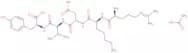
Discontinued productThymopentin acetate salt
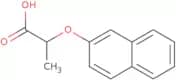
CAS:Controlled ProductThymopentin acetate salt H-Arg-Lys-Asp-Val-Tyr-OH acetate salt is an experimental model system that has been shown to replicate the physiological effects of thymopoietin in vitro. It has also been shown to inhibit the growth of Candida glabrata, a fungus that causes infection in patients with HIV or AIDS. Thymopentin acetate salt H-Arg-Lys-Asp-Val-Tyr-OH acetate salt has been shown to activate both toll like receptor and IL2 receptor, which may be due to its ability to stimulate polyamine synthesis.Formula:C30H49N9O9Purity:Min. 95%Molecular weight:679.77 g/mol2-(2-Naphthyloxy)propanoic acid
CAS:2-(2-Naphthyloxy)propanoic acid is a naphthalene derivative that is found in the plant species Carthamus tinctorius. It has been shown to have potent antagonist activity against the NMDA receptor, as well as antinociceptive and analgesic properties in vivo. 2-(2-Naphthyloxy)propanoic acid also shows potent anti-inflammatory and cardioprotective effects in vitro and in vivo. 2-(2-Naphthyloxy)propanoic acid can be used for the treatment of bone cancer, congestive heart failure, diabetic neuropathy, or other disorders of the peripheral nervous system.
Formula:C13H12O3Purity:Min. 95%Molecular weight:216.23 g/molRef: 3D-FN112710
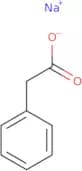
Discontinued productSodium phenylacetate
CAS:Controlled ProductSodium phenylacetate is a chemical compound that is used as an antifungal agent in vitro. It has also been shown to have anti-proliferative and cytotoxic effects on neuroblastoma cells. The physiological function of sodium phenylacetate is not well understood, but it may act as a neurotransmitter by inhibiting the release of acetylcholine or by regulating cell signaling pathways. Sodium phenylacetate may also inhibit angiogenesis, which would limit the growth of cancerous tumors.
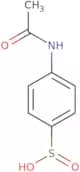
Formula:C8H7NaO2Purity:Min. 95%Color and Shape:PowderMolecular weight:158.13 g/mol4-Acetamidobenzenesulfonic acid
CAS:4-Acetamidobenzenesulfonic acid (4ABS) is an organic compound that is used as a sulfa drug. It is found in the filtrate of the chemical reaction between inulin and sulfamic acid. 4ABS acts as an amine catalyst for acyl transfer reactions. 4ABS also reacts with chloroethanol to form a primary amino group on a colloidal particle surface. This reaction has been shown to be reversible, where hydrochloric acid can react with 4ABS to form the corresponding sulfamic acid.
Formula:C8H9NO3SPurity:Min. 95%Molecular weight:199.23 g/molRef: 3D-FA16937
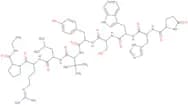
Discontinued product(Des-Gly10, tBu-D-Gly6,Pro-NHEt 9)-LHRH acetate salt
CAS:(Des-Gly10, tBu-D-Gly6,Pro-NHEt 9)-LHRH acetate salt Pyr-His-Trp-Ser-Tyr-tBu-D-Gly-Leu-Arg-Pro-NHEt acetate salt is a synthetic hormone that belongs to the group of gonadotropin releasing hormones (GnRH). It is used in veterinary medicine to stimulate ovulation and follicular growth in animals. (Des-Gly10, tBu-D-Gly6, Pro -NHEt9)-LHRH acetate salt Pyr -His -Trp -Ser -Tyr -tBu -D -Gly -Leu -Arg -Pro NHEt acetate salt is a prodrug that is hydrolyzed in vivo to buserelin, its active form. This drug has been shown to be effective against estradiol benzoate and sodium salts
Formula:C59H84N16O12·xC2H4O2Purity:Min. 95%Molecular weight:1,209.4 g/molRef: 3D-FD109861
Discontinued product









![tert-Butyl 2-amino-6,7-dihydrothiazolo[5,4-c]pyridine-5(4H)-carboxylate](/_next/image/?url=https%3A%2Fstatic.cymitquimica.com%2Fproducts%2F3D%2Fthumb-webp%2FFB143127.webp&w=3840&q=75)
![[p-Terphenyl]-4,4''-dicarboxylic acid](/_next/image/?url=https%3A%2Fstatic.cymitquimica.com%2Fproducts%2F3D%2Fthumb-webp%2FFT28045.webp&w=3840&q=75)



![(3R)-3-[(tert-Butoxycarbonyl)amino]-4-(2,4-difluorophenyl)butanoic acid](/_next/image/?url=https%3A%2Fstatic.cymitquimica.com%2Fproducts%2F3D%2Fthumb-webp%2FFB99243.webp&w=3840&q=75)



![4-[2-[[(1S)-1-(2-Aminophenyl)-3-methylbutyl]amino]-2-oxoethyl]-2-ethoxybenzoic acid](/_next/image/?url=https%3A%2Fstatic.cymitquimica.com%2Fproducts%2F3D%2Fthumb-webp%2FFD21379.webp&w=3840&q=75)