Carboxylic Acids
Carboxylic acids are organic molecules characterized by having a carboxyl-type functional group (-COOH). These acids are fundamental in various chemical reactions, including esterification, amidation, and decarboxylation. Carboxylic acids are widely used in the production of pharmaceuticals, polymers, and agrochemicals. In this section, you can find a large number of carboxylic acids ready to be used. At CymitQuimica, we provide a broad range of high-quality carboxylic acids to support your research and industrial applications.
Found 12453 products of "Carboxylic Acids"
Sort by
Purity (%)
0
100
|
0
|
50
|
90
|
95
|
100
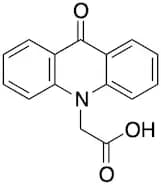
9-Oxo-10(9H)-acridineacetic Acid
CAS:<p>Applications 9-Oxo-10(9H)-acridineacetic acid is a reagent for pre-column derivatization of amino acids for fluorescent determination in HPLC and it is also a building block in pharmaceutics.<br></p>Formula:C15H11NO3Color and Shape:NeatMolecular weight:253.252-Hydroxyphenylacetic Acid
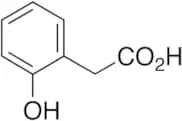
CAS:Controlled Product<p>Applications 2-Hydroxyphenylacetic Acid (cas# 614-75-5) is a compound useful in organic synthesis.<br></p>Formula:C8H8O3Color and Shape:NeatMolecular weight:152.152-Naphthoxyacetic acid
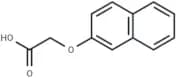
CAS:<p>2-Naphthoxyacetic acid is an endogenous metabolite that is an inhibitor of firefly luciferase (Potency=40 μm).</p>Formula:C12H10O3Purity:99.74%Color and Shape:SolidMolecular weight:202.213,4,9,10-Perylenetetracarboxylic Diimide (~85%)
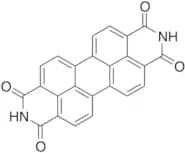
CAS:Controlled Product<p>Applications 3,4,9,10-Perylenetetracarboxylic diimide (cas# 81-33-4) is a useful research chemical.<br></p>Formula:C24H10N2O4Purity:~85%Color and Shape:NeatMolecular weight:390.357-Bromoheptanoic Acid
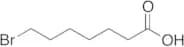
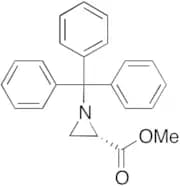
CAS:Controlled Product<p>Applications 7-Bromoheptanoic Acid is a reagent that is used in the synthesis of N-Heptanoic Acid Tianeptine Disodium Salt (H281500) which are metabolite of Tianeptine (T436800), having psychostimulant, anti-ulcer and anti-emetic properties.<br>References Malen, C., et al.: Experientia, 28, 811 (1972), Safa, A., et al.: J. Biol. Chem., 262, 7884 (1987), Ford, J.M., et al.: Pharmacol. Rev., 42, 155, (1990), Pierre, A., et a.: Cancer Res., 51, 2312 (1991),<br></p>Formula:C7H13BrO2Color and Shape:NeatMolecular weight:209.08Methyl (S)-N-Tritylaziridine-2-carboxylate
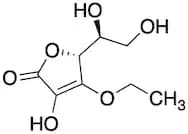
CAS:Controlled Product<p>Applications Methyl (S)-N-Tritylaziridine-2-carboxylate (cas# 75154-68-6) is a compound useful in organic synthesis.<br></p>Formula:C23H21NO2Color and Shape:NeatMolecular weight:343.423-O-Ethyl-L-ascorbic Acid
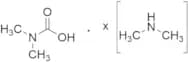
CAS:Controlled Product<p>Applications 3-O-Ethyl-L-ascorbic Acid could be a useful stabilizing agent for a para-hydroxyacetophenone solution.<br>References Zhang, H., et al.: Faming Zhuanli Shenqing (2020), CN 111937874 A<br></p>Formula:C8H12O6Color and Shape:NeatMolecular weight:204.18Dimethylammonium Dimethylcarbamate
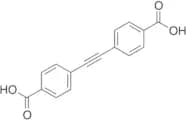
CAS:<p>Applications Dimethylammonium Dimethylcarbamate is a reactant used in the synthesis of vanadium complex implantation on silica surfaces and may be studied for its use in phrmaceutical synthesis.<br>References Bresciani, G. et al.: Eur. J. Inorg. Chem., 10, 1176 (2018);<br></p>Formula:C3H7NO2·xC2H7NColor and Shape:NeatMolecular weight:89.09 + x(45.08)4,4'-(Ethyne-1,2-Diyl)Dibenzoic Acid
CAS:Controlled Product<p>Applications 4,4'-(ETHYNE-1,2-DIYL)DIBENZOIC ACID (cas# 16819-43-5) is a useful research chemical.<br></p>Formula:C16H10O4Color and Shape:NeatMolecular weight:266.252-Cyclopentyl-2-hydroxy-2-phenylacetic Acid
CAS:<p>Applications 2-Cyclopentyl-2-hydroxy-2-phenylacetic Acid is an impurity of Glycopyrrolate (G657000), a novel pharmaceutical compound based on PDE IV inhibitors; used in the treatment of respiratory complaints. It is used in the synthesis of muscarinic M3 receptor antagonists.<br>References Gomez, et al.: Br. J. Anaesth., 74, 549 (1995); Kumar, N. et al.: Bioorg. Med. Chem. Lett., 17, 5256 (2007);<br></p>Formula:C13H16O3Color and Shape:Off White To Light BrownMolecular weight:220.26Hydrazine Acetate
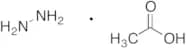
CAS:Controlled Product<p>Applications Hydrazine derivative.<br> Not a dangerous good if item is equal to or less than 1g/ml and there is less than 100g/ml in the package<br></p>Formula:C2H8N2O2Color and Shape:NeatMolecular weight:92.13-(4-Hydroxyphenyl)propionic Acid
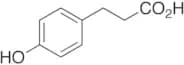
CAS:<p>Applications Antioxidant.<br>References Arnous, A., et al.: J. Agr. Food Chem., 49, 5736 (2001), Guendez, R., et al.: Food Chem., 89, 1 (2005), Proestos, C., et al.: Food Control,16, 319 (2005)<br></p>Formula:C9H10O3Color and Shape:NeatMolecular weight:166.171,2,3,4-Cyclobutanetetracarboxylic Acid 1,2,3,4-Tetramethyl Ester
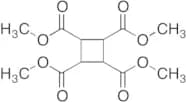
CAS:Controlled Product<p>Applications 1,2,3,4-Cyclobutanetetracarboxylic Acid 1,2,3,4-Tetramethyl Ester is product from the formation of a mixture of maleic anhydride and hexamethylbenzene when exposed to ultraviolet irradiation.<br>References Raciszewski, Z.: J. Chem. Soc., 12, 1147-1155 (1966);<br></p>Formula:C12H16O8Color and Shape:White To Off-WhiteMolecular weight:288.25Butyl Carbamate
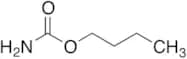
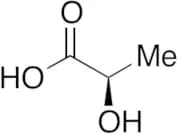
CAS:Controlled Product<p>Applications butyl carbamate (cas# 592-35-8) is a useful research chemical.<br></p>Formula:C5H11NO2Color and Shape:NeatMolecular weight:117.15D-Lactic Acid
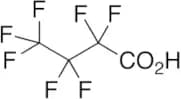
CAS:<p>Applications D-Lactic Acid occurs in small quantities in the blood and muscle fluid of man and animals. The lactic acid concentration increases in muscle and blood after vigorous activity.<br>References He, W. et al.: Comp. Biochem. Phys. Part A: Mol. Int. Phys., 166, 308 (2013)<br></p>Formula:C3H6O3Purity:90%Color and Shape:Colourless To Light YellowMolecular weight:90.08Heptafluorobutyric Acid
CAS:<p>Stability Hygroscopic<br>Applications Heptafluorobutyric Acid (HFBA) is used in reversed-phase chromatography.<br> E0<br>References Satake, I., et al.: Biopolymers, 15, 2263 (1976), Aso, K., et al.: Biosci. Biotech. Biochem., 56, 755 (1992), Cecchi, T., et al.: J. Chromatogr., 1216, 1789 (2009),<br></p>Formula:C4HF7O2Color and Shape:Colourless LiquidMolecular weight:214.043-Hydroxytetradecanoic Acid
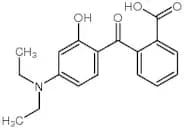
CAS:Controlled Product<p>Applications 3-Hydroxytetradecanoic Acid is used in the preparation of liposomes coated with N-acylated molecular-weight. Also used in the synthesis of pseudomycin side-chain analogs. Also used in the study of Lipid A, a major constituent of the lipopolysaccharides, which are responsible for the toxicity of gram negative bacteria.<br>References Naberezhnykh, G. et al.: Chem. Nat. Comp., 46, 852 (2011); Chen, S. et al.: Bioorg. Med. Chem. Lett., 10, 2107 (2000); Carillo, S. et al.: Marine Drugs., 11, 184 (2013);<br></p>Formula:C14H28O3Color and Shape:NeatMolecular weight:244.372-(4-Diethylamino-2-hydroxybenzoyl)benzoic Acid
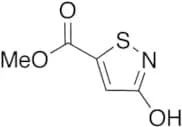
CAS:Controlled Product<p>Applications 2-(4-Diethylamino-2-hydroxybenzoyl)benzoic Acid<br></p>Formula:C18H19NO4Color and Shape:NeatMolecular weight:313.35Methyl-3-hydroxyisothiazole-5-carboxylate
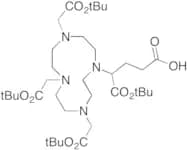
CAS:Controlled Product<p>Applications Methyl-3-hydroxyisothiazole-5-carboxylate (cas# 100241-89-2) is a compound useful in organic synthesis.<br></p>Formula:C5H5NO3SColor and Shape:Off White To YellowMolecular weight:159.165-(tert-Butoxy)-5-oxo-4-(4,7,10-tris(2-(tert-butoxy)-2-oxoethyl)-1,4,7,10-tetraazacyclododecan-1-yl)pentanoic Acid (>85%)
CAS:Controlled Product<p>Applications 5-(tert-butoxy)-5-oxo-4-(4,7,10-tris(2-(tert-butoxy)-2-oxoethyl)-1,4,7,10-tetraazacyclododecan-1-yl)pentanoic Acid has been used in synthesis of; GdDOTAGA(C18)2: an efficient amphiphilic Gd(III) chelate for the preparation of self-assembled high relaxivity MRI nanoprobes; bifunctional prochelators for coupling to bioactive peptides for radiometal labeling; DOTAGA-anhydride, building block for prepn. of DOTA-like chelating agents.<br>References Filippi M., et al., ChemComm., 51, 17455-17458 (2015); Eisenwiener K. P., et al., Bioorg. Med. Chem. Lett., 10, 2133-2135 (2000); Bernhard C., et al., Chem. Eur. J., 18, 7834-7841 (2012)<br></p>Formula:C35H64N4O10Purity:>85%Color and Shape:Off-WhiteMolecular weight:700.9042-(2-Butoxyethoxy)acetic Acid
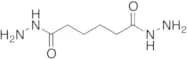
CAS:<p>Applications 2-(2-butoxyethoxy)acetic acid (cas# 82941-26-2) is a useful research chemical.<br></p>Formula:C8H16O4Color and Shape:NeatMolecular weight:176.21Adipic Acid Dihydrazide
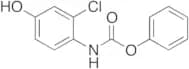
CAS:<p>Applications Adipic Acid Dihydrazide is used to functionalize magnetic nanoparticles for gylcopeptitde enrichment and identification. Adipic Acid Dihydrazide can also be used as a chain extension for liquid rubber.<br>References Cao, Q., et. al.: Analyst, 139, 603 (2014); Cutts, E.: Chem. Industry, 7, 280 (1974)<br></p>Formula:C6H14N4O2Color and Shape:NeatMolecular weight:174.2Phenyl N-(2-Chloro-4-hydroxyphenyl)carbamate
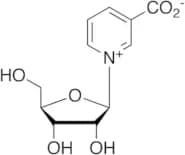
CAS:Controlled Product<p>Applications Phenyl N-(2-Chloro-4-hydroxyphenyl)carbamate is a reagent used in the prepartion of quinoline-carboxamide compounds including Lenvatinib (L329400), an orally active inhibitor of multiple receptor tyrosine kinases including VEGF, FGF and SCF receptors.<br>References Wang, N. et al.: Faming Zhuanli Shenqing (2017), CN 106632033 A 20170510.<br></p>Formula:C13H10ClNO3Color and Shape:NeatMolecular weight:263.68Nicotinic Acid Riboside
CAS:Controlled Product<p>Applications An effective agent for increasing nicotinamide adenine dinucleotide (NAD) concentrations in mammalian cells.<br>References Yang, T. et al.: J. Med. Chem., 50, 6458 (2007);<br></p>Formula:C11H13NO6Color and Shape:NeatMolecular weight:255.226-[(6-Aminohexyl)amino]-6-oxo-hexanoic Acid
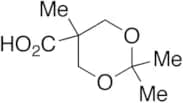
CAS:<p>Applications 6-[(6-Aminohexyl)amino]-6-oxo-hexanoic acid is a nylon oligomer with flame retardant properties.<br>References Zahn, Helmut et al.: Chemische Berichte, 92, 1381 (1959)<br></p>Formula:C12H24N2O3Color and Shape:NeatMolecular weight:244.332,2,5-Trimethyl-1,3-dioxane-5-carboxylic Acid
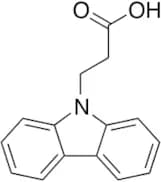
CAS:Controlled Product<p>Applications 2,2,5-Trimethyl-1,3-dioxane-5-carboxylic Acid (cas# 16837-14-2) is a compound useful in organic synthesis.<br></p>Formula:C8H14O4Color and Shape:NeatMolecular weight:174.193-(9H-Carbazol-9-yl)propanoic Acid
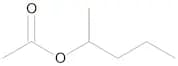
CAS:Controlled Product<p>Applications 3-(9H-carbazol-9-yl)propanoic acid (cas# 6622-54-4) is a useful research chemical.<br></p>Formula:C15H13NO2Color and Shape:NeatMolecular weight:239.2692-Pentyl Acetate (>90% purity)
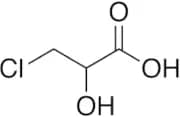
CAS:Controlled Product<p>Stability Volatile<br>Applications 2-Pentyl Acetate has a weak banana odor. 2-Pentyl Acetate is an irritant.Environmental contaminants; food contaminants.<br> Not a dangerous good if item is equal to or less than 1g/ml and there is less than 100g/ml in the package<br>References Dong, T., et al.: J. Hortic. Sci. Biotechnol. 89, 441 (2014); Xu, Z., et al.: Food Bioprocess Tech 9, 407 (2016)<br></p>Formula:C7H14O2Purity:>90%Color and Shape:NeatMolecular weight:130.18β-Chlorolactic Acid
CAS:<p>Applications β-Chlorolactic Acid (cas# 1713-85-5) is a compound useful in organic synthesis.<br></p>Formula:C3H5ClO3Color and Shape:NeatMolecular weight:124.5234-Mercaptobenzoic Acid, Technical Grade
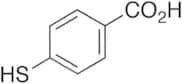
CAS:Controlled Product<p>Stability Store Under Argon; Air Sensitive<br>Applications 4-Mercaptobenzoic Acid, Technical Grade (cas# 1074-36-8) is a compound useful in organic synthesis.<br> Not a dangerous good if item is equal to or less than 1g/ml and there is less than 100g/ml in the package<br></p>Formula:C7H6O2SColor and Shape:NeatMolecular weight:154.19(2E)-2,4-Pentadienoic Acid
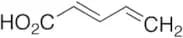
CAS:Controlled Product<p>Applications (2E)-2,4-Pentadienoic Acid (cas# 21651-12-7) is a compound useful in organic synthesis.<br> Not a dangerous good if item is equal to or less than 1g/ml and there is less than 100g/ml in the package<br></p>Formula:C5H6O2Color and Shape:NeatMolecular weight:98.1Morpholin-4-yl Acetic Acid
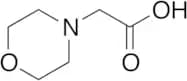
CAS:Controlled Product<p>Applications Morpholin-4-yl Acetic Acid was used in preparation of pyrrolidine-fused fullerene multicarboxylates by photoreaction.<br>References Gan, L., et al.: J. Org. Chem., 63, 4240 (1998).<br></p>Formula:C6H11NO3Color and Shape:NeatMolecular weight:145.161-Cyclohexenylcarboxylic acid
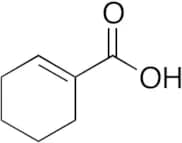
CAS:Controlled Product<p>Applications 1-Cyclohexenylcarboxylic Acid is a reagent used in the synthesis and optimization of small-molecule HIV-1 entry inhibitors. Also used in the stereoselective synthesis of diazabicyclic β-lactams for antimicrobial activity.<br> Not a dangerous good if item is equal to or less than 1g/ml and there is less than 100g/ml in the package<br>References Tuyishime, M. et al.: Bioorg. Med. Chem. Lett., 24, 5439 (2014); Zhang, S. et al.: J. Org. Chem., 81, 956 (2016);<br></p>Formula:C7H10O2Color and Shape:NeatMolecular weight:126.15Trimellic Acid
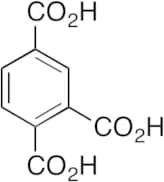
CAS:Controlled Product<p>Applications Trimellic Acid is a reagent used in the preparation of coordination polymers containing various luminescent properties.<br>References Zhang, Z. et al.: Crys. Grow. Des., 13, 4338 (2013); Qin, L. et al.: Trans. Met. Chem., 38, 627 (2013);<br></p>Formula:C9H6O6Color and Shape:NeatMolecular weight:210.143,5-Dioxocyclohexanecarboxylic Acid
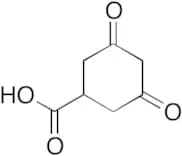
CAS:<p>Applications Dihydroresorcylic Acid is a useful reagent in detecting proteins in living cells.<br>References Reddie, K., et al.: Mol. Biosys., 4, 521-531 (2008); Seo, Y., et al.: Bioorg. Med. Chem. Lett., 19, 356-359 (2009);<br></p>Formula:C7H8O4Color and Shape:NeatMolecular weight:156.141,2,4-Trioctyl Ester 1,2,4-Benzenetricarboxylic Acid
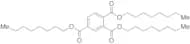
CAS:Controlled Product<p>Applications Isotope labelled 1,2,4-Trioctyl Ester 1,2,4-Benzenetricarboxylic Acid is a widely used and often incorporated in plasticizer for PVC for a higher molecular weight.<br>References Jones, C., et al.: Int. J. Artificial. Organs., 12, 466 (1989); Khang, G., et al.: Bio-Med. Mater. Engineer., 12, 135 (2002);<br></p>Formula:C33H54O6Color and Shape:NeatMolecular weight:546.78tert-Butyl N-[3-(Chlorosulfonyl)propyl]carbamate
CAS:Controlled Product<p>Applications tert-butyl N-[3-(chlorosulfonyl)propyl]carbamate (cas# 1196153-59-9) is a useful research chemical.<br></p>Formula:C8H16ClNO4SColor and Shape:NeatMolecular weight:257.7353-(4-Hydroxy-3,5-dimethoxyphenyl)propanoic Acid
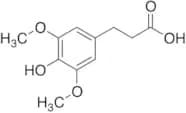
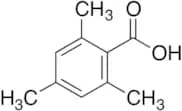
CAS:Controlled Product<p>Applications 3-(4-Hydroxy-3,5-dimethoxyphenyl)propanoic Acid (cas# 14897-78-0) is a useful research chemical.<br></p>Formula:C11H14O5Color and Shape:NeatMolecular weight:226.23Mesitoic acid
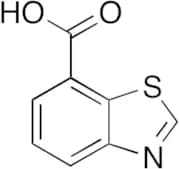
CAS:Controlled Product<p>Applications Mesitoic acid can be used for its antioxidant.<br>References Thomas, P.S., et.al.: Medicines, 4, 1-7, (2017);<br></p>Formula:C10H12O2Color and Shape:Off-WhiteMolecular weight:164.27-Benzothiazolecarboxylic Acid
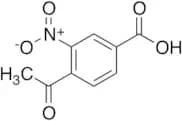
CAS:<p>Applications 7-Benzothiazolecarboxylic Acid is an intermediate used in the synthesis of pyrazole inhibitors of coactivator associated arginine methyltransferase 1 (CARM1). It is also used to prepare aminofuro-pyridine derivatives as inhibitors of TAK1.<br>References Huynh, T., et al.: Bioorg. Med. Chem. Lett., 19, 2924 (2009); Horneberger, K., et al.: Bioorg. Med. Chem. Lett., 23, 4517 (2013)<br></p>Formula:C8H5NO2SColor and Shape:NeatMolecular weight:179.1964-Acetyl-3-nitrobenzoic Acid
CAS:Controlled ProductFormula:C9H7NO5Color and Shape:NeatMolecular weight:209.156Phosphoric Acid Diammonium Salt
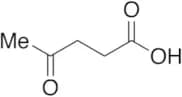
CAS:Controlled Product<p>Applications Diammonium salt of Phosphoric Acid, used in various chemical processes as a phosphorylating compound. Also used in the preparation of prosthetics and collagen nanocomposites due to the bone-like properties.<br>References Ezhova, Z. et al.: Russ. J. Inorg. Chem., 58, 1177 (2013); Wu, Y. et al.: Asian J. Chem., 25, 5881 (2013);<br></p>Formula:H3N·H3O4PColor and Shape:NeatMolecular weight:132.06Levulinic Acid
CAS:Controlled Product<p>Applications Levulinic Acid is derived from the degredation of cellulose and is a potential precursor to biofuels. Levulinic acid is also a photosensitizer for photodynamic therapy.<br>References Serrano-Ruiz, J.C., et al.: Catalysis., 195, 162 (2012); Liedtke, A.J. et al.: Tetrahedron., 68, 10049 (2012);<br></p>Formula:C5H8O3Color and Shape:Light Yellow MeltedMolecular weight:116.123-Hydroxysuberic Acid
CAS:Controlled Product<p>Applications 3-Hydroxysuberic Acid is a derivative of sebacic acid (S211410) a urinary metabolite that has been identified as an anti-fatigue biomarker.<br>References Ma, C. et. al.: J. Pharmaceut. Biomed. Anal. 105, 84 (2015)<br></p>Formula:C8H14O5Color and Shape:NeatMolecular weight:190.19Glyoxylic Acid Monohydrate
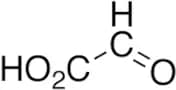
CAS:Controlled Product<p>Applications Occurs in unripe fruit and in young green leaves; has also been found in very young sugar beets.<br>References Lelieveld, J., et al.: Nature, 452, 737 (2008), da Silva, G., et al.: Environ. Sci. Technol., 44, 250 (2010),<br></p>Formula:C2H4O4Color and Shape:NeatMolecular weight:92.054-carbamoylfuran-2-carboxylic acid
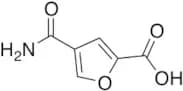
CAS:Controlled Product<p>Applications 4-carbamoylfuran-2-carboxylic acid (cas# 1315367-95-3) is a useful research chemical.<br></p>Formula:C6H5NO4Color and Shape:NeatMolecular weight:155.11Parabanic Acid
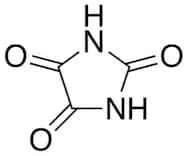
CAS:Controlled Product<p>Applications Parabanic acid appears to be an important marker of free radical reactions in vivo and may be used to monitor free radical activity and to evaluate pharmacological therapy with radical scavengers.<br>References Koumoto, Y., et al.: J. Biol. Chem., 276, 29688 (2001), Gibon, Y., et al.: Plant Cell, 16, 3304 (2004), Kaplan, F., et al.: Plant J., 44, 730 (2005), Ishii, N., et al.: Science, 316, 593 (2007),<br></p>Formula:C3H2N2O3Color and Shape:NeatMolecular weight:114.063,4-Dihydro-3-oxo-2H-(1,4)-benzothiazin-2-ylacetic acid
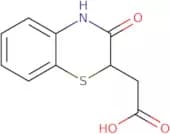
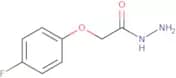
CAS:<p>3,4-Dihydro-3-oxo-2H-(1,4)-benzothiazin-2-ylacetic acid is a high quality chemical that can be used as a reagent, intermediate or building block. It is an important chemical for use in the production of fine chemicals and speciality chemicals. 3,4-Dihydro-3-oxo-2H-(1,4)-benzothiazin-2-ylacetic acid is also a versatile building block for the synthesis of many organic compounds. The compound has been shown to be useful as a reaction component in diverse chemical reactions such as Friedel Crafts acylation and alkylation reactions.</p>Formula:C10H9NO3SPurity:Min. 95%Color and Shape:PowderMolecular weight:223.25 g/mol4-Fluorophenoxyacetic acid hydrazide
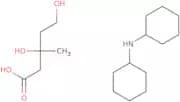
CAS:<p>4-Fluorophenoxyacetic acid hydrazide (4FPAAH) is a palladium complex with anti-cancer activity. It induces apoptosis, or programmed cell death, in myelogenous leukemia cells and breast cancer cells. 4FPAAH has been shown to bind to the ATP binding site of the catalytic domain of topoisomerase II on DNA and inhibit its activity. The molecular modeling studies show that 4FPAAH binds in the same way as cisplatin, which is a platinum-based drug commonly used for cancer treatment. The structural analysis shows that 4FPAAH binds to the nitrogen atoms of the protein and eliminates the possibility of any hydrogen bonding interactions. This mechanism may be due to an electrostatic interaction between the positively charged nitrogen atom in 4FPAAH and negative charge on topoisomerase II's active site.</p>Formula:C8H9FN2O2Purity:Min. 95%Color and Shape:PowderMolecular weight:184.17 g/molD,L-Mevalonic acid dicyclohexylammonium salt
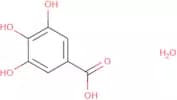
CAS:Controlled Product<p>Mevalonic acid dicyclohexylammonium salt is a reagent, compound, and fine chemical that is used in the synthesis of complex compounds. It has CAS No. 1215802-31-5 and is a useful intermediate, building block, and scaffold for the synthesis of many speciality chemicals. Mevalonic acid dicyclohexylammonium salt is also a versatile building block that can be used as a reaction component in many organic syntheses. This product can be used in research chemicals or as an intermediate for pharmaceuticals.</p>Formula:C18H35NO4Purity:Min. 95%Color and Shape:PowderMolecular weight:329.47 g/molGallic acid monohydrate
CAS:<p>Gallic acid monohydrate is a natural phenolic compound present in plants, such as oak and sumac. It has been shown to have anticarcinogenic properties in animal models of cancer. Gallic acid monohydrate inhibits the growth of tumor cells by binding to the DNA of tumor cells and inhibiting the synthesis of RNA and proteins. It also possesses antioxidant properties, which may be due to its ability to scavenge free radicals. Gallic acid monohydrate is soluble in water, but not in organic solvents such as ether or chloroform. It exists as two crystalline polymorphs: one anhydrous form that occurs at room temperature and a hydrated form that appears when heated above 40 degrees Celsius. In vitro assays have shown that gallic acid monohydrate is stable when exposed to heat, light, and pH changes.END></p>Formula:C7H8O6Purity:Min. 95%Color and Shape:White PowderMolecular weight:188.13 g/molcis-2-Amino-1-cyclohexane-carboxylic acid
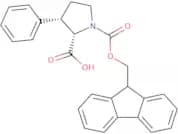
CAS:<p>Cis-2-Amino-1-cyclohexane-carboxylic acid (ACCA) is a β-amino acid that binds to peptides and cyclohexane rings. ACCA has been shown to have high resistance against denaturation, which may be due to its ability to form hydrogen bonds with water molecules. It also has an analog, cis-2-(aminomethyl)cyclohexanol (CAMCH), which is used in the treatment of Gram-positive bacterial infections. ACCA can be found in glycopeptide antibiotics such as vancomycin and teicoplanin, which are used for the treatment of resistant bacteria including methicillin resistant Staphylococcus aureus (MRSA).</p>Formula:C7H13NO2Purity:Min. 95%Color and Shape:PowderMolecular weight:143.18 g/molRacemic Fmoc-cis-3-phenyl-pyrrolidine-2-carboxylic acid
CAS:<p>Please enquire for more information about Racemic Fmoc-cis-3-phenyl-pyrrolidine-2-carboxylic acid including the price, delivery time and more detailed product information at the technical inquiry form on this page</p>Formula:C26H23NO4Purity:Min. 95%Color and Shape:PowderMolecular weight:413.47 g/mol1,1'-Bicyclo[1,1,1]pentane-1,3-dicarboxylic acid
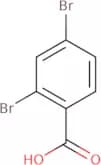
CAS:<p>1,1'-Bicyclo[1,1,1]pentane-1,3-dicarboxylic acid is a diacid that has been found to be effective in the synthesis of many organic compounds. It can be used as a building block for other molecules with different functional groups and is an excellent bioisostere for disulfides. The addition of 1,1'-bicyclo[1,1,1]pentane-1,3-dicarboxylic acid to a nucleophilic compound can be used to synthesize an ester. This molecule can also undergo cross-coupling reactions with halogens such as chlorine or bromine. The crystal x-ray diffraction pattern indicates that this molecule has a linear structure.</p>Formula:C7H8O4Purity:Min. 95%Color and Shape:SolidMolecular weight:156.14 g/mol2,4-Dibromobenzoic acid
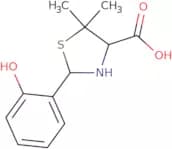
CAS:<p>2,4-Dibromobenzoic acid is a synthetic chemical that is a cross-coupling product. It is used as an intermediate in the synthesis of hydrophobic compounds. 2,4-Dibromobenzoic acid has been validated and its use is arguably safe. It can be synthesized through a number of methods, including the use of fluorescence to detect reaction progress and the use of binder to increase sensitivity. The compound binds to ionizable groups on proteins and interacts with them through hydrogen bonding. This interaction can lead to conformational changes in the protein, which are reversible or not.</p>Formula:C7H4Br2O2Purity:Min. 95%Color and Shape:PowderMolecular weight:279.91 g/mol2-(2-Hydroxyphenyl)-5,5-dimethyl-1,3-thiazolidine-4-carboxylic acid
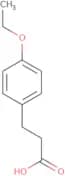
CAS:<p>Please enquire for more information about 2-(2-Hydroxyphenyl)-5,5-dimethyl-1,3-thiazolidine-4-carboxylic acid including the price, delivery time and more detailed product information at the technical inquiry form on this page</p>Formula:C12H15NO3SPurity:Min. 95%Color and Shape:PowderMolecular weight:253.32 g/mol3-(4-Ethoxyphenyl)propionic acid
CAS:<p>3-(4-Ethoxyphenyl)propionic acid is a speciality chemical that is used in the production of other complex chemicals. It has been shown to be a useful intermediate in the production of pharmaceuticals, fine chemicals, and agrochemicals. 3-(4-Ethoxyphenyl)propionic acid is also a versatile building block for use in organic synthesis. It has been shown to be a useful building block for the synthesis of natural products, such as antibiotics and natural products with antiviral properties. This compound can also be used as an effective reagent for research purposes. 3-(4-Ethoxyphenyl)propionic acid is a high quality chemical with CAS number 4919-34-0.</p>Formula:C11H14O3Purity:Min. 95%Color and Shape:PowderMolecular weight:194.23 g/mol2,4-Dichlorocinnamic acid
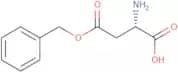
CAS:<p>2,4-Dichlorocinnamic acid is a diphenolase inhibitor that is used in the treatment of lactic acidosis. It inhibits the glyoxylate cycle enzyme, muscle monophenolase activity, and tyrosinase activity. 2,4-Dichlorocinnamic acid also binds to tyrosinase and inhibits the reaction scheme. The binding of this drug to tyrosinase causes irreversible inhibition of the enzyme's catalytic site. 2,4-Dichlorocinnamic acid has been shown to have a low degree of cell toxicity and has a kinetic effect on adsorption kinetics.</p>Formula:C9H6Cl2O2Purity:Min. 95%Color and Shape:White PowderMolecular weight:217.05 g/molL-Aspartic acid b-benzyl ester
CAS:<p>L-Aspartic acid b-benzyl ester (L-ABE) is a cytostatic drug that is biodegradable and can be used in a variety of animal species. It has been shown to inhibit the growth of cancer cells in vitro and in vivo, as well as micelles. L-ABE inhibits the action of dehydroascorbic acid reductase, an enzyme that reduces dehydroascorbic acid to ascorbic acid. This inhibition leads to an increase in the concentration of dehydroascorbic acid, which may cause cell death by damaging DNA. L-ABE also has been shown to inhibit P-glycoprotein (Pgp), leading to increased accumulation of anticancer drugs such as doxorubicin, which can lead to cell death.</p>Formula:C11H13NO4Purity:Min. 95%Color and Shape:White PowderMolecular weight:223.23 g/molModafinil carboxylate methyl ester
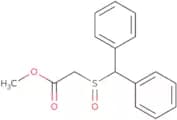
CAS:<p>Modafinil is a wakefulness-promoting agent that has been approved for the treatment of excessive daytime sleepiness associated with narcolepsy. Modafinil carboxylate methyl ester (MCE) is an active pharmaceutical ingredient (API) that is synthesized from modafinil. MCE is a white to off-white powder that is soluble in water and acetonitrile. It has been shown to be identical to the API on the basis of analytical data, including analytical methods such as reversed-phase high-performance liquid chromatography (RP-HPLC), quantified by UV spectrophotometry at 230 nm, and validated by process development.</p>Formula:C16H16O3SPurity:Min. 95%Color and Shape:PowderMolecular weight:288.36 g/molGanoderic acid C6
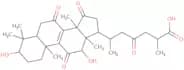
CAS:Controlled Product<p>Ganoderic acid C6 is a natural product with potent anti-cancer and anti-inflammatory activities. It has shown to inhibit the growth of human cancer cells in vitro by targeting the fatty acid synthase enzyme, which is involved in biosynthesis of fatty acids. Ganoderic acid C6 also inhibits hydroxylation of oleic acid, an important step in the synthesis of prostaglandins and leukotrienes. This inhibition leads to a decrease in inflammation and chronic bronchitis. Although ganoderic acid C6 has been shown to have beneficial effects on metabolic disorders, it has also been shown to be toxic to liver cells at high concentrations. The toxicity may be due to its ability to inhibit different enzymes that are involved in fatty acid metabolism.</p>Formula:C30H42O8Purity:Min. 95%Color and Shape:PowderMolecular weight:530.65 g/mol3-Cyanophenylacetic acid
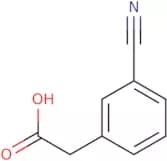
CAS:<p>3-Cyanophenylacetic acid is a versatile building block and useful intermediate that can be used in the synthesis of a wide range of organic compounds. 3-Cyanophenylacetic acid is a fine chemical with CAS No. 1878-71-3 that can be used as a research chemical, reaction component, or speciality chemical. It is an important reagent for making complex organic compounds. 3-Cyanophenylacetic acid is a high quality product with the following characteristics: <br>1) Colorless crystals; <br>2) Soluble in water; <br>3) Soluble in acetone; <br>4) Slightly soluble in ether; <br>5) Reactivity: stable to heat, light, and air; <br>6) pH (1% solution): 2.0 - 4.0; <br>7) Melting point: 129 °C; <br>8) Boiling point: 188 °C at 760 mmH</p>Formula:C9H7NO2Purity:Min. 95%Molecular weight:161.16 g/molFlumethasone acetate
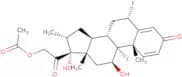
CAS:Controlled Product<p>Flumethasone acetate is a synthetic corticosteroid that has anti-inflammatory, antipruritic, and vasoconstrictive properties. It is used in the treatment of various skin disorders, including psoriasis, eczema and atopic dermatitis. Flumethasone acetate binds to the cytosolic glucocorticoid receptor (GR) and inhibits the transcription of genes that encode proteins involved in inflammation. The drug also has potent anti-inflammatory activity, but lacks the mineralocorticoid activity of hydrocortisone or cortisone. Flumethasone acetate does not bind significantly to the sex hormone binding globulin (SHBG), which is important for its use in females as it will not interfere with estrogen production.</p>Formula:C24H30F2O6Purity:Min. 95%Color and Shape:White/Off-White SolidMolecular weight:452.49 g/mol3,5-Dibromo-4-anisic acid
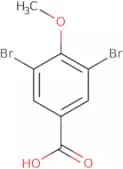
CAS:<p>3,5-Dibromo-4-anisic acid (3,5-DA) is a brominated alkaloid that has been isolated from the Madagascan sponge Psammaplysilla. 3,5-DA is amphimedonine with an additional bromine atom. It has been highlighted in spectroscopy as a possible metabolite of psammaplysene due to its similar chemical structure. 3,5-DA is present in the marine environment and has been found to be a minor component of the sponge Psammaplysilla.</p>Formula:C8H6Br2O3Purity:Min. 95%Color and Shape:PowderMolecular weight:309.94 g/mol4-Methoxy-tetrahydro-2h-pyran-4-carboxylic acid
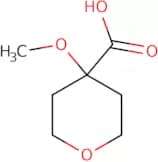
CAS:<p>4-Methoxy-tetrahydro-2h-pyran-4-carboxylic acid is a fine chemical that belongs to the group of research chemicals. It is a versatile building block and useful intermediate in organic synthesis. 4-Methoxy-tetrahydro-2h-pyran-4-carboxylic acid has been used as a reagent for the preparation of the compound 5,5'-dithiobis(4,4'-dimethylvaleronitrile) (CAS No. 1010836-49). This compound has been shown to be an effective antiviral agent against HIV.</p>Formula:C7H12O4Purity:Min. 95 Area-%Color and Shape:PowderMolecular weight:160.17 g/mol(6-Chloro-2-oxo-1,3-benzoxazol-3(2H)-yl)acetic acid
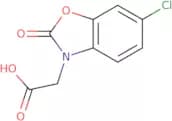
CAS:<p>Please enquire for more information about (6-Chloro-2-oxo-1,3-benzoxazol-3(2H)-yl)acetic acid including the price, delivery time and more detailed product information at the technical inquiry form on this page</p>Formula:C9H6ClNO4Purity:Min. 95%Color and Shape:PowderMolecular weight:227.6 g/mol5-Carboxyfluorescein diacetate
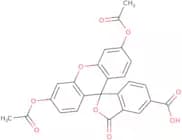
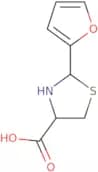
CAS:<p>5-Carboxyfluorescein diacetate is a reactive dye that can be used as a model system to study the effects of reactive species on biological molecules. It has been shown to inhibit mitochondrial membrane potential and activate detoxification enzymes in rats. 5-Carboxyfluorescein diacetate also induces apoptosis in human leukemia cells and inhibits the proliferation of human breast cancer cells. The effect of 5-carboxyfluorescein diacetate on collagen synthesis in a rat wound healing model has been investigated, with an increase in collagen found after treatment. This drug can also cause immunomodulatory effects by inhibiting macrophage activity and increasing T lymphocytes.</p>Formula:C25H16O9Purity:Min. 95 Area-%Color and Shape:White PowderMolecular weight:460.39 g/mol2-(2-Furyl)-1,3-thiazolidine-4-carboxylic acid
CAS:<p>2-(2-Furyl)-1,3-thiazolidine-4-carboxylic acid is a water-soluble plant metabolite that belongs to the group of research chemicals. It is commonly used in the development of medicines and medicaments due to its unique properties. This compound contains a morpholino and benzoate moiety, which contribute to its pharmacological effects. The presence of oxadiazole and proton groups enhances its bioavailability and stability.</p>Formula:C8H9NO3SPurity:Min. 95%Color and Shape:PowderMolecular weight:199.23 g/mol(R)-3-Aminobutanoic acid
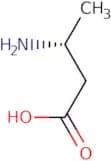
CAS:<p>(R)-3-Aminobutanoic acid is a β-amino acid that is involved in the biosynthesis of other amino acids. It has been shown to have inhibitory effects on lymphoblast cells and to be an intermediate in the synthesis of dioncophylline, a calcium-mobilizing agent. (R)-3-Aminobutanoic acid is also an intermediate in the formation of crotonic acid, which is involved in the synthesis of butyric acid. This compound has been shown to have catalytic activity with a variety of organic reactions because it can act as both a base and a nucleophile. The reaction system may be reversed phase high performance liquid chromatography, gas chromatography, or thin layer chromatography.</p>Formula:C4H9NO2Purity:Min. 95%Color and Shape:PowderMolecular weight:103.12 g/mol3,5-Di-tert-Butyl-4-hydroxybenzoic acid methyl ester
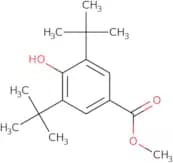
CAS:<p>3,5-Di-tert-Butyl-4-hydroxybenzoic acid methyl ester is a chemical that belongs to the group of low molecular weight solvents. It is used as an intermediate in organic synthesis and as a solvent for paints, lacquers, and varnishes. 3,5-Di-tert-Butyl-4-hydroxybenzoic acid methyl ester has been found to be resistant to radiation and ultraviolet light. This chemical has also been shown to have no mutagenic effects on calf thymus DNA.</p>Formula:C16H24O3Purity:Min. 95%Color and Shape:PowderMolecular weight:264.36 g/mol5-[(3aR,6S,6aS)-2,5,5-trioxo-1,3,3a,4,6,6a-hexahydrothieno[3,4-d]imidazol-6-yl]pentanoic acid
CAS:<p>The compound 5-[(3aR,6S,6aS)-2,5,5-trioxo-1,3,3a,4,6,6a-hexahydrothieno[3,4-d]imidazol-6-yl]pentanoic acid (TIPA) is a diagnostic marker for the diagnosis of urinary tract infections. The compound is present in urine and can be detected with an antibody response. TIPA is excreted by human kidneys in a circadian pattern and has a maximum concentration at pH 7.0. This compound is taken up by bacteria in the urinary tract and its presence can be used to diagnose UTI. TIPA also binds to biotin and polyclonal antibodies that are used for immunohistochemical assays.</p>Formula:C10H16N2O5SPurity:Min. 95%Color and Shape:White To Off-White SolidMolecular weight:276.31 g/moltrans-3-Octenoic acid
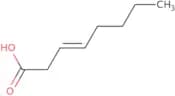
CAS:<p>Trans-3-octenoic acid is a conjugate of estradiol and caproic acid. It can be prepared by reacting estradiol with sodium octanoate in the presence of chlorine. Trans-3-octenoic acid has been shown to have anticancer activity when administered to rats. Trans-3-octenoic acid also has behavioral responses that are pheromonal in nature, leading to an increase in human urine production when it is present. The oxidation products of trans-3-octenoic acid are detected by high performance liquid chromatography (HPLC).</p>Formula:C8H14O2Purity:90%Color and Shape:Clear LiquidMolecular weight:142.2 g/mol2-Furoic acid
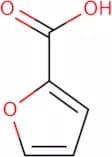
CAS:<p>2-Furoic acid is a compound that belongs to group P2 of the picolinic acid family. It has been shown to have synergistic effects with picolinic acid and a number of other compounds, including sodium fusidate, in inhibiting the growth of Escherichia coli and Staphylococcus aureus. 2-Furoic acid has been identified as a potential drug target for hypertension and may be used as an antihypertensive agent. This compound can be prepared by mixing hydrazine with 2-furoic acid chloride in water or ethanol at room temperature. The product can then be purified using column chromatography or recrystallized from methanol. The mechanism of this reaction is not yet known but it may involve the formation of dehydroascorbic acid by dehydration.</p>Formula:C5H4O3Purity:Min. 95%Color and Shape:PowderMolecular weight:112.08 g/mol2-(2-Bromo-4-methoxyphenyl)acetic acid
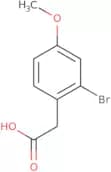
CAS:<p>2-(2-Bromo-4-methoxyphenyl)acetic acid is a versatile building block that is used as a research chemical, reaction component, and reagent. It is also used as a speciality chemical and complex compound. This compound has the CAS number 66916-99-2.</p>Formula:C9H9BrO3Color and Shape:SolidMolecular weight:245.07 g/mol4,4'-Diaminostilbene-2,2'-disulfonic acid
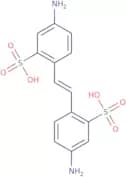
CAS:<p>4,4'-Diaminostilbene-2,2'-disulfonic acid (DAIDS) is a fluorescent dye that can be used to measure the activity of mitochondrial enzymes. It is a substrate for polymerase chain reaction and can be used as a cell viability assay. DAIDS has been shown to cause mitochondrial membrane depolarization and cytosolic calcium release in prostate cancer cells. This compound also inhibits the proliferation of human liver cells and has been proposed as a potential analytical method for wastewater samples. The anhydrous sodium form of DAIDS has been shown to increase the rate of metabolism by up to 30% in rats with body mass index greater than 25 kg/m^2.</p>Formula:C14H14N2O6S2Purity:Min. 95%Color and Shape:SolidMolecular weight:370.4 g/molAc-Lys-AMC acetate salt
CAS:<p>Ac-Lys-AMC acetate salt is a fine chemical that is used as a building block in biological research. It is a versatile building block that can be used in the synthesis of complex compounds, and as a reaction component for the production of useful intermediates. Ac-Lys-AMC acetate salt is also used as a reagent in the detection of nucleic acids.</p>Formula:C18H23N3O4•C2H4O2Purity:Min. 98 Area-%Color and Shape:PowderMolecular weight:405.44 g/molAmmoniumdithiocarbamate
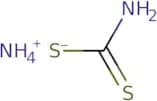
CAS:<p>Ammoniumdithiocarbamate is a group p2 compound that reacts with hydrochloric acid to form a dithiocarbamic acid. This reaction is reversible and an equilibrium between the two compounds exists. Ammoniumdithiocarbamate can be used to synthesize nucleophilic substitutions, which are used in many industrial applications. The reactivity of ammoniumdithiocarbamate is increased by the presence of amp-activated protein, which increases hydrogen bonding interactions with the dithiocarbamic acid. Ammoniumdithiocarbamate has been shown in animal studies to inhibit inflammatory diseases and lung damage caused by carbon disulphide.</p>Formula:CH6N2S2Purity:Min. 95%Color and Shape:PowderMolecular weight:110.2 g/mol2-(2-Hydroxy-4-methoxyphenyl)-5,5-dimethyl-4-thiazolidinecarboxylic acid
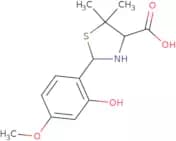
CAS:<p>Please enquire for more information about 2-(2-Hydroxy-4-methoxyphenyl)-5,5-dimethyl-4-thiazolidinecarboxylic acid including the price, delivery time and more detailed product information at the technical inquiry form on this page</p>Formula:C13H17NO4SPurity:Min. 95%Color and Shape:PowderMolecular weight:283.34 g/mol4-Amino-3-fluorobenzoic acid
CAS:<p>4-Amino-3-fluorobenzoic acid (4AFB) is an inhibitor of the enzyme nitric oxide synthase. It has been shown to inhibit chronic inflammation by reducing blood pressure and inhibiting the production of reactive oxygen species that can cause damage to cells in the body. 4AFB is a competitive inhibitor of nitric oxide synthase, which prevents the production of nitric oxide from L-arginine. Nitric oxide is an important signaling molecule in the nervous system, and its inhibition may lead to hyperpolarization of the membrane, which can have therapeutic benefits for certain conditions.</p>Formula:C7H6FNO2Purity:Min. 95%Color and Shape:PowderMolecular weight:155.13 g/molAlendronic acid monosodium salt trihydrate - USP
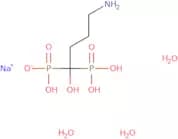
CAS:<p>Farnesyl diphosphate synthase inhibitor; inhibits bone resorption</p>Formula:C4H18NNaO10P2Purity:Min. 95%Color and Shape:White PowderMolecular weight:325.12 g/mol5-Methylindole-2-carboxylic acid
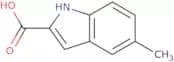
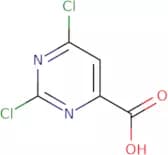
CAS:<p>5-Methylindole-2-carboxylic acid (5MICA) is a synthetic compound that has been shown to be cytotoxic in vitro. It has been shown to inhibit the growth of multiple cancer cell lines, including hepatoma cells, and is currently being studied as a potential anticancer drug. 5MICA inhibits the synthesis of protein and RNA by binding to the ribosome. This inhibition leads to cell death by apoptosis. 5MICA also exhibits an antimicrobial effect against opportunistic fungal pathogens such as Candida albicans, Aspergillus fumigatus, and Cryptococcus neoformans. The mechanism for this inhibition is unknown but may involve inhibition of protein synthesis or other cellular processes.</p>Formula:C10H9NO2Purity:Min. 95%Color and Shape:PowderMolecular weight:175.18 g/mol2,6-Dichloropyrimidine-4-carboxylic acid
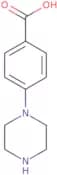
CAS:<p>2,6-Dichloropyrimidine-4-carboxylic acid is a pyrimidine that can be used as a starting material for the synthesis of other compounds. It is an intermediate in the manufacture of anilines and pyrimidines. 2,6-Dichloropyrimidine-4-carboxylic acid is also used in the production of dyes and agrochemicals.</p>Formula:C5H2Cl2N2O2Purity:Min. 95%Color and Shape:White PowderMolecular weight:192.99 g/mol4-(Piperazin-1-yl)benzoic acid hydrochloride
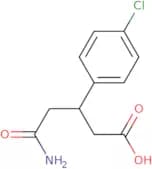
CAS:<p>4-(Piperazin-1-yl)benzoic acid hydrochloride is a chemical intermediate that is used in the synthesis of pharmaceuticals. It has been shown to be a useful scaffold, and can be used as a reaction component and building block in the synthesis of complex compounds. 4-(Piperazin-1-yl)benzoic acid hydrochloride is also versatile, as it has been shown to be an intermediate for the synthesis of fine chemicals.</p>Formula:C11H14N2O2•HClPurity:Min. 95%Color and Shape:PowderMolecular weight:242.7 g/mol3-(4-Chlorophenyl)glutaramic acid
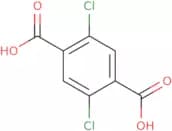
CAS:<p>3-(4-Chlorophenyl)glutaramic acid (3-PGA) is a nucleophilic compound that has been used for the treatment of trigeminal neuralgia. 3-PGA reacts with monomers, such as butanol and alkene, to form condensation products, which are then degraded by imine or additives. This process can be reversed by adding magnesium to the reaction mixture. 3-PGA is also used in polymerization reactions to produce copolymers from monomers like vinyl chloride and ethylene. The polymerization inhibitor 3-PGA prevents the formation of high molecular weight polymers that cannot be degraded by enzymes.</p>Formula:C11H12ClNO3Purity:Min. 95%Color and Shape:PowderMolecular weight:241.67 g/mol2,5-Dichloroterephthalic acid
CAS:<p>2,5-Dichloroterephthalic acid is a luminescent chemical that has been shown to be able to act as a probe for transcription-polymerase chain reactions. It can be used as a luminescent probe to detect hydrogen bond interactions by measuring the amount of light emitted by the compound. 2,5-Dichloroterephthalic acid has an ether linkages and is stable in many solvents, including organic solvents and water. The reaction time for this compound is fast and it emits a green light when it reacts with oxygen.</p>Formula:C8H4Cl2O4Purity:Min. 95%Color and Shape:PowderMolecular weight:235.02 g/mol3,5-Dibromoanthranilic acid
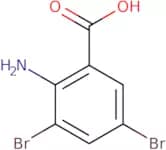
CAS:<p>3,5-Dibromoanthranilic acid is an anthranilic acid derivative that has been the subject of a number of chemical studies. The compound possesses the functional groups found in many other aromatic compounds and isomers. It can be used as a precursor to make other chemicals, such as dyes. 3,5-Dibromoanthranilic acid has been shown to have antitumour activity and cytotoxic potency. It also binds to DNA and inhibits RNA synthesis, which leads to cell death by inhibiting protein synthesis. This compound has been found in urine samples with concentrations of up to 0.2 mg/L, suggesting that it may be metabolized in the body.</p>Formula:C7H5Br2NO2Purity:Min. 95%Color and Shape:PowderMolecular weight:294.93 g/mol4-tert-Butylbenzoic acid
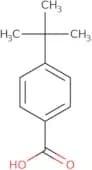
CAS:<p>4-tert-Butylbenzoic acid is a 4-dimethylaminobenzoic acid derivative that has been used as a potential antidepressant. It has shown to have a high solubility in water, which may be due to hydrogen bonding interactions with the amino group of cyclen. The binding constants for 4-tert-butylbenzoic acid and cyclen have been found to be stronger than those for 4-dimethylaminobenzoic acid and cyclen. This suggests that 4-tert-butylbenzoic acid is more potent than 4-dimethylaminobenzoic acid. Process optimization studies on the synthesis of this compound have been carried out using x-ray crystal structures to determine optimum conditions. In vitro experiments using human urine samples revealed that the concentration of 4-tert-butylbenzoic acid was higher in urine samples containing amines than those without amines, suggesting that it may</p>Formula:C11H14O2Purity:Min. 95%Molecular weight:178.23 g/molIsopilocarpic acid sodium salt
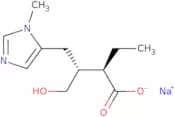
CAS:<p>Isopilocarpic acid sodium salt is a synthetic compound that contains methyl groups and electron. It is an utilizable and liquid chromatographic compound with an acyl group. Isopilocarpic acid sodium salt has been shown to be a prodrug derivative that is hydrolyzed to form the active methylene and hydroxy groups. The aliphatic chain in this compound can be ethylene or benzyl.</p>Formula:C11H17N2NaO3Purity:Min. 95%Color and Shape:White PowderMolecular weight:248.25 g/mol6-Benzoylamino-9H-purine-9-acetic acid
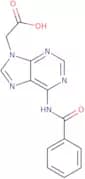
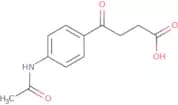
CAS:<p>6-Benzoylamino-9H-purine-9-acetic acid (BAPAA) is a high quality reagent that is used in the synthesis of complex compounds. It is also a useful intermediate in the preparation of fine chemicals, speciality chemicals, and research chemicals. 6-Benzoylamino-9H-purine-9-acetic acid is a versatile building block for the synthesis of novel compounds with desired biological activity. This compound is an excellent reaction component because it can be used to synthesize various chemical structures.</p>Formula:C14H11N5O3Purity:Min. 95%Color and Shape:PowderMolecular weight:297.27 g/mol4-(4-Acetamidophenyl)-4-oxobutanoic acid
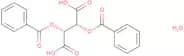
CAS:<p>4-(4-Acetamidophenyl)-4-oxobutanoic acid is a versatile building block that can be used as a reaction component, reagent, or useful scaffold. It is also a high quality chemical with CAS number 5473-15-4. This chemical has been shown to have many applications in research and development, such as the synthesis of pharmaceuticals, agrochemicals, and textiles. 4-(4-Acetamidophenyl)-4-oxobutanoic acid is an important intermediate for the synthesis of complex compounds. It is also a fine chemical that can be used for research purposes.</p>Formula:C12H13NO4Purity:Min. 95 Area-%Color and Shape:PowderMolecular weight:235.24 g/molDibenzoyl-L-tartaric acid monohydrate
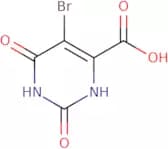
CAS:<p>Dibenzoyl-L-tartaric acid monohydrate is a chiral molecule that can be found in nature. It is soluble in organic solvents, but insoluble in water. Dibenzoyl-L-tartaric acid monohydrate has an affinity for carboxylate ligands and absorbs at 360 nm. The optical rotation of this compound is +20° to -50°, depending on the concentration and pH of the solution. This molecule is a potential pollutant because it can be degraded by oxidation or photolysis, yielding environmentally hazardous compounds. Its conformation may be changed by light or heat and, as a result, its properties may also change.</p>Formula:C18H14O8·H2OPurity:Min. 95%Color and Shape:PowderMolecular weight:376.31 g/mol5-Bromoorotic acid
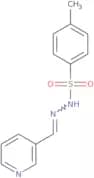
CAS:<p>5-Bromoorotic acid is a chemical compound that contains one bromine atom. This compound has been shown to inhibit the growth of mammalian cells, which may be due to its ability to bind to DNA and interfere with protein synthesis. 5-Bromoorotic acid also has an inhibitory effect on radiation, which may be due to its ability to form stable complexes with electrons. 5-Bromoorotic acid has a helical structure, which may make it more stable than other compounds. It also inhibits the production of uridine by inhibiting uridine phosphorylase and nitro group production in g. lamblia, which is a parasitic protozoan that causes intestinal infections in humans.</p>Formula:C5H3BrN2O4Purity:Min. 95%Color and Shape:White PowderMolecular weight:234.99 g/molBenzenesulfonic acid, 4-methyl-2-(3-pyridinylmethylene)hydrazide
CAS:<p>Please enquire for more information about Benzenesulfonic acid, 4-methyl-2-(3-pyridinylmethylene)hydrazide including the price, delivery time and more detailed product information at the technical inquiry form on this page</p>Purity:Min. 95%Comenic acid
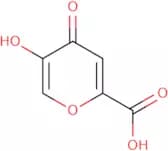
CAS:<p>Comenic acid is a metal chelate that is used as a model system to study the effects of disulfide bonds on signal pathways. It has been shown to reduce neuronal death in a tissue culture model. Comenic acid binds to glutamate, which leads to hydroxylation, and formaldehyde production. This reaction produces sodium salts and cyclic peptides that are toxic to cells. The mechanism of action of comenic acid is not well understood, but it may be due to metal chelation properties and the formation of reactive oxygen species, such as superoxide anion or hydrogen peroxide. Comenic acid also has a protective effect against seizures in mice with epilepsy and magnesium salt can decrease the concentration of this compound in the blood stream.</p>Formula:C6H4O5Purity:Min. 95%Color and Shape:PowderMolecular weight:156.09 g/mol2-Hydroxy-3-methylbutyric acid
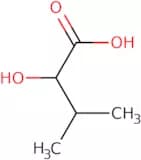
CAS:<p>2-Hydroxy-3-methylbutyric acid is an intermediate in the microbial metabolism of hydrogen fluoride and caproic acid. It can be used as a diagnostic for probiotic bacteria. 2-Hydroxy-3-methylbutyric acid has been shown to cause cell lysis, which may be due to its ability to act as a polymerase chain reaction (PCR) enhancer. The activity index of 2-hydroxy-3-methylbutyric acid is higher than that of other organic acids, such as 3,4-dimethoxybenzoic acid and ferulic acid.</p>Formula:C5H10O3Purity:Min. 95%Color and Shape:PowderMolecular weight:118.13 g/molFolinic acid
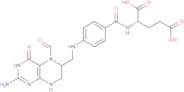
CAS:<p>Folinic acid is a vitamin-B9 that is used as a cofactor for enzymes involved in the synthesis of DNA and RNA. It is also used to diagnose various infectious diseases, with high values found in patients with cancer or autoimmune diseases. Folinic acid has been shown to have dose-dependent effects on mammalian cells, exhibiting toxicities at higher concentrations. Folinic acid can be used to repair damaged DNA by acting as a glycosidase that breaks down the glycosidic bond between the base and sugar.</p>Formula:C20H23N7O7Purity:(%) Min. 97%Color and Shape:White PowderMolecular weight:473.44 g/molIndole-5-carboxylic acid ethyl ester
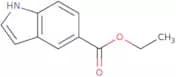
CAS:<p>Indole-5-carboxylic acid ethyl ester is a formamide activated analog of piperidine. It is an effective antibacterial agent against Staphylococcus aureus. Indole-5-carboxylic acid ethyl ester inhibits the growth of bacteria by binding to the extracellular surface and interfering with cell membrane permeability. The compound also has anti-cancer properties, and may be used in pharmaceuticals as a pyrazole derivative.</p>Formula:C11H11NO2Purity:Min. 95%Color and Shape:PowderMolecular weight:189.21 g/molMethyl 1-(mercaptomethyl)cyclopropane acetate
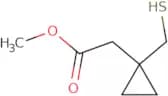
CAS:<p>Methyl 1-(mercaptomethyl)cyclopropane acetate is a fine chemical that is used as a reagent, speciality chemical, and intermediate. It has been shown to be a versatile building block for the synthesis of complex compounds. Methyl 1-(mercaptomethyl)cyclopropane acetate reacts with amines to form an amidine derivative. It is also a useful intermediate in the manufacture of herbicides, insecticides, and pharmaceuticals as well as a reaction component in the synthesis of other fine chemicals. CAS No: 152922-73-1</p>Formula:C7H12O2SPurity:Min. 95%Color and Shape:Clear LiquidMolecular weight:160.23 g/mol6-Bromo-2-naphtholic acid
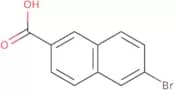
CAS:<p>6-Bromo-2-naphtholic acid is a methanol solvent. It has been shown to have biological properties and can be used in optical imaging. 6-Bromo-2-naphtholic acid is also used to synthesize 1-adamantanol, which is an organic compound that has been shown to have antimicrobial properties. A solution of 6-bromo-2-naphthol in hydrochloric acid was found to react with 4-methoxyphenyl boronic acid to produce a mixture of products that include the desired 1,4,5,8,9,10,11,12 hexahydrobenzo[a]phenanthrene. The vibrational frequencies for this product were determined using IR spectroscopy and the binding constants were calculated using DFT computational methods. The molecular structure of this product was determined using molecular modeling and quantum chemistry. Naphthalene is the parent</p>Formula:C11H7O2BrPurity:Min. 95%Color and Shape:PowderMolecular weight:251.08 g/molEthyl pyrrolidinoacetate
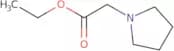
CAS:<p>Ethyl pyrrolidinoacetate is a chemical intermediate that can be used as a building block for other chemicals. It has been shown to react with aliphatic amines to form imine derivatives, which are useful in the synthesis of polymers and other chemicals. Ethyl pyrrolidinoacetate is also a versatile scaffold for organic chemistry, being able to undergo reactions with both nucleophilic and electrophilic reagents. This compound is also used in research for pharmaceuticals and other compounds.</p>Formula:C8H15NO2Color and Shape:Clear LiquidMolecular weight:157.21 g/mol





![6-[(6-Aminohexyl)amino]-6-oxo-hexanoic Acid](/_next/image/?url=https%3A%2Fstatic.cymitquimica.com%2Fproducts%2FTR%2Fthumb-webp%2FA610100.webp&w=3840&q=75)
![tert-Butyl N-[3-(Chlorosulfonyl)propyl]carbamate](/_next/image/?url=https%3A%2Fstatic.cymitquimica.com%2Fproducts%2FTR%2Fthumb-webp%2FB811700.webp&w=3840&q=75)




![1,1'-Bicyclo[1,1,1]pentane-1,3-dicarboxylic acid](/_next/image/?url=https%3A%2Fstatic.cymitquimica.com%2Fproducts%2F3D%2Fthumb-webp%2FFB33678.webp&w=3840&q=75)

![5-[(3aR,6S,6aS)-2,5,5-trioxo-1,3,3a,4,6,6a-hexahydrothieno[3,4-d]imidazol-6-yl]pentanoic acid](/_next/image/?url=https%3A%2Fstatic.cymitquimica.com%2Fproducts%2F3D%2Fthumb-webp%2FFB64039.webp&w=3840&q=75)