Carboxylic Acids
Carboxylic acids are organic molecules characterized by having a carboxyl-type functional group (-COOH). These acids are fundamental in various chemical reactions, including esterification, amidation, and decarboxylation. Carboxylic acids are widely used in the production of pharmaceuticals, polymers, and agrochemicals. In this section, you can find a large number of carboxylic acids ready to be used. At CymitQuimica, we provide a broad range of high-quality carboxylic acids to support your research and industrial applications.
Found 12453 products of "Carboxylic Acids"
Sort by
Purity (%)
0
100
|
0
|
50
|
90
|
95
|
100
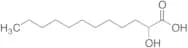
(±)-2-Hydroxydodecanoic Acid
CAS:Controlled Product<p>Applications (8Z,11Z,14Z)-8,11,14-Heptadecatrienoic Acid, is a naturally occurring hydroxylated fatty acid that is found in Acinetobacter species. It acts as a partial agonist of free fatty acid receptor 1 (FFAR1/GPR40) and GPR84 receptors in vitro. It also inhibits bovine hepatic ligase (Ki = 4.4 μM) and mouse kidney mitochondrial medium-chain acyl-CoA synthetase by 48% at a concentration of 40 μM.<br>References Moss, C.W., et al.: J. Clin. Microbiol. 26(3), 484-492 (1988).; Kaspersen, M.H., et al.: Med. Chem. Commun. 8(6), 1360-1365 (2017).<br></p>Formula:C12H24O3Color and Shape:NeatMolecular weight:216.32Cyclopropanecarboxylic Acid
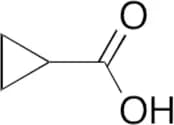
CAS:<p>Applications Cyclopropanecarboxylic Acid is used as a reagent in the synthesis of substituted 4-(thiophen-2-ylmethyl)-2H-phthalazin-1-ones as potent PARP-1 inhibitors. Also used as a reagent in the synthesis of 2-alkyloxazoles as potent and selective PI4KIIIβ inhibitors demonstrating inhibition of HCV replication.<br> Not a dangerous good if item is equal to or less than 1g/ml and there is less than 100g/ml in the package<br>References Wang, L., et al.: Bioorg. Med. Chem. Lett., 24, 3739 (2014); Keaney, E.P., et al.: Bioorg. Med. Chem. Lett., 24, 3714 (2014)<br></p>Formula:C4H6O2Color and Shape:NeatMolecular weight:86.09Triethyl Phosphonoacetate
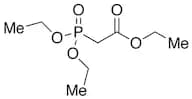
CAS:Controlled Product<p>Applications Reagent used for Horner-Emmons modification.<br> Not a dangerous good if item is equal to or less than 1g/ml and there is less than 100g/ml in the package<br>References Hediger, M., et al.: Bioorg. Med. Chem., 12, 4995 (2004), Kim, J., et al.: Nat., 452, 239 (2008),<br></p>Formula:C8H17O5PColor and Shape:ColourlessMolecular weight:224.19Formamidinesulfinic Acid
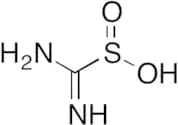
CAS:Controlled Product<p>Applications Formamidine Sulfuric Acid is a reagent used in reduction and synthesis reactions.<br> Not a dangerous good if item is equal to or less than 1g/ml and there is less than 100g/ml in the package<br>References Ma, Q. et al.: Carbon, 54, 36 (2013);<br></p>Formula:CH4N2O2SColor and Shape:White To Off-WhiteMolecular weight:108.129-Oxo-10(9H)-acridineacetic Acid
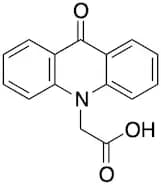
CAS:<p>Applications 9-Oxo-10(9H)-acridineacetic acid is a reagent for pre-column derivatization of amino acids for fluorescent determination in HPLC and it is also a building block in pharmaceutics.<br></p>Formula:C15H11NO3Color and Shape:NeatMolecular weight:253.25N-[4-(-Carboxycyclohexylmethyl)]maleamidic Acid
CAS:Controlled Product<p>Applications N-[4-(-Carboxycyclohexylmethyl)]maleamidic Acid (cas# 72748-87-9) is a compound useful in organic synthesis.<br></p>Formula:C12H17NO5Color and Shape:NeatMolecular weight:255.27(2E)-3-(4-Hydroxy-3,5-dimethoxyphenyl)-2-propenoic Acid
CAS:Controlled Product<p>Stability Light Sensitive<br>Applications (2E)-3-(4-Hydroxy-3,5-dimethoxyphenyl)-2-propenoic Acid, is a reagent used as an analytical standard.<br></p>Formula:C11H12O5Color and Shape:NeatMolecular weight:224.21Hydrazine Acetate
CAS:Controlled Product<p>Applications Hydrazine acetate (cas# 7335-65-1) is a useful research chemical.<br></p>Formula:C2H8N2O2Color and Shape:NeatMolecular weight:92.1Urocanic Acid
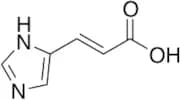
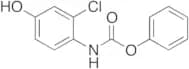
CAS:<p>Applications Urocanic acid (cas# 104-98-3) is a useful research chemical.<br></p>Formula:C6H6N2O2Color and Shape:White PowderMolecular weight:138.12Phenyl N-(2-Chloro-4-hydroxyphenyl)carbamate
CAS:Controlled Product<p>Applications Phenyl N-(2-Chloro-4-hydroxyphenyl)carbamate is a reagent used in the prepartion of quinoline-carboxamide compounds including Lenvatinib (L329400), an orally active inhibitor of multiple receptor tyrosine kinases including VEGF, FGF and SCF receptors.<br>References Wang, N. et al.: Faming Zhuanli Shenqing (2017), CN 106632033 A 20170510.<br></p>Formula:C13H10ClNO3Color and Shape:NeatMolecular weight:263.68Isonicotinic Acid
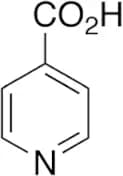
CAS:<p>Applications Used in the biological study of differentiation induced by nicotinic acid, nicotinamide and isonicotinic acid in human leukemia cell lines.<br>References Zeilinger, S., et al.: J. Biol. Chem., 271, 25624 (1996), Panagiotou, G., et al.: J. Biotechnol., 118, 304 (2005),<br></p>Formula:C6H5NO2Color and Shape:Light BrownMolecular weight:123.114-Mercaptobenzoic Acid, Technical Grade
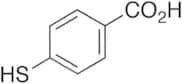
CAS:Controlled Product<p>Stability Store Under Argon; Air Sensitive<br>Applications 4-Mercaptobenzoic Acid, Technical Grade (cas# 1074-36-8) is a compound useful in organic synthesis.<br> Not a dangerous good if item is equal to or less than 1g/ml and there is less than 100g/ml in the package<br></p>Formula:C7H6O2SColor and Shape:NeatMolecular weight:154.19Triethyl Methanetricarboxylate
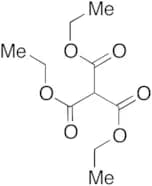
CAS:Controlled Product<p>Applications Triethyl Methanetricarboxylate is used in the synthesis of novel inhibitors of Hsp90. It is also used in the preparation of novel dihydroquinoline-3-carboxylic acids that function as HIV-1 integrase inhibitors.<br>References Day, J. et al.: Chem. A Eur. J., 16, 2758 (2010); Sechi, M. et al.: Bioorg. Med. Chem., 17, 2925 (2009);<br></p>Formula:C10H16O6Color and Shape:NeatMolecular weight:232.23Isopropyl Acetate
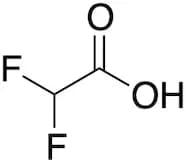
CAS:<p>Applications Isopropyl Acetate is a widely used chemical solvent in organic and industrial syntheses. Also used in the dissolution of gallstones.Environmental contaminants; Food contaminants<br> Not a dangerous good if item is equal to or less than 1g/ml and there is less than 100g/ml in the package<br>References Zakko, S. et al.: Gastroenterol., 113, 232 (1997); Loeser, E. et al.: J. Chromatogr. A., 1216, 3409 (2009);<br></p>Formula:C5H10O2Color and Shape:NeatMolecular weight:102.13Difluoroacetic acid
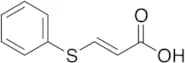
CAS:<p>Applications Difluoroacetic acid<br> Not a dangerous good if item is equal to or less than 1g/ml and there is less than 100g/ml in the package<br></p>Formula:C2H2F2O2Color and Shape:Light YellowMolecular weight:96.033-(Phenylthio)acrylic Acid
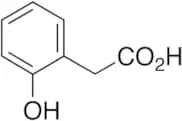
CAS:Controlled Product<p>Applications 3-(Phenylthio)acrylic Acid (cas# 63413-91-2) is a useful research chemical.<br></p>Formula:C9H8O2SColor and Shape:Light BrownMolecular weight:180.2242-Hydroxyphenylacetic Acid
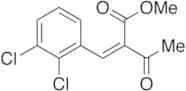
CAS:Controlled Product<p>Applications 2-Hydroxyphenylacetic Acid (cas# 614-75-5) is a compound useful in organic synthesis.<br></p>Formula:C8H8O3Color and Shape:NeatMolecular weight:152.15Methyl 2-(2,3-Dichlorobenzylidene)acetoacetate
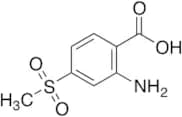
CAS:Controlled ProductFormula:C12H10Cl2O3Color and Shape:NeatMolecular weight:273.112-Amino-4-(methylsulfonyl)benzoic Acid
CAS:<p>Applications 2-Amino-4-(methylsulfonyl)benzoic Acid is a reagent used in the synthesis of anthranilic diamides containing fluorinated groups as potential ryanodine receptors activators.<br> Not a dangerous good if item is equal to or less than 1g/ml and there is less than 100g/ml in the package<br>References Wu, C. et al.: Chem. Lett., 28, 1248 (2017);<br></p>Formula:C8H9NO4SColor and Shape:NeatMolecular weight:215.23Succinic Acid
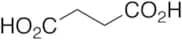
CAS:<p>Applications Succinic Acid was identified in essential oil from Saxifraga stolonifera and has antibacterial activity.<br>References Zhang, Z.: Xibei Nongye Xuebao, 25, 1536 (2016)<br></p>Formula:C4H6O4Color and Shape:NeatMolecular weight:118.09Crotonic Acid
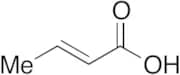
CAS:<p>Applications Crotonic Acid is found in water extracts from carrot seeds (Daucus carota L.) and is shown to have strong herbicidal properties.<br> Not a dangerous good if item is equal to or less than 1g/ml and there is less than 100g/ml in the package<br>References Jasicka-Misiak, I., et al.: Phytochemistry, 66, 1485 (2005)<br></p>Formula:C4H6O2Color and Shape:WhiteMolecular weight:86.09tert-Butyl N-[3-(Chlorosulfonyl)propyl]carbamate
CAS:Controlled Product<p>Applications tert-butyl N-[3-(chlorosulfonyl)propyl]carbamate (cas# 1196153-59-9) is a useful research chemical.<br></p>Formula:C8H16ClNO4SColor and Shape:NeatMolecular weight:257.735Perfluorohexanoic Acid (>90%)
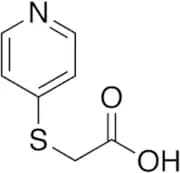
CAS:<p>Applications Perfluorohexanoic Acid is a perfluorinated compound (FPC) that can cause acute toxicity to humans and the environment. Perfluorohexanoic Acid is also used as a reagent in the synthesis of 3,3,4,4,5,5,6,6,7,7,7-Undecafluoro-2-heptanol (U787500).<br> Not a dangerous good if item is equal to or less than 1g/ml and there is less than 100g/ml in the package<br>References Latala, A., et al.: Environ. Toxicol. Phar., 28, 167 (2009); Mulkiewicz, E., et al.: Environ. Toxicol. Phar., 23, 279 (2007)<br></p>Formula:C6HF11O2Purity:>90%Color and Shape:ColourlessMolecular weight:314.054-Pyridylthioacetic Acid
CAS:Controlled Product<p>Applications 4-Pyridylthioacetic Acid (cas# 10351-19-6) is a compound useful in organic synthesis.<br></p>Formula:C7H7NO2SColor and Shape:White To Off-WhiteMolecular weight:169.2(Z)-11-Tetradecenyl Acetate
CAS:<p>Applications (Z)-11-Tetradecenyl Acetate is a sex pheremone component that can be found in various insect specie, such as O. nubilalis and Asian and European corn borers.<br>References Leary, G.P., et al.: Proc. Natl. Acad. Sci. U.S.A., 109, 14081 (2012);<br></p>Formula:C16H30O2Color and Shape:NeatMolecular weight:254.412-[(2-Hydroxyethyl)octadecylamino]ethyl ester octadecanoic acid
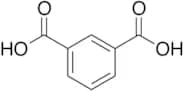
CAS:Controlled Product<p>Applications 2-[(2-Hydroxyethyl)octadecylamino]ethyl ester octadecanoic acid is used as a modifier to Polymer films of LDPE and ethylene-vinyl acetate copolymers (EVA) to enhance antifog properties.<br>References Irusta, L., et al.: J. Appl. Polym. Sci., 111, 2299-2307 (2009);<br></p>Formula:C40H81NO3Color and Shape:NeatMolecular weight:624.076Isophthalic Acid
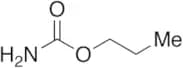
CAS:<p>Applications Isophthalic Acid is a useful reagent for preparing semiconductor sealing materials, prepregs, build-up films, solder resists, dry films, and printed wiring boards.<br>References Matsumura, Y., & Nakamura, A.: PCT Int. Appl. (2021), WO 2021006164 A1<br></p>Formula:C8H6O4Color and Shape:White To Off-WhiteMolecular weight:166.13Carbamic Acid Propyl Ester
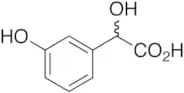
CAS:Controlled Product<p>Applications A metabolite of alkyl carbamate (ethyl or propyl).<br>References Muller, J.P., et al.: J. Chim. Phys. Physicochim. Biol., 71, 893 (1974),<br></p>Formula:C4H9NO2Color and Shape:NeatMolecular weight:103.123-Hydroxymandelic Acid
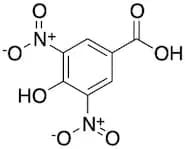
CAS:Controlled Product<p>Applications 3-Hydroxymandelic Acid (cas# 17119-15-2) is a compound useful in organic synthesis.<br></p>Formula:C8H8O4Color and Shape:NeatMolecular weight:168.153,5-Dinitro-4-hydroxybenzoic Acid
CAS:Controlled Product<p>Applications 3,5-DINITRO-4-HYDROXYBENZOIC ACID (cas# 1019-52-9) is a useful research chemical.<br></p>Formula:C7H4N2O7Color and Shape:NeatMolecular weight:228.1162,2-Dimethylcyclopropylcarboxylic acid
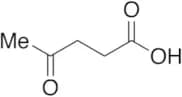
CAS:Controlled Product<p>Stability Stench<br>Applications 2,2-Dimethylcyclopropylcarboxylic acid<br></p>Formula:C6H10O2Color and Shape:NeatMolecular weight:114.14Levulinic Acid
CAS:Controlled Product<p>Applications Levulinic Acid is derived from the degredation of cellulose and is a potential precursor to biofuels. Levulinic acid is also a photosensitizer for photodynamic therapy.<br>References Serrano-Ruiz, J.C., et al.: Catalysis., 195, 162 (2012); Liedtke, A.J. et al.: Tetrahedron., 68, 10049 (2012);<br></p>Formula:C5H8O3Color and Shape:Light Yellow MeltedMolecular weight:116.123-Amino-4-(carboxymethyl)benzoic Acid
CAS:Controlled Product<p>Applications 3-Amino-4-(carboxymethyl)benzoic acid<br></p>Formula:C9H9NO4Color and Shape:NeatMolecular weight:195.172trans-2-Octenoic Acid
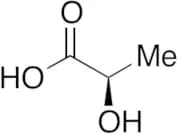
CAS:Controlled Product<p>Stability Light Sensitive<br>Applications TRANS-2-OCTENOIC ACID (cas# 1871-67-6) is a useful research chemical.<br> Not a dangerous good if item is equal to or less than 1g/ml and there is less than 100g/ml in the package<br></p>Formula:C8H14O2Color and Shape:NeatMolecular weight:142.2D-Lactic Acid
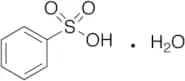
CAS:<p>Applications D-Lactic Acid occurs in small quantities in the blood and muscle fluid of man and animals. The lactic acid concentration increases in muscle and blood after vigorous activity.<br>References He, W. et al.: Comp. Biochem. Phys. Part A: Mol. Int. Phys., 166, 308 (2013)<br></p>Formula:C3H6O3Purity:90%Color and Shape:Colourless To Light YellowMolecular weight:90.08Benzenesulfonic Acid Monohydrate
CAS:<p>Applications Benzensulfonic Acid Monohydrate is used in the synthesis of HER2/EFGR dual inhibitors in the treatment of cancers and displaying potency towards anti-tumor activity.<br>References Kawakita, Y. et al.: Bioorg. Med. Chem. Lett., 20, 6171 (2012);<br></p>Formula:C6H8O4SColor and Shape:NeatMolecular weight:176.19Ethyl Acetate
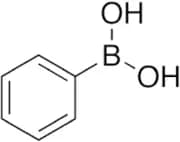
CAS:<p>Applications Ethyl Acetate is generally used as a solvent in organic reactions.Environmental contaminants; Food contaminants<br> Not a dangerous good if item is equal to or less than 1g/ml and there is less than 100g/ml in the package<br>References Reyes L et al. J Org Chem. 2013 Mar 15;78(6):2327-35.<br></p>Formula:C4H8O2Color and Shape:ColourlessMolecular weight:88.11Phenylboronic Acid (95%)
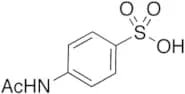
CAS:Controlled Product<p>Applications Phenylboronic Acid is a compound used in organic synthesis of various pharmaceutical goods.<br>References Ainley, A.D., et al.: J. Chem. Soc., 2171 (1930);<br></p>Formula:C6H7BO2Purity:95%Color and Shape:NeatMolecular weight:121.934-Acetamidobenzenesulfonic Acid
CAS:Controlled Product<p>Impurity Sulfadimethoxine EP Impurity C<br>Stability Hygroscopic<br>Applications 4-Acetamidobenzenesulfonic Acid (Sulfadimethoxine EP Impurity C) is a metabolite of Sulfanilic acid.<br>References Saab, N., et al.: Eur. J. Med. Chem., 34, 745 (1999), Kim, H., et al.: J. Pharm. Biomed. Anal., 27, 51 (2002), Santelli-Rouvier, C., et al.: Eur. J. Med. Chem., 39, 735 (2004),<br></p>Formula:C8H9NO4SColor and Shape:NeatMolecular weight:215.234-Aminohippuric Acid
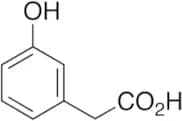
CAS:Controlled Product<p>Applications 4-Aminohippuric Acid is used in the measurement of renal plasma flow as a diagnostic tool which may be applied towards kidney disorders.<br>References Phillips, R. et al.: Am. J. Physiol., 152, 523 (1948);<br></p>Formula:C9H10N2O3Color and Shape:Off White SolidMolecular weight:194.193-Hydroxyphenylacetic Acid
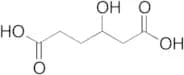
CAS:<p>Applications 3-Hydroxyphenylacetic Acid (cas# 621-37-4) is a compound useful in organic synthesis.<br></p>Formula:C8H8O3Color and Shape:NeatMolecular weight:152.153-Hydroxyhexanedioic Acid
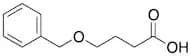
CAS:Controlled Product<p>Applications 3-Hydroxyhexanedioic Acid gets excreted in increased amounts in the human urine under conditions of medium-chain triglyceride (MCT) feeding, abnormal fatty acid oxidation (FAO) and fasting.<br>References Duran, M., et al.: Eur. J. Pediatr., 150, 190 (1991); Svendsen, J. S., et al.: J. Chromatogr. B., 337, 9 (1985); Tserng, K. Y., et al.: Metabolism, 40, 676 (1991); Tserng, K. Y., et al.: Metabolism, 445, 162 (1996)<br></p>Formula:C6H10O5Color and Shape:White SolidMolecular weight:162.144-(Benzyloxy)butanoic Acid
CAS:Controlled Product<p>Applications 4-(Benzyloxy)butanoic acid<br></p>Formula:C11H14O3Color and Shape:NeatMolecular weight:194.231,3-Adamantanedicarboxylic acid
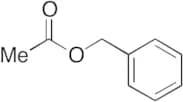
CAS:Controlled Product<p>Applications 1,3-Adamantanedicarboxylic acid, is a monomer that can be used in polymer science, self assembly and lithography.<br></p>Formula:C12H16O4Color and Shape:NeatMolecular weight:224.25Benzyl Acetate
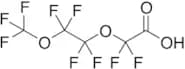
CAS:Controlled Product<p>Applications Benzyl Acetate, is found naturally in many flowers, It has pleasant sweet aroma reminiscent of jasmine, and thus is used widely in perfumery industry, and also as a flavouring agent. It is also used as a solvent.<br>References Schiestl, F. P., et al.: J. Chem. Ecology, 29 (2004); Qian-qian, M., et al.: Jingxi Huagong, 30, 442 (2013);<br></p>Formula:C9H10O2Color and Shape:NeatMolecular weight:150.17Perfluoro-3,6-dioxaheptanoic Acid
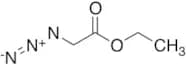
CAS:Controlled Product<p>Applications PERFLUORO-3,6-DIOXAHEPTANOIC ACID (cas# 151772-58-6) is a useful research chemical.<br> Not a dangerous good if item is equal to or less than 1g/ml and there is less than 100g/ml in the package<br></p>Formula:C5HF9O4Color and Shape:ColourlessMolecular weight:296.0447Ethyl 2-Azidoacetate
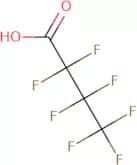
CAS:Controlled Product<p>Applications ethyl 2-azidoacetate (cas# 637-81-0) is a useful research chemical.<br></p>Formula:C4H7N3O2Color and Shape:NeatMolecular weight:129.12Heptafluorobutyric acid
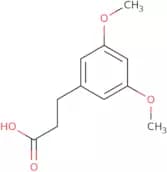
CAS:<p>Heptafluorobutyric acid is an organic compound that belongs to the group of sodium salts. It is a colorless liquid with a boiling point of -19°C. Heptafluorobutyric acid has been shown to inhibit the growth of bacteria by reacting with hydrogen fluoride and forming fluoroheptafluoropropane, which may have toxicological effects on humans. Heptafluorobutyric acid is also used as an analytical method for determining plasma mass spectrometry in human serum samples and wastewater treatment. The toxicity of heptafluorobutyric acid has been studied in rats and mice, where it was found to cause locomotor activity depression and neurotoxic effects at high doses.</p>Formula:C4HF7O2Color and Shape:Clear LiquidMolecular weight:214.04 g/mol3-(3,5-Dimethoxyphenyl)propionic acid
CAS:<p>3-(3,5-Dimethoxyphenyl)propionic acid is a metabolite of the drug aminorex that has been found to be a potent cannabinoid receptor agonist. It is an oxygenated analogue of 3,5-dimethoxyamphetamine and is synthesised by demethylation of aminorex followed by alkylation of the resulting 3-(3,5-dimethoxyphenyl)propionyl chloride with methanol. The compound has been found in rat microflora and human intestinal contents.</p>Formula:C11H14O4Purity:Min. 95%Color and Shape:PowderMolecular weight:210.23 g/mol2-Methyl-2-[3-(trifluoromethyl)phenoxy]propanoic acid
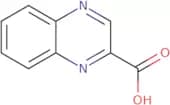
CAS:<p>2-Methyl-2-[3-(trifluoromethyl)phenoxy]propanoic acid is a high quality, reagent, complex compound, useful intermediate, and fine chemical. It can be used as a building block for the synthesis of many other compounds. It is also useful in research to study the mechanism of various reactions. 2-Methyl-2-[3-(trifluoromethyl)phenoxy]propanoic acid is a versatile building block that can be used in many different types of reactions.</p>Formula:C11H11F3O3Purity:Min. 95%Color and Shape:PowderMolecular weight:248.2 g/mol2-Quinoxalinecarboxylic acid
CAS:<p>2-Quinoxalinecarboxylic acid is a monoclonal antibody that binds to fatty acids. It has been shown to be effective in treating solid tumours, autoimmune diseases, and cyclic peptide-induced genotoxicity in biological studies. The compound is stable at physiological pH and can be used for the detection of hydrochloric acid using electrochemical impedance spectroscopy.</p>Formula:C9H6N2O2Purity:Min. 95%Color and Shape:PowderMolecular weight:174.16 g/mol2-Chlorophenylphenyl-aminomethanesulphonic acid sodium salt
CAS:<p>2-Chlorophenylphenyl-aminomethanesulphonic acid sodium salt is a fine chemical that is a useful building block in research and development. It can be used as a reagent, a CAS No. 132141-36-7, or as a speciality chemical. This compound has been used as an intermediate in the synthesis of complex compounds. It also acts as a versatile building block for various reactions and has been used as a scaffold for the synthesis of new compounds.</p>Formula:C13H11ClNO3S·NaPurity:Min. 95%Molecular weight:319.74 g/molPotassium oxirane-2-carboxylate
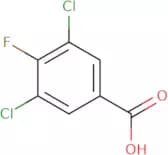
CAS:<p>Potassium oxirane-2-carboxylate is a chiral, silicon containing compound that inhibits the enzyme glucose 6-phosphate dehydrogenase. It has been shown to inhibit the formation of 6-phosphate in tubule cells. This inhibition leads to renal toxicity and may be due to its ability to catalyze primary alcohols into chloroacetone and malate. Potassium oxirane-2-carboxylate is an organosilicon compound that can be used as a catalyst for enzymatic reactions, such as dehydrogenation.</p>Formula:C3H3KO3Purity:Min. 95 Area-%Color and Shape:PowderMolecular weight:126.15 g/mol3,5-Dichloro-4-fluorobenzoic acid
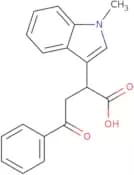
CAS:<p>3,5-Dichloro-4-fluorobenzoic acid is a chemical that belongs to the class of reagents. It reacts with an amine to form a urea and a dioxane derivative. 3,5-Dichloro-4-fluorobenzoic acid is used in the research and development of new drugs as a useful scaffold for novel compounds. It can be used as an intermediate or building block in the synthesis of complex molecules. This chemical also has speciality uses as a fine chemical, such as for use in cosmetics or cleaning products.</p>Formula:C7H3Cl2FO2Purity:Min. 95%Color and Shape:PowderMolecular weight:209 g/mol2-(1-Methylindol-3-yl)-4-oxo-4-phenylbutanoic acid
CAS:<p>Please enquire for more information about 2-(1-Methylindol-3-yl)-4-oxo-4-phenylbutanoic acid including the price, delivery time and more detailed product information at the technical inquiry form on this page</p>Purity:Min. 95%4-Phenylbutyric acid
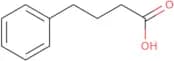
CAS:<p>4-Phenylbutyric acid is a prophylactic antibiotic that has minimal toxicity. It has been shown to significantly up-regulate protein synthesis in kidney cells and to have neural cell protective effects. 4-Phenylbutyric acid also inhibits the production of dextran sulfate, which may be useful for the treatment of liver injury. This compound has been tested as an investigational agent for squamous cell carcinoma and other cancers.</p>Formula:C10H12O2Purity:Min. 98%Color and Shape:White PowderMolecular weight:164.2 g/molAllyl P,P-diethylphosphonoacetate
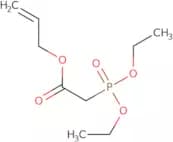
CAS:<p>Allyl P,P-diethylphosphonoacetate is a synthetic organic solvent that is soluble in water. It has an expressed form and an active methylene group. Allyl P,P-diethylphosphonoacetate is used in the synthesis of linear polymers through the addition of fluorine to the carbonyl group. The average particle diameter is 1 nm and it has a hydroxyl group.</p>Formula:C9H17O5PPurity:Min. 95%Color and Shape:Clear LiquidMolecular weight:236.2 g/molEthyl 2-amino-4,5,6,7-tetrahydro-1-benzothiophene-3-carboxylate
CAS:<p>Ethyl 2-amino-4,5,6,7-tetrahydro-1-benzothiophene-3-carboxylate is an antibacterial agent that inhibits the growth of bacteria by binding to amines and metal ions. It also has in vitro anticancer activity against cancer cells. Ethyl 2-amino-4,5,6,7-tetrahydro-1-benzothiophene-3-carboxylate has been shown to have antiinflammatory activity in rats.</p>Formula:C11H15SNO2Purity:Min. 95%Color and Shape:PowderMolecular weight:225.31 g/mol3-(4-tert-Butylbenzoyl)acrylic acid
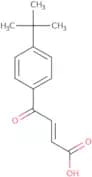
CAS:<p>Please enquire for more information about 3-(4-tert-Butylbenzoyl)acrylic acid including the price, delivery time and more detailed product information at the technical inquiry form on this page</p>Formula:C14H16O3Purity:Min. 95%Color and Shape:PowderMolecular weight:232.28 g/mol4-[[(2-Amino-1,2-dicyanoethenyl)imino]methyl]benzoic acid
CAS:<p>Please enquire for more information about 4-[[(2-Amino-1,2-dicyanoethenyl)imino]methyl]benzoic acid including the price, delivery time and more detailed product information at the technical inquiry form on this page</p>Formula:C12H8N4O2Purity:Min. 95%Color and Shape:PowderMolecular weight:240.22 g/mol5-Nitro-2-furaldehyde diacetate
CAS:<p>5-Nitro-2-furaldehyde diacetate is a synthetic compound that can be used in the production of quinoline derivatives. It has been shown to have an inhibitory effect on lung cancer cells, although its mechanism of action is not yet known. 5NFDA was synthesized and tested with a reaction solution containing sodium carbonate and hydrochloric acid. The electron microscopic analysis showed that this compound reacts with the hydroxyl group on the surface of the lung cell membrane. This reaction causes a loss of integrity in the cell wall, leading to cell death.</p>Formula:C9H9NO7Purity:Min. 97 Area-%Color and Shape:PowderMolecular weight:243.17 g/molFumaric acid
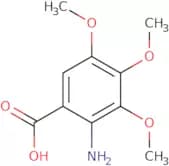
CAS:<p>Fumaric acid is a dicarboxylic acid that is used in the treatment of bowel disease. This compound is a fumarate, which means it has two carboxylic acid groups and one hydroxyl group. Fumaric acid reacts with copper chloride to form water vapor, which can be toxic if inhaled. Fumaric acid also exhibits antimicrobial properties against bacteria and fungi and can be used as a pharmacological agent for the treatment of various diseases. Fumaric acid's chemical properties are similar to those of sodium salts, which may explain its use in a number of products such as injections or solutions. Structural analysis reveals that the molecular shape of fumaric acid is linear with three hydrogen atoms on each side of the central carbon atom.</p>Formula:C4H4O4Purity:Min. 95%Color and Shape:White Off-White PowderMolecular weight:116.07 g/mol2-Amino-3,4,5-trimethoxybenzoic acid
CAS:<p>2-Amino-3,4,5-trimethoxybenzoic acid (2AMTB) is a potential anticancer agent that inhibits the growth of cancer cells by interfering with the epidermal growth factor receptor. It also blocks the binding of this receptor to its ligands, preventing the activation of downstream signaling pathways. 2AMTB has been shown to inhibit epidermal growth factor (EGF)-induced proliferation in vitro and in vivo. 2AMTB has also been shown to inhibit the production of reactive oxygen species and DNA damage caused by amines such as quinazolone, which are commonly found in chemotherapy drugs. These properties make it a potential anticancer drug candidate for use with other chemotherapeutic agents such as epirubicin.</p>Formula:C10H13NO5Purity:Min. 95%Color and Shape:PowderMolecular weight:227.21 g/molDL-α-Hydroxypalmitic acid
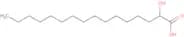
CAS:<p>Palmitic acid is a fatty acid that is found in animal and vegetable fats. It is also an important component of the cell membrane. Palmitic acid has been shown to inhibit the growth of bacteria by interfering with the synthesis of cell membranes, which are largely composed of lipids. Palmitic acid has been shown to be active against Gram-positive bacteria, including Bacillus subtilis and Staphylococcus epidermidis, as well as Gram-negative bacteria such as Salmonella enterica Serovar Typhi and Escherichia coli O157:H7. Palmitic acid can be used to produce monolayers for use in magnetic resonance spectroscopy. These monolayers have been shown to have an effect on the rate at which glucose is transported across the surface of the membrane. Palmitic acid also inhibits glucosylceramide production in ganoderma lucidum, a type of fungus that causes plant diseases, by blocking</p>Formula:C16H32O3Purity:Min. 98 Area-%Color and Shape:PowderMolecular weight:272.42 g/molDL-erythro Ritalinic acid
CAS:Controlled Product<p>DL-erythro Ritalinic acid is a fine chemical that is used as a versatile building block in the synthesis of complex compounds. It is also a useful intermediate in research chemicals and speciality chemicals production. DL-erythro Ritalinic acid can be used as a reaction component to form complex compounds. This chemical has high purity and quality, making it an excellent reagent for use in laboratory reactions.</p>Formula:C13H17NO2Purity:Min. 90%Color and Shape:PowderMolecular weight:219.28 g/molPhytanic acid
CAS:<p>Phytanic acid is a fatty acid found in the cell membranes of all mammals. It is an intermediate product in the biosynthesis of arachidonic acid and participates in mitochondrial functions, cellular physiology, energy metabolism, and regulation of intracellular calcium levels. Phytanic acid has been shown to inhibit ATP-dependent transport and reduce the mitochondrial membrane potential. In addition, it has been shown to be a precursor for other fatty acids that are involved in the inflammatory response. The phytanic acid experimental model has been used extensively to study the pathogenic mechanism of sepsis.</p>Formula:C20H40O2Purity:Min. 95%Color and Shape:PowderMolecular weight:312.53 g/molPropionic acid 2-naphthyl ester
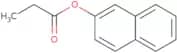
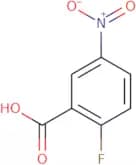
CAS:<p>Propionic acid 2-naphthyl ester is an antibiotic that is produced by Rhodobacter sphaeroides and belongs to the class of carboxylate phosphatase inhibitors. It is a potent inhibitor of acid phosphatases, which are enzymes found in many bacteria, fungi, and plants. It has been shown to inhibit the growth of various types of cancer cells, including melanoma and lung cancer cells. Propionic acid 2-naphthyl ester also binds to antigen-presenting cells and induces the production of cytokines such as IL-6, IL-8, IL-10, and TNF-α. This compound also inhibits cholinesterases in the blood plasma and brain tissue.</p>Formula:C13H12O2Purity:Min. 90%Color and Shape:PowderMolecular weight:200.23 g/mol2-Fluoro-5-nitrobenzoic acid
CAS:<p>2-Fluoro-5-nitrobenzoic acid is a molecule that can be used in biological studies to measure the proton concentration of a solution. This compound has been shown to bind to caffeine and β-amino acids, which may be due to its ability to form intermolecular hydrogen bonds. 2-Fluoro-5-nitrobenzoic acid has also been shown to enhance reactive oxygen species generation by nitrobenzoic molecules, making it a potential drug for the treatment of cancer.</p>Formula:C7H4FNO4Purity:Min. 95%Color and Shape:PowderMolecular weight:185.11 g/molSDF-1α (human) trifluoroacetate salt
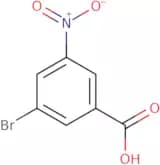
CAS:<p>Please enquire for more information about SDF-1alpha (human) trifluoroacetate salt including the price, delivery time and more detailed product information at the technical inquiry form on this page</p>Formula:C356H578N106O93S4Purity:Min. 95%Molecular weight:7,959.32 g/mol3-Bromo-5-nitrobenzoic acid
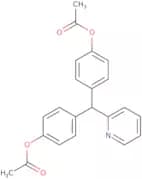
CAS:<p>3-Bromo-5-nitrobenzoic acid is a cancer drug that inhibits the proliferation of cancer cells by binding to amines, which are protonated at physiological pH. This binding leads to an electronic interaction between the bromine atom and the electron cloud of the amine group. The bromine atom is then more attracted to the nucleus, causing it to emit a photon of light. This process is called fluorescence and can be used for imaging cancer cells. 3-Bromo-5-nitrobenzoic acid also has potent antiproliferative activity against cancer cells, which may be due to its ability to bind ligands on target proteins in the cell membrane. It can also lead to apoptosis by interfering with the formation of supramolecular complexes or inhibiting protein synthesis.</p>Formula:C7H4BrNO4Purity:Min. 95%Color and Shape:PowderMolecular weight:246.02 g/mol4,4'-(2-Pyridylmethylene)bisphenol diacetate
CAS:<p>Laxative</p>Formula:C22H19NO4Purity:Min. 95%Color and Shape:PowderMolecular weight:361.39 g/mol4-Chloro-2-fluorocinnamic acid
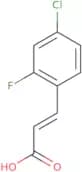
CAS:<p>4-Chloro-2-fluorocinnamic acid is a chemical intermediate that can be used as a building block for the synthesis of other compounds. It has been shown to be useful in the preparation of pharmaceuticals, agrochemicals, and dyestuffs. This chemical has many uses in research, such as being used as a reactant in organic synthesis or as a reagent for derivitization. 4-Chloro-2-fluorocinnamic acid is also an important intermediate for the production of more complex compounds. 4-Chloro-2-fluorocinnamic acid is a versatile building block that can be used in the preparation of many fine chemicals, with its versatility making it an important scaffold for drug discovery.</p>Formula:C9H6ClFO2Purity:Min. 95%Color and Shape:PowderMolecular weight:200.59 g/mol1,1-Difluoroacetic acid
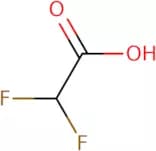
CAS:<p>1,1-Difluoroacetic acid is a synthetic chemical that can be used as an analytical reagent in the quantitative analysis of trifluoroacetic acid. It is prepared by reacting hydrogen fluoride with fatty acid. The reaction mechanism starts with the formation of difluoroacetate and 1,1-difluoroacetic acid. This compound reacts with hydroxyl group to form difluoroacetic acid and hydrogen fluoride. 1,1-Difluoroacetic acid is also used in natural compounds to introduce fluoro groups into nitrogen atoms.</p>Formula:C2H2F2O2Purity:Min. 95%Color and Shape:Clear LiquidMolecular weight:96.03 g/mol3,4-Dibenzyloxycinnamic acid
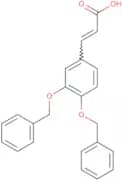
CAS:<p>3,4-Dibenzyloxycinnamic acid is a reagent that is used in the synthesis of complex compounds. It can be used as a useful intermediate in the production of fine chemicals and has been shown to be a useful scaffold or building block for research chemicals. This compound is versatile and can be utilized as a reaction component in the manufacture of speciality chemicals. 3,4-Dibenzyloxycinnamic acid is also classified as a speciality chemical because it has not been widely used commercially but is still highly sought after by researchers.</p>Formula:C23H20O4Purity:Min. 95%Color and Shape:PowderMolecular weight:360.4 g/molUrsocholic acid
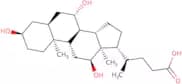
CAS:Controlled Product<p>Ursocholic acid is a bile acid that is used in the treatment of pediatric bowel disease. Ursocholic acid reduces the formation of cholesterol gallstones and its use has been shown to improve the symptoms of congestive heart failure. The mechanism of action for ursocholic acid is not fully understood but it has been shown to increase the amount of serum bile acids and reduce the amount of hydroxyl group in bile acids. Ursocholic acid also increases cell lysis by interacting with hydrophobic regions on the surface of cells. There are high concentrations of ursocholic acid found in human feces, which may be due to its hydrophobic effect. Ursocholic acid also inhibits HIV infection by binding to gp120, preventing gp120 from binding to CD4 receptors on T-cells.</p>Formula:C24H40O5Purity:Min. 95%Color and Shape:PowderMolecular weight:408.57 g/molAlendronic acid monosodium salt trihydrate - USP
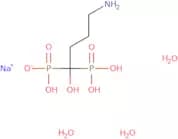
CAS:<p>Farnesyl diphosphate synthase inhibitor; inhibits bone resorption</p>Formula:C4H18NNaO10P2Purity:Min. 95%Color and Shape:White PowderMolecular weight:325.12 g/mol1-Hydroxycyclopropanecarboxylic acid methyl ester
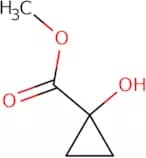
CAS:<p>1-Hydroxycyclopropanecarboxylic acid methyl ester is a potent inhibitor of phosphorylation. It binds to the ATP and ADP molecules, preventing them from binding to the <br>phosphoryl transferase enzyme. This inhibits the phosphorylation of glucose, leading to an accumulation of phosphoglycolate and pyruvate in cells. 1-Hydroxycyclopropanecarboxylic acid methyl ester has been shown to be a potent inhibitor of cyclopropane-fatty acid synthase, which is involved in synthesis of fatty acids for energy storage. The diethyl succinate derivative is also known as ethylene dibromide. Condensation reactions between this compound and carboxylic acids produce diethyl succinates that are used as plasticizers in polymers such as polyvinyl chloride (PVC).</p>Formula:C5H8O3Purity:Min. 95%Molecular weight:116.12 g/mol(2,5-Dihydroxyphenyl)propionic acid
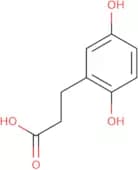
CAS:<p>(2,5-Dihydroxyphenyl)propionic acid is a natural compound that has been shown to inhibit integrase enzymes in vitro. The chemical structure of (2,5-dihydroxyphenyl)propionic acid is similar to that of the herbimycin antibiotics, which are also known as ansamycins. These compounds have been shown to be potential therapeutics for cancer and HIV infection. Ansamycins inhibit the activity of integrase enzymes by binding to the enzyme's active site, preventing it from carrying out its normal function. This prevents the integration of viral DNA into host cells, thus inhibiting virus replication.</p>Formula:C9H10O4Purity:Min. 95%Color and Shape:PowderMolecular weight:182.17 g/molDi-O-benzoyl L-tartaric acid
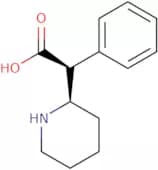
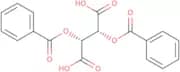
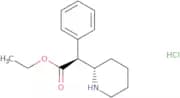
CAS:<p>Di-O-benzoyl L-tartaric acid is a chiral compound that is used in the synthesis of enantiopure compounds. It is a racemic mixture of two diastereoisomers, which means it has an asymmetric carbon atom. The two diastereoisomers can be separated using high performance liquid chromatography (HPLC). Di-O-benzoyl L-tartaric acid is used to produce β-amino acids from α-amino acids, and also as a chiral auxiliary for organic synthesis. Di-O-benzoyl L-tartaric acid can also be obtained by hydrolysis of malonic acid with hydrochloric acid or sodium hydroxide.</p>Formula:C18H14O8Purity:Min. 98 Area-%Color and Shape:White PowderMolecular weight:358.3 g/mol(aS,2S)-α-Phenyl-2-piperidineacetic acid Ethyl ester hydrochloride
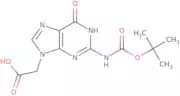
CAS:Controlled Product<p>Please enquire for more information about (aS,2S)-alpha-Phenyl-2-piperidineacetic acid Ethyl ester hydrochloride including the price, delivery time and more detailed product information at the technical inquiry form on this page</p>Formula:C15H21NO2·HClPurity:Min. 95%Molecular weight:283.79 g/molN2-Boc-guanine-9-acetic acid
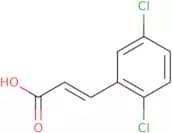
CAS:<p>N2-Boc-guanine-9-acetic acid is a versatile building block that is used as a reagent, speciality chemical and intermediate in the synthesis of complex compounds. It has shown high quality, high purity and usefulness as an intermediate in the synthesis of organic molecules. This compound can be used to generate large quantities of guanine derivatives which are important building blocks for many types of research chemicals. N2-Boc-guanine-9-acetic acid is also useful as a reaction component or scaffold in organic syntheses.</p>Formula:C12H15N5O5Purity:Min. 95 Area-%Color and Shape:White Off-White PowderMolecular weight:309.28 g/mol2,5-Dichlorocinnamic acid
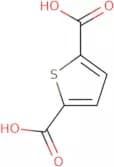
CAS:<p>2,5-Dichlorocinnamic acid is a chemical compound with the formula CHClCOCHCl. It is typically used as a reagent or building block in organic synthesis. 2,5-Dichlorocinnamic acid is an alpha-hydroxycarboxylic acid that exists in two tautomeric forms: the enol form (2,5-dichloro-3-oxopentanoic acid) and the keto form (2,5-dichlorohexanedioic acid). The enol form predominates at pH 7 and above. The keto form predominates at pH 1 and below.</p>Formula:C9H6Cl2O2Purity:Min. 95%Color and Shape:PowderMolecular weight:217.05 g/mol2,5-Thiophenedicarboxylic acid
CAS:<p>2,5-Thiophenedicarboxylic acid is an inorganic acid that is a potent inhibitor of the enzyme 2-aminoterephthalic acid (TPA) hydrolase. 2,5-Thiophenedicarboxylic acid has shown antiinflammatory activity and can be used for treating skin cancer. It has been found to inhibit the production of nitric oxide and prostaglandin E2 by inhibiting TPA hydrolase, which is required for the conversion of TPA to its active form. This inhibition causes a reduction in inflammation as well as an anticancer effect. The molecular docking analysis revealed that 2,5-thiophenedicarboxylic acid binds to the active site of TPA hydrolase with high affinity. X-ray crystal structures have revealed coordination geometry between 2,5-thiophenedicarboxylic acid and TPA hydrolase. The fluorescence probe showed that</p>Formula:C6H4O4SPurity:Min. 95%Color and Shape:White PowderMolecular weight:172.16 g/mol3-(2,3-Dihydroxyphenyl)propionic acid
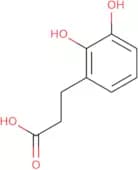
CAS:<p>3-(2,3-Dihydroxyphenyl)propionic acid (3-HPP) is a phenolic acid that is produced by the oxidation of 3-hydroxybenzoic acid. It was found to have antimicrobial activity against Pseudomonas aeruginosa and Staphylococcus aureus. The mechanism of action for 3-HPP is not entirely clear, but it may inhibit the growth of bacteria by interfering with the cell membrane or lysis. This compound has been shown to be able to block disulfiram treatment in rats and increase their blood alcohol levels. Disulfiram treatment is an effective drug used in the management of chronic alcoholism and alcohol abuse. 3-HPP has also been shown to inhibit uv absorption in wild type strains of yeast and may be used as a carbon source for these organisms.</p>Formula:C9H10O4Purity:Min. 95%Color and Shape:PowderMolecular weight:182.17 g/molR-(3)-Hydroxydecanoic acid methyl ester
CAS:<p>R-(3)-Hydroxydecanoic acid methyl ester is a natural antibiotic that has been found to have cytotoxic and immunosuppressive properties. It also inhibits the growth of aerobic bacteria, such as Aeruginosa, and has been shown to be effective against autoimmune diseases such as rheumatoid arthritis. This antibiotic binds to the lectin receptors on the cell surface of bacteria and causes an increase in lectin binding. The interactions between this antibiotic and lectins are the biological basis for its cytotoxicity.</p>Formula:C11H22O3Purity:Min. 98 Area-%Color and Shape:Colorless Clear LiquidMolecular weight:202.29 g/mol2,3-Difluoro-6-methoxybenzoic acid methyl ester
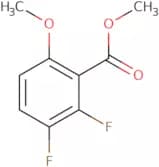
CAS:<p>2,3-Difluoro-6-methoxybenzoic acid methyl ester is a versatile building block that can be used in the production of fine chemicals and research chemicals. It is an intermediate for the synthesis of complex compounds and can be used as a reagent or speciality chemical in research. 2,3-Difluoro-6-methoxybenzoic acid methyl ester is also a useful building block for the synthesis of drugs.</p>Formula:C9H8F2O3Purity:Min. 95%Molecular weight:202.15 g/molPyruvic acid ethyl ester
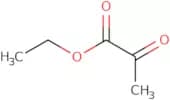
CAS:<p>Ethyl pyruvate, also known as 2-oxo-propionic acid ethyl ester, is a colourless transparent liquid at room temperature with a fresh, sweet, floral aroma. Ethyl pyruvate is a novel anti-inflammatory agent for the treatment of critical inflammatory conditions as it has potent anti-inflammatory properties and tissue protection activity, in multiple animal models of disease including: pancreatitis, ischemia-reperfusion injury, sepsis, renal injury, and endotoxemia.</p>Formula:C5H8O3Purity:Min. 95%Color and Shape:Colorless Clear LiquidMolecular weight:116.12 g/molHyocholic acid
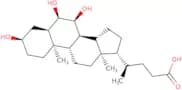
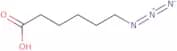
CAS:Controlled Product<p>Hyocholic acid is a bile acid that is a natural compound that has been shown to have cholesterol-lowering effects. It has been shown to inhibit hepatic steatosis and congestive heart failure, as well as bind to the receptor for bile acids, which may lead to physiological effects. The physiological levels of hyocholic acid in the human serum are unknown, but it has been shown to inhibit the activities of hyocholic acid hydrolase and cholesterol 7 alpha-hydroxylase in vitro. This inhibition leads to an accumulation of bile acids and cholesterol in the liver and blood and induces a condition known as hypercholesterolemia.</p>Formula:C24H40O5Purity:Min. 95%Color and Shape:White/Off-White SolidMolecular weight:408.57 g/mol6-Azido-hexanoic acid
CAS:<p>6-Azido-hexanoic acid is a growth factor that inhibits the binding of TGF-β to its receptor. It has been shown to inhibit the proliferation of cancer cells in vitro and in vivo. 6-Azido-hexanoic acid binds with high affinity to the acidic region of TGF-β, preventing it from binding to its receptor. This molecule also inhibits the activation of the TGF-β receptor complex by decreasing the phosphorylation of Smad 1/5/8. 6-Azido-hexanoic acid has been shown to be effective in pancreatic cancer models and control studies have demonstrated an absence of toxicity or side effects.</p>Formula:C6H11N3O2Purity:Min. 97.0 Area-%Color and Shape:PowderMolecular weight:157.17 g/mol3,5-Dinitro-4-methylbenzoic acid
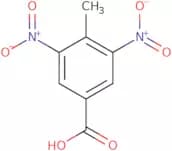
CAS:<p>3,5-Dinitro-4-methylbenzoic acid is a compound that can be used in the synthesis of many organic compounds. It is an important reagent for the preparation of nitroarenes and it is also used as a precursor to other organic compounds. 3,5-Dinitro-4-methylbenzoic acid has been shown to have a hydrogen bond with malonic acid and can form an asymmetric hydrogen bond with the hydroxyl group of protonated water. 3,5-Dinitro-4-methylbenzoic acid has three different resonance structures and its x-ray diffraction data show that it has a cavity shape. This molecule can be found in the nmr spectra at around 8.3 ppm and its kinetic constants are given as k1 = 0.01 s−1 and k2 = 0.06 s−1 for the two reactions. 3,5-Dinitro-4-methylben</p>Formula:C8H6N2O6Purity:Min. 95%Color and Shape:PowderMolecular weight:226.14 g/mol4-Oxo-4-(4-benzylpiperazinyl)but-2-enoic acid
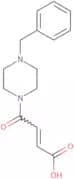
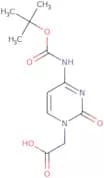
CAS:Controlled Product<p>Please enquire for more information about 4-Oxo-4-(4-benzylpiperazinyl)but-2-enoic acid including the price, delivery time and more detailed product information at the technical inquiry form on this page</p>Formula:C15H18N2O3Purity:Min. 95%Color and Shape:PowderMolecular weight:274.32 g/molN4-Boc-cytosin-1-yl acetic acid
CAS:<p>N4-Boc-cytosin-1-yl acetic acid is a fine chemical that is used as a reagent, and can be used as a building block in the synthesis of various compounds. It has been shown to be an effective intermediate in the synthesis of various compounds, and can be used as a scaffold for drug discovery. N4-Boc-cytosin-1-yl acetic acid is also useful in the production of other chemicals, such as pharmaceuticals and pesticides.</p>Formula:C11H15N3O5Purity:Min. 98 Area-%Color and Shape:PowderMolecular weight:269.25 g/mol4-Fluorophthalic acid
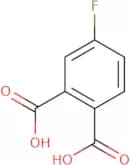
CAS:<p>4-Fluorophthalic acid is a monomer that forms polymers with high molecular weights. 4-Fluorophthalic acid is soluble in water and has been shown to be effective as a disinfectant. It has also been shown to have strong antifungal activity against Candida albicans and other species of yeast, due to its ability to penetrate the cell wall. Fluorinated surfaces have been shown to have increased resistance to bacterial colonization, which may be due to an increase in surface wettability or the formation of a fluorocarbon film on the surface. 4-Fluorophthalic acid can be used for the production of covid-19 (pandemic influenza vaccine), which is a vaccine that contains small quantities of 4-fluorophthalic acid, making it more stable during storage. The presence of this molecule makes it possible for Covid-19 vaccines to be safely stored at room temperature without refrigeration</p>Formula:C8H5FO4Purity:Min. 95%Color and Shape:White PowderMolecular weight:184.12 g/mol2,3-Dimethoxyphenylboronic acid
CAS:<p>2,3-Dimethoxyphenylboronic acid is a synthetic molecule that contains a boronic acid group. This compound has been shown to interact with histones H3 and L6. It has also been shown to modify lysine residues on the histone H3 protein by methylation. In addition, 2,3-dimethoxyphenylboronic acid interacts with other molecules in a way that changes their conformation and this interaction can be studied using vibrational spectroscopy. Organic chemists may use 2,3-dimethoxyphenylboronic acid as a ligand for biological targets or as a means of modifying proteins.</p>Formula:C8H11BO4Purity:Min. 95%Color and Shape:PowderMolecular weight:181.98 g/mol2-(2-Nitrophenoxy)acetic acid
CAS:<p>2-(2-Nitrophenoxy)acetic acid (NPAA) is a molecule that has been found in plants of the genus Balanites. It has been shown to be an intramolecular hydrogen bond acceptor, which may contribute to its chemical structure and stability. NPAA has also been shown to have a constant pKa value of 4.7, which means it is slightly acidic. NPAA is used as an industrial process sample preparation agent and can be synthesized by reacting phenol with nitric acid.</p>Formula:C8H7NO5Molecular weight:197.14 g/mol3-Chlorophenyl-3-propanoic acid
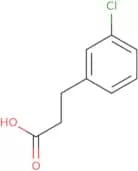
CAS:<p>3-Chlorophenyl-3-propanoic acid is an organic compound that is used in the synthesis of a variety of drugs, including analgesics and antibacterials. It is synthesized by reacting chlorides with alcohols. 3-Chlorophenyl-3-propanoic acid acts as a surfactant, which reduces surface tension between two liquids or between a liquid and a solid. It can also be used as an intermediate in the synthesis of other drugs. 3-Chlorophenyl-3-propanoic acid has been shown to have antibacterial properties mediated by its ability to inhibit the enzymes responsible for bacterial fatty acid synthesis. It may have neuroprotective effects, which are due to its inhibition of acetylcholinesterase (AChE) and carboxylesterase (CES). 3-Chlorophenyl-3-propanoic acid also has analgesic properties through its ability to inhibit lipases and monoamine</p>Formula:C9H9ClO2Purity:Min. 95%Color and Shape:PowderMolecular weight:184.62 g/mol3,3-Diphenylpropionic acid
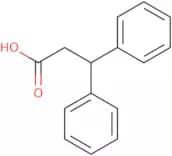
CAS:<p>3,3-Diphenylpropionic acid is a synthetic compound that is used to treat high blood pressure. It is an ester of hydrochloric acid and 3,3-diphenylpropionic acid. 3,3-Diphenylpropionic acid lowers blood pressure by inhibiting the activity of angiotensin II, which causes constriction and shrinking of the blood vessels. The safety profile for this drug has been evaluated in a number of studies in which it was shown that there were no significant adverse effects on the heart or other organs. This drug also has a beneficial effect on diabetic neuropathy and metabolic rate. 3,3-Diphenylpropionic acid is not active against bacteria or fungi but has been shown to be effective against amines by binding to them and preventing their interaction with DNA.</p>Formula:C15H14O2Purity:Min. 95%Color and Shape:White PowderMolecular weight:226.27 g/mol2-Benzyl-1,2,3,4-tetrahydro-isoquinoline-3-carboxylic acid
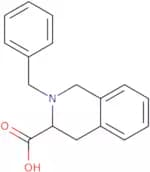
CAS:<p>2-Benzyl-1,2,3,4-tetrahydroisoquinoline-3-carboxylic acid is a versatile building block that can be used in the synthesis of fine chemicals and pharmaceuticals. It is used as a precursor to other compounds such as 2-benzylisoquinoline and 2-(2'-benzyloxy)benzoic acid. It is also used as a reagent for various research purposes.</p>Formula:C17H17NO2Purity:Min. 95%Color and Shape:PowderMolecular weight:267.32 g/molFlugestone 17-acetate
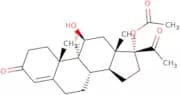
CAS:Controlled Product<p>Flugestone 17-acetate is a synthetic hormone that is used in the treatment of inflammatory bowel disease, as well as other inflammatory diseases. Flugestone 17-acetate is a prodrug of estradiol benzoate, which binds to the estrogen receptors in target tissues. It has been shown to be effective in treating infertility and metabolic disorders. Flugestone 17-acetate is also used to treat ovarian activity, such as estrus and fertility, and can be used for the prevention of autoimmune diseases such as chorionic or follicular growth.</p>Formula:C23H31FO5Purity:Min. 95%Color and Shape:White Yellow PowderMolecular weight:406.49 g/molFolic acid impurity F
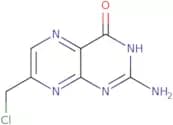
CAS:<p>Folic acid impurity F is a byproduct of the condensation reaction between folic acid and formaldehyde. This impurity is found in synthetic folic acid and is also present in small amounts in natural folates. It has been shown to be an antioxidant that can prevent the oxidation of vitamin B12, which can lead to cell damage. Folic acid impurity F can be isolated from a chromatographic column using acidic conditions, then hydrolyzed with dilute hydrochloric acid or sodium hydroxide to produce the desired product.</p>Formula:C7H6ClN5OPurity:Min. 95%Molecular weight:211.61 g/mol

![N-[4-(-Carboxycyclohexylmethyl)]maleamidic Acid](/_next/image/?url=https%3A%2Fstatic.cymitquimica.com%2Fproducts%2FTR%2Fthumb-webp%2FC177850.webp&w=3840&q=75)



![tert-Butyl N-[3-(Chlorosulfonyl)propyl]carbamate](/_next/image/?url=https%3A%2Fstatic.cymitquimica.com%2Fproducts%2FTR%2Fthumb-webp%2FB811700.webp&w=3840&q=75)










![2-Methyl-2-[3-(trifluoromethyl)phenoxy]propanoic acid](/_next/image/?url=https%3A%2Fstatic.cymitquimica.com%2Fproducts%2F3D%2Fthumb-webp%2FFM112754.webp&w=3840&q=75)



![4-[[(2-Amino-1,2-dicyanoethenyl)imino]methyl]benzoic acid](/_next/image/?url=https%3A%2Fstatic.cymitquimica.com%2Fproducts%2F3D%2Fthumb-webp%2FFA169005.webp&w=3840&q=75)