Carboxylic Acids
Carboxylic acids are organic molecules characterized by having a carboxyl-type functional group (-COOH). These acids are fundamental in various chemical reactions, including esterification, amidation, and decarboxylation. Carboxylic acids are widely used in the production of pharmaceuticals, polymers, and agrochemicals. In this section, you can find a large number of carboxylic acids ready to be used. At CymitQuimica, we provide a broad range of high-quality carboxylic acids to support your research and industrial applications.
Found 12453 products of "Carboxylic Acids"
Sort by
Purity (%)
0
100
|
0
|
50
|
90
|
95
|
100
Propiolic Acid
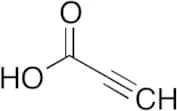
CAS:Controlled Product<p>Applications Propiolic Acid is a compound used in the synthesis of haloalkyl propiolates, halopropenoates, and transition metal complexes.<br> Not a dangerous good if item is equal to or less than 1g/ml and there is less than 100g/ml in the package<br>References J. Organomet. Chem., 456, 271 (1993); Tetrahedron, 49, 4229 (1993); Tetrahedron, 48, 3413 (1992); J. Org. Chem., 57, 709 (1992)<br></p>Formula:C3H2O2Color and Shape:YellowMolecular weight:70.054-(Methoxymethyl)benzoic acid
CAS:Controlled Product<p>Applications 4-(Methoxymethyl)benzoic acid<br></p>Formula:C9H10O3Color and Shape:NeatMolecular weight:166.1744-Hydroxy-isophthalic Acid Dimethyl Ester
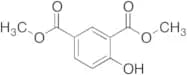
CAS:Controlled Product<p>Impurity Methyl Salicylate USP Related Compound A<br>Applications 4-Hydroxy-isophthalic Acid Dimethyl Ester (cas# 5985-24-0) is a compound useful in organic synthesis.<br></p>Formula:C10H10O5Color and Shape:White To Off-WhiteMolecular weight:210.186-Bromo-2-napthoic Acid
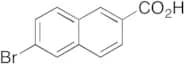
CAS:Controlled Product<p>Applications 6-Bromo-2-napthoic Acid is used in the preparation of Adapalene, a synthetic aromatic retinoid with specificity for RARβ and RARγ receptors.<br>References Milanese, A. et al.: Bioorg, Chem., 39, 151 (2011);<br></p>Formula:C11H7BrO2Color and Shape:NeatMolecular weight:251.08Sulfanilic Acid
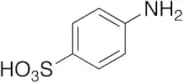
CAS:<p>Impurity Sulfadimethoxine EP Impurity D/ Mesalazine EP Impurity O<br>Applications Sulfanilic Acid (Sulfadimethoxine EP Impurity D) is a toxic metabolite of Tartrazine (T007700). Used as Ehrlich’s reagent, for detecting of nitrites. Antibacterial.<br>References Collins, T., et al.: Food Chem. Toxic., 28, 821 (1990), Levine, W., et al.: Drug Metab. Rev., 23, 235 (1991), Sasaki, Y., et al.: Mutat. .Res., 519, 103 (2002),<br></p>Formula:C6H7NO3SColor and Shape:GreyMolecular weight:173.19Cyanuric Acid
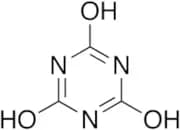
CAS:Controlled Product<p>Applications Diagnostic determination of Melamine and related compounds in kidney tissue.<br>References Mast, R., et al.: Food Chem. Toxicol., 21, 807 (1983), Yokley, R., et al.: J. Agric. Food Chem., 48, 3352 (2000), Ehling, S., et al.: Food Addit. Contam., 24, 1319 (2007), Vail, T., et al.: J. Anal. Toxicol., 31, 304 (2007),<br></p>Formula:C3H3N3O3Color and Shape:WhiteMolecular weight:129.07dl-tartaric acid
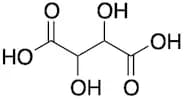
CAS:Controlled Product<p>Applications (cas# 526-83-0) is a useful research chemical.<br></p>Formula:C4H6O6Color and Shape:NeatMolecular weight:150.0873-Sulfanylhexyl Acetate
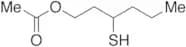
CAS:Controlled Product<p>Stability Hygroscopic<br>Applications 3-Sulfanylhexyl Acetate is a precursor of 3-mercaptohexan-1-ol (M225270) found in grape juice.<br>References Harsch, M.J., et al.: J. Agri. Food. Chem., 61, 3703 (2013); Makhotkina, O., et al.: Food. Chem., 135, 486 (2012);<br></p>Formula:C8H16O2SColor and Shape:NeatMolecular weight:176.28Olpadronic Acid Ammonium
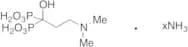
CAS:<p>Applications Used for the preparation of bisphosphonic acid derivatives as anti-osteoporosis agents.<br>References Amin, D., et al.: Drug Res., 46, 759 (1996), Martin, M., et al.: J. Med. Chem., 45, 2904 (2002),<br></p>Formula:C5H15NO7P2·x(NH3)Color and Shape:NeatMolecular weight:263.121703Citric Acid Monohydrate
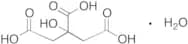
CAS:Controlled Product<p>Applications Citric Acid Monohydrate is a useful buffer component for antigen and epitope unmasking.<br></p>Formula:C6H8O7·H2OColor and Shape:White To Off-WhiteMolecular weight:210.143,5-Dinitro-4-hydroxybenzoic Acid
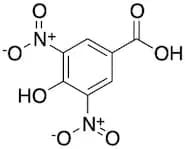
CAS:Controlled Product<p>Applications 3,5-DINITRO-4-HYDROXYBENZOIC ACID (cas# 1019-52-9) is a useful research chemical.<br></p>Formula:C7H4N2O7Color and Shape:NeatMolecular weight:228.116cis-3-(2-Chloro-3,3,3-trifluoro-1-propenyl)-2,2-dimethyl-cyclopropanecarboxylic Acid
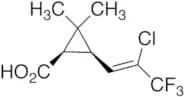
CAS:Controlled Product<p>Applications Reagent used in the synthesis of cyhalothric pesticides and fungicides.<br>References Sun, C., et al.: Bioorg. Med. Chem., 14, 8574 (2006),<br></p>Formula:C9H10ClF3O2Color and Shape:Off White SolidMolecular weight:242.62α-Aleuritic Acid
CAS:Controlled Product<p>Stability Hygroscopic<br>Applications α-Aleuritic acid is a major ingredient of shellac and is also a starting reagent in the manufacture of perfumes.<br>References Jakubowska, M., et al.: Polimery ., 15, 295 (1970); Shamsuzzaman, L.A., et al.: Pakistan. J. Biol. Agri. Sci., 11, 68 (1968);<br></p>Formula:C16H32O5Color and Shape:NeatMolecular weight:304.424-Mercaptobenzoic Acid, Technical Grade
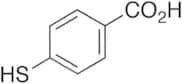
CAS:Controlled Product<p>Stability Store Under Argon; Air Sensitive<br>Applications 4-Mercaptobenzoic Acid, Technical Grade (cas# 1074-36-8) is a compound useful in organic synthesis.<br> Not a dangerous good if item is equal to or less than 1g/ml and there is less than 100g/ml in the package<br></p>Formula:C7H6O2SColor and Shape:NeatMolecular weight:154.193-Mercaptopropionic Acid
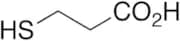
CAS:Controlled Product<p>Applications 3-Mercaptopropionic Acid (cas# 107-96-0) is a compound useful in organic synthesis.<br> Not a dangerous good if item is equal to or less than 1g/ml and there is less than 100g/ml in the package<br></p>Formula:C3H6O2SColor and Shape:NeatMolecular weight:106.14Isobutylsuccinic Acid
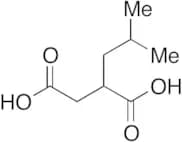
CAS:Controlled Product<p>Applications Isobutylsuccinic Acid was used to synthesize succinimide derivatives as inhibitors of human leukocyte elastase, cathepsin G and proteinase 3.<br>References Groutas, W., et al.: Bioorg. Med. Chem., 3, 375 (1995);<br></p>Formula:C8H14O4Color and Shape:NeatMolecular weight:174.19Urocanic Acid
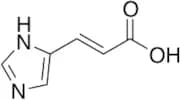
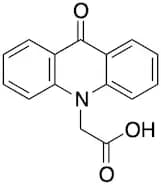
CAS:<p>Applications Urocanic acid (cas# 104-98-3) is a useful research chemical.<br></p>Formula:C6H6N2O2Color and Shape:White PowderMolecular weight:138.129-Oxo-10(9H)-acridineacetic Acid
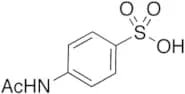
CAS:<p>Applications 9-Oxo-10(9H)-acridineacetic acid is a reagent for pre-column derivatization of amino acids for fluorescent determination in HPLC and it is also a building block in pharmaceutics.<br></p>Formula:C15H11NO3Color and Shape:NeatMolecular weight:253.254-Acetamidobenzenesulfonic Acid
CAS:Controlled Product<p>Impurity Sulfadimethoxine EP Impurity C<br>Stability Hygroscopic<br>Applications 4-Acetamidobenzenesulfonic Acid (Sulfadimethoxine EP Impurity C) is a metabolite of Sulfanilic acid.<br>References Saab, N., et al.: Eur. J. Med. Chem., 34, 745 (1999), Kim, H., et al.: J. Pharm. Biomed. Anal., 27, 51 (2002), Santelli-Rouvier, C., et al.: Eur. J. Med. Chem., 39, 735 (2004),<br></p>Formula:C8H9NO4SColor and Shape:NeatMolecular weight:215.23tert-Butyl [(1R,2S,5S)-2-Amino-5-[(dimethylamino)carbonyl]cyclohexyl]carbamate Oxalate
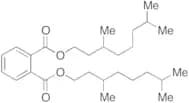
CAS:Controlled Product<p>Applications tert-Butyl [(1R,2S,5S)-2-Amino-5-[(dimethylamino)carbonyl]cyclohexyl]carbamate Oxalate is a starting material and useful building block of various pharmaceuticals.<br></p>Formula:C14H27N3O3•C2H2O4Color and Shape:NeatMolecular weight:375.41Phthalic Acid Bis(3,7-dimethyloctyl) Ester
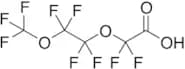
CAS:Controlled Product<p>Applications Phthalic Acid Bis(3,7-dimethyloctyl) Ester is a diester derivative of Phthalic Acid (P384480) and can be used as a plasticizer for PVC-type compositions.<br>References Takeuchi, H., et al. Jpn. Kokai Tokkyo Koho. JP 2001002829 A 20010109. Jan 9, 2001<br></p>Formula:C28H46O4Color and Shape:NeatMolecular weight:446.66Perfluoro-3,6-dioxaheptanoic Acid
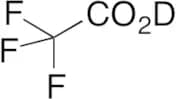
CAS:Controlled Product<p>Applications PERFLUORO-3,6-DIOXAHEPTANOIC ACID (cas# 151772-58-6) is a useful research chemical.<br> Not a dangerous good if item is equal to or less than 1g/ml and there is less than 100g/ml in the package<br></p>Formula:C5HF9O4Color and Shape:ColourlessMolecular weight:296.0447Trifluoroacetic Acid-d
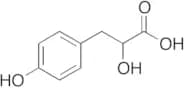
CAS:Controlled Product<p>Applications Isotope labelled Trifluoroacetic Acid used as a solvent in a variety of organic synthesis and chemical processes. Used in the synthesis of anticancer agents as well as phospholipase D inhibitors.<br> E0<br>References Scott, S. et al.: Nat. Chem. Biol., 5, 108 (2009); Minko, T. et al.: Cancer. Chemother. Pharmacol., 50, 143 (2002);<br></p>Formula:C2DF3O2Color and Shape:ColourlessMolecular weight:115.0295DL-p-Hydroxyphenyllactic Acid
CAS:Controlled Product<p>Applications DL-p-Hydroxyphenyllactic Acid is used as a reagent in the synthesis of 2-O-(4-coumaroyl)-3-(4-hydroxyphenyl)lactic acid, an important intermediate of rosmarinic acid biosynthesis.<br>References Matsuno, M., et al.: Chem. Pharm. Bull., 49, 1644 (2001)<br></p>Formula:C9H10O4Color and Shape:Off-WhiteMolecular weight:182.17Octyl 3-Octyloxiraneoctanoic Acid
CAS:Controlled Product<p>Applications Octyl 3-Octyloxiraneoctanoic Acid (cas# 106-84-3) is a compound useful in organic synthesis.<br></p>Formula:C26H50O3Color and Shape:NeatMolecular weight:410.67rac 3-Hydroxydecanoic Acid
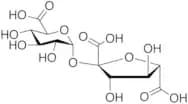
CAS:Controlled Product<p>Applications rac 3-Hydroxydecanoic Acid (cas# 5561-87-5) is a compound useful in organic synthesis.<br></p>Formula:C10H20O3Color and Shape:NeatMolecular weight:188.26Sucrose 6,1’,6’-Tricarboxylic Acid Trisodium Salt
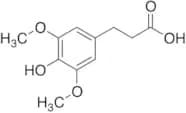
CAS:Controlled ProductFormula:C12H13Na3O14Color and Shape:NeatMolecular weight:450.1923-(4-Hydroxy-3,5-dimethoxyphenyl)propanoic Acid
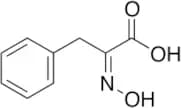
CAS:Controlled Product<p>Applications 3-(4-Hydroxy-3,5-dimethoxyphenyl)propanoic Acid (cas# 14897-78-0) is a useful research chemical.<br></p>Formula:C11H14O5Color and Shape:NeatMolecular weight:226.232-(Hydroxyimino)-3-phenylpropanoic Acid
CAS:Controlled Product<p>Applications 2-(Hydroxyimino)-3-phenylpropanoic acid (cas# 3682-17-5) is a useful research chemical.<br></p>Formula:C9H9NO3Color and Shape:NeatMolecular weight:179.1732-Ethylhexanoic Acid
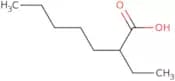
CAS:<p>Applications 2-Ethylhexanoic Acid is used in biological studies as flavor precursor extraction from different grape varieties and its effect on wine aroma during alcohol fermentation<br>References Loscos, N., et al.: J. Agric. Food Chem., 55, 6674 (2007)<br></p>Formula:C8H16O2Color and Shape:NeatMolecular weight:144.21Phosphoric Acid Diammonium Salt
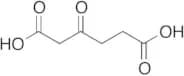
CAS:Controlled Product<p>Applications Diammonium salt of Phosphoric Acid, used in various chemical processes as a phosphorylating compound. Also used in the preparation of prosthetics and collagen nanocomposites due to the bone-like properties.<br>References Ezhova, Z. et al.: Russ. J. Inorg. Chem., 58, 1177 (2013); Wu, Y. et al.: Asian J. Chem., 25, 5881 (2013);<br></p>Formula:H3N·H3O4PColor and Shape:NeatMolecular weight:132.063-Oxohexanedioic Acid
CAS:<p>Applications 3-Oxohexanedioic Acid is a degradation product of catechol in the presence of hydrogen peroxide; Also, it is derived from 3-Oxohexanedioic Acid Diethyl Ester (O856830), which is an intermediate used to prepare CMPF (C595000) which is a drug-binding inhibitor which is also a constituent of urine. CMPF can inhibit specific T4 binding in serum by increasing the free concentration of direct competitors.<br>References Gogoi, A., et al.: Chem. Eng. J., 311, 153-162 (2017); Mabuchi, H., Nakahashi, H.: Nephron, 44, 277 (1986); Lim, C.F., et. al.: Metabolism Clin. Exp., 42, 1468 (1993)<br></p>Formula:C6H8O5Color and Shape:Off White SolidMolecular weight:160.125N,N'-bis(2,6-Diisopropylphenyl)-1,6,7,12-tetraphenoxy-3,4,9,10-perylenetetracarboxylic Diimide
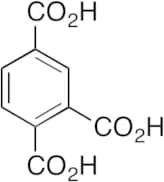
CAS:Controlled Product<p>Applications N,N'-Bis(2,6-diisopropylphenyl)-1,6,7,12-tetraphenoxy-3,4,9,10-perylenetetracarboxylic Diimide has applications in the photosensors and optical detectors.<br>References Wang, Shaojun, et al.: ACS Photonics, 5(6), 2478-2485 (2018);Wang, Hanlin, et al.: Adv. Mat., 29(32), n/a. (2017)<br></p>Formula:C72H58N2O8Color and Shape:NeatMolecular weight:1079.239Trimellic Acid
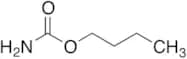
CAS:Controlled Product<p>Applications Trimellic Acid is a reagent used in the preparation of coordination polymers containing various luminescent properties.<br>References Zhang, Z. et al.: Crys. Grow. Des., 13, 4338 (2013); Qin, L. et al.: Trans. Met. Chem., 38, 627 (2013);<br></p>Formula:C9H6O6Color and Shape:NeatMolecular weight:210.14Butyl Carbamate
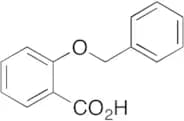
CAS:Controlled Product<p>Applications butyl carbamate (cas# 592-35-8) is a useful research chemical.<br></p>Formula:C5H11NO2Color and Shape:NeatMolecular weight:117.152-Benzyloxybenzoic Acid
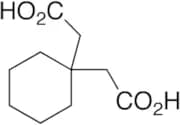
CAS:Controlled ProductFormula:C14H12O3Color and Shape:NeatMolecular weight:228.241,1-Cyclohexanediacetic Acid
CAS:<p>Applications 1,1-Cyclohexanediacetic Acid (cas# 4355-11-7) is a compound useful in organic synthesis.<br></p>Formula:C10H16O4Color and Shape:NeatMolecular weight:200.234-Sulfamoylbutyric Acid
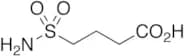
CAS:Controlled Product<p>Applications A solid phase organic linker for synthesis of tethering carboxylic acids to support.<br>References Backes, B.J. and Ellman, J. A.: J. Org. Chem., 64, 2322 (1999)<br></p>Formula:C4H9NO4SColor and Shape:NeatMolecular weight:167.182,6-Diaminopimelic Acid
CAS:Controlled Product<p>Applications 2,6-Diaminopimelic Acid is useful in biological studies involving amino acids and amino sugars as molecular indicators of the origins of organic matter in buried tephra soils.<br>References Hobara, S., et al.: Geoderma, 373, 114449 (2020)<br></p>Formula:C7H14N2O4Color and Shape:NeatMolecular weight:190.204-(Ethoxycarbonyl)benzoic Acid
CAS:Controlled Product<p>Applications 4-(ETHOXYCARBONYL)BENZOIC ACID (cas# 713-57-5) is a useful research chemical.<br></p>Formula:C10H10O4Color and Shape:NeatMolecular weight:194.18Glutaconic Acid
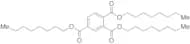
CAS:Controlled Product<p>Applications Glutaconic Acid is used in the synthesis of dialkyltin derivatives of dicarboxylic acids which display antitumor properties. Also used in the synthesis of novel tetracyclic compounds as peripheral benzodiazepine receptor ligands with potential use for CNS illness treatments.<br>References Gielen, M. et al.: Hetero. Chem., 3, 449 (1992); Okubo, T. et al.: Bioorg. Med. Chem. Lett., 12, 3569 (2004);<br></p>Formula:C5H6O4Color and Shape:NeatMolecular weight:130.11,2,4-Trioctyl Ester 1,2,4-Benzenetricarboxylic Acid
CAS:Controlled Product<p>Applications Isotope labelled 1,2,4-Trioctyl Ester 1,2,4-Benzenetricarboxylic Acid is a widely used and often incorporated in plasticizer for PVC for a higher molecular weight.<br>References Jones, C., et al.: Int. J. Artificial. Organs., 12, 466 (1989); Khang, G., et al.: Bio-Med. Mater. Engineer., 12, 135 (2002);<br></p>Formula:C33H54O6Color and Shape:NeatMolecular weight:546.784-(Benzyloxy)butanoic Acid
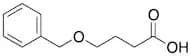
CAS:Controlled Product<p>Applications 4-(Benzyloxy)butanoic acid<br></p>Formula:C11H14O3Color and Shape:NeatMolecular weight:194.23Crotonic Acid
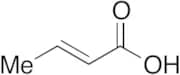
CAS:<p>Applications Crotonic Acid is found in water extracts from carrot seeds (Daucus carota L.) and is shown to have strong herbicidal properties.<br> Not a dangerous good if item is equal to or less than 1g/ml and there is less than 100g/ml in the package<br>References Jasicka-Misiak, I., et al.: Phytochemistry, 66, 1485 (2005)<br></p>Formula:C4H6O2Color and Shape:WhiteMolecular weight:86.09Vinyl Acetate(Stabilized with 8-12 ppm Hydroquinone)
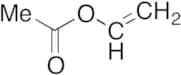
CAS:Controlled Product<p>Applications Vinyl Acetate used in the preparation of bis(heterocycles) with pyrazoline, used in the preparation of anti-inflammatory and analgesic activities. Also used in the synthesis of antimalarial compounds.<br> Not a dangerous good if item is equal to or less than 1g/ml and there is less than 100g/ml in the package<br>References Sreenivasa, S. et al.: Open. J. Med. Chem., 3, 50 (2013); Verbrugghen, T. et al.: J. Med. Chem., 56, 376 (2013);<br></p>Formula:C4H6O2Color and Shape:ColourlessMolecular weight:86.092-Tetrahydrofuroic Acid
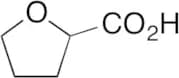
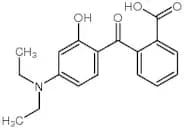
CAS:Controlled Product<p>Applications 2-Tetrahydrofuroic acid is used as a reagent to synthesize Alfuzosin (HCl: A532000), an unselective alpha-1 blocker that is used to treat lower urinary tract symptoms and benign prostatic hyperplasia.<br> Not a dangerous good if item is equal to or less than 1g/ml and there is less than 100g/ml in the package<br>References Grasso, M., et al.: Arch. Esp. Urol., 48, 97 (1994); Roehrborn, C., et al.: BJU Int., 92, 257 (2003)<br></p>Formula:C5H8O3Color and Shape:NeatMolecular weight:116.122-(4-Diethylamino-2-hydroxybenzoyl)benzoic Acid
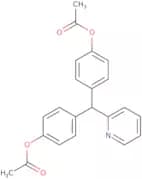
CAS:Controlled Product<p>Applications 2-(4-Diethylamino-2-hydroxybenzoyl)benzoic Acid<br></p>Formula:C18H19NO4Color and Shape:NeatMolecular weight:313.354,4'-(2-Pyridylmethylene)bisphenol diacetate
CAS:<p>Laxative</p>Formula:C22H19NO4Purity:Min. 95%Color and Shape:PowderMolecular weight:361.39 g/molImidazo[1,2-α]pyridin-3-yl-boronic acid pinacol ester
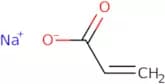
CAS:<p>Imidazo[1,2-a]pyridin-3-yl-boronic acid pinacol ester is a reagent that is used as an intermediate in the synthesis of complex compounds. The compound has been shown to be useful for research purposes and can be used as a building block in the synthesis of chemical compounds. Imidazo[1,2-a]pyridin-3-yl-boronic acid pinacol ester has an CAS number of 1238337-02-4 and is a versatile building block that can be used to synthesize speciality chemicals.</p>Formula:C13H17BN2O2Purity:Min. 95%Color and Shape:PowderMolecular weight:244.1 g/molPoly(acrylic acid, sodium salt) solution - average molecular weight 15000, 35% in water
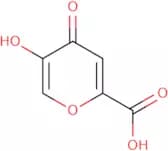
CAS:<p>Poly(acrylic acid) is a polymer that has significant cytotoxicity. The molecular weight of the polymers range from 10,000 to 1,000,000 and it is soluble in water. Poly(acrylic acid) can be used for the treatment of solid tumours and bowel diseases. It has been shown to have a phase transition temperature at around 55°C, which means that it is a liquid at room temperature but becomes a gel when heated. Poly(acrylic acid) is also used as an ionotropic gelation agent in ionotropic electrode gels, and as an additive to increase the viscosity of benzalkonium chloride solutions.</p>Formula:(C3H4O2)x•NaxPurity:Min. 95%Color and Shape:Clear LiquidComenic acid
CAS:<p>Comenic acid is a metal chelate that is used as a model system to study the effects of disulfide bonds on signal pathways. It has been shown to reduce neuronal death in a tissue culture model. Comenic acid binds to glutamate, which leads to hydroxylation, and formaldehyde production. This reaction produces sodium salts and cyclic peptides that are toxic to cells. The mechanism of action of comenic acid is not well understood, but it may be due to metal chelation properties and the formation of reactive oxygen species, such as superoxide anion or hydrogen peroxide. Comenic acid also has a protective effect against seizures in mice with epilepsy and magnesium salt can decrease the concentration of this compound in the blood stream.</p>Formula:C6H4O5Purity:Min. 95%Color and Shape:PowderMolecular weight:156.09 g/molDodeca 2E,4E,8Z,10E,Z-tetraenoic acid isobutylamide - ca. 10 mg/ml acetonitrile solution
CAS:<p>Dodeca 2E,4E,8Z,10E,Z-tetraenoic acid isobutylamide (DETBA) is a versatile building block that is used in the synthesis of natural products and pharmaceuticals. DETBA can be used as a reaction component in organic synthesis to form complex compounds such as polyesters, polyamides, polyurethanes, and polyimides. It also has high quality and can be used in research or speciality chemical applications.</p>Formula:C16H25NOPurity:Min. 96 Area-%Color and Shape:Clear LiquidMolecular weight:247.38 g/molDL-4-Hydroxy-3-methoxymandelic acid
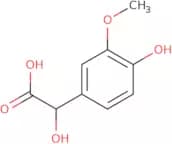
CAS:<p>DL-4-Hydroxy-3-methoxymandelic acid is a metabolite of the catecholamines, norepinephrine and epinephrine. It is found in the blood, urine and cerebrospinal fluid of humans. DL-4-Hydroxy-3-methoxymandelic acid is derived from the amino acid tyrosine. When the body's production of catecholamines exceeds its ability to break them down, these molecules accumulate and are excreted in urine as DL-4-hydroxy-3-methoxymandelic acid or as other metabolites. The concentration of DL-4-hydroxy 3 methoxymandelic acid in urine may be used to diagnose pheochromocytoma or neuroblastoma.</p>Formula:C9H10O5Purity:Min. 95%Color and Shape:White PowderMolecular weight:198.17 g/mol4-{[(Dimethylamino)sulfonyl]amino}benzoic acid
CAS:<p>4-{[(Dimethylamino)sulfonyl]amino}benzoic acid is a reagent that is used as an intermediate in the synthesis of complex compounds. It is also a useful scaffold for the synthesis of speciality chemicals and research chemicals. The compound has been shown to be versatile as a building block in organic reactions, such as condensation, esterification, and nitration.</p>Formula:C9H12N2O4SPurity:Min. 95%Color and Shape:Off-White To Brown SolidMolecular weight:244.27 g/mol3-Chloro-2-pyrazine-carboxylic acid
CAS:<p>3-Chloro-2-pyrazinecarboxylic acid is a nucleophilic compound that is synthetically produced and has antimicrobial properties. It is an active component of the drug 3,4 dichloro-2-pyrazinecarboxylic acid (DCP). This agent binds to the chloride ion in bacterial cells, which inactivates the enzyme adenosine triphosphatase that is essential for maintaining cellular homeostasis. 3-Chloro-2-pyrazinecarboxylic acid has been shown to be active against a number of Gram positive and Gram negative bacteria, including Staphylococcus epidermidis, Streptococcus pneumoniae, and Pseudomonas aeruginosa. It also has antibacterial activity against mycobacteria such as Mycobacterium tuberculosis and Mycobacterium avium complex.</p>Formula:C5H3ClN2O2Purity:Min. 95%Color and Shape:Off-White To Light Brown SolidMolecular weight:158.54 g/mol3,4-Diacetoxyphenylacetic acid
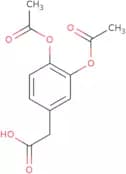
CAS:<p>3,4-Diacetoxyphenylacetic acid is a white crystalline solid. It is soluble in water, ethanol and acetone. This chemical is a useful building block for the synthesis of a wide range of compounds including pharmaceuticals, pesticides and agrochemicals. 3,4-Diacetoxyphenylacetic acid has been used as a reagent for the synthesis of various complex compounds such as anti-inflammatory drugs and antibiotics. 3,4-Diacetoxyphenylacetic acid can be used as a versatile building block in the synthesis of many different compounds with high purity and quality.</p>Formula:C12H12O6Purity:Min. 95%Molecular weight:252.22 g/molEthyl 5-Methyl-2-oxo-2,3-dihydro-1H-imidazole-4-carboxylate
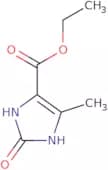
CAS:<p>Please enquire for more information about Ethyl 5-Methyl-2-oxo-2,3-dihydro-1H-imidazole-4-carboxylate including the price, delivery time and more detailed product information at the technical inquiry form on this page</p>Purity:Min. 90%trans-3-Nitrocinnamic acid
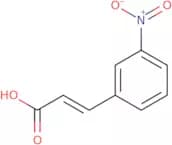
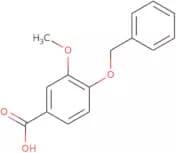
CAS:<p>Trans-3-Nitrocinnamic acid is a white solid that can be obtained by the nitration of cinnamic acid. Trans-3-Nitrocinnamic acid is an isoenzyme as it has different chemical properties than cis-3-nitrocinnamic acid. The intermolecular hydrogen bonding and vibrational frequencies are different in trans-3-nitrocinnamic acid, which causes the dipole to change and increases the solubility in water. The genotoxic activity of trans-3-nitrocinnamic acid was evaluated using the Ames test, which showed that it is not mutagenic. However, there were some genotoxic effects observed in rats after applying trans-3-nitrocinnamic acid on skin.</p>Formula:C9H7NO4Purity:Min. 95%Color and Shape:PowderMolecular weight:193.16 g/mol4-Benzyloxy-3-methoxybenzoic acid
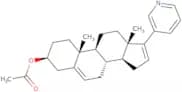
CAS:<p>4-Benzyloxy-3-methoxybenzoic acid is an isomeric compound that is decarboxylated to 4-hydroxy-3-methoxybenzoic acid. It has been shown to inhibit tumor growth and induce apoptosis in HCT116 human lung cancer cells. The mechanism of action may be due to the inhibition of amine synthesis by vanillyl alcohol and oxygenated metabolites.</p>Formula:C15H14O4Purity:Min. 90%Molecular weight:258.27 g/molAbiraterone acetate
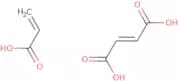
CAS:Controlled Product<p>CYP17 enzyme inhibitor</p>Formula:C26H33NO2Purity:Min. 98 Area-%Color and Shape:PowderMolecular weight:391.55 g/molPoly(acrylic acid-co-maleic acid), average Mw 3,000, 50% aqueous solution
CAS:<p>Please enquire for more information about Poly(acrylic acid-co-maleic acid), average Mw 3,000, 50% aqueous solution including the price, delivery time and more detailed product information at the technical inquiry form on this page</p>Formula:(C4H4O4)x•(C3H4O2)yColor and Shape:Yellow Clear Liquid(2RS)-2-[3-(2-Methylpropyl)phenyl] propanoic acid
CAS:<p>(2RS)-2-[3-(2-Methylpropyl)phenyl] propanoic acid is the active ingredient in a pharmaceutical preparation that is used to treat urinary tract infections. The active substance can be contaminated with impurities such as chloride, sodium carbonate, or diluent substances during production. This product has been studied by chromatographic science and has been found to be an effective treatment for diseases of the urinary tract. It is also available as a pharmaceutical preparation for use in other fields of medicine. The active substance is often used as a sample pretreatment before ionisation mass spectrometry analysis. This product is typically diluted with hydrochloric acid before being injected into the chromatographic column for purification.</p>Formula:C13H18O2Purity:Min. 95%Color and Shape:Clear LiquidMolecular weight:206.28 g/molGonadorelin acetate
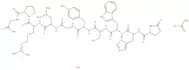
CAS:<p>Gonadorelin acetate is a synthetic peptide agonist, which is an analog of the naturally occurring gonadotropin-releasing hormone (GnRH). It is derived from a synthetic process designed to mimic the structure and function of endogenous GnRH. Gonadorelin acetate functions by stimulating the anterior pituitary gland to release two critical hormones: luteinizing hormone (LH) and follicle-stimulating hormone (FSH). These hormones play a pivotal role in regulating reproductive processes, including ovulation and spermatogenesis.</p>Formula:C55H75N17O13·xC2H4O2Purity:Min. 98 Area-%Color and Shape:White PowderMolecular weight:1182.29(5-Pyridin-2-yl-2H-tetrazol-2-yl)acetic acid
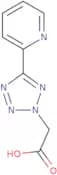
CAS:<p>5-Pyridin-2-yl-2H-tetrazol-2-yl)acetic acid is a chemical compound that can be used as a research chemical, reagent, or speciality chemical in the synthesis of pharmaceuticals, pesticides, and other organic compounds. It is also an intermediate for the production of other compounds and has been shown to have antioxidant properties. 5-(pyridin-2-yl)-2H tetrazole is a useful building block in the synthesis of complex compounds and scaffolds.</p>Formula:C8H7N5O2Purity:Min. 95%Color and Shape:PowderMolecular weight:205.17 g/mol2,3-Dichlorocinnamic acid
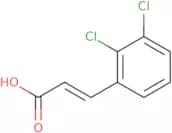
CAS:<p>2,3-Dichlorocinnamic acid is an organic compound that can be synthesized in a multistep process involving the reaction of pyridine with sulfuryl chloride. This reaction forms 2,3-dichloropropiophenone and 2,3-dichloroacetophenone. The latter compound is converted to the desired product by reacting it with thionyl chloride. The final step involves hydrolysis of the ester group to form 2,3-dichlorocinnamic acid.<br>2,3-Dichlorocinnamic acid can also be synthesized from phenylpropiolic acid and chlorosulfuric acid or from methyl propiolate and chlorosulfuric acid. <br>2,3-Dichlorocinnamic acid is a white crystalline solid that melts at 155°C and boils at 287°C. It is soluble in water and has a low yield due to</p>Formula:C9H6Cl2O2Purity:Min. 95%Molecular weight:217.05 g/mol3-Bromopyruvic acid
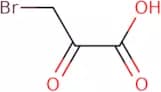
CAS:<p>3-Bromopyruvic acid is a small molecule that inhibits an enzyme called dextran sulfate reductase. This enzyme is involved in the formation of sulfate in the body and is important for glycolysis, which is the process by which cells break down glucose to produce energy. 3-Bromopyruvic acid inhibits both cancer cells and normal cells, but has a greater effect on cancer cells. This compound also causes caspase-independent cell death, which means that it does not activate pro-apoptotic proteins. It may work by targeting enzymes involved in energy metabolism or by inhibiting DNA polymerase activity.</p>Formula:C3H3BrO3Purity:Min. 95%Color and Shape:PowderMolecular weight:166.96 g/molAnecortave acetate
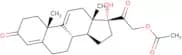
CAS:Controlled Product<p>Anecortave acetate is a steroid that has been shown to inhibit angiogenesis and has been approved for the treatment of proliferative diabetic retinopathy. It is a prodrug that undergoes enzymatic cleavage by esterases to release the active form, acetate. This drug is found in high concentrations in the sclera, which could be related to its ability to inhibit angiogenesis. Anecortave acetate inhibits viral replication and inflammation by binding to receptors on cells with these functions. Anecortave acetate also binds to monoclonal antibodies that are used as imaging agents for angiography and fluorescein angiography studies. The anti-angiogenic properties of this drug have been studied using pharmacokinetics studies, animal toxicity studies, and chemical biology approaches.</p>Formula:C23H30O5Purity:Min. 96 Area-%Color and Shape:White Off-White PowderMolecular weight:386.48 g/molHomogentisic acid
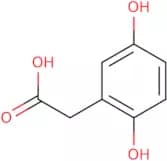
CAS:<p>Precursor of melanine synthesis in bacteria</p>Formula:C8H8O4Purity:Min 96%Color and Shape:White PowderMolecular weight:168.15 g/molEthyl 2-amino-4,5,6,7-tetrahydro-1-benzothiophene-3-carboxylate
CAS:<p>Ethyl 2-amino-4,5,6,7-tetrahydro-1-benzothiophene-3-carboxylate is an antibacterial agent that inhibits the growth of bacteria by binding to amines and metal ions. It also has in vitro anticancer activity against cancer cells. Ethyl 2-amino-4,5,6,7-tetrahydro-1-benzothiophene-3-carboxylate has been shown to have antiinflammatory activity in rats.</p>Formula:C11H15SNO2Purity:Min. 95%Color and Shape:PowderMolecular weight:225.31 g/mol[1,1'-Bicyclohexyl]-1-carboxylic acid
CAS:<p>1,1'-Bicyclohexyl]-1-carboxylic acid (BCX) is a metal salt that is soluble in water. BCX has a quadratic structure and is a cyclohexanecarboxylic acid derivative. It can be made by the reaction between formic acid and chloride. BCX is used as an anti-diarrheal agent for the treatment of chronic diarrhea. It has been shown to have high entrapment efficiency and high efficiency when synthesized with dicyclomine. This technique uses formic acid as the solvent, which reacts with chloride to produce BCX.</p>Formula:C13H22O2Purity:Min. 98 Area-%Color and Shape:PowderMolecular weight:210.31 g/mol5-Phenylpenta-2,4-dienoic acid
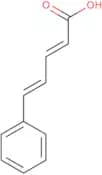
CAS:<p>5-Phenylpenta-2,4-dienoic acid is a high-potency inhibitor of tyrosine kinases. It has been shown to have an inhibitory effect on cancer cells in both squamous and non-squamous cell lines. This compound has been shown to inhibit the proliferation of cancer cells by arresting cell cycle progression at the G1 phase, which leads to the inhibition of DNA synthesis. 5-Phenylpenta-2,4-dienoic acid is also able to block the activation of transcription factors that are involved in tumorigenesis. In addition, this compound inhibits the proliferation of cancer cells by arresting cell cycle progression at the G1 phase, leading to inhibition of DNA synthesis. The molecular modeling study suggests that this compound may be able to bind with tyrosine kinase receptors on the surface of tumor cells and block their activity. The chemical structure of 5-phenylpenta-2,4-dien</p>Formula:C11H10O2Purity:Min. 95%Color and Shape:PowderMolecular weight:174.2 g/mol4-[2'-(7''-Deazaguanine)ethyl]benzoic acid N-hydroxysuccinimide ester
CAS:<p>4-[2'-(7''-Deazaguanine)ethyl]benzoic acid N-hydroxysuccinimide ester is a useful intermediate in the synthesis of 7''-deazaguanine, which is a key building block in the synthesis of DNA. 4-[2'-(7''-Deazaguanine)ethyl]benzoic acid N-hydroxysuccinimide ester is a versatile building block that can be used in the synthesis of complex compounds. It has been shown to react with amines, sulfonyl chlorides, and epoxides to form amides, sulfonamides, and epoxy amines respectively. The CAS number for this compound is 204257-65-8.</p>Formula:C19H17N5O5Purity:Min. 95%Molecular weight:395.37 g/mol4-Amino-2-chlorobenzoic acid methyl ester
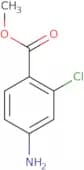
CAS:<p>4-Amino-2-chlorobenzoic acid methyl ester (4ACBME) is a chemical compound that has been used in the treatment of autoimmune diseases. It acts as an immunoreceptor and regulatory molecule by binding to specific receptors on the surface of lymphocytes, which are cells that play a central role in the immune system. 4ACBME also inhibits the production of inflammatory molecules, such as TNF-α, IL-1β, IL-6 and IL-8. The regression of tissue inflammation was observed in animal models after 4ACBME treatment. This compound has been shown to have no genotoxic impurities in vitro studies and its molecular descriptors are consistent with those found for other immunoreceptors.</p>Formula:C8H8ClNO2Purity:Min. 95%Color and Shape:White PowderMolecular weight:185.61 g/mol10,12-Heptacosadiynoic Acid
CAS:<p>10,12-Heptacosadiynoic Acid is a ferrite that can be used as a monomer for the synthesis of magnetic nanoparticles. It has been shown to have an antiproliferative effect on cancer cells and can be used in the diagnosis of various cancers. 10,12-Heptacosadiynoic Acid is also able to interact with optical properties. This property makes it possible to use 10,12-Heptacosadiynoic Acid to detect water on surfaces by introducing a small amount of this compound into the water and looking for any changes in the optical properties.</p>Formula:C27H46O2Purity:Min. 95%Color and Shape:PowderMolecular weight:402.65 g/mol2-Chloro-5-methylbenzoic acid
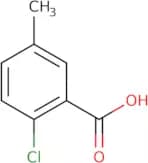
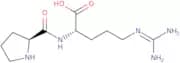
CAS:<p>2-Chloro-5-methylbenzoic acid is a carcinogenic substance that is used in the manufacturing of acridine dyes. It can be found in both solid and liquid forms and has an experimental solubility range of 0.01 to 1.0g/100ml at 25°C. 2-Chloro-5-methylbenzoic acid is soluble in water and has a solute activity coefficient of 1.2, which means it is fairly soluble in water. This chemical also exhibits high reactivity with other compounds that are dissolved in water. The chemical reacts with hydrogen sulfide to produce sulfur dioxide gas, ammonia, and hydrochloric acid, as well as with nitric oxide to produce nitrous oxide, nitrogen dioxide gas, and nitric acid.</p>Formula:C8H7ClO2Purity:Min. 95%Color and Shape:PowderMolecular weight:170.59 g/molH-Pro-Arg-OH acetate salt
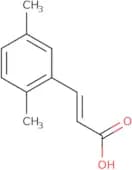
CAS:<p>H-Pro-Arg-OH acetate salt is a synthetic, antioxidative molecule that has been shown to lower blood pressure in animals. It is also an effective inhibitor of the oxidation of diploid cells and has been shown to be safe for long-term use. H-Pro-Arg-OH acetate salt is used as a structural probe for studies on the binding of fibrinogen to plasminogen. This compound has also been shown to reduce protamine's ability to inhibit fibrinolysis, which may lead to improved blood clotting times.</p>Formula:C11H21N5O3Purity:Min. 95%Color and Shape:PowderMolecular weight:271.32 g/mol2,5-Dimethylcinnamic acid
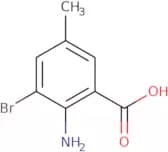
CAS:<p>2,5-Dimethylcinnamic acid is a versatile building block that can be used as a reactant in organic synthesis. This compound has been shown to have high quality and is useful for research purposes and as a speciality chemical. 2,5-Dimethylcinnamic acid can be used as a reagent or reaction component in the preparation of other compounds. It also serves as an important intermediate to synthesize complex molecules. This compound has many applications and is often used as a building block for pharmaceuticals, agrochemicals, and fine chemicals.</p>Formula:C11H12O2Purity:Min. 95%Molecular weight:176.21 g/mol2-Amino-3-bromo-5-methylbenzoic acid
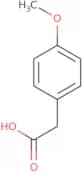
CAS:<p>2-Amino-3-bromo-5-methylbenzoic acid is a fatty acid that belongs to the group of undescribed organic acids. It is found in soil as well as in organisms such as bacteria and fungi. The 2-Amino-3-bromo-5-methylbenzoic acid molecule has been shown to be an antibiotic, inhibiting the growth of bacterial strains belonging to the phyla Actinobacteria and Proteobacteria. It may also be present in plants, where it is channeled out through the roots. This fatty acid also has nucleobase properties, which are essential for DNA replication.br>br><br>span style="font-size: 12px;">2 Amino 3 bromo 5 methyl benzoic acid (2ABMB) was first isolated from soil samples collected from a site near Beijing, China. It is one of many undescribed organic acids that are found</p>Formula:C8H8BrNO2Purity:Min. 95%Color and Shape:PowderMolecular weight:230.06 g/mol(4-Methoxyphenyl)acetic acid
CAS:<p>4-Methoxybenzoic acid is a chemical compound that belongs to the group of phenylacetic acids. It is an organic acid with a carboxylic acid group and a hydroxyl group. 4-Methoxybenzoic acid is used as an intermediate in the synthesis of other compounds, such as 3-methoxyphenylacetic acid and dihydroconiferyl alcohol. 4-Methoxybenzoic acid has been shown to inhibit the growth of breast cancer cells by inducing apoptosis. This effect was found to be increased when combined with tamoxifen (a drug used for the treatment of breast cancer). The mechanism of action is not clear but may involve hydrogen bond formation between 4-methoxybenzoic acid and tamoxifen, leading to increased uptake into cells.</p>Formula:C9H10O3Purity:Min. 95%Color and Shape:White PowderMolecular weight:166.17 g/molMethyl (1R,2S,3S,5S)-3-(4-Fluorophenyl)-8-[(E)-3-Iodoprop-2-Enyl]-8-Azabicyclo[3.2.1]Octane-2-Carboxylate
CAS:Controlled Product<p>Methyl (1R,2S,3S,5S)-3-(4-fluorophenyl)-8-[(E)-3-iodoprop-2-enyl]-8-azabicyclo[3.2.1]octane-2-carboxylate is an imaging agent that is used to diagnose and treat bowel diseases. It has pharmacokinetic properties that allow for a more accurate diagnosis of eye disorders and bowel disease. Methyl (1R,2S,3S,5S)-3-(4-fluorophenyl)-8-[(E)-3-iodoprop-2-enyl]-8-azabicyclo[3.2.1]octane-2-carboxylate is a DPPIV inhibitor that modulates the dopamine transporter in the brain by binding to its extracellular site of action on dopamine transporter proteins and blocking the reuptake of dopamine into the pres</p>Formula:C18H21FINO2Purity:Min. 95%Molecular weight:429.27 g/mol2-(2-Nitrophenoxy)acetic acid
CAS:<p>2-(2-Nitrophenoxy)acetic acid (NPAA) is a molecule that has been found in plants of the genus Balanites. It has been shown to be an intramolecular hydrogen bond acceptor, which may contribute to its chemical structure and stability. NPAA has also been shown to have a constant pKa value of 4.7, which means it is slightly acidic. NPAA is used as an industrial process sample preparation agent and can be synthesized by reacting phenol with nitric acid.</p>Formula:C8H7NO5Molecular weight:197.14 g/mol2-Chloro-4,6-difluorobenzoic acid
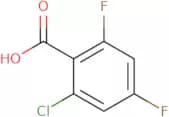
CAS:<p>2-Chloro-4,6-difluorobenzoic acid is the product of a reaction between 2-chloro-4,6-difluoroaniline and 4,6-dichlorobenzonitrile. It is used as a building block in the synthesis of pharmaceuticals and other specialty chemicals. 2-Chloro-4,6-difluorobenzoic acid is also used as a reagent in organic synthesis reactions. This chemical is soluble in water and has a boiling point of 190°C. 2CDFBA is found in CAS No. 1242339-67-8 and can be stored at room temperature.</p>Formula:C7H3ClF2O2Purity:Min. 95%Color and Shape:PowderMolecular weight:192.55 g/mol2-Chloro-5-hydroxybenzoic acid ethyl ester
CAS:<p>2-Chloro-5-hydroxybenzoic acid ethyl ester is synthesized by the substitution of anthranilic acid with an aryl ring. The substituents on the aryl ring are chloro and hydroxy, which are attached to carbon atoms. 2-Chloro-5-hydroxybenzoic acid ethyl ester can be metabolized into a number of different metabolites. For example, it can be converted into acid metabolites that have substituents on the benzene ring such as nitro or nitroso groups. These metabolites are then excreted in urine or bile.</p>Formula:C9H9ClO3Purity:Min. 95%Color and Shape:Off-White To Yellow To Brown SolidMolecular weight:200.62 g/molDL-3,4-Dihydroxymandelic acid
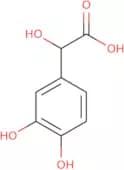
CAS:<p>DL-3,4-Dihydroxymandelic Acid is a biologically active compound that is found in the human body and has been used as a drug for the treatment of cardiac arrhythmias. It is also an intermediate in the biosynthesis of the neurotransmitter dopamine. DL-3,4-Dihydroxymandelic Acid has been shown to decrease enzyme activity in hl-60 cells and was found to be an inhibitor of acetate extract from coli K-12. The reaction mechanism for this compound has not yet been fully elucidated. DL-3,4-Dihydroxymandelic Acid is generally considered to have a physiological function in regulating systolic pressure.</p>Formula:C8H8O5Purity:Min. 95%Color and Shape:White To Yellow SolidMolecular weight:184.15 g/mol4-Nitrophthalic acid
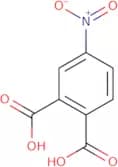
CAS:<p>4-Nitrophthalic acid is a white crystalline solid that has an acid and basic character. It has been shown to be antigenic, with a specific antibody able to bind to the 4-nitro group. The structure of 4-Nitrophthalic acid was determined using X-ray crystallography and NMR spectroscopy. The molecular weight of 4-Nitrophthalic acid is 177.2 g/mol, with a melting point of 174 °C and a boiling point of 341 °C. It is soluble in water and organic solvents such as ethanol, acetone, chloroform, ethyl ether, benzene, hexane, dichloromethane and ethyl acetate.</p>Formula:C8H5NO6Purity:Min. 97 Area-%Color and Shape:White PowderMolecular weight:211.13 g/molBradykinin triacetate trihydrate
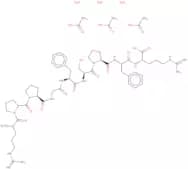
CAS:<p>Bradykinin is a naturally occurring peptide hormone that has been found to have a wide variety of uses. It can be used as a fine chemical, useful scaffold, versatile building block, and useful intermediate in the synthesis of complex compounds. Bradykinin can also act as a reaction component for the synthesis of speciality chemicals, such as pharmaceuticals and research chemicals. Bradykinin is used in the manufacture of medicines for high blood pressure and pain relief, among other things. It is also used in research studies to study the effects of drugs on cell cultures and animals.</p>Formula:C50H73N15O11•(C2H4O2)3•(H2O)3Purity:Min. 95%Color and Shape:PowderMolecular weight:1,294.41 g/mol3-Amino-4-methylbenzoic acid
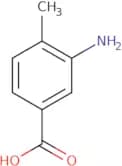
CAS:<p>3-Amino-4-methylbenzoic acid is a chemical that is used in the synthesis of pharmaceuticals. It has been shown to have receptor binding activity and is able to inhibit aminotransferase activity. 3-Amino-4-methylbenzoic acid has been shown to be a competitive inhibitor of ptp1b, an enzyme that degrades phosphatidylinositol (3,4,5)-triphosphate. This property may be useful for treating inflammatory diseases such as Crohn's disease and rheumatoid arthritis. 3-Amino-4-methylbenzoic acid binds to the active site of ptp1b with high affinity and forms a coordination complex with two zinc ions. Monomers are also able to bind to ptp1b and inhibit its function.<br>3-Amino-4-methylbenzoic acid has been tested in vitro for its ability to inhibit the growth</p>Purity:Min. 95%Color and Shape:PowderMolecular weight:151.16 g/molAsperulosidic acid
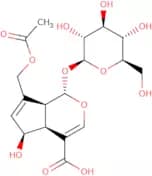
CAS:<p>Asperulosidic acid is a glycoside derivative that belongs to the natural compounds. It has been shown to be an enzyme inducer in bacteria, yeast and plants. Asperulosidic acid can be found in the leaves of asperula odorata, a plant commonly known as sweet woodruff. It is also found in fructus asperuli, which is made from the fruit of asperula odorata. Asperulosidic acid has been shown to increase the activity of enzymes such as β-glucuronidase and esterase in bacteria, which may have an effect on their metabolism. This compound also increases the activity of proteases and other enzymes in plants and yeast. The matrix effect can be used to determine the concentration of this compound by measuring its effects on enzyme activity. Matrix effects can be measured using a plate test or by plasma mass spectrometry. Asperulosidic acid has been shown to have growth</p>Formula:C18H24O12Purity:Min. 95%Color and Shape:SolidMolecular weight:432.38 g/mol(Des-Gly10,D-Ser4,D-Leu6,Pro-NHEt 9)-LHRH trifluoroacetate
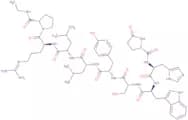
CAS:<p>Please enquire for more information about (Des-Gly10,D-Ser4,D-Leu6,Pro-NHEt 9)-LHRH trifluoroacetate including the price, delivery time and more detailed product information at the technical inquiry form on this page</p>Formula:C59H84N16O12•(C2HF3O2)xPurity:Min. 98 Area-%Color and Shape:PowderMolecular weight:1,209.4 g/mol2-Amino-3-methoxybenzoic acid hydrochloride
CAS:<p>2-Amino-3-methoxybenzoic acid hydrochloride is a synthetic monosubstituted hydroxy analog of the natural alkaloids, which are substituted with an amino group. It is produced by the demethylation of 2-amino-3-hydroxypyridine and reacts with caprolactam to form 2,6-dihydroxybenzaldehyde. It has been used in the synthesis of methoxyanthranilic acid, which is a synthetic analogue of anthranilic acid. Hydrochloric acid can be added to 2-amino-3-methoxybenzoic acid hydrochloride to produce 2,6-dihydroxybenzoyl chloride. This compound also undergoes condensation reactions with methoxyanthranilic acid to form 2,6-dimethoxybenzaldehyde.</p>Formula:C8H9NO3•HClPurity:Min. 95%Color and Shape:PowderMolecular weight:203.62 g/molBenzenesulfonic acid, 4-methyl-2-(3-pyridinylmethylene)hydrazide
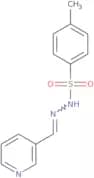
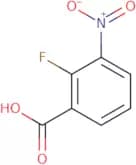
CAS:<p>Please enquire for more information about Benzenesulfonic acid, 4-methyl-2-(3-pyridinylmethylene)hydrazide including the price, delivery time and more detailed product information at the technical inquiry form on this page</p>Purity:Min. 95%2-Fluoro-3-nitrobenzoic acid
CAS:<p>2-Fluoro-3-nitrobenzoic acid is a fine chemical that has been used as a building block for research chemicals, reagents, and speciality chemicals. It is also a versatile building block for the synthesis of complex compounds and useful scaffolds. 2-Fluoro-3-nitrobenzoic acid can be used as an intermediate in organic reactions or as a reaction component in the synthesis of pharmaceuticals. This compound has been shown to have high purity and good quality with CAS No. 317-46-4.</p>Formula:C7H4O4NFPurity:Min. 95%Color and Shape:PowderMolecular weight:185.11 g/molVanillic acid methyl ester
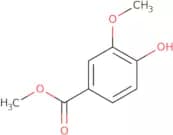
CAS:<p>Vanillic acid methyl ester is a chemical compound that can be used as an antioxidant and antimicrobial agent. It is synthesized by the reaction of vanillin with methanol in the presence of hydrochloric acid. Vanillic acid methyl ester has been shown to have antioxidative properties and inhibit the activities of various enzymes, such as eugenol oxidase, lipid peroxidase, and cyclooxygenase-1. This product also has shown anti-inflammatory effects in animal models of bowel disease and coronary heart diseases. Vanillic acid methyl ester converts to benzoic acid when it is metabolized by cytochrome P450 2E1, which can then be conjugated with glutathione or glucuronic acid.</p>Formula:C9H10O4Purity:Min. 95%Color and Shape:White Off-White PowderMolecular weight:182.17 g/mol2-Furoic acid hydrazide
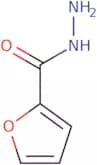
CAS:<p>2-Furoic acid hydrazide is an antifungal agent that inhibits the synthesis of cell membrane lipids by inhibiting the enzyme enoyl-ACP reductase. This compound has been shown to be effective against Candida albicans in vitro and in vivo. 2-Furoic acid hydrazide may also have amoebicidal activity, although this has not yet been confirmed. The mechanism of action of 2-furoic acid hydrazide is currently unknown, but it may be due to its ability to inhibit adenosine receptor antagonists and its interaction with hydrogen bonding interactions.</p>Formula:C5H6N2O2Purity:Min. 95%Color and Shape:PowderMolecular weight:126.11 g/mol4-Bromo-3,5-dimethylbenzoic acid
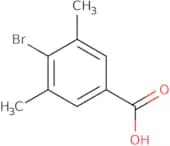
CAS:<p>4-Bromo-3,5-dimethylbenzoic acid is an organic compound that is used as a linker in the synthesis of new architectures. It is a nutrient that can be used to produce functionalized IL-2 receptors for use as feedstock in labeling and biosynthesis. X-ray crystallography has been used to study 4-bromo-3,5-dimethylbenzoic acid’s structural properties, which include conjugates with radiolabeling and organometallic compounds. The structural studies show how 4-bromo-3,5-dimethylbenzoic acid interacts with bacterial cellulose to form supramolecular structures.</p>Formula:C9H9BrO2Purity:Min. 95%Color and Shape:White Off-White PowderMolecular weight:229.07 g/mol2-Ethylheptanoic acid
CAS:<p>2-Ethylheptanoic acid is a vasodilator that is used to treat hypertension. It is an enantiomer of the more common 2-ethylhexanoic acid and has been shown to have pressor effects in vitro by inhibiting the enzyme angiotensin converting enzyme (ACE). 2-Ethylheptanoic acid may be useful in the treatment of congestive heart failure because it prevents the accumulation of bradykinin, which can lead to renal dysfunction. The elimination rate of 2-ethylheptanoic acid may be reduced by hepatic impairment, so this drug should not be used if there is evidence of liver disease.<br>2-Ethylheptanoic acid has been found to increase glomerular filtration rate and capillary permeability in humans with chronic kidney disease. This drug also has diacid properties and can act as an ester hydrochloride when administered orally.</p>Formula:C9H18O2Purity:Min. 95%Color and Shape:Colorless Slightly Yellow Clear LiquidMolecular weight:158.24 g/mol4-Maleimidobutyric acid
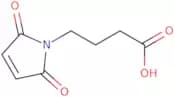
CAS:<p>4-Maleimidobutyric acid is a molecule that is used for the immobilization of peptides and proteins. It has been shown to bind to lysine residues on the surface of epidermal growth factor, which may be due to its ability to form covalent bonds with amino groups. This binding prevents the protein from interacting with cells in culture. 4-Maleimidobutyric acid also inhibits bacterial growth, including activity against Staphylococcus aureus, Bacillus anthracis, Mycobacterium tuberculosis, and Pseudomonas aeruginosa. 4-Maleimidobutyric acid has been shown to inhibit cancer cell proliferation in a Ca2+-dependent manner. It may also be effective as an antimicrobial agent due to its ability to disrupt proton gradients and acidic environments found in bacteria.</p>Formula:C8H9NO4Purity:Min. 98 Area-%Color and Shape:PowderMolecular weight:183.16 g/mol5-Amino-2-fluorobenzoic acid
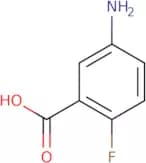
CAS:<p>5-Amino-2-fluorobenzoic acid (5AFBA) is a synthetic aniline that is used as a fluoroquinolone antibiotic. 5AFBA inhibits the synthesis of trehalose, which is vital for bacterial growth. This drug also has been shown to be active against Mycobacterium tuberculosis and Mycobacterium avium complex. 5AFBA has also been shown to have antifungal properties, inhibiting the synthesis of ergosterol in the fungal cell membrane. 5AFBA can be modified by alkylation with geranyl groups or N-methylation at the amino group. These modifications have been shown to increase its antibacterial activity against Pseudomonas aeruginosa.</p>Formula:C7H6FNO2Color and Shape:PowderMolecular weight:155.13 g/molGypsogenic acid
CAS:Controlled Product<p>Gypsogenic acid is a triterpenoid saponin that is found in the leaves of the plant Gypsophila paniculata. It has been shown to have hemolytic activity and protein synthesis inhibition. This compound is membrane permeable, which makes it an effective antibacterial agent. Gypsogenic acid also has anticancer properties, as it inhibits tumor growth and induces apoptosis in cancer cells. The chemical structure of gypsogenic acid consists of a sugar backbone with a fatty acid tail at one end. The glycosidic bond between the sugar and the fatty acid renders this compound soluble in water, which accounts for its hemolytic activity.</p>Formula:C30H46O5Purity:Min. 95%Color and Shape:PowderMolecular weight:486.68 g/molGualicol sulfonic acid potassium salt
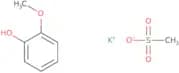
CAS:<p>Gualicol sulfonic acid potassium salt is a potassium salt that has expectorant properties. It can be used for the treatment of respiratory conditions such as bronchitis and asthma. Gualicol sulfonic acid potassium salt is used to treat coughs and other symptoms of respiratory infections, such as bronchitis and asthma. The drug is administered by mouth in tablet form.</p>Formula:C7H7KO5SPurity:Min. 95%Color and Shape:PowderMolecular weight:242.29 g/mol



![tert-Butyl [(1R,2S,5S)-2-Amino-5-[(dimethylamino)carbonyl]cyclohexyl]carbamate Oxalate](/_next/image/?url=https%3A%2Fstatic.cymitquimica.com%2Fproducts%2FTR%2Fthumb-webp%2FB809515.webp&w=3840&q=75)









![Imidazo[1,2-α]pyridin-3-yl-boronic acid pinacol ester](/_next/image/?url=https%3A%2Fstatic.cymitquimica.com%2Fproducts%2F3D%2Fthumb-webp%2FFI51745.webp&w=3840&q=75)

![4-{[(Dimethylamino)sulfonyl]amino}benzoic acid](/_next/image/?url=https%3A%2Fstatic.cymitquimica.com%2Fproducts%2F3D%2Fthumb-webp%2FFD132762.webp&w=3840&q=75)

![(2RS)-2-[3-(2-Methylpropyl)phenyl] propanoic acid](/_next/image/?url=https%3A%2Fstatic.cymitquimica.com%2Fproducts%2F3D%2Fthumb-webp%2FFM15851.webp&w=3840&q=75)

![[1,1'-Bicyclohexyl]-1-carboxylic acid](/_next/image/?url=https%3A%2Fstatic.cymitquimica.com%2Fproducts%2F3D%2Fthumb-webp%2FFB139039.webp&w=3840&q=75)
![4-[2'-(7''-Deazaguanine)ethyl]benzoic acid N-hydroxysuccinimide ester](/_next/image/?url=https%3A%2Fstatic.cymitquimica.com%2Fproducts%2F3D%2Fthumb-webp%2FFD20837.webp&w=3840&q=75)

![Methyl (1R,2S,3S,5S)-3-(4-Fluorophenyl)-8-[(E)-3-Iodoprop-2-Enyl]-8-Azabicyclo[3.2.1]Octane-2-Carb…](/_next/image/?url=https%3A%2Fstatic.cymitquimica.com%2Fproducts%2F3D%2Fthumb-webp%2FFM102777.webp&w=3840&q=75)