Carboxylic Acids
Carboxylic acids are organic molecules characterized by having a carboxyl-type functional group (-COOH). These acids are fundamental in various chemical reactions, including esterification, amidation, and decarboxylation. Carboxylic acids are widely used in the production of pharmaceuticals, polymers, and agrochemicals. In this section, you can find a large number of carboxylic acids ready to be used. At CymitQuimica, we provide a broad range of high-quality carboxylic acids to support your research and industrial applications.
Found 12453 products of "Carboxylic Acids"
Sort by
Purity (%)
0
100
|
0
|
50
|
90
|
95
|
100
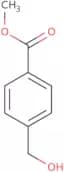
4-(Hydroxymethyl)benzoic acid methyl ester
CAS:<p>4-(Hydroxymethyl)benzoic acid methyl ester is a quinazolinone that has been used as an anticancer drug. It is synthesized by cross-coupling of 4-hydroxymethylbenzoic acid and methyl iodide with a cobaltic catalyst, followed by dehydrogenation. The synthesis can also be achieved using a molybdenum catalyst, leading to the same product. 4-(Hydroxymethyl)benzoic acid methyl ester is an efficient method for the synthesis of this compound and has shown anti-cancer activity in animal models. It inhibits serine proteases, including matrix metalloproteinases (MMPs) and cathepsin B, which are enzymes involved in cancer cell invasion and metastasis.</p>Formula:C9H10O3Purity:Min. 95%Color and Shape:PowderMolecular weight:166.17 g/mol3,5-Dibromoanthranilic acid
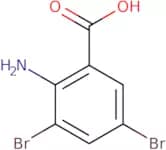
CAS:<p>3,5-Dibromoanthranilic acid is an anthranilic acid derivative that has been the subject of a number of chemical studies. The compound possesses the functional groups found in many other aromatic compounds and isomers. It can be used as a precursor to make other chemicals, such as dyes. 3,5-Dibromoanthranilic acid has been shown to have antitumour activity and cytotoxic potency. It also binds to DNA and inhibits RNA synthesis, which leads to cell death by inhibiting protein synthesis. This compound has been found in urine samples with concentrations of up to 0.2 mg/L, suggesting that it may be metabolized in the body.</p>Formula:C7H5Br2NO2Purity:Min. 95%Color and Shape:PowderMolecular weight:294.93 g/mol5-Fluoro-2-nitrobenzoic acid
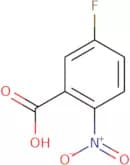
CAS:<p>5-Fluoro-2-nitrobenzoic acid is a phosphotungstic acid and an anti-inflammatory agent. It has been shown to exhibit apoptotic activity in vitro, which may be due to its ability to induce the release of cytochrome c from mitochondria. 5-Fluoro-2-nitrobenzoic acid has also been shown to inhibit the production of inflammatory cytokines such as tumor necrosis factor alpha (TNFα), interleukin 1β (IL1β) and IL6 in vitro. Its pharmacokinetic properties have been studied in rats and mice, with an oral bioavailability of 100%. The drug has also been shown to cross the blood brain barrier, with a high degree of uptake into the brain tissue.</p>Formula:C7H4FNO4Purity:Min. 95%Color and Shape:PowderMolecular weight:185.11 g/molDiethyl 3,4-furandicarboxylate
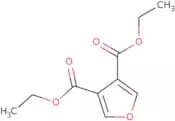
CAS:<p>Diethyl 3,4-furandicarboxylate is a chemical compound that is used as an antiproliferative drug in cancer therapy. It is synthesized by the thermal isomerization of diethyl acetylenedicarboxylate. The product has been shown to inhibit the growth of human cancer cells and has antibacterial activity against Gram-positive bacteria. Diethyl 3,4-furandicarboxylate also inhibits the synthesis of DNA and RNA by binding to the enzyme ribonucleotide reductase. Its cytostatic effects are due to its ability to inhibit cellular proliferation by inhibiting protein synthesis.</p>Formula:C10H12O5Purity:Min. 95%Color and Shape:Clear LiquidMolecular weight:212.2 g/mola-Lipoic acid
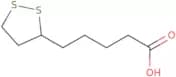
CAS:<p>a-Lipoic acid is a metabolite of the essential amino acid threonine and an antioxidant. It has been shown to be effective in treating bowel disease, oxidative injury, and ischemia-reperfusion injury. a-Lipoic acid has also been shown to have beneficial effects in the treatment of diabetic neuropathy and as an adjuvant therapy for cancer chemotherapies. The biochemical properties of this agent have been studied extensively, with a focus on its protective effects against mitochondrial membrane depolarization and long-term toxicity. There are no reports of genotoxicity or carcinogenicity.</p>Formula:C8H14O2S2Purity:Min. 98 Area-%Color and Shape:Yellow PowderMolecular weight:206.33 g/mol2-Bromo-4-nitrobenzoic acid
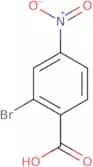
CAS:<p>2-Bromo-4-nitrobenzoic acid is a peptidomimetic that binds to farnesyltransferase and inhibits the enzyme activity. This drug is currently in preclinical development for the treatment of cancer. Preliminary studies have shown that 2-bromo-4-nitrobenzoic acid is able to inhibit tumor growth, which may be due to its inhibition of protein prenylation. This drug also has a low cell membrane permeability, which means it can only enter cells when they are actively taking up molecules from their surroundings. The lack of labelling on this drug means that it is not possible to detect its presence in vivo with positron emission tomography (PET) scans.</p>Formula:C7H4BrNO4Purity:Min. 95%Color and Shape:PowderMolecular weight:246.02 g/mol2-(4-tert-Butylphenoxy)-2-methylpropanoic acid
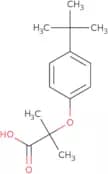
CAS:<p>2-(4-tert-Butylphenoxy)-2-methylpropanoic acid is a versatile building block and reagent for the synthesis of complex compounds. It has been used in research as a possible treatment for inflammatory diseases, including asthma and rheumatoid arthritis. This product is also a useful scaffold for the development of new drugs. 2-(4-tert-Butylphenoxy)-2-methylpropanoic acid has been shown to have antiviral properties against human immunodeficiency virus (HIV) and hepatitis C virus (HCV).</p>Formula:C14H20O3Purity:Min. 95%Color and Shape:PowderMolecular weight:236.31 g/mol2,4,5-Trimethylbenzoic acid
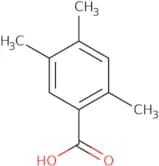
CAS:<p>2,4,5-Trimethylbenzoic acid is a white crystalline solid that is soluble in water. It is used as an analytical reagent and oxidation catalyst. 2,4,5-Trimethylbenzoic acid can be found in polymer films and inorganic acids. The oxidation products of 2,4,5-Trimethylbenzoic acid are known to have antioxidant properties. The compound can be found as an oxidant or an activator in organic synthesis reactions. 2,4,5-Trimethylbenzoic acid has been used as a starting material for the synthesis of acyl halides and carboxylates. It also has been used to synthesize fatty acids from unsaturated hydrocarbons.</p>Formula:C10H12O2Purity:Min. 95%Color and Shape:PowderMolecular weight:164.2 g/mol(+)-O,O'-Di-p-toluoyl-D-tartaric acid
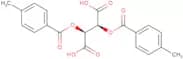
CAS:<p>(+)-O,O'-Di-p-toluoyl-D-tartaric acid is a potent and selective ligand for the dopamine D2 receptor. It was first synthesized in 1968 and has been extensively studied for its interactions with dopamine receptors. (+)-O,O'-Di-p-toluoyl-D-tartaric acid has been shown to be an orthosteric agonist at the D2 receptor, meaning it binds directly to the receptor in the absence of any other compounds. It binds to the extracellular site of the receptor, with a binding affinity that is 10 times more potent than that of apomorphine. The compound has been shown to have antidepressant effects when administered systemically, as well as in animal models of depression. This activity may be due to its ability to selectively activate dopamine D2 receptors in regions such as the prefrontal cortex.</p>Formula:C20H18O8Purity:Min. 95%Color and Shape:PowderMolecular weight:386.35 g/molL-Formiminoglutamic acid
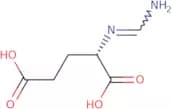
CAS:<p>L-Formiminoglutamic acid is an amino acid that is classified as a non-proteinogenic amino acid. L-Formiminoglutamic acid is not incorporated into proteins, but instead acts as a metabolic intermediate in the synthesis of other amino acids such as histidine, methionine and tryptophan. L-Formiminoglutamic acid also has a role in histidine biosynthesis, which may be due to its enzyme activities. This amino acid is found in plants and animals, where it is synthesized by enzymes that are sensitive to nitrous oxide. It can also be synthesized by the human body through glutamate and ammonia. Deficiency of this amino acid can lead to metabolic disorders such as polymerase chain reaction defects or folate deficiency.</p>Formula:C6H10N2O4Purity:Min. 95%Color and Shape:White PowderMolecular weight:174.15 g/molPalmitoleic acid, 70%
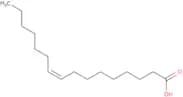
CAS:<p>Palmitoleic acid is a fatty acid that has been shown to have anti-inflammatory effects. Palmitoleic acid inhibits the production of pro-inflammatory cytokines and attenuates the activation of macrophages, as well as inhibiting the expression of genes involved in cell proliferation. Palmitoleic acid has also been shown to be effective against bowel disease, such as Crohn's disease. In a low-dose group, palmitoleic acid inhibited the production of matrix metalloproteinases in 3T3-L1 preadipocytes and hl-60 cells. It also decreased the release of basic proteins from these cells and increased their energy metabolism.</p>Formula:C16H30O2Purity:Min. 70%Color and Shape:Clear LiquidMolecular weight:254.41 g/molQuinovic acid
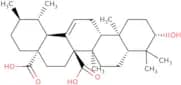
CAS:Controlled Product<p>Quinovic acid is a natural compound that has been shown to have anti-cancer effects. It is an alkanoic acid glycoside derivative, which is extracted from the acetate extract of the genus Quinovic. Quinovic acid inhibits DPP-IV and may be used as an inhibitor of inflammatory reactions in autoimmune disorders. The pharmacokinetic properties of quinovic acid have been studied in mice, which showed that it was rapidly absorbed and eliminated through urine. There are also no known reports of toxicity associated with this substance.</p>Formula:C30H46O5Purity:Min. 95%Color and Shape:White to off-white solid.Molecular weight:486.68 g/mol(Des-Gly10,D-Ser4,D-Trp6,Pro-NHEt 9)-LHRH trifluoroacetate salt
<p>Please enquire for more information about (Des-Gly10,D-Ser4,D-Trp6,Pro-NHEt 9)-LHRH trifluoroacetate salt including the price, delivery time and more detailed product information at the technical inquiry form on this page</p>Formula:C64H83N17O12Purity:Min. 95%Color and Shape:PowderMolecular weight:1,282.45 g/mol3,4-Diacetamidobenzoic acid
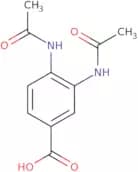
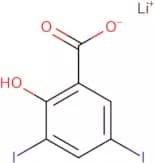
CAS:<p>3,4-Diacetamidobenzoic acid is a chemical compound that can be used as a reactant or scaffold in organic chemistry. It is also used as an intermediate in the synthesis of other chemicals and has been shown to have anti-inflammatory properties. 3,4-Diacetamidobenzoic acid is a versatile reagent that can be used to synthesize complex compounds and fine chemicals with high quality. It has CAS number 205873-56-9.</p>Formula:C11H12N2O4Purity:Min. 98 Area-%Color and Shape:PowderMolecular weight:236.22 g/molLithium 3,5-diiodosalicylic acid
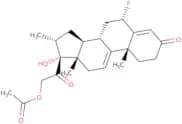
CAS:<p>Lithium 3,5-diiodosalicylic acid (Li3,5I2SA) is a cross-linking agent that has been shown to inhibit phosphatase activity and receptor binding in vitro. It also inhibits sugar transport, which is important for the functioning of human cells. Li3,5I2SA has been used to study the action of drugs on cancer cells and spermatozoa. This compound has also been tested as an inhibitor of membrane lipid peroxidation. Li3,5I2SA attaches to red blood cell membranes by binding to sites with high concentrations of monoclonal antibodies. The sequences of this compound have not yet been fully elucidated.</p>Formula:C7H4I2O3•LiPurity:Min. 98 Area-%Color and Shape:PowderMolecular weight:396.85 g/mol6α-Fluoro-17,21-Dihydroxy-16α-Methylpregna-4,9(11)-Diene-3,20-Dione 21-Acetate
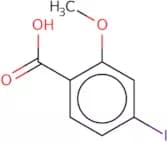
CAS:Controlled Product<p>6alpha-Fluoro-17,21-Dihydroxy-16alpha-Methylpregna-4,9(11)-Diene-3,20-Dione 21-Acetate is a synthetic angiostatic agent that inhibits the angiogenic process by affecting the growth of new blood vessels. It has been shown to inhibit proteolytic activity and to have an inhibitory effect on tumour necrosis factor-α (TNF-α) induced activation of endothelial cells and their proliferation. 6alpha-Fluoro-17,21-Dihydroxy-16alpha-Methylpregna-4,9(11)-Diene 3,20 Dione 21 Acetate also inhibits the growth of fetal bovine aortic endothelial cells in culture. The drug was also found to significantly reduce the monolayer cell viability after uptake by endothelial cells.</p>Formula:C24H31FO5Purity:Min. 95%Molecular weight:418.5 g/mol4-Iodo-2-methoxybenzoic acid
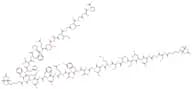
CAS:<p>4-Iodo-2-methoxybenzoic acid is an organic compound that contains a carbonyl group and a copper chelate. It has been shown to be stable in the presence of mercapto, chloroform, and palladium. The chemical structures of 4-iodo-2-methoxybenzoic acid are different from those of other compounds because it contains a chelate ring. Experiments have shown that extracts containing 4-iodo-2-methoxybenzoic acid are more extractable than those without it. This is due to the chelate ring which can act as an ion exchange group, allowing for the extraction of charged ions from the solution.</p>Formula:C8H7IO3Purity:Min. 95%Color and Shape:PowderMolecular weight:278.04 g/molBiotinyl-(Cys1,Lys(biotinyl)18)-Calcitonin (human) trifluoroacetate salt
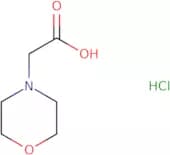
CAS:<p>Please enquire for more information about Biotinyl-(Cys1,Lys(biotinyl)18)-Calcitonin (human) trifluoroacetate salt including the price, delivery time and more detailed product information at the technical inquiry form on this page</p>Formula:C171H254N44O49S5Purity:Min. 95%Molecular weight:3,870.44 g/mol4-Morpholinylacetic acid hydrochloride
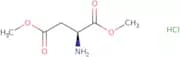
CAS:<p>4-Morpholinylacetic acid hydrochloride is a fluorescent probe that is used to study the interaction between extracellular proteins and cells. It can be detected in tissues by fluorescence microscopy and has been tested on animal tissues. The linker group allows for the encapsulation of the probe into mesoporous silica particles that can be recovered from biological fluids and analyzed using analytical methods. 4-Morpholinylacetic acid hydrochloride is not acidic, which means it does not interact with DNA or RNA. The fluorescent properties of this compound allow for easy detection in tissues and microenvironments where other probes may not be detectable.</p>Formula:C6H11NO3•HClPurity:Min. 95%Molecular weight:181.62 g/molL-Aspartic acid dimethyl ester hydrochloride
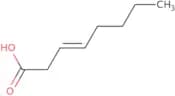
CAS:<p>L-Aspartic acid dimethyl ester hydrochloride (DAA) is an inhibitor of serine proteases, which are enzymes that break down other proteins. DAA inhibits the activity of these enzymes by forming a covalent bond with the serine residue in the active site of the enzyme. This inhibition prevents the breakdown of proteins and leads to inflammation in target tissues. L-Aspartic acid dimethyl ester hydrochloride is used to treat inflammatory bowel disease by inhibiting cathepsin B, a protease that is associated with this condition.</p>Formula:C6H11NO4·HClPurity:Min. 98 Area-%Color and Shape:White Off-White PowderMolecular weight:197.62 g/moltrans-3-Octenoic acid
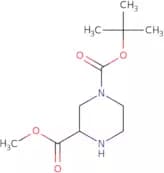
CAS:<p>Trans-3-octenoic acid is a conjugate of estradiol and caproic acid. It can be prepared by reacting estradiol with sodium octanoate in the presence of chlorine. Trans-3-octenoic acid has been shown to have anticancer activity when administered to rats. Trans-3-octenoic acid also has behavioral responses that are pheromonal in nature, leading to an increase in human urine production when it is present. The oxidation products of trans-3-octenoic acid are detected by high performance liquid chromatography (HPLC).</p>Formula:C8H14O2Purity:90%Color and Shape:Clear LiquidMolecular weight:142.2 g/mol1-tert-Butyl 3-methyl piperazine-1,3-dicarboxylate
CAS:<p>1-tert-Butyl 3-methyl piperazine-1,3-dicarboxylate is a reaction component with a high quality and versatile building block. It is used as a reagent in research chemicals and speciality chemical synthesis. This product also has many uses in the production of complex compounds and fine chemicals. 1-tert-Butyl 3-methyl piperazine-1,3-dicarboxylate can be used as an intermediate in the production of other chemicals or as a building block for more complicated compounds. CAS No. 129799-08-2</p>Formula:C11H20N2O4Purity:Min. 98%Color and Shape:PowderMolecular weight:244.29 g/mol2-Amino-3-methoxybenzoic acid hydrochloride
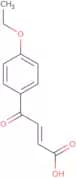
CAS:<p>2-Amino-3-methoxybenzoic acid hydrochloride is a synthetic monosubstituted hydroxy analog of the natural alkaloids, which are substituted with an amino group. It is produced by the demethylation of 2-amino-3-hydroxypyridine and reacts with caprolactam to form 2,6-dihydroxybenzaldehyde. It has been used in the synthesis of methoxyanthranilic acid, which is a synthetic analogue of anthranilic acid. Hydrochloric acid can be added to 2-amino-3-methoxybenzoic acid hydrochloride to produce 2,6-dihydroxybenzoyl chloride. This compound also undergoes condensation reactions with methoxyanthranilic acid to form 2,6-dimethoxybenzaldehyde.</p>Formula:C8H9NO3•HClPurity:Min. 95%Color and Shape:PowderMolecular weight:203.62 g/mol3-(4-Ethoxybenzoyl)acrylic acid
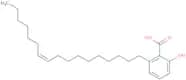
CAS:<p>3-(4-Ethoxybenzoyl)acrylic acid is a chemical that belongs to the group of reagents. It can be used in research involving organic synthesis as a building block and as an intermediate. 3-(4-Ethoxybenzoyl)acrylic acid can also be used to synthesize complex compounds or fine chemicals. The product is high quality, easy to use, and has many uses. This compound is a versatile building block that can be used to make many different compounds.</p>Formula:C12H12O4Purity:Min. 95%Color and Shape:PowderMolecular weight:220.22 g/molGinkgolic acid (C17:1)
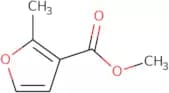
CAS:<p>Ginkgolic acid is a monomer of the ginkgolides, which are antimicrobial agents. It is an analytical method for detecting the concentration of ginkgolic acid in a sample. Ginkgolic acid has been shown to cause genotoxic potential in vitro and its use as a medicine should be limited. Ginkgolic acid may also inhibit organic anion transporters as well as organic acids such as chlorogenic acids and 1,3-dicaffeoylquinic acid. Ginkgo extract contains high concentrations of ginkgolic acid, which can be reduced by removing alcohol residues from the extract through distillation or boiling.</p>Formula:C24H38O3Purity:Min. 95 Area-%Color and Shape:White PowderMolecular weight:374.56 g/molMethyl 2-methyl-3-furancarboxylate
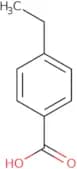
CAS:<p>Methyl 2-methyl-3-furancarboxylate is a chiral molecule that has anti-influenza virus activity. It has been shown to inhibit influenza virus replication in vitro and in vivo. Methyl 2-methyl-3-furancarboxylate inhibits the synthesis of viral proteins by inhibiting the polymerase function of the virus’s RNA polymerase. In addition, this compound inhibits the synthesis of new viruses by disrupting the process of transcription and replication. This molecule also exhibits antiviral activity against other RNA viruses such as Sindbis virus, vesicular stomatitis virus, and polio virus. Methyl 2-methyl-3-furancarboxylate is an aerobic molecule with functionalities that include isoxazoles, pyrazoles, and carbocations. This compound has been used as a starting point for synthesizing other anti-influenza compounds due to its strong antiviral properties and its unique functional groups.</p>Formula:C7H8O3Purity:Min. 95%Color and Shape:Clear LiquidMolecular weight:140.14 g/mol4-Ethylbenzoic acid
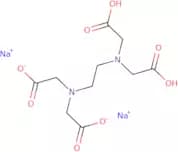
CAS:<p>4-Ethylbenzoic acid is a fatty acid that can be found in human and animal cells. It is an important intermediate for the synthesis of phenolic acids and it has been shown to have physiological effects on yeast. 4-Ethylbenzoic acid binds to bacterial enzymes, such as acylation reactions, which are involved in energy production. This binding prevents the enzyme from completing its reaction and leads to a decrease in energy production. Acylation reactions are also used by bacteria to produce biofilms, which can lead to chronic infections. The redox potential of 4-ethylbenzoic acid makes it suitable for wastewater treatment because it reacts with hydroxyl ions and reduces their concentration, causing wastewater to become less toxic. The second order rate constant of 4-ethylbenzoic acid was measured using magnetic resonance spectroscopy and structural analysis techniques.</p>Formula:C9H10O2Purity:Min. 95%Color and Shape:PowderMolecular weight:150.17 g/molEthylenediaminetetraacetic acid disodium salt
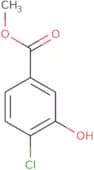
CAS:<p>Ethylenediaminetetraacetic acid disodium salt (EDTA-2Na) is a water-soluble chelating agent that forms a complex with metal ions. EDTA-2Na has been shown to be an effective inhibitor of the polymerase chain reaction (PCR), which is a technique to amplify DNA. EDTA-2Na can be used as a fluorescence probe in biological samples and can also be used in the analysis of reaction solutions. It has been shown to have lubricity properties and can be used as an injection solution for bowel disease. EDTA-2Na is also used in wastewater treatment, where it binds heavy metals and prevents them from being reabsorbed into the environment. The optimum concentration of EDTA-2Na is 1 mM at pH 7.0, with a range from 0.1 mM to 10 mM.</p>Formula:C10H14N2Na2O8Purity:Min. 95%Color and Shape:PowderMolecular weight:336.21 g/mol4-Chloro-3-hydroxybenzoic acid methyl ester
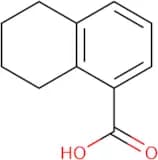
CAS:<p>4-Chloro-3-hydroxybenzoic acid methyl ester is a high quality, versatile building block that can react as a reagent to form complex compounds. It is also used as an intermediate in the synthesis of other fine chemicals. 4-Chloro-3-hydroxybenzoic acid methyl ester is a useful scaffold for chemical research and has been shown to be a speciality chemical with many uses. This compound is also useful as an intermediate in the synthesis of other fine chemicals, such as pharmaceuticals or agrochemicals.</p>Formula:C8H7ClO3Purity:Min. 98%Color and Shape:White PowderMolecular weight:186.59 g/mol5,6,7,8-Tetrahydro-1-naphthoic acid
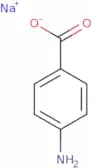
CAS:<p>5,6,7,8-Tetrahydro-1-naphthoic acid is a synthetic organic compound that is used to make dyes and paints. It has toxic properties and can cause irritation of the skin or lungs. The mechanism of its toxicity is not known, but it may be due to the formation of reactive oxygen species in the body or the inhibition of monoamine oxidase. 5,6,7,8-Tetrahydro-1-naphthoic acid exhibits dose-dependent toxicity with increasing doses resulting in more severe reactions. It also has a high potential for long term carcinogenicity.</p>Formula:C11H12O2Purity:Min. 95%Molecular weight:176.21 g/mol4-Aminobenzoic acid sodium salt
CAS:<p>4-Aminobenzoic acid sodium salt is an aminobenzoic acid that is used as a pharmaceutical intermediate. It is soluble in water and alcohol and has a pH of 4.5. The compound has been shown to inhibit the growth of bacteria by binding to enzymes involved in fatty acid synthesis, which prevents the formation of fatty acids and results in cell death. The compound also inhibits allergic reactions through its inhibition of histamine release from mast cells. 4-Aminobenzoic acid sodium salt has been found to have anti-inflammatory properties, which may be due to its ability to bind to epidermal growth factor receptors on the surface of keratinocytes, leading to increased cell proliferation and less inflammation.</p>Formula:C7H6NO2NaPurity:Min. 95%Color and Shape:PowderMolecular weight:159.12 g/molBis-(1,3-diethylthiobarbituric acid)trimethine oxonol
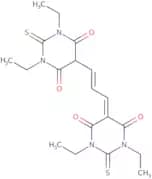
CAS:<p>Bis-(1,3-diethylthiobarbituric acid)trimethine oxonol (BTTMO) is a compound class of drugs that inhibit the ATP-binding cassette transporter and block the transport of cellular metabolites across the mitochondrial membrane. This inhibition leads to a decrease in cellular ATP levels and an increase in cytosolic calcium. BTTMO has shown promising results in animal models for treatment of cervical cancer, which may be due to its ability to stimulate epidermal growth factor receptor signaling. BTTMO also inhibits energy metabolism by inhibiting mitochondrial membrane potential and blocking atp-sensitive potassium channels. It also induces gamma-aminobutyric acid release from neurons, leading to hyperpolarization of the cell membrane.</p>Formula:C19H24N4O4S2Purity:Min. 95%Color and Shape:Dark Purple SolidMolecular weight:436.55 g/molUracil-4-acetic acid
CAS:<p>Uracil-4-acetic acid is a monocarboxylic acid that is synthesized in mammalian cells. It can also be obtained by hydrolysis of orotic acid, which was previously synthesized from uridine and phosphorolysis of sephadex g-100. Uracil-4-acetic acid is used to produce uridine through the action of an enzyme called uridine phosphorylase. This enzyme catalyzes the reaction between ATP and uracil, as well as the conversion of orotic acid to orotidine 5′-monophosphate decarboxylase. Uracil-4-acetic acid has been shown to inhibit the growth of toxoplasma, but it has not been determined whether this inhibition is due to its role in the synthesis of uridine or its toxic effects on the parasite.</p>Formula:C6H6N2O4Purity:Min. 95%Color and Shape:White SolidMolecular weight:170.12 g/molDihydroallocortisone acetate
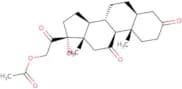
CAS:Controlled Product<p>Dihydroallocortisone acetate is a reaction component that is used as a reagent in organic synthesis. It can be used as a building block for the synthesis of corticosteroids. This chemical has been shown to have high quality and is useful as a research chemical or speciality chemical. Dihydroallocortisone acetate is also a versatile building block, which can be used as an intermediate or building block in complex compounds. This chemical also has CAS number 3751-02-8.</p>Formula:C23H32O6Purity:Min. 95%Color and Shape:White Clear LiquidMolecular weight:404.5 g/mol4-Bromo-3,5-dihydroxybenzoic acid
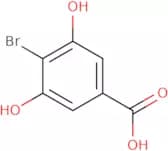
CAS:<p>4-Bromo-3,5-dihydroxybenzoic acid (4BDHB) is a cyclopentyl hydroxyl group that is found in the brain. It is a metabolite of 4-hydroxybiphenyl and has been shown to bind to the CB2 receptor. 4BDHB has been shown to have antiinflammatory effects by inhibiting microglia activation. The structural analysis of this compound shows that it has functionalities such as hydrogen bond donor, hydrogen bond acceptor, and amide. 4BDHB also has a biphenyl backbone with two diazonium salt moieties on either side. This molecule can be synthesized using an intramolecular hydrogen shift reaction between phenol and nitrosobenzene.</p>Formula:C7H5BrO4Purity:Min. 98.0%Color and Shape:PowderMolecular weight:233.02 g/mol3-Bromo-4-methoxycinnamic acid
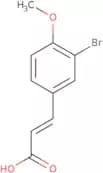
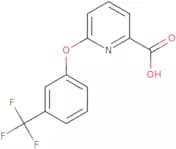
CAS:<p>3-Bromo-4-methoxycinnamic acid is an organic compound that is used as a reagent, a useful scaffold, and a useful intermediate. It has been shown to be an excellent building block for the synthesis of complex compounds. 3-Bromo-4-methoxycinnamic acid can be used in the production of fine chemicals.</p>Formula:C10H9BrO3Purity:Min. 95%Color and Shape:PowderMolecular weight:257.08 g/mol6-(3-(Trifluoromethyl)phenoxy)picolinic acid
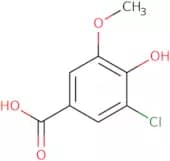
CAS:<p>6-(3-(Trifluoromethyl)phenoxy)picolinic acid is a fine chemical that is used as a building block for complex compounds or as an intermediate for the synthesis of other compounds. It has been used in the synthesis of several pharmaceuticals, such as tamoxifen, and also has been used in research studies. 6-(3-(Trifluoromethyl)phenoxy)picolinic acid can be used to synthesize many different types of compounds, making it a versatile building block with many useful applications.</p>Formula:C13H8F3NO3Purity:Min. 95%Color and Shape:PowderMolecular weight:283.2 g/mol5-Chlorovanillic acid
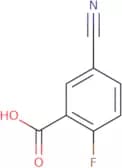
CAS:<p>5-Chlorovanillic acid is a weight compound that belongs to the group of methoxylated compounds. It is a precursor in the catabolic pathway of vanillic acid, which is synthesized from p-hydroxybenzoic acid. This compound can be found as one of the major phenolic acids in many plants and fruits, such as strawberries and apples. 5-Chlorovanillic acid has been shown to be an inhibitor for the growth of bacterial strains in culture, including C. perfringens. It has also been shown to have anti-inflammatory properties by inhibiting prostaglandin synthesis.</p>Formula:C8H7ClO4Purity:80%Color and Shape:PowderMolecular weight:202.59 g/mol5-Cyano-2-fluorobenzoic acid
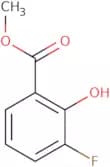
CAS:<p>5-Cyano-2-fluorobenzoic acid is a macrocyclization agent that is used in the synthesis of 16-membered macrocycles. It is a nucleophilic reagent that reacts with an electrophile to form a 5,5'-bifluoro-2,2'-dioxodibenzofuranone. This reaction can be performed under mild conditions and proceeds via a 1,4-addition mechanism. The product has two stereogenic centers and four stereoisomers that are formed by the relative configuration of these centers. 5-Cyano-2-fluorobenzoic acid also has application in the clinic as an analogue for fluoroquinolones.</p>Formula:C8H4FNO2Purity:Min. 95%Color and Shape:PowderMolecular weight:165.12 g/mol3-Fluoro-2-hydroxybenzoic acid methyl ester
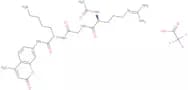
CAS:<p>3-Fluoro-2-hydroxybenzoic acid methyl ester (3-FHBA) is a high quality chemical compound that is used as an intermediate to produce other compounds. It has been shown to be a useful scaffold for the synthesis of complex compounds with various functional groups. 3-FHBA is also a reagent in the production of fine chemicals, research chemicals, and speciality chemicals. This compound has many uses, including being a versatile building block for reactions in organic synthesis and being a reaction component in the production of many types of products.</p>Formula:C8H7FO3Purity:Min. 95%Color and Shape:White PowderMolecular weight:170.14 g/molAc-Arg-Gly-Lys-AMC trifluoroacetate salt
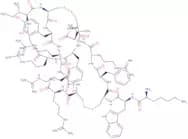
CAS:<p>Ac-Arg-Gly-Lys-AMC trifluoroacetate salt is a fine chemical that is used as a building block in the synthesis of complex compounds. Ac-Arg-Gly-Lys-AMC trifluoroacetate salt has been used as a reagent, speciality chemical and intermediate in research projects. Ac-Arg-Gly-Lys-AMC trifluoroacetate salt can be used to produce useful scaffolds for medicinal chemistry studies.</p>Formula:C26H38N8O6•C2HF3O2Purity:Min. 97 Area-%Color and Shape:PowderMolecular weight:672.65 g/molTachyplesin I trifluoroacetate
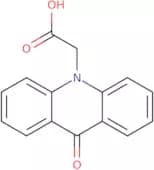
CAS:<p>Tachyplesin I trifluoroacetate is an antimicrobial peptide with action on bacterial and fungal membranes by disrupting their integrity and is used for research on antimicrobial properties and potential therapeutic applications.</p>Formula:C99H151N35O19S4•(C2HF3O2)xPurity:Min. 95%Color and Shape:PowderMolecular weight:2,263.75 g/mol9-Oxo-10(9H)-acridineacetic acid
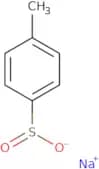
CAS:<p>9-Oxo-10(9H)-acridineacetic acid is an anti-viral drug that belongs to the class of acridone derivatives. It has been shown to have a redox potential of -0.15 V, which is indicative of its oxidizing properties. 9-Oxo-10(9H)-acridineacetic acid can be used as an antiviral agent against human pathogens such as HIV, hepatitis B, and hepatitis C. This drug also has activity index values of 5.6x10⁴ and 10x105 in terms of the ability to inhibit viral polymerase chain reaction (PCR) amplification and virus infection respectively.</p>Formula:C15H11NO3Purity:Min. 95%Color and Shape:Yellow PowderMolecular weight:253.25 g/mol4-Toluene-sulfinic acid sodium salt, anhydrous
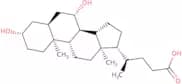
CAS:<p>4-Toluene-sulfinic acid sodium salt is a sulfamic acid that is used as a cross-linking agent in the synthesis of organic polymers. It is commonly used in the synthesis of poly(methyl methacrylate) and other alkyd resins. 4-Toluene-sulfinic acid sodium salt can be used to detect hydrogen chloride gas by the reaction with sulfur dioxide to form 4-toluene sulfonic acid. This method provides a sensitive detection system, which is useful for detecting small quantities of hydrogen chloride gas. The optimal reaction conditions are between pH 5 and 7 and at room temperature. 4-Toluene-sulfinic acid sodium salt also has been shown to form an efficient method for synthesizing diphenyl ethers with unsymmetrical substitutions.</p>Formula:C7H7NaO2SPurity:Min. 95%Color and Shape:PowderMolecular weight:178.19 g/mol3β-Ursodeoxycholic acid
CAS:Controlled Product<p>3beta-Ursodeoxycholic acid is a bile acid that is synthesized in the liver and secreted into the intestine. It is used as a treatment for congestive heart failure, HIV infection, bowel disease, and autoimmune diseases. 3beta-Ursodeoxycholic acid has been shown to be a potent inhibitor of hydroxylation of cholesterol in the liver. It also exhibits an ability to increase the transport rate of cholesterol from the liver to other tissues in the body. 3beta-Ursodeoxycholic acid inhibits monoethyl ether formation by competing with ethylene oxide for binding sites on microsomal proteins. This compound also protects against primary sclerosing cholangitis and ursodiol therapy by preventing enzymatic inactivation of bile acids.</p>Formula:C24H40O4Purity:Min. 98 Area-%Color and Shape:White PowderMolecular weight:392.57 g/mol[(8b)-1,6-Dimethylergolin-8-yl)methyl]carbamic acid phenylmethyl ester
CAS:<p>Ergolines are a class of drugs that bind to serotonin receptors. The ergoline derivative [(8b)-1,6-dimethylergolin-8-yl)methyl]carbamic acid phenylmethyl ester (DMPE) is a potent and selective 5-hydroxytryptamine (5-HT) receptor antagonist. DMPE has been shown to have the ability to increase serum prolactin levels in rats and antagonize the effects of metergoline in monkeys. It also reduces blood pressure in animals by blocking the vasoconstrictor effect of 5-HT on vascular smooth muscle cells.</p>Formula:C25H29N3O2Purity:Min. 95%Color and Shape:White PowderMolecular weight:403.52 g/mol3-tert-Butyl-6-methylsalicylic acid
CAS:<p>3-tert-Butyl-6-methylsalicylic acid is a versatile building block that is used in the synthesis of complex compounds. It reacts with amines to form salicylanilides and is also used as a reagent for the synthesis of acetylenes. 3-tert-Butyl-6-methylsalicylic acid can be used as a starting material for the production of pharmaceuticals, pesticides, and dyes. This compound has been shown to be an effective intermediate in the synthesis of new drugs, such as antimalarial agents and analgesics. The high quality of this chemical makes it a useful scaffold for organic synthesis.</p>Formula:C12H16O3Purity:Min. 95%Color and Shape:PowderMolecular weight:208.25 g/mol1H-Pyrrolo[3,2-b]pyridine-7-carboxylic acid
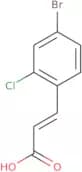
CAS:<p>1H-Pyrrolo[3,2-b]pyridine-7-carboxylic acid is a chemical compound that belongs to the group of organic compounds. The spatial property of 1H-pyrrolo[3,2-b]pyridine-7-carboxylic acid is protrusion. It has a molecular weight of 293.1 g/mol and optical properties of module and positioning. The actuator module position can be used as an on/off switch for the molecule's optical properties.</p>Formula:C8H6N2O2Purity:Min. 95 Area-%Color and Shape:PowderMolecular weight:162.15 g/mol4-Bromo-2-chlorocinnamic acid
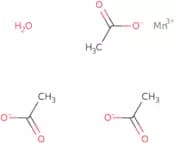
CAS:<p>4-Bromo-2-chlorocinnamic acid is a useful chemical in the synthesis of organic compounds. It is an intermediate in the production of pharmaceuticals and other organic compounds. The compound has been used as a research chemical and as a building block for the production of complex chemicals. 4-Bromo-2-chlorocinnamic acid has also been used as a building block for the production of fine chemicals, such as dyes, perfumes, and pesticides.</p>Formula:C9H6BrClO2Purity:Min. 95%Color and Shape:PowderMolecular weight:261.5 g/molManganese(III) acetate hydrate
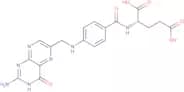
CAS:<p>Manganese(III) acetate hydrate is a compound that is used as an oxidant in organic synthesis. It can be prepared by the reaction of manganese dioxide with acetic acid, followed by drying and crystallization. The product is a white powder that dissolves in water or alcohol. Manganese(III) acetate hydrate is soluble in organic solvents such as benzene and chloroform. Preparative methods include the use of aqueous potassium permanganate for oxidation reactions or hydrolysis for solvent extraction. Manganese (III) acetate hydrate is also used as a reagent for carboxylic acids, dihydrate, and alkenes.</p>Formula:C6H9MnO6·xH2OColor and Shape:PowderMolecular weight:232.07 g/molFolic acid
CAS:<p>Folic acid is a water-soluble vitamin that is required for the synthesis of DNA and RNA. It is also important in the synthesis of amino acids, proteins, and lipids. It has been shown to have a protective effect against certain cancers, such as squamous cell carcinoma (SCC). Folic acid may be used as a supplement for women with low levels of folic acid in their diet to decrease the risk of neural tube defects in their children. Folic Acid has been shown to bind to folate receptors on cells and inhibit extracellular adenosine production. This inhibition causes an increase in intracellular adenosine concentrations, which leads to activation of nuclear DNA polymerases.</p>Formula:C19H19N7O6Purity:Min. 96 Area-%Color and Shape:Yellow PowderMolecular weight:441.4 g/molOctanoic acid
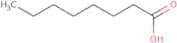
CAS:<p>Octanoic acid is a medium-chain fatty acid that is synthesized by the condensation of two molecules of acetyl-CoA. It is an antimicrobial agent that inhibits Gram-positive bacteria, such as Aerobacter aerogenes and Staphylococcus aureus. Octanoic acid has been shown to be effective in inhibiting the growth of Gram-negative bacteria, such as Escherichia coli and Pseudomonas aeruginosa. Octanoic acid has also been shown to have physiological effects on the human body, such as its ability to induce metabolic disorders. It is also used for energy metabolism and structural analysis.</p>Formula:C8H16O2Purity:Min. 98%Color and Shape:Clear LiquidMolecular weight:144.21 g/molCrotonic acid
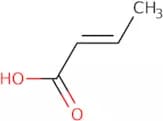
CAS:<p>Crotonic acid is a fatty acid that is a potential inhibitor of glycol ethers. It has been demonstrated to inhibit the formation of infectious diseases by binding to the agonist binding site on the surface of bacteria. Crotonic acid also binds to water molecules and forms crotonic acid hydroxide, which may be responsible for its inhibitory properties. The hydrolysis of crotonic acid can be achieved through a reaction mechanism involving water and an electrochemical process in which methyl ethyl groups are oxidized and form methyl ethyl radicals. These radicals react with hydrogen atoms from water, forming methoxy radicals that react with two hydroxyl groups, which results in the cleavage of the C-O bonds in crotonic acid to form acetic acid and methanol. Crotonic acid has also been shown to have detergent properties when used as a solid catalyst for organic reactions or as an additive in detergent compositions.</p>Formula:C4H6O2Purity:Min. 95%Color and Shape:PowderMolecular weight:86.09 g/molEthyl cyclopentanone-2-carboxylate
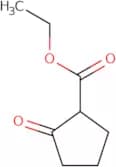
CAS:<p>Ethyl cyclopentanone-2-carboxylate (ECPC) is a chemical compound that can be synthesized from picolinic acid, β-amino acid, and methyl ketones. It is a bifunctional molecule that has been shown to have the ability to activate methylene groups. ECPC has been used in the synthesis of β-amino esters and ethyl esters. This compound can also react with hydrogen fluoride and trifluoroacetic acid to form ethyl cyclopentanone-2-carboxylate trifluoroacetate (ECPCT). ECPC has been found to undergo an aldol cyclization reaction when exposed to hydrogen ions in the presence of a base. The activation energies for this reaction are 19.6 kJ/mol for the first step and 23.5 kJ/mol for the second step.</p>Formula:C8H12O3Purity:Min. 95 Area-%Color and Shape:Colorless Clear LiquidMolecular weight:156.18 g/molGlycoursodeoxycholic acid
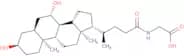
CAS:<p>Glycoursodeoxycholic acid (GUDCA) is a bile acid that is synthesized from glycine and ursodeoxycholic acid. It has been shown to have an antioxidant effect in a model system of oxidative injury. GUDCA has also been found to attenuate the effects of bile acid on bowel disease, as well as metabolic disorders such as energy metabolism and bile acid homeostasis. GUDCA may be used as a therapeutic treatment for metabolic disorders, including obesity and diabetes. GUDCA may also be effective in treating neurological diseases such as Alzheimer's disease and Parkinson's disease.</p>Formula:C26H43NO5Purity:Min. 96 Area-%Color and Shape:White PowderMolecular weight:449.62 g/mol1,3-Thiazole-4-carboxylic acid
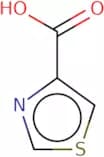
CAS:<p>1,3-Thiazole-4-carboxylic acid is a chemical compound that has many applications in the research field. It is a reactant in organic chemistry and can be used as a building block for complex compounds. 1,3-Thiazole-4-carboxylic acid also serves as an intermediate for the production of pharmaceuticals and fine chemicals. This chemical is not listed on the Chemical Abstract Service (CAS) registry, but it is available for purchase from Chemical Solutions at low cost.</p>Formula:C4H3NO2SPurity:Min. 95%Color and Shape:PowderMolecular weight:129.14 g/mol6-Hydroxy-3-anisic acid hydrazide
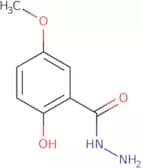
CAS:<p>6-Hydroxy-3-anisic acid hydrazide is a versatile building block that can be used in the synthesis of complex compounds. It is also a useful intermediate for the synthesis of research chemicals, reagents and speciality chemicals. This compound has been used as a building block for the synthesis of pharmaceuticals such as antibiotics and antihypertensives. 6-Hydroxy-3-anisic acid hydrazide is also an important reaction component for synthesizing polymers and other chemical compounds. This compound has high quality and is easily soluble in water, making it an especially useful scaffold for organic synthesis.</p>Formula:C8H10N2O3Purity:Min. 95%Color and Shape:White PowderMolecular weight:182.18 g/molTetrahydrocortisone-3α,21-diacetate
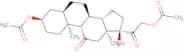
CAS:Controlled Product<p>Tetrahydrocortisone-3alpha,21-diacetate is a reaction component that is useful for the synthesis of a variety of compounds. Tetrahydrocortisone-3alpha,21-diacetate reacts with various reagents to form complex compounds. It has been used as a building block in the synthesis of more complex chemical compounds and is also a versatile intermediate in organic synthesis. Tetrahydrocortisone-3alpha,21-diacetate is an excellent research chemical due to its high quality and versatility.<br>Tetrahydrocortisone-3alpha,21-diacetate is a fine chemical that can be used as an intermediate or building block in the production of many different compounds. This compound may be synthesized using the following reaction:</p>Formula:C25H36O7Purity:Min. 95%Molecular weight:448.55 g/molHomogentisic acid γ-lactone
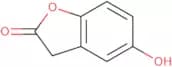
CAS:<p>Homogentisic acid gamma-lactone is a synthetic compound that is an inhibitor of the enzyme cytochrome P450. It binds to cytochrome P450 in a competitive manner and inhibits the oxidation of other molecules, such as steroids and fatty acids. Homogentisic acid gamma-lactone has been shown to have an inhibitory effect on the growth of Pseudomonas aeruginosa in vitro. This compound is able to suppress the formation of reactive oxygen species by inhibiting the activity of cytochrome P450. Homogentisic acid gamma-lactone also possesses antifungal properties that may be due to its ability to inhibit the synthesis of ergosterol, which is an important component for fungal cell membranes.</p>Formula:C8H6O3Purity:Min. 98 Area-%Color and Shape:PowderMolecular weight:150.13 g/molUlifloxacin
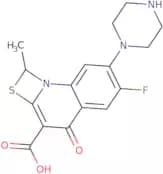
CAS:<p>Extensive research has been conducted on the antimicrobial activity of 6-fluoro-1-methyl-4-oxo-7-(1-piperazinyl)-4H-(1,3)thiazeto(3,2a)quinoline-3-carboxylic acid (FPMT). FPMT is a levorotatory compound that is rapidly metabolized by esterases to 6FMT, which is also active against bacteria. FPMT inhibits bacterial growth, but does not inhibit mammalian cell growth. The main mechanism of action for FPMT is probably through its ability to inhibit the synthesis of bacterial DNA and RNA. This drug has been shown to be effective against sinusitis caused by bacterial rhinosinusitis and urinary tract infections caused by Escherichia coli and Pseudomonas aeruginosa. FPMT can be used as an alternative to prulifloxacin for the treatment of these types of infections</p>Formula:C16H16FN3O3SPurity:Min. 98 Area-%Molecular weight:349.38 g/molLinaclotide acetate
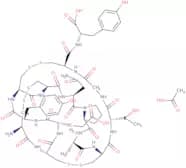
CAS:Controlled Product<p>Linaclotide acetate is a medication used for the treatment of chronic constipation and irritable bowel syndrome with constipation. It belongs to the class of drugs called guanylate cyclase C agonists, which are compounds that stimulate guanylate cyclase in cells and increase the levels of intracellular messenger cyclic guanosine monophosphate (cGMP). Linaclotide is a selective agonist for guanylate cyclase-C receptors on intestinal smooth muscle cells. It also has been shown to have an effect on mitochondrial membrane potential, as well as improve mitochondrial function. This drug has also been shown to be effective against long-term efficacy and pharmacological treatment in patients with bowel diseases.</p>Formula:C59H79N15O21S6•C2H4O2Purity:Min. 95%Color and Shape:PowderMolecular weight:1,586.8 g/molPhthalic acid
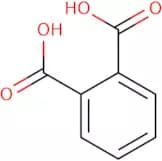
CAS:<p>Phthalic acid is a chemical compound that is used in wastewater treatment. It is also used as an intermediate for the production of other chemicals. Phthalic acid has been shown to inhibit the activity of the ryanodine receptor, which is a protein found on the surface of muscle cells that regulates calcium uptake and release. This inhibition leads to an increase in free intracellular calcium levels, which can cause toxicity by disrupting cellular function and leading to cell death. The effects of phthalate on mitochondrial membrane potential are also being studied. Phthalic acid has been shown to cause acute toxicities in wild-type strains, but not mutant strains of yeast. The analytical method for phthalate includes gas chromatography with mass spectrometry detection (GC-MS). Toxicity studies have been conducted using various methods, including acute toxicity studies, subchronic toxicity studies, and chronic toxicity studies.</p>Formula:C8H6O4Purity:Min. 98 Area-%Color and Shape:White PowderMolecular weight:166.13 g/mol3-Chloro-4-toluic acid
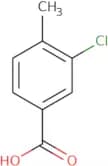
CAS:<p>3-Chloro-4-toluic acid is a quinone, which is derived from 3,4-dichlorotoluene. It has been shown to bind to nuclear receptors and act as a retinoic acid linker. This compound is also used in the synthesis of organic compounds by desorption in an acidic environment, followed by methyl esterification with an alcohol. 3-Chloro-4-toluic acid can be converted into zirconium chloride or hydrotalcite through chlorination or hydrochlorination. The resulting product can be used for dispersive solid-phase extraction methods.</p>Formula:C8H7ClO2Purity:Min. 95%Color and Shape:PowderMolecular weight:170.59 g/mol3,4-Difluorophenylacetic acid
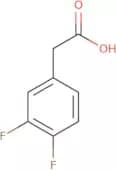
CAS:<p>3,4-Difluorophenylacetic acid is an organic compound that is a colorless liquid with a boiling point of 173°C. It is used in the synthesis of pharmaceuticals and other organic compounds. 3,4-Difluorophenylacetic acid belongs to the group of stereoisomers and has two forms, levo and dextro. The dextro form can be separated from the levo form by chromatographic techniques. This technique involves eluting the compound with a constant solvent gradient with selectivities for different chemical properties like choline uptake or high-performance liquid chromatography. 3,4-Difluorophenylacetic acid is also found in some additives such as cerebral modifiers or supercritical modifiers.</p>Formula:C8H6F2O2Purity:Min. 95%Color and Shape:PowderMolecular weight:172.13 g/mol2-Oxocyclopentaneacetic acid
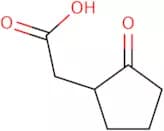
CAS:<p>2-Oxocyclopentaneacetic acid is an active natural product that has been isolated from marine sponges of the family Meliaceae. It has been shown to have anti-secretory effects on organisms and to be a competitive inhibitor of the enzyme histamine N-methyltransferase. The molecule can be synthesized in an asymmetric synthesis by reacting piperidine with chloral hydrate, giving rise to two different optical isomers. 2-Oxocyclopentaneacetic acid inhibits prostaglandin synthesis, which may account for its antisecretory properties.</p>Formula:C7H10O3Purity:Min. 96.5 Area-%Color and Shape:PowderMolecular weight:142.15 g/mol6a-Methyl hydrocortisone 21-acetate
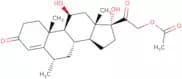
CAS:Controlled Product<p>Hydrocortisone is a corticosteroid that is used to suppress the immune system and reduce inflammation. It has anti-inflammatory, antipyretic, and vasoconstrictive properties. Hydrocortisone is a synthetic form of cortisol, which is produced naturally by the adrenal gland. Hydrocortisone acetate is an ester of hydrocortisone with acetic acid. This drug can be administered orally or topically, depending on the condition being treated. The methyl group in this compound makes it less reactive than natural hydrocortisone.</p>Formula:C24H34O6Purity:Min. 95%Color and Shape:PowderMolecular weight:418.52 g/molMethylboronic acid
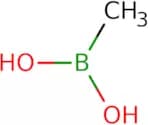
CAS:<p>Methylboronic acid is a cyclic peptide that can be found in plants. It was first discovered as an antimicrobial agent in the 1980s and has since been used to treat infectious diseases. Methylboronic acid reacts with oxygen nucleophiles such as penicillin-binding proteins, leading to their inhibition and subsequent death of bacteria. This compound also has potential for use in treating autoimmune diseases and inflammatory bowel disease due to its ability to inhibit the production of cytokines and other inflammatory mediators.</p>Formula:CH5BO2Purity:Min. 95%Color and Shape:PowderMolecular weight:59.86 g/molMethyl 1H-1,2,4-triazole-3-carboxylate
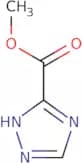
CAS:<p>Methyl 1H-1,2,4-triazole-3-carboxylate is an industrial chemical that is used in the production of diazotization and thiosemicarbazide. It is a coupling agent for the formation of diethyl esters and glycerides. Methyl 1H-1,2,4-triazole-3-carboxylate is also a catalyst for esterification reactions. The reaction mechanism of this compound involves the addition of methanol to formaldehyde to produce methyl formate and water. The esterification reaction occurs when an alcohol reacts with an acid chloride or an acid anhydride to produce an ester and water. This chemical can react with amino acids to produce amines and deamination products. Methyl 1H-1,2,4-triazole-3-carboxylate has been shown to be effective in large scale production reactions due to its high yield</p>Formula:C4H5N3O2Purity:Min. 95%Color and Shape:PowderMolecular weight:127.1 g/molHumic acid
CAS:<p>Humic acid is a complex mixture of organic substances that occurs in the soil and has been shown to exhibit antioxidant, chelating, and antimicrobial activities. Humic acid consists of a mixture of humins, fulvic acids, and other substances that are derived from plant matter. The presence of humic acid in the environment is dependent on the type of plant material it originates from and the conditions under which it was formed. Humic acids have been shown to inhibit oxidative processes by reacting with reactive oxygen species (ROS) such as hydrogen peroxide (H2O2). Humic acid can also be used for wastewater treatment in order to decolorize effluents or remove toxic metals like lead. This process utilizes an acidic complex that is formed by hydrolysis reactions between sodium salts and carbonate.</p>Purity:Min. 95%DL-a-Tocopherol acetate - oil
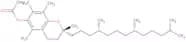
CAS:<p>Stable form of Vitamin E used in cosmetic formulations; antioxidant</p>Formula:C31H52O3Purity:Min. 98%Color and Shape:Clear LiquidMolecular weight:472.74 g/mol4-Acetamido-2-methylbenzoic acid
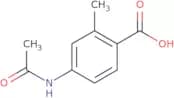
CAS:<p>4-Acetamido-2-methylbenzoic acid is a chemical that can be used as a building block in the production of other chemicals, such as pharmaceuticals and pesticides. It has been shown to be useful in research for its ability to serve as a reagent, intermediate, or scaffold for synthesizing more complex compounds. 4-Acetamido-2-methylbenzoic acid is also known by CAS No. 103204-69-9.</p>Formula:C10H11NO3Purity:Min. 95%Color and Shape:PowderMolecular weight:193.2 g/mol2-(7-Ethylindol-3-yl)-4-oxo-4-phenylbutanoic acid
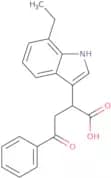
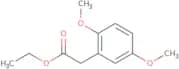
CAS:<p>Please enquire for more information about 2-(7-Ethylindol-3-yl)-4-oxo-4-phenylbutanoic acid including the price, delivery time and more detailed product information at the technical inquiry form on this page</p>Purity:Min. 95%Ethyl 2,5-dimethoxyphenylacetate
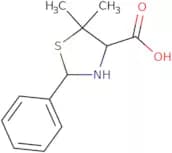
CAS:<p>Ethyl 2,5-dimethoxyphenylacetate is a chemical that has a wide range of uses in the synthesis of complex compounds. It can be used as an intermediate for the production of research chemicals or as a reaction component for speciality chemicals. The compound is also useful in the synthesis of fine chemicals and other useful scaffolds. It has been used as a building block to produce high-quality reagents.</p>Formula:C12H16O4Purity:Min. 95%Color and Shape:PowderMolecular weight:224.25 g/mol5,5-Dimethyl-2-phenyl-1,3-thiazolidine-4-carboxylic acid
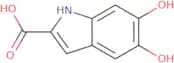
CAS:<p>5,5-Dimethyl-2-phenyl-1,3-thiazolidine-4-carboxylic acid is a chemical compound that contains a thiazolidine ring. This compound is a chiral molecule and has been shown to have an interaction with tyrosinase, which is an enzyme involved in the production of melanin. The conformation of this molecule can be determined by x-ray diffraction studies. The reaction product is formed when 5,5-dimethyl-2-phenyl-1,3-thiazolidine 4 carboxylic acid reacts with an aldehyde.</p>Formula:C12H15NO2SPurity:Min. 95%Color and Shape:PowderMolecular weight:237.32 g/mol5,6-Dihydroxy-1H-indole-2-carboxylic acid
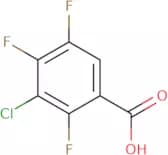
CAS:<p>5,6-Dihydroxy-1H-indole-2-carboxylic acid (5,6 DHICA) is a photosensitizing agent with a long detection time. It has been used in the treatment of cervical cancer and skin cancer. 5,6 DHICA is an inhibitor of tyrosinase, which is responsible for the synthesis of melanin. 5,6 DHICA prevents the conversion of dopachrome to eumelanin by binding to the active site of tyrosinase and inhibiting its activity. This makes it an important drug for the treatment of hyperpigmentation disorders such as vitiligo and melasma.</p>Formula:C9H7NO4Purity:Min. 95%Color and Shape:PowderMolecular weight:193.16 g/mol3-Chloro-2,4,5-trifluorobenzoic acid
CAS:<p>3-Chloro-2,4,5-trifluorobenzoic acid (3CTBA) is a synthetic fluoroquinolone antibiotic that has been shown to be active against gram-negative bacteria. 3CTBA inhibits the production of chloride ions in the cytoplasm of bacteria by inhibiting the enzyme chlorate reductase. 3CTBA is also effective against Mycobacterium tuberculosis and Mycobacterium avium complex. The safety profile of this drug is good, with few side effects in humans and no adverse reactions in animals. Many industrial processes have been established for the synthesis of 3CTBA, which results in a high reaction yield. This drug can be synthesized from inexpensive starting materials using a straightforward and efficient process.</p>Formula:C7H2ClF3O2Purity:Min. 95%Color and Shape:PowderMolecular weight:210.54 g/molDiphenylmethane-4-carboxylic acid
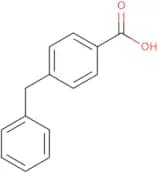
CAS:<p>Diphenylmethane-4-carboxylic acid is a synthetic compound that has been used as a contraceptive. It works by forming a hydrophobic complex with fatty acids in the cell membrane, which prevents the uptake of glyoxal and thiosemicarbazide. Diphenylmethane-4-carboxylic acid has also been shown to be effective in treating cancerous tumors in rats. The formation rate of diphenylmethane-4-carboxylic acid can be increased when it is reacted with citric acid or phosphoric acid in the presence of phosphorus pentoxide. The reaction is catalyzed by sodium hydroxide solution or hydroxide solution.</p>Formula:C14H12O2Purity:Min. 98 Area-%Color and Shape:PowderMolecular weight:212.24 g/mol3,5-Dimethoxyphenylacetic acid methyl ester
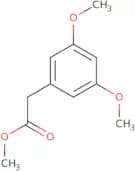
CAS:<p>3,5-Dimethoxyphenylacetic acid methyl ester is a synthetic compound that inhibits the growth of human pathogens by inhibiting protein synthesis. It has been shown to inhibit the biosynthesis of DNA and RNA in human cancer cells. 3,5-Dimethoxyphenylacetic acid methyl ester also binds to aluminium ions and prevents their absorption into the body. This agent is not active against bacteria or fungi because they do not have a cell membrane.</p>Formula:C11H14O4Purity:Min. 95%Color and Shape:Colorless Clear LiquidMolecular weight:210.23 g/mol[Nitrilotris(methylene)]tris-phosphonic acid pentasodiumsalt - 38.0 to 42.0%, in water
CAS:<p>Nitrilotris(methylene)tris-phosphonic acid pentasodiumsalt is a compound that has antimicrobial properties. The product is used as a corrosion inhibitor, wetting agent, and pH control agent in water treatment. It is also used as an antimicrobial additive to paints and coatings. Nitrilotris(methylene)tris-phosphonic acid pentasodiumsalt inhibits the activity of matrix metalloproteinases and has been shown to be effective against bacterial strains such as Staphylococcus aureus, Streptococcus pneumoniae, Escherichia coli, Enterobacter cloacae, Pseudomonas aeruginosa, and Candida albicans.<br>br><br>Nitrilotris(methylene)tris-phosphonic acid pentasodiumsalt is also an acidic chemical with a pH of 2 to 3. It is also mainly composed of an aliphatic</p>Formula:C3H7NNa5O9P3Color and Shape:Clear LiquidMolecular weight:408.96 g/molGlyoxylic acid methyl ester dimethyl acetal
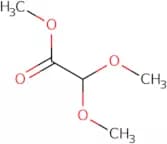
CAS:<p>Glyoxylic acid methyl ester dimethyl acetal is a synthetic chemical that is used as a control agent in the production of pharmaceutical preparations. It has been shown to inhibit the replication of syncytial viruses, including the human respiratory syncytial virus (RSV). Glyoxylic acid methyl ester dimethyl acetal binds to methoxy groups and coagulation factors, which may be responsible for its anti-coagulation properties. The optical properties of this compound are similar to those of glyoxylate. This chemical has also been shown to have an effect on blood pressure.</p>Formula:C5H10O4Purity:Min. 95%Color and Shape:Clear LiquidMolecular weight:134.13 g/molNipecotic acid
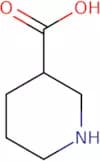
CAS:<p>Nipecotic acid is a competitive inhibitor of glutamate. It binds to the extracellular site of the glutamate-gated chloride channel and blocks the influx of chloride ions into the cell, resulting in an increase in intracellular chloride ion concentrations. Nipecotic acid has been shown to have a variety of effects on behaviour, including increased rotarod performance and improved motor learning in rats. This drug also inhibits uptake of hydrogen tartrate into cells, which is essential for catabolism of glucose by glycolysis. The effect on locomotor activity was not observed when nipecotic acid was administered orally or intraperitoneally. Nipecotic acid has a high resistance to hydrolysis by p-hydroxybenzoic acid and is used as an analytical standard for this compound.</p>Formula:C6H11NO2Color and Shape:PowderMolecular weight:129.15 g/molEthyl 5-(4-bromophenyl)-2-phenylpyrrole-3-carboxylate
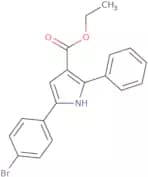
CAS:<p>Please enquire for more information about Ethyl 5-(4-bromophenyl)-2-phenylpyrrole-3-carboxylate including the price, delivery time and more detailed product information at the technical inquiry form on this page</p>Purity:Min. 95%Ethyl 3-tolylacetate
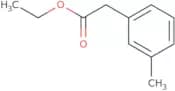
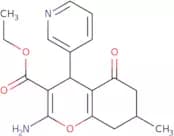
CAS:<p>Ethyl 3-tolylacetate is a colorless or light yellow liquid. It has a boiling point of 123-124 degrees Celsius and a density of 1.067 g/mL. It is soluble in water, but insoluble in ethanol and ether. Ethyl 3-tolylacetate has been used to synthesize hydrochlorides, ethoxycarbonyls, imines, hydrazones, and isatins.</p>Formula:C11H14O2Purity:Min. 95%Color and Shape:PowderMolecular weight:178.23 g/molethyl 2-amino-7-methyl-5-oxo-4-(3-pyridyl)-4,6,7,8-tetrahydro2H-chromene-3-carboxylate
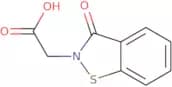
CAS:<p>Please enquire for more information about ethyl 2-amino-7-methyl-5-oxo-4-(3-pyridyl)-4,6,7,8-tetrahydro2H-chromene-3-carboxylate including the price, delivery time and more detailed product information at the technical inquiry form on this page</p>Purity:Min. 95%(3-Oxo-1,2-benzisothiazol-2(3H)-yl)acetic acid
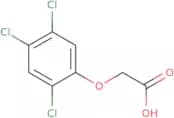
CAS:<p>(3-Oxo-1,2-benzisothiazol-2(3H)-yl)acetic acid is a speciality chemical that can be used as an intermediate in the synthesis of other chemicals. It is also a useful component in research and development of new drugs. The compound has been shown to react with various molecules to form adducts with different functional groups. (3-Oxo-1,2-benzisothiazol-2(3H)-yl)acetic acid is soluble in most organic solvents and can be stored at room temperature for up to one year. The compound has been found to have a high purity level and is sold in a variety of grades for different purposes.</p>Formula:C9H7NO3SPurity:Min. 95%Color and Shape:White PowderMolecular weight:209.22 g/mol2,4,5-Trichlorophenoxyacetic acid
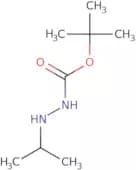
CAS:Controlled Product<p>2,4,5-Trichlorophenoxyacetic acid (2,4,5-T) is a herbicide that inhibits the growth of plants by inhibiting photosynthesis. It can be found in the environment as a contaminant of manufactured items such as vinyl chloride and polyurethane. 2,4,5-T is also used to produce dioxin and polychlorinated biphenyls (PCBs). The mechanism of toxicity involves inhibition of the activity of an enzyme called acetolactate synthase (ALS), which is responsible for synthesizing an important amino acid called L-alanine. ALS inhibitors are toxic to animals because they inhibit the formation of L-alanine and disrupt cellular energy production. In CD-1 mice, 2,4,5-T has been shown to have an inhibitory dose at 1 mg/kg body weight with long-term toxicity at doses up to 5 mg/kg body weight. 2,4,5</p>Formula:Cl3C6H2OCH2CO2HPurity:Min. 95%Color and Shape:PowderMolecular weight:255.48 g/moltert-Butyl 2-isopropylhydrazinecarboxylate
CAS:<p>tert-Butyl 2-isopropylhydrazinecarboxylate is a high quality chemical that has been used as a reagent, useful intermediate, speciality chemical, and research chemicals. It has been shown to be an excellent building block for the synthesis of complex compounds. This chemical has also been used as a reaction component in the synthesis of fine chemicals and other useful compounds.</p>Formula:C8H18N2O2Purity:Min. 95%Color and Shape:White PowderMolecular weight:174.24 g/mol(4-(Methylcarbamoyl)phenyl)boronic acid
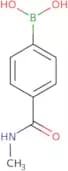
CAS:<p>Please enquire for more information about (4-(Methylcarbamoyl)phenyl)boronic acid including the price, delivery time and more detailed product information at the technical inquiry form on this page</p>Formula:C8H10BNO3Purity:Min. 95%Color and Shape:PowderMolecular weight:178.98 g/mol4-(4-Propylphenyl)benzoic acid
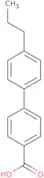
CAS:<p>4-(4-Propylphenyl)benzoic acid is a high quality, reagent and complex compound that is useful as an intermediate or fine chemical in the synthesis of speciality chemicals. It is also a versatile building block for the synthesis of organic compounds. 4-(4-Propylphenyl)benzoic acid can be used as a reaction component to synthesize other compounds. CAS No. 88038-94-2</p>Formula:C16H16O2Purity:Min. 95%Color and Shape:PowderMolecular weight:240.3 g/mol2-Sulphoterephthalic monosodium
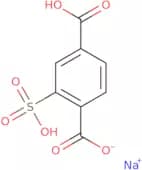
CAS:<p>2-Sulphoterephthalic monosodium (2-SPM) is a zirconium oxide that is synthesized by reacting 5-hydroxymethylfurfural with hydrochloric acid in the presence of 2-aminoterephthalic acid. It has been shown to be an efficient catalyst for the synthesis of 5-hmf from glucose in aqueous media. This product also exhibits strong protonation properties and can be used as a hydrogen bonding donor. The fluorescence properties of 2-SPM have also been studied, which may lead to its potential use as a supramolecular fluorescent probe.</p>Formula:C8H5NaO7SPurity:Min. 95%Color and Shape:White PowderMolecular weight:268.18 g/molH-Pro-Arg-OH acetate salt
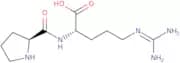
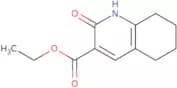
CAS:<p>H-Pro-Arg-OH acetate salt is a synthetic, antioxidative molecule that has been shown to lower blood pressure in animals. It is also an effective inhibitor of the oxidation of diploid cells and has been shown to be safe for long-term use. H-Pro-Arg-OH acetate salt is used as a structural probe for studies on the binding of fibrinogen to plasminogen. This compound has also been shown to reduce protamine's ability to inhibit fibrinolysis, which may lead to improved blood clotting times.</p>Formula:C11H21N5O3Purity:Min. 95%Color and Shape:PowderMolecular weight:271.32 g/molEthyl 2-hydroxy-5,6,7,8-tetrahydroquinoline-3-carboxylate
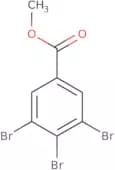
CAS:<p>Ethyl 2-hydroxy-5,6,7,8-tetrahydroquinoline-3-carboxylate is a fine chemical that is used as a building block in the manufacture of other compounds. It is also used as a reagent and speciality chemical. Ethyl 2-hydroxy-5,6,7,8-tetrahydroquinoline-3-carboxylate is an intermediate that can be used to produce other compounds. It can be used as a reaction component or useful scaffold for complex molecules.</p>Formula:C12H15NO3Purity:Min. 95%Color and Shape:PowderMolecular weight:221.25 g/mol3,4,5-Tribromobenzoic acid methyl ester
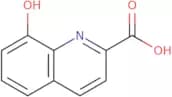
CAS:<p>3,4,5-Tribromobenzoic acid methyl ester is a versatile building block for organic synthesis. It is a boron compound with the chemical formula C6H3Br3O2. It has been shown to be useful as a reagent, reaction component, and intermediate in organic synthesis. 3,4,5-Tribromobenzoic acid methyl ester is a complex compound that can be used as a speciality chemical or fine chemical.</p>Formula:C8H5Br3O2Purity:Min. 95%Color and Shape:PowderMolecular weight:372.84 g/mol8-Hydroxyquinoline-2-carboxylic acid
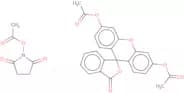
CAS:<p>8-Hydroxyquinoline-2-carboxylic acid is a 3-hydroxyanthranilic acid derivative that is often used as a biomarker of urine. The 8OHQA can be synthesized from 3-hydroxyanthranilic acid by the action of xanthine oxidase and hydrogen peroxide, and it has been shown to be an inhibitor of protein synthesis. This inhibition may be due to its ability to form hydrogen bonds with the hydroxyl group on the ribose side chain and its ability to coordinate with metals. 8OHQA has been shown to have anti-inflammatory effects in bladder cancer cells, which may be due to its ability to inhibit prostaglandin synthesis.</p>Formula:C10H7NO3Purity:Min. 95%Color and Shape:PowderMolecular weight:189.17 g/mol5(6)-Carboxyfluorescein diacetate N-succinimidyl ester
CAS:<p>5(6)-Carboxyfluorescein diacetate N-succinimidyl ester is a high quality chemical that is used as an intermediate in the synthesis of fluorescein, a complex compound. It is also useful as a reagent and building block in the synthesis of other compounds. 5(6)-Carboxyfluorescein diacetate N-succinimidyl ester is soluble in water and can be used to make fine chemicals, such as speciality chemicals and research chemicals. The chemical is also versatile and can be used as a reaction component for synthesizing other compounds.</p>Formula:C29H19NO11Purity:Min. 95%Color and Shape:White PowderMolecular weight:557.46 g/molGanoderic acid A
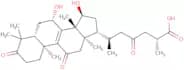
CAS:Controlled Product<p>Ganoderic acid A is a natural compound that is found in the mushroom Ganoderma lucidum. It has been shown to inhibit the proliferation of HL-60 cells, which are commonly used as a model system for human leukemia. The mechanism of action of Ganoderic acid A is not yet fully understood, but it may be due to its ability to inhibit the activation of signal pathways and Ca2+ release from the endoplasmic reticulum. This activity is synergistic with other compounds such as ganoderic acid B and ganoderol B. Ganoderic acid A has been shown to have cytotoxicity against HL-60 cells through a novel analytical method. It is also able to inhibit the growth of various cancers including lung, breast, prostate, and pancreatic cancer cells.</p>Formula:C30H44O7Purity:Min. 95%Color and Shape:White PowderMolecular weight:516.67 g/mol2-Hydroxy-3-methylbutyric acid
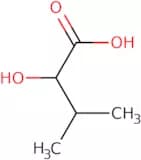
CAS:<p>2-Hydroxy-3-methylbutyric acid is an intermediate in the microbial metabolism of hydrogen fluoride and caproic acid. It can be used as a diagnostic for probiotic bacteria. 2-Hydroxy-3-methylbutyric acid has been shown to cause cell lysis, which may be due to its ability to act as a polymerase chain reaction (PCR) enhancer. The activity index of 2-hydroxy-3-methylbutyric acid is higher than that of other organic acids, such as 3,4-dimethoxybenzoic acid and ferulic acid.</p>Formula:C5H10O3Purity:Min. 95%Color and Shape:PowderMolecular weight:118.13 g/molBenzenesulfonic acid, 4-methyl-2-(3-pyridinylmethylene)hydrazide
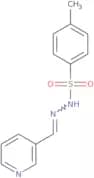
CAS:<p>Please enquire for more information about Benzenesulfonic acid, 4-methyl-2-(3-pyridinylmethylene)hydrazide including the price, delivery time and more detailed product information at the technical inquiry form on this page</p>Purity:Min. 95%2-Hydroxypentanoic acid
CAS:<p>2-Hydroxypentanoic acid is a fatty acid that is naturally produced in the body. It is also a reaction product of polylactic acid and malic acid, which are used as low-calorie substitutes for sugar. 2-Hydroxypentanoic acid has been shown to lower LDL cholesterol levels. It can be detected by an analytical method based on diazonium salt hydrolysis or hydrogen chloride mineralization, and it can be found in pharmaceutical dosage forms such as vitamin E acetate and alpha-tocopherol acetate. This compound has been used as a diagnostic tool in the identification of aliphatic hydrocarbons in metabolic profiles.</p>Formula:C5H10O3Purity:Min. 95%Color and Shape:PowderMolecular weight:118.13 g/mol(R,Z)-12-Hydroxyoctadec-9-enoic acid
CAS:<p>(R,Z)-12-Hydroxyoctadec-9-enoic acid is a natural product that belongs to the group of antimicrobial agents. It inhibits bacterial translocation by binding to ester linkages on the surface of the bacterial cell wall, preventing the entrance of bacteria into host cells. The reactive site is an hydroxyl group located at C12. This compound has been shown to have activity against infectious diseases including chlamydia, shigella, and salmonella. (R,Z)-12-Hydroxyoctadec-9-enoic acid also has a number of other activities such as inhibition of glycol ethers and methanol solvents.</p>Formula:C18H34O3Purity:Min. 80 Area-%Color and Shape:Clear LiquidMolecular weight:298.46 g/mol




![[(8b)-1,6-Dimethylergolin-8-yl)methyl]carbamic acid phenylmethyl ester](/_next/image/?url=https%3A%2Fstatic.cymitquimica.com%2Fproducts%2F3D%2Fthumb-webp%2FFM12444.webp&w=3840&q=75)

![1H-Pyrrolo[3,2-b]pyridine-7-carboxylic acid](/_next/image/?url=https%3A%2Fstatic.cymitquimica.com%2Fproducts%2F3D%2Fthumb-webp%2FFP167590.webp&w=3840&q=75)

![[Nitrilotris(methylene)]tris-phosphonic acid pentasodiumsalt - 38.0 to 42.0%, in water](/_next/image/?url=https%3A%2Fstatic.cymitquimica.com%2Fproducts%2F3D%2Fthumb-webp%2FFN153153.webp&w=3840&q=75)