Carboxylic Acids
Carboxylic acids are organic molecules characterized by having a carboxyl-type functional group (-COOH). These acids are fundamental in various chemical reactions, including esterification, amidation, and decarboxylation. Carboxylic acids are widely used in the production of pharmaceuticals, polymers, and agrochemicals. In this section, you can find a large number of carboxylic acids ready to be used. At CymitQuimica, we provide a broad range of high-quality carboxylic acids to support your research and industrial applications.
Found 12453 products of "Carboxylic Acids"
Sort by
Purity (%)
0
100
|
0
|
50
|
90
|
95
|
100
Taraxasterol acetate
CAS:Controlled Product<p>Taraxasterol acetate is a sesquiterpene lactone that has shown anti-inflammatory activity and inhibits the production of inflammatory cytokines. It also possesses antifungal activity against various fungi, such as Candida albicans and Aspergillus niger. Taraxasterol acetate can be used for the treatment of infectious diseases, as well as for the prevention of inflammation. This compound has been found to work by binding to specific enzymes that are involved in the inflammatory response. These enzyme interactions prevent the production of pro-inflammatory molecules and cytokines, which are substances that trigger an immune response. The structure of taraxasterol acetate is similar to 3-o-caffeoylquinic acid, a natural compound found in plants such as Angelica Dahurica. Taraxasterol acetate is a component of several species of plants, including some medicinal herbs such as Angelicae Dahuricae. This compound can be purified</p>Formula:C32H52O2Purity:Min. 95%Color and Shape:PowderMolecular weight:468.75 g/mol(3-Ethoxyphenyl)acetic acid
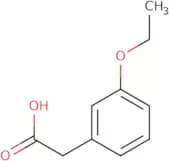
CAS:<p>3-Ethoxyphenylacetic acid is a reagent and building block that can be used in the synthesis of pharmaceuticals and agrochemicals. This compound is also a versatile building block that can be used to synthesize a variety of other compounds, including amino acids, peptides, and drugs. 3-Ethoxyphenylacetic acid is soluble in water, alcohols, ethers, acetone, chloroform, benzene, and carbon tetrachloride. It has an mp at 115°C. The CAS number for this compound is 72775-83-8.</p>Formula:C10H12O3Purity:Min. 95%Color and Shape:PowderMolecular weight:180.2 g/mol7-Amino-4-methyl-3-coumarinacetic acid N-succinimidyl ester
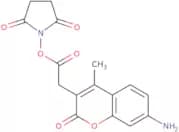
CAS:<p>7-Amino-4-methyl-3-coumarinacetic acid N-succinimidyl ester is a synthetic amino acid with a reactive carboxylic acid group. It is used as a crosslinker in biochemistry and has been shown to have biological properties in plants. 7-Amino-4-methyl-3-coumarinacetic acid N-succinimidyl ester reacts with the acidic groups of proteins, DNA, or RNA, and is an important component of some second order rate constants. This chemical is also used for the neutralization of histological stains such as haematoxylin.</p>Formula:C16H14N2O6Purity:Min. 90 Area-%Color and Shape:PowderMolecular weight:330.29 g/mol2,6-Dichlorocinnamic acid
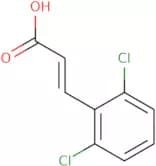
CAS:<p>2,6-Dichlorocinnamic acid is an organic compound that is used as a reagent in the synthesis of other chemicals. 2,6-Dichlorocinnamic acid has been used as a component in the synthesis of various kinds of fine chemicals and useful building blocks. This chemical is also used as a speciality chemical and research chemical. 2,6-Dichlorocinnamic acid can be used as a versatile building block for the preparation of various compounds. It can be synthesized by heating cinnamic acid with chlorine gas and then reacting it with sodium hydroxide.</p>Formula:C9H6Cl2O2Purity:Min. 95%Color and Shape:PowderMolecular weight:217.05 g/mol(R)-3-Hydroxybutyric acid sodium
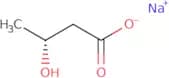
CAS:<p>Chiral intermediate in the biosynthesis and metabolism of fatty acids</p>Formula:C4H8O3•NaColor and Shape:PowderMolecular weight:127.09 g/molL-4,5,6,7-Tetrahydro-1H-imidazo[4,5-c]pyridine-6-carboxylic acid
CAS:<p>L-4,5,6,7-Tetrahydro-1H-imidazo[4,5-c]pyridine-6-carboxylic acid is a protonated form of a neurotransmitter. It is used to treat cervical cancer and has been shown to inhibit the replication of viruses such as Epstein Barr virus. L-4,5,6,7-Tetrahydro-1H-imidazo[4,5-c]pyridine-6-carboxylic acid also has been shown to have antihypertensive activity in animals. The chemical interactions of this compound are not well studied and it is unknown if dietary concentrations affect its toxicity. L-4,5,6,7 tetrahydro -1H imidazo[4,5 c] pyridine 6 carboxylic acid has been shown to be toxic in animal studies with high doses leading to death. This</p>Formula:C7H9N3O2Purity:Min. 95%Color and Shape:PowderMolecular weight:167.17 g/molSumaresinolic acid
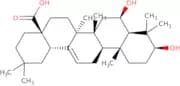
CAS:Controlled Product<p>Sumaresinolic acid is a naturally occurring triterpenoid compound, which is typically isolated from certain plant species, such as those belonging to the Sumac (Rhus) family. This compound is characterized by its complex molecular structure that endows it with various biochemical activities. Sumaresinolic acid acts primarily through anti-inflammatory and antioxidant pathways, influencing cellular signaling and modulating enzymatic activity related to inflammation and oxidative stress.</p>Formula:C30H48O4Purity:Min. 95 Area-%Color and Shape:PowderMolecular weight:472.7 g/mol1-Phenazinecarboxylic acid
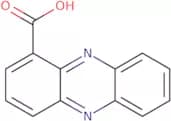
CAS:<p>1-Phenazinecarboxylic acid (PCA) is a cyclic lipopeptide which has shown to have anti-fungal properties in vitro. It inhibits the synthesis of ergosterol, a major component of fungal cell membranes, by inhibiting the enzyme lanosterol 14α-demethylase. PCA was found to inhibit the growth of Candida albicans and Saccharomyces cerevisiae cells in vitro and showed no toxicity to mammalian cells. The optimal concentration for PCA is 1μM and it can be used as an antifungal agent. This chemical can be used as a model system for studying mitochondrial membrane potential. Preparative high performance liquid chromatography (HPLC) methods have been developed for the separation of PCA from other compounds that may interfere with its activity. Wild-type strains were used in this study, but it is not clear if these strains are resistant to PCA or not.</p>Formula:C13H8N2O2Purity:Area-% Min. 95 Area-%Color and Shape:Yellow PowderMolecular weight:224.21 g/mol5-Bromonicotinic acid
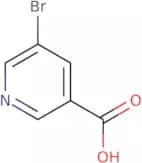
CAS:<p>5-Bromonicotinic acid is a chemical compound that is used in the synthesis of many other compounds. It is a white, crystalline solid that is soluble in water. 5-Bromonicotinic acid has been shown to have antioxidant properties and has been found to have therapeutic effects against degenerative diseases such as Alzheimer's disease. 5-Bromonicotinic acid has been used for the synthesis of carboxylic acids and amides, which are widely used in pharmaceuticals. The Suzuki coupling reaction was developed using 5-bromonicotinic acid as a key intermediate. This chemical compound also reacts with hydrogen peroxide to form reactive intermediates that can initiate chain reactions, which are useful in organic synthesis. <br>The structural analysis of this compound reveals an n-oxide group and two methoxy groups on the ring structure. Magnetic resonance spectroscopy data revealed the presence of a carboxylate group as well as hydrogen bonding interactions with daunorub</p>Formula:C6H4BrNO2Purity:Min. 95%Color and Shape:PowderMolecular weight:202.01 g/mol4-Methyl-thiazole-5-carboxylic acid
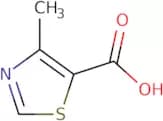
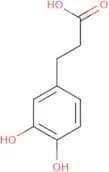
CAS:<p>4-Methyl-thiazole-5-carboxylic acid is a protein inhibitor that has been investigated for its cytotoxic and antimicrobial properties. It is an effective inhibitor of protein synthesis in cancer cells with the ability to induce apoptosis, which could make it an anticancer agent. 4-Methyl-thiazole-5-carboxylic acid has been shown to inhibit the production of chloride ions in bacterial cells, which may be due to its formyl group. It can also be used as an antibacterial agent, although at higher concentrations. The molecular docking analysis of 4-methyl-thiazole-5-carboxylic acid has shown interactions with MDA MB 231 cell proteins that are modified by amide and acid catalysts.</p>Formula:C5H5NO2SPurity:Min. 95%Color and Shape:PowderMolecular weight:143.16 g/mol3-(3,4-Dihydroxyphenyl)propionic acid
CAS:<p>3-(3,4-Dihydroxyphenyl)propionic acid (3,4-DHPA) is a chlorogenic acid that is found in the leaves of the coffee plant. It has been shown to have a synergic effect with benzalkonium chloride on postprandial blood glucose levels. 3,4-DHPA also has a hypoglycemic effect and can be used as a dietary supplement for people with diabetes. 3,4-DHPA was extracted from coffee leaves using solid phase microextraction and then analyzed by gas chromatography. The rate constant for the reaction was found to be 0.917 min-1 at 25 °C and pH 7.0. The biocompatible polymer poly(L-lactic acid) was used as the stationary phase in this experiment to improve the selectivity of separation.</p>Formula:C9H10O4Purity:Min. 95%Color and Shape:Off-White PowderMolecular weight:182.17 g/mol6α-Fluoroprednisolone acetate
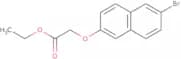
CAS:Controlled Product<p>6alpha-Fluoroprednisolone acetate is a corticosteroid that is used for the treatment of inflammatory diseases. It has a high therapeutic index and does not bind to mineralocorticoid receptors in the body. 6alpha-Fluoroprednisolone acetate is administered as an aerosol or a microsphere. It can be used in cell culture because it does not inhibit protein synthesis or cause morphological changes to cells. The drug has been shown to have a low cytotoxicity profile, which may be due to its ability to suppress pd-l1 and Mcl-1 proteins, which are associated with cancer metastasis. Clinical data suggests that 6alpha-fluoroprednisolone acetate has no adverse effects on the liver, kidney, or bone marrow.</p>Formula:C23H29FO6Purity:Min. 95%Molecular weight:420.47 g/molethyl 2-(6-bromo-2-naphthyloxy)acetate
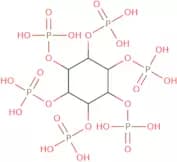
CAS:<p>Please enquire for more information about ethyl 2-(6-bromo-2-naphthyloxy)acetate including the price, delivery time and more detailed product information at the technical inquiry form on this page</p>Purity:Min. 95%Phytic acid, 50% aqueous solution
CAS:<p>Phytic acid is a naturally occurring compound that is found in plants. It can be found in grains such as wheat, corn, rice, and oats. Phytic acid has been shown to inhibit the absorption of calcium, magnesium, copper, iron, and zinc from the diet. This may be due to its ability to bind these minerals in the gastrointestinal tract. The binding of these minerals may also lead to an increase in bioavailability of phytates by preventing their absorption from the gut. Phytic acid has been shown to have a number of physiological effects on humans including inhibition of squamous carcinoma growth and autoimmune diseases. It also has been shown to have biological properties that include being an inhibitor for binding with other compounds such as sodium citrate and inositol.</p>Formula:C6H18O24P6Color and Shape:Colorless PowderMolecular weight:660.04 g/mol5-Hydroxyaloin a 6'-o-acetate
CAS:<p>5-Hydroxyaloin A 6'-O-acetate is a naturally occurring polysubstituted anthraquinone glycoside, which is derived primarily from Aloe species. It is synthesized through biosynthetic pathways in the Aloe vera plant, where anthraquinones are acetylated to enhance their biological activity. This compound is known for its potential bioactive properties, including anti-inflammatory and antioxidant activities, which are attributed to its ability to modulate various biochemical pathways.</p>Formula:C23H24O11Purity:Min. 95%Molecular weight:476.43 g/molPolyanetholesulfonic acid sodium salt
CAS:<p>Polyanetholesulfonic acid sodium salt or sodium polyanetholesulfonate (SPS) is the polymer of anetholesulfonic acid and is a mixture of regioisomers with respect of the position of the sulfonic acid group. Sodium polyanetholesulfonate was originally developed as an anticoagulant, however it also possesses anticomplement properties and lowers the bactericidal action of blood. Polyanetholesulfonic acid sodium salt is therefore useful as a diagnostic reagent to encourage the growth of pathogens within blood.</p>Formula:(C10H11NaO4S)nPurity:Min. 98%Color and Shape:Off-White Powder6-(Trifluoromethyl)pyridine-2-boronic acid
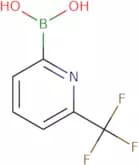
CAS:<p>6-(Trifluoromethyl)pyridine-2-boronic acid is a solid chemical that is soluble in organic solvents. It is a building block for the synthesis of more complex compounds, and also serves as an intermediate in the synthesis of pharmaceuticals. 6-(Trifluoromethyl)pyridine-2-boronic acid has been shown to be useful for the preparation of fine chemicals and has been widely used as a reagent in research.</p>Formula:C6H5BF3NO2Purity:Min. 95%Color and Shape:PowderMolecular weight:190.92 g/molBenzyl (3-hydroxypropyl)carbamate
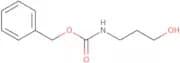
CAS:<p>Benzyl (3-hydroxypropyl)carbamate is a molecule that was synthesized as an acetylating agent. It is stable in the presence of strong acids and alkalis, and has a high amination reaction rate. This molecule is used to prepare synthons for the synthesis of biologically active compounds such as mannosylated benzyl carbamates. The ring-opening reaction mechanism of this molecule has been studied extensively in order to understand why its synthetic ability is superior to other molecules. Benzyl (3-hydroxypropyl)carbamate has enhanced the rate of reactions by more than 100 times when compared with other molecules.</p>Formula:C11H15NO3Purity:Min. 95%Color and Shape:PowderMolecular weight:209.24 g/mol(S)-Fmoc-2-amino-heptanedioic acid-7-tert-butyl ester
CAS:<p>Please enquire for more information about (S)-Fmoc-2-amino-heptanedioic acid-7-tert-butyl ester including the price, delivery time and more detailed product information at the technical inquiry form on this page</p>Formula:C26H31NO6Purity:Min. 95%Molecular weight:453.53 g/mol3,4-Dihydro-3-oxo-2H-(1,4)-benzothiazin-2-ylacetic acid
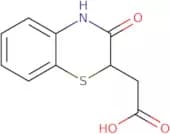
CAS:<p>3,4-Dihydro-3-oxo-2H-(1,4)-benzothiazin-2-ylacetic acid is a high quality chemical that can be used as a reagent, intermediate or building block. It is an important chemical for use in the production of fine chemicals and speciality chemicals. 3,4-Dihydro-3-oxo-2H-(1,4)-benzothiazin-2-ylacetic acid is also a versatile building block for the synthesis of many organic compounds. The compound has been shown to be useful as a reaction component in diverse chemical reactions such as Friedel Crafts acylation and alkylation reactions.</p>Formula:C10H9NO3SPurity:Min. 95%Color and Shape:PowderMolecular weight:223.25 g/mol4-Acetamido-2-methylbenzoic acid
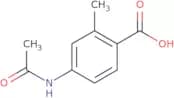
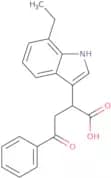
CAS:<p>4-Acetamido-2-methylbenzoic acid is a chemical that can be used as a building block in the production of other chemicals, such as pharmaceuticals and pesticides. It has been shown to be useful in research for its ability to serve as a reagent, intermediate, or scaffold for synthesizing more complex compounds. 4-Acetamido-2-methylbenzoic acid is also known by CAS No. 103204-69-9.</p>Formula:C10H11NO3Purity:Min. 95%Color and Shape:PowderMolecular weight:193.2 g/mol2-(7-Ethylindol-3-yl)-4-oxo-4-phenylbutanoic acid
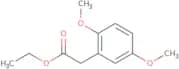
CAS:<p>Please enquire for more information about 2-(7-Ethylindol-3-yl)-4-oxo-4-phenylbutanoic acid including the price, delivery time and more detailed product information at the technical inquiry form on this page</p>Purity:Min. 95%Ethyl 2,5-dimethoxyphenylacetate
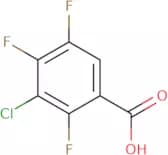
CAS:<p>Ethyl 2,5-dimethoxyphenylacetate is a chemical that has a wide range of uses in the synthesis of complex compounds. It can be used as an intermediate for the production of research chemicals or as a reaction component for speciality chemicals. The compound is also useful in the synthesis of fine chemicals and other useful scaffolds. It has been used as a building block to produce high-quality reagents.</p>Formula:C12H16O4Purity:Min. 95%Color and Shape:PowderMolecular weight:224.25 g/mol3-Chloro-2,4,5-trifluorobenzoic acid
CAS:<p>3-Chloro-2,4,5-trifluorobenzoic acid (3CTBA) is a synthetic fluoroquinolone antibiotic that has been shown to be active against gram-negative bacteria. 3CTBA inhibits the production of chloride ions in the cytoplasm of bacteria by inhibiting the enzyme chlorate reductase. 3CTBA is also effective against Mycobacterium tuberculosis and Mycobacterium avium complex. The safety profile of this drug is good, with few side effects in humans and no adverse reactions in animals. Many industrial processes have been established for the synthesis of 3CTBA, which results in a high reaction yield. This drug can be synthesized from inexpensive starting materials using a straightforward and efficient process.</p>Formula:C7H2ClF3O2Purity:Min. 95%Color and Shape:PowderMolecular weight:210.54 g/mol3-tert-Butyl-6-methylsalicylic acid
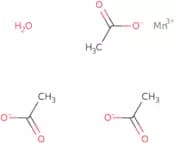
CAS:<p>3-tert-Butyl-6-methylsalicylic acid is a versatile building block that is used in the synthesis of complex compounds. It reacts with amines to form salicylanilides and is also used as a reagent for the synthesis of acetylenes. 3-tert-Butyl-6-methylsalicylic acid can be used as a starting material for the production of pharmaceuticals, pesticides, and dyes. This compound has been shown to be an effective intermediate in the synthesis of new drugs, such as antimalarial agents and analgesics. The high quality of this chemical makes it a useful scaffold for organic synthesis.</p>Formula:C12H16O3Purity:Min. 95%Color and Shape:PowderMolecular weight:208.25 g/molManganese(III) acetate hydrate
CAS:<p>Manganese(III) acetate hydrate is a compound that is used as an oxidant in organic synthesis. It can be prepared by the reaction of manganese dioxide with acetic acid, followed by drying and crystallization. The product is a white powder that dissolves in water or alcohol. Manganese(III) acetate hydrate is soluble in organic solvents such as benzene and chloroform. Preparative methods include the use of aqueous potassium permanganate for oxidation reactions or hydrolysis for solvent extraction. Manganese (III) acetate hydrate is also used as a reagent for carboxylic acids, dihydrate, and alkenes.</p>Formula:C6H9MnO6·xH2OColor and Shape:PowderMolecular weight:232.07 g/mol2,4,5-Trichlorophenoxyacetic acid
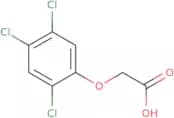
CAS:Controlled Product<p>2,4,5-Trichlorophenoxyacetic acid (2,4,5-T) is a herbicide that inhibits the growth of plants by inhibiting photosynthesis. It can be found in the environment as a contaminant of manufactured items such as vinyl chloride and polyurethane. 2,4,5-T is also used to produce dioxin and polychlorinated biphenyls (PCBs). The mechanism of toxicity involves inhibition of the activity of an enzyme called acetolactate synthase (ALS), which is responsible for synthesizing an important amino acid called L-alanine. ALS inhibitors are toxic to animals because they inhibit the formation of L-alanine and disrupt cellular energy production. In CD-1 mice, 2,4,5-T has been shown to have an inhibitory dose at 1 mg/kg body weight with long-term toxicity at doses up to 5 mg/kg body weight. 2,4,5</p>Formula:Cl3C6H2OCH2CO2HPurity:Min. 95%Color and Shape:PowderMolecular weight:255.48 g/molCrotonic acid
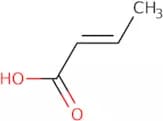
CAS:<p>Crotonic acid is a fatty acid that is a potential inhibitor of glycol ethers. It has been demonstrated to inhibit the formation of infectious diseases by binding to the agonist binding site on the surface of bacteria. Crotonic acid also binds to water molecules and forms crotonic acid hydroxide, which may be responsible for its inhibitory properties. The hydrolysis of crotonic acid can be achieved through a reaction mechanism involving water and an electrochemical process in which methyl ethyl groups are oxidized and form methyl ethyl radicals. These radicals react with hydrogen atoms from water, forming methoxy radicals that react with two hydroxyl groups, which results in the cleavage of the C-O bonds in crotonic acid to form acetic acid and methanol. Crotonic acid has also been shown to have detergent properties when used as a solid catalyst for organic reactions or as an additive in detergent compositions.</p>Formula:C4H6O2Purity:Min. 95%Color and Shape:PowderMolecular weight:86.09 g/mol8-Hydroxyquinoline-2-carboxylic acid
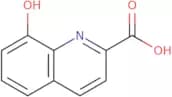
CAS:<p>8-Hydroxyquinoline-2-carboxylic acid is a 3-hydroxyanthranilic acid derivative that is often used as a biomarker of urine. The 8OHQA can be synthesized from 3-hydroxyanthranilic acid by the action of xanthine oxidase and hydrogen peroxide, and it has been shown to be an inhibitor of protein synthesis. This inhibition may be due to its ability to form hydrogen bonds with the hydroxyl group on the ribose side chain and its ability to coordinate with metals. 8OHQA has been shown to have anti-inflammatory effects in bladder cancer cells, which may be due to its ability to inhibit prostaglandin synthesis.</p>Formula:C10H7NO3Purity:Min. 95%Color and Shape:PowderMolecular weight:189.17 g/mol1,3-Thiazole-4-carboxylic acid
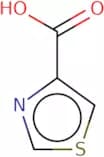
CAS:<p>1,3-Thiazole-4-carboxylic acid is a chemical compound that has many applications in the research field. It is a reactant in organic chemistry and can be used as a building block for complex compounds. 1,3-Thiazole-4-carboxylic acid also serves as an intermediate for the production of pharmaceuticals and fine chemicals. This chemical is not listed on the Chemical Abstract Service (CAS) registry, but it is available for purchase from Chemical Solutions at low cost.</p>Formula:C4H3NO2SPurity:Min. 95%Color and Shape:PowderMolecular weight:129.14 g/molTetrahydrocortisone-3α,21-diacetate
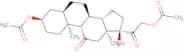
CAS:Controlled Product<p>Tetrahydrocortisone-3alpha,21-diacetate is a reaction component that is useful for the synthesis of a variety of compounds. Tetrahydrocortisone-3alpha,21-diacetate reacts with various reagents to form complex compounds. It has been used as a building block in the synthesis of more complex chemical compounds and is also a versatile intermediate in organic synthesis. Tetrahydrocortisone-3alpha,21-diacetate is an excellent research chemical due to its high quality and versatility.<br>Tetrahydrocortisone-3alpha,21-diacetate is a fine chemical that can be used as an intermediate or building block in the production of many different compounds. This compound may be synthesized using the following reaction:</p>Formula:C25H36O7Purity:Min. 95%Molecular weight:448.55 g/molUlifloxacin
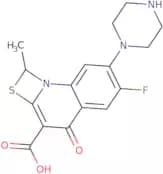
CAS:<p>Extensive research has been conducted on the antimicrobial activity of 6-fluoro-1-methyl-4-oxo-7-(1-piperazinyl)-4H-(1,3)thiazeto(3,2a)quinoline-3-carboxylic acid (FPMT). FPMT is a levorotatory compound that is rapidly metabolized by esterases to 6FMT, which is also active against bacteria. FPMT inhibits bacterial growth, but does not inhibit mammalian cell growth. The main mechanism of action for FPMT is probably through its ability to inhibit the synthesis of bacterial DNA and RNA. This drug has been shown to be effective against sinusitis caused by bacterial rhinosinusitis and urinary tract infections caused by Escherichia coli and Pseudomonas aeruginosa. FPMT can be used as an alternative to prulifloxacin for the treatment of these types of infections</p>Formula:C16H16FN3O3SPurity:Min. 98 Area-%Molecular weight:349.38 g/molLinaclotide acetate
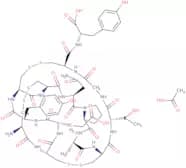
CAS:Controlled Product<p>Linaclotide acetate is a medication used for the treatment of chronic constipation and irritable bowel syndrome with constipation. It belongs to the class of drugs called guanylate cyclase C agonists, which are compounds that stimulate guanylate cyclase in cells and increase the levels of intracellular messenger cyclic guanosine monophosphate (cGMP). Linaclotide is a selective agonist for guanylate cyclase-C receptors on intestinal smooth muscle cells. It also has been shown to have an effect on mitochondrial membrane potential, as well as improve mitochondrial function. This drug has also been shown to be effective against long-term efficacy and pharmacological treatment in patients with bowel diseases.</p>Formula:C59H79N15O21S6•C2H4O2Purity:Min. 95%Color and Shape:PowderMolecular weight:1,586.8 g/mol2-Oxocyclopentaneacetic acid
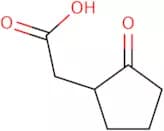
CAS:<p>2-Oxocyclopentaneacetic acid is an active natural product that has been isolated from marine sponges of the family Meliaceae. It has been shown to have anti-secretory effects on organisms and to be a competitive inhibitor of the enzyme histamine N-methyltransferase. The molecule can be synthesized in an asymmetric synthesis by reacting piperidine with chloral hydrate, giving rise to two different optical isomers. 2-Oxocyclopentaneacetic acid inhibits prostaglandin synthesis, which may account for its antisecretory properties.</p>Formula:C7H10O3Purity:Min. 96.5 Area-%Color and Shape:PowderMolecular weight:142.15 g/molDihydroallocortisone acetate
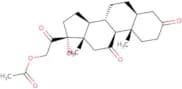
CAS:Controlled Product<p>Dihydroallocortisone acetate is a reaction component that is used as a reagent in organic synthesis. It can be used as a building block for the synthesis of corticosteroids. This chemical has been shown to have high quality and is useful as a research chemical or speciality chemical. Dihydroallocortisone acetate is also a versatile building block, which can be used as an intermediate or building block in complex compounds. This chemical also has CAS number 3751-02-8.</p>Formula:C23H32O6Purity:Min. 95%Color and Shape:White Clear LiquidMolecular weight:404.5 g/mol4-Bromo-3,5-dihydroxybenzoic acid
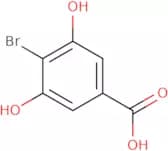
CAS:<p>4-Bromo-3,5-dihydroxybenzoic acid (4BDHB) is a cyclopentyl hydroxyl group that is found in the brain. It is a metabolite of 4-hydroxybiphenyl and has been shown to bind to the CB2 receptor. 4BDHB has been shown to have antiinflammatory effects by inhibiting microglia activation. The structural analysis of this compound shows that it has functionalities such as hydrogen bond donor, hydrogen bond acceptor, and amide. 4BDHB also has a biphenyl backbone with two diazonium salt moieties on either side. This molecule can be synthesized using an intramolecular hydrogen shift reaction between phenol and nitrosobenzene.</p>Formula:C7H5BrO4Purity:Min. 98.0%Color and Shape:PowderMolecular weight:233.02 g/mol3-Bromo-4-methoxycinnamic acid
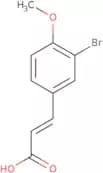
CAS:<p>3-Bromo-4-methoxycinnamic acid is an organic compound that is used as a reagent, a useful scaffold, and a useful intermediate. It has been shown to be an excellent building block for the synthesis of complex compounds. 3-Bromo-4-methoxycinnamic acid can be used in the production of fine chemicals.</p>Formula:C10H9BrO3Purity:Min. 95%Color and Shape:PowderMolecular weight:257.08 g/molPleuromulin
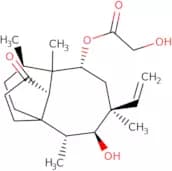
CAS:<p>The compound 5-hydroxy-4,6,9,10-tetramethyl-1-oxo-6-vinyldecahydro-3a,9-propanocyclopenta[8]annulen-8-yl hydroxyacetate is an antimicrobial agent that inhibits bacterial growth by binding to the disulfide bond of bacterial peptidoglycan. It is effective against a wide range of microorganisms including MRSA and methicillin resistant Enterococcus faecalis. The compound has shown efficacy in an animal model of chronic bronchitis caused by Streptococcus pneumoniae. The compound has a short half life and can be administered orally or intravenously with a pharmacokinetic profile that depends on the dose. This drug also has high resistance to β lactamase enzymes, which are found in some bacteria such as E. coli.</p>Formula:C22H34O5Purity:Min. 95%Color and Shape:White PowderMolecular weight:378.5 g/molHydroxycitric acid tripotassium monohydrate
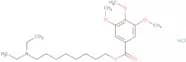
CAS:<p>Hydroxycitric acid tripotassium salt monohydrate is a reagent that is used as a starting material in organic synthesis. It can be used as an intermediate in the preparation of complex compounds. Hydroxycitric acid tripotassium salt monohydrate has been shown to be useful for research purposes, as it has a versatile scaffold and can be used as a building block in the preparation of speciality chemicals. The compound also has a high quality and is considered to be a fine chemical. It is CAS No. 232281-44-6 and can be found on ChemSpider at <a href="http://www.chemspider.com/Chemical-Structure.232281-44-6.html" target="_blank" rel="noreferrer noopener">http://www.chemspider.com/Chemical-Structure.232281-44-6.html</a></p>Formula:C6H5K3O8•H2OPurity:Min. 95%Color and Shape:PowderMolecular weight:340.41 g/mol3,4,5-Trimethoxybenzoic acid 8-(diethylamino)octyl ester, hydrochloride
CAS:<p>3,4,5-Trimethoxybenzoic acid 8-(diethylamino)octyl ester, hydrochloride is a chemical substance that binds to the intracellular calcium ion channels and causes an excitatory effect. It has been shown to cause cell lysis in wheat germ and influenza virus. 3,4,5-Trimethoxybenzoic acid 8-(diethylamino)octyl ester, hydrochloride also inhibits the production of TNF-α by activated tubule cells.</p>Formula:C22H38ClNO5Purity:Min. 95%Color and Shape:PowderMolecular weight:431.99 g/mol2-[4-(4-Chloro-a-phenylbenzyl)-1-piperazinyl]-ethoxyacetic acid hydrochloride
CAS:<p>2-[4-(4-Chloro-a-phenylbenzyl)-1-piperazinyl]-ethoxyacetic acid hydrochloride is a chemical compound that has been used to investigate the possible neuroprotective effects of cetirizine, an antihistamine. This drug was developed as a prodrug of cetirizine, which is converted in vivo to its active form. The main mechanism of action for this drug is inhibition of histamine release from mast cells and basophils by blocking H1 receptors. 2-[4-(4-Chloro-a-phenylbenzyl)-1-piperazinyl]-ethoxyacetic acid hydrochloride has also been shown to have beneficial effects on allergic symptoms and bowel disease in experimental models and clinical properties.</p>Formula:C21H25ClN2O3·HClPurity:Min. 95%Color and Shape:PowderMolecular weight:425.35 g/mol7-Methyl-2-(trifluoromethyl)[1,2,4]triazolo[1,5-a]pyrimidine-6-carboxylic acid
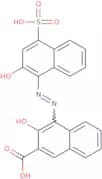
CAS:<p>7-Methyl-2-(trifluoromethyl)[1,2,4]triazolo[1,5-a]pyrimidine-6-carboxylic acid is a versatile building block that is useful in the synthesis of complex compounds. It is also a reagent for research and as a speciality chemical. It has been used in the synthesis of many important drugs such as methotrexate and trimethoprim. 7-Methyl-2-(trifluoromethyl)[1,2,4]triazolo[1,5-a]pyrimidine-6-carboxylic acid can also be used as an intermediate for the synthesis of other compounds and scaffolds.</p>Formula:C8H5F3N4O2Purity:Min. 95%Color and Shape:PowderMolecular weight:246.15 g/molCalconcarboxylic acid
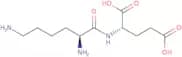
CAS:<p>Calconcarboxylic acid is a chemical compound that is used in wastewater treatment. It is a derivative of the carboxylic acid family and has the general formula CH3CO2H. Calconcarboxylic acid can be synthesized by reacting anhydrous sodium carbonate with fatty acids or ethylene diamine. The reaction yields a white solid that can be purified by filtration, recrystallization, or chromatography. This chemical compound has been shown to have potent antagonistic effects against psychotic disorders, such as schizophrenia. Calconcarboxylic acid works by blocking the binding of dopamine receptors at synapses in the brain, which reduces neurotransmission and prevents psychotic episodes from occurring.</p>Formula:C21H14N2O7SColor and Shape:Purple PowderMolecular weight:438.41 g/molN-L-Lysyl-L-glutamic acid
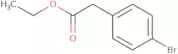
CAS:<p>Lysyl-glutamic acid is a potent antagonist that blocks the activity of growth factor-β1, which is vital for the growth of gland cells. Lysyl-glutamic acid has also been shown to inhibit epidermal growth factor and activate tissue culture cells. This drug has also been shown to be carcinogenic in humans and animals, but not in vitro. It is metabolized by hydrolysis to lysine and glutamic acid. The chemical structures of lysyl-glutamic acid are very similar to those of the amino acids lysine and glutamic acid.</p>Formula:C11H21N3O5Purity:Min. 95 Area-%Color and Shape:PowderMolecular weight:275.3 g/mol4-Bromophenylacetic acid ethyl ester
CAS:<p>4-Bromophenylacetic acid ethyl ester is a synthetic compound that binds to the cytochrome P450 enzyme and inhibits its activity. This inhibition prevents the production of estrogen, which may be useful in the treatment of breast cancer. 4-Bromophenylacetic acid ethyl ester has also been shown to inhibit aromatase, an enzyme that catalyzes the conversion of androgens into estrogens. Inhibition of this enzyme by 4-bromophenylacetic acid ethyl ester may be useful in the treatment of prostate cancer. The chemical has also been shown to inhibit glycoprotein synthesis in herpes simplex virus and human plasma proteins involved in drug metabolism. This inhibition may be useful for treating patients with HIV.</p>Formula:C10H11BrO2Purity:Min. 95%Color and Shape:PowderMolecular weight:243.1 g/molAcetohydroxamic acid
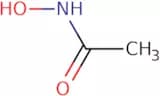
CAS:<p>Acetohydroxamic acid is a biocompatible polymer with a coordination geometry that allows it to bind to the active form of antibiotics. This compound has been shown to have significant cytotoxicity in vitro and in vivo, as well as antimicrobial activity against antibiotic-resistant strains. Acetohydroxamic acid binds to the acetohydroxamate form of an antibiotic, preventing it from binding to the target molecule (e.g., ribosome) and inhibiting its activity. Acetohydroxamic acid also chelates metal ions that are found in many antibiotics and can be used in conjunction with other ligands such as EDTA to inhibit their activity.</p>Formula:C2H5NO2Purity:(Q-Nmr) Min. 75%Color and Shape:White Yellow PowderMolecular weight:75.07 g/mol3-Chloro-4-toluic acid
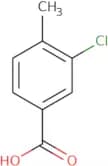
CAS:<p>3-Chloro-4-toluic acid is a quinone, which is derived from 3,4-dichlorotoluene. It has been shown to bind to nuclear receptors and act as a retinoic acid linker. This compound is also used in the synthesis of organic compounds by desorption in an acidic environment, followed by methyl esterification with an alcohol. 3-Chloro-4-toluic acid can be converted into zirconium chloride or hydrotalcite through chlorination or hydrochlorination. The resulting product can be used for dispersive solid-phase extraction methods.</p>Formula:C8H7ClO2Purity:Min. 95%Color and Shape:PowderMolecular weight:170.59 g/molPhthalic acid
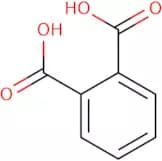
CAS:<p>Phthalic acid is a chemical compound that is used in wastewater treatment. It is also used as an intermediate for the production of other chemicals. Phthalic acid has been shown to inhibit the activity of the ryanodine receptor, which is a protein found on the surface of muscle cells that regulates calcium uptake and release. This inhibition leads to an increase in free intracellular calcium levels, which can cause toxicity by disrupting cellular function and leading to cell death. The effects of phthalate on mitochondrial membrane potential are also being studied. Phthalic acid has been shown to cause acute toxicities in wild-type strains, but not mutant strains of yeast. The analytical method for phthalate includes gas chromatography with mass spectrometry detection (GC-MS). Toxicity studies have been conducted using various methods, including acute toxicity studies, subchronic toxicity studies, and chronic toxicity studies.</p>Formula:C8H6O4Purity:Min. 98 Area-%Color and Shape:White PowderMolecular weight:166.13 g/molIndole-7-carboxylic acid
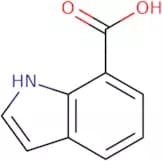
CAS:<p>Indole-7-carboxylic acid is a tetrahydropyridine that can be prepared by formylation of indole-7-carboxylic acid with formaldehyde and hydroxylamine. It is also the reaction product of dimethoxybenzene and cyanoindole in the presence of a base. Indole-7-carboxylic acid has been used in the synthesis of several drugs, including metronidazole and nitrofurantoin.</p>Formula:C9H7NO2Purity:Min. 95%Molecular weight:161.16 g/molBiotin-PEG4-propionic acid
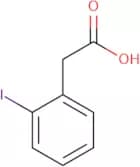
CAS:<p>Biotin-PEG4-propionic acid is a PEG compound with two different functional groups (also known as heterobifunctional). Unlike homobifunctional PEG compounds (same functional group on both ends), this type of compounds are more versatile as have two different anchor points. Biotin-PEG4-propionic acid is used as a linker and spacer to add a PEG moiety, via pegylation (a bioconjugation technique) to proteins, peptides, oligonucleotides, small molecules and nanoparticles.</p>Formula:C21H37N3O8SPurity:Min. 95%Color and Shape:PowderMolecular weight:491.6 g/mol2-Iodophenylacetic acid
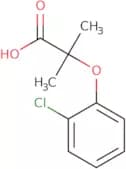
CAS:<p>2-Iodophenylacetic acid is an amide that is synthesized from benzyl esters and 2-iodophenol. It has a potent chemokine activity and has been shown to be a human pathogen that causes low-energy pneumonia. 2-Iodophenylacetic acid is used as a solvent for organic reactions, such as synthesis of biomolecules. It can also be used as a carbon disulfide extractant in the purification of serine proteases from bacteria. This compound can act as a nucleophile, attacking chloride ions with different types of halides to produce methyl esters. It also reacts with sodium sulfide to form hypervalent iodine compounds, which are useful in organic synthesis.</p>Formula:C8H7IO2Purity:Min. 95%Color and Shape:PowderMolecular weight:262.04 g/mol2-(2-Chlorophenoxy)-2-methylpropanoic acid
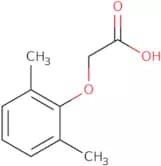
CAS:<p>2-(2-Chlorophenoxy)-2-methylpropanoic acid is a plant hormone that is involved in the mediation of plant responses to various biotic and abiotic stressors. It is synthesized from salicylic acid by the enzyme phenylalanine ammonia-lyase and its structure resembles that of hydrogen peroxide. Its linear growth-promoting activity is mediated by the formation of 2,4-dichlorophenoxyacetic acid, which activates the production of hydrogen peroxide and induces cell expansion. The biosynthesis of this compound has been shown in plants through studies on excised tissues.</p>Formula:C10H11ClO3Purity:Min. 95%Color and Shape:PowderMolecular weight:214.65 g/mol(2,6-Dimethylphenoxy)acetic acid
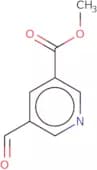
CAS:<p>2,6-Dimethylphenoxy)acetic acid is a potent inhibitor of the reverse transcriptase enzyme. This drug has been shown to inhibit the replication of influenza virus and hepatitis C virus in animal models. It also inhibits the synthesis of DNA from RNA by binding to the nucleotide substrate as well as to the polymerase enzyme. 2,6-Dimethylphenoxy)acetic acid has been shown to be effective against viruses in humans but not in animals because it is rapidly metabolized by anions such as chloride ions. This drug is also active against other viruses such as human herpesvirus type 1 (HSV-1). The linker group is important for its activity. 2,6-Dimethylphenoxy)acetic acid can be used with valacyclovir or acyclovir for treatment of herpesviruses and influenza virus infections in humans.</p>Formula:C10H12O3Purity:Min. 95%Color and Shape:PowderMolecular weight:180.2 g/mol5-Formyl nicotinic acid methyl ester
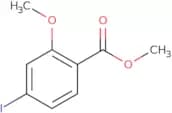
CAS:<p>5-Formyl nicotinic acid methyl ester (5-FNA) is a derivative of nicotinic acid that is used in research to measure the level of nicotine in urine. The affinity of 5-FNA for nicotine is much stronger than the affinity of acetone. 5-FNA is detectable in urine samples from humans and animals, and it can be used to study the health effects of tobacco use. It has also been used for toxicology research on animals and detection methods for tobacco use among humans. 5-FNA binds to nicotine receptors on cells and antibodies are produced against these receptors. The antibodies can be detected by an immunosorbant assay or radioimmunoassay, which are two techniques that are often used in 5-FNA studies.</p>Formula:C8H7NO3Purity:(%) Min. 98%Color and Shape:PowderMolecular weight:165.15 g/mol4-Iodo-2-methoxybenzoic acid methyl ester
CAS:<p>4-Iodo-2-methoxybenzoic acid methyl ester is a high quality chemical that can be used as a versatile building block in chemical synthesis. It is a complex compound that has been shown to be an effective reagent for research, which can be used in the synthesis of new complex compounds. 4-Iodo-2-methoxybenzoic acid methyl ester is also useful as an intermediate or reaction component in organic syntheses. This chemical is available for purchase at a CAS number of 148490-97-5.</p>Formula:C9H9IO3Purity:Min. 95%Color and Shape:PowderMolecular weight:292.07 g/molStearic acid
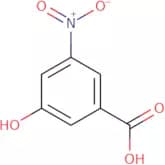
CAS:<p>Stearic acid is a molecule that is found in small quantities in animal and vegetable fats. It is used to create soaps, candles, and cosmetics. Stearic acid can be synthesized from stearate by heating it with anhydrous sodium carbonate. The reaction mechanism involves the formation of water vapor, which reacts with the sodium carbonate to produce sodium hydroxide, carbon dioxide, and hydrogen gas. The hydrogen gas then combines with the stearic acid to form stearyl alcohol. This process creates a particle that can be used as a catalyst for chemical reactions such as those found in bone cancer or fetal bovine growth. Stearic acid binds calcium ions and has been shown to have potential use as a drug treatment for osteoporosis.</p>Formula:C18H36O2Purity:Min. 95%Color and Shape:PowderMolecular weight:284.48 g/mol3-Hydroxy-5-nitrobenzoic acid
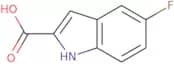
CAS:<p>3-Hydroxy-5-nitrobenzoic acid is a reactive mesomorphic compound. It is often used as an analytical reagent and has been shown to be useful in spectrometric analysis of amino acid sequences. 3-Hydroxy-5-nitrobenzoic acid can be quantified by gas chromatography and mass spectrometry to determine its chemical composition. 3-Hydroxybenzoic acid and 2,5-dihydroxybenzoic acid are the two main products that are formed when this compound reacts with hydroxyl radical under certain conditions.</p>Formula:C7H5NO5Purity:Min. 98%Color and Shape:PowderMolecular weight:183.12 g/mol5-Fluoroindole-2-carboxylic acid
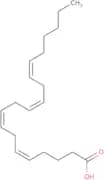
CAS:<p>5-Fluoroindole-2-carboxylic acid is a new substance that has been found to be an inhibitor of the influenza virus. It prevents the virus from replicating by inhibiting the synthesis of viral proteins and nucleic acids. 5-Fluoroindole-2-carboxylic acid can be prepared by dispersive solid phase extraction of a mixture of fluoroindole, fumaric acid, and potassium hydroxide in water. The compound has also been shown to potentiate the effects of carbamazepine on caspases and enhance mass spectrometric analysis for gaseous hydrochloric acid. 5-Fluoroindole-2-carboxylic acid produces antinociceptive effects in animals.</p>Formula:C9H6FNO2Color and Shape:PowderMolecular weight:179.15 g/molArachidonic acid - 40%
CAS:<p>Arachidonic acid is a fatty acid that is found in the cell membrane of human polymorphonuclear leukocytes and also plays a role in the inflammatory response. Arachidonic acid can be converted to prostaglandins, which are involved in many physiological processes such as blood pressure regulation, pain transmission, and inflammation. The production of these compounds is inhibited by nonsteroidal anti-inflammatory drugs (NSAIDs). NSAIDs work by blocking the enzyme cyclooxygenase, which converts arachidonic acid to prostaglandin H2. Prostaglandin H2 causes inflammation and pain by stimulating the release of histamine from mast cells and thereby increasing vascular permeability. NSAIDs may also have anti-inflammatory properties by inhibiting other enzymes such as lipoxygenase or cyclooxygenase 2. br>br> Arachidonic acid has been shown to have an effect on bowel disease activity in humans with ulcerative col</p>Formula:C20H32O2Color and Shape:Clear LiquidMolecular weight:304.47 g/mol2-Bromo-4-chlorobenzoic acid methyl ester
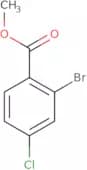
CAS:<p>2-Bromo-4-chlorobenzoic acid methyl ester is a versatile chemical that can be used as a building block in the synthesis of many complex chemical compounds. It is also a useful reagent, and can be used to synthesize speciality chemicals. 2-Bromo-4-chlorobenzoic acid methyl ester has a high quality that makes it useful for research purposes. It is also an important intermediate in the synthesis of other compounds and has been found to be an effective scaffold for drug discovery. This compound is also commercially available under CAS No. 57381-62-1.</p>Formula:C8H6BrClO2Purity:Min. 95%Color and Shape:Clear LiquidMolecular weight:249.49 g/molPigment Red 38;Diethyl 4,4'-[(3,3'-dichlOrO[1,1'-biphenyl]-4,4'-diyl)bis(azO)]bis[4,5-dihydrO-5-OxO-1-phenyl-1H-pyrazOle-3-carbOxyla te]
CAS:<p>Pigment Red 38 is a red dye that is used in the production of magnetic particles, cross-linking agents, and fluorescent dyes. Pigment Red 38 has a hydroxyl group at the 4 position and a methyl ethyl group at the 2 position. It can be synthesized from diethyl 4,4'-(3,3'-dichlorobiphenyl)-4,4'-diylbisazolate. Pigment Red 38 is thermoreversible because it can be converted to its anhydrous form when heated or dissolved in water and then reconverted back to its original form when cooled or dried. The pigment was named for its ability to produce light emission when exposed to ultraviolet radiation. Pigment Red 38 has a diameter of 6 nm and reacts with coordination complexes to form particle clusters with diameters ranging from 10-200 nm.</p>Purity:Min. 95%2,5-Dihydroxyterephthalic acid
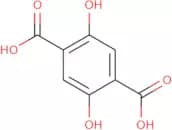
CAS:<p>2,5-Dihydroxyterephthalic acid is a compound that belongs to the class of aromatic dicarboxylic acids. It can be synthesized from protocatechuic acid by the action of hydrochloric acid. This reaction proceeds via two steps, the first being the cleavage of the ester bond and second being the decarboxylation of the resulting carboxylic acid. 2,5-Dihydroxyterephthalic acid has been shown to have high transport properties and hydrogen bonding interactions that may aid in its adsorption into cells. The intramolecular hydrogen bond between C2 and C6 on one molecule and C3 and C8 on another molecule stabilizes these interactions. 2,5-Dihydroxyterephthalic acid also has been shown to react with hydroxide ions in solution, which activates its carboxylic group for further reactions with other molecules.</p>Formula:C8H6O6Purity:Min. 95%Color and Shape:Yellow PowderMolecular weight:198.13 g/mol3-Bromocinnamic acid ethyl ester
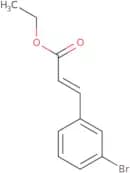
CAS:<p>3-Bromocinnamic acid ethyl ester is a chemical that is useful as a building block for the synthesis of more complex compounds. It is an intermediate in the synthesis of organic compounds and can be used as a reaction component. 3-Bromocinnamic acid ethyl ester has CAS No. 24398-80-9 and is a reagent that can be used to synthesize other chemicals. 3-Bromocinnamic acid ethyl ester is also useful as a scaffold in the development of new drugs, because it has an amide bond, which may lead to new types of drug molecules with different properties.</p>Formula:C11H11BrO2Purity:Min. 95%Molecular weight:255.11 g/mol4-(2-Thienyl)butyric acid
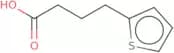
CAS:<p>4-(2-Thienyl)butyric acid (TBAB) is a versatile building block that can be used in the synthesis of a wide range of compounds. It has been used as an intermediate in the synthesis of various research chemicals, including 4-(2-thienyl)butanoic acid, 4-(2-thienyl)butyrate, and 4-(2-thienyl)butyryl chloride. TBAB is also useful as a reagent for complex compounds and as a speciality chemical. The CAS number for TBAB is 4653-11-6.</p>Formula:C8H10O2SPurity:Min. 95%Color and Shape:Clear LiquidMolecular weight:170.23 g/mol3-Hydroxy-4-methylbenzoic acid
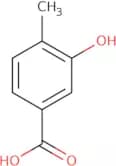
CAS:<p>3-Hydroxy-4-methylbenzoic acid is a cardiotonic glycoside that has been used in the treatment of cardiac arrhythmia. It has been shown to inhibit the enzyme persulfate, which is involved in the activation of hydrogen peroxide and may be responsible for the therapeutic effect of 3-hydroxy-4-methylbenzoic acid. The inhibition of persulfate by 3-hydroxy-4-methylbenzoic acid may be due to an intramolecular hydrogen bond that is formed between the sulfonate group on 3-hydroxy-4 methyl benzoic acid and the hydroxyl group on 4-tert butylbenzoic acid. Animal studies have shown that this drug inhibits sodium urate crystal formation and excretion in urine samples. This drug also inhibits renal ammoniagenesis, which is a metabolic pathway where ammonia is converted to urea, thereby lowering blood levels of ammonia. The metabolism of</p>Formula:C8H8O3Purity:Min. 95%Color and Shape:PowderMolecular weight:152.15 g/molValeric acid sodium
CAS:<p>Valeric acid sodium salt is a fatty acid that has been shown to inhibit bacterial growth in the presence of epidermal growth factor and sodium salts. Valeric acid sodium salt is used as an antiseptic in topical formulations and as a preservative for pharmaceuticals. Valeric acid sodium salt also inhibits HIV infection by inhibiting the binding of HIV to its receptor, which prevents the virus from entering cells.</p>Formula:C5H10O2•NaPurity:Min. 95%Color and Shape:PowderMolecular weight:125.12 g/mol4-Benzyloxyphenylacetic acid
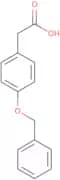
CAS:<p>4-Benzyloxyphenylacetic acid is a synthetic, hydrogenated molecule. It has been shown to be an inhibitor of glutamate dehydrogenase and coumarin derivatives. 4-Benzyloxyphenylacetic acid also has functional groups such as benzyl groups and dihedral functionalities. These functional groups are responsible for its interactions with proteins in the cell and its ability to inhibit the metabolism of glutamate. 4-Benzyloxyphenylacetic acid is used in research as a chemical tool to study the role of glutamate in cellular processes.</p>Formula:C15H14O3Purity:Min. 95%Color and Shape:PowderMolecular weight:242.27 g/mol2-Amino-4-methyl benzoic acid
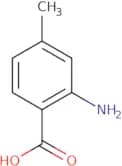
CAS:<p>2-Amino-4-methyl benzoic acid (AMBA) is a methyltransferase inhibitor. It has been shown to inhibit the enzyme in the methyl group transfer process, which is important for the synthesis of anthranilic acid, an intermediate of choline. AMBA inhibits acetylcholine production by blocking the enzyme that converts choline to acetylcholine. In addition, this compound has been shown to be a potent anticancer agent and a chemical biology tool that can be used to study protein function.</p>Formula:C8H9NO2Purity:Min. 95%Color and Shape:PowderMolecular weight:151.16 g/mol3,4-Dimethylphenoxyacetic acid
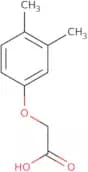
CAS:<p>3,4-Dimethylphenoxyacetic acid is a versatile building block that is used in the synthesis of complex compounds. It is often used as a reagent and has been shown to be useful in the synthesis of high quality and useful intermediates. 3,4-Dimethylphenoxyacetic acid can also be used as a reaction component or scaffold for further chemical reactions.</p>Formula:C10H12O3Purity:Min. 95%Molecular weight:180.2 g/molEthyl 4-(((tert-butyl)amino)thioxomethyl)piperazinecarboxylate
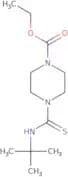
CAS:<p>Please enquire for more information about Ethyl 4-(((tert-butyl)amino)thioxomethyl)piperazinecarboxylate including the price, delivery time and more detailed product information at the technical inquiry form on this page</p>Purity:Min. 95%D-(+)-2-Phosphoglyceric acid sodium hydrate
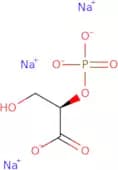
CAS:<p>Please enquire for more information about D-(+)-2-Phosphoglyceric acid sodium hydrate including the price, delivery time and more detailed product information at the technical inquiry form on this page</p>Formula:C3H4Na3O7PPurity:Min. 95 Area-%Color and Shape:PowderMolecular weight:252 g/mol5,5-dimethyl-2-(4-(2-methylpropyl)phenyl)-1,3-thiazolidine-4-carboxylic acid
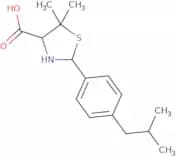
CAS:<p>Please enquire for more information about 5,5-dimethyl-2-(4-(2-methylpropyl)phenyl)-1,3-thiazolidine-4-carboxylic acid including the price, delivery time and more detailed product information at the technical inquiry form on this page</p>Purity:Min. 95%6-Methyl-16-dehydropregnenolone acetate
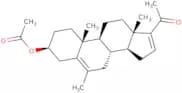
CAS:Controlled Product<p>6-Methyl-16-dehydropregnenolone acetate (6MDA) is a versatile building block that is used in the synthesis of complex compounds. 6MDA is an intermediate for research chemicals and can be used as a reagent or as a speciality chemical. It has been shown to be useful in the synthesis of many complex compounds, including steroids, nonsteroidal anti-inflammatory drugs, and antibiotics. 6MDA has been shown to have high quality and is a useful scaffold for the synthesis of other compounds.</p>Formula:C24H34O3Purity:Min. 95%Color and Shape:PowderMolecular weight:370.52 g/molHydrocinnamic acid
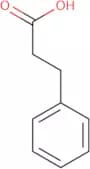
CAS:<p>Hydrocinnamic acid is an inhibitor of the enzyme carboxyl ester lipase. It is used to treat inflammatory bowel disease and autoimmune diseases, such as Crohn's disease. Hydrocinnamic acid has also been shown to inhibit the production of inflammatory mediators, such as prostaglandins, leukotrienes, and cytokines. This anti-inflammatory effect may be related to its ability to inhibit the activity of lipoxygenases and cyclooxygenases. Hydrocinnamic acid has also been shown to act as a broad-spectrum antimicrobial agent against bacteria, fungi, and viruses.</p>Formula:C9H10O2Purity:Min. 95%Color and Shape:PowderMolecular weight:150.17 g/mol3-Amino-2,5,6-trifluorobenzoic acid
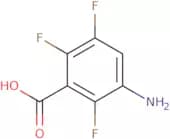
CAS:<p>3-Amino-2,5,6-trifluorobenzoic acid is a pharmaceutical agent that can be used in the synthesis of dyestuffs and as a matrix for laser desorption/ionization (LDI) mass spectrometry. 3-Amino-2,5,6-trifluorobenzoic acid has been shown to form crystals that are insoluble in water or organic solvents. The crystal morphology was determined by using XRD and FTIR. 3-Amino-2,5,6-trifluorobenzoic acid also has high concentrations of impurities such as 2,4,6-trichloroaniline and 2-(3,4 dichlorophenyl) ethyl amine.</p>Formula:C7H4F3NO2Purity:Min. 95%Color and Shape:PowderMolecular weight:191.11 g/mol2-(Benzyloxy)acetic acid
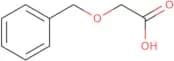
CAS:<p>2-(Benzyloxy)acetic acid is a phenoxy compound that inhibits the enzyme amide and has been used to treat metabolic disorders. It has also been used as an inhibitor of enzymes in the synthetic pathway, such as 2-benzyloxyacetate, which is an intermediate in the biosynthesis of benzoic acid. 2-(Benzyloxy)acetic acid has also been shown to have degenerative disease-fighting properties and has been used to treat autoimmune diseases. This drug is synthetically made from aromatic halides by a process called asymmetric synthesis. The chemical name for this drug is 4-Hydroxy-2-[(2-benzyloxy)acetyl]phenol, but it can also be referred to as benzophenone-1 or BP1.</p>Formula:C9H10O3Purity:Min. 95%Color and Shape:Colorless Clear LiquidMolecular weight:166.17 g/molEthyl morpholinoacetate
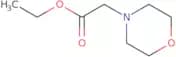
CAS:<p>Ethyl morpholinoacetate is a molecule that has been shown to have binding activities with DNA and RNA sequences. It has also been shown to be an efficient method for diagnosis of acidic, inflammatory diseases, amines, and antibacterial activity. Ethyl morpholinoacetate binds to the enzyme regulatory site on the ribosome, causing a change in the shape of the ribosome that affects its ability to bind tRNA. The nucleophilic nature of this molecule allows it to be synthesized from morpholine and a nucleophilic reagent such as sodium cyanide or lithium diisopropylamide. This synthetic substrate can then be used in research on chemical structures.</p>Formula:C8H15NO3Purity:Min. 95%Color and Shape:Clear LiquidMolecular weight:173.21 g/mol3,5-Dimethoxy-4-hydroxyphenylacetic acid
CAS:<p>3,5-Dimethoxy-4-hydroxyphenylacetic acid is a phenolic compound that is found in the leaves of plants. It is a major component of the essential oil from the bark of the cinnamon tree. 3,5-Dimethoxy-4-hydroxyphenylacetic acid has been shown to be a potent inhibitor of plant growth and an effective herbicide for weed control in tobacco. 3,5-Dimethoxy-4-hydroxyphenylacetic acid has also been shown to have antiplatelet activity and may be useful in treating thrombosis.</p>Formula:C10H12O5Purity:Min. 95%Color and Shape:Brown PowderMolecular weight:212.2 g/mol3,5-Dimethylbenzoic acid ethyl ester
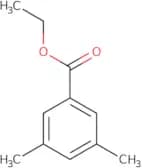
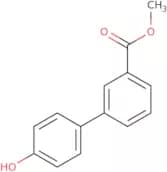
CAS:<p>3,5-Dimethylbenzoic acid ethyl ester is a quinoline derivative that can be synthesised from the reaction of isobutyraldehyde with benzoic acid. This compound yields terminal alkynes and polynuclear compounds in reactions with metals. It can also be prepared by cross-coupling reactions of substituted benzoates with aminobenzoates as ligands. 3,5-Dimethylbenzoic acid ethyl ester is used in preparative chemistry to synthesise other organic compounds.</p>Formula:C11H14O2Purity:Min. 95%Color and Shape:Clear LiquidMolecular weight:178.23 g/molMethyl 3-(4-hydroxyphenyl)benzoate
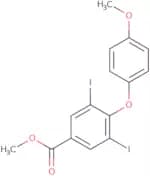
CAS:<p>Please enquire for more information about Methyl 3-(4-hydroxyphenyl)benzoate including the price, delivery time and more detailed product information at the technical inquiry form on this page</p>Formula:C14H12O3Purity:Min. 95%Color and Shape:PowderMolecular weight:228.24 g/mol3,5-Diiodo-4(4'-methoxyphenoxy)benzoic acid methyl ester
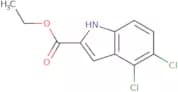
CAS:<p>3,5-Diiodo-4(4'-methoxyphenoxy)benzoic acid methyl ester (DIMBOA) is a hormone analogue that inhibits the growth of cancer cells by interfering with mitochondrial function. DIMBOA binds to the mitochondria of animal cells and prevents adenosine triphosphate (ATP) production. DIMBOA also blocks the synthesis of DNA and RNA in animal cells, which may be due to its ability to interfere with enzyme activities such as protein synthesis, cell proliferation, and apoptosis. 3,5-Diiodo-4(4'-methoxyphenoxy)benzoic acid methyl ester has been shown to inhibit cellular growth by autophagy. This drug has been shown to have no adverse effects on normal fibroblasts or antigen presenting cells in animals.</p>Formula:C15H12I2O4Purity:Min. 95%Color and Shape:PowderMolecular weight:510.06 g/molEthyl 4,5-dichloro-1H-indole-2-carboxylate
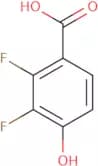
CAS:<p>Ethyl 4,5-dichloro-1H-indole-2-carboxylate is an organic chemical compound that is a reaction component, reagent, and useful scaffold in the synthesis of pharmaceuticals. It has been shown to have high quality and be a versatile building block for the synthesis of complex compounds. This chemical can be used as a speciality chemical or research chemical.</p>Formula:C11H9Cl2NO2Purity:Min. 95%Color and Shape:White PowderMolecular weight:258.1 g/mol2,3-Difluoro-4-hydroxybenzoic acid
CAS:<p>2,3-Difluoro-4-hydroxybenzoic acid is a protonated molecule that has been experimentally shown to be an antioxidant. It is an electron-donating and electron-withdrawing moiety that can act as a hydrogen atom scavenger. 2,3-Difluoro-4-hydroxybenzoic acid can also be deprotonated by hydroxide ions or other strong acids to form the corresponding carboxylic acid. The dianionic form of this molecule has been shown to have high antioxidant potential in a number of experiments.</p>Formula:C7H4F2O3Purity:Min. 95%Color and Shape:PowderMolecular weight:174.1 g/mol5-Methoxy-2-methylbenzoic acid
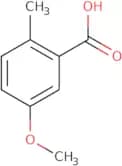
CAS:<p>5-Methoxy-2-methylbenzoic acid is an intermediate in the synthesis of vitamin D3. It can also be used to synthesize calciferol, a configurationally stable form of vitamin D3 that has been shown to be optically active. Lactonic forms are composed of a 5-methoxy group and a 2-methylbenzoic acid moiety. Enantiomers are compounds with the same chemical formula but different arrangements of their atoms in space and each enantiomer is capable of rotating plane polarized light in opposite directions.</p>Formula:C9H10O3Purity:Min. 95%Color and Shape:PowderMolecular weight:166.17 g/mol13-cis-Retinoic acid
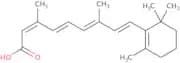
CAS:Controlled Product<p>An endogenous retinoic acid receptor (RAR) agonist that upregulates forkhead box class O (FoxO) transcription factor. Suppresses activity and proliferation of sebaceous glands. Used for treating nodulocystic acne. Induces differentiation, neurite outgrowth and inhibits proliferation of neuroblastoma cells. A potential chemopreventive agent in non-small cell lung cancer, head and neck squamous cell carcinoma and neuroblastoma.</p>Formula:C20H28O2Purity:Min. 97 Area-%Color and Shape:Yellow PowderMolecular weight:300.44 g/mol4-Ethoxysalicylic acid
CAS:<p>4-Ethoxysalicylic acid is a phosphorus oxychloride derivative that is used as an intermediate in the production of xanthones. Xanthones are used in the manufacture of dyes, pharmaceuticals, and fragrances. This compound also reacts with zinc chloride to give 4-ethoxysalicylate, which is an oxidizing agent. 4-Ethoxysalicylic acid has low toxicity and can be filtered from a reaction mixture by filtration or recrystallization. It can act as a monoamine oxidase inhibitor, which may contribute to its antidepressant properties. A hydrophobic molecule, 4-ethoxysalicylic acid will not dissolve in water but can be dissolved in organic solvents such as alcohols or ethers. It also has a high affinity for blood proteins and will bind to them readily. This property makes it useful as an anti-coagulant drug for treating depression and other mental illness.</p>Formula:C9H10O4Purity:Min. 95%Color and Shape:PowderMolecular weight:182.17 g/mol4-Hydroxy-4'-biphenylcarboxylic acid
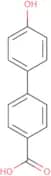
CAS:<p>4-Hydroxy-4'-biphenylcarboxylic acid is a kind of organic compound that has carboxylic acid functional group. It can be used as an intermediate for the synthesis of pharmaceuticals, dyes, and other organic compounds. 4-Hydroxy-4'-biphenylcarboxylic acid can be synthesized from p-hydroxybenzoic acid in the presence of a chloride donor and an acceptor (e.g., sodium hydroxide solution) with oxalyl as the catalyst. Trichloroacetic acid is used to remove the hydroxybenzoic acid byproduct which may cause corrosion and instability problems. The molecular structure of 4-Hydroxy-4'-biphenylcarboxylic acid is shown below:</p>Formula:C13H10O3Purity:Min. 95%Color and Shape:White PowderMolecular weight:214.22 g/mol2,6-Dihydroxybenzoic acid
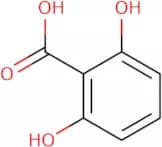
CAS:<p>2,6-Dihydroxybenzoic acid is a chemical compound with the molecular formula CH(COOH)CO. It has been shown to have high values in biological studies and is a naturally occurring metabolite of p-hydroxybenzoic acid. 2,6-Dihydroxybenzoic acid has been used as a model system for energy metabolism, and it's biological properties are being investigated as potential treatments for diabetes and obesity. This compound also exhibits hypoglycemic effects in humans and has high resistance against bacteria. The reaction mechanism of 2,6-dihydroxybenzoic acid is not well understood but may be due to hydrogen bonding interactions.</p>Formula:C7H6O4Purity:Min. 98 Area-%Color and Shape:PowderMolecular weight:154.12 g/mol4-Phenoxycinnamic acid
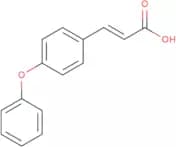
CAS:<p>4-Phenoxycinnamic acid is a useful scaffold and building block in organic chemistry. It is a versatile chemical intermediate with a CAS number of 2215-83-0, often used in the synthesis of other molecules. 4-Phenoxycinnamic acid has recently been shown to be an effective reagent for the conversion of nitrobenzene to benzyl alcohols, which are useful in the production of pharmaceuticals. This compound can also be used as a high-quality research chemical and as a speciality chemical for use in laboratory experimentation.</p>Formula:C15H12O3Purity:Min. 95%Color and Shape:PowderMolecular weight:240.25 g/molMeOSuc-Ala-Phe-Lys-AMC trifluoroacetate salt
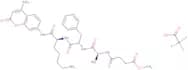
CAS:<p>MeOSuc-Ala-Phe-Lys-AMC is a compound that has a destabilizing effect on the vascular wall, due to its ability to inhibit proteolytic activity. It is also able to reduce the level of angiogenic factors, and thus has an anti-angiogenic effect. MeOSuc-Ala-Phe-Lys-AMC has been shown to have a macroscopic effect on vessels in tissue culture, and this can be observed through leucocyte migration. MeOSuc-Ala-Phe-Lys-AMC has also been shown to cause haemorrhagic changes in microvessels and muscle cells. This compound is also able to inhibit placental growth factor and muscle cell proliferation, as well as reducing the number of microvessels in the placenta.</p>Formula:C33H41N5O8•C2HF3O2Purity:Min. 95 Area-%Color and Shape:PowderMolecular weight:749.73 g/mol4-Methoxybenzoic acid
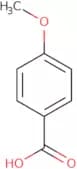
CAS:<p>4-Methoxybenzoic acid is a phenolic compound, which is used in the production of bisphenol A. It can also be found as an intermediate in the synthesis of other compounds, such as protocatechuic acid and pachymic acid. 4-Methoxybenzoic acid can be found naturally in a variety of plants, including cranberries. This compound has been shown to inhibit the growth of bacteria by disrupting their cell walls and inhibiting protein synthesis. 4-Methoxybenzoic acid has also been shown to have anti-inflammatory properties, which may be due to its ability to inhibit prostaglandin synthesis.</p>Formula:C8H8O3Purity:Min. 95%Color and Shape:White PowderMolecular weight:152.15 g/mol3-Toluic acid
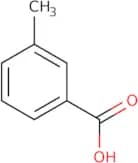
CAS:<p>3-Toluic acid is a colorless liquid that is soluble in water and organic solvents. 3-Toluic acid is an inhibitor of bacterial growth that has been shown to be effective against certain strains of Escherichia coli, Klebsiella pneumoniae, and Pseudomonas aeruginosa. 3-Toluic acid inhibits the growth of bacteria by reacting with a hydrogen bond in their ribosomal RNA to block the production of proteins vital for cell division. It also disrupts the normal metabolic pathways of bacteria by inhibiting microbial metabolism.</p>Formula:C8H8O2Purity:Min. 95%Color and Shape:PowderMolecular weight:136.15 g/mol3-Bromo-4-hydroxycinnamic acid
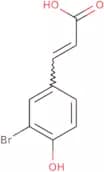
CAS:<p>3-Bromo-4-hydroxycinnamic acid is a useful building block that is obtained from cinnamic acid by substitution of the hydroxyl group with a bromine atom. It has been used in research as a reagent, speciality chemical, and reaction component. 3-Bromo-4-hydroxycinnamic acid is also an important intermediate for the synthesis of various organic compounds. This compound can be used as a scaffold for the synthesis of complex compounds.</p>Formula:C9H7BrO3Color and Shape:PowderMolecular weight:243.05 g/molIsobutylboronic acid
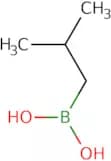
CAS:<p>Isobutylboronic acid is a chemical compound that is used as an antimicrobial treatment for autoimmune diseases. This drug has a polyene structure and inhibits the production of proinflammatory cytokines such as IL-1, TNF-α, and IL-2. Isobutylboronic acid also inhibits the growth of cancer cells in vitro by inhibiting DNA synthesis. Isobutylboronic acid is also used to determine the mechanisms of organometallic compounds. It can be analyzed using liquid chromatography or gas chromatography techniques. The effective dose for this drug is not yet known.</p>Formula:C4H11BO2Purity:Min. 95%Color and Shape:PowderMolecular weight:101.94 g/mol4-Aminosalicylic acid hydrazide
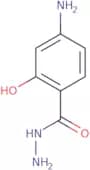
CAS:<p>4-Aminosalicylic acid hydrazide is a reactive functional group that is used as an intermediate in organic synthesis. It has a structural formula of C6H7N3O2 and is a white solid. 4-Aminosalicylic acid hydrazide has been shown to be highly resistant to mycobacterium avium, and can be used for the treatment of tuberculosis. The reactivity of this compound was studied by gravimetric analysis. This reaction is also degradable due to the presence of chloride ions and amido groups.</p>Formula:C7H9N3O2Purity:Min. 95%Color and Shape:PowderMolecular weight:167.17 g/mol4-Amidinobenzoic acid hydrochloride
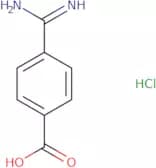
CAS:<p>4-Amidinobenzoic acid hydrochloride is a catalytic molecule that inhibits serine proteases. It has been shown to be an effective inhibitor of the proteolytic activity of trypsin and chymotrypsin when used at concentrations of 3 mM or higher. 4-Amidinobenzoic acid hydrochloride functions by binding to the active site of the enzyme, preventing access to the substrate. This inhibition is reversible, with a half-life of about 10 minutes. The inhibitory constants for 4-amidinobenzoic acid hydrochloride are in the range of 1 μM to 100 μM.</p>Formula:C8H8N2O2•HClPurity:Min. 95%Color and Shape:PowderMolecular weight:200.62 g/mol2,2-Dimethylsuccinic acid
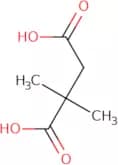
CAS:<p>2,2-Dimethylsuccinic acid is a chiral compound that has two asymmetric carbon atoms. It is an intermediate in the biosynthesis of maleic acid from succinic acid and it can be synthesized by the addition of potassium ion to malonic acid. 2,2-Dimethylsuccinic acid has been shown to inhibit mitochondrial complex I activity in rat kidney cells. Complex I is responsible for oxidative phosphorylation and the generation of ATP, which provides energy for cell growth and function. This inhibition leads to a decrease in metabolites such as malonic acid and ethylmalonic acid. The accumulation of these metabolites causes metabolic changes that are observed in rats fed with 2,2-dimethylsuccinic acid (e.g., increased levels of polycarboxylic acids).</p>Formula:C6H10O4Purity:Min. 95%Color and Shape:White PowderMolecular weight:146.14 g/mol3-Cyanophenylboronic acid
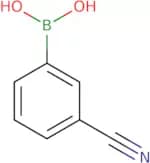
CAS:<p>3-Cyanophenylboronic acid is an organic compound that has been shown to have antimicrobial activity against Pseudomonas aeruginosa. The synthetic pathway of this compound begins with the benzamidine, which reacts with dibutyltin oxide to form 3-cyanophenylboronic acid. This molecule can then be reacted with a cationic polymerization agent such as polyethyleneimine or polyallylamine, producing a polymerized product. When tested in humans, 3-cyanophenylboronic acid showed a high oral bioavailability and low plasma protein binding. It also has a short serum half-life and is metabolized by serine proteases in the liver.</p>Formula:C7H6BNO2Purity:Min. 95%Color and Shape:PowderMolecular weight:146.94 g/molDesthiazoximic acid ceftiofur
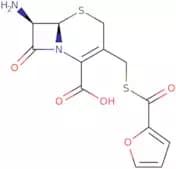
CAS:<p>Desthiazoximic acid ceftiofur is a fine chemical that is a versatile building block for complex compounds. It is used in the research and development of new drugs as well as for the production of intermediates, reagents, and speciality chemicals. Desthiazoximic acid ceftiofur has been shown to be useful in the synthesis of high-quality, useful intermediate compounds and scaffolds for organic synthesis. The CAS number for desthiazoximic acid ceftiofur is 80370-59-8.</p>Formula:C13H12N2O5S2Purity:Min. 98 Area-%Color and Shape:PowderMolecular weight:340.38 g/mol2-Hydroxyisobutyric acid
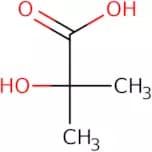
CAS:<p>2-Hydroxyisobutyric acid (2HIB) is an intermediate in the metabolism of benzoic acid and p-hydroxybenzoic acid, which are important for the production of acids in plants. 2HIB has been shown to have a significant effect on metabolic disorders, such as diabetes mellitus and obesity. It is also used as a structural analysis reagent in human serum samples, where it can be used to determine the body mass index of the individual. The chemical formula of 2HIB is C3H6O2. The molecular weight of 2HIB is 92.1g/mol. The melting point of this compound is 69°C and its boiling point is 225°C at 1 atm pressure.</p>Formula:C4H8O3Purity:Min. 98%Color and Shape:White PowderMolecular weight:104.1 g/mol


![L-4,5,6,7-Tetrahydro-1H-imidazo[4,5-c]pyridine-6-carboxylic acid](/_next/image/?url=https%3A%2Fstatic.cymitquimica.com%2Fproducts%2F3D%2Fthumb-webp%2FFT56086.webp&w=3840&q=75)





![2-[4-(4-Chloro-a-phenylbenzyl)-1-piperazinyl]-ethoxyacetic acid hydrochloride](/_next/image/?url=https%3A%2Fstatic.cymitquimica.com%2Fproducts%2F3D%2Fthumb-webp%2FFC33467.webp&w=3840&q=75)
![7-Methyl-2-(trifluoromethyl)[1,2,4]triazolo[1,5-a]pyrimidine-6-carboxylic acid](/_next/image/?url=https%3A%2Fstatic.cymitquimica.com%2Fproducts%2F3D%2Fthumb-webp%2FFM100430.webp&w=3840&q=75)


![Pigment Red 38;Diethyl 4,4'-[(3,3'-dichlOrO[1,1'-biphenyl]-4,4'-diyl)bis(azO)]bis[4,5-dihydrO-5-Ox…](/_next/image/?url=https%3A%2Fstatic.cymitquimica.com%2Fproducts%2F3D%2Fthumb-webp%2FFP43985.webp&w=3840&q=75)