Carboxylic Acids
Carboxylic acids are organic molecules characterized by having a carboxyl-type functional group (-COOH). These acids are fundamental in various chemical reactions, including esterification, amidation, and decarboxylation. Carboxylic acids are widely used in the production of pharmaceuticals, polymers, and agrochemicals. In this section, you can find a large number of carboxylic acids ready to be used. At CymitQuimica, we provide a broad range of high-quality carboxylic acids to support your research and industrial applications.
Found 12454 products of "Carboxylic Acids"
Sort by
Purity (%)
0
100
|
0
|
50
|
90
|
95
|
100
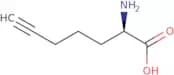
(2R)-2-Aminohept-6-ynoic acid
CAS:<p>2-Aminohept-6-ynoic acid is a useful building block and can be used as a reagent in organic synthesis. It is a versatile building block, and can be used as an intermediate or scaffold in the preparation of complex compounds. CAS No. 211054-03-4</p>Formula:C7H11NO2Purity:Min. 95%Color and Shape:PowderMolecular weight:141.17 g/mol3-Hydroxy-5-methylbenzoic acid
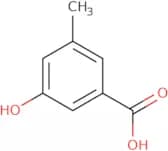
CAS:<p>3-Hydroxy-5-methylbenzoic acid is a gentisate oxidation product that is obtained from the degradation of 3-hydroxybenzoic acid. Gentisate is synthesized by Pseudomonas fluorescens, which belongs to the genus Pseudomonas. This product has been shown to inhibit the growth of Pseudomonas aeruginosa and other fluorescent pseudomonads, but not other bacteria such as Escherichia coli and Staphylococcus aureus. The mechanism of this inhibition may be due to the production of reactive oxygen species (ROS) by these organisms. 3-Hydroxy-5-methylbenzoic acid can also act as an antioxidant in alkaline conditions by reducing 2,5-dihydroxybenzoic acid to benzoic acid. It has also been shown to be a fluorescent product that can be used for unambiguous identification of Pseudomonas fluorescens isolates and</p>Formula:C8H8O3Purity:Min. 95%Color and Shape:PowderMolecular weight:152.15 g/mol2-Amino-5-iodobenzoic acid ethyl ester
CAS:<p>2-Amino-5-iodobenzoic acid ethyl ester is a chemical reagent that is used to prepare 2-chloro-5-iodobenzoic acid. It can be prepared by the hydrolysis of 2,4,6-trinitrobenzene with an aqueous solution of sodium hydroxide. The iodination reaction proceeds in two steps: (1) chlorination of methyl anthranilate with chlorine and (2) addition of the resultant product to 2,4,6-trinitrobenzene. In the first step, methyl anthranilate reacts with chlorine to form 2-chloro-5-iodobenzoic acid ethyl ester and hydrogen chloride gas. In the second step, this product reacts with 2,4,6-trinitrobenzene to form 2-amino 5 -iodobenzoic acid ethyl ester and nitrogen gas</p>Formula:C9H10INO2Purity:Min. 95%Color and Shape:PowderMolecular weight:291.09 g/molVanillic acid hydrazide
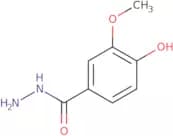
CAS:<p>Vanillic acid hydrazide is a multinuclear compound with condensation products. It has been shown to have antibacterial, anticancer and skeleton-related properties. Vanillic acid hydrazide is able to bind to the 4-hydroxybenzoic acid and introduce it into the cell in order to inhibit the synthesis of fatty acids. This compound also inhibits the growth of cancer cells by preventing their proliferation and proliferation by binding to DNA. Vanillic acid hydrazide may also bind to fatty acids on cell membranes, which would lead to a decrease in membrane fluidity and increase in membrane permeability, leading to cell death.</p>Formula:C8H10N2O3Purity:Min. 95%Color and Shape:PowderMolecular weight:182.18 g/molBis(7-methyloctyl) cyclohexane-1,2-dicarboxylate
CAS:<p>Bis(7-methyloctyl) cyclohexane-1,2-dicarboxylate is an ester that can be found in the blood of humans and animals. It can also be found in the air as a result of the release of phthalates, which are used to soften plastics. Bis(7-methyloctyl) cyclohexane-1,2-dicarboxylate is used as a catalyst and a reagent in analytical chemistry. This substance is also commonly used as a plasticizer in polyvinyl chloride products and other plastics.</p>Formula:C26H48O4Purity:Min. 95%Color and Shape:Clear LiquidMolecular weight:424.66 g/molLL-37 amide trifluoroacetate
CAS:<p>Please enquire for more information about LL-37 amide trifluoroacetate including the price, delivery time and more detailed product information at the technical inquiry form on this page</p>Formula:C205H341N61O52•(C2HF3O2)xPurity:Min. 95%Color and Shape:PowderMolecular weight:4,492.28 g/mol3,4,5,6-Tetrafluorophthalic acid
CAS:<p>3,4,5,6-Tetrafluorophthalic acid is a crystalline solid that is used in the synthesis of polycarboxylic acids. It is also an antimicrobial agent that can be used to fight cancer cell lines. 3,4,5,6-Tetrafluorophthalic acid has been shown to inhibit the growth of carcinoma cells and other microorganisms by binding to their DNA and interfering with the production of proteins essential for cell division. 3DCTKP binds to bacterial 16S ribosomal RNA and inhibits protein synthesis. This drug has hydrogen bonding interactions with chlorine atoms and fluorescence properties due to its carbonyl group. The kinetic data for this compound was determined using liquid chromatography method.</p>Formula:C8H2F4O4Purity:Min. 95%Color and Shape:PowderMolecular weight:238.09 g/molVapreotide acetate
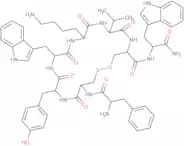
CAS:Vapreotide acetate is an anti-cancer compound that is derived from a peptide hormone. It inhibits the growth of cancer cells by binding to the neurokinin-1 receptor, which may be involved in the regulation of cell proliferation and apoptosis. Vapreotide acetate has been shown to inhibit IGF-I (insulin-like growth factor 1) and somatostatin release in vitro. The molecular docking analysis of vapreotide acetate with the neurokinin-1 receptor has been performed using a computer program. The potency of vapreotide acetate was found to be comparable to other analogs such as octreotide acetate and lanreotide acetate in inhibiting cell proliferation in human osteosarcoma cell lines. Vapreotide acetate has also been shown to have anti-inflammatory properties due to its ability to inhibit plasma mass spectrometry for cytokines such as IL-6, TNFα, IL-8,Formula:C57H70N12O9S2•C2H4O2Purity:Min. 98 Area-%Color and Shape:PowderMolecular weight:1,191.43 g/mol3,5-Dimethylpyrrole-2,4-dicarboxylic acid 2-t-butyl ester-4-ethyl ester
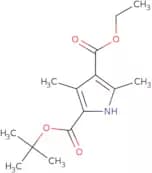
CAS:<p>3,5-Dimethylpyrrole-2,4-dicarboxylic acid 2-t-butyl ester-4-ethyl ester is a fine chemical that is used as a versatile building block and intermediate for the synthesis of complex compounds. 3,5-Dimethylpyrrole-2,4-dicarboxylic acid 2-t-butyl ester-4-ethyl ester reacts with various reagents to form new scaffolds and building blocks. This compound has CAS No. 86770-31 -2.</p>Formula:C14H21NO4Purity:Min. 95%Color and Shape:PowderMolecular weight:267.32 g/molOrsellinic acid
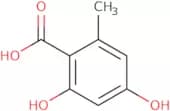
CAS:<p>Orsellinic acid is a polyketide compound that is produced by the fungus Orsella. The thermal expansion of orsellinic acid has been studied by measuring the volume change of a sample with increasing temperature. Gyrophoric acid, cannabigerovarinic acid, and usnic acid are also found in orsellinic acid. Acetate extract is used to isolate and purify orsellinic acid from other components in the fungus. Malonic acid is a chemical precursor used in the synthesis process to produce orsellinic acid. Biological properties of orsellinic acids have been studied using a variety of methods including h3 acetylation, biochemical properties, and pharmacological agents such as model systems and receptor activity. A wild-type strain of yeast was selected for this study because it has an intact ribosome and can produce proteins necessary for cell growth. Kinetic data was obtained using UV-visible spectroscopy to measure the rate at which orsellinic acid reacts with</p>Formula:C8H8O4Purity:Min. 95%Color and Shape:White PowderMolecular weight:168.15 g/molEthyl chloroacetate
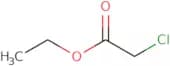
CAS:<p>Used in the preparation of 5-member heterocycles</p>Formula:C4H7ClO2Purity:Min. 95%Color and Shape:Colorless Clear LiquidMolecular weight:122.55 g/mol4,5-Dibenzyloxy-2-methylbenzoic acid
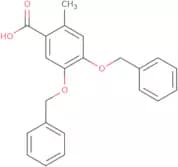
CAS:<p>4,5-Dibenzyloxy-2-methylbenzoic acid (DBMA) is a chemical compound that is known to be an inhibitor of the growth factor receptor. It has been shown to inhibit the growth factor receptor in a dose-dependent manner. DBMA binds to the cytoplasm and inhibits protein synthesis by binding to sequences that are involved in regulating gene expression. This compound also interacts with other proteins including those involved in DNA replication, transcription, and translation. DBMA has been shown to interact with the protein polymerase chain and has been found to bind to the bacterial cells of Salmonella typhimurium.</p>Formula:C22H20O4Purity:Min. 95%Molecular weight:348.39 g/molAcetrizoic acid
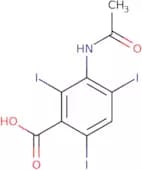
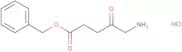
CAS:<p>Acetrizoic acid is a metabolic disorder that affects the hydroxyl group in human serum. It is used as an injection solution for the diagnosis of conditions such as protein synthesis, enhancement and radiation. Acetrizoic acid has been shown to have clinical relevance in situations where it can be used as a diagnostic agent for women with drug reactions. The compound has also been shown to have therapeutic value in cell culture experiments on rat liver microsomes. Acetrizoic acid has been shown to enhance protein synthesis in these cells by inhibiting the activity of cytochrome P450 enzymes.</p>Formula:C9H6I3NO3Purity:Min. 98 Area-%Color and Shape:PowderMolecular weight:556.86 g/mol5-Amino-4-oxopentanoic acid benzyl ester hydrochloride
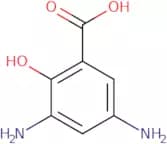
CAS:<p>Please enquire for more information about 5-Amino-4-oxopentanoic acid benzyl ester hydrochloride including the price, delivery time and more detailed product information at the technical inquiry form on this page</p>Formula:C12H15NO3·HClPurity:Min. 97%Color and Shape:PowderMolecular weight:257.71 g/mol3,5-Diaminosalicylic acid
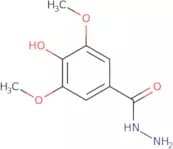
CAS:<p>3,5-Diaminosalicylic acid is a potent antibacterial agent that inhibits the synthesis of bacterial cell walls by inhibiting the enzyme transpeptidase. It is also used as a preservative and stabilizer in pharmaceutical formulations. 3,5-Diaminosalicylic acid has been shown to be active against cochliobolus at an optimum concentration of 2%. The solute is stable in water or dilute acids and alkalis. However, it can be hydrolyzed by strong bases such as sodium hydroxide and potassium hydroxide. Impurities such as nitro groups can be removed by washing with water or ethanol. The drug substance should be analyzed using high performance liquid chromatography (HPLC) methods to ensure stability and purity. 3,5-Diaminosalicylic acid forms crystalline needles that are colorless to white in solution. They will dissolve when heated but form precipitates when cooled. The crystals are</p>Formula:C7H8N2O3Purity:Min. 95%Color and Shape:Brown PowderMolecular weight:168.15 g/molSyringic acid hydrazide
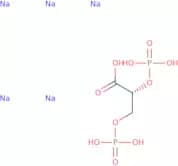
CAS:<p>Syringic acid hydrazide is a heterocyclic molecule with anticancer activity. It has been shown to inhibit the growth of cancer cells, both in vitro and in vivo. Syringic acid hydrazide is a chlorinating agent that reacts with p-hydroxybenzoic acid to form an intermediate that binds to active site residues on the cancer cell's DNA. This binding prevents the synthesis of DNA, leading to cell death. Syringic acid hydrazide does not affect uninfected plants or cultivars resistant to Fusarium oxysporum f., as it does not bind to their chlorophyll molecules.</p>Formula:C9H12N2O4Purity:Min. 95%Color and Shape:PowderMolecular weight:212.2 g/mol2,3-Diphospho-D-glyceric acid pentasodium salt
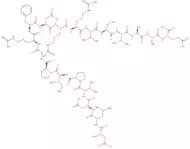
CAS:<p>2,3-Diphospho-D-glyceric acid pentasodium salt is a pyridine complex that is found in nature as a constant. It is also synthesized by humans and can be formed in the laboratory. 2,3-Diphospho-D-glyceric acid pentasodium salt is reactive and has been shown to be useful for producing radical species. This compound has been analysed in the human body at physiological concentrations and has been shown to interact with endogenous molecules such as lipids. The interaction of this compound with lipids could be due to its ability to form emulsions.</p>Formula:C3H3Na5O10P2Purity:Min. 95%Color and Shape:PowderMolecular weight:375.95 g/molCalcineurin Substrate trifluoroacetate salt H-Asp-Leu-Asp-Val-Pro-Ile-Pro-Gly-Arg-Phe-Asp-Arg-Arg-Val-Ser-Val-Ala-Ala-Glu-OH trifluo roacetate salt
CAS:<p>Please enquire for more information about Calcineurin Substrate trifluoroacetate salt H-Asp-Leu-Asp-Val-Pro-Ile-Pro-Gly-Arg-Phe-Asp-Arg-Arg-Val-Ser-Val-Ala-Ala-Glu-OH trifluo roacetate salt including the price, delivery time and more detailed product information at the technical inquiry form on this page</p>Formula:C92H150N28O29Purity:Min. 95%Molecular weight:2,112.35 g/molAmmonium trifluoroacetate
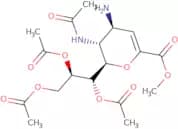
CAS:<p>Ammonium trifluoroacetate is a chemical compound that has two hydroxyl groups. It is used for the treatment of autoimmune diseases, such as rheumatoid arthritis, and in the synthesis of nomegestrol acetate, which is an estrogenic drug. Ammonium trifluoroacetate is also used to study the biological properties of receptors and other proteins. The thermal expansion property of ammonium trifluoroacetate can be used to determine its concentration in a sample. Ammonium trifluoroacetate also has potent antagonistic effects against HIV infection and can be detected with high sensitivity. Studies have shown that ammonium trifluoroacetate is toxic to humans; however, it does not accumulate in the body.</p>Formula:C2H4F3NO2Purity:Min. 95%Color and Shape:PowderMolecular weight:131.05 g/molZanamivir amine triacetate methyl ester
CAS:Anti-viral; neuraminidase inhibitor; effective agains influenza A and B virusesFormula:C18H26N2O10Purity:Min. 95%Color and Shape:Yellow PowderMolecular weight:430.41 g/mol(2S)-({[(4-Methyl-2-oxo-2H-chromen-7-yl)oxy]acetyl}amino)(phenyl)acetic acid
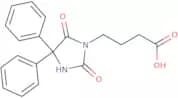
CAS:<p>(2S)-({[(4-Methyl-2-oxo-2H-chromen-7-yl)oxy]acetyl}amino)(phenyl)acetic acid is a kind of fine chemical that belongs to the class of reagents and speciality chemicals. It is a versatile building block which can be used in research, as well as in the production of pharmaceuticals and other fine chemicals. This compound can be used in reactions as a building block or intermediate, as well as a scaffold for complex compounds.</p>Formula:C20H17NO6Purity:Min. 95 Area-%Color and Shape:PowderMolecular weight:367.35 g/mol5,5-Diphenylhydantoin-3-butyric acid
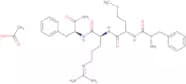
CAS:<p>5,5-Diphenylhydantoin-3-butyric acid is a drug that is classified as a hydantoin derivative. It has been shown to be an active compound in the treatment of human brain tumors. This drug has also been found to be detectable in human serum and urine by means of electrochemical immunoassay.</p>Formula:C19H18N2O4Purity:Min. 95%Color and Shape:PowderMolecular weight:338.36 g/molH-Phe-Met-Arg-Phe-NH2 acetate
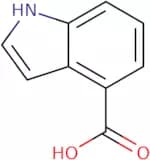
CAS:Controlled Product<p>H-Phe-Met-Arg-Phe-NH2 acetate is a high quality reagent that is useful in the synthesis of complex compounds. It can be used as an intermediate for the production of fine chemicals and speciality chemicals, as well as being a versatile building block in the synthesis of organic compounds. H-Phe-Met-Arg-Phe-NH2 acetate can also be used to make research chemicals or reaction components.</p>Formula:C29H42N8O4S•(C2H4O2)xPurity:Min. 95%Color and Shape:PowderMolecular weight:598.76 g/molIndole-4-carboxylic acid
CAS:<p>Indole-4-Carboxylic acid is a molecule that belongs to the group of indole carboxylic acids. It is an organic compound that has a dipole moment and isomers. Indole-4-carboxylic acid can be synthesized by the saponification of indole-7-carboxylic acid, which has two functional groups: a hydroxy group and an amide group. The molecule has a chemical structure with an amide bond between the carboxyl and amino groups at one end, which forms a protonated amide. This protonated amide also has two orientations: trans and cis. The trans orientation is found in human cytochrome P450 and other proteins, while the cis orientation is found in enzymes such as tryptophan synthase, indoleamine 2,3 dioxygenase, or tyrosine hydroxylase.</p>Formula:C9H7NO2Purity:Min. 98 Area-%Color and Shape:PowderMolecular weight:161.16 g/mol2-[(2,4-Dimethylphenyl)amino]nicotinic acid
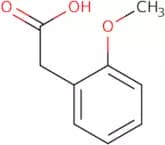
CAS:<p>Please enquire for more information about 2-[(2,4-Dimethylphenyl)amino]nicotinic acid including the price, delivery time and more detailed product information at the technical inquiry form on this page</p>Formula:C14H14N2O2Purity:Min. 95%Color and Shape:PowderMolecular weight:242.27 g/mol2-Methoxyphenylacetic acid
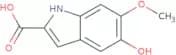
CAS:<p>2-Methoxyphenylacetic acid is a chromatographic and synthetic chemical that is used as an antisolvent. It is a carboxylic acid with a phosphate group, which can be used for sphingosine kinase reactions. 2-Methoxyphenylacetic acid has been shown to be catalysed by hydrochloric acid and naphthenic acids to produce reaction products that are insoluble in organic solvents. 2-Methoxyphenylacetic acid is stable at neutral pH, but it reacts with water to form hydrogen chloride gas at high temperatures. This chemical has been found in the plasma concentrations of cancer patients who have undergone chemotherapy treatment.</p>Formula:C9H10O3Purity:Min. 95%Color and Shape:White PowderMolecular weight:166.17 g/mol5-Hydroxy-6-methoxyindole-carboxylic acid
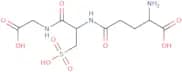
CAS:<p>5-Hydroxy-6-methoxyindole-carboxylic acid (5-HMICA) is a molecule that is found in the pericardium and urine of patients with cancer. 5-HMICA has been shown to suppress tumor growth and activate cell mediated cytotoxicity in vitro. It also induces T helper type 1 (Th1) immune responses, which are associated with the production of cytokines such as interferon gamma and tumor necrosis factor alpha.</p>Formula:C10H9NO4Color and Shape:PowderMolecular weight:207.18 g/molGlutathionesulfonic acid
CAS:<p>Glutathionesulfonic acid is a thiolate that can be synthesized by the reaction of iodoacetic acid with glutathione. This compound is used for the analysis of acids, using a liquid chromatography method and fluorescence analysis to detect the oxidation of aliphatic hydrocarbons. Glutathionesulfonic acid is also used as a target enzyme in biomimetic studies, where it reacts with metal surfaces to form an irreversible bond. It has been shown to have sublethal doses when combined with amino acids, which may be due to its ability to form disulfide bonds.</p>Formula:C10H17N3O9SPurity:Min. 95%Color and Shape:PowderMolecular weight:355.32 g/mol1H-Indoline-3-carboxylic acid
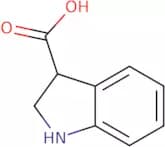
CAS:<p>1H-Indoline-3-carboxylic acid is a molecule with the chemical formula C8H6N2O2. It is an aromatic carboxylic acid and one of the three enantiopure isomers of indoline. 1H-Indoline-3-carboxylic acid has two tautomers, cis (cis) and trans (trans). The stereoisomer cis is found in nature, while trans can be synthesized. 1H-Indoline-3-carboxylic acid can be cleaved to form phenylacetic acid and benzoic acid in reactions catalyzed by acids at high temperatures. Kinetic studies have shown that 1H-indoline-3-carboxylic acid undergoes biotransformation to form methylbenzene, ethylbenzene, propylbenzene, butylbenzene, pentylbenzene and hexylbenzene.</p>Formula:C9H9NO2Purity:Min. 95%Color and Shape:PowderMolecular weight:163.17 g/mol2-(2,4-Dichlorophenoxy)-2-methylpropanoic acid
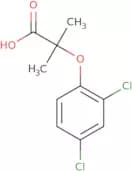
CAS:<p>2,4-Dichlorophenoxyacetic acid is a plant growth regulator that inhibits the transfer of auxin from the shoot to the root. It does this by preventing synthesis of 2,4-dichlorophenoxyacetic acid (2,4-D) and its conversion to 2,4-dichlorophenoxypropionic acid (2,4-DP). The 2,4-D then binds to the auxin transport proteins in the plasma membrane and prevents their passage through the cell wall. The mechanism of action of 2,4-D is not well understood but it is thought that it may inhibit or interfere with indoleacetic acid production or metabolism. Auxins are also mediators of plant physiology and play a role in many processes such as phototropism and phytochrome sensitivity.<br>2,4-D has been shown to block photosynthesis and respiration in plants by inhibiting chlorophyll synthesis. Indoleacetic acid</p>Formula:C10H10Cl2O3Purity:Min. 95%Color and Shape:Clear LiquidMolecular weight:249.09 g/molDihydroxyfumaric acid hydrate
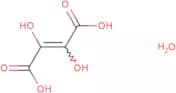
CAS:<p>Dihydroxyfumaric acid hydrate is a deuterated chemical that can be used in spectrometry as a deuteration agent to study the effect of deuteration on the vibrational and reactive properties of molecules. It is also used in medicine as an immobilization reagent for enzymes and antibodies. Dihydroxyfumaric acid hydrate has been shown to have prebiotic activity in food composition, inhibiting glycolaldehyde and protocatechuic acid. This chemical may also serve as a recycled molecule for other applications.</p>Formula:C4H4O6·xH2OPurity:Min. 95%Color and Shape:PowderMolecular weight:148.07 g/molHydroxocobalamin acetate
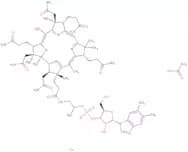
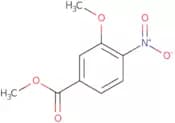
CAS:<p>Hydroxocobalamin acetate is a water-soluble form of hydroxocobalamin, a vitamin B12 prodrug. It is an insoluble polymer that dissolves slowly in an acidic environment. Hydroxocobalamin acetate has been shown to inhibit the growth of human carcinoma cells in culture and can be used as a test compound for anticancer drugs. Hydroxocobalamin acetate is also used as a mouth rinse agent to prevent or treat dental cavities. In addition, it can be used to relieve the symptoms of gastroesophageal reflux disease (GERD) by reducing the acidity of gastric contents. This drug has been shown to stimulate vasoactive intestinal polypeptide release from enterochromaffin cells and can be used for the treatment of irritable bowel syndrome (IBS). Hydroxocobalamin acetate is poorly soluble in neutral pH environments and should not be given orally.</p>Formula:C64H91CoN13O16PPurity:Min. 90 Area-%Color and Shape:Red PowderMolecular weight:1,388.39 g/mol3-Methoxy-4-nitrobenzoic acid methyl ester
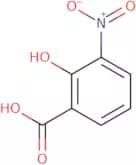
CAS:<p>3-Methoxy-4-nitrobenzoic acid methyl ester is a dianellidin, a type of natural product. It is an ionizing acid that catalyzes the reaction between carboxylic acids and hydroxyl compounds. This compound is used to produce some drugs, such as methyldopate, which is an antiarrhythmic drug that slows heart rate. The catalytic rate of 3-methoxy-4-nitrobenzoic acid methyl ester can be increased by buffers and solvents (e.g., methanol). These compounds increase the concentration of the reactants in solution and reduce the activation energy required for the reaction to take place. Uncatalyzed reactions are slow because there are no molecules to act as intermediates in the process.</p>Formula:C9H9NO5Purity:95%NmrColor and Shape:PowderMolecular weight:211.17 g/mol3-Nitrosalicylic acid
CAS:<p>3-Nitrosalicylic acid is a chemical that is used as an inhibitor for corrosion. It can be used to prevent corrosion in wastewater systems, and it is also used as a protective coating for metals. 3-Nitrosalicylic acid has been shown to be effective against a variety of particle sizes, including fine particles at low concentrations. 3-Nitrosalicylic acid can be synthesized by reacting 5-nitrosalicylic acid with ammonia, hydrogen chloride, and zinc oxide in water. The reaction solution should be neutralized with sodium hydroxide and then hydrogenated using sodium dithionite or sodium sulfite. 3-Nitrosalicylic acid has been shown to inhibit the corrosion of metal surfaces and to function as an effective dose in the synthetic pathway for polymers.<br>3-Nitrosalicylic acid has high concentrations around pH 9.5, which can be reduced by electrochemical impedance spectroscopy (EIS).</p>Formula:C7H5NO5Purity:Min. 95%Color and Shape:PowderMolecular weight:183.12 g/mol4-(Dimethylamino)phenylaceticacid
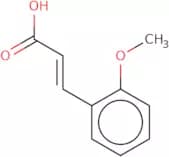
CAS:<p>4-(Dimethylamino)phenylacetic acid (DMAPA) is a chemical inhibitor that binds to fatty acids. It has been shown to have antitumor effects on prostate cancer cells in vitro and in vivo, as well as anti-inflammatory properties. DMAPA also inhibits the synthesis of prostaglandins, which may be due to its binding to amines or the uv irradiation of the molecule. DMAPA has been shown to be effective in preventing the aggregation of serotonin receptors, which may play a role in its potential use for treating depression.</p>Formula:C10H13NO2Purity:Min. 95%Color and Shape:PowderMolecular weight:179.22 g/mol2-Methoxycinnamic acid
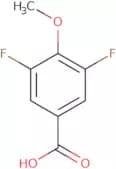
CAS:<p>2-Methoxycinnamic acid is a fine chemical that is used as a building block for research chemicals, pharmaceuticals, and other products. It is a versatile building block that can be used in the synthesis of complex compounds with diverse structures. 2-Methoxycinnamic acid is also an intermediate for the production of cinnamates, which are useful in the production of synthetic dyes.</p>Formula:C10H10O3Purity:Min. 95%Color and Shape:White PowderMolecular weight:178.18 g/mol3,5-Difluoro-4-methoxybenzoic acid
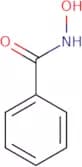
CAS:<p>3,5-Difluoro-4-methoxybenzoic acid is a chemical compound that is used as both a starting material and an intermediate in organic synthesis. It can be obtained from the reaction of 2,4-difluoro-3-methoxybenzoyl chloride with 3,5-dimethoxyaniline. 3,5-Difluoro-4-methoxybenzoic acid has been shown to be useful as a building block in the synthesis of other compounds with potent antibiotic activity such as fluoroquinolones. This compound is also used to synthesize aminomethylcyclohexane and methylaminomethylcyclohexane, which are useful in the manufacture of pesticides.</p>Formula:C8H6F2O3Purity:Min. 95%Color and Shape:PowderMolecular weight:188.13 g/molBenzohydroxamic acid
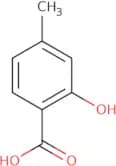
CAS:<p>Benzohydroxamic acid is a weak organic acid that is formed from the condensation of two molecules of benzoic acid. The thermodynamic data for this compound are available in the form of an equation and an enthalpy change. Benzohydroxamic acid interacts with metal hydroxides by forming metal complexes, which can be used as catalysts in transfer reactions. In addition, benzohydroxamic acid has been shown to inhibit HIV infection by inhibiting reverse transcriptase activity. This compound also undergoes hydrogen bonding interactions with other molecules due to its hydroxyl group and fatty acid moieties.</p>Formula:C7H7NO2Purity:Min. 95%Color and Shape:PowderMolecular weight:137.14 g/mol4-Methylsalicylic acid
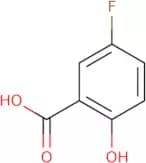
CAS:<p>4-Methylsalicylic acid is a chemical compound that belongs to the group of salicylates. It is an organic compound with a molecular weight of 96.12 g/mol and the chemical formula C8H8O3. The epoxidation of 4-methylsalicylic acid occurs through the use of catalysts, such as zinc oxide and manganese dioxide, which are not functionalized. The addition of these catalysts causes a reaction between the methyl group and the hydroxyl group in 4-methylsalicylic acid, forming methyl salicylate. This product is also used as a chiral building block for other compounds, such as axial chirality and olefins.</p>Formula:C8H8O3Purity:Min. 98 Area-%Color and Shape:PowderMolecular weight:152.15 g/mol5-Fluorosalicylic acid
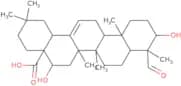
CAS:<p>5-Fluorosalicylic acid is a nonsteroidal anti-inflammatory drug that belongs to the group of 5-substituted salicylates. It has a strong affinity for human serum and can be used as an indicator in the determination of blood glucose. 5-Fluorosalicylic acid also binds to p-nitrophenyl phosphate with high affinity, which is involved in the regulation of cellular energy metabolism and plays a role in the production of ATP. The drug has been shown to form stable complexes with coumarin derivatives, which may have an effect on enzyme activities by modifying their conformational properties. 5-Fluorosalicylic acid has been shown to interact with other drugs, such as acetaminophen or ibuprofen, which may increase the risk of adverse effects.</p>Formula:C7H5FO3Purity:Min. 95%Color and Shape:SolidMolecular weight:156.11 g/molQuillaic acid
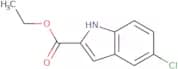
CAS:Controlled Product<p>Quillaic acid is a natural product that has been found to show significant cytotoxicity. It has been shown to have anti-inflammatory and anti-microbial properties, as well as the ability to inhibit pro-apoptotic proteins. Quillaic acid is a saponin with a chemical structure that includes nitrogen atoms and hydroxyl groups. It also contains cisplatin-induced nephrotoxicity and can be used for the treatment of infectious diseases. Quillaic acid has significant structural similarities to cisplatin, which is an anticancer agent that inhibits DNA synthesis by binding to DNA gyrase and topoisomerase IV in bacterial cells.</p>Formula:C30H46O5Purity:Min. 95%Color and Shape:PowderMolecular weight:486.68 g/molEthyl 5-chloroindole-2-carboxylate
CAS:<p>Ethyl 5-chloroindole-2-carboxylate is a pro-apoptotic agent that has been shown to inhibit the replication of HIV. It inhibits the reverse transcriptase and DNA polymerases in the virus, which prevents it from being replicated. Ethyl 5-chloroindole-2-carboxylate also induces apoptosis by alkylating the cysteine residues on the host cell's proteins. This drug is not active against other viruses, such as herpes simplex virus type 1 (HSV1). It has been shown to be an analog for cannabidiol (CBD), which binds to cannabinoid receptors CB1 and CB2.</p>Formula:C11H10ClNO2Purity:Min. 95%Color and Shape:PowderMolecular weight:223.66 g/mol4-Chloro-3-nitro-5-sulfamoylbenzoic acid
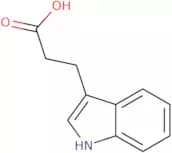
CAS:4-Chloro-3-nitro-5-sulfamoylbenzoic acid is a chemical compound that belongs to the group of speciality chemicals. It is a versatile building block for the synthesis of complex compounds. 4-Chloro-3-nitro-5-sulfamoylbenzoic acid has high quality and can be used as reagents in research or as a building block for the synthesis of new molecules.Formula:C7H5ClN2O6SPurity:Min. 95%Color and Shape:PowderMolecular weight:280.64 g/molIndole-3-propionic acid
CAS:Indole-3-propionic acid is a metabolite of tryptophan. It has been shown to have a number of physiological effects, including the induction of apoptosis and inhibition of cell proliferation. Indole-3-propionic acid may be a potential biomarker for bowel disease, as well as an analytical method for detecting hydrogen bonding interactions. This compound has also been shown to have pharmacological effects in the treatment of diseases such as mitochondrial dysfunction, heart failure, and cancer. Indole-3-propionic acid is an agonist to the 5HT receptor and can activate the mammalian target of rapamycin (mTOR) pathway. The mTOR pathway regulates energy metabolism by regulating protein synthesis and cell growth.Formula:C11H11NO2Color and Shape:White Off-White PowderMolecular weight:189.21 g/molSubstance P acetate salt
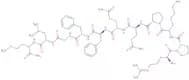
CAS:<p>The Substance P acetate salt is a white or off-white crystalline powder. It is soluble in ethanol and methanol, sparingly soluble in water, and insoluble in ether. The Substance P acetate salt has been widely used as a research chemical and building block for the synthesis of complex compounds. The CAS number for the substance is 137348-11-9.</p>Formula:C63H98N18O13S·C2H4O2Purity:Min. 95 Area-%Color and Shape:PowderMolecular weight:1,407.68 g/molPAR-3 (1-6) (human) trifluoroacetate salt
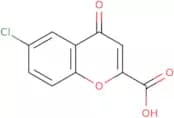
CAS:<p>Please enquire for more information about PAR-3 (1-6) (human) trifluoroacetate salt including the price, delivery time and more detailed product information at the technical inquiry form on this page</p>Formula:C29H45N9O8Purity:Min. 95%Molecular weight:647.72 g/mol6-Chlorochromone-2-carboxylic acid
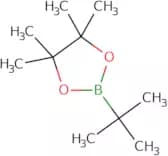
CAS:<p>6-Chlorochromone-2-carboxylic acid is a synthetic carboxylic acid that is a reagent in organic synthesis. It has been used to synthesize a number of new compounds, including substituted carboxylic acids and nitro compounds. The discovery of 6-chlorochromone-2-carboxylic acid was made possible by optimizing the reaction parameters, such as substituent and reaction time. This compound is cost effective and can be obtained from chromones.</p>Formula:C10H5ClO4Purity:Min. 95%Color and Shape:PowderMolecular weight:224.6 g/moltert-Butylboronic acid pinacol ester
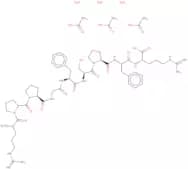
CAS:<p>tert-Butylboronic acid pinacol ester is a fine chemical reagent that is used as a building block in the synthesis of complex compounds. It is an intermediate in reactions involving the conversion of alcohols to esters with the use of acid catalysts. Tert-butylboronic acid pinacol ester has been shown to be a useful scaffold for organic synthesis, and can be used as a high quality reaction component. It also has applications as a research chemical and speciality chemical.</p>Formula:C10H21BO2Purity:Min. 95%Color and Shape:Clear LiquidMolecular weight:184.08 g/molBradykinin triacetate trihydrate
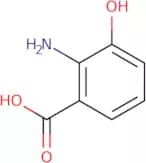
CAS:<p>Bradykinin is a naturally occurring peptide hormone that has been found to have a wide variety of uses. It can be used as a fine chemical, useful scaffold, versatile building block, and useful intermediate in the synthesis of complex compounds. Bradykinin can also act as a reaction component for the synthesis of speciality chemicals, such as pharmaceuticals and research chemicals. Bradykinin is used in the manufacture of medicines for high blood pressure and pain relief, among other things. It is also used in research studies to study the effects of drugs on cell cultures and animals.</p>Formula:C50H73N15O11•(C2H4O2)3•(H2O)3Purity:Min. 95%Color and Shape:PowderMolecular weight:1,294.41 g/mol3-Hydroxyanthranilic acid
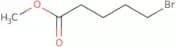
CAS:<p>3-Hydroxyanthranilic acid (3HA) is an intermediate in the synthesis of tryptophan, which is a precursor to serotonin. 3HA has been shown to be beneficial for brain functions and bowel disease. It also has a synergic effect with picolinic acid as a treatment for Parkinson's disease. A study has shown that 3HA increases energy metabolism and promotes the production of high-energy molecules such as ATP, NADH, and FADH2. The biological sample can be collected from blood or urine. The analytical method used is high performance liquid chromatography with UV detection at 280 nm.</p>Formula:C7H7NO3Purity:Min. 95%Color and Shape:PowderMolecular weight:153.14 g/mol5-Bromovaleric acid methyl ester
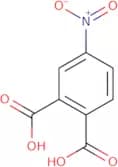
CAS:<p>5-Bromovaleric acid methyl ester is a molecule that can be used as a model system for population growth. It has been shown to activate the CB2 receptor in mice and stimulate the production of polyclonal antibodies. 5-Bromovaleric acid methyl ester may be a potential drug target for treating inflammatory conditions such as psoriasis, Crohn's disease, and ulcerative colitis. The compound has also been shown to inhibit cyclooxygenase enzymes in human platelets. 5-Bromovaleric acid methyl ester can also be used as an analytical tool for determining the concentration of conjugates in urine samples by gas chromatography.</p>Formula:C6H11BrO2Purity:Min. 95%Color and Shape:Clear LiquidMolecular weight:195.05 g/mol4-Nitrophthalic acid
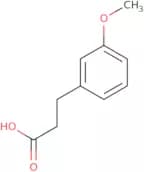
CAS:<p>4-Nitrophthalic acid is a white crystalline solid that has an acid and basic character. It has been shown to be antigenic, with a specific antibody able to bind to the 4-nitro group. The structure of 4-Nitrophthalic acid was determined using X-ray crystallography and NMR spectroscopy. The molecular weight of 4-Nitrophthalic acid is 177.2 g/mol, with a melting point of 174 °C and a boiling point of 341 °C. It is soluble in water and organic solvents such as ethanol, acetone, chloroform, ethyl ether, benzene, hexane, dichloromethane and ethyl acetate.</p>Formula:C8H5NO6Purity:Min. 97 Area-%Color and Shape:White PowderMolecular weight:211.13 g/mol3-(3-Methoxyphenyl)propionic acid
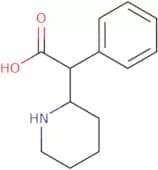
CAS:<p>3-(3-Methoxyphenyl)propionic acid is a phenylpropionic acid with the chemical formula C9H11O2. It is a competitive antagonist of the h3 receptors, and has been shown to inhibit acetylcholinesterase activity in vitro. 3-(3-Methoxyphenyl)propionic acid also has antioxidant properties, which may be due to its ability to inhibit lipase activity. This compound also has anti-inflammatory effects, which may be due to its ability to inhibit tryptophan metabolism. 3-(3-Methoxyphenyl)propionic acid has been shown to have therapeutic potential for Alzheimer's disease, as it can cross the blood brain barrier and inhibits amyloid beta (Aβ) aggregation.</p>Formula:C10H12O3Purity:Min. 95%Color and Shape:PowderMolecular weight:180.2 g/mol2-Phenyl-2-(2-piperidy)acetic acid
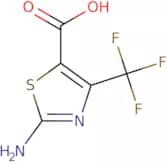
CAS:Controlled Product<p>Methylphenidate is a psychostimulant drug used to treat attention deficit hyperactivity disorder (ADHD) and narcolepsy. It is a prodrug of the active compound, 2-phenyl-2-(2-piperidin)acetic acid (Ritalinic acid), which inhibits the reuptake of dopamine and norepinephrine into the presynaptic neuron. Methylphenidate can be detected by LC-MS/MS in wastewater, providing an analytical method for predicting the presence of this substance in wastewater treatment plants. This drug has minimal toxicity in model organisms and can be metabolized by methylation to form a glucuronide conjugate. Methylphenidate has been shown to increase locomotor activity when administered at low doses, but not at high doses. At high doses, it increases locomotor activity up to 3 hours after administration and decreases locomotor activity 1 hour after administration.</p>Formula:C13H17NO2Purity:Min 98%Color and Shape:White PowderMolecular weight:219.28 g/mol2-Amino-4-(trifluoromethyl)thiazole-5-carboxylic acid
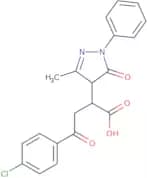
CAS:Please enquire for more information about 2-Amino-4-(trifluoromethyl)thiazole-5-carboxylic acid including the price, delivery time and more detailed product information at the technical inquiry form on this pageFormula:C5H3F3N2O2SPurity:Min. 95%Molecular weight:212.15 g/mol4-(4-Chlorophenyl)-2-(3-methyl-5-oxo-1-phenyl(2-pyrazolin-4-yl))-4-oxobutanoic acid
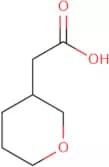
CAS:<p>Please enquire for more information about 4-(4-Chlorophenyl)-2-(3-methyl-5-oxo-1-phenyl(2-pyrazolin-4-yl))-4-oxobutanoic acid including the price, delivery time and more detailed product information at the technical inquiry form on this page</p>Purity:Min. 95%Tetrahydro-2H-pyran-3-ylacetic acid
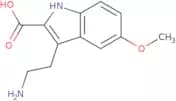
CAS:<p>Tetrahydro-2H-pyran-3-ylacetic acid (THPA) is a chemical that is used as a reagent, speciality chemical and building block in the synthesis of more complex compounds. It is also used as a reaction component and intermediate in the synthesis of various pharmaceuticals. THPA has been shown to be an effective scaffold for creating new drugs that are useful in the treatment of diabetes, cancer and other diseases. This compound can be synthesized from cyclopentanone through a two step process involving oxidation and esterification.</p>Formula:C7H12O3Purity:Min. 95%Color and Shape:Clear LiquidMolecular weight:144.17 g/mol3-(2-Aminoethyl)-5-methoxy-1H-indole-2-carboxylic acid
CAS:<p>3-(2-Aminoethyl)-5-methoxy-1H-indole-2-carboxylic acid is a fine chemical that is used as a building block for research chemicals, reagents, and specialty chemicals. It has the CAS No. 52648-13-2. 3-(2-Aminoethyl)-5-methoxy-1H-indole-2-carboxylic acid is also a versatile building block for synthesis of complex compounds with high quality and is a reaction component in many reactions. This compound can serve as an intermediate or scaffold in chemical synthesis.</p>Formula:C12H14N2O3Purity:Min. 95%Color and Shape:White PowderMolecular weight:234.25 g/mol2-Aminophenylboronic acid pinacol cyclic ester
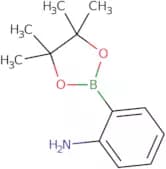
CAS:<p>This compound is a drug target that is an organic molecule found in many pharmaceuticals. It is an acidic, ammonium persulfate-sensitive biomolecule, which can be introduced into cells and tissues to study their function. This compound has been shown to have cancer-fighting abilities, and has potent inhibitory activity against microbial infections. The compound also has suzuki coupling properties, which are used to introduce hemicyanine groups onto other molecules.</p>Formula:C12H18BNO2Purity:Min. 95%Color and Shape:White PowderMolecular weight:219.09 g/mol2-Chloro-5-hydroxybenzoic acid ethyl ester
CAS:<p>2-Chloro-5-hydroxybenzoic acid ethyl ester is synthesized by the substitution of anthranilic acid with an aryl ring. The substituents on the aryl ring are chloro and hydroxy, which are attached to carbon atoms. 2-Chloro-5-hydroxybenzoic acid ethyl ester can be metabolized into a number of different metabolites. For example, it can be converted into acid metabolites that have substituents on the benzene ring such as nitro or nitroso groups. These metabolites are then excreted in urine or bile.</p>Formula:C9H9ClO3Purity:Min. 95%Color and Shape:Off-White To Yellow To Brown SolidMolecular weight:200.62 g/molDihydro ferulic acid 4-O-sulfate sodium salt
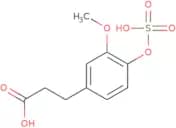
CAS:Dihydroferulic acid is a chlorogenic acid that has been shown to have anti-inflammatory properties in vitro and in vivo. Dihydroferulic acid has been shown to inhibit the production of pro-inflammatory cytokines, such as tumor necrosis factor alpha (TNF-α) and interleukin 10 (IL-10), in monocytic cells. This compound also inhibits the activation of toll-like receptor 4 (TLR4) and TLR2, which are receptors on immune cells that bind to bacterial lipopolysaccharides. Dihydroferulic acid has been found to be present in human urine samples, suggesting it is absorbed from dietary sources. It can also be found in wine and tea, where it may contribute to the positive health effects seen with these beverages. Protocatechuic acid is a phenolic compound with similar activity as dihydroferulic acid.Formula:C10H10Na2O7SPurity:Min. 95%Color and Shape:PowderMolecular weight:320.23 g/mol3-(N-Morpholino)-2-hydroxypropanesulfonic acid sodium salt
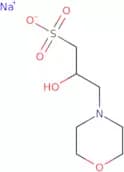
CAS:<p>3-(N-Morpholino)-2-hydroxypropanesulfonic acid sodium salt is a buffer that is used to maintain the pH of a solution. It has been found to be a potential biomarker for bladder cancer, with an increased concentration seen in urine samples and chloride ions as well as inorganic acids. The reaction vessel must be filled with 3N sodium hydroxide solution and heated to dissolve the 3-(N-morpholino) 2-hydroxypropanesulfonic acid sodium salt.</p>Formula:C7H14NO5SNaPurity:Min. 95%Color and Shape:PowderMolecular weight:247.25 g/mol2-Bromo-5-fluorocinnamic acid
CAS:2-Bromo-5-fluorocinnamic acid is a high quality, reagent, complex compound of the chemical family of phenols. It has CAS No. 939410-87-4 and is a useful intermediate in the synthesis of fine chemicals. The compound has been used as a speciality chemical for research purposes and has been found to be a versatile building block for the synthesis of new compounds. 2-Bromo-5-fluorocinnamic acid can be used as a reaction component in organic synthesis reactions, such as esterification, nucleophilic substitution, and condensation reactions.Formula:C9H6BrFO2Purity:Min. 95%Color and Shape:PowderMolecular weight:245.05 g/molPentadecanedioic acid
CAS:<p>Pentadecanedioic acid is a fatty acid that is often used as a pharmaceutical preparation. It has been shown to have inhibitory effects for the removal of malonic acid and other organic acids from wastewater treatment by biological treatment. Pentadecanedioic acid can be synthesized from trifluoroacetic acid and cyclohexane ring, which are precursors to this compound. The hydroxyl group on pentadecanedioic acid makes it susceptible to fluorescence spectrometry, making it an appropriate sample preparation method for this compound.</p>Formula:C15H28O4Purity:Min. 95%Color and Shape:PowderMolecular weight:272.38 g/mol7,7-Azo-3-α,12-α-dihydroxycholanic acid
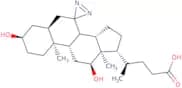
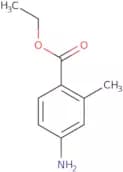
CAS:<p>Please enquire for more information about 7,7-Azo-3-α,12-α-dihydroxycholanic acid including the price, delivery time and more detailed product information at the technical inquiry form on this page</p>Formula:C24H38N2O4Purity:Min. 95%Color and Shape:PowderMolecular weight:418.57 g/mol4-Amino-2-methylbenzoic acid ethyl ester
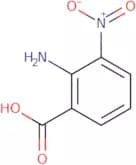
CAS:4-Amino-2-methylbenzoic acid ethyl ester is a versatile building block that can be used in the synthesis of complex compounds. It has been shown to have a number of useful applications, such as in the synthesis of pharmaceuticals, research chemicals, and speciality chemicals. 4-Amino-2-methylbenzoic acid ethyl ester is also an important reagent for the production of high quality pharmaceuticals and intermediates. This chemical is also a useful scaffold for organic reactions.Formula:C10H13NO2Purity:Min. 95%Molecular weight:179.22 g/mol2-Amino-3-nitrobenzoic acid
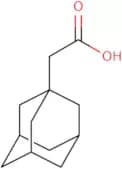
CAS:<p>2-Amino-3-nitrobenzoic acid (2ABN) is a peroxide that is used as an antiviral. 2ABN has been shown to inhibit the formation of reactive oxygen species in cancer cells, leading to apoptosis. It also inhibits the growth of carcinoma cell lines and tissues. 2ABN reacts with chloral hydrate to form a particle that can be encapsulated for delivery and release in vivo. This drug has been expressed in Escherichia coli, which may lead to improved stability and ease of production. 2ABN is thought to have anti-inflammatory properties due to its ability to inhibit the production of prostaglandins. The reactivity of 2ABN with surfactants such as sodium laureth sulfate (SLES) has been shown, which leads to it being used as an emulsifying agent for topical application.</p>Formula:C7H6N2O4Purity:Min. 95%Color and Shape:PowderMolecular weight:182.13 g/mol1-Adamantane acetic acid
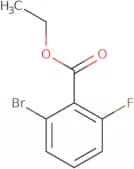
CAS:<p>1-Adamantane acetic acid is a naphthenic organic compound that has physiological effects. It is a hydrogen-bond acceptor and has a trifluoroacetic acid group. The compound inhibits mitochondrial function by inhibiting the enzyme ATPase, which is involved in the synthesis of ATP. 1-Adamantane acetic acid also inhibits tumor growth by inducing apoptosis in cancer cells. It has been shown to have potent antagonist activity against amide neurotransmitters such as acetylcholine and serotonin, which are involved in the regulation of muscle contractions and mood respectively.</p>Formula:C12H18O2Purity:Min. 95%Color and Shape:White PowderMolecular weight:194.27 g/mol2-Bromo-6-fluorobenzoic acid ethyl ester
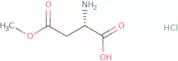
CAS:2-Bromo-6-fluorobenzoic acid ethyl ester is a chemical that reacts with other chemicals to form new substances. It is a useful scaffold for complex compounds and can be used as a building block for fine chemicals, pharmaceuticals, agrochemicals, and other organic compounds. 2-Bromo-6-fluorobenzoic acid ethyl ester is also a versatile building block or intermediate in the synthesis of many different substances.Formula:C9H8BrFO2Purity:Min. 90%Color and Shape:PowderMolecular weight:247.06 g/molL-Aspartic acid b-methyl ester hydrochloride
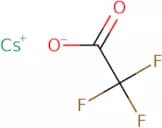
CAS:<p>L-Aspartic acid b-methyl ester hydrochloride is a high quality, versatile building block that can be used as a reaction component in the synthesis of complex compounds. L-Aspartic acid b-methyl ester hydrochloride is a useful scaffold for the preparation of novel fine chemicals and research chemicals with potential uses as pharmaceuticals, pesticides, and agricultural chemicals. It can also be used as an intermediate in the preparation of some natural products or industrial chemicals. L-Aspartic acid b-methyl ester hydrochloride has a CAS number of 16856-13-6.</p>Formula:C5H9NO4·HClColor and Shape:White PowderMolecular weight:183.59 g/molCaesium trifluoroacetate
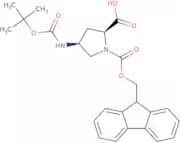
CAS:<p>Caesium trifluoroacetate is a polymerase chain reaction (PCR) reagent that is used to detect and quantify the presence of DNA or RNA. It can be used for the detection of DNA in water vapor, for the estimation of the number of bacteria in wastewater treatment, or to measure the amount of active drug in plasma samples. Caesium trifluoroacetate is a salt that consists of one molecule each of caesium trifluoroacetate and sodium trifluoroacetate. The ester hydrochloride form has an antiinflammatory effect, which may be due to its ability to inhibit prostaglandin synthesis.</p>Formula:C2CsF3O2Purity:ReportedMolecular weight:245.92 g/molBoc-(2S,4S)-4-amino-1-Fmoc-pyrrolidine-2-carboxylic acid
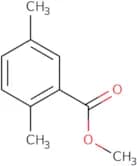
CAS:<p>Useful chiral building block</p>Formula:C25H28N2O6Purity:Min. 95%Molecular weight:452.5 g/mol2,5-Dimethylbenzoic acid methyl ester
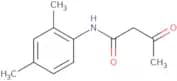
CAS:<p>2,5-Dimethylbenzoic acid methyl ester is an organic compound that belongs to the class of diketones. It is a crystalline solid with a melting point of about 120 °C. The compound is used for the synthesis of other chemicals and as a precursor to pharmaceuticals. 2,5-Dimethylbenzoic acid methyl ester can be produced by photocycloaddition, which involves uv irradiation and heat. This reaction produces two isomers: trans-2,5-dimethylbenzoic acid methyl ester and cis-2,5-dimethylbenzoic acid methyl ester. Trans-2,5-dimethylbenzoic acid methyl ester has been shown to undergo conformational change when heated to 120 °C, while cis-2,5-dimethylbenzoic acid methyl ester does not show this effect.</p>Formula:C10H12O2Purity:Min. 95 Area-%Color and Shape:PowderMolecular weight:164.2 g/molAcetoacetate-m-xylidide
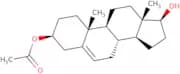
CAS:<p>Acetoacetate-m-xylidide (AAX) is a compound that is used as a reagent to detect protein adducts. It reacts with the amino groups of proteins to form an acetoacetate derivative, which can be detected by mass spectrometry or other analytical methods. The lability of AAX and its reactivity with oxygen make it a poor choice for use in the presence of air. The optimal pH for AAX is acidic, so it must be dissolved in water before use. AAX is used to detect proteins that have been modified by exposure to acid or alkaline environments. This chemical has also been shown to react with haemoglobin and s. aureus, but not p. aeruginosa or E. coli, due to their different structure of the protein cysteine residues. The maximum activation of AAX occurs at pH 4-7, and it becomes fully active at pH 3-4; this chemical does not</p>Formula:C12H15NO2Purity:Min. 95 Area-%Color and Shape:PowderMolecular weight:205.25 g/molAndrostenediol 3-acetate
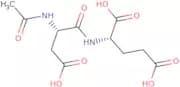
CAS:Controlled Product<p>Androstenediol 3-acetate is an oxime that is used as a coupling agent in organic synthesis. It uncouples oxidative phosphorylation by forming a covalent bond to the enzyme cytochrome-c oxidase, which is involved in the electron transport chain of mitochondria. This inhibits ATP production and forces the cell to rely on anaerobic glycolysis for energy. The efficiency of this reaction was determined through nuclear magnetic resonance spectroscopy and found to be about 60%. Androstenediol 3-acetate has been shown to increase myocardial contractility and cause cardiac hypertrophy in rats.</p>Formula:C21H32O3Purity:Min. 95%Color and Shape:PowderMolecular weight:332.48 g/molN-Acetyl-L-aspartyl-L-glutamic acid
CAS:<p>N-Acetyl-L-aspartyl-L-glutamic acid is an amino acid that is used as a substrate in the biochemical assay for glutamate. It is also used to measure brain functions. NAAG is a low potency agonist of the NMDA receptor, which may contribute to neuronal death. NAAG is used as a model system to study bowel disease and eosinophil cationic protein. It has been shown to be effective in vitro against cancer cells and fungi. The structural analysis of NAAG has revealed that it contains an acidic group on its side chain, which can be detected with a pH indicator such as phenol red or bromocresol purple.</p>Formula:C11H16N2O8Purity:Min. 95 Area-%Color and Shape:White Off-White PowderMolecular weight:304.25 g/mol1-[[6-(2,5-Dihydro-2,5-dioxo-1H-pyrrol-1-yl)-1-oxohexyl]oxy]-2,5-dioxo-3-pyrrolidinesulfonic acid sodium salt
CAS:<p>1-[[6-(2,5-Dihydro-2,5-dioxo-1H-pyrrol-1-yl)-1-oxohexyl]oxy]-2,5-dioxo-3-pyrrolidinesulfonic acid sodium salt is an antibody response enhancer that binds to the Fc receptor of monocytes and macrophages. This binding activates the cells and increases their ability to produce antibodies against infectious agents. This product is used in the treatment of a variety of infections caused by viruses and bacteria. It has been shown to be effective for the treatment of influenza virus infection and other viral diseases such as HIV. The product also contains epidermal growth factor (EGF) which stimulates cell proliferation and differentiation in skin tissue. Antiinfective effects are achieved through inhibition of protein synthesis by silver ions or growth factors such as erythropoietin or photoelectron. This product also inhibits prostaglandin</p>Formula:C14H15N2NaO9SPurity:Min. 95%Color and Shape:SolidMolecular weight:410.33 g/molHead activator (7-11) acetate
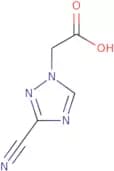
CAS:<p>Please enquire for more information about Head activator (7-11) acetate including the price, delivery time and more detailed product information at the technical inquiry form on this page</p>Formula:C32H54N6O6•(C2H4O2)xPurity:Min. 95%Molecular weight:618.81 g/mol2-(3-Cyano-1H-1,2,4-triazol-1-yl)acetic acid
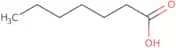
CAS:<p>Please enquire for more information about 2-(3-Cyano-1H-1,2,4-triazol-1-yl)acetic acid including the price, delivery time and more detailed product information at the technical inquiry form on this page</p>Formula:C5H4N4O2Purity:Min. 95%Color and Shape:PowderMolecular weight:152.11 g/molHeptanoic acid
CAS:<p>Heptanoic acid is a fatty acid that is used in the manufacture of film coatings. It can also be found in congestive heart failure medication, where it acts as a vasodilator. Methyl myristate and caproic acid are esters of heptanoic acid. Heptanoic acid has been demonstrated to have pharmacological properties such as anti-inflammatory, anti-arrhythmic, and anti-obesity effects. This compound has been shown to have a matrix effect on analytical methods such as thin layer chromatography (TLC) and high performance liquid chromatography (HPLC). The solubility of heptanoic acid in human serum has been studied. Heptanoic acid is also an experimental agent for bowel disease and eye disorders, although it does not dissolve well in water or sodium citrate.</p>Formula:C7H14O2Purity:Min. 98%Color and Shape:Clear LiquidMolecular weight:130.18 g/molNesiritide acetate
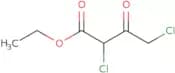
CAS:<p>Nesiritide acetate is a man-made form of the natriuretic peptide hormone that is secreted by the heart. It is used to treat high blood pressure and congestive heart failure. Nesiritide acetate increases the amount of sodium and water excreted from the body, which reduces blood volume and lowers blood pressure. It also relaxes blood vessels, leading to lower blood pressure. This drug can also be used in diagnosis to assess levels of natriuretic peptides in the bloodstream. The typical therapeutic dose for this drug is 100 mcg/kg given intravenously over 30 minutes and then infusion at 0.01 mcg/kg/min for up to 24 hours. The dosage may be increased or decreased depending on the severity of symptoms or side effects experienced by the patient.</p>Formula:C143H244N50O42S4•(C2H4O2)xPurity:Min. 95 Area-%Color and Shape:PowderMolecular weight:3,464.05 g/molEthyl 2,4-dichloroacetoacetate
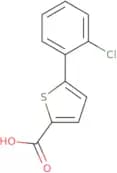
CAS:<p>Ethyl 2,4-dichloroacetoacetate is a reaction component that is used as a reagent in organic synthesis. It has been shown to be a useful scaffold for the preparation of complex compounds and fine chemicals. It can also be used as a useful intermediate or building block for the synthesis of other molecules.</p>Formula:C6H8Cl2O3Purity:Min. 95%Color and Shape:Colorless Clear LiquidMolecular weight:199.03 g/mol5-(2-Chlorophenyl)thiophene-2-carboxylic acid
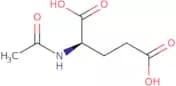
CAS:<p>5-(2-Chlorophenyl)thiophene-2-carboxylic acid is a reagent, complex compound, and useful intermediate that belongs to the class of fine chemicals. CAS No. 500604-91-1 is a speciality chemical that is used as a versatile building block in research chemicals and as a reaction component for the synthesis of new drugs. It is also an excellent building block for synthesizing 1,4-benzothiazepines and other heterocyclic compounds.</p>Formula:C11H7ClO2SPurity:Min. 95%Color and Shape:PowderMolecular weight:238.69 g/molN-Acetyl-D-glutamic acid
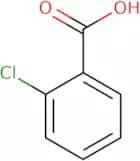
CAS:<p>N-Acetyl-D-glutamic acid is an amino acid that is the building block for proteins in the body. It is a product of the hydrolysis of glutamic acid and is used to treat metabolic disorders such as lysinuric protein intolerance, which blocks the body's ability to break down proteins. N-Acetyl-D-glutamic acid can be found in sources such as peptone, glutamate, and d-carnitine. It has optimum temperature range of 25°C to 45°C. This amino acid can be used as an optical pH indicator due to its red color under acidic conditions and blue color under basic conditions.</p>Formula:C7H11NO5Purity:Min. 95%Color and Shape:PowderMolecular weight:189.17 g/mol2-Chlorobenzoic acid
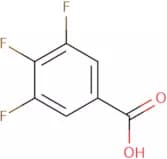
CAS:<p>Please enquire for more information about 2-Chlorobenzoic acid including the price, delivery time and more detailed product information at the technical inquiry form on this page</p>Formula:C7H5ClO2Purity:Min. 95%Color and Shape:White PowderMolecular weight:156.57 g/mol3,4,5-Trifluorobenzoic acid
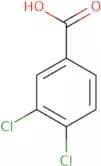
CAS:<p>3,4,5-Trifluorobenzoic acid is a carboxylic acid that is used in animal health. It can be synthesized by the reaction of hydrogen chloride and fluorine. The UV absorption spectrum of 3,4,5-trifluorobenzoic acid is characterized by a tetranuclear structure with maxima at 230 nm and 295 nm. The molecule has a carboxylate group. 3,4,5-Trifluorobenzoic acid absorbs light with wavelengths between 190 to 260 nm. This compound has been reported to have an analytical method based on LC-MS/MS for the determination of its concentration in samples prepared from the hydrolysis of benzoates with nitrous acid. This analytical method uses intermolecular hydrogen bonding as well as amines for sample preparation.</p>Formula:C7H3F3O2Purity:Min. 95%Color and Shape:PowderMolecular weight:176.09 g/mol3,4-Dichlorobenzoic acid
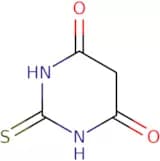
CAS:<p>3,4-Dichlorobenzoic acid (3,4-DCBA) is a compound with the molecular formula C6H2Cl2O2. It is a white solid that has been shown to inhibit the growth of bacteria in tissue culture. 3,4-Dichlorobenzoic acid can be used as a biocide in wastewater treatment because it has a high solubility and low toxicity, and it inhibits the growth of bacteria by binding to hydrogen bonding interactions. 3,4-Dichlorobenzoic acid also inhibits the synthesis of 1-hydroxy-2-naphthoic acid, which is an intermediate in bacterial dioxygenases.</p>Formula:C7H4Cl2O2Purity:Min. 98 Area-%Color and Shape:PowderMolecular weight:191.01 g/mol2-Thiobarbituric acid
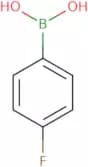
CAS:Controlled Product<p>2-Thiobarbituric acid is a natural compound found in the blood of pregnant women. It is also present in atherosclerotic lesions and has been shown to have an anti-inflammatory effect. 2-Thiobarbituric acid inhibits nitrate reductase, an enzyme that is responsible for the reduction of nitrates to nitrites, which are then converted to nitric oxide by another enzyme called nitric oxide synthase. Nitric oxide is a signaling molecule that regulates inflammation and plays an important role in the immune system. 2-Thiobarbituric acid intercalates with DNA, inhibiting transcription and replication. It has been shown to be active against Bacillus cereus, Escherichia coli, Klebsiella pneumoniae, Staphylococcus aureus, Streptococcus pyogenes (group A streptococci), and Vibrio cholerae (cholera).</p>Formula:C4H4N2O2SColor and Shape:White Yellow PowderMolecular weight:144.15 g/mol4-Fluorophenylboronic acid
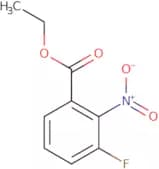
CAS:<p>4-Fluorophenylboronic acid is a boron compound that has been used in molecular modeling and functional assays. It has been shown to be a strong ligand for palladium complexes and can be used to synthesize metal complexes. 4-Fluorophenylboronic acid has also been shown to bind to the CB2 receptor with high affinity and selectivity, making it a potential drug for the treatment of pain. This compound can be synthesized by many different methods, but one of the most common is the synthesis from phenylacetic acid and boron trifluoride gas. The other methods include direct reaction with phenylboronic acid, or by heating anhydrous copper chloride in anhydrous hydrochloric acid with boric acid at high temperatures. Magnetic resonance spectroscopy (MRS) has also been used to study its properties. Canagliflozin is an example of a drug that contains this chemical group as</p>Formula:C6H6BFO2Purity:Min. 95%Color and Shape:White PowderMolecular weight:139.92 g/mol3-Fluoro-2-nitrobenzoic acid ethyl ester
CAS:<p>3-Fluoro-2-nitrobenzoic acid ethyl ester is a fine chemical that is useful as a versatile building block in the synthesis of complex compounds. It can be used as an intermediate in the preparation of research chemicals and has been shown to react with amines to form nitrosoamines, which are useful reaction components. 3-Fluoro-2-nitrobenzoic acid ethyl ester has CAS number 163077-89-2 and is available at high quality.</p>Formula:C9H8FNO4Purity:Min. 95%Color and Shape:PowderMolecular weight:213.16 g/mol(R,Z)-12-Hydroxyoctadec-9-enoic acid
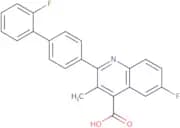
CAS:<p>(R,Z)-12-Hydroxyoctadec-9-enoic acid is a natural product that belongs to the group of antimicrobial agents. It inhibits bacterial translocation by binding to ester linkages on the surface of the bacterial cell wall, preventing the entrance of bacteria into host cells. The reactive site is an hydroxyl group located at C12. This compound has been shown to have activity against infectious diseases including chlamydia, shigella, and salmonella. (R,Z)-12-Hydroxyoctadec-9-enoic acid also has a number of other activities such as inhibition of glycol ethers and methanol solvents.</p>Formula:C18H34O3Purity:Min. 80 Area-%Color and Shape:Clear LiquidMolecular weight:298.46 g/mol6-Fluoro-2-(2'-fluorobiphenyl-4-yl)-3-methylquinoline-4-carboxylic acid
CAS:<p>Brequinar sodium is a drug that belongs to the class of quinoline carboxylic acid derivatives. It has been shown to be effective in the treatment of infectious diseases and bowel disease. Brequinar sodium inhibits bacterial growth by binding to DNA-dependent RNA polymerase, thereby preventing transcription and replication. The high frequency of human activity has been shown using a patch-clamp technique on human erythrocytes. This active form is metabolized through a number of metabolic transformations, including hydrolysis by esterases or glucuronidases, oxidation by cytochrome P450 enzymes, reduction by glutathione reductase, or conjugation with glucuronic acid. Brequinar also specifically binds to markers expressed at high levels in Mycobacterium tuberculosis strains (e.g., ESX-1 secretion system protein) and inhibits cell growth in culture.</p>Formula:C23H15F2NO2Purity:Min. 97 Area-%Color and Shape:White/Off-White SolidMolecular weight:375.37 g/mol2-(4-Aminophenoxy)acetic acid hydrate
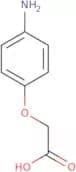
CAS:<p>2-(4-Aminophenoxy)acetic acid hydrate is a synthetic, chlorine atom, primary amino compound that has been used as a lysine analogue in the production of lysine-deficient media. It also has been shown to be an inhibitor of the uptake of L-lysine by rat liver cells. 2-(4-Aminophenoxy)acetic acid hydrate can also be used to synthesize conjugates with other compounds such as fluorescein and luciferin. This compound is acidic and can form hydrogen bonds with other molecules. 2-(4-Aminophenoxy)acetic acid hydrate has shown novartis in fluorescence techniques, which may be due to its ability to emit light when excited at specific wavelengths.</p>Formula:C8H9NO3·H2OPurity:Min. 95%Color and Shape:Off-White PowderMolecular weight:185.18 g/mol3-Amino-2,4,6-tribromobenzoic acid
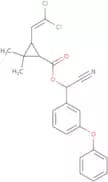
CAS:<p>3-Amino-2,4,6-tribromobenzoic acid is an antibacterial agent that has a strong interaction with the optical properties of diaminopyridine. This interaction leads to an enhancement in the fluorescence of 3-amino-2,4,6-tribromobenzoic acid. The photophysical properties of 3-amino-2,4,6-tribromobenzoic acid have been investigated by measuring its fluorescence emission in acetonitrile and zirconium chloride solutions. It has been shown that this compound is active against many bacterial strains including methicillin resistant Staphylococcus aureus (MRSA). This compound has also been shown to be effective against Mycobacterium tuberculosis and Mycobacterium avium complex.</p>Formula:C7H4Br3NO2Purity:Min. 95%Color and Shape:PowderMolecular weight:373.82 g/molCyano-3-phenoxybenzyl 3-(2,2-dichloroethenyl)-2,2-dimethylcyclopropanecarboxylate
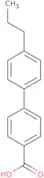
CAS:Cypermethrin is an insecticide that belongs to the family of chemical pesticides. It is used in agriculture and in public health to control malaria-transmitting mosquitoes, head lice, and scabies mites. Cypermethrin disrupts the insect nervous system by inhibiting the function of synapses between nerves, resulting in paralysis and death. The compound also affects signal pathways that regulate locomotor activity and enzyme activities. Cypermethrin has been shown to have a high resistance to degradation by glycol ethers such as ethylene glycol monomethyl ether acetate (EGMEA). It has an optimum concentration of 0.01 ppm for mosquito control and 0.1 ppm for lice control. The analytical method involves liquid chromatography with sodium citrate as an ion-pairing agent and a linear calibration curve using a standard curve generated from known concentrations of cypermethrin.Formula:C22H19Cl2NO3Purity:Min. 95%Color and Shape:Colorless Clear LiquidMolecular weight:416.3 g/mol4-(4-Propylphenyl)benzoic acid
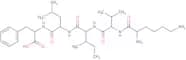
CAS:<p>4-(4-Propylphenyl)benzoic acid is a high quality, reagent and complex compound that is useful as an intermediate or fine chemical in the synthesis of speciality chemicals. It is also a versatile building block for the synthesis of organic compounds. 4-(4-Propylphenyl)benzoic acid can be used as a reaction component to synthesize other compounds. CAS No. 88038-94-2</p>Formula:C16H16O2Purity:Min. 95%Color and Shape:PowderMolecular weight:240.3 g/molTos-Gly-Pro-Lys-pNA acetate
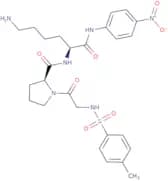
CAS:<p>Tos-Gly-Pro-Lys-pNA acetate is a peptide that has been shown to have inhibitory effects on serine proteases, such as fibrinogen. Tos-Gly-Pro-Lys-pNA acetate binds to the active site of serine proteases, which inhibits their activity and prevents them from cleaving fibrinogen. The rate of reaction is dependent on the concentration of enzyme inhibitors. For example, at low concentrations, the enzyme inhibitor will bind to only one or two sites on the serine protease, while at high concentrations it may bind to many sites. This molecule has been shown to be a potent inhibitor of human immunodeficiency virus (HIV) protease and is currently being studied for its use as a potential antiviral agent.</p>Formula:C26H34N6O7SPurity:Min. 95%Color and Shape:PowderMolecular weight:574.65 g/mol2-Aminoterephthalic acid
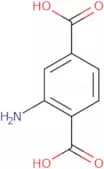
CAS:<p>2-Aminoterephthalic acid is a sulfa drug that has a skeleton containing two nitrogen atoms. It is a white, crystalline powder and can be dissolved in water. 2-Aminoterephthalic acid is used as an intermediate for the preparation of other sulfa drugs. The detection limit of this compound was determined to be 0.5 mg/L with the use of a chemiluminescence method and fluorescence probe. This compound reacts with acid to form an acid complex that can be detected by plasma mass spectrometry or electrochemical impedance spectroscopy.</p>Formula:C8H7NO4Purity:Min. 97 Area-%Color and Shape:White PowderMolecular weight:181.15 g/mol2-[(2-Carboxyphenyl)amino]-3-methoxybenzoic acid
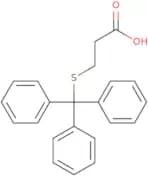
CAS:<p>2-[(2-Carboxyphenyl)amino]-3-methoxybenzoic acid is a fine chemical that is used as a building block, reagent, and speciality chemical in the synthesis of other compounds. This compound is a versatile building block for the synthesis of complex compounds with many applications. 2-[(2-Carboxyphenyl)amino]-3-methoxybenzoic acid is a complex compound that can be used as an intermediate or scaffold in the manufacture of pharmaceuticals, agrochemicals, and other organic syntheses.</p>Formula:C15H13NO5Purity:Min. 95%Molecular weight:287.27 g/mol3-(Tritylthio)propionic acid
CAS:<p>3-(Tritylthio)propionic acid is a cyclic lipopeptide that has been shown to inhibit the growth of prostate cancer cells and bacteria. The compound has also been shown to be an effective broad-spectrum antimicrobial with a neutral pH. 3-(Tritylthio)propionic acid is synthesized by coupling an amine with a thiol containing molecule in the presence of hydrogen fluoride. This process produces a cyclic peptide that is stabilized by a disulfide bond between two cysteine residues. Hydrogen bonding interactions between 3-(tritylthio)propionic acid molecules allow for the formation of nanomaterials, which may have potential applications in medical imaging.</p>Formula:C22H20O2SPurity:Min. 98 Area-%Color and Shape:White Off-White PowderMolecular weight:348.46 g/mol




![(2S)-({[(4-Methyl-2-oxo-2H-chromen-7-yl)oxy]acetyl}amino)(phenyl)acetic acid](/_next/image/?url=https%3A%2Fstatic.cymitquimica.com%2Fproducts%2F3D%2Fthumb-webp%2FFM124529.webp&w=3840&q=75)
![2-[(2,4-Dimethylphenyl)amino]nicotinic acid](/_next/image/?url=https%3A%2Fstatic.cymitquimica.com%2Fproducts%2F3D%2Fthumb-webp%2FFD136109.webp&w=3840&q=75)





![1-[[6-(2,5-Dihydro-2,5-dioxo-1H-pyrrol-1-yl)-1-oxohexyl]oxy]-2,5-dioxo-3-pyrrolidinesulfonic acid …](/_next/image/?url=https%3A%2Fstatic.cymitquimica.com%2Fproducts%2F3D%2Fthumb-webp%2FFD24987.webp&w=3840&q=75)


![2-[(2-Carboxyphenyl)amino]-3-methoxybenzoic acid](/_next/image/?url=https%3A%2Fstatic.cymitquimica.com%2Fproducts%2F3D%2Fthumb-webp%2FFC19799.webp&w=3840&q=75)