Carboxylic Acids
Carboxylic acids are organic molecules characterized by having a carboxyl-type functional group (-COOH). These acids are fundamental in various chemical reactions, including esterification, amidation, and decarboxylation. Carboxylic acids are widely used in the production of pharmaceuticals, polymers, and agrochemicals. In this section, you can find a large number of carboxylic acids ready to be used. At CymitQuimica, we provide a broad range of high-quality carboxylic acids to support your research and industrial applications.
Found 12453 products of "Carboxylic Acids"
Sort by
Purity (%)
0
100
|
0
|
50
|
90
|
95
|
100
3-Chloro-2-pyrazine-carboxylic acid
CAS:<p>3-Chloro-2-pyrazinecarboxylic acid is a nucleophilic compound that is synthetically produced and has antimicrobial properties. It is an active component of the drug 3,4 dichloro-2-pyrazinecarboxylic acid (DCP). This agent binds to the chloride ion in bacterial cells, which inactivates the enzyme adenosine triphosphatase that is essential for maintaining cellular homeostasis. 3-Chloro-2-pyrazinecarboxylic acid has been shown to be active against a number of Gram positive and Gram negative bacteria, including Staphylococcus epidermidis, Streptococcus pneumoniae, and Pseudomonas aeruginosa. It also has antibacterial activity against mycobacteria such as Mycobacterium tuberculosis and Mycobacterium avium complex.</p>Formula:C5H3ClN2O2Purity:Min. 95%Color and Shape:Off-White To Light Brown SolidMolecular weight:158.54 g/molD-(+)-Phenyllactic acid
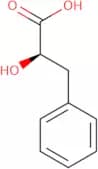
CAS:<p>D-(+)-phenyllactic acid is a pharmaceutical drug that is used to catalyze the asymmetric synthesis of chiral compounds. It is an enantiomer of L-phenyllactic acid, and it has been shown to be effective in the treatment of patients with breast cancer. D-(+)-phenyllactic acid can also be used to catalyze the formation of taxol, a clinical drug which has been shown to inhibit tumor growth. D-(+)-phenyllactic acid binds to the active site of catalase, an enzyme that breaks down hydrogen peroxide in cells. The reaction mechanism for catalysis by D-(+)-phenyllactic acid is not well understood, but it may involve monocarboxylic acids such as formic or acetic acids.</p>Formula:C9H10O3Purity:Min. 95%Color and Shape:White PowderMolecular weight:166.17 g/mol2-Hydroxy-5-nitrophenylacetic acid
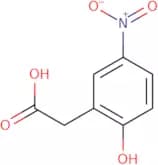
CAS:<p>2-Hydroxy-5-nitrophenylacetic acid is a versatile building block that can be used as a reagent, speciality chemical, or research chemical. It has been synthesized and characterized from the nitrobenzene derivative 2-hydroxyacetophenone. The compound has been shown to inhibit the growth of bacteria by binding to bacterial DNA gyrase and topoisomerase IV. This inhibits bacterial growth by preventing DNA replication and transcription. As an intermediate, 2-hydroxy-5-nitrophenylacetic acid is useful in organic synthesis as a reaction component or scaffold.</p>Formula:C8H7NO5Purity:Min. 95%Color and Shape:PowderMolecular weight:197.14 g/mol3-Cysteinylacetaminophen trifluoroacetic acid salt
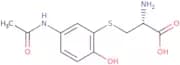
CAS:<p>Acetaminophen is a common pain reliever and fever reducer. It is available over-the-counter in many countries. Acetaminophen is a member of the class of drugs known as analgesic, antipyretic, and anti-inflammatory drugs (APAP). The drug has been shown to be effective for acute pain relief, but not for chronic pain. Acetaminophen has also been found to be an effective analgesic when taken at high doses (above 1000 mg per day) for more than one week. In vivo studies have shown that acetaminophen inhibits mitochondrial membrane potential in hk-2 cells and cd-1 mice. This inhibition leads to apoptosis and cell death. Acetaminophen is not associated with serious side effects when used at the recommended dose, although it can lead to liver damage if taken in large quantities or on a prolonged basis.</p>Formula:C11H14N2O4S·xC2HO2F3Purity:(%) Min. 95%Color and Shape:Brown PowderMolecular weight:270.31 g/molo-Carborane-9-Carboxylic acid
CAS:Controlled Product<p>o-Carborane-9-carboxylic acid (C9CA) is a new antitumour agent that has been shown to be effective against human tumour cells and tumour cell lines. C9CA also has a high affinity for the active site of the enzyme dihydrofolate reductase, which is involved in the synthesis of DNA. The antitumour activity of C9CA is mediated by its ability to inhibit DNA synthesis and induce apoptosis. C9CA has been shown to be less toxic than methotrexate and doxorubicin, with the potential for fewer side effects.</p>Purity:Min. 95%2-[N-[(3,5-Difluorophenyl)carbamoylamino]-C-methylcarbonimidoyl]pyridine-3-carboxylic acid
CAS:<p>2-[N-[(3,5-Difluorophenyl)carbamoylamino]-C-methylcarbonimidoyl]pyridine-3-carboxylic acid (2FPC) is a potent herbicide that inhibits the fatty acid synthase enzyme and blocks cellular energy production. Fatty acid synthase is an important enzyme in the synthesis of essential fatty acids and this inhibition can lead to a number of health complications. 2FPC also inhibits epidermal growth factor receptor (EGFR) and glucocorticoid receptors, which can lead to autoimmune diseases. The compound has been shown to produce neurotoxic effects in animals and humans, including optical sensor activation and cation channel modulation.<br>2FPC is used as a herbicide to control weeds such as knapweed. It is also used as an anti-inflammatory agent in the treatment of rheumatoid arthritis.</p>Formula:C15H12F2N4O3Purity:Min. 97 Area-%Color and Shape:PowderMolecular weight:334.28 g/mol3-(4-Nitrophenyl)-1-adamantanecarboxylic acid
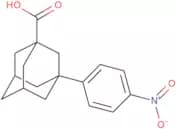
CAS:<p>3-(4-Nitrophenyl)-1-adamantanecarboxylic acid is a high quality, versatile building block compound that has been used as a reagent and as a useful intermediate. This product is commercially available and can be used in the synthesis of complex compounds with many different applications, such as pharmaceuticals, pesticides, dyes, and photographic chemicals. It is also a useful scaffold for the production of speciality chemicals and research chemicals. 3-(4-Nitrophenyl)-1-adamantanecarboxylic acid has been used in reactions involving electron transfer, nucleophilic substitution, and condensation reactions.</p>Formula:C17H19NO4Purity:Min. 95%Molecular weight:301.34 g/mol3-(4-Chlorophenyl)propionic acid
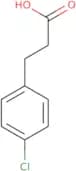
CAS:<p>3-(4-Chlorophenyl)propionic acid is a chemical compound that is used in the preparation of gabapentin. It is an organic solvent that can be used for the calibration and sample preparation of clinical toxicology tests, as well as analytical toxicology tests. 3-(4-Chlorophenyl)propionic acid is often used as an eluant in analytical chemistry to separate organic compounds from solutions. It is also used to extract γ-aminobutyric acid (GABA).</p>Formula:C9H9ClO2Purity:Min. 95%Color and Shape:PowderMolecular weight:184.62 g/molSuberic acid monomethyl ester
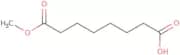
CAS:<p>Suberic acid monomethyl ester is a fatty acid that has potent inhibitory activity against tumor formation. It is an inhibitor of histone deacetylase (HDAC) enzymes, which are important for the regulation of gene expression. Suberic acid monomethyl ester has been shown to have potent inhibitory effects on tumor growth and the development of cancerous cells in animal studies. This agent may be useful for inhibiting the production of acid in tumors and preventing cancer-induced cell death. Suberic acid monomethyl ester has been found to bind to hydroxyl groups and interacts with other molecules that contain hydroxy groups, such as proteins or DNA bases.</p>Formula:C9H16O4Purity:Min. 95%Color and Shape:PowderMolecular weight:188.22 g/molL(-)-Thiazolidine-4-carboxylic acid
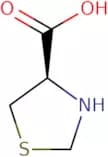
CAS:<p>L(-)-Thiazolidine-4-carboxylic acid is a proline derivative that inhibits the enzyme cyclase, which is involved in the production of cAMP. It is also an antioxidant and has been shown to protect against oxidative damage induced by reactive oxygen species (ROS) in fetal bovine tissues. L(-)-Thiazolidine-4-carboxylic acid has been shown to inhibit the activity of other enzymes, such as α1 subunit, which are involved in energy metabolism. The enzyme activities of L(-)-thiazolidine-4-carboxylic acid have been shown to be high in E. coli K-12 cells and in plants. L(-)-Thiazolidine-4-carboxylic acid can also be used as a plant growth regulator and has been shown to inhibit the elongation of plant roots.</p>Formula:C4H7NO2SPurity:Min. 95%Color and Shape:PowderMolecular weight:133.17 g/mol3-(Difluoromethoxy)-2,4,5-trifluorobenzoic acid
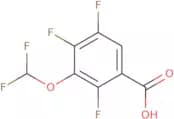
CAS:<p>3-(Difluoromethoxy)-2,4,5-trifluorobenzoic acid is an antibacterial drug that belongs to the class of fluoroquinolones. It inhibits bacterial growth by binding to DNA gyrase and topoisomerase IV enzymes in bacteria. 3-(Difluoromethoxy)-2,4,5-trifluorobenzoic acid has been shown to be active against a wide variety of bacteria and is used as a treatment for urinary tract infections and skin infections. 3-(Difluoromethoxy)-2,4,5-trifluorobenzoic acid can also be used in combination with other antibiotics such as tetrabutyl ammonium chloride to enhance their effects.</p>Formula:C8H3F5O3Purity:Min. 95%Color and Shape:SolidMolecular weight:242.1 g/molEthyl 2-amino-4,5,6,7-tetrahydro-1-benzothiophene-3-carboxylate
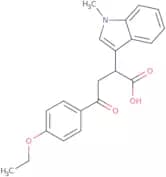
CAS:<p>Ethyl 2-amino-4,5,6,7-tetrahydro-1-benzothiophene-3-carboxylate is an antibacterial agent that inhibits the growth of bacteria by binding to amines and metal ions. It also has in vitro anticancer activity against cancer cells. Ethyl 2-amino-4,5,6,7-tetrahydro-1-benzothiophene-3-carboxylate has been shown to have antiinflammatory activity in rats.</p>Formula:C11H15SNO2Purity:Min. 95%Color and Shape:PowderMolecular weight:225.31 g/mol4-(4-Ethoxyphenyl)-2-(1-methylindol-3-yl)-4-oxobutanoic acid
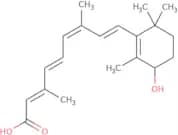
CAS:<p>Please enquire for more information about 4-(4-Ethoxyphenyl)-2-(1-methylindol-3-yl)-4-oxobutanoic acid including the price, delivery time and more detailed product information at the technical inquiry form on this page</p>Purity:Min. 95%rac 4-Hydroxy-9-cis-retinoic acid
CAS:<p>9-cis-Retinoic acid is a retinoid that is found in the human body. It can be extracted from the cells of animals or plants and purified by using an organic solvent, such as hexane. 9-cis-Retinoic acid can also be synthesized by using a validated hplc method. Analysts use this compound to measure conjugate acids, hydroxy acids, and other compounds related to endogenous metabolism. It is often used as a buffering agent for specific applications.</p>Formula:C20H28O3Purity:Min. 95%Molecular weight:316.43 g/molDi-O-benzoyl D-tartaric acid
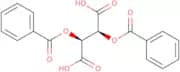
CAS:<p>Di-O-benzoyl D-tartaric acid is an inorganic acid that is used as an acid catalyst in organic synthesis. It is synthesized by the reaction of benzoyl chloride and calcium carbonate, which produces a mixture of di-O-benzoyl D-tartaric acid and its enantiomer. Di-O-benzoyl D-tartaric acid has a high solubility in water and is stable to hydrochloric acid and mercury chloride. This compound also interacts with hydrogen bonding interactions with l-tartaric acid and hydrogen bonding interactions with calcium carbonate. Di-O-benzoyl D-tartaric acid is not toxic to human cells at concentrations up to 100 mM.</p>Formula:C18H14O8Purity:Min. 95%Color and Shape:PowderMolecular weight:358.3 g/mol3-Carboxymethyl-1-adamantane carboxylic acid
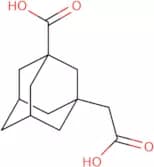
CAS:<p>3-Carboxymethyl-1-adamantane carboxylic acid is a tribasic, carboxylic acid that is used in the field of appraisal. 3-Carboxymethyl-1-adamantane carboxylic acid was first synthesized by the reaction of a dibromide and formic acid. This synthesis has been shown to produce a product with high purity, homogeneity, and stability. The use of this technique can be applied in tribasic, carboxylic acids as well as other polycarboxylates such as polyacrylics, polymaleic, and polyitaconic acids. The technique of analyzing these compounds by spectroscopic techniques is called profiling. This technique can be used for the identification of copper in natural environments such as rivers or lakes.</p>Formula:C13H18O4Purity:Min. 95%Color and Shape:PowderMolecular weight:238.28 g/mol2-Ketopimelic acid
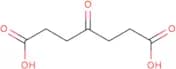
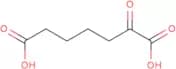
CAS:<p>2-Ketopimelic acid is a fatty acid that is produced by the catalysis of 2-ketoglutarate. It is found in the mitochondrial matrix and in the biosynthesis of fatty acids. The wild-type strain of E. coli has been shown to produce 2-ketopimelic acid during aerobic growth on glucose, while mutant strains did not synthesize this compound. The production of 2-ketopimelic acid requires a functional acyl carrier protein (ACP) and an active enoyl reductase (ER). The biosynthesis of 2-ketopimelic acid can be catalysed by dehydrogenase enzymes such as enoyl reductase, which are involved in the conversion of 3-oxoacyl CoA into 3-hydroxyacyl CoA.<br>2-Ketopimelic acid may also play a role in tuberculosis, as it has been detected in human protein using reaction monitoring techniques</p>Formula:C7H10O5Purity:Min. 95%Color and Shape:PowderMolecular weight:174.15 g/mol3-Hydroxyhippuric acid
CAS:<p>3-Hydroxyhippuric acid is an organic acid that is the main metabolite of benzoic acid. It is excreted in urine and can be used as a biomarker for the ingestion of benzoic acid. 3-Hydroxyhippuric acid has been detected in human urine samples after ingestion of caffeic acids, chlorogenic acids, or phenolic acids. 3-Hydroxyhippuric acid is also produced by microbial metabolism of p-hydroxybenzoate (pHBA) and may be used as a biomarker for pHBA consumption. The metabolic profile of 3-hydroxyhippuric acid varies with the type of substrate consumed: caffeic acids lead to the production of 3,4-dihydroxyphenylacetic acid (DOPAC), while chlorogenic acids produce 4-chlorophenol (4CP). Cholesterol estersase (CES) catalyzes the hydrolysis of</p>Formula:C9H9NO4Purity:Min. 95 Area-%Color and Shape:White PowderMolecular weight:195.17 g/mol4-(N,N-Diethylamino)cinnamic acid
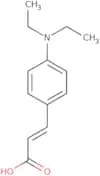
CAS:<p>4-(N,N-Diethylamino)cinnamic acid is a dye-sensitized solar cell sensitizer that has been synthesized from thiophene and acrylic acid. This compound is efficient in dye-sensitized solar cells and can be used to produce solar cells with an efficiency of over 10%.</p>Formula:C13H17NO2Purity:Min. 95%Color and Shape:PowderMolecular weight:219.28 g/mol2,3-Dimethoxyphenylboronic acid
CAS:<p>2,3-Dimethoxyphenylboronic acid is a synthetic molecule that contains a boronic acid group. This compound has been shown to interact with histones H3 and L6. It has also been shown to modify lysine residues on the histone H3 protein by methylation. In addition, 2,3-dimethoxyphenylboronic acid interacts with other molecules in a way that changes their conformation and this interaction can be studied using vibrational spectroscopy. Organic chemists may use 2,3-dimethoxyphenylboronic acid as a ligand for biological targets or as a means of modifying proteins.</p>Formula:C8H11BO4Purity:Min. 95%Color and Shape:PowderMolecular weight:181.98 g/molDelicious peptide (bovine) trifluoroacetate
CAS:<p>Delicious peptide (bovine) trifluoroacetate is a polymerase chain reaction probe that is complementary to the 3' end of the human insulin gene. When used in a polymerase chain reaction, it amplifies the DNA sequences at the 3' end of the gene. The product of this amplification has been shown to inhibit genetic disorders such as metabolic disorders, iron homeostasis, and leukemia. This agent also inhibits acidic fibroblast proliferation and pluripotent cells. This drug has been shown to have a molecular docking analysis with pharmacological agents and may be helpful in treatments for various diseases.</p>Formula:C34H57N9O16•(C2HF3O2)xPurity:Min. 95 Area-%Color and Shape:PowderMolecular weight:847.87 g/mol3,5-Diaminosalicylic acid
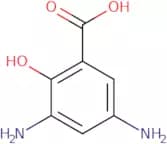
CAS:<p>3,5-Diaminosalicylic acid is a potent antibacterial agent that inhibits the synthesis of bacterial cell walls by inhibiting the enzyme transpeptidase. It is also used as a preservative and stabilizer in pharmaceutical formulations. 3,5-Diaminosalicylic acid has been shown to be active against cochliobolus at an optimum concentration of 2%. The solute is stable in water or dilute acids and alkalis. However, it can be hydrolyzed by strong bases such as sodium hydroxide and potassium hydroxide. Impurities such as nitro groups can be removed by washing with water or ethanol. The drug substance should be analyzed using high performance liquid chromatography (HPLC) methods to ensure stability and purity. 3,5-Diaminosalicylic acid forms crystalline needles that are colorless to white in solution. They will dissolve when heated but form precipitates when cooled. The crystals are</p>Formula:C7H8N2O3Purity:Min. 95%Color and Shape:Brown PowderMolecular weight:168.15 g/mol3,3-Diphenylpropionic acid
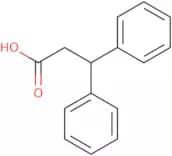
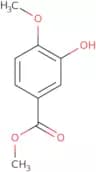
CAS:<p>3,3-Diphenylpropionic acid is a synthetic compound that is used to treat high blood pressure. It is an ester of hydrochloric acid and 3,3-diphenylpropionic acid. 3,3-Diphenylpropionic acid lowers blood pressure by inhibiting the activity of angiotensin II, which causes constriction and shrinking of the blood vessels. The safety profile for this drug has been evaluated in a number of studies in which it was shown that there were no significant adverse effects on the heart or other organs. This drug also has a beneficial effect on diabetic neuropathy and metabolic rate. 3,3-Diphenylpropionic acid is not active against bacteria or fungi but has been shown to be effective against amines by binding to them and preventing their interaction with DNA.</p>Formula:C15H14O2Purity:Min. 95%Color and Shape:White PowderMolecular weight:226.27 g/mol3-Hydroxy-4-methoxybenzoic acid methyl ester
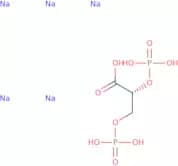
CAS:<p>3-Hydroxy-4-methoxybenzoic acid methyl ester is a phenolic acid that is a potent inhibitor of tyrosinase activity. It has been shown to inhibit the growth of cancer cells by binding to 5-HT2A receptors and inhibiting the production of epidermal growth factor, which leads to a decrease in the expression of tyrosinase. 3-Hydroxy-4-methoxybenzoic acid methyl ester has also been shown to have an inhibitory effect on the synthesis of protocatechuic acid and acetate extract from soybean. This compound was found to be more effective than kojic acid, arbutin, and ascorbic acid.</p>Formula:C9H10O4Purity:Min. 95%Color and Shape:PowderMolecular weight:182.17 g/mol2,3-Diphospho-D-glyceric acid pentasodium salt
CAS:<p>2,3-Diphospho-D-glyceric acid pentasodium salt is a pyridine complex that is found in nature as a constant. It is also synthesized by humans and can be formed in the laboratory. 2,3-Diphospho-D-glyceric acid pentasodium salt is reactive and has been shown to be useful for producing radical species. This compound has been analysed in the human body at physiological concentrations and has been shown to interact with endogenous molecules such as lipids. The interaction of this compound with lipids could be due to its ability to form emulsions.</p>Formula:C3H3Na5O10P2Purity:Min. 95%Color and Shape:PowderMolecular weight:375.95 g/molFerrocenecarboxylic acid
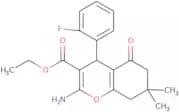
CAS:Controlled Product<p>Ferrocenecarboxylic acid is a ferrocene compound that has been used as a polymerase chain reaction (PCR) probe. It has been shown to have an antiproliferative effect on leukemia cells, and can be used in the treatment of cancers. Ferrocenecarboxylic acid is membrane permeable and can therefore be used as a cell-impermeable chemotherapeutic agent. This drug also has the ability to bind to target DNA, with this binding being dependent on the functional groups present on the molecule. The ferrocene carboxylate conjugates are also able to react with nucleophiles such as dithiopyridine or pyridinium salts, which may serve as strategies for converting the drug into an MRI contrast agent.</p>Formula:C11H10FeO2Purity:Min. 98 Area-%Color and Shape:Yellow PowderMolecular weight:230.04 g/molethyl 2-amino-4-(2-fluorophenyl)-7,7-dimethyl-5-oxo-4,6,7,8-tetrahydro2H-chromene-3-carboxylate
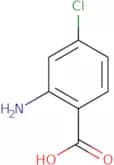
CAS:<p>Please enquire for more information about ethyl 2-amino-4-(2-fluorophenyl)-7,7-dimethyl-5-oxo-4,6,7,8-tetrahydro2H-chromene-3-carboxylate including the price, delivery time and more detailed product information at the technical inquiry form on this page</p>Purity:Min. 95%4-Chloroanthranilic acid
CAS:<p>4-Chloroanthranilic acid is an inorganic acid that has antimicrobial properties. It is a bound form of anthranilic acid, which is not water soluble and can be easily absorbed by the skin. 4-Chloroanthranilic acid is used as an antibiotic in topical preparations because it has been shown to have inhibitory effects on the growth of P. aeruginosa, epidermal growth factor, and nitrogen atoms. 4-Chloroanthranilic acid also has coordination complex with copper and inhibits the growth of bacteria by inhibiting the production of bacterial cell wall synthesis enzymes.</p>Formula:C7H6ClNO2Purity:Min. 95%Color and Shape:Off-White PowderMolecular weight:171.58 g/mol4-Acetoxycinnamic acid
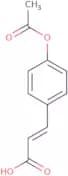
CAS:<p>4-Acetoxycinnamic acid is a staphylococcal bactericide that inhibits bacterial growth and is active against many gram-positive bacteria, including Staphylococcus aureus. It is also active against many gram-negative bacteria, such as Escherichia coli and Pseudomonas aeruginosa. 4-Acetoxycinnamic acid has been shown to inhibit the growth of Staphylococcus aureus in an in vitro experiment by interfering with membrane permeability and inhibiting lipid synthesis. 4-Acetoxycinnamic acid has been shown to have antimicrobial activity against gram-positive and gram-negative bacteria, including methicillin resistant S. aureus (MRSA).</p>Formula:C11H10O4Purity:Min. 97 Area-%Color and Shape:PowderMolecular weight:206.19 g/mol2,4-Dimethoxy-3-methylbenzoic acid
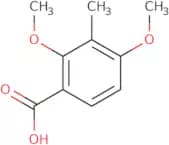
CAS:<p>2,4-Dimethoxy-3-methylbenzoic acid is a fine chemical that is used as a versatile building block in the synthesis of other organic compounds. 2,4-Dimethoxy-3-methylbenzoic acid has been used in research to generate novel compounds with desired properties. It is also used as a reaction component and speciality chemical. The compound can be reacted with sodium methoxide in methanol to form 2,4-dimethoxybenzaldehyde, which is an intermediate for the synthesis of other chemicals. It also reacts with nitric acid to form 2,4-dimethylbenzoic acid and oleum. These reactions are useful for the production of certain drugs or for the synthesis of polymers.</p>Formula:C10H12O4Purity:Min. 95%Molecular weight:196.2 g/mol3-Amino-3-methylbutanoic acid
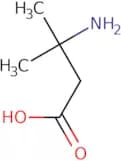
CAS:<p>3-Amino-3-methylbutanoic acid is a carbonaceous compound that can be synthesized from b-alanine and perchloroethylene. It is used in the manufacture of butanoic acid, which is an important industrial chemical. 3-Amino-3-methylbutanoic acid has been shown to exist as four isomers, each with a different molecular weight. The isomers are produced by a synthetic process involving the reaction of b-alanine and perchloroethylene. In an amination reaction, the compounds are heated in the presence of ammonia gas or ammonium chloride to form 3-amino-3-methylbutanoic acid.</p>Formula:C5H11NO2Purity:Min 95%Color and Shape:PowderMolecular weight:117.15 g/mol5,5-Diphenylhydantoin-3-butyric acid
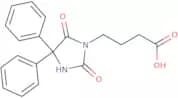
CAS:<p>5,5-Diphenylhydantoin-3-butyric acid is a drug that is classified as a hydantoin derivative. It has been shown to be an active compound in the treatment of human brain tumors. This drug has also been found to be detectable in human serum and urine by means of electrochemical immunoassay.</p>Formula:C19H18N2O4Purity:Min. 95%Color and Shape:PowderMolecular weight:338.36 g/mol2-Pyridylacetic acid
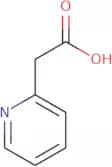
CAS:<p>2-Pyridylacetic acid is an organic compound that is found in the urine of patients with inflammatory bowel disease. It is associated with a high risk of colorectal cancer and has been shown to inhibit tumor cell proliferation in a number of studies. 2-Pyridylacetic acid inhibits the reaction of picolinic acid with lactic acid, which is a mechanism for the synthesis of nicotinamide adenine dinucleotide (NAD). This compound also has inhibitory properties against the activity of phosphofructokinase. 2-Pyridylacetic acid can be quantified using liquid chromatography tandem mass spectrometry (LC-MS/MS) methods that are based on chemical ionization or electron impact ionization. It can also be detected by gas chromatography mass spectrometry. The sample preparation involves hydrochloric acid extraction followed by concentration and derivatization.</p>Formula:C7H7NO2Purity:Min. 95 Area-%Color and Shape:White PowderMolecular weight:137.14 g/molH-Phe-Met-Arg-Phe-NH2 acetate
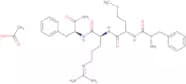
CAS:Controlled Product<p>H-Phe-Met-Arg-Phe-NH2 acetate is a high quality reagent that is useful in the synthesis of complex compounds. It can be used as an intermediate for the production of fine chemicals and speciality chemicals, as well as being a versatile building block in the synthesis of organic compounds. H-Phe-Met-Arg-Phe-NH2 acetate can also be used to make research chemicals or reaction components.</p>Formula:C29H42N8O4S•(C2H4O2)xPurity:Min. 95%Color and Shape:PowderMolecular weight:598.76 g/mol2-Methoxyphenylacetic acid
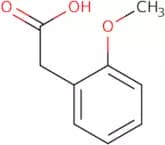
CAS:<p>2-Methoxyphenylacetic acid is a chromatographic and synthetic chemical that is used as an antisolvent. It is a carboxylic acid with a phosphate group, which can be used for sphingosine kinase reactions. 2-Methoxyphenylacetic acid has been shown to be catalysed by hydrochloric acid and naphthenic acids to produce reaction products that are insoluble in organic solvents. 2-Methoxyphenylacetic acid is stable at neutral pH, but it reacts with water to form hydrogen chloride gas at high temperatures. This chemical has been found in the plasma concentrations of cancer patients who have undergone chemotherapy treatment.</p>Formula:C9H10O3Purity:Min. 95%Color and Shape:White PowderMolecular weight:166.17 g/mol5-Hydroxy-6-methoxyindole-carboxylic acid
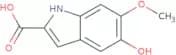
CAS:<p>5-Hydroxy-6-methoxyindole-carboxylic acid (5-HMICA) is a molecule that is found in the pericardium and urine of patients with cancer. 5-HMICA has been shown to suppress tumor growth and activate cell mediated cytotoxicity in vitro. It also induces T helper type 1 (Th1) immune responses, which are associated with the production of cytokines such as interferon gamma and tumor necrosis factor alpha.</p>Formula:C10H9NO4Color and Shape:PowderMolecular weight:207.18 g/mol4-Hydroxy-3-nitrophenylacetic acid
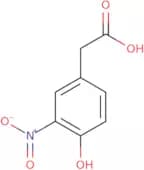
CAS:<p>4-Hydroxy-3-nitrophenylacetic acid is a metabolite of caproic acid in the mouse. It is also an analytical marker for caproic acid in human serum and a biochemical marker for 4-hydroxybenzoic acid in human urine. The affinity of 4-hydroxy-3-nitrophenylacetic acid to antibodies has been shown by its ability to be titrated calorimetrically with antibodies, which are used as a model system. The antibody response has been studied by immunizing mice with 4-hydroxybenzoic acid, which resulted in the production of antibodies that had the same reactivity as those against 4-hydoxy-3-nitrophenylacetic acid. The reaction mechanism of hydrolysis of 4-hydroxybenzoic acid by monoclonal antibodies has been proposed and was supported by the results obtained from titration calorimetry experiments.</p>Formula:C8H7NO5Purity:Min. 95%Color and Shape:Off-White PowderMolecular weight:197.14 g/mol1H-Indoline-3-carboxylic acid
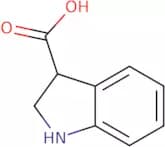
CAS:<p>1H-Indoline-3-carboxylic acid is a molecule with the chemical formula C8H6N2O2. It is an aromatic carboxylic acid and one of the three enantiopure isomers of indoline. 1H-Indoline-3-carboxylic acid has two tautomers, cis (cis) and trans (trans). The stereoisomer cis is found in nature, while trans can be synthesized. 1H-Indoline-3-carboxylic acid can be cleaved to form phenylacetic acid and benzoic acid in reactions catalyzed by acids at high temperatures. Kinetic studies have shown that 1H-indoline-3-carboxylic acid undergoes biotransformation to form methylbenzene, ethylbenzene, propylbenzene, butylbenzene, pentylbenzene and hexylbenzene.</p>Formula:C9H9NO2Purity:Min. 95%Color and Shape:PowderMolecular weight:163.17 g/mol2-(2,4-Dichlorophenoxy)-2-methylpropanoic acid
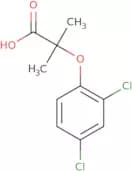
CAS:<p>2,4-Dichlorophenoxyacetic acid is a plant growth regulator that inhibits the transfer of auxin from the shoot to the root. It does this by preventing synthesis of 2,4-dichlorophenoxyacetic acid (2,4-D) and its conversion to 2,4-dichlorophenoxypropionic acid (2,4-DP). The 2,4-D then binds to the auxin transport proteins in the plasma membrane and prevents their passage through the cell wall. The mechanism of action of 2,4-D is not well understood but it is thought that it may inhibit or interfere with indoleacetic acid production or metabolism. Auxins are also mediators of plant physiology and play a role in many processes such as phototropism and phytochrome sensitivity.<br>2,4-D has been shown to block photosynthesis and respiration in plants by inhibiting chlorophyll synthesis. Indoleacetic acid</p>Formula:C10H10Cl2O3Purity:Min. 95%Color and Shape:Clear LiquidMolecular weight:249.09 g/mol2,3-Difluoro-4-methoxybenzoic acid
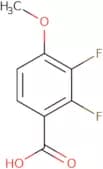
CAS:<p>2,3-Difluoro-4-methoxybenzoic acid is a versatile building block that can be used to make complex compounds. This compound is a high quality, useful intermediate and reaction component that can be used in the synthesis of pharmaceuticals and other chemical products. 2,3-Difluoro-4-methoxybenzoic acid is a reagent that can be used for research purposes or as a speciality chemical. It has been shown to have many uses as a scaffold for making new compounds with different structures.</p>Formula:C8H6F2O3Purity:Min. 95%Color and Shape:PowderMolecular weight:188.13 g/mol3-(3-Methyl-3H-diazirine-3-yl)propionic acid
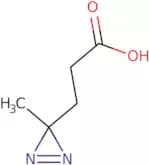
CAS:<p>3-(3-Methyl-3H-diazirine-3-yl)propionic acid (3MDZ) is a fluorophore that can be used in cancer research. It has been shown to bind to the active site of human SIRT1 and inhibit its activity, which leads to cell death by deacylating histone H3. 3MDZ is also able to bind to carbenes, which are highly reactive molecules that have been implicated in aging and cancer. 3MDZ has shown chemopreventive effects against tumor formation and growth by binding to the carbenes and preventing them from forming reactive oxygen species. It can be used as a fluorescent probe for studying the interactions between carbenes and nucleic acids.</p>Formula:C5H8N2O2Purity:Min. 95%Color and Shape:Clear LiquidMolecular weight:128.13 g/mol4-Hydroxybutane-1-sulfonic acid
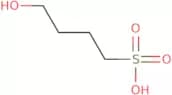
CAS:<p>4-Hydroxybutane-1-sulfonic acid (4HBS) is a small molecule antibiotic that has been shown to have antimicrobial activity against Gram-negative bacteria. 4HBS has been shown to be effective in inhibiting the growth of bacteria such as Escherichia coli, Pseudomonas aeruginosa, and Klebsiella pneumoniae. 4HBS has also been found to have a role in the normalization of reaction time in labile samples. This compound is stable under autoclave conditions and can be used for clinical applications.</p>Formula:C4H10O4SPurity:Min. 95%Color and Shape:White Off-White PowderMolecular weight:154.19 g/molHydroxocobalamin acetate
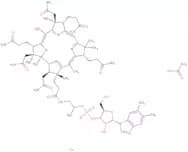
CAS:<p>Hydroxocobalamin acetate is a water-soluble form of hydroxocobalamin, a vitamin B12 prodrug. It is an insoluble polymer that dissolves slowly in an acidic environment. Hydroxocobalamin acetate has been shown to inhibit the growth of human carcinoma cells in culture and can be used as a test compound for anticancer drugs. Hydroxocobalamin acetate is also used as a mouth rinse agent to prevent or treat dental cavities. In addition, it can be used to relieve the symptoms of gastroesophageal reflux disease (GERD) by reducing the acidity of gastric contents. This drug has been shown to stimulate vasoactive intestinal polypeptide release from enterochromaffin cells and can be used for the treatment of irritable bowel syndrome (IBS). Hydroxocobalamin acetate is poorly soluble in neutral pH environments and should not be given orally.</p>Formula:C64H91CoN13O16PPurity:Min. 90 Area-%Color and Shape:Red PowderMolecular weight:1,388.39 g/mol3-Methoxy-4-nitrobenzoic acid methyl ester
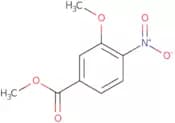
CAS:<p>3-Methoxy-4-nitrobenzoic acid methyl ester is a dianellidin, a type of natural product. It is an ionizing acid that catalyzes the reaction between carboxylic acids and hydroxyl compounds. This compound is used to produce some drugs, such as methyldopate, which is an antiarrhythmic drug that slows heart rate. The catalytic rate of 3-methoxy-4-nitrobenzoic acid methyl ester can be increased by buffers and solvents (e.g., methanol). These compounds increase the concentration of the reactants in solution and reduce the activation energy required for the reaction to take place. Uncatalyzed reactions are slow because there are no molecules to act as intermediates in the process.</p>Formula:C9H9NO5Purity:95%NmrColor and Shape:PowderMolecular weight:211.17 g/molThiophene-2-glyoxylic acid
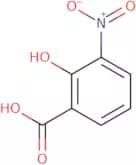
CAS:<p>Thiophene-2-glyoxylic acid is a reactive metabolite of thiophene that is formed from the environmental degradation of this compound. Thiophene-2-glyoxylic acid reacts with halides to form an electrophilic intermediate. This intermediate can react with a variety of nucleophiles, including the drug metabolites, leading to the formation of new compounds. Thiophene-2-glyoxylic acid has been shown to enhance the fluorescence properties of some organic compounds. It also has been shown to inhibit the metabolism of some drugs that are conjugated with acids and can be detected in plasma by mass spectrometry.</p>Formula:C6H4O3SPurity:Min. 95%Color and Shape:PowderMolecular weight:156.16 g/mol3-Nitrosalicylic acid
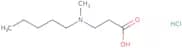
CAS:<p>3-Nitrosalicylic acid is a chemical that is used as an inhibitor for corrosion. It can be used to prevent corrosion in wastewater systems, and it is also used as a protective coating for metals. 3-Nitrosalicylic acid has been shown to be effective against a variety of particle sizes, including fine particles at low concentrations. 3-Nitrosalicylic acid can be synthesized by reacting 5-nitrosalicylic acid with ammonia, hydrogen chloride, and zinc oxide in water. The reaction solution should be neutralized with sodium hydroxide and then hydrogenated using sodium dithionite or sodium sulfite. 3-Nitrosalicylic acid has been shown to inhibit the corrosion of metal surfaces and to function as an effective dose in the synthetic pathway for polymers.<br>3-Nitrosalicylic acid has high concentrations around pH 9.5, which can be reduced by electrochemical impedance spectroscopy (EIS).</p>Formula:C7H5NO5Purity:Min. 95%Color and Shape:PowderMolecular weight:183.12 g/mol3-(N-Methyl-N-pentylamino)propionic acid hydrochloride
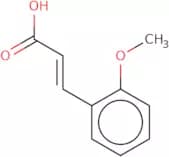
CAS:<p>Trichloroethylene is a chlorinated hydrocarbon that is primarily used as a solvent. The propionic acid is the monosodium salt of 3-(N-Methyl-N-pentylamino)propionic acid hydrochloride, which is an organic compound. The monohydrate and trichloride are two polymorphic forms of this substance. Acetone and unreacted Trichloroethylene are substances that may be formed during the chemical process. The alkaline form of Trichloroethylene may be obtained by refluxing the substance with sodium hydroxide in water or with potassium hydroxide in alcohol. This substance can also exist in a polymorphic form.</p>Formula:C9H20ClNO2Purity:Min. 95%Color and Shape:PowderMolecular weight:209.71 g/mol2-Methoxycinnamic acid
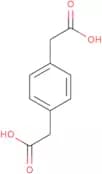
CAS:<p>2-Methoxycinnamic acid is a fine chemical that is used as a building block for research chemicals, pharmaceuticals, and other products. It is a versatile building block that can be used in the synthesis of complex compounds with diverse structures. 2-Methoxycinnamic acid is also an intermediate for the production of cinnamates, which are useful in the production of synthetic dyes.</p>Formula:C10H10O3Purity:Min. 95%Color and Shape:White PowderMolecular weight:178.18 g/mol1,4-Phenylenediacetic acid
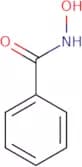
CAS:<p>1,4-Phenylenediacetic acid is an organic compound that has been used as a fungicide. It is an aromatic carboxylic acid that binds to the receptor site of the fungal cell wall and inhibits its growth. The molecule has a special coordination geometry with the hydrogen atom in the carboxylate group positioned close to one of the phenyl rings. This causes intramolecular hydrogen bonding interactions between the carboxylate group and the phenolic hydroxyl groups on adjacent molecules, which stabilizes it. 1,4-Phenylenediacetic acid also exhibits strong hydrogen bonding interactions with other molecules such as malonic acid due to its diphenyl ether group.</p>Formula:C10H10O4Purity:Min. 95%Color and Shape:PowderMolecular weight:194.18 g/molBenzohydroxamic acid
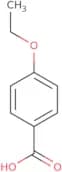
CAS:<p>Benzohydroxamic acid is a weak organic acid that is formed from the condensation of two molecules of benzoic acid. The thermodynamic data for this compound are available in the form of an equation and an enthalpy change. Benzohydroxamic acid interacts with metal hydroxides by forming metal complexes, which can be used as catalysts in transfer reactions. In addition, benzohydroxamic acid has been shown to inhibit HIV infection by inhibiting reverse transcriptase activity. This compound also undergoes hydrogen bonding interactions with other molecules due to its hydroxyl group and fatty acid moieties.</p>Formula:C7H7NO2Purity:Min. 95%Color and Shape:PowderMolecular weight:137.14 g/mol4-Ethoxybenzoic acid
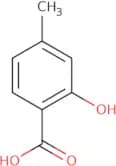
CAS:<p>4-Ethoxybenzoic acid is a phenolic compound that has shown significant cytotoxicity. This molecule has been shown to inhibit the production of tyrosinase, an enzyme that catalyzes the oxidation of tyrosine to produce melanin. 4-Ethoxybenzoic acid also inhibits detoxification enzymes such as glutathione transferases and quinone reductase, which may be responsible for its cytotoxicity. 4-Ethoxybenzoic acid is soluble in organic solvents but insoluble in water. It reacts with other compounds to form insoluble polymers. 4-Ethoxybenzoic acid can react with piperonyl butoxide or caproic acid to form p-hydroxybenzoic acid or friedel-crafts reaction products respectively.</p>Formula:C9H10O3Purity:Min. 95%Color and Shape:PowderMolecular weight:166.17 g/mol4-Methylsalicylic acid
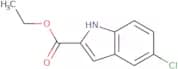
CAS:<p>4-Methylsalicylic acid is a chemical compound that belongs to the group of salicylates. It is an organic compound with a molecular weight of 96.12 g/mol and the chemical formula C8H8O3. The epoxidation of 4-methylsalicylic acid occurs through the use of catalysts, such as zinc oxide and manganese dioxide, which are not functionalized. The addition of these catalysts causes a reaction between the methyl group and the hydroxyl group in 4-methylsalicylic acid, forming methyl salicylate. This product is also used as a chiral building block for other compounds, such as axial chirality and olefins.</p>Formula:C8H8O3Purity:Min. 98 Area-%Color and Shape:PowderMolecular weight:152.15 g/molEthyl 5-chloroindole-2-carboxylate
CAS:<p>Ethyl 5-chloroindole-2-carboxylate is a pro-apoptotic agent that has been shown to inhibit the replication of HIV. It inhibits the reverse transcriptase and DNA polymerases in the virus, which prevents it from being replicated. Ethyl 5-chloroindole-2-carboxylate also induces apoptosis by alkylating the cysteine residues on the host cell's proteins. This drug is not active against other viruses, such as herpes simplex virus type 1 (HSV1). It has been shown to be an analog for cannabidiol (CBD), which binds to cannabinoid receptors CB1 and CB2.</p>Formula:C11H10ClNO2Purity:Min. 95%Color and Shape:PowderMolecular weight:223.66 g/molPAR-3 (1-6) (human) trifluoroacetate salt
CAS:<p>Please enquire for more information about PAR-3 (1-6) (human) trifluoroacetate salt including the price, delivery time and more detailed product information at the technical inquiry form on this page</p>Formula:C29H45N9O8Purity:Min. 95%Molecular weight:647.72 g/moltert-Butylboronic acid pinacol ester
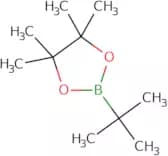
CAS:<p>tert-Butylboronic acid pinacol ester is a fine chemical reagent that is used as a building block in the synthesis of complex compounds. It is an intermediate in reactions involving the conversion of alcohols to esters with the use of acid catalysts. Tert-butylboronic acid pinacol ester has been shown to be a useful scaffold for organic synthesis, and can be used as a high quality reaction component. It also has applications as a research chemical and speciality chemical.</p>Formula:C10H21BO2Purity:Min. 95%Color and Shape:Clear LiquidMolecular weight:184.08 g/molBradykinin triacetate trihydrate
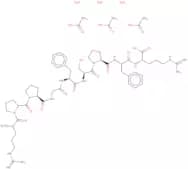
CAS:<p>Bradykinin is a naturally occurring peptide hormone that has been found to have a wide variety of uses. It can be used as a fine chemical, useful scaffold, versatile building block, and useful intermediate in the synthesis of complex compounds. Bradykinin can also act as a reaction component for the synthesis of speciality chemicals, such as pharmaceuticals and research chemicals. Bradykinin is used in the manufacture of medicines for high blood pressure and pain relief, among other things. It is also used in research studies to study the effects of drugs on cell cultures and animals.</p>Formula:C50H73N15O11•(C2H4O2)3•(H2O)3Purity:Min. 95%Color and Shape:PowderMolecular weight:1,294.41 g/mol4-Nitrophthalic acid
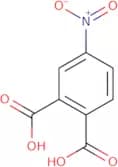
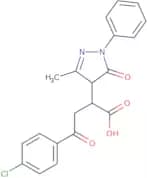
CAS:<p>4-Nitrophthalic acid is a white crystalline solid that has an acid and basic character. It has been shown to be antigenic, with a specific antibody able to bind to the 4-nitro group. The structure of 4-Nitrophthalic acid was determined using X-ray crystallography and NMR spectroscopy. The molecular weight of 4-Nitrophthalic acid is 177.2 g/mol, with a melting point of 174 °C and a boiling point of 341 °C. It is soluble in water and organic solvents such as ethanol, acetone, chloroform, ethyl ether, benzene, hexane, dichloromethane and ethyl acetate.</p>Formula:C8H5NO6Purity:Min. 97 Area-%Color and Shape:White PowderMolecular weight:211.13 g/mol4-(4-Chlorophenyl)-2-(3-methyl-5-oxo-1-phenyl(2-pyrazolin-4-yl))-4-oxobutanoic acid
CAS:<p>Please enquire for more information about 4-(4-Chlorophenyl)-2-(3-methyl-5-oxo-1-phenyl(2-pyrazolin-4-yl))-4-oxobutanoic acid including the price, delivery time and more detailed product information at the technical inquiry form on this page</p>Purity:Min. 95%2-Bromo-5-fluorocinnamic acid
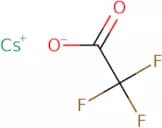
CAS:<p>2-Bromo-5-fluorocinnamic acid is a high quality, reagent, complex compound of the chemical family of phenols. It has CAS No. 939410-87-4 and is a useful intermediate in the synthesis of fine chemicals. The compound has been used as a speciality chemical for research purposes and has been found to be a versatile building block for the synthesis of new compounds. 2-Bromo-5-fluorocinnamic acid can be used as a reaction component in organic synthesis reactions, such as esterification, nucleophilic substitution, and condensation reactions.</p>Formula:C9H6BrFO2Purity:Min. 95%Color and Shape:PowderMolecular weight:245.05 g/molCaesium trifluoroacetate
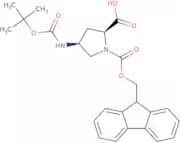
CAS:<p>Caesium trifluoroacetate is a polymerase chain reaction (PCR) reagent that is used to detect and quantify the presence of DNA or RNA. It can be used for the detection of DNA in water vapor, for the estimation of the number of bacteria in wastewater treatment, or to measure the amount of active drug in plasma samples. Caesium trifluoroacetate is a salt that consists of one molecule each of caesium trifluoroacetate and sodium trifluoroacetate. The ester hydrochloride form has an antiinflammatory effect, which may be due to its ability to inhibit prostaglandin synthesis.</p>Formula:C2CsF3O2Purity:ReportedMolecular weight:245.92 g/molBoc-(2S,4S)-4-amino-1-Fmoc-pyrrolidine-2-carboxylic acid
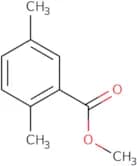
CAS:<p>Useful chiral building block</p>Formula:C25H28N2O6Purity:Min. 95%Molecular weight:452.5 g/mol2,5-Dimethylbenzoic acid methyl ester
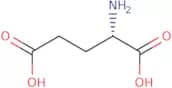
CAS:<p>2,5-Dimethylbenzoic acid methyl ester is an organic compound that belongs to the class of diketones. It is a crystalline solid with a melting point of about 120 °C. The compound is used for the synthesis of other chemicals and as a precursor to pharmaceuticals. 2,5-Dimethylbenzoic acid methyl ester can be produced by photocycloaddition, which involves uv irradiation and heat. This reaction produces two isomers: trans-2,5-dimethylbenzoic acid methyl ester and cis-2,5-dimethylbenzoic acid methyl ester. Trans-2,5-dimethylbenzoic acid methyl ester has been shown to undergo conformational change when heated to 120 °C, while cis-2,5-dimethylbenzoic acid methyl ester does not show this effect.</p>Formula:C10H12O2Purity:Min. 95 Area-%Color and Shape:PowderMolecular weight:164.2 g/molL-Glutamic acid
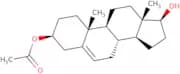
CAS:<p>Amino acid; neurotransmitter; flavor enhancer</p>Formula:C5H9NO4Color and Shape:Off-White Clear LiquidMolecular weight:147.13 g/molAndrostenediol 3-acetate
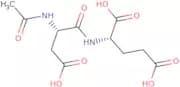
CAS:Controlled Product<p>Androstenediol 3-acetate is an oxime that is used as a coupling agent in organic synthesis. It uncouples oxidative phosphorylation by forming a covalent bond to the enzyme cytochrome-c oxidase, which is involved in the electron transport chain of mitochondria. This inhibits ATP production and forces the cell to rely on anaerobic glycolysis for energy. The efficiency of this reaction was determined through nuclear magnetic resonance spectroscopy and found to be about 60%. Androstenediol 3-acetate has been shown to increase myocardial contractility and cause cardiac hypertrophy in rats.</p>Formula:C21H32O3Purity:Min. 95%Color and Shape:PowderMolecular weight:332.48 g/molN-Acetyl-L-aspartyl-L-glutamic acid
CAS:<p>N-Acetyl-L-aspartyl-L-glutamic acid is an amino acid that is used as a substrate in the biochemical assay for glutamate. It is also used to measure brain functions. NAAG is a low potency agonist of the NMDA receptor, which may contribute to neuronal death. NAAG is used as a model system to study bowel disease and eosinophil cationic protein. It has been shown to be effective in vitro against cancer cells and fungi. The structural analysis of NAAG has revealed that it contains an acidic group on its side chain, which can be detected with a pH indicator such as phenol red or bromocresol purple.</p>Formula:C11H16N2O8Purity:Min. 95 Area-%Color and Shape:White Off-White PowderMolecular weight:304.25 g/mol1-[[6-(2,5-Dihydro-2,5-dioxo-1H-pyrrol-1-yl)-1-oxohexyl]oxy]-2,5-dioxo-3-pyrrolidinesulfonic acid sodium salt
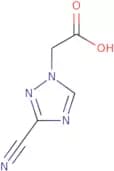
CAS:<p>1-[[6-(2,5-Dihydro-2,5-dioxo-1H-pyrrol-1-yl)-1-oxohexyl]oxy]-2,5-dioxo-3-pyrrolidinesulfonic acid sodium salt is an antibody response enhancer that binds to the Fc receptor of monocytes and macrophages. This binding activates the cells and increases their ability to produce antibodies against infectious agents. This product is used in the treatment of a variety of infections caused by viruses and bacteria. It has been shown to be effective for the treatment of influenza virus infection and other viral diseases such as HIV. The product also contains epidermal growth factor (EGF) which stimulates cell proliferation and differentiation in skin tissue. Antiinfective effects are achieved through inhibition of protein synthesis by silver ions or growth factors such as erythropoietin or photoelectron. This product also inhibits prostaglandin</p>Formula:C14H15N2NaO9SPurity:Min. 95%Color and Shape:SolidMolecular weight:410.33 g/mol2-(3-Cyano-1H-1,2,4-triazol-1-yl)acetic acid
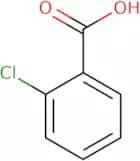
CAS:<p>Please enquire for more information about 2-(3-Cyano-1H-1,2,4-triazol-1-yl)acetic acid including the price, delivery time and more detailed product information at the technical inquiry form on this page</p>Formula:C5H4N4O2Purity:Min. 95%Color and Shape:PowderMolecular weight:152.11 g/mol2-Chlorobenzoic acid
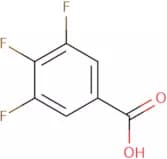
CAS:<p>Please enquire for more information about 2-Chlorobenzoic acid including the price, delivery time and more detailed product information at the technical inquiry form on this page</p>Formula:C7H5ClO2Purity:Min. 95%Color and Shape:White PowderMolecular weight:156.57 g/mol3,4,5-Trifluorobenzoic acid
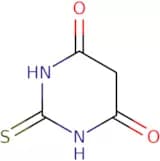
CAS:<p>3,4,5-Trifluorobenzoic acid is a carboxylic acid that is used in animal health. It can be synthesized by the reaction of hydrogen chloride and fluorine. The UV absorption spectrum of 3,4,5-trifluorobenzoic acid is characterized by a tetranuclear structure with maxima at 230 nm and 295 nm. The molecule has a carboxylate group. 3,4,5-Trifluorobenzoic acid absorbs light with wavelengths between 190 to 260 nm. This compound has been reported to have an analytical method based on LC-MS/MS for the determination of its concentration in samples prepared from the hydrolysis of benzoates with nitrous acid. This analytical method uses intermolecular hydrogen bonding as well as amines for sample preparation.</p>Formula:C7H3F3O2Purity:Min. 95%Color and Shape:PowderMolecular weight:176.09 g/mol2-Thiobarbituric acid
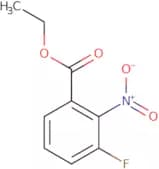
CAS:Controlled Product<p>2-Thiobarbituric acid is a natural compound found in the blood of pregnant women. It is also present in atherosclerotic lesions and has been shown to have an anti-inflammatory effect. 2-Thiobarbituric acid inhibits nitrate reductase, an enzyme that is responsible for the reduction of nitrates to nitrites, which are then converted to nitric oxide by another enzyme called nitric oxide synthase. Nitric oxide is a signaling molecule that regulates inflammation and plays an important role in the immune system. 2-Thiobarbituric acid intercalates with DNA, inhibiting transcription and replication. It has been shown to be active against Bacillus cereus, Escherichia coli, Klebsiella pneumoniae, Staphylococcus aureus, Streptococcus pyogenes (group A streptococci), and Vibrio cholerae (cholera).</p>Formula:C4H4N2O2SColor and Shape:White Yellow PowderMolecular weight:144.15 g/mol3-Fluoro-2-nitrobenzoic acid ethyl ester
CAS:<p>3-Fluoro-2-nitrobenzoic acid ethyl ester is a fine chemical that is useful as a versatile building block in the synthesis of complex compounds. It can be used as an intermediate in the preparation of research chemicals and has been shown to react with amines to form nitrosoamines, which are useful reaction components. 3-Fluoro-2-nitrobenzoic acid ethyl ester has CAS number 163077-89-2 and is available at high quality.</p>Formula:C9H8FNO4Purity:Min. 95%Color and Shape:PowderMolecular weight:213.16 g/mol(R,Z)-12-Hydroxyoctadec-9-enoic acid
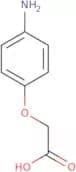
CAS:<p>(R,Z)-12-Hydroxyoctadec-9-enoic acid is a natural product that belongs to the group of antimicrobial agents. It inhibits bacterial translocation by binding to ester linkages on the surface of the bacterial cell wall, preventing the entrance of bacteria into host cells. The reactive site is an hydroxyl group located at C12. This compound has been shown to have activity against infectious diseases including chlamydia, shigella, and salmonella. (R,Z)-12-Hydroxyoctadec-9-enoic acid also has a number of other activities such as inhibition of glycol ethers and methanol solvents.</p>Formula:C18H34O3Purity:Min. 80 Area-%Color and Shape:Clear LiquidMolecular weight:298.46 g/mol2-(4-Aminophenoxy)acetic acid hydrate
CAS:<p>2-(4-Aminophenoxy)acetic acid hydrate is a synthetic, chlorine atom, primary amino compound that has been used as a lysine analogue in the production of lysine-deficient media. It also has been shown to be an inhibitor of the uptake of L-lysine by rat liver cells. 2-(4-Aminophenoxy)acetic acid hydrate can also be used to synthesize conjugates with other compounds such as fluorescein and luciferin. This compound is acidic and can form hydrogen bonds with other molecules. 2-(4-Aminophenoxy)acetic acid hydrate has shown novartis in fluorescence techniques, which may be due to its ability to emit light when excited at specific wavelengths.</p>Formula:C8H9NO3·H2OPurity:Min. 95%Color and Shape:Off-White PowderMolecular weight:185.18 g/mol3-Amino-2,4,6-tribromobenzoic acid
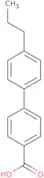
CAS:<p>3-Amino-2,4,6-tribromobenzoic acid is an antibacterial agent that has a strong interaction with the optical properties of diaminopyridine. This interaction leads to an enhancement in the fluorescence of 3-amino-2,4,6-tribromobenzoic acid. The photophysical properties of 3-amino-2,4,6-tribromobenzoic acid have been investigated by measuring its fluorescence emission in acetonitrile and zirconium chloride solutions. It has been shown that this compound is active against many bacterial strains including methicillin resistant Staphylococcus aureus (MRSA). This compound has also been shown to be effective against Mycobacterium tuberculosis and Mycobacterium avium complex.</p>Formula:C7H4Br3NO2Purity:Min. 95%Color and Shape:PowderMolecular weight:373.82 g/mol4-(4-Propylphenyl)benzoic acid
CAS:<p>4-(4-Propylphenyl)benzoic acid is a high quality, reagent and complex compound that is useful as an intermediate or fine chemical in the synthesis of speciality chemicals. It is also a versatile building block for the synthesis of organic compounds. 4-(4-Propylphenyl)benzoic acid can be used as a reaction component to synthesize other compounds. CAS No. 88038-94-2</p>Formula:C16H16O2Purity:Min. 95%Color and Shape:PowderMolecular weight:240.3 g/mol2-[(2-Carboxyphenyl)amino]-3-methoxybenzoic acid
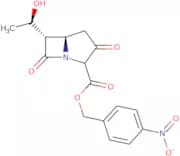
CAS:<p>2-[(2-Carboxyphenyl)amino]-3-methoxybenzoic acid is a fine chemical that is used as a building block, reagent, and speciality chemical in the synthesis of other compounds. This compound is a versatile building block for the synthesis of complex compounds with many applications. 2-[(2-Carboxyphenyl)amino]-3-methoxybenzoic acid is a complex compound that can be used as an intermediate or scaffold in the manufacture of pharmaceuticals, agrochemicals, and other organic syntheses.</p>Formula:C15H13NO5Purity:Min. 95%Molecular weight:287.27 g/molp-Nitrobenzyl 6-(1'-hydroxyethyl)-azabicyclo(3.2.0)heptane-3,7-dione-2-carboxylate
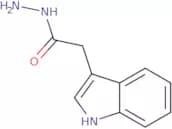
CAS:<p>p-Nitrobenzyl 6-(1'-hydroxyethyl)-azabicyclo(3.2.0)heptane-3,7-dione-2-carboxylate is a drug substance that is used in the manufacture of carbapenem antibiotics. It can be detected by a chloride ion chromatographic method, and the detection limit is 0.5 mg/L in the presence of zinc powder as a modifier. This material is used to prepare carbapenems using an analytical method that includes reaction monitoring by optical rotation, diastereomer chromatography, and transfer.</p>Formula:C16H16N2O7Purity:Min. 95%Color and Shape:PowderMolecular weight:348.31 g/molIndole-3-acetic acid hydrazide
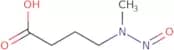
CAS:<p>Indole-3-acetic acid hydrazide is a molecule that has been shown to inhibit the activity of enzymes such as phosphofructokinase, pyruvate kinase, and lactate dehydrogenase. The compound also inhibits hemolytic activity by binding to the red blood cell membrane and inhibiting the enzyme NADH oxidoreductase. Indole-3-acetic acid hydrazide has been shown to bind to divinylbenzene with a hydrogen bond. The compound is also able to inhibit fatty acid synthesis through its interaction with the fatty acid synthase enzyme. In addition, indole-3-acetic acid hydrazide can be used as an inhibitor of SplA2 in cells.</p>Formula:C10H11N3OPurity:Min. 95%Color and Shape:PowderMolecular weight:189.21 g/molN-Nitroso-N-methyl-4-aminobutyric acid
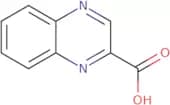
CAS:<p>N-Nitroso-N-methyl-4-aminobutyric acid (NMBA) is a solid with a low melting point which has been identified as a potentially carcinogenic component of both tobacco and tobacco smoke. NMBA is also one of a number of nitrosamine impurities which have been found to be present in angiotensin II receptor blocker (ARB) drugs used to treat high blood pressure.</p>Formula:C5H10N2O3Purity:Min. 98 Area-%Color and Shape:Slightly Yellow PowderMolecular weight:146.14 g/mol2-Quinoxalinecarboxylic acid
CAS:<p>2-Quinoxalinecarboxylic acid is a monoclonal antibody that binds to fatty acids. It has been shown to be effective in treating solid tumours, autoimmune diseases, and cyclic peptide-induced genotoxicity in biological studies. The compound is stable at physiological pH and can be used for the detection of hydrochloric acid using electrochemical impedance spectroscopy.</p>Formula:C9H6N2O2Purity:Min. 95%Color and Shape:PowderMolecular weight:174.16 g/mol2-Chlorophenylphenyl-aminomethanesulphonic acid sodium salt
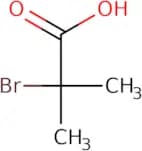
CAS:<p>2-Chlorophenylphenyl-aminomethanesulphonic acid sodium salt is a fine chemical that is a useful building block in research and development. It can be used as a reagent, a CAS No. 132141-36-7, or as a speciality chemical. This compound has been used as an intermediate in the synthesis of complex compounds. It also acts as a versatile building block for various reactions and has been used as a scaffold for the synthesis of new compounds.</p>Formula:C13H11ClNO3S·NaPurity:Min. 95%Molecular weight:319.74 g/mol2-Bromo-2-methylpropionic acid
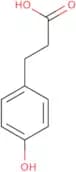
CAS:<p>2-Bromo-2-methylpropionic acid is a chemical compound that is used to stabilize nanoparticles. It also has covalent interactions with the surface of the nanoparticles, which helps to stabilize them and prevent aggregation. 2-Bromo-2-methylpropionic acid can be modified with polymers or other molecules that can help to stabilize the particles. This stabilizer is also able to create magnetic nanoparticles by using a strategy called "magnetic stabilization". In this method, the stabilizer can react with the metal ions in solution and form a stable complex, which will then coat the particles of interest. The stabilizer can also be used to circumvent mesoporous materials, such as silica gel, by coating them with a polymer layer.</p>Formula:C4H7BrO2Purity:Min. 95%Color and Shape:White Clear LiquidMolecular weight:167 g/mol3-(4-Hydroxyphenyl)propionic acid
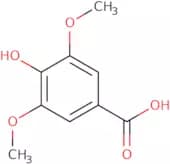
CAS:<p>Potential antioxidant; pharmaceutical intermediate</p>Formula:C9H10O3Purity:Min. 99 Area-%Color and Shape:PowderMolecular weight:166.17 g/molSyringic acid
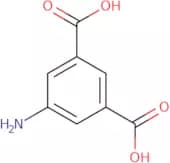
CAS:<p>Syringic acid is a phenolic acid that is found in the bark of the syringa tree (Lilac). It has been used in traditional Chinese medicine preparations to treat conditions such as skin problems and convulsions. Syringic acid is an intermediate in the biosynthesis of hydroxybenzoic acid, which is used as an analytical marker for plant identification. Syringic acid can be extracted from plants using subcritical water extraction or acetate extract. The sample preparation involves preparing samples of plant tissue by grinding them into a powder, followed by extraction with organic solvents. The final step is to purify the extract using column chromatography or recrystallization techniques.</p>Formula:C9H10O5Purity:Min. 98 Area-%Color and Shape:PowderMolecular weight:198.17 g/mol5-Aminoisophthalic acid
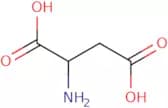
CAS:<p>5-Aminoisophthalic acid is a molecule that belongs to the group of compounds classified as p2, which are characterized by a hydrogen bond. The molecule is synthesized from n-dimethylformamide and glycol ester. It can be used in the synthesis of other compounds, such as 5-aminoisophthalic acid, which has been shown to have hemolytic activity. FTIR spectroscopy analysis reveals that the structure of 5-aminoisophthalic acid has nitrogen atoms in its side chain. This molecule also has an ultraviolet absorption range of about 225 nm to about 300 nm and shows strong absorption bands at around 290 nm and 350 nm.</p>Formula:C8H7NO4Purity:Min. 95%Color and Shape:PowderMolecular weight:181.15 g/molDL-Aspartic acid
CAS:<p>Aspartic acid is an amino acid that belongs to the group of aspartates. It is synthesized in the human body and used in biochemical reactions. Aspartic acid has been shown to play a role in cancer, bowel disease, and fibrosis. The chemical properties of aspartic acid have been studied using various model systems such as polymerase chain reaction (PCR) and p-nitrophenyl phosphate assay. Aspartic acid is a substrate for the enzyme asparaginase, which converts it into asparagine, another amino acid that can be used by the body.</p>Formula:C4H7NO4Color and Shape:White Off-White PowderMolecular weight:133.1 g/mol4-Phenylbutyric acid
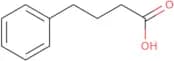
CAS:<p>4-Phenylbutyric acid is a prophylactic antibiotic that has minimal toxicity. It has been shown to significantly up-regulate protein synthesis in kidney cells and to have neural cell protective effects. 4-Phenylbutyric acid also inhibits the production of dextran sulfate, which may be useful for the treatment of liver injury. This compound has been tested as an investigational agent for squamous cell carcinoma and other cancers.</p>Formula:C10H12O2Purity:Min. 98%Color and Shape:White PowderMolecular weight:164.2 g/molSolriamfetol
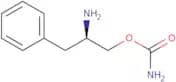
CAS:Controlled Product<p>Solriamfetol is a drug that belongs to the class of psychostimulants. It is used as an adjunct in the treatment of major depressive disorder, and has been shown to be clinically relevant in patients with major depression. Solriamfetol has been shown to have long-term efficacy and stable doses, which may be due to its chemical stability. It also has dose-dependent effects on dopamine release in the striatum, which can lead to increased symptoms of depression. The drug has also been shown to increase cardiac rate, even at stable doses and does not affect renal function. This may be because solriamfetol does not undergo oxidative injury or cause decreased glomerular filtration rate (GFR).</p>Formula:C10H14N2O2Purity:Min. 95%Color and Shape:PowderMolecular weight:194.23 g/mol3-Bromo-4-methoxyphenylacetic acid ethyl ester
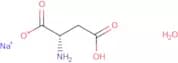
CAS:<p>3-Bromo-4-methoxyphenylacetic acid ethyl ester is a versatile building block that can be used to synthesize a variety of compounds. It is also a useful intermediate for research chemicals and pharmaceuticals. 3-Bromo-4-methoxyphenylacetic acid ethyl ester is a fine chemical with high quality and can be used as a reagent or speciality chemical. As a reaction component, this product makes an excellent scaffold for complex compounds.</p>Formula:C11H13BrO3Purity:Min. 95%Color and Shape:Clear LiquidMolecular weight:273.12 g/molL-Aspartic acid sodium salt monohydrate
CAS:<p>L-Aspartic acid sodium salt monohydrate is a sodium carbonate salt of L-aspartic acid that has been shown to inhibit the growth of leishmania in vitro. It may also be effective against other protozoa and amoeba, including Entamoeba histolytica and Naegleria fowleri. L-Aspartic acid sodium salt monohydrate inhibits acid formation by inhibiting the enzyme carbonate synthetase. This compound also has potential as a drug target for infantile lysosomal storage disease due to its ability to activate glutamate, which is an amino acid that is deficient in this condition. The surface methodology used for this study was titration calorimetry, which can be used to measure the thermodynamic properties of activated carboxylates.</p>Formula:C4H6NO4Na·H2OColor and Shape:White Off-White Clear LiquidMolecular weight:173.1 g/molEthyl 3-pyRidylacetate
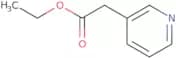
CAS:<p>Ethyl 3-pyRidylacetate is a chiral compound that is used in asymmetric synthesis. It is formed by the reaction of methides with base catalysts. The nmr spectrum of this compound shows three distinct signals, which correspond to the three possible stereoisomers: enolate, trisubstituted, and nucleophilic. These signals are due to the different methylene groups on the molecule. The active methylene group is responsible for alkylation reactions and carbon disulphide formation.</p>Formula:C9H11NO2Purity:Min. 95%Color and Shape:Clear LiquidMolecular weight:165.19 g/molSPDP
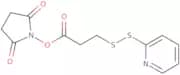
CAS:<p>SPDP is a pyridyldithiol linker that forms reversible disulfide bonds with thiols. It allows the controlled release of biomolecules in reductive environments.</p>Formula:C12H12N2O4S2Purity:Min. 95%Color and Shape:PowderMolecular weight:312.37 g/mol5-Chloroindole-3-carboxylic acid
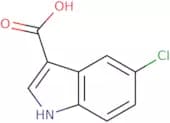
CAS:<p>5-Chloroindole-3-Carboxylic Acid is a ring system that is a dimer of two indole rings and one carboxyl group. It has the ability to form hydrogen bonds with itself, which allows it to stack together in an orderly manner. The carboxyl group on the 5-chloroindole-3-carboxylic acid molecule can form hydrogen bonds with water molecules due to its electronegativity. This property enables 5-chloroindole-3-carboxylic acid molecules to be soluble in water, which is why it is used for water treatment and as a corrosion inhibitor.</p>Formula:C9H6ClNO2Purity:Min. 95%Molecular weight:195.6 g/mol5-Doxyl stearic acid
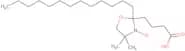
CAS:<p>5-Doxyl stearic acid is an agonist of the G protein coupled receptor. It has been shown to activate energy metabolism in human neutrophils and HL-60 cells, as well as guanine nucleotide binding and transmembrane transport. 5-Doxyl stearic acid was found to have no significant effect on the regulation of cellular membrane fluidity or on the permeability of biological membranes. It also has no significant effects on human erythrocytes, human serum, or human plasma. This compound is a cyclic peptide with a magnesium salt that can be used for fluorescent probe studies and has been used to develop a model system for studying G protein coupled receptors.</p>Formula:C22H42NO4Color and Shape:Yellow PowderMolecular weight:384.57 g/mol4-Ketopimelic acid
CAS:<p>4-Ketopimelic acid is an organic compound with the chemical formula CH3COOH. It is a polycarboxylic acid, which means it has two carboxyl groups. 4-Ketopimelic acid is produced by the dehydration of pimelic acid and is used as a clinical agent for the treatment of corynebacterium. 4-Ketopimelic acid can be synthesized by solid-phase synthesis or electrochemical methods. The latter method involves oxidation of 4-ketohexanoic acid and reduction of methyl ethyl ketone, which gives 4-ketopimelic acid. This compound can also be synthesized from diacids, such as succinic anhydride and maleic anhydride, or chromobacterium violaceum.</p>Formula:C7H10O5Purity:Min. 95%Color and Shape:White PowderMolecular weight:174.15 g/mol(3,5-Dimethylphenyl)acetic acid
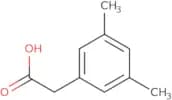
CAS:<p>3,5-Dimethylphenyl)acetic acid is an organic compound with the chemical formula CH3C(O)CH2CH2CO2H. It is a white solid that is insoluble in water and has a boiling point of 300°C. 3,5-Dimethylphenyl)acetic acid was first synthesized by reacting mesitylene with benzene in the presence of alkoxides. The yield of this reaction is high at 75%. This non-peptide, equilibrium compound has been shown to have affinity for 5HT6 receptors and can be used as a lead compound in screening.</p>Formula:C10H12O2Purity:Min. 95%Color and Shape:White PowderMolecular weight:164.2 g/molSDF-1α (human) trifluoroacetate salt
CAS:<p>Please enquire for more information about SDF-1alpha (human) trifluoroacetate salt including the price, delivery time and more detailed product information at the technical inquiry form on this page</p>Formula:C356H578N106O93S4Purity:Min. 95%Molecular weight:7,959.32 g/molIralukast
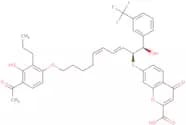
CAS:<p>Iralukast is a leukotriene receptor antagonist that blocks the bronchoconstrictor response. It is used in the treatment of bronchial asthma, chronic obstructive pulmonary disease, and bowel diseases such as ulcerative colitis. Iralukast is not absorbed into the bloodstream and therefore does not inhibit the production of the inflammatory mediators that are responsible for these diseases. Iralukast binds to receptors on cells lining the airways, preventing activation of cells by leukotrienes, which are released by mast cells in response to an allergen or irritant. This binding prevents the release of inflammatory mediators from mast cells and reduces bronchial reactivity. Iralukast also has been shown to inhibit the enzyme activity of phospholipase A2 (PLA2), which has been implicated in inflammatory bowel disease.</p>Formula:C38H37F3O8SPurity:Min. 95%Molecular weight:710.216122-Bromocinnamic acid
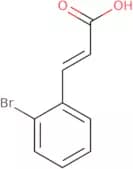
CAS:<p>2-Bromocinnamic acid is a synthetic compound that inhibits the reactions of arylating agents with tissues. It has cytotoxic activity and can be used in the treatment of alzheimer's disease. The synthesis of 2-bromocinnamic acid begins with anhydrous acetonitrile, which is heated to form an anhydrous salt. This salt is then dissolved in water and treated with potassium iodide and sodium nitrite. The resultant mixture undergoes a series of reactions to produce 2-bromocinnamic acid, including the addition of molybdenum as a catalyst. The reaction also produces byproducts that are removed by extraction or distillation. Finally, it undergoes a chromophore change from yellow to red in the presence of air due to oxidation by atmospheric oxygen.</p>Formula:C9H7BrO2Purity:Min. 95%Molecular weight:227.05 g/mol2-(4-Nonylphenoxy)acetic acid
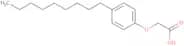
CAS:<p>2-(4-Nonylphenoxy)acetic acid is the main metabolite of nonylphenol, a polycyclic aromatic hydrocarbon. It has been shown to have an antioxidant effect and protect cells against oxidative damage. 2-(4-Nonylphenoxy)acetic acid also inhibits the growth of cultured cancer cells. This compound has been detected in human serum, breast milk, and urine samples from humans in the United States and Europe. 2-(4-Nonylphenoxy)acetic acid is used as a chemical substance in detergents, paints, coatings, dyes, and textile processing.END></p>Formula:C17H26O3Purity:Min. 95%Color and Shape:Clear LiquidMolecular weight:278.39 g/mol


![2-[N-[(3,5-Difluorophenyl)carbamoylamino]-C-methylcarbonimidoyl]pyridine-3-carboxylic acid](/_next/image/?url=https%3A%2Fstatic.cymitquimica.com%2Fproducts%2F3D%2Fthumb-webp%2FFD101726.webp&w=3840&q=75)






![1-[[6-(2,5-Dihydro-2,5-dioxo-1H-pyrrol-1-yl)-1-oxohexyl]oxy]-2,5-dioxo-3-pyrrolidinesulfonic acid …](/_next/image/?url=https%3A%2Fstatic.cymitquimica.com%2Fproducts%2F3D%2Fthumb-webp%2FFD24987.webp&w=3840&q=75)


![2-[(2-Carboxyphenyl)amino]-3-methoxybenzoic acid](/_next/image/?url=https%3A%2Fstatic.cymitquimica.com%2Fproducts%2F3D%2Fthumb-webp%2FFC19799.webp&w=3840&q=75)