Carboxylic Acids
Carboxylic acids are organic molecules characterized by having a carboxyl-type functional group (-COOH). These acids are fundamental in various chemical reactions, including esterification, amidation, and decarboxylation. Carboxylic acids are widely used in the production of pharmaceuticals, polymers, and agrochemicals. In this section, you can find a large number of carboxylic acids ready to be used. At CymitQuimica, we provide a broad range of high-quality carboxylic acids to support your research and industrial applications.
Found 12453 products of "Carboxylic Acids"
Sort by
Purity (%)
0
100
|
0
|
50
|
90
|
95
|
100
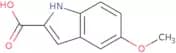
5-Methoxyindole-2-carboxylic acid
CAS:<p>5-Methoxyindole-2-carboxylic acid is a molecule that belongs to the class of diazonium salts. It is a potent inhibitor of mitochondrial membrane potential and has been shown to have anti-diabetic effects in animal models. 5-Methoxyindole-2-carboxylic acid also inhibits sperm motility, which may be due to its ability to inhibit uv absorption. This compound has been shown to be an effective agent in the treatment of brain infarctions when administered chronically orally. The mechanism of action is not known, but it may involve inhibition of potassium ion uptake or hydrogen bond formation with fatty acids.</p>Formula:C10H9NO3Color and Shape:PowderMolecular weight:191.18 g/mol2-Amino-3-methoxybenzoic acid hydrochloride
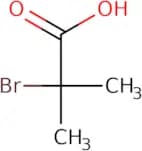
CAS:<p>2-Amino-3-methoxybenzoic acid hydrochloride is a synthetic monosubstituted hydroxy analog of the natural alkaloids, which are substituted with an amino group. It is produced by the demethylation of 2-amino-3-hydroxypyridine and reacts with caprolactam to form 2,6-dihydroxybenzaldehyde. It has been used in the synthesis of methoxyanthranilic acid, which is a synthetic analogue of anthranilic acid. Hydrochloric acid can be added to 2-amino-3-methoxybenzoic acid hydrochloride to produce 2,6-dihydroxybenzoyl chloride. This compound also undergoes condensation reactions with methoxyanthranilic acid to form 2,6-dimethoxybenzaldehyde.</p>Formula:C8H9NO3•HClPurity:Min. 95%Color and Shape:PowderMolecular weight:203.62 g/mol2-Bromo-2-methylpropionic acid
CAS:<p>2-Bromo-2-methylpropionic acid is a chemical compound that is used to stabilize nanoparticles. It also has covalent interactions with the surface of the nanoparticles, which helps to stabilize them and prevent aggregation. 2-Bromo-2-methylpropionic acid can be modified with polymers or other molecules that can help to stabilize the particles. This stabilizer is also able to create magnetic nanoparticles by using a strategy called "magnetic stabilization". In this method, the stabilizer can react with the metal ions in solution and form a stable complex, which will then coat the particles of interest. The stabilizer can also be used to circumvent mesoporous materials, such as silica gel, by coating them with a polymer layer.</p>Formula:C4H7BrO2Purity:Min. 95%Color and Shape:White Clear LiquidMolecular weight:167 g/molMethyl 2-oxoindole-6-carboxylate
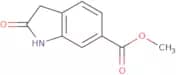
CAS:<p>Intermediate in the synthesis of nintedanib</p>Formula:C10H9NO3Purity:Min. 98 Area-%Color and Shape:PowderMolecular weight:191.18 g/mol3-Bromo-4-fluorocinnamic acid
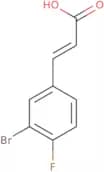
CAS:<p>3-Bromo-4-fluorocinnamic acid is a useful intermediate that reacts with amines to form 3-bromo-4-fluoroaniline, which is used as a building block in the synthesis of pharmaceuticals, agrochemicals, and other organic compounds.</p>Formula:C9H6BrFO2Purity:Min. 95%Color and Shape:PowderMolecular weight:245.05 g/mol3-((2-Fluorophenyl)piperazinylcarbamoyl)prop-2-enoic acid
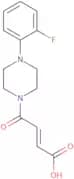
CAS:Controlled Product<p>Please enquire for more information about 3-((2-Fluorophenyl)piperazinylcarbamoyl)prop-2-enoic acid including the price, delivery time and more detailed product information at the technical inquiry form on this page</p>Formula:C14H15Fn2O3Purity:Min. 80%Color and Shape:PowderMolecular weight:278.29 g/molSulfosuccinic Acid - 70 wt. % in H2O
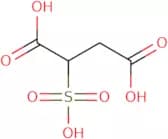
CAS:<p>Sulfosuccinic acid is a chemical compound that belongs to the group of coumarin derivatives. It has been shown to have good chemical stability in a variety of solvents, including water. Sulfosuccinic acid is also soluble in sodium salts and can be easily prepared as an aqueous solution or as a powder with particle size less than 10 microns. The surface methodology for this compound includes methods such as scanning electron microscopy (SEM), atomic force microscopy (AFM), and X-ray photoelectron spectroscopy (XPS). Sulfosuccinic acid has been found to have matrix effects on proteins and enzymes, which may be due to its basic properties. It is also used in nanoparticulate compositions for lc-ms/ms analysis.</p>Formula:C4H6O7SPurity:Min. 95%Color and Shape:Clear LiquidMolecular weight:198.15 g/molIron(II) acetate
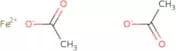
CAS:<p>Iron(II) acetate is a salt formed by the reaction of ethylene diamine and iron(II). It has been proposed as an alternative to iron oxide for use in magnetic separation. Iron(II) acetate is a catalyst for the production of antimicrobial agents, which are used to control the growth of bacteria. Iron(II) acetate has also been shown to accelerate the production of angiogenic factors in response to nutrient solution and can be used as a solid catalyst for hydrogenation reactions. Iron(II) acetate is also used in detergent compositions because it binds with particulates and other small particles, such as soil and dust. This makes it possible for these materials to be removed from fabrics through washing. The particles are magnetically attracted to the iron, which are then removed during the rinse cycle.</p>Formula:C4H6O4FePurity:Min. 95%Molecular weight:173.93 g/mol3,5-Dichloro-4-fluorobenzoic acid
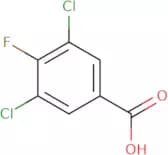
CAS:<p>3,5-Dichloro-4-fluorobenzoic acid is a chemical that belongs to the class of reagents. It reacts with an amine to form a urea and a dioxane derivative. 3,5-Dichloro-4-fluorobenzoic acid is used in the research and development of new drugs as a useful scaffold for novel compounds. It can be used as an intermediate or building block in the synthesis of complex molecules. This chemical also has speciality uses as a fine chemical, such as for use in cosmetics or cleaning products.</p>Formula:C7H3Cl2FO2Purity:Min. 95%Color and Shape:PowderMolecular weight:209 g/mol2-Fluoro-5-nitrobenzoic acid
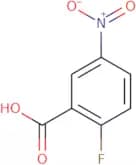
CAS:<p>2-Fluoro-5-nitrobenzoic acid is a molecule that can be used in biological studies to measure the proton concentration of a solution. This compound has been shown to bind to caffeine and β-amino acids, which may be due to its ability to form intermolecular hydrogen bonds. 2-Fluoro-5-nitrobenzoic acid has also been shown to enhance reactive oxygen species generation by nitrobenzoic molecules, making it a potential drug for the treatment of cancer.</p>Formula:C7H4FNO4Purity:Min. 95%Color and Shape:PowderMolecular weight:185.11 g/mol3-Phenoxyphenylacetic acid
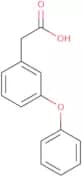
CAS:<p>3-Phenoxyphenylacetic acid is a diphenyl ether compound. It is used as a preservative and has antimycobacterial activity. 3-Phenoxyphenylacetic acid has been shown to be active against tuberculosis, with an MIC of 0.5 ug/mL. In addition, it can inhibit the growth of methicillin-resistant Staphylococcus aureus (MRSA) and erythromycin-resistant Mycobacterium tuberculosis. The mechanism of action is not fully understood, but may involve the inhibition of electron transport or oxidative phosphorylation in bacterial cells. 3-Phenoxyphenylacetic acid also inhibits the formation of reactive oxygen species from NADPH oxidase in human neutrophils, which may contribute to its antimicrobial activity.</p>Formula:C14H12O3Purity:Min. 95%Color and Shape:PowderMolecular weight:228.24 g/mol4-(Piperazin-1-yl)benzoic acid hydrochloride
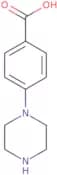
CAS:<p>4-(Piperazin-1-yl)benzoic acid hydrochloride is a chemical intermediate that is used in the synthesis of pharmaceuticals. It has been shown to be a useful scaffold, and can be used as a reaction component and building block in the synthesis of complex compounds. 4-(Piperazin-1-yl)benzoic acid hydrochloride is also versatile, as it has been shown to be an intermediate for the synthesis of fine chemicals.</p>Formula:C11H14N2O2•HClPurity:Min. 95%Color and Shape:PowderMolecular weight:242.7 g/molDihydrocortisone 21-acetate
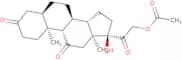
CAS:Controlled Product<p>Dihydrocortisone 21-acetate is a synthetic steroid hormone that has radical mechanism of action. It is used to treat inflammatory and autoimmune diseases, such as rheumatoid arthritis, lupus erythematosus, dermatitis herpetiformis, myasthenia gravis, and Behçet's disease. This drug can be synthesized from the reaction of prednisolone with acetyl chloride. Dihydrocortisone 21-acetate is an ester of hydrocortisone or cortisone. It may also be obtained from plant sources by hydrolysis of chlorocarbonates. Dihydrocortisone 21-acetate is freely soluble in dimethylformamide (DMF) and tetrazolium salts are used as the indicator for its presence.</p>Formula:C23H32O6Purity:Min. 95%Color and Shape:PowderMolecular weight:404.5 g/mol5-Chloro-4-hydroxy-1-methyl-2-oxo-1,2-dihydro-quinoline-3-carboxylic acid ethyl-phenyl-amide
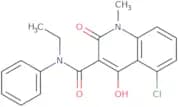
CAS:<p>Laquinimod is an immunomodulator drug that inhibits the activity of the immune system. It binds to toll-like receptor 7, which is a protein on the surface of certain cells that responds to infection and inflammation. Laquinimod has been shown to inhibit neurodegeneration in vitro, which may be due to its ability to bind with neuronal death receptors and block the inflammatory response. Laquinimod also inhibits bowel disease by reducing inflammation and controlling immunity in the intestinal tract. Laquinimod has been shown to have long-term efficacy when administered at physiological levels. This drug is chemically stable, even after exposure to light.</p>Formula:C19H17ClN2O3Purity:Min. 95%Color and Shape:White PowderMolecular weight:356.8 g/mol4-Aminobenzoic acid hexyl ester
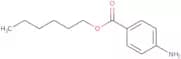
CAS:<p>4-Aminobenzoic acid hexyl ester is a cytoskeletal molecule that interacts with actin and myosin to form filaments. It has been shown to regulate transcriptional activity by reducing the level of reactive oxygen species or hydrogen peroxide, which are thought to induce cell death. 4-Aminobenzoic acid hexyl ester has also been shown to interact with imatinib, which is used in cancer treatment. This interaction may be due to the ability of 4-aminobenzoic acid hexyl ester to inhibit protein–protein interactions between proteins in the Wnt signaling pathway.</p>Formula:C13H19NO2Purity:Min. 95%Color and Shape:PowderMolecular weight:221.3 g/molPhytanic acid
CAS:<p>Phytanic acid is a fatty acid found in the cell membranes of all mammals. It is an intermediate product in the biosynthesis of arachidonic acid and participates in mitochondrial functions, cellular physiology, energy metabolism, and regulation of intracellular calcium levels. Phytanic acid has been shown to inhibit ATP-dependent transport and reduce the mitochondrial membrane potential. In addition, it has been shown to be a precursor for other fatty acids that are involved in the inflammatory response. The phytanic acid experimental model has been used extensively to study the pathogenic mechanism of sepsis.</p>Formula:C20H40O2Purity:Min. 95%Color and Shape:PowderMolecular weight:312.53 g/molSolriamfetol
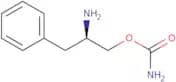
CAS:Controlled Product<p>Solriamfetol is a drug that belongs to the class of psychostimulants. It is used as an adjunct in the treatment of major depressive disorder, and has been shown to be clinically relevant in patients with major depression. Solriamfetol has been shown to have long-term efficacy and stable doses, which may be due to its chemical stability. It also has dose-dependent effects on dopamine release in the striatum, which can lead to increased symptoms of depression. The drug has also been shown to increase cardiac rate, even at stable doses and does not affect renal function. This may be because solriamfetol does not undergo oxidative injury or cause decreased glomerular filtration rate (GFR).</p>Formula:C10H14N2O2Purity:Min. 95%Color and Shape:PowderMolecular weight:194.23 g/molLinolenic acid - 70%
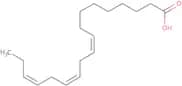
CAS:<p>Linolenic acid is a polyunsaturated fatty acid that belongs to the omega-6 family. It has been shown to have apoptosis-inducing effects in various experimental models and has anti-oxidant properties. Linolenic acid also protects against UV radiation and skin cancer. In addition, linolenic acid may be beneficial for eye disorders such as dry eye syndrome and age-related macular degeneration. Clinical studies have shown that linolenic acid may help with weight loss, improve body mass index, and reduce inflammation.</p>Formula:C18H30O2Purity:Min. 95%Color and Shape:Brown Slightly Yellow Red Clear LiquidMolecular weight:278.43 g/mol2-(4-tert-Butylphenoxy)-2-methylpropanoic acid
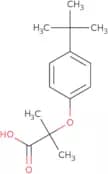
CAS:<p>2-(4-tert-Butylphenoxy)-2-methylpropanoic acid is a versatile building block and reagent for the synthesis of complex compounds. It has been used in research as a possible treatment for inflammatory diseases, including asthma and rheumatoid arthritis. This product is also a useful scaffold for the development of new drugs. 2-(4-tert-Butylphenoxy)-2-methylpropanoic acid has been shown to have antiviral properties against human immunodeficiency virus (HIV) and hepatitis C virus (HCV).</p>Formula:C14H20O3Purity:Min. 95%Color and Shape:PowderMolecular weight:236.31 g/mol2,4,5-Trimethylbenzoic acid
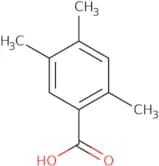
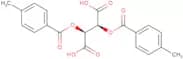
CAS:<p>2,4,5-Trimethylbenzoic acid is a white crystalline solid that is soluble in water. It is used as an analytical reagent and oxidation catalyst. 2,4,5-Trimethylbenzoic acid can be found in polymer films and inorganic acids. The oxidation products of 2,4,5-Trimethylbenzoic acid are known to have antioxidant properties. The compound can be found as an oxidant or an activator in organic synthesis reactions. 2,4,5-Trimethylbenzoic acid has been used as a starting material for the synthesis of acyl halides and carboxylates. It also has been used to synthesize fatty acids from unsaturated hydrocarbons.</p>Formula:C10H12O2Purity:Min. 95%Color and Shape:PowderMolecular weight:164.2 g/mol(+)-O,O'-Di-p-toluoyl-D-tartaric acid
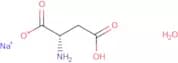
CAS:<p>(+)-O,O'-Di-p-toluoyl-D-tartaric acid is a potent and selective ligand for the dopamine D2 receptor. It was first synthesized in 1968 and has been extensively studied for its interactions with dopamine receptors. (+)-O,O'-Di-p-toluoyl-D-tartaric acid has been shown to be an orthosteric agonist at the D2 receptor, meaning it binds directly to the receptor in the absence of any other compounds. It binds to the extracellular site of the receptor, with a binding affinity that is 10 times more potent than that of apomorphine. The compound has been shown to have antidepressant effects when administered systemically, as well as in animal models of depression. This activity may be due to its ability to selectively activate dopamine D2 receptors in regions such as the prefrontal cortex.</p>Formula:C20H18O8Purity:Min. 95%Color and Shape:PowderMolecular weight:386.35 g/molL-Aspartic acid sodium salt monohydrate
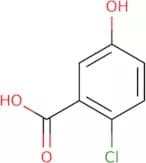
CAS:<p>L-Aspartic acid sodium salt monohydrate is a sodium carbonate salt of L-aspartic acid that has been shown to inhibit the growth of leishmania in vitro. It may also be effective against other protozoa and amoeba, including Entamoeba histolytica and Naegleria fowleri. L-Aspartic acid sodium salt monohydrate inhibits acid formation by inhibiting the enzyme carbonate synthetase. This compound also has potential as a drug target for infantile lysosomal storage disease due to its ability to activate glutamate, which is an amino acid that is deficient in this condition. The surface methodology used for this study was titration calorimetry, which can be used to measure the thermodynamic properties of activated carboxylates.</p>Formula:C4H6NO4Na·H2OColor and Shape:White Off-White Clear LiquidMolecular weight:173.1 g/mol2-Chloro-5-hydroxybenzoic acid
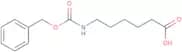
CAS:<p>2-Chloro-5-hydroxybenzoic acid is a compound that contains a hydroxyl group. It is an organic acid and a monomer that can be used in the preparation of coumarin derivatives. 2-Chloro-5-hydroxybenzoic acid can be prepared by oxidation of 2,3,4,5,6 tetrahydrobenzoquinone with hydrogen peroxide followed by hydrolysis. The oxidation step is carried out using potassium permanganate as oxidant and activated manganese dioxide as catalyst. This method yields the desired product in high yield.</p>Formula:C7H5ClO3Purity:Min. 95%Color and Shape:PowderMolecular weight:172.57 g/molN-Benzyloxycarbonyl-6-aminocaproic acid
CAS:<p>N-Benzyloxycarbonyl-6-aminocaproic acid is a synthetic molecule that has been shown to inhibit ubiquitin ligases. It may be used as an antigen for the detection of cancer cells, and it can also serve as a potential drug for inhibiting the growth of cancer cells. This molecule is a peptidomimetic that mimics the structure of ubiquitin. N-Benzyloxycarbonyl-6-aminocaproic acid binds to ubiquitin through hydrogen bonding interactions and can interfere with the protein's function by forming crosslinks with other proteins. N-Benzyloxycarbonyl-6-aminocaproic acid has been found to have a high molecular weight (MW) and viscosity, which makes it difficult to use in biological systems. However, this molecule can be used as an e3 ubiquitin ligase inhibitor in supramolecular systems because it does not interfere with other</p>Formula:C14H19NO4Purity:Min. 95%Color and Shape:White PowderMolecular weight:265.31 g/mol3-Amino-4-chlorophenylacetic acid methyl ester
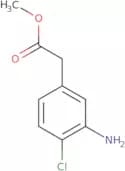
CAS:<p>3-Amino-4-chlorophenylacetic acid methyl ester is a fine chemical that is useful as a building block in the synthesis of complex compounds. It has been used as a reagent and speciality chemical, which can be used for research purposes. CAS No. 59833-69-1</p>Formula:C9H10ClNO2Purity:Min. 95%Molecular weight:199.63 g/molApovincaminic acid
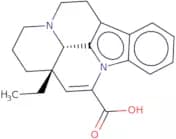
CAS:<p>Apovincaminic acid is a quaternary alcohol with the molecular formula CHNO. It is an acid ethyl ester, with hydroxy and hydroxy groups. Apovincaminic acid is a pharmacokinetic drug that is used in humans to treat chronic alcoholism. It has a linear pharmacokinetics profile, and does not have any autoinduction or alkaloid properties. It also does not show any significant interactions with other drugs. Apovincaminic acid binds to primary alcohols to form esters, which are eliminated from the body through urine.</p>Formula:C20H22N2O2Purity:Min. 95%Color and Shape:White/Off-White SolidMolecular weight:322.4 g/mol3,4,5-Trimethoxyphenylacetic acid
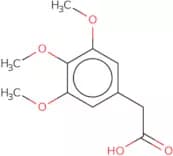
CAS:<p>3,4,5-Trimethoxyphenylacetic acid is a synthetic compound that is used as an anticancer drug. It has been shown to inhibit the growth of cancer cells in vitro and in vivo by binding to the DNA. 3,4,5-Trimethoxyphenylacetic acid has been shown to be stereoselective with respect to the anticancer activity of the two isomers. The hydroxyl group present on one side of the molecule may be responsible for this effect. 3,4,5-Trimethoxyphenylacetic acid also inhibits enzymes called oxidases that are involved in the production of prostaglandins from arachidonic acid (prostaglandins play a role in inflammation). This property may account for its anti-inflammatory effects.</p>Formula:C11H14O5Purity:Min. 95%Color and Shape:White PowderMolecular weight:226.23 g/mol(2-Aminophenyl)boronic acid hydrochloride
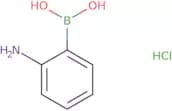
CAS:<p>(2-Aminophenyl)boronic acid hydrochloride is an analytical reagent that is used in the cross-coupling reaction between aryl bromides and organoboron compounds. It has been synthesized from 2-aminophenylboronic acid, which can be produced by the alkylation of phenol with 3-bromoquinoline. This compound has been shown to have antimalarial activity against the human malaria parasite Plasmodium falciparum in vitro. (2-Aminophenyl)boronic acid hydrochloride has also been shown to have a high intestinal absorption rate when given orally to rats. In vivo studies are needed to determine whether this chemical is safe for humans.</p>Formula:C6H9BClNO2Purity:Min. 95%Color and Shape:PowderMolecular weight:173.41 g/mol3-Bromocinnamic acid methyl ester
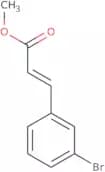
CAS:<p>3-Bromocinnamic acid methyl ester is a chemical compound that belongs to the group of useful scaffolds. It is a versatile building block and can be used as an intermediate in the synthesis of complex compounds. 3-Bromocinnamic acid methyl ester has been found to be a useful research chemical, reaction component, and speciality chemical. This chemical can be used in the production of fine chemicals and other products. 3-Bromocinnamic acid methyl ester is also useful as a reagent for organic reactions.</p>Formula:C10H9BrO2Purity:Min. 95%Color and Shape:PowderMolecular weight:241.08 g/mol5-Acetamido-2-nitrobenzoic acid
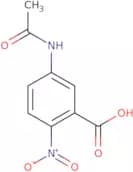
CAS:<p>5-Acetamido-2-nitrobenzoic acid is a metabolic precursor of homarine, which is an important intermediate in the synthesis of pharmaceuticals. 5-Acetamido-2-nitrobenzoic acid is a white crystalline powder that is soluble in water and sparingly soluble in ethanol. It has a molecular weight of 176.1 g/mol and an empirical formula of C7H6NO4P. The compound exists as a zwitterion at neutral pH. The solubility can be increased by adding phosphoric acid or orthophosphoric acid to increase the pH to 3-5, although this may result in the formation of impurities such as orthophosphate or multicolour compounds. 5-Acetamido-2-nitrobenzoic acid is used for the quantitative determination of phosphate in pharmaceutical dosage formulations by regression analysis with multicolour photometry and chromatographic methods.</p>Formula:C9H8N2O5Purity:Min. 95%Color and Shape:SolidMolecular weight:224.17 g/mol2,2,4-Trimethyl-1,2,3,4-tetrahydroquinoline-8-carboxylic acid
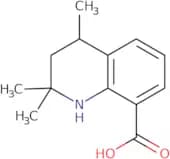
CAS:<p>2,2,4-Trimethyl-1,2,3,4-tetrahydroquinoline-8-carboxylic acid is a versatile building block that can be used as a reagent or speciality chemical in research and development. It is also an intermediate for the synthesis of complex compounds with various properties. This compound has been shown to be useful as a building block for the synthesis of new compounds with potential pharmaceutical applications.</p>Formula:C13H17NO2Purity:Min. 95%Color and Shape:White Off-White PowderMolecular weight:219.28 g/molp-Coumaric acid 4-O-sulfate disodium
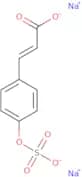
CAS:<p>p-Coumaric acid 4-O-sulfate disodium salt is a high quality, reagent, complex compound. It is an intermediate in the synthesis of pyridoxal 5′-phosphate and may be used as a building block for the synthesis of other compounds. It is also a speciality chemical that may be used as a reaction component in organic synthesis.</p>Formula:C9H8O6S•Na2Purity:95%MinColor and Shape:PowderMolecular weight:290.2 g/molH-Ser-His-OH acetate
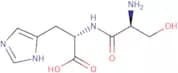
CAS:<p>H-Ser-His-OH acetate salt is an amide that has been shown to have a neutral pH and to be soluble in organic solvents such as chloroform. It has a biological function of being a serine protease inhibitor. H-Ser-His-OH acetate salt binds to the amino acid histidine and inhibits the activity of serine proteases. This product has been used in fluorescence techniques, immunofluorescence analyses, and molecular biology.</p>Formula:C9H14N4O4·xC2H4O2Purity:Min. 95%Color and Shape:PowderMolecular weight:242.24 g/molPiperacillin
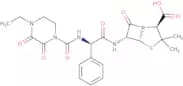
CAS:<p>Piperacillin is a β-lactam antibiotic that inhibits the synthesis of bacterial cell walls by binding to penicillin-binding proteins. It is used for the treatment of serious infections caused by gram-negative organisms such as Aerogenes, Enterobacter, and Klebsiella. Piperacillin has a high MIC90 value against Staphylococcus and other gram-positive bacteria, but it is not active against β-lactamase producing strains of bacteria such as E. coli or Klebsiella pneumoniae. The MIC90 values are determined through an analytical method on different strains of bacteria and validated with a sample preparation before use in clinical trials.</p>Formula:C23H27N5O7SPurity:Min. 95 Area-%Color and Shape:White PowderMolecular weight:517.56 g/mol5-Chloroindole-3-carboxylic acid
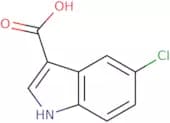
CAS:<p>5-Chloroindole-3-Carboxylic Acid is a ring system that is a dimer of two indole rings and one carboxyl group. It has the ability to form hydrogen bonds with itself, which allows it to stack together in an orderly manner. The carboxyl group on the 5-chloroindole-3-carboxylic acid molecule can form hydrogen bonds with water molecules due to its electronegativity. This property enables 5-chloroindole-3-carboxylic acid molecules to be soluble in water, which is why it is used for water treatment and as a corrosion inhibitor.</p>Formula:C9H6ClNO2Purity:Min. 95%Molecular weight:195.6 g/mol5-Nitro-2-furaldehyde diacetate
CAS:<p>5-Nitro-2-furaldehyde diacetate is a synthetic compound that can be used in the production of quinoline derivatives. It has been shown to have an inhibitory effect on lung cancer cells, although its mechanism of action is not yet known. 5NFDA was synthesized and tested with a reaction solution containing sodium carbonate and hydrochloric acid. The electron microscopic analysis showed that this compound reacts with the hydroxyl group on the surface of the lung cell membrane. This reaction causes a loss of integrity in the cell wall, leading to cell death.</p>Formula:C9H9NO7Purity:Min. 97 Area-%Color and Shape:PowderMolecular weight:243.17 g/mol2-Biphenylcarboxylic acid
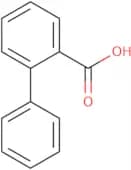
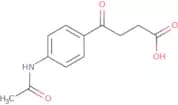
CAS:<p>2-Biphenylcarboxylic acid (2BCA) is a metabolite of biphenyl. The hydroxyl group on 2BCA binds to the receptor, producing an antihypertensive effect. It has been shown to be effective in the treatment of metabolic disorders and diseases such as diabetes mellitus, hypertension, and heart disease. 2BCA is also effective in the treatment of tumors because it inhibits tumor cell growth by binding to fatty acids. This drug forms hydrogen bonds with other molecules due to its hydroxyl group and can be synthesized through a Suzuki coupling reaction.<br>2BCA has been found to have an inhibitory effect on prostaglandin synthesis through the p2 receptor activity.</p>Formula:C13H10O2Purity:Min. 95%Color and Shape:PowderMolecular weight:198.22 g/mol4-(4-Acetamidophenyl)-4-oxobutanoic acid
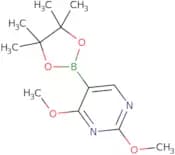
CAS:<p>4-(4-Acetamidophenyl)-4-oxobutanoic acid is a versatile building block that can be used as a reaction component, reagent, or useful scaffold. It is also a high quality chemical with CAS number 5473-15-4. This chemical has been shown to have many applications in research and development, such as the synthesis of pharmaceuticals, agrochemicals, and textiles. 4-(4-Acetamidophenyl)-4-oxobutanoic acid is an important intermediate for the synthesis of complex compounds. It is also a fine chemical that can be used for research purposes.</p>Formula:C12H13NO4Purity:Min. 95 Area-%Color and Shape:PowderMolecular weight:235.24 g/mol2,4-Dimethoxypyrimidine-5-boronic acid, pinacol ester
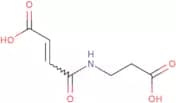
CAS:<p>2,4-Dimethoxypyrimidine-5-boronic acid is a high quality chemical that can be used as a reagent or a complex intermediate. It is an important building block for the synthesis of many compounds and has been shown to be useful in the synthesis of 2,4-dimethoxybenzaldehyde. This compound has been used in the preparation of 2,4-dimethoxypyrimidin-5(6H)-ones and as a reaction component in organic chemistry.</p>Formula:C12H19BN2O4Purity:Min. 97%Molecular weight:266.1 g/molcis-5-Aza-4-oxo-oct-2-en-dioic acid
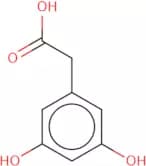
CAS:<p>cis-5-Aza-4-oxo-oct-2-en-dioic acid is a chemical that belongs to the group of reagents and is used as a reaction component. cis-5-Aza-4-oxo-oct-2-en-dioic acid has been shown to react with aniline in a one pot reaction to produce 4,6 diaminohexanoic acid. cis -5 Aza -4 oxo oct 2 en dioic acid also reacts with methyl acetoacetate in a one pot reaction to produce 3,4,5 triamino pentanoic acid. cis -5 Aza -4 oxo oct 2 en dioic acid is versatile and can be used as a building block or an intermediate for complex compounds. It has been shown to be useful in the synthesis of fine chemicals, such as benzofuran derivatives.</p>Formula:C7H9NO5Purity:Min. 95 Area-%Color and Shape:PowderMolecular weight:187.15 g/mol3,5-Dihydroxyphenylacetic acid
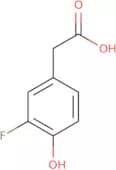
CAS:<p>3,5-Dihydroxyphenylacetic acid is a versatile building block that can be used to synthesize complex molecules. 3,5-Dihydroxyphenylacetic acid is a reagent in organic chemistry and has been used in the synthesis of novel drugs, among other applications. This chemical has been shown to be useful as a building block for the synthesis of high-quality compounds. 3,5-Dihydroxyphenylacetic acid can be used as an intermediate for the synthesis of pharmaceuticals or other chemicals. It is also a useful scaffold for the production of new molecules with desired properties.</p>Formula:C8H8O4Purity:Min. 95%Color and Shape:PowderMolecular weight:168.15 g/mol3-Fluoro-4-hydroxyphenylacetic acid
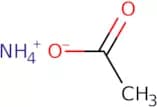
CAS:<p>3-Fluoro-4-hydroxyphenylacetic acid is a fluorinated aromatic compound that has been shown to have serotonergic, dopaminergic and noradrenergic actions. 3-Fluoro-4-hydroxyphenylacetic acid has been shown to interact with the serotonin receptor 5HT2A in cell culture and in vivo, as well as with the dopamine receptor DRD2. This compound also interacts with the eschscholtzia receptor. 3-Fluoro-4-hydroxyphenylacetic acid is biosynthesized from 5-hydroxyindoleacetic acid (5HIAA).</p>Formula:C8H7FO3Purity:Min. 95%Color and Shape:PowderMolecular weight:170.14 g/molAmmonium acetate
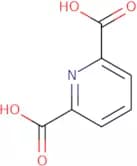
CAS:<p>Ammonium acetate is a salt that is used in the laboratory to synthesize ubiquitin ligases. It has been shown to have receptor activity and can be used to study the interaction between ammonium ions and sodium citrate. Ammonium acetate is a chemical reagent that is used to synthesize ubiquitin ligases, which are proteins that are involved in the degradation of other proteins. Ammonium acetate can also be used as an experimental model for myocardial infarct. The reaction between ammonium and water vapor yields ammonia gas, which can be analyzed with electrochemical impedance spectroscopy (EIS). A solution of ammonium acetate and palladium on zirconium oxide is suitable for coupling reactions, such as amination reactions. This compound has been used as an analytical method for the structural analysis of organic compounds.</p>Formula:C2H7NO2Color and Shape:White Clear LiquidMolecular weight:77.08 g/mol2,6-Pyridinedicarboxylic acid
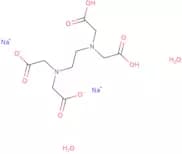
CAS:<p>2,6-Pyridinedicarboxylic acid is a chemical compound that is mainly used as an antimicrobial agent. It binds to DNA by hydrogen bonding interactions and alters the polymerase chain reaction (PCR) process. This leads to inhibition of DNA synthesis and cell death. 2,6-Pyridinedicarboxylic acid has been shown to have synergistic effects when combined with sodium salts. It also inhibits transfer reactions in bacteria, which may be due to its ability to bind to picolinic acid. The structural analysis of 2,6-pyridinedicarboxylic acid showed that it contains a pyridine ring fused with two carboxyl groups. 2,6-Pyridinedicarboxylic acid reacts with picolinic acid in the presence of sodium salts and undergoes a series of reactions leading to the formation of picolinamide, which may explain its inhibitory properties.</p>Formula:C7H5NO4Purity:Min. 95%Color and Shape:PowderMolecular weight:167.12 g/molEthylenediaminetetraacetic acid disodium dihydrate
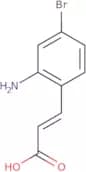
CAS:<p>Hexadentate chelator</p>Formula:C10H14N2Na2O8·2H2OColor and Shape:White PowderMolecular weight:372.24 g/mol2-Amino-4-bromocinnamic acid
CAS:<p>2-Amino-4-bromocinnamic acid is a fine chemical with a CAS number of 914636-63-8. It is used in the synthesis of complex compounds and useful building blocks, as well as in research. This compound has been shown to be an intermediate for the preparation of derivatives with potential pharmaceutical applications, such as antihistamines, antipsychotics, and antibiotics. 2-Amino-4-bromocinnamic acid is also an important reagent for organic syntheses.</p>Formula:C9H8BrNO2Purity:Min. 98 Area-%Color and Shape:PowderMolecular weight:242.07 g/molZoledronic acid monohydrate
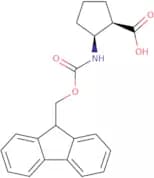
CAS:<p>Farnesyl pyrophosphate synthase inhibitor; hepatic de novo lipogenesis inhibitor</p>Formula:C5H10N2O7P2•H2OPurity:Min. 98.5 Area-%Color and Shape:PowderMolecular weight:290.1 g/mol(+/-)-Fmoc-cis-2-aminocyclopentane carboxylic acid
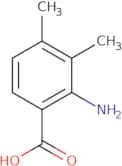
CAS:<p>Fmoc-cis-(1R,2S)-2-aminocyclopentane carboxylic acid is a versatile building block that is used in the synthesis of many important compounds. It can be used as a scaffold for organic synthesis and can be converted to an intermediate for peptides and proteins. Fmoc-cis-(1R,2S)-2-aminocyclopentane carboxylic acid is also useful in chemical reactions due to its high reactivity, including reactions with thiols, amines, alcohols, and others. This compound has been shown to form complexes with metals such as palladium or platinum.</p>Formula:C21H21NO4Purity:Min. 96 Area-%Color and Shape:White PowderMolecular weight:351.4 g/mol2-Amino-3,4-dimethylbenzoic acid
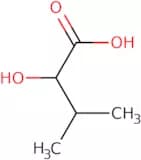
CAS:<p>Protocatechuic acid is a phenolic compound that is found in the cell wall of plants. It has been shown to have radical scavenging activities and antioxidant properties. Protocatechuic acid binds to acetylcholine receptors, which are proteins that are involved in neurotransmission. Protocatechuic acid also inhibits the production of 4-hydroxy radicals, which are reactive oxygen species. This effect was observed when an ethanol extract was used as a source of protocatechuic acid in a study on rats with experimental myocardial infarction. The activity of the muscarinic acetylcholine receptor has been shown to be dose-dependent, with greater activity at lower concentrations and lower activity at higher concentrations. Higher doses can lead to allosteric modulation of this receptor by protocatechuic acid.</p>Formula:C9H11NO2Purity:Min. 95%Color and Shape:PowderMolecular weight:165.19 g/mol2-Hydroxy-3-methylbutyric acid
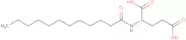
CAS:<p>2-Hydroxy-3-methylbutyric acid is an intermediate in the microbial metabolism of hydrogen fluoride and caproic acid. It can be used as a diagnostic for probiotic bacteria. 2-Hydroxy-3-methylbutyric acid has been shown to cause cell lysis, which may be due to its ability to act as a polymerase chain reaction (PCR) enhancer. The activity index of 2-hydroxy-3-methylbutyric acid is higher than that of other organic acids, such as 3,4-dimethoxybenzoic acid and ferulic acid.</p>Formula:C5H10O3Purity:Min. 95%Color and Shape:PowderMolecular weight:118.13 g/molN-Lauroyl-L-glutamic acid
CAS:<p>Lauroyl-L-glutamic acid is a cationic surfactant with a hydroxy group. It is used as an emulsifier, dispersant, and wetting agent in oil solutions. This product also has the ability to chelate metal ions, such as calcium carbonate and iron. The product is primarily used in the manufacture of paints, plastics, coatings and adhesives. Lauroyl-L-glutamic acid has been shown to have a primary amino group that can react with another molecule containing a carboxylic acid group. This reaction produces hydrogen bonds that form gels or solids in water.</p>Formula:C17H31NO5Purity:Min. 95%Color and Shape:White to pale yellow solid.Molecular weight:329.43 g/molGhrelin trifluoroacetate
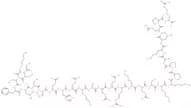
CAS:<p>Ghrelin is a peptide hormone that regulates appetite and has been shown to have potent anti-cachectic effects in animal models. It is thought to be an important regulator of body weight, insulin resistance, and metabolism. Ghrelin is synthesized in the stomach and released into the bloodstream when the stomach is empty. Ghrelin binds to ghrelin receptors in the hypothalamus, which stimulate growth hormone release from the pituitary gland. This hormone also binds to other cells in the hypothalamus, such as neurons that produce orexin, which may account for its effects on sleep patterns. Ghrelin has been shown to inhibit tumor growth by suppressing angiogenesis and inducing apoptosis. The molecular weight of ghrelin is 3497 Da. The sequence of ghrelin consists of 28 amino acids: Gly-Ser-Ser(octanoyl)-Phe-Leu-Ser-Pro-Glu-His-Gln-Lys-Ala</p>Formula:C147H245N45O42•(C2HO2F3)xPurity:Min. 95 Area-%Color and Shape:PowderMolecular weight:3,314.8 g/mol5(6)-Carboxyfluorescein diacetate N-succinimidyl ester
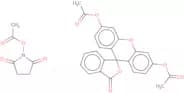
CAS:<p>5(6)-Carboxyfluorescein diacetate N-succinimidyl ester is a high quality chemical that is used as an intermediate in the synthesis of fluorescein, a complex compound. It is also useful as a reagent and building block in the synthesis of other compounds. 5(6)-Carboxyfluorescein diacetate N-succinimidyl ester is soluble in water and can be used to make fine chemicals, such as speciality chemicals and research chemicals. The chemical is also versatile and can be used as a reaction component for synthesizing other compounds.</p>Formula:C29H19NO11Purity:Min. 95%Color and Shape:White PowderMolecular weight:557.46 g/moltrans-trans-10,11-Epoxy farnesenic acid methyl ester
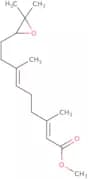
CAS:<p>Trans-trans-10,11-Epoxy farnesenic acid methyl ester is a bound form of the hormone juvenile hormone. It is found in plants and insects. Trans-trans-10,11-Epoxy farnesenic acid methyl ester binds to the receptor on the surface of cells and initiates a series of reactions that lead to the production of proteins needed for development. The bound form is converted to an active form by methyl transferase activity or epoxidase activity. Trans-trans-10,11-Epoxy farnesenic acid methyl ester has been shown to be effective against juvenile hormone binding protein (JHBP) and has high values in samples from juvenile insects.</p>Formula:C16H26O3Purity:Min. 90 Area-%Color and Shape:Colorless PowderMolecular weight:266.38 g/molTungstosilicic acid hydrate
CAS:<p>Tungstosilicic acid hydrate is an alkanoic acid that has a chemical formula of ZrO(OH)(SO)2. It is insoluble in water and reacts with hydrogen fluoride to form tungsten hexafluoride. Tungstosilicic acid hydrate is used as a catalyst in wastewater treatment, and also has biological properties that can be used for the synthesis of esters. The chemical stability of tungstosilicic acid hydrate is high, and it has been shown to be an excellent catalyst for the hydrogenation of alkenes. Tungstosilicic acid hydrate does not react with protonated amines or amides, which makes it a good candidate for catalyzing reactions involving these functional groups.</p>Formula:H4O40SiW12·xH2OPurity:(%) Min. 80%Color and Shape:PowderMolecular weight:2,878.17 g/molUndecafluorohexanoic acid
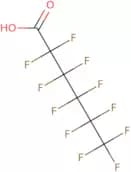
CAS:<p>Undecafluorohexanoic acid is a reactive chemical that has carcinogenic potential. It can permeate the skin and react with water to produce hexafluoropropylene oxide, which is toxic to humans. Undecafluorohexanoic acid also binds to and activates receptors in the body, which leads to many pharmacological effects. The toxicity of undecafluorohexanoic acid has been studied in vitro by measuring its effect on cell growth and mitochondrial membrane potential. It has also been tested for its ability to cause mutations in human cells. This chemical is toxic when ingested or inhaled and can lead to death if not treated quickly.</p>Formula:C6HF11O2Purity:Min. 95%Color and Shape:Clear LiquidMolecular weight:314.05 g/mol(2S,3R)-3-((4R)-2,2-Dimethyldioxolan-4-yl)-2-methyl-2,3-dihydroxypropanoic acid ethyl ester
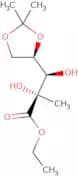
CAS:<p>(2S,3R)-3-((4R)-2,2-Dimethyldioxolan-4-yl)-2-methyl-2,3-dihydroxypropanoic acid ethyl ester is a high quality reagent that is used as an intermediate for the synthesis of complex compounds. It is also a useful building block for the synthesis of speciality chemicals and research chemicals. The versatility of this compound makes it a useful scaffold and building block for reaction components.</p>Formula:C11H20O6Purity:Min. 95%Color and Shape:PowderMolecular weight:248.27 g/molBoc-2-aminobenzoic acid
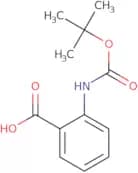
CAS:<p>Boc-2-aminobenzoic acid is a synthetic amino acid that can be used for the synthesis of recombinant proteins. It contains lysine residues, which are often used in protein engineering. This product is hydrolyzed to form a chloride gas and a hydrochloride salt by the enzyme chloridase. The hydrolysis proceeds through an amine intermediate and proceeds with a rate that is first order in chloride gas and second order in Boc-2-aminobenzoic acid. The kinetic constants for this reaction have been determined using fluorescence resonance energy transfer (FRET) spectroscopy on the solid phase.</p>Formula:C12H15NO4Purity:Min. 95%Color and Shape:PowderMolecular weight:237.25 g/molACTH(1-39) trifluoroacetate
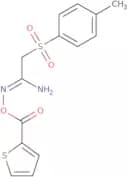
CAS:<p>ACTH(1-39) trifluoroacetate is a synthetic form of ACTH that is used for the diagnosis of autoimmune diseases and bowel disease. It is also used to assess the function of the adrenal gland in cases of suspected Cushing's syndrome. The blood sampling procedure involves withdrawing a small amount of blood from the patient and adding ACTH(1-39) trifluoroacetate to it, which causes an increase in cortisol concentration. ACTH(1-39) trifluoroacetate binds to corticotropin receptors on cells in the body, causing them to release basic proteins that are responsible for inflammation. This drug may be a potential biomarker for metabolic disorders such as obesity. It has been shown to have anti-inflammatory properties and can be used as a nonsteroidal anti-inflammatory drug (NSAID).</p>Formula:C207H308N56O58SPurity:Min. 98 Area-%Color and Shape:PowderMolecular weight:4,541.07 g/mol2-Amino-1-aza-3-((4-methylphenyl)sulfonyl)prop-1-enyl thiophene-2-carboxylate
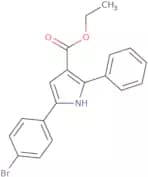
CAS:<p>Please enquire for more information about 2-Amino-1-aza-3-((4-methylphenyl)sulfonyl)prop-1-enyl thiophene-2-carboxylate including the price, delivery time and more detailed product information at the technical inquiry form on this page</p>Formula:C14H14N2O4S2Purity:Min. 95%Color and Shape:PowderMolecular weight:338.4 g/molEthyl 5-(4-bromophenyl)-2-phenylpyrrole-3-carboxylate
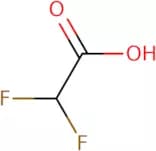
CAS:<p>Please enquire for more information about Ethyl 5-(4-bromophenyl)-2-phenylpyrrole-3-carboxylate including the price, delivery time and more detailed product information at the technical inquiry form on this page</p>Purity:Min. 95%1,1-Difluoroacetic acid
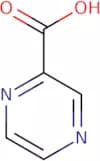
CAS:<p>1,1-Difluoroacetic acid is a synthetic chemical that can be used as an analytical reagent in the quantitative analysis of trifluoroacetic acid. It is prepared by reacting hydrogen fluoride with fatty acid. The reaction mechanism starts with the formation of difluoroacetate and 1,1-difluoroacetic acid. This compound reacts with hydroxyl group to form difluoroacetic acid and hydrogen fluoride. 1,1-Difluoroacetic acid is also used in natural compounds to introduce fluoro groups into nitrogen atoms.</p>Formula:C2H2F2O2Purity:Min. 95%Color and Shape:Clear LiquidMolecular weight:96.03 g/molPyrazine-2-carboxylic acid
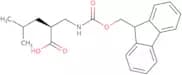
CAS:<p>Pyrazine-2-carboxylic acid is a potent inhibitor of bacterial x-lactamase. It was found that the inhibition of x-lactamase by pyrazine-2-carboxylic acid could be attributed to hydrogen bonding interactions with the active site of the enzyme and a high rate constant for the reaction. The antibacterial efficacy of pyrazine-2-carboxylic acid against wild type Streptococcus pneumoniae and methicillin resistant Staphylococcus aureus (MRSA) was tested and found to be comparable to that of benzylpenicillin. Pyrazine-2-carboxylic acid also has biological properties, such as an inhibitory effect on protein synthesis in bacteria, which may be due to its ability to bind to ribosomes.</p>Formula:C5H4N2O2Purity:Min. 95%Color and Shape:PowderMolecular weight:124.1 g/molFmoc-(S)-2-(aminomethyl)-4-methylpentanoic acid
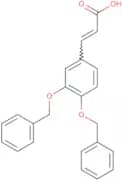
CAS:<p>Fmoc-(S)-2-(aminomethyl)-4-methylpentanoic acid is a proteinogenic amino acid that is used in the production of casein and other dairy products. It is also found in wheat, where it can be converted to the essential amino acid methionine. Fmoc-(S)-2-(aminomethyl)-4-methylpentanoic acid is classified as a high-quality protein because it contains all eight essential amino acids (EAAs). It has been shown that when dietary intakes are low, malnourished children may benefit from increased intake of this amino acid.</p>Formula:C22H25NO4Purity:Area-% Min. 95 Area-%Color and Shape:PowderMolecular weight:367.44 g/mol3,4-Dibenzyloxycinnamic acid
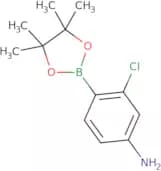
CAS:<p>3,4-Dibenzyloxycinnamic acid is a reagent that is used in the synthesis of complex compounds. It can be used as a useful intermediate in the production of fine chemicals and has been shown to be a useful scaffold or building block for research chemicals. This compound is versatile and can be utilized as a reaction component in the manufacture of speciality chemicals. 3,4-Dibenzyloxycinnamic acid is also classified as a speciality chemical because it has not been widely used commercially but is still highly sought after by researchers.</p>Formula:C23H20O4Purity:Min. 95%Color and Shape:PowderMolecular weight:360.4 g/mol4-Amino-2-chlorophenylboronic acid pinacol ester
CAS:<p>4-Amino-2-chlorophenylboronic acid pinacol ester is a versatile building block that is used in the synthesis of complex compounds. It can be used as a research chemical, reagent, or speciality chemical depending on the desired use. 4-Amino-2-chlorophenylboronic acid pinacol ester reacts with nucleophiles to form covalent bonds and is also useful as a scaffold for synthesizing other compounds. This compound has been shown to be useful in the synthesis of many different types of chemicals.</p>Formula:C12H17BClNO2Purity:Min. 95%Color and Shape:PowderMolecular weight:253.53 g/molHumic acid
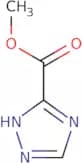
CAS:<p>Humic acid is a complex mixture of organic substances that occurs in the soil and has been shown to exhibit antioxidant, chelating, and antimicrobial activities. Humic acid consists of a mixture of humins, fulvic acids, and other substances that are derived from plant matter. The presence of humic acid in the environment is dependent on the type of plant material it originates from and the conditions under which it was formed. Humic acids have been shown to inhibit oxidative processes by reacting with reactive oxygen species (ROS) such as hydrogen peroxide (H2O2). Humic acid can also be used for wastewater treatment in order to decolorize effluents or remove toxic metals like lead. This process utilizes an acidic complex that is formed by hydrolysis reactions between sodium salts and carbonate.</p>Purity:Min. 95%Methyl 1H-1,2,4-triazole-3-carboxylate
CAS:<p>Methyl 1H-1,2,4-triazole-3-carboxylate is an industrial chemical that is used in the production of diazotization and thiosemicarbazide. It is a coupling agent for the formation of diethyl esters and glycerides. Methyl 1H-1,2,4-triazole-3-carboxylate is also a catalyst for esterification reactions. The reaction mechanism of this compound involves the addition of methanol to formaldehyde to produce methyl formate and water. The esterification reaction occurs when an alcohol reacts with an acid chloride or an acid anhydride to produce an ester and water. This chemical can react with amino acids to produce amines and deamination products. Methyl 1H-1,2,4-triazole-3-carboxylate has been shown to be effective in large scale production reactions due to its high yield</p>Formula:C4H5N3O2Purity:Min. 95%Color and Shape:PowderMolecular weight:127.1 g/molMethyl 1-(mercaptomethyl)cyclopropane acetate
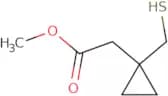
CAS:<p>Methyl 1-(mercaptomethyl)cyclopropane acetate is a fine chemical that is used as a reagent, speciality chemical, and intermediate. It has been shown to be a versatile building block for the synthesis of complex compounds. Methyl 1-(mercaptomethyl)cyclopropane acetate reacts with amines to form an amidine derivative. It is also a useful intermediate in the manufacture of herbicides, insecticides, and pharmaceuticals as well as a reaction component in the synthesis of other fine chemicals. CAS No: 152922-73-1</p>Formula:C7H12O2SPurity:Min. 95%Color and Shape:Clear LiquidMolecular weight:160.23 g/molUrsocholic acid
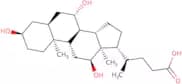
CAS:Controlled Product<p>Ursocholic acid is a bile acid that is used in the treatment of pediatric bowel disease. Ursocholic acid reduces the formation of cholesterol gallstones and its use has been shown to improve the symptoms of congestive heart failure. The mechanism of action for ursocholic acid is not fully understood but it has been shown to increase the amount of serum bile acids and reduce the amount of hydroxyl group in bile acids. Ursocholic acid also increases cell lysis by interacting with hydrophobic regions on the surface of cells. There are high concentrations of ursocholic acid found in human feces, which may be due to its hydrophobic effect. Ursocholic acid also inhibits HIV infection by binding to gp120, preventing gp120 from binding to CD4 receptors on T-cells.</p>Formula:C24H40O5Purity:Min. 95%Color and Shape:PowderMolecular weight:408.57 g/mol2-(2-Bromo-4-methoxyphenyl)acetic acid
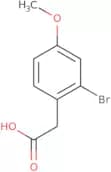
CAS:<p>2-(2-Bromo-4-methoxyphenyl)acetic acid is a versatile building block that is used as a research chemical, reaction component, and reagent. It is also used as a speciality chemical and complex compound. This compound has the CAS number 66916-99-2.</p>Formula:C9H9BrO3Color and Shape:SolidMolecular weight:245.07 g/mol5-Formyl-2-thiopheneboronic acid
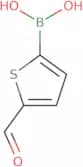
CAS:<p>5-Formyl-2-thiopheneboronic acid is a synthetic molecule that has been shown to be an effective electron microscope stabilizer. It is a boronate ester with a formyl group at the 2-position and a thiophene ring at the 5-position. The chloride in this molecule is used as a functional group, which can then react with other molecules to form new compounds. The functional theory of 5-formyl-2-thiopheneboronic acid includes its ability to form bonds with other molecules and its use as an inorganic base. The particle size of 5-formyl-2-thiopheneboronic acid is unsymmetrical, making it different from other molecules.</p>Formula:C5H5BO3SPurity:Min. 95%Color and Shape:PowderMolecular weight:155.97 g/molN-Fmoc-S-2-amino-heptanoic acid
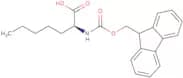
CAS:<p>N-Fmoc-S-2-amino-heptanoic acid is a metabolite of the pentose phosphate pathway that is also found in the glycolytic pathway. It is a cell activator and, as such, can be used to stimulate the production of insulin, dopamine, and other metabolic products. N-Fmoc-S-2-amino-heptanoic acid has been shown to reduce levels of glucose in rat brains with administration through the injection route. This compound has also been shown to inhibit glycolytic enzymes and increase cell toxicity.</p>Formula:C22H25NO4Purity:Min. 95%Color and Shape:White Off-White PowderMolecular weight:367.44 g/mol4-Formylphenoxyacetic acid
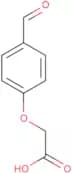
CAS:<p>4-Formylphenoxyacetic acid is a molecule that has been studied by molecular modeling. The molecular modeling study revealed the geometry of the protocatechuic acid molecule, which is a phenol that has an oxygen atom in its ring structure. Protocatechuic acid has a tyrosinase inhibitory activity and can be used as an anticancer agent. It also inhibits the production of melanin and can be used to treat skin discolorations or hyperpigmentation. 4-Formylphenoxyacetic acid was synthesized by using homogeneous catalysts and it is active as a serine protease inhibitor. This compound also has diphenolase activity, which is an enzyme that breaks down phenolic compounds such as lignin, a major component of plant cell walls.</p>Formula:C9H8O4Purity:Min. 95%Color and Shape:Off-White PowderMolecular weight:180.16 g/mol[(3-Methylphenyl)amino]acetic acid
CAS:<p>[(3-Methylphenyl)amino]acetic acid is a high quality chemical that can be used as a reagent, intermediate, or building block in the synthesis of other compounds. It is useful for the synthesis of complex compounds and has been shown to have a wide range of applications. This compound can be used in research chemicals and as an intermediate in the production of fine chemicals. [(3-Methylphenyl)amino]acetic acid is a versatile building block that can be used to synthesize different types of molecules with diverse properties. It also has many potential uses in medicine as it has been shown to inhibit protein kinase C (PKC), which may provide therapeutic benefits for some diseases.</p>Formula:C9H11NO2Purity:Min. 95%Color and Shape:PowderMolecular weight:165.19 g/molIralukast Na
CAS:<p>Iralukast Na is a leukotriene receptor antagonist that prevents bronchoconstrictor response. It binds to the cystic fibrosis transmembrane conductance regulator (CFTR) and blocks the binding of leukotrienes, which are potent bronchoconstrictors. Iralukast Na also blocks the activity of inflammatory cells and reduces bowel inflammation. Iralukast Na has been shown to be effective in treating asthma, inflammatory bowel disease, and other autoimmune diseases.</p>Formula:C38H36F3NaO8SPurity:Min. 95%Molecular weight:732.198073-Hydroxybutyric acid
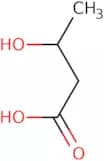
CAS:<p>3-Hydroxybutyric acid is a fatty acid that is the product of the oxidation of butyric acid. It has been shown to have biological functions such as inhibition of glucose uptake and activation of transport properties in recombinant cells. 3-Hydroxybutyric acid also has a role in regulation of intracellular pH, which can be measured by monitoring changes in the levels of hydrochloric acid or sodium salts in urine samples. The biological function of 3-hydroxybutyric acid may be related to its ability to inhibit the growth of bacteria, such as Pseudomonas aeruginosa. This compound has been successfully used as a model protein for cytosolic proteins.</p>Formula:C4H8O3Purity:(%) Min. 80%Color and Shape:Clear LiquidMolecular weight:104.1 g/mol3,5-Dibenzyloxybenzoic acid
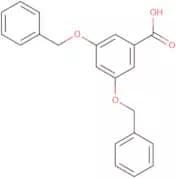
CAS:<p>3,5-Dibenzyloxybenzoic Acid is a photophysical and optical material that has many functional groups including the benzene ring. This compound is a potassium salt that can be synthesized by reacting dipolar compounds with nucleophiles. It is also found in organic solvents such as chloroform, acetone, and acetic acid. 3,5-Dibenzyloxybenzoic Acid can be used in photodynamic therapy to treat cancer cells by targeting the tumor's porphyrin. This compound has been shown to be potent antagonists of chloride channels and could potentially be used for treating pain caused by nerve injury.</p>Formula:C21H18O4Purity:Min. 95%Molecular weight:334.37 g/molDOTA-(Tyr3)-Octreotate acetate salt
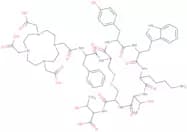
CAS:Controlled Product<p>Octreotate is a radiopharmaceutical that is synthesized by reacting DOTA-Tyr3 with octreotide acetate. Octreotate, also known as dotatate, is used in nuclear medicine to treat neuroendocrine tumours. This drug has a high yield and can be reliably prepared using cassettes and computerised equipment to create germanium-68 labelled octreotate. The radionuclide emits positrons and gamma rays, which are used for imaging neuroendocrine tumours in the brain or other organs. Octreotate is a synthetic analogue of the natural hormone octreotide, which binds to receptors on the cell surface and prevents the release of hormones from cells. This may be due to its ability to inhibit protein synthesis by inhibiting rRNA synthesis.</p>Formula:C65H90N14O19S2Purity:Min. 95 Area-%Color and Shape:White Slightly Yellow PowderMolecular weight:1,435.63 g/moltrans-Aconitic acid
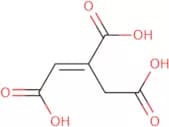
CAS:<p>Trans-aconitic acid is a plant metabolite that can be found in wine, honey, and other foods. It is also produced by the action of yeast on sugars and amino acids. Trans-aconitic acid is used as an analytical reagent in chromatographic analysis due to its high solubility in organic solvents. The biological function of trans-aconitic acid has not yet been determined, but it has been hypothesized that it may be involved in energy metabolism or mitochondrial membrane potential. Trans-aconitic acid binds to nuclear DNA, which could play a role in gene expression or transcriptional regulation. It also inhibits the activity of enzymes such as p-hydroxybenzoic acid form (PHBA) and zirconium oxide (ZrO). Trans-aconitic acid has been shown to inhibit the enzyme form of PHBA with an IC50 value of 0.5 mM.</p>Formula:C6H6O6Purity:Min. 95 Area-%Color and Shape:PowderMolecular weight:174.11 g/mol(S)-2-((((9H-Fluoren-9-yl)methoxy)carbonyl)amino)-3-(1H-pyrrolo[2,3-b]pyridin-3-yl)propanoic acid
CAS:<p>Please enquire for more information about (S)-2-((((9H-Fluoren-9-yl)methoxy)carbonyl)amino)-3-(1H-pyrrolo[2,3-b]pyridin-3-yl)propanoic acid including the price, delivery time and more detailed product information at the technical inquiry form on this page</p>Formula:C25H21N3O4Purity:Min. 95%Molecular weight:427.45 g/mol4-Amino-3-chlorobenzoic acid
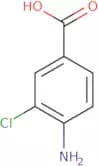
CAS:<p>4-Amino-3-chlorobenzoic acid is a white solid with a molecular weight of 170.1 g/mol, melting point of 158.5°C and boiling point of 267°C. It has the molecular formula C6H5ClNO2 and the IUPAC name 4-(aminomethyl)-3-chlorobenzoic acid. The chemical structure of this compound is shown in Figure 1.</p>Formula:C7H6ClNO2Purity:Min. 95%Color and Shape:PowderMolecular weight:171.58 g/mol2,6-Naphthalenedicarboxylic acid
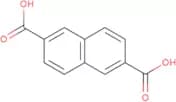
CAS:<p>2,6-Naphthalenedicarboxylic acid is a synthetic organic compound that belongs to the group of fatty acids. It is produced by oxidation of 2,6-naphthoquinone with sodium carbonate and glycol ester in the presence of an oxidation catalyst. The reaction mechanism appears to involve hydrogen bonding interactions between the hydroxyl groups on the glycol ester and the carboxyl groups on 2,6-naphthoquinone. 2,6-Naphthalenedicarboxylic acid has been shown to bind to intracellular targets such as transfer reactions and fatty acid synthesis. The analytical method for this compound is based on its formation of an adduct with p-hydroxybenzoic acid in hydrochloric acid solution.</p>Formula:C12H8O4Purity:Min. 95%Color and Shape:PowderMolecular weight:216.19 g/molZinc acetate
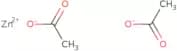
CAS:<p>Zinc acetate is a chemical compound that contains zinc, oxygen, and carbon. It is used in the treatment of infectious diseases, such as bowel disease. Zinc acetate also functions as an antiseptic and astringent. The reaction mechanism for this compound is ionotropic gelation. This process involves the formation of hydrogen bonds between molecules that are then converted to a solid state. Zinc acetate will react with phosphorus pentoxide to form zinc phosphate, which can be used as a structural analysis for x-ray diffraction data. In addition, it has been shown to have high values when nitrogen atoms are present and zinc acetate is also soluble in water vapor and reacts with copper chloride to form zirconium oxide.</p>Formula:C4H6O4ZnPurity:Min. 95%Color and Shape:PowderMolecular weight:183.47 g/mol1-Nonanesulfonic acid sodium salt
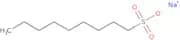
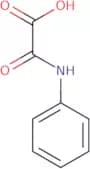
CAS:<p>1-Nonanesulfonic acid sodium salt is a chromatographic method for the analysis of aliphatic hydrocarbons. It has been shown to have strong thermal expansion properties and can be used for the preparation of polyvinyl chloride (PVC) films with high particle transport properties. 1-Nonanesulfonic acid sodium salt has also been used in the development of covid-19, a pandemic influenza vaccine. 1-Nonanesulfonic acid sodium salt is an interferometric technique that can be used as a clinical diagnostic for detecting chloride ions in urine samples.</p>Formula:C9H19O3SNaPurity:Min. 95%Color and Shape:PowderMolecular weight:230.3 g/molAnilino(oxo)acetic acid
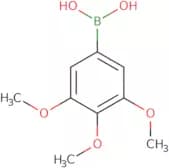
CAS:<p>Anilino(oxo)acetic acid is a metabolite of the aniline group of chemicals. It is produced in the human body, and has been detected in urine samples. Anilino(oxo)acetic acid is used as a substrate for kinetic analysis, and is used to determine the rate of formation of an acid by measuring the time taken for the pH to drop. The amide group can be cleaved by hydrolysis with sodium hydroxide, which produces ammonium ions that react with hydrogen ions to form ammonia. This reaction is irreversible under normal conditions. The molecule has a high value for hydrogen bonds, which may account for its stability at higher temperatures.</p>Formula:C8H7NO3Purity:Min. 95 Area-%Color and Shape:PowderMolecular weight:165.15 g/mol(3,4,5-Trimethoxyphenyl)boronic acid
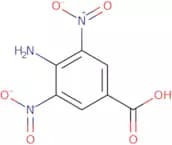
CAS:<p>(3,4,5-Trimethoxyphenyl)boronic acid is an active analogue of 3,4,5-trimethoxybenzoic acid. It has potent anti-inflammatory properties and inhibits cancer cell proliferation. (3,4,5-Trimethoxyphenyl)boronic acid has been shown to inhibit the growth of cancer cells in vitro by binding to the gyrase enzyme. This drug also has biological properties that may be useful for treating human liver diseases such as hepatic steatosis or nonalcoholic fatty liver disease (NAFLD).</p>Formula:C9H13BO5Purity:Min. 95 Area-%Color and Shape:PowderMolecular weight:212.01 g/mol4-Amino-3,5-dinitrobenzoic acid
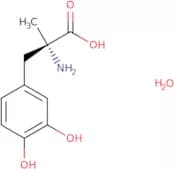
CAS:<p>4-Amino-3,5-dinitrobenzoic acid (4ADBA) is a reactive chemical compound with acidic properties. It reacts with nucleophiles to form diazo compounds, which are used in analytical methods for the detection of amines and phenols. 4ADBA can be used to measure the concentration of aspirin in pharmaceutical formulations. The reaction is linear over a wide range of concentrations and has an optimal reaction time of 10 minutes at pH 2.0–2.5. The half-life values for 4ADBA are approximately 3 hours at pH 3 and 7 hours at pH 5.</p>Formula:C7H5N3O6Purity:Min. 95%Color and Shape:SolidMolecular weight:227.13 g/mol(S)-2-Amino-3-(3,4-dihydroxyphenyl)-2-methylpropionic acid sesquihydrate
CAS:<p>(S)-2-Amino-3-(3,4-dihydroxyphenyl)-2-methylpropionic acid sesquihydrate is a synthetic drug that is used for the treatment of metabolic disorders such as diabetes mellitus. It has been shown in animal studies to increase locomotor activity and decrease bowel disease. It also has an effect on α7 nicotinic acetylcholine receptors and 2 adrenergic receptors.</p>Formula:C10H13NO4•(H2O)1Purity:Min 98%Color and Shape:PowderMolecular weight:238.24 g/mol5-Pyridin-4-yl-1H-pyrazole-3-carboxylic acid
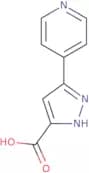
CAS:<p>5-Pyridin-4-yl-1H-pyrazole-3-carboxylic acid is a white crystalline solid. It is soluble in water, methanol and ethanol. The molecular weight of 5-Pyridin-4-yl-1H-pyrazole-3 carboxylic acid is 177.17 g/mol. This compound has been found to have an elemental composition of C, H, N and O with a calculated density of 1.62 g/cm3 in the form of a single crystal x ray diffraction pattern. 5-Pyridin 4 yl 1H pyrazole 3 carboxylic acid has synergistic effects with other drugs used for chemotherapy such as cisplatin and doxorubicin against cancer cells.</p>Formula:C9H7N3O2Purity:Min. 95%Color and Shape:PowderMolecular weight:189.17 g/mol3,5-Diiodo-4-hydroxyphenylpropionic acid
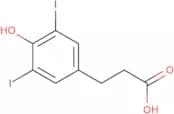
CAS:<p>3,5-Diiodo-4-hydroxyphenylpropionic acid (DIPPA) is a nucleophilic compound that inhibits the catechol-O-methyltransferase enzyme and is used to treat cardiac disease. It has been shown to improve ventricular function in congestive heart failure patients. DIPPA binds to the hydroxyl group of the enzyme's active site and competitively inhibits the binding of catechol or o-methoxybenzaldehyde. This prevents the methylation of catecholamines, which are important for cardiac function. The mechanism of action for DIPPA is similar to that of other drugs that have been found to be effective in treating congestive heart failure such as propranolol or amiodarone.</p>Formula:C9H8I2O3Molecular weight:417.97 g/mol2-Chloro-3,5-dinitrobenzoic acid
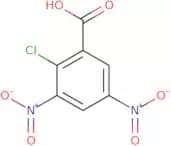
CAS:<p>2-Chloro-3,5-dinitrobenzoic acid is a chemical reagent that belongs to the group of p2-substituted benzenes. It is used in organic synthesis as a synthon for dimethylnaphthalene, which is an intermediate in the production of polyester fibers and polyurethane. The compound has been shown to induce apoptosis in prostate cancer cells. This effect may be due to its ability to react with amines and form nitrosating species, which may cause DNA damage. 2-Chloro-3,5-dinitrobenzoic acid can also react with 5-nitrosalicylic acid to form a stepwise reaction product.</p>Formula:C7H3ClN2O6Purity:Min. 95%Color and Shape:PowderMolecular weight:246.56 g/mol4-Fluoro-3-nitrobenzoic acid
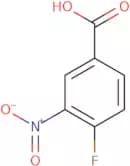
CAS:<p>4-Fluoro-3-nitrobenzoic acid (4FNBA) is a molecule that has been studied for its ability to inhibit the activity of amine oxidases and haloperoxidases. 4FNBA was shown to be a substrate for the model protein, with an equilibrium constant of 2.6 x 10^6 M^(-1). The conversion of 4FNBA to the corresponding quinoxalines was also observed. Molecular docking analysis revealed that 4FNBA binds to the chloride ion and hydrogen bond interactions with nitrogen and oxygen atoms in the protein. This molecule is structurally diverse and may be useful in chemical synthesis or as a drug for treating certain medical conditions.</p>Formula:C7H4FNO4Color and Shape:PowderMolecular weight:185.11 g/molCyproterone acetate
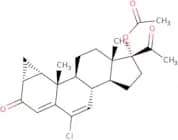
CAS:Controlled Product<p>Androgen receptor antagonist; apoptotic in hepatic cells</p>Formula:C24H29ClO4Purity:Min. 98 Area-%Color and Shape:PowderMolecular weight:416.94 g/mol4-Chloro-3-methoxybenzoic acid methyl ester
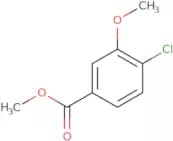
CAS:<p>4-Chloro-3-methoxybenzoic acid methyl ester is a chemical compound that is used as a reagent in organic synthesis. It can be used to produce high quality research chemicals, speciality chemicals, and fine chemicals. This compound has a wide variety of uses because it is versatile and can be used as a reaction component or building block. Its CAS number is 116022-18-5.</p>Formula:C9H9ClO3Purity:Min. 95%Color and Shape:SolidMolecular weight:200.62 g/molPamidronic acid
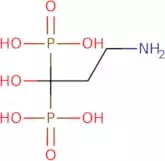
CAS:<p>Pamidronic acid is a monosodium salt that inhibits the production of proteins by binding to the enzyme protein phosphatase. It has been shown to be an effective chemotherapeutic treatment in a number of animal models and human clinical trials for various cancers, including myeloma, squamous carcinoma, and bone cancer. Pamidronic acid also prevents the proliferation of tumor cells in culture via inhibition of DNA synthesis and RNA synthesis. This drug binds to estrogen receptors on the surface of some cancer cells, thereby inhibiting their response to estradiol benzoate (EB) stimulation. This leads to decreased tumor growth in preclinical models.</p>Formula:C3H11NO7P2Purity:Min. 95%Color and Shape:White PowderMolecular weight:235.07 g/mol1,1,2,2,3,3,4,4-Octafluorobutane-1-sulphonic acid
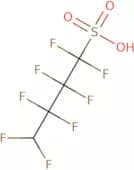
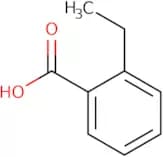
CAS:<p>1,1,2,2,3,3,4,4-Octafluorobutane-1-sulphonic acid is a fine chemical that is used as a reactive intermediate in the synthesis of more complex compounds. It has been shown to be useful in the synthesis of 1H-benzo[d]imidazole derivatives and 2-(trifluoromethyl)thiophenes. This compound has also been used as a reaction component for the preparation of other chemicals such as tetrafluoroethylene oxide. 1,1,2,2,3,3,4,4-Octafluorobutane-1-sulphonic acid is a versatile building block that can be used to create high quality reagents and research chemicals.</p>Formula:C4H2F8O3SPurity:Min. 95%Color and Shape:Clear LiquidMolecular weight:282.11 g/mol2-Ethylbenzoic acid
CAS:<p>2-Ethylbenzoic acid is a fatty acid that is found in plants, animals and microorganisms. It dissolves in water to form an amorphous drug with a molecular weight of about 170. 2-Ethylbenzoic acid has been shown to inhibit the activity of several enzymes, such as protein kinases and phospholipases. It also inhibits the activity of liver enzymes involved in the metabolism of drugs and other xenobiotics, such as phenylpropionic acid and malic acid. This drug has been shown to have an inhibitory effect on glucose uptake by cells and may be used as an anti-diabetic agent.</p>Formula:C9H10O2Purity:Min. 95%Color and Shape:PowderMolecular weight:150.17 g/mol2,2'-Azino-bis(3-ethylbenzothiazoline-6-sulfonic acid) diammonium salt
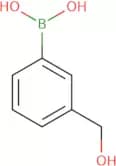
CAS:<p>ABTS can be used as a peroxidase substrate that gives a metastable cation when in the presence of H2O2. 2,2'-Azino-bis (3-ethylbenzothiazoline-6-sulfonic acid) or ABTS is commonly used in the enzyme-linked immunosorbent assay (ELISA). ABTS is chosen because the enzyme facilitates the reaction to give a green end-product with an absorbance maximum of 420nm and can therefore be detected with a spectrophotometer.</p>Formula:C18H24N6O6S4Purity:Min. 98.0 Area-%Color and Shape:PowderMolecular weight:548.68 g/mol3-(Hydroxymethyl)phenylboronic acid
CAS:<p>3-(Hydroxymethyl)phenylboronic acid (3HMBBA) is an analog of 3-hydroxymethylphenylboronic acid. It has been used in the Suzuki coupling reaction to produce a number of biologically important compounds, such as beta-lactamase inhibitors. This compound also inhibits the activity of human liver cancer cells and human liver tissue in vitro. The hydroxy group on the left-hand side of the molecule provides a potent inhibition effect on beta-lactamases that are produced by bacteria and may be useful for treating infections caused by these bacteria. 3HMBBA is soluble in neutral pH solutions, which makes it easy to work with and store. 3HMBBA can also be used as a ferrite for permanent magnets due to its high magnetic moment.</p>Formula:C7H9BO3Purity:Min. 95%Color and Shape:PowderMolecular weight:151.96 g/mol







![[(3-Methylphenyl)amino]acetic acid](/_next/image/?url=https%3A%2Fstatic.cymitquimica.com%2Fproducts%2F3D%2Fthumb-webp%2FFM115478.webp&w=3840&q=75)

![(S)-2-((((9H-Fluoren-9-yl)methoxy)carbonyl)amino)-3-(1H-pyrrolo[2,3-b]pyridin-3-yl)propanoic acid](/_next/image/?url=https%3A%2Fstatic.cymitquimica.com%2Fproducts%2F3D%2Fthumb-webp%2FFF154979.webp&w=3840&q=75)