Carboxylic Acids
Carboxylic acids are organic molecules characterized by having a carboxyl-type functional group (-COOH). These acids are fundamental in various chemical reactions, including esterification, amidation, and decarboxylation. Carboxylic acids are widely used in the production of pharmaceuticals, polymers, and agrochemicals. In this section, you can find a large number of carboxylic acids ready to be used. At CymitQuimica, we provide a broad range of high-quality carboxylic acids to support your research and industrial applications.
Found 12453 products of "Carboxylic Acids"
Sort by
Purity (%)
0
100
|
0
|
50
|
90
|
95
|
100
2-Iodo-5,6-dimethoxybenzoic acid
CAS:<p>2-Iodo-5,6-dimethoxybenzoic acid is a reagent that is used in the synthesis of complex compounds and fine chemicals. It has a high quality and is useful as an intermediate or building block for the synthesis of versatile compounds. This chemical can be used in research to create new compounds with special properties. 2-Iodo-5,6-dimethoxybenzoic acid can be used in various reactions to make diverse building blocks or scaffolds that are useful in organic chemistry.</p>Formula:C9H9IO4Purity:Min. 95%Molecular weight:308.07 g/molMethyl-2-formyl-4-thiophenecarboxylate
CAS:<p>Methyl-2-formyl-4-thiophenecarboxylate is a high quality reagent that is useful as an intermediate in the synthesis of complex compounds. It has a CAS number of 67808-66-6 and can be used as a building block in the synthesis of biologically active molecules. Methyl-2-formyl-4-thiophenecarboxylate is also a versatile building block that can be used to synthesize speciality chemicals, such as research chemicals and reaction components. This chemical has been shown to have many uses in organic synthesis, including being used for the preparation of pharmaceuticals. Methyl 2 formyl 4 thiophenecarboxylate is also useful for the production of fine chemicals, such as dyes and fragrances.</p>Formula:C7H6O3SPurity:Min. 95%Color and Shape:PowderMolecular weight:170.19 g/mol3-Amino-4-carbomethoxybenzoic acid
CAS:<p>3-Amino-4-carbomethoxybenzoic acid is a compound that has not yet been labeled with a function. It has been shown to be an intermediate in the synthesis of polymers, such as polyamides and polyesters. 3-Amino-4-carbomethoxybenzoic acid is involved in biological functions related to butyric acid, which is a metabolite of the amino acids phenylalanine and tyrosine, or from the degradation of proteins. It is also used as a precursor for amines and may be an intermediate in the synthesis of glycoconjugates. The compound was found to have anticancer properties when used in combination with other drugs, such as doxorubicin and etoposide. Furthermore, it was found to have anti-inflammatory activities by inhibiting prostaglandin synthesis.</p>Formula:C9H9NO4Purity:Min. 95%Color and Shape:PowderMolecular weight:195.17 g/molO-tert-Butyl-L-threonine tert-butyl ester acetate
CAS:Controlled Product<p>O-tert-Butyl-L-threonine tert-butyl ester acetate salt is a crystalline solid that can be prepared by reacting threonine with an acid catalyst in the presence of volatile solvents such as isobutylene. It can also be prepared by reacting threonine with an acid catalyst in the presence of organic solvents such as dioxane. The tert-butyl ester acetate salt can be synthesized from O-tert-butyl L-threonine and acetate using superacid catalysts such as sulfuric acid. This process is simplified by using solvents such as dioxane, which are less corrosive than water or ethanol.</p>Formula:C14H29NO5Purity:Min. 95%Color and Shape:PowderMolecular weight:291.38 g/molPotassium 4-biphenylcarboxylate
CAS:Potassium 4-biphenylcarboxylate is a fine chemical that is a useful intermediate for research chemicals. It is a versatile building block and can be used as a reaction component in the synthesis of complex compounds. Potassium 4-biphenylcarboxylate has been shown to react with polystyrene to form poly(4-phenoxybutadiene), which is known for its high quality and good solubility. Potassium 4-biphenylcarboxylate has also been shown to have antioxidant properties, which may be due to its ability to scavenge reactive oxygen species (ROS).Formula:C13H9O2•KPurity:Min. 95%Color and Shape:PowderMolecular weight:236.31 g/mol2-Acetamido-5-nitrobenzoic acid methyl ester
CAS:<p>2-Acetamido-5-nitrobenzoic acid methyl ester is an organic molecule that has the chemical formula C7H6N2O4. This compound belongs to a class of compounds called diazo compounds, which are characterized by a nitrogen atom with two bonds to carbon atoms and one bond to oxygen. 2-Acetamido-5-nitrobenzoic acid methyl ester is soluble in water and methanol. It has been shown to be chiral and exhibits optical activity. The experimental results show that the compound can exist in two different forms or conformations, which are distinguished by their x-ray diffraction patterns. These conformers have been identified as (1) the protonated form and (2) the torsion form. The protonated conformer has a molecular structure that contains a benzene ring with a hydrogen atom attached to it, while the torsion conformer does not contain this hydrogen atom</p>Formula:C10H10N2O5Purity:Min. 95%Color and Shape:PowderMolecular weight:238.2 g/mol3-Bromo-4-hydroxyphenylacetic acid
CAS:<p>3-Bromo-4-hydroxyphenylacetic acid is an organic compound that belongs to the class of bromophenols. It can be found in urine samples, and is used as a biomarker for the evaluation of eosinophil peroxidase activity. 3-Bromo-4-hydroxyphenylacetic acid is metabolized through a number of metabolic pathways, including oxidation by hypobromous acid or catalysis by dehalogenase enzymes. This metabolite may also be involved in the pathogenesis of allergic reactions.</p>Formula:C8H7BrO3Purity:Min. 95%Molecular weight:231.04 g/mol3,6-Difluorophthalic acid
CAS:<p>3,6-Difluorophthalic acid is a fine chemical with a CAS number of 651-97-8. It is used as an intermediate in the production of pesticides and pharmaceuticals and is also a useful building block for more complex compounds. 3,6-Difluorophthalic acid has been shown to be stable when heated to 190°C. This product can be used as a reagent and is available in high quality.</p>Formula:C8H4F2O4Purity:Min. 95%Molecular weight:202.11 g/mol4-Bromophenylboronic acid
CAS:<p>4-Bromophenylboronic acid is a boronic acid with a basic structure. It has been used to synthesize picolinic acid, which is a water-soluble drug with light emission and anhydrous sodium. 4-Bromophenylboronic acid has been shown to have diagnostic properties because of its ability to enhance the concentration–time curve of sodium salts in human serum. It can also be used as an asymmetric synthesis agent for the production of fatty acids.</p>Formula:C6H6BBrO2Purity:Min. 97.5 Area-%Color and Shape:PowderMolecular weight:200.83 g/mol3-Mercaptophenylacetic acid
CAS:<p>3-Mercaptophenylacetic acid is an active form of 3-mercaptophenylacetic acid. It is a protein that is used to produce ribonuclease, which is a type of enzyme that breaks down RNA. The hydrolytic reaction of 3-mercaptophenylacetic acid can be facilitated by buffers such as guanidine hydrochloride and thiols such as glutathione. Diazotization with sodium nitrite or diazotization with potassium nitrite followed by treatment with sodium sulfite or potassium bisulfite will convert 3-mercaptophenylacetic acid to 3-mercaptophenol. Denaturant such as urea, guanidine hydrochloride, or triethanolamine can be used to convert the molecule into an aliphatic form. This will expand the molecule and create a more reactive molecule.</p>Formula:C8H8O2SPurity:Min. 95%Color and Shape:PowderMolecular weight:168.21 g/molFmoc-iminodiacetic acid
CAS:<p>Fmoc-iminodiacetic acid is a versatile building block and reagent that is used in the synthesis of complex compounds, such as peptides, proteins, and pharmaceuticals. It is also a useful intermediate in organic synthesis reactions. Fmoc-iminodiacetic acid has been shown to be effective as a reactant for the preparation of various scaffolds with high purity and quality.</p>Formula:C19H17NO6Purity:Min. 95%Color and Shape:PowderMolecular weight:355.34 g/mol4-Hydroxymandelic acid ethyl ester
CAS:<p>Mandelic acid is a natural product that can be found in the leaves and rhizomes of plants from the genus Mandelia. It has been analysed for its natural product profile and was found to contain alcohols, fatty acids, and volatile compounds. 4-Hydroxymandelic acid ethyl ester is a synthetic compound that has been shown to have age-related benefits and functional properties. The compound has been shown to increase fatty acid synthesis, decrease oxidation of fatty acids, and inhibit signalling pathways associated with inflammation.</p>Formula:C10H12O4Purity:Min. 95%Color and Shape:PowderMolecular weight:196.2 g/mol3,5-Dihydroxyphenylacetic acid
CAS:<p>3,5-Dihydroxyphenylacetic acid is a versatile building block that can be used to synthesize complex molecules. 3,5-Dihydroxyphenylacetic acid is a reagent in organic chemistry and has been used in the synthesis of novel drugs, among other applications. This chemical has been shown to be useful as a building block for the synthesis of high-quality compounds. 3,5-Dihydroxyphenylacetic acid can be used as an intermediate for the synthesis of pharmaceuticals or other chemicals. It is also a useful scaffold for the production of new molecules with desired properties.</p>Formula:C8H8O4Purity:Min. 95%Color and Shape:PowderMolecular weight:168.15 g/mol3-Hydroxy-5-methylbenzoic acid
CAS:<p>3-Hydroxy-5-methylbenzoic acid is a gentisate oxidation product that is obtained from the degradation of 3-hydroxybenzoic acid. Gentisate is synthesized by Pseudomonas fluorescens, which belongs to the genus Pseudomonas. This product has been shown to inhibit the growth of Pseudomonas aeruginosa and other fluorescent pseudomonads, but not other bacteria such as Escherichia coli and Staphylococcus aureus. The mechanism of this inhibition may be due to the production of reactive oxygen species (ROS) by these organisms. 3-Hydroxy-5-methylbenzoic acid can also act as an antioxidant in alkaline conditions by reducing 2,5-dihydroxybenzoic acid to benzoic acid. It has also been shown to be a fluorescent product that can be used for unambiguous identification of Pseudomonas fluorescens isolates and</p>Formula:C8H8O3Purity:Min. 95%Color and Shape:PowderMolecular weight:152.15 g/mol2-Amino-5-iodobenzoic acid ethyl ester
CAS:<p>2-Amino-5-iodobenzoic acid ethyl ester is a chemical reagent that is used to prepare 2-chloro-5-iodobenzoic acid. It can be prepared by the hydrolysis of 2,4,6-trinitrobenzene with an aqueous solution of sodium hydroxide. The iodination reaction proceeds in two steps: (1) chlorination of methyl anthranilate with chlorine and (2) addition of the resultant product to 2,4,6-trinitrobenzene. In the first step, methyl anthranilate reacts with chlorine to form 2-chloro-5-iodobenzoic acid ethyl ester and hydrogen chloride gas. In the second step, this product reacts with 2,4,6-trinitrobenzene to form 2-amino 5 -iodobenzoic acid ethyl ester and nitrogen gas</p>Formula:C9H10INO2Purity:Min. 95%Color and Shape:PowderMolecular weight:291.09 g/mol9-Methyluric acid
CAS:Controlled Product<p>9-Methyluric acid is a purine derivative that is used as a diagnostic agent in clinical chemistry. The oxidation of methylxanthines by lipid peroxides produces 9-methyluric acid. This reaction can be detected using chromatographic methods, and the amount of 9-methyluric acid present can be quantified electrochemically. It has been shown that flavus bacteria produce methyluric acid when they are grown on agar plates containing methanol. The pH optimum for 9-methyluric acid production is pH 8.5, and it has been shown that the electrochemical method is sensitive to protonation.</p>Formula:C6H6N4O3Purity:Min. 95%Color and Shape:PowderMolecular weight:182.14 g/mol2,4-Dibromobenzoic acid
CAS:<p>2,4-Dibromobenzoic acid is a synthetic chemical that is a cross-coupling product. It is used as an intermediate in the synthesis of hydrophobic compounds. 2,4-Dibromobenzoic acid has been validated and its use is arguably safe. It can be synthesized through a number of methods, including the use of fluorescence to detect reaction progress and the use of binder to increase sensitivity. The compound binds to ionizable groups on proteins and interacts with them through hydrogen bonding. This interaction can lead to conformational changes in the protein, which are reversible or not.</p>Formula:C7H4Br2O2Purity:Min. 95%Color and Shape:PowderMolecular weight:279.91 g/mol2-(2-Hydroxyphenyl)-5,5-dimethyl-1,3-thiazolidine-4-carboxylic acid
CAS:<p>Please enquire for more information about 2-(2-Hydroxyphenyl)-5,5-dimethyl-1,3-thiazolidine-4-carboxylic acid including the price, delivery time and more detailed product information at the technical inquiry form on this page</p>Formula:C12H15NO3SPurity:Min. 95%Color and Shape:PowderMolecular weight:253.32 g/mol5-Methyl-2-nitrobenzoic acid
CAS:<p>5-Methyl-2-nitrobenzoic acid is a nitro compound that has been shown to have potent cytotoxicity in vivo. 5-Methyl-2-nitrobenzoic acid inhibits the proliferation of cervical cancer cells in vitro, and induces apoptosis. The functional groups present on this molecule are nitro and methyl. The linear model used to describe the structure of 5-methyl-2-nitrobenzoic acid is an electron withdrawing group, which is why it has such potent cytotoxic effects. It also shows optical properties such as vibrational spectroscopy, which can be used to identify this molecule</p>Formula:C8H7NO4Purity:Min. 95%Color and Shape:PowderMolecular weight:181.15 g/molLosartan carboxylic acid
CAS:<p>Angiotensin II type 1 receptor antagonist</p>Formula:C22H21ClN6O2Purity:Min. 95%Color and Shape:PowderMolecular weight:436.89 g/mol3,4,5,6-Tetrafluorophthalic acid
CAS:<p>3,4,5,6-Tetrafluorophthalic acid is a crystalline solid that is used in the synthesis of polycarboxylic acids. It is also an antimicrobial agent that can be used to fight cancer cell lines. 3,4,5,6-Tetrafluorophthalic acid has been shown to inhibit the growth of carcinoma cells and other microorganisms by binding to their DNA and interfering with the production of proteins essential for cell division. 3DCTKP binds to bacterial 16S ribosomal RNA and inhibits protein synthesis. This drug has hydrogen bonding interactions with chlorine atoms and fluorescence properties due to its carbonyl group. The kinetic data for this compound was determined using liquid chromatography method.</p>Formula:C8H2F4O4Purity:Min. 95%Color and Shape:PowderMolecular weight:238.09 g/mol3-Chloro-4-methoxybenzoic acid methyl ester
CAS:<p>3-Chloro-4-methoxybenzoic acid methyl ester is a potent antiproliferative agent that inhibits the growth of cancer cells and bacteria. It is an amide, which has been synthesized by equilibration between two equivalents of 3-chlorobenzoic acid and methylamine. The copulatory proton profile for this compound has been determined using liquid chromatography with mass spectrometry detection (LCMS). This compound is also a weak inhibitor of tyrosine kinases, but is more potent as an inhibitor of protein kinase C. Sorafenib and dasatinib are examples of compounds that have been shown to be linked to this drug. 3-Chloro-4-methoxybenzoic acid methyl ester can induce the production of TNF-α in thp-1 cells at micromolar concentrations.</p>Formula:C9H9ClO3Purity:Min. 95%Color and Shape:PowderMolecular weight:200.62 g/mol2-Phenylacrylic acid
CAS:<p>2-Phenylacrylic acid is a chromatographic method that can be used as a cross-linking agent in the synthesis of polycarboxylic acids. It has been shown to protonate tiglic acid, which is an important component in the formation of polycarboxylic acids. 2-Phenylacrylic acid also has acidic properties and can be used as a conditioning agent for the synthesis of hydroxylated molecules. This compound has been shown to have hepatic steatosis-inducing effects and may also contribute to metabolic disorders such as diabetes mellitus type II. Molecular modeling studies have shown that 2-phenylacrylic acid is able to bind with human liver cells, which may be due to its hydroxyl group.</p>Formula:C9H8O2Purity:Min. 95%Color and Shape:PowderMolecular weight:148.16 g/molGlycerol triacetate
CAS:<p>Glycerol triacetate is a triacetin compound that is used in the production of glycerol and glycerin. The water vapor-resistant nature of this compound makes it an excellent candidate for use in projects where water vapor may be present. Glycerol triacetate has been shown to have a high resistance to solid phase microextraction and can be used as a model system for studying the interactions of triacetates with other materials. The reaction solution containing glycerol triacetate is acidic, which may lead to problems with water permeability if not properly treated. This analytical method utilizes hydrogen bonding interactions between glycerol and glycerine molecules to measure the concentration of each component in the sample.</p>Formula:C9H14O6Color and Shape:Clear LiquidMolecular weight:218.2 g/mol3-Hydroxy-1-adamantanecarboxylic acid
CAS:<p>8-Hydroxyadamantane-1-carboxylic acid (8HA) is a drug that is used in the treatment of HIV. It is a prodrug that is converted to active form by the liver and then excreted by the kidneys. 8HA has antiviral activity against HIV and other viruses. The optimal reaction conditions for this compound are pH 7, chloride concentration 1M, copper concentration 0.5M, and temperature 50°C. 8HA binds to the viral envelope glycoprotein gp120 as well as to host cells in order to inhibit viral replication and replication. This compound also inhibits the production of antibodies, which may be due to its ability to bind with antibody molecules through an ionic bond at a neutral pH.</p>Formula:C11H16O3Purity:Min. 95%Color and Shape:PowderMolecular weight:196.24 g/mol2-(Methylamino)ethanesulfonic acid
CAS:<p>2-(Methylamino)ethanesulfonic acid is a detergent composition that is a sodium salt of N-methyltaurine. It can be used as an ingredient in various detergent compositions to help remove grease and oil from surfaces. 2-(Methylamino)ethanesulfonic acid has been shown to have anti-inflammatory properties in primary sclerosing cholangitis, an autoimmune disease where bile ducts become inflamed and scarred. The chemical also has been shown to exhibit cationic surfactant properties, which may contribute to its ability to remove oils and dirt.</p>Formula:C3H9NO3SPurity:Min. 95%Color and Shape:Clear LiquidMolecular weight:139.17 g/molMethyl 4-hydroxyphenylacetate
CAS:<p>Methyl 4-hydroxyphenylacetate is a trifluoroacetic acid derivative that can be synthesized from the reaction of acetyl chloride and phenol. The polymerase chain reaction was used to amplify the c. glabrata gene sequence, which led to the identification of two new coumarin derivatives, 3-hydroxycoumarin and 4-hydroxycoumarin. The synthesis of Methyl 4-hydroxyphenylacetate has been shown to induce apoptosis in breast cancer cells by activating a cb2 receptor in T47D cells. This compound also has an acidic nature and is not stable at high temperatures or in basic solutions such as hydrochloric acid.</p>Formula:C9H10O3Purity:Min. 95%Color and Shape:PowderMolecular weight:166.17 g/mol4,5-Dibenzyloxy-2-methylbenzoic acid
CAS:<p>4,5-Dibenzyloxy-2-methylbenzoic acid (DBMA) is a chemical compound that is known to be an inhibitor of the growth factor receptor. It has been shown to inhibit the growth factor receptor in a dose-dependent manner. DBMA binds to the cytoplasm and inhibits protein synthesis by binding to sequences that are involved in regulating gene expression. This compound also interacts with other proteins including those involved in DNA replication, transcription, and translation. DBMA has been shown to interact with the protein polymerase chain and has been found to bind to the bacterial cells of Salmonella typhimurium.</p>Formula:C22H20O4Purity:Min. 95%Molecular weight:348.39 g/molCAPSO
CAS:<p>CAPSO, also known as 3-(Cyclohexylamino)-2-hydroxy-1-propanesulfonic acid, is a zwitterionic buffer chemical that has an optimal pH range of 8.9-10.3 and a pKa of 9.6. This buffering agent shows low metal ion binding and high solubility and is commonly used in protein transfer applications and during cell lysis for membrane protein extraction.</p>Formula:C9H19NO4SPurity:Min. 95%Color and Shape:White PowderMolecular weight:237.32 g/mol5-Fluoro-2-nitrophenylacetic acid
CAS:<p>5-Fluoro-2-nitrophenylacetic acid is a high quality chemical that is used as an intermediate in the synthesis of other compounds. 5-Fluoro-2-nitrophenylacetic acid is a versatile building block that can be used as a starting material for the synthesis of complex compounds and speciality chemicals. This reagent is also useful as a research chemical and building block for pharmaceuticals. 5-Fluoro-2-nitrophenylacetic acid has CAS No. 29640-98-0, which identifies it as an important synthetic intermediate with many uses in the production of fine chemicals, pharmaceuticals, and other chemical products.</p>Formula:C8H6FNO4Purity:Min. 95%Color and Shape:Off-White PowderMolecular weight:199.14 g/molApelin-17 trifluoroacetate
CAS:<p>Apelin-17 trifluoroacetate is a reaction component, reagent and useful scaffold for the synthesis of complex compounds. It is a high quality, research chemical that is used in the synthesis of fine chemicals. Apelin-17 trifluoroacetate has versatile building block and can be used as a useful intermediate or as a speciality chemical. It also has high reactivity and is soluble in organic solvents.</p>Formula:C96H156N34O20S•C2HF3O2Purity:Min. 95%Color and Shape:PowderMolecular weight:2,252.57 g/mol2,4,5-Trimethylcinnamic acid
CAS:<p>2,4,5-Trimethylcinnamic acid is a useful scaffold for the synthesis of complex compounds. It is also used as a reagent and reaction component in organic synthesis. This chemical has a CAS number of 205748-06-7 and is classified as a speciality chemical.</p>Formula:C12H14O2Purity:Min. 95%Color and Shape:PowderMolecular weight:190.24 g/molBenzilic acid
CAS:Controlled Product<p>Benzilic acid is a natural compound with the molecular formula C6H5CO2H. It belongs to the group of organic compounds called benzilic acids, which are characterized by a benzene ring and carboxylic acid functional groups. This compound can be prepared in the laboratory using a preparative high-performance liquid chromatography technique. Benzilic acid has been shown to have antioxidant properties that may help protect cells from free radical-induced damage and inhibit tumor growth. Benzilic acid has also been shown to act as an inhibitor for epidermal growth factor and may be used to treat metabolic disorders or skin conditions such as psoriasis or ichthyosis.</p>Formula:C14H12O3Purity:Min. 98 Area-%Color and Shape:White PowderMolecular weight:228.24 g/molEslicarbazepine acetate
CAS:<p>Eslicarbazepine acetate is an anticonvulsant drug that has been shown to be effective in reducing the frequency of seizures. It is a prodrug and is metabolized by esterases to form the active form, eslicarbazepin acetate. Eslicarbazepine acetate inhibits glutamate release by acting on the glutamate transporter, which prevents depolarization of the mitochondrial membrane potential, leading to inhibition of epileptic activity. Eslicarbazepine acetate also decreases brain levels of GABA and increases levels of polyamines such as spermidine and spermine, which are neuroprotective. There are some reports of hepatic impairment when eslicarbazepine acetate is used with other drugs that are metabolized through this organ (e.g., valproic acid).<br>Eslicarbazepine acetate can cause chemical stability issues when exposed to light or air due to oxidation reactions. It may also react</p>Formula:C17H16N2O3Purity:Min. 95%Color and Shape:PowderMolecular weight:296.32 g/moltrans-3-Nitrocinnamic acid
CAS:<p>Trans-3-Nitrocinnamic acid is a white solid that can be obtained by the nitration of cinnamic acid. Trans-3-Nitrocinnamic acid is an isoenzyme as it has different chemical properties than cis-3-nitrocinnamic acid. The intermolecular hydrogen bonding and vibrational frequencies are different in trans-3-nitrocinnamic acid, which causes the dipole to change and increases the solubility in water. The genotoxic activity of trans-3-nitrocinnamic acid was evaluated using the Ames test, which showed that it is not mutagenic. However, there were some genotoxic effects observed in rats after applying trans-3-nitrocinnamic acid on skin.</p>Formula:C9H7NO4Purity:Min. 95%Color and Shape:PowderMolecular weight:193.16 g/moltert-Butyl methyl(2-(methylamino)ethyl)carbamate
CAS:<p>Tert-Butyl methyl(2-(methylamino)ethyl)carbamate (TBMMEC) is an experimental anticancer drug that has been shown to induce the regression of a variety of cancers in animal models. TBMMEC binds to the antigen Cetuximab and its conjugates, which have been found to be effective against colorectal cancer cells. TBMMEC has also been shown to inhibit the replication of human cytomegalovirus, a virus that causes cancer in humans. This drug is currently being tested for safety and efficacy in humans.</p>Formula:C9H20N2O2Purity:Min. 95%Color and Shape:Colourless To Pale Yellow LiquidMolecular weight:188.27 g/molSuberic acid
CAS:<p>Suberic acid is a sodium salt that is soluble in water. It has been shown to have biochemical properties, such as x-ray crystal structures and biocompatible polymer. Suberic acid has been shown to be effective against a number of human tumor cell lines and can inhibit the growth of hl-60 cells in vitro. Suberic acid is also found to have anti-inflammatory properties, which may be due to its inhibition of prostaglandin synthesis. The hydroxyl groups on the aromatic ring allow it to form hydrogen bonding interactions with other molecules. Suberic acid also has the ability to form complexes with vancomycin hydrochloride, providing an alternative drug for treating infectious diseases caused by methicillin-resistant Staphylococcus aureus (MRSA).</p>Formula:C8H14O4Purity:Min. 98%Color and Shape:White PowderMolecular weight:174.19 g/molIndole-5-carboxylic acid
CAS:<p>Indole-5-carboxylic acid is a chemical species that contains a heterocyclic ring with five atoms, one of which is a carboxyl group. It is an intermediate in the biosynthesis of tryptophan and histidine in the body. Indole-5-carboxylic acid has been used as a ligand to immobilize copper, nickel, palladium, and platinum on conductive supports. It has also been used for the structural analysis of dopamine by hybridization experiments and for the detection of mismatched hydrogen bonding interactions. This compound can be detected using FT-IR spectroscopy or electrochemical impedance spectroscopy.</p>Formula:C9H7NO2Purity:Min. 95%Color and Shape:PowderMolecular weight:161.16 g/mol2-Bromo-6-fluorobenzoic acid methyl ester
CAS:<p>2-Bromo-6-fluorobenzoic acid methyl ester is a fine chemical that belongs to the family of brominated compounds. It is a useful building block in the synthesis of diverse organic molecules, as well as a reagent for research and speciality chemicals. 2-Bromo-6-fluorobenzoic acid methyl ester is used as a versatile building block in the synthesis of complex compounds, as well as an intermediate or scaffold in organic chemistry. This product can be used to synthesize many diverse products while maintaining high quality and purity.</p>Formula:C8H6BrFO2Purity:Min. 95%Color and Shape:PowderMolecular weight:233.03 g/mol2,4-Dimethoxy-6-methylbenzoic acid
CAS:<p>2,4-Dimethoxy-6-methylbenzoic acid is a polyunsaturated compound that has been shown to have antioxidative properties. It has been shown to inhibit the formation of reactive oxygen species (ROS) and lipid peroxidation and reduce oxidative stress in mice. This molecule also has anticancer activities and is able to inhibit the growth of cancer cells. 2,4-Dimethoxy-6-methylbenzoic acid has been quantified in different food products such as vegetables, fruits, and grains. It can be found in dietary supplements, solvents, and cosmetics.</p>Formula:C10H12O4Purity:Min. 95%Color and Shape:White PowderMolecular weight:196.2 g/molPalladium(II) trifluoroacetate
CAS:<p>Palladium(II) trifluoroacetate is a palladium complex with the chemical formula PdCl(CF3CO2). It is soluble in water and reacts with hydroxide solution to form palladium oxide. Palladium complexes have been used as diagnostic agents for their ability to selectively bind to specific proteins. Palladium-catalyzed asymmetric syntheses of organic compounds, such as natural products and pharmaceuticals, are also possible. Palladium complexes often undergo metathesis reactions, which involve the transfer of one ligand from one metal complex to another. The use of deuterium isotopes can be used to differentiate between the two types of palladium complexes that undergo metathesis reactions.</p>Formula:C4F6O4PdPurity:Min. 95%Color and Shape:PowderMolecular weight:332.45 g/mol3,4-Diethoxybenzoic acid
CAS:<p>3,4-Diethoxybenzoic acid is a phenolic compound that has potent antitumor activity. It inhibits the growth of tumor cells by inhibiting DNA synthesis and protein synthesis in the cell. 3,4-Diethoxybenzoic acid also inhibits the production of enzymes such as pepsin, lipase, and amylase that are important for digestion. It has been shown to be an effective antifungal agent in vitro against Candida albicans and Saccharomyces cerevisiae. 3,4-Diethoxybenzoic acid may also have a role in the prevention of dental caries due to its inhibitory effects on bacterial plaque formation.</p>Formula:C11H14O4Purity:Min. 95%Color and Shape:Clear LiquidMolecular weight:210.23 g/mol1-Benzyl-1H-indole-2-carboxylic acid
CAS:<p>1-Benzyl-1H-indole-2-carboxylic acid is a molecule that binds to chemokine receptors and has been used in screening assays as a chemical probe of chemokine receptor binding. It has been shown to be an antagonist of the CXCR3 receptor, with high affinity and selectivity. 1-Benzyl-1H-indole-2-carboxylic acid is also an antagonist of the CCR5 receptor, with low affinity. This compound was discovered by screening for novel antagonists of chemokines.</p>Formula:C16H13NO2Purity:Min. 95 Area-%Color and Shape:PowderMolecular weight:251.28 g/mol5-Nitroisophthalic acid monomethyl ester
CAS:<p>5-Nitroisophthalic acid monomethyl ester (NIAE) is an acetylating agent that can be used for the preparation of 5-nitroisophthalic acid, which is a precursor to the synthesis of dyes and pharmaceuticals. The acetylation reaction of NIAE with proteins produces an insensitive material. Acetylation also inhibits the activity of serine proteases and virus replication. In addition, it has been found that the catalytic reduction of NIAE with palladium is faster than other synthetic methods. Optimal reaction conditions are obtained by adding chloride ions to the reaction mixture, while reductive conditions are optimal for catalysis. Reaction time can be shortened by using a soluble catalyst such as iodide ion or mercury(II) sulfate. The active site of NIAE contains a nitro group that reacts with substrates in the presence of oxygen, forming a product from which the acetyl group has been removed</p>Formula:C9H7NO6Purity:Min 98%Color and Shape:PowderMolecular weight:225.16 g/mol2-Methyl-5-nitrobenzoic acid
CAS:<p>2-Methyl-5-nitrobenzoic acid is a synthetic compound that has been shown to inhibit the growth of tumor xenografts in mice. This compound has been shown to inhibit the production of prostate-specific antigen and prostate cancer cells, as well as cause apoptosis in prostate cancer cells. 2-Methyl-5-nitrobenzoic acid also inhibits the activity of vitamin D3 and docetaxel, which are both chemotherapeutic agents used to treat prostate cancer. 2-Methyl-5-nitrobenzoic acid is a thermodynamic inhibitor with an IC50 value of 0.1 mM. It is an inhibitor of cellular respiration and mitochondrial function with a Km value of 1 mM. This agent also inhibits tumor perfusion, which may be due to its ability to induce apoptosis in tumor cells.</p>Formula:C8H7NO4Purity:Min. 95%Color and Shape:PowderMolecular weight:181.15 g/mol6-Benzoylamino-9H-purine-9-acetic acid
CAS:<p>6-Benzoylamino-9H-purine-9-acetic acid (BAPAA) is a high quality reagent that is used in the synthesis of complex compounds. It is also a useful intermediate in the preparation of fine chemicals, speciality chemicals, and research chemicals. 6-Benzoylamino-9H-purine-9-acetic acid is a versatile building block for the synthesis of novel compounds with desired biological activity. This compound is an excellent reaction component because it can be used to synthesize various chemical structures.</p>Formula:C14H11N5O3Purity:Min. 95%Color and Shape:PowderMolecular weight:297.27 g/mol2,2,4-Trimethyl-1,2,3,4-tetrahydroquinoline-8-carboxylic acid
CAS:<p>2,2,4-Trimethyl-1,2,3,4-tetrahydroquinoline-8-carboxylic acid is a versatile building block that can be used as a reagent or speciality chemical in research and development. It is also an intermediate for the synthesis of complex compounds with various properties. This compound has been shown to be useful as a building block for the synthesis of new compounds with potential pharmaceutical applications.</p>Formula:C13H17NO2Purity:Min. 95%Color and Shape:White Off-White PowderMolecular weight:219.28 g/molβ-(4-Hydroxy-3-methoxyphenyl)propionic acid methyl ester
CAS:<p>β-(4-Hydroxy-3-methoxyphenyl)propionic acid methyl ester is a fine chemical used as a building block in the synthesis of pharmaceuticals, agrochemicals, and other chemicals. It is also used as a reagent for the detection of alkaloids and for the preparation of valuable speciality chemicals. β-(4-Hydroxy-3-methoxyphenyl)propionic acid methyl ester is an intermediate in organic reactions or can be used to synthesize complex compounds such as antibiotics. It is also an important scaffold that can be modified to produce new drugs with different properties.</p>Formula:C11H14O4Purity:Min. 95%Color and Shape:Clear LiquidMolecular weight:210.23 g/mol(1-Methylethyl)boronic acid
CAS:<p>(1-Methylethyl)boronic acid is a boronic acid that can be used as a catalyst in organic synthesis. This compound is an organometallic compound that has been shown to be a good catalyst for the polymerization of olefins, and for the preparation of copolymers with polyenes. It can also be used in asymmetric synthesis and as a site-specific ligand in transition metal catalyzed reactions. (1-Methylethyl)boronic acid has been shown to inhibit protease activity and may have therapeutic potential for metabolic disorders such as obesity.</p>Formula:C3H9BO2Purity:Min. 95%Color and Shape:PowderMolecular weight:87.91 g/molalpha-Mating Factor acetate salt
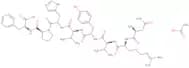
CAS:<p>Alpha-Mating Factor acetate salt is a complex compound that is a useful intermediate, building block, and reaction component. Alpha-Mating Factor acetate salt has been shown to be a useful scaffold for the synthesis of other compounds. It can also be used as a reagent in research or as a speciality chemical. Alpha-Mating Factor acetate salt is soluble in water and most organic solvents, making it versatile in its applications.</p>Formula:C82H114N20O17S·xC2H4O2Purity:Min. 95%Color and Shape:PowderMolecular weight:1,683.97 g/mol2-(2,5-dimethoxyphenyl)acetic acid
CAS:<p>2-(2,5-dimethoxyphenyl)acetic acid (DMPA) is a potent inhibitor of epidermal growth. It blocks the production of epidermal growth factor, which is a bioactive molecule that is involved in the biosynthesis of epidermal cells. DMPA also inhibits the formation of new blood vessels, which may be due to its ability to bind to silicon and alcaptonuria. DMPA has been shown to have an effect on platelet-derived growth factor and solid-phase synthesis. This drug also binds to factor receptor tyrosine kinase and has been shown to inhibit the growth of certain tumor cells.</p>Formula:C10H12O4Purity:Min. 95%Color and Shape:White PowderMolecular weight:196.2 g/molResorcinol-o,o'-diacetic acid
CAS:<p>Resorcinol-o,o'-diacetic acid is a copolymer that is used in the production of polyurethane, glyceride, or heptane. It has been shown to have a brittleness of less than 1% and can be used for the production of polyester. Resorcinol-o,o'-diacetic acid is also used as an intermediate in the synthesis of terephthalic acid and chromatographic detection method. Resorcinol-o,o'-diacetic acid is hydrophilic and can be used for packaging food and packaging materials.</p>Formula:C10H10O6Purity:Min. 95%Color and Shape:White PowderMolecular weight:226.18 g/molβ-(4-Acetoxyphenyl)propionic acid
CAS:<p>Beta-Propionic acid is an organic compound that belongs to the group of monocarboxylic acids. The chemical name for beta-propionic acid is 2-oxopropanoic acid. Beta-Propionic acid has a molecular weight of 88.06 grams per mole and a melting point of -79 degrees Celsius. This product is soluble in water, ethanol, ether, and ethyl acetate. It also reacts with dilute alkalis to form salts such as sodium bicarbonate and potassium propionate. Beta-Propionic acid is used in the manufacturing of polyurethane plastics, as well as in the production of resins for paints and varnishes.</p>Formula:C11H12O4Purity:Min. 95%Color and Shape:PowderMolecular weight:208.21 g/mol2-Amino-5-bromobenzoic acid methyl ester
CAS:<p>2-Amino-5-bromobenzoic acid methyl ester is a small molecule with antiviral potency. It has a dipole moment and can form hydrogen bonds. 2-Amino-5-bromobenzoic acid methyl ester inhibits the PDE5 enzyme, which is an enzyme that breaks down cGMP. This inhibition of PDE5 leads to the increase in cGMP, which causes blood vessels to relax and widen. As a result, 2-amino-5-bromobenzoic acid methyl ester has been shown to decrease high blood pressure and improve heart function.</p>Formula:C8H8BrNO2Purity:Min. 95%Color and Shape:PowderMolecular weight:230.06 g/mol2-Furoic acid hydrazide
CAS:<p>2-Furoic acid hydrazide is an antifungal agent that inhibits the synthesis of cell membrane lipids by inhibiting the enzyme enoyl-ACP reductase. This compound has been shown to be effective against Candida albicans in vitro and in vivo. 2-Furoic acid hydrazide may also have amoebicidal activity, although this has not yet been confirmed. The mechanism of action of 2-furoic acid hydrazide is currently unknown, but it may be due to its ability to inhibit adenosine receptor antagonists and its interaction with hydrogen bonding interactions.</p>Formula:C5H6N2O2Purity:Min. 95%Color and Shape:PowderMolecular weight:126.11 g/moltrans,trans-Farnesyl thiosalicylic acid
CAS:<p>Farnesyl thiosalicylic acid (FTSA) is a synthetic compound that exhibits potent anticancer activity. FTSA binds to the active site of the enzyme protein kinase C-alpha (PKC-α), which prevents its phosphorylation and activation. This prevents the activation of the mitogen-activated protein kinases, which are involved in cell proliferation and differentiation. FTSA also inhibits cancer cell migration by blocking MMP-9 activity, leading to tumor regression. FTSA has been shown to be effective against chemotherapy resistant breast cancer cells, as well as cancer cells from other tissues such as colon, prostate, and ovary.</p>Formula:C22H30O2SPurity:Min. 95%Color and Shape:White to off-white solid.Molecular weight:358.54 g/molDiethylenetriaminepentaacetic acid dianhydride
CAS:<p>Diethylenetriaminepentaacetic acid dianhydride (DTPA) is a gadolinium chelate that can be used as a contrast agent. DTPA has been shown to have high affinity for the integrin receptor, which is expressed on the surface of many human cancer cells. This property makes DTPA an effective diagnostic tool for imaging and detecting tumor cells in vivo. DTPA is also useful for diagnosing myeloma cell lines and mouse tumors, due to its ability to bind to metal ions such as iron or copper.</p>Formula:C14H19N3O8Purity:Min. 95%Color and Shape:PowderMolecular weight:357.32 g/molS-Methyl-L-thiocitrulline acetate salt
CAS:Controlled Product<p>S-Methyl-L-thiocitrulline acetate salt (SMTSA) is an inhibitor of the enzyme cyclase that inhibits the production of 5-hydroxytryptamine (5-HT) in the gastrointestinal tract. SMTSA has been shown to reduce 5-HT concentrations in mesenteric vessels and inhibit the physiological effects of 5-HT in rats. This drug also inhibits dopamine release from synaptosomes, which may be due to its ability to act as a competitive inhibitor of ester hydrochloride, dinucleotide phosphate, and cyclase. In addition, this drug has been shown to have a cytotoxic effect on cardiac myocytes by causing calcium influx into the cytosol and inhibiting ryanodine receptor channels.</p>Formula:C7H15N3O2SPurity:Min. 95%Color and Shape:PowderMolecular weight:205.28 g/mol2-(2,4-Dichlorobenzenesulphonyl)propionic acid hydrazide
CAS:<p>Please enquire for more information about 2-(2,4-Dichlorobenzenesulphonyl)propionic acid hydrazide including the price, delivery time and more detailed product information at the technical inquiry form on this page</p>Purity:Min. 95%4-tert-Butylcyclohexanecarboxylic acid
CAS:<p>4-tert-Butylcyclohexanecarboxylic acid is a monocarboxylic acid. It has been used as an analytical chemical for the estimation of naphthenic acids in petroleum oils. 4-tert-Butylcyclohexanecarboxylic acid has been identified as one of the major components of crude oil. The titration method is based on the formation of a complex with cyclopentylmethyl, which can be determined by measuring its UV absorption at 260 nm. This chemical can be used to synthesize 2-phenylbutyric acid, which is a useful carbon source for microorganisms that produce biodegradable plastics and other materials. The synthesis of this chemical starts with a strain of bacteria that converts monoacetic acid into 2-phenylbutyric acid. The mechanistic pathway involves stereoisomers and aldehydes.</p>Formula:C11H20O2Purity:Min. 95%Color and Shape:PowderMolecular weight:184.28 g/mol2-Amino-3-hydroxybenzoic acid ethyl ester
CAS:<p>2-Amino-3-hydroxybenzoic acid ethyl ester is soluble in organic solvents and is a catalyst for the hydrolysis of phenoxazinones. It has been shown to be the most active among the amino acid esters at pH 7. The optimum temperature for this enzyme is 37 degrees Celsius. The substrate specificity of this enzyme, which was purified by fractionation, is 3-hydroxyanthranilic acid and 3-hydroxyanthranilic acid with metals such as copper or zinc ions. This enzyme also catalyses the hydrolysis of proteins and peptides containing hydrophobic amino acids.</p>Formula:C9H11NO3Purity:Min. 95%Color and Shape:PowderMolecular weight:181.19 g/molFludrocortisone acetate
CAS:Controlled Product<p>Fludrocortisone acetate is a corticosteroid hormone used in the treatment of a number of diseases, including infectious diseases. Fludrocortisone acetate can be administered orally or by injection. It is also used to treat bowel disease and as an aid to diagnose subarachnoid hemorrhage. The matrix effect of fludrocortisone acetate has been studied using human serum and polymerase chain reactions (PCR). Fludrocortisone acetate is stable at temperatures below its phase transition temperature, but it undergoes degradation at higher temperatures. This drug is not active against bacteria, fungi, viruses, or parasites.</p>Formula:C23H31FO6Purity:Min. 95%Color and Shape:PowderMolecular weight:422.49 g/molMethyl 2,3,4-trimethoxyphenyl acetate
CAS:<p>Methyl 2,3,4-trimethoxyphenyl acetate is a high quality reagent that can be used to synthesize complex compounds. This compound is also useful as an intermediate in the synthesis of fine chemicals and useful scaffolds for chemical research. CAS No. 22480-88-2 Methyl 2,3,4-trimethoxyphenyl acetate is a versatile building block that can be used to synthesize other compounds with a wide range of applications.</p>Formula:C12H16O5Purity:Min. 95%Color and Shape:PowderMolecular weight:240.25 g/molLY2112688 trifluoroacetate
CAS:<p>Please enquire for more information about LY2112688 trifluoroacetate including the price, delivery time and more detailed product information at the technical inquiry form on this page</p>Formula:C51H70N18O11S2•(C2HF3O2)xPurity:Min. 95%Color and Shape:PowderMolecular weight:1,175.35 g/molFmoc-(S)-3-amino-3-(2-nitrophenyl)propionic acid
CAS:<p>Please enquire for more information about Fmoc-(S)-3-amino-3-(2-nitrophenyl)propionic acid including the price, delivery time and more detailed product information at the technical inquiry form on this page</p>Formula:C24H20N2O6Purity:Min. 95%Color and Shape:White PowderMolecular weight:432.43 g/mol(2-[Biotinamido]ethylamido)-3,3'-dithiodipropionic acid N-hydroxysuccinimide ester
CAS:<p>Biotinamido-3,3'-dithiodipropionic acid N-hydroxysuccinimide ester is a biotinylated derivative of the lectin from Streptomyces griseus. It has been shown to bind to the mycolic acid on the surface of mycobacteria and activate inflammatory cells. The lectin has also been used as a vaccine adjuvant for tuberculosis and other bacterial infections. Biotinamido-3,3'-dithiodipropionic acid N-hydroxysuccinimide ester activates Toll-like receptor 4 (TLR4) and induces secretion of tumor necrosis factor alpha (TNF-α). TLR4 is a cell surface receptor that recognizes various microbial products, such as lipopolysaccharides (LPS), peptidoglycan, and unmethylated CpG DNA.</p>Formula:C22H33N5S3O7Purity:Min. 95%Color and Shape:PowderMolecular weight:575.72 g/mol3-Cyclohexylpropiolic acid
CAS:<p>3-Cyclohexylpropiolic acid is a chemical intermediate that is used in the production of other chemicals. It is a versatile building block with a wide range of reactions and applications. 3-Cyclohexylpropiolic acid has been used as a reagent and as a speciality chemical for research purposes. This compound has also been shown to be useful in the synthesis of complex compounds, such as pharmaceuticals, natural products, pesticides, and dyes. 3-Cyclohexylpropiolic acid can be used as a reaction component or intermediate for the synthesis of many different compounds.</p>Formula:C9H12O2Purity:Min. 95 Area-%Molecular weight:152.19 g/mol2-(4-Bromophenyl)-5,5-dimethyl-1,3-thiazolidine-4-carboxylic acid
CAS:<p>2-(4-Bromophenyl)-5,5-dimethyl-1,3-thiazolidine-4-carboxylic acid is a fine chemical that can be used as a building block for research chemicals. It can also be used as an intermediate in the synthesis of complex compounds. 2-(4-Bromophenyl)-5,5-dimethyl-1,3-thiazolidine-4-carboxylic acid has been shown to react with various groups including hydroxyls and amines, making it a versatile compound. This compound is synthesized by condensation of 4 bromobenzene with 5,5 dimethyllithium and the subsequent reaction with thiourea. The product is purified by recrystallization from ethanol.</p>Formula:C12H14BrNO2SPurity:Min. 95%Color and Shape:PowderMolecular weight:316.21 g/mol4-(N-Butoxy)phenyl acetic acid
CAS:<p>4-(N-Butoxy)phenyl acetic acid is a hydroxamic acid that has been shown to be mutagenic in Salmonella typhimurium. 4-(N-Butoxy)phenyl acetic acid is a ligand that binds to the metal atom of the enzyme hydroxylamine, preventing it from binding to other compounds. This results in an increase in the production of hydroxylamine, which leads to DNA damage and cell death. 4-(N-Butoxy)phenyl acetic acid also has catalytic properties and can interact with chloride ions, due to its electronegativity.</p>Formula:C12H16O3Purity:Min. 98 Area-%Color and Shape:Off-White PowderMolecular weight:208.25 g/mol2-Naphthoxyacetic acid
CAS:<p>2-Naphthoxyacetic acid is a chemical compound that has been shown to be a matrix effect agent in the kidney bean extract. It is also used as a nutrient solution in synchronous fluorescence and hydroxyl group. 2-Naphthoxyacetic acid can be used as an analytical method for sodium citrate, dispersive solid-phase extraction, nitrogen atoms, and acid complex. The optical sensor can be used for low light surface methodology. Fluoroacetic acid is a chemical compound that has been shown to have analytical properties similar to 2-Naphthoxyacetic acid.</p>Formula:C12H10O3Purity:Min 98%Color and Shape:PowderMolecular weight:202.21 g/mol6-(3-(Adamantan-1-yl)-4-methoxyphenyl)-2-naphthoic acid
CAS:Controlled Product<p>Agonist of retinoic acid receptors (RAR-? and RAR-?); pro-apoptotic</p>Formula:C28H28O3Purity:Min. 95%Color and Shape:PowderMolecular weight:412.52 g/molAllocholic acid
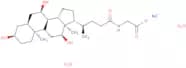
CAS:Controlled Product<p>Allocholic acid is a hydroxylated derivative of allo-inositol. It has been shown to inhibit the formation of peptide hormones and is used in the treatment of cerebrotendinous xanthomatosis. Allocholic acid also inhibits molecules that inhibit enzymes, such as phosphodiesterase and lipase, which are involved in the breakdown of fat. The biological sample preparation methods have been optimized for the extraction of allocholic acid from human feces. The optimum pH for allocholic acid is 4.5-5.0. Allocholic acid can be used to inhibit prostate cancer cells and rat liver microsomes, which are important for the metabolism of fatty acids in the body. The magnesium salt form is more soluble than other salts, making it easier to use in solution form.</p>Formula:C24H40O5Purity:Min. 90 Area-%Color and Shape:White Off-White PowderMolecular weight:408.57 g/mol5-Chlorosalicylic acid
CAS:<p>5-Chlorosalicylic acid is an inhibitor of the enzyme carbonic anhydrase. It is used for the treatment of gout, rheumatoid arthritis, and osteoarthritis. This compound has been shown to be a genotoxic agent, which may result in mutagenic or carcinogenic effects. 5-Chlorosalicylic acid inhibits the growth of probiotic bacteria. It also has anti-inflammatory properties and can be used as a proton donor in organic synthesis reactions.<br>5-Chlorosalicylic acid is a metabolite of acetylsalicylic acid (ASA) that forms when ASA undergoes oxidative deamination in the liver. 5-Chlorosalicylic acid is also formed during metabolism of nonsteroidal anti-inflammatory drugs (NSAIDs).</p>Formula:C7H5ClO3Purity:Min. 95%Color and Shape:White Off-White PowderMolecular weight:172.57 g/mol1,1',1''-Tris(1H-1,2,3-triazol-4-yl-1-acetic acid ethyl ester) trimethylamine
CAS:<p>1,1',1''-Tris(1H-1,2,3-triazol-4-yl-1-acetic acid ethyl ester) trimethylamine is an organic solvent that has been used in the synthesis of azide–alkyne cycloaddition products. The solvent has shown to be soluble in water and is stable at high temperatures. It can also be used as a reagent or ligand for cycloaddition reactions with alkynes.</p>Formula:C21H30N10O6Purity:Min. 95%Color and Shape:White PowderMolecular weight:518.53 g/molFenofibric acid methyl ester
CAS:<p>Fenofibric acid methyl ester is a chemical that has been used as a reference standard for the calibration of HPLC. It is an acidic compound that can be used to measure the flow rate of liquids. Fenofibric acid methyl ester has a particle size between 2 and 4 micrometers in diameter, which has been shown to be consistent with the use of dihedrals and diameters. This product has been found to be suitable for chromatographic methods such as calibration and validation. The purity of this chemical has been validated by regression analysis using chromatograms.</p>Formula:C18H17ClO4Purity:Min. 95%Color and Shape:PowderMolecular weight:332.78 g/molD-(+)-Phenyllactic acid
CAS:<p>D-(+)-phenyllactic acid is a pharmaceutical drug that is used to catalyze the asymmetric synthesis of chiral compounds. It is an enantiomer of L-phenyllactic acid, and it has been shown to be effective in the treatment of patients with breast cancer. D-(+)-phenyllactic acid can also be used to catalyze the formation of taxol, a clinical drug which has been shown to inhibit tumor growth. D-(+)-phenyllactic acid binds to the active site of catalase, an enzyme that breaks down hydrogen peroxide in cells. The reaction mechanism for catalysis by D-(+)-phenyllactic acid is not well understood, but it may involve monocarboxylic acids such as formic or acetic acids.</p>Formula:C9H10O3Purity:Min. 95%Color and Shape:White PowderMolecular weight:166.17 g/molDL-Aminobutyric acid
CAS:<p>DL-Aminobutyric acid is an analog of amino acids and a potent inhibitor of protease activity. It has been shown to inhibit the proteolytic activity of amyloid protein in human serum, most likely by competitive inhibition. DL-Aminobutyric acid also inhibits the enzyme activities that are responsible for the production of ammonia from amino acids. DL-Aminobutyric acid is an analyte in blood sampling and has a pH optimum of 8.0. It has been shown to have inhibitory properties on bacteria strains including Staphylococcus aureus and Streptococcus pneumoniae, but not Mycobacterium tuberculosis or Escherichia coli.</p>Formula:C4H9NO2Purity:Min 97%Color and Shape:PowderMolecular weight:103.12 g/molN-Benzyloxycarbonyl-6-aminocaproic acid
CAS:<p>N-Benzyloxycarbonyl-6-aminocaproic acid is a synthetic molecule that has been shown to inhibit ubiquitin ligases. It may be used as an antigen for the detection of cancer cells, and it can also serve as a potential drug for inhibiting the growth of cancer cells. This molecule is a peptidomimetic that mimics the structure of ubiquitin. N-Benzyloxycarbonyl-6-aminocaproic acid binds to ubiquitin through hydrogen bonding interactions and can interfere with the protein's function by forming crosslinks with other proteins. N-Benzyloxycarbonyl-6-aminocaproic acid has been found to have a high molecular weight (MW) and viscosity, which makes it difficult to use in biological systems. However, this molecule can be used as an e3 ubiquitin ligase inhibitor in supramolecular systems because it does not interfere with other</p>Formula:C14H19NO4Purity:Min. 95%Color and Shape:White PowderMolecular weight:265.31 g/molo-Carborane-9-Carboxylic acid
CAS:Controlled Producto-Carborane-9-carboxylic acid (C9CA) is a new antitumour agent that has been shown to be effective against human tumour cells and tumour cell lines. C9CA also has a high affinity for the active site of the enzyme dihydrofolate reductase, which is involved in the synthesis of DNA. The antitumour activity of C9CA is mediated by its ability to inhibit DNA synthesis and induce apoptosis. C9CA has been shown to be less toxic than methotrexate and doxorubicin, with the potential for fewer side effects.Purity:Min. 95%3,4-(Methylenedioxy)-6-nitrocinnamic acid
CAS:<p>3,4-(Methylenedioxy)-6-nitrocinnamic acid is a cytotoxic molecule that inhibits the growth of cells by interfering with the synthesis of proteins. It binds to DNA and prevents the transcription process from occurring. This molecule has been shown to inhibit endoplasmic reticulum and Golgi apparatus functions in plant cells. 3,4-(Methylenedioxy)-6-nitrocinnamic acid has also been used as a polymerization agent for polyacrylamide gels. A number of modifications have been made to this molecule in order to increase its effectiveness, such as methyl esterification and mutagenesis. This compound has also been shown to enhance Taxol's anti-cancer effects on cell cultures.</p>Formula:C10H7NO6Purity:Min. 90%Color and Shape:White PowderMolecular weight:237.17 g/mol3-Hydrazinobenzoic acid
CAS:<p>3-Hydrazinobenzoic acid is a covalent inhibitor that binds to lysine residues of proteins and inhibits their activity. It can be immobilized in different materials such as polymers, hydrogels, and zeolites. 3-Hydrazinobenzoic acid has been used to treat autoimmune diseases and cancer. In wastewater treatment, it has been shown to remove chloride ions, which are toxic to microorganisms. 3-Hydrazinobenzoic acid also reduces the pH of the environment by reacting with hydrochloric acid or other acidic compounds.</p>Formula:C7H8N2O2Purity:Min. 95%Color and Shape:PowderMolecular weight:152.15 g/mol3-Chloro-4-hydroxybenzoic acid hemihydrate
CAS:<p>3-Chloro-4-hydroxybenzoic acid hemihydrate is an analog of forskolin that is used in cancer research. It has been shown to inhibit the growth of lung cancer cells, which may be due to its ability to activate protein kinase A and phosphatase enzymes. 3-Chloro-4-hydroxybenzoic acid hemihydrate is being studied as a potential treatment for multiple sclerosis and other autoimmune disorders, although it has not yet been approved for these conditions. This drug inhibits the proliferation of tumor suppressor protein p53 and reverses the effects of a synthetic form of fty720 on the activation of the p38 mitogen activated protein kinase.</p>Formula:C7H5ClO3·H2OPurity:Min. 98 Area-%Color and Shape:PowderMolecular weight:363.15 g/molSuberic acid monomethyl ester
CAS:<p>Suberic acid monomethyl ester is a fatty acid that has potent inhibitory activity against tumor formation. It is an inhibitor of histone deacetylase (HDAC) enzymes, which are important for the regulation of gene expression. Suberic acid monomethyl ester has been shown to have potent inhibitory effects on tumor growth and the development of cancerous cells in animal studies. This agent may be useful for inhibiting the production of acid in tumors and preventing cancer-induced cell death. Suberic acid monomethyl ester has been found to bind to hydroxyl groups and interacts with other molecules that contain hydroxy groups, such as proteins or DNA bases.</p>Formula:C9H16O4Purity:Min. 95%Color and Shape:PowderMolecular weight:188.22 g/mol3-(Difluoromethoxy)-2,4,5-trifluorobenzoic acid
CAS:<p>3-(Difluoromethoxy)-2,4,5-trifluorobenzoic acid is an antibacterial drug that belongs to the class of fluoroquinolones. It inhibits bacterial growth by binding to DNA gyrase and topoisomerase IV enzymes in bacteria. 3-(Difluoromethoxy)-2,4,5-trifluorobenzoic acid has been shown to be active against a wide variety of bacteria and is used as a treatment for urinary tract infections and skin infections. 3-(Difluoromethoxy)-2,4,5-trifluorobenzoic acid can also be used in combination with other antibiotics such as tetrabutyl ammonium chloride to enhance their effects.</p>Formula:C8H3F5O3Purity:Min. 95%Color and Shape:SolidMolecular weight:242.1 g/mol2,6-Dihydroxy-4-methylbenzoic acid potassium
CAS:<p>2,6-Dihydroxy-4-methylbenzoic acid potassium salt (2,6-DMBAK) is a high quality reagent that is used as an intermediate in the synthesis of complex compounds. CAS No. 856177-01-0. It is a white crystalline solid with an mp of about 190 degrees Celsius and a bp of about 315 degrees Celsius. 2,6-DMBAK has been shown to be useful in the synthesis of speciality chemicals and research chemicals. This product can be used as a versatile building block for the preparation of various kinds of chemical compounds, and it also has many applications in organic synthesis because it reacts well with many different types of compounds.</p>Formula:C8H8O4•KPurity:Min. 95%Color and Shape:PowderMolecular weight:207.25 g/molSodium 2-(3,3-bis(4-(dimethylamino)phenyl)ureido)acetate
CAS:<p>Please enquire for more information about Sodium 2-(3,3-bis(4-(dimethylamino)phenyl)ureido)acetate including the price, delivery time and more detailed product information at the technical inquiry form on this page</p>Formula:C19H23N4NaO3Purity:Min. 95%Molecular weight:378.4 g/mol1,5-Naphthalenedisulfonic acid tetrahydrate
CAS:<p>1,5-Naphthalenedisulfonic acid tetrahydrate is an acidic molecule that has been observed in the form of nanodots. It has a molecular weight of 212.2g/mol and a water solubility of 0.01g/L at 20°C. 1,5-Naphthalenedisulfonic acid tetrahydrate is soluble in ethanol and methanol, but insoluble in acetone, diethyl ether, ethyl acetate, and chloroform. 1,5-Naphthalenedisulfonic acid tetrahydrate is a hydrogen bond acceptor and donor in its interactions with other molecules. It interacts synergistically with 3,5-dinitrosalicylic acid to produce a red coloration when dissolved in water or alcohols.</p>Formula:C10H6(SO3H)2•(H2O)4Purity:Min. 95%Color and Shape:PowderMolecular weight:360.36 g/molDOTA-(Tyr3)-Octreotate acetate salt
CAS:Controlled Product<p>Octreotate is a radiopharmaceutical that is synthesized by reacting DOTA-Tyr3 with octreotide acetate. Octreotate, also known as dotatate, is used in nuclear medicine to treat neuroendocrine tumours. This drug has a high yield and can be reliably prepared using cassettes and computerised equipment to create germanium-68 labelled octreotate. The radionuclide emits positrons and gamma rays, which are used for imaging neuroendocrine tumours in the brain or other organs. Octreotate is a synthetic analogue of the natural hormone octreotide, which binds to receptors on the cell surface and prevents the release of hormones from cells. This may be due to its ability to inhibit protein synthesis by inhibiting rRNA synthesis.</p>Formula:C65H90N14O19S2Purity:Min. 95 Area-%Color and Shape:White Slightly Yellow PowderMolecular weight:1,435.63 g/molN-Methyltetrahydrofolic acid
CAS:<p>N-Methyltetrahydrofolic acid is a form of folic acid, which is an important vitamin for the production of red blood cells and the prevention of neural tube defects. It can be found in food such as leafy vegetables, whole grains, and citrus fruits. N-Methyltetrahydrofolic acid is important for DNA synthesis and energy metabolism. It also has been shown to exert antioxidant effects in human serum.</p>Formula:C20H25N7O6Purity:Min. 97.5 Area-%Color and Shape:White PowderMolecular weight:459.46 g/molOctanoic acid
CAS:<p>Octanoic acid is a medium-chain fatty acid that is synthesized by the condensation of two molecules of acetyl-CoA. It is an antimicrobial agent that inhibits Gram-positive bacteria, such as Aerobacter aerogenes and Staphylococcus aureus. Octanoic acid has been shown to be effective in inhibiting the growth of Gram-negative bacteria, such as Escherichia coli and Pseudomonas aeruginosa. Octanoic acid has also been shown to have physiological effects on the human body, such as its ability to induce metabolic disorders. It is also used for energy metabolism and structural analysis.</p>Formula:C8H16O2Purity:Min. 98%Color and Shape:Clear LiquidMolecular weight:144.21 g/mol2-Bromo-3-hydroxybenzoic acid
CAS:<p>2-Bromo-3-hydroxybenzoic acid is an inhibitor of HIV protease that has potent antiviral activity. It inhibits the enzyme responsible for the cleavage of the gag and pol polyproteins in HIV, preventing the formation of new virus particles. 2-Bromo-3-hydroxybenzoic acid is orally bioavailable and can be used as a prodrug for other benzamides or urethanes with antiviral potency. This drug is a cyclic inhibitor that binds to the hydrophobic pocket on the surface of HIV protease and prevents it from functioning as an enzyme.</p>Formula:C7H5BrO2Purity:Min. 95%Color and Shape:PowderMolecular weight:201.02 g/molDelicious peptide (bovine) trifluoroacetate
CAS:<p>Delicious peptide (bovine) trifluoroacetate is a polymerase chain reaction probe that is complementary to the 3' end of the human insulin gene. When used in a polymerase chain reaction, it amplifies the DNA sequences at the 3' end of the gene. The product of this amplification has been shown to inhibit genetic disorders such as metabolic disorders, iron homeostasis, and leukemia. This agent also inhibits acidic fibroblast proliferation and pluripotent cells. This drug has been shown to have a molecular docking analysis with pharmacological agents and may be helpful in treatments for various diseases.</p>Formula:C34H57N9O16•(C2HF3O2)xPurity:Min. 95 Area-%Color and Shape:PowderMolecular weight:847.87 g/mol3,5-Diaminosalicylic acid
CAS:<p>3,5-Diaminosalicylic acid is a potent antibacterial agent that inhibits the synthesis of bacterial cell walls by inhibiting the enzyme transpeptidase. It is also used as a preservative and stabilizer in pharmaceutical formulations. 3,5-Diaminosalicylic acid has been shown to be active against cochliobolus at an optimum concentration of 2%. The solute is stable in water or dilute acids and alkalis. However, it can be hydrolyzed by strong bases such as sodium hydroxide and potassium hydroxide. Impurities such as nitro groups can be removed by washing with water or ethanol. The drug substance should be analyzed using high performance liquid chromatography (HPLC) methods to ensure stability and purity. 3,5-Diaminosalicylic acid forms crystalline needles that are colorless to white in solution. They will dissolve when heated but form precipitates when cooled. The crystals are</p>Formula:C7H8N2O3Purity:Min. 95%Color and Shape:Brown PowderMolecular weight:168.15 g/mol3-Hydroxy-4-methoxybenzoic acid methyl ester
CAS:<p>3-Hydroxy-4-methoxybenzoic acid methyl ester is a phenolic acid that is a potent inhibitor of tyrosinase activity. It has been shown to inhibit the growth of cancer cells by binding to 5-HT2A receptors and inhibiting the production of epidermal growth factor, which leads to a decrease in the expression of tyrosinase. 3-Hydroxy-4-methoxybenzoic acid methyl ester has also been shown to have an inhibitory effect on the synthesis of protocatechuic acid and acetate extract from soybean. This compound was found to be more effective than kojic acid, arbutin, and ascorbic acid.</p>Formula:C9H10O4Purity:Min. 95%Color and Shape:PowderMolecular weight:182.17 g/molFerrocenecarboxylic acid
CAS:Controlled Product<p>Ferrocenecarboxylic acid is a ferrocene compound that has been used as a polymerase chain reaction (PCR) probe. It has been shown to have an antiproliferative effect on leukemia cells, and can be used in the treatment of cancers. Ferrocenecarboxylic acid is membrane permeable and can therefore be used as a cell-impermeable chemotherapeutic agent. This drug also has the ability to bind to target DNA, with this binding being dependent on the functional groups present on the molecule. The ferrocene carboxylate conjugates are also able to react with nucleophiles such as dithiopyridine or pyridinium salts, which may serve as strategies for converting the drug into an MRI contrast agent.</p>Formula:C11H10FeO2Purity:Min. 98 Area-%Color and Shape:Yellow PowderMolecular weight:230.04 g/mol(+)-O,O'-Di-p-toluoyl-D-tartaric acid
CAS:<p>(+)-O,O'-Di-p-toluoyl-D-tartaric acid is a potent and selective ligand for the dopamine D2 receptor. It was first synthesized in 1968 and has been extensively studied for its interactions with dopamine receptors. (+)-O,O'-Di-p-toluoyl-D-tartaric acid has been shown to be an orthosteric agonist at the D2 receptor, meaning it binds directly to the receptor in the absence of any other compounds. It binds to the extracellular site of the receptor, with a binding affinity that is 10 times more potent than that of apomorphine. The compound has been shown to have antidepressant effects when administered systemically, as well as in animal models of depression. This activity may be due to its ability to selectively activate dopamine D2 receptors in regions such as the prefrontal cortex.</p>Formula:C20H18O8Purity:Min. 95%Color and Shape:PowderMolecular weight:386.35 g/mol2,4,5-Trimethylbenzoic acid
CAS:<p>2,4,5-Trimethylbenzoic acid is a white crystalline solid that is soluble in water. It is used as an analytical reagent and oxidation catalyst. 2,4,5-Trimethylbenzoic acid can be found in polymer films and inorganic acids. The oxidation products of 2,4,5-Trimethylbenzoic acid are known to have antioxidant properties. The compound can be found as an oxidant or an activator in organic synthesis reactions. 2,4,5-Trimethylbenzoic acid has been used as a starting material for the synthesis of acyl halides and carboxylates. It also has been used to synthesize fatty acids from unsaturated hydrocarbons.</p>Formula:C10H12O2Purity:Min. 95%Color and Shape:PowderMolecular weight:164.2 g/molCalcineurin Substrate trifluoroacetate salt H-Asp-Leu-Asp-Val-Pro-Ile-Pro-Gly-Arg-Phe-Asp-Arg-Arg-Val-Ser-Val-Ala-Ala-Glu-OH trifluo roacetate salt
CAS:<p>Please enquire for more information about Calcineurin Substrate trifluoroacetate salt H-Asp-Leu-Asp-Val-Pro-Ile-Pro-Gly-Arg-Phe-Asp-Arg-Arg-Val-Ser-Val-Ala-Ala-Glu-OH trifluo roacetate salt including the price, delivery time and more detailed product information at the technical inquiry form on this page</p>Formula:C92H150N28O29Purity:Min. 95%Molecular weight:2,112.35 g/mol3-Fluoro-2-hydroxybenzoic acid methyl ester
CAS:<p>3-Fluoro-2-hydroxybenzoic acid methyl ester (3-FHBA) is a high quality chemical compound that is used as an intermediate to produce other compounds. It has been shown to be a useful scaffold for the synthesis of complex compounds with various functional groups. 3-FHBA is also a reagent in the production of fine chemicals, research chemicals, and speciality chemicals. This compound has many uses, including being a versatile building block for reactions in organic synthesis and being a reaction component in the production of many types of products.</p>Formula:C8H7FO3Purity:Min. 95%Color and Shape:White PowderMolecular weight:170.14 g/mol2-(4-tert-Butylphenoxy)-2-methylpropanoic acid
CAS:<p>2-(4-tert-Butylphenoxy)-2-methylpropanoic acid is a versatile building block and reagent for the synthesis of complex compounds. It has been used in research as a possible treatment for inflammatory diseases, including asthma and rheumatoid arthritis. This product is also a useful scaffold for the development of new drugs. 2-(4-tert-Butylphenoxy)-2-methylpropanoic acid has been shown to have antiviral properties against human immunodeficiency virus (HIV) and hepatitis C virus (HCV).</p>Formula:C14H20O3Purity:Min. 95%Color and Shape:PowderMolecular weight:236.31 g/molPalustric acid
CAS:Controlled Product<p>Palustric acid is a fatty acid that is used to remove organic pollutants from wastewater. It has been shown to have significant interactions with human pathogens such as Pimaric Acid and Levopimaric Acid, which are produced by the degradation of chlorinated compounds. Palustric acid also has an acidic nature, and can cause a thermal expansion in water vapor.</p>Formula:C20H30O2Purity:Min. 95 Area-%Color and Shape:White Off-White PowderMolecular weight:302.45 g/mol3,3',5-Triiodo thyroacetic acid
CAS:<p>3,3',5-Triiodo thyroacetic acid is a synthetic thyroid hormone that acts as a thyroid hormone receptor agonist. It binds to the thyroid hormone receptor, leading to the activation of other transcription factors and increased synthesis of proteins. 3,3',5-Triiodo thyroacetic acid has been shown to increase the metabolic rate in rats by increasing the expression of epidermal growth factor in skin cells and signal transduction in nerve cells. This drug also causes an increase in transcriptional regulation and protein synthesis. 3,3',5-Triiodo thyroacetic acid does not have any known side effects or toxicity.</p>Formula:C14H9I3O4Purity:Min. 95%Color and Shape:White Off-White PowderMolecular weight:621.93 g/molEicosapentaenoic acid
CAS:<p>Inhibitor of 5-lipoxygenase; reduces thromboxane A2 production</p>Formula:C20H30O2Purity:Min. 96 Area-%Color and Shape:Colorless Clear LiquidMolecular weight:302.45 g/mol2,4-Dimethoxy-3-methylbenzoic acid
CAS:<p>2,4-Dimethoxy-3-methylbenzoic acid is a fine chemical that is used as a versatile building block in the synthesis of other organic compounds. 2,4-Dimethoxy-3-methylbenzoic acid has been used in research to generate novel compounds with desired properties. It is also used as a reaction component and speciality chemical. The compound can be reacted with sodium methoxide in methanol to form 2,4-dimethoxybenzaldehyde, which is an intermediate for the synthesis of other chemicals. It also reacts with nitric acid to form 2,4-dimethylbenzoic acid and oleum. These reactions are useful for the production of certain drugs or for the synthesis of polymers.</p>Formula:C10H12O4Purity:Min. 95%Molecular weight:196.2 g/mol5,5-Diphenylhydantoin-3-butyric acid
CAS:<p>5,5-Diphenylhydantoin-3-butyric acid is a drug that is classified as a hydantoin derivative. It has been shown to be an active compound in the treatment of human brain tumors. This drug has also been found to be detectable in human serum and urine by means of electrochemical immunoassay.</p>Formula:C19H18N2O4Purity:Min. 95%Color and Shape:PowderMolecular weight:338.36 g/mol4,5-Dihydroxybenzene-1,2-dicarboxylic acid
CAS:<p>Protocatechuic acid is an aromatic hydrocarbon that is the main metabolite of 4,5-dihydroxybenzene-1,2-dicarboxylic acid. It is a carbon source for bacteria and has been shown to increase the synthesis of protocatechuate 3,4-dioxygenase (PCO) in rat liver cells when incubated. Protocatechuic acid is also a precursor for the production of 2-hydroxybenzoic acid and 4-hydroxybenzoic acid, which are found in many foods. The genus that produces protocatechuic acid belongs to the class of extradiols. This means that it contains four contiguous double bonds on one side of the molecule. Stenotrophomonas maltophilia is a species with high levels of protocatechuic acid and can be used as an indicator for this compound.</p>Formula:C8H6O6Purity:Min. 95%Color and Shape:PowderMolecular weight:198.13 g/mol4-Hydroxy-3-nitrophenylacetic acid
CAS:<p>4-Hydroxy-3-nitrophenylacetic acid is a metabolite of caproic acid in the mouse. It is also an analytical marker for caproic acid in human serum and a biochemical marker for 4-hydroxybenzoic acid in human urine. The affinity of 4-hydroxy-3-nitrophenylacetic acid to antibodies has been shown by its ability to be titrated calorimetrically with antibodies, which are used as a model system. The antibody response has been studied by immunizing mice with 4-hydroxybenzoic acid, which resulted in the production of antibodies that had the same reactivity as those against 4-hydoxy-3-nitrophenylacetic acid. The reaction mechanism of hydrolysis of 4-hydroxybenzoic acid by monoclonal antibodies has been proposed and was supported by the results obtained from titration calorimetry experiments.</p>Formula:C8H7NO5Purity:Min. 95%Color and Shape:Off-White PowderMolecular weight:197.14 g/molDihydroxyfumaric acid hydrate
CAS:<p>Dihydroxyfumaric acid hydrate is a deuterated chemical that can be used in spectrometry as a deuteration agent to study the effect of deuteration on the vibrational and reactive properties of molecules. It is also used in medicine as an immobilization reagent for enzymes and antibodies. Dihydroxyfumaric acid hydrate has been shown to have prebiotic activity in food composition, inhibiting glycolaldehyde and protocatechuic acid. This chemical may also serve as a recycled molecule for other applications.</p>Formula:C4H4O6·xH2OPurity:Min. 95%Color and Shape:PowderMolecular weight:148.07 g/mol3-Methoxy-4-nitrobenzoic acid methyl ester
CAS:<p>3-Methoxy-4-nitrobenzoic acid methyl ester is a dianellidin, a type of natural product. It is an ionizing acid that catalyzes the reaction between carboxylic acids and hydroxyl compounds. This compound is used to produce some drugs, such as methyldopate, which is an antiarrhythmic drug that slows heart rate. The catalytic rate of 3-methoxy-4-nitrobenzoic acid methyl ester can be increased by buffers and solvents (e.g., methanol). These compounds increase the concentration of the reactants in solution and reduce the activation energy required for the reaction to take place. Uncatalyzed reactions are slow because there are no molecules to act as intermediates in the process.</p>Formula:C9H9NO5Purity:95%NmrColor and Shape:PowderMolecular weight:211.17 g/molN4-Boc-cytosin-1-yl acetic acid
CAS:<p>N4-Boc-cytosin-1-yl acetic acid is a fine chemical that is used as a reagent, and can be used as a building block in the synthesis of various compounds. It has been shown to be an effective intermediate in the synthesis of various compounds, and can be used as a scaffold for drug discovery. N4-Boc-cytosin-1-yl acetic acid is also useful in the production of other chemicals, such as pharmaceuticals and pesticides.</p>Formula:C11H15N3O5Purity:Min. 98 Area-%Color and Shape:PowderMolecular weight:269.25 g/mol4-Carboxycinnamic acid
CAS:<p>4-Carboxycinnamic acid is an organic compound that is a derivative of cinnamic acid. It is a colorless solid that is soluble in organic solvents and has high resistance to environmental pollution. 4-Carboxycinnamic acid has been shown to have photocatalytic activity in the presence of UV radiation, with a quantum yield of 0.2% at 365 nm. It also exhibits fluorescence properties, but these are not as strong as the parent compound, cinnamic acid. 4-Carboxycinnamic acid has functional groups that can be activated by hydrogen bonding interactions and uptake into cells. This compound also reacts with sulfonic acids to form sulfinic acids and hydrochloric acid to form chlorocinnamic acids. Chronic pulmonary effects were observed in animals after inhalation of this substance for 30 minutes per day for 10 days. X-ray crystal structures have been determined for 4-carboxycinnamic acid and its</p>Formula:C10H8O4Purity:Min. 95%Color and Shape:PowderMolecular weight:192.17 g/mol5-Chloro-4-hydroxy-1-methyl-2-oxo-1,2-dihydro-quinoline-3-carboxylic acid ethyl-phenyl-amide
CAS:<p>Laquinimod is an immunomodulator drug that inhibits the activity of the immune system. It binds to toll-like receptor 7, which is a protein on the surface of certain cells that responds to infection and inflammation. Laquinimod has been shown to inhibit neurodegeneration in vitro, which may be due to its ability to bind with neuronal death receptors and block the inflammatory response. Laquinimod also inhibits bowel disease by reducing inflammation and controlling immunity in the intestinal tract. Laquinimod has been shown to have long-term efficacy when administered at physiological levels. This drug is chemically stable, even after exposure to light.</p>Formula:C19H17ClN2O3Purity:Min. 95%Color and Shape:White PowderMolecular weight:356.8 g/mol4-(Piperazin-1-yl)benzoic acid hydrochloride
CAS:<p>4-(Piperazin-1-yl)benzoic acid hydrochloride is a chemical intermediate that is used in the synthesis of pharmaceuticals. It has been shown to be a useful scaffold, and can be used as a reaction component and building block in the synthesis of complex compounds. 4-(Piperazin-1-yl)benzoic acid hydrochloride is also versatile, as it has been shown to be an intermediate for the synthesis of fine chemicals.</p>Formula:C11H14N2O2•HClPurity:Min. 95%Color and Shape:PowderMolecular weight:242.7 g/mol(S)-BoroLeu-(+)-pinanediol-trifluoroacetate
CAS:<p>(S)-BoroLeu-(+)-pinanediol-trifluoroacetate is a useful scaffold, building block, and intermediate for the synthesis of complex compounds. It is a high quality reagent that can be used in research chemicals and speciality chemicals. (S)-BoroLeu-(+)-pinanediol-trifluoroacetate is a versatile building block because it can be used as a reaction component in the synthesis of fine chemicals and as an intermediate in the synthesis of other reagents. CAS No. 477254-69-6</p>Formula:C15H28BNO2·C2HF3O2Purity:Min. 95%Color and Shape:PowderMolecular weight:379.22 g/molFmoc-21-amino-4,7,10,13,16,19-hexaoxaheneicosanoic acid
CAS:<p>Fmoc-21-amino-4,7,10,13,16,19-hexaoxaheneicosanoic acid is a PEG compound with two different functional groups (also known as heterobifunctional). Unlike homobifunctional PEG compounds (same functional group on both ends), this type of compounds are more versatile as have two different anchor points. Fmoc-21-amino-4,7,10,13,16,19-hexaoxaheneicosanoic acid is used as a linker and spacer to add a PEG moiety, via pegylation (a bioconjugation technique) to proteins, peptides, oligonucleotides, small molecules and nanoparticles.</p>Formula:C30H41NO10Purity:Min. 95%Color and Shape:PowderMolecular weight:575.65 g/mol3-((2-Fluorophenyl)piperazinylcarbamoyl)prop-2-enoic acid
CAS:Controlled Product<p>Please enquire for more information about 3-((2-Fluorophenyl)piperazinylcarbamoyl)prop-2-enoic acid including the price, delivery time and more detailed product information at the technical inquiry form on this page</p>Formula:C14H15Fn2O3Purity:Min. 80%Color and Shape:PowderMolecular weight:278.29 g/mol3-Bromo-4-fluorocinnamic acid
CAS:<p>3-Bromo-4-fluorocinnamic acid is a useful intermediate that reacts with amines to form 3-bromo-4-fluoroaniline, which is used as a building block in the synthesis of pharmaceuticals, agrochemicals, and other organic compounds.</p>Formula:C9H6BrFO2Purity:Min. 95%Color and Shape:PowderMolecular weight:245.05 g/mol3-(4-Fluorobenzoyl)-6-Methoxy-2-Methyl-1H-Indole-1-Acetic Acid
CAS:Controlled Product<p>3-(4-Fluorobenzoyl)-6-Methoxy-2-Methyl-1H-Indole-1-Acetic Acid is a prodrug that is metabolized to 6-fluoro-3,4 dioxo tamoxifen in the liver. It has been shown to have anticholinergic, cytosolic calcium and c1-4 alkyl properties. 3-(4-Fluorobenzoyl)-6-Methoxy-2-Methylindole Acetic Acid also has a basic group, cyclopentane ring, and pyridine ring.</p>Formula:C19H16FNO4Purity:Min. 95%Molecular weight:341.33 g/molMethyl 3-formyl-6-methoxy-1-(4-methoxybenzyl)-1H-indole-2-carboxylate
CAS:Controlled Product<p>Please enquire for more information about Methyl 3-formyl-6-methoxy-1-(4-methoxybenzyl)-1H-indole-2-carboxylate including the price, delivery time and more detailed product information at the technical inquiry form on this page</p>Formula:C20H19NO5Purity:Min. 95%Molecular weight:353.37 g/molL-(+)-Glutamic acid HCl
CAS:<p>L-(+)-Glutamic acid HCl is a monosodium salt that belongs to the group of water-soluble organic acids. It has been used as a food additive and in wastewater treatment, as well as for the production of polymers and pharmaceuticals. Glutamate can be converted to glutamic acid by hydrolysis with sodium hydroxide or other strong bases. Glutamic acid is an important biochemical precursor in the synthesis of proteins, peptides, and nucleic acids. It also functions as a neurotransmitter in the central nervous system. L-(+)-glutamic acid HCl has been shown to induce apoptosis in human HL-60 cells by increasing reactive oxygen species (ROS) levels and activating caspase-3 activity in these cells. The crystalline cellulose used in this study was obtained from cellulose powder (Avicel PH101).</p>Formula:C5H9NO4·HClPurity:Min. 95%Color and Shape:White PowderMolecular weight:183.59 g/molDL-2-Hydroxyvaleric acid sodium salt
CAS:<p>2-Hydroxyvaleric acid sodium salt is a fine chemical that can be used as a building block for the synthesis of more complex compounds. It is also used as a reagent in research and as a speciality chemical. The CAS number for this compound is 84176-70-5. 2-Hydoxyvaleric acid sodium salt is most commonly used in the synthesis of pharmaceuticals, pesticides, and other chemicals. It has also been shown to be useful in the synthesis of biodegradable polymers and as an intermediate in organic reactions.</p>Formula:C5H9NaO3Purity:Min. 95%Color and Shape:PowderMolecular weight:140.11 g/molL-2-Aminobutyric acid
CAS:<p>L-2-Aminobutyric acid is a nonessential amino acid that serves as a substrate for enzymes that catalyze the alpha-elimination of hydroxyl groups. This process is used in the synthesis of proteins and other biological molecules. The L-2-Aminobutyric acid is also an analog to 2-aminoethanol, which has been shown to inhibit amyloid protein production in human serum. A synthetic route for the preparation of L-2-Aminobutyric acid has been developed using anhydrous sodium hydroxide and blood sampling from a bacterial strain. L-2-Aminobutyric acid inhibits protease activity and has been shown to have antibacterial properties. The optimum pH for this compound is 5.5, with an approximate intramolecular hydrogen bond distance of 3.1 angstroms.</p>Formula:C4H9NO2Purity:Min. 95%Color and Shape:White PowderMolecular weight:103.12 g/molBenzohydroxamic acid
CAS:<p>Benzohydroxamic acid is a weak organic acid that is formed from the condensation of two molecules of benzoic acid. The thermodynamic data for this compound are available in the form of an equation and an enthalpy change. Benzohydroxamic acid interacts with metal hydroxides by forming metal complexes, which can be used as catalysts in transfer reactions. In addition, benzohydroxamic acid has been shown to inhibit HIV infection by inhibiting reverse transcriptase activity. This compound also undergoes hydrogen bonding interactions with other molecules due to its hydroxyl group and fatty acid moieties.</p>Formula:C7H7NO2Purity:Min. 95%Color and Shape:PowderMolecular weight:137.14 g/molEthyl 5-chloroindole-2-carboxylate
CAS:<p>Ethyl 5-chloroindole-2-carboxylate is a pro-apoptotic agent that has been shown to inhibit the replication of HIV. It inhibits the reverse transcriptase and DNA polymerases in the virus, which prevents it from being replicated. Ethyl 5-chloroindole-2-carboxylate also induces apoptosis by alkylating the cysteine residues on the host cell's proteins. This drug is not active against other viruses, such as herpes simplex virus type 1 (HSV1). It has been shown to be an analog for cannabidiol (CBD), which binds to cannabinoid receptors CB1 and CB2.</p>Formula:C11H10ClNO2Purity:Min. 95%Color and Shape:PowderMolecular weight:223.66 g/mol6-Chlorochromone-2-carboxylic acid
CAS:<p>6-Chlorochromone-2-carboxylic acid is a synthetic carboxylic acid that is a reagent in organic synthesis. It has been used to synthesize a number of new compounds, including substituted carboxylic acids and nitro compounds. The discovery of 6-chlorochromone-2-carboxylic acid was made possible by optimizing the reaction parameters, such as substituent and reaction time. This compound is cost effective and can be obtained from chromones.</p>Formula:C10H5ClO4Purity:Min. 95%Color and Shape:PowderMolecular weight:224.6 g/mol2,2-Difluoro-2-[1,1,2,2-tetrafluoro-2-(trifluoromethoxy)ethoxy]acetic acid
CAS:<p>2,2-Difluoro-2-[1,1,2,2-tetrafluoro-2-(trifluoromethoxy)ethoxy]-acetic acid is a fluorinated compound that can be used as an adsorbent for organic compounds. It is a highly selective material and has high adsorption capacity. The adsorption equilibrium data for 2,2-difluoro-2-[1,1,2,2-tetrafluoro-2-(trifluoromethoxy)ethoxy]-acetic acid are given in the table below. Table: Adsorption Equilibrium Data Temperature (°C) Pressure (kPa) Vapor Pressure (Pa) Equilibrium Vapor Pressure (Pa) Adsorption Capacity (%) 0 0.001 0.0008 0.0012 100</p>Formula:C5HF9O4Purity:Min. 95%Color and Shape:Clear LiquidMolecular weight:296.04 g/mol3-Hydroxyanthranilic acid
CAS:<p>3-Hydroxyanthranilic acid (3HA) is an intermediate in the synthesis of tryptophan, which is a precursor to serotonin. 3HA has been shown to be beneficial for brain functions and bowel disease. It also has a synergic effect with picolinic acid as a treatment for Parkinson's disease. A study has shown that 3HA increases energy metabolism and promotes the production of high-energy molecules such as ATP, NADH, and FADH2. The biological sample can be collected from blood or urine. The analytical method used is high performance liquid chromatography with UV detection at 280 nm.</p>Formula:C7H7NO3Purity:Min. 95%Color and Shape:PowderMolecular weight:153.14 g/mol3-(3-Methoxyphenyl)propionic acid
CAS:<p>3-(3-Methoxyphenyl)propionic acid is a phenylpropionic acid with the chemical formula C9H11O2. It is a competitive antagonist of the h3 receptors, and has been shown to inhibit acetylcholinesterase activity in vitro. 3-(3-Methoxyphenyl)propionic acid also has antioxidant properties, which may be due to its ability to inhibit lipase activity. This compound also has anti-inflammatory effects, which may be due to its ability to inhibit tryptophan metabolism. 3-(3-Methoxyphenyl)propionic acid has been shown to have therapeutic potential for Alzheimer's disease, as it can cross the blood brain barrier and inhibits amyloid beta (Aβ) aggregation.</p>Formula:C10H12O3Purity:Min. 95%Color and Shape:PowderMolecular weight:180.2 g/molTetrahydro-2H-pyran-3-ylacetic acid
CAS:<p>Tetrahydro-2H-pyran-3-ylacetic acid (THPA) is a chemical that is used as a reagent, speciality chemical and building block in the synthesis of more complex compounds. It is also used as a reaction component and intermediate in the synthesis of various pharmaceuticals. THPA has been shown to be an effective scaffold for creating new drugs that are useful in the treatment of diabetes, cancer and other diseases. This compound can be synthesized from cyclopentanone through a two step process involving oxidation and esterification.</p>Formula:C7H12O3Purity:Min. 95%Color and Shape:Clear LiquidMolecular weight:144.17 g/mol(4-Hydroxymethylphenyl)acetic acid methyl ester
CAS:<p>(4-Hydroxymethylphenyl)acetic acid methyl ester is a fine chemical, useful building block, research chemicals and reagent. It is also a speciality chemical with CAS No. 155380-11-3. This compound can be used as a versatile building block for chemical synthesis, or as a reaction component for the synthesis of complex compounds. The high quality of this compound makes it suitable for use as an intermediate in the synthesis of other chemical compounds. (4-Hydroxymethylphenyl)acetic acid methyl ester is also a useful scaffold for the formation of new molecules or materials such as polymers.</p>Formula:C10H12O3Purity:Min. 95%Molecular weight:180.2 g/mol4-Amino-2-methylbenzoic acid ethyl ester
CAS:<p>4-Amino-2-methylbenzoic acid ethyl ester is a versatile building block that can be used in the synthesis of complex compounds. It has been shown to have a number of useful applications, such as in the synthesis of pharmaceuticals, research chemicals, and speciality chemicals. 4-Amino-2-methylbenzoic acid ethyl ester is also an important reagent for the production of high quality pharmaceuticals and intermediates. This chemical is also a useful scaffold for organic reactions.</p>Formula:C10H13NO2Purity:Min. 95%Molecular weight:179.22 g/mol2-Bromo-6-fluorobenzoic acid ethyl ester
CAS:<p>2-Bromo-6-fluorobenzoic acid ethyl ester is a chemical that reacts with other chemicals to form new substances. It is a useful scaffold for complex compounds and can be used as a building block for fine chemicals, pharmaceuticals, agrochemicals, and other organic compounds. 2-Bromo-6-fluorobenzoic acid ethyl ester is also a versatile building block or intermediate in the synthesis of many different substances.</p>Formula:C9H8BrFO2Purity:Min. 90%Color and Shape:PowderMolecular weight:247.06 g/molL-Aspartic acid b-methyl ester hydrochloride
CAS:<p>L-Aspartic acid b-methyl ester hydrochloride is a high quality, versatile building block that can be used as a reaction component in the synthesis of complex compounds. L-Aspartic acid b-methyl ester hydrochloride is a useful scaffold for the preparation of novel fine chemicals and research chemicals with potential uses as pharmaceuticals, pesticides, and agricultural chemicals. It can also be used as an intermediate in the preparation of some natural products or industrial chemicals. L-Aspartic acid b-methyl ester hydrochloride has a CAS number of 16856-13-6.</p>Formula:C5H9NO4·HClColor and Shape:White PowderMolecular weight:183.59 g/mol1-[[6-(2,5-Dihydro-2,5-dioxo-1H-pyrrol-1-yl)-1-oxohexyl]oxy]-2,5-dioxo-3-pyrrolidinesulfonic acid sodium salt
CAS:<p>1-[[6-(2,5-Dihydro-2,5-dioxo-1H-pyrrol-1-yl)-1-oxohexyl]oxy]-2,5-dioxo-3-pyrrolidinesulfonic acid sodium salt is an antibody response enhancer that binds to the Fc receptor of monocytes and macrophages. This binding activates the cells and increases their ability to produce antibodies against infectious agents. This product is used in the treatment of a variety of infections caused by viruses and bacteria. It has been shown to be effective for the treatment of influenza virus infection and other viral diseases such as HIV. The product also contains epidermal growth factor (EGF) which stimulates cell proliferation and differentiation in skin tissue. Antiinfective effects are achieved through inhibition of protein synthesis by silver ions or growth factors such as erythropoietin or photoelectron. This product also inhibits prostaglandin</p>Formula:C14H15N2NaO9SPurity:Min. 95%Color and Shape:SolidMolecular weight:410.33 g/mol5-(2-Chlorophenyl)thiophene-2-carboxylic acid
CAS:<p>5-(2-Chlorophenyl)thiophene-2-carboxylic acid is a reagent, complex compound, and useful intermediate that belongs to the class of fine chemicals. CAS No. 500604-91-1 is a speciality chemical that is used as a versatile building block in research chemicals and as a reaction component for the synthesis of new drugs. It is also an excellent building block for synthesizing 1,4-benzothiazepines and other heterocyclic compounds.</p>Formula:C11H7ClO2SPurity:Min. 95%Color and Shape:PowderMolecular weight:238.69 g/mol5-Bromo-2-ethoxybenzoic acid
CAS:<p>5-Bromo-2-ethoxybenzoic acid is a versatile building block that can be used as a reagent, speciality chemical, or a useful scaffold. It is used in the synthesis of complex compounds that include pharmaceuticals, agrochemicals, and research chemicals. 5-Bromo-2-ethoxybenzoic acid is also a useful intermediate and reaction component in organic synthesis. This compound has high quality and is listed on the Chemical Abstract Service (CAS) registry number 60783-90-6.</p>Formula:C9H9BrO3Purity:Min. 95%Color and Shape:SolidMolecular weight:245.07 g/molImidazo[1,2-α]pyridin-3-yl-boronic acid pinacol ester
CAS:<p>Imidazo[1,2-a]pyridin-3-yl-boronic acid pinacol ester is a reagent that is used as an intermediate in the synthesis of complex compounds. The compound has been shown to be useful for research purposes and can be used as a building block in the synthesis of chemical compounds. Imidazo[1,2-a]pyridin-3-yl-boronic acid pinacol ester has an CAS number of 1238337-02-4 and is a versatile building block that can be used to synthesize speciality chemicals.</p>Formula:C13H17BN2O2Purity:Min. 95%Color and Shape:PowderMolecular weight:244.1 g/molGlycochenodeoxycholic acid sodium salt
CAS:<p>Glycochenodeoxycholic acid sodium salt is a bile acid derivative, which is an important component of the bile produced in the liver. It originates from the metabolism and conjugation of chenodeoxycholic acid with glycine, a process that occurs in the liver. This compound plays a significant role in the emulsification and solubilization of dietary fats, which facilitates their absorption in the intestines.</p>Formula:C26H42NNaO5Purity:Min. 96 Area-%Color and Shape:White Off-White PowderMolecular weight:471.61 g/molDimethyl malonic acid
CAS:<p>Dimethyl malonic acid is an inorganic acid that contains a methyl group and two hydroxyl groups. Dimethyl malonic acid has been shown to have high values in analytical methods, such as x-ray crystal structures and high performance liquid chromatography. It is also used as a reagent for the determination of amino acids, including methylamine and ethylamine. This compound can be used as an intermediate in organic synthesis reactions. Dimethyl malonic acid has been shown to inhibit enzymes involved in fatty acid metabolism, such as carboxylase and acetyl-CoA carboxylase, which are involved in the formation of fatty acids. The use of this compound may lead to the production of less fatty acids and lower cholesterol levels.</p>Formula:C5H8O4Color and Shape:White Off-White PowderMolecular weight:132.11 g/mol4-Methoxybenzoic acid sodium
CAS:<p>4-Methoxybenzoic acid sodium is an amide that has been used as a preservative and antimicrobial agent in food products. It is also a second-order rate constant with a Ca2+ concentration of 0.1 mM for staphylococcus. The fatty acids of 4-methoxybenzoic acid sodium are hydrophobic and inhibit the growth of microorganisms by disrupting the cell membrane, which leads to leakage of cellular content. This compound also inhibits the activity of fatty acyl coenzyme A reductase and has been shown to have a microbicidal effect on gram-positive bacteria, such as Staphylococcus aureus. 4-Methoxybenzoic acid sodium has also been shown to be effective against Candida albicans, Streptococcus pyogenes, and Bacillus subtilis when combined with an antimicrobial peptide or cationic surfactant.</p>Formula:C8H7NaO3Purity:Min. 98 Area-%Color and Shape:PowderMolecular weight:174.13 g/molThiazole-2-carboxylic acid ethyl ester
CAS:<p>Thiazole-2-carboxylic acid ethyl ester is a synthetic compound that is used as a model for peroxides and as a substrate in the study of carbonyl chemistry. It has been shown to react with benzene, yielding an alpha-hydroxybenzylidene ketone. The heterocycle can be converted to the corresponding carboxylic acid by dehydrogenation with hydrogen peroxide or sodium perborate. The yields of this reaction are dependent on the substituent effects of the heterocycle. Thiazole-2-carboxylic acid ethyl ester reacts with serine protease and amide in an enzyme assay. Kinetic data for this reaction are available in the literature.</p>Formula:C6H7NO2SPurity:Min. 95%Color and Shape:PowderMolecular weight:157.19 g/mol4-Mercaptomethyl dipicolinic acid
CAS:<p>4-Mercaptomethyl dipicolinic acid is a polymerized, bifunctional molecule that can be used as a luminescent probe to study the structure and dynamics of proteins. It has been shown to bind to lanthanide ions and has fluorescence properties. 4-Mercaptomethyl dipicolinic acid can be synthesized by a method involving the reaction of mercaptoethanol with sodium dithiocarbamate and copper(II) sulfate in an aqueous solution. This reaction produces two molecules of 4-mercaptomethyl dipicolinic acid for every one molecule of mercaptoethanol used, which then reacts with two molecules of 2,4-dinitrophenol in an aqueous solution. The resulting product is then purified by recrystallization from hot water. The conformational properties of 4-mercaptomethyl dipicolinic acid are dependent on temperature, pH,</p>Formula:C8H7NO4SPurity:Min. 95%Color and Shape:PowderMolecular weight:213.21 g/mol3-Fluoro-2-methoxybenzoic acid
CAS:<p>3-Fluoro-2-methoxybenzoic acid is a chemical compound that is used as a reaction component, reagent, and building block for fine chemicals. It is a versatile intermediate that is useful in the preparation of complex compounds. 3-Fluoro-2-methoxybenzoic acid has been used to synthesize pharmaceuticals, including antipsychotics and anticonvulsants, as well as dyes and pesticides. 3-Fluoro-2-methoxybenzoic acid belongs to the speciality chemical category and can be used in research labs or other specialized settings.<br>3-Fluoro-2-methoxybenzoic acid has CAS No. 106428-05-1.</p>Formula:C8H7FO3Purity:Min. 95%Color and Shape:PowderMolecular weight:170.14 g/mol2,4,6-Trifluorophenylacetic acid
CAS:<p>2,4,6-Trifluorophenylacetic acid is a fluorinated phenylacetic acid that has been shown to inhibit the growth of the fungus Botrytis cinerea. It does this by disrupting the conformation of microtubules and inhibiting cell division. This compound has been synthesized in analogy with other known phenylacetic acids and its structure was confirmed through single-crystal x-ray diffraction studies. The heteroaryl groups on 2,4,6-Trifluorophenylacetic acid disrupt the microtubule polymerization process by binding to tubulin subunits. The fluorine atom also binds to the pyridine ring in this molecule to form an electron-deficient heterocycle.</p>Formula:C8H5F3O2Purity:Min. 95%Color and Shape:White PowderMolecular weight:190.12 g/mol4-Phenyl-2-pyrrolidone-3-carboxylic acid ethyl ester
CAS:<p>4-Phenyl-2-pyrrolidone-3-carboxylic acid ethyl ester is an organic compound. It is an intermediate in the synthesis of 2,4,6-trichloroisonicotinic acid and 2,4,6-trichloropyrimidine. The compound has a variety of uses as a reagent and building block for organic synthesis. 4-Phenyl-2-pyrrolidone-3-carboxylic acid ethyl ester is soluble in many solvents such as acetone, ethers and chloroform. It has a CAS number of 5245032. This chemical can be used as a speciality chemical or fine chemical to produce drugs.</p>Formula:C13H15NO3Purity:Min. 95%Color and Shape:PowderMolecular weight:233.26 g/molButaphosphan
CAS:<p>Butaphosphan is a drug that has been shown to have clinical relevance for the treatment of metabolic disorders. It is a prodrug that is converted into butaprost-diol, which has been shown to improve insulin sensitivity and reduce aminotransferase activity in rats. Butaphosphan can be used as an alternative to aminotransferase inhibitors such as ursodeoxycholic acid and cholestyramine for the treatment of patients with primary biliary cirrhosis. This drug has also been shown to have a protective effect on fatty acid metabolism, which may be due to its ability to inhibit the activity of enzymes involved in fatty acid synthesis. Butaphosphan is metabolized by cytochrome P450 enzymes and hydroxylases and can be detected using LC-MS/MS methods. The drug has also been shown to have beneficial effects on cortisol concentrations and liver histology when administered orally.</p>Formula:C7H18NO2PPurity:Min. 95%Color and Shape:White PowderMolecular weight:179.2 g/molDihydroallocortisone acetate
CAS:Controlled Product<p>Dihydroallocortisone acetate is a reaction component that is used as a reagent in organic synthesis. It can be used as a building block for the synthesis of corticosteroids. This chemical has been shown to have high quality and is useful as a research chemical or speciality chemical. Dihydroallocortisone acetate is also a versatile building block, which can be used as an intermediate or building block in complex compounds. This chemical also has CAS number 3751-02-8.</p>Formula:C23H32O6Purity:Min. 95%Color and Shape:White Clear LiquidMolecular weight:404.5 g/mol4-Bromo-3,5-dihydroxybenzoic acid
CAS:<p>4-Bromo-3,5-dihydroxybenzoic acid (4BDHB) is a cyclopentyl hydroxyl group that is found in the brain. It is a metabolite of 4-hydroxybiphenyl and has been shown to bind to the CB2 receptor. 4BDHB has been shown to have antiinflammatory effects by inhibiting microglia activation. The structural analysis of this compound shows that it has functionalities such as hydrogen bond donor, hydrogen bond acceptor, and amide. 4BDHB also has a biphenyl backbone with two diazonium salt moieties on either side. This molecule can be synthesized using an intramolecular hydrogen shift reaction between phenol and nitrosobenzene.</p>Formula:C7H5BrO4Purity:Min. 98.0%Color and Shape:PowderMolecular weight:233.02 g/molSulfosuccinic Acid - 70 wt. % in H2O
CAS:<p>Sulfosuccinic acid is a chemical compound that belongs to the group of coumarin derivatives. It has been shown to have good chemical stability in a variety of solvents, including water. Sulfosuccinic acid is also soluble in sodium salts and can be easily prepared as an aqueous solution or as a powder with particle size less than 10 microns. The surface methodology for this compound includes methods such as scanning electron microscopy (SEM), atomic force microscopy (AFM), and X-ray photoelectron spectroscopy (XPS). Sulfosuccinic acid has been found to have matrix effects on proteins and enzymes, which may be due to its basic properties. It is also used in nanoparticulate compositions for lc-ms/ms analysis.</p>Formula:C4H6O7SPurity:Min. 95%Color and Shape:Clear LiquidMolecular weight:198.15 g/mol2-Bromo-6-nicotinic acid methyl ester
CAS:<p>2-Bromo-6-nicotinic acid methyl ester is a monomer that is used in vivo as a reactive probe. It undergoes a thermally induced reaction with sodium carbonate to form picolinic acid and 2,6-dibromonicotinic acid. The picolinic acid can be converted to its fluorescent analog, which has been shown to be useful for the detection of tumors in mice. This compound also reacts with metal ions such as copper and zinc, which allows it to act as a ligand for metal complexes.</p>Formula:C7H6BrNO2Purity:Min. 95%Color and Shape:PowderMolecular weight:216.03 g/mol(2-Amino-2-adamantyl)acetic acid
CAS:<p>2-Amino-2-adamantylacetic acid is a fine chemical that is used as a building block in the synthesis of many other compounds. It is also used as a research reagent and speciality chemical, and has been shown to be a versatile building block for complex molecules. This compound can be reacted with other chemicals to form useful intermediates that are used in the synthesis of pharmaceuticals and agrochemicals. 2-Amino-2-adamantylacetic acid is listed on the Chemical Abstracts Service (CAS) registry as 1573548-14-7.</p>Formula:C12H19NO2Purity:Min. 95%Color and Shape:White PowderMolecular weight:209.28 g/mol2-(Phthalimidoyl)ethylphosphoric acid octadecyl ester
<p>Please enquire for more information about 2-(Phthalimidoyl)ethylphosphoric acid octadecyl ester including the price, delivery time and more detailed product information at the technical inquiry form on this page</p>Formula:C28H46NO6PMolecular weight:523.66 g/mol(4-Formyl-2-methoxyphenoxy)acetic acid
CAS:<p>Phenoxyacetic acid is a phenoxy compound that exhibits antibacterial and anthelmintic activity. It has been shown to be highly active against helminthes, such as tapeworms and roundworms. Phenoxyacetic acid interacts with the helminth's cell membrane, which causes the release of cytochrome c from mitochondria and inhibits mitochondrial function. This leads to cell death by inhibiting protein synthesis and DNA replication. The hydrophobic nature of phenoxyacetic acid allows it to penetrate the anthelmint's cuticle and enter the worm's body cavity where it inhibits mitochondrial function. Phenoxyacetic acid has also been shown to inhibit tuberculosis in mice in vivo, but not in vitro. In addition, phenoxyacetic acid binds to nuclei of cancer cells and prevents the production of RNA and protein synthesis. This results in cell death by apoptosis or necrosis.</p>Formula:C10H10O5Purity:Min. 95%Color and Shape:PowderMolecular weight:210.18 g/mol4-Amino-3-methylbenzoic acid
CAS:<p>4-Amino-3-methylbenzoic acid is a chemical compound that can be synthesized from 4-Methylbenzoic acid and sodium carbonate. It has been used in the treatment of cervical cancer and leishmania. The synthesis of this drug is an example of a chemical reaction in which a carboxylic acid is reacted with sodium carbonate to give an ester and sodium bicarbonate. This process requires the use of trifluoroacetic acid. The resulting drug also has antiviral properties, as it inhibits HIV infection by blocking reverse transcriptase activity. 4-Amino-3-methylbenzoic acid was also shown to have anti-inflammatory properties, which may be due to its ability to inhibit prostaglandin synthesis.</p>Formula:C8H9NO2Purity:Min. 95%Color and Shape:Brown PowderMolecular weight:151.16 g/molN-Lauroyl-L-glutamic acid
CAS:<p>Lauroyl-L-glutamic acid is a cationic surfactant with a hydroxy group. It is used as an emulsifier, dispersant, and wetting agent in oil solutions. This product also has the ability to chelate metal ions, such as calcium carbonate and iron. The product is primarily used in the manufacture of paints, plastics, coatings and adhesives. Lauroyl-L-glutamic acid has been shown to have a primary amino group that can react with another molecule containing a carboxylic acid group. This reaction produces hydrogen bonds that form gels or solids in water.</p>Formula:C17H31NO5Purity:Min. 95%Color and Shape:White to pale yellow solid.Molecular weight:329.43 g/molLead(IV) acetate - Stabilized with acetic acid (5-10%)
CAS:<p>Lead acetate is an alkanoic acid that can be used as a lead salt. It has been shown to react with protocatechuic acid in the presence of hydrogen to form lead(IV) protocatechuate and acetic acid. This reaction mechanism can be applied to the analysis of other organic acids, such as fatty acids. Lead acetate also inhibits protease activity in vitro and has been shown to have therapeutic effects against autoimmune diseases and polycystic ovarian syndrome. Lead acetate has a low toxicity and is stable when mixed with trifluoroacetic acid or nitro compounds, but very reactive with strong oxidizing agents such as hydrochloric acid or hydrogen fluoride. Lead acetate is non-hygroscopic and insoluble in water, making it suitable for use in analytical chemistry.</p>Formula:C8H12O8PbPurity:Min. 95%Color and Shape:White PowderMolecular weight:443.38 g/mol2-Fluoro-5-nitrobenzoic acid
CAS:<p>2-Fluoro-5-nitrobenzoic acid is a molecule that can be used in biological studies to measure the proton concentration of a solution. This compound has been shown to bind to caffeine and β-amino acids, which may be due to its ability to form intermolecular hydrogen bonds. 2-Fluoro-5-nitrobenzoic acid has also been shown to enhance reactive oxygen species generation by nitrobenzoic molecules, making it a potential drug for the treatment of cancer.</p>Formula:C7H4FNO4Purity:Min. 95%Color and Shape:PowderMolecular weight:185.11 g/molApovincaminic acid
CAS:<p>Apovincaminic acid is a quaternary alcohol with the molecular formula CHNO. It is an acid ethyl ester, with hydroxy and hydroxy groups. Apovincaminic acid is a pharmacokinetic drug that is used in humans to treat chronic alcoholism. It has a linear pharmacokinetics profile, and does not have any autoinduction or alkaloid properties. It also does not show any significant interactions with other drugs. Apovincaminic acid binds to primary alcohols to form esters, which are eliminated from the body through urine.</p>Formula:C20H22N2O2Purity:Min. 95%Color and Shape:White/Off-White SolidMolecular weight:322.4 g/mol2-Amino-3-methoxybenzoic acid methyl ester
CAS:<p>2-Amino-3-methoxybenzoic acid methyl ester can be used as a chiral auxiliary in enantioselective synthesis. It is synthesised by reaction of l-valine with methyl iodide, followed by hydrolysis of the resulting ester under basic conditions. 2-Amino-3-methoxybenzoic acid methyl ester is used as a chiral auxiliary for the asymmetric synthesis of d-mannitol and related compounds.</p>Formula:C9H11NO3Purity:Min. 95%Color and Shape:PowderMolecular weight:181.19 g/mol1,4-Phenylenediacrylic acid diethyl ester
CAS:<p>1,4-Phenylenediacrylic acid diethyl ester (PDAD) is an organic molecule that is used as a template molecule in polymerizations. It can be used to coat surfaces with polymers, which makes them more resistant to corrosion and wear. PDAD interacts with an electron beam in the presence of oxygen, generating excimers and supercritical CO2. These interactions are responsible for the red shift that occurs when PDAD interacts with the electron beam. The absorption spectrum of PDAD has been shown to change depending on its morphology: alpha-type PDAD absorbs at lower wavelengths than beta-type PDAD.</p>Formula:C16H18O4Purity:Min. 95%Color and Shape:PowderMolecular weight:274.31 g/molPhytanic acid
CAS:<p>Phytanic acid is a fatty acid found in the cell membranes of all mammals. It is an intermediate product in the biosynthesis of arachidonic acid and participates in mitochondrial functions, cellular physiology, energy metabolism, and regulation of intracellular calcium levels. Phytanic acid has been shown to inhibit ATP-dependent transport and reduce the mitochondrial membrane potential. In addition, it has been shown to be a precursor for other fatty acids that are involved in the inflammatory response. The phytanic acid experimental model has been used extensively to study the pathogenic mechanism of sepsis.</p>Formula:C20H40O2Purity:Min. 95%Color and Shape:PowderMolecular weight:312.53 g/mol3-Hydroxy-2-methylbenzoic acid
CAS:<p>3-Hydroxy-2-methylbenzoic acid is a chemical compound that can be found in urine. It has been shown to have antiviral activity against herpes simplex virus type 1 (HSV-1) and cytomegalovirus (CMV). This compound was synthesized by molecular modeling study, which showed that 3-hydroxy-2-methylbenzoic acid has the potential to inhibit viral replication by attacking the viral DNA. The structure of this molecule was also studied in detail using nuclear magnetic resonance and X-ray crystallography techniques. 3-Hydroxy-2-methylbenzoic acid is a weak base, which can react with an acidic solution to form a salt, such as chloride or sulfonate. This salt can then be used as an active ingredient in drugs to treat infections caused by viruses such as HSV and CMV.</p>Formula:C8H8O3Purity:Min. 95%Color and Shape:White PowderMolecular weight:152.15 g/molMethyl (2Z)-[5-(3-chlorophenyl)-1,3-dihydro-2H-1,4-benzodiazepin-2-ylidene]acetate
CAS:Controlled Product<p>Please enquire for more information about Methyl (2Z)-[5-(3-chlorophenyl)-1,3-dihydro-2H-1,4-benzodiazepin-2-ylidene]acetate including the price, delivery time and more detailed product information at the technical inquiry form on this page</p>Formula:C18H15ClN2O2Purity:Min. 95%Molecular weight:326.78 g/mol3-Cyanophenylacetic acid
CAS:<p>3-Cyanophenylacetic acid is a versatile building block and useful intermediate that can be used in the synthesis of a wide range of organic compounds. 3-Cyanophenylacetic acid is a fine chemical with CAS No. 1878-71-3 that can be used as a research chemical, reaction component, or speciality chemical. It is an important reagent for making complex organic compounds. 3-Cyanophenylacetic acid is a high quality product with the following characteristics: <br>1) Colorless crystals; <br>2) Soluble in water; <br>3) Soluble in acetone; <br>4) Slightly soluble in ether; <br>5) Reactivity: stable to heat, light, and air; <br>6) pH (1% solution): 2.0 - 4.0; <br>7) Melting point: 129 °C; <br>8) Boiling point: 188 °C at 760 mmH</p>Formula:C9H7NO2Purity:Min. 95%Molecular weight:161.16 g/mol4-(2-Bromoethyl)-benzoic acid
CAS:<p>4-(2-Bromoethyl)-benzoic acid is a carboxylic acid that has been shown to be optimal for the treatment of Staphylococcus aureus. The experimental studies have been performed in vitro and in vivo, on both bacteria and animal models. 4-(2-Bromoethyl)-benzoic acid is active against staphylococcal infections, including those caused by methicillin resistant strains. 4-(2-Bromoethyl)-benzoic acid has also been shown to be effective against other bacterial species, such as Escherichia coli, Pseudomonas aeruginosa and Klebsiella pneumoniae. This compound inhibits the growth of bacteria by blocking the synthesis of proteins needed for cell division.</p>Formula:C9H9BrO2Purity:Min. 95%Color and Shape:PowderMolecular weight:229.07 g/molHydroxy-[4-(4-hydroxy-5-bromo-3-iodophenoxy)-3,5-diiodophenyl]acetic acid
<p>Hydroxy-[4-(4-hydroxy-5-bromo-3-iodophenoxy)-3,5-diiodophenyl]acetic acid is a fine chemical that is useful as a scaffold, versatile building block and an intermediate. Hydroxy-[4-(4-hydroxy-5-bromo-3-iodophenoxy)-3,5-diiodophenyl]acetic acid is typically used in research and development of new compounds. It has been shown to react with various compounds in different ways depending on the desired outcome. Hydroxy-[4-(4-hydroxy-5-bromo-3-iodophenoxy)-3,5-diiodophenyl]acetic acid also has CAS number 10891–02–8 and can be found in catalog numbers 3229209 and 3140016. This compound is of high quality and reagent grade.</p>Formula:C14H8BrI3O5Purity:Min. 95%Molecular weight:716.83 g/mol5-Methyl-2-thiophenecarboxylic acid
CAS:<p>5-Methyl-2-thiophenecarboxylic acid is an organic compound with the molecular formula CH3COOH. It has a carboxyl group at one end and a methyl group at the other, hence its name. 5-Methyl-2-thiophenecarboxylic acid is used in the synthesis of esters that are useful as intermediates in the production of pharmaceuticals, pesticides, and other chemicals. The asymmetric synthesis of 5-Methyl-2-thiophenecarboxylic acid was accomplished by reacting it with sodium hydroxide in methanol. The compound is also found to have anticarcinogenic properties. A study conducted on mice showed that 5-Methyl-2-thiophenecarboxylic acid inhibited skin cancer by inducing apoptosis in melanoma cells and inhibiting cell proliferation. 5-Methyl-2-thiophenecarboxylic acid has been shown to</p>Formula:C6H6O2SPurity:Min. 95%Color and Shape:PowderMolecular weight:142.18 g/mol3-Mercaptohexyl acetate
CAS:<p>3-Mercaptohexyl acetate is a chemical that is used in analytical methods to prepare samples for magnetic resonance spectroscopy. 3-Mercaptohexyl acetate is also a potential biomarker, as it can be found in vitro and has been shown to interact with other compounds. The binding of 3-mercaptohexyl acetate to thiols and the effect of carbon disulphide on this binding have been studied. 3-Mercaptohexyl acetate has been shown to interact with receptor binding sites, which may be due to its similarity to natural compounds. Chemical reactions that produce 3-mercaptohexyl acetate are not well understood.</p>Formula:C8H16O2SPurity:Min. 95%Color and Shape:Clear LiquidMolecular weight:176.28 g/molEthyl cyclohexylideneacetate
CAS:<p>Ethyl cyclohexylideneacetate is a labile compound that can be synthesized via the catalytic asymmetric synthesis of ethyl cyclohexene-1,1-dicarboxylate with tetrahydrofuran. This synthetic process involves an exchange of one electron between the two reactants, which is a catalyst for the reaction. This product has been shown to inhibit the activity of gabapentin (a drug used to treat epilepsy), phosphoranes, and aldehydes. The stability of this compound depends on its environment, as it is susceptible to light and heat. Ethyl cyclohexylideneacetate can be converted into dianions by treatment with trifluoride or boron trifluoride etherate, which are strong bases.</p>Formula:C10H16O2Purity:Min. 90%Color and Shape:Clear LiquidMolecular weight:168.23 g/mol3,5-di-tert-Butyl-4-hydroxybenzoic acid
CAS:<p>3,5-di-tert-Butyl-4-hydroxybenzoic acid (BHT) is an organic compound that is used as a preservative in food and has been shown to inhibit the production of fatty acids in the body. BHT is extracted from a variety of sources including hydrochloric acid, ultrasonic extraction, and synthetic methods. It is typically purified by a process that involves the use of deionized water and an organic solvent such as methanol or hexane. BHT can be found in urine samples and fatty alcohols. The human metabolism of BHT includes biliary secretion, which demonstrates its potential for use in treating gallstones.</p>Formula:C15H22O3Purity:Min. 95%Color and Shape:PowderMolecular weight:250.33 g/molAniline-2,4-disulfonic acid
CAS:<p>Aniline-2,4-disulfonic acid is a colorless solid with an unpleasant odor. It can be synthesized by the reaction of aniline and sulfuric acid. Aniline-2,4-disulfonic acid is used in the production of dyes and pharmaceuticals. This compound is insoluble in water and soluble in alcohols.</p>Formula:C6H7NO6S2Purity:Min. 95%Color and Shape:White PowderMolecular weight:253.25 g/molPleuromulin
CAS:<p>The compound 5-hydroxy-4,6,9,10-tetramethyl-1-oxo-6-vinyldecahydro-3a,9-propanocyclopenta[8]annulen-8-yl hydroxyacetate is an antimicrobial agent that inhibits bacterial growth by binding to the disulfide bond of bacterial peptidoglycan. It is effective against a wide range of microorganisms including MRSA and methicillin resistant Enterococcus faecalis. The compound has shown efficacy in an animal model of chronic bronchitis caused by Streptococcus pneumoniae. The compound has a short half life and can be administered orally or intravenously with a pharmacokinetic profile that depends on the dose. This drug also has high resistance to β lactamase enzymes, which are found in some bacteria such as E. coli.</p>Formula:C22H34O5Purity:Min. 95%Color and Shape:White PowderMolecular weight:378.5 g/moltrans-Styrylacetic acid
CAS:<p>Trans-styrylacetic acid is a tumorigenic agent. It is an oxidation catalyst and water vapor that binds to the metal hydroxides, inhibiting the hydrogen bond formation. Trans-styrylacetic acid has shown inhibitory properties against inflammatory diseases and cancer. Trans-styrylacetic acid inhibits protein synthesis by binding to dinucleotide phosphate and has been shown to have anti-inflammatory activity in vivo and in vitro. Type strain studies have shown that trans-styrylacetic acid inhibits the growth of cancer cells but not normal cells, indicating its specificity for cancer cells.</p>Formula:C10H10O2Purity:Min. 95 Area-%Color and Shape:PowderMolecular weight:162.19 g/molFumaric acid
CAS:<p>Fumaric acid is a dicarboxylic acid that is used in the treatment of bowel disease. This compound is a fumarate, which means it has two carboxylic acid groups and one hydroxyl group. Fumaric acid reacts with copper chloride to form water vapor, which can be toxic if inhaled. Fumaric acid also exhibits antimicrobial properties against bacteria and fungi and can be used as a pharmacological agent for the treatment of various diseases. Fumaric acid's chemical properties are similar to those of sodium salts, which may explain its use in a number of products such as injections or solutions. Structural analysis reveals that the molecular shape of fumaric acid is linear with three hydrogen atoms on each side of the central carbon atom.</p>Formula:C4H4O4Purity:Min. 95%Color and Shape:White Off-White PowderMolecular weight:116.07 g/molNonoxynol-8-carboxylic acid - Average Mn - 600
CAS:<p>Nonoxynol-8-carboxylic acid (NONOX) is a benzyl ester of octanoic acid. It has been extensively studied in micellar environment. NONOX has been found to be an effective surfactant with good environmental compatibility and chemical stability.</p>Formula:C17H26O3·(C2H4O)nColor and Shape:Clear Liquid1-Pentanesulfonic acid sodium monohydydrate
CAS:<p>1-Pentanesulfonic acid sodium monohydydrate (1PS) is the sodium salt of 1-pentanesulfonic acid. It is used as a fluorescent probe for atropine, which is a drug that blocks nerve impulses to muscles and produces paralysis. The concentration of 1PS can be determined by measuring the fluorescence intensity. This method can be used in conjunction with plates or quantifying with a spectrophotometer. Acetonitrile and dilution are required to produce the solution for measurement, which may then be injected into a chromatographic column for separation. Optical absorbance measurements are used to detect the presence of 1PS in the eluant from the column. Recoveries of 100% were obtained using this method on atropine sulfate in acetonitrile solutions containing 1-pentanesulfonic acid sodium monohydydrate at concentrations ranging from 0.01 to 10 mg/mL.</p>Formula:C5H11O3SNa•H2OPurity:Min. 95%Color and Shape:PowderMolecular weight:192.21 g/molN-Boc-(R)-Nipecotic acid
CAS:<p>N-Boc-(R)-Nipecotic acid is a synthetic compound that is used in the treatment of lymphocytic leukemia, chronic lymphocytic leukemia, and other types of cancer. It is a dry powder that can be taken orally or subcutaneously. N-Boc-(R)-Nipecotic acid binds to p53 mutations and inhibits DNA synthesis. This drug has been shown to reduce the size of tumors in mice with subcutaneous tumors and has been found to be effective against leukemia cells in vitro. The development of this drug was rationalized on the basis of fluorescence profiles.</p>Formula:C11H19NO4Purity:Min. 95%Color and Shape:PowderMolecular weight:229.27 g/mol1-Naphthylacetic acid
CAS:<p>1-Naphthylacetic acid is a fluorescent compound that can be used as a chemical marker for the identification of sodium salts. It has an optimum concentration of 0.1 mg/L and a maximum concentration of 1 mg/L in water. The fluorescence detector is set to measure the synchronous fluorescence at a wavelength of 515 nm. 1-Naphthylacetic acid is soluble in water and organic solvents, but insoluble in nonpolar solvents such as ether, chloroform, or benzene. This compound can be used for the detection of pesticides with a chemical structure similar to that of 1-naphthylacetic acid, such as 2-chloro-4-(trifluoromethoxy)phenol and 2-chloro-5-(trifluoromethoxy)phenol, using dispersive solid phase extraction (DSPE). The product description should include:</p>Formula:C12H10O2Purity:Min. 98 Area-%Color and Shape:White PowderMolecular weight:186.21 g/mol3-Aminocinnamic acid ethyl ester
CAS:3-Aminocinnamic acid ethyl ester is a synthetic compound that is derived from pyridine and has a liriodenine ring. The synthesis of this compound starts with an olefinic coupling reaction, which yields an imine intermediate. The imine is hydrolyzed to yield the desired product. 3-Aminocinnamic acid ethyl ester can be found in plants such as liriodenine and liriodendronine, as well as in animal tissues. It also acts as a neurotransmitter and activates the nitrate receptor on nerves, which leads to increased blood pressure or heart rate. 3-Aminocinnamic acid ethyl ester also binds to the cation channel of benzoquinoline drugs and mediates their effects on the central nervous system.Formula:C11H13NO2Purity:Min. 95%Color and Shape:PowderMolecular weight:191.23 g/mol3-(4-Ethoxyphenyl)propionic acid
CAS:<p>3-(4-Ethoxyphenyl)propionic acid is a speciality chemical that is used in the production of other complex chemicals. It has been shown to be a useful intermediate in the production of pharmaceuticals, fine chemicals, and agrochemicals. 3-(4-Ethoxyphenyl)propionic acid is also a versatile building block for use in organic synthesis. It has been shown to be a useful building block for the synthesis of natural products, such as antibiotics and natural products with antiviral properties. This compound can also be used as an effective reagent for research purposes. 3-(4-Ethoxyphenyl)propionic acid is a high quality chemical with CAS number 4919-34-0.</p>Formula:C11H14O3Purity:Min. 95%Color and Shape:PowderMolecular weight:194.23 g/molFluoroacetic anhydride
CAS:<p>Fluoroacetic anhydride is a sulfa drug that is used in the preparation of fluoroacetic acid. Fluoroacetic acid has been used to prepare fluorescent derivatives, which are useful for the detection of bile acids and serum proteins. Fluoroacetic acid is also an electrolyte that has been used to measure the concentration of copper ions. This compound is a glycosidic bond, which forms between a hydroxyl group and a carbohydrate or other organic molecule with an oxygen atom at its end. The heterocycle in this compound is bicyclic, meaning it contains two rings linked together by one carbon atom. The fatty acid in this compound consists of a carboxylic acid attached to a hydrocarbon chain with two or more double bonds, which are often unsaturated. Fluoroacetic anhydride may be found in infectious diseases such as tuberculosis and malaria. It may also be found in autoimmune diseases such as lupus erythematos</p>Formula:C4H4F2O3Purity:Min. 95%Color and Shape:Clear LiquidMolecular weight:138.07 g/mol4-Bromo-2,6-pyridinedicarboxylic acid ethyl ester
CAS:<p>4-Bromo-2,6-pyridinedicarboxylic acid ethyl ester is a luminescent compound that emits light in the visible region of the spectrum. It can be used as a ligand for polymerized monolayers or as a bifunctional covalent coupling agent. The carboxylate group on 4-Bromo-2,6-pyridinedicarboxylic acid ethyl ester interacts with lanthanide metal ions to produce luminescence. This chemical also has low frequency emission and can be used for supramolecular interactions.</p>Formula:C11H12BrNO4Purity:Min. 95%Molecular weight:302.12 g/mol2,4-Dichlorocinnamic acid
CAS:<p>2,4-Dichlorocinnamic acid is a diphenolase inhibitor that is used in the treatment of lactic acidosis. It inhibits the glyoxylate cycle enzyme, muscle monophenolase activity, and tyrosinase activity. 2,4-Dichlorocinnamic acid also binds to tyrosinase and inhibits the reaction scheme. The binding of this drug to tyrosinase causes irreversible inhibition of the enzyme's catalytic site. 2,4-Dichlorocinnamic acid has been shown to have a low degree of cell toxicity and has a kinetic effect on adsorption kinetics.</p>Formula:C9H6Cl2O2Purity:Min. 95%Color and Shape:White PowderMolecular weight:217.05 g/molL-Histidine acetate
CAS:Controlled Product<p>L-Histidine acetate is a white, crystalline powder that has a constant melting point and can be soluble in water. It has a monoclinic crystal system with a crystal form of α-l-histidine dihydrogen acetate. L-Histidine acetate is an amino acid that is necessary for the biosynthesis of proteins and the metabolism of histamine. L-Histidine acetate has been studied using x-ray diffraction and optical properties to determine its functional groups. The activation energy for this compound is found to be at 4.1 kcal/mol, which is lower than most other compounds in nature. The frequencies of light waves are measured at 3,040 cm-1 and the evaporation rate at 15°C is 0.039 cm3/s.</p>Formula:C6H9N3O2•C2H4O2Purity:Min. 95%Molecular weight:215.21 g/mol6-Hydroxy-3-anisic acid
CAS:<p>6-Hydroxy-3-anisic acid is a building block that can be used to synthesize complex compounds. It is a versatile intermediate that can be used in the synthesis of pharmaceuticals, agrochemicals, and fine chemicals. 6-Hydroxy-3-anisic acid has been shown to have high quality and purity, making it a valuable research chemical for scientific studies. It is also useful in the production of specialty chemicals such as dyes and perfumes.</p>Formula:C8H8O4Purity:Min. 98 Area-%Color and Shape:PowderMolecular weight:168.15 g/molL-Aspartic acid b-benzyl ester
CAS:<p>L-Aspartic acid b-benzyl ester (L-ABE) is a cytostatic drug that is biodegradable and can be used in a variety of animal species. It has been shown to inhibit the growth of cancer cells in vitro and in vivo, as well as micelles. L-ABE inhibits the action of dehydroascorbic acid reductase, an enzyme that reduces dehydroascorbic acid to ascorbic acid. This inhibition leads to an increase in the concentration of dehydroascorbic acid, which may cause cell death by damaging DNA. L-ABE also has been shown to inhibit P-glycoprotein (Pgp), leading to increased accumulation of anticancer drugs such as doxorubicin, which can lead to cell death.</p>Formula:C11H13NO4Purity:Min. 95%Color and Shape:White PowderMolecular weight:223.23 g/molmethyl 1-[(4-methylphenyl)sulfonyl]-4-piperidinecarboxylate
CAS:<p>Please enquire for more information about methyl 1-[(4-methylphenyl)sulfonyl]-4-piperidinecarboxylate including the price, delivery time and more detailed product information at the technical inquiry form on this page</p>Formula:C14H19NO4SPurity:Min. 95%Color and Shape:PowderMolecular weight:297.37 g/molAngiotensin acetate
CAS:Controlled Product<p>Angiotensin I is a peptide hormone that acts on the vasculature and other tissues to regulate blood pressure and fluid balance. Angiotensin acetate (AA) is a derivative of angiotensin I, which is used as a building block in organic synthesis. AA can be reacted with an amine or alcohol to form an amide or ester respectively. It is also used as a reagent in the synthesis of various drugs such as beta blockers and ACE inhibitors. Angiotensin acetate has been shown to have anti-fungal properties and can be used as a scaffold for drug design.</p>Formula:C49H70N14O11•(C2H4O2)2Purity:Min. 95%Color and Shape:White PowderMolecular weight:1,151.27 g/mol4-Benzyloxyindole-2-carboxylic acid ethyl ester
CAS:<p>4-Benzyloxyindole-2-carboxylic acid ethyl ester is a cyclic compound that has been synthesized through an intramolecular carboxylate cyclization. This class of compounds are known for their ability to form propargylic analogues, which have the potential to be used as anticancer drugs. The compound was first reported in 1969 by Schardt and co-workers and was found to have activity against leukemia cells. It has been shown to undergo a series of cyclizations, which are triggered by the presence of oxygen or other electron acceptors.</p>Formula:C18H17NO3Purity:Min. 95%Molecular weight:295.33 g/molGlycocholic acid sodium salt monohydrate
CAS:<p>Glycocholic acid sodium salt monohydrate is a compound that is used in the production of pharmaceuticals, agrochemicals, and other organic chemicals. It is also used as an intermediate to produce carboxylic acids, amino acids, and other building blocks. Glycocholic acid sodium salt monohydrate is soluble in water and has a high boiling point. It can be used for reactions with alcohols and amines to form esters or amides respectively. This compound can be used as a reagent for the synthesis of peptides, proteins, carbohydrates, and nucleosides. Glycocholic acid sodium salt monohydrate has been shown to have anti-inflammatory properties by inhibiting prostaglandin biosynthesis.</p>Formula:C26H42NO6Na·H2OPurity:Min. 95%Color and Shape:White PowderMolecular weight:505.62 g/mol3-Ethoxybenzoic acid
CAS:<p>3-Ethoxybenzoic acid is an organic compound that is used as a ligand in biochemistry. It has been shown to be active in the monooxygenase activity of human cytochrome P450 enzymes, including CYP1A2 and CYP3A4. 3-Ethoxybenzoic acid binds to the ferredoxin molecule, which is a hydrogen-accepting cofactor found in many electron transfer reactions. The orientation of 3-ethoxybenzoic acid with respect to the ferredoxin molecule determines its catalytic activity. Crystallography studies have revealed that 3-ethoxybenzoic acid can bind to two water molecules and one hydroxide ion, stabilizing the ferredoxin molecule and increasing its catalytic activity.</p>Formula:C9H10O3Purity:Min. 95%Color and Shape:PowderMolecular weight:166.17 g/mol(R)-3-Hydroxybutyric acid
CAS:<p>(R)-3-Hydroxybutyric acid is a cell-permeable, biocompatible polymer that has been shown to be useful as a contrast agent in tissue imaging. It is a derivative of the amino acid glycine and has been used extensively in analytical methods for the detection of terminal residues on polymers. The intramolecular hydrogen bond between the carboxylate group of (R)-3-hydroxybutyric acid and the amide hydrogens of glycine provides an example of hydrogen bonding in polymers. This polymer has also been used for cell lysis, preparative high performance liquid chromatography, and biological studies. (R)-3-Hydroxybutyric acid can be fluorescently labeled with fluorescein or rhodamine dyes to provide structural analysis and biological properties.</p>Formula:C4H8O3Purity:(Titration) Min. 98.0%Color and Shape:PowderMolecular weight:104.1 g/mol(5S)-N-(5-Amino-1-carboxypentyl) iminodiacetic acid hydrate
CAS:<p>(5S)-N-(5-Amino-1-carboxypentyl) iminodiacetic acid hydrate is a sophisticated chelating agent, designed for precise control in various biochemical applications. The reactive moieties of this compound are particularly useful in affinity chromatography and surface functionalization, making it a valuable tool in both protein purification and the development of biosensors or other biotechnological applications. Affinity chromatography: As a metal-chelator, it is particularly adept at binding divalent metal cations such as Ni²⁺, Co²⁺, and Cu²⁺, which are instrumental in stabilizing protein structures or facilitating enzyme activity. When complexed with Ni²⁺ (nickel) ions (5S)-N-(5-Amino-1-carboxypentyl) iminodiacetic acid forms a surface that can specifically capture proteins engineered with a polyhistidine tag (His-tag). Such interactions facilitate the purification and isolation of target proteins with high specificity, allowing immobilization in a controlled orientation without compromising functional integrity.Surface functionalization: The free amine group allows for conjugation via strong covalent bonds to surfaces such as glass, silica, gold (e.g., electrodes), polymers, hydrogels and magnetic beads. This creates metal-functionalized surfaces for biospecific interactions with His-tagged proteins. Examples of potential applications of this include Surface Plasmon Resonance (SPR), fluorescence microscopy and use in artificial cell systems with hydrogel-based cell-mimicking environments. Thus giving (5S)-N-(5-Amino-1-carboxypentyl) iminodiacetic acid a broad scope in its application in advanced biochemical assays and materials science.</p>Formula:C10H18N2O6·xH2OPurity:Min. 95 Area-%Color and Shape:White PowderMolecular weight:262.26 g/mol2-Oxo-3-benzothiazolacetic acid
CAS:<p>2-Oxo-3-benzothiazolacetic acid is a fine chemical and building block that has been used as an intermediate in the synthesis of a variety of complex compounds. It can be used in research as a reaction component, and is useful in the manufacture of speciality chemicals. This compound has many uses, including as a reagent for organic syntheses and as a building block for other chemicals. 2-Oxo-3-benzothiazolacetic acid is also known to have high purity, making it an excellent quality reagent.</p>Formula:C9H7NO3SPurity:Min. 95 Area-%Color and Shape:PowderMolecular weight:209.22 g/mol2-(1-Methylindol-3-yl)-4-oxo-4-phenylbutanoic acid
CAS:<p>Please enquire for more information about 2-(1-Methylindol-3-yl)-4-oxo-4-phenylbutanoic acid including the price, delivery time and more detailed product information at the technical inquiry form on this page</p>Purity:Min. 95%Carbethoxysyringic acid
CAS:<p>Carbethoxysyringic acid is a reagent, complex compound, useful intermediate and fine chemical. It is also a useful scaffold for the synthesis of other organic compounds. Carbethoxysyringic acid is used in the production of speciality chemicals, research chemicals and versatile building blocks. Carbethoxysyringic acid has been shown to be an excellent reaction component in many reactions such as hydrogenation, nitro reduction, oxidation and hydrolysis.</p>Formula:C12H14O7Purity:Min. 95%Color and Shape:PowderMolecular weight:270.24 g/mol4-Chloro-3-methoxybenzoic acid
CAS:<p>4-Chloro-3-methoxybenzoic acid (4CMB) is a putative cancer drug that belongs to the group of imidazole derivatives. 4CMB has been shown to inhibit the growth of human breast and colon cancer cells in culture by altering the metabolism of 3-hydroxyanthranilic acid, which is an acceptor for aromatic amino acid hydroxylase. The effect of 4CMB on this enzyme leads to a decrease in the production of kynurenine, which is a molecule involved in the production of melanin. This reduced amount of kynurenine results in a loss of pigment and decreases the ability of melanocytes to produce pigments such as melanin. This may help explain how 4CMB works against malignant cells and cancer.</p>Formula:C8H7ClO3Purity:Min. 95%Color and Shape:PowderMolecular weight:186.59 g/molOleic acid - EP
CAS:<p>Oleic acid is a naturally occurring monounsaturated fatty acid (C18:1, cis-9-octadecenoic acid) widely used as an excipient in pharmaceutical formulations. Due to its amphiphilic and lipophilic properties, oleic acid is an important drug excipient primarily used to enhance the solubility and bioavailability of poorly water-soluble drugs. As a fatty acid, it is widely used in cosmeceuticals as it acts as a solubilizer in lipid-based systems, an emulsifier in creams and ointments, and a penetration enhancer in transdermal patches, aiding drug absorption through the skin.</p>Formula:C18H34O2Purity:Min. 95%Color and Shape:Colorless Clear LiquidMolecular weight:282.46 g/mol5-Bromo-2,3-dimethoxybenzoic acid
CAS:<p>2,3-Dimethoxybenzoic acid is a metabolite of 2,3-dimethoxybenzaldehyde, which is produced by the condensation of acetaldehyde and benzoic acid. It has been used as an intermediate in organic synthesis. The enzyme dopamine D3 receptor ligand binding assays have been used to study the ability of 5-bromo-2,3-dimethoxybenzoic acid to inhibit dopamine uptake in rat striatal membranes. The compound has also been shown to be a specific ligand for the dopamine D3 receptor and bind with a high affinity.</p>Formula:C9H9BrO4Purity:Min. 95%Color and Shape:PowderMolecular weight:261.07 g/mol4-Hydroxypiperidine-4-carboxylic acid hydrochloride
CAS:<p>4-Hydroxypiperidine-4-carboxylic acid hydrochloride (HPCA) is a versatile building block, which can be used as a starting material for the synthesis of complex compounds. It is also a useful intermediate in the synthesis of pharmaceuticals, agrochemicals and other fine chemicals. HPCA has been shown to react with various reagents, such as amines and alcohols. This compound is widely used in research and industrial applications. 4-Hydroxypiperidine-4-carboxylic acid hydrochloride is a white crystalline solid that can be synthesized from piperidone through oxidation with hydrogen peroxide in the presence of sulfuric acid.</p>Formula:C6H11NO3·HClPurity:Min. 95 Area-%Color and Shape:White PowderMolecular weight:181.62 g/mol
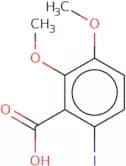

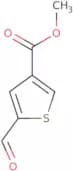
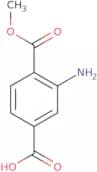
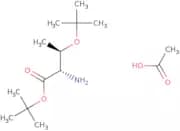
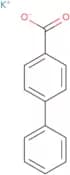
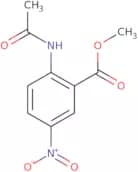
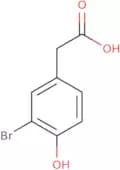
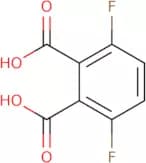
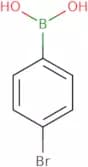
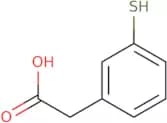
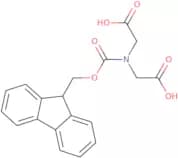
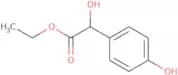
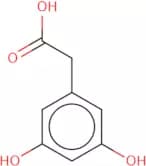
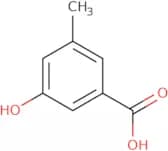

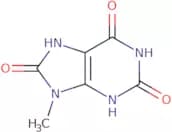
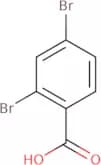
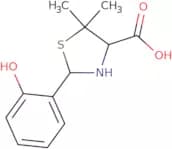
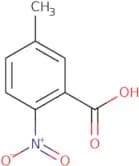
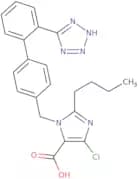
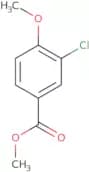
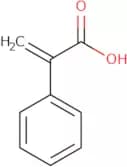
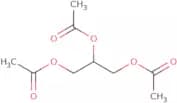
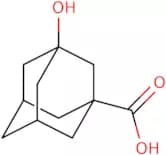

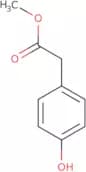
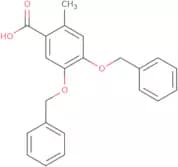
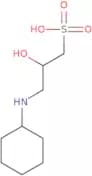
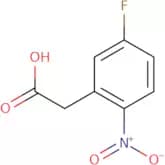
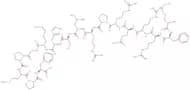
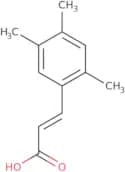
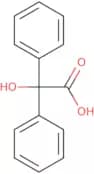
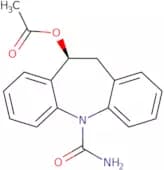
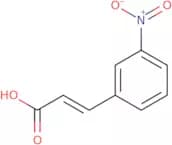
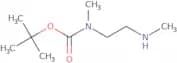
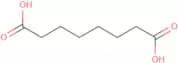
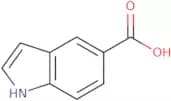
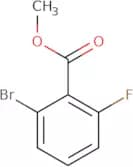
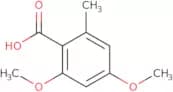
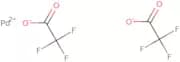

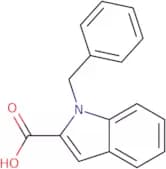
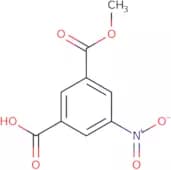
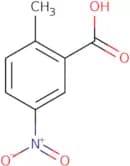
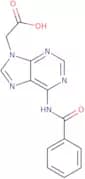
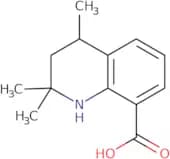
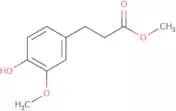

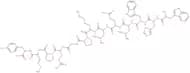
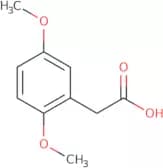

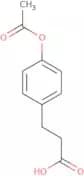
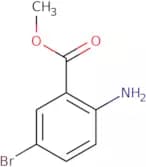
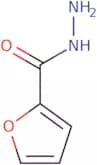
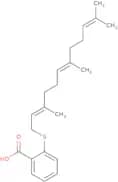
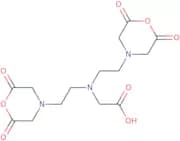

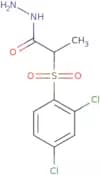
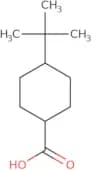
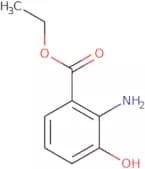
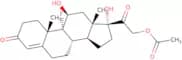
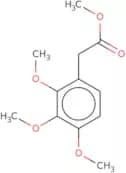
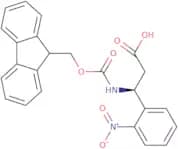
![(2-[Biotinamido]ethylamido)-3,3'-dithiodipropionic acid N-hydroxysuccinimide ester](/_next/image/?url=https%3A%2Fstatic.cymitquimica.com%2Fproducts%2F3D%2Fthumb-webp%2FFB52737.webp&w=3840&q=75)
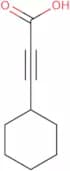
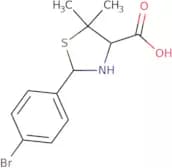
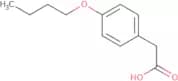
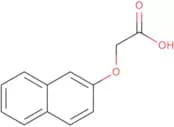

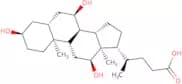
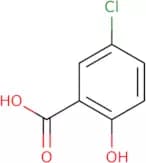
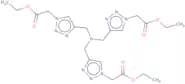
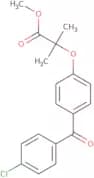
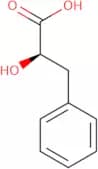
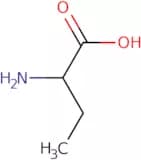
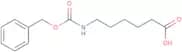
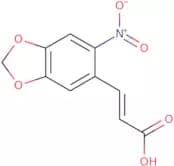
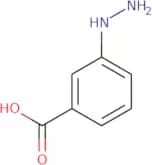
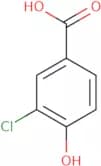
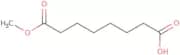
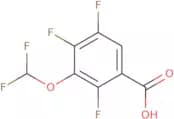
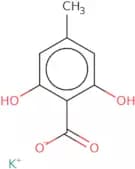
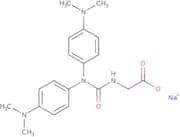
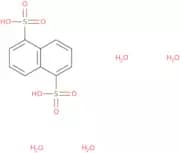
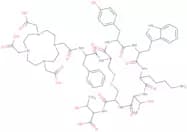
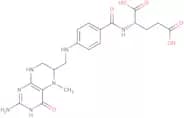
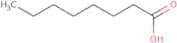
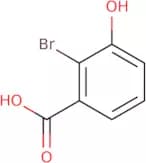
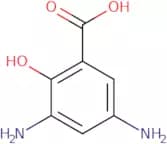
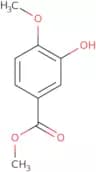

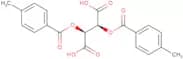
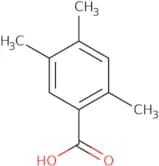
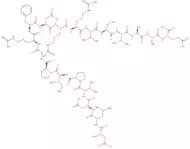
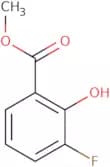
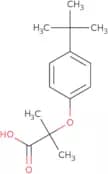
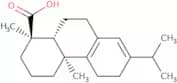

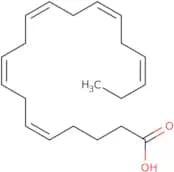
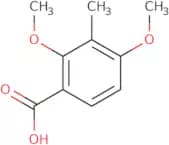
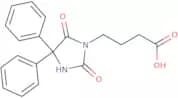
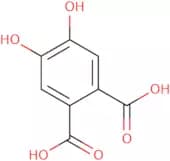
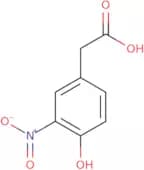
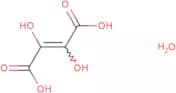
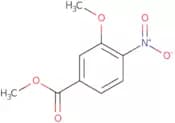
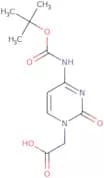
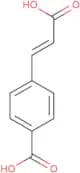
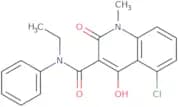
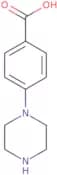
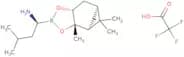

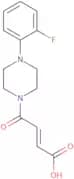
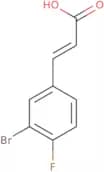
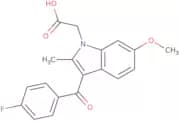
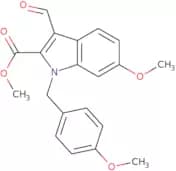
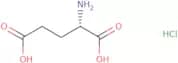

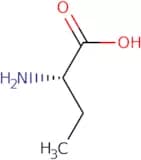
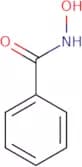
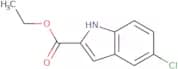
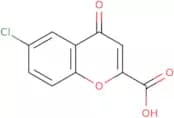
![2,2-Difluoro-2-[1,1,2,2-tetrafluoro-2-(trifluoromethoxy)ethoxy]acetic acid](/_next/image/?url=https%3A%2Fstatic.cymitquimica.com%2Fproducts%2F3D%2Fthumb-webp%2FFD99821.webp&w=3840&q=75)
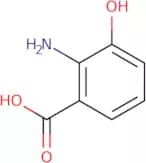
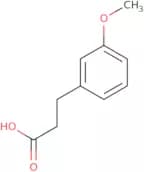
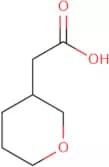
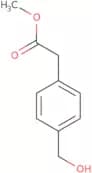
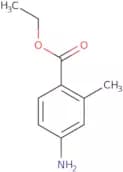
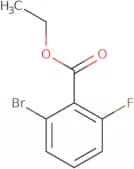
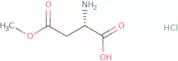
![1-[[6-(2,5-Dihydro-2,5-dioxo-1H-pyrrol-1-yl)-1-oxohexyl]oxy]-2,5-dioxo-3-pyrrolidinesulfonic acid …](/_next/image/?url=https%3A%2Fstatic.cymitquimica.com%2Fproducts%2F3D%2Fthumb-webp%2FFD24987.webp&w=3840&q=75)
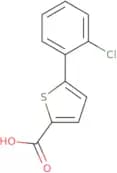
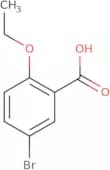
![Imidazo[1,2-α]pyridin-3-yl-boronic acid pinacol ester](/_next/image/?url=https%3A%2Fstatic.cymitquimica.com%2Fproducts%2F3D%2Fthumb-webp%2FFI51745.webp&w=3840&q=75)
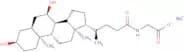
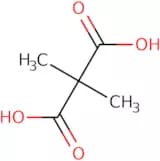
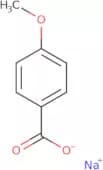
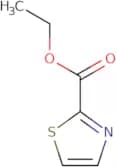
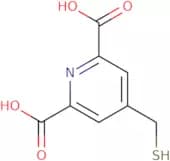
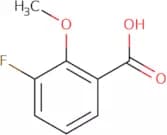

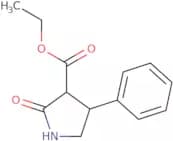
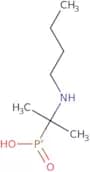
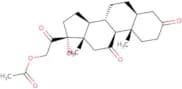
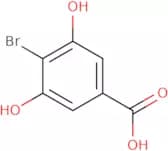
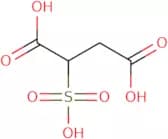
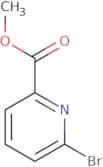
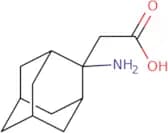

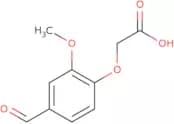
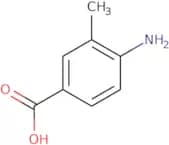
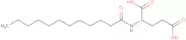

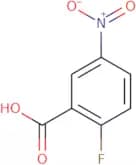
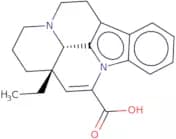
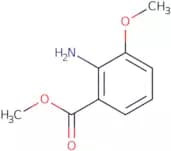


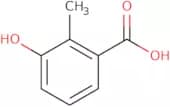
![Methyl (2Z)-[5-(3-chlorophenyl)-1,3-dihydro-2H-1,4-benzodiazepin-2-ylidene]acetate](/_next/image/?url=https%3A%2Fstatic.cymitquimica.com%2Fproducts%2F3D%2Fthumb-webp%2FFM128487.webp&w=3840&q=75)
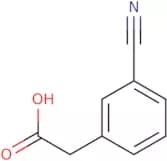
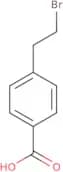
![Hydroxy-[4-(4-hydroxy-5-bromo-3-iodophenoxy)-3,5-diiodophenyl]acetic acid](/_next/image/?url=https%3A%2Fstatic.cymitquimica.com%2Fproducts%2F3D%2Fthumb-webp%2FFH66633.webp&w=3840&q=75)
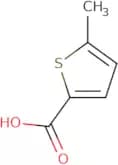
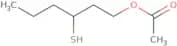
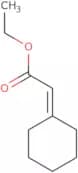
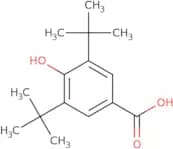
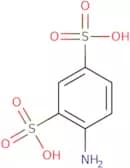
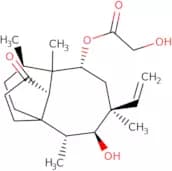
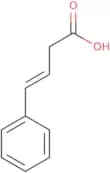

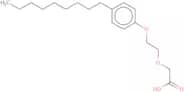

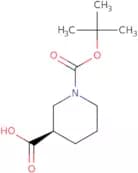
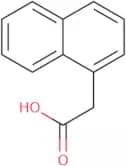
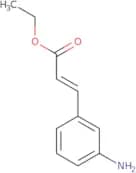
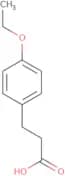
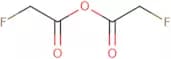
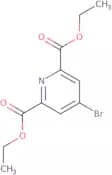

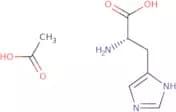
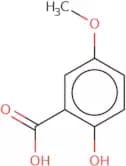
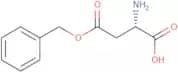
![methyl 1-[(4-methylphenyl)sulfonyl]-4-piperidinecarboxylate](/_next/image/?url=https%3A%2Fstatic.cymitquimica.com%2Fproducts%2F3D%2Fthumb-webp%2FFM168868.webp&w=3840&q=75)