Carboxylic Acids
Carboxylic acids are organic molecules characterized by having a carboxyl-type functional group (-COOH). These acids are fundamental in various chemical reactions, including esterification, amidation, and decarboxylation. Carboxylic acids are widely used in the production of pharmaceuticals, polymers, and agrochemicals. In this section, you can find a large number of carboxylic acids ready to be used. At CymitQuimica, we provide a broad range of high-quality carboxylic acids to support your research and industrial applications.
Found 12453 products of "Carboxylic Acids"
Sort by
Purity (%)
0
100
|
0
|
50
|
90
|
95
|
100
DABCYL-Tyr-Val-Ala-Asp-Ala-Pro-Val-EDANS trifluoroacetate salt
CAS:<p>DABCYL-Tyr-Val-Ala-Asp-Ala-Pro-Val-EDANS trifluoroacetate salt is a reactive dye that has been shown to bind to the granule neurons of the cerebellum in HL60 cells. It is used as an indicator of protease activity, as it undergoes hydrolysis by serine proteases. DABCYL-Tyr-Val-Ala-Asp-Ala-Pro-Val-EDANS trifluoroacetate salt has also been shown to activate caspase 1 and cause neuronal death in a number of experimental models. This molecule is used for fluorescent labeling and detection of protein synthesis, as well as for visualization of the termini of proteins and other molecules. DABCYL Tyr Val Ala Asp Ala Pro Val EDANS trifluoroacetate salt is also known to be an antiinflammatory agent that may be effective against infectious diseases such as HIV,</p>Formula:C61H76N12O14SPurity:Min. 95%Molecular weight:1,233.39 g/mol2,4-Dihydroxy-5-methylbenzoic acid
CAS:<p>2,4-Dihydroxy-5-methylbenzoic acid is a high quality chemical that can be used as a reagent, intermediate, or building block. It has many uses in the production of fine chemicals and research chemicals. 2,4-Dihydroxy-5-methylbenzoic acid is also a versatile building block for organic synthesis reactions. This compound has shown to have anti-inflammatory properties and may be useful as a treatment for arthritis.</p>Formula:C8H8O4Purity:Min. 95%Color and Shape:PowderMolecular weight:168.15 g/mol(Met186)-Melanocyte Protein PMEL 17 (185-193) (human, bovine, mouse) trifluoroacetate salt
CAS:<p>Please enquire for more information about (Met186)-Melanocyte Protein PMEL 17 (185-193) (human, bovine, mouse) trifluoroacetate salt including the price, delivery time and more detailed product information at the technical inquiry form on this page</p>Formula:C47H74N10O14SPurity:Min. 95%Molecular weight:1,035.22 g/molH-Phe-D-Met-Arg-Phe-NH2 trifluoroacetate salt
CAS:<p>Please enquire for more information about H-Phe-D-Met-Arg-Phe-NH2 trifluoroacetate salt including the price, delivery time and more detailed product information at the technical inquiry form on this page</p>Formula:C29H42N8O4SPurity:Min. 95%Molecular weight:598.76 g/molLactoferricin B (4-14) (bovine) trifluoroacetate salt
CAS:<p>Lactoferricin B (4-14) (bovine) trifluoroacetate salt is a peptide derivative, which is a fragment derived from bovine lactoferrin. It is obtained by enzymatic digestion of lactoferrin, a glycoprotein with a well-established role in the innate immune system. This specific peptide, Lactoferricin B (4-14), is known for its potent antimicrobial properties, attributed to its amphipathic structure that facilitates the disruption of microbial membranes. Additionally, it can modulate immune responses through interactions with immune cells, thereby influencing inflammatory processes.</p>Formula:C70H113N25O13SPurity:Min. 95%Molecular weight:1,544.87 g/molOxyntomodulin (bovine, dog, porcine) trifluoroacetate salt
CAS:<p>Please enquire for more information about Oxyntomodulin (bovine, dog, porcine) trifluoroacetate salt including the price, delivery time and more detailed product information at the technical inquiry form on this page</p>Formula:C192H295N59O60SPurity:Min. 95%Molecular weight:4,421.82 g/mol(Val671)-Amyloid b/A4 Protein Precursor770 (667-676) trifluoroacetate salt
CAS:<p>Please enquire for more information about (Val671)-Amyloid b/A4 Protein Precursor770 (667-676) trifluoroacetate salt including the price, delivery time and more detailed product information at the technical inquiry form on this page</p>Formula:C51H82N14O18Purity:Min. 95%Molecular weight:1,179.28 g/mol(N-Me-Phe7)-Neurokinin B trifluoroacetate salt
CAS:<p>Please enquire for more information about (N-Me-Phe7)-Neurokinin B trifluoroacetate salt including the price, delivery time and more detailed product information at the technical inquiry form on this page</p>Formula:C60H81N13O14S2Purity:Min. 95%Molecular weight:1,272.5 g/mol4-Chloro-Nicotinic acid ethyl ester hydrochloride
CAS:<p>4-Chloro-Niacin is a lead compound for the treatment of diabetes. The drug is an agonist of the G protein coupled receptor, which is involved in glucose homeostasis and insulin secretion. 4-Chloro-Niacin has been shown to decrease blood glucose levels in diabetic rats by activating the G protein coupled receptor, thereby increasing the release of insulin from pancreatic beta cells. This compound also has an affinity for pyridine nucleotide receptors, suggesting that it may be useful for treating metabolic syndromes.</p>Formula:C8H8ClNO2·HClPurity:Min. 95%Molecular weight:222.07 g/molUndecanoic acid
CAS:<p>Undecanoic acid is a fatty acid that belongs to the class of saturated fatty acids. It has been shown to have a number of biological effects, including lowering cholesterol levels, preventing and treating opportunistic fungal infections, and as a contraceptive. Undecanoic acid is also known to increase the body mass index (BMI) in mice and may be useful in the treatment of coronary heart diseases in humans.</p>Formula:C11H22O2Purity:Min. 95%Color and Shape:PowderMolecular weight:186.29 g/mol4-[(4-Methylpiperazin-1-yl)methyl]benzoic acid
CAS:<p>4-[(4-Methylpiperazin-1-yl)methyl]benzoic acid is an organic compound. It is a white solid that is insoluble in water but soluble in organic solvents. The molecule has a molecular weight of 224.8 g/mol and contains a carbonyl group and amine functional groups. 4-[(4-Methylpiperazin-1-yl)methyl]benzoic acid can be prepared by the acylation of 4-(aminomethyl)-benzoic acid with imidazole hydrochloride in the presence of sodium carbonate as a base.</p>Formula:C13H18N2O2Purity:Min. 95%Molecular weight:234.29 g/molTIP-39 trifluoroacetate salt
CAS:<p>Please enquire for more information about TIP-39 trifluoroacetate salt including the price, delivery time and more detailed product information at the technical inquiry form on this page</p>Formula:C202H325N61O54SPurity:Min. 95%Molecular weight:4,504.19 g/molHTLV-1 Tax (11-19) trifluoroacetate salt
CAS:<p>Please enquire for more information about HTLV-1 Tax (11-19) trifluoroacetate salt including the price, delivery time and more detailed product information at the technical inquiry form on this page</p>Formula:C56H79N9O12Purity:Min. 95%Molecular weight:1,070.28 g/mol5,6-Dichloronicotinic acid
CAS:<p>5,6-Dichloronicotinic acid is a compound that can be synthesized by reacting methyl ketones with chloroacetic acid. It is used in the synthesis of maleic anhydride and has been shown to inhibit the catalysis of acetylcholine chloride. 5,6-Dichloronicotinic acid has also been shown to have an inhibitory effect on Alzheimer's disease. The kinetic mechanism for this inhibition occurs through the hydrolysis step of 5,6-Dichloronicotinic acid by magnesium chloride in hexane solution. The reactive acylation reaction proceeds when 5,6-Dichloronicotinic acid reacts with acetic anhydride in the presence of pyridine.</p>Formula:C6H3Cl2NO2Color and Shape:PowderMolecular weight:192 g/mol(Sar 1,Val5,Ala8)-Angiotensin II trifluoroacetate salt
CAS:<p>Angiotensin II is a peptide hormone that is also known as angiotensin II trifluoroacetate salt. It has been shown to have cardioprotective effects in vivo and in vitro models. Angiotensin II has been shown to induce follicular growth, inhibit atherosclerotic lesion formation, and improve cardiac function. Angiotensin II can be used to treat patients with congestive heart failure or cardiovascular disease due to its ability to increase blood pressure and the rate of cardiac contractions. The drug also reduces systolic pressure by acting on receptors in the kidneys and vasculature, which are involved in the renin-angiotensin system.</p>Formula:C42H65N13O10•C2HF3O2Purity:Min. 95%Color and Shape:PowderMolecular weight:1,026.07 g/molTert-butyl 4-(3-hydroxypropyl)tetrahydro-1(2H)-pyridinecarboxylate
CAS:<p>Please enquire for more information about Tert-butyl 4-(3-hydroxypropyl)tetrahydro-1(2H)-pyridinecarboxylate including the price, delivery time and more detailed product information at the technical inquiry form on this page</p>Formula:C13H25NO3Purity:Min. 95%Molecular weight:243.34 g/molAcetyl-ACTH (2-24) (human, bovine, rat) trifluoroacetate salt
CAS:<p>Please enquire for more information about Acetyl-ACTH (2-24) (human, bovine, rat) trifluoroacetate salt including the price, delivery time and more detailed product information at the technical inquiry form on this page</p>Formula:C135H207N39O30SPurity:Min. 95%Molecular weight:2,888.4 g/mol(Des-Bromo)-Neuropeptide B (1-23) (human) trifluoroacetate salt
CAS:<p>Please enquire for more information about (Des-Bromo)-Neuropeptide B (1-23) (human) trifluoroacetate salt including the price, delivery time and more detailed product information at the technical inquiry form on this page</p>Formula:C107H162N30O30Purity:Min. 95%Molecular weight:2,348.62 g/mol2-Methoxy-6-picolinic acid
CAS:<p>2-Methoxy-6-picolinic acid (2MPA) is a picolinate that has been shown to be an effective catalyst for the conversion of alcohols into allylic alcohols. 2MPA is able to catalyze the reaction by abstracting hydrogen from the carbonyl group, and then adding it to the adjacent carbon. This reaction can produce peroxide as a byproduct, which is subsequently hydrolyzed to form water and alcohol. The β-unsaturated carbonyl group of 2MPA provides additional stability for this catalytic process.<br>2MPA can also be used as a catalyst in other reactions, such as the oxidation of benzylic alcohols with hydrogen peroxide to form benzylic carbonyl compounds.</p>Formula:C7H7NO3Purity:Min. 95%Color and Shape:PowderMolecular weight:153.14 g/molAnthranilyl-HIV Protease Substrate V trifluoroacetate salt
CAS:<p>Please enquire for more information about Anthranilyl-HIV Protease Substrate V trifluoroacetate salt including the price, delivery time and more detailed product information at the technical inquiry form on this page</p>Formula:C50H76N14O13Purity:Min. 95%Molecular weight:1,081.23 g/mol2-Methylpyridine-4-boronic acid
CAS:<p>2-Methylpyridine-4-boronic acid is a reactive molecule that has been used in post-column derivatization and vivo studies. It has been shown to be reactive with mass spectrometric analysis, cancer assays, proteomics, and tumorigenic sample preparation. It also has been shown to have a molecular target of the cytochrome P450 reductase (CPR), which is involved in the metabolism of drugs and other xenobiotics. 2-Methylpyridine-4-boronic acid binds to CPR and inhibits its enzymatic activity, thereby affecting the metabolism of xenobiotics.</p>Formula:C6H8BNO2Purity:Min. 95%Color and Shape:White PowderMolecular weight:136.94 g/mol(4S,5R)-3-Benzoyl-2-(4-methoxyphenyl)-4-phenyl-5-oxazolidinecarboxylic acid
CAS:<p>Please enquire for more information about (4S,5R)-3-Benzoyl-2-(4-methoxyphenyl)-4-phenyl-5-oxazolidinecarboxylic acid including the price, delivery time and more detailed product information at the technical inquiry form on this page</p>Formula:C24H21NO5Purity:Min. 95%Color and Shape:White To Off-White SolidMolecular weight:403.43 g/molH-Glu(EDANS)-Lys-Pro-Ala-Lys-Phe-Phe-Arg-Leu-Lys(DABCYL)-NH2 trifluoroacetate salt
CAS:<p>Please enquire for more information about H-Glu(EDANS)-Lys-Pro-Ala-Lys-Phe-Phe-Arg-Leu-Lys(DABCYL)-NH2 trifluoroacetate salt including the price, delivery time and more detailed product information at the technical inquiry form on this page</p>Formula:C88H124N22O15SPurity:Min. 95%Molecular weight:1,762.13 g/mol(Deamino-Cys1,b-cyclohexyl-Ala4,Arg8)-Vasopressin trifluoroacetate salt
CAS:<p>Desmopressin is a synthetic analogue of vasopressin, which is used to treat disorders associated with insufficient secretion of vasopressin. It has been shown that desmopressin binds to the vasopressin V2 receptor subtype and stimulates the release of arginine-vasopressin in corticotropin-releasing hormone (CRH)-treated rat pituitary cells. This stimulation was mediated by a residue on the Cys1,b-cyclohexyl residue. The binding of desmopressin to this site was demonstrated in vitro using binding experiments on rat brain synaptosomes. Desmopressin has also been shown to stimulate ovulation in rats and humans, and it has been shown to be effective for treating nocturnal enuresis in children.</p>Formula:C50H71N13O11S2Purity:Min. 95%Molecular weight:1,094.31 g/molH-Pro-Lys-OH acetate salt
CAS:<p>H-Pro-Lys-OH acetate salt is a synthetic compound that is specific for histidine residues. It catalyzes the hydrolysis of fibrinogen to form fibrin, which can be used in the formation of blood clots. This molecule has been shown to have a number of sequences and acid analysis. H-Pro-Lys-OH acetate salt can be used as an additive in food products. The incubation process should be done at pH 4.5 and the reaction should be stopped by adding tripeptides followed by using ion-exchange chromatography or SDS polyacrylamide gel electrophoresis to analyze the amino acids present in the product.</p>Formula:C11H21N3O3Purity:Min. 95%Molecular weight:243.3 g/mol1H-Pyrrole-2,5-dicarboxylic acid
CAS:<p>1H-Pyrrole-2,5-dicarboxylic acid is a biosynthetic precursor of the amide functional group. It is synthesized from the carboxylic acid functional group and ferrocene. It has been shown to be a putative precursor of pyrrole-2-carboxylic acid in the pyrrole system. 1H-Pyrrole-2,5-dicarboxylic acid reacts with carbon tetrachloride and diethyl iminodiacetate in refluxing chloroform to produce coelicolor. The reaction mechanism for this transformation is unknown, but it is hypothesized that it involves a radical mechanism.</p>Formula:C6H5NO4Purity:Min. 95%Molecular weight:155.11 g/molH-Glu-Glu-Lys-Leu-Ile-Val-Val-Ala-Phe-OH trifluoroacetate salt
CAS:<p>Please enquire for more information about H-Glu-Glu-Lys-Leu-Ile-Val-Val-Ala-Phe-OH trifluoroacetate salt including the price, delivery time and more detailed product information at the technical inquiry form on this page</p>Formula:C50H82N10O14Purity:Min. 95%Molecular weight:1,047.25 g/molH-Phe-Met-D-Arg-Phe-NH2 acetate salt
CAS:<p>Please enquire for more information about H-Phe-Met-D-Arg-Phe-NH2 acetate salt including the price, delivery time and more detailed product information at the technical inquiry form on this page</p>Formula:C29H42N8O4SPurity:Min. 95%Molecular weight:598.76 g/molHemokinin 1 (human) trifluoroacetate salt
CAS:<p>Hemokinin-1 is a hematopoietic cell growth factor that belongs to the group of neuropeptides. This protein has been shown to stimulate the production of white blood cells and is used as an adjuvant in vaccines. Hemokinin-1 stimulates the production of inflammatory cytokines and other proinflammatory substances. It also has been found to be involved in autoimmune diseases, cancer, and infectious diseases. The antigen binding site on Hemokinin-1 is located at residues Thr-Gly-Lys-Ala-Ser-Gln-Phe-Phe-Gly-Leu (TGLKSGPFGL) and the receptor binding site at residues Met-NH2. The receptor for Hemokinin 1 is the neurokinin 1 receptor (NK1R).</p>Formula:C54H84N14O14SPurity:Min. 95%Molecular weight:1,185.4 g/mol2-Cyclohexyl-2-hydroxy-phenylacetic acid
CAS:<p>2-Cyclohexyl-2-hydroxy-phenylacetic acid is a potent inhibitor of the cholinergic muscarinic receptors. It has been used as an anticholinergic drug and in pharmaceutical preparations for the treatment of inflammatory diseases. 2-Cyclohexyl-2-hydroxy-phenylacetic acid is used to treat urinary incontinence, although it can also cause constipation. Side effects of 2-cyclohexyl-2-hydroxy phenylacetic acid include headache, drowsiness, dry mouth, and blurred vision. 2 CPHPA is an inorganic acid that reacts with phosphorus pentachloride to form an organic phosphate ester called pentachlorophosphoric acid (PCPA). This reaction can be reversed by adding hydrochloric acid. The PCPA salt of 2 CPHPA is called diethylamine salt.</p>Formula:C14H18O3Purity:Min. 95%Molecular weight:234.29 g/molSyntide 2 trifluoroacetate salt
CAS:<p>Syntide 2 is a diacylglycerol, which has been found to have a number of biochemical properties. It is an activator of protein kinase C and has been shown to be reactive in vitro assays. Syntide 2 has also been found to activate the light chain kinase in plant physiology. This compound has also been shown to promote neuronal death and may have a role in transcriptional regulation. Syntide 2 is used as a model system for studying the physiological function of α subunit-containing proteins.</p>Formula:C68H122N20O18Purity:Min. 95%Molecular weight:1,507.82 g/molHydrazine acetate
CAS:Controlled Product<p>Hydrazine acetate is an organic solution that has a glycoconjugate. It is also found in uridine, hydrogen bond and serine protease. Hydrazine acetate has been shown to have a benzyl group and carbonyl group. Hydrazine acetate interacts with trifluoroacetic acid and particle. This drug can be used for the treatment of autoimmune diseases, such as rheumatoid arthritis, and infectious diseases such as HIV/AIDS. Hydrazine acetate has shown high values for growth factor activity, which may be due to its ability to inhibit the enzyme ns3 protease in the synthesis of proinflammatory cytokines.</p>Formula:C2H4O2·H4N2Purity:Min. 95%Color and Shape:White PowderMolecular weight:92.1 g/molAc-Ala-Ala-Val-Ala-Leu-Leu-Pro-Ala-Val-Leu-Leu-Ala-Leu-Leu-Ala-Pro-Ile-Glu-Thr-Asp-aldehyde trifluoroacetate salt
CAS:<p>Please enquire for more information about Ac-Ala-Ala-Val-Ala-Leu-Leu-Pro-Ala-Val-Leu-Leu-Ala-Leu-Leu-Ala-Pro-Ile-Glu-Thr-Asp-aldehyde trifluoroacetate salt including the price, delivery time and more detailed product information at the technical inquiry form on this page</p>Formula:C95H162N20O26Purity:Min. 95%Molecular weight:2,000.42 g/molLeptin (116-130) amide (mouse) trifluoroacetate salt
CAS:<p>Amide; Trifluoroacetate salt</p>Formula:C64H109N19O24SPurity:Min. 95%Molecular weight:1,560.73 g/molAc-Trp-Glu-His-Asp-AFC trifluoroacetate salt
CAS:<p>Please enquire for more information about Ac-Trp-Glu-His-Asp-AFC trifluoroacetate salt including the price, delivery time and more detailed product information at the technical inquiry form on this page</p>Formula:C38H37F3N8O11Purity:Min. 95%Molecular weight:838.74 g/molHIV-1 gag Protein p17 (76-84) acetate salt
CAS:<p>Acetate salt of HIV-1 gag Protein p17 (76-84) is a reactive acridone, hydrocarbon, nitrogen atom and hydrates that is injected to regulate depression. Acetate salt of HIV-1 gag Protein p17 (76-84) has been shown to bind to the telomerase enzyme and inhibit cancer cell growth. Acetate salt of HIV-1 gag Protein p17 (76-84) also has a role in regulating metabolism in cells. Acetate salt of HIV-1 gag Protein p17 (76-84) has been shown to have solvating properties and can be used as a heterocyclic ring section in gas phase reactions.</p>Formula:C44H72N10O15Purity:Min. 95%Molecular weight:981.1 g/mol4-Oxo-1-adamantanecarboxylic acid
CAS:<p>4-Oxo-1-adamantanecarboxylic acid is a versatile building block that can be used as a reactant and reagent in organic chemistry. It is used to synthesize various heterocyclic compounds, including the 4-oxo-1,4-dihydropyridine ring system. This compound has been shown to be useful as an intermediate or building block in the synthesis of a number of complex compounds. 4-Oxo-1-adamantanecarboxylic acid may also be used as a research chemical or speciality chemical.</p>Formula:C11H14O3Purity:Min. 95%Color and Shape:White PowderMolecular weight:194.23 g/molOrphan GPCR SP9155 Agonist P550 (mouse) trifluoroacetate salt
CAS:<p>Please enquire for more information about Orphan GPCR SP9155 Agonist P550 (mouse) trifluoroacetate salt including the price, delivery time and more detailed product information at the technical inquiry form on this page</p>Formula:C126H195N37O37Purity:Min. 95%Molecular weight:2,820.12 g/molIntermedin (rat) trifluoroacetate salt
CAS:<p>Please enquire for more information about Intermedin (rat) trifluoroacetate salt including the price, delivery time and more detailed product information at the technical inquiry form on this page</p>Formula:C226H361N75O64S2Purity:Min. 95%Molecular weight:5,216.88 g/mol3,5-Dichloropyrazine-2-carboxylicacid
CAS:<p>Please enquire for more information about 3,5-Dichloropyrazine-2-carboxylicacid including the price, delivery time and more detailed product information at the technical inquiry form on this page</p>Formula:C5H2Cl2N2O2Purity:Min. 95%Molecular weight:192.99 g/molKyotorphin acetate salt
CAS:<p>Please enquire for more information about Kyotorphin acetate salt including the price, delivery time and more detailed product information at the technical inquiry form on this page</p>Formula:C15H23N5O4Purity:Min. 95%Molecular weight:337.37 g/molH-Arg-ε-aminocaproyl-Arg-ε-aminocaproyl-Arg-ε-aminocaproyl-Arg-ε-aminocaproyl-Arg-ε-aminocaproyl-Arg-e psilon-aminocaproyl-Arg-OH trifluoroacetate salt
CAS:<p>Please enquire for more information about H-Arg-epsilon-aminocaproyl-Arg-epsilon-aminocaproyl-Arg-epsilon-aminocaproyl-Arg-epsilon-aminocaproyl-Arg-epsilon-aminocaproyl-Arg-e psilon-aminocaproyl-Arg-OH trifluoroacetate salt including the price, delivery time and more detailed product information at the technical inquiry form on this page</p>Formula:C78H152N34O14Purity:Min. 95%Molecular weight:1,790.26 g/molTLQP-21 (mouse, rat) trifluoroacetate salt
CAS:<p>Please enquire for more information about TLQP-21 (mouse, rat) trifluoroacetate salt including the price, delivery time and more detailed product information at the technical inquiry form on this page</p>Formula:C107H170N40O26Purity:Min. 95%Molecular weight:2,432.75 g/molNesfatin-1 (30-59) (mouse, rat) trifluoroacetate salt
<p>Please enquire for more information about Nesfatin-1 (30-59) (mouse, rat) trifluoroacetate salt including the price, delivery time and more detailed product information at the technical inquiry form on this page</p>Formula:C167H260N40O54Purity:Min. 95%Molecular weight:3,692.09 g/molPAR-4 (1-6) (mouse) trifluoroacetate salt
CAS:<p>Please enquire for more information about PAR-4 (1-6) (mouse) trifluoroacetate salt including the price, delivery time and more detailed product information at the technical inquiry form on this page</p>Formula:C33H45N7O8Purity:Min. 95%Molecular weight:667.75 g/molH-Cys(NPys)-Arg-Arg-Arg-Arg-Arg-Arg-Arg-Arg-Arg-NH2 trifluoroacetate salt
CAS:<p>Please enquire for more information about H-Cys(NPys)-Arg-Arg-Arg-Arg-Arg-Arg-Arg-Arg-Arg-NH2 trifluoroacetate salt including the price, delivery time and more detailed product information at the technical inquiry form on this page</p>Formula:C62H118N40O12S2Purity:Min. 95%Molecular weight:1,679.99 g/molH-His-Leu-His-bNA acetate salt
CAS:<p>Please enquire for more information about H-His-Leu-His-bNA acetate salt including the price, delivery time and more detailed product information at the technical inquiry form on this page</p>Formula:C28H34N8O3Purity:Min. 95%Molecular weight:530.62 g/mol(Dab 9)-Neurotensin (8-13) trifluoroacetate salt
CAS:<p>Please enquire for more information about (Dab 9)-Neurotensin (8-13) trifluoroacetate salt including the price, delivery time and more detailed product information at the technical inquiry form on this page</p>Formula:C36H60N10O8Purity:Min. 95%Molecular weight:760.92 g/molEndotrophin (mouse) trifluoroacetate salt
CAS:<p>A carboxyl-terminal cleavage product of collagen 6 alpha-3 chain which is produced and released by adipocytes and massively upregulated in malignant tumors of breast, liver colon and pancreas. Endotrophin provides a link between obesity and aggressive tumor growth and may serve as sensitive diagnostic marker and valid therapeutic target for designing better strategies to treat cancer and ameliorate obesity-induced insulin resistance.</p>Formula:C345H520N92O106S7Purity:Min. 95%Molecular weight:7,876.84 g/mol5-Bromo-2-fluorobenzoic acid
CAS:<p>5-Bromo-2-fluorobenzoic acid is a potential drug that can be used to treat diseases such as malaria. It is also used in the synthesis of fluorine compounds, such as fluoroarenes. 5-Bromo-2-fluorobenzoic acid is activated by deprotonation with butyllithium and reacts with chlorine to give the product of 5-bromo-2-chlorobenzoic acid. The reagent chlorotrimethylsilane may also be used for this reaction. Substitution of fluorine for chlorine at the 2 position yields the desired product, 5-bromo-2-(trifluoromethyl)benzoic acid. This compound is a useful intermediate for making other drugs, including those that are important for treating cancer and viral infections.</p>Formula:C7H4BrFO2Purity:Min. 95%Color and Shape:PowderMolecular weight:219.01 g/molEledoisin acetate salt
CAS:<p>Eledoisin acetate salt is a cell-lysing agent that belongs to the group of potent antagonists. It is an inhibitor of neurokinin-1 receptor which regulates the release of substance P and other inflammatory mediators from nerve terminals. Eledoisin acetate salt has shown to inhibit locomotor activity in rats, as well as nucleotide levels in cells. This drug also has been shown to have carcinoid syndrome-like effects, such as weight loss and diarrhea. These symptoms are caused by the inhibition of substance P at its receptors. The tumor necrosis factor (TNF) may be responsible for these effects, since it causes increased production of substance P in cells.</p>Formula:C54H85N13O15S·xC2H4O2Purity:Min. 95%Molecular weight:1,188.4 g/molMca-Pro-Leu-Gly-Leu-Dap (Dnp)-Ala-Arg-NH2 trifluoroacetate salt
CAS:<p>Please enquire for more information about Mca-Pro-Leu-Gly-Leu-Dap (Dnp)-Ala-Arg-NH2 trifluoroacetate salt including the price, delivery time and more detailed product information at the technical inquiry form on this page</p>Formula:C49H68N14O15Purity:Min. 95%Molecular weight:1,093.15 g/mol(Des-Gly10,D-His2,D-Ser4,D-Leu6,Pro-NHEt 9)-LHRH trifluoroacetate salt
<p>Please enquire for more information about (Des-Gly10,D-His2,D-Ser4,D-Leu6,Pro-NHEt 9)-LHRH trifluoroacetate salt including the price, delivery time and more detailed product information at the technical inquiry form on this page</p>Formula:C59H84N16O12Purity:Min. 95%Molecular weight:1,209.4 g/molPrepro VIP (81-122) (human) trifluoroacetate salt
CAS:<p>Please enquire for more information about Prepro VIP (81-122) (human) trifluoroacetate salt including the price, delivery time and more detailed product information at the technical inquiry form on this page</p>Formula:C202H325N53O64SPurity:Min. 95%Molecular weight:4,552.13 g/molThrombin Receptor Antagonist trifluoroacetate salt
CAS:<p>Please enquire for more information about Thrombin Receptor Antagonist trifluoroacetate salt including the price, delivery time and more detailed product information at the technical inquiry form on this page</p>Formula:C58H91N17O20S2Purity:Min. 95%Molecular weight:1,410.58 g/mol2-Hydroxy nicotinic acid
CAS:<p>2-Hydroxy nicotinic acid is a carboxylate with a hydroxyl group. The compound has been shown to produce light emission in the presence of ultraviolet radiation and picolinic acid, which is an electron acceptor. This reaction is catalyzed by NADH oxidase and requires the presence of molecular oxygen. 2-Hydroxy nicotinic acid has also been shown to inhibit the activity of enzymes that are involved in the synthesis of nicotinamide adenine dinucleotide (NAD), including nicotinamide phosphoribosyltransferase (NAMPT), which produces NAD from niacinamide, and nicotinate phosphoribosyltransferase (NPT). The optimum concentration for this compound is between 1-2 mM. 2-Hydroxy nicotinic acid can be synthesized from natural compounds such as vitamin B3 or nicotinamide riboside through hydrolysis.</p>Formula:C6H5NO3Purity:Min. 95%Color and Shape:PowderMolecular weight:139.11 g/moltrans-1,2-Diaminocyclohexane-N,N,N',N'-tetraacetic acid monohydrate
CAS:<p>Trans-1,2-Diaminocyclohexane-N,N,N',N'-tetraacetic acid monohydrate (CDTA) is a chelating agent that has been shown to be effective in the treatment of some cancers. CDTA has been shown to inhibit the growth of tumor cells by binding to lysine residues on histones and DNA and inhibiting their acetylation. CDTA also prevents the genotoxicity induced by irradiation. CDTA can be used as an adjuvant in cancer therapy due to its ability to inhibit histone deacetylase activity. Trans-1,2-Diaminocyclohexane-N,N,N',N'-tetraacetic acid monohydrate is synthesized from two amino acids: lysine and glutamic acid. This molecule is a polymeric compound composed of cyclic molecules linked together through amide bonds. These polymers are linear chains of</p>Formula:C14H22N2O8·H2OColor and Shape:White PowderMolecular weight:364.35 g/molDynorphin A (1-10)-Gly-chloromethylketone trifluoroacetate salt
CAS:<p>Please enquire for more information about Dynorphin A (1-10)-Gly-chloromethylketone trifluoroacetate salt including the price, delivery time and more detailed product information at the technical inquiry form on this page</p>Formula:C60H95ClN20O12Purity:Min. 95%Molecular weight:1,323.98 g/molZ-Val-Arg-Pro-DL-Arg-fluoromethylketone trifluoroacetate salt
CAS:<p>Please enquire for more information about Z-Val-Arg-Pro-DL-Arg-fluoromethylketone trifluoroacetate salt including the price, delivery time and more detailed product information at the technical inquiry form on this page</p>Formula:C31H49FN10O6Purity:Min. 95%Molecular weight:676.78 g/mol(Ala1·3·11·15)-Endothelin-1 trifluoroacetate salt
CAS:<p>(Ala1·3·11·15)-Endothelin-1 trifluoroacetate salt H-Ala-Ser-Ala-Ser-Ser-Leu-Met-Asp-Lys-Glu-Ala-Val-Tyr-Phe-Ala-His-Leu) is a phorbol ester, which is an analog of endothelin. It has been shown to inhibit the production of proinflammatory cytokines and chemokines in vitro and in vivo. This compound also inhibits the migration and proliferation of vascular endothelial cells, which may be due to its ability to suppress Ca2+ concentration. (Ala1·3·11·15)-Endothelin -1 trifluoroacetate salt H-) can also be used as a fluorescent marker for immunohistochemical studies on tissues such as vessels and gastrointestinal tissues. The localization of this drug can be observed by microscopy techniques such as</p>Formula:C109H163N25O32SPurity:Min. 95%Molecular weight:2,367.68 g/mol(Des-Asp187,Met186)-Melanocyte Protein PMEL 17 (185-193) (human, bovine, mouse) trifluoroacetate salt
CAS:<p>Please enquire for more information about (Des-Asp187,Met186)-Melanocyte Protein PMEL 17 (185-193) (human, bovine, mouse) trifluoroacetate salt including the price, delivery time and more detailed product information at the technical inquiry form on this page</p>Formula:C43H69N9O11SPurity:Min. 95%Molecular weight:920.13 g/mol(Cys18)-Atrial Natriuretic Factor (4-18) amide (mouse, rabbit, rat) trifluoroacetate salt
CAS:<p>Please enquire for more information about (Cys18)-Atrial Natriuretic Factor (4-18) amide (mouse, rabbit, rat) trifluoroacetate salt including the price, delivery time and more detailed product information at the technical inquiry form on this page</p>Formula:C64H107N25O19S2Purity:Min. 95%Molecular weight:1,594.82 g/mol(Trp3,Arg5)-Ghrelin (1-5) trifluoroacetate salt
CAS:<p>Please enquire for more information about (Trp3,Arg5)-Ghrelin (1-5) trifluoroacetate salt including the price, delivery time and more detailed product information at the technical inquiry form on this page</p>Formula:C31H41N9O7Purity:Min. 95%Molecular weight:651.71 g/molMethyl 4-tert-butylphenylacetate
CAS:<p>Methyl 4-tert-butylphenylacetate is a chemical compound that has been used in various research collaborations. It is also used as a solvent for the production of octanoic acid and isobutyric acid, which are important chemical compounds for use in the food industry. The utilisation of methyl 4-tert-butylphenylacetate has been studied by researchers in relation to its maltol, levulinate and hexanoic acid derivatives. This compound can be used as a replacement for other chemicals such as sulfate, butanedione and propylene glycol in industrial applications.</p>Formula:C13H18O2Purity:Min. 95%Molecular weight:206.28 g/molNeuropeptide S (1-10) (human) trifluoroacetate salt
CAS:<p>Please enquire for more information about Neuropeptide S (1-10) (human) trifluoroacetate salt including the price, delivery time and more detailed product information at the technical inquiry form on this page</p>Formula:C42H68N14O14SPurity:Min. 95%Molecular weight:1,025.14 g/mol(D-Arg6,Asn10)-MCH (6-16) amide (human, mouse, rat) trifluoroacetate salt
CAS:<p>Please enquire for more information about (D-Arg6,Asn10)-MCH (6-16) amide (human, mouse, rat) trifluoroacetate salt including the price, delivery time and more detailed product information at the technical inquiry form on this page</p>Formula:C60H100N22O14S3Purity:Min. 95%Molecular weight:1,449.77 g/molNeuroendocrine Regulatory Peptide-2 (rat) trifluoroacetate salt
<p>Please enquire for more information about Neuroendocrine Regulatory Peptide-2 (rat) trifluoroacetate salt including the price, delivery time and more detailed product information at the technical inquiry form on this page</p>Formula:C175H290N56O59Purity:Min. 95%Molecular weight:4,122.52 g/molAcetyl-PACAP-38 (human, mouse, ovine, porcine, rat) trifluoroacetate salt
CAS:<p>Please enquire for more information about Acetyl-PACAP-38 (human, mouse, ovine, porcine, rat) trifluoroacetate salt including the price, delivery time and more detailed product information at the technical inquiry form on this page</p>Formula:C205H333N63O54SPurity:Min. 95%Molecular weight:4,576.3 g/molLeu-Enkephalin amide acetate salt
CAS:<p>Leu-Enkephalin amide acetate salt H-Tyr-Gly-Gly-Phe-Leu-NH2 acetate salt is a peptide that is used as an analgesic and antipyretic drug. It is a synthetic form of endogenous enkephalins, which are natural pain relievers. The chemical stability of Leu-Enkephalin amide acetate salt H-Tyr-Gly-Gly-Phe-Leu-NH2 acetate salt makes it an effective drug for chronic use, and it has been shown to have a low side effect profile. This compound also has been shown to block the synthesis of histamine in vivo, but its bioavailability in vivo is not high due to its rapid degradation by proteases.</p>Formula:C28H38N6O6Purity:Min. 95%Color and Shape:PowderMolecular weight:554.64 g/mol3-Methylbutanoic acid
CAS:<p>3-Methylbutanoic acid is an antimicrobial agent that belongs to the group of isovaleric acids. It is a product of β-oxidation and has been shown to inhibit the growth of bacteria by reacting with their surface. 3-Methylbutanoic acid inhibits bacterial growth by binding to the pyrazole ring in DNA and altering its conformation, preventing DNA replication. This reaction occurs at a rate comparable to that of other fluoroquinolones, such as ciprofloxacin, levofloxacin, and norfloxacin. 3-Methylbutanoic acid has been shown to have antibacterial activity against both Gram-positive and Gram-negative bacteria, particularly those that are resistant to erythromycin or lincomycin.</p>Formula:C5H10O2Purity:Min. 95%Color and Shape:PowderMolecular weight:102.13 g/mol(β-Asp5)-δ-Sleep Inducing Peptide trifluoroacetate salt
CAS:<p>(Beta-Asp5)-delta-Sleep Inducing Peptide is a synthetic molecule that has been shown to be an atypical compound. It is a fragment of the natural sleep-inducing peptide, which is also called clostridium sporogenes. The fragment was synthesized and found to have similar properties and structures as the natural form. The fragment is labile in neutral or acidic solution, but stable in basic conditions. (Beta-Asp5)-delta-Sleep Inducing Peptide can be used for the detection of methyltransferase activity, by using it as a substrate for methylation reactions and measuring the rate of spontaneous desorption from a matrix. This compound can also be used for proteomic studies by using matrix-assisted laser desorption ionization time-of-flight mass spectrometry (MALDI TOF MS) techniques.</p>Formula:C35H48N10O15Purity:Min. 95%Molecular weight:848.81 g/molBiotinyl-pTH (1-34) (human) trifluoroacetate salt
CAS:<p>Please enquire for more information about Biotinyl-pTH (1-34) (human) trifluoroacetate salt including the price, delivery time and more detailed product information at the technical inquiry form on this page</p>Formula:C191H305N57O53S3Purity:Min. 95%Molecular weight:4,344.02 g/mol3,5-Dibromobenzoic acid methyl ester
CAS:<p>3,5-Dibromobenzoic acid methyl ester is an organic compound that has isomers. It is a synthetic substance with the chemical formula CHBrO. This substance can be obtained by reacting benzoic acid with bromine in the presence of aluminium chloride. The nature of this substance is not known due to its multifold structure. 3,5-Dibromobenzoic acid methyl ester has been shown to absorb light and transfer it to another molecule. This molecule can then emit light of a different wavelength or energy level. The dipole moment of the substance interacts with other molecules in close proximity, leading to the transfer of electrons and photons from one molecule to another.</p>Formula:C8H6Br2O2Purity:Min. 95%Color and Shape:PowderMolecular weight:293.94 g/molAtrial Natriuretic Factor (3-28) (rat) trifluoroacetate salt
CAS:<p>Natriuretic factor is a peptide hormone that regulates blood pressure. This peptide is encoded by a gene located on chromosome 10 and is made up of 28 amino acids. Natriuretic factor binds to the membrane of mitochondria and zymogen granules, causing them to release their contents into the cytosol. The resulting increase in cytosolic volume causes an increased diastolic pressure, as well as an increased glomerular filtration rate and cardiac output. Natriuretic factors have also been shown to stimulate the production of natriuretic peptides, which are involved in water balance and electrolyte homeostasis.</p>Formula:C119H189N43O36S2Purity:Min. 95%Molecular weight:2,862.17 g/moltrans-2,5-Difluorocinnamic acid
CAS:<p>Trans-2,5-difluorocinnamic acid is a monomer that belongs to the group of organic acids. It is used as a solvent and in analytical methods. Trans-2,5-difluorocinnamic acid is also used to transport other substances and can be used in reactions with other molecules. Trans-2,5-difluorocinnamic acid has been shown to be neuropathic and has been tested for its ability to cause cataracts, but has not shown any evidence of mutagenicity.</p>Formula:C9H6F2O2Purity:Min. 95%Color and Shape:PowderMolecular weight:184.14 g/mol3-(4-Fluorobenzoyl)propionic acid
CAS:<p>3-(4-Fluorobenzoyl)propionic acid (3FBP) is a novel, orally active dopamine D4 receptor agonist. 3FBP binds to the D4 receptor with high affinity and has been shown to have potent antinociceptive effects in CD-1 mice. The compound has also been shown to be effective in reducing locomotor activity in rats, as well as inducing motor impairment and catalepsy in mice. 3FBP does not produce any significant changes in striatal dopamine levels, suggesting that it may have a different mechanism of action than traditional dopaminergic drugs.</p>Formula:C10H9FO3Purity:Min. 95%Color and Shape:White PowderMolecular weight:196.18 g/molH-Tyr-Cys-Phe-Ala-Trp-Lys-Thr-Phe-Cys-OH trifluoroacetate salt (Disulfide bond)
CAS:<p>Please enquire for more information about H-Tyr-Cys-Phe-Ala-Trp-Lys-Thr-Phe-Cys-OH trifluoroacetate salt (Disulfide bond) including the price, delivery time and more detailed product information at the technical inquiry form on this page</p>Formula:C57H71N11O12S2Purity:Min. 95%Molecular weight:1,166.37 g/mol4-Nitrobenzaldiacetate
CAS:<p>4-Nitrobenzaldiacetate is a crystalline solid that can be obtained by two-dimensional experimental methods. It has been shown to have high reactivity in the presence of ozone and sulfuric acid. The reaction product is the corresponding sulfate salt. The filtration technique is used to separate the desired product from the reaction mixture. This product can also be crystallized with catalytic amounts of sulfuric acid and 4-nitrobenzoic acid. The catalytic oxidation of 4-nitrobenzoic acid to form 4-nitrobenzaldaicetic acid, as well as its subsequent conversion to 4-nitrobenzaldiacetate, are both feasible reactions for this compound.</p>Formula:C11H11NO6Purity:Min. 95%Color and Shape:PowderMolecular weight:253.21 g/molω-Agatoxin IVa trifluoroacetate
CAS:<p>Omega-agatoxin IVa trifluoroacetate is a neurotoxin that inhibits voltage-dependent calcium channels. It blocks the opening of these channels, leading to an increase in cytosolic calcium. This toxin has been shown to be effective in treating autoimmune diseases and also has shown antimicrobial effects against bacteria. Omega-agatoxin IVa trifluoroacetate has a pathogenic mechanism that involves the inhibition of neuronal death by glutamate through its ability to block the release of glutamate from the presynaptic neuron. This toxin also binds to cerebellar Purkinje neurons and prevents them from firing, which leads to paralysis. Omega-agatoxin IVa trifluoroacetate is a glycosylated peptide with a disulfide bond that can be isolated using preparative high performance liquid chromatography (HPLC).</p>Formula:C217H360N68O60S10Purity:Min. 95%Molecular weight:5,202.26 g/molPropanedioic acid 1-methyl ester
CAS:<p>Propanedioic acid 1-methyl ester (PDM) is a synthetic trifluoroacetic acid ester of the natural fatty acid, propanedioic acid. It has been found to be a potent inhibitor of the enzyme malonic acid decarboxylase in vitro and has also been shown to inhibit the production of prostaglandin E2 in mice with adjuvant arthritis. PDM is used as a diagnostic agent for autoimmune diseases and inflammatory diseases. It is also being studied as an anti-inflammatory drug for use in the treatment of chronic inflammatory conditions such as rheumatoid arthritis, psoriasis, and ulcerative colitis. The mechanism of action is not well understood but may involve inhibition of arachidonic acid metabolism or inhibition of cyclooxygenase enzymes.</p>Formula:C4H6O4Purity:Min. 95%Color and Shape:Colourless To Pale Yellow Clear LiquidMolecular weight:118.09 g/molDefensin HNP-3 (human) trifluoroacetate salt
CAS:<p>HNP-3</p>Formula:C151H222N44O40S6Purity:Min. 95%Molecular weight:3,486.05 g/mol(Ser(Ac)3)-Ghrelin (mouse, rat) trifluoroacetate salt
CAS:<p>Please enquire for more information about (Ser(Ac)3)-Ghrelin (mouse, rat) trifluoroacetate salt including the price, delivery time and more detailed product information at the technical inquiry form on this page</p>Formula:C141H233N45O42Purity:Min. 95%Molecular weight:3,230.64 g/molH-Gly-Arg-Ala-Asp-Ser-Pro-OH trifluoroacetate salt
CAS:<p>H-Gly-Arg-Ala-Asp-Ser-Pro-OH trifluoroacetate salt is a peptide that binds to the α5β1 integrin receptor. It has been shown to inhibit the growth of carcinoma cell lines and induce apoptosis in tumor cells by binding to receptors on the surface of cancer cells. H-Gly-Arg-Ala-Asp-Ser-Pro-OH trifluoroacetate salt has also been shown to be effective against damaged tissue, such as adhesions, and promote wound healing by stimulating collagen production. This agent also has genotoxic effects and can cause DNA damage. H-Gly-Arg-Ala-Asp-Ser-Pro -OH trifluoroacetate salt may also have an antiapoptotic effect through its ability to bind with basic proteins, proapoptotic proteins, and epidermal growth factor receptor.</p>Formula:C23H39N9O10Purity:Min. 95%Molecular weight:601.61 g/molNeuroendocrine Regulatory Peptide-1 (human) trifluoroacetate salt
CAS:<p>Please enquire for more information about Neuroendocrine Regulatory Peptide-1 (human) trifluoroacetate salt including the price, delivery time and more detailed product information at the technical inquiry form on this page</p>Formula:C113H192N36O39Purity:Min. 95%Molecular weight:2,678.95 g/moltert-Butyl2-bromo-6,7-dihydrothiazolo[5,4-c]pyridine-5(4H)-carboxylate
CAS:<p>Please enquire for more information about tert-Butyl2-bromo-6,7-dihydrothiazolo[5,4-c]pyridine-5(4H)-carboxylate including the price, delivery time and more detailed product information at the technical inquiry form on this page</p>Formula:C11H15BrN2O2SPurity:Min. 95%Molecular weight:319.22 g/molZ-Arg-Arg-Arg-4MbetaNA acetate salt
CAS:Controlled Product<p>Please enquire for more information about Z-Arg-Arg-Arg-4MbetaNA acetate salt including the price, delivery time and more detailed product information at the technical inquiry form on this page</p>Formula:C37H53N13O6Purity:Min. 95%Molecular weight:775.9 g/molMatrix Protein M1 (58-66) (Influenza A virus) trifluoroacetate salt
CAS:<p>Please enquire for more information about Matrix Protein M1 (58-66) (Influenza A virus) trifluoroacetate salt including the price, delivery time and more detailed product information at the technical inquiry form on this page</p>Formula:C49H75N9O11·C2HF3O2Purity:Min. 95%Molecular weight:1,080.2 g/molMethoxycarbonyl-D-Nle-Gly-Arg-pNA acetate salt
CAS:<p>Please enquire for more information about Methoxycarbonyl-D-Nle-Gly-Arg-pNA acetate salt including the price, delivery time and more detailed product information at the technical inquiry form on this page</p>Formula:C22H34N8O7Purity:Min. 95%Molecular weight:522.56 g/molPreptin (human) trifluoroacetate salt
CAS:<p>Please enquire for more information about Preptin (human) trifluoroacetate salt including the price, delivery time and more detailed product information at the technical inquiry form on this page</p>Formula:C187H275N47O53Purity:Min. 95%Molecular weight:4,029.47 g/molD,L-Benzylsuccinic acid
CAS:<p>D,L-Benzylsuccinic acid is an oral hypoglycemic agent that belongs to the group of antidiabetic agents. It is a crystalline cellulose-based drug with a hypoglycemic effect. D,L-Benzylsuccinic acid has been shown to be effective in the treatment of autoimmune diseases, such as diabetes mellitus and rheumatoid arthritis. The mechanism of action of this drug is not yet fully understood.</p>Formula:C11H12O4Purity:Min. 95%Molecular weight:208.21 g/molTetrabutylammonium acetate
CAS:<p>Tetrabutylammonium acetate is a complex of tetrabutylammonium with the trifluoroacetate anion. It has been used as a reagent for the preparation of α-hydroxylated ketones, including natural products. Tetrabutylammonium acetate can be used in titration calorimetry to measure the heat evolved during the reaction between hydroxyl group and sodium salts. The heat released corresponds to the amount of water produced from this reaction. In this way, it can be determined whether or not a molecule contains an active hydrogen atom. Tetrabutylammonium acetate also reacts with reactive compounds such as dpp-iv inhibitors, forming a reactive intermediate that cannot be isolated due to its instability. This intermediate is detected by analytical methods such as plasma mass spectrometry or infrared spectroscopy. Tetrabutylammonium acetate also reacts with asymmetric synthesis, forming an intram</p>Formula:C16H36N•C2H3O2Purity:Min. 95%Color and Shape:PowderMolecular weight:301.51 g/mol(2-(2-Methoxyethoxy)ethoxy)acetic acid
CAS:<p>2-(2-Methoxyethoxy)ethoxy)acetic acid (MEAA) is a cell stabilizer that can be used in the treatment of cancer, diabetes, and other diseases. MEAA has been shown to inhibit the growth of cells by binding to and stabilizing the cytoskeleton through inhibition of protein synthesis. It also prevents the activation of pro-inflammatory cytokines and reactive oxygen species. MEAA's magnetic resonance spectroscopy properties have been studied in detail and it has been shown to bind well with silver ions. MEAA has also been shown to have high cytotoxicity when combined with laser ablation therapy.</p>Formula:C7H14O5Purity:90%Color and Shape:Clear LiquidMolecular weight:178.18 g/molAzilsartan medoxomil
CAS:<p>Azilsartan medoxomil is an antihypertensive drug, which is a prodrug of the angiotensin II receptor blocker azilsartan. It is synthesized through a chemical process involving the modification of the medoxomil ester, converting it into its active form upon absorption in the gastrointestinal tract. The primary mode of action of azilsartan medoxomil involves selective antagonism of the angiotensin II type 1 (AT1) receptor. By blocking the effects of angiotensin II—a potent vasoconstrictor—azilsartan medoxomil effectively reduces vascular resistance, leading to decreased blood pressure.</p>Formula:C30H24N4O8Purity:Min. 95%Color and Shape:White PowderMolecular weight:568.53 g/molGLP-1 (1-36) amide (human, bovine, guinea pig, mouse, rat) trifluoroacetate salt
CAS:<p>Please enquire for more information about GLP-1 (1-36) amide (human, bovine, guinea pig, mouse, rat) trifluoroacetate salt including the price, delivery time and more detailed product information at the technical inquiry form on this page</p>Formula:C184H273N51O57Purity:Min. 95%Molecular weight:4,111.45 g/mol(Des-Gly10, tBu-D-Gly6,Pro-NHEt 9)-LHRH acetate salt
CAS:<p>(Des-Gly10, tBu-D-Gly6,Pro-NHEt 9)-LHRH acetate salt Pyr-His-Trp-Ser-Tyr-tBu-D-Gly-Leu-Arg-Pro-NHEt acetate salt is a synthetic hormone that belongs to the group of gonadotropin releasing hormones (GnRH). It is used in veterinary medicine to stimulate ovulation and follicular growth in animals. (Des-Gly10, tBu-D-Gly6, Pro -NHEt9)-LHRH acetate salt Pyr -His -Trp -Ser -Tyr -tBu -D -Gly -Leu -Arg -Pro NHEt acetate salt is a prodrug that is hydrolyzed in vivo to buserelin, its active form. This drug has been shown to be effective against estradiol benzoate and sodium salts</p>Formula:C59H84N16O12·xC2H4O2Purity:Min. 95%Molecular weight:1,209.4 g/molACTH (1-14) trifluoroacetate salt
CAS:<p>Please enquire for more information about ACTH (1-14) trifluoroacetate salt including the price, delivery time and more detailed product information at the technical inquiry form on this page</p>Formula:C77H109N21O20SPurity:Min. 95%Molecular weight:1,680.88 g/mol17-α,21-Dihydroxy-16-a-methylpregna-1,4,9(11)-triene-3,20-dione 21-acetate
CAS:Controlled Product<p>Please enquire for more information about 17-alpha,21-Dihydroxy-16-a-methylpregna-1,4,9(11)-triene-3,20-dione 21-acetate including the price, delivery time and more detailed product information at the technical inquiry form on this page</p>Formula:C24H30O5Purity:Min. 95%Molecular weight:398.49 g/mol(D-His2)-LHRH trifluoroacetate salt
CAS:<p>Please enquire for more information about (D-His2)-LHRH trifluoroacetate salt including the price, delivery time and more detailed product information at the technical inquiry form on this page</p>Formula:C55H75N17O13Purity:Min. 95%Molecular weight:1,182.29 g/molLys-Thymic Factor trifluoroacetate salt
CAS:<p>Please enquire for more information about Lys-Thymic Factor trifluoroacetate salt including the price, delivery time and more detailed product information at the technical inquiry form on this page</p>Formula:C39H68N14O17Purity:Min. 95%Molecular weight:1,005.04 g/mol3,5-Diiodothyroformic acid
CAS:<p>3,5-Diiodothyroformic acid is a fine chemical that is used as a versatile building block in organic synthesis. It is also an intermediate for research chemicals and speciality chemicals. In addition to its use as a reagent, 3,5-Diiodothyroformic acid has been shown to be useful as a building block for the synthesis of pharmaceuticals and agricultural chemicals.</p>Formula:C13H8I2O4Purity:Min. 95%Molecular weight:482.01 g/molNeuroendocrine Regulatory Peptide-4 (human, mouse, rat) trifluoroacetate salt
CAS:<p>Please enquire for more information about Neuroendocrine Regulatory Peptide-4 (human, mouse, rat) trifluoroacetate salt including the price, delivery time and more detailed product information at the technical inquiry form on this page</p>Formula:C87H135N25O24Purity:Min. 95%Molecular weight:1,915.16 g/mol(Cys26)-Amyloid b-Protein (1-40) trifluoroacetate salt
CAS:<p>Please enquire for more information about (Cys26)-Amyloid b-Protein (1-40) trifluoroacetate salt including the price, delivery time and more detailed product information at the technical inquiry form on this page</p>Formula:C194H295N53O57S2Purity:Min. 95%Molecular weight:4,345.87 g/molTos-Gly-Pro-Lys-AMC trifluoroacetate salt
CAS:<p>Please enquire for more information about Tos-Gly-Pro-Lys-AMC trifluoroacetate salt including the price, delivery time and more detailed product information at the technical inquiry form on this page</p>Formula:C30H37N5O7SPurity:Min. 95%Molecular weight:611.71 g/molAmyloid β-Protein (1-40) (scrambled) trifluoroacetate salt
CAS:<p>Please enquire for more information about Amyloid beta-Protein (1-40) (scrambled) trifluoroacetate salt including the price, delivery time and more detailed product information at the technical inquiry form on this page</p>Formula:C194H295N53O58SPurity:Min. 95%Molecular weight:4,329.81 g/mol1-Butanesulfonic acid sodium
CAS:<p>1-Butanesulfonic acid sodium salt is a perfluorinated compound that inhibits the activity of various enzymes in the body, such as kinases and phosphatases. It has been used to study the effects of these enzymes on chemical reactions. 1-Butanesulfonic acid sodium salt is also used to detect the presence of selenium compounds in urine samples. The inhibition of an enzyme by this compound results in a decreased rate of reaction and a change in kinetic behavior. This can be observed by measuring the time it takes for the reaction to reach half its maximum value. Sodium taurocholate, chloride, and trifluoroacetic acid are all reagents that are commonly used with this compound when performing kinetic studies. 1-Butanesulfonic acid sodium salt has been shown to inhibit cholesterol synthesis in many animal models. In addition, this compound has been shown to bind to and inhibit plasma mass spectrometry by chromatography on silica gel from human plasma</p>Formula:C4H10O3S•NaPurity:Min. 95%Color and Shape:PowderMolecular weight:161.18 g/molMCH (salmon) trifluoroacetate salt
CAS:<p>Trifluoroacetate salt</p>Formula:C89H139N27O24S4Purity:Min. 95%Molecular weight:2,099.49 g/molDermcidin-1L (human) trifluoroacetate salt
CAS:<p>Please enquire for more information about Dermcidin-1L (human) trifluoroacetate salt including the price, delivery time and more detailed product information at the technical inquiry form on this page</p>Formula:C210H359N57O71Purity:Min. 95%Molecular weight:4,818.44 g/molOsteostatin (human) trifluoroacetate salt
CAS:<p>Osteostatin is a recombinant human protein that inhibits bone growth by binding to and neutralizing the effect of forskolin. Osteostatin also has an inhibitory effect on cancer cells, as it inhibits mitochondrial pathways and prevents the activation of factor receptors. Osteostatin blocks the synthesis of cAMP, which is necessary for cell proliferation in cancer cells. The inhibition of cAMP levels leads to a decrease in the production of proteins that stimulate bone growth, such as runx2.</p>Formula:C142H228N42O58Purity:Min. 95%Molecular weight:3,451.58 g/molHepcidin-1 (mouse) trifluoroacetate salt
CAS:<p>Please enquire for more information about Hepcidin-1 (mouse) trifluoroacetate salt including the price, delivery time and more detailed product information at the technical inquiry form on this page</p>Formula:C111H169N31O35S8Purity:Min. 95%Molecular weight:2,754.25 g/mol(Des-Gly10,D-Ser4,D-Ser(tBu)6,Pro-NHEt 9)-LHRH acetate salt
<p>Please enquire for more information about (Des-Gly10,D-Ser4,D-Ser(tBu)6,Pro-NHEt 9)-LHRH acetate salt including the price, delivery time and more detailed product information at the technical inquiry form on this page</p>Formula:C60H86N16O13Purity:Min. 95%Molecular weight:1,239.42 g/molTAT 2-4 trifluoroacetate salt
CAS:<p>Trifluoroacetate salt</p>Formula:C132H240N66O29Purity:Min. 95%Molecular weight:3,215.75 g/molDABCYL-Glu-Arg-Nle-Phe-Leu-Ser-Phe-Pro-EDANS trifluoroacetate salt
CAS:<p>Please enquire for more information about DABCYL-Glu-Arg-Nle-Phe-Leu-Ser-Phe-Pro-EDANS trifluoroacetate salt including the price, delivery time and more detailed product information at the technical inquiry form on this page</p>Formula:C76H98N16O15SPurity:Min. 95%Molecular weight:1,507.76 g/mol(Asp371)-Tyrosinase (369-377) (human) trifluoroacetate salt
CAS:<p>Trifluoroacetate salt</p>Formula:C42H66N10O16S2Purity:Min. 95%Molecular weight:1,031.16 g/molVasonatrin Peptide (VNP) trifluoroacetate salt
CAS:<p>Please enquire for more information about Vasonatrin Peptide (VNP) trifluoroacetate salt including the price, delivery time and more detailed product information at the technical inquiry form on this page</p>Formula:C123H198N36O36S3Purity:Min. 95%Molecular weight:2,853.31 g/mol(Des-Ser3)-ACTH (1-24) (human, bovine, rat) trifluoroacetate salt
<p>Please enquire for more information about (Des-Ser3)-ACTH (1-24) (human, bovine, rat) trifluoroacetate salt including the price, delivery time and more detailed product information at the technical inquiry form on this page</p>Formula:C133H205N39O29SPurity:Min. 95%Molecular weight:2,846.36 g/molXenopsin-Related Peptide 1 (XP-1) trifluoroacetate salt
CAS:<p>Xenopsin-related peptide 1 (XP-1) is a synthetic peptide that has been shown to bind to the neurotensin receptor. XP-1 is expressed in gastrointestinal tissues and has been found to modulate intestinal motility, as well as glucose homeostasis. It also has immunohistochemical staining for pancreatic tissues and vasoactive intestinal polypeptide, which are both involved in glucose control. XP-1 can reduce high plasma concentrations of glucose by stimulating the pancreas and lowering the release of glucagon from the α cells of the pancreas. The function of XP-1 is not yet fully understood, but it may have potential therapeutic effects on diabetes mellitus type 2.</p>Formula:C51H79N15O9Purity:Min. 95%Molecular weight:1,046.27 g/molOrotic acid hydrate
CAS:<p>Orotic acid hydrate is a synthetic compound that is designed to be a growth regulator. Orotic acid hydrate is synthesized by reacting the orotate with pyridoxine hydrochloride, followed by crystallizing the product. Hydrogen bonds form between the water molecules and fatty acids in the crystals of OA hydrate. These hydrogen bonds stabilize the crystal structure and allow for its use as a growth regulator. The stability of this molecule can also be attributed to its ability to form hydrogen bonds with other molecules such as α-tocopherol, calcium carbonate, and synthetic cannabinoids. Orotic acid hydrate has been shown to have an effect on cancer cells because it reacts with daunorubicin in solution and inhibits DNA synthesis, inhibiting cell growth.</p>Formula:C5H4N2O4·H2OPurity:Min. 95 Area-%Color and Shape:PowderMolecular weight:174.11 g/molPeptide YY (13-36) (canine, mouse, porcine, rat) trifluoroacetate salt
CAS:<p>Please enquire for more information about Peptide YY (13-36) (canine, mouse, porcine, rat) trifluoroacetate salt including the price, delivery time and more detailed product information at the technical inquiry form on this page</p>Formula:C135H209N41O38Purity:Min. 95%Molecular weight:3,014.36 g/mol1,1-Cyclohexanediacetic acid anhydride
CAS:<p>1,1-Cyclohexanediacetic acid anhydride is a synthetic polymer that is soluble in water. It is used in wastewater treatment to remove organic contaminants. 1,1-Cyclohexanediacetic acid anhydride reacts with gabapentin to form amide and monoamide derivatives. This reaction is catalyzed by acylation agents such as hydrochloric acid and organic solvents such as benzene. The resulting products are virulent, allowing them to be used in the treatment of epilepsy.</p>Formula:C10H14O3Purity:Min. 95%Molecular weight:182.22 g/molBoc-(±)-trans-4-(3-trifluoromethylphenyl)pyrrolidine-3-carboxylic acid
CAS:<p>Please enquire for more information about Boc-(±)-trans-4-(3-trifluoromethylphenyl)pyrrolidine-3-carboxylic acid including the price, delivery time and more detailed product information at the technical inquiry form on this page</p>Formula:C17H20F3NO4Purity:Min. 95%Molecular weight:359.34 g/molPalmitoleic acid methyl ester
CAS:<p>Palmitoleic acid methyl ester is a bio-based chemical that can be used in wastewater treatment. It has been shown to inhibit the activity of lipase, an enzyme that catalyzes the hydrolysis of triglycerides, and may be useful for the removal of fatty acids from wastewater. Palmitoleic acid methyl ester has a phase transition temperature of about 120°C and a thermal expansion coefficient similar to polyethylene. This product was found to be a good solid catalyst for the production of nitric oxide from nitrogen atoms. The antioxidant vitamins C and E were found to have synergistic effects with palmitoleic acid methyl ester. This product also has antimicrobial properties against infectious diseases such as tuberculosis, which may be due to its ability to inhibit protein synthesis by disrupting ribosomal function.</p>Formula:C17H32O2Purity:Min. 95%Molecular weight:268.43 g/molSomatostatin-14 (7-14) trifluoroacetate salt
CAS:<p>Please enquire for more information about Somatostatin-14 (7-14) trifluoroacetate salt including the price, delivery time and more detailed product information at the technical inquiry form on this page</p>Formula:C49H66N10O12SPurity:Min. 95%Molecular weight:1,019.17 g/mol2-Iodo-5-methoxybenzoic acid
CAS:<p>2-Iodo-5-methoxybenzoic acid is a macrocyclic compound that has been synthesized in the Wittig reaction. It was first prepared by catalyzed intramolecular aryl demethylation of 2-iodo-5-nitrobenzoic acid, followed by coupling with methyl vinyl ketone. The cytotoxic activity of this compound is due to its ability to inhibit the synthesis of protein and DNA and induce apoptosis. This molecule has been shown to be effective against liverworts and ethers.</p>Formula:C8H7IO3Purity:Min. 95%Color and Shape:PowderMolecular weight:278.04 g/mol(D-Ser4,D-Trp6)-LHRH trifluoroacetate salt
CAS:<p>Please enquire for more information about (D-Ser4,D-Trp6)-LHRH trifluoroacetate salt including the price, delivery time and more detailed product information at the technical inquiry form on this page</p>Formula:C64H82N18O13Purity:Min. 95%Molecular weight:1,311.45 g/molH-Lys-Gly-Lys-OH acetate salt
CAS:<p>The solute-solvent interaction is the process in which solutes are dissolved in a solvent. The solute is the substance that is dissolved and the solvent is the liquid that holds the solute. There are two types of interactions between an ionic solute and a polar solvent: electrostatic and hydrophobic. Electrostatic interactions are due to charge differences, while hydrophobic interactions are due to differences in molecular size or shape. In simulations, molecular dynamics was used to study how ligands interact with receptors using a thermodynamic model system. A frequency shift was observed when ligand binding occurred, which indicates that binding can be detected by monitoring changes in frequency.</p>Formula:C14H29N5O4Purity:Min. 95%Molecular weight:331.41 g/mol(Des-Pyr 1,D-Ser(tBu)6,Azagly10)-LHRH acetate salt
CAS:Controlled Product<p>Please enquire for more information about (Des-Pyr 1,D-Ser(tBu)6,Azagly10)-LHRH acetate salt including the price, delivery time and more detailed product information at the technical inquiry form on this page</p>Formula:C54H79N17O12Purity:Min. 95%Molecular weight:1,158.31 g/molEndothelin-1 (11-21) trifluoroacetate salt
CAS:<p>Endothelin-1 (11-21) trifluoroacetate salt H-Cys-Val-Tyr-Phe-Cys-His-Leu-Asp-Ile-Ile-Trp is a peptide that is derived from endothelin. It has been shown to have an inhibitory effect on insulin stimulated glucose uptake in Sprague Dawley rats. This peptide has also been shown to bind to the endothelin receptor and act as a nonselective agonist. Endothelin 1 (11–21) trifluoroacetate salt H-Cys Val Tyr Phe Cys His Leu Asp Ile Ile Trp, when incubated with cells, had a maximal response at micron concentrations.</p>Formula:C68H92N14O15S2Purity:Min. 95%Molecular weight:1,409.68 g/mol(D-Trp12,Tyr34)-pTH (7-34) amide (bovine) trifluoroacetate salt
CAS:<p>Please enquire for more information about (D-Trp12,Tyr34)-pTH (7-34) amide (bovine) trifluoroacetate salt including the price, delivery time and more detailed product information at the technical inquiry form on this page</p>Formula:C165H251N49O40S2Purity:Min. 95%Molecular weight:3,625.2 g/molPalmitoyl-Cys((RS)-2,3-di(palmitoyloxy)-propyl)-Ser-Lys-Lys-Lys-Lys-OH trifluoroacetate salt
CAS:<p>Agonist of toll-like receptors TLR1/2</p>Formula:C81H156N10O13SPurity:Min. 95%Molecular weight:1,510.23 g/mol3-Methylbenzofuran-2-carboxylic acid
CAS:<p>3-Methylbenzofuran-2-carboxylic acid is a dianion that binds to the cell membrane and inhibits bacterial growth. This compound has been shown to be active against bacteria at low concentrations. 3-Methylbenzofuran-2-carboxylic acid has been used as an antibacterial agent for the treatment of gram-negative bacteria such as Escherichia coli and Proteus mirabilis. It also inhibits the growth of gram-positive bacteria including Staphylococcus aureus, Streptococcus pneumoniae, and Enterococcus faecalis. The reaction temperature required for the synthesis of this compound is high, but it can be prepared at lower temperatures by using anhydrous acetonitrile in place of hydrochloric acid.</p>Formula:C10H8O3Purity:Min. 95%Color and Shape:White PowderMolecular weight:176.17 g/molDABCYL-γ-Abu-Ile-His-Pro-Phe-His-Leu-Val-Ile-His-Thr-EDANS trifluoroacetate salt
CAS:Controlled Product<p>DABCYL-gamma-Abu-Ile-His-Pro-Phe-His-Leu-Val-Ile-His-Thr (DABCYL) is a fluorescent substrate that has been used to study the kinetics of peptide hydrolysis by proteases. It is an amino acid sequence that is present in angiotensinogen, which is a blood protein involved in regulating blood pressure. The DABCYL group on the terminal amino acid of the peptide provides a highly fluorescent molecule that can be excited at wavelengths longer than 400 nm. This fluorophore can also be used as a donor for fluorescence resonance energy transfer (FRET) with other fluorophores, such as EDANS, which has been shown to have high affinity for DABCYL. DABCYL can be used to measure enzyme activity or inhibition and has been found to be sensitive enough to detect changes due to dilutions at concentrations as low as 10 nM.</p>Formula:C90H120N22O16SPurity:Min. 95%Molecular weight:1,798.12 g/molPAR-2 (1-6) (mouse, rat) trifluoroacetate salt
CAS:<p>Please enquire for more information about PAR-2 (1-6) (mouse, rat) trifluoroacetate salt including the price, delivery time and more detailed product information at the technical inquiry form on this page</p>Formula:C29H55N9O8Purity:Min. 95%Molecular weight:657.8 g/mol3-Fluoro-4-methoxybenzoic acid
CAS:<p>3-Fluoro-4-methoxybenzoic acid is a dipolar molecule with a fluorine atom. It has been synthesized experimentally and the yields are determined by the experimental conditions. 3-Fluoro-4-methoxybenzoic acid has two isomers, which can be differentiated by their resonances. The molecule also has an asymmetric C3(CF)2Cl group in the middle of its structure that can rotate freely.</p>Formula:C8H7FO3Purity:Min. 95%Color and Shape:PowderMolecular weight:170.14 g/molH-Pro-Pro-Pro-Gly-Met-Arg-Pro-Pro-OH trifluoroacetate salt
CAS:<p>Please enquire for more information about H-Pro-Pro-Pro-Gly-Met-Arg-Pro-Pro-OH trifluoroacetate salt including the price, delivery time and more detailed product information at the technical inquiry form on this page</p>Formula:C38H61N11O9SPurity:Min. 95%Molecular weight:848.03 g/molNeuromedin B trifluoroacetate salt
CAS:<p>Neuromedin B is a peptide hormone that is produced by the hypothalamus and regulates many physiological processes such as energy metabolism, appetite, and sleep. Neuromedin B is a member of the family of guanine nucleotide-binding proteins (G proteins) that bind to G protein-coupled receptors on the surface of cells. It has been shown to stimulate calcium release from intracellular stores in response to an increase in cytosolic Ca2+. Neuromedin B has been shown to have anti-inflammatory effects on infectious diseases such as meningitis, sepsis, and tuberculosis, which may be due to its ability to inhibit neutrophil migration. Neuromedin B also stimulates hippocampal formation activity in rats during the rotarod test, which may be due to its effects on dopamine release.</p>Formula:C52H73N15O12SPurity:Min. 95%Molecular weight:1,132.3 g/molPancreastatin (33-48) (human) trifluoroacetate salt
CAS:<p>Pancreastatin (33-48) is a synthetic, acidic, sulfated peptide that has been shown to have high activity against pancreatic cancer cells. Pancreastatin (33-48) has been synthesized by reacting an oligopeptide with glutamic acid and aspartic acid. The N-terminal of this peptide is amidated and contains a sulfate group. This molecule has been purified by SDS-polyacrylamide gel electrophoresis and the sulfate fractionation method. Pancreastatin (33-48) is able to inhibit the proliferation of pancreatic tumor cells in vitro, but it does not appear to be cytotoxic to normal pancreatic cells. In addition, pancreastatin (33-48) has also been shown to decrease tumor growth in vivo in mice bearing a transplanted human pancreatic tumor.</p>Formula:C78H123N21O27SPurity:Min. 95%Molecular weight:1,819 g/molH-Glu-Arg-OH acetate salt
CAS:Controlled Product<p>Please enquire for more information about H-Glu-Arg-OH acetate salt including the price, delivery time and more detailed product information at the technical inquiry form on this page</p>Formula:C11H21N5O5Purity:Min. 95%Molecular weight:303.32 g/mol3-p-Coumaroylquinic acid
CAS:<p>3-p-Coumaroylquinic acid is a natural compound found in plants. It has been shown to have antibacterial properties and can be used as an alternative to antibiotics for the treatment of opportunistic fungal infections. 3-p-Coumaroylquinic acid exhibits hypoglycemic activity, which may be due to its ability to inhibit glucose absorption by the gut. This compound can also be analyzed using a surface methodology that involves analyzing the surface of an object with a chemical reagent.</p>Formula:C16H18O8Purity:Min. 95%Color and Shape:PowderMolecular weight:338.31 g/molProp-1-en-2-ylboronic acid
CAS:<p>Prop-1-en-2-ylboronic acid is a chemical compound that belongs to the group of aromatic hydrocarbons. It is used in pharmaceutical preparations as a monomer and as a chiral building block for the synthesis of oxazolidinones, which are used in medicinal chemistry as protein inhibitors against cancers. Prop-1-en-2-ylboronic acid is also used as a reagent in preparative high performance liquid chromatography. This chemical has shown maximal response against colorectal carcinoma cells and has been shown to be an inhibitor of cholesterol ester transfer.</p>Formula:C3H7BO2Purity:90%MinMolecular weight:85.9 g/molGalanin-Like Peptide (porcine) trifluoroacetate salt
CAS:<p>Please enquire for more information about Galanin-Like Peptide (porcine) trifluoroacetate salt including the price, delivery time and more detailed product information at the technical inquiry form on this page</p>Formula:C281H443N81O78Purity:Min. 95%Molecular weight:6,204.02 g/molH-Arg-Arg-Arg-Arg-Arg-Arg-Arg-OH trifluoroacetate salt
CAS:<p>The Arg-Arg-Arg-Arg-Arg-Arg-Arg-Arg-OH trifluoroacetate salt is a biologically active form of arginine. It has been shown to inhibit the activity of both NS3 protease and NS4A protease from the hepatitis C virus (HCV). It also inhibits tumor cell growth in vitro, which may be due to its ability to upregulate epidermal growth factor receptor (EGFR) expression on tumor cells. The Arg-Arg-Arg-Arg-Arg-Arg-Arghydrogen trifluoroacetate salt is an inhibitor of estrogen receptor modulators that are used as therapeutic agents for breast cancer.</p>Formula:C42H86N28O8Purity:Min. 95%Molecular weight:1,111.32 g/mol2-Bromo-4,5-dimethoxybenzoic acid
CAS:<p>2-Bromo-4,5-dimethoxybenzoic acid is a synthetic compound that belongs to the group of anticancer drugs. It is a potent inhibitor of mitochondrial membrane depolarization and has been shown to inhibit tumor growth in vivo. 2-Bromo-4,5-dimethoxybenzoic acid also induces cell death by demethylation and hydroxylation of DNA, leading to apoptosis. This compound is synthesized by reacting 3,4-dihydroxybenzoic acid with bromine and potassium hydroxide. Surrogates such as amides are used for this synthesis because the original product is not stable enough. Protocatechuic acid can be produced from 2-bromo-4,5-dimethoxybenzoic acid through hydrolysis.</p>Formula:C9H9BrO4Purity:Min. 95%Color and Shape:PowderMolecular weight:261.07 g/molTRH-AMC acetate salt
CAS:<p>TRH-AMC acetate salt Pyr-His-Pro-AMC acetate salt is a potent and selective histidine kinase inhibitor that modulates the activity of many enzymes. TRH-AMC acetate salt Pyr-His-Pro-AMC acetate salt has a molecular weight of 476.9 g/mol and chemical formula C12H14N2O4S. The compound was synthesized by reacting tris(2,4,6-trimethoxybenzoyl)amine with pyridoxal 5'-phosphate and histidine in acetic acid. The synthesis reaction yielded a white solid that was then recrystallized from methanol to yield the final product. TRH-AMC acetate salt Pyr-His-Pro-AMC acetate salt has been shown to inhibit the enzymatic activity of numerous enzymes at nanomolar concentrations including: protein kinases, phosphatases, ligases</p>Formula:C26H28N6O6Purity:Min. 95%Molecular weight:520.54 g/molPACAP-27 (human, mouse, ovine, porcine, rat) trifluoroacetate salt
CAS:<p>Trifluoroacetate salt</p>Formula:C142H224N40O39SPurity:Min. 95%Molecular weight:3,147.61 g/molNeuroendocrine Regulatory Peptide-2 (human) trifluoroacetate salt
<p>Please enquire for more information about Neuroendocrine Regulatory Peptide-2 (human) trifluoroacetate salt including the price, delivery time and more detailed product information at the technical inquiry form on this page</p>Formula:C173H288N56O57Purity:Min. 95%Molecular weight:4,064.48 g/molSerpinin (mouse, rat) trifluoroacetate salt
CAS:<p>Please enquire for more information about Serpinin (mouse, rat) trifluoroacetate salt including the price, delivery time and more detailed product information at the technical inquiry form on this page</p>Formula:C123H202N32O46Purity:Min. 95%Molecular weight:2,865.11 g/mol(R)-3-Amino-4-(2,4,5-trifluorophenyl)butyric acid
CAS:<p>(R)-3-Amino-4-(2,4,5-trifluorophenyl)butyric acid is an antibacterial agent that inhibits the enzyme acetylcholine esterase. This inhibition prevents the breakdown of acetylcholine, leading to increased levels of this neurotransmitter in the brain and an enhancement of cholinergic transmission. (R)-3-Amino-4-(2,4,5-trifluorophenyl)butyric acid has been shown to be effective against bacterial strains resistant to β-lactam antibiotics. The synthesis of taxol as well as other β-amino acids has been demonstrated using a variety of enzymatic methods. A reaction scheme for the synthesis of nicotinic acetylcholine has also been proposed. (R)-3-Amino-4-(2,4,5-trifluorophenyl)butyric acid is a dipept</p>Formula:C10H10F3NO2Purity:Min. 95%Color and Shape:PowderMolecular weight:233.19 g/molCys-Gly-Lys-Lys-Gly-Amyloid b-Protein (36-42) trifluoroacetate salt
CAS:<p>Please enquire for more information about Cys-Gly-Lys-Lys-Gly-Amyloid b-Protein (36-42) trifluoroacetate salt including the price, delivery time and more detailed product information at the technical inquiry form on this page</p>Formula:C47H86N14O13SPurity:Min. 95%Molecular weight:1,087.34 g/molCopeptin (rat) trifluoroacetate salt
CAS:<p>Copeptin (rat) trifluoroacetate salt is a peptide that belongs to the group of protein inhibitors. It can inhibit the activity of the acetylcholine receptor, which leads to an increase in muscle tone and rigidity. Copeptin is also used as a research tool for studying protein interactions, antibody-antigen reactions, cell biology, ligand-receptor binding, pharmacology and life sciences. Copeptin has been shown to inhibit ion channels such as nicotinic receptors and potassium channels. The CAS number for copeptin (rat) trifluoroacetate salt is 86280-64-0.</p>Formula:C183H307N57O61Purity:Min. 95%Molecular weight:4,281.74 g/moltert-Butyl 7-bromo-3,4-dihydroisoquinoline-2(1H)-carboxylate
CAS:<p>Please enquire for more information about tert-Butyl 7-bromo-3,4-dihydroisoquinoline-2(1H)-carboxylate including the price, delivery time and more detailed product information at the technical inquiry form on this page</p>Formula:C14H18BrNO2Purity:Min. 95%Color and Shape:PowderMolecular weight:312.2 g/molBoc-L-glutamic acid γ-methyl ester
CAS:<p>Boc-L-glutamic acid gamma-methyl ester is a conjugate of glutamic acid and methyl ester. It has been shown to have neuroprotective properties by inhibiting the hydrophobic effect, which is the driving force for protein aggregation. This drug can be used as a treatment for neurodegenerative diseases such as Alzheimer's disease, Parkinson's disease, and Huntington's disease. Boc-L-glutamic acid gamma-methyl ester binds with an alkyl group to the glutamate residue on the side chain of a model protein. The fluoroquinolone was found to be more potent than other drugs in this class because it has a higher affinity for glutamate residues.</p>Formula:C11H19NO6Purity:Min. 95%Molecular weight:261.27 g/mol4-(3-(Trifluoromethyl)-3H-diazirin-3-yl)benzoic acid
CAS:<p>4-(3-(Trifluoromethyl)-3H-diazirin-3-yl)benzoic acid is a diazirine that is used to form copper complexes. These complexes are then used as diagnostic agents for the detection of nucleic acids in biological samples, such as wheat germ and human tissue. 4-(3-(Trifluoromethyl)-3H-diazirin-3-yl)benzoic acid may also be used in the production of polymer films. It has been shown to have a dihedral angle (C), which is an important factor in the properties of surfactants. The properties of 4-(3-(Trifluoromethyl)-3H-diazirin-3-yl)benzoic acid depend on its functional groups, fatty acids, and dimethylformamide content.</p>Formula:C9H5F3N2O2Purity:Min. 95%Color and Shape:White/Off-White SolidMolecular weight:230.14 g/mol(5-Bromo-2-methoxyphenyl)acetic acid
CAS:<p>5-Bromo-2-methoxyphenyl)acetic acid (BMPEA) is a hydroxylated derivative of aspartic acid. It has been shown to induce apoptotic cell death in various cell lines, including human lung cells and rat hippocampal cells. BMPEA is synthesized by the solid-phase method and is characterized by a constant structure. It can be used to treat degenerative diseases and other conditions where apoptosis is desirable, such as Alzheimer's disease, Parkinson's disease, amyotrophic lateral sclerosis, retinitis pigmentosa, and Duchenne muscular dystrophy.</p>Formula:C9H9BrO3Purity:Min. 95%Color and Shape:PowderMolecular weight:245.07 g/molMca-(Ala7,Lys(Dnp)9)-Bradykinin trifluoroacetate salt
CAS:<p>Please enquire for more information about Mca-(Ala7,Lys(Dnp)9)-Bradykinin trifluoroacetate salt including the price, delivery time and more detailed product information at the technical inquiry form on this page</p>Formula:C66H81N15O19Purity:Min. 95%Molecular weight:1,388.44 g/mol([13C6]Leu10)-CRF (human, rat) trifluoroacetate salt
<p>Please enquire for more information about ([13C6]Leu10)-CRF (human, rat) trifluoroacetate salt including the price, delivery time and more detailed product information at the technical inquiry form on this page</p>Purity:Min. 95%LHRH (free acid) trifluoroacetate salt
CAS:<p>LHRH (free acid) trifluoroacetate salt Pyr-His-Trp-Ser-Tyr-Gly-Leu-Arg-Pro-Gly-OH trifluoroacetate salt is a decapeptide that is the most potent form of the hormone luteinizing hormone releasing hormone (LHRH). It has been shown to bind to surface receptors and activate a G protein, which activates adenyl cyclase. This leads to increased levels of cyclic adenosine monophosphate (cAMP) in cells. LHRH also binds to blood vessels and causes vasodilation. LHRH also binds to pyroglutamic acid, which is an amino acid found in peptides that have affinity for peptidases. This binding causes the release of peptidases from the cell membrane, uncovers receptor sites, and increases cAMP production. LHRH has also been shown to inhibit kidney function</p>Formula:C55H74N16O14Purity:Min. 95%Molecular weight:1,183.28 g/mol(2-Amino-2-oxoethoxy)acetic acid
CAS:<p>2-Amino-2-oxoethoxy)acetic acid is a product that can be used as a transport agent in the process of extracting glycosides. It has been shown to have strong adsorption properties and is able to extract glycosides from plant material. 2-Amino-2-oxoethoxy)acetic acid has a high affinity for calcium, which is an important component in the adsorption mechanism.</p>Formula:C4H7NO4Purity:Min. 95%Molecular weight:133.1 g/moltrans-Methyl 4-(hydroxymethyl)cyclohexanecarboxylate
CAS:<p>Please enquire for more information about trans-Methyl 4-(hydroxymethyl)cyclohexanecarboxylate including the price, delivery time and more detailed product information at the technical inquiry form on this page</p>Purity:Min. 95%3-Fluoro-4-nitrobenzoic acid
CAS:<p>3-Fluoro-4-nitrobenzoic acid is an organic solvent that is used as a reagent in the synthesis of peptidomimetics. 3-Fluoro-4-nitrobenzoic acid has been shown to be a nucleophilic addition agent, which can react with serine proteases in the presence of benzamidine. This reaction results in the formation of an amide bond between the amino group and carboxylic acid moiety of the serine protease, thereby inhibiting its activity. 3-Fluoro-4-nitrobenzoic acid is also used as a synthetic intermediate for peptides and other organic compounds.</p>Formula:C7H4FNO4Purity:Min. 95%Color and Shape:PowderMolecular weight:185.11 g/molH1-7 acetate salt
CAS:<p>H1-7 acetate salt H-Arg-Arg-Lys-Ala-Ser-Gly-Pro-OH acetate salt is a synthetic, ternary complex of the amino acid histidine, arginine and lysine. It has been shown to inhibit β lactamase enzymes that are responsible for the hydrolysis of penicillin, cephalosporin, and monobactam antibiotics. The inhibition is due to the hydrophobic nature of the substrate binding site on β lactamase. This binding prevents the enzyme from hydrolyzing its substrate and inactivates it. In addition, H1-7 acetate salt H-Arg-Arg-Lys-Ala-Ser-Gly-Pro-OH acetate salt binds to calcium ions and has been shown to have a kinetic effect on β lactamases.</p>Formula:C31H58N14O9Purity:Min. 95%Molecular weight:770.88 g/molRANTES (3-68) (human) trifluoroacetate salt
<p>Please enquire for more information about RANTES (3-68) (human) trifluoroacetate salt including the price, delivery time and more detailed product information at the technical inquiry form on this page</p>Formula:C342H522N94O97S5Purity:Min. 95%Molecular weight:7,662.71 g/molα-Helical CRF (9-41) trifluoroacetate salt
CAS:<p>Please enquire for more information about Alpha-Helical CRF (9-41) trifluoroacetate salt including the price, delivery time and more detailed product information at the technical inquiry form on this page</p>Formula:C166H274N46O53S2Purity:Min. 95%Molecular weight:3,826.36 g/molAmyloid β-Protein (33-42) trifluoroacetate salt
CAS:<p>Please enquire for more information about Amyloid beta-Protein (33-42) trifluoroacetate salt including the price, delivery time and more detailed product information at the technical inquiry form on this page</p>Formula:C41H74N10O11SPurity:Min. 95%Molecular weight:915.15 g/mol(Nle 13,Glu14)-Motilin (human, porcine) trifluoroacetate salt
CAS:<p>Please enquire for more information about (Nle 13,Glu14)-Motilin (human, porcine) trifluoroacetate salt including the price, delivery time and more detailed product information at the technical inquiry form on this page</p>Formula:C121H189N33O36Purity:Min. 95%Molecular weight:2,682 g/mol(3,5-Diiodo-Tyr1,D-Ala2,N-Me-Phe4,glycinol5)-Enkephalin acetate salt
CAS:Controlled Product<p>Please enquire for more information about (3,5-Diiodo-Tyr1,D-Ala2,N-Me-Phe4,glycinol5)-Enkephalin acetate salt including the price, delivery time and more detailed product information at the technical inquiry form on this page</p>Formula:C26H33I2N5O6Purity:Min. 95%Molecular weight:765.38 g/molNeuropeptide Y (3-36) (porcine) trifluoroacetate salt
CAS:<p>Please enquire for more information about Neuropeptide Y (3-36) (porcine) trifluoroacetate salt including the price, delivery time and more detailed product information at the technical inquiry form on this page</p>Formula:C176H271N53O54Purity:Min. 95%Molecular weight:3,993.36 g/molNeuropeptide W-30 (rat) trifluoroacetate salt
CAS:<p>Please enquire for more information about Neuropeptide W-30 (rat) trifluoroacetate salt including the price, delivery time and more detailed product information at the technical inquiry form on this page</p>Formula:C165H249N49O38SPurity:Min. 95%Molecular weight:3,559.12 g/molDiethylenetriaminepenta(methylenephosphonic acid) sodiumsalt
CAS:<p>Diethylenetriaminepenta(methylenephosphonic acid) sodium salt (DTPMP) is a substance that can be found in the environment. It is toxic to living organisms and may cause toxic effects if it is swallowed or inhaled. DTPMP has been classified as a toxic substance by the United States Environmental Protection Agency (EPA).</p>Formula:C9H18N3Na10O15P5Purity:Min. 95%Color and Shape:LiquidMolecular weight:793.02 g/mol2-(4-Bromobenzo[d][1,3]dioxole-5-carboxamido)acetic acid
CAS:<p>2-(4-Bromobenzo[d][1,3]dioxole-5-carboxamido)acetic acid is a fine chemical that is used in research and as a reagent. It is also used as a building block for more complex compounds and as a versatile scaffold in organic synthesis. 2-(4-Bromobenzo[d][1,3]dioxole-5-carboxamido)acetic acid can be reacted with other chemicals to create new compounds. This chemical has been shown to have antihistamine properties and may also function as an antipsychotic drug.</p>Formula:C9H6BrNO5Purity:Min. 95%Molecular weight:288.05 g/mol(Lys7)-Dermorphin acetate salt
CAS:Controlled Product<p>Please enquire for more information about (Lys7)-Dermorphin acetate salt including the price, delivery time and more detailed product information at the technical inquiry form on this page</p>Formula:C43H57N9O9Purity:Min. 95%Molecular weight:843.97 g/molAmyloid β-Protein (40-1) trifluoroacetate salt
CAS:<p>Trifluoroacetate salt</p>Formula:C194H295N53O58SPurity:Min. 95%Molecular weight:4,329.81 g/mol3-(3,4-dichlorophenyl)propanoic acid
CAS:<p>3-(3,4-Dichlorophenyl)propanoic acid is a potent inhibitor of the lysine methyltransferase enzyme. This enzyme catalyzes the transfer of methyl groups from S-adenosylmethionine to lysine residues in proteins, and it is involved in cancer cell proliferation. 3-(3,4-Dichlorophenyl)propanoic acid inhibits the activity of this enzyme by covalently binding to lysine residues on the protein and preventing their methylation. Research has shown that 3-(3,4-Dichlorophenyl)propanoic acid can block tumor growth by inhibiting the activity of this enzyme.</p>Formula:C9H8O2Cl2Purity:Min. 95%Color and Shape:PowderMolecular weight:219.06 g/mol4-[2-(Fmoc-amino)ethyl]-1-piperazineacetic acid dihydrochloride
CAS:<p>Please enquire for more information about 4-[2-(Fmoc-amino)ethyl]-1-piperazineacetic acid dihydrochloride including the price, delivery time and more detailed product information at the technical inquiry form on this page</p>Formula:C23H27N3O4•2HClPurity:Min. 95%Color and Shape:PowderMolecular weight:482.4 g/molε-Maleimidocaproic acid-(2-nitro-4-sulfo)-phenyl ester·sodium salt
CAS:<p>Epsilon-Maleimidocaproic acid-(2-nitro-4-sulfo)-phenyl ester·sodium salt (EMAP) is a crosslinker that belongs to the group of heterobifunctional reagents. It has been used to conjugate monoclonal antibodies with other molecules, such as toxins. EMAP is activated by the dianion generated by protonation of the nitro groups on the phenyl ring and reacts with free amines or thiols in proteins. EMAP can be used for labeling immunotoxins for diagnostic use, maximizing detection sensitivity, and crosslinking DNA molecules for use in molecular cloning experiments.</p>Formula:C16H15N2NaO9SPurity:Min. 95%Molecular weight:434.35 g/molCalcium-Like Peptide 3 trifluoroacetate salt
CAS:<p>Please enquire for more information about Calcium-Like Peptide 3 trifluoroacetate salt including the price, delivery time and more detailed product information at the technical inquiry form on this page</p>Formula:C44H68N10O9Purity:Min. 95%Molecular weight:881.07 g/mol(Des-Gly2)-Exenatide trifluoroacetate salt
CAS:<p>Please enquire for more information about (Des-Gly2)-Exenatide trifluoroacetate salt including the price, delivery time and more detailed product information at the technical inquiry form on this page</p>Formula:C182H279N49O59SPurity:Min. 95%Molecular weight:4,129.52 g/mol3-Pyridineboronic acid
CAS:<p>3-Pyridineboronic acid is an antimicrobial agent that is used to treat bacterial and fungal infections. 3-Pyridineboronic acid is a prodrug that is metabolized to its active form, pyridinium boronate. This drug has been shown to be effective in the treatment of hypoxic tumors in mice, which are resistant to other anticancer drugs. 3-Pyridineboronic acid also has acidic properties and can be used as an antiseptic for the treatment of skin and eye infections. It can also be used as a hydrogen bonding partner when combined with halides, such as chloride or bromide ions. The drug binds to human serum proteins and forms an acidic complex that prevents bacterial growth by inhibiting protein synthesis. 3-Pyridineboronic acid also inhibits prostate cancer cells by competitively inhibiting the enzyme 4-pyridinylboronic acid reductase (4PBAR).</p>Formula:C5H6BNO2Purity:Min. 95%Molecular weight:122.92 g/molACV trifluoroacetate salt
CAS:<p>ACV trifluoroacetate salt H-Aad (Cys-D-Val-OH)-OH trifluoroacetate salt is a nonheme iron that has been shown to be an oxidizing agent. It is used in the synthesis of antibiotics and other organic compounds. ACV trifluoroacetate salt H-Aad (Cys-D-Val-OH)-OH trifluoroacetate salt also has synthetase activity, which catalyzes the formation of a thiolate ligand from two molecules of acetyl coenzyme A (ACCOA) and one molecule of propionyl coenzyme A (PCCOA). This ligand binds to metal ions such as Fe2+, which are then reduced to Fe3+ by the metal cluster. The water ligands on the coordination sphere may be replaced by other ligands, such as lysine.</p>Formula:C14H25N3O6SPurity:Min. 95%Molecular weight:363.43 g/mol4-Methylbenzyl acetate
CAS:<p>4-Methylbenzyl acetate is a monocarboxylic acid that is an oxidation product of benzyl esters. It has been found to be a suitable catalyst for the oxidation of wastewater containing monocarboxylic acids, including acetic acid, propionic acid and butyric acid. The catalytic mechanism of 4-methylbenzyl acetate was found to be an acylation reaction in which the carboxyl group of 4-methylbenzyl acetate acts as an acylating agent with the hydrogen atom of the substrate. The reaction mechanism for this process is similar to that for other types of carboxylic acids, such as propionate and butyrate. 4-Methylbenzyl acetate also has functional groups that allow it to act as both a base and a nucleophile in addition to its ability to act as an acylating agent.</p>Formula:C10H12O2Purity:Min. 95%Molecular weight:164.2 g/mols-2-(4-Aminobenyl)-diethylenetriamine penta-tert-butyl acetate
CAS:<p>Please enquire for more information about s-2-(4-Aminobenyl)-diethylenetriamine penta-tert-butyl acetate including the price, delivery time and more detailed product information at the technical inquiry form on this page</p>Purity:Min. 95%Color and Shape:Clear LiquidMolecular weight:779.02 g/molChlorotoxin trifluoroacetate salt
CAS:<p>Chlorotoxin trifluoroacetate salt is a chlorotoxin derivative that has been modified to be more soluble in aqueous solutions. It is used to identify skin cancer and other forms of cancer, as well as for the study of cellular function and structure. The molecule can be injected into tissue or cells, where it binds to nuclei and causes cell death. Chlorotoxin trifluoroacetate salt has minimal toxicity in humans and can be used on histological specimens with little disruption to the tissue. This reagent may also be used to target intracellular targets such as glioma cells.</p>Formula:C158H249N53O47S11Purity:Min. 95%Molecular weight:3,995.72 g/molH-Val-AMC trifluoroacetate salt
CAS:<p>Please enquire for more information about H-Val-AMC trifluoroacetate salt including the price, delivery time and more detailed product information at the technical inquiry form on this page</p>Formula:C15H18N2O3Purity:Min. 95%Molecular weight:274.32 g/molKemptamide trifluoroacetate salt
CAS:<p>Kemptamide is a peptide that has been shown to have cytotoxic and anti-proliferative effects on renal cancer cells. It is a synthetic analogue of an endogenous peptide, Lys-Lys-Arg-Pro-Gln-Arg-Ala-Thr-Ser-Asn-Val-Phe, that is found in porcine kidney. Kemptamide’s cytotoxic activity may be due to its ability to inhibit the activity of phosphatases. Kemptamide also has regulatory properties and can modulate the expression of genes that are involved in cell growth and apoptosis. This peptide has been shown to be reactive with kidney cells, which may lead to its therapeutic effect on renal cancer.</p>Formula:C65H112N24O18Purity:Min. 95%Molecular weight:1,517.74 g/molPiperazinoacetic acid anilide dihydrochloride
CAS:<p>Piperazinoacetic acid anilide dihydrochloride is a high quality, reagent compound which can be used as a useful intermediate or a speciality chemical. Piperazinoacetic acid anilide dihydrochloride is a complex compound that has been shown to have a number of useful properties, such as being an effective building block for the synthesis of other compounds. It can also be used as a reaction component in the preparation of fine chemicals and research chemicals. This product is also versatile, allowing it to be built into different scaffolds to create new compounds.</p>Formula:C12H17N3O•(HCl)2Purity:Min. 95%Molecular weight:292.2 g/molDL-4-Hydroxymandelic acid
CAS:<p>DL-4-Hydroxymandelic acid is a phenolic acid that belongs to the family of organic acids. It is synthesized from 4-hydroxyphenylpyruvate and p-hydroxybenzoic acid by an enzyme called hydroxylase in the liver. The frequency shift in DL-4-Hydroxymandelic acid is caused by the hydrogen bonding between its hydroxyl group and pyran ring. This reaction occurs spontaneously, with no need for a catalyst or a change in pH. The reaction mechanism starts with the addition of water to the molecule, which results in an intermediate that breaks down into two molecules of formaldehyde and one molecule of formate. The reaction solution was found to be acidic because it contained H+ ions (H+).</p>Formula:C8H8O4Purity:Min. 95%Color and Shape:PowderMolecular weight:168.15 g/mol(D-Arg0, Hyp 3,Igl5,D-Igl7, Oic 8)-Bradykinin trifluoroacetate salt
CAS:<p>Please enquire for more information about (D-Arg0, Hyp 3,Igl5,D-Igl7, Oic 8)-Bradykinin trifluoroacetate salt including the price, delivery time and more detailed product information at the technical inquiry form on this page</p>Formula:C64H95N19O13Purity:Min. 95%Molecular weight:1,338.56 g/mol(Arg8)-Conopressin G trifluoroacetate salt
CAS:<p>Please enquire for more information about (Arg8)-Conopressin G trifluoroacetate salt including the price, delivery time and more detailed product information at the technical inquiry form on this page</p>Formula:C44H71N17O10S2Purity:Min. 95%Molecular weight:1,062.28 g/molAPL1b28 trifluoroacetate salt
CAS:<p>Please enquire for more information about APL1b28 trifluoroacetate salt including the price, delivery time and more detailed product information at the technical inquiry form on this page</p>Formula:C109H185N31O39SPurity:Min. 95%Molecular weight:2,585.89 g/molObestatin (human) trifluoroacetate salt
CAS:<p>Please enquire for more information about Obestatin (human) trifluoroacetate salt including the price, delivery time and more detailed product information at the technical inquiry form on this page</p>Formula:C116H176N32O33Purity:Min. 95%Molecular weight:2,546.83 g/molInfluenza PR8 Hemagglutinin Peptide (110-119) trifluoroacetate salt
CAS:<p>Influenza PR8 Hemagglutinin Peptide (110-119) trifluoroacetate salt H-Ser-Phe-Glu-Arg-Phe-Glu-Ile-Phe-Pro-Lys-OH trifluoroacetate sa lt is a surface glycoprotein that has been shown to enhance the survival of neuronal cells. It is also involved in the regulation of energy metabolism and iron homeostasis, as well as in the induction of autoimmune diseases. This peptide contains a hydroxyl group, which can be oxidized by reactive oxygen species and may have neurotrophic effects. Trifluoroacetate salts of this protein are ester linkages that bind iron tightly and have been used for the treatment of iron overload.</p>Formula:C63H90N14O16Purity:Min. 95%Molecular weight:1,299.47 g/mol4-Amino-5-methoxy-2-methylbenzenesulfonic acid
CAS:<p>4-Amino-5-methoxy-2-methylbenzenesulfonic acid is a compound that has been used as an additive to analytical reagents in order to improve their sensitivity. This compound is used as the sodium salt, which is water soluble and has a high degree of reproducibility. 4-Amino-5-methoxy-2-methylbenzenesulfonic acid has also been used for the validation of analytical methods, including calibration and cytotoxicity testing. The validation procedure includes colorants, spectra analysis, impurities, and solvents.</p>Formula:C8H11NO4SPurity:Min. 95%Color and Shape:PowderMolecular weight:217.24 g/molCRAMP-18 (mouse) trifluoroacetate salt
CAS:<p>Please enquire for more information about CRAMP-18 (mouse) trifluoroacetate salt including the price, delivery time and more detailed product information at the technical inquiry form on this page</p>Formula:C101H171N27O24Purity:Min. 95%Molecular weight:2,147.61 g/mol2-[4-(Diethylamino)-2-hydroxybenzoyl]benzoic acid hexyl ester
CAS:<p>2-[4-(Diethylamino)-2-hydroxybenzoyl]benzoic acid hexyl ester is a sunscreen agent that has been shown to be effective against the formation of skin cancer. This compound is a white powder that can be used as a cream or lotion and is typically applied to the skin before going out in the sun. 2-[4-(Diethylamino)-2-hydroxybenzoyl]benzoic acid hexyl ester absorbs ultraviolet radiation, preventing it from penetrating the skin and causing damage. The compound also acts as an antioxidant, protecting cells from oxidative stress.</p>Formula:C24H31NO4Purity:Min. 95%Color and Shape:PowderMolecular weight:397.51 g/molSecretin (porcine) acetate salt
CAS:Controlled Product<p>Secretin acetate salt H-His-Ser-Asp-Gly-Thr-Phe-Thr-Ser-Glu-Leu-Ser-Arg-Leu-Arg-Asp-Ser-Ala is a peptide that is secreted by the pancreas in response to the ingestion of food. Secretin stimulates the release of water and bicarbonate from the pancreas, as well as stimulating the gallbladder to contract, which results in increased flow of bile. Secretin also inhibits gastric acid secretion, slows intestinal motility, and stimulates pancreatic enzyme secretion. The amino acid sequence of this peptide is identical to that of leuprolide acetate (Lupron) and goserelin acetate (Zoladex), which are synthetic analogs with similar biological activity. This peptide can be synthesized on a solid phase or in solution phase. Solid phase synthesis involves attaching amino acids</p>Formula:C130H220N44O41Purity:Min. 95%Molecular weight:3,055.41 g/mol4-[4-(N-Boc)piperazin-1-yl]phenylboronic acid pinacol ester
CAS:<p>Please enquire for more information about 4-[4-(N-Boc)piperazin-1-yl]phenylboronic acid pinacol ester including the price, delivery time and more detailed product information at the technical inquiry form on this page</p>Formula:C21H33BN2O4Purity:Min. 95%Color and Shape:PowderMolecular weight:388.31 g/mol(S)-(-)-4-Amino-2-hydroxybutyric acid
CAS:<p>(S)-(-)-4-Amino-2-hydroxybutyric acid is an antibacterial agent that binds to the bacterial ribosome and prevents protein synthesis. It has been shown to be active against a range of bacteria, including Mycobacterium tuberculosis, Salmonella typhimurium, Staphylococcus aureus, and Streptococcus pyogenes. (S)-(-)-4-Amino-2-hydroxybutyric acid is also used in the analytical determination of other substances such as trifluoroacetic acid and malic acid. The pH optimum for this compound's activity is between 6.5 and 8.5.</p>Formula:C4H9NO3Purity:Min. 95%Color and Shape:White To Yellow SolidMolecular weight:119.12 g/molSuc-Ala-Ala-Pro-Abu-pNA trifluoroacetate salt
CAS:<p>Please enquire for more information about Suc-Ala-Ala-Pro-Abu-pNA trifluoroacetate salt including the price, delivery time and more detailed product information at the technical inquiry form on this page</p>Formula:C25H34N6O9Purity:Min. 95%Molecular weight:562.57 g/molOrphan GPCR SP9155 Agonist P518 (human) trifluoroacetate salt
CAS:<p>Please enquire for more information about Orphan GPCR SP9155 Agonist P518 (human) trifluoroacetate salt including the price, delivery time and more detailed product information at the technical inquiry form on this page</p>Formula:C127H195N37O37Purity:Min. 95%Molecular weight:2,832.13 g/mol(Des-Gly10,D-His(Bzl)6,Pro-NHEt 9)-LHRH acetate
CAS:Controlled Product<p>Des-Gly10,D-His(Bzl)6,Pro-NHEt 9)-LHRH acetate salt Pyr-His-Trp-Ser-Tyr-D-His(Bzl)-Leu-Arg-Pro-NHEt acetate salt is a long acting analog of LHRH. It is a biocompatible polymeric drug that has been shown to have long term efficacy in treating various autoimmune diseases and infections. The drug's efficacy may be due to its ability to bind to the specific receptors on the surface of cells that are involved in the immune response. DesGly10,D-His(Bzl)6,ProNHEt9)-LHRH acetate salt Pyr His Trp Ser Tyr D His(Bzl)-Leu Arg Pro NHEt acetate salt is an analog of LHRH and has been shown to be effective in treating cancer and allergic symptoms as well.</p>Formula:C66H86N18O12•(C2H4O2)xPurity:Min. 95%Molecular weight:1,323.5 g/molα-Ketoglutaric acid potassium
CAS:<p>Intermediate in the Krebs cycle; nitrogen transporter</p>Formula:C5H5O5KPurity:Min. 98 Area-%Color and Shape:PowderMolecular weight:184.19 g/mol


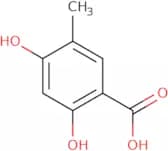
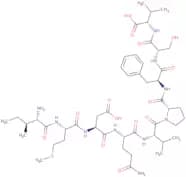
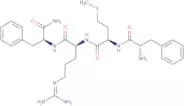


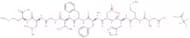
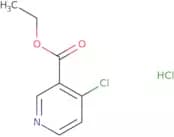

![4-[(4-Methylpiperazin-1-yl)methyl]benzoic acid](/_next/image/?url=https%3A%2Fstatic.cymitquimica.com%2Fproducts%2F3D%2Fthumb-webp%2FFM136767.webp&w=3840&q=75)
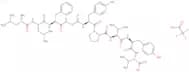

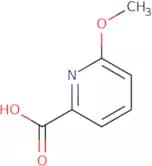
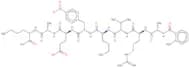
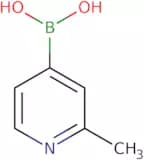

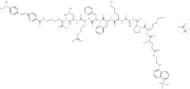
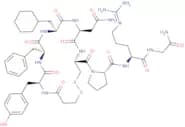

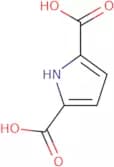
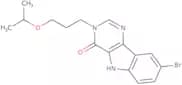
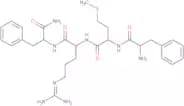
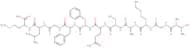
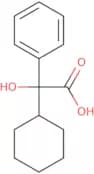
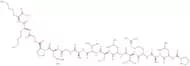
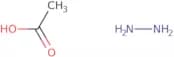
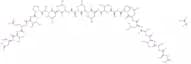

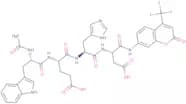
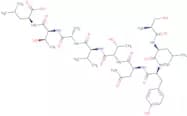



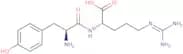


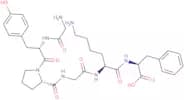
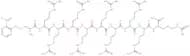
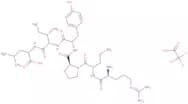

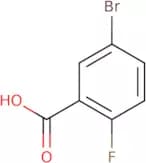

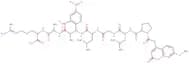
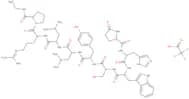


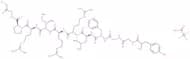
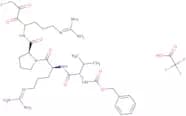

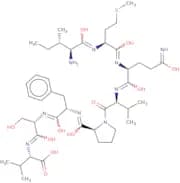
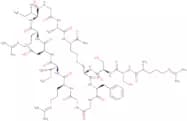


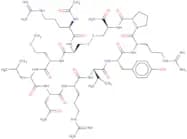


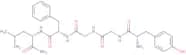




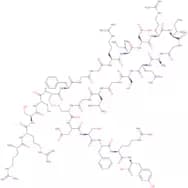
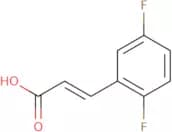
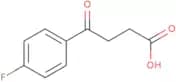
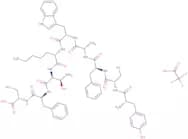
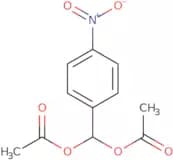

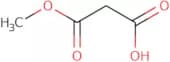
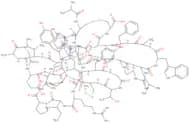
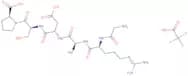

![tert-Butyl2-bromo-6,7-dihydrothiazolo[5,4-c]pyridine-5(4H)-carboxylate](/_next/image/?url=https%3A%2Fstatic.cymitquimica.com%2Fproducts%2F3D%2Fthumb-webp%2FFB148706.webp&w=3840&q=75)
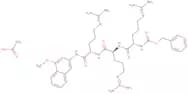

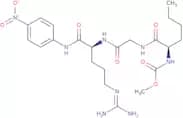


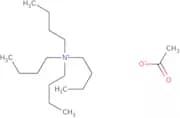
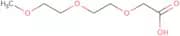
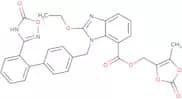
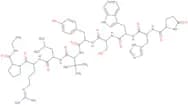
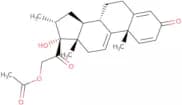
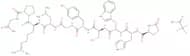


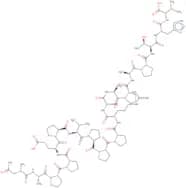


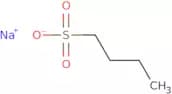
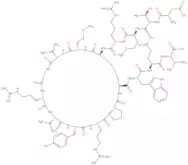


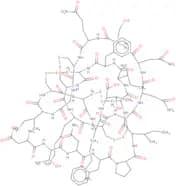

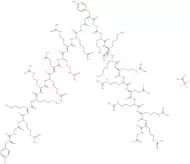
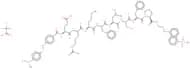


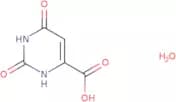
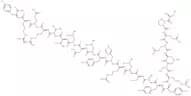
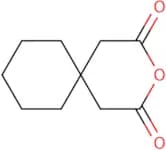
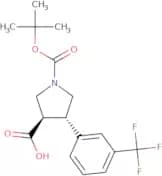

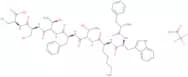

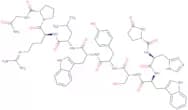
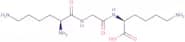


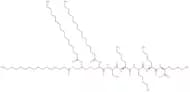
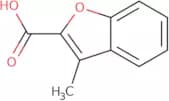
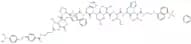
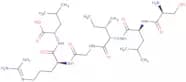
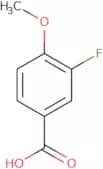
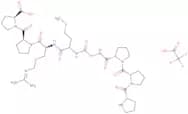
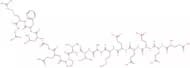

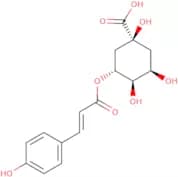
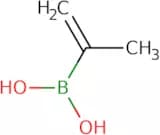
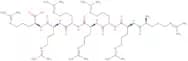
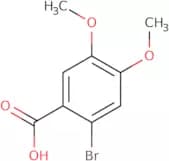

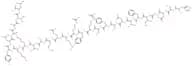

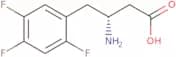

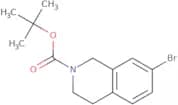
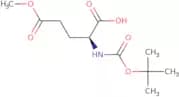

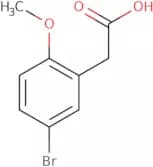
![([13C6]Leu10)-CRF (human, rat) trifluoroacetate salt](/_next/image/?url=https%3A%2Fstatic.cymitquimica.com%2Fproducts%2F3D%2Fthumb-webp%2FFL110016.webp&w=3840&q=75)

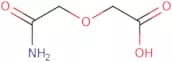


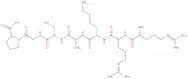

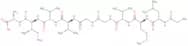

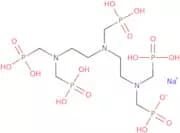
![2-(4-Bromobenzo[d][1,3]dioxole-5-carboxamido)acetic acid](/_next/image/?url=https%3A%2Fstatic.cymitquimica.com%2Fproducts%2F3D%2Fthumb-webp%2FFB66447.webp&w=3840&q=75)
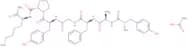

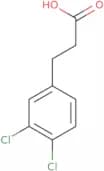
![4-[2-(Fmoc-amino)ethyl]-1-piperazineacetic acid dihydrochloride](/_next/image/?url=https%3A%2Fstatic.cymitquimica.com%2Fproducts%2F3D%2Fthumb-webp%2FFF48264.webp&w=3840&q=75)
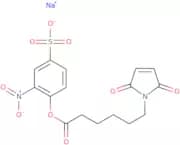

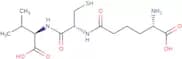
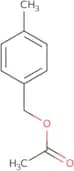

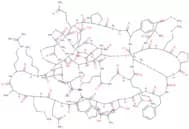
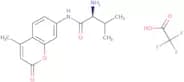





![2-[4-(Diethylamino)-2-hydroxybenzoyl]benzoic acid hexyl ester](/_next/image/?url=https%3A%2Fstatic.cymitquimica.com%2Fproducts%2F3D%2Fthumb-webp%2FFD161840.webp&w=3840&q=75)
![4-[4-(N-Boc)piperazin-1-yl]phenylboronic acid pinacol ester](/_next/image/?url=https%3A%2Fstatic.cymitquimica.com%2Fproducts%2F3D%2Fthumb-webp%2FFN162753.webp&w=3840&q=75)