Aldehydes
Aldehydes are organic compounds containing a carbonyl group (C=O) bonded to at least one hydrogen atom. These versatile compounds are fundamental in various chemical reactions, including oxidation, reduction, and nucleophilic addition. Aldehydes are essential building blocks in the synthesis of pharmaceuticals, fragrances, and polymers. At CymitQuimica, we provide a diverse selection of high-quality aldehydes to support your research and industrial applications.
Found 8551 products of "Aldehydes"
Sort by
Purity (%)
0
100
|
0
|
50
|
90
|
95
|
100
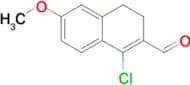
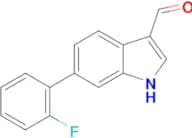
1-Chloro-6-methoxy-3,4-dihydronaphthalene-2-carbaldehyde
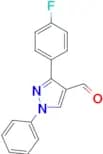
CAS:Purity:95.0%Molecular weight:222.66999816894533-(4-Fluorophenyl)-1-phenyl-1H-pyrazole-4-carboxaldehyde
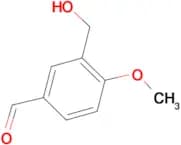
CAS:Purity:95.0%Molecular weight:266.27499389648443-Hydroxymethyl-4-methoxy-benzaldehyde
CAS:Formula:C9H10O3Purity:95.0%Color and Shape:SolidMolecular weight:166.1765''-(4'-Formyl-[1,1'-biphenyl]-4-yl)-[1,1':4',1'':3'',1''':4''',1''''-quinquephenyl]-4,4''''-dicarbaldehyde
CAS:Purity:97%Color and Shape:SolidMolecular weight:618.73199462890622-(4-Bromo-phenyl)-8-methyl-imidazo[1,2-a]pyridine-3-carbaldehyde
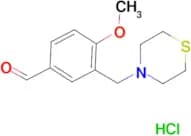
CAS:Molecular weight:315.17001342773444-Methoxy-3-thiomorpholin-4-ylmethylbenzaldehydehydrochloride
CAS:Formula:C13H18ClNO2SPurity:98%Color and Shape:SolidMolecular weight:287.86-Phenyl-2,3-dihydroimidazo[2,1-b]thiazole-5-carbaldehyde
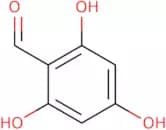
CAS:Purity:95.0%Color and Shape:Liquid, No data available.Molecular weight:230.28999328613282,4,6-Trihydroxybenzaldehyde
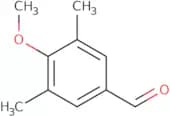
CAS:<p>2,4,6-Trihydroxybenzaldehyde is a polymerase chain inhibitor that blocks the synthesis of DNA and RNA. It has been shown to have significant cytotoxicity in vitro and has been used as an antimicrobial agent to inhibit the growth of bacteria. 2,4,6-Trihydroxybenzaldehyde also inhibits tetracycline resistance in Mycobacterium tuberculosis (Mtb) by inhibiting the production of proteins vital for bacterial cell division. This compound is structurally related to naturally occurring compounds such as anthocyanins and it has been shown to have inhibitory properties on mitochondrial membrane potential, which may be due to its ability to inhibit protein synthesis and induce apoptosis. The analytical methods used for this compound are thin layer chromatography and high performance liquid chromatography.</p>Formula:C7H6O4Purity:Min. 98 Area-%Color and Shape:PowderMolecular weight:154.12 g/mol3,5-Dimethyl-4-methoxybenzaldehyde
CAS:<p>3,5-Dimethyl-4-methoxybenzaldehyde is a high quality, versatile chemical that can be used as an intermediate to synthesize other fine chemicals. The compound can be reacted with various reagents to produce complex compounds. 3,5-Dimethyl-4-methoxybenzaldehyde can also be used as a building block to synthesize other useful compounds. This chemical has been shown to be a useful scaffold for the production of new compounds and has been used as a reaction component in research and development.</p>Formula:C10H12O2Purity:Min. 95%Color and Shape:PowderMolecular weight:164.2 g/mol3-Bromo-4-methoxybenzaldehyde
CAS:<p>3-Bromo-4-methoxybenzaldehyde is a heterocycle that contains a covalent inhibitor. It has been shown to have inhibitory activity against imines, hydroxyl groups, and human serum. 3-Bromo-4-methoxybenzaldehyde has been shown to be an efficient method for the synthesis of nitrogen containing heterocycles with potential use as pharmaceuticals. This compound has also been used in the asymmetric synthesis of diphenyl ethers, which are useful in pharmacological studies. The reaction mechanism of this compound is not well understood and needs more research before it can be applied to other areas.</p>Formula:C8H7BrO2Purity:Min. 95%Color and Shape:PowderMolecular weight:215.04 g/molMesitaldehyde - 97%
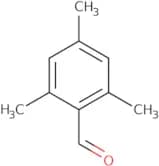
CAS:<p>Mesitaldehyde is a diazonium salt that is synthesized by the reaction of nitrosyl chloride and sodium carbonate in an acidic solution. This chemical has been studied for its potential use as a therapeutic drug due to its ability to inhibit the enzyme dpp-iv, which is involved in the development of diabetic neuropathy. Mesitaldehyde has also been shown to be an inhibitor of malonic acid, ethylmalonic acid and other organic acids. The analytical method for mesitaldehyde involves hydrolyzing the product with hydrochloric acid in order to produce ethylmalonic acid, which can then be quantified using spectrophotometry.</p>Formula:C10H12OPurity:Min. 95%Color and Shape:PowderMolecular weight:148.2 g/mol6-Methyl-1H-indole-3-carbaldehyde
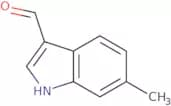
CAS:<p>6-Methyl-1H-indole-3-carbaldehyde is a synthetic chemical that has been used as a reagent in the form of its sodium salt. It is an acetylating agent and can be used for formylation reactions. 6-Methyl-1H-indole-3-carbaldehyde has shown strong antifungal activity against phytopathogenic fungi such as Fusarium, Rhizoctonia, and Phytophthora. This chemical also has a triazine group, which can be used to enhance the herbicidal properties of certain compounds.</p>Formula:C10H9NOPurity:Min. 95%Color and Shape:PowderMolecular weight:159.18 g/mol2-Chlorobenzaldehyde oxime
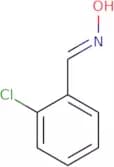
CAS:<p>2-Chlorobenzaldehyde oxime is a compound that inhibits the growth of mycobacterium tuberculosis. It reacts with chloride in the environment to form 2-chlorobenzaldehyde, which reacts with an isoxazole to produce a quinone. Quinones are toxic to mammals and are thought to be responsible for the antimycobacterial activity of this compound. The reaction mechanism of 2-chlorobenzaldehyde oxime has been studied using various techniques and its toxicity has been evaluated in both culture and animal studies. This compound has shown no significant effects on mice at up to 100 mg/kg body weight, but it was found to cause death in rats at doses as low as 0.1 mg/kg body weight.<br>2-Chlorobenzaldehyde oxime was synthesised by reacting 2-chlorobenzaldehyde with oxalyl chloride under conditions suitable for safety, and the product was purified by recrystallisation from acetone. The synthesis</p>Formula:C7H6ClNOPurity:Min. 95%Color and Shape:PowderMolecular weight:155.58 g/mol2-Hydroxy-4-[3-(trifluoromethyl)-3H-diazirin-3-yl]benzaldehyde
CAS:<p>2-Hydroxy-4-[3-(trifluoromethyl)-3H-diazirin-3-yl]benzaldehyde is a reaction component that is used in the synthesis of organic compounds. It has been shown to be an effective reagent and can be used in the synthesis of high quality compounds. CAS No. 308085-25-8, it is a research chemical that can be used as a useful scaffold or building block for other compounds. 2-Hydroxy-4-[3-(trifluoromethyl)-3H-diazirin-3-yl]benzaldehyde may also be useful as an intermediate or building block in complex synthesis reactions.</p>Formula:C9H5F3N2O2Purity:Min. 95%Color and Shape:PowderMolecular weight:230.14 g/mol(Triphenylphosphoranylidene)acetaldehyde
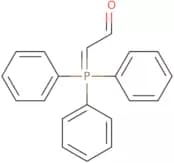
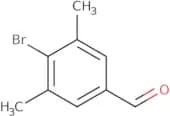
CAS:Controlled Product<p>Triphenylphosphoranylidene)acetaldehyde (TPPAA) is a diphenyl ether that binds to the allosteric site on the enzyme acetylcholinesterase, leading to inhibition of the catalytic mechanism. TPPAA has been shown to have insecticidal activity in the form of contact toxicity. It also has anticancer activity by inhibiting DNA synthesis and inducing apoptosis in cancer cells. TPPAA can be synthesized through a preparative method involving an asymmetric synthesis with a hydroxyl group as one of the reagents. TPPAA is an ionizable molecule that undergoes chemical ionization in a mass spectrometer and vibrational spectroscopy techniques.</p>Formula:C20H17OPPurity:min 96%Color and Shape:PowderMolecular weight:304.32 g/mol4-Bromo-3,5-dimethylbenzaldehyde
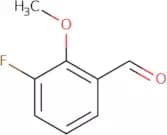
CAS:<p>4-Bromo-3,5-dimethylbenzaldehyde is an organic compound that contains a benzene ring with a bromine atom in the 4 position. It is used as a reagent and intermediate in organic synthesis. The compound can be converted to radical cations by reaction with electron-deficient alkylating agents such as methyl iodide or trimethylsilyl chloride. Radical cations are classified as reactive intermediates and have been shown to react with other organic compounds to form new products.</p>Formula:C9H9BrOPurity:Min. 95%Molecular weight:213.07 g/mol3-Fluoro-2-methoxybenzaldehyde
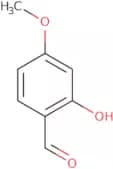
CAS:<p>3-Fluoro-2-methoxybenzaldehyde is a synthetic chemical that has been used as a precursor in the synthesis of pharmaceuticals and other organic compounds. 3-Fluoro-2-methoxybenzaldehyde can be prepared through the lithiation, chloromethylation, or trimethylation of 3-fluoroacetophenone. The compound can be oxidized to 3,4-dihydrobenzofuran with peroxide at low temperature. This conversion can be achieved using a variety of reagents, such as boron tribromide or boron trichloride.</p>Formula:C8H7FO2Purity:Min. 95%Color and Shape:Colorless PowderMolecular weight:154.14 g/mol2-Hydroxy-4-methoxybenzaldehyde
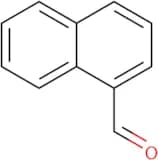
CAS:<p>2-Hydroxy-4-methoxybenzaldehyde is an antifungal agent that has been shown to have a broad spectrum of activity against filamentous fungi. It is able to inhibit the growth of fungi by inhibiting the enzyme shikimate dehydrogenase, which is involved in the synthesis of aromatic amino acids and other essential metabolites. 2-Hydroxy-4-methoxybenzaldehyde also inhibits xylose reductase and alpha-galactosidase, enzymes that are involved in cell wall biosynthesis. This compound is effective against Candida albicans, Aspergillus niger, and Trichophyton mentagrophytes. 2-Hydroxy-4-methoxybenzaldehyde has also been shown to have bacteriostatic effects on Escherichia coli.</p>Formula:C8H8O3Purity:Min. 95%Color and Shape:Off-White PowderMolecular weight:152.15 g/mol1-Naphthaldehyde
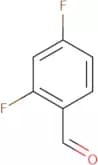
CAS:<p>1-Naphthaldehyde is a coordination compound that contains 1 naphthyl group and an oxygen atom. It can be used as an oxidation catalyst, intramolecular hydrogen, or a reaction solution. The antimicrobial activity of 1-naphthaldehyde has been shown in the presence of sodium carbonate or potassium phosphate buffer. 1-Naphthaldehyde has been shown to possess structural properties similar to those of other metal chelates, such as zinc pyrithione. The protonated form of 1-naphthaldehyde has been identified by means of analytical methods including gas chromatography and mass spectrometry.</p>Formula:C11H8OPurity:Min. 95%Color and Shape:Yellow To Brown LiquidMolecular weight:156.18 g/mol2,4-Difluorobenzaldehyde
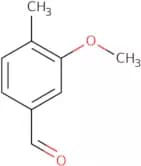
CAS:<p>2,4-Difluorobenzaldehyde is a glycosidic bond compound that is chiral. It has been shown to be able to inhibit human immunodeficiency virus (HIV) infection and inflammatory bowel disease. 2,4-Difluorobenzaldehyde is also an inhibitor of cholesterol ester transfer protein that can lead to autoimmune diseases. This compound has been shown to have receptor activity and is synthesized by the reaction of 2,4-dichlorobenzaldehyde with dimethyl acetal in refluxing ethanol. The synthesis method for this compound involves synchronous fluorescence and radiations. 2,4-Difluorobenzaldehyde has been found to have anti-inflammatory properties due to its ability to inhibit chronic pulmonary inflammation in rats.</p>Formula:C7H4F2OPurity:Min. 95%Color and Shape:Clear LiquidMolecular weight:142.1 g/mol3-Methoxy-4-methylbenzaldehyde
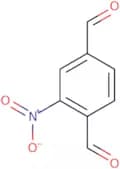
CAS:<p>3-Methoxy-4-methylbenzaldehyde is a chemical compound that belongs to the class of phenylpropanoids. It has been shown to have a variety of uses, including as a drug substance and in natural products. 3-Methoxy-4-methylbenzaldehyde can be used for labeling, mass spectrometric detection, physicochemical techniques, and chromatographic science. The compound can be detected using electron ionization, mass spectrometric detection, or chromatographic science. Isomers of this compound are often difficult to identify due to the presence of other similar compounds.</p>Formula:C9H10O2Purity:Min. 95%Color and Shape:PowderMolecular weight:150.17 g/mol2-Nitroterephthalaldehyde
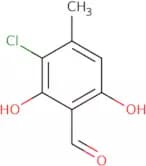
CAS:<p>2-Nitroterephthalaldehyde is a chiral molecule that can be used in the supramolecular synthesis of macrocycles. This molecule has been shown to catalyze the formation of imines, which are important for the synthesis of macrocycles. The kinetic and thermodynamic properties of 2-Nitroterephthalaldehyde have been studied and found to be favorable for this type of reaction.</p>Formula:C8H5NO4Purity:Min. 95%Color and Shape:PowderMolecular weight:179.13 g/mol3-Chloro-2,6-dihydroxy-4-methylbenzaldehyde
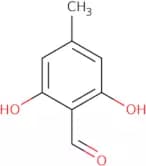
CAS:<p>3-Chloro-2,6-dihydroxy-4-methylbenzaldehyde is a hydroxylated compound that is used in wastewater treatment. It can be found in many products including plastics and pesticides. 3-Chloro-2,6-dihydroxy-4-methylbenzaldehyde has been shown to inhibit the growth of bacteria such as Usnic Acid through its ability to react with hydrogen atoms on the bacterial cell wall and replace them with chlorine. This replacement halts the production of benzoate, which is essential for bacterial growth. The reaction mechanism has been detected using an electrochemical detector, chloroatranol.</p>Formula:C8H7ClO3Purity:Min. 95%Color and Shape:Off-White PowderMolecular weight:186.59 g/mol2,6-Dichlorobenzaldehyde
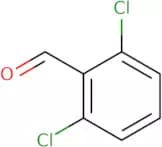
CAS:<p>2,6-Dichlorobenzaldehyde is a nucleophilic compound that has the ability to form hydrogen bonds. It reacts with phosphorus pentachloride to produce 2-chloro-4,6-dichlorobenzene. 2,6-Dichlorobenzaldehyde can be used in the synthesis of β-unsaturated ketones and anticancer drugs such as aziridines. It is also used as a precursor for coordination complexes. This compound is an efficient method for making nitrogen nucleophiles, which are important in chain reactions and the production of polymers. The 2,6-dichlorobenzaldehyde molecule contains two chiral centers that give rise to four stereoisomers. X-ray diffraction data shows that this molecule exists as a mixture of these four isomers.</p>Formula:C7H4Cl2OPurity:Min. 97.5%Color and Shape:PowderMolecular weight:175.01 g/molIsoprenaline HCl
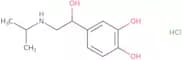
CAS:<p>Isoprenaline is a hormone that belongs to the category of catecholamines. It is a naturally occurring compound and has been used in medicine as an injectable medication for over 50 years. Isoprenaline is used primarily to treat bronchial asthma, but it also may be used to treat cardiac arrest and heart failure. The drug works by binding to the beta-adrenergic receptors in the lungs, heart, and fat cells. This binding stimulates the production of cyclic adenosine monophosphate (cAMP) in these tissues, which relaxes smooth muscle cells and increases their rate of metabolism. As a result, airways open up due to decreased constriction and increased bronchial secretions are cleared away. The drug also has been shown to have beneficial effects on adipose tissue and structural heart disease.</p>Formula:C11H17NO3·HClPurity:Min. 95%Color and Shape:White PowderMolecular weight:247.72 g/mol2,6-Dimethylbenzaldehyde oxime
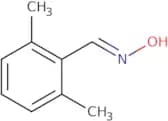
CAS:<p>2,6-Dimethylbenzaldehyde oxime is a reagent and useful intermediate for the synthesis of complex compounds. It is also a building block for speciality chemicals. 2,6-Dimethylbenzaldehyde oxime has been used in research and as a reaction component for various organic syntheses. This compound has a CAS number of 55882-62-7.</p>Formula:C9H11NOPurity:Min. 95%Molecular weight:149.19 g/mol2-Phenoxybenzaldehyde
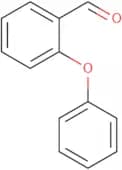
CAS:<p>2-Phenoxybenzaldehyde is an organic compound that belongs to the heterocyclic aldehyde family. It is a white solid with a strong, pleasant odor. 2-Phenoxybenzaldehyde is used as an intermediate in organic synthesis, and has been shown to inhibit the receptor activity of human leukocyte antigen (HLA) class II molecules. The reaction mechanism for this inhibition is not known. The reaction of 2-phenoxybenzaldehyde with hydrochloric acid produces phenylhydroxylamine, which can be oxidized by inorganic acids to form phenyloxalic acid. This compound also inhibits the production of inflammatory cytokines such as TNFα and IL-1β in vitro and in vivo.</p>Formula:C13H10O2Purity:Min. 95%Color and Shape:Clear LiquidMolecular weight:198.22 g/mol2,4-Dimethylbenzaldehyde
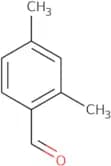
CAS:<p>2,4-Dimethylbenzaldehyde is used in the diagnosis of cancer. It reacts with acetaldehyde to form a compound that binds to hemoglobin and is excreted in the urine, leading to a diagnostic test for cancer. 2,4-Dimethylbenzaldehyde has been shown to be genotoxic in both in vitro and in vivo studies. This aromatic hydrocarbon has been shown to cause DNA strand breaks in the target cells through a reaction mechanism involving radical formation from acetaldehyde. In addition, 2,4-Dimethylbenzaldehyde has been shown to have genotoxic effects on mice exposed by inhalation or injection.</p>Formula:C9H10OPurity:Min. 90 Area-%Color and Shape:Colorless Clear LiquidMolecular weight:134.18 g/mol2-Carboxy-3,4-dimethoxybenzaldehyde
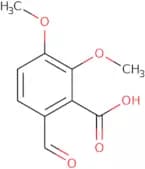
CAS:<p>2-Carboxy-3,4-dimethoxybenzaldehyde is a chemical that belongs to the class of compounds known as butyric acid derivatives. It is a colorless liquid with a pungent odor and can be used in pharmaceutical preparations as an antispasmodic or a sedative. 2-Carboxy-3,4-dimethoxybenzaldehyde has been shown to have radical scavenging activities in tissue culture systems and dry weight reaction products in the presence of hydrochloric acid and chloride ion. This compound can also act as an acid complexing agent for hydrogen chloride and depressant activity on animal behavior.</p>Formula:C10H10O5Purity:Min. 95%Color and Shape:White Yellow PowderMolecular weight:210.18 g/mol2-Benzyloxy-3-methoxybenzaldehyde
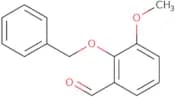
CAS:<p>2-Benzyloxy-3-methoxybenzaldehyde is an enantiopure compound that has been shown to have antiproliferative effects on cancer cells. It was also found to have a strong binding affinity for DNA and protein. The antiproliferative effects of 2-Benzyloxy-3-methoxybenzaldehyde were found to be due to its ability to bind to dna and inhibit the enzyme activity of pyrazine-2-carboxylic acid, leading to a decrease in the production of proteins vital for cell division. 2-Benzyloxy-3-methoxybenzaldehyde has been shown to have anticancer activity against colorectal cancer cells and may serve as a lead compound for future drug development.</p>Formula:C15H14O3Purity:Min. 95%Molecular weight:242.27 g/mol3-Hydroxy-4-methoxy-2-nitrobenzaldehyde
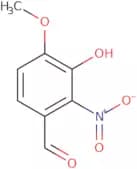
CAS:<p>3-Hydroxy-4-methoxy-2-nitrobenzaldehyde is a ternary complex that has been adsorbed onto the surface of an ion exchange resin. The adsorption process occurs through the formation of hydrogen bonds between the hydroxyl groups on the resin and the hydroxyl groups on the molecule. This complex is also soluble in chloroform, which may be due to its ability to form hydrogen bonds with itself and other molecules. The 3-hydroxy group on this molecule has been shown to react reductively with nitrophenol, forming a nitroso derivative. 3-Hydroxy-4-methoxy-2-nitrobenzaldehyde has been used as a template for the microbiological assay of azides and quinones.</p>Formula:C8H7NO5Purity:Min. 95%Molecular weight:197.14 g/mol5-Nitro-2-furaldehyde diacetate
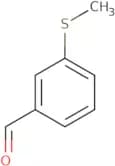
CAS:<p>5-Nitro-2-furaldehyde diacetate is a synthetic compound that can be used in the production of quinoline derivatives. It has been shown to have an inhibitory effect on lung cancer cells, although its mechanism of action is not yet known. 5NFDA was synthesized and tested with a reaction solution containing sodium carbonate and hydrochloric acid. The electron microscopic analysis showed that this compound reacts with the hydroxyl group on the surface of the lung cell membrane. This reaction causes a loss of integrity in the cell wall, leading to cell death.</p>Formula:C9H9NO7Purity:Min. 97 Area-%Color and Shape:PowderMolecular weight:243.17 g/mol3-(Methylthio)benzaldehyde
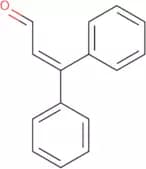
CAS:<p>3-(Methylthio)benzaldehyde is a molecule that can be used in the preparation of mandelic acid. It has been shown to inhibit the activity of lipase, an enzyme that breaks down fats. The cavity of 3-(methylthio)benzaldehyde has been studied by X-ray analysis and was found to have cationic character with silver ions. It also has functional groups that can be used for protein modification by enzymatic reactions.</p>Formula:C8H8OSPurity:Min. 95%Color and Shape:Clear LiquidMolecular weight:152.21 g/mol3,3-Diphenylacrylaldehyde
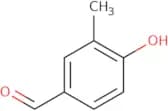
CAS:<p>3,3-Diphenylacrylaldehyde is an organometallic compound that is used as a precursor to produce metal complexes. It has been shown to have a cytotoxic effect on cancer cells in vitro and in vivo. 3,3-Diphenylacrylaldehyde has also been shown to inhibit the growth of bacteria by binding to the phosphorous acid groups of bacterial cell walls. The antibacterial activity of 3,3-Diphenylacrylaldehyde is dependent on the concentration of substrate. At low concentrations, this chemical inhibits bacterial growth by competing with other substrates for binding sites on the cell wall. At higher concentrations, 3,3-Diphenylacrylaldehyde inhibits bacterial growth by inhibiting protein synthesis and causing cell death.</p>Formula:C15H12OPurity:Min. 95%Color and Shape:Beige PowderMolecular weight:208.26 g/mol4-Hydroxy-3-methylbenzaldehyde
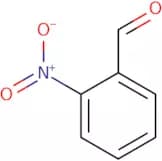
CAS:<p>4-Hydroxy-3-methylbenzaldehyde is a fungicidal agent that has been shown to have activity against Cryptococcus neoformans. It inhibits the mitochondrial functions of this fungus, which leads to cell death by disrupting the synthesis of fatty acids and other cellular components. 4-Hydroxy-3-methylbenzaldehyde binds to C. neoformans with high affinity, producing a reaction product that interferes with the organism's ability to produce butyric acid. The molecular modelling of this compound shows that it is a pyrazole ring with two benzyl groups on either side of an aldehyde group. This chemical also inhibits gram-negative bacteria by binding to fatty acids in their outer membrane.</p>Formula:C8H8O2Purity:Min. 95%Color and Shape:PowderMolecular weight:136.15 g/mol2-Nitrobenzaldehyde
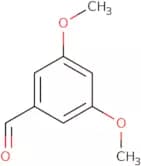
CAS:<p>2-Nitrobenzaldehyde is a nitro compound that reacts with the intramolecular hydrogen of an alkene to form a nitroalkane. It is used as an antimicrobial agent, in which it inhibits the growth of bacteria by reacting with the intermolecular hydrogen bonding in the bacterial cell membrane. In addition, 2-Nitrobenzaldehyde has been shown to inhibit fatty acid synthesis and transfer reactions. The optimum concentration for this chemical is 0.01% to 0.1%. This chemical is soluble in both water and organic solvents, such as methanol and ethanol.</p>Formula:C7H5NO3Purity:Min. 98 Area-%Color and Shape:PowderMolecular weight:151.12 g/mol3,5-Dimethoxybenzaldehyde
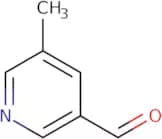
CAS:<p>3,5-Dimethoxybenzaldehyde is a fungicide that can kill fungal cells by inhibiting the synthesis of ergosterol, an important component of the fungal cell membrane. It has been shown to be effective against Cryptococcus neoformans and other fungi. 3,5-Dimethoxybenzaldehyde inhibits mitochondrial superoxide production and the growth of fungi in a model system. The optimum concentration for inhibition was determined in a kinetic and thermodynamic study. This compound has also been shown to have anti-inflammatory properties, which may be due to its ability to inhibit prostaglandin synthesis.</p>Formula:C9H10O3Purity:Min. 98%Color and Shape:PowderMolecular weight:166.17 g/mol5-Methylnicotinaldehyde
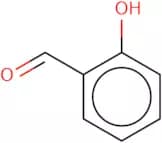
CAS:<p>5-Methylnicotinaldehyde is a chemical compound that belongs to the group of tetrahydropyridines. It is a reagent for producing triphosgene and dimethylformamide. 5-Methylnicotinaldehyde has been shown to inhibit muscarinic acetylcholine receptors, leading to an increase in acetylcholine release from nerve endings. This may be due to its ability to bind with the receptor affinity site at the base of the nicotinic acetylcholine receptor. 5-Methylnicotinaldehyde also has anti-inflammatory properties and can be used as a pesticide.</p>Formula:C7H7NOPurity:Min. 95%Color and Shape:PowderMolecular weight:121.14 g/molSalicylaldehyde
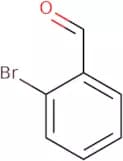
CAS:<p>Salicylaldehyde is a reactive compound that has been used as an antimicrobial and fluorescence probe. The protonation of salicylaldehyde is the rate-limiting step in its reaction with DNA, which leads to the formation of a chelate ligand. This binding results in intramolecular hydrogen bonding and linear calibration curves. Salicylaldehyde also reacts with coumarin derivatives to form a cyclic peptide, which can be used to measure glucose levels. The electrochemical impedance spectroscopy (EIS) of salicylic acid shows that it inhibits oxidative injury by preventing protein oxidation, lipid peroxidation, and hydroxyl radical production.</p>Formula:C7H6O2Purity:Min. 98.5%Color and Shape:Clear LiquidMolecular weight:122.12 g/mol2-Bromobenzaldehyde
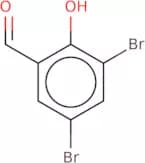
CAS:<p>2-Bromobenzaldehyde is an important aryl aldehyde that can be synthesized through the copper-catalyzed coupling of 2-bromobenzyl bromide and phenylacetone. The synthesis of 2-bromobenzaldehyde has been used to study the effects of physiological activities on the coordination geometry. It is also used as a fluorescent probe for amines and esters, which are commonly found in bioinorganic chemistry. The compound is characterized by intermolecular hydrogen bonding and hydrogen bonding between the hydroxy group and chloride, which are associated with its acidity.<br>2-Bromobenzaldehyde has been shown to have antiinflammatory properties, which may be due to its ability to inhibit prostaglandin synthesis.</p>Formula:C7H5BrOPurity:Min. 95%Color and Shape:Off-White PowderMolecular weight:185.02 g/mol3,5-Dibromosalicylaldehyde
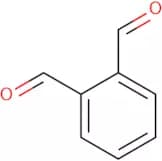
CAS:<p>3,5-Dibromosalicylaldehyde is a copper complex that has been synthesized from 3,5-dibromosalicylaldehyde and copper chloride. FTIR spectroscopy revealed that the coordination geometry of the copper complex is octahedral with two nitrogen atoms in the equatorial plane. The presence of hydrogen bonding interactions was confirmed by homologous protein adsorption experiments. This chemical structure was determined using X-ray crystallography and fluorescence probe experiments. The copper complex showed high affinity for malonic acid, which is an ester hydrochloride. The molecular mechanism of this interaction is based on adsorption, which occurs through hydrogen bonding interactions and hydrophobic interactions. Structural analysis revealed that the polymeric matrix consists of a three-dimensional network of crosslinked chains, while FTIR analysis indicated a possible disulfide bond between two cysteine residues.</p>Formula:C7H4Br2O2Purity:Min. 95%Color and Shape:Yellow PowderMolecular weight:279.91 g/molPhthalaldehyde
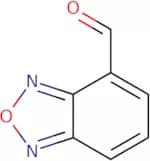
CAS:<p>Phthalaldehyde is a disinfectant that is used for the prevention of microbial contamination in the manufacturing process of pharmaceuticals, cosmetics, and many other products. It has been shown to inhibit the growth of bacteria by inhibiting protein synthesis. The mechanism of action is thought to be due to its reaction with amino acids, which are important for protein synthesis. Phthalaldehyde also reacts with benzalkonium chloride to form a fluorescent derivative, which can be detected using fluorescence detectors or LC-MS/MS methods. The use of this compound as a fluorescence probe allows for the detection of probiotic bacteria in nutrient solutions without the need for expensive equipment or complicated analytical methods.</p>Formula:C8H6O2Purity:Min. 98%Color and Shape:PowderMolecular weight:134.13 g/mol4-Benzofurazancarboxaldehyde
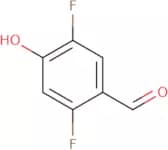
CAS:<p>4-Benzofurazancarboxaldehyde is a pyridinium salt that has been shown to be an oxidant and primary amine. It can form a benzoxadiazole or benzothiadiazole with the addition of an amine, such as piperidine. 4-Benzofurazancarboxaldehyde is also able to form a methyl ester with alkali metal. This compound has been shown to have high yield in the formylating reaction.</p>Formula:C7H4N2O2Purity:Min. 95%Color and Shape:PowderMolecular weight:148.12 g/mol2,5-Difluoro-4-hydroxybenzaldehyde
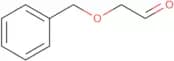
CAS:<p>2,5-Difluoro-4-hydroxybenzaldehyde is a chemical compound that belongs to the class of pyrazoles. It has been shown to inhibit the activity of multinuclear enzymes, such as tautomerase and hydrolases. This inhibition is due to the conformational changes in these enzymes induced by 2,5-difluoro-4-hydroxybenzaldehyde. 2,5-Difluoro-4-hydroxybenzaldehyde also displays biological activity against various types of cancer cells. This can be attributed to its ability to inhibit protein synthesis through inhibition of RNA transcription and translation.</p>Formula:C7H4F2O2Purity:Min. 95%Color and Shape:SolidMolecular weight:158.1 g/mol2-(Benzyloxy)acetaldehyde
CAS:<p>2-(Benzyloxy)acetaldehyde (BA) is an aldol that is used as an oxidation catalyst for chemical stability. It can be synthesized with the use of asymmetric synthesis and coordination geometry. 2-(Benzyloxy)acetaldehyde has been shown to bind to the enzyme aldehyde dehydrogenase and inhibit its activity, which may lead to the treatment of infectious diseases. This compound also has receptor activity in coli K-12 cells, which can be used to detect BA in urine samples. The reaction mechanism of BA is similar to that of benzimidazole compounds, hydroxyl group, and trifluoroacetic acid.</p>Formula:C9H10O2Purity:Min. 95%Color and Shape:Slightly Yellow Clear LiquidMolecular weight:150.17 g/molAtranol
CAS:<p>Atranol is a phenolic compound that is found in plants such as the leaves of the white willow tree. It has been shown to have anti-inflammatory properties and is being researched for its potential use in treatment of inflammatory bowel disease. Atranol has been shown to inhibit the production of inflammatory cytokines such as tumor necrosis factor-α (TNF-α) and interleukin-1β (IL-1β), which are key mediators of inflammation, by inhibiting NFκB activation. The reaction mechanism for atranol's inhibition of IL-1β production involves atranol binding with the cystein residue on IκB kinase β, which prevents phosphorylation and thus activation.</p>Formula:C8H8O3Purity:Min. 95%Color and Shape:Brown Yellow PowderMolecular weight:152.15 g/mol4-Hydroxy-2-methoxybenzaldehyde
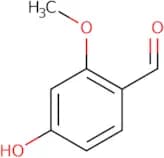
CAS:<p>Echinatin is a benzaldehyde derivative that is found in the roots of Echinacea purpurea. It is a phenolic compound with a carbonyl group and two benzyl groups. 4-Hydroxy-2-methoxybenzaldehyde has been shown to have photophysical, cell culture, and functional group properties. This compound is used as a precursor for the production of echinatin and other plant polyphenols such as malonic acid. The biosynthesis of 4-hydroxy-2-methoxybenzaldehyde begins with the oxidation of cinnamic acid by cytochrome P450 monooxygenase to form cinnamoyl CoA. The enzyme cinnamate decarboxylase then converts this intermediate to p-hydroxybenzoic acid, which is then hydroxylated to form 4-hydroxy-2-methoxybenzaldehyde.</p>Formula:C8H8O3Purity:Min. 95%Color and Shape:PowderMolecular weight:152.15 g/mol3-Methylbenzaldehyde oxime
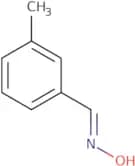
CAS:<p>3-Methylbenzaldehyde oxime is a fine chemical that can be used as a versatile building block. It has the CAS No. 41977-54-2 and is also known as benzoic acid, 3-methyl-, oxime. 3-Methylbenzaldehyde oxime is a complex compound that can be used in research chemicals and reagents. The chemical has been found to have high quality and is useful for making speciality chemicals and useful intermediates. The compound is also a reaction component for use in synthesis of other compounds. 3-Methylbenzaldehyde oxime can be used as a scaffold for drug design and development.</p>Formula:C8H9NOPurity:Min. 95%Color and Shape:Off-White PowderMolecular weight:135.16 g/mol4-Bromo-3,5-dimethoxybenzaldehyde
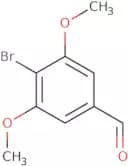
CAS:<p>4-Bromo-3,5-dimethoxybenzaldehyde is a compound that inhibits the replication of cells. It has been shown to induce apoptosis and inhibit tumor growth, including skin tumors and malignant melanoma cells. This chemical is synthesized by reacting an acrylonitrile with sodium hydroxide in a biphenyl amide. 4-Bromo-3,5-dimethoxybenzaldehyde has been used to inhibit bacterial growth, but it is not active against Mycobacterium tuberculosis or Mycobacterium avium complex.</p>Formula:C9H9BrO3Purity:Min. 95%Color and Shape:PowderMolecular weight:245.07 g/mol4-Chlorobenzaldehyde
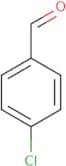
CAS:<p>4-Chlorobenzaldehyde is a chemical compound with the molecular formula C6H5ClO. It can be synthesized by reacting malonic acid with sephadex g-100, copper chloride, and diphenolase. This reaction mechanism is shown in Figure 1. The product then reacts with copper to form a copper complex. 4-Chlorobenzaldehyde has been shown to have anticancer activity against carcinoma cell lines and squamous carcinoma cells. The mechanism of action for this compound may be due to its ability to inhibit the synthesis of picolinic acid, which is an important precursor for the synthesis of nicotinamide adenine dinucleotide (NAD).</p>Formula:C7H5ClOPurity:Min. 95%Color and Shape:White Clear LiquidMolecular weight:140.57 g/mol4-Chlorobenzaldehyde oxime
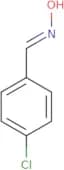
CAS:<p>4-Chlorobenzaldehyde oxime is an antibacterial agent that is classified as a chloroamine. It has been shown to be an effective inhibitor of bacterial growth, with a low toxicity to mammalian cells. 4-Chlorobenzaldehyde oxime has been shown to be activated by amines and hydroxylamine, and the resulting intermediate can cleave a variety of bonds in the bacterial cell wall. The molecular orbitals of this compound have been calculated using crystallographic data and functional theory. 4-Chlorobenzaldehyde oxime also binds to chloride ions and forms a complex with ammonium nitrate, which may account for its activity against some bacteria that are resistant to chlorinated compounds (e.g., Clostridium difficile). This compound also contains functional groups that may react with disulfides present in the bacterial cell wall.</p>Formula:C7H6ClNOPurity:Min. 95%Color and Shape:PowderMolecular weight:155.58 g/mol3-Ethoxy-4-hydroxybenzaldehyde
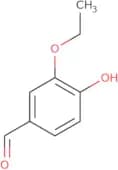
CAS:<p>3-Ethoxy-4-hydroxybenzaldehyde is an active analogue of p-hydroxybenzoic acid that can be used in the synthesis of vanillin. 3-Ethoxy-4-hydroxybenzaldehyde is extracted from a reaction solution using solid phase microextraction, and can then be analyzed by gas chromatography/mass spectrometry to determine the concentration of vanillin. This compound has been shown to have a solubility in water, but not in organic solvents. 3-Ethoxy-4-hydroxybenzaldehyde has been found to inhibit cytochrome P450 activity and polyvinyl chloride production. This chemical compound has also been found to be toxic when inhaled or ingested, with no known toxicity studies for skin contact or eye contact.</p>Formula:C9H10O3Purity:Min. 95%Color and Shape:White PowderMolecular weight:166.17 g/mol2,3-Dichlorobenzaldehyde oxime
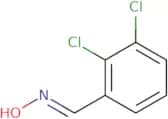
CAS:<p>2,3-Dichlorobenzaldehyde oxime is a versatile building block and reagent in the synthesis of complex compounds. It is mainly used as a research chemical and speciality chemical. 2,3-Dichlorobenzaldehyde oxime has been widely used for the preparation of fine chemicals, pharmaceuticals, agrochemicals, and other organic compounds. This compound can be reacted with various reagents to produce useful scaffolds or reaction components.</p>Formula:C7H5Cl2NOPurity:Min. 95%Color and Shape:PowderMolecular weight:190.03 g/mol3,5-Diiodo-4-hydroxybenzaldehyde
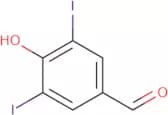
CAS:<p>3,5-Diiodo-4-hydroxybenzaldehyde (3,5-DIBA) is a functional group that contains both hydroxyl and iodide groups. The hydroxyl group is positioned ortho to the iodide group. 3,5-DIBA is found in wastewater and can be used as a bioremediation agent. It has been shown to react with chromatographic solvents and may be used for the removal of organic contaminants from water. 3,5-DIBA reacts with monoiodotyrosine in an aqueous environment to form hypoiodous acid (HIO). This reaction is catalyzed by hydrochloric acid. HIO reacts with diiodoacetic acid or iodoacetic acid to form coagulation products such as diiodoacetate or iodoacetate. These reactions are reversible and can be used for the removal of excess iodine from wastewater.</p>Formula:C7H4I2O2Purity:Min. 98 Area-%Color and Shape:Off-White PowderMolecular weight:373.91 g/mol2-Hydroxy-5-methoxy-3-nitrobenzaldehyde
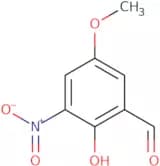
CAS:<p>2-Hydroxy-5-methoxy-3-nitrobenzaldehyde is a 6-membered aromatic compound that has been shown to have anti-cancer properties. It has been shown to inhibit the proliferation of cancer cells by inhibiting protein synthesis, as well as inducing apoptosis. This compound also inhibits the growth of colon cancer cells and cervical cancer cells in culture. 2-Hydroxy-5-methoxy-3-nitrobenzaldehyde has an inhibitory effect on the growth of cancer cells and may be used for treatment against tumors.</p>Formula:C8H7NO5Purity:Min. 95%Color and Shape:PowderMolecular weight:197.14 g/molPhloroglucinol aldehyde triethyl ether
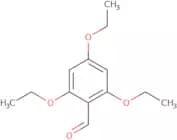
CAS:<p>Phloroglucinol aldehyde triethyl ether is a high quality, research chemical, speciality chemical and versatile building block. It is used in the synthesis of complex compounds that are useful as intermediates or fine chemicals. The CAS No. for this compound is 59652-88-9.</p>Formula:C13H18O4Purity:Min. 95%Molecular weight:238.28 g/molPrenalterol
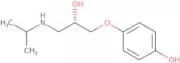
CAS:<p>Prenalterol is a drug that can be used to treat congestive heart failure and high blood pressure. It belongs to the class of 2-adrenergic receptor agonists, which are drugs that stimulate the sympathetic nervous system. Prenalterol has been shown to have a positive effect on the cardiovascular system by increasing cardiac output. This drug also has an anti-inflammatory effect, which may be due to its ability to inhibit protein synthesis genes in cells. Prenalterol has also been shown to reduce post-myocardial infarction remodeling by reducing myocardial fibrosis, although it does not affect the incidence of myocardial infarcts.</p>Formula:C12H19NO3Purity:Min. 95%Color and Shape:White PowderMolecular weight:225.28 g/mol5-(Trifluoromethoxy)salicylaldehyde
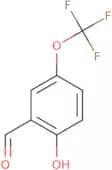
CAS:<p>5-(Trifluoromethoxy)salicylaldehyde is a ligand that binds to the active site of the enzyme catalysis, thereby inhibiting its activity. It has been shown to be effective in colon cancer and other cancers due to its ability to inhibit protein synthesis. 5-(Trifluoromethoxy)salicylaldehyde also inhibits the production of prostaglandins, which may prevent inflammation. The compound is also used in supramolecular chemistry and biological studies as a tool for studying protein-ligand interactions. 5-(Trifluoromethoxy)salicylaldehyde has been shown to have dose-dependent effects on cell proliferation and protein synthesis.</p>Formula:C8H5F3O3Purity:Min. 95%Color and Shape:PowderMolecular weight:206.12 g/mol2-Hydroxy-4-nitrobenzaldehyde
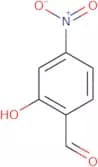
CAS:<p>2-Hydroxy-4-nitrobenzaldehyde is a molecule that reacts with kinase receptors in cancer cells and causes oxidative carbonylation. It has been shown to react with chloride, salicylaldehyde and dobutamine to form a fluorescent compound, which can be used as a probe for fluorescence studies. The fluorescence properties of 2-hydroxy-4-nitrobenzaldehyde have also been exploited for the development of pyrazoles as potential anti-cancer agents.</p>Formula:C7H5NO4Purity:Min. 98 Area-%Color and Shape:PowderMolecular weight:167.12 g/mol3-Bromo-4-fluorobenzaldehyde
CAS:<p>3-Bromo-4-fluorobenzaldehyde is a drug substance that is used in the synthesis of pharmaceuticals. It is also a potential anticancer agent. 3-Bromo-4-fluorobenzaldehyde inhibits bacterial growth by binding to DNA, preventing transcription and replication. The high frequency of human activity has been shown using a patch clamp technique on human erythrocytes. This active form is metabolized through a number of metabolic transformations, including hydrolysis by esterases or glucuronidases, oxidation by cytochrome P450 enzymes, reduction by glutathione reductase, or conjugation with glucuronic acid. 3-Bromo-4-fluorobenzaldehyde also specifically binds to markers expressed at high levels in Mycobacterium tuberculosis strains (e.g., ESX-1 secretion system protein) and inhibits cell growth in culture.</p>Formula:C7H4BrFOPurity:Min. 95%Color and Shape:PowderMolecular weight:203.01 g/mol4-Fluoro-3-phenoxybenzaldehyde
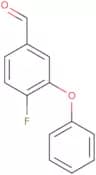
CAS:<p>4-Fluoro-3-phenoxybenzaldehyde is a chiral organic compound that has been synthesized in the laboratory. This compound has a linear response to peroxide and can be used as an environmental pollutant indicator. It is produced by the reaction of phenol with peroxide in deionized water, which is catalyzed by acid. The reaction time is dependent on the diluent used, and ultrasonic irradiation can be used to speed up the reaction. 4-Fluoro-3-phenoxybenzaldehyde's structure consists of two isomers, each containing either a fluorine atom or hydrogen atom on one of the phenyl rings. 4-Fluoro-3-phenoxybenzaldehyde can be purified using distillation or recrystallization techniques.</p>Formula:C13H9FO2Purity:Min. 95%Color and Shape:LiquidMolecular weight:216.21 g/mol3,4-Dimethoxy-5-hydroxybenzaldehyde
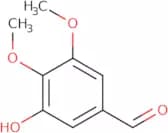
CAS:<p>3,4-Dimethoxy-5-hydroxybenzaldehyde is a phenolic compound that has been shown to be bactericidal against Listeria monocytogenes and Staphylococcus aureus. It has also been shown to have antioxidant properties in vivo. 3,4-Dimethoxy-5-hydroxybenzaldehyde may be used in the treatment of cardiovascular diseases such as atherosclerosis because it inhibits platelet aggregation and lipoprotein oxidation. The compound prevents the oxidation of prosthetic groups and the formation of adducts with DNA, which can lead to carcinogenesis. 3,4-Dimethoxy-5-hydroxybenzaldehyde is known to inhibit the growth of Pseudomonas aeruginosa, Salmonella typhimurium, Escherichia coli and Lactobacillus plantarum.</p>Formula:C9H10O4Purity:Min. 95%Color and Shape:PowderMolecular weight:182.17 g/mol1H-Pyrrole-2-carbaldehyde
CAS:<p>1H-Pyrrole-2-carbaldehyde is a compound that belongs to the class of ferrocenecarboxylic acids. It is a coordination complex with a pyrrole system and an intramolecular hydrogen bond. The proton on the carbonyl carbon atom forms hydrogen bonds with nitrogen atoms, which are located in the immediate vicinity of the carbonyl group. The structure was determined by x-ray diffraction studies and the reactivity was studied by means of X-ray crystal structures. This compound has been used for biological studies as well as for structural analysis.</p>Formula:C5H5NOPurity:Min. 95%Color and Shape:PowderMolecular weight:95.1 g/mol3-Carboxybenzaldehyde
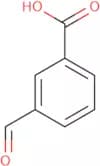
CAS:<p>3-Carboxybenzaldehyde is a hydroxy aromatic compound with a molecular formula of C8H6O2. It is a synthetic chemical that can be used as an intermediate in the synthesis of other compounds, such as polycarboxylic acids. 3-Carboxybenzaldehyde has been shown to be an effective substrate for binding to polycarboxylic acid enzymes and activating them. This reaction generates the corresponding carboxylate product and releases CO2. 3-Carboxybenzaldehyde has also been used as a reactant in asymmetric synthesis reactions and shown to have some structural similarities with benzene ring structures.</p>Formula:C8H6O3Purity:Min. 95%Color and Shape:PowderMolecular weight:150.13 g/mol3,4-Dihydroxy-6-nitrobenzaldehyde
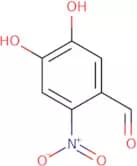
CAS:<p>3,4-Dihydroxy-6-nitrobenzaldehyde is a nitrite that can be used to produce nitric acid. It can also be used in the synthesis of caffeic acid and protocatechuic aldehyde. This molecule is also a catalyst for the conversion of 3,4-dihydroxybenzoic acid to chloride and purine derivatives. 3,4-Dihydroxy-6-nitrobenzaldehyde is nucleophilic and can react with an electron pair donor such as methyl ester or dimerization. The product of this reaction is an unsaturated compound called hyperuricemic mice.</p>Formula:C7H5NO5Purity:Min. 95%Color and Shape:Yellow PowderMolecular weight:183.12 g/mol2,2,7-Trimethyl-2,3-dihydro-1-benzofuran-5-carbaldehyde
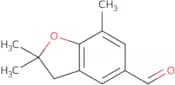
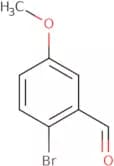
CAS:<p>2,2,7-Trimethyl-2,3-dihydro-1-benzofuran-5-carbaldehyde is a fine chemical that is used as a building block in research and synthesis of other chemicals. It has been shown to be a versatile building block for the synthesis of complex compounds. 2,2,7-Trimethyl-2,3-dihydro-1-benzofuran-5-carbaldehyde is also a useful intermediate to make other chemicals as well as a reagent in the production of speciality chemicals. This compound can be used in reactions with amines and alcohols. It has been found to have high quality that makes it useful for use in reactions with DNA and RNA nucleotides and proteins.</p>Formula:C12H14O2Purity:Min. 95%Color and Shape:White PowderMolecular weight:190.24 g/mol2-Bromo-5-methoxybenzaldehyde
CAS:<p>2-Bromo-5-methoxybenzaldehyde is an organic compound that is used as a synthetic intermediate. It has been shown to be a substrate for the acid transporter SLC26A2, which transports it into cells. This compound has also been found in low levels in human tissues and fluids, where it may play a role in the development of cancer. 2-Bromo-5-methoxybenzaldehyde has been shown to inhibit the growth of cancer cells by uv absorption and terminal alkynes. The anticancer activity of this compound is due to its ability to react with functional groups such as benzyl groups and other alkyl groups.</p>Formula:C8H7BrO2Purity:Min. 95%Color and Shape:PowderMolecular weight:215.04 g/mol4-[(2,3,4Trimethoxyphenyl)methyl]piperazine-1-carbaldehyde
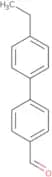
CAS:<p>Please enquire for more information about 4-[(2,3,4Trimethoxyphenyl)methyl]piperazine-1-carbaldehyde including the price, delivery time and more detailed product information at the technical inquiry form on this page</p>Formula:C15H22N2O4Purity:Min. 95%Color and Shape:PowderMolecular weight:294.35 g/mol4-(4-Ethylphenyl)benzaldehyde
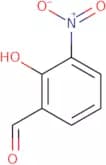
CAS:<p>4-(4-Ethylphenyl)benzaldehyde is a high quality, reagent, complex compound. CAS No. 101002-44-2. It is a useful intermediate and fine chemical that can be used as a versatile building block for the synthesis of speciality chemicals such as research chemicals and reaction components. This chemical is an excellent starting material for the synthesis of useful scaffolds and useful building blocks.</p>Formula:C15H14OPurity:Min. 95%Color and Shape:SolidMolecular weight:210.27 g/mol3-Nitrosalicylaldehyde
CAS:<p>3-Nitrosalicylaldehyde is an oxidizing agent that reacts with DNA in vitro to form DNA adducts. 3-Nitrosalicylaldehyde also has antioxidative properties, which can be demonstrated by its ability to inhibit the oxidation of low density lipoprotein (LDL) in vivo. This compound has been shown to activate the metalloproteinase MT2 receptor, which is involved in the regulation of blood pressure and heart function. 3-Nitrosalicylaldehyde is metabolized by hydrolysis and reduction to form a neutral product, which has been shown to have antidiabetic effects on mice.</p>Formula:C7H5NO4Purity:Min. 95%Color and Shape:PowderMolecular weight:167.12 g/molChloroacetaldehyde (40% aq.)
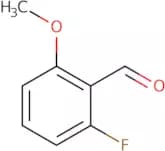
CAS:<p>Chloroacetaldehyde is a reactive compound that is found in wastewater. It can be used to remove other pollutants from the water. Chloroacetaldehyde has been shown to be toxic and may cause cancer, but it also has been used as a model system for studying energy metabolism. This substance is toxic because it reacts with cellular components such as proteins and DNA by cross-linking them. The cytosolic Ca2+ concentration increases when chloroacetaldehyde binds to cellular proteins, which affects cell physiology and the production of MMP-9.</p>Formula:ClCH2CHOPurity:Min. 95%Color and Shape:Clear LiquidMolecular weight:78.5 g/mol2-Fluoro-6-methoxybenzaldehyde
CAS:<p>2-Fluoro-6-methoxybenzaldehyde is a quinone that is used as an intermediate in the synthesis of other organic compounds. It has been shown to be a competitive inhibitor of malonate-induced fibrillation in heart muscle and also slows the reaction time. The pharmacokinetic properties of 2-fluoro-6-methoxybenzaldehyde have been evaluated in dogs, rats, and rabbits. In all three species, 2-fluoro-6-methoxybenzaldehyde showed no significant accumulation in any tissue after intravenous injection and was rapidly excreted unchanged in urine. 2-Fluoro-6-methoxybenzaldehyde may have some potential as an antihypertensive agent due to its ability to reduce blood pressure in rabbits.</p>Formula:C8H7FO2Purity:Min. 95%Color and Shape:PowderMolecular weight:154.14 g/mol5-Bromo-3,4-dihydroxybenzaldehyde
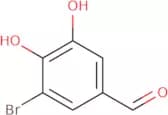
CAS:<p>5-Bromo-3,4-dihydroxybenzaldehyde (5BDBA) is a chemical compound that can be used as a reactive dye and photochemical crosslinker in the preparation of polymers. 5BDBA has been shown to have chemoattractant properties for immune cells, such as activated T lymphocytes and neutrophils. It also has been shown to have an effect on β-cells in the pancreas and skin cells. This compound has been found to activate the nuclear factor kappa-light-chain enhancer (NFκB), which leads to increased expression of chemoattractant protein (MCP). In 3T3-L1 preadipocytes, 5BDBA has been shown to induce accumulation of fatty acids by activating peroxisome proliferator activator receptor gamma.</p>Formula:C7H5BrO3Purity:Min. 95%Color and Shape:Yellow PowderMolecular weight:217.02 g/mol2,4-Dimethoxy-5-methylbenzaldehyde
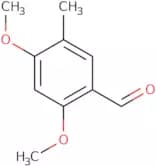
CAS:<p>2,4-Dimethoxy-5-methylbenzaldehyde is an aryl aldehyde that can be synthesized from 2,4-dimethoxyphenol and methyl benzoate. It can also be produced by condensation of benzaldehyde with chloroform in the presence of zinc chloride. This compound is used in the production of various pharmaceuticals, including antihistamines, antidepressants, and antipsychotics.</p>Formula:C10H12O3Purity:Min. 95%Color and Shape:PowderMolecular weight:180.2 g/mol5-Benzyloxyindole-3-carboxaldehyde
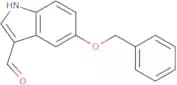
CAS:<p>5-Benzyloxyindole-3-carboxaldehyde is a merocyanine dye that can be used as an antimycobacterial agent in cell culture. It is also fluorescent and has been shown to inhibit the growth of Mycobacterium tuberculosis. 5-Benzyloxyindole-3-carboxaldehyde has been synthesised by reacting 5,5′-dibenzoyloxydihydropyrene with indole and benzaldehyde. The hydrolysis of this compound yields the corresponding carboxylic acid and benzoic acid, which are then converted to the desired product by action of sodium ethoxide. Merocyanine dyes are characterized by a distinctive absorption band in the visible region at about 540 nm. These compounds have also been shown to inhibit renal cells, which may be due to their ability to act as nucleophiles or tautomers.</p>Formula:C16H13NO2Purity:Min. 95%Color and Shape:Off-White PowderMolecular weight:251.28 g/mol2-Carbomethoxybenzaldehyde
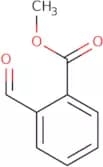
CAS:<p>2-Carbomethoxybenzaldehyde (2CMB) is a synthetic chemical compound that has been used as an efficient method for the synthesis of amines. The carbonyl group in 2CMB reacts with nucleophiles, such as amines, to form a tetrahydroisoquinoline derivative. This nucleophilic attack leads to the formation of an unstable intermediate that can be isolated and purified by trifluoroacetic acid (TFA). 2CMB is also used in the synthesis of quinoline derivatives and naphthalene derivatives. The acidic properties of 2CMB allow it to react with carboxylic acids, leading to the formation of esters.</p>Formula:C9H8O3Purity:Min. 95%Color and Shape:Colorless PowderMolecular weight:164.16 g/mol4-Cyano-2-hydroxybenzaldehyde
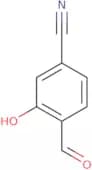
CAS:<p>4-Cyano-2-hydroxybenzaldehyde is a high quality chemical that can be used as a reagent and intermediate in the synthesis of complex compounds. It is also an important building block in the synthesis of fine chemicals. 4-Cyano-2-hydroxybenzaldehyde has been used as a versatile building block in the synthesis of organic compounds, useful scaffolds in medicinal chemistry, and reactive intermediates. It has also been shown to have anti-inflammatory properties and may be a potential treatment for inflammatory bowel disease.</p>Formula:C8H5NO2Purity:Min. 95%Molecular weight:147.13 g/mol3-Chloro-4-hydroxybenzaldehyde
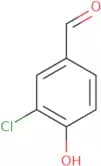
CAS:<p>3-Chloro-4-hydroxybenzaldehyde is a molecule that belongs to the class of aldehydes. It is a monocarboxylic acid and an important precursor in the production of coumarin derivatives. 3-Chloro-4-hydroxybenzaldehyde has been shown to have pharmacokinetic properties, such as vibrational, chemical, and optical properties. It is also a fluorophore with strong fluorescence emission. The hydroxymethyl group can be programmed by adding an amine or thiol group at the 4 position on the ring of 3-chloro-4-hydroxybenzaldehyde. The addition of these groups will change the optical properties of 3-chloro-4-hydroxybenzaldehyde to make it more useful for biotechnology applications.</p>Formula:C7H5ClO2Purity:Min. 95%Color and Shape:PowderMolecular weight:156.57 g/mol4-Bromo-3-methylbenzaldehyde
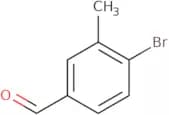
CAS:<p>4-Bromo-3-methylbenzaldehyde is a versatile building block that is used in the synthesis of many complex compounds. It can be used as a reactant, reagent, or speciality chemical. 4-Bromo-3-methylbenzaldehyde is an intermediate for the production of other chemicals and has been shown to be useful in the synthesis of various scaffolds. This product has been shown to have high purity and quality.</p>Formula:C8H7BrOPurity:Min. 95%Color and Shape:Yellow PowderMolecular weight:199.04 g/mol5-[(4,5-Dimethyl-4H-1,2,4-triazol-3-yl)thio]-2-furaldehyde
CAS:<p>5-[(4,5-Dimethyl-4H-1,2,4-triazol-3-yl)thio]-2-furaldehyde is a versatile building block that can be used as a research chemical or reagent. It is also useful for the synthesis of complex compounds. This material has been shown to be an excellent starting point for the synthesis of high quality and useful scaffolds.</p>Formula:C9H9N3O2SPurity:Min. 95%Color and Shape:PowderMolecular weight:223.25 g/mol3,4,5-Trihydroxybenzaldehyde monohydrate
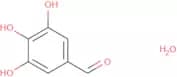
CAS:<p>3,4,5-Trihydroxybenzaldehyde monohydrate is a chemical compound that belongs to the class of aromatic hydrocarbons. It has been shown to have a neurotoxic effect on the mouse brain and is used in the diagnosis of neurological diseases. 3,4,5-Trihydroxybenzaldehyde monohydrate is also used as an intermediate in the synthesis of other chemicals. The molecular formula for this substance is C9H7O3 and it contains three nitrogen atoms. The molecular weight is 179.06 g/mol and its sequence length is 707 amino acids long. This substance has been found to be present in humans with chronic kidney disease and insulin resistance.</p>Formula:C7H6O4·H2OPurity:(%) Min. 95%Color and Shape:PowderMolecular weight:172.14 g/mol4-Bromo-2-hydroxybenzaldehyde
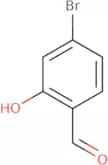
CAS:<p>4-Bromo-2-hydroxybenzaldehyde is a chemical compound that is used in the synthesis of azides. It has a molecular formula of C6H5BrO, a diameter of 197.037 pm, and a structural formula of CHBrO. 4-Bromo-2-hydroxybenzaldehyde can be prepared by reacting bromine with hydroxybenzaldehyde in the presence of an amine catalyst. This product has been shown to have synergistic effects when used in combination with other anticancer agents such as aminopyrimidines, coumarin derivatives, or 2-(4'-hydroxyphenyl) benzoxazole. The photophysical properties of 4-bromo-2-hydroxybenzaldehyde are characterized by its fluorescence emission at 272 nm and its absorption at 270 nm. This product also shows low detection levels in human liver tissue samples, which may be due to its high water sol</p>Formula:C7H5BrO2Purity:Min. 95%Color and Shape:White PowderMolecular weight:201.02 g/mol4-n-Propylbenzaldehyde
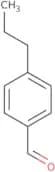
CAS:<p>4-n-Propylbenzaldehyde is a chemical compound that belongs to the group of aromatic aldehydes. It is used in the production of other chemicals, such as pharmaceuticals and fragrances. 4-n-Propylbenzaldehyde has been shown to be genotoxic, causing DNA damage and mutating genes. This chemical also has an inhibitory effect on cancer cells, which may be due to its ability to interfere with histone deacetylase activity. The genotoxic potential of this substance is considered low based on its lack of genotoxicity in vitro and in vivo. This compound does not have any structural formula for the corresponding metal complex.</p>Formula:C10H12OPurity:Min. 98 Area-%Color and Shape:Colorless Clear LiquidMolecular weight:148.2 g/mol1,10-Phenanthroline-2-carbaldehyde
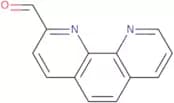
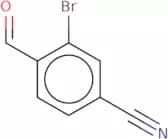
CAS:<p>1,10-Phenanthroline-2-carbaldehyde is a phenylhydrazone compound that has been shown to have anticancer activity. It is also a supramolecular complex, which means it can form hydrogen bonds and coordinate bonds with other molecules. The anticancer activity of 1,10-phenanthroline-2-carbaldehyde may be due to its ability to inhibit the growth of prostate carcinoma cells. This compound also inhibits the growth of human cervical carcinoma cells by binding to their DNA and inhibiting the synthesis of RNA and protein. 1,10-Phenanthroline-2-carbaldehyde is being studied for its potential as an inhibitor of tumor angiogenesis.<br>1,10-Phenanthroline-2-carbaldehyde has been shown to have antiplatelet aggregation effects in platelets from healthy humans as well as those with type 2 diabetes mellitus or chronic kidney disease.</p>Formula:C13H8N2OPurity:Min. 90 Area-%Color and Shape:Off-White PowderMolecular weight:208.22 g/mol2-Bromo-4-cyanobenzaldehyde
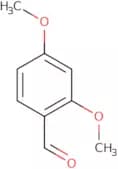
CAS:<p>2-Bromo-4-cyanobenzaldehyde is a potent protease inhibitor and can be used as an antiviral agent. It inhibits the NS3 protease of hepatitis C virus (HCV) with IC50 of 0.2 μM. 2-Bromo-4-cyanobenzaldehyde has been evaluated for its ability to inhibit replicons from HCV genotypes 1, 2, 3, 4 and 5 with varying degrees of potency. In vitro studies have shown that 2-bromo-4-cyanobenzaldehyde is a potent inhibitor of HCV NS3 protease, demonstrating activity against all major HCV genotypes in cell culture. This molecule has also been shown to inhibit the replication of HIV, herpes simplex virus type 1 and human rhinovirus type 2 in cell culture.</p>Formula:C8H4BrNOPurity:Min. 95%Color and Shape:PowderMolecular weight:210.03 g/mol2,4-Dimethoxybenzaldehyde
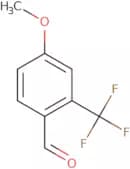
CAS:<p>2,4-Dimethoxybenzaldehyde is a synthetic compound that has been shown to have activity against pancreatic lipase. It has been suggested as a potential drug for the treatment of metabolic disorders such as obesity or diabetes. 2,4-Dimethoxybenzaldehyde can be synthesized by reacting ethyl diazoacetate with an aldehyde in the presence of ammonium acetate. This chemical can also be used to produce ethyl esters and compounds belonging to the group of phlorotannins. 2,4-Dimethoxybenzaldehyde has been shown to have antioxidative activity and inhibitory effects on pancreatic lipase.</p>Formula:C9H10O3Purity:Min. 95%Color and Shape:White PowderMolecular weight:166.18 g/mol4-Methoxy-2-(trifluoromethyl)benzaldehyde
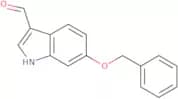
CAS:<p>4-Methoxy-2-(trifluoromethyl)benzaldehyde is a chemical that has been used in the synthesis of a variety of compounds. It is an important intermediate for the production of pharmaceuticals, agrochemicals, and fine chemicals. This compound can be used as a building block to produce other organic compounds with high quality. 4-Methoxy-2-(trifluoromethyl)benzaldehyde can also be used as a reagent in organic chemistry reactions, such as the synthesis of indoles. The CAS number for this compound is 106312-36-1.</p>Formula:C9H7F3O2Purity:Min. 95%Color and Shape:PowderMolecular weight:204.15 g/mol6-Benzyloxyindole-3-carboxaldehyde
CAS:<p>6-Benzyloxyindole-3-carboxaldehyde is a benzyl compound that is produced by the catalytic hydrogenolysis of benzyl alcohol. The debenzylation product of 6-benzyloxyindole-3-carboxaldehyde is known as benzene.</p>Formula:C16H13NO2Purity:Min. 95%Color and Shape:PowderMolecular weight:251.28 g/mol4-Acetyl syringaldehyde
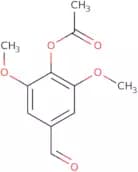
CAS:<p>4-Acetyl syringaldehyde is a gaseous compound that has been shown to have antitumor properties. It is synthesized from 5-iodovanillin, which can be found in Australian marine sponge and organic acids such as citric acid. 4-Acetyl syringaldehyde has been shown to inhibit the growth of human colorectal cancer cells (HCT116) and induce apoptosis. This compound also inhibits the growth of bacteria by binding to the bacterial dna gyrase and dna topoisomerase, inhibiting their ability to maintain the integrity of bacterial DNA. 4-Acetyl syringaldehyde undergoes a number of reactions when exposed to chlorine or nitro compounds, including oxidation products that are formed when it reacts with formic acid and hct116 cells.</p>Formula:C11H12O5Purity:Min. 95%Color and Shape:PowderMolecular weight:224.21 g/mol5-Fluoro-2-methylbenzaldehyde
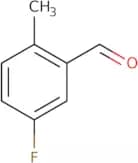
CAS:<p>5-Fluoro-2-methylbenzaldehyde is a fine chemical that is used as an intermediate in the synthesis of pharmaceuticals, agrochemicals, and other organic molecules. It is also useful in the preparation of synthetic resins, dyes, and flavors. 5-Fluoro-2-methylbenzaldehyde has been shown to be a versatile building block with many potential applications. This molecule can be used as a reaction component or as a speciality chemical to produce high quality reagents.</p>Formula:C8H7FOPurity:90%Color and Shape:Clear LiquidMolecular weight:138.14 g/mol4-Biphenylcarboxaldehyde
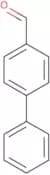
CAS:<p>4-Biphenylcarboxaldehyde is a chemical compound that belongs to the group of hydrocarbons. It is a colorless liquid with an unpleasant odor, soluble in ether and benzene, and has a boiling point of 210 °C. 4-Biphenylcarboxaldehyde can be used as a raw material for the production of pharmaceuticals and agrochemicals. The molecular structure of this compound is unsymmetrical due to its biphenyl backbone and two carbonyl groups. Hydrochloric acid reacts with 4-biphenylcarboxaldehyde to form 2-bromoethylbenzene and hydrogen gas:</p>Formula:C13H10OPurity:Min. 95%Color and Shape:White PowderMolecular weight:182.22 g/mol6-Methoxy-2-naphthaldehyde
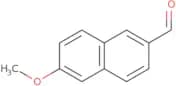
CAS:<p>6-Methoxy-2-naphthaldehyde is a nonsteroidal antiinflammatory drug that belongs to the class of naphthalenes. It inhibits the formation of inflammatory prostaglandins, which are mediators of pain and inflammation. 6-Methoxy-2-naphthaldehyde has been shown to have cytotoxic effects on cancer cells and in vitro studies have shown that it can induce cell lysis. It has also been shown to be a potent fluorescence probe for use in biological applications. This compound binds to human serum proteins by hydrogen bonding interactions, which may affect its pharmacokinetic properties. In addition, this compound has been shown to inhibit the activity of detoxification enzymes such as CYP 2C9 and 2D6 at high concentrations, which may lead to unwanted side effects such as nausea or vomiting. The molecular docking analysis of 6-Methoxy-2-naphthaldehyde with the active site of human liver alcohol dehydrogen</p>Formula:C12H10O2Purity:Min. 98 Area-%Color and Shape:PowderMolecular weight:186.21 g/mol4-Methoxy-2,3,6-trimethylbenzaldehyde
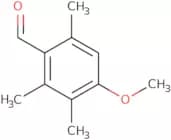
CAS:4-Methoxy-2,3,6-trimethylbenzaldehyde (MTMB) is a chemical intermediate that can be used as a building block for the synthesis of complex compounds. It has a high quality and is a versatile building block. MTMB is also known to react with other chemical compounds to form an aromatic ring. This compound is used in research and development as well as in fine chemical production.Formula:C11H14O2Purity:Min. 95%Color and Shape:PowderMolecular weight:178.23 g/mol3-Nitro-6-pyridinecarboxaldehyde
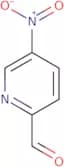
CAS:<p>3-Nitro-6-pyridinecarboxaldehyde is a colorless liquid that is soluble in water. It has a boiling point of 155 degrees Celsius, and it has a density of 1.03 grams per milliliter. This chemical reacts with metal ions to form nitro compounds. 3-Nitro-6-pyridinecarboxaldehyde has been used as an analytical reagent for the determination of benzenes and pyridines in organic solvents and gas chromatography calibration. The reactivity of this chemical is due to its pyridine ring, which can be used as a ligand or reagent.</p>Formula:C6H4N2O3Purity:Min. 98%Color and Shape:PowderMolecular weight:152.11 g/mol2,4,6-Trimethoxy-3-methylbenzaldehyde
CAS:<p>2,4,6-Trimethoxy-3-methylbenzaldehyde is a flavanone that is structurally related to the drug ciprofloxacin. The two molecules share a common molecular framework with the addition of a hydroxyl group on the 2 position of the benzene ring. In molecular docking studies, 2,4,6-Trimethoxy-3-methylbenzaldehyde has shown antitubercular activity against Mycobacterium tuberculosis and Mycobacterium avium complex. It is also an inhibitor of protein tyrosine phosphatase and has been shown to have antibacterial activity against various strains of bacteria.</p>Formula:C11H14O4Purity:Min. 95%Color and Shape:PowderMolecular weight:210.23 g/molSalicylaldehyde azine
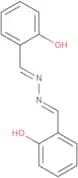
CAS:<p>Salicylaldehyde azine (SAZ) is a polymerized compound that has been shown to inhibit tyrosinase, an enzyme that catalyzes the oxidation of L-tyrosine to DOPA and dopaquinone. It can be used as a fluorescent probe for metal ions and has been used in the preparation of aluminium salts. The interaction of SAZ with protonated functional groups on tyrosinase leads to inhibition by blocking the active site. This inhibition is reversible and can be reversed by adding a reducing agent such as sodium dithionite.</p>Formula:C14H12N2O2Purity:Min. 95%Color and Shape:PowderMolecular weight:240.26 g/mol

![6-Bromo-2-phenyl-imidazo[1,2-a]pyridine-3-carboxaldehyde](/_next/image/?url=https%3A%2Fstatic.cymitquimica.com%2Fproducts%2F10%2Fthumb-webp%2FF020354.webp&w=3840&q=75)
![5''-(4'-Formyl-[1,1'-biphenyl]-4-yl)-[1,1':4',1'':3'',1''':4''',1''''-quinquephenyl]-4,4''''-dicar…](/_next/image/?url=https%3A%2Fstatic.cymitquimica.com%2Fproducts%2F10%2Fthumb-webp%2FF617529.webp&w=3840&q=75)
![2-(4-Bromo-phenyl)-8-methyl-imidazo[1,2-a]pyridine-3-carbaldehyde](/_next/image/?url=https%3A%2Fstatic.cymitquimica.com%2Fproducts%2F10%2Fthumb-webp%2FF015734.webp&w=3840&q=75)
![6-Phenyl-2,3-dihydroimidazo[2,1-b]thiazole-5-carbaldehyde](/_next/image/?url=https%3A%2Fstatic.cymitquimica.com%2Fproducts%2F10%2Fthumb-webp%2FF336457.webp&w=3840&q=75)


![2-Hydroxy-4-[3-(trifluoromethyl)-3H-diazirin-3-yl]benzaldehyde](/_next/image/?url=https%3A%2Fstatic.cymitquimica.com%2Fproducts%2F3D%2Fthumb-webp%2FFH97014.webp&w=3840&q=75)



![4-[(2,3,4Trimethoxyphenyl)methyl]piperazine-1-carbaldehyde](/_next/image/?url=https%3A%2Fstatic.cymitquimica.com%2Fproducts%2F3D%2Fthumb-webp%2FFT46258.webp&w=3840&q=75)

![5-[(4,5-Dimethyl-4H-1,2,4-triazol-3-yl)thio]-2-furaldehyde](/_next/image/?url=https%3A%2Fstatic.cymitquimica.com%2Fproducts%2F3D%2Fthumb-webp%2FFD120211.webp&w=3840&q=75)