Lactones
Found 491 products of "Lactones"
Cichoriin
CAS:Cichoriin is a coumarin glycoside, which is a type of phytochemical compound found in certain plants. It is primarily sourced from plants of the Asteraceae family, particularly chicory (Cichorium intybus). The compound exhibits its biochemical effects by interacting with various cellular pathways, including acting as an antioxidant and displaying potential anti-inflammatory and antimicrobial properties.Formula:C15H16O9Purity:Min. 95%Molecular weight:340.28 g/molMoluccanin
CAS:Please enquire for more information about Moluccanin including the price, delivery time and more detailed product information at the technical inquiry form on this pagePurity:Min. 95%Heratomol
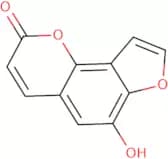
CAS:Please enquire for more information about Heratomol including the price, delivery time and more detailed product information at the technical inquiry form on this page
Formula:C11H6O4Purity:Min. 95%Molecular weight:202.16 g/molMurrangetin
Murrangetin is a flavonoid compound, which is a natural phytochemical sourced from the peels of various citrus fruits. Its mode of action primarily involves the modulation of inflammatory pathways, potentially through the inhibition of specific enzymes like cyclooxygenases and lipoxygenases. This flavonoid is also known for its antioxidative properties, which contribute to its ability to scavenge free radicals, thereby reducing oxidative stress in biological systems.
Purity:Min. 95%Anhydrobyankangelicin
CAS:Anhydrobyankangelicin is a coumarin derivative, which is a specialized type of organic compound commonly found in the plant family Apiaceae. This compound is biosynthetically sourced from the roots of plants such as Angelica species, where it is observed in varying concentrations. Anhydrobyankangelicin operates through interactions with several biological pathways, including modulating calcium channels and inhibiting certain enzymes involved in oxidative stress. This mechanism of action contributes to its efficacy in providing neuroprotective effects.Formula:C17H16O6Purity:Min. 95%Molecular weight:316.31 g/molGraveolone
CAS:Graveolone is a bioactive compound that functions as a plant defense enhancer, which is derived from certain plant species known for their antimicrobial properties. Its mode of action involves the activation of multiple signaling pathways that bolster the plant's innate immune response. By enhancing the synthesis of defensive proteins and secondary metabolites, Graveolone effectively fortifies plants against pathogenic challenges and abiotic stresses.Formula:C21H22O7Purity:Min. 95%Molecular weight:386.4 g/molPhellopterin
CAS:Phellopterin is a bioactive compound belonging to the class of furanocoumarins. It is extracted from various plants within the Apiaceae family, notably Angelica and Peucedanum species. These plants are found in diverse geographical regions and have been used in traditional medicine for centuries.Purity:Min. 95%cis-Isokhellactone
CAS:cis-Isokhellactone is a bioactive compound that belongs to the class of sesquiterpene lactones, which is isolated from plants in the genus Khella. With a well-characterized molecular structure, this compound exhibits significant binding affinity for cellular targets that are crucial in the regulation of cell proliferation and apoptosis. The mode of action involves the modulation of signaling pathways involved in cell cycle regulation and the induction of apoptosis in neoplastic cells.Formula:C14H14O5Purity:Min. 95%Molecular weight:262.26 g/mol5,7-Dihydroxycoumarin
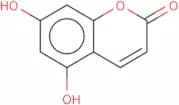
CAS:5,7-Dihydroxycoumarin is a natural product isolated from the dichloromethane extract of the inflorescences of Macaranga triloba.Formula:C9H6O4Purity:98.76%Color and Shape:SolidMolecular weight:178.143-Hydroxycoumarin
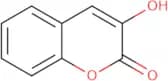
CAS:3-Hydroxycoumarin is a coumarin derivative, which is a type of organic compound with significant pharmacological interest. It is derived from the parent structure of coumarin, naturally found in various plant sources such as tonka beans and sweet clover. Its molecular structure includes a hydroxyl group added at the third position of the coumarin backbone, conferring distinct chemical properties.Formula:C9H6O3Purity:Min. 95%Color and Shape:PowderMolecular weight:162.14 g/molMarmesinin
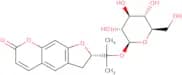
CAS:Marmesinin is a furanocoumarin compound, which is a type of phytochemical derived from certain plant species. It is specifically obtained from the plant Aegle marmelos, commonly known as the bael tree. Marmesinin acts primarily through mechanisms that are characteristic of coumarins, such as influencing biochemical pathways involved in cellular growth and immune response modulation.Formula:C20H24O9Purity:Min. 95%Molecular weight:408.4 g/molPeucedanol methyl ether
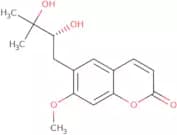
CAS:Peucedanol methyl ether is a bioactive natural compound, which is derived from certain species of the Peucedanum genus, commonly found in various geographic regions. This compound is predominantly obtained from natural extracts through advanced chromatographic techniques. Its molecular structure is characterized by its functional groups, which contribute to its biological activities.
Formula:C15H18O5Purity:Min. 95%Vinaxanthone
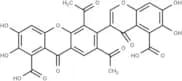
CAS:Vinaxanthone (SM-345431), an extract from Penicillium chrysogenum, is a semaphorin3A inhibitor with antimicrobial activity.Formula:C28H16O14Purity:82.56% - 97.8%Color and Shape:SolidMolecular weight:576.42Seselin
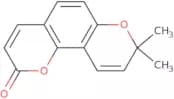
CAS:Seselin is a furanocoumarin, a type of organic compound, which is typically sourced from various plant species, particularly those in the Apiaceae family. This compound is characterized by a furan ring fused with a coumarin core, contributing to its unique chemical structure.
Formula:C14H12O3Purity:Min. 95%Molecular weight:228.24 g/mol(+)-Phyllodulcin
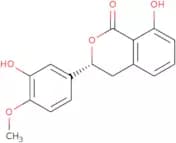
CAS:(+)-Phyllodulcin is a natural sweetener, which is predominantly derived from the leaves of the Hydrangea macrophylla var. thunbergii, commonly referred to as the sweet hydrangea. As a compound, it functions primarily as a sweetening agent by interacting with taste receptors on the human tongue, offering a sweetness intensity significantly greater than sucrose.Formula:C16H14O5Purity:Min. 95%Molecular weight:286.28 g/molElsamicin B
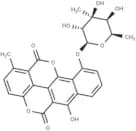
CAS:Elsamicin B is an antitumor antibiotic belonging to the Chartreusin group.Formula:C26H22O10Color and Shape:SolidMolecular weight:494.447Coumafuryl
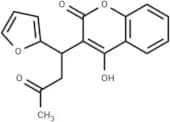
CAS:Coumafuryl is a coumarin-based rodenticide. It inhibits the metabolic cycle of vitamin K, thereby interfering with the biosynthesis of vitamin K-dependent clotting factors (factors II, VII, IX, and X) in the liver.Formula:C17H14O5Color and Shape:SolidMolecular weight:298.29Bergamottin
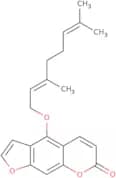
CAS:Bergamottin is a furanocoumarin compound, which is primarily found in grapefruit juice and other citrus fruits. It is derived from natural sources, specifically within the fruit and peel of grapefruits. The mode of action of Bergamottin involves the inhibition of the cytochrome P450 enzymes, particularly CYP3A4, which play a significant role in the metabolism of various drugs. This inhibitory effect can alter the pharmacokinetics of certain medications by increasing their bioavailability.
Formula:C21H22O4Purity:Min. 98 Area-%Color and Shape:White PowderMolecular weight:338.4 g/molUmbelliferone
CAS:Umbelliferone or 7-hydroxycoumarin is a widespread natural product of the coumarin family. It occurs in many familiar plants from the umbelliferae family. Umbelliferone can be used as a fluorescence indicator for metal ions such as copper and calcium. It acts as a pH indicator in the range 6.5-8.9.
Formula:C9H6O3Purity:Min. 98.0 Area-%Molecular weight:162.15 g/mol5,7-Dimethoxycoumarin
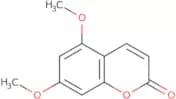
CAS:5,7-Dimethoxycoumarin is a naturally occurring coumarin derivative, which is primarily sourced from various plant species, most notably those belonging to the Apiaceae and Rutaceae families. This compound is characterized by the presence of methoxy groups at the 5 and 7 positions on the coumarin core structure. These structural features contribute to its biological activity by influencing its interaction with various biomolecular targets.
Formula:C11H10O4Purity:Min. 95%Color and Shape:White PowderMolecular weight:206.19 g/molRef: 3D-FD66962
Discontinued productIsosibiricin
CAS:Isosibiricin is a naturally occurring lignan, which is extracted from certain plant sources. This compound is derived from the genus Daphne, traditionally known for its diverse range of biologically active constituents. Its mode of action is primarily through the modulation of key signaling pathways involved in cell proliferation and apoptosis. Isosibiricin exhibits notable inhibitory effects on specific enzymes and receptors implicated in oncogenic processes, making it a subject of interest for cancer research.
Formula:C16H18O5Purity:Min. 95%Color and Shape:PowderMolecular weight:290.31 g/molMeranzin
CAS:Meranzin is a bioactive compound, which is a naturally occurring coumarin derivative found in various citrus fruits. Its source lies primarily in the peels and seeds of specific citrus species, notably within the Rutaceae family. The mode of action of Meranzin involves the inhibition of acetylcholinesterase, thereby influencing neurotransmitter activity, specifically in the modulation of acetylcholine levels. This action can have significant implications in research focused on neurodegenerative disorders.
Formula:C15H16O4Purity:Min. 98 Area-%Color and Shape:PowderMolecular weight:260.29 g/molRef: 3D-XM163793
Discontinued productAngelicin
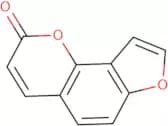
CAS:Angelicin is a furanocoumarin compound, which is derived from various plant sources, particularly within the Apiaceae family. The source of angelicin is often linked to traditional medicinal plants, where it is extracted and subsequently isolated for scientific investigation. Angelicin's mode of action involves intercalating within DNA strands, thereby affecting transcription and replication processes. This action is understood to be primarily photoactivated, leading to the formation of covalent bonds with DNA upon exposure to ultraviolet light, which can result in cross-linking.
Formula:C11H6O3Purity:Min. 95%Color and Shape:PowderMolecular weight:186.16 g/molRef: 3D-FA17920
Discontinued productMarmin
CAS:Marmin is a natural bioactive compound, which is a type of limonoid. It is primarily sourced from citrus fruits, especially those belonging to the Rutaceae family, such as lemons and oranges. The compound exhibits a range of biological activities due to its multifaceted mode of action.
Formula:C19H24O5Purity:Min. 98 Area-%Color and Shape:PowderMolecular weight:332.39 g/molByakangelicol
CAS:Byakangelicol is a naturally occurring furanocoumarin, which is a type of organic compound found predominantly in the roots of certain plants, such as Angelica dahurica. This compound is synthesized through the plant's secondary metabolic pathways, primarily as a defense mechanism against herbivores and pathogens. Byakangelicol exerts its biological effects primarily through the inhibition of various enzymatic pathways, such as cytochrome P450s and monoamine oxidase, which are key in processes like drug metabolism and neurotransmitter regulation.
Formula:C17H16O6Purity:Min. 98 Area-%Color and Shape:PowderMolecular weight:316.31 g/molRef: 3D-FB74110
Discontinued productPsoralen
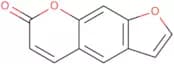
CAS:Psoralen is a naturally occurring furocoumarin compound, which is derived from various plants, including those in the Apiaceae family, such as parsley and celery. Its mode of action involves intercalating into DNA and forming covalent cross-links when activated by ultraviolet A (UVA) light. This photoreactivity enables it to modify the biological activity of nucleic acids, making it a valuable tool in both therapeutic and experimental settings.
Formula:C11H6O3Purity:Min. 98 Area-%Color and Shape:White PowderMolecular weight:186.16 g/molRef: 3D-FP15273
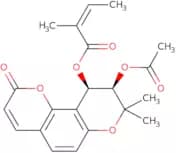
Discontinued productPteryxin
CAS:Pteryxin is an alkaloid derivative, which is a natural product isolated primarily from certain plant species within the Apiaceae family. As a complex organic compound, it exhibits a range of biochemical interactions at the molecular level. The mode of action for Pteryxin primarily involves its ability to interact with specific enzymatic pathways and receptors, facilitating or inhibiting particular physiological processes. This biochemical interaction underlies its potential pharmacological effects, which are these products' primary focus of study.
Formula:C21H22O7Purity:Min. 95%Color and Shape:PowderMolecular weight:386.4 g/molRef: 3D-FP145267
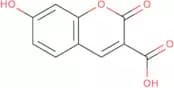
Discontinued productUmbelliferone-3-carboxylic acid
CAS:Umbelliferone-3-carboxylic acid is a coumarin derivative, which is a type of natural or synthetic organic compound often utilized in biochemical research. It is sourced from modifications of natural coumarins, which are typically isolated from plants belonging to the Apiaceae family, such as parsley, celery, and carrots. This compound functions by interacting with cellular enzymes, providing a fluorescent probe that aids in the investigation of enzymatic activities and pathways.
Formula:C10H6O5Purity:Min. 95%Color and Shape:PowderMolecular weight:206.15 g/molDemethylsuberosin
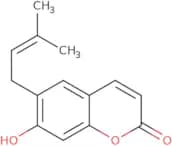
CAS:Demethylsuberosin is a naturally-occurring compound, specifically a coumarin derivative, which is often extracted from plants. It originates from numerous botanical sources, including the family Rutaceae, where it serves as a secondary metabolite. Its mode of action involves the inhibition of fungal and bacterial growth, achieved by disrupting the integrity of microbial cell walls and interfering with their replication processes.
Formula:C14H14O3Purity:Min. 95%Color and Shape:PowderMolecular weight:230.26 g/molIso-oxypeucedanin
CAS:Iso-oxypeucedanin is a naturally occurring furanocoumarin compound, which is isolated from various plant species, particularly those belonging to the Apiaceae family. It exhibits a range of biological activities, primarily attributable to its structural properties that allow it to interact with various molecular targets.
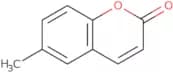
Purity:Min. 95%6-Methylcoumarin
CAS:The 6-methylcoumarin is a benzalkonium chloride that can be used as a stabilizer for biological samples. It has been shown to inhibit the activity of coumarin derivatives, which are receptors that are involved in the transmission of pain signals in the brain. The 6-methylcoumarin is also able to inhibit signal peptide, which is a protein that is secreted by cells and functions as a messenger between cells. This compound was found to have hypoglycemic effects due to its ability to stimulate glucose uptake in the body.
Formula:C10H8O2Purity:Min. 95%Color and Shape:PowderMolecular weight:160.17 g/molSuberosin
CAS:Suberosin is a naturally occurring sesquiterpene lactone, which is isolated from members of the Rutaceae family, such as the plant Feronia limonia. The compound exhibits diverse biological activities, primarily attributed to its complex structure that facilitates interaction with various biological targets. Suberosin's mode of action involves disrupting microbial cell membranes and interfering with critical biochemical pathways, effectively inhibiting microbial growth and propagation.
Formula:C15H16O3Purity:Min. 95%Molecular weight:244.29 g/mol7,8-Methylenedioxycoumarin
CAS:7,8-Methylenedioxycoumarin is a furanocoumarin compound, which is a type of organic molecule characterized by a coumarin core with an additional methylenedioxy group. It is primarily sourced from various plant species, particularly those in the Rutaceae family, where it is found in essential oils and extracts. The mode of action of 7,8-Methylenedioxycoumarin involves its natural fluorescing properties, making it highly valuable for use in various biochemical assays where visualization is key. Due to its unique chemical structure, it efficiently absorbs ultraviolet light and emits visible fluorescence, which is exploited in photochemistry and as a biological marker. Its applications extend to the fields of pharmaceuticals and environmental sciences, where it serves in drug development studies and as a tool for tracking organic pollutants in ecosystems. Researchers continue to explore its potential uses due to its distinctive chemical behavior and natural origin.
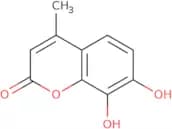
Formula:C10H6O4Purity:Min. 95%Molecular weight:190.15 g/mol7,8-Dihydroxy-4-methylcoumarin
CAS:7,8-Dihydroxy-4-methylcoumarin is a bioactive compound, specifically a derivative of coumarin. This compound is naturally derived from plant sources, where it acts as a metabolite in various biochemical pathways. Its chemical structure is characterized by the presence of two hydroxyl groups at the 7 and 8 positions, along with a methyl group at the 4 position of the coumarin core, contributing to its unique pharmacological profile.
Formula:C10H8O4Purity:Min. 95%Molecular weight:192.17 g/molTegerrardin A
CAS:Tegerrardin A is an innovative biopesticide derived from microbial fermentation processes, harnessing the potency of naturally occurring microorganisms. It is formulated to exploit the specific biochemical mechanisms within targeted pest populations, effectively disrupting their vital physiological functions. This selective mode of action is achieved through the inhibition of key enzymes essential for pest survival and proliferation, resulting in decreased pest pressure and improved crop health.
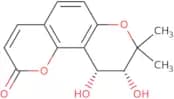
Formula:C15H13NO3Purity:Min. 95%Molecular weight:255.27 g/molcis-Khellactone
CAS:cis-Khellactone is a naturally occurring organic compound, which is a type of coumarin derivative sourced predominantly from the roots of Peucedanum and Angelica species, plants native to various regions. These botanical sources are known for yielding secondary metabolites with diverse biological properties.
Formula:C14H14O5Purity:Min. 95%Molecular weight:262.26 g/molPranferol
CAS:Pranferol is a phytochemical compound, which is derived from natural plant sources. It possesses unique immunomodulatory properties, affecting cellular pathways that regulate immune responses. The bioactive components in Pranferol interact with specific receptors on immune cells, modulating signaling cascades and gene expression to enhance or suppress specific immune functions depending on the physiological context.
Formula:C16H16O5Purity:Min. 95%Molecular weight:288.3 g/molVaginidin
CAS:Please enquire for more information about Vaginidin including the price, delivery time and more detailed product information at the technical inquiry form on this page
Formula:C19H22O6Purity:Min. 95%Molecular weight:346.37 g/molByakangelicol methanolate
Byakangelicol methanolate is a bioactive compound, which is a derivative of furanocoumarins, typically found in various plant species. It is naturally sourced from Angelica plants, known for their rich profile of therapeutic compounds. The mode of action of Byakangelicol methanolate involves the inhibition of specific enzymes related to inflammatory pathways, potentially modulating immune responses and reducing inflammation. This compound is of significant interest due to its potential applications in developing treatments for inflammatory-related conditions and possibly other therapeutic areas. Research into Byakangelicol methanolate focuses on understanding its pharmacological properties and exploring its benefits within pharmaceuticals for treating a range of inflammatory disorders. Its ability to act on specific biological pathways might provide insights into new therapeutic mechanisms, making it a subject of interest for scientists investigating novel anti-inflammatory agents.
Formula:C19H22O7Purity:Min. 95%Molecular weight:362.37 g/molByakangelicin
CAS:Byakangelicin is a furanocoumarin compound, which is derived from the roots of various Angelica plant species. This compound is of particular interest due to its complex chemical structure that allows it to interact with biological systems in distinctive ways. Byakangelicin's mode of action includes the inhibition of specific enzymes, interference with signal transduction pathways, and potential modulation of cellular responses, making it a valuable subject for various pharmacological studies.
Formula:C17H18O7Purity:Min. 95%Color and Shape:PowderMolecular weight:334.32 g/mol(+)-Peucedanol
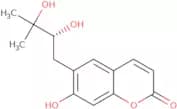
CAS:(+)-Peucedanol is a sesquiterpene compound, which is a type of natural organic compound composed of three isoprene units resulting in a 15-carbon backbone. It is derived from various species within the plant genus Peucedanum, known for their rich content of bioactive compounds. The stereoisomerism indicated by the "(+)" suggests a specific three-dimensional configuration that may influence its biological activity.
Formula:C14H16O5Purity:Min. 95%Molecular weight:264.27 g/molRef: 3D-FP145196
Discontinued product