6-membered Rings
6-membered rings are compounds containing a six-membered ring in their structure. This category includes a wide variety of compounds such as benzenes, cyclohexanes, anilines, anisoles, toluenes, quinones, and six-membered heterocycles. These compounds are crucial in many chemical syntheses and applications. At CymitQuimica, we provide a comprehensive range of 6-membered ring compounds to support your research and industrial applications.
Subcategories of "6-membered Rings"
- 6-membered Heterocycles(61,479 products)
- Anilines(104 products)
- Anisoles(29 products)
- Benzenes(48,837 products)
- Ciclohexanes(3,060 products)
- Quinones(252 products)
- Toluenes(193 products)
Found 10218 products of "6-membered Rings"
Sort by
Purity (%)
0
100
|
0
|
50
|
90
|
95
|
100
4-Oxocyclohexanecarboxylic Acid
CAS:Controlled Product<p>Applications 4-Oxocyclohexanecarboxylic Acid is used in the preparation of Indomethacin (I641000) analogues used in the treatment of prostate cancer. In addition it is used in the synthesis of β-alanine derivatives as glucagon receptor antagonists.<br>References Liedtke, A. et al.: J. Med. Chem., 56, 2429 (2013); Lau, J. et al.: J. Med. Chem., 50, 113 (2007);<br></p>Formula:C7H10O3Color and Shape:NeatMolecular weight:142.152,6-Dimethoxytoluene
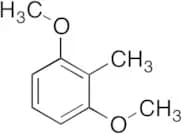
CAS:Controlled Product<p>Applications 2,6-Dimethoxytoluene is an organic synthesis intermediate.<br>References Liu, C., et al.: Bioorg. Med. Chem., 24, 4263 (2016); Della S., et al.: J. Org. Chem., 81, 5726 (2016); Zhang, M., et al.: Asian J. Org. Chem., 4, 1047 (2015); Peixoto, P. A., et al.: J. Am. Chem. Soc., 136, 15248 (2014)<br></p>Formula:C9H12O2Color and Shape:NeatMolecular weight:152.19N-Ethylbenzylamine
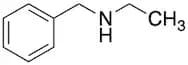
CAS:Controlled Product<p>Applications N-Ethylbenzylamine is a reactant or reagent used in various organic syntheses. It is used in the preparation of CXCR4 injhibitors which are used to treat cancer metastasis and inflammation.<br> Not a dangerous good if item is equal to or less than 1g/ml and there is less than 100g/ml in the package<br>References Bai, R. et al.: Eur. J. Med. Chem., 118, 340 (2016);<br></p>Formula:C9H13NColor and Shape:NeatMolecular weight:135.21E-3-(4-Benzyloxy)-1-(2.4-bisbenzyloxy-6-hydroxy)phenyl)propenone
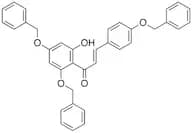
CAS:Controlled Product<p>Applications E-3-(4-Benzyloxy)-1-(2.4-bisbenzyloxy-6-hydroxy)phenyl)propenone (cas# 88607-79-8) is a compound useful in organic synthesis.<br></p>Formula:C36H30O5Color and Shape:NeatMolecular weight:542.624-Benzoylbenzoic acid
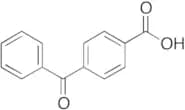
CAS:Controlled Product<p>Applications 4-Benzoylbenzoic acid is a reagent that is used in the synthesis of BzATP Triethylammonium Salt, which is a selective P2X purinergic agonist. It is more potent than ATP at homodimeric P2X7 receptors.<br>References Cole, D., Yount, R.: J. Biol. Chem., 265, 22537 (1990); Atarashi, K., et al.: Nature, 455, 808 (2008)<br></p>Formula:C14H10O3Color and Shape:NeatMolecular weight:226.233,3,5,5-Tetramethylcyclohexanone
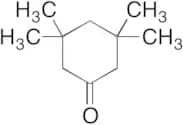
CAS:Controlled Product<p>Applications 3,3,5,5-Tetramethylcyclohexanone (cas# 14376-79-5) is a useful research chemical and a pharmaceutical intermediate.<br>References Ebrahimi, H. P., et al.: Spectrochim. Acta A: Mol. Biomol. Spectrosc., 137, 1067 (2015); Bishop, A. C., et al.: Bioorg. Med. Chem. Lett., 16, 4002 (2006)<br></p>Formula:C10H18OColor and Shape:NeatMolecular weight:154.241-(Benzyloxy)propan-2-one
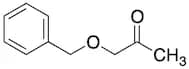
CAS:Controlled Product<p>Applications 1-(Benzyloxy)propan-2-one (cas# 22539-93-1) is a useful research chemical.<br></p>Formula:C10H12O2Color and Shape:NeatMolecular weight:164.24,4'-(1,4-Phenylenebis(ethene-2,1-diyl))dibenzonitrile
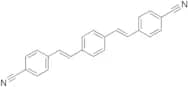
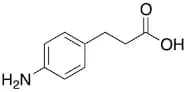
CAS:Controlled Product<p>Stability Light Sensitive<br>Applications 4,4'-(1,4-Phenylenebis(ethene-2,1-diyl))dibenzonitrile (cas# 13001-40-6) is a useful research chemical.<br></p>Formula:C24H16N2Color and Shape:NeatMolecular weight:332.43-(4-Aminophenyl)propionic Acid
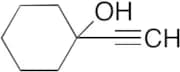
CAS:Controlled Product<p>Applications 3-(4-Aminophenyl)propionic acid (cas# 2393-17-1) is a useful research chemical.<br></p>Formula:C9H11NO2Color and Shape:NeatMolecular weight:165.191-Ethynylcyclohexanol
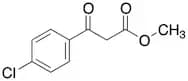
CAS:Controlled Product<p>Applications 1-Ethynylcyclohexanol is used in the preparation of 9-methyladenines used as adenosine receptor antagonists. Also used in the cycloadition of alkynes to organic azides.<br> Not a dangerous good if item is equal to or less than 1g/ml and there is less than 100g/ml in the package<br>References Harada, H. et al.: J. Med. Chem. 44, 170 (2001); Zhang, L. et al.: J. Am. Chem. Soc., 127, 15998 (2005);<br></p>Formula:C8H12OColor and Shape:NeatMolecular weight:124.18Methyl 3-(4_Chlorophenyl)-3-oxopropanoate
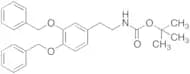
CAS:Controlled Product<p>Applications Methyl 3-(4-chlorophenyl)-3-oxopropanoate (cas# 22027-53-8) is a useful research chemical.<br></p>Formula:C10H9O3ClColor and Shape:NeatMolecular weight:212.62N-tert-Butoxycarbonyl-3,4-dibenzyloxyphenylethylamine
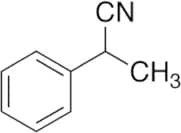
CAS:Controlled Product<p>Applications N-tert-Butoxycarbonyl-3,4-dibenzyloxyphenylethylamine is an intermediate used in the synthesis of S-(-)-Tretoquinol Hydrochloride (T798100), which belongs to the class of adrenergic inhalants, selective β-2-adrenoreceptor agonists. S-(-)-Tretoquinol is used in the treatment of obstructive airway diseases. S-(-)-Tretoquinol is a bronchodilator.<br>References Meshi, et al.: Biochem. Pharmacol., 19, 2937 (1970), Satoh, et al.: Chem. Pharm. Bull., 19, 667 (1971),<br></p>Formula:C27H31NO4Color and Shape:NeatMolecular weight:433.542-Phenylpropionitrile
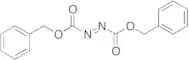
CAS:Controlled Product<p>Applications 2-Phenylpropionitrile (cas# 1823-91-2) is a compound useful in organic synthesis.<br></p>Formula:C9H9NColor and Shape:NeatMolecular weight:131.17Dibenzyl Azodicarboxylate
CAS:Controlled Product<p>Applications Dibenzyl azodicarboxylate is a reagent used in the synthesis of Minocycline-d6 (M344797). Minocycline-d6 is a labeled second generation tetracycline antibiotic. Antibacterial.<br>References Zbinovsky, V., et al.: Anal. Profiles Drug Subs., 6, 323 (1977); Oringer, R.J., et al.: J. Periodontol., 73, 835 (2002)<br></p>Formula:C16H14N2O4Color and Shape:YellowMolecular weight:298.293-Phenylpropylamine
CAS:Controlled Product<p>Stability Hygroscopic<br>Applications 3-Phenylpropylamine is an compound used for the synthesis of various pharmaceuticals.<br> Not a dangerous good if item is equal to or less than 1g/ml and there is less than 100g/ml in the package<br>References Kamochi, Y., et al.: Tetrahedron. Lett., 32, 3511 (1991);<br></p>Formula:C9H13NColor and Shape:NeatMolecular weight:135.212-(4-Octylphenyl)ethyl Acetate
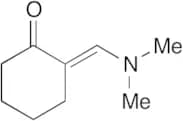
CAS:Controlled Product<p>Applications 2-(4-Octylphenyl)ethyl Acetate (cas# 162358-04-5) is a compound useful in organic synthesis.<br></p>Formula:C18H28O2Color and Shape:NeatMolecular weight:276.412-(Dimethylaminomethylene)cyclohexanone
CAS:Controlled Product<p>Applications 2-(Dimethylaminomethylene)cyclohexanone is an intermediate in the synthesis of 2-Pentylidenecyclohexanone (P280255), a fragrance chemical. It can also be used in the synthesis of dialkylphenols in the presence of zirconium catalyst.<br>References Tetsuo, B. et al.: Kenkyu Hokoku - Asahi Garasu Zaidan, 58, 201 (1991); Hostynek, J. J., et al.: Toxicology in Vitro, 11, 377 (1997);<br></p>Formula:C9H15NOColor and Shape:NeatMolecular weight:153.22rac-cis-[3-Hydroxycyclohexyl]benzamide
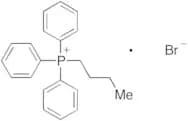
CAS:Controlled Product<p>Applications rac-cis-[3-Hydroxycyclohexyl]benzamide (cas# 177366-89-1) is a compound useful in organic synthesis.<br></p>Formula:C13H17NO2Color and Shape:NeatMolecular weight:219.28n-Butyltriphenylphosphonium Bromide
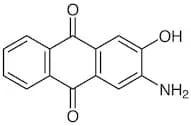
CAS:Controlled Product<p>Applications n-Butyltriphenylphosphonium Bromide is used in the synthesis of inhibitors of tubulin polymerization thus expressing antimitotic and antitubulin properties. Also used in the synthesis of 3-phenylpropanoic acids as peroxisome proliferator-activated receptor dual agonists affecting the mitochondrial carnitine system.<br>References Cushman, M. et al.: J. Med. Chem., 38, 2041 (1995); Laghezza, A. et al.: J. Med. Chem., 56, 60 (2013);<br></p>Formula:C22H24BrPColor and Shape:NeatMolecular weight:399.32-Amino-3-hydroxyanthraquinone
CAS:Formula:C14H9NO3Purity:>98.0%(T)Color and Shape:Orange to Amber to Dark red powder to crystalMolecular weight:239.234,4'-Didodecyloxyazoxybenzene
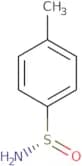
CAS:Formula:C36H58N2O3Purity:>98.0%(N)Color and Shape:Light yellow to Yellow to Orange powder to crystalMolecular weight:566.87(S)-4-Methylbenzenesulfinamide
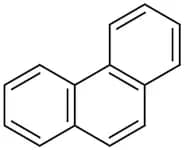
CAS:(S)-4-Methylbenzenesulfinamide is a synthetic β-amino acid that has been used for the synthesis of various heterocycles. It has been shown to be a selective inhibitor of the enzyme carboxypeptidase B (CPB) in vitro, which is involved in the degradation of β-amino acids. The stereoselective synthesis of (S)-4-methylbenzenesulfinamide has been achieved through the use of hydrophobic phenylphosphinate as a chiral ligand and an azetidine as a starting material. The reaction time was found to be 20 minutes at room temperature with ethyl phenylphosphinate.Formula:C7H9NOSPurity:Min. 95%Color and Shape:White PowderMolecular weight:155.22 g/molPhenanthrene
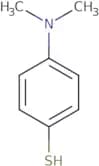
CAS:Formula:C14H10Purity:>97.0%(GC)Color and Shape:White to Light yellow to Light orange powder to crystalMolecular weight:178.234-(Dimethylamino)benzenethiol
CAS:<p>4-(Dimethylamino)benzenethiol (DMAT) is a thiol that has coordination chemistry with metal ions. DMAT exhibits transport properties, such as solubility in water and chloride, which may be due to its electrochemical properties. DMAT can be photooxidized by ultraviolet light to form the reactive species, 4-dimethylaminobenzoquinone. This reactive species can then react with hydrogen peroxide to produce the intermediate radical cation, which can react with other molecules to produce singlet oxygen and superoxide radicals. These reactions are responsible for the photooxidation of organic materials.<br>The enhanced Raman spectra of DMAT have been studied using surface-enhanced Raman spectroscopy (SERS). The SERS technique enhances the intensity of scattered laser light by orders of magnitude by tapping into a phenomenon known as surface plasmon resonance. The nmr spectra of DMAT have been studied and show that it is</p>Formula:C8H11NSPurity:Min. 95%Color and Shape:PowderMolecular weight:153.25 g/mol4-Dodecylbenzenesulfonic acid - mixture of C10-C13 isomers
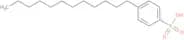
CAS:<p>4-Dodecylbenzenesulfonic acid is a mixture of C10-C13 isomers. It is used as an additive to biodiesel or petroleum diesel fuel to reduce the corrosivity of the fuel and protect the engine. 4-Dodecylbenzenesulfonic acid can be synthesized by reacting hydrochloric acid with a fatty acid. The product is then purified by hydrophilic interaction chromatography and sodium carbonate. 4-Dodecylbenzenesulfonic acid has been shown to have synergistic effects when combined with other compounds, such as boron nitride, in treating breast cancer cells. This compound has also been shown to have antimicrobial properties against bacteria, fungi, and protozoa through its hydroxide solution reaction with nitrogen atoms on the surface of multi-walled carbon nanotubes. 4-Dodecylbenzenesulfonic acid is a white solid that can be crystallized at room</p>Formula:C18H30O3SPurity:Min. 95%Color and Shape:Brown Clear LiquidMolecular weight:326.5 g/mol4-Phenyl-1-cyclohexene
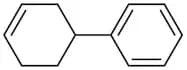
CAS:Formula:C12H14Purity:>96.0%(GC)Color and Shape:Colorless to Light yellow to Light orange clear liquidMolecular weight:158.24Isopropyl benzenesulfonate
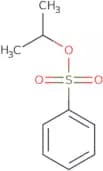
CAS:Isopropyl benzenesulfonate is an ester compound that reacts with the chlorine atom to produce a sulfonic acid. It has antimicrobial properties and is used in the production of quinoline derivatives, which are aliphatic hydrocarbons that have been found to be effective in the treatment of cancer. Isopropyl benzenesulfonate also has potential as a cross-linking agent for ester compounds, due to its ability to react with both aromatic hydrocarbons and radiation. It can be synthesized by reacting a phase liquid chromatography solution with hydroxyl group or patterning with a solid catalyst. Isopropyl benzenesulfonate has carbonyl groups that are reactive with other chemicals and may be used as a reagent for storing reactive substances.Formula:C9H12O3SPurity:Min. 95%Color and Shape:Colorless Clear LiquidMolecular weight:200.26 g/mol(S)-(-)-5,5',6,6',7,7',8,8'-Octahydro-1,1'-bi-2-naphthol
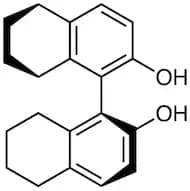
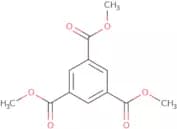
CAS:Formula:C20H22O2Purity:>99.0%(GC)Color and Shape:White to Almost white powder to crystalMolecular weight:294.39Trimethyl 1,3,5-benzene tricarboxylate
CAS:<p>Trimethyl 1,3,5-benzene tricarboxylate is a chemical compound that belongs to the group of polycarboxylic acids. It is used as a polymerization agent in the manufacture of ionic polymers. The first step in this process is cationic polymerization, which involves the reaction between trimethyl 1,3,5-benzene tricarboxylate and sodium citrate to form an ion pair. This process can be followed by hydrolysis with hydrochloric acid and sodium carbonate to release the carboxylate anion from the polymer chain and regenerate trimethyl 1,3,5-benzene tricarboxylate. Trimethyl 1,3,5-benzene tricarboxylate has been shown to have optical properties that depend on its molecular weight and metal surface interactions. It can also be used as a chelating agent for zinc diethyld</p>Formula:C12H12O6Purity:Min. 95%Color and Shape:White PowderMolecular weight:252.22 g/molSodium Dodecylbenzenesulfonate (soft type) (mixture)
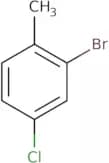
CAS:Sodium dodecylbenzenesulfonate is a surfactant that has been used in a wide variety of industrial and research applications. Sodium dodecylbenzenesulfonate is not considered to be toxicologically harmful, but it can produce byproducts that are hazardous. These byproducts are controlled by regulatory authorities and are removed during the manufacturing process. It can also absorb other chemicals, such as carbamates and silicone oils, from the atmosphere. The focus of its use is as an absorbent for water-based paints.Formula:C18H29NaO3SPurity:Min. 95%Color and Shape:PowderMolecular weight:348.48 g/mol2-Bromo-4-chlorotoluene
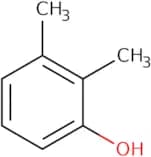
CAS:<p>2-Bromo-4-chlorotoluene is a chemical compound with the molecular formula C6H4BrClO. It is an aromatic peroxide that has a chlorine atom attached to one of the benzene rings. 2-Bromo-4-chlorotoluene is produced by the reaction of bromine with chlorotoluene in the presence of hydrogen peroxide and sodium periodate. The reaction takes place at room temperature, producing a colourless liquid with a pungent odour. This chemical can be identified by its infrared frequencies, which are observed as vibrations between 1650 and 1700 cm−1. The molecule has a dipole moment of 0.5 D, which means it can transfer electrons to other molecules or atoms in order to form bonds. 2-Bromo-4-chlorotoluene is used as an intermediate for organic compounds such as glycol dimethyl ethers.<br>2-Bromo</p>Formula:C7H6BrClPurity:Min. 95%Color and Shape:PowderMolecular weight:205.48 g/mol1-Hydroxy-2,3-dimethylbenzene
CAS:<p>1-Hydroxy-2,3-dimethylbenzene (1,2-DMB) is a chemical compound that is used as an industrial catalyst. It has been shown to be an efficient catalyst for the treatment of wastewater, and has been studied in the removal of nitrogen from industrial gases. 1,2-DMB has also been found to be active against bacteria such as Pseudomonas aeruginosa and Staphylococcus aureus. This compound reacts with copper ions to form an organometallic complex, which then reacts with trifluoroacetic acid in an organic solution to form an aldehyde group.</p>Formula:C8H10OPurity:Min. 95%Color and Shape:Off-White PowderMolecular weight:122.16 g/mol[NH2Me2][(RuCl((S)-binap))2(μ-Cl)3]
CAS:Formula:C90H72Cl5NP4Ru2Color and Shape:Orange to Brown powder to crystalMolecular weight:1,670.864-(1-Pyrenyl)phenylboronic Acid (contains varying amounts of Anhydride)
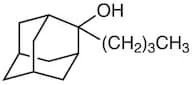
CAS:Formula:C22H15BO2Purity:95.0 to 105.0 %Color and Shape:Light yellow to Yellow to Green powder to crystalMolecular weight:322.172-Butyl-2-adamantanol
CAS:Formula:C14H24OPurity:>98.0%(GC)Color and Shape:White to Almost white powder to crystalMolecular weight:208.35Octadecylcyclohexane
CAS:Formula:C24H48Purity:>98.0%(GC)Color and Shape:White to Almost white powder to crystalMolecular weight:336.659-Bromo-10-[4-(2-naphthyl)phenyl]anthracene
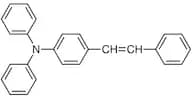
CAS:Formula:C30H19BrPurity:>98.0%(HPLC)Color and Shape:Light orange to Yellow to Green powder to crystalMolecular weight:459.394-Styryltriphenylamine
CAS:Formula:C26H21NPurity:>98.0%(GC)Color and Shape:Light yellow to Yellow to Green powder to crystalMolecular weight:347.462-Toluenesulfonyl isocyanate
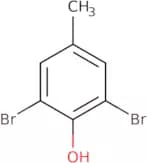
CAS:<p>2-Toluenesulfonyl isocyanate (2TSIC) is a reactive compound that belongs to the group of polyols. It has high resistance to water and other solvents, which makes it an excellent sealant. 2TSIC reacts with hydroxy groups on polymers and monomers to form hydrogen bonds. This reaction can be used in radiation curing of sealants. 2TSIC also interacts with m1 receptors, which are proteins found in the brain and spinal cord that regulate neurotransmitter release.</p>Formula:C8H7NO3SPurity:Min. 95%Color and Shape:Colourless liquid.Molecular weight:197.21 g/mol3,5-Dibromo-4-hydroxytoluene
CAS:<p>3,5-Dibromo-4-hydroxytoluene (DBHT) is a brominated aromatic hydrocarbon. It has been shown to be an efficient debrominating agent for bromophenols and chloride, which are two major environmental pollutants. DBHT can also catalyze the conversion of styrene to benzene and acetic acid in the presence of hydrogen, as well as methylating styrene. This chemical is an effective catalyst for the formation of metabolic intermediates and crystal x-ray diffraction studies have shown that DBHT is a good substrate for enzyme activity.</p>Formula:C7H6Br2OPurity:Min. 95%Color and Shape:White To Yellow To Light Brown SolidMolecular weight:265.93 g/molChrysophenine
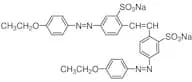
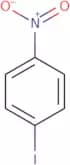
CAS:Formula:C30H26N4Na2O8S2Color and Shape:Light yellow to Brown powder to crystalMolecular weight:680.661-Iodo-4-nitrobenzene
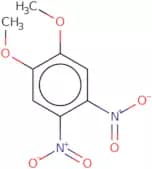
CAS:<p>1-Iodo-4-nitrobenzene is an insecticide with a nitro group. It is synthesized by the asymmetric synthesis of diazonium salt and hydroxyl group in the presence of a solid catalyst, such as palladium. 1-Iodo-4-nitrobenzene can be used as a coupling reagent for Suzuki coupling reactions, halide transfer reactions, and other multi-walled carbon transfer reactions. It has also been reported to have neuroprotective effects against Parkinson's disease in levopimaric acid model system. 1-Iodo-4-nitrobenzene has also been shown to inhibit the proliferation of neuro2a cells.</p>Formula:C6H4INO2Purity:Min. 95%Color and Shape:Slightly Yellow PowderMolecular weight:249.01 g/mol1,2-Dimethoxy-4,5-dinitrobenzene
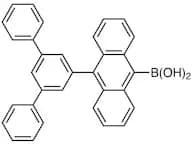
CAS:<p>1,2-Dimethoxy-4,5-dinitrobenzene is a fluorescent compound that can be used as a probe to study the response elements in DNA. It has been shown to inhibit HDAC activity and induce nuclear translocation of Nrf2 in wild-type mice. 1,2-Dimethoxy-4,5-dinitrobenzene has also been shown to decrease the level of plasma protein carbonyls in cancer patients. This molecule has analytical applications for determining the presence of it's target compounds in biological samples.</p>Formula:C8H8N2O6Purity:Min. 95%Color and Shape:PowderMolecular weight:228.16 g/mol10-(1,1':3',1''-Terphenyl-5'-yl)anthracene-9-boronic Acid (contains varying amounts of Anhydride)
CAS:Formula:C32H23BO2Purity:>97.0%(HPLC)Color and Shape:Light yellow to Yellow powder to crystalMolecular weight:450.343-Amino-1-adamantanol
CAS:Formula:C10H17NOPurity:>98.0%(GC)(T)Color and Shape:White to Almost white powder to crystalMolecular weight:167.252-Bromo-7-tert-butylpyrene
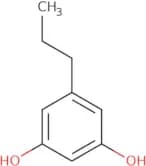
CAS:Formula:C20H17BrPurity:>98.0%(GC)Color and Shape:White to Almost white powder to crystalMolecular weight:337.265-Propyl-1,3-benzenediol
CAS:<p>5-Propyl-1,3-benzenediol is a chemical compound that is found in cannabis. It has been shown to have anti-inflammatory and neuroprotective effects in vitro. 5-Propyl-1,3-benzenediol also inhibits the growth of cancer cells in vivo by inducing apoptosis.<br>5-Propyl-1,3-benzenediol can be synthesized from cannabidiol with high yield and selectivity by a one-pot reaction. This product has not been studied for toxicity or other side effects on humans.</p>Formula:C9H12O2Purity:Min. 95%Color and Shape:PowderMolecular weight:152.19 g/mol[RuCl(p-cymene)((S)-xylbinap)]Cl
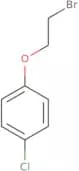
CAS:Formula:C62H62Cl2P2RuColor and Shape:Light yellow to Brown powder to crystalMolecular weight:1,041.101-(2-Bromoethoxy)-4-chloro-benzene
CAS:<p>1-(2-Bromoethoxy)-4-chloro-benzene is a monomer that is soluble in organic solvents and has been shown to be an electron donor. The reaction mechanism of the bromination of 1-(2-bromoethoxy)-4-chlorobenzene involves the formation and subsequent decomposition of a radical anion, which is stabilized by the solvent acetonitrile. This monomer can also be used as a sensitizer for polymerization reactions. The yield of this product has been found to increase with increasing amounts of ethanol in the solution. 1-(2-Bromoethoxy)-4-chlorobenzene can also undergo an intramolecular cyclization to form a five membered ring with two stereogenic centers.<br>1-(2-Bromoethoxy)-4-chlorobenzene yields optical rotation values that are dependent on the concentration of water in the solution and it has been</p>Formula:C8H8BrClOPurity:Min. 95%Color and Shape:Off-White PowderMolecular weight:235.51 g/mol2-Iodo-3-fluoronitrobenzene
CAS:<p>2-Iodo-3-fluoronitrobenzene is a chemical compound that is used as a building block for the synthesis of pharmaceuticals, agrochemicals and other organic compounds. It is also used as a reagent in organic synthesis. This compound can be used as a reactant to produce various products with different functional groups. 2-Iodo-3-fluoronitrobenzene has a high quality and versatility, which makes it useful in the synthesis of many different types of molecules.</p>Formula:C6H3FINO2Purity:Min. 95%Color and Shape:White PowderMolecular weight:267 g/molMethyl Pentafluorophenyl Carbonate
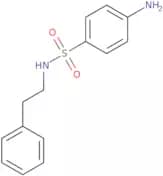
CAS:Formula:C8H3F5O3Purity:>98.0%(GC)Color and Shape:White to Almost white powder to lumpMolecular weight:242.104-Amino-N-(2-phenylethyl)benzenesulfonamide
CAS:4-Amino-N-(2-phenylethyl)benzenesulfonamide (4APBS) is a histone deacetylase inhibitor. It has been shown to inhibit the histone methyltransferase activity of EZH2, which is important for regulating gene expression, in cells treated with 4APBS. This inhibition leads to increased levels of the transcriptional coactivator β-catenin and reduced levels of tumor suppressor genes. These changes ultimately lead to an increase in cancer cell proliferation and decreased apoptosis. 4APBS also interacts with hormone receptors that are found on the surface of cells and can regulate cellular functions such as proliferation, differentiation, or apoptosis.Formula:C14H16N2O2SPurity:Min. 95%Color and Shape:Off-White PowderMolecular weight:276.36 g/moltrans-1,3-Cyclohexanediol
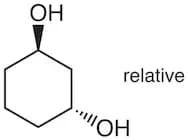
CAS:Formula:C6H12O2Purity:>98.0%(GC)Color and Shape:White to Almost white powder to crystalMolecular weight:116.161,3-Diisopropenylbenzene - stabilized with TBC
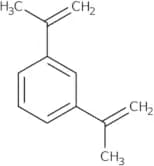
CAS:1,3-Diisopropenylbenzene is a hydrocarbon solvent with thermal expansion properties. It has been shown to be an effective cross-linking agent for cationic polymerization and is used as a surfactant for the production of polyurethanes. 1,3-Diisopropenylbenzene is also used as a chemical intermediate in the production of higher molecular weight polymers and plastics. The ester linkages in 1,3-diisopropenylbenzene are susceptible to hydrolysis and oxidation, which can lead to degradation. 1,3-diisopropenylbenzene is stabilized with TBC by forming an ether linkage with the terminal hydroxyl group on TBC.Formula:C12H14Purity:Min. 95%Color and Shape:Colorless PowderMolecular weight:158.24 g/molPyridinium p-Toluenesulfonate
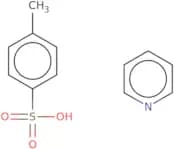
CAS:<p>Pyridinium p-toluenesulfonate is a reagent that can be used in the reduction of chloride to produce chloride ions. This process is called desulfurization. Pyridinium p-toluenesulfonate also reacts with cyclodepsipeptides, and can be used to recrystallize them. The main use for this reagent is in organic synthesis, where it can be used as an acid catalyst to synthesize polyene compounds or as a stereoselective agent for the preparation of dye cations.</p>Formula:C7H8O3S·C5H5NPurity:Min. 95%Color and Shape:White PowderMolecular weight:251.3 g/molCalmagite [Metal indicator for Ca, Mg etc.]
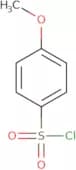
CAS:Formula:C17H14N2O5SColor and Shape:Red to Dark blue to Black powder to crystalMolecular weight:358.374-Methoxybenzenesulfonyl chloride
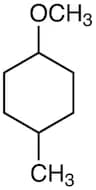
CAS:<p>4-Methoxybenzenesulfonyl chloride is a water-soluble and colorless solid that is used in the treatment of wastewater. It binds to hydroxyl groups and copper complexes, which are present in high concentrations in wastewater. 4-Methoxybenzenesulfonyl chloride can be used as an analytical reagent for determining binding constants, as well as for the separation of amyloid proteins. This compound has been shown to have anti-inflammatory properties by inhibiting the production of pro-inflammatory cytokines such as tumor necrosis factor (TNF) and interleukin (IL)-1β. 4-Methoxybenzenesulfonyl chloride also has activity against certain cancers such as L1210 leukemia cells in mice and diphenyl ethers.</p>Formula:C7H7ClO3SPurity:Min. 97 Area-%Color and Shape:Brown Off-White PowderMolecular weight:206.65 g/mol1-Methoxy-4-methylcyclohexane (cis- and trans- mixture)
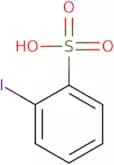
CAS:Formula:C8H16OPurity:>98.0%(GC)Color and Shape:Colorless to Almost colorless clear liquidMolecular weight:128.222-Iodobenzenesulfonic acid
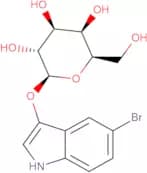
CAS:<p>2-Iodobenzenesulfonic acid is a synthetic molecule with a molecular weight of 169.27 g/mol. It is an acidic salt that reacts with nucleophilic substitutions, such as hydroxyl groups and heterocycles. 2-Iodobenzenesulfonic acid has been studied using molecular modeling techniques to identify its pharmacophore and the key features that may be important for binding to the active site of the enzyme. The results of these studies show that the most important features are a sulfonyl group, two hydroxyl groups, and an aromatic ring.</p>Formula:C6H5IO3SPurity:Min. 95%Color and Shape:Slightly Yellow PowderMolecular weight:284.07 g/mol5-Bromo-3-indolyl-b-D-galactopyranoside
CAS:<p>M02705 - 5-Bromo-3-indolyl-b-D-galactopyranoside</p>Formula:C14H16BrNO6Purity:98%Color and Shape:SolidMolecular weight:374.1872-Hydroxy-5-(phenylethynyl)benzoic Acid (90%)
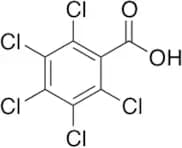
CAS:Controlled Product<p>Applications 2-Hydroxy-5-(phenylethynyl)benzoic Acid has antiinflammatory activity.<br>References Shen, T.-Y., et al.: U.S. (1972), US 3657430 A<br></p>Formula:C15H10O3Purity:90%Color and Shape:NeatMolecular weight:238.23Pentachlorobenzoic Acid
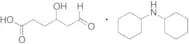
CAS:Controlled ProductFormula:C7HCl5O2Color and Shape:NeatMolecular weight:294.3474-Hydroxy-6-oxohexanoic Acid Dicyclohexylamine Salt
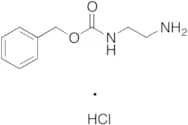
CAS:Controlled ProductFormula:C12H23N·C6H10O4Color and Shape:NeatMolecular weight:327.459N-(Benzyloxycarbonyl)ethylenediamine Hydrochloride
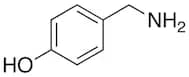
CAS:Controlled Product<p>Applications N-(Benzyloxycarbonyl)ethylenediamine Hydrochloride is a reagent used to synthesize new opioid ligand as an analgesics with mixed agonist and antagonist properties to induce tolerance and dependence.<br>References Salvadori, S., et al.: Bioorg. Med. Chem., 15, 6876-6881 (2007);<br></p>Formula:C10H14N2O2•HClColor and Shape:NeatMolecular weight:194.2336464-Hydroxybenzylamine
CAS:Controlled Product<p>Applications 4-Hydroxybenzylamine (cas# 696-60-6) is a compound useful in organic synthesis.<br></p>Formula:C7H9NOColor and Shape:NeatMolecular weight:123.151-(4-(3-(Methylamino)phenyl]thiazol-2-yl)guanidine
CAS:Controlled ProductFormula:C11H13N5SColor and Shape:NeatMolecular weight:247.3195-(3-Benzyloxyphenyl)nicotinic acid
CAS:Controlled Product<p>Applications 5-(3-Benzyloxyphenyl)nicotinic acid<br></p>Formula:C19H15NO3Color and Shape:NeatMolecular weight:305.33N-[2-[(3-Hydroxyphenyl)methylamino]ethyl]-acetamide
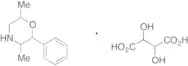
CAS:Controlled Product<p>Applications Used in the preparation of homobifunctional rhodamine for labeling proteins.<br>References Corrie, J. et al.; Bioconjugate Chem. 9, 160 (1998)<br></p>Formula:C11H16N2O2Color and Shape:NeatMolecular weight:208.263,6-Dimethyl-2-phenyl-morpholine Tartrate
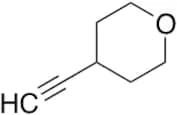
CAS:Controlled ProductFormula:C12H17NO•C4H6O6Color and Shape:NeatMolecular weight:341.364-Ethynyltetrahydro-2H-pyran
CAS:Controlled Product<p>Applications 4-Ethynyltetrahydro-2H-pyran is useful in the synthesis of preparation of aminopyrazine derivatives useful as PI3k-γ inhibitors.<br>References Douty, B., et al.: U.S. Pat. Appl. Publ., 132 (2020)<br></p>Formula:C7H10OColor and Shape:NeatMolecular weight:110.15Triethylene Glycol Monobenzyl Ether
CAS:Controlled Product<p>Applications Triethylene Glycol Monobenzyl Ether is used in the preparation of self-assembled monolayers with multiple binding sites and biocompatible imprinted cavities for biosensor application. Also used in the synthesis of novel ethoxylated inositol surfactants.<br>References Zhang, X. et al.: J. Am. Chem. Soc., 135, 9248 (2013); Catanoiu, G. et al.: J. Colloid. Inter. Sci., 371, 82 (2012);<br></p>Formula:C13H20O4Color and Shape:NeatMolecular weight:240.2965,6,8,9-Tetrahydro-7H-dibenzo[c,g]carbazole
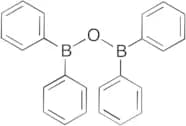
CAS:Controlled Product<p>Applications 5,6,8,9-Tetrahydro-7H-dibenzo[c,g]carbazole (cas# 117766-87-7) is a compound useful in organic synthesis.<br></p>Formula:C20H17NColor and Shape:NeatMolecular weight:271.36Diphenylborinic Anhydride
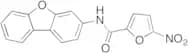
CAS:Controlled ProductFormula:C24H20B2OColor and Shape:NeatMolecular weight:346.04N-(3-Dibenzofuranyl)-5-nitro-2-furancarboxamide
CAS:<p>Applications N-(3-Dibenzofuranyl)-5-nitro-2-furancarboxamide is synthesized from Dibenzo[b,d]furan-3-amine (D418205), which is a building block used as a reactant in the preparation of dibenzofuryl(phosphonomethyl)alanines as endothelin converting enzyme inhibitors.<br>References De Lombaert, S., et al.: J. Med. Chem., 43, 488 (2000);<br></p>Formula:C17H10N2O5Color and Shape:NeatMolecular weight:322.27(S)-5-(2,2-Dimethyl-4H-benzo[d][1,3]dioxin-5-yl-2-one
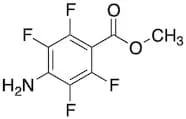
CAS:Controlled ProductFormula:C13H15NO4Color and Shape:NeatMolecular weight:249.10011Methyl 4-Amino-2,3,5,6-tetrafluorobenzoate
CAS:Controlled Product<p>Applications Methyl 4-amino-2,3,5,6-tetrafluorobenzoate (cas# 715-37-7) is a useful research chemical.<br></p>Formula:C8H5NO2F4Color and Shape:NeatMolecular weight:223.12Pentafluorophenyltrichlorosilane
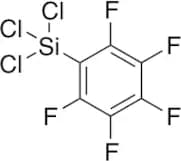
CAS:Controlled ProductFormula:C6Cl3F5SiColor and Shape:NeatMolecular weight:301.501(1R,3S)-3-Aminocyclohexanol
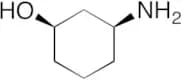
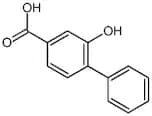
CAS:Controlled ProductFormula:C6H13NOColor and Shape:NeatMolecular weight:115.1743-Hydroxy-4-phenylbenzoic Acid
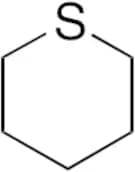
CAS:Controlled Product<p>Applications 3-Hydroxy-4-phenylbenzoic Acid is a useful reagent for the preparation of spiro[3,4-dihydro-2H-pyrrolo[1,2-a]pyrazine-1,4'-piperidine] derivatives as modulators of sodium ion channel.<br>References Hadida Ruah, S. S., et al.: U.S. Pat. Appl. Publ. (2012), US 20120196869 A1<br></p>Formula:C13H10O3Color and Shape:NeatMolecular weight:214.22Thiane
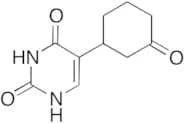
CAS:Controlled Product<p>Applications Thiane, is a organic sulfide, that has shown to have antioxidant activity.<br> Not a dangerous good if item is equal to or less than 1g/ml and there is less than 100g/ml in the package<br>References Chao, Q., et al.: Thermochimica Acta, 447 (2006);<br></p>Formula:C5H10SColor and Shape:NeatMolecular weight:102.25-(3-Keto-cyclohexyl)uracil
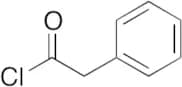
Controlled ProductFormula:C10H12N2O3Color and Shape:NeatMolecular weight:208.214Phenylacetyl Chloride(Benzeneacetyl Chloride)
CAS:Controlled Product<p>Stability Moisture Sensitive<br>Applications Benzeneacetyl Chloride is used in the synthesis of aromatic inhibitors of HIV-1 integrase. Also used in the preparation of napthalenic ligands with high affinity for melatonin receptor.<br> Not a dangerous good if item is equal to or less than 1g/ml and there is less than 100g/ml in the package<br>References Burke, T. et al.: J. Med. Chem., 38, 4171 (1995); Yous, S. et al.: J. Med. Chem., 35, 1484 (1992);<br></p>Formula:C8H7ClOColor and Shape:NeatMolecular weight:154.59[4-(3,4-Dihydro-2H-1-benzopyran-6-yl)phenyl]methanamine
CAS:Controlled ProductFormula:C16H17NOColor and Shape:NeatMolecular weight:239.3121,3-Diphenylpropane
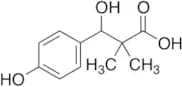
CAS:Controlled Product<p>Applications 1,3-Diphenylpropane (cas# 1081-75-0) is a useful research chemical.<br></p>Formula:C15H16Color and Shape:NeatMolecular weight:196.283-Hydroxy-3-(4-hydroxyphenyl)-2,2-dimethylpropanoic Acid
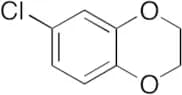
CAS:Controlled ProductFormula:C11H14O4Color and Shape:NeatMolecular weight:210.2266-Chloro-2,3-dihydro-1,4-benzodioxin
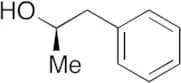
CAS:Controlled ProductFormula:C8H7ClO2Color and Shape:NeatMolecular weight:170.593(R)-1-Phenyl-2-propanol
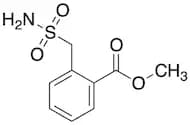
CAS:Controlled ProductFormula:C9H12OColor and Shape:NeatMolecular weight:136.191o-Carbomethoxybenzyl Sulfonamide
CAS:Controlled Product<p>Applications o-Carbomethoxybenzyl Sulfonamide is a useful reactant in organic synthesis.<br>References Jiang, Lin, et al.: Youji Huaxue, 26(2), 203-206 (2006)<br></p>Formula:C9H11NO4SColor and Shape:NeatMolecular weight:229.256,6-Dimethyl-3-(Methylthio)-4-Oxo-4,5,6,7-Tetrahydrobenzo[C]Thiophene-1-Carbonitrile
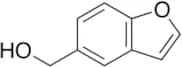
CAS:Controlled Product<p>Applications 6,6-Dimethyl-3-(Methylthio)-4-Oxo-4,5,6,7-Tetrahydrobenzo[C]Thiophene-1-Carbonitrile (cas# 175202-50-3) is a useful research chemical.<br></p>Formula:C12H13NOS2Color and Shape:NeatMolecular weight:251.3681-Benzofuran-5-ylmethanol
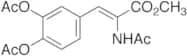
CAS:Controlled ProductFormula:C9H8O2Color and Shape:NeatMolecular weight:148.159Methyl 2-Acetamido-3-(3,4-diacetoxyphenyl)-2-propenoate
CAS:Controlled Product<p>Applications Methyl 2-Acetamido-3-(3,4-diacetoxyphenyl)-2-propenoate (cas# 170699-07-7) is a compound useful in organic synthesis.<br></p>Formula:C16H17NO7Color and Shape:NeatMolecular weight:335.31Methyl 5-Chloro-2-[(4-ethoxy-4-oxobutyl)amino]benzoate
CAS:Controlled Product<p>Applications Methyl 5-Chloro-2-[(4-ethoxy-4-oxobutyl)amino]benzoate is a reactant in the synthesis of 7-chloro-5-oxo-2,3,4,5-tetrahydro-1H-1-benzoazepin, an intermediate in synthesis of Tolvaptan (T536650).<br>References Liu, Dengke, et al.: Tianjin Institute of Pharmaceutical Research, CN 103012265 A 20130403(2013);<br></p>Formula:C14H18ClNO4Color and Shape:NeatMolecular weight:299.75N-[3-(4-Aminophenyl)propyl]-N,N-dimethylamine
CAS:Controlled Product<p>Applications N-[3-(4-Aminophenyl)propyl]-N,N-dimethylamine<br></p>Formula:C11H18N2Color and Shape:NeatMolecular weight:178.271-[2-Hydroxy-4,6-bis(ethoxymethoxy)phenyl]ethanone
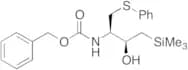
CAS:Controlled Product<p>Applications 1-[2-Hydroxy-4,6-bis(ethoxymethoxy)phenyl]ethanone (cas# 128837-25-2) is a compound useful in organic synthesis.<br></p>Formula:C14H20O6Color and Shape:NeatMolecular weight:284.30Benzyl ((2R,3S)-3-Hydroxy-1-(phenylthio)-4-(trimethylsilyl)butan-2-yl)carbamate
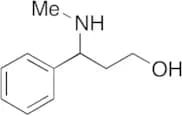
Controlled ProductFormula:C21H29NO3SSiColor and Shape:NeatMolecular weight:403.61γ-(Methylamino)benzenepropanol
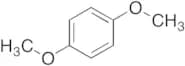
CAS:Controlled ProductFormula:C10H15NOColor and Shape:NeatMolecular weight:165.2321,4-Dimethoxybenzene
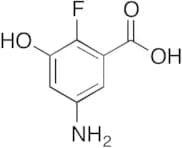
CAS:Controlled Product<p>Applications 1,4-Dimethoxybenzene is a useful chemical in organic synthesis.<br>References Digwal, Chander S., et al.: Asian J. of Org. Chem., 7(5), 865-869 (2018);Cai, Zhi-Bin, et al.: RSC Advances, 6(52), 46853-46863 (2016);Lin, Qi, et al.: Soft Matter, 13(39), 7222-7226 (2017)<br></p>Formula:C8H10O2Color and Shape:Off-WhiteMolecular weight:138.1645-Amino-2-fluoro-3-hydroxybenzoic Acid
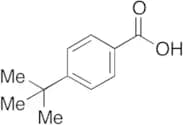
CAS:Controlled ProductFormula:C7H6FNO3Color and Shape:NeatMolecular weight:171.1264-tert-Butylbenzoic Acid
CAS:<p>Applications 4-tert-Butylbenzoic Acid is a general chemical reactant/reagent used in the synthesis of Arylboronic Acids as dual-action FAAH and TRPV1 ligands. As well, used in the preparation of cellular chemical probes targetting PRC1 (polycomb repressive complex 1) for prostate cancer cells.<br>References Morera, E. et al.: Bioorg. Med. Chem. Lett., 26, 1401 (2016); Stuckey, J. et al.: Nat. Chem. Biol., 12, 180 (2016);<br></p>Formula:C11H14O2Color and Shape:NeatMolecular weight:178.23




![rac-cis-[3-Hydroxycyclohexyl]benzamide](/_next/image/?url=https%3A%2Fstatic.cymitquimica.com%2Fproducts%2FTR%2Fthumb-webp%2FH827000.webp&w=3840&q=75)




![[NH2Me2][(RuCl((S)-binap))2(μ-Cl)3]](/_next/image/?url=https%3A%2Fstatic.cymitquimica.com%2Fproducts%2F3B%2Fthumb-webp%2FN1016.webp&w=3840&q=75)


![9-Bromo-10-[4-(2-naphthyl)phenyl]anthracene](/_next/image/?url=https%3A%2Fstatic.cymitquimica.com%2Fproducts%2F3B%2Fthumb-webp%2FB4571.webp&w=3840&q=75)



![[RuCl(p-cymene)((S)-xylbinap)]Cl](/_next/image/?url=https%3A%2Fstatic.cymitquimica.com%2Fproducts%2F3B%2Fthumb-webp%2FR0151.webp&w=3840&q=75)


![Calmagite [Metal indicator for Ca, Mg etc.]](/_next/image/?url=https%3A%2Fstatic.cymitquimica.com%2Fproducts%2F3B%2Fthumb-webp%2FC0008.webp&w=3840&q=75)


![1-(4-(3-(Methylamino)phenyl]thiazol-2-yl)guanidine](/_next/image/?url=https%3A%2Fstatic.cymitquimica.com%2Fproducts%2FTR%2Fthumb-webp%2FM227305.webp&w=3840&q=75)

![N-[2-[(3-Hydroxyphenyl)methylamino]ethyl]-acetamide](/_next/image/?url=https%3A%2Fstatic.cymitquimica.com%2Fproducts%2FTR%2Fthumb-webp%2FH949285.webp&w=3840&q=75)

![5,6,8,9-Tetrahydro-7H-dibenzo[c,g]carbazole](/_next/image/?url=https%3A%2Fstatic.cymitquimica.com%2Fproducts%2FTR%2Fthumb-webp%2FT293420.webp&w=3840&q=75)
![(S)-5-(2,2-Dimethyl-4H-benzo[d][1,3]dioxin-5-yl-2-one](/_next/image/?url=https%3A%2Fstatic.cymitquimica.com%2Fproducts%2FTR%2Fthumb-webp%2FD456838.webp&w=3840&q=75)
![[4-(3,4-Dihydro-2H-1-benzopyran-6-yl)phenyl]methanamine](/_next/image/?url=https%3A%2Fstatic.cymitquimica.com%2Fproducts%2FTR%2Fthumb-webp%2FD453165.webp&w=3840&q=75)

![6,6-Dimethyl-3-(Methylthio)-4-Oxo-4,5,6,7-Tetrahydrobenzo[C]Thiophene-1-Carbonitrile](/_next/image/?url=https%3A%2Fstatic.cymitquimica.com%2Fproducts%2FTR%2Fthumb-webp%2FD496438.webp&w=3840&q=75)
![Methyl 5-Chloro-2-[(4-ethoxy-4-oxobutyl)amino]benzoate](/_next/image/?url=https%3A%2Fstatic.cymitquimica.com%2Fproducts%2FTR%2Fthumb-webp%2FM295420.webp&w=3840&q=75)
![N-[3-(4-Aminophenyl)propyl]-N,N-dimethylamine](/_next/image/?url=https%3A%2Fstatic.cymitquimica.com%2Fproducts%2FTR%2Fthumb-webp%2FA615935.webp&w=3840&q=75)
![1-[2-Hydroxy-4,6-bis(ethoxymethoxy)phenyl]ethanone](/_next/image/?url=https%3A%2Fstatic.cymitquimica.com%2Fproducts%2FTR%2Fthumb-webp%2FH830140.webp&w=3840&q=75)