Benzamides
Benzamides are a class of organic compounds characterized by a benzene ring bonded to an amide group (-CONH2). These compounds are essential intermediates in the synthesis of pharmaceuticals, agrochemicals, and dyes. Benzamides exhibit diverse biological activities, making them valuable in drug development and research. At CymitQuimica, we offer a comprehensive selection of high-quality benzamides to support your research and industrial applications.
Found 62 products of "Benzamides"
Sort by
Purity (%)
0
100
|
0
|
50
|
90
|
95
|
100
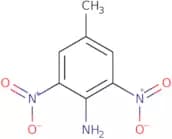
2,6-Dinitro-4-methylaniline
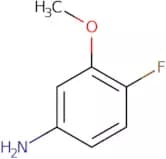
CAS:<p>2,6-Dinitro-4-methylaniline is an amide that has been shown to induce cancer in animals. It has a high affinity for nucleic acids and forms covalent bonds with DNA. 2,6-Dinitro-4-methylaniline is metabolized by the liver and excreted by the kidneys into urine, where it can be detected in urine samples. This compound has been shown to bioconcentrate in organisms and accumulate in tissues as well as activate radiation. The activation of this compound is dose dependent and may be due to its ability to form covalent bonds with DNA.</p>Formula:C7H7N3O4Purity:Min. 95%Color and Shape:PowderMolecular weight:197.15 g/mol4-Fluoro-3-methoxyaniline
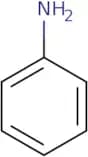
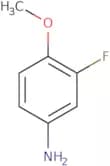
CAS:<p>4-Fluoro-3-methoxyaniline is a high quality reagent with a CAS number of 64465-53-8. It is an intermediate in the synthesis of other complex compounds, such as chroman derivatives. This compound can be used as a building block for the synthesis of organic compounds and also has many medicinal applications. 4-Fluoro-3-methoxyaniline is soluble in most solvents and can be stored at room temperature.</p>Formula:C7H8FNOPurity:Min. 95%Color and Shape:Yellow PowderMolecular weight:141.14 g/molAniline
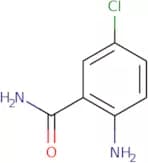
CAS:<p>Aniline is an aromatic amine and is a clear to slightly yellow liquid with a characteristic odor. Aniline is an important precursor in the production of a wide range of industrial chemicals, including polyurethane foams, agricultural chemicals, and dyes. Aniline is also used in the manufacture of pharmaceuticals, rubber processing chemicals, and antioxidants. Due to its widespread industrial use, aniline can be found in various environmental matrices, including water, wastewater, and air.</p>Formula:C6H7NPurity:Min. 95%Color and Shape:Colorless Clear LiquidMolecular weight:93.13 g/mol2-Amino-5-chlorobenzamide
CAS:<p>2-Amino-5-chlorobenzamide is a fluorescence probe that has been shown to react with anthranilic acid, which is a structural component of many active substances. It is used in organic solvents as an indicator for the presence of active oxygen. 2-Amino-5-chlorobenzamide can be used as a linker to connect different molecules and can be activated by dehydrating agents, such as sodium sulfite. This compound has been demonstrated to have a linear response over a wide range of concentrations. The molecular target of 2-amino-5-chlorobenzamide is unknown at this time, but it has been suggested that it may interact with amino acids or proteins. The structural formula for 2-amino-5-chlorobenzamide is C6H4ClN2O2.</p>Formula:C7H7ClN2OPurity:Min. 95%Color and Shape:PowderMolecular weight:170.6 g/mol3-Amino-4-methoxybenzamide
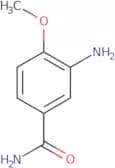
CAS:<p>3-Amino-4-methoxybenzamide (3AMB) is a transcriptional regulator that inhibits the expression of genes encoding for the synthesis of aminoglycoside antibiotics. 3AMB binds to DNA, forming a heteromer with the transcription factor HANATX, which prevents RNA polymerase from binding to DNA. This in turn inhibits gene expression and bacterial growth. 3AMB has been shown to trigger diabetic neuropathy by inhibiting xylitol dehydrogenase, an enzyme required for neuron protection against oxidative stress. The drug also has a high affinity for nucleophiles and can bind to various substrates such as sulfhydryl groups or hydroxyl groups.</p>Formula:C8H10N2O2Purity:Min. 98%Color and Shape:Off-White PowderMolecular weight:166.18 g/mol4-Bromo-2-fluoroaniline
CAS:<p>4-Bromo-2-fluoroaniline is a sulfonated compound that can be synthesized from 2,4,6-trimethylbenzenamine and malonic acid. It is an acidic chemical that reacts with hydroxide solution to form a molecule with a chlorinated aromatic ring. 4-Bromo-2-fluoroaniline has been used in clinical studies as an oral anti-cancer agent in the treatment of malignant melanoma and breast cancer. This drug inhibits epidermal growth factor receptor (EGFR), which may lead to decreased cell proliferation, apoptosis, and tumor formation.</p>Formula:C6H5BrFNPurity:Min. 99%Color and Shape:PowderMolecular weight:190.01 g/mol3,3',5,5'-Tetramethylbenzidine, free base
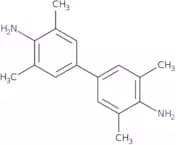
CAS:<p>TMB is an excellent colorimetric substrate for detection of horseradish peroxidase labelled probes and is used with peroxidase and peroxidase coupled systems, particularly in ELISA techniques. It produces a soluble end product, which is blue in color and can be read spectrophotometrically. TMB has also been used in the quantitative determination of hemoglobin and in cytochemical staining for peroxidase. TMB is a hepatitis B antigen.</p>Formula:C16H20N2Purity:Min. 99.0 Area-%Molecular weight:240.35 g/mol2,4,6-Trimethoxyaniline
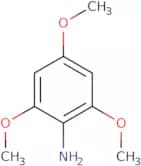
CAS:<p>2,4,6-Trimethoxyaniline is a tetrazole compound that has been shown to inhibit glycosidases. The inhibition of these enzymes prevents the hydrolysis of glycosidic bonds in carbohydrates and other biomolecules. 2,4,6-Trimethoxyaniline is used as an antibacterial agent against methicillin-resistant Staphylococcus aureus (MRSA) and other bacteria. It also inhibits the growth of Mycobacterium tuberculosis and Mycobacterium avium complex due to its ability to inhibit protein synthesis by inhibiting RNA synthesis. 2,4,6-Trimethoxyaniline can be synthesized by demethylation of anisidine with tribromide or chloroform.</p>Formula:C9H13NO3Purity:Min. 97 Area-%Color and Shape:Yellow PowderMolecular weight:183.2 g/molIsovanillin
CAS:<p>Isovanillin is a naturally occurring compound in plants and has been shown to have biological effects on the mitochondria of cells. It has been found to inhibit the mitochondrial membrane potential of k562 cells, which is associated with cell death. Isovanillin has also been shown to affect bacterial strains, such as Acinetobacter baumannii, by inhibiting their growth. This x-ray crystal structure was determined using a lc-MS/MS method and it was found that isovanillin reacts with p-hydroxybenzoic acid to form methyl ethyl benzoate. Isovanillin is toxic and has been found to cause cellular physiology changes when administered at high concentrations.</p>Formula:C8H8O3Purity:Min. 95%Color and Shape:White PowderMolecular weight:152.15 g/mol4-Hydroxybenzamide
CAS:<p>4-Hydroxybenzamide is a fatty acid with the hydroxyl group at the 4 position. It has been shown to inhibit the activity of human protein by interfering with hydrogen bonding and amide formation. The chemical structures of 4-hydroxybenzamide have been studied by electrochemical impedance spectroscopy (EIS) and found to be a competitive inhibitor of 1-hydroxy-2-naphthoic acid, an adenosine receptor antagonist, and p-hydroxybenzoic acid. This compound has also been shown to be acutely toxic in rats at high doses.</p>Formula:C7H7NO2Purity:90%Color and Shape:PowderMolecular weight:137.14 g/mol3-Chloro-4-fluoroaniline
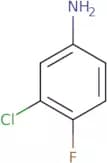
CAS:<p>3-Chloro-4-fluoroaniline is a versatile building block that can be used in the synthesis of many different compounds. It is a reagent that is used in research, where it can be used as a reactant or an intermediate. This chemical has been shown to have high quality and can be used as a starting material for the synthesis of other chemicals. 3-Chloro-4-fluoroaniline has been shown to react with various functional groups such as amines and acid chlorides. It is also useful for the construction of scaffolds, which are three dimensional structures that are built from small molecules and organic compounds. 3-Chloro-4-fluoroaniline is classified as a speciality chemical and its CAS number is 367-21-5.</p>Formula:C6H5ClFNMolecular weight:145.56 g/molAcetanilide
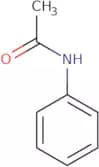
CAS:<p>Aniline derivative; analgesic; anti-pyretic; electroosmotic flow marker</p>Formula:C8H9NOPurity:(Titration) Min. 99.20%Color and Shape:White PowderMolecular weight:135.16 g/mol2-Ethoxybenzamide
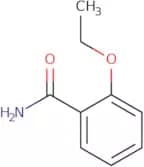
CAS:<p>2-Ethoxybenzamide is a nonsteroidal anti-inflammatory drug that has been shown to inhibit the production of inflammatory prostaglandins. It is structurally similar to ethenzamide, an older drug in this class. 2-Ethoxybenzamide is used for the treatment of pain and inflammation, as well as for other conditions such as gout and rheumatoid arthritis. The molecular formula for 2-ethoxybenzamide is C6H11NO2 and its molecular weight is 169.21 grams per mole. It has a melting point of 75 degrees Celsius and a boiling point of 220 degrees Celsius at atmospheric pressure. This compound can be found in crystalline cellulose, analytical method, water vapor, experimental solubility data, wastewater treatment, ethylmalonic acid, human serum, structural analysis.</p>Formula:C9H11NO2Purity:Min. 95%Color and Shape:White PowderMolecular weight:165.19 g/mol4-(Acetylamino)phenetole
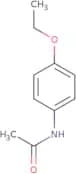
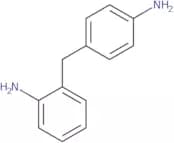
CAS:<p>4-(Acetylamino)phenetole is a drug that belongs to the class of nonsteroidal anti-inflammatory drugs. It is a reactive, toxic chemical that has been shown to inhibit ATP binding cassette transporter (ABC) proteins and can be used for treatment of pain. 4-(Acetylamino)phenetole inhibits cellular energy metabolism by inhibiting an enzyme in the electron transport chain, which prevents the formation of reactive oxygen species necessary for cell growth. 4-(Acetylamino)phenetole also binds to DNA and reduces the transcriptional activity of certain genes. This drug has been found to show cytotoxicity in solid tumours and can be used as a chemotherapeutic agent.</p>Formula:C10H13NO2Purity:Min. 95%Color and Shape:White PowderMolecular weight:179.22 g/mol2,2'-Methylenedianiline
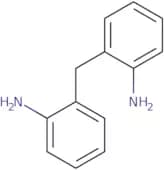
CAS:<p>2,2'-Methylenedianiline is a quinoline derivative that is used in the synthesis of herbicides and insecticides. It is classified as a biodegradable substance and has been shown to be rapidly mineralized by arthropods. 2,2'-Methylenedianiline is also water soluble and can be degraded by microorganisms in wastewater treatment plants. 2,2'-Methylenedianiline has been shown to inhibit the growth of bacteria and fungi, but it does not have any effect on algae or protozoa. The degradation of 2,2'-methylenedianiline occurs mainly through hydrolysis with amines reacting with the methyl group to form methyl amides.</p>Formula:C13H14N2Purity:Min. 95 Area-%Color and Shape:Off-White PowderMolecular weight:198.26 g/mol4-Bromo-3,5-dihydroxybenzamide
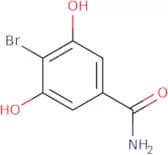
CAS:<p>4-Bromo-3,5-dihydroxybenzamide is a versatile building block that can be used as a reagent or as an intermediate in the synthesis of other compounds. It can also be used as a research chemical. 4-Bromo-3,5-dihydroxybenzamide has shown to be useful for the synthesis of complex organic compounds and is an excellent starting point for the preparation of novel scaffolds. This compound is also useful for making high quality products.</p>Formula:C7H6BrNO3Purity:90%Color and Shape:PowderMolecular weight:232.03 g/mol2-(Aminomethyl)benzamide hydrochloride
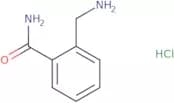
CAS:<p>2-(Aminomethyl)benzamide hydrochloride is a research chemical with high quality and versatile building block properties. It is a useful intermediate in the synthesis of complex compounds, and can be used as a reagent for the production of speciality chemicals. 2-(Aminomethyl)benzamide hydrochloride is also an important reaction component in the synthesis of some fine chemicals, such as pharmaceuticals, dyes, pesticides, and perfumes. 2-(Aminomethyl)benzamide hydrochloride has CAS No. 1187927-15-6 and can be purchased from chemical suppliers worldwide.</p>Formula:C8H10N2O·HClPurity:Min. 95%Color and Shape:White PowderMolecular weight:186.64 g/mol3,3'-Diaminobenzidine
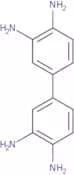
CAS:<p>3,3'-Diaminobenzidine (DAB) is an organic compound derived from benzidine. It is the precursor to the synthetic fibre polybenzimidazole (PBI), which have high thermal and oxidative stability properties. DAB is water-soluble as the tetrahydrochloride salt and is used in immunohistochemical staining of nucleic acids and proteins. Research in Alzheimer's disease, Aβ protein amyloid plaques are targeted by a primary antibody, and subsequently by a secondary antibody, which is conjugated with a peroxidase enzyme. This will bind DAB as a substrate and oxidize it, producing an easily observable brown colour. 3,3’-Diaminobenzidine is also available as the tetrahydrochloride salt and the tetrahydrochloride hydrate.</p>Formula:C12H14N4Purity:Min. 98 Area-%Color and Shape:PowderMolecular weight:214.27 g/mol4-Methoxybenzamide
CAS:<p>4-Methoxybenzamide is a small molecule that has been shown to have anticancer activity in vitro and in vivo. It is a hydroxylated benzamide with an intramolecular hydrogen bond, which allows it to selectively bind to DNA at the C4' position of cytosine. The compound's anticancer effects are due to its ability to inhibit the transcription of genes involved in cancer cell proliferation and its ability to induce apoptosis via caspase activation. 4-Methoxybenzamide has been shown to be synergistic when used with other chemotherapeutics, such as cisplatin, doxorubicin or 5-fluorouracil. This drug also inhibits the uptake of these drugs by cancer cells, limiting their therapeutic effects on healthy tissues.</p>Formula:C8H9NO2Purity:Min. 95%Color and Shape:PowderMolecular weight:151.16 g/mol3-Chloro-4-fluoroaniline
CAS:<p>3-Chloro-4-fluoroaniline is an amine that is used as a chemical intermediate and an antimicrobial agent. It is a potent inhibitor of the enzyme IDO1. 3-Chloro-4-fluoroaniline has been shown to inhibit the growth of carcinoma cell lines and epidermal growth factor in vitro, which may be due to its ability to inhibit the production of protein data. This drug also inhibits the production of the growth factor n-dimethyl formamide by hydrolyzing it into dimethylamine and formic acid, which are then excreted in urine samples. 3-Chloro-4-fluoroaniline has been found to be highly effective at inhibiting IDO1, as well as other enzymes such as tryptophan 2,3 dioxygenase (TDO2) and indoleamine 2,3 dioxygenase (IDO).</p>Formula:C6H5ClFNPurity:Min. 95%Color and Shape:Clear Liquid Solidified MassMolecular weight:145.56 g/molN,N-Diisobutyl-2-(octylphenylphosphoryl)acetamide
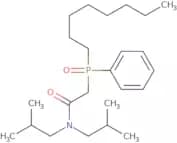
CAS:<p>N,N-Diisobutyl-2-(octylphenylphosphoryl)acetamide is a redox active extractant that is used for the extraction of metals from acidic solutions. It has been shown to have an adsorption mechanism that includes hydrogen bonding and intramolecular hydrogen bonding. N,N-Diisobutyl-2-(octylphenylphosphoryl)acetamide also has a high redox potential and fluorescence properties. This extractant can be used as a metal chelate to extract copper from hydroxide or carbonate solutions. It can also be used in titration calorimetry experiments.</p>Formula:C24H42NO2PPurity:Min. 98 Area-%Color and Shape:White To Off-White SolidMolecular weight:407.57 g/mol2-(4-Aminobenzyl)aniline
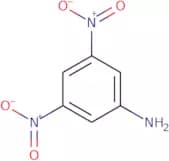
CAS:<p>2-(4-Aminobenzyl)aniline is a plant-based compound that is biodegradable. It can be applied to cancer cells to inhibit their growth and proliferation. 2-(4-Aminobenzyl)aniline has been shown to cause thyroid cancer in rats, which is the most common form of cancer in humans. The carcinogenic effects of this chemical are due to its ability to react with amines, such as aromatic amines, and form nitrosamines. These carcinogens have been shown to be present in wastewater treatment plants. 2-(4-Aminobenzyl)aniline has also been found to inhibit the growth rate of the variegatus plant, which may be useful for controlling its invasive nature.</p>Formula:C13H14N2Purity:Min. 98 Area-%Color and Shape:PowderMolecular weight:198.26 g/mol3,5-Dinitroaniline
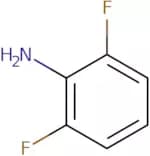
CAS:<p>3,5-Dinitroaniline is a chemical compound that has been shown to inhibit the growth of Pseudomonas aeruginosa. 3,5-Dinitroaniline binds to the bacterial cytochrome oxidase enzyme, which prevents the formation of ATP and disrupts cellular respiration. It also inhibits the synthesis of fatty acids in bacteria by binding to their DNA and RNA. 3,5-Dinitroaniline has also been shown to have genotoxic activity in bacteria by causing DNA strand breaks.</p>Formula:C6H5N3O4Purity:Min. 95%Color and Shape:Slightly Yellow PowderMolecular weight:183.12 g/mol2,6-Difluoroaniline
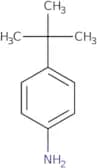
CAS:<p>2,6-Difluoroaniline is a chemical compound that can be used as an industrial solvent in the production of cyclohexane. 2,6-Difluoroaniline has been used to produce amides and for clinical chemistry. It is also a reagent for the conversion of alcohols to amides. This chemical was shown to react with water vapor at an optimal temperature of approximately 60°C and pressure of approximately 100 kPa. 2,6-Difluoroaniline is industrially produced by the fluorination of fluoroethane using sodium carbonate or trifluoromethanesulfonic acid. The molecule has been explored for its apoptosis pathway inhibiting effects in covid-19 pandemic influenza virus</p>Formula:C6H5F2NPurity:90%Color and Shape:Clear LiquidMolecular weight:129.11 g/mol4-tert-Butylaniline
CAS:<p>4-tert-Butylaniline is a chemical compound with the molecular formula C6H7N. It is an organic base that has acidic properties and can be used as an amine. 4-tert-Butylaniline is used in the manufacture of other chemicals, such as herbicides, pesticides, and pharmaceuticals. 4-tert-Butylaniline binds to metal ions such as palladium by hydrogen bonding. This binding increases the reactivity of the metal ion and allows it to catalyze reactions that would otherwise not occur. 4-tert-Butylaniline also has transport properties and binds to replicon cells through adsorption mechanisms.</p>Formula:C10H15NPurity:Min. 95%Color and Shape:Colorless Clear LiquidMolecular weight:149.23 g/molFmoc-β-alanine
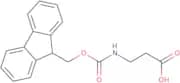
CAS:<p>Fmoc-beta-alanine is a type of amino acid that is found in plants. It has been shown to have biological properties and can be used as an ingredient in food products. Fmoc-beta-alanine is also a chemical ligation agent that can be used for the synthesis of cyclic peptides and polypeptides. The compound has been shown to inhibit chloride ion channels, which may make it useful for the treatment of autoimmune diseases. Fmoc-beta-alanine is natural antibacterial and has been shown to increase the activity of urokinase-type plasminogen activator, which may make it useful for the treatment of cardiovascular diseases. Fmoc-beta-alanine is a sequence of amino acids found in wheat germ, as well as other plant families such as corn and rice. This compound binds to specific receptors and can be synthesized by solid phase synthesis on a resin column.</p>Formula:C18H17NO4Purity:Min. 95%Color and Shape:PowderMolecular weight:311.33 g/mol3,4,5-Trihydroxybenzamide
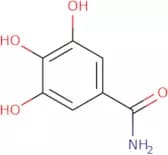
CAS:<p>3,4,5-Trihydroxybenzamide (THB) is an active agent that inhibits the synthesis of prostaglandin J2. It has been shown to inhibit the uptake of fatty acids in rat liver cells by blocking fatty acid binding proteins. THB has also been shown to inhibit the chemical structures of nitro and epidermal growth factor. 3,4,5-Trihydroxybenzamide can be used as a cancer treatment by inhibiting the growth and spread of cancer cells. This drug is also believed to have a protective effect on the skin by reducing inflammation and increasing cell proliferation.<br>THB is currently being researched for its ability to suppress histone proteins and growth factors such as HGF or EGF in human HL60 cells.</p>Formula:C7H7NO4Purity:Min. 98 Area-%Color and Shape:Off-White PowderMolecular weight:169.13 g/mol3,5-Dibromoaniline
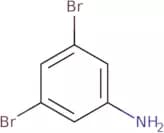
CAS:<p>3,5-Dibromoaniline is a chemical compound that belongs to the group of anilines. It can be used as an intermediate in organic synthesis. 3,5-Dibromoaniline can be obtained by gravimetric analysis and has a solute of about 0.1 g/100 mL in water. The melting point for this compound is about 245 °C and the boiling point is about 330 °C at normal atmospheric pressure. 3,5-Dibromoaniline has been shown to inhibit the growth of Trichophyton mentagrophytes and Coumarin derivatives, which are fungi that cause ringworm infections. This drug also has photophysical properties and can be used as a fluorescence probe for DNA hybridization studies.</p>Formula:C6H5NBr2Purity:Min. 98%Color and Shape:Brown To Black SolidMolecular weight:250.92 g/mol4-Bromo-2-chloroaniline
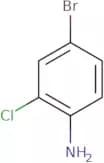
CAS:<p>4-Bromo-2-chloroaniline (4BCA) is an exciplex that forms in the presence of hydrogen peroxide and chloride ions. It is unreactive with fluconazole and other related molecules, but is able to photoreduce hydrogen peroxide. The molecular mechanism of 4BCA is a result of its ability to form a covalent bond with DNA containing pyrimidine bases. This reaction results in the formation of pyrimidine dimers, which can lead to cell death through the inhibition of DNA synthesis and repair. 4BCA has been shown to be effective against cancer cells at high concentrations, but does not affect healthy cells. The effectiveness against cancer cells may be due to the fact that this exciplex reacts with uv irradiation and irradiation, which leads to a higher concentration of reactive oxygen species (ROS).</p>Formula:C6H5BrClNPurity:Min. 95%Color and Shape:PowderMolecular weight:206.47 g/mol2-Iodoaniline
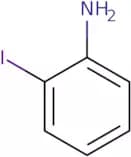
CAS:<p>2-Iodoaniline is a nucleophilic compound that reacts with electrophiles to form alkyl halides. It is used in the synthesis of β-aminoesters, which are used as γ-secretase inhibitors for the treatment of Alzheimer's disease. 2-Iodoaniline has been shown to be an effective inhibitor of protozoan parasites, such as Leishmania major and Trypanosoma cruzi, by blocking the conversion of pyruvate to oxaloacetate via enzymatic action. The chloride ion stabilizes the phenoxide anion intermediate and facilitates nucleophilic attack on the aromatic ring. 2-Iodoaniline has also been shown to be a competitive inhibitor of acylation reactions, due to its ability to bind covalently with acyl groups and inhibit their formation.</p>Formula:C6H6INPurity:Min. 95%Color and Shape:White PowderMolecular weight:219.02 g/mol2,4-di-tert-Butylaniline hydrochloride
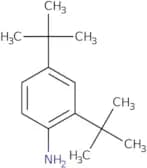
CAS:<p>The reaction mechanism of 2,4-di-tert-butylaniline hydrochloride is the alkylation of anilines with protonated tert-butyl chloride. This reaction proceeds by a substitution process in which one or more hydrogen atoms are replaced by the substituent. The selectivity of this reaction depends on the parameters and conditions used to carry it out. The reaction can be carried out under autogenous conditions or with the addition of a catalyst such as nickel (Ni), palladium (Pd) or platinum (Pt). The product obtained can be modified by changing the catalyst, solvent, temperature, pressure and other parameters. Reaction kinetics is affected by additives such as water, alcohols and acids that may be added during the reaction process. The size and shape of nanoparticles can also affect kinetic properties.<br>2,4-di-tert-Butylaniline hydrochloride has been shown to have high activity for organic synthesis in hom</p>Formula:C14H24ClNPurity:Min. 95%Color and Shape:White PowderMolecular weight:241.8 g/mol2-Amino-4-fluorobenzamide
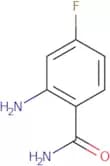
CAS:<p>2-Amino-4-fluorobenzamide is a catalyst that reacts with alcohols and cyclizes them to form quinazolinones. It has been shown to oxidize various alcohols including those with an electron-donating group, such as esters and nitro groups. 2-Amino-4-fluorobenzamide also reacts with electron-deficient alcohols, such as oximes and hydrazines. The mechanism of the oxidative cyclizations is not well understood but it is likely that they are initiated by a nucleophilic attack on the carbonyl carbon atom followed by a concerted or stepwise oxidation of the C=O double bond. The oxidative cyclization reactions are mechanistically similar to those of other catalytic oxidations, such as those used in the industrial production of acetic acid from methanol.</p>Formula:C7H7FN2OPurity:Min. 95%Color and Shape:PowderMolecular weight:154.14 g/mol4-Fluoro-N-isopropylaniline
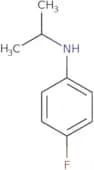
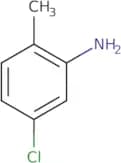
CAS:<p>4-Fluoro-N-isopropylaniline is an organic compound that is a nitroarene with the chemical formula C6H5FNO2. It is soluble in organic solvents and reacts with halogens, alkoxy groups, or polysubstituted alkyl groups to form substituted or polysubstituted alkyl radicals. 4-Fluoro-N-isopropylaniline can be used as a catalyst for many reactions including those involving alkoxycarbonyl groups. This compound is also used as a reagent in the synthesis of other compounds such as 4-fluoroaniline, which can be used to synthesize dyes and pharmaceuticals.</p>Formula:C9H12FNPurity:Min. 95%Color and Shape:Yellow PowderMolecular weight:153.2 g/mol5-Chloro-2-methylaniline
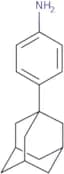
CAS:<p>5-Chloro-2-methylaniline is an organic compound that is a member of the amines class. It has been shown to be genotoxic and carcinogenic in vivo. 5-Chloro-2-methylaniline binds to DNA and inhibits the synthesis of RNA, leading to cell death. It is also toxic to aquatic organisms by inhibiting cellular respiration and causing mutations. 5-Chloro-2-methylaniline has been shown to be genotoxic in vitro and in vivo, with chronic oral toxicity observed at dietary concentrations of 0.1% (10 ppm) in animals. The toxicity of this compound may be due to its ability to form hydrogen chloride when mixed with water or other acids.</p>Formula:C7H8ClNPurity:Min. 95%Color and Shape:Clear LiquidMolecular weight:141.6 g/mol4-(1-Adamantyl)aniline
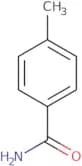
CAS:<p>4-(1-Adamantyl)aniline is a monomer with electron-deficient properties. It can be synthesized from 1-adamantanol and trifluoroacetic acid, followed by hydrolysis to remove the trifluoromethyl group. 4-(1-Adamantyl)aniline has been shown to have high cytotoxicity against tumor cells in vitro. This compound also inhibits the production of necrosis factor, an inflammatory cytokine that plays an important role in many pathological processes, such as septic shock and acute respiratory distress syndrome.</p>Formula:C16H21NPurity:Min. 95%Color and Shape:White PowderMolecular weight:227.34 g/mol4-Methylbenzamide
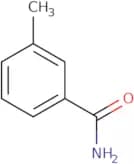
CAS:<p>4-Methylbenzamide is a palladium complex that has been used in the synthesis of imatinib, a drug used to treat chronic myeloid leukemia. 4-Methylbenzamide has been shown to form a hydrogen bond with water molecules and also exhibits cavity effects. The cavity effect can be explained by intermolecular hydrogen bonding and the deuterium isotope effect. The deuterium isotope effect is observed when an atom of deuterium replaces an atom of hydrogen in a molecule. This substitution leads to reduced boiling point and increased solubility for the compound. 4-Methylbenzamide is also known for its inhibitory effects on p38 kinase, which are seen through titration calorimetry.</p>Formula:C8H9NOPurity:Min. 95%Color and Shape:PowderMolecular weight:135.16 g/mol3-Methylbenzamide
CAS:<p>3-Methylbenzamide is an organic compound that belongs to the class of benzamides. It has been shown to cause a decrease in blood pressure and a decrease in viscosity, as well as an increase in blood flow to the testes. 3-Methylbenzamide has also been shown to inhibit the enzyme that catalyzes the conversion of tyrosine into dopamine and may be used for the treatment of Parkinson's disease with mild symptoms. The chemical ionization technique was used to study the binding of 3-methylbenzamide with rat plasma proteins and showed that this molecule binds with high affinity to albumin and alpha 1-acid glycoprotein. This binding was found to be reversible, which suggests that 3-methylbenzamide may not be metabolized by liver enzymes.</p>Formula:C8H9NOPurity:Min. 95%Color and Shape:White PowderMolecular weight:135.16 g/mol2-(Trifluoromethoxy)aniline
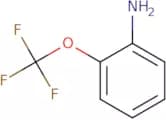
CAS:<p>2-(Trifluoromethoxy)aniline is a heterocyclic aromatic compound that can act as an electrophilic catalyst. It is a strong nucleophile and reacts with various types of nucleophiles. 2-(Trifluoromethoxy)aniline has been used for the synthesis of aliphatic sulfoxides under acidic conditions, including alcohols, phenols, and thiols. The reaction mechanism is often a 1,2-addition of the nucleophile to the carbonyl group of 2-(trifluoromethoxy)aniline. This reaction is catalytic and produces a stable dimerized product. 2-(Trifluoromethoxy)aniline also has mesoporous properties, which allow it to be used in reactions involving alcohols or other polar molecules because they are soluble in the pores.</p>Formula:C7H6F3NOPurity:Min. 95%Color and Shape:Clear LiquidMolecular weight:177.12 g/mol2'-Aminoacetophenone
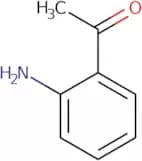
CAS:<p>2'-Aminoacetophenone is a chemical compound that belongs to the class of anthranilate. It is a water-soluble, white solid. 2'-Aminoacetophenone has been shown to have antimicrobial properties against bacteria and fungi. The mechanism of action of this compound is not known, but it may be due to its ability to disrupt mitochondrial function and affect the membrane potential. The stability of 2'-Aminoacetophenone in the presence of water vapor is greater than that observed for other anthranilates.</p>Formula:C8H9NOPurity:Min. 95%Color and Shape:PowderMolecular weight:135.16 g/mol3-Nitrobenzamide
CAS:<p>3-Nitrobenzamide is a substance that inhibits the replication of some viruses. It has been shown to inhibit the polymerase chain reaction and to be active against hepatitis B virus. 3-Nitrobenzamide was also observed to have inhibitory properties against herpes simplex virus type 1 (HSV-1) and HSV-2. The solid form of this compound is stable at room temperature, but may undergo hydrolysis in solution. 3-Nitrobenzamide reacts with water to form nitrous acid, which may cause corrosion of metal surfaces.</p>Formula:C7H6N2O3Purity:Min. 95%Color and Shape:PowderMolecular weight:166.13 g/mol4-Morpholinoaniline
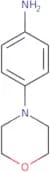
CAS:<p>4-Morpholinoaniline is a synthetic substrate that reacts with hydrochloric acid and sodium nitrite to form the reactive intermediate 4-morpholinonitrosobenzene. The reaction mechanism is proposed to proceed through an initial electron transfer from the substrate to the nitrosobenzene intermediate, followed by protonation of the nitrosobenzene nitrogen atom. The resulting 4-nitrophenyl radical abstracts hydrogen from the substrate to give 4-hydroxyphenyl radical. This radical undergoes a nucleophilic attack on the aromatic ring of the substrate molecule, and cleavage of the disulfide bond in the aromatic ring leads to formation of a cyanohydrin product. Studies have been conducted on rat liver microsomes and hepatitis C virus (HCV) to investigate this reaction mechanism.</p>Formula:C10H14N2OPurity:Min. 98.5 Area-%Color and Shape:Red PowderMolecular weight:178.23 g/mol3-Methoxy-4-methylbenzamide
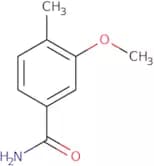
CAS:<p>3-Methoxy-4-methylbenzamide is a chemical compound that is used as a building block in the synthesis of other compounds. It has shown to be useful in the preparation of a variety of complex compounds and has been used as a reagent in organic synthesis. 3-Methoxy-4-methylbenzamide is soluble in water, ethanol, and acetone. This compound has not been tested for toxicity or carcinogenicity.</p>Formula:C9H11NO2Purity:Min. 95%Molecular weight:165.19 g/mol4,5-Dichloro-1,2-phenylenediamine
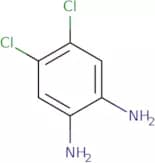
CAS:<p>4,5-Dichloro-1,2-phenylenediamine is a cytotoxic agent that can inhibit the enzymes urea amidolyase and fatty acid synthase in tissue culture. This compound also inhibits the production of urea nitrogen and fatty acids in human serum. 4,5-Dichloro-1,2-phenylenediamine may be useful as a cancer treatment because it has been shown to cause leukemia cell death as well as inhibition of t-cell proliferation. The drug may also induce apoptosis by inhibiting DNA synthesis through its reaction with benzimidazole compounds. The basic structure of 4,5-Dichloro-1,2-phenylenediamine is similar to protocatechuic acid and malignant brain tumor cells.</p>Formula:C6H6Cl2N2Purity:Min. 95%Color and Shape:PowderMolecular weight:177.03 g/mol4-Chlorobenzamide
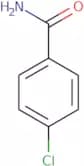
CAS:<p>4-Chlorobenzamide is a quaternary ammonium compound that is used in the synthesis of other organic compounds. 4-Chlorobenzamide reacts with malonic acid to form a compound called 4-chlorobenzoic acid. The reaction mechanism involves formation of hydrogen bonds and an electrophilic substitution. 4-Chlorobenzamide is also found in environmental pollution, where it can be degraded by hydroxyl radicals and chlorine. It can be found as a chloride salt or amide depending on the pH. The functional groups are carbonyl group, which has a carbon atom double bonded to an oxygen atom, and hydroxyl group, which has a hydroxyl radical attached to a carbon atom.</p>Formula:C7H6ClNOPurity:Min. 95%Color and Shape:PowderMolecular weight:155.58 g/mol4,5-Difluoro-2-methylaniline
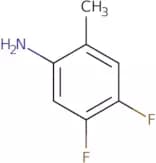
CAS:<p>4,5-Difluoro-2-methylaniline is a chemical intermediate that is used as a reaction component in the synthesis of organic compounds. It is a fine chemical with CAS No. 875664-57-6, and it can be used as a building block for the synthesis of complex organic molecules. This reagent is useful for the production of pharmaceuticals, agrochemicals, and other specialty chemicals. 4,5-Difluoro-2-methylaniline has been shown to act as an intermediate for the synthesis of many different types of compounds, including complex compounds such as imidazole derivatives and N-(4-fluorophenyl)benzo[d]oxazole derivatives.</p>Formula:C7H7F2NPurity:Min. 95%Color and Shape:Off-White PowderMolecular weight:143.13 g/mol3-Chloro-2-nitroaniline
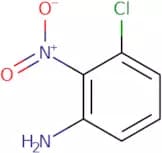
CAS:<p>3-Chloro-2-nitroaniline is an organic compound that regulates the neuron and can be used in the treatment of Alzheimer's disease. It has been shown to bind to the potassium channel, which regulates the flow of potassium ions across neuronal membranes. 3-Chloro-2-nitroaniline also binds to the CB2 receptor, which is found on immune cells, and has been shown to be a potent agonist for this receptor. The affinity of 3-chloro-2-nitroaniline for the CB2 receptor is about 100 times greater than for the CB1 receptor. 3-Chloro-2-nitroaniline also binds to other proteins such as ABCA1 and Abca1, which regulate cholesterol transport in cells. 3-Chloro-2-nitroaniline is currently being studied as a potential drug candidate for treatment of Alzheimer's disease and other neurological disorders.</p>Formula:C6H5ClN2O2Purity:Min. 95%Color and Shape:PowderMolecular weight:172.57 g/mol2,4-Dinitroaniline
CAS:<p>2,4-Dinitroaniline is a diazonium salt that is used in the wastewater treatment process. It is an analytical reagent that can be used to detect and identify nucleophilic groups. 2,4-Dinitroaniline is used as a precursor for other dyes and has been shown to have genotoxic activity in some cases. The chemical structure of 2,4-dinitroaniline is made up of two nitro groups attached to an amino group. This compound absorbs ultraviolet light at 260 nm and emits radiation at 360 nm, which can be measured using synchronous fluorescence spectroscopy. It reacts with hydrochloric acid to form diazonium salt.<br>2,4-Dinitroaniline has been shown to react with the protein monoclonal antibody CEA3B3 by binding to its reactive thiols. This binding leads to the disruption of the antibody's function and inhibits</p>Formula:C6H5N3O4Purity:Min. 95%Color and Shape:Yellow PowderMolecular weight:183.12 g/mol3-Fluoro-4-methoxyaniline
CAS:<p>3-Fluoro-4-methoxyaniline is a chemical intermediate. It is an aminopyridine that is used in the synthesis of bosutinib, an anticancer drug. 3-Fluoro-4-methoxyaniline binds to the ATP binding site of the cell's mitochondria and prevents the release of cytochrome c from the mitochondria, which leads to apoptosis. 3-Fluoro-4-methoxyaniline also has antimitotic effects and can inhibit the growth of tumor cells. 3-Fluoro-4-methoxyaniline has been shown to have poor cellular uptake, which may be due to its interaction with positron emission tomography (PET) agents such as cyanuric acid or glycopeptide. This chemical has also been shown to be a good surrogate for chloride ions in studies on transfected tumor cells.</p>Formula:C7H8FNOPurity:Min. 98.5%Color and Shape:Off-White PowderMolecular weight:141.14 g/mol2,4,6-Tribromo-3-nitroaniline
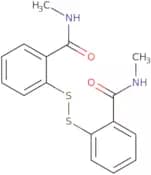
CAS:<p>2,4,6-Tribromo-3-nitroaniline is a brominating agent that can produce hydrogen peroxide. It is prepared by the reaction of hydrochloric acid with 2,4,6-tribromoaniline. The bromination of 2,4,6-tribromo-3-nitroaniline produces 4 equivalents of hydrogen peroxide.</p>Formula:C6H3Br3N2O2Purity:Min. 95%Color and Shape:Beige To Brown SolidMolecular weight:374.81 g/molDithio-2,2'-bis(N-methylbenzamide)
CAS:<p>Dithio-2,2'-bis(N-methylbenzamide) is a chlorphenesin and benzyl alcohol combination that also contains pyrithione, benzyl chloride and benzalkonium chloride. It is a microbicide that inhibits the growth of bacteria by reacting with their cell membranes. Dithio-2,2'-bis(N-methylbenzamide) is used in cosmetics as a preservative, and has been shown to have antimicrobial properties against the section Micrococcus luteus. This product also contains imidazolidinyl urea as an anti-fungal agent.</p>Formula:C16H16N2O2S2Purity:Min. 95%Color and Shape:White PowderMolecular weight:332.44 g/mol2-Fluoro-4-methoxyaniline
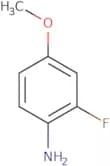
CAS:<p>2-Fluoro-4-methoxyaniline is a non-selective amide that forms in the presence of amines, aminobutyraldehyde, and fluorine. 2-Fluoro-4-methoxyaniline is a product of the industrial process for synthesizing acetylated products through the use of dichloroketene as an acetylating agent. This chemical compound has been used to produce five-membered heterocycles that are used in the manufacture of pharmaceuticals. Mechanistic studies have shown that this chemical reacts with oxygen, water, and halogens to form a variety of products.</p>Formula:C7H8FNOPurity:Min. 95%Color and Shape:Yellow PowderMolecular weight:141.14 g/mol2-Chloro-3-methoxyaniline
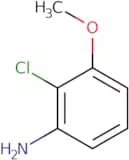
CAS:<p>2-Chloro-3-methoxyaniline is a high quality chemical. It is an intermediate in the synthesis of other complex compounds and has been used as a reagent for organic synthesis. It is also useful as a building block for the preparation of speciality chemicals, research chemicals, and versatile building blocks. 2-Chloro-3-methoxyaniline reacts with other chemicals to form new compounds that are useful for pharmaceuticals and agrochemicals.</p>Formula:C7H8ClNOPurity:Min. 95%Color and Shape:Brown PowderMolecular weight:157.6 g/mol3,5-Dimethoxybenzamide
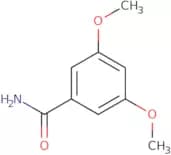
CAS:<p>3,5-Dimethoxybenzamide belongs to the class of quinolone drugs. It is a potentiator of nabilone, which is a synthetic cannabinoid similar to THC. 3,5-Dimethoxybenzamide has been shown to be an electron-deficient compound that reacts with 5-hydroxytryptamine (serotonin) in vitro. This reaction leads to the formation of hydrogen bonds and modifications in the structure of serotonin molecules. 3,5-Dimethoxybenzamide also has grignard reagent activity and can be used as a carboxyamide or amide precursor in organic synthesis.</p>Formula:C9H11NO3Purity:Min. 95%Color and Shape:PowderMolecular weight:181.19 g/molSulfabenzamide
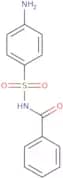
CAS:<p>Sulfabenzamide is a sulfa drug that has been used in the treatment of infectious diseases. It inhibits microbial growth by inhibiting synthesis of folic acid, which is essential for bacterial growth. Sulfabenzamide has been shown to have antimicrobial effects against a number of microorganisms, including several Gram-positive and Gram-negative bacteria. This drug also has anti-inflammatory properties and can be used in the treatment of bowel disease, such as ulcerative colitis. Sulfabenzamide is used to treat choroidal neovascularization in patients with age-related macular degeneration. This drug binds to glycol esters on the surface of human erythrocytes and can be extracted using dispersive solid-phase extraction (DSPE). The DSPE extract was analyzed by a LC-MS/MS method and found to contain sulfabenzamide and sulfadiazine.</p>Formula:C13H12N2O3SPurity:Min. 95%Color and Shape:White PowderMolecular weight:276.31 g/mol4-Amino-3-chloro-5-methylphenol hydroiodide
CAS:<p>Please enquire for more information about 4-Amino-3-chloro-5-methylphenol hydroiodide including the price, delivery time and more detailed product information at the technical inquiry form on this page</p>Formula:C7H8ClNO•HIPurity:Min. 95%Molecular weight:285.51 g/mol2,6-Dimethoxyaniline
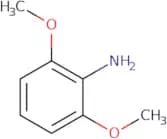
CAS:<p>2,6-Dimethoxyaniline is a synthetic compound that has been used in the past as an antibacterial agent. It has been shown to be effective against Staphylococcus aureus and Escherichia coli, but not against Pseudomonas aeruginosa. 2,6-Dimethoxyaniline forms nanowires with an average diameter of 100 nm and lengths up to 1 micron when exposed to radiation (e.g., gamma rays). The reaction rate is dependent on the architecture and morphology of the azobenzene moiety. The chloride anion coordinates with the nitrogen atom in the molecule, which leads to a phase transition temperature of about 230 K.</p>Formula:C8H11NO2Purity:Min. 95%Color and Shape:White PowderMolecular weight:153.18 g/mol2,6-Dichloro-4-methoxyaniline
CAS:<p>2,6-Dichloro-4-methoxyaniline is a chemical that belongs to the group of methyl derivatives. It is used as an industrial chemical and as a precursor to other chemicals in the production of pesticides, herbicides, and other products. 2,6-Dichloro-4-methoxyaniline can be found in brominated flame retardants and phenolic resins. It is also present in pentachlorophenol (PCP) and hydroxylated congeners. 2,6-Dichloro-4-methoxyaniline has been detected in humans at levels ranging from 10 to 100 parts per billion. The chemical structure of 2,6-dichloro-4-methoxyaniline is similar to that of triclosan, which has been shown to have antimicrobial activity against bacteria such as Staphylococcus aureus and Escherich</p>Formula:C7H7Cl2NOPurity:Min. 95%Molecular weight:192.04 g/mol2-Mercapto-N-methylbenzamide
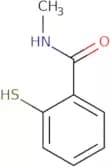
CAS:<p>2-Mercapto-N-methylbenzamide is a synthetic compound that has been shown to have inhibitory activities against activated brain cells and cell lines. This drug has been used in the synthesis of axitinib, a cancer drug that inhibits cellular growth. 2-Mercapto-N-methylbenzamide is also used as a preservative in cosmetics and can be found in carbonated drinks and foods. It has been shown to inhibit the production of serotonin in microbicidal reactions by inhibiting the enzyme hydroxymethyl transferase, which catalyzes the conversion of 5-hydroxytryptophan to serotonin. It also prevents the reaction products from being formed by reacting with hypoxanthine, xanthine, and phosphoribosyl pyrophosphate (PRPP). 2-Mercapto-N-methylbenzamide also reacts with plasma samples to form ethylmercaptoacetate, which is then oxidized to merc</p>Formula:C8H9NOSPurity:Min. 95%Color and Shape:White PowderMolecular weight:167.23 g/mol2-Phenoxyaniline
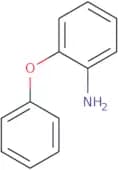
CAS:<p>2-Phenoxyaniline is a nitro compound that can be converted to the corresponding palladium complexes. It is an inhibitor of the acylation reaction, which is a type of chemical reaction in which an organic molecule reacts with an acid. The inhibition of this reaction has been shown to have an effect on heart disease, specifically by lowering cholesterol levels and reducing atherosclerosis. 2-Phenoxyaniline has also been shown to inhibit the activation energy for electron transfer reactions, making it useful as a catalyst in analytical methods. 2-Phenoxyaniline also undergoes vibrational spectroscopy when exposed to liquid chromatography and other analytical methods.</p>Formula:C12H11NOPurity:Min. 95%Color and Shape:Brown PowderMolecular weight:185.22 g/mol2,2'-Dithiodianiline
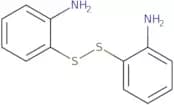
CAS:<p>2,2'-Dithiodianiline is a redox-active molecule with a redox potential of -0.08 V. It has been shown to inhibit the polymerase chain reaction by binding to DNA and inhibiting the enzyme DNA polymerase. 2,2'-Dithiodianiline is a potent inhibitor of bacterial growth in vitro, and has been shown to be cytotoxic in vivo. 2,2'-Dithiodianiline inhibits the growth of resistant mutants that are resistant to other antibiotics such as penicillin and ampicillin. This compound binds to molybdenum at an optimum concentration of 0.5 mM and coordinates through electrostatic interactions with the molybdenum atom. Structural analysis reveals that 2,2'-dithiodianiline forms hydrogen bonds with adenine residues in DNA and interacts with guanine residues in RNA through π-π stacking interactions. This interaction prevents transcription by blocking the binding</p>Formula:C12H12N2S2Purity:Min. 98 Area-%Color and Shape:PowderMolecular weight:248.37 g/mol3,3',5,5'-Tetramethylbenzidine, free base
CAS:<p>3,3',5,5'-Tetramethylbenzidine is a high quality chemical that has been used as a research chemical and in the synthesis of other chemicals. It is also used as an intermediate in the synthesis of various building blocks such as benzylidene-p-dioxanone, 3-chloro-2-methylbenzoyl chloride, and 3-phenylpropionitrile. The compound can be used to synthesize a wide range of compounds including pharmaceuticals, pesticides, dyes, and perfumes. It is also useful for the production of drugs such as haloperidol and chloroquine phosphate.</p>Formula:C16H20N2Molecular weight:240.35 g/molRef: 3D-T-2101
Discontinued product3,3',5,5'-Tetramethylbenzidine, free base
CAS:<p>Please enquire for more information about 3,3',5,5'-Tetramethylbenzidine, free base including the price, delivery time and more detailed product information at the technical inquiry form on this page</p>Formula:C16H20N2Purity:Min. 99.0 Area-%Molecular weight:240.35 g/molRef: 3D-T-2102
Discontinued product