Pharmaceutical Standards
Pharmaceutical standards are a comprehensive set of reference materials essential for ensuring the safety, efficacy, and quality of pharmaceutical products. This category includes standards for active pharmaceutical ingredients (APIs), which are the core components responsible for therapeutic effects. Additionally, it covers compounds and metabolites relevant to both the pharmaceutical and veterinary industries, providing benchmarks for the accurate measurement and analysis of these substances. Nitrosamine control standards are crucial for detecting and mitigating potentially harmful nitrosamines in drug formulations. Toxicology standards help assess the safety and potential adverse effects of pharmaceutical compounds. Furthermore, enzyme activators and inhibitors standards are vital for research and development, enabling precise studies of biochemical pathways and drug mechanisms. These pharmaceutical standards are indispensable tools for regulatory compliance, quality control, and research, ensuring that pharmaceutical products meet stringent safety and effectiveness criteria.
Subcategories of "Pharmaceutical Standards"
- APIs for research and impurities(273,463 products)
- Enzyme Activators and Inhibitors(2,827 products)
- Nitrosamines(2,605 products)
- Pharmaceutical and Veterinary Compounds and Metabolites(2,577 products)
- Toxicology(13,652 products)
Found 7836 products of "Pharmaceutical Standards"
Sort by
Purity (%)
0
100
|
0
|
50
|
90
|
95
|
100
N-(Aminoethyl)-5-naphthylamine-1-sulfonic acid sodium
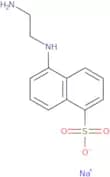
CAS:<p>N-(Aminoethyl)-5-naphthylamine-1-sulfonic acid sodium salt (NAES) is a fluorescent dye that has been used to study the structure of proteins. NAES binds to acceptor sites on the protein, which can be either amino acid side chains or other ions in solution. The fluorescence of NAES depends on the environment and the number of acceptors present. This dye has been used in assays for staphylococcus, as it is resistant to staining by Gram stain and stains brightly with fluorescence assay. NAES has also been shown to have a high kinetic rate and sensitivity, making it an effective virus assay.</p>Formula:C12H14N2O3S•NaPurity:Min. 95%Molecular weight:289.31 g/molRef: 3D-FA17739
1gTo inquire2gTo inquire100mgTo inquire250mgTo inquire500mgTo inquire-Unit-ggTo inquire2-Methyl-3-nitrophenylacetic acid
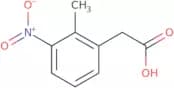
CAS:<p>2-Methyl-3-nitrophenylacetic acid is an alkali metal, which is obtained by the condensation of 2-methylphenol and nitric acid. The synthesis of this compound can be achieved through catalytic reduction of the nitro group with hydrogen in the presence of a nickel catalyst. This method has been shown to produce high yields. 2-Methyl-3-nitrophenylacetic acid is mildly toxic to humans and animals. It is a dopaminergic agent that has been used as a precursor for the production of ropinirole hydrochloride, which is used in the treatment of Parkinson's disease.</p>Formula:C9H9NO4Purity:Min. 95%Color and Shape:PowderMolecular weight:195.17 g/molBiotin caproic acid
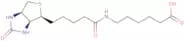
CAS:<p>Podophyllotoxin is a natural product that has been used in the treatment of cancer. Biotin caproic acid is a synthetic analogue of podophyllotoxin and has been shown to have potent antimicrobial activity. Podophyllotoxin is an inhibitor of microtubule polymerization, which leads to cell death. It also induces apoptosis by interacting with dopamine receptors on the cell surface and inhibiting their binding to dopamine. This inhibits dopamine-induced proliferation of cells, leading to cell death. Biotin caproic acid has been shown to have anticancer properties against human cancer cells in vitro. The mechanism of action may be due to binding to the cytochrome P450 enzyme and inhibiting its activity, which affects the metabolism of various drugs and hormones such as dopamine.</p>Formula:C16H27N3O4SPurity:Min. 95%Color and Shape:PowderMolecular weight:357.47 g/mol2,2'-Dimethoxybiphenyl
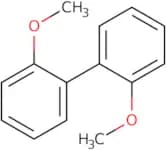
CAS:<p>2,2'-Dimethoxybiphenyl is a thermoplastic that is exothermic, making it useful in the production of polyketones. It can be used as a linker to form covalent bonds with monomers and polymers. 2,2'-Dimethoxybiphenyl has been used as a monomer to produce polyethers and polyesters. This compound has many chemical stability properties, which makes it suitable for use in polymer synthesis. It also can react with nucleophiles such as amines to form ether linkages. 2,2'-Dimethoxybiphenyl has kinetic properties that are faster than those of other ketones but slower than those of other ether-linked compounds. The activation energy for its reaction is low, making it an effective monomer for polymerization reactions.</p>Formula:C14H14O2Purity:Min. 95%Color and Shape:PowderMolecular weight:214.26 g/molEthyl cinnamate
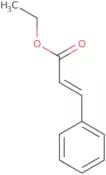
CAS:<p>Ethyl cinnamate is a natural product that is used as a chemical pesticide. It has shown to have photosynthetic activity, enzyme activities, and antioxidative properties. Ethyl cinnamate also has been shown to have a protective effect on the surface of plants by reducing the damage caused by glycol ethers and other chemicals. Ethyl cinnamate inhibits locomotor activity in insects, which may be due to its ability to inhibit energy metabolism. It is not toxic to mammals because it is quickly metabolized in the liver.</p>Formula:C11H12O2Purity:Min. 95%Color and Shape:Colorless Clear LiquidMolecular weight:176.21 g/molNb-N-(benzhydryloxycarbonyl)cytosine)-1-acetic acid
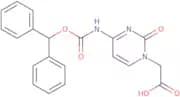
CAS:<p>Nb-N-(benzhydryloxycarbonyl)cytosine)-1-acetic acid is a speciality chemical that is used as a reagent, building block, and scaffold for organic synthesis. This compound can be used in various reactions to produce complex compounds with high purity. Nb-N-(benzhydryloxycarbonyl)cytosine)-1-acetic acid is an excellent starting material for the production of fine chemicals, research chemicals, and versatile building blocks. It is also a useful intermediate for the production of pharmaceuticals and other useful compounds.</p>Formula:C20H17N3O5Purity:Min. 98 Area-%Color and Shape:White PowderMolecular weight:379.37 g/mol2',6'-Dimethoxy-β-methyl-β-nitrostyrene
CAS:<p>2',6'-Dimethoxy-beta-methyl-beta-nitrostyrene is a chemical building block that is useful for the synthesis of complex organic molecules. It is an intermediate in the manufacture of pharmaceuticals, pesticides and dyes. 2',6'-Dimethoxy-beta-methyl-beta-nitrostyrene is an important component in the production of research chemicals and speciality chemicals. The compound has been assigned CAS number 78904-44-6.</p>Formula:C11H13NO4Purity:Min. 95%Molecular weight:223.23 g/molBiotin-PEG4-azide
CAS:<p>Biotin-PEG4-azide is a PEG compound with two different functional groups (also known as heterobifunctional). Unlike homobifunctional PEG compounds (same functional group on both ends), this type of compounds are more versatile as have two different anchor points. Biotin-PEG4-azide is used as a linker and spacer to add a PEG moiety, via pegylation (a bioconjugation technique) to proteins, peptides, oligonucleotides, small molecules and nanoparticles.</p>Formula:C20H36N6O6SPurity:Min. 95%Color and Shape:White PowderMolecular weight:488.6 g/molN-Benzoylthiourea
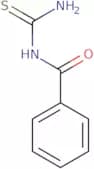
CAS:<p>N-Benzoylthiourea (NBTA) is a fluorescent compound that has been used as an optical sensor for the detection of hydrogen. In addition, NBTA acts as an antimicrobial agent and can be used to treat autoimmune diseases. It has been shown to bind to human serum proteins and nucleic acids in sublethal doses, which may lead to its use in wastewater treatment. NBTA also has a stable complex with dyes such as fluorescein and rhodamine, making it a good choice for surface methodology applications. Pharmacokinetic properties of this drug have not been studied in humans.</p>Formula:C8H8N2OSPurity:Min. 95%Color and Shape:PowderMolecular weight:180.23 g/mol2-Nitrophenylacetic acid
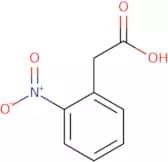
CAS:<p>2-Nitrophenylacetic acid is a synthetic product that has been studied by electrochemical techniques. It is soluble in human serum and can be detected by a chromatographic method. The cationic surfactant, oxindole, chloride, and optimal reaction conditions are known for the solute. 2-Nitrophenylacetic acid is a pharmaceutical drug that can be cleaved into nitro and carboxylate products with hydrochloric acid and β-unsaturated ketone as cleavage products.</p>Formula:C8H7NO4Purity:Min. 98 Area-%Color and Shape:PowderMolecular weight:181.15 g/molN-(Aminoethyl)-5-naphthylamine-1-sulfonic acid
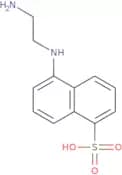
CAS:<p>The Michaelis-Menten kinetics of N-(Aminoethyl)-5-naphthylamine-1-sulfonic acid (NENSA) have been determined by studying the reaction of NENSA with a variety of acceptors. Basic fibroblasts were found to be a good substrate for this compound and it was shown that proteolytic activity is required for the hydrolysis of NENSA. The toxin is also reactive with the enzyme polymerase chain, which inhibits bacterial growth. In the presence of epidermal growth factor, NENSA has been shown to inhibit proliferation in fetal bovine retinal cells and human epidermal keratinocytes.</p>Formula:C12H14N2O3SPurity:Min. 97 Area-%Color and Shape:Yellow PowderMolecular weight:266.32 g/mol3'-β-Dimethyl-β-nitrostyrene
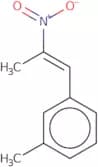
CAS:<p>3'-beta-Dimethyl-beta-nitrostyrene is a versatile building block that can be used in organic synthesis. It is a high quality, useful intermediate and reaction component for use in the pharmaceutical industry. 3'-beta-Dimethyl-beta-nitrostyrene has been employed as a building block in the synthesis of complex compounds. This compound is an excellent reagent, which makes it useful as a speciality chemical. 3'-beta-Dimethyl-beta-nitrostyrene is an important scaffold for research chemicals and can be used to synthesize new compounds.</p>Formula:C10H11NO2Purity:Min. 95%Molecular weight:177.2 g/molEthyl 3-nitrocinnamate
CAS:<p>Ethyl 3-nitrocinnamate is a synthetic compound that belongs to the group of stilbene derivatives. It has been used as an intermediate in the synthesis of other compounds. Ethyl 3-nitrocinnamate is not naturally occurring and can be synthesized by isomerization of cinnamic acid and nitration of ethyl cinnamate. The stereochemical and stereoselective properties of this compound can be utilized for the synthesis of other compounds. Nitrobenzaldehyde reacts with nitrovinyl chloride to form oxetane, which then reacts with acetonitrile to produce ethyl 3-nitrocinnamate.</p>Formula:C11H11NO4Purity:Min. 95%Color and Shape:PowderMolecular weight:221.21 g/molDiazolidinyl urea
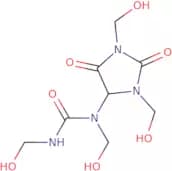
CAS:<p>Diazolidinyl urea is a preservative used in cosmetics and pharmaceuticals. It is an antimicrobial agent that causes cell lysis by inhibiting the respiratory synthesis of bacteria. Diazolidinyl urea has been shown to be effective against Gram-positive and Gram-negative bacteria, yeast, and mold. The analytical method for diazolidinyl urea is well established, with detection limits of 0.1 ppm. Diazolidinyl urea is stable under normal conditions, but can be degraded by heat or pH changes. This preservative also inhibits microbial growth by reducing the availability of p-hydroxybenzoic acid (pHBA) and formaldehyde as substrates for bacterial metabolism. Diazolidinyl urea also prevents the formation of biofilms on wet surfaces and exhibits some anti-inflammatory effects.</p>Formula:C8H14N4O7Color and Shape:PowderMolecular weight:278.22 g/mol1,3,7-Trichloronaphthalene
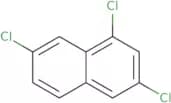
CAS:<p>This validated method for the analysis of 1,3,7-trichloronaphthalene is based on a validated experimental method. It uses a set of structural coefficients and an experimental value to calculate the bioconcentration factor (BCF). The BCF is then used to calculate the optimum vector, which is found by using descriptors and structural factors. The experimental values are also used to determine the vector. This method has been validated experimentally and theoretically.</p>Formula:C10H5Cl3Purity:Min. 95%Color and Shape:PowderMolecular weight:231.5 g/mol4-Chloro-3-nitrophenylacetamide
CAS:<p>4-Chloro-3-nitrophenylacetamide is a chemical compound that can be used as a reagent, useful scaffold for research, and a high quality research chemical. CAS No. 5540-60-3, this versatile building block is useful for the synthesis of complex compounds and fine chemicals.</p>Formula:C8H7ClN2O3Purity:Min. 98 Area-%Color and Shape:PowderMolecular weight:214.61 g/mol4,4'-Bis(diethylmethylphosphonate)-2,2'-bipyridine
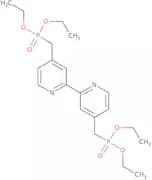
CAS:<p>4,4'-Bis(diethylmethylphosphonate)-2,2'-bipyridine is a molecule that is covalently tethered to the copper oxide surface. The coordination of the 4,4'-bis(diethylmethylphosphonate)-2,2'-bipyridine ligand with the copper oxide surface is catalytic and bifunctional. This molecule has been shown to be able to coordinate with two different metal ions as well as act as a ligand for other metal ions. It can also be functionalized in order to create new molecules with different properties.</p>Formula:C20H30N2O6P2Purity:Min. 96 Area-%Color and Shape:White PowderMolecular weight:456.41 g/mol(S)-(+)-1,1'-Binaphthyl-2,2'-diyl hydrogen phosphate
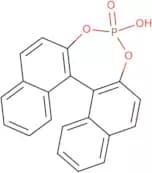
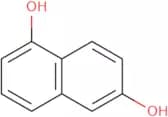
CAS:<p>(S)-(+)-1,1'-Binaphthyl-2,2'-diyl hydrogen phosphate is an organic compound that is used as an analytical reagent. It is a covalent linker with a phosphate group on one end and a binaphthyl group on the other end. The phosphate group can be used to bind solutes for analysis in analytical chemistry. (S)-(+)-1,1'-Binaphthyl-2,2'-diyl hydrogen phosphate has been shown to have inhibition of sulfonic acid groups from environmental pollution. This compound also has chiral properties and can be separated into its two enantiomers using titration calorimetry at constant temperature.</p>Formula:C20H13O4PPurity:Min. 95%Color and Shape:White Off-White PowderMolecular weight:348.29 g/mol1,6-Dihydroxy-naphthalene
CAS:<p>1,6-Dihydroxy-naphthalene is a fluorescent compound that has been used as a cross-linking agent for proteins and as an analytical method for determining the concentration of naphthalene. It has been shown to inhibit protein synthesis by acting as an enzyme inhibitor, preventing the formation of peptide bonds in the ribosome. 1,6-Dihydroxy-naphthalene also has cationic surfactant properties and inhibits the growth of bacteria by binding to bacterial 16S ribosomal RNA, inhibiting protein synthesis. The chemical diversity of this molecule is due to intramolecular hydrogen bonding between its two hydroxyl groups. This bond can be broken by amines such as amino acids or ammonia, which are found in proteins.</p>Formula:C10H8O2Purity:Min. 98 Area-%Color and Shape:White Green PowderMolecular weight:160.17 g/mol(Cyanomethyl)urea
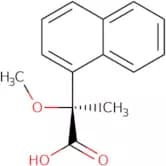
CAS:<p>Cyanomethyl)urea is a fine chemical that belongs to a class of compounds known as ureas. It is used as a versatile building block in the synthesis of more complex compounds, as a research chemical and as an intermediate. It can be used to synthesize pharmaceuticals, pesticides, and other chemicals. Cyanomethyl)urea is used in the production of polyurethane foams, which are commonly found in mattresses, furniture upholstery and insulation.</p>Formula:C3H5N3OPurity:Min. 95%Color and Shape:Brown PowderMolecular weight:99.09 g/mol(S)-2-Methoxy-2-(1-naphthyl)propanoic acid
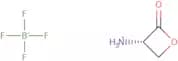
CAS:<p>(S)-2-Methoxy-2-(1-naphthyl)propanoic acid is a chiral molecule that can exist in two different forms, each of which has the same physical and chemical properties. The two enantiomers are not optically active, meaning they have the same degree of rotation when passed through a polarizing filter. It is an organic compound that is used as a flavoring agent in food chemistry and as a bioactive compound. (S)-2-Methoxy-2-(1-naphthyl)propanoic acid also has been shown to function as an attractant for hemipteran insects such as mosquitoes, although it is not clear if this property is due to its aromatic or enantiomeric structure.</p>Formula:C14H14O3Purity:Min. 95%Color and Shape:PowderMolecular weight:230.26 g/molL-Serine β-lactone tetrafluoroborate
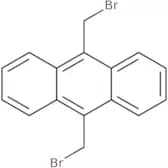
CAS:<p>L-Serine beta-lactone tetrafluoroborate salt is a fine chemical that is used as a reagent, complex compound and building block in the synthesis of other compounds. It is also an important intermediate for the production of pharmaceuticals and agrochemicals. L-Serine beta-lactone tetrafluoroborate salt has been shown to be a versatile building block in organic synthesis. This product may react with acids to produce hydrogen fluoride gas, which can cause injury or death through inhalation or contact with skin, eyes or clothing.</p>Formula:C3H5NO2•BF4•HPurity:Min. 95%Color and Shape:White/Off-White SolidMolecular weight:174.89 g/mol9,10-Bis(bromomethyl)anthracene
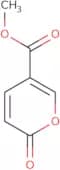
CAS:<p>9,10-Bis(bromomethyl)anthracene is a chemical compound that can be used as a chemical probe for electron spin resonance (ESR) spectroscopy. The ESR spectrum of 9,10-bis(bromomethyl)anthracene in trifluoroacetic acid shows a single peak at g = 2.0286 and the emission spectrum exhibits peaks at 612 nm and 581 nm. 9,10-Bis(bromomethyl)anthracene has been used to detect potassium ions by observing the fluorescence properties of the chromophore. This compound also has fluorine groups which make it very soluble in nonpolar solvents such as hexane or pentane. It can be synthesized with an efficient method that involves reacting an imine with dichloroacetic acid followed by reaction with bromine and potassium hydroxide in chloroform.</p>Formula:C16H12Br2Purity:Min. 95%Color and Shape:PowderMolecular weight:364.07 g/mol2-Oxo-2H-pyran-5-carboxylic acid methyl ester
CAS:<p>2-Oxo-2H-pyran-5-carboxylic acid methyl ester is an activated form of 2-oxopyran. It reacts with nucleophiles, such as malic acid, to form ethyl esters. This reaction is an example of the Friedel-Crafts reaction, which is a type of electrophilic aromatic substitution. The rate of this reaction depends on the activation energies and fluorescence properties of the reactants. The mechanism for this reaction is that the double bond in the carbonyl group is ruptured by attacking nucleophiles, resulting in a release of hydrogen gas and formation of carboxylic acid derivatives. The product can be isolated using a solvent extraction technique or purified using column chromatography.</p>Formula:C7H6O4Purity:Min. 98 Area-%Color and Shape:PowderMolecular weight:154.12 g/mol(+)-Biotin-(PEO)3-amine
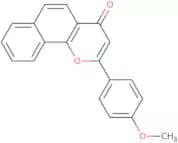
CAS:<p>(+)-Biotin-(PEO)3-amine is a PEG compound with two different functional groups (also known as heterobifunctional). Unlike homobifunctional PEG compounds (same functional group on both ends), this type of compounds are more versatile as have two different anchor points. (+)-Biotin-(PEO)3-amine is used as a linker and spacer to add a PEG moiety, via pegylation (a bioconjugation technique) to proteins, peptides, oligonucleotides, small molecules and nanoparticles.</p>Formula:C16H30N4SO4Purity:Min. 95 Area-%Color and Shape:White Off-White PowderMolecular weight:374.5 g/mol4'-Methoxy-α-naphthoflavone
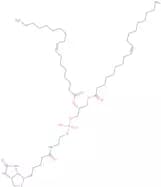
CAS:<p>4'-Methoxy-alpha-naphthoflavone is a flavonoid that has been shown to have inhibitory effects on the metabolism of 3-methylcholanthrene and other xenobiotics. The compound inhibits the oxidation of these compounds by both the cytochrome P450 and NADPH-dependent oxidases. 4'-Methoxy-alpha-naphthoflavone also inhibits the activation of these compounds by hepatic tissues, as well as the metabolism of phenobarbital by rat liver microsomes. The compound may be metabolized in vivo to 4'-hydroxy-alpha-naphthoflavone, which is more potent than 4'-methoxy-alpha-naphthoflavone.</p>Formula:C20H14O3Purity:Min. 95%Molecular weight:302.32 g/mol1,2-Dioleoyl-sn-glycero-3-phosphatidylethanolamino (+)-biotin
CAS:<p>This is a speciality chemical and is not intended for use in food, drug, or cosmetic applications. This fine chemical is a useful building block, which can be used to synthesize complex compounds. It has been shown to have high reactivity with a variety of reagents, making it an excellent research component.</p>Formula:C51H92N3O10PSPurity:Min. 95%Color and Shape:PowderMolecular weight:970.33 g/mol3-Methylnaphth[2,1-d]isoxazole
CAS:<p>Naphth[4,5-A]isoxazole is a chemical compound that has been shown to react with other organic compounds and is used as a reagent in organic synthesis. Naphth[4,5-A]isoxazole can be used as a building block for the synthesis of complex compounds, such as heterocycles. This chemical is also useful for the production of fine chemicals and pharmaceuticals.</p>Formula:C12H9NOPurity:Min. 95%Color and Shape:PowderMolecular weight:183.21 g/molDiosmetinidin chloride
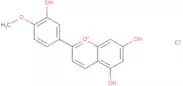
CAS:<p>Diosmetinidin chloride is a fine chemical that can be used as a versatile building block for the synthesis of complex compounds. Diosmetinidin chloride has been shown to have useful scaffolding properties and is useful as a reaction component in research chemicals and speciality chemicals. It reacts with alcohols, phenols, amines, thiols, sulfides, and carboxylic acid derivatives to form new compounds. This compound is also used as a reagent in organic synthesis.</p>Formula:C16H13ClO5Purity:Min. 95%Color and Shape:PowderMolecular weight:320.72 g/mol2,2-Bis(hydroxymethyl)-2,2',2''-nitrilotriethanol
CAS:<p>Bis-Tris is a Bis(2-hydroxyethyl) amine buffer that forms metal chelates and can be used with proteins and nucleic acids. This buffering agent has an optimal pH range of 5.8-7.2 and a pKa of 6.46.</p>Formula:C8H19NO5Purity:Min. 98%Color and Shape:PowderMolecular weight:209.24 g/molβ-Naphthylacetate
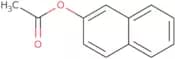
CAS:<p>Beta-naphthylacetate is a chemical that is used in the synthesis of pharmaceuticals and pesticides. It is an ester of naphthalene and acetic acid. Beta-naphthylacetate has been shown to inhibit the enzyme activity of hydrogen fluoride, which is used in the production of polyester fibers. Beta-naphthylacetate has also been shown to have anti-inflammatory properties by inhibiting prostaglandin synthesis. This chemical also has epoxidase activity, which makes it useful in the conversion of dl-alpha-tocopherol to vitamin E. Beta-naphthylacetate is soluble in water and can be made into solid dispersions or cationic surfactant solutions with high concentrations of beta-naphthylacetate, making it useful for tissue culture. The optimum pH for beta-naphthylacetate is between 7 and 8, while the optimum temperature range is between 25</p>Formula:C12H10O2Purity:Min. 95%Color and Shape:White PowderMolecular weight:186.21 g/molBiotin-PEG3-azide
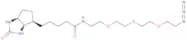
CAS:<p>Biotin-PEG3-azide is a PEG compound with two different functional groups (also known as heterobifunctional). Unlike homobifunctional PEG compounds (same functional group on both ends), this type of compounds are more versatile as have two different anchor points. Biotin-PEG3-azide is used as a linker and spacer to add a PEG moiety, via pegylation (a bioconjugation technique) to proteins, peptides, oligonucleotides, small molecules and nanoparticles.</p>Formula:C18H32N6O5SPurity:(¹H-Nmr) Min. 95 Area-%Color and Shape:PowderMolecular weight:444.55 g/mola-Ketoglutaric acid
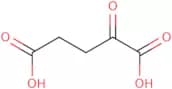
CAS:<p>a-Ketoglutaric acid is a naturally occurring organic compound that is found in the body as well as in plants. It belongs to the group of organic acids and is produced from the breakdown of amino acids, such as leucine and valine. a-Ketoglutaric acid has been shown to have physiological effects on cells and tissues by inhibiting enzymes involved in energy metabolism. In vitro assays have shown that a-ketoglutaric acid has inhibitory properties against plant metabolism. This drug also inhibits the transcriptional regulation of genes for fatty acid synthesis in human erythrocytes.<br>A-ketoglutaric acid has also been shown to inhibit glucose production in rat liver cells, which may be due to its ability to bind covalently with proteins or lipids, changing their structures and functions.</p>Formula:C5H6O5Color and Shape:White Off-White PowderMolecular weight:146.1 g/molCinnamamide
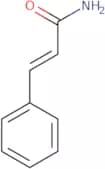
CAS:<p>Cinnamamide is a natural compound that is structurally related to the amino acid lysine and has been shown to regulate skin cell proliferation. Cinnamamide has also been found to be an effective inhibitor of the mitochondrial membrane potential in human erythrocytes. It has been shown to inhibit the production of reactive oxygen species (ROS) and reverse oxidative damage in cells, which may reduce the risk of developing autoimmune diseases. Cinnamamide is also able to prevent cell death caused by epidermal growth factor (EGF) withdrawal and induce apoptosis in HL-60 cells.</p>Formula:C9H9NOPurity:Min. 95%Color and Shape:White Off-White PowderMolecular weight:147.17 g/molL-Asparagine anhydrous
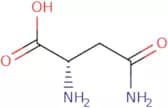
CAS:<p>L-Asparagine anhydrous is a guanine nucleotide-binding protein that binds to the response element of the human serum albumin gene. It has been shown to stimulate liver enzymes and increase the synthesis of low-density lipoprotein (LDL) cholesterol, which may lead to atherosclerosis. L-Asparagine anhydrous has been used in wastewater treatment as a nitrogen source for nitrification and denitrification. The enzyme activity of L-asparagine anhydrous has been shown to be high in tumour cells and is also present in solid tumours. This protein can be used as a model system for studying oligosaccharides because it is able to produce these molecules from glucose. L-Asparagine anhydrous is not active against carcinoma cell lines, but it does have some activity against solid tumours.</p>Formula:C4H8N2O3Color and Shape:White Off-White PowderMolecular weight:132.12 g/molAmino(naphthalen-2-yl)acetic acid
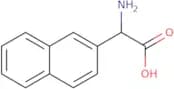
CAS:<p>Amino(naphthalen-2-yl)acetic acid is a versatile chemical building block that can be used in research, industry and as a high quality reagent. It is a useful scaffold for the synthesis of complex compounds. Amino(naphthalen-2-yl)acetic acid has been shown to be an excellent reactant for the production of fine chemicals and is high quality, with a purity of 99%. This product is also used as a speciality chemical for the production of pharmaceuticals, pesticides, and other chemical products.</p>Formula:C12H11NO2Purity:Min. 95%Color and Shape:PowderMolecular weight:201.22 g/mol4-Isobutylcinnamic acid
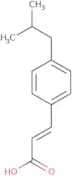
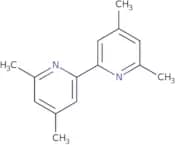
CAS:<p>4-Isobutylcinnamic acid is an organic compound that is a derivative of the organic compound acrylic acid. It is an organic ester, which means it is formed by the reaction of an alcohol and an acid. Acrylic acid can be reacted with either ethyl alcohol or isobutyl alcohol to produce 4-isobutylcinnamic acid. The resulting product can be used in the production of polymers and plastics.</p>Formula:C13H16O2Purity:Min. 95%Color and Shape:PowderMolecular weight:204.26 g/mol4,4',6,6'-Tetramethyl-2,2'-bipyridine
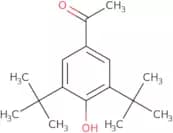
CAS:<p>4,4',6,6'-Tetramethyl-2,2'-bipyridine (TMTB) is a small molecule that can be used as an efficient and cost-effective catalyst for the production of hydrogen from water. TMTB is able to transform solar energy into chemical energy by converting light absorbed in a semiconductor material to an electric current. TMTB has been shown to improve the efficiency of solar cells by boosting the performance of the catalysts that drive chemical reactions in the devices. This effect was found to be synergistic with other materials such as graphene oxide and tungsten disulfide. In addition, TMTB nanoparticles were shown to have a normalizing effect on the charge density in photoelectrochemical cells, which may lead to improved stability and durability.</p>Formula:C14H16N2Purity:Min. 95 Area-%Color and Shape:PowderMolecular weight:212.30 g/mol3,5-Di-tert-butyl-4'-hydroxyacetophenone
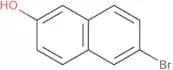
CAS:<p>3,5-Di-tert-butyl-4'-hydroxyacetophenone is a phenol that is used in the synthesis of pharmaceuticals and other compounds. It has been shown to promote angiogenesis by stimulating vascular endothelial cells. The stereoisomers of 3,5-Di-tert-butyl-4'-hydroxyphenylacetic acid have been shown to inhibit tumour growth and induce apoptosis. This compound also has antiangiogenic effects, which may be due to its ability to inhibit vascular endothelial cell proliferation and migration. 3,5-Di-tert-butyl-4'-hydroxyacetophenone is metabolized through a number of metabolic transformations including tautomerization and hydration reactions.</p>Formula:C16H24O2Purity:Min. 95%Color and Shape:White PowderMolecular weight:248.36 g/mol6-Bromo-2-naphthol
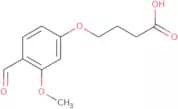
CAS:<p>6-Bromo-2-naphthol is a hydroxylated aromatic compound that is used as a reagent in organic chemistry. It has shown to be an excellent substrate for the cavity test and can be used to detect the presence of a hydroxyl group in other molecules. The nmr spectra of 6-bromo-2-naphthol shows two peaks at 5.1 ppm and 7.5 ppm with a broad peak at 2.6 ppm, which is characteristic of 3-bromoquinoline. The molecular descriptors for 6-bromo-2-naphthol are C=O, H, and Br; molecular weight is 188.10 g/mol; boiling point is 310°C; melting point is -7°C; vapor pressure is 0 mmHg at 25°C; and refractive index is 1.6333 (20°C). The reaction solution of 6-brom</p>Formula:C10H7BrOPurity:Min. 95%Color and Shape:PowderMolecular weight:223.07 g/mol4-(4-Formyl-3-methoxyphenoxy)butanoic acid
CAS:Controlled Product<p>4-(4'-Formyl-3'-methoxyphenoxy)butanoic acid is a carboxylate that can be used as a preloaded reagent for the synthesis of peptides, proteins, and other organic molecules. 4-(4'-Formyl-3'-methoxyphenoxy)butanoic acid has been shown to be an efficient linker for solid-phase peptide synthesis. 4-(4'-Formyl-3'-methoxyphenoxy)butanoic acid is labile to hydrolysis and so should be stored in an organic solvent such as dimethylsulfoxide. The carboxylate group is readily available in the form of its sodium salt, which can be synthesized by reacting sodium acetate with formaldehyde.</p>Formula:C12H14O5Purity:Min. 95%Color and Shape:PowderMolecular weight:238.24 g/molRitonavir
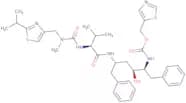
CAS:<p>Ritonavir has an anti-retroviral activity as it inhibits the protease enzymes specific of both HIV-1 and HIV-2. As an added functionality, ritonavir also inactivates significantly the cytochrome P4503A4 (CYP3A4) thus increasing the bioavailability or half-life of other co-administered drugs.</p>Formula:C37H48N6O5S2Purity:Min. 95%Color and Shape:White Off-White PowderMolecular weight:720.95 g/mol2-Amino-N-[2-(2-chlorobenzoyl)-4-nitrophenyl]acetamide
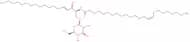
CAS:<p>2-Amino-N-[2-(2-chlorobenzoyl)-4-nitrophenyl]acetamide is a fine chemical that is used as a building block in organic synthesis. It is a versatile intermediate for the synthesis of other compounds and can be used to make a variety of useful scaffolds. 2-Amino-N-[2-(2-chlorobenzoyl)-4-nitrophenyl]acetamide has been used in research and development of pharmaceuticals, agrochemicals, herbicides, and other compounds.</p>Formula:C15H12ClN3O4Purity:Min. 95%Color and Shape:Slightly Yellow PowderMolecular weight:333.73 g/molD-glucosyl-β-1,1'-N-nervonoyl-D-erythro-sphingosine
CAS:<p>D-glucosyl-β-1,1'-N-nervonoyl-D-erythro-sphingosine is a mouse metabolite that was found to be an acyl group. This metabolite was shown to be a mouse metabolite.</p>Formula:C48H91NO8Purity:Min. 98 Area-%Color and Shape:PowderMolecular weight:810.24 g/molCytisine
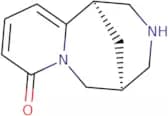
CAS:<p>Cytisine is an alkaloid found in plants of the Cytisus genus of the family Fabaceae. It is a partial agonist to α4β2 nicotinic acetylcholine receptors, which are implicated in the nicotine dependence. In Eastern Europe, it has been used for 50 years to aid smoking cessation.</p>Formula:C11H14N2OPurity:Min. 95%Color and Shape:White PowderMolecular weight:190.24 g/molTiotropium bromide
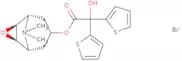
CAS:<p>Muscarinic antagonist; bronchodilator</p>Formula:C19H22BrNO4S2Purity:Min. 95%Color and Shape:PowderMolecular weight:472.42 g/mol3-Cyanocinnamic acid
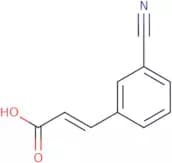
CAS:<p>3-Cyanocinnamic acid is a reactive, unreactive, and stepwise cycloaddition compound. It can participate in photochemical reactions with other compounds to form photodimers. 3-Cyanocinnamic acid has an optimal reaction temperature of 100°C and a reaction time of 5 minutes. The diradical nature of 3-cyanocinnamic acid makes it sensitive to UV light, and the photochemical reactions are simulated by quantum mechanics calculations. Photodimerisation simulations show that 3-cyanocinnamic acid is capable of forming photodimers with 2-cyanocinnamic acid or 4-cyanocinnamic acid at room temperature.</p>Formula:C10H7NO2Purity:Min. 95%Color and Shape:PowderMolecular weight:173.17 g/molO-Methyl-L-threonine
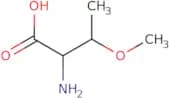
CAS:<p>O-Methyl-L-threonine is an analog of L-threonine. O-Methyl-L-threonine inhibits the production of fatty acids in resistant mutants, which are activated by the addition of a hydroxy group to their amino acid backbone. This analog has been shown to be effective at suppressing the growth of animal health bacteria and fungi, and has been used as a treatment for protein synthesis disorders in animals. O-Methyl-L-threonine is also used as a precursor for nicotinic acetylcholine synthesis. In vivo tests have shown that it has no toxic effects on mammalian cells, but does not inhibit photosynthesis in plants.</p>Formula:C5H11NO3Purity:Min. 95%Color and Shape:PowderMolecular weight:133.15 g/mol3,3',5,5'-Tetramethylbenzidine dihydrochloride dihydrate
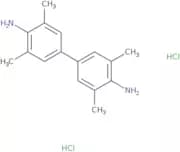
CAS:<p>3,3',5,5'-Tetramethylbenzidine dihydrochloride dihydrate is a hydrophilic, non-fluorescent, and water-soluble chemical that is used as an enzyme-linked immunosorbent assay (ELISA) substrate. It has been shown to be reactive with peroxide and hydrogen peroxide in vitro and in vivo. 3,3',5,5'-Tetramethylbenzidine dihydrochloride dihydrate also has peroxidase-like activity when interacting with monomers to form polymers. The monomers are recombinantly human proteins that have been modified to increase the molecule's solubility. This increased solubility increases the interaction of the monomers with oxidants such as hydrogen peroxide or peroxides.</p>Formula:C16H20N2·2HCl·2H2OPurity:Min. 95%Color and Shape:PowderMolecular weight:349.3 g/mol3-Hydroxy-6,2',4',5'-tetramethoxychalcone
CAS:<p>3-Hydroxy-6,2',4',5'-tetramethoxychalcone (3HTMC) is a fine chemical that is used as a versatile building block in the synthesis of various organic compounds. 3HTMC is soluble in most organic solvents and can be used as an intermediate for the preparation of other organic compounds. This chemical has been shown to be effective in the formation of complex compounds with high quality. 3HTMC is available in bulk quantities at competitive prices.</p>Formula:C19H20O6Purity:Min. 95%Molecular weight:344.36 g/mol3-Amino-4-methylbenzoic acid methyl ester
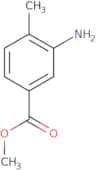
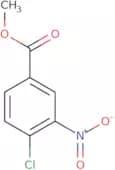
CAS:<p>3-Amino-4-methylbenzoic acid methyl ester (3AMB) is an organic compound that is used as a reagent in the synthesis of amides. It can also be used to synthesize various heterocycles by reacting with aldehydes and ketones. 3AMB has been used as a substrate in assays for amines, yielding high yields. The compound's unsymmetrical structure can be attributed to the presence of different substituents on either side of the central carbon atom. 3AMB has been shown to inhibit metal ion enzymes such as dioxygenases and nitric oxide synthases, which are involved in the metabolism of nitric oxide and oxygen respectively. In addition, 3AMB has been shown to have anti-inflammatory properties and may be a potential candidate for use as an anticoagulant or antiplatelet drug.br>br><br>br>br><br>3AMB is</p>Formula:C9H11NO2Purity:Min. 95%Color and Shape:PowderMolecular weight:165.19 g/mol4-Chloro-3-nitrobenzoic acid methyl ester
CAS:<p>4-Chloro-3-nitrobenzoic acid methyl ester is a chemical compound that inhibits the synthesis of nucleic acids. It binds to the functional groups of DNA, preventing replication and transcription. 4-Chloro-3-nitrobenzoic acid methyl ester also inhibits protein synthesis by inhibiting ribosomal RNA which is required for translation. This agent has been shown to induce apoptotic cell death in leukemia cells, HL60 cells, and other types of cancer cells in vitro. 4-Chloro-3-nitrobenzoic acid methyl ester has a potent inhibitory activity against replicons in vitro and is a synthetic molecule with two sulfoxide functional groups.</p>Formula:C8H6ClNO4Purity:Min. 95%Color and Shape:PowderMolecular weight:215.59 g/mol4-Nitrocinnamaldehyde
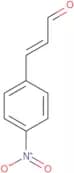
CAS:<p>4-Nitrocinnamaldehyde is a diazonium salt that is used as an efficient method for the synthesis of nitro compounds. Nitro compounds are used in the production of explosives, insecticides, and herbicides. 4-Nitrocinnamaldehyde reacts with hydrochloric acid to produce trifluoroacetic acid, which is then reacted with an organic compound to produce a nitro compound. This reaction has been shown to be irreversible and not sensitive to functional groups. 4-Nitrocinnamaldehyde binds to the enzyme cytochrome P450 reductase, inhibiting its function. The binding of 4-nitrocinnamaldehyde to enzymes such as pyruvate kinase and acetylcholinesterase has also been observed in binding experiments.</p>Formula:C9H7NO3Purity:Min. 95%Color and Shape:PowderMolecular weight:177.16 g/mol4-Isopropyl-4'-methylchalcone
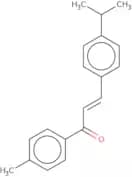
CAS:<p>4-Isopropyl-4'-methylchalcone (4'MCH) is a versatile building block that can be used for the synthesis of complex compounds. 4'MCH is an intermediate in the synthesis of various pharmaceuticals and research chemicals, such as cholesterol esters, sterols, and steroids. It also has been used to produce speciality chemicals including herbicides, pesticides, and fungicides. 4-Isopropyl-4'-methylchalcone is a high quality chemical with CAS No. 205688-50-2 that has a wide range of applications.</p>Formula:C19H20OPurity:Min. 95%Color and Shape:PowderMolecular weight:264.36 g/mol6-Methoxy-2-naphthoic acid
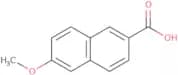
CAS:<p>6-Methoxy-2-naphthoic acid (MN) is a cavity amide that has been shown to have an inhibitory effect on the growth of cancer cells. MN has been found to be more effective in inhibiting β-amyrin than caffeine, which may be due to its increased lipophilicity. It also has a higher affinity for adriamycin and enhances its anticancer effects. MN has been shown to be beneficial in treating diabetic patients, as it can reduce blood glucose levels by stimulating insulin release. The pharmacokinetic properties of MN are similar to those of other cavity amides, with rapid absorption and distribution throughout the body. This compound is metabolized in the liver by CYP2C8, CYP2C9, CYP3A4 and CYP3A5 enzymes. Molecular docking analysis of MN with β-amyrin showed that there was a strong interaction between them due to their complementary shapes and charge distributions</p>Formula:C12H10O3Purity:Min. 98 Area-%Color and Shape:PowderMolecular weight:202.21 g/mol4-Fluoro-2-hydroxybenzoic acid methyl ester
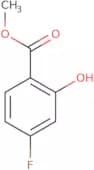
CAS:<p>4-Fluoro-2-hydroxybenzoic acid methyl ester is a chemical compound that is used as a synthetic intermediate in the synthesis of drugs. 4-Fluoro-2-hydroxybenzoic acid methyl ester can be prepared by reductive amination of an acyl chloride with an amine, followed by reaction with methanol. This chemical intermediate is used in the synthesis of the BCL-2 inhibitor venetoclax, which inhibits cell growth and induces apoptosis in lymphoma cells. 4-Fluoro-2-hydroxybenzoic acid methyl ester also has been shown to inhibit the activity of amidating enzymes and transferases, suggesting it may have potential as an anti-inflammatory drug.</p>Formula:C8H7FO3Purity:Min. 95%Color and Shape:PowderMolecular weight:170.14 g/molTropaeolin O sodium salt
CAS:<p>Tropaeolin O sodium salt is a reactive dye that possesses the ability to form hydrogen bonds with hydroxyl groups. Tropaeolin O sodium salt has been used in pharmaceutical preparations as a dye for serum and urine samples. It is also used as an indicator for the presence of fatty acids in human serum. The reactive dye is cationic and can be used to detect anionic surfactants, such as sodium dodecyl sulfate, which are commonly found in detergents and soaps. Tropaeolin O sodium salt exhibits synchronous fluorescence when it reacts with hydroxyl ions. This property can be useful for detecting the presence of hydrochloric acid in a sample or identifying p-hydroxybenzoic acid (a product of human metabolism) in urine samples.</p>Formula:C12H9N2O5SNaPurity:Min. 95%Color and Shape:PowderMolecular weight:316.27 g/mol1,1'-Azonaphthalene - 80%
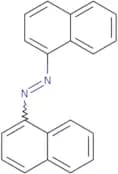
CAS:<p>1,1'-Azonaphthalene is a quinoid that produces an azobenzene with a 1,3-dipolar cycloaddition reaction. This azobenzene is used as a model system for the study of enzyme inducers. It acts as an inhibitor of vascular endothelial growth factor (VEGF) and has been shown to inhibit tumor growth in murine hepatoma models. 1,1'-Azonaphthalene also reacts with dimethyl fumarate to form the dichroic compound with high optical activity. The asymmetric synthesis of 1,1'-azonaphthalene is achieved by using catalytic asymmetric hydrogenation with rhodium on carbon as a catalyst. Reaction mechanism studies have revealed that 1,1'-azonaphthalene can be converted into aromatic hydrocarbons by reacting with aliphatic hydrocarbons.</p>Formula:C20H14N2Purity:Min. 80%Color and Shape:PowderMolecular weight:282.34 g/molIsatin bis-cresol
CAS:<p>Isatin bis-cresol is a silicon-containing compound that can be used as a viscosity modifier and stabilizer in polymers. Isatin bis-cresol has shown resistance to degradation by water, alkali, and acid. It also has a high formation rate and can be used for the production of functionalized polymers such as polycarbonates or phosphonium salts. Isatin bis-cresol is insoluble in water but soluble in organic solvents, which makes it an ideal candidate for use in transesterification reactions. Isatin bis-cresol contains three functional groups: phenolic (OH), carboxylic acid (COOH), and alcohol (OH).</p>Formula:C22H19NO3Purity:Min. 98 Area-%Color and Shape:PowderMolecular weight:345.39 g/mol4-Amino-3-methoxybenzoic acid methyl ester
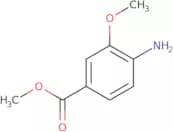
CAS:<p>4-Amino-3-methoxybenzoic acid methyl ester is a reactive molecule that has been used as a radiotracer for positron emission tomography (PET). It is also used in the synthesis of oligodeoxynucleotides and hybridization probes. 4-Amino-3-methoxybenzoic acid methyl ester is not soluble in water, but it can be dissolved in organic solvents such as acetone or methanol. This compound has shown to have anticancer activity and may be useful for treating cancers of the brain, breast, colon, lung, prostate, and stomach.</p>Formula:C9H11NO3Purity:Min. 95%Color and Shape:PowderMolecular weight:181.19 g/mol1-Bromo-8-fluoronaphthalene
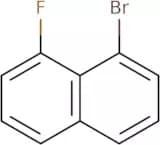
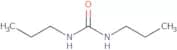
CAS:<p>1-Bromo-8-fluoronaphthalene is a versatile compound that has various applications in the field of research and medicine. It is commonly used as a building block for the synthesis of different compounds, including misoprostol, a medication used to prevent stomach ulcers. Additionally, 1-Bromo-8-fluoronaphthalene has been found to enhance the growth factor effect of allopregnanolone, a neurosteroid with potential therapeutic benefits.</p>Formula:C10H6BrFPurity:Min. 95%Color and Shape:Clear LiquidMolecular weight:225.06 g/mol1,3-Dipropylurea
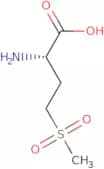
CAS:<p>1,3-Dipropylurea is a nucleophilic organic compound. It is soluble in organic solvents such as benzyl alcohol, nitrous oxide, and ethylene glycol. It also has a constant boiling point of 215°C at atmospheric pressure. The reaction rate for the formation of 1,3-dipropylurea from benzaldehyde and propylene oxide is dependent on the solvent used. The yields are higher in polar solvents such as nitrous oxide or ethylene glycol than in nonpolar solvents like benzene or hexane. This reaction can be catalyzed by cyanoborohydride and the use of a base such as sodium hydroxide or potassium tert-butoxide speeds up the reaction rate considerably.</p>Formula:C7H16N2OPurity:Min. 97 Area-%Color and Shape:PowderMolecular weight:144.21 g/molL-Methionine sulfone
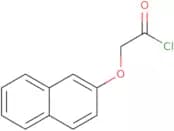
CAS:<p>L-Methionine sulfone is an enzyme substrate that is a potent antagonist of glutamate, the α subunit of aspartate aminotransferase, and proteolytic enzymes. L-Methionine sulfone inhibits protein synthesis by competitively inhibiting uptake of methionine into the cell. This compound has been shown to have inhibitory properties in tissue culture assays and also has potent antagonistic effects on glutamate, the α subunit of aspartate aminotransferase, and proteolytic enzymes. L-Methionine sulfone inhibits protein synthesis by competitively inhibiting uptake of methionine into the cell. This compound has been shown to have inhibitory properties in tissue culture assays and also has potent antagonistic effects on glutamate, the α subunit of aspartate aminotransferase, and proteolytic enzymes.</p>Formula:C5H11NO4SPurity:Min. 95%Molecular weight:181.21 g/mol(2-Naphthyloxy)acetyl chloride
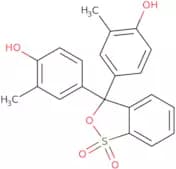
CAS:<p>(2-Naphthyloxy)acetyl chloride is an inhibitor of alcohol dehydrogenase, which is the enzyme that catalyzes the conversion of ethanol to acetaldehyde. It has been shown to be active against grapevine, but not against the yeast Saccharomyces cerevisiae. (2-Naphthyloxy)acetyl chloride inhibits alcohol dehydrogenase with a potency comparable to hexanol and ethylene glycol. It also inhibits esterases, which may account for its inhibitory effect on vinifera l. (2-Naphthyloxy)acetyl chloride has been shown to be more selective in inhibiting both alcohol and aldehyde dehydrogenases than hexanol or ethylene glycol.</p>Formula:C12H9ClO2Purity:Min. 95%Color and Shape:Off-White PowderMolecular weight:220.65 g/molCresol red
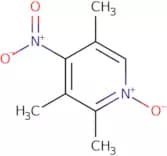
CAS:<p>Cresol red is a weak diacidic molecule and an anionic dye largely used in genetic and biochemical studies. Cresol red is commonly used to measure the pH of aqueous solutions also from environmental samples, e.g. seawater (Byrne, 1989). Cresol red shows an increased protonation in acidic water-based solutions at low temperatures (Heger, 2006). Cresol red can be used to introduce pH-sensing features to sensing materials, such as, optical fibres or nanoparticles (Islam, 2021).</p>Formula:C21H18O5SColor and Shape:Brown Red PowderMolecular weight:382.43 g/mol2,3,5-Trimethyl-4-nitropyridine 1-oxide
CAS:<p>The reaction of 2,3,5-trimethyl-4-nitropyridine 1-oxide with hydrogen peroxide is an example of a peroxide reaction. The HOOH molecule is a nucleophilic and attacks the CNO group. This leads to the formation of a new bond between the oxygen and carbon atoms in the molecule. The oxygen atom then becomes an oxidizing agent, which can react with other molecules in order to form more products. In this reaction, hydrogen peroxide is used as an oxidizing agent to produce chlorine gas, water vapor, and nitric oxide gas. The reaction can be summarized as follows: 2CNO + 3HOOH → 4CO + 2O + 3N2O + 3HO2</p>Formula:C8H10N2O3Purity:Min. 95%Color and Shape:PowderMolecular weight:182.18 g/mol11-cis-Retinol
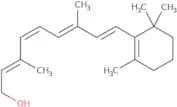
CAS:<p>11-cis-Retinol is a retinoid that has been synthesized in the laboratory. 11-cis-Retinol has been shown to inhibit the activity of bacterial enzymes such as signal peptide, which is involved in protein synthesis. It also inhibits the growth of bacteria by inhibiting energy metabolism and atp-binding cassette transporter. Retinoids are active against infectious diseases, including HIV, and have shown anti-inflammatory properties that may be due to their ability to suppress cytokine production. 11-cis-Retinol is used as a vitamin supplement and is applied topically to treat eye disorders.</p>Formula:C20H30OPurity:Min. 85%Color and Shape:Yellow PowderMolecular weight:286.45 g/mol3’,5’-Di-O-benzoyl-2’-deoxy-2’-fluoro-5-trifluoromethyl-arabinouridine
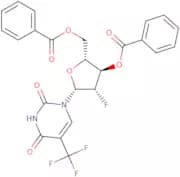
CAS:<p>Please enquire for more information about 3’,5’-Di-O-benzoyl-2’-deoxy-2’-fluoro-5-trifluoromethyl-arabinouridine including the price, delivery time and more detailed product information at the technical inquiry form on this page</p>Purity:Min. 95%2'-Methoxypropiophenone
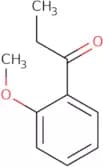
CAS:<p>2'-Methoxypropiophenone is a carbonyl compound that is used as a starting material in the synthesis of other compounds. It can be synthesized by reacting sodium hydroxide with diazirinyl chloride, which reacts with benzyl alcohol to produce the desired product. This chemical has been shown to bind to the DNA of bacteria and show antibacterial activity. 2'-Methoxypropiophenone has also been used to label acetophenone and other carbonyl-containing molecules for their identification.</p>Formula:C10H12O2Purity:Min. 95%Color and Shape:Clear LiquidMolecular weight:164.2 g/molIpratropium bromide
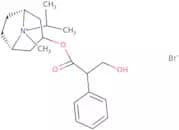
CAS:<p>Muscarinic antagonist</p>Formula:C20H30BrNO3Purity:Min. 95%Color and Shape:PowderMolecular weight:412.36 g/mol5-Methylcytosine hydrochloride salt
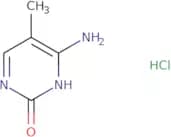
CAS:<p>5-Methylcytosine hydrochloride salt is a metabolite of cytosine that occurs naturally in the body. It is used as an inhibitor of DNA methylation to study the effect of this process on gene expression. 5-Methylcytosine hydrochloride salt has been shown to inhibit the production of growth factors, such as insulin-like growth factor 1, and radiation energy. It also causes oxidative damage to DNA and inhibits the oxidation of urea nitrogen in lettuce. The matrix effect may interfere with the analysis of 5-methylcytosine hydrochloride salt by spectrometry.</p>Formula:C5H7N3O·HClPurity:Min. 95%Color and Shape:PowderMolecular weight:161.59 g/mol2',4'-Dichloroacetophenone
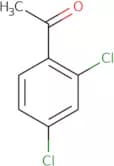
CAS:<p>2',4'-Dichloroacetophenone is a chemical intermediate used in the treatment of wastewater. It reacts with chloride ions to form 2,4-dichloro-5-chlorobenzene-1,3-diol (2,4-DCD) and dichloroacetic acid (DCAA). DCDA is an inhibitor of the synthesis of triazole antifungal agents. In addition to its use as an intermediate, 2',4'-Dichloroacetophenone has been shown to be an effective inhibitor of the enzyme carbonyl reductase and can also serve as a precursor for the synthesis of other chemicals. The reaction products are geometric isomers that differ only in their orientation about the double bond. This product's molecular weight is 188.27 g/mol and its melting point is 53 °C.</p>Formula:C8H6Cl2OPurity:Min. 95%Color and Shape:PowderMolecular weight:189.04 g/mol4-Cyano-2-fluorobenzoic acid methyl ester
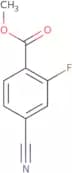
CAS:<p>4-Cyano-2-fluorobenzoic acid methyl ester is a versatile building block for complex compounds. It can be used as a reagent to synthesize other compounds and as a speciality chemical with high quality. This chemical is also an intermediate in the synthesis of other compounds, such as 4-cyano-2-fluorobenzoic acid ethyl ester, which has been shown to be useful in the synthesis of β-lactam antibiotics.</p>Formula:C9H6FNO2Purity:Min. 95%Color and Shape:PowderMolecular weight:179.15 g/mol11-Keto budesonide (mixture of diastereomers)
CAS:Controlled Product<p>11-Keto budesonide is a high quality, reagent, complex compound, useful intermediate and fine chemical. It is a versatile building block that can be used in the synthesis of other compounds. 11-Keto budesonide is used as a reaction component and as a research chemical. 11-Keto budesonide has been shown to be effective as an anti-inflammatory agent and has been studied for its use in treating asthma.</p>Formula:C25H32O6Purity:Min. 90 Area-%Color and Shape:White PowderMolecular weight:428.52 g/mol3-Nitro-o-cresol
CAS:<p>3-Nitro-o-cresol is a chlorinated aromatic compound that has been shown to be an inhibitor of the enzyme catalase. Catalase is an enzyme that catalyzes the decomposition of hydrogen peroxide into water and oxygen. 3-Nitro-o-cresol inhibits this reaction by binding to the heme group in the enzyme, which prevents it from binding with molecular oxygen. This chemical also has a vibrational frequency of 1225 cm−1 and a molecular weight of 171.2 g/mol. 3-Nitro-o-cresol can be used as an antimicrobial agent against organisms such as Streptococcus pneumoniae, Escherichia coli, and Pseudomonas aeruginosa in liquid phase systems.</p>Formula:C7H7NO3Purity:Min. 95%Color and Shape:PowderMolecular weight:153.14 g/mol3-Fluoro-4-methoxycinnamic acid
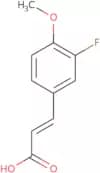
CAS:<p>3-Fluoro-4-methoxycinnamic acid is a template for the synthesis of azido compounds. Azide is a versatile functional group that can be used in many chemical reactions. 3-Fluoro-4-methoxycinnamic acid can be used to synthesize various azido products by reacting with hydrogen gas and an appropriate nucleophile, such as acrylic acid or ammonia. This reaction is called the "hydrogenating" reaction because it involves the addition of hydrogen. The target product can be synthesized by adding an appropriate electrophile, such as sodium azide, to the starting material in a solvent such as methylene chloride.</p>Formula:C10H9FO3Purity:Min. 95%Color and Shape:PowderMolecular weight:196.18 g/molEthyl 7-hydroxycoumarin-3-carboxylate
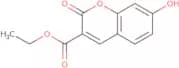
CAS:<p>Ethyl 7-hydroxycoumarin-3-carboxylate is a coumarin derivative that acts as a selective and potent inhibitor of the adenosine A3 receptor. It has been shown to inhibit growth of cancer cells in vitro, and it also inhibits the proliferation of S.aureus. Ethyl 7-hydroxycoumarin-3-carboxylate binds to the α subunit in an irreversible manner, inhibiting its function. This compound has been used to study plant physiology and homogeneous catalysis.</p>Formula:C12H10O5Purity:Min. 95%Color and Shape:PowderMolecular weight:234.2 g/mol4-Hydroxy-7-methylamino-2-naphthalenesulfonicacid
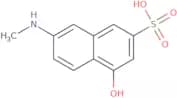
CAS:<p>4-Hydroxy-7-methylamino-2-naphthalenesulfonic acid is used as a diazo dye in the textile industry. This compound is used to produce diazotization and then cyanuric chloride by the reaction of 4-hydroxy-7-methylamino-2-naphthalenesulfonic acid with sodium nitrite and hydrochloric acid. The condensate from this reaction is dissolved in an alkaline solution, which reacts with sodium bicarbonate to produce a reactive physicochemical substance that can be used for dyeing fabrics.</p>Formula:C11H11NO4SPurity:Min. 96 Area-%Color and Shape:Slightly Brown PowderMolecular weight:253.28 g/mol3-Chloro-7-hydroxy-4-methylcoumarin
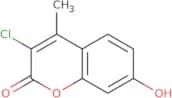
CAS:<p>3-Chloro-7-hydroxy-4-methylcoumarin is a Michaelis–Menten kinetics inhibitor that binds to the bacterial 16S ribosomal RNA and inhibits transcription and protein synthesis. This compound has been studied for wastewater treatment, where it was shown to be effective in treating sodium citrate. 3-Chloro-7-hydroxy-4-methylcoumarin is also used as an inhibitor of coumarin derivatives, which are compounds that have been shown to have antiinflammatory properties. 3CMC inhibits transcription by binding to the polymerase chain reaction (PCR) product. It has also been shown to bind to the nonpolar solvent, which prevents the formation of a complex with the enzyme DNA gyrase, leading to cell death by inhibiting protein synthesis. Fluorescence techniques have been used to study this type of inhibition in a model system.</p>Formula:C10H7ClO3Purity:Min. 95%Color and Shape:PowderMolecular weight:210.61 g/mol2,3',4,4',6-Pentahydroxybenzophenone - 85%
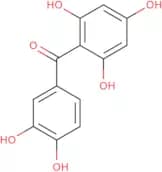
CAS:<p>2,3',4,4',6-Pentahydroxybenzophenone - 85% is a chemical compound that functions as a hydroxybenzophenone derivative. It is synthesized through organic chemical processes involving aromatic hydroxylation. The compound exhibits specific light-absorbing characteristics, particularly in the ultraviolet (UV) range, making it a valuable tool in scientific studies focusing on photostability and the photophysical properties of materials.</p>Formula:C13H10O6Purity:Min. 95%Color and Shape:PowderMolecular weight:262.21 g/molL-Leucine b-naphthylamide hydrochloride
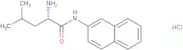
CAS:<p>Please enquire for more information about L-Leucine b-naphthylamide hydrochloride including the price, delivery time and more detailed product information at the technical inquiry form on this page</p>Formula:C16H20N2O·HClPurity:Min. 95%Color and Shape:PowderMolecular weight:292.8 g/molEthyl hydrocaffeate
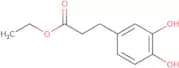
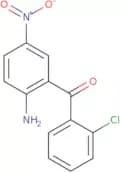
CAS:<p>Ethyl hydrocaffeate is a phenolic compound and an ester of hydroxycinnamic acid. Ethyl hydrocaffeate is naturally found in many plants, such as, Bidens pilosa. In in vitro cell studies, ethyl hydrocaffeate inhibited the production of nitric oxide (NO) with an IC50 of 5.5âÎŒgâmlâ1in LPS-treated RAW 264.7 macrophages (Chiang, 2005). In food, ethyl hydrocaffeate has been tested as an antioxidant at a 0.004% concentration to prevent the generation of off-flavor in ice cream (Gelpi, 1955).</p>Formula:C11H14O4Purity:Min. 95%Color and Shape:Brown PowderMolecular weight:210.23 g/mol2-Amino-5-nitro-2'-chlorobenzophenone
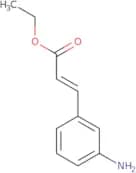
CAS:<p>2-Amino-5-nitro-2'-chlorobenzophenone (2ACCB) is a precursor for the synthesis of 2,4,6-trichlorophenol. 2ACCB reacts with hydrochloric acid in the presence of a scrubber to produce diphenyl ether and activated 2ACCB. The reaction rate can be increased by adding sodium hydroxide solution to the reaction solution. The hydroxy group on the 2ACCB molecule can be converted to a terpene by transfer reactions with glycol esters. This compound has been used as a sterilant and disinfectant in reaction solutions containing chlorine atoms or carbonyl groups.</p>Formula:C13H9ClN2O3Purity:Min. 95%Color and Shape:PowderMolecular weight:276.67 g/mol3-Aminocinnamic acid ethyl ester
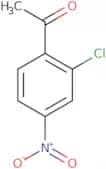
CAS:<p>3-Aminocinnamic acid ethyl ester is a synthetic compound that is derived from pyridine and has a liriodenine ring. The synthesis of this compound starts with an olefinic coupling reaction, which yields an imine intermediate. The imine is hydrolyzed to yield the desired product. 3-Aminocinnamic acid ethyl ester can be found in plants such as liriodenine and liriodendronine, as well as in animal tissues. It also acts as a neurotransmitter and activates the nitrate receptor on nerves, which leads to increased blood pressure or heart rate. 3-Aminocinnamic acid ethyl ester also binds to the cation channel of benzoquinoline drugs and mediates their effects on the central nervous system.</p>Formula:C11H13NO2Purity:Min. 95%Color and Shape:PowderMolecular weight:191.23 g/mol2'-Chloro-4'-nitroacetophenone
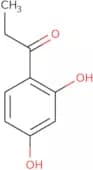
CAS:<p>2'-Chloro-4'-nitroacetophenone is a reagent that is used in the synthesis of tulobuterol, an oxirane that binds to β2-adrenergic receptors. 2'-Chloro-4'-nitroacetophenone is also used for the synthesis of other drugs, such as benzylated alcohols and phenols. This product has been shown to be metabolized into a number of metabolites, including hydroxybenzyl alcohol and hydroxybenzyl glucuronide.</p>Formula:C8H6ClNO3Purity:Min. 95%Color and Shape:Dark yellow solid.Molecular weight:199.59 g/mol2',4'-Dihydroxypropiophenone
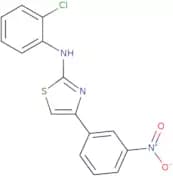
CAS:<p>2',4'-Dihydroxypropiophenone is a bioactive molecule that has been shown to have fungicidal concentrations against the fungus Monilia polystroma. It is also considered to be a useful chemical in postharvest treatments of fruit. 2',4'-Dihydroxypropiophenone is used in gravimetric analysis of uptake and viscosity, and can be analyzed by NMR spectroscopy. The compound has been found to react with Cl- ions in an ion-exchange procedure in the presence of acid catalyst, such as hydrochloric acid or n-dimethyl formamide. Kinetic studies show that 2',4'-dihydroxypropiophenone is a monomer.<br>2',4'-Dihydroxypropiophenone is a white crystalline solid with a melting point around 125°C and molecular weight of 223.25 g/mol.</p>Formula:C9H10O3Purity:Min. 95%Color and Shape:PowderMolecular weight:166.17 g/mol(2-Chlorophenyl)(4-(3-nitrophenyl)(2,5-thiazolyl))amine
CAS:<p>Please enquire for more information about (2-Chlorophenyl)(4-(3-nitrophenyl)(2,5-thiazolyl))amine including the price, delivery time and more detailed product information at the technical inquiry form on this page</p>Purity:Min. 95%4-Iodocinnamic acid
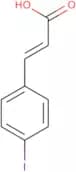
CAS:<p>4-Iodocinnamic acid is a mesomorphic, supramolecular organic acid that has potent cytotoxicity against cancer cells. It is also an analogue of the natural product cinnamic acid. 4-Iodocinnamic acid binds to the active site of the enzyme DNA polymerase and inhibits DNA synthesis by preventing the incorporation of deoxynucleotide triphosphates into synthesized DNA chains. The compound has been shown to have strong antimicrobial activity against Gram-positive bacteria such as Staphylococcus aureus, Enterococcus faecalis, and Bacillus cereus. 4-Iodocinnamic acid is also an effective inhibitor of cancer cell proliferation and induces apoptosis in these cells.</p>Formula:C9H7IO2Purity:Min. 95%Color and Shape:PowderMolecular weight:274.06 g/mol1-Naphthaleneacetamide
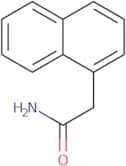
CAS:<p>1-Naphthaleneacetamide is a plant growth regulator that belongs to the class of compounds known as auxins. It inhibits the production of chlorophyll and reduces photosynthetic activity in plants, thereby causing a decrease in chlorophyll content. 1-Naphthaleneacetamide has been shown to have genotoxic effects on human cells in tissue culture. This agent also has an effect on DNA damage and repair and can be used as an analytical method for determining the presence of surfactant sodium dodecyl (SDS) in urine samples by fluorescence spectrometry.</p>Formula:C12H11NOPurity:Min. 98 Area-%Color and Shape:PowderMolecular weight:185.22 g/molall-trans-Retinoic acid
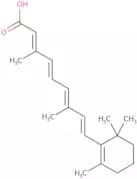
CAS:Controlled Product<p>Retinoic acid receptor (RAR) agonist; inhibits melanocyte activity</p>Formula:C20H28O2Purity:Min. 95%Color and Shape:Yellow PowderMolecular weight:300.44 g/mol7-Cyano-7-deazaguanosine
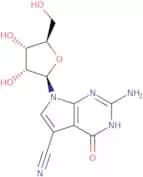
CAS:<p>7-Cyano-7-deazaguanosine is a nucleoside that belongs to the category of 7-deazapurines. It is an optimized nucleic acid analogue that has been shown to act as a translational inhibitor in vitro and in vivo. This compound has been shown to have high yields in chemical synthesis, which makes it an attractive candidate for optimization and future research. 7-Cyano-7-deazaguanosine is a synthetic nucleotide with anticodon properties, which may be useful for the development of new drugs against bacterial infections.</p>Formula:C12H13N5O5Purity:Min. 95%Color and Shape:PowderMolecular weight:307.26 g/molrec Oncostatin M (human)
CAS:<p>Please enquire for more information about rec Oncostatin M (human) including the price, delivery time and more detailed product information at the technical inquiry form on this page</p>Purity:Min. 95%γ-Carotene
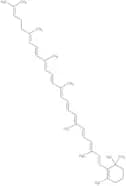
CAS:<p>Gamma-carotene is a polycarboxylic acid that is a major food component. It has been shown to have neuroprotective effects in the brains of mice and may be important for the prevention of dementia. Gamma-carotene is found in plants, where it acts as a photosynthetic pigment, absorbing light energy and converting it into chemical energy. It also functions as an antioxidant, which protects cells from damage by free radicals.<br>The biosynthesis of gamma-carotene starts with geranylgeranyl diphosphate (GGDP), which is then converted to phytoene by phytoene synthase. This reaction involves removal of two hydrogen atoms from GGDP, followed by the addition of two acetate groups. The next step in the pathway is conversion to lycopene by lycopene cyclase, and finally to beta-carotene by beta-carotenoid dehydrogenase.</p>Formula:C40H56Purity:Min. 95%Color and Shape:Dark Red SolidMolecular weight:536.87 g/mol7-Hydroxycoumarin-3-carboxylic N-succinimidylester
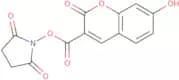
CAS:<p>7-Hydroxycoumarin-3-carboxylic acid N-succinimidylester is a fluorescent probe that is used to monitor the distribution of molecules in cells. It is used as a molecular imaging agent and has been used to image tissues in living animals. This probe can be detected by fluorescence microscopy and confocal microscopy, which are techniques that use light at specific wavelengths to detect the presence of this compound. The emission spectrum of 7-hydroxycoumarin-3-carboxylic acid N-succinimidylester varies depending on its environment, with a maximum emission wavelength of 640 nm when it is in acidic conditions and a maximum emission wavelength of 650 nm when it is in basic conditions.</p>Formula:C14H9NO7Purity:Min. 95%Molecular weight:303.22 g/molL-Homoserine lactone HCl
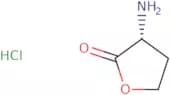
CAS:<p>L-Homoserine lactone HCl is an organic compound that is used as a building block for the synthesis of other compounds. It is also a useful intermediate and building block in the synthesis of natural products, pharmaceuticals and agrochemicals. L-Homoserine lactone HCl is soluble in water and readily reacts with acid to form its salt, which can be easily purified by recrystallization. This product has a CAS number of 2185-03-7.</p>Formula:C4H7NO2•HClPurity:Min. 95%Color and Shape:White PowderMolecular weight:137.56 g/mol3'-Bromo-4'-fluoro-β-methyl-β-nitrostyrene
CAS:<p>3'-Bromo-4'-fluoro-beta-methyl-beta-nitrostyrene is a chemical compound with the molecular formula C9H5BrFN2O. It can be used as an intermediate in the synthesis of other chemical compounds. 3'-Bromo-4'-fluoro-beta-methyl-beta-nitrostyrene can also be used to produce research chemicals, speciality chemicals, and complex compounds. This compound has a high quality and is useful for research purposes.</p>Formula:C9H7BrFNO2Purity:Min. 95%Color and Shape:PowderMolecular weight:260.06 g/molCefprozil EP impurity C
CAS:<p>Cefprozil EP impurity C is a fine chemical and research chemical. It is a versatile building block that can be used in the synthesis of various compounds, such as novel antibiotics, anti-cancer agents, and other pharmaceuticals. This compound is a useful intermediate that may be used to produce speciality chemicals such as pharmaceuticals, agrochemicals, or polymers. Cefprozil EP impurity C has been shown to react with amines to form ureas.</p>Formula:C11H11N3O3Purity:Min. 95%Color and Shape:Yellow PowderMolecular weight:233.22 g/mol(11β,16β)-9-Fluoro-11,21-dihydroxy-16-methyl-17-((1-oxopentyl)oxy)-Pregna-1,4-diene-3,20-dione mixt. with 5-chloro-7-iodo-8-qu inolinol
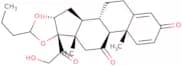
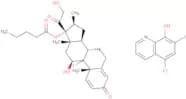
CAS:Controlled Product<p>Clioquinol is a topical corticosteroid that is used to treat skin disorders such as pemphigoid, psoriasis, and eczema. It is also used to treat the inflammation associated with acne. Clioquinol has been shown to be effective in treating bacterial infections of the skin by inhibiting the growth of bacteria. This drug also has anti-inflammatory properties and can be used for the treatment of various inflammatory skin conditions. Clioquinol is not absorbed through the skin and does not affect the blood's ability to clot.</p>Formula:C36H42ClFINO7Purity:Min. 95%Molecular weight:782.08 g/molc2'-Chloro-2-(4-nitrophenyl)cinnamonitrile
CAS:<p>C2'-Chloro-2-(4-nitrophenyl)cinnamonitrile is a fine chemical that is used as a reagent and building block in the synthesis of other compounds. C2'-Chloro-2-(4-nitrophenyl)cinnamonitrile has been shown to react with various reagents to form useful intermediates and speciality chemicals. It can be used as a versatile building block in the synthesis of complex compounds.</p>Formula:C27H46O2Purity:Min. 95%Color and Shape:PowderMolecular weight:402.65 g/mol2-(2,3-Naphthalimino)ethyl trifluoromethanesulfonate
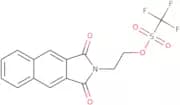
CAS:<p>2-(2,3-Naphthalimino)ethyl trifluoromethanesulfonate (2NTF) is a nonsteroidal anti-inflammatory drug that acts by inhibiting the enzyme cyclooxygenase. It is used as a sample preparation agent for epoxyeicosatrienoic acids (EETs). 2NTF is applied to a hydrophilic interaction chromatography column and then eluted with caproic acid, which selectively binds to the fatty acid component of EETs. The eluate can then be analyzed using a fluorescence detector and chromatographic methods. 2NTF has been shown to have no effect on carnitine levels in human serum.</p>Formula:C15H10F3NO5SPurity:Min. 97%Color and Shape:White PowderMolecular weight:373.3 g/mol






![3-Methylnaphth[2,1-d]isoxazole](/_next/image/?url=https%3A%2Fstatic.cymitquimica.com%2Fproducts%2F3D%2Fthumb-webp%2FFN66641.webp&w=3840&q=75)

![2-Amino-N-[2-(2-chlorobenzoyl)-4-nitrophenyl]acetamide](/_next/image/?url=https%3A%2Fstatic.cymitquimica.com%2Fproducts%2F3D%2Fthumb-webp%2FFA17795.webp&w=3840&q=75)