Pharmaceutical Standards
Pharmaceutical standards are a comprehensive set of reference materials essential for ensuring the safety, efficacy, and quality of pharmaceutical products. This category includes standards for active pharmaceutical ingredients (APIs), which are the core components responsible for therapeutic effects. Additionally, it covers compounds and metabolites relevant to both the pharmaceutical and veterinary industries, providing benchmarks for the accurate measurement and analysis of these substances. Nitrosamine control standards are crucial for detecting and mitigating potentially harmful nitrosamines in drug formulations. Toxicology standards help assess the safety and potential adverse effects of pharmaceutical compounds. Furthermore, enzyme activators and inhibitors standards are vital for research and development, enabling precise studies of biochemical pathways and drug mechanisms. These pharmaceutical standards are indispensable tools for regulatory compliance, quality control, and research, ensuring that pharmaceutical products meet stringent safety and effectiveness criteria.
Subcategories of "Pharmaceutical Standards"
- APIs for research and impurities(274,782 products)
- Enzyme Activators and Inhibitors(2,827 products)
- Nitrosamines(2,606 products)
- Pharmaceutical and Veterinary Compounds and Metabolites(2,849 products)
- Toxicology(13,652 products)
Found 7836 products of "Pharmaceutical Standards"
Sort by
Purity (%)
0
100
|
0
|
50
|
90
|
95
|
100
S 23
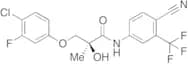
CAS:<p>Applications S 23 is a selective androgen receptor modulator.<br>References Thevis, M., et al.: Drug Testing and Analysis, 2, 589 (2010); Jones, A., et al.; Endocr., 150, 385 (2009)<br></p>Formula:C18H13ClF4N2O3Color and Shape:White To Off-WhiteMolecular weight:416.75Epitizide
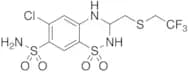
CAS:Controlled Product<p>Applications Epitizide is a diuretic agent.<br>References Pilsbury, V., et al.: J. Pharm. Pharmacol., 18, 713 (1966), Tisdall, P., et al.: Clin. Chem., 26, 702 (1980),<br></p>Formula:C10H11ClF3N3O4S3Color and Shape:White To Off-WhiteMolecular weight:425.86Dimefline Hydrochloride
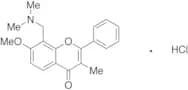
CAS:Controlled Product<p>Applications Dimefline is a new respiratory stimulant drug.<br> Not a dangerous good if item is equal to or less than 1g/ml and there is less than 100g/ml in the package<br>References Edwards, J.M., et al.: J. Nat. Prod., 42, 85 (1979), Setnikar, I., et al.: Arzneim.-Forsch., 11 1109 (1961),<br></p>Formula:C20H21NO3·HClColor and Shape:NeatMolecular weight:359.85Daidzein 7-β-D-Glucuronide 4’-Sulfate Disodium Salt
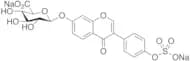
CAS:<p>Stability Very Hygroscopic<br>Applications Mixed conjugate of dietary phytoestrogen.<br>References Adlercreutz, H;., et al.: J. Steroid Mol. Biol., 52, 97 (1995), Kinjo, J., et al.: Biol. Pharm. Bull., 27, 185 (2004),<br></p>Formula:C21H16Na2O13SColor and Shape:NeatMolecular weight:554.39Pranoprofen
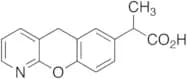
CAS:Controlled Product<p>Applications Pranoprofen is an anti-inflammatory used in ophthalmology.<br>References Ayaki, M., et al.: Biocont. Sci., 15, 97 (2010); Lee, X., et al.: For. Toxicol., 28, 96 (2010);<br></p>Formula:C15H13NO3Color and Shape:Off White CrystallineMolecular weight:255.27(R,S)-Equol
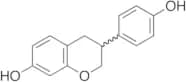
CAS:Controlled Product<p>Applications (R,S)-Equol is a human urinary metabolite of the soy isoflavones Daidzein (D103500).<br>References Heinonen, S., et al.: Anal. Biochem., 274, 211 (1999), Setchell, K., et al.: J. Nutr., 132, 3577 (2002), Thigpen, J., et al.: Comp. Med., 53, 607 (2003), Yee, S., et al.: Food Chem. Toxicol., 46, 2713 (2008),<br></p>Formula:C15H14O3Color and Shape:NeatMolecular weight:242.27(E)-Betamethasone-∆17,20 21-Aldehyde
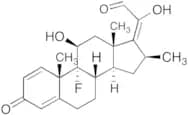
CAS:Formula:C22H27FO4Color and Shape:NeatMolecular weight:374.45Elagolix Sodium
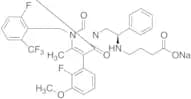
CAS:Controlled Product<p>Applications Elagolix Sodium is a novel uracil phenylethylamine that acts as potent human gonadotropin-releasing hormone receptor (hGnRH-R) antagonist.<br>References Chen, C. et al.: J. Med. Chem., 51, 7478 (2008);<br></p>Formula:C32H29F5N3O5·NaColor and Shape:NeatMolecular weight:653.57N-Methyl-N-nitroso Urea-d5 (Wetted with water >20%)
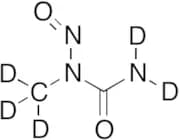
CAS:Controlled Product<p>Applications N-Methyl-N-nitroso Urea-d6 is the labelled form of N-Methyl-N-nitroso Urea (M325815), which is a precursor of Diazomethane. It has a cytotoxicity effect.<br>References Huggins, C., et al.: J. Exp. Med., 131, 321 (1970); Gullino, P.M., et al.: J. Natl. Cancer Inst., 54, 401 (1975)<br></p>Formula:C2D5N3O2Color and Shape:NeatMolecular weight:108.114-(N-Methyl-N-nitrosamino)-4-(3-pyridyl)butanal
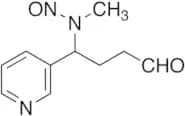
CAS:Controlled Product<p>Applications A tobacco smoke-derived nitrosamine which is activated by multiple human cytochrome P 450s including the polymorphic human cytochrome P 4502D6.<br> Not a dangerous good if item is equal to or less than 1g/ml and there is less than 100g/ml in the package<br>References Castonguay, A., et al.: Cancer Lett., 46, 93 (1989), Crespi, C.L., et al.: Carcinogenesis, 12, 1197 (1991),<br></p>Formula:C10H13N3O2Color and Shape:Light Brown LiquidMolecular weight:207.23Sodium Azide
CAS:<p>Applications Sodium azide is commonly used as a preservative in aqueous laboratory reagents and biological samples. Sodium azide’s toxicity can be attributed to its role as a reversible inhibitor of mitochondrial respiration and insulin secretion in human pancreatic cells. Acts as a catalyst for: Oxidative decarboxylation & Michael addition reactions.Used as a reagent for synthesis of Blue fluorescent copolymers; Metal phosphonates & Arenes via aminations. Actively involved in regioselective synthesis of prianosin B.<br> Not a dangerous good if item is equal to or less than 1g/ml and there is less than 100g/ml in the package<br>References Chang, S. & Lamm, S.: Int. J. Toxicol., 22, 175 (2003); Misler, S., et al.: Pflügers Archiv., 421, 289 (1992)<br></p>Formula:N3·NaColor and Shape:White To Off-WhiteMolecular weight:65.01Higenamine Hydrobromide Salt
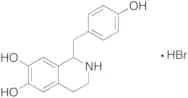
CAS:Controlled Product<p>Applications Higenamine acts through inhibition of middle cerebral artery occlusion (MCAO)-mediated HMGB1 release in vivo. Useful towards ischemic injuries.<br>References Ha, Y. et al.: Apoptosis., 17, 463 (2012);<br></p>Formula:C16H18BrNO3Color and Shape:Off-WhiteMolecular weight:352.22Betamethasone 17-Propionate
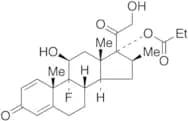
CAS:Controlled Product<p>Impurity Clobetasol Propionate EP Impurity A / Betamethasone Dipropionate EP Impurity B<br>Applications Betamethasone 17-Propionate (Clobetasol Propionate EP Impurity A) is a degradation product of Betamethasone. Glucocorticoid.<br>References Andersson, P., et al.: J. Pharm. Pharmacol., 36, 763 (1984), Wurthwein, G., et al.: Biopharm. Drug Dispos., 11, 381 (1990), Samtani, M., et al.: J. Pharm. Sci., 93, 726 (2004), Samtani, M., et al.: Drug Metab. Dispos., 33, 1124 (2005),<br></p>Formula:C25H33FO6Color and Shape:Off-WhiteMolecular weight:448.52Propafenone-d5 Hydrochloride
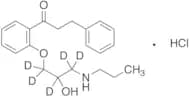
CAS:Controlled ProductFormula:C21H23D5ClNO3Color and Shape:Off-WhiteMolecular weight:382.94Quinethazone
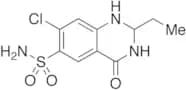
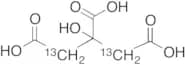
CAS:Controlled Product<p>Applications Quinethazone is a thiazide diuretic used to treat hypertension.<br>References DeLuca, F.M.: Sett. Med., 54, 747 (1966); Dettli, L. et al.: Ann. N.Y. Acad. Sci., 139, 471 (1966);<br></p>Formula:C10H12ClN3O3SColor and Shape:NeatMolecular weight:289.74Citric acid-2,4-13C2
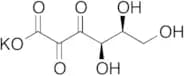
CAS:Controlled Product<p>Applications Citric acid-2,4-13C2 is an isotopic analog of citric acid (C521000), a component of the Krebs cycle.<br></p>Formula:C2C4H8O7Color and Shape:White To Light YellowMolecular weight:194.112,3-Diketogulonic Acid Potassium Salt (Technical Grade)
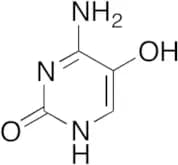
CAS:<p>Stability Temperature Sensitive<br>Applications 2,3-Diketogulonic Acid Potassium Salt is an intermediate in biodegradation of Ascorbic Acid (A786990).<br>References Kagawa, Y.: J. Biochem., 51, 134 (1962); Otsuka, M., et al.: Agric. Biol. Chem., 50, 531 (1986);<br></p>Formula:C6H7O7·KColor and Shape:NeatMolecular weight:230.215-Hydroxycytosine
CAS:Controlled Product<p>Applications 5-Hydroxycytosine, is been identified as an anomalous base of phage H-17 DNA. It is also a monosubstituted cytosine, as nucleotide-base antimetabolite-type potential anticarcinogen.<br>References Khromov, I. S. Doklady Akademii Nauk SSSR, 240, 1486 (1978); Ladik, J., et al.: Magyar Kemiai Folyoirat, 76, 589 (1970);<br></p>Formula:C4H5N3O2Color and Shape:NeatMolecular weight:127.10Calcium Chloride Hydrate
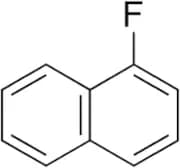
CAS:<p>Applications Calcium Chloride Dihydrate is used in the preparation of bisphosphonates used in attacking cancer cells.<br>References Liu, D. et al.: Chem. Comm., 48, 2668 (2012);<br></p>Formula:Ca·2Cl·2H2OColor and Shape:NeatMolecular weight:147.011-Fluoronaphthalene
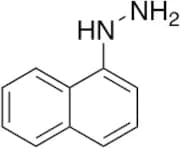
CAS:<p>Impurity Duloxetine EP Impurity G<br>Applications 1-Fluoronaphthalene (Duloxetine EP Impurity G) is a fluorinated naphthalene derivative that is metabolized by fungal monooxygenase-epoxide hydrolase. Duloxetine (D721000) impurity.<br>References Cerniglia, C.E. et al.: Appl. Env. Microbiol., 48, 294 (1984);<br></p>Formula:C10H7FColor and Shape:Light Yellow LiquidMolecular weight:146.161-Naphthylhydrazine
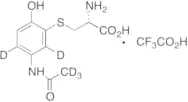
CAS:Controlled Product<p>Applications 1-Naphthylhydrazine (cas# 2243-55-2) is a useful research chemical.<br></p>Formula:C10H10N2Color and Shape:NeatMolecular weight:158.23-Cysteinylacetaminophen-D5 (major), Trifluoroacetic Acid Salt
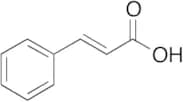
CAS:Controlled Product<p>Applications 3-Cysteinylacetaminophen-D5 (major), Trifluoroacetic Acid Salt is deuterium labeled 3-Cysteinylacetaminophen Trifluoroacetic Acid Salt (C994750), which is a metabolite of Acetaminophen (A161220), an analgesic and antipyretic agent used as a pain reliever to treat headache, muscle aches, and arthritis (1,2,3).Minimum isotopic incorporation d-3, no d-0 present. A representative lot has 64% isotopic incorporation at the 6-position, 89% at the 4-position.<br>References (1) McGill, M. R. and Jaeschke, H. Pharm Res. 30, 2174 (2013)(2) Fairbrother, J.E., et al.: Anal. Profiles Drug Subs., 3, 1 (1974) (3) Hinson, J.A., et al.: Rev. Biochem. Toxicol., 2, 103 (1980)<br></p>Formula:C11H9D5N2O4S•C2HF3O2Color and Shape:NeatMolecular weight:389.36Cinnamic Acid
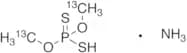
CAS:Controlled Product<p>Applications Cinnamic Acid is rac-form of trans-Cinnamic Acid (P336185) which is used in the synthesis of amides and esters through coupling reactions involving carboxylic acids and amines and N-methylation of amides and O-methylation of carboxylic acids.<br>References Kunishima, M. et al.: Tetrahedron, 55, 13159 (1999); Xia, Q. et al.: Org. Lett., 15, 3326 (2013);<br></p>Formula:C9H8O2Color and Shape:White To Off-WhiteMolecular weight:148.159O,O-Dimethyl Dithiophosphate-13C2 Ammonium salt
CAS:Controlled Product<p>Stability Hygroscopic<br>Applications Labelled dimethyl phosphorodithiolate derivatives used as insecticides.<br></p>Formula:C2H10NO2PS2Color and Shape:Off-WhiteMolecular weight:177.20Hydroxy Urea-13C,15N2
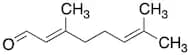
CAS:Controlled Product<p>Applications Labelled Hydroxyurea. An anti-neoplastic - inhibits ribonucleoside reductase and DNA replication. A potential therapy for sickle cell anemia which involves the nitrosylation of sickle cell hemoglobin. Horseradish peroxidase catalyzes nitric oxide formation from hydroxyurea in the presence of hydrogen peroxide.<br>References Ratcliffe, W., et al.: Lancet, 339, 164 (1992), Roodman, G., et al.: Cancer, 80, 1557 (1997), Horwitz, M., et al.: J. Clin. Endocrinol. Metab., 2003, 88, 1603 (2003),<br></p>Formula:CH4N2O2Color and Shape:Off White SolidMolecular weight:79.03α-Citral
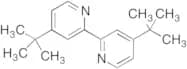
CAS:<p>Applications α-Citral is an intermediate in the synthesis of 4,8-Dimethyl-1,3(E),7-nonatriene (D475810), which is a volatile compound released by corn plants in response to predation.<br>References Alborn, H,T,. et al.: Science, 276, 945 (1997)<br></p>Formula:C10H16OColor and Shape:Colourless To Light YellowMolecular weight:152.244,4'-Di-tert-butyl-2,2'-bipyridine
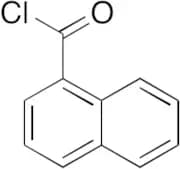
CAS:Controlled Product<p>Applications 4,4'-Di-tert-butyl-2,2'-bipyridine acts as a reagent in the preparation, antiproliferative and cytotoxic activity of apoptotic ruthenium nitrogen heterocyclic complexes via combinatorial library synthesis.<br>References Mulcahy, S. P., et al.: Dalton Trans., 39, 177 (2010)<br></p>Formula:C18H24N2Color and Shape:NeatMolecular weight:268.41-Naphthoyl Chloride
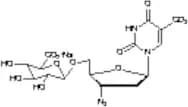
CAS:<p>Applications 1-Naphthoyl Chloride acts as a reagent in the preparation of tetrandrine derivatives as antitumor agents against human hepatocellular carcinoma. Identification of acylthiourea derivatives as potent Plk1 PBD inhibitors.<br> Not a dangerous good if item is equal to or less than 1g/ml and there is less than 100g/ml in the package<br>References Lan, J., et al.: Eur. J. Med. Chem., 127, 554 (2017); Yun, T., et al.: Eur. J. Med. Chem., 124, 229 (2016)<br></p>Formula:C11H7ClOColor and Shape:NeatMolecular weight:190.633'-Azido-3'-deoxythymidine-methyl-d3 β-D-glucuronide, Sodium Salt
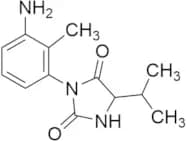
CAS:Controlled Product<p>Applications A deuterated metabolite of the potent and selective inhibitor of HIV-1 replication, AZT.This compounds contains Sodium Chloride. Water content not determined.<br></p>Formula:C16D3H17N5O10·NaColor and Shape:NeatMolecular weight:468.36583-(3-Amino-4-methylphenyl)-5-isopropylimidazolidine-2,4-dione
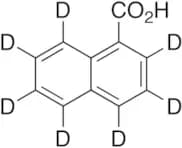
Controlled ProductFormula:C13H17N3O2Color and Shape:NeatMolecular weight:247.31-Naphthoic Acid-d7
CAS:Controlled Product<p>Applications 1-Naphthoic Acid-d7 (cas# 634179-80-9) is a compound useful in organic synthesis.<br></p>Formula:C112H7HO2Color and Shape:NeatMolecular weight:179.224-Hydroxy-2-oxovaleric Acid Potassium Salt (>90%)
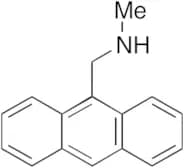
CAS:Controlled Product<p>Applications 4-Hydroxy-2-oxovaleric acid potassium salt is converted from pyrocatechol metabolism by Pseudomonas.<br>References Dagley, S., et al.: J. Biol. Chem., 239, PC1284 (1964);<br></p>Formula:C5H7KO4Purity:>90%Color and Shape:NeatMolecular weight:170.2059-(N-Methylaminomethyl)anthracene
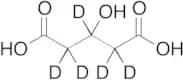
CAS:Controlled Product<p>Applications 9-(N-Methylaminomethyl)anthracene is a reactant that has been used in the synthesis of anthracene-oxyquinoline dyad as a fluorescent indicator for Hg(II).<br>References Praveen, L., et. al.: Tetrahedron Lett., 53, 3951 (2012)<br></p>Formula:C16H15NColor and Shape:NeatMolecular weight:221.33-Hydroxyglutaric Acid-d5
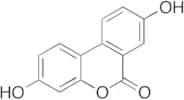
CAS:Controlled ProductFormula:C5H3D5O5Color and Shape:NeatMolecular weight:153.14Urolithin A
CAS:<p>Applications Urolithin A is a major metabolite of ellagitannin and exhibits anti-inflammatory and antioxidant properties.<br>References Ishimoto, H., et. al.: Bioorg. Med. Chem. Lett., 21, 5901 (2011);<br></p>Formula:C13H8O4Color and Shape:NeatMolecular weight:228.20Benzyldecyldimethylammonium Chloride
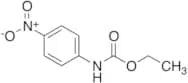
CAS:Controlled Product<p>Applications Benzyldecyldimethylammonium Chloride is a biocide.<br>References Lee, M., et al.: Appl. Micro. Biotech., 87, 1109 (2010); Campanac, C., et al.: Antimicrob. Agents Ch., 46, 1469 (2002); Shen, J., et al.: Anal. Chem., 62, 116 (1990)<br></p>Formula:C19H34N·ClColor and Shape:Off-WhiteMolecular weight:311.93ethyl (4-nitrophenyl)carbamate
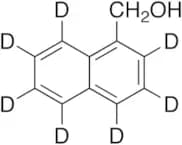
CAS:Controlled Product<p>Applications ethyl (4-nitrophenyl)carbamate (cas# 2621-73-0) is a useful research chemical.<br></p>Formula:C9H10N2O4Color and Shape:NeatMolecular weight:210.181-Naphthalenemethanol-d7
CAS:Controlled Product<p>Applications 1-Naphthalenemethanol-d7 (cas# 1189876-86-5) is a compound useful in organic synthesis.<br></p>Formula:C11H3D7OColor and Shape:Light BrownMolecular weight:165.24D-(+)-Carvone
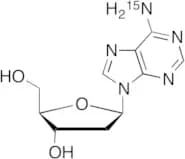
CAS:<p>Applications D-(+)-Carvone, is used for the synthesis of (-)-terpestacin, a fungal metabolite with anticancer activity.It is also found in the essential oils of the in vitro M. longifolia plantlets and callus, that can be used as a potential source of a safe flavouring agent.<br>References Jin , Y., et al.: Org. Biomol. Chem., 10(28), 5452 (12012); Morcia, C., et al.: Acta. Biochimica. Polonica., 58(4), 581 (2011);<br></p>Formula:C10H14OColor and Shape:NeatMolecular weight:150.222'-Deoxyadenosine-15N1
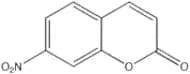
CAS:Controlled Product<p>Applications 2'-Deoxyadenosine-15N1 is an intermediate in the synthesis of 8-Oxo-2’-deoxyguanosine-13C,15N2 (O850252). A marker compound indicative of DNA damage associated with mutagenesis and carcinogenesis. Can induce differentiation of Friend murine erythroleukemia cells in vitro.<br>References Ueda, T., et al.: Chem. Pharm. Bull., 26, 2122 (1978), Jiang, F., et al.: Nature, 183, 382 (1996),<br></p>Formula:C10H1315NN4O3Color and Shape:NeatMolecular weight:252.2357-Nitrocoumarin
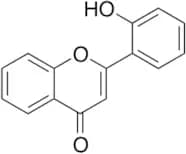
CAS:Controlled Product<p>Applications Coumarin derivatives were made for trial as bacteriostats.<br></p>Formula:C9H5NO4Color and Shape:NeatMolecular weight:191.142'-Hydroxyflavone
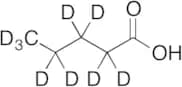
CAS:Controlled Product<p>Applications 2'-Hydroxyflavone (cas# 35244-11-2) is a useful research chemical.<br></p>Formula:C15H10O3Color and Shape:NeatMolecular weight:238.238Valeric Acid-d9
CAS:Controlled Product<p>Applications Valeric Acid-d9 is the isotope labelled analog of Valeric Acid which is used in biological studies of (D)-β-hydroxybutyrate which inhibits adipocyte lipolysis via the nicotinic acid receptor PUMA-G.<br> Not a dangerous good if item is equal to or less than 1g/ml and there is less than 100g/ml in the package<br>References Taggart, A.K.P., et al.: J. Bio. Chem., 280, 26649 (2005);<br></p>Formula:C5D9HO2Color and Shape:NeatMolecular weight:111.19Triacetin-d9
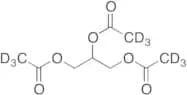
CAS:Controlled Product<p>Applications Triacetin-d5 is the isotope labelled analog of Triacetin (T720850); a compound used as a food additive and flavoring. Triacetin can be used as an excipient in pharmaceutical products where it is used as a humectant, a plasticizer, and as a solvent. Triacetin can also be used as a fuel additive as an antiknock agent.<br>References Mouret, A., et al.: Green Chem., 16 (1), 269 (2014); Snejdrova, E., et al.: Inter. J. Pharma., 458, 282 (2013)<br></p>Formula:C9D9H5O6Color and Shape:NeatMolecular weight:227.261,3-Dimethyl 2-[4-(methoxycarbonyl)-2-nitrophenyl]propanedioate
CAS:<p>Applications 1,3-Dimethyl 2-[4-(methoxycarbonyl)-2-nitrophenyl]propanedioate<br></p>Formula:C13H13NO8Color and Shape:NeatMolecular weight:311.244-Nitrophenol-1,2,6-13C3
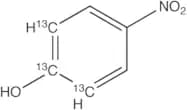
CAS:Controlled Product<p>Applications Labelled 4-Nitrophenol (N496945). Used in the manufacturing of pharmaceuticals, fungicides, dyes.<br> Not a dangerous good if item is equal to or less than 1g/ml and there is less than 100g/ml in the package<br></p>Formula:C6H7NO3Color and Shape:NeatMolecular weight:147.08Guanyl Urea Sulfate
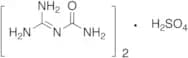
CAS:<p>Applications It is used for detecting and determining Ni and its separation from Co and other metals.<br>References Jacob, K.D., et al.: J. Agric. Res., 28, 37 (1924),<br></p>Formula:C2H6N4O·H2O4SColor and Shape:NeatMolecular weight:302.27Pinic Acid (Diastereomeric Mixture)
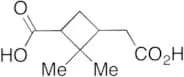
CAS:Controlled Product<p>Applications Pinic Acid (Diastereomeric Mixture) can be used to prepare pinic acid diamides as herbicides.<br>References Zou,R., et al.: Guangxi Daxue Xuebao, Ziran Kexueban, 36, 463 (2011);<br></p>Formula:C9H14O4Color and Shape:NeatMolecular weight:186.212-Aminoanthracene
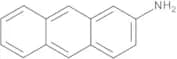
CAS:Controlled Product<p>Stability Air Sensitive<br>Applications 2-AMINOANTHRACENE (cas# 613-13-8) is a useful research chemical.<br></p>Formula:C14H11NColor and Shape:NeatMolecular weight:193.243',4',5'-Trifluoro-[1,1'-biphenyl]-2-amine
CAS:Controlled Product<p>Applications 3',4',5'-Trifluoro-[1,1'-biphenyl]-2-amine is a building block used in various chemical synthesis.<br></p>Formula:C12H8F3NColor and Shape:NeatMolecular weight:223.19Allantoic Acid
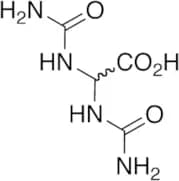
CAS:Controlled Product<p>Applications A metabolic intermediate in nucleic acid metabolism.<br>References Yoon, K., et al.: Nat. Prod. Sci., 14, 254 (2008), Ramazzina, I., et al.: J. Biol. Chem., 283, 23295 (2008), Kim, K., et al.: J. Mol. Biol., 387, 1067 (2009),<br></p>Formula:C4H8N4O4Color and Shape:White To Off-WhiteMolecular weight:176.134-(3’,4’-Dichlorophenyl)-3,4-dihydro-2H-naphthalen-1-one Oxime
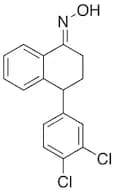
CAS:Controlled Product<p>Applications An intermediate in the synthesis of the drug metabolite for Sertraline.<br></p>Formula:C16H13Cl2NOColor and Shape:NeatMolecular weight:306.19(Benzyl-d5)decyldimethylammonium Chloride
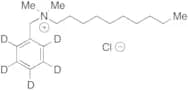
CAS:Controlled Product<p>Applications (Benzy-d5)ldecyldimethylammonium Chloride is labelled Benzyldecyldimethylammonium Chloride (B234550) which is a biocide.<br>References Lee, M., et al.: Appl. Micro. Biotech., 87, 1109 (2010); Campanac, C., et al.: Antimicrob. Agents Ch., 46, 1469 (2002); Shen, J., et al.: Anal. Chem., 62, 116 (1990)<br></p>Formula:C19H29D5ClNColor and Shape:NeatMolecular weight:316.965-Methylcytosine (~90%)
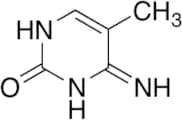
CAS:Controlled Product<p>Applications 5-Methylcytosine (cas# 554-01-8) is a useful research chemical.<br></p>Formula:C5H7N3OPurity:~90%Color and Shape:NeatMolecular weight:125.13[Leu5]-Enkephalin Acetate
CAS:<p>Applications [Leu5]-Enkephalin is a neurotransmitter used in molecular dynamics studies for the insertion of neurotransmitters into lipid bilayer membranes and their implication on membrane stability.<br>References Shen, C., et al.: ChemPhysChem, pages ahead of print (2017)<br></p>Formula:C28H37N5O7·x(C2H4O2)Color and Shape:NeatMolecular weight:615.67N-Nitroso Nipecotic Acid-d4 (Major)
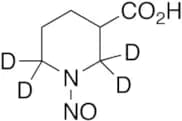
CAS:Controlled Product<p>Applications A major urinary labelled metabolite of N-nitrosoguvacoline (N527625) and N-nitrosoguvacine, found in cigarette tobacco.<br>References Ernst, H., et al.: Carcinogenesis, 8, 1843 (1987),<br></p>Formula:C6H6D4N2O3Color and Shape:Off-White To BeigeMolecular weight:162.18Polygalacturonic Acid (Technical Grade)
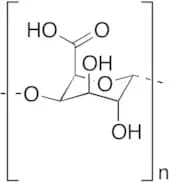
CAS:Controlled Product<p>Applications Polygalacturonic Acid is found in ripe fruits and some vegetables and is a degradation product of pectin in plants.<br>References Aspinall, G., et al.: J. Chem. Soc., 4020 (1958);<br></p>Formula:(C6H10O7)nColor and Shape:NeatMolecular weight:194.149,10-Dibromoanthracene-2-sulfonic Acid Sodium Salt
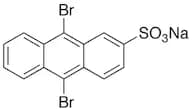
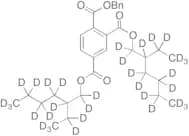
CAS:Controlled Product<p>Applications 9,10-Dibromoanthracene-2-sulfonic Acid Sodium Salt (cas# 87796-18-7) is a compound useful in organic synthesis.<br></p>Formula:C14H7Br2O3S·NaColor and Shape:NeatMolecular weight:438.072,4-Bis(2-ethylhexyl) Benzene-1,2,4-tricarboxylic Acid 1-Benzyl Ester-d34
Controlled Product<p>Applications 2,4-Bis(2-ethylhexyl) benzene-1,2,4-tricarboxylic Acid 1-Benzyl Ester-d34 is an isotope labelled intermediate in the synthesis of Trioctyl Trimellitate (T804400), a plasticizer that was evaluated for endocrine disrupting activities through estrogen receptor alpha binding assay.<br></p>Formula:C32D34H10O6Color and Shape:NeatMolecular weight:558.898Cupriethylenediamine Hydroxide (1.0 M in H2O)
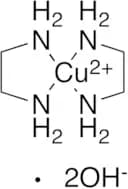
CAS:<p>Applications Cupriethylenediamine Hydroxide is used as a solvent for cellulose.<br> Not a dangerous good if item is equal to or less than 1g/ml and there is less than 100g/ml in the package<br>References Yang, L., et al.: J. Applied Polym. Sci., 126, E244 (2012); Shi, W., et al.: Ind. Eng. Chem. Res., 52, 586 (2013); Cyrot, J., et al.: Bulletin de l'Institut Textile de France, 18, 211 (1964)<br></p>Formula:C2H6CuN2Color and Shape:Dark Blue To Dark PurpleMolecular weight:121.632',4'-Dihydroxyacetophenone
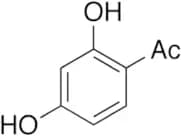
CAS:Controlled Product<p>Applications 2',4'-Dihydroxyacetophenone (cas# 89-84-9) is a compound useful in organic synthesis.<br></p>Formula:C8H8O3Color and Shape:NeatMolecular weight:152.152-(Hydroxyamino)acetic Acid
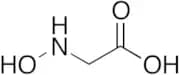
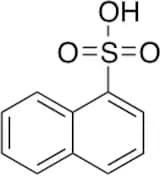
CAS:Controlled Product<p>Applications 2-(Hydroxyamino)acetic Acid is a novel lactase inhibitor.<br>References Hattori, M., et al.: J. Insect Physiol., 51, 1359 (2005); Murao, S., et al.: Biosci. Biotech. Biochem., 56, 987 (1992)<br></p>Formula:C2H5NO3Color and Shape:NeatMolecular weight:91.07Naphthalene-1-sulfonic Acid (Technical Grade)
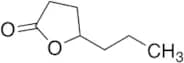
CAS:Controlled Product<p>Applications Naphthalene-1-sulfonic acid (cas# 85-47-2) is a useful research chemical.<br> Not a dangerous good if item is equal to or less than 1g/ml and there is less than 100g/ml in the package<br></p>Formula:C10H8O3SColor and Shape:NeatMolecular weight:208.23γ-Heptalactone
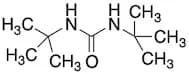
CAS:Controlled Product<p>Applications ��-Heptanolactone, �� 98.0% (cas# 105-21-5) is a useful research chemical.<br></p>Formula:C7H12O2Color and Shape:NeatMolecular weight:128.17N,N'-Di-tert-Butylurea
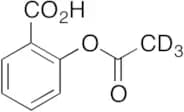
CAS:Controlled Product<p>Applications N,N'-Di-tert-Butylurea can be used in synthetic preparation and structural characterization of polynuclear gold and bimetallic gold/silver complexes for carbon-hydrogen functionalization of carbonyl compounds and homogeneous carbonylation of amines.<br>References Smirnova, E., et al.: Angew Chem Int Edit, 55, 7487 (2016)<br></p>Formula:C9H20N2OColor and Shape:White To Off-WhiteMolecular weight:172.268Acetylsalicylic Acid-d3
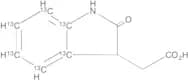
CAS:Controlled Product<p>Stability Hygroscopic<br>Applications Acetyl-d3-salicylic Acid is an an Analgesic; antipyretic; anti-inflammatory; antithrombotic and was found to have a large degree of similarity in terms of molecular reorientation just above the glass transition temperature, with other glass formers at its super cooled and glassy states.<br>References Nath, R., Nowaczyk, A., Geil, B., Boehmer, R.: J. Non-cryst. Solids, 353, 3788 (2007); Hart, E.R., et al.: J. Pharmacol. Exp. Ther., 89, 205 (1947); Florey, K., et al.: Anal. Profiles Drug Subs., 8, 1 (1979)<br></p>Formula:C92H3H5O4Color and Shape:NeatMolecular weight:183.18Oxindole-3-acetic Acid-13C6
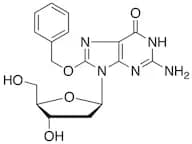
CAS:Controlled Product<p>Applications Oxindole-3-acetic Acid-13C6 is labelled derivative of Indoleacetic Acid (I577342) which has the potential to be used in anti-cancer therapy in conjunction with horseradish peroxidase.<br>References Kawano, T. et al.: Gen. Hypo. 60, 664 (2003)<br></p>Formula:C6C4H9NO3Color and Shape:NeatMolecular weight:197.1398-Benzyloxy-2’-deoxyguanosine
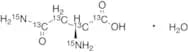
CAS:Controlled Product<p>Applications 8-Benzyloxy-2’-deoxyguanosine (cas# 96964-90-8) is a compound useful in organic synthesis.<br>References Wang, Y., et al.: Chem. Res. Toxicol., 19, 837 (2006),<br></p>Formula:C17H19N5O5Color and Shape:NeatMolecular weight:373.36L-Asparagine-13C4, 15N2 Hydrate
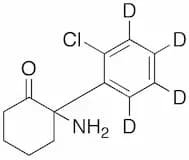
CAS:Controlled ProductFormula:C4H815N2O3H2OColor and Shape:NeatMolecular weight:138.081802Norketamine-d4 (1 mg/ml in Acetonitrile)
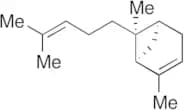
CAS:Controlled ProductFormula:C12H10D4ClNOColor and Shape:Colourless To Light YellowMolecular weight:227.72(-)-β-Copaene
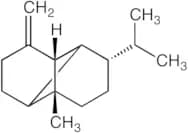
CAS:Controlled Product<p>Applications (-)-β-Copaene is a natural product, present in very small quantities in numerous plants and trees. It is used in the investigations of acid catalyzed, photochemical and thermally induced rearrangements of Germacrene D (G367765).<br>References Bulow, N., Konig, A.: Phytochemistry, 55, 141 (2000);<br></p>Formula:C15H24Color and Shape:NeatMolecular weight:204.351Faropenem Sodium Salt Hemipentahydrate
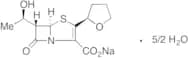
CAS:Controlled ProductFormula:C12H14NO5SNaH2OColor and Shape:NeatMolecular weight:704.67N-Nitrosodimethylamine-d6 (1 mg/mL in Methanol)
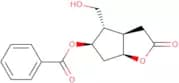
CAS:Controlled Product<p>Applications N-Nitrosodimethylamine-d6 (1.0 mg/mL in Methanol) is a highly toxic semi-volatile organic compound and a suspected human carcinogen. It induces liver tumors in rats after chronic exposure to low doses (1,2). Drinking water contaminant candidate list 3 (CCL 3) compound as per United States Environmental Protection Agency (EPA). Environmental contaminants; Food contaminants.<br>References Chem. and Eng. News, p.5, Feb. 25, 2019<br></p>Formula:C2D6N2OColor and Shape:Single SolutionMolecular weight:80.12(-)-Corey lactone benzoate
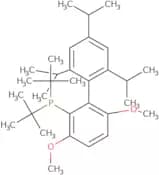
CAS:(-)-Corey lactone benzoate is a compound that was synthesized from a reaction between a primary alcohol and an acylating agent. It has been shown that (-)-Corey lactone benzoate can be used to synthesize the drug clofazimine, which is an anti-tuberculosis drug. The reaction system contains a constant pressure, organic solvent, and anhydrous conditions. (-)-Corey lactone benzoate is produced as a white solid with a melting point of 167 °C. It has been found to be impure and contain chloride and other impurities that are difficult to remove.Formula:C15H16O5Purity:Min. 95 Area-%Color and Shape:White Off-White PowderMolecular weight:276.28 g/mol2-(Di-tert-butylphosphino)-2',4',6'- triisopropyl-3,6-dimethoxy-1,1'-biphenyl
CAS:2-(Di-tert-butylphosphino)-2',4',6'-triisopropyl-3,6-dimethoxy-1,1'-biphenyl is a nucleophilic compound that can be used in amination reactions. It has been used to synthesize fluorinated compounds by reacting with various halides under palladium catalysis. This reaction is an efficient method for the synthesis of 5-membered heteroaryl compounds and pyrazole rings. 2-(Di-tert-butylphosphino)-2',4',6'-triisopropyl-3,6-dimethoxy-1,1'-biphenyl has also been shown to inhibit the growth of carcinoma cell lines and profiles in aminoimidazoles.Formula:C31H49O2PPurity:Min. 97 Area-%Color and Shape:White Off-White PowderMolecular weight:484.69 g/mol3'-Chloropropiophenone
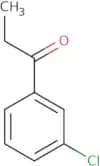
CAS:<p>3'-Chloropropiophenone is a reagent that is used in the synthesis of maleates. It can be synthesized by reacting hydrochloric acid with 3-chloropropiophenone under conditions where the temperature is kept below 30°C, and the reaction time is limited to five hours. The functional theory behind this reaction involves thionyl chloride as an electrophile that reacts with 3-chloropropiophenone to produce a chloroformate. The chloroformate then reacts with magnesium metal to yield magnesium chloride and 3'-chloropropiophenone. This compound has been shown to have vibrational frequencies of 207, 233, and 240 cm-1. 3'-Chloropropiophenone has also been shown to react with acetonitrile or methylene chloride to form chlorides or isopropyl chloride.</p>Formula:C9H9ClOPurity:Min. 97.5 Area-%Color and Shape:PowderMolecular weight:168.62 g/molN-(2-Indol-3-ylethyl)(2-nitrophenyl)formamide
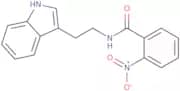
CAS:Please enquire for more information about N-(2-Indol-3-ylethyl)(2-nitrophenyl)formamide including the price, delivery time and more detailed product information at the technical inquiry form on this pageFormula:C17H15N3O3Purity:Min. 95%Color and Shape:PowderMolecular weight:309.32 g/molDitridecyl 3,3'-thiodipropionate
CAS:<p>An antioxidant; decomposes polymer peroxide to inert substance</p>Formula:C32H62O4SColor and Shape:Colorless Yellow Clear LiquidMolecular weight:542.9 g/molL-Noradrenaline bitartrate monohydrate
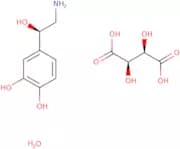
CAS:<p>L-Noradrenaline is the major precursor of norepinephrine, a neurotransmitter that regulates blood pressure and heart rate. L-Noradrenaline bitartrate monohydrate is a potent vasopressor drug that has been shown to increase blood pressure. The effects in animals are biphasic, with an initial pressor phase followed by a second phase with vasodilator effects. L-Noradrenaline bitartrate monohydrate has been shown to stimulate transcription of proteins, such as model protein and dopamine receptor D1 (D1R). This stimulation has been shown to be mediated through the activation of protein kinase C (PKC) and Ca2+/calmodulin-dependent protein kinase II (CaMKII). It has also been shown to have antioxidant effects in the presence of hydroxyl radicals. L-Noradrenaline bitartrate monohydrate can cause symptoms such as nausea, vomiting, and diarrhea in humans at high doses.</p>Formula:C12H19NO10Purity:Min. 98 Area-%Color and Shape:PowderMolecular weight:337.28 g/molHomatropine methyl bromide
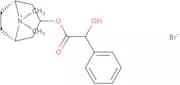
CAS:Homatropine methyl bromide is a drug that belongs to the class of anticholinergic drugs. It is used as a pharmaceutical preparation and is used in the treatment of glaucoma, diagnosis of myasthenia gravis, and as an antidote for organophosphate poisoning. Homatropine methyl bromide can be used to control diastolic pressure. This drug binds to acetylcholine receptors and increases the time needed for hydrochloric acid to break down propranolol hydrochloride. The binding constants for this drug are high, which means it has a strong affinity for acetylcholine receptors. Homatropine methyl bromide is chemically stable and does not react with fatty acids or other chemicals.Formula:C17H24NO3•BrPurity:Min. 95%Molecular weight:370.28 g/molRiboflavin 5'-phosphate sodium salt dihydrate
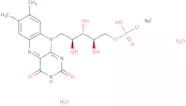
CAS:Riboflavin 5'-phosphate sodium salt dihydrate is a fine chemical that belongs to the group of complex compounds. It is a versatile building block, which can be used as a reaction component in research or as an intermediate for the production of other chemicals. Riboflavin 5'-phosphate sodium salt dihydrate has many applications, such as being a useful scaffold for the preparation of new molecules and being a reagent for reactions involving nucleotides. This compound also has high quality and is often used in speciality chemicals.Formula:C17H20N4NaO9P·2H2OPurity:(Uv) 73.0 To 79.0%Color and Shape:PowderMolecular weight:514.36 g/molVinpocetin
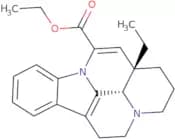
CAS:<p>Sodium channel blocker</p>Formula:C22H26N2O2Purity:Min. 95%Color and Shape:White PowderMolecular weight:350.45 g/molTestosterone enanthate
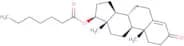
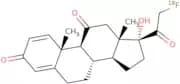
CAS:Controlled Product<p>Testosterone enanthate is a long-acting ester of the natural hormone testosterone. It is used to treat male hypogonadism, as well as for female infertility. Testosterone enanthate has been found to be effective in maintaining physiological levels of testosterone in the blood and in increasing follicular growth, body mass index, and bone density. The pharmacokinetic properties of testosterone enanthate are similar to other long-acting esters of testosterone, such as testosterone cypionate and testosterone propionate. These agents are absorbed slowly from the injection site into the bloodstream, with a prolonged duration of action that can last for weeks or months. Sodium citrate is commonly used with these agents to help prevent blood clots from forming at the injection site.</p>Formula:C26H40O3Purity:Min. 95%Color and Shape:PowderMolecular weight:400.59 g/mol21-(Fluoro-18F)-17-Hydroxypregna-1,4-Diene-3,11,20-Trione
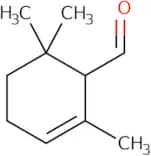
Controlled Product<p>F-18-fluorohydroxypregna-1,4-diene-3,11,20-trione (FHP) is a positron emission tomography (PET) radiopharmaceutical that binds to estrogen receptors. It is used in the diagnosis of cancer and other diseases. FHP is synthesized by reduction of its carbonyl group with sodium borohydride and then converted to the desired radiolabeled form. The synthesis of FHP can be accomplished in a variety of ways, depending on the desired radionuclide and labeling technique. One such method uses an unlabeled precursor estrone or 17β-estradiol as the starting material. This precursor undergoes enzymatic conversion by testosterone 17β hydroxylase to yield FHP.</p>Formula:C21H25FO4Purity:Min. 95%Molecular weight:360.42 g/molα-Cyclocitral
CAS:<p>α-Cyclocitral is an organic compound that is used in the industrial production of lutein. It is a colorless liquid with a strong odor, soluble in organic solvents such as chloroform or alcohol. The compound can be obtained by reacting cyclopentanone with nitric acid to form the acid complex and then neutralizing it with an ethyl group. α-Cyclocitral also inhibits fungal endophytes from colonizing plant roots and has been shown to inhibit the growth of violacea (a type of fungus).</p>Formula:C10H16OPurity:Min. 95%Color and Shape:Clear LiquidMolecular weight:152.23 g/mol6-Amino-3-methyl-4-(4-nitrophenyl)-4H-pyrano[3,2-d]pyrazole-5-carbonitrile
CAS:<p>6-amino-3-methyl-4-(4-nitrophenyl)-4H-pyrano[3,2-d]pyrazole-5-carbonitrile is a compound that has been shown to have correlations with energies and regression. It also has a linear regression, polarities, photophysical properties, and dipole. The fluorescence and excited state of this compound are singlet and hydrogen bonding interactions with solvents.</p>Formula:C14H11N5O3Purity:Min. 95%Color and Shape:PowderMolecular weight:297.27 g/mol(1R)-Chrysanthemolactone
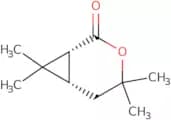
CAS:<p>(1R)-Chrysanthemolactone is a saponin that has been shown to exhibit an inhibitory effect on α-pinene metabolism in humans. This compound also has a protective effect against metabolic disorders and proton radiation. (1R)-Chrysanthemolactone has been shown to have insecticidal properties, although it is not effective against mosquitoes. This compound has been shown to have synergistic effects with piperonyl butoxide and electrothermal vaporization in the treatment of d-xylose-induced colitis in animals. It also inhibits the growth of some strains of bacteria by inhibiting protein synthesis, including Mycobacterium tuberculosis and Mycobacterium avium.</p>Formula:C10H16O2Purity:Min. 95%Molecular weight:168.23 g/mol(R)-(+)-2,2'-Diamino-1,1'-binaphthalene
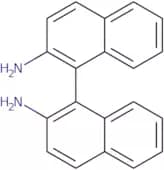
CAS:<p>(R)-(+)-2,2'-Diamino-1,1'-binaphthalene is a diammonium salt that is synthesized from fatty acids. This molecule is used in the detection of cancer cells in tissue samples. (R)-(+)-2,2'-Diamino-1,1'-binaphthalene has been shown to be an effective agent against cancer cells and can be used as a diagnostic tool for tissues with cancer cells. The mechanism of action of (R)-(+)-2,2'-Diamino-1,1'-binaphthalene is not yet clear; however it may involve intramolecular hydrogen transfer reactions or coordination chemistry.</p>Formula:C20H16N2Purity:Min. 98 Area-%Color and Shape:White PowderMolecular weight:284.35 g/mol4-Amino-2-chlorobenzoic acid methyl ester
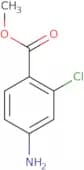
CAS:<p>4-Amino-2-chlorobenzoic acid methyl ester (4ACBME) is a chemical compound that has been used in the treatment of autoimmune diseases. It acts as an immunoreceptor and regulatory molecule by binding to specific receptors on the surface of lymphocytes, which are cells that play a central role in the immune system. 4ACBME also inhibits the production of inflammatory molecules, such as TNF-α, IL-1β, IL-6 and IL-8. The regression of tissue inflammation was observed in animal models after 4ACBME treatment. This compound has been shown to have no genotoxic impurities in vitro studies and its molecular descriptors are consistent with those found for other immunoreceptors.</p>Formula:C8H8ClNO2Purity:Min. 95%Color and Shape:White PowderMolecular weight:185.61 g/mol(+)-Biotin-sarcosine
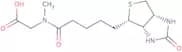
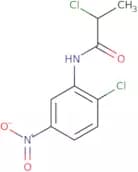
CAS:<p>Please enquire for more information about (+)-Biotin-sarcosine including the price, delivery time and more detailed product information at the technical inquiry form on this page</p>Formula:C13H21N3SO4Purity:Min. 95%Molecular weight:315.39 g/mol2-Chloro-N-(2-chloro-5-nitrophenyl)propanamide
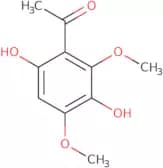
CAS:Please enquire for more information about 2-Chloro-N-(2-chloro-5-nitrophenyl)propanamide including the price, delivery time and more detailed product information at the technical inquiry form on this pageFormula:C9H8Cl2N2O3Purity:Min. 95%Molecular weight:263.08 g/mol3,6-Dihydroxy-2,4-dimethoxyacetophenone
CAS:<p>3,6-Dihydroxy-2,4-dimethoxyacetophenone is an aromatic compound that has a molecular structure with hydrogen-bonded groups. It also contains both acetoxy and intramolecular substituents. 3,6-Dihydroxy-2,4-dimethoxyacetophenone is used in research as a starting material for the synthesis of other compounds. It is also used to study the dihedral angles in molecules due to the presence of two asymmetric carbon atoms.</p>Formula:C10H12O5Purity:Min. 95%Color and Shape:PowderMolecular weight:212.2 g/molEthyl 3-nitrocinnamate
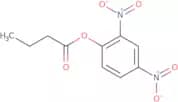
CAS:<p>Ethyl 3-nitrocinnamate is a synthetic compound that belongs to the group of stilbene derivatives. It has been used as an intermediate in the synthesis of other compounds. Ethyl 3-nitrocinnamate is not naturally occurring and can be synthesized by isomerization of cinnamic acid and nitration of ethyl cinnamate. The stereochemical and stereoselective properties of this compound can be utilized for the synthesis of other compounds. Nitrobenzaldehyde reacts with nitrovinyl chloride to form oxetane, which then reacts with acetonitrile to produce ethyl 3-nitrocinnamate.</p>Formula:C11H11NO4Purity:Min. 95%Color and Shape:PowderMolecular weight:221.21 g/mol2,4-Dinitrophenyl butyrate
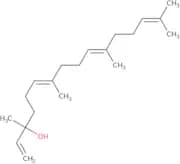
CAS:<p>2,4-Dinitrophenyl butyrate is a plant-derived compound that belongs to the group of fatty acids. It has shown radical scavenging activity in a homogeneous assay and has been found to be a strong inhibitor of pancreatic lipase. 2,4-Dinitrophenyl butyrate has also been used as a marker for proteolytic enzymes and has been shown to have inhibitory effects on pancreatic lipase. This compound is not only useful for studying enzyme inhibition, but it can also be used as an ingredient in food products.</p>Formula:C10H10N2O6Purity:Min. 98 Area-%Color and Shape:PowderMolecular weight:254.2 g/molGeranyl linalool
CAS:<p>Geranyl linalool is a monoterpene that is found in plants. It has been shown to have significant cytotoxicity against some cancer cell lines and may be useful in the treatment of cancer. Geranyl linalool also displays antibacterial, antifungal, and antiviral properties. Geranyl linalool is soluble in organic solvents such as methanol and ethanol, but insoluble in water. The chemical ionization mass spectrum of geranyl linalool has been observed to produce water-vapor ions at m/z 94 and 95 with a retention time of 12.5 minutes. The molecular weight of geranyl linalool is 152 g/mol and it has a ph optimum between 5-8.</p>Formula:C20H34OPurity:Min. 95%Color and Shape:Clear LiquidMolecular weight:290.48 g/mol2'-Cyano-4-(dibromomethyl)biphenyl
CAS:<p>2'-Cyano-4-(dibromomethyl)biphenyl is a reactive component that belongs to the group of speciality chemicals. It can be used as a building block in organic synthesis and as an intermediate in the production of fine chemicals. 2'-Cyano-4-(dibromomethyl)biphenyl has been used for the synthesis of various complex compounds, such as an anti-inflammatory drug, an anti-diabetic drug, and a chemotherapeutic agent.</p>Formula:C14H9Br2NPurity:Min. 97 Area-%Color and Shape:Off-White PowderMolecular weight:351.04 g/molDisodium methylenebisnaphthalenesulfonate
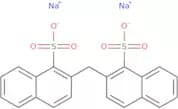
CAS:<p>Disodium methylenebisnaphthalenesulfonate is an organic compound that belongs to the group of bisnaphthyl-sulfones. It is a white solid with a melting point of 236°C. Disodium methylenebisnaphthalenesulfonate is used as a reagent in organic synthesis and as a building block for other compounds. The compound has been shown to be useful in the synthesis of 2-amino-5-methyl-1,3,4-thiadiazole derivatives, which are important building blocks for pharmaceuticals. Disodium methylenebisnaphthalenesulfonate can also be used as a scaffold for complex compounds with new or unknown structures.</p>Formula:C21H16O6S2·2NaPurity:Min. 95%Color and Shape:Beige To Brown SolidMolecular weight:474.46 g/molN-Methyl-L-tyrosine - Combretum collinum
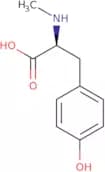
CAS:<p>N-Methyl-L-tyrosine is a molecule that has been studied as a potential treatment for Parkinson's disease. It is chemically related to the amino acid tyrosine and also shares some of its biological properties. N-Methyl-L-tyrosine inhibits the uptake of dopamine by dopamine transporters in cells, which reduces the symptoms of Parkinson's disease. The alkynyl group present in this molecule helps to improve the drug's binding affinity with proctolin, which is a substrate for proton pump inhibitors, and can be used to treat gastrointestinal problems. The clinical use of N-Methyl-L-tyrosine is limited due to its low oral bioavailability; however, it may be effective when administered intravenously or intramuscularly.</p>Formula:C10H13NO3Purity:Min. 95%Color and Shape:White PowderMolecular weight:195.22 g/mol







![1,3-Dimethyl 2-[4-(methoxycarbonyl)-2-nitrophenyl]propanedioate](/_next/image/?url=https%3A%2Fstatic.cymitquimica.com%2Fproducts%2FTR%2Fthumb-webp%2FD476668.webp&w=3840&q=75)
![3',4',5'-Trifluoro-[1,1'-biphenyl]-2-amine](/_next/image/?url=https%3A%2Fstatic.cymitquimica.com%2Fproducts%2FTR%2Fthumb-webp%2FT304270.webp&w=3840&q=75)
![[Leu5]-Enkephalin Acetate](/_next/image/?url=https%3A%2Fstatic.cymitquimica.com%2Fproducts%2FTR%2Fthumb-webp%2FL330340.webp&w=3840&q=75)



![6-Amino-3-methyl-4-(4-nitrophenyl)-4H-pyrano[3,2-d]pyrazole-5-carbonitrile](/_next/image/?url=https%3A%2Fstatic.cymitquimica.com%2Fproducts%2F3D%2Fthumb-webp%2FFA169805.webp&w=3840&q=75)