Pharmaceutical Standards
Pharmaceutical standards are a comprehensive set of reference materials essential for ensuring the safety, efficacy, and quality of pharmaceutical products. This category includes standards for active pharmaceutical ingredients (APIs), which are the core components responsible for therapeutic effects. Additionally, it covers compounds and metabolites relevant to both the pharmaceutical and veterinary industries, providing benchmarks for the accurate measurement and analysis of these substances. Nitrosamine control standards are crucial for detecting and mitigating potentially harmful nitrosamines in drug formulations. Toxicology standards help assess the safety and potential adverse effects of pharmaceutical compounds. Furthermore, enzyme activators and inhibitors standards are vital for research and development, enabling precise studies of biochemical pathways and drug mechanisms. These pharmaceutical standards are indispensable tools for regulatory compliance, quality control, and research, ensuring that pharmaceutical products meet stringent safety and effectiveness criteria.
Subcategories of "Pharmaceutical Standards"
- APIs for research and impurities(274,845 products)
- Enzyme Activators and Inhibitors(2,827 products)
- Nitrosamines(2,605 products)
- Pharmaceutical and Veterinary Compounds and Metabolites(2,869 products)
- Toxicology(13,652 products)
Found 7836 products of "Pharmaceutical Standards"
Sort by
Purity (%)
0
100
|
0
|
50
|
90
|
95
|
100
Isatin bis-cresol
CAS:<p>Isatin bis-cresol is a silicon-containing compound that can be used as a viscosity modifier and stabilizer in polymers. Isatin bis-cresol has shown resistance to degradation by water, alkali, and acid. It also has a high formation rate and can be used for the production of functionalized polymers such as polycarbonates or phosphonium salts. Isatin bis-cresol is insoluble in water but soluble in organic solvents, which makes it an ideal candidate for use in transesterification reactions. Isatin bis-cresol contains three functional groups: phenolic (OH), carboxylic acid (COOH), and alcohol (OH).</p>Formula:C22H19NO3Purity:Min. 98 Area-%Color and Shape:PowderMolecular weight:345.39 g/mol4'-Fluoroacetophenone
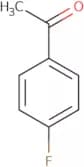
CAS:<p>4'-Fluoroacetophenone is an organic molecule that is used for wastewater treatment. It reacts with amine groups to form a covalent bond. 4'-Fluoroacetophenone can be used to activate AMP-activated protein kinase (AMPK) and increase the rate of cellular respiration, which may help treat cancer. The chemical structure of 4'-fluoroacetophenone includes hydrogen bonds, nucleophilic substitutions, and acylation reactions. The Langmuir adsorption isotherm for this molecule has been determined to be linear.</p>Formula:C8H7FOPurity:Min. 95%Color and Shape:Clear LiquidMolecular weight:138.14 g/mol4-Amino-3-methoxybenzoic acid methyl ester
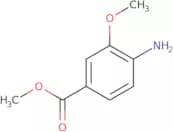
CAS:<p>4-Amino-3-methoxybenzoic acid methyl ester is a reactive molecule that has been used as a radiotracer for positron emission tomography (PET). It is also used in the synthesis of oligodeoxynucleotides and hybridization probes. 4-Amino-3-methoxybenzoic acid methyl ester is not soluble in water, but it can be dissolved in organic solvents such as acetone or methanol. This compound has shown to have anticancer activity and may be useful for treating cancers of the brain, breast, colon, lung, prostate, and stomach.</p>Formula:C9H11NO3Purity:Min. 95%Color and Shape:PowderMolecular weight:181.19 g/mol1,3-Dipropylurea
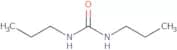
CAS:<p>1,3-Dipropylurea is a nucleophilic organic compound. It is soluble in organic solvents such as benzyl alcohol, nitrous oxide, and ethylene glycol. It also has a constant boiling point of 215°C at atmospheric pressure. The reaction rate for the formation of 1,3-dipropylurea from benzaldehyde and propylene oxide is dependent on the solvent used. The yields are higher in polar solvents such as nitrous oxide or ethylene glycol than in nonpolar solvents like benzene or hexane. This reaction can be catalyzed by cyanoborohydride and the use of a base such as sodium hydroxide or potassium tert-butoxide speeds up the reaction rate considerably.</p>Formula:C7H16N2OPurity:Min. 97 Area-%Color and Shape:PowderMolecular weight:144.21 g/molL-Methionine sulfone
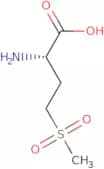
CAS:<p>L-Methionine sulfone is an enzyme substrate that is a potent antagonist of glutamate, the α subunit of aspartate aminotransferase, and proteolytic enzymes. L-Methionine sulfone inhibits protein synthesis by competitively inhibiting uptake of methionine into the cell. This compound has been shown to have inhibitory properties in tissue culture assays and also has potent antagonistic effects on glutamate, the α subunit of aspartate aminotransferase, and proteolytic enzymes. L-Methionine sulfone inhibits protein synthesis by competitively inhibiting uptake of methionine into the cell. This compound has been shown to have inhibitory properties in tissue culture assays and also has potent antagonistic effects on glutamate, the α subunit of aspartate aminotransferase, and proteolytic enzymes.</p>Formula:C5H11NO4SPurity:Min. 95%Molecular weight:181.21 g/mol(2-Naphthyloxy)acetyl chloride
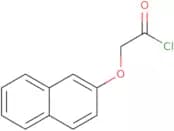
CAS:<p>(2-Naphthyloxy)acetyl chloride is an inhibitor of alcohol dehydrogenase, which is the enzyme that catalyzes the conversion of ethanol to acetaldehyde. It has been shown to be active against grapevine, but not against the yeast Saccharomyces cerevisiae. (2-Naphthyloxy)acetyl chloride inhibits alcohol dehydrogenase with a potency comparable to hexanol and ethylene glycol. It also inhibits esterases, which may account for its inhibitory effect on vinifera l. (2-Naphthyloxy)acetyl chloride has been shown to be more selective in inhibiting both alcohol and aldehyde dehydrogenases than hexanol or ethylene glycol.</p>Formula:C12H9ClO2Purity:Min. 95%Color and Shape:Off-White PowderMolecular weight:220.65 g/molCresol red
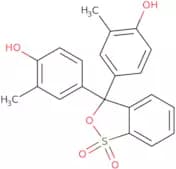
CAS:<p>Cresol red is a weak diacidic molecule and an anionic dye largely used in genetic and biochemical studies. Cresol red is commonly used to measure the pH of aqueous solutions also from environmental samples, e.g. seawater (Byrne, 1989). Cresol red shows an increased protonation in acidic water-based solutions at low temperatures (Heger, 2006). Cresol red can be used to introduce pH-sensing features to sensing materials, such as, optical fibres or nanoparticles (Islam, 2021).</p>Formula:C21H18O5SColor and Shape:Brown Red PowderMolecular weight:382.43 g/mol2,3,5-Trimethyl-4-nitropyridine 1-oxide
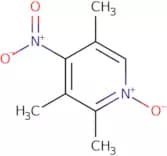
CAS:<p>The reaction of 2,3,5-trimethyl-4-nitropyridine 1-oxide with hydrogen peroxide is an example of a peroxide reaction. The HOOH molecule is a nucleophilic and attacks the CNO group. This leads to the formation of a new bond between the oxygen and carbon atoms in the molecule. The oxygen atom then becomes an oxidizing agent, which can react with other molecules in order to form more products. In this reaction, hydrogen peroxide is used as an oxidizing agent to produce chlorine gas, water vapor, and nitric oxide gas. The reaction can be summarized as follows: 2CNO + 3HOOH → 4CO + 2O + 3N2O + 3HO2</p>Formula:C8H10N2O3Purity:Min. 95%Color and Shape:PowderMolecular weight:182.18 g/mol2-(2,4-Dinitrophenoxy)ethanol
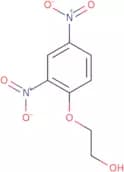
CAS:<p>2-(2,4-Dinitrophenoxy)ethanol is a glycol ether that has been shown to be an effective nucleophile in nucleophilic substitution reactions. It is a colorless liquid with a boiling point of between 204°C and 205°C. 2-(2,4-Dinitrophenoxy)ethanol reacts with deionized water in the presence of ethylene to produce a crystalline precipitate. The product can be recrystallized from ethanol/water or purified by chromatography on silica gel. This chemical can also be used as an activated nucleophile in the synthesis of spirocyclic compounds and isomeric ketones. 2-(2,4-Dinitrophenoxy)ethanol is toxic and may cause severe skin burns if it comes into contact with unprotected skin. It is also environmentally hazardous when released into the environment because it breaks down slowly and may accumulate in soil or water systems.</p>Formula:C8H8N2O6Purity:Min. 95%Color and Shape:PowderMolecular weight:228.16 g/mol11-cis-Retinol
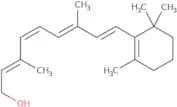
CAS:11-cis-Retinol is a retinoid that has been synthesized in the laboratory. 11-cis-Retinol has been shown to inhibit the activity of bacterial enzymes such as signal peptide, which is involved in protein synthesis. It also inhibits the growth of bacteria by inhibiting energy metabolism and atp-binding cassette transporter. Retinoids are active against infectious diseases, including HIV, and have shown anti-inflammatory properties that may be due to their ability to suppress cytokine production. 11-cis-Retinol is used as a vitamin supplement and is applied topically to treat eye disorders.Formula:C20H30OPurity:Min. 85%Color and Shape:Yellow PowderMolecular weight:286.45 g/mol2'-Methoxypropiophenone
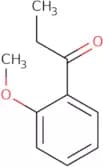
CAS:<p>2'-Methoxypropiophenone is a carbonyl compound that is used as a starting material in the synthesis of other compounds. It can be synthesized by reacting sodium hydroxide with diazirinyl chloride, which reacts with benzyl alcohol to produce the desired product. This chemical has been shown to bind to the DNA of bacteria and show antibacterial activity. 2'-Methoxypropiophenone has also been used to label acetophenone and other carbonyl-containing molecules for their identification.</p>Formula:C10H12O2Purity:Min. 95%Color and Shape:Clear LiquidMolecular weight:164.2 g/mol(R)-(+)-1,1-Naphthyl ethylamine
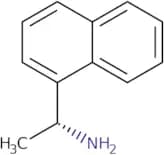
CAS:<p>(R)-(+)-1,1-Naphthyl ethylamine is a molecule that belongs to the class of chromatographic compounds. It has a carbonyl group, which is a substrate for amine modifiers and other chemical reactions. (R)-(+)-1,1-Naphthyl ethylamine can be used as a model system for epidermal growth factor (EGF) and chelate rings. The molecule has been shown to have growth factor activity, which may be due to its ability to bind to EGF receptors on cells.</p>Formula:C12H13NPurity:Min. 95%Color and Shape:PowderMolecular weight:171.24 g/mol2'-Bromo-5'-methoxyacetophenone
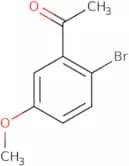
CAS:<p>2'-Bromo-5'-methoxyacetophenone is a perchloric acid catalyst that can be used in the synthesis of ketones, methyl ketones, and other organic compounds. Bromination reactions are catalyzed by hypobromous acid (HOBr), which is generated from bromine and HOCl. The reaction is typically initiated with an acid catalyst such as 2'-bromo-5'-methoxyacetophenone.</p>Formula:C9H9BrO2Purity:Min. 95%Color and Shape:Clear LiquidMolecular weight:229.07 g/molL-Methionine [R,S]-sulfoximine
CAS:L-Methionine [R,S]-sulfoximine is a sulfoximide that inhibits the synthesis of methionine. Methionine is an essential amino acid that is converted to homocysteine and then to cysteine in the body. L-Methionine [R,S]-sulfoximine has been shown to inhibit the conversion of methionine to cysteine in vivo by acting as a competitive inhibitor of methioninase.Formula:C5H12N2O3SPurity:(Elemental Analysis) Min. 97%Color and Shape:PowderMolecular weight:180.23 g/mol2',4'-Dichloroacetophenone
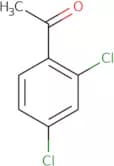
CAS:<p>2',4'-Dichloroacetophenone is a chemical intermediate used in the treatment of wastewater. It reacts with chloride ions to form 2,4-dichloro-5-chlorobenzene-1,3-diol (2,4-DCD) and dichloroacetic acid (DCAA). DCDA is an inhibitor of the synthesis of triazole antifungal agents. In addition to its use as an intermediate, 2',4'-Dichloroacetophenone has been shown to be an effective inhibitor of the enzyme carbonyl reductase and can also serve as a precursor for the synthesis of other chemicals. The reaction products are geometric isomers that differ only in their orientation about the double bond. This product's molecular weight is 188.27 g/mol and its melting point is 53 °C.</p>Formula:C8H6Cl2OPurity:Min. 95%Color and Shape:PowderMolecular weight:189.04 g/mol4-Cyano-2-fluorobenzoic acid methyl ester
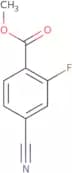
CAS:<p>4-Cyano-2-fluorobenzoic acid methyl ester is a versatile building block for complex compounds. It can be used as a reagent to synthesize other compounds and as a speciality chemical with high quality. This chemical is also an intermediate in the synthesis of other compounds, such as 4-cyano-2-fluorobenzoic acid ethyl ester, which has been shown to be useful in the synthesis of β-lactam antibiotics.</p>Formula:C9H6FNO2Purity:Min. 95%Color and Shape:PowderMolecular weight:179.15 g/mol11-Keto budesonide (mixture of diastereomers)
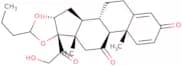
CAS:Controlled Product<p>11-Keto budesonide is a high quality, reagent, complex compound, useful intermediate and fine chemical. It is a versatile building block that can be used in the synthesis of other compounds. 11-Keto budesonide is used as a reaction component and as a research chemical. 11-Keto budesonide has been shown to be effective as an anti-inflammatory agent and has been studied for its use in treating asthma.</p>Formula:C25H32O6Purity:Min. 90 Area-%Color and Shape:White PowderMolecular weight:428.52 g/mol3,3'-Dichloro-4,4'-dihydroxystilbene
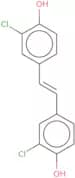
CAS:<p>3,3'-Dichloro-4,4'-dihydroxystilbene is a chemical compound that is used as a reagent and intermediate. It has been shown to be an effective building block in organic synthesis. 3,3'-Dichloro-4,4'-dihydroxystilbene can be used for the production of speciality chemicals and research chemicals. This versatile compound is also used to make a variety of reactions components.</p>Formula:C14H10Cl2O2Purity:Min. 95%Color and Shape:PowderMolecular weight:281.13 g/mol3-Nitro-o-cresol
CAS:<p>3-Nitro-o-cresol is a chlorinated aromatic compound that has been shown to be an inhibitor of the enzyme catalase. Catalase is an enzyme that catalyzes the decomposition of hydrogen peroxide into water and oxygen. 3-Nitro-o-cresol inhibits this reaction by binding to the heme group in the enzyme, which prevents it from binding with molecular oxygen. This chemical also has a vibrational frequency of 1225 cm−1 and a molecular weight of 171.2 g/mol. 3-Nitro-o-cresol can be used as an antimicrobial agent against organisms such as Streptococcus pneumoniae, Escherichia coli, and Pseudomonas aeruginosa in liquid phase systems.</p>Formula:C7H7NO3Purity:Min. 95%Color and Shape:PowderMolecular weight:153.14 g/molMethyl 4-nitrocinnamate
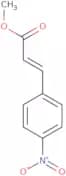
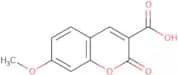
CAS:<p>Methyl 4-nitrocinnamate is a potential drug candidate for the treatment of cancer. Methyl 4-nitrocinnamate is an analog of cinnamic acid and has been shown to inhibit tumor growth in experimental models. The structural modifications that have been made to methyl 4-nitrocinnamate allow it to be more potent than cinnamic acid. This compound has also shown activity against other types of cancer cells, including breast, colorectal, and prostate cancers. Methyl 4-nitrocinnamate binds to diphenolase enzymes and inhibits their activity, which may lead to its anticancer effects.</p>Formula:C10H9NO4Purity:Min. 95%Color and Shape:PowderMolecular weight:207.18 g/mol7-Methoxycoumarin-3-carboxylicacid
CAS:<p>7-Methoxycoumarin-3-carboxylic acid (MC) is a potent inhibitor of metalloendopeptidases and cyclic peptide receptors. MC has been shown to inhibit protein synthesis, leading to apoptotic cell death. It has also been reported to have anti-inflammatory properties, which may be due to its inhibition of prostaglandin synthesis. The fluorophore 7-methoxycoumarin is derived from the natural product coumarin and can be used as a fluorescent probe for hydrogen bonding in molecular modeling studies.</p>Formula:C11H8O5Purity:Min. 95%Color and Shape:PowderMolecular weight:220.18 g/mol2,2'-(Diazene-1,2-diyl)bis(2-methylpropanimidamide) dihydrochloride
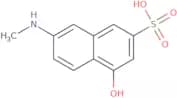
CAS:<p>2,2'-(Diazene-1,2-diyl)bis(2-methylpropanimidamide) dihydrochloride (BPDC) is a synthetic compound that is used as an analytical reagent and a model system for oxidative injury. It has significant cytotoxicity on human cells in cell culture. BPDC induces oxidative damage to proteins and DNA by increasing the production of reactive oxygen species such as hydrogen peroxide, superoxide, and hydroxyl radicals. The mechanism of action is not well understood but may be due to Toll-like receptor signalling pathways. This compound has been shown to inhibit the activity of antioxidant enzymes such as glutathione peroxidase and catalase. It also inhibits the activity of proinflammatory cytokines such as IL-6 and IL-8. BPDC is being investigated for its potential use in bowel disease treatment.</p>Formula:C8H20Cl2N6Purity:Min. 95%Color and Shape:PowderMolecular weight:271.19 g/mol4-Hydroxy-7-methylamino-2-naphthalenesulfonicacid
CAS:4-Hydroxy-7-methylamino-2-naphthalenesulfonic acid is used as a diazo dye in the textile industry. This compound is used to produce diazotization and then cyanuric chloride by the reaction of 4-hydroxy-7-methylamino-2-naphthalenesulfonic acid with sodium nitrite and hydrochloric acid. The condensate from this reaction is dissolved in an alkaline solution, which reacts with sodium bicarbonate to produce a reactive physicochemical substance that can be used for dyeing fabrics.Formula:C11H11NO4SPurity:Min. 96 Area-%Color and Shape:Slightly Brown PowderMolecular weight:253.28 g/mol(1R,2R,3S,5R)-Pinanediol pyrrolidine-2S-boronate hydrochloride
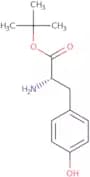
CAS:<p>(1R,2R,3S,5R)-Pinanediol pyrrolidine-2S-boronate hydrochloride is a reagent that can be used in the synthesis of complex compounds. It is a fine chemical with CAS No. 149716-73-4. (1R,2R,3S,5R)-Pinanediol pyrrolidine-2S-boronate hydrochloride has a number of uses including as an intermediate for the preparation of speciality chemicals and as a building block for reactions in research. This compound is also useful as a versatile building block for many reactions.</p>Formula:C14H25BClNO2Purity:Min. 95%Color and Shape:PowderMolecular weight:285.62 g/molL-Tyrosine tert-butyl ester
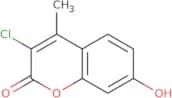
CAS:<p>L-Tyrosine tert-butyl ester is a hydrophobic analog of L-tyrosine. It is a competitive inhibitor of ATP, which slows down the second order rate constant. It also has the ability to reduce lipid hydroperoxides and maintain atp levels in cells that have been irradiated with ultraviolet light. The crystal x-ray diffraction pattern of this molecule suggests that it might be an octameric molecule, which would explain its hydrophobic properties. Its structure may be rationalized by intramolecular hydrogen bonds between the tyrosine and tert-butyl esters.</p>Formula:C13H19NO3Purity:Min. 95%Color and Shape:White PowderMolecular weight:237.29 g/mol3-Chloro-7-hydroxy-4-methylcoumarin
CAS:<p>3-Chloro-7-hydroxy-4-methylcoumarin is a Michaelis–Menten kinetics inhibitor that binds to the bacterial 16S ribosomal RNA and inhibits transcription and protein synthesis. This compound has been studied for wastewater treatment, where it was shown to be effective in treating sodium citrate. 3-Chloro-7-hydroxy-4-methylcoumarin is also used as an inhibitor of coumarin derivatives, which are compounds that have been shown to have antiinflammatory properties. 3CMC inhibits transcription by binding to the polymerase chain reaction (PCR) product. It has also been shown to bind to the nonpolar solvent, which prevents the formation of a complex with the enzyme DNA gyrase, leading to cell death by inhibiting protein synthesis. Fluorescence techniques have been used to study this type of inhibition in a model system.</p>Formula:C10H7ClO3Purity:Min. 95%Color and Shape:PowderMolecular weight:210.61 g/mol4-Nitrophthalonitrile
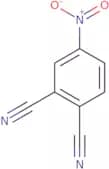
CAS:<p>4-Nitrophthalonitrile is a chemical substance that can be synthesized by the reaction of sodium carbonate with 3,4,5-trimethoxybenzyl alcohol. It can also be prepared using nitro phenol and sodium hydroxide. 4-Nitrophthalonitrile has been shown to have high photochemical activity in the presence of light. The frequency shift of its infrared spectrum is indicative of a nucleophilic addition reaction mechanism. 4-Nitrophthalonitrile has been used as an intermediate for producing other chemicals, such as herbicides and pharmaceuticals.</p>Formula:C8H3N3O2Purity:Min. 95%Color and Shape:White PowderMolecular weight:173.13 g/mol2,3',4,4',6-Pentahydroxybenzophenone - 85%
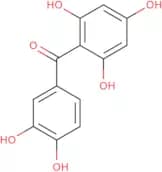
CAS:<p>2,3',4,4',6-Pentahydroxybenzophenone - 85% is a chemical compound that functions as a hydroxybenzophenone derivative. It is synthesized through organic chemical processes involving aromatic hydroxylation. The compound exhibits specific light-absorbing characteristics, particularly in the ultraviolet (UV) range, making it a valuable tool in scientific studies focusing on photostability and the photophysical properties of materials.</p>Formula:C13H10O6Purity:Min. 95%Color and Shape:PowderMolecular weight:262.21 g/mol2-Amino-3-methoxybenzoic acid methyl ester
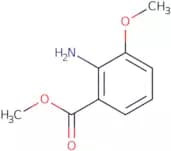
CAS:<p>2-Amino-3-methoxybenzoic acid methyl ester can be used as a chiral auxiliary in enantioselective synthesis. It is synthesised by reaction of l-valine with methyl iodide, followed by hydrolysis of the resulting ester under basic conditions. 2-Amino-3-methoxybenzoic acid methyl ester is used as a chiral auxiliary for the asymmetric synthesis of d-mannitol and related compounds.</p>Formula:C9H11NO3Purity:Min. 95%Color and Shape:PowderMolecular weight:181.19 g/mol3-Aminocinnamic acid ethyl ester
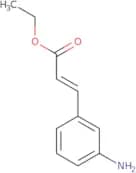
CAS:3-Aminocinnamic acid ethyl ester is a synthetic compound that is derived from pyridine and has a liriodenine ring. The synthesis of this compound starts with an olefinic coupling reaction, which yields an imine intermediate. The imine is hydrolyzed to yield the desired product. 3-Aminocinnamic acid ethyl ester can be found in plants such as liriodenine and liriodendronine, as well as in animal tissues. It also acts as a neurotransmitter and activates the nitrate receptor on nerves, which leads to increased blood pressure or heart rate. 3-Aminocinnamic acid ethyl ester also binds to the cation channel of benzoquinoline drugs and mediates their effects on the central nervous system.Formula:C11H13NO2Purity:Min. 95%Color and Shape:PowderMolecular weight:191.23 g/mol2'-Chloro-4'-nitroacetophenone
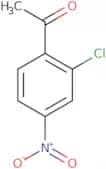
CAS:<p>2'-Chloro-4'-nitroacetophenone is a reagent that is used in the synthesis of tulobuterol, an oxirane that binds to β2-adrenergic receptors. 2'-Chloro-4'-nitroacetophenone is also used for the synthesis of other drugs, such as benzylated alcohols and phenols. This product has been shown to be metabolized into a number of metabolites, including hydroxybenzyl alcohol and hydroxybenzyl glucuronide.</p>Formula:C8H6ClNO3Purity:Min. 95%Color and Shape:Dark yellow solid.Molecular weight:199.59 g/mol3,5-Diethoxyacetophenone
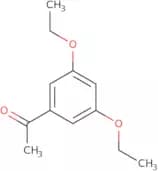
CAS:<p>3,5-Diethoxyacetophenone is a high quality chemical that can be used as a reagent or a useful intermediate. It is also a fine chemical that can be used to produce speciality chemicals with various properties, such as research chemicals and versatile building blocks. 3,5-Diethoxyacetophenone has the CAS number 103604-53-1 and can react with other chemicals to form reaction components.</p>Formula:C12H16O3Purity:Min. 95%Color and Shape:PowderMolecular weight:208.25 g/mol4-Iodocinnamic acid
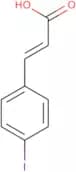
CAS:<p>4-Iodocinnamic acid is a mesomorphic, supramolecular organic acid that has potent cytotoxicity against cancer cells. It is also an analogue of the natural product cinnamic acid. 4-Iodocinnamic acid binds to the active site of the enzyme DNA polymerase and inhibits DNA synthesis by preventing the incorporation of deoxynucleotide triphosphates into synthesized DNA chains. The compound has been shown to have strong antimicrobial activity against Gram-positive bacteria such as Staphylococcus aureus, Enterococcus faecalis, and Bacillus cereus. 4-Iodocinnamic acid is also an effective inhibitor of cancer cell proliferation and induces apoptosis in these cells.</p>Formula:C9H7IO2Purity:Min. 95%Color and Shape:PowderMolecular weight:274.06 g/molS-Methylisovalerate
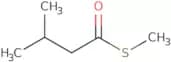
CAS:<p>S-Methylisovalerate is a branched fatty acid that is an intermediate in the biosynthesis of valine. It has been isolated from Corynebacterium glutamicum and Brevibacterium sp. S-Methylisovalerate has been identified by gas chromatography/mass spectrometry (GC/MS) as a major component of the volatile organic compounds produced by strains of Corynebacterium glutamicum and Brevibacterium sp. The GC/MS profile of these strains consists mainly of ester compounds, such as methyl ethyl acetate and butyric acid.</p>Formula:C6H12OSPurity:Min. 95%Color and Shape:Colorless Clear LiquidMolecular weight:132.22 g/mol2,2'-Dipyridyl diselenide
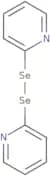
CAS:2,2'-dipyridyl diselenide is a chemical compound with the formula (CH)SeS. It is an organoselenium compound with a disulfide bond, which is a functional group consisting of two sulfur atoms bridged by two carbon atoms. 2,2'-Dipyridyl diselenide has been used to study the mechanism of cancer cell locomotion. This chemical can be prepared as an organic solution in trifluoroacetic acid and minimal toxicity was observed when it was tested on mice. FT-IR spectroscopy confirmed that this chemical has an amido group and a phosphite group. The structure of this chemical was determined by xerography and x-ray crystallography experiments, revealing that it is a polymeric material that contains hydroxyl groups and polycarboxylic acid groups.Formula:C10H8N2Se2Purity:Min. 95%Color and Shape:Red PowderMolecular weight:314.1 g/mol3,4-Methylenedioxy-5-methoxycinnamic acid
CAS:3,4-Methylenedioxy-5-methoxycinnamic acid is a fine chemical that can be used as a versatile building block in the synthesis of many organic compounds. It is a useful intermediate for research chemicals, reaction components, and specialty chemicals. This compound can be used as a reagent for the synthesis of complex compounds. It has high purity and quality.Formula:C11H10O5Purity:Min. 95%Color and Shape:PowderMolecular weight:222.19 g/mol7-Cyano-7-deazaguanosine
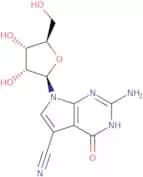
CAS:<p>7-Cyano-7-deazaguanosine is a nucleoside that belongs to the category of 7-deazapurines. It is an optimized nucleic acid analogue that has been shown to act as a translational inhibitor in vitro and in vivo. This compound has been shown to have high yields in chemical synthesis, which makes it an attractive candidate for optimization and future research. 7-Cyano-7-deazaguanosine is a synthetic nucleotide with anticodon properties, which may be useful for the development of new drugs against bacterial infections.</p>Formula:C12H13N5O5Purity:Min. 95%Color and Shape:PowderMolecular weight:307.26 g/molrec Oncostatin M (human)
CAS:<p>Please enquire for more information about rec Oncostatin M (human) including the price, delivery time and more detailed product information at the technical inquiry form on this page</p>Purity:Min. 95%D-(+)-Camphoric acid
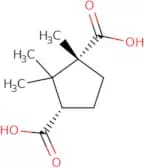
CAS:<p>D-(+)-Camphoric acid is a chiral compound that has been synthesized and studied for its anticancer activity. It was found to be effective against cancer cells in the presence of metal cations, such as copper, nickel, and zinc. D-(+)-Camphoric acid can be used as a test compound to investigate the mechanism of action of drugs that target the lysosomal membrane. It is also useful in determining homochirality by x-ray diffraction studies. This compound has been shown to have an adsorption kinetic behaviour that is dependent on pH and ionic strength, which can be determined by luminescence experiments. D-(+)-Camphoric acid is an enantiopure chemical with a reaction time of 5 minutes at room temperature and is available in crystalline form. The crystal x-ray diffraction data for this compound has been published and it exhibits anticancer activity.</p>Formula:C10H16O4Color and Shape:White PowderMolecular weight:200.23 g/molBenzylurea
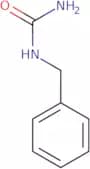
CAS:Benzylurea is a synthetic peptide hormone that is used in the treatment of bladder disorders. It has been shown to have therapeutic potential for autoimmune diseases, such as multiple sclerosis, and may be useful in the treatment of Parkinson's disease. Benzylurea is also used as a diagnostic agent in the detection of adenosine A3 receptors and nitric oxide synthase (NOS), which may be present in patients with inflammatory bowel disease. This drug has high chemical stability, low water permeability, and binding affinity for the oxytocin receptor. It can also inhibit binding to the nitro group and carbonyl group.Formula:C8H10N2OPurity:Min. 95%Molecular weight:150.18 g/mol7-Hydroxycoumarin-3-carboxylic N-succinimidylester
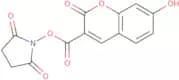
CAS:<p>7-Hydroxycoumarin-3-carboxylic acid N-succinimidylester is a fluorescent probe that is used to monitor the distribution of molecules in cells. It is used as a molecular imaging agent and has been used to image tissues in living animals. This probe can be detected by fluorescence microscopy and confocal microscopy, which are techniques that use light at specific wavelengths to detect the presence of this compound. The emission spectrum of 7-hydroxycoumarin-3-carboxylic acid N-succinimidylester varies depending on its environment, with a maximum emission wavelength of 640 nm when it is in acidic conditions and a maximum emission wavelength of 650 nm when it is in basic conditions.</p>Formula:C14H9NO7Purity:Min. 95%Molecular weight:303.22 g/mol2-Chloro-5-nitrocinnamic acid
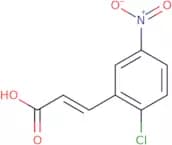
CAS:<p>2-Chloro-5-nitrocinnamic acid is a plant growth regulator that inhibits the root development of plants by interfering with the synthesis of 3-chlorocinnamic acid, which is a precursor in the biosynthesis of lignin. 2-Chloro-5-nitrocinnamic acid inhibits the enzyme cinnamoyl CoA reductase, which catalyzes the first step in this biosynthetic pathway. This compound also has shown to be a strong inhibitor of ester derivatives and pesticides, such as carbaryl and dichlorvos.</p>Formula:C9H6ClNO4Purity:Min. 95%Color and Shape:PowderMolecular weight:227.6 g/molCefprozil EP impurity C
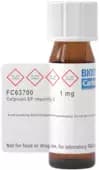
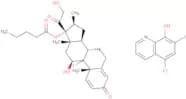
CAS:<p>Cefprozil EP impurity C is a fine chemical and research chemical. It is a versatile building block that can be used in the synthesis of various compounds, such as novel antibiotics, anti-cancer agents, and other pharmaceuticals. This compound is a useful intermediate that may be used to produce speciality chemicals such as pharmaceuticals, agrochemicals, or polymers. Cefprozil EP impurity C has been shown to react with amines to form ureas.</p>Formula:C11H11N3O3Purity:Min. 95%Color and Shape:Yellow PowderMolecular weight:233.22 g/mol(11β,16β)-9-Fluoro-11,21-dihydroxy-16-methyl-17-((1-oxopentyl)oxy)-Pregna-1,4-diene-3,20-dione mixt. with 5-chloro-7-iodo-8-qu inolinol
CAS:Controlled Product<p>Clioquinol is a topical corticosteroid that is used to treat skin disorders such as pemphigoid, psoriasis, and eczema. It is also used to treat the inflammation associated with acne. Clioquinol has been shown to be effective in treating bacterial infections of the skin by inhibiting the growth of bacteria. This drug also has anti-inflammatory properties and can be used for the treatment of various inflammatory skin conditions. Clioquinol is not absorbed through the skin and does not affect the blood's ability to clot.</p>Formula:C36H42ClFINO7Purity:Min. 95%Molecular weight:782.08 g/molHomovanillic acid sulfate sodium salt
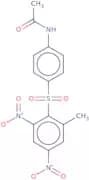
CAS:<p>Homovanillic acid sulfate sodium salt (HVA) is a metabolite of dopamine that is used to diagnose or monitor diseases related to the central nervous system. The HVA concentration in urine can be determined by colorimetric assay, which has been shown to be useful for identifying patients with Parkinson's disease and other degenerative diseases. HVA is also found in blood plasma and cerebrospinal fluid, as well as in many other body tissues. HVA levels are increased during pregnancy, because it is an intermediate in the biosynthesis of estradiol from testosterone. In addition, concentrations of HVA increase with age, due to decreased clearance rates.</p>Formula:C9H8Na2O7SPurity:Min. 95%Color and Shape:PowderMolecular weight:306.2 g/mol4-Acetamido-2',4'-dinitro-5'-methyldiphenyl sulphone
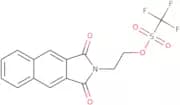
CAS:4-Acetamido-2',4'-dinitro-5'-methyldiphenyl sulphone is a high quality, versatile building block that is used as a reagent and complex intermediate. It can be used in the production of speciality chemicals, research chemicals and fine chemicals. 4-Acetamido-2',4'-dinitro-5'-methyldiphenyl sulphone is also a useful scaffold for the construction of new chemical compounds. This compound has been shown to be a reaction component in organic synthesis reactions.Formula:C15H13N3O7SPurity:Min. 95%Color and Shape:Solid.Molecular weight:379.35 g/mol2-(2,3-Naphthalimino)ethyl trifluoromethanesulfonate
CAS:<p>2-(2,3-Naphthalimino)ethyl trifluoromethanesulfonate (2NTF) is a nonsteroidal anti-inflammatory drug that acts by inhibiting the enzyme cyclooxygenase. It is used as a sample preparation agent for epoxyeicosatrienoic acids (EETs). 2NTF is applied to a hydrophilic interaction chromatography column and then eluted with caproic acid, which selectively binds to the fatty acid component of EETs. The eluate can then be analyzed using a fluorescence detector and chromatographic methods. 2NTF has been shown to have no effect on carnitine levels in human serum.</p>Formula:C15H10F3NO5SPurity:Min. 97%Color and Shape:White PowderMolecular weight:373.3 g/mol2',5'-Dichloroacetophenone
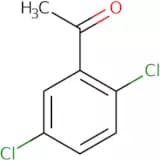
CAS:<p>2',5'-Dichloroacetophenone is a synthetic chemical that is used as an intermediate in the production of other chemicals. It reacts with hydrochloric acid to form 2',5'-dichloroacetophenone hydrochloride, which can be reacted with chloride to form 2-(2-chloroethyl)adiponitrile. This compound is then acylated with an organic solvent and phosphorus pentoxide to produce phosphoramidochloridite esters. These compounds are used in the synthesis of chiral compounds, such as antibiotics and anti-cancer agents. The reaction process uses hydrogen chloride gas as a reagent and produces environmental pollution, such as chlorinated hydrocarbons and dioxins.</p>Formula:C8H6Cl2OPurity:Min. 95%Color and Shape:Clear LiquidMolecular weight:189.04 g/mol2-Nitrophenethylamine hydrochloride
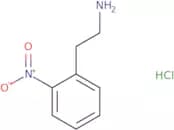
CAS:Controlled Product2-Nitrophenethylamine hydrochloride is a fine chemical that is useful as a versatile building block. It can be used as a reaction component, or in the synthesis of other chemicals. 2-Nitrophenethylamine hydrochloride has CAS No. 861337-74-8 and is a complex compound with many possible uses, including as a research chemical or speciality chemical. As an intermediate for other compounds, it can be used to produce high quality reagents and products.Formula:C8H11ClN2O2Purity:Min. 95 Area-%Color and Shape:PowderMolecular weight:202.64 g/molL-Asparagine methyl ester hydrochloride
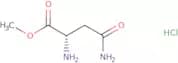
CAS:L-Asparagine methyl ester hydrochloride is a pediatric drug that is used in the treatment of oral mucositis, which is a side effect of chemotherapy. L-Asparagine methyl ester hydrochloride can be administered by mouth, and provides relief for patients with mucosal ulceration, pain or discomfort. It has also been shown to have anti-inflammatory properties, which help to relieve symptoms of oral mucositis caused by steroids. In addition it has been shown to prevent the development of lymphoblastic leukemia in mice. L-Asparagine methyl ester hydrochloride inhibits the growth of cancer cells through its effects on lymphocytes and lymphoblasts.Formula:C5H10N2O3·HClPurity:Min. 95%Color and Shape:PowderMolecular weight:182.61 g/mol4,8-Dichloro-1,5-dinitronaphthalene
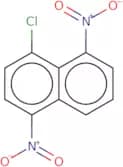
CAS:<p>4,8-Dichloro-1,5-dinitronaphthalene is a versatile building block that can be used in the synthesis of complex compounds. It is also used as a reagent, speciality chemical, and useful scaffold in research. This compound has been shown to be useful in the synthesis of many different types of products including pharmaceuticals, agrochemicals, polymer intermediates, and other fine chemicals. 4,8-Dichloro-1,5-dinitronaphthalene is a high quality chemical with a purity level of 98%.</p>Formula:C10H4Cl2N2O4Purity:Min. 95%Color and Shape:Yellow PowderMolecular weight:287.06 g/molSodium nitroprusside dihydrate
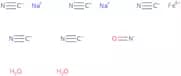
CAS:Controlled Product<p>Sodium nitroprusside dihydrate is an oxygen transport agent that works by inhibiting the enzyme cyclase. This inhibits the production of tnf-α and other inflammatory mediators, which reduces inflammation and pain. Sodium nitroprusside dihydrate is used to lower blood pressure in emergency situations, such as shock. It has been shown to be effective for treating pulmonary hypertension, chronic obstructive pulmonary disease, and other conditions related to oxygen transport. Sodium nitroprusside dihydrate is a metastable molecule that can be converted into a stable form (sodium nitroprusside) by ester hydrochloride or fatty acid esters.</p>Formula:C5FeN6O•(H2O)2•Na2Purity:Min. 98.0%Color and Shape:Red PowderMolecular weight:297.95 g/molD-erythro-Sphingosine (sulfate)
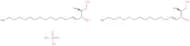
CAS:<p>Protein kinase C inhibitor in platelets</p>Formula:C18H37NO2H2SO4Purity:Min. 95%Color and Shape:White To Off-White SolidMolecular weight:348.53 g/molCholesterol oleyl carbonate
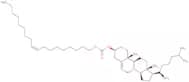
CAS:Controlled Product<p>Cholesterol oleyl carbonate is a triazine compound with an asymmetric carbon atom. It has been shown to be effective in inhibiting the proliferation of human osteosarcoma cells and myeloid leukemia cells, as well as other cell lines. Cholesterol oleyl carbonate also has anti-inflammatory properties, which may be due to its inhibition of prostaglandin synthesis.</p>Formula:C46H80O3Purity:Min. 95%Color and Shape:PowderMolecular weight:681.13 g/molDapoxetine HCl
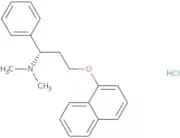
CAS:Controlled Product<p>Serotonin uptake inhibitor; used to treat premature ejaculation</p>Formula:C21H24ClNOPurity:Min. 95%Color and Shape:White PowderMolecular weight:341.87 g/molL-Pyroglutamic acid-beta-naphthylamide
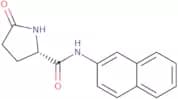
CAS:<p>L-Pyroglutamic acid-beta-naphthylamide is a cell nucleus pressor that has been shown to stimulate locomotor activity in rats. It is a highly selective agonist at the 5-HT2 receptor, which is involved in the regulation of energy metabolism and feeding behaviour. L-Pyroglutamic acid-beta-naphthylamide also stimulates cholinergic and serotonergic systems. This drug also inhibits bacterial growth by binding to the receptor site on bacterial cell nuclei, thereby preventing DNA synthesis and locomotor activity. L-Pyroglutamic acid-beta-naphthylamide is an antimicrobial agent that can be used to treat infections caused by bacteria resistant to erythromycin. The antimicrobial effect of this drug is due to its ability to bind to the receptor site on bacterial cell nuclei, thereby preventing DNA synthesis and locomotor activity.</p>Formula:C15H14N2O2Purity:Min. 98 Area-%Color and Shape:White PowderMolecular weight:254.28 g/mol1,2'-Dinaphthylamine
CAS:1,2'-Dinaphthylamine is a β-lactam antibiotic that can be used as a substitute for ciprofloxacin. It inhibits the production of an enzyme called β-lactamase, which breaks down the antibiotic and makes it ineffective. 1,2'-Dinaphthylamine has been shown to be active against aerogenes and nitrocefin. This drug binds to periplasmic proteins in bacteria by means of an analogy with ciprofloxacin. The conjugates are resistant to efflux pumps and use of efflux inhibitors such as bafilomycin A1 can increase their efficacy.Formula:C20H15NPurity:Min. 95%Color and Shape:PowderMolecular weight:269.34 g/molDirect Red 16
CAS:Direct Red 16 is a dye that reacts with acids to form an intensely red compound. It is used in research and as a reagent for the production of other dyes. Direct Red 16 is also used as a building block in the synthesis of complex molecules, such as pharmaceuticals and dyes.Formula:C26H17N5Na2O8S2Purity:Min. 95%Molecular weight:639.57 g/mol2N-Boc-2',2''-triaminotriethylamine-bis(chloroacetamide)
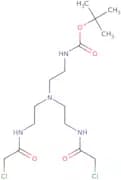
CAS:<p>2N-Boc-2',2''-triaminotriethylamine-bis(chloroacetamide) is a fine chemical and reagent for the synthesis of pharmaceuticals. It is also a useful building block for the synthesis of complex compounds. This product can be used as a reaction component in organic chemistry, or it can be used as a reagent in research or development laboratories.</p>Formula:C15H28Cl2N4O4Purity:Min. 95%Molecular weight:399.31 g/molIlexsaponin B3
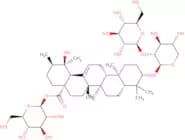
CAS:Ilexsaponin B3 is a triterpenoid saponin, which is a bioactive compound derived from plants of the Ilex genus, particularly Ilex aquifolium and related species. These plants are known for their rich content of saponins, which are glycosides comprising a sugar moiety bonded to a triterpene or steroid aglycone. The mode of action of Ilexsaponin B3 involves modulating various biological pathways, including anti-inflammatory, antioxidant, and potential anticancer activities. This is attributed to its ability to interact with cell membranes, affecting permeability and signaling pathways.Purity:Min. 95%L-Aspartic acid
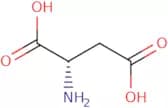
CAS:<p>L-Aspartic acid is an amino acid that plays a role in the biochemical reactions of energy metabolism. This amino acid is also important for the synthesis of proteins, such as enzymes and structural proteins. L-Aspartic acid is synthesized from oxaloacetate by transamination. It can also be synthesized from glutamate by the action of aspartate aminotransferase using pyridoxal phosphate as a cofactor. L-Aspartic acid has been shown to play a role in neuronal death, particularly in primary sclerosing cholangitis, and may have potential therapeutic use for this condition. L-Aspartic acid has been used as a model system to study polymerase chain reaction (PCR) methods and analytical methods in biochemistry research.</p>Formula:C4H7NO4Purity:Min. 95%Color and Shape:White Off-White PowderMolecular weight:133.1 g/mol(R)-(+)-2,2'-Diamino-1,1'-binaphthalene
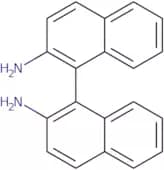
CAS:<p>(R)-(+)-2,2'-Diamino-1,1'-binaphthalene is a diammonium salt that is synthesized from fatty acids. This molecule is used in the detection of cancer cells in tissue samples. (R)-(+)-2,2'-Diamino-1,1'-binaphthalene has been shown to be an effective agent against cancer cells and can be used as a diagnostic tool for tissues with cancer cells. The mechanism of action of (R)-(+)-2,2'-Diamino-1,1'-binaphthalene is not yet clear; however it may involve intramolecular hydrogen transfer reactions or coordination chemistry.</p>Formula:C20H16N2Purity:Min. 98 Area-%Color and Shape:White PowderMolecular weight:284.35 g/mol1-(2-Hydroxy-1-naphthyl)ethan-1-one
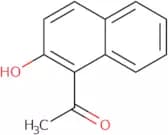
CAS:<p>1-(2-Hydroxy-1-naphthyl)ethan-1-one is a carbonyl compound that can be used as a fluorescent probe for the determination of copper(II) ions. It has been shown to have selective binding properties and fluorescence properties with cancer cells, which may be due to its ability to bind to the active methylene group of the cancer cell's protein. Crystallographic studies have shown that 1-(2-Hydroxy-1-naphthyl)ethan-1-one binds to hydrogen bonds and hydroxide solution in water.</p>Formula:C12H10O2Purity:Min. 95%Color and Shape:Yellow PowderMolecular weight:186.21 g/molD-Allocystathionine
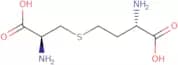
CAS:D-Allocystathionine is a natural organic compound that contains a sulfur atom and two thiol groups. It is an intermediate in the synthesis of cysteine from methionine. D-Allocystathionine is also an inhibitor of fibrinogen, which can be used as a therapeutic agent for the treatment of cardiovascular disease. D-Allocystathionine binds to the active site of enzymes that contain disulfide bonds, such as phaeochromogenes and lysosomal enzymes. This binding prevents the oxidation of sulfhydryl groups to form disulfides, thereby inhibiting their activity.Formula:C7H14N2O4SPurity:Min. 95%Color and Shape:PowderMolecular weight:222.26 g/molEthyl (4-nitrophenyl)acetate
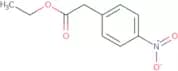
CAS:<p>Ethyl (4-nitrophenyl)acetate is a molecule that has been used in biological studies as an active substance for its antibacterial properties. It has been shown to have minimal inhibitory concentration (MIC) of 0.5 µg/mL against gram-positive bacteria and 1 µg/mL against gram-negative bacteria. The molecule is also the main active methylene in the ethyl ester. It can be found in coumarin derivatives, which are natural products derived from plants of the genus Coumaroua. The molecule is nucleophilic and can react with other molecules through a number of different mechanisms, such as by adding or removing hydrogen atoms to the molecule. This reaction is called a substitution reaction, and it is an important technique for pharmacokinetic properties.</p>Formula:C10H11NO4Purity:Min. 95%Color and Shape:PowderMolecular weight:209.2 g/mol6-(3-(Adamantan-1-yl)-4-methoxyphenyl)-2-naphthoic acid
CAS:Controlled ProductAgonist of retinoic acid receptors (RAR-? and RAR-?); pro-apoptoticFormula:C28H28O3Purity:Min. 95%Color and Shape:PowderMolecular weight:412.52 g/mol2-Fluoro-3-methylbenzoic acid methyl ester
CAS:<p>2-Fluoro-3-methylbenzoic acid methyl ester is a small molecule that has been shown to possess 5-HT3 receptor antagonist activity in the range of nanomolar potencies. This drug has also been shown to be orally active in mice. The physicochemical properties of 2-fluoro-3-methylbenzoic acid methyl ester include a melting point of 155.5° C, solubility in methanol and acetone, and a molecular weight of 168.2 g/mol.<br>2-Fluoro-3-methylbenzoic acid methyl ester is being developed as a targeted agent for the treatment of bowel syndrome, which is characterized by abdominal pain, nausea and diarrhea.</p>Formula:C9H9FO2Purity:Min. 95%Color and Shape:Clear LiquidMolecular weight:168.16 g/molFmoc-3-chloro-L-tyrosine
CAS:<p>Fmoc-3-chloro-L-tyrosine is a fine chemical that belongs to the class of versatile building blocks. It is a reagent and speciality chemical that is used in the synthesis of complex compounds. Fmoc-3-chloro-L-tyrosine can be used as a useful scaffold to produce high quality and versatile building blocks, which are useful for research purposes. Fmoc-3-chloro-L-tyrosine has CAS No. 478183-58-3, which shows its high quality and usefulness.</p>Formula:C24H20ClNO5Purity:Min. 95%Color and Shape:White PowderMolecular weight:437.87 g/molFmoc-L-homotyrosine
CAS:<p>Fmoc-L-homotyrosine is a tyrosine kinase inhibitor. Tyrosine kinases are enzymes that catalyze the transfer of phosphate groups from ATP to tyrosine residues in proteins, which play a role in many cellular processes. Fmoc-L-homotyrosine binds to the ATP binding site in the active site of these enzymes, preventing phosphorylation and thus preventing protein function. This compound has been shown to inhibit neurotensin receptors in vitro and has also been shown to be an endogenous ligand for this receptor. Fmoc-L-homotyrosine binds to allosteric sites on the neurotensin receptor, causing conformational changes that activate transduction pathways and increase signaling. The mechanism of inhibition is not yet fully understood but is thought to be due to steric hindrance or allosteric binding.</p>Formula:C25H23NO5Purity:Min. 95%Molecular weight:417.45 g/mol1-Naphthol-4-sulfonic acid
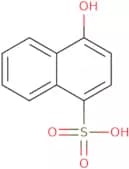
CAS:1-Naphthol-4-sulfonic acid is a compound that is used as an analytical reagent. It can be synthesized by heating 1-naphthol with concentrated sulfuric acid in the presence of a polymerization initiator. The reaction produces 1,4-dioxane, which is then converted to 1-naphthol-4-sulfonic acid by hydrolysis with deionized water and hydrochloric acid. The analytical reagent has been used for the analysis of impurities in polymers, such as trifluoroacetic acid, and for wastewater treatment. Radiation causes the release of light emission from 1-naphthol-4-sulfonic acid, making it useful for determining the level of nitrite ion in wastewater. This chemical has also been found to react with sulfamate ions to produce structural formula (SO2)2NH3.Formula:C10H8O4SPurity:Min. 95%Color and Shape:PowderMolecular weight:224.23 g/molTropine
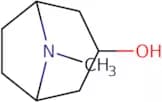
CAS:<p>Tropine is a natural alkaloid that is derived from plants in the Solanaceae family including Atropa belladonna and Hyoscyamus niger. Tropine has been shown to have a number of physiological effects, including receptor binding, enzyme activities, and physiological effects. It has been used as an analytical method for determining sodium citrate, nitrogen atoms, and ester linkages. Tropine also has a ph optimum of 9-10 which means it should be dissolved in acidic solutions or diluted with a buffer solution before use. The reaction mechanism of tropine is not yet known, but it has been shown to contain fatty acid groups that are intramolecularly hydrogenated.</p>Formula:C8H15NOPurity:Min. 95%Color and Shape:White PowderMolecular weight:141.21 g/mol3-(tert-butyl)-1-(4-nitrophenyl)indeno[2,3-d]pyrazol-4-one
CAS:Please enquire for more information about 3-(tert-butyl)-1-(4-nitrophenyl)indeno[2,3-d]pyrazol-4-one including the price, delivery time and more detailed product information at the technical inquiry form on this pagePurity:Min. 95%N-Acetyl-L-methionine
CAS:N-Acetyl-L-methionine is a form of the amino acid methionine. It is an intermediate in the conversion of L-methionine to S-adenosylmethionine, which is involved in methylation reactions in cells. N-Acetyl-L-methionine has been shown to be effective against nitrite ion, a reactive nitrogen species that causes oxidative stress and damage to DNA, RNA, and proteins. It also has been shown to have biological properties for the prevention of ischemia reperfusion injury following cardiac arrest and liver transplantation. N-acetyl-L-methionine may also have benefits for individuals with high body mass index or rats with liver microsomes.Formula:C7H13NO3SPurity:Min. 95%Color and Shape:White PowderMolecular weight:191.25 g/mol5,6,7,8-Tetrahydro-[1,8]naphthyridine-2-carboxylic acid
CAS:<p>5,6,7,8-Tetrahydro-[1,8]naphthyridine-2-carboxylic acid is a chemical compound with CAS No. 885278-22-8. It is a high quality reagent that can be used as a building block for the synthesis of complex compounds. 5,6,7,8-Tetrahydro-[1,8]naphthyridine-2-carboxylic acid can also be used as a reaction component in chemical synthesis and as an intermediate in the production of various fine chemicals and speciality chemicals.</p>Formula:C9H10N2O2Purity:Min. 98 Area-%Color and Shape:PowderMolecular weight:178.19 g/mol7-Diethylamino-3-(4'-maleimidylphenyl)-4-methylcoumarin
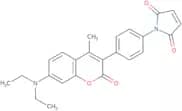
CAS:7-Diethylamino-3-(4'-maleimidylphenyl)-4-methylcoumarin is a fluorescent probe that can be used to measure the cytosolic calcium concentration. This probe binds to heparin, which is a positive ionic charge and has been shown to cause an increase in cytosolic calcium levels in cultured cells. 7-Diethylamino-3-(4'-maleimidylphenyl)-4-methylcoumarin has been used to successfully monitor changes in cytosolic calcium levels in response to pharmacological agents, such as the monoclonal antibody TNF-α. 7-Diethylamino-3-(4'-maleimidylphenyl)-4-methylcoumarin has also been used as a marker for tissue culture studies, where it was found that this molecule binds to the ryanodine receptor and alters its redox potential.Formula:C24H22N2O4Purity:Min. 95%Color and Shape:PowderMolecular weight:402.44 g/mol2,5-Dichlorophenylthiourea
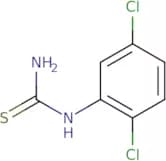
CAS:<p>Please enquire for more information about 2,5-Dichlorophenylthiourea including the price, delivery time and more detailed product information at the technical inquiry form on this page</p>Purity:Min. 95%D-Aspartic acid sodium salt
CAS:<p>D-Aspartic acid sodium salt is a fine chemical that is useful as a scaffold for the preparation of other compounds. It can be used as a building block in the synthesis of complex compounds, and has been shown to be an intermediate in the production of research chemicals. Aspartic acid sodium salt can also serve as a reaction component for the production of other chemical substances, and is often used as a reagent in laboratory work. D-Aspartic acid sodium salt is available at high purity and quality.</p>Formula:C4H6NO4·NaPurity:Min. 95%Color and Shape:PowderMolecular weight:155.08 g/molDL-Pantolactone
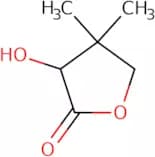
CAS:<p>DL-Pantolactone is a chiral lactone compound. In cosmetics, it is often used in formulations aimed at improving skin hydration and elasticity as it is an emulsion stabiliser. In pharmaceuticals it can be used as an intermediate in organic synthesis. The D-enantiomer is often used as a chiral auxiliary.</p>Formula:C6H10O3Purity:Min. 95%Color and Shape:White PowderMolecular weight:130.14 g/molDimethyl 3,3'-thiodipropanoate
CAS:<p>Dimethyl 3,3'-thiodipropanoate is a crystalline compound that belongs to the group of carboxylic acid. It has a molecular formula of C6H12O2S and a molecular weight of 154.16 g/mol. Dimethyl 3,3'-thiodipropanoate is soluble in hydrochloric acid, monocarboxylic acid, polybasic acids and particle radiation. The type species of this compound is Dimethyl 3-methyl-1-phenylpropane-1,3-dione. This substance has been shown to have inhibitory effects on cancer cells and can be used as an anti-cancer drug. The mechanism of action for this compound is not fully understood but it may be due to its ability to inhibit fatty acid synthesis by binding to the enzyme enoyl coenzyme A (CoA) reductase.</p>Formula:C8H14O4SPurity:Min. 95%Color and Shape:Colorless Clear LiquidMolecular weight:206.26 g/mol2'-Aminoacetanilide
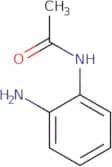
CAS:<p>2'-Aminoacetanilide is a colorless, crystalline compound that is soluble in water and has a bitter taste. It is used as an acidity regulator in food products, particularly bakery products. 2'-Aminoacetanilide can be found naturally in some microflora, such as lactic acid bacteria. <br>2'-Aminoacetanilide is an aromatic amine that contains both primary amino and functional groups. It is nucleophilic and reacts with proton by nucleophilic attack to form the corresponding amide or carbonyl group. 2'-Aminoacetanilide also has the ability to react with nitro compounds to form an amido-nitro adduct.</p>Formula:C8H10N2OPurity:Min. 95%Color and Shape:PowderMolecular weight:150.18 g/mol3-Amino-4-chlorophenylacetic acid methyl ester
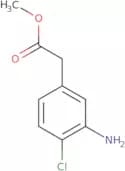
CAS:<p>3-Amino-4-chlorophenylacetic acid methyl ester is a fine chemical that is useful as a building block in the synthesis of complex compounds. It has been used as a reagent and speciality chemical, which can be used for research purposes. CAS No. 59833-69-1</p>Formula:C9H10ClNO2Purity:Min. 95%Molecular weight:199.63 g/mol4-tert-Butyl-2,6-dinitrophenol
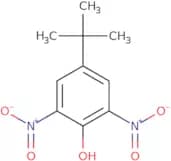
CAS:<p>4-tert-Butyl-2,6-dinitrophenol is a yellowish solid that is soluble in organic solvents. It is used as an intermediate for the synthesis of dyes, pesticides and pharmaceuticals. 4-tert-Butyl-2,6-dinitrophenol has been shown to cause respiratory tract irritation and narcosis in animals. The toxic effects of 4-tert-Butyl-2,6-dinitrophenol are due to its high electrophilicity and nitro group (NO) which causes oxidative stress. The logistic regression analysis showed that the population growth of ciliates was negatively affected by the presence of halogens in the water.</p>Formula:C10H12N2O5Purity:Min. 98 Area-%Color and Shape:White PowderMolecular weight:240.21 g/mol4'-Acetamido-2'-methylacetophenone
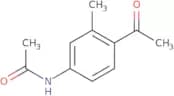
CAS:4'-Acetamido-2'-methylacetophenone is a chemical compound that has been found to be useful in the synthesis of other compounds. It is an intermediate for the production of aniline and phenacetin, which are both reactive compounds. This product can also be used as a reagent for the synthesis of other chemicals and pharmaceuticals. CAS No. 34956-31-5Formula:C11H13NO2Purity:Min. 95%Color and Shape:PowderMolecular weight:191.23 g/molN-(2-(3,4-dimethoxyphenyl)ethyl)(4-nitrophenyl)formamide
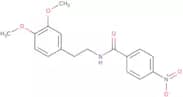
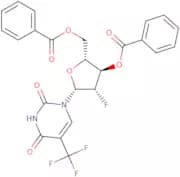
CAS:Controlled ProductPlease enquire for more information about N-(2-(3,4-dimethoxyphenyl)ethyl)(4-nitrophenyl)formamide including the price, delivery time and more detailed product information at the technical inquiry form on this pagePurity:Min. 95%3’,5’-Di-O-benzoyl-2’-deoxy-2’-fluoro-5-trifluoromethyl-arabinouridine
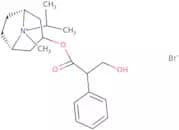
CAS:Please enquire for more information about 3’,5’-Di-O-benzoyl-2’-deoxy-2’-fluoro-5-trifluoromethyl-arabinouridine including the price, delivery time and more detailed product information at the technical inquiry form on this pagePurity:Min. 95%Ipratropium bromide
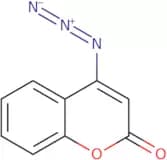
CAS:<p>Muscarinic antagonist</p>Formula:C20H30BrNO3Purity:Min. 95%Color and Shape:PowderMolecular weight:412.36 g/mol4-Azidocoumarin
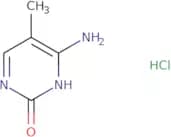
CAS:<p>4-Azidocoumarin is a fluorescent molecule that binds to human serum albumin with a high affinity. The binding constants for the 4-azidocoumarin-albumin complexes are dependent on the pH and the concentration of the protein. It is also used as a fluorophore in research to study biomolecular interactions. 4-Azidocoumarin has an enhancement effect on other molecules, such as benzophenone, which fluoresces at a longer wavelength than it would without the presence of 4-azidocoumarin. The hydroxyl group of 4-azidocoumarin acts as an acceptor for electrons from other molecules, while the dipole constant determines how easily electrons can be transferred between molecules. The microenvironment around 4-azidocoumarin affects its fluorescence properties by influencing its electron transfer rate, which in turn depends on the distance between the donor and acceptor molecules and their relative orientation to</p>Formula:C9H5N3O2Purity:Min. 97 Area-%Color and Shape:Yellow PowderMolecular weight:187.16 g/mol5-Methylcytosine hydrochloride salt
CAS:<p>5-Methylcytosine hydrochloride salt is a metabolite of cytosine that occurs naturally in the body. It is used as an inhibitor of DNA methylation to study the effect of this process on gene expression. 5-Methylcytosine hydrochloride salt has been shown to inhibit the production of growth factors, such as insulin-like growth factor 1, and radiation energy. It also causes oxidative damage to DNA and inhibits the oxidation of urea nitrogen in lettuce. The matrix effect may interfere with the analysis of 5-methylcytosine hydrochloride salt by spectrometry.</p>Formula:C5H7N3O·HClPurity:Min. 95%Color and Shape:PowderMolecular weight:161.59 g/mol1,5-Naphthalenedisulfonic acid tetrahydrate
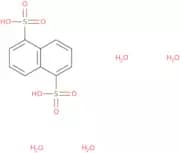
CAS:<p>1,5-Naphthalenedisulfonic acid tetrahydrate is an acidic molecule that has been observed in the form of nanodots. It has a molecular weight of 212.2g/mol and a water solubility of 0.01g/L at 20°C. 1,5-Naphthalenedisulfonic acid tetrahydrate is soluble in ethanol and methanol, but insoluble in acetone, diethyl ether, ethyl acetate, and chloroform. 1,5-Naphthalenedisulfonic acid tetrahydrate is a hydrogen bond acceptor and donor in its interactions with other molecules. It interacts synergistically with 3,5-dinitrosalicylic acid to produce a red coloration when dissolved in water or alcohols.</p>Formula:C10H6(SO3H)2•(H2O)4Purity:Min. 95%Color and Shape:PowderMolecular weight:360.36 g/mol4-(Chloromethyl)benzoic acid methyl ester
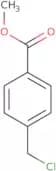
CAS:<p>4-(Chloromethyl)benzoic acid methyl ester is a synthetic compound that inhibits the DPP-IV enzyme, which is involved in the breakdown of the incretin hormones glucagon-like peptide-1 (GLP-1) and glucose-dependent insulinotropic polypeptide (GIP). Its structure consists of a benzene ring with a chloromethyl group on one side and an ester group on the other. 4-(Chloromethyl)benzoic acid methyl ester has been shown to be more potent than other known DPP-IV inhibitors. It has also been shown to have genotoxic impurities and chronic treatment effects, such as cancer.</p>Formula:C9H9ClO2Purity:Min. 95%Color and Shape:PowderMolecular weight:184.62 g/mol3-Fluoro-4-methoxycinnamic acid
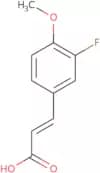
CAS:<p>3-Fluoro-4-methoxycinnamic acid is a template for the synthesis of azido compounds. Azide is a versatile functional group that can be used in many chemical reactions. 3-Fluoro-4-methoxycinnamic acid can be used to synthesize various azido products by reacting with hydrogen gas and an appropriate nucleophile, such as acrylic acid or ammonia. This reaction is called the "hydrogenating" reaction because it involves the addition of hydrogen. The target product can be synthesized by adding an appropriate electrophile, such as sodium azide, to the starting material in a solvent such as methylene chloride.</p>Formula:C10H9FO3Purity:Min. 95%Color and Shape:PowderMolecular weight:196.18 g/mol2,2-Dimethylglutaric acid
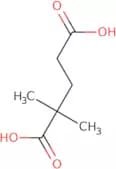
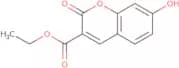
CAS:<p>2,2-Dimethylglutaric acid is a reactive, aliphatic hydrocarbon with a carbonyl group. It is an intermediate in the metabolism of fatty acids and may be formed by the hydrogenation of 2,2-dimethylsuccinic acid. This compound has been used as a film-forming polymer in detergent compositions and may also be used in biological samples to detect light emission. 2,2-Dimethylglutaric acid reacts with ethylene diamine to form malonic acid and x-ray crystal structures have been obtained for this compound. Pyrimidine compounds are formed when 2,2-dimethylglutaric acid reacts with ammonia or amines.</p>Formula:C7H12O4Color and Shape:White Off-White PowderMolecular weight:160.17 g/molEthyl 7-hydroxycoumarin-3-carboxylate
CAS:<p>Ethyl 7-hydroxycoumarin-3-carboxylate is a coumarin derivative that acts as a selective and potent inhibitor of the adenosine A3 receptor. It has been shown to inhibit growth of cancer cells in vitro, and it also inhibits the proliferation of S.aureus. Ethyl 7-hydroxycoumarin-3-carboxylate binds to the α subunit in an irreversible manner, inhibiting its function. This compound has been used to study plant physiology and homogeneous catalysis.</p>Formula:C12H10O5Purity:Min. 95%Color and Shape:PowderMolecular weight:234.2 g/mol(R)-BoroLeu-(+)-pinanediol-trifluoroacetate
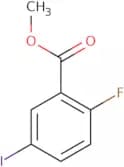
CAS:<p>(R)-BoroLeu-(+)-pinanediol-trifluoroacetate is a complex compound with CAS No. 179324-87-9 and can be used as a reagent, useful intermediate, or fine chemical. It is a versatile building block that can be used in the synthesis of speciality chemicals, research chemicals, and reaction components. This compound has been reported to be a useful scaffold for the synthesis of novel compounds that could have applications in medicine, such as anti-cancer drugs and antibiotics.</p>Formula:C17H29BF3NO4Color and Shape:White Off-White PowderMolecular weight:379.22 g/mol2-Fluoro-5-iodobenzoic acid methyl ester
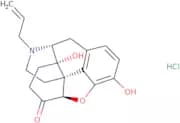
CAS:<p>2-Fluoro-5-iodobenzoic acid methyl ester is a fine chemical that is useful as a building block for the synthesis of complex compounds. It is also used as an intermediate in organic syntheses, and in research and development as a reaction component or speciality chemical. 2-Fluoro-5-iodobenzoic acid methyl ester has been shown to be effective in the synthesis of high quality reagents.</p>Formula:C8H6FIO2Purity:Min. 95%Color and Shape:Off-White To Yellow SolidMolecular weight:280.03 g/molNaloxone hydrochloride
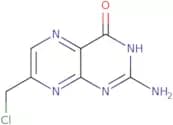
CAS:Controlled Product<p>Naloxone hydrochloride is a competitive antagonist at mu-, delta- and kappa-opioid receptors. Naloxone binding to receptors blocks the effects of opioids such as morphine, heroin, or oxycodone. Naloxone has been shown to be effective in treating acute overdoses of these drugs and reversing the depression of respiratory function that accompanies opioid overdose. It is also used to alleviate withdrawal symptoms and in the treatment of neonatal abstinence syndrome (NAS). NAS is a condition that occurs when infants are exposed to addictive levels of opioids in utero and go through withdrawal after birth.</p>Formula:C19H21NO4•HClPurity:(%) Min. 95%Color and Shape:PowderMolecular weight:363.84 g/molFolic acid impurity F
CAS:Folic acid impurity F is a byproduct of the condensation reaction between folic acid and formaldehyde. This impurity is found in synthetic folic acid and is also present in small amounts in natural folates. It has been shown to be an antioxidant that can prevent the oxidation of vitamin B12, which can lead to cell damage. Folic acid impurity F can be isolated from a chromatographic column using acidic conditions, then hydrolyzed with dilute hydrochloric acid or sodium hydroxide to produce the desired product.Formula:C7H6ClN5OPurity:Min. 95%Molecular weight:211.61 g/mol3-Hydroxy-4-methoxybenzoic acid methyl ester
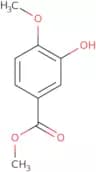
CAS:<p>3-Hydroxy-4-methoxybenzoic acid methyl ester is a phenolic acid that is a potent inhibitor of tyrosinase activity. It has been shown to inhibit the growth of cancer cells by binding to 5-HT2A receptors and inhibiting the production of epidermal growth factor, which leads to a decrease in the expression of tyrosinase. 3-Hydroxy-4-methoxybenzoic acid methyl ester has also been shown to have an inhibitory effect on the synthesis of protocatechuic acid and acetate extract from soybean. This compound was found to be more effective than kojic acid, arbutin, and ascorbic acid.</p>Formula:C9H10O4Purity:Min. 95%Color and Shape:PowderMolecular weight:182.17 g/mol6,6'-Dibromoindigo
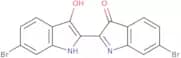
CAS:<p>6,6'-Dibromoindigo is a substrate for enzymes that catalyze the oxidation of aromatic compounds. It can be used to measure the activity of these enzymes in biological samples. 6,6'-Dibromoindigo is also an inhibitor of human pathogens, such as Escherichia coli and Proteus mirabilis. It has been shown to have an apoptotic effect on certain cells in a model system and to inhibit HIV-1 protease. 6,6'-Dibromoindigo binds to the receptors of some bacteria and inhibits their growth by binding to cysteine residues within the bacterial cell wall. This binding prevents formation of the final product from 2 molecules of pyruvic acid, which inhibits oxidative phosphorylation and energy production by mitochondria.</p>Formula:C16H8Br2N2O2Purity:Min. 95%Color and Shape:Purple PowderMolecular weight:420.06 g/molMaytansinoid DM 4
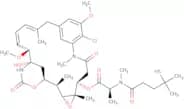
CAS:N2'-Deacetyl-N2'-(4-mercapto-4-methyl-1-oxopentyl)-maytansine (DMAP) is a structural analogue of maytansinoids that has potent antitumor activity against renal cell cancer. DMAP binds to the active site of wild type enzyme, and inhibits its activity. DMAP also inhibits the activities of other enzymes that are involved in the synthesis of proteins and other cellular components. The inhibition of these enzymes by DMAP leads to tumor cell death. This drug was found to be more cytotoxic at higher doses than the parent compound, maytansinol, which indicates that DMAP has a higher affinity for its target enzyme. The cytotoxicity of this drug is not affected by platinum resistance in ovarian cancer cells or by P-glycoprotein (Pgp) inhibitors such as verapamil and cyclosporin A.Formula:C38H54ClN3O10SPurity:Min. 95%Color and Shape:Off-White PowderMolecular weight:780.37 g/mol


![L-Methionine [R,S]-sulfoximine](/_next/image/?url=https%3A%2Fstatic.cymitquimica.com%2Fproducts%2F3D%2Fthumb-webp%2FFM25156.webp&w=3840&q=75)








![3-(tert-butyl)-1-(4-nitrophenyl)indeno[2,3-d]pyrazol-4-one](/_next/image/?url=https%3A%2Fstatic.cymitquimica.com%2Fproducts%2F3D%2Fthumb-webp%2FFB169695.webp&w=3840&q=75)

![5,6,7,8-Tetrahydro-[1,8]naphthyridine-2-carboxylic acid](/_next/image/?url=https%3A%2Fstatic.cymitquimica.com%2Fproducts%2F3D%2Fthumb-webp%2FFT56542.webp&w=3840&q=75)