Pharmaceutical Standards
Pharmaceutical standards are a comprehensive set of reference materials essential for ensuring the safety, efficacy, and quality of pharmaceutical products. This category includes standards for active pharmaceutical ingredients (APIs), which are the core components responsible for therapeutic effects. Additionally, it covers compounds and metabolites relevant to both the pharmaceutical and veterinary industries, providing benchmarks for the accurate measurement and analysis of these substances. Nitrosamine control standards are crucial for detecting and mitigating potentially harmful nitrosamines in drug formulations. Toxicology standards help assess the safety and potential adverse effects of pharmaceutical compounds. Furthermore, enzyme activators and inhibitors standards are vital for research and development, enabling precise studies of biochemical pathways and drug mechanisms. These pharmaceutical standards are indispensable tools for regulatory compliance, quality control, and research, ensuring that pharmaceutical products meet stringent safety and effectiveness criteria.
Subcategories of "Pharmaceutical Standards"
- APIs for research and impurities(274,823 products)
- Enzyme Activators and Inhibitors(2,827 products)
- Nitrosamines(2,605 products)
- Pharmaceutical and Veterinary Compounds and Metabolites(2,867 products)
- Toxicology(13,652 products)
Found 7836 products of "Pharmaceutical Standards"
Sort by
Purity (%)
0
100
|
0
|
50
|
90
|
95
|
100
(NZ)-4-chloro-N-[1-[2-(4-nitrophenyl)ethyl]piperidin-2-ylidene]benzenesulfonamide
CAS:Controlled Product<p>Please enquire for more information about (NZ)-4-chloro-N-[1-[2-(4-nitrophenyl)ethyl]piperidin-2-ylidene]benzenesulfonamide including the price, delivery time and more detailed product information at the technical inquiry form on this page</p>Formula:C19H20ClN3O4SPurity:Min. 95%Molecular weight:421.9 g/molPregnantriol
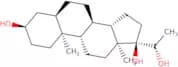
CAS:Controlled ProductPregnantriol is a naturally occurring steroid hormone that is produced in the placenta and the adrenal glands. Pregnantriol has been shown to be a potent inducer of liver cells, which may be due to its ability to bind to enzymes that are involved in lipid metabolism. This compound has also been shown to have diagnostic properties and is used as a diagnostic agent for adrenocortical carcinoma, urinary tract infections, metabolic disorders, and acid formation. Pregnantriol can be detected using fluorescence detection.Formula:C21H36O3Purity:Min. 95%Color and Shape:PowderMolecular weight:336.51 g/mol(17α)-17-Hydroxy-3-oxo-19-norpregna-5(10),9(11)-diene-21-nitrile
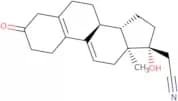
CAS:Controlled ProductPlease enquire for more information about (17α)-17-Hydroxy-3-oxo-19-norpregna-5(10),9(11)-diene-21-nitrile including the price, delivery time and more detailed product information at the technical inquiry form on this pageFormula:C20H25NO2Purity:Min. 95%Color and Shape:PowderMolecular weight:311.42 g/mol4-Fluoro-3-nitropyridine
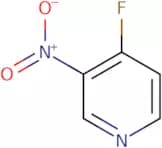
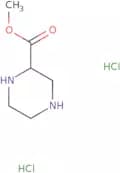
CAS:<p>4-Fluoro-3-nitropyridine is a reactive chemical that can react with alcohols, amines, and amino acids. It has been shown to have absorption spectra in the ultraviolet region of the light spectrum. 4-Fluoro-3-nitropyridine is also a pyridine derivative.</p>Formula:C5H3FN2O2Purity:Min. 95%Color and Shape:Off-White PowderMolecular weight:142.09 g/molPiperazine-2-carboxylic acid methyl esterdihydrochloride
CAS:<p>Piperazine-2-carboxylic acid methyl ester (PPCM) is a chemical compound that is used as an intermediate in the production of ethylenediamine and piperazine-2-carboxylic acid dihydrochloride. It is a white crystalline solid that can be synthesized by reacting ethylene diamine with piperazine-2-carboxylic acid. PPCM has been shown to inhibit the growth of bacteria, yeast, and fungi by inhibiting protein synthesis. This chemical also inhibits the production of proteins essential for respiration and cell wall formation.</p>Formula:C6H14Cl2N2O2Purity:Min. 95%Molecular weight:217.09 g/mol12-Amino-1-dodecanoic acid methyl ester hydrochloride salt
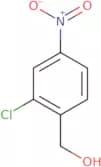
CAS:<p>12-Amino-1-dodecanoic acid methyl ester hydrochloride salt (12ADM) has been shown to have immunomodulatory properties. It has a nanomolar range of activity, which is the optimal for an immunosuppressant. 12ADM inhibits the transcriptional activity of human immunodeficiency virus type 1 (HIV-1) and HIV-2, as well as other retroviruses, through interactions with specific RNA sequences in the viral genome. The amide group in this compound is essential for its antiviral activity, and it also interacts with betulinic acid to enhance its cytotoxicity.</p>Formula:C13H28ClNO2Purity:Min. 95%Color and Shape:PowderMolecular weight:265.82 g/mol(2-Chloro-4-nitrophenyl)methanol
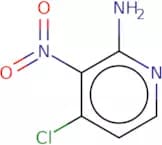
CAS:<p>Please enquire for more information about (2-Chloro-4-nitrophenyl)methanol including the price, delivery time and more detailed product information at the technical inquiry form on this page</p>Formula:C7H6ClNO3Purity:Min. 95%Color and Shape:PowderMolecular weight:187.58 g/mol2-Amino-4-chloro-3-nitropyridine
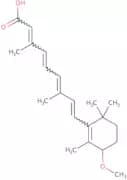
CAS:<p>2-Amino-4-chloro-3-nitropyridine is a potent inhibitory molecule that inhibits the activity of the enzyme acetylcholinesterase. It has been used in the treatment of chronic pain, and has been shown to be effective for inhibiting malonate esters and amino acid esters. This drug is an ethyl ester that can be synthesized from chlorobenzene and malonic acid by chlorinating it with chlorine gas. 2-Amino-4-chloro-3-nitropyridine has also been shown to have a high affinity for malonic acid diethyl esters.</p>Formula:C5H4ClN3O2Purity:Min. 98 Area-%Color and Shape:PowderMolecular weight:173.56 g/mol4-Methoxy retinoic acid
CAS:<p>Please enquire for more information about 4-Methoxy retinoic acid including the price, delivery time and more detailed product information at the technical inquiry form on this page</p>Formula:C21H30O3Purity:Min. 95%Molecular weight:330.46 g/molIlexsaponin A1
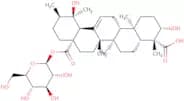
CAS:Ilexsaponin A1 is a natural saponin compound, which is derived from the plant Ilex pubescens. As a bioactive compound, it possesses a characteristic glycoside structure that facilitates its interaction with biological membranes. The mode of action of Ilexsaponin A1 involves modulating inflammatory pathways, likely through the inhibition of pro-inflammatory cytokine production and the suppression of related signaling cascades.Purity:Min. 95%D,L-Threo-b-hydroxy aspartic acid
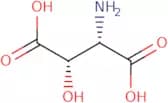
CAS:<p>D,L-Threo-b-hydroxy aspartic acid is a stereoselective synthetic amino acid that has been used to study the uptake and hydrolysis of D,L-threo-b-hydroxy aspartic acid by rat brain synaptosomes. It has also been used in the synthesis of an L-alanine analogue with the same stereochemistry at the chiral center. The stereoselective synthesis of this compound is achieved by epimerization reaction using d-alanine as a starting material. Threo bhda has been shown to inhibit glutamate release from neurons and stimulate GABA release in synaptosomes, which may be due to its ability to bind to ion channels. Threo bhda has also been found to inhibit the binding of radioactive thymidine to calf thymus DNA with a high degree of stereoselectivity.</p>Formula:C4H7NO5Purity:Min. 95%Molecular weight:149.1 g/mol2-Bromo-4'-nitroacetophenone
CAS:<p>2-Bromo-4'-nitroacetophenone is a chemical compound that has been shown to be active in enzyme inhibition experiments. It has been found to inhibit the activity of histidine decarboxylase, which catalyzes the conversion of histidine to histamine, and uv absorption. 2-Bromo-4'-nitroacetophenone binds to the active site of P450 enzymes, inhibiting their catalytic activity. This compound also inhibits fatty acid oxidation by binding to fatty acid hydroxylase and hydrogen bonds with tyrosine residues in proteins. 2-Bromo-4'-nitroacetophenone is structurally similar to 2-bromoacetophenone, which has been shown to have antihistaminic properties.</p>Formula:C8H6BrNO3Purity:Min. 95%Color and Shape:PowderMolecular weight:244.04 g/mol2-Phenyl-2-(p-toluenesulfonyloxy)acetophenone
CAS:<p>2-Phenyl-2-(p-toluenesulfonyloxy)acetophenone is a diphenyl ether that is used in the production of polymers as an antireflection agent and an acid catalyst. It can be used to modify polymer properties such as optical properties or cross-linking. The compound has been shown to have a particle size of 2 to 10 nm in diameter, which can be adjusted by changing the reaction conditions.</p>Formula:C21H18O4SPurity:Min. 95%Color and Shape:PowderMolecular weight:366.43 g/mol2-Amino-2',5-dichlorobenzophenone
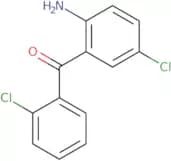
CAS:<p>2-Amino-2',5-dichlorobenzophenone (2,5-DCP) is a molecule with a chromatographic retention time of 23.8 minutes. 2,5-DCP has been detected in human urine samples using the chemical ionization technique as well as the Nova-Pak C18 column and an acetic acid/methanol mobile phase. This compound has been used as a standard for the detection of benzodiazepine drugs such as diazepam and flunitrazepam in urine samples by gas chromatography. 2,5-DCP has also been used in analytical toxicology to detect lormetazepam and lorazepam metabolites in human urine samples.</p>Formula:C13H9Cl2NOPurity:Min. 95%Color and Shape:Off-White PowderMolecular weight:266.12 g/molVitamin D2-d6
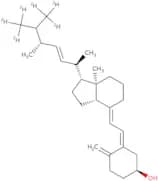
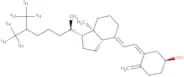
CAS:Controlled ProductVitamin D2-D6 is a dietary supplement that comes in the form of an oil. It is an ionizable vitamin and is structurally similar to Vitamin D3. The most common form of this vitamin is cholecalciferol, which is found in fish oils and dairy products. Vitamin D2-D6 has been shown to be efficacious at increasing mineralization in skin cells, as well as preventing symptoms of rickets. This nutrient also assists with calcium metabolism and the absorption of dietary calcium. It can be taken by infants or adults who may have low levels of Vitamin D due to a lack of exposure to sunlight or ingestion of a poor diet.Formula:C28H38D6OPurity:Min. 99.0 Area-%Color and Shape:PowderMolecular weight:402.68 g/molCefradine impurity F
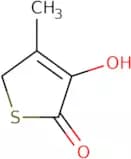
CAS:<p>Cefradine impurity F is a hydrolysis product of cefradine, which is an antibiotic. It is catalysed by β-lactamase enzymes and undergoes nucleophilic attack on the carbon atom adjacent to the carbonyl group. Cefradine impurity F has been shown to be effective against enterobacter, which is a type of bacteria that can cause urinary tract infections. The uptake of cefradine impurity F into bacteria can occur through passive diffusion or active transport mechanisms. This drug was also found to be hydrolyzed by buffers such as phosphate and acetate in vitro, but not by other substances such as EDTA and citrate. Cefradine impurity F has been shown to be hydrolyzed in vivo, with the most likely mechanism being spontaneous hydrolysis.</p>Formula:C5H6O2SPurity:Min. 95%Color and Shape:PowderMolecular weight:130.17 g/mol2-Cyclohexyl-4,6-dinitrophenol
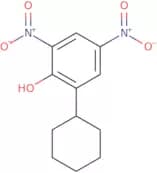
CAS:<p>2-Cyclohexyl-4,6-dinitrophenol is a chemical that inhibits the synthesis of viral DNA. It has been shown to have minimal toxicity in animal models and may be used for the treatment of metabolic disorders, such as hepatic steatosis or hepatitis. 2-Cyclohexyl-4,6-dinitrophenol has also been shown to inhibit the toll-like receptor (TLR) pathway and induce an antiviral state in vitro. In addition, it was found to have an effect on mitochondrial membrane potential, which may explain its antiviral activity. 2-Cyclohexyl-4,6-dinitrophenol has also been shown to inhibit viral replication in cells infected with HIV and other viruses such as Hepatitis C virus.</p>Formula:C12H14N2O5Purity:Min. 95%Molecular weight:266.25 g/mol3,3-Dimethyl-5-oxo-5-(1,2,3,4-tetrahydronaphthalen-2-ylamino)pentanoic acid
CAS:Controlled ProductPlease enquire for more information about 3,3-Dimethyl-5-oxo-5-(1,2,3,4-tetrahydronaphthalen-2-ylamino)pentanoic acid including the price, delivery time and more detailed product information at the technical inquiry form on this pageFormula:C17H23NO3Purity:Min. 95%Molecular weight:289.37 g/mol2-bromo-6-fluoronaphthalene
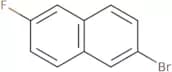
CAS:<p>2-bromo-6-fluoronaphthalene is a molecule that has been shown to be a good electron donor in organic solar cells. It is also an analgesic and antinociceptive agent. 2-Bromo-6-fluoronaphthalene has shown to have antiinflammatory effects and inhibit the production of prostaglandins, which are chemical messengers that induce inflammation. The molecular structure of 2-bromo-6-fluoronaphthalene consists of two bromine atoms attached to two naphthalene rings. The bromine atoms provide strong electron donating properties and the naphthalene rings provide stability for the molecule.</p>Formula:C10H6BrFPurity:Min. 95%Molecular weight:225.06 g/molFmoc-S-trityl-D-penicillamine
CAS:<p>Please enquire for more information about Fmoc-S-trityl-D-penicillamine including the price, delivery time and more detailed product information at the technical inquiry form on this page</p>Formula:C39H35NO4SPurity:Min. 95%Molecular weight:613.77 g/mol2,4,4’-Trichlorobiphenyl
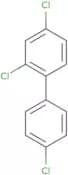
CAS:Controlled Product<p>2,4,4’-Trichlorobiphenyl is a polychlorinated biphenyl congener. It has been shown to have an adverse effect on the central nervous system, causing neurotoxicity. 2,4,4’-Trichlorobiphenyl has been used as a model system for the study of the effects of environmental toxins on mitochondrial membrane potential and lipid peroxidation. 2,4,4’-Trichlorobiphenyl binds to fatty acids in mitochondria and inhibits fatty acid β-oxidation. The inhibition of fatty acid oxidation leads to increased levels of protocatechuic acid in the serum and liver tissue. 2,4,4’-Trichlorobiphenyl has also been found to be toxic to aquatic organisms such as fish and shrimp at low concentrations.</p>Formula:C12H7Cl3Purity:Min. 95%Molecular weight:257.54 g/mol9-Chloro-11beta,17,21-trihydroxy-16beta-methylpregna-1,4-diene-3,20-dione 17-valerate
CAS:Controlled Product<p>Prednisolone is a synthetic corticosteroid that is used in the treatment of a number of lung diseases, including asthma. Prednisolone is used to decrease the inflammation and swelling around the airways and lungs. Prednisolone is used to treat certain skin conditions, such as eczema and dermatitis. This drug also decreases the activity of the immune system by inhibiting production of substances that cause inflammation. The onset of action for prednisolone is typically one day with a duration of up to two weeks. It has been shown to be more effective when taken orally than when applied topically. It may be taken with or without food and can be given as an oral or an intravenous dose. Prednisolone tablets must be dissolved in water before they are placed under the tongue (sublingual). The tablets will dissolve quickly under the tongue, releasing prednisolone into your bloodstream. Enteric-coated tablets should not be crushed or chewed</p>Formula:C27H37ClO6Purity:Min. 95%Molecular weight:493.03 g/molSodium naphthenate
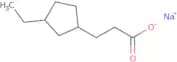
CAS:Sodium naphthenate is a sodium salt that is used as an intermediate in the production of polyvinyl chloride. It can be obtained by reacting ethylene diamine with sodium hydroxide and carbon dioxide. The reaction takes place at high temperatures and pressure, forming a solution of sodium carbonate, which is then hydrolyzed to form sodium naphthenate. This compound has been shown to have a low solubility in water and it can be purified by recrystallization or distillation. Sodium naphthenate is soluble in organic solvents such as acetone or chloroform. It has also been shown to be useful as a model system for studying transfer reactions between polycarboxylic acids and fatty acids, which are important processes in the manufacture of polyester resins.Formula:C10H17NaO2Color and Shape:Off-White PowderMolecular weight:192.23 g/mol(R)-1,2,3,4-Tetrahydro-5-methoxy-N-propyl-2-naphthalenamine hydrochloride
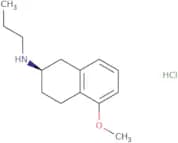
CAS:Controlled ProductPlease enquire for more information about (R)-1,2,3,4-Tetrahydro-5-methoxy-N-propyl-2-naphthalenamine hydrochloride including the price, delivery time and more detailed product information at the technical inquiry form on this pageFormula:C14H22ClNOPurity:Min. 95%Molecular weight:255.78 g/mol3-O-Methyl norbuprenorphine
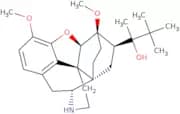
CAS:Controlled Product<p>Please enquire for more information about 3-O-Methyl norbuprenorphine including the price, delivery time and more detailed product information at the technical inquiry form on this page</p>Formula:C26H37NO4Purity:Min. 95%Molecular weight:427.58 g/molClarithromycin impurity F
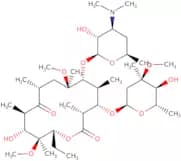
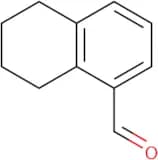
CAS:<p>Please enquire for more information about Clarithromycin impurity F including the price, delivery time and more detailed product information at the technical inquiry form on this page</p>Formula:C39H71NO13Purity:Min. 90 Area-%Color and Shape:PowderMolecular weight:761.98 g/mol5,6,7,8-Tetrahydronaphthalene-1-carbaldehyde
CAS:<p>Please enquire for more information about 5,6,7,8-Tetrahydronaphthalene-1-carbaldehyde including the price, delivery time and more detailed product information at the technical inquiry form on this page</p>Formula:C11H12OPurity:Min. 95%Color and Shape:Clear LiquidMolecular weight:160.21 g/molCalcitonin N-Terminal Flanking Peptide (human)
CAS:<p>Please enquire for more information about Calcitonin N-Terminal Flanking Peptide (human) including the price, delivery time and more detailed product information at the technical inquiry form on this page</p>Formula:C264H426N74O97SPurity:Min. 95%Molecular weight:6,220.71 g/mol3a',4',7',7a'-Tetrahydrospiro[cyclopropane-1,8'-[2]oxa[4,7]methano[2]benzofuran]-1',3'-dione
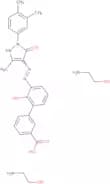
CAS:<p>Please enquire for more information about 3a',4',7',7a'-Tetrahydrospiro[cyclopropane-1,8'-[2]oxa[4,7]methano[2]benzofuran]-1',3'-dione including the price, delivery time and more detailed product information at the technical inquiry form on this page</p>Formula:C11H10O3Purity:Min. 95%Molecular weight:190.2 g/molEltrombopag olamine
CAS:Eltrombopag olamine is an orally active drug that belongs to the class of thiazolidinones. It has been used for the treatment of thrombocytopenia in patients with chronic liver disease and myelodysplastic syndrome. Eltrombopag olamine inhibits platelet aggregation by binding to glycoprotein IIb/IIIa receptors on the surface of platelets. The drug is a prodrug that is metabolized in vivo to its active form, eltrombopag. This conversion is catalysed by CYP3A4 and CYP2D6 enzymes and can be inhibited by drugs that inhibit these enzymes, such as trifluoroacetic acid and hydroxyl group-containing compounds. Eltrombopag olamine binds to erythrocytes, which may be due to its ability to form intramolecular hydrogen bonds with nitrogen atoms. The synthesis of eltFormula:C25H22N4O4•(C2H7NO)2Purity:Min. 95%Color and Shape:PowderMolecular weight:564.63 g/molTropinone
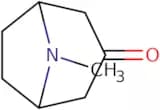
CAS:<p>Tropinone is a polycyclic aromatic hydrocarbon that is found in plant cells. Tropinone exhibits enzyme activities, such as catalase and peroxidase activity, which are important for plant physiology. Tropinone has also been shown to have anti-cancer properties. Platinum-based chemotherapy drugs bind to the tropinone molecule, which inhibits the enzymes that allow cancer cells to grow and multiply. The specific antibody binds to the tropinone molecule by recognizing a carbohydrate group on the molecule's surface, while hydroxyl groups on the tropinones react with trifluoromethanesulfonic acid in water to form ester hydrochloride. This reaction is dependent on pH level and optimum ph is around 7-9.</p>Formula:C8H13NOPurity:Min. 98%Color and Shape:White PowderMolecular weight:139.19 g/molCholesterol Heptyl Carbonate
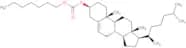
CAS:Controlled ProductCholesterol heptyl carbonate is a cholesteric liquid crystal with a high melting point, which can be used as a coating for pharmaceutical tablets and other products. Cholesteric liquid crystals are composed of molecules that have different shapes in the solid phase and in the liquid phase, forming an ordered structure. The conformational state of the molecule determines the optical properties of cholesteric liquid crystals. This product has an average particle diameter of around 200 nm and is made from organic solvent. The treatment method for this product is not specified, but it may be treated by heating with thermal energy or using optical energy to create a cross-linked polymer network.Purity:Min. 95%gamma-Dodecalactone
CAS:<p>Gamma-dodecalactone is a naturally occurring fatty acid that exhibits antifungal and antitumor properties. The molecule is hydroxylated in vivo, forming an acid complex with the addition of water. This reaction produces a hydroxylate group, which increases the solubility of the compound. In vitro studies have shown that when gamma-dodecalactone is metabolized, it forms oxidation products such as nepeta cataria.</p>Purity:Min. 95%(R)-Perillaldehyde
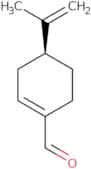
CAS:<p>(R)-Perillaldehyde is an activated cardenolide that binds to flavoproteins and inhibits the oxygenation of 4-hydroxycoumarin. It is a stereoselective, substrate binding, and oxygenated flavoenzyme inhibitor. The orientation of perillaldehyde with respect to the flavin may be important for its activity in the enzyme's active site.</p>Formula:C10H14OPurity:Min. 95%Molecular weight:150.22 g/molCholesterol Valerate
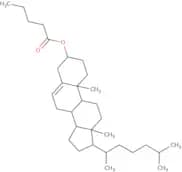
CAS:Controlled ProductCholesterol Valerate is a fatty acid that has been used in the diagnosis of fatty acids. It can be obtained by synthesizing it from cholesterol and valeric anhydride. The carboxylic acid group in the molecule is responsible for its lipophilic properties, which allow it to dissolve in fats and oils. Cholesterol Valerate has a phase transition temperature of about -5 degrees Celsius, making it liquid at room temperature. This compound has been used as an excipient in pharmaceutical compositions, such as lipid emulsions and topical formulations to increase solubility. The termini of the molecule consist of hydroxyl groups that are susceptible to oxidation, making this compound unstable when exposed to air or sunlight.Purity:Min. 95%N-Nitrososarcosine
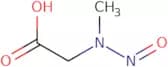
CAS:<p>N-Nitrososarcosine is a nonsteroidal anti-inflammatory drug (NSAID) that belongs to the group of ester hydrochloride. It inhibits the synthesis of prostaglandins, which are chemical mediators of inflammation and pain. N-Nitrososarcosine has been shown to be effective for the treatment of arthritis in animal models. In vitro studies have shown that this drug inhibits polymerase chain reaction and can be used for genotyping bacterial DNA. N-Nitrososarcosine has been found in urine samples from patients with autoimmune diseases, as well as in pharmaceutical preparations. The use of this drug as a model system for studying enzyme hydrolysis has also been studied.</p>Formula:C3H6N2O3Purity:Min. 95%Color and Shape:Off-White PowderMolecular weight:118.09 g/molδ9,11-Dehydro-17b-estradiol 17-valerate
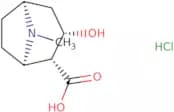
CAS:Controlled ProductPlease enquire for more information about Delta9,11-Dehydro-17b-estradiol 17-valerate including the price, delivery time and more detailed product information at the technical inquiry form on this pageFormula:C23H30O3Purity:Min. 96 Area-%Molecular weight:354.48 g/mol(-)-Ecgonine hydrochloride
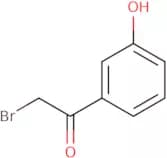
CAS:Controlled Product<p>(-)-Ecgonine hydrochloride is a benzoyl ester that is used as an analytical reagent. It is a precursor in the synthesis of cocaine and other drugs. Ecgonine hydrochloride can be extracted from plant sources, such as coca leaves or khat leaves, by acid-base extraction. It has been shown to have toxic effects on human serum and the liver, which may be due to its structural similarity to cocaine.</p>Formula:C9H16ClNO3Purity:Min. 95%Molecular weight:221.68 g/mol2-Bromo-3'-hydroxyacetophenone
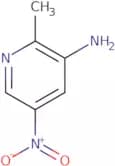
CAS:<p>2-Bromo-3'-hydroxyacetophenone is a molecule that has been shown to be cytotoxic and effective in inhibiting the growth of cancer cells. 2-Bromo-3'-hydroxyacetophenone inhibits the production of kynurenine, an amino acid that is used in the production of proteins, by competitively binding to the enzyme IDO1. This binding prevents the conversion of tryptophan into kynurenine, leading to cell death. The cytotoxicity of 2-bromo-3'-hydroxyacetophenone was also confirmed by testing its ability to inhibit cellular interaction with human erythrocytes (blood cells) and by measuring its effects on crystallography efficiency.</p>Formula:C8H7BrO2Purity:Min. 95%Color and Shape:Slightly Yellow PowderMolecular weight:215.04 g/mol2-Methyl-5-nitropyridin-3-amine
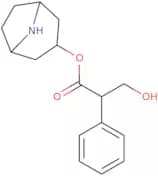
CAS:<p>2-Methyl-5-nitropyridin-3-amine is a heterocyclic compound that is synthesized by the cyclization of 2-methylpyridine with sodium nitrite. The reaction product is hydrolyzed to yield the desired compound, 5-nitropyridine. The synthesis of this compound can be used as a target for organic synthesis.</p>Formula:C6H7N3O2Purity:Min. 95%Molecular weight:153.14 g/molNoratropine
CAS:Noratropine is a drug that belongs to the group of anticholinergic drugs. It is used as a pharmaceutical preparation for the treatment of urinary incontinence and other conditions that are caused by overactivity of the bladder muscles. Noratropine has been shown to have a significant effect on symptoms such as increased urination, urgency, frequency, and nocturia. In addition, it reduces the amount of urine produced at night and during the day. Noratropine can be found in pueraria lobata (Kudzu) and angelicae dahuricae (Angelica). These plants contain natural compounds with anticholinergic properties. Noratropine can also be synthesized from benzalkonium chloride and n-oxide. The synthesis involves two steps: first, benzalkonium chloride reacts with an alcohol to form an acid which then reacts with n-oxide to produce noratropine. This compound can also be obtained from tissueFormula:C16H21NO3Purity:Min. 95%Molecular weight:275.34 g/molO-tert-Butyl-L-threonine 2-chlorotrityl resin
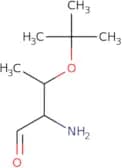
<p>Please enquire for more information about O-tert-Butyl-L-threonine 2-chlorotrityl resin including the price, delivery time and more detailed product information at the technical inquiry form on this page</p>Purity:Min. 95%Spiro[androsta-1,4-diene-6,2'-oxirane]-3,17-dione
CAS:<p>Please enquire for more information about Spiro[androsta-1,4-diene-6,2'-oxirane]-3,17-dione including the price, delivery time and more detailed product information at the technical inquiry form on this page</p>Formula:C20H24O3Purity:Min. 95%Molecular weight:312.4 g/molS-[2-(Dimethylamino)ethyl]isothiourea Dihydrochloride
CAS:Controlled Product<p>S-[2-(Dimethylamino)ethyl]isothiourea Dihydrochloride is an inhibitor of tyrosinase, an enzyme that catalyzes the oxidation of tyrosine to dopa and dopaquinone. It binds to the active site of the enzyme and blocks its activity. S-[2-(Dimethylamino)ethyl]isothiourea Dihydrochloride has been shown to inhibit tyrosinase in animal experiments and in vitro studies, with a concentration-response curve that can be described by a Michaelis-Menten kinetic model. The inhibition of tyrosinase activity may be due to steric hindrance by the thiourea group or a covalent binding to amino acid residues on the protein surface. S-[2-(Dimethylamino)ethyl]isothiourea Dihydrochloride is also known as monomethyl auristatin E (MMAE</p>Formula:C5H13N3S·2HClPurity:Min. 95%Molecular weight:220.16 g/molAtorvastatin
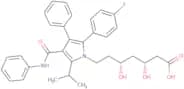
CAS:<p>Atorvastatin is a statin used to reduce low-density lipoprotein (LDL) cholesterol and triglyceride levels in the blood. It is marketed under the trade name Lipitor®. Atorvastatin inhibits the enzyme HMG-CoA reductase, which is responsible for the production of cholesterol. This drug also reduces plaque formation in atherosclerotic lesions by inhibiting inflammation and has been shown to be effective in reducing mortality from coronary heart disease. In addition, atorvastatin has a low incidence of side effects, particularly when compared with other statins such as simvastatin, pravastatin, or lovastatin. The risk of developing adverse reactions to this drug increases with age and prolonged use. The most common side effects are muscle pain or weakness, headache, nausea, high blood sugar levels (elevated glucose), and liver problems.</p>Formula:C33H35FN2O5Purity:Min. 95%Color and Shape:PowderMolecular weight:558.64 g/molVitamin D3-d6
CAS:Controlled Product<p>Vitamin D3-d6 is a vitamin that has ionizable properties. It is available in the form of an oil and can be used as a dietary supplement for infants, as well as adults. Vitamin D3-d6 has been validated by various assays, including those based on chemical ionization, high-performance liquid chromatography, and gas chromatography. Sample preparation procedures include saponification and extraction with isooctane. The analytical method involves detection by UV light at 254 nm or fluorescence at 365 nm. The efficiency of this vitamin is low because it easily degrades when exposed to light or air.</p>Formula:C27H38D6OPurity:Min. 95%Color and Shape:PowderMolecular weight:390.67 g/mol3,3'-[1,3-Phenylenebis(oxy)]dipropanoic acid
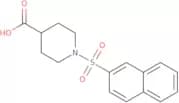
CAS:Please enquire for more information about 3,3'-[1,3-Phenylenebis(oxy)]dipropanoic acid including the price, delivery time and more detailed product information at the technical inquiry form on this pageFormula:C12H14O6Purity:Min. 95%Molecular weight:254.24 g/mol1-(2-Naphthylsulfonyl)piperidine-4-carboxylic acid
CAS:Please enquire for more information about 1-(2-Naphthylsulfonyl)piperidine-4-carboxylic acid including the price, delivery time and more detailed product information at the technical inquiry form on this pageFormula:C16H17NO4SPurity:Min. 95%Molecular weight:319.38 g/molButropium bromide
CAS:Butropium bromide is a biocompatible polymer that is used as an occlusive dressing for wounds. It is made of polyethylene and silicone elastomer, which are both highly resistant to water vapor and reactive chemicals. Butropium bromide has been shown to have high resistance against radiation, allergic reactions, and leukocyte antigen. The particle size of butropium bromide ranges from 0.3-0.5 microns in diameter; the material is soft and flexible with an elastic recoil.Formula:C28H38BrNO4Purity:Min. 95%Molecular weight:532.51 g/mol1-(2-Nitrophenyl)-1,2-ethanediol
CAS:1-(2-Nitrophenyl)-1,2-ethanediol is a chemical that has been shown to inhibit the glutamate-induced increase in cytosolic Ca2+ concentration. It also prevents the loss of membrane integrity and protects against cell death by inhibiting apoptosis. 1-(2-Nitrophenyl)-1,2-ethanediol also inhibits amp-activated protein kinase activity and increases ATP production. These effects may be due to its ability to reduce intracellular Ca2+ levels and prevent Ca2+ overload in mitochondria. 1-(2-Nitrophenyl)-1,2-ethanediol has been shown to have a protective effect on isolated heart cells and ventricular myocytes from hypoxia/reoxygenation injury and is an effective model system for investigating biochemical properties of glutamate excitotoxicity.Formula:C8H9NO4Purity:Min. 95%Color and Shape:PowderMolecular weight:183.16 g/mol
![(NZ)-4-chloro-N-[1-[2-(4-nitrophenyl)ethyl]piperidin-2-ylidene]benzenesulfonamide](/_next/image/?url=https%3A%2Fstatic.cymitquimica.com%2Fproducts%2F3D%2Fthumb-webp%2FFN154024.webp&w=3840&q=75)







![3a',4',7',7a'-Tetrahydrospiro[cyclopropane-1,8'-[2]oxa[4,7]methano[2]benzofuran]-1',3'-dione](/_next/image/?url=https%3A%2Fstatic.cymitquimica.com%2Fproducts%2F3D%2Fthumb-webp%2FFT131357.webp&w=3840&q=75)


![Spiro[androsta-1,4-diene-6,2'-oxirane]-3,17-dione](/_next/image/?url=https%3A%2Fstatic.cymitquimica.com%2Fproducts%2F3D%2Fthumb-webp%2FFS27865.webp&w=3840&q=75)
![S-[2-(Dimethylamino)ethyl]isothiourea Dihydrochloride](/_next/image/?url=https%3A%2Fstatic.cymitquimica.com%2Fproducts%2F3D%2Fthumb-webp%2FFD61318.webp&w=3840&q=75)
![3,3'-[1,3-Phenylenebis(oxy)]dipropanoic acid](/_next/image/?url=https%3A%2Fstatic.cymitquimica.com%2Fproducts%2F3D%2Fthumb-webp%2FFP131541.webp&w=3840&q=75)