Pharmaceutical Standards
Subcategories of "Pharmaceutical Standards"
- APIs for research and impurities(296,741 products)
- Enzyme Activators and Inhibitors(2,829 products)
- Nitrosamines(3,123 products)
- Pharmaceutical and Veterinary Compounds and Metabolites(4,733 products)
- Toxicology(22,948 products)
Found 16693 products of "Pharmaceutical Standards"
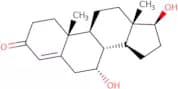
7a-Hydroxytestosterone
CAS:Controlled ProductPlease enquire for more information about 7a-Hydroxytestosterone including the price, delivery time and more detailed product information at the technical inquiry form on this page
Formula:C19H28O3Purity:Min. 95%Molecular weight:304.42 g/molBromocresol purple
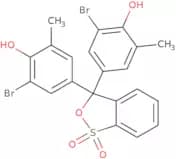
CAS:Bromocresol purple is a hydrophilic dye that has applications in indicating pH and measuring serum albumin concentrations.
Formula:C21H16Br2O5SPurity:Min. 95%Color and Shape:PowderMolecular weight:540.22 g/mol4-Methoxy-3-nitrobenzoic acid methyl ester
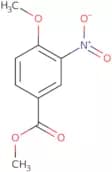
CAS:4-Methoxy-3-nitrobenzoic acid methyl ester (4MNBM) is a potent antitumor agent that inhibits tumor cell proliferation by interfering with DNA replication. 4MNBM selectively binds to the nuclear magnetic resonance and has been shown to inhibit tumor growth in animal models. This drug also shows potent antitumor activity against solid tumor cells, which is due to its ability to induce conformational changes in the DNA of these cells. 4MNBM has been shown to be selective for tumor cells, which may be due to its lack of effect on the metabolism of normal tissue and its ability to bind to proteins in tumor cell nuclei.Formula:C9H9NO5Purity:Min. 95%Color and Shape:Clear LiquidMolecular weight:211.17 g/mol4-Nitrophthalimide
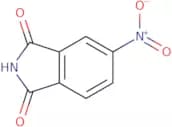
CAS:4-Nitrophthalimide is a nitroimidazole compound that has been shown to be active against bacterial strains belonging to the group P2. It is also soluble in organic solvents such as chloroform, ethanol, and acetone. 4-Nitrophthalimide has been used for experimental solubility data and as a pharmaceutical preparation. The reaction of 4-nitrophthalimide with diazonium salt produces 3-nitrophthalic anhydride, which is then hydrolyzed by hydrochloric acid to form nitrobenzene. This reaction can be monitored using fluorescence resonance spectroscopy.
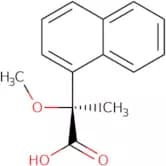
Formula:C8H4N2O4Purity:Min. 95%Color and Shape:PowderMolecular weight:192.13 g/mol(S)-2-Methoxy-2-(1-naphthyl)propanoic acid
CAS:(S)-2-Methoxy-2-(1-naphthyl)propanoic acid is a chiral molecule that can exist in two different forms, each of which has the same physical and chemical properties. The two enantiomers are not optically active, meaning they have the same degree of rotation when passed through a polarizing filter. It is an organic compound that is used as a flavoring agent in food chemistry and as a bioactive compound. (S)-2-Methoxy-2-(1-naphthyl)propanoic acid also has been shown to function as an attractant for hemipteran insects such as mosquitoes, although it is not clear if this property is due to its aromatic or enantiomeric structure.Formula:C14H14O3Purity:Min. 95%Color and Shape:PowderMolecular weight:230.26 g/molPogosine
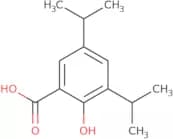
Pogosine is a protein-degrading enzyme that belongs to the ubiquitin proteasome pathway. It has been shown to modulate the activity of estrogen receptors and may be an effective treatment for cancer. Pogosine is also able to inhibit the release of neutrophils, which are cells that are responsible for inflammation and infection.Purity:Min. 95%3,5-Diisopropylsalicylic acid
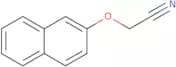
CAS:3,5-Diisopropylsalicylic acid is a reactive chemical substance that has been shown to be an effective anti-inflammatory agent. The compound is active against wild-type viruses and copper complexes. 3,5-Diisopropylsalicylic acid also has been shown to inhibit the growth of human cancer cells in vitro. This drug can be used as an analytical reagent for the detection of water vapor in gas chromatography and other techniques. The acute toxicities associated with 3,5-diisopropylsalicylic acid are not well understood, but it has been shown to have a negative effect on body mass index. It also may affect pluripotent cells and radiation therapy. There are reports of drug interactions when used with certain medications such as acetaminophen or ibuprofen.Formula:C13H18O3Purity:Min. 95%Color and Shape:PowderMolecular weight:222.28 g/mol2-(2-naphthyloxy)ethanenitrile
CAS:Please enquire for more information about 2-(2-naphthyloxy)ethanenitrile including the price, delivery time and more detailed product information at the technical inquiry form on this page
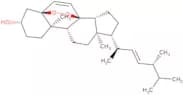
Formula:C12H9NOPurity:Min. 95%Color and Shape:PowderMolecular weight:183.21 g/molErgosterol peroxide
CAS:Ergosterol peroxide is a synthetic compound that binds to DNA and inhibits the growth of human cells. Ergosterol peroxide has been shown to have significant cytotoxicity against HL-60 cells in vitro, with inhibition of DNA synthesis and induction of apoptosis. Ergosterol peroxide also has amoebicidal activity against Acanthamoeba castellanii, which is an opportunistic pathogen of the central nervous system. This compound can be used as a pharmaceutical agent for the treatment of various diseases such as cancer, AIDS, or Alzheimer's disease. It may also be used as a natural compound to kill harmful pathogens in water.Formula:C28H44O3Purity:Min. 95%Color and Shape:PowderMolecular weight:428.65 g/mol3'-Bromo-4'-fluoro-β-methyl-β-nitrostyrene
CAS:3'-Bromo-4'-fluoro-beta-methyl-beta-nitrostyrene is a chemical compound with the molecular formula C9H5BrFN2O. It can be used as an intermediate in the synthesis of other chemical compounds. 3'-Bromo-4'-fluoro-beta-methyl-beta-nitrostyrene can also be used to produce research chemicals, speciality chemicals, and complex compounds. This compound has a high quality and is useful for research purposes.
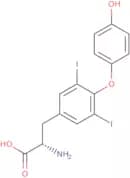
Formula:C9H7BrFNO2Purity:Min. 95%Color and Shape:PowderMolecular weight:260.06 g/mol3,5-Diiodo-L-thyronine
CAS:3,5-Diiodo-L-thyronine (3,5DIT) is a thyroid hormone that has been shown to have a number of physiological effects. It is capable of altering the activity of target enzymes, such as growth factor β1 and 3,5-diiodo-L-thyronine 5'-deiodinase (DID). 3,5DIT can stimulate cardiac effects by binding to the nuclear receptor TRβ1. It also stimulates weight loss by regulating fat metabolism through its effect on adipose tissue. 3,5DIT has been shown to alter mitochondrial functions and mitochondrial energy metabolism. This hormone may be used as an analytical tool for measuring mitochondrial functions in living cells.
Formula:C15H13I2NO4Purity:Min. 98 Area-%Color and Shape:White Off-White PowderMolecular weight:525.08 g/mol5-Chloro-2-methoxyacetophenone
CAS:5-Chloro-2-methoxyacetophenone is a byproduct of the synthesis of 2-hydroxybenzofuran. It is also used in the synthesis of tetracyclic benzopyrans, which are known to be potent analgesics and have been found to have anti-inflammatory properties. 5-Chloro-2-methoxyacetophenone can be obtained by decarbonylation (loss of carbon) or elimination reactions.
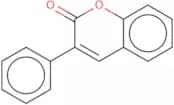
Formula:C9H9ClO2Purity:Min. 95%Color and Shape:Clear LiquidMolecular weight:184.62 g/mol3-Phenylcoumarin
CAS:3-Phenylcoumarin is a naturally occurring compound that has been shown to have cytotoxic effects on cervical cancer cells. It is also a reactive and inflammatory agent, which can lead to the development of inflammatory diseases in humans. 3-Phenylcoumarin has been shown to inhibit the growth of cancer cells by inhibiting DNA synthesis and cell division, as well as by causing programmed cell death. This compound was found to be effective at an effective dose of 10µM in a rotarod test. The molecular modeling studies suggest that 3-phenylcoumarin binds to the active site of human liver microsomal cytochrome P450 enzymes and inhibits their activity. Viscosity has also been found to be an important factor for determining the solubility and stability of this compound.
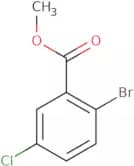
Formula:C15H10O2Purity:Min. 95%Color and Shape:PowderMolecular weight:222.24 g/mol2-Bromo-5-chlorobenzoic acid methyl ester
CAS:2-Bromo-5-chlorobenzoic acid methyl ester is a chemical compound that is a component of the perborate oxidant. This chemical reacts with hydrogen peroxide to produce water, oxygen, and 2-bromo-5-chlorobenzoic acid. It can also be used in cyclisation reactions to synthesise heterocyclic compounds. The reaction mechanism for this process involves the formation of an unstable intermediate that spontaneously breaks down into two bromine atoms and one carbon atom. This process is catalyzed by metal ions such as copper, silver, and zinc. 2-Bromo-5-chlorobenzoic acid methyl ester has been used as an intermediate in the synthesis of homologues of ribonucleotide reductase.Formula:C8H6BrClO2Purity:Min. 95%Color and Shape:PowderMolecular weight:249.49 g/mol2-(2-Nitrophenoxy)acetic acid
CAS:2-(2-Nitrophenoxy)acetic acid (NPAA) is a molecule that has been found in plants of the genus Balanites. It has been shown to be an intramolecular hydrogen bond acceptor, which may contribute to its chemical structure and stability. NPAA has also been shown to have a constant pKa value of 4.7, which means it is slightly acidic. NPAA is used as an industrial process sample preparation agent and can be synthesized by reacting phenol with nitric acid.
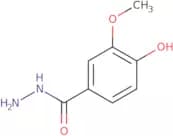
Formula:C8H7NO5Molecular weight:197.14 g/molVanillic acid hydrazide
CAS:Vanillic acid hydrazide is a multinuclear compound with condensation products. It has been shown to have antibacterial, anticancer and skeleton-related properties. Vanillic acid hydrazide is able to bind to the 4-hydroxybenzoic acid and introduce it into the cell in order to inhibit the synthesis of fatty acids. This compound also inhibits the growth of cancer cells by preventing their proliferation and proliferation by binding to DNA. Vanillic acid hydrazide may also bind to fatty acids on cell membranes, which would lead to a decrease in membrane fluidity and increase in membrane permeability, leading to cell death.
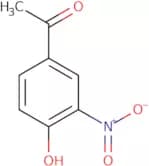
Formula:C8H10N2O3Purity:Min. 95%Color and Shape:PowderMolecular weight:182.18 g/mol4'-Hydroxy-3'-nitroacetophenone
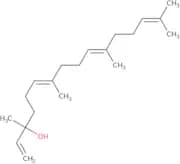
CAS:4'-Hydroxy-3'-nitroacetophenone is a synthetic compound that has been used as an xanthine oxidase inhibitor. It has been shown to reversibly inhibit xanthine oxidase and prevent the accumulation of toxic metabolites that are produced by this enzyme. 4'-Hydroxy-3'-nitroacetophenone also inhibits the activities of other enzymes, such as covalent adducts with protein molecules and transfer reactions. The molecular modeling study of this compound showed that it binds to the active site of xanthine oxidase, forming a covalent adduct between the reactive oxygen species (ROS) and the phenolic OH group on the inhibitor molecule. 4'-Hydroxy-3'-nitroacetophenone was found to be safe in clinical studies, with reversible covalent binding and no inhibition of protein synthesis or cell growth at therapeutic concentrations.Formula:C8H7NO4Purity:Min. 95%Color and Shape:PowderMolecular weight:181.15 g/molGeranyl linalool
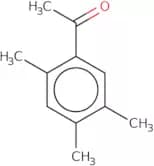
CAS:Geranyl linalool is a monoterpene that is found in plants. It has been shown to have significant cytotoxicity against some cancer cell lines and may be useful in the treatment of cancer. Geranyl linalool also displays antibacterial, antifungal, and antiviral properties. Geranyl linalool is soluble in organic solvents such as methanol and ethanol, but insoluble in water. The chemical ionization mass spectrum of geranyl linalool has been observed to produce water-vapor ions at m/z 94 and 95 with a retention time of 12.5 minutes. The molecular weight of geranyl linalool is 152 g/mol and it has a ph optimum between 5-8.Formula:C20H34OPurity:Min. 95%Color and Shape:Clear LiquidMolecular weight:290.48 g/mol(2',4',5'-Trimethyl)acetophenone
CAS:2,4,5-Trimethylacetophenone is a versatile building block used in the synthesis of complex compounds and research chemicals. It is a high quality chemical that can be used as a reagent or speciality chemical. 2,4,5-Trimethylacetophenone is also an intermediate for the synthesis of other useful compounds. This compound can be used as a reaction component to synthesize various types of scaffolds.
Formula:C11H14OPurity:Min. 95%Color and Shape:Clear LiquidMolecular weight:162.23 g/mol(1R,2R,3S,5R)-Pinanediol pyrrolidine-2S-boronate hydrochloride
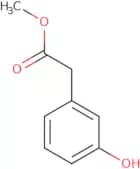
CAS:(1R,2R,3S,5R)-Pinanediol pyrrolidine-2S-boronate hydrochloride is a reagent that can be used in the synthesis of complex compounds. It is a fine chemical with CAS No. 149716-73-4. (1R,2R,3S,5R)-Pinanediol pyrrolidine-2S-boronate hydrochloride has a number of uses including as an intermediate for the preparation of speciality chemicals and as a building block for reactions in research. This compound is also useful as a versatile building block for many reactions.Formula:C14H25BClNO2Purity:Min. 95%Color and Shape:PowderMolecular weight:285.62 g/mol(3-Hydroxyphenyl)acetic acid methyl ester
CAS:(3-Hydroxyphenyl)acetic acid methyl ester is an allosteric inhibitor of the serotonin transporter (SERT), which is a target enzyme for many drugs. It has inhibitory activity against 5-HT1A receptors, and other targets that have not yet been elucidated. This compound has been shown to react with coumarin derivatives to form reaction products. The molecular modelling of this drug shows that its uptake is inhibited by the presence of acids, such as hydrochloric acid, in the environment. The rate of reaction between (3-hydroxyphenyl)acetic acid methyl ester and serotonin has been determined experimentally using kinetic data. Molecular modeling predicts that this compound will bind tightly to the SERT protein via hydrogen bonding interactions with amino acids in the binding site.
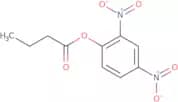
Formula:C9H10O3Purity:Min. 95%Color and Shape:Colorless PowderMolecular weight:166.17 g/mol2,4-Dinitrophenyl butyrate
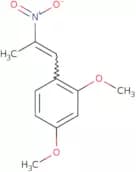
CAS:2,4-Dinitrophenyl butyrate is a plant-derived compound that belongs to the group of fatty acids. It has shown radical scavenging activity in a homogeneous assay and has been found to be a strong inhibitor of pancreatic lipase. 2,4-Dinitrophenyl butyrate has also been used as a marker for proteolytic enzymes and has been shown to have inhibitory effects on pancreatic lipase. This compound is not only useful for studying enzyme inhibition, but it can also be used as an ingredient in food products.Formula:C10H10N2O6Purity:Min. 98 Area-%Color and Shape:PowderMolecular weight:254.2 g/mol1-(2,4-Dimethoxyphenyl)-2-nitropropene
CAS:1-(2,4-Dimethoxyphenyl)-2-nitropropene is a versatile building block that can be used in the synthesis of a wide range of compounds. It is a high quality chemical with a CAS number of 15804-78-1. This compound has been used as an intermediate to synthesize other compounds such as 2-amino-3,5,6-trimethylbenzaldehyde and 1-(2,4-dimethoxyphenyl)-2-(pyrrolidin-1-yl)propene. The compound is also useful as a reagent for reaction components in organic chemistry and biochemistry.
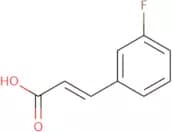
Formula:C11H13NO4Purity:Min. 95%Color and Shape:PowderMolecular weight:223.23 g/mol3-Fluorocinnamic acid
CAS:3-Fluorocinnamic acid is an organic compound that belongs to the class of amides. It reacts with metal ions such as copper, silver, or gold. 3-Fluorocinnamic acid has a constant boiling point and can be used in the preparation of cinnamic acid derivatives. 3-Fluorocinnamic acid also has redox potential and is used as a substrate in enzyme preparations. 3-Fluorocinnamic acid can be synthesized by hydrolysis of malonic acid and metal salts with hydrochloric acid, which then reacts with triticum aestivum. The product is purified by recrystallization from water. This compound inhibits the reaction that converts lactose into glucose and galactose, leading to the production of lactic acid from milk.
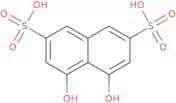
Formula:C9H7FO2Purity:Min. 98 Area-%Color and Shape:PowderMolecular weight:166.15 g/mol1,8-Dihydroxynaphthylene-3,6-disulfonic acid
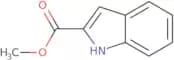
CAS:1,8-Dihydroxynaphthylene-3,6-disulfonic acid is a sulfonic acid that has been shown to be an effective biocide for wastewater treatment. It has the ability to form stable complexes with organic matter and is not readily degraded by chemical reactions. 1,8-Dihydroxynaphthylene-3,6-disulfonic acid has been shown to have a strong affinity for certain metals and can be used to remove them from wastewater. This compound is also able to form stable complexes with metal ions in solution, which leads to the removal of these metals from the water column. The optimum concentration of 1,8-dihydroxynaphthylene-3,6-disulfonic acid varies depending on the specific metal being targeted and ranges from 0.01% to 0.1%.Formula:C10H8O8S2Purity:Min. 95%Color and Shape:White PowderMolecular weight:320.3 g/molIndole-2-carboxylic acid methyl ester
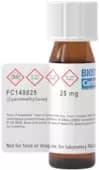
CAS:Indole-2-carboxylic acid methyl ester is a carbazole that can be synthesized from indole and hydrogen chloride. It has been shown to inhibit the production of β-amyloid, an important factor in the pathogenesis of Alzheimer’s disease. Indole-2-carboxylic acid methyl ester has also been shown to have inhibitory effects on ion-exchange, melatonin synthesis, and yields of aziridines. The affinity of indole-2-carboxylic acid methyl ester for aldehydes was found to be very high. It is also able to cross the blood brain barrier into the brain and has been shown to be effective against pancreatic cancer cells in vitro.Formula:C10H9NO2Purity:Min. 95%Color and Shape:Slightly Brown PowderMolecular weight:175.18 g/mol(Cyanomethyl)urea
CAS:Cyanomethyl)urea is a fine chemical that belongs to a class of compounds known as ureas. It is used as a versatile building block in the synthesis of more complex compounds, as a research chemical and as an intermediate. It can be used to synthesize pharmaceuticals, pesticides, and other chemicals. Cyanomethyl)urea is used in the production of polyurethane foams, which are commonly found in mattresses, furniture upholstery and insulation.
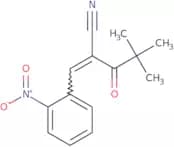
Formula:C3H5N3OPurity:Min. 95%Color and Shape:Brown PowderMolecular weight:99.09 g/mol2-(2,2-dimethylpropanoyl)-3-(2-nitrophenyl)prop-2-enenitrile
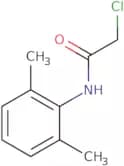
CAS:Please enquire for more information about 2-(2,2-dimethylpropanoyl)-3-(2-nitrophenyl)prop-2-enenitrile including the price, delivery time and more detailed product information at the technical inquiry form on this pagePurity:Min. 90%2-Chloro-2',6'-dimethylacetanilide
CAS:2-Chloro-2',6'-dimethylacetanilide is a synthetic drug that is used as an intermediate for the manufacture of diazepam. It has been shown to be effective in reducing the severity of symptoms and mortality rate of patients with severe influenza, also known as "pandemic flu". This compound has been shown to be effective in protecting animals from the effects of carbon monoxide poisoning. It has also been used in medicines such as covid-19, which is used for the treatment of Parkinson's disease. 2-Chloro-2',6'-dimethylacetanilide can be found in a number of other pharmaceuticals, such as antidepressants and antibiotics.Formula:C10H12ClNOPurity:Min. 95%Color and Shape:White PowderMolecular weight:197.66 g/mol(R)-BoroLeu-(+)-pinanediol-trifluoroacetate
CAS:(R)-BoroLeu-(+)-pinanediol-trifluoroacetate is a complex compound with CAS No. 179324-87-9 and can be used as a reagent, useful intermediate, or fine chemical. It is a versatile building block that can be used in the synthesis of speciality chemicals, research chemicals, and reaction components. This compound has been reported to be a useful scaffold for the synthesis of novel compounds that could have applications in medicine, such as anti-cancer drugs and antibiotics.Formula:C17H29BF3NO4Color and Shape:White Off-White PowderMolecular weight:379.22 g/molN-(1-Naphthyl)phthalamic acid
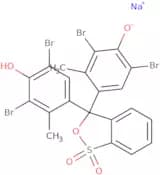
CAS:N-(1-Naphthyl)phthalamic acid (NPA) is a plant growth regulator that is used to increase the yield and quality of crops. It inhibits the production of ethylene, which is a plant hormone responsible for fruit ripening and senescence. NPA also has been shown to affect the levels of fatty acids in plants. The effects of NPA on mitochondrial cytochrome P450 enzymes have been studied using electrochemical impedance spectroscopy (EIS). This study showed that NPA can inhibit the activity of these enzymes, which may be due to its ability to bind to them or alter their structure.Formula:C18H13NO3Purity:Min. 95%Color and Shape:Light (Or Pale) Purple To Purple SolidMolecular weight:291.3 g/molBromocresol green, sodium salt
CAS:Bromocresol green is a dye that is used in biological assays to measure the kinetics of fluorescence. It is a type of tryptophan-releasing compound that releases a yellowish-green light when it absorbs light at wavelengths between 350 and 450 nm. Bromocresol green has been quantified by measuring the intensity of the fluorescence emission as a function of time. This can be done visually or using an instrument called a fluorometer, which detects changes in light intensity over time. Bromocresol green can be used to detect the presence of amino acid residues in proteins through protonation reactions with their tryptophan residues and subsequent quenching with acetonitrile. The bromocresol green dye is also used in lithographic printing, where it serves as an acceptor for electrons from an arene (aromatic hydrocarbon). This process generates energy for lithography and also provides contrast between regions with different electron densities.
Formula:C21H14Br4O5SNaColor and Shape:PowderMolecular weight:721 g/molRivastigmine hydrochloride
CAS:Controlled ProductAcetylcholinesterase and butyrylcholinesterase inhibitor
Purity:Min. 95%2-Naphthyl myristate
CAS:2-Naphthyl myristate is a proteolytic enzyme that hydrolyzes proteins. It has been shown to have lipolytic and phosphatase activities. The enzyme is active at a wide range of pH values, from 4.0 to 8.0, and can be inhibited by sodium taurocholate, which inhibits pancreatic lipase activity. 2-Naphthyl myristate has been used for the diagnosis of pancreatitis in humans, as it increases serum amino acid levels in patients with this condition. 2-Naphthyl myristate is an amidase that cleaves amide bonds and degrades proteins into amino acids. It also has an esterase activity that converts long chain fatty acids to their corresponding acid or alcohol form. The enzyme was first isolated from the genus Mycobacterium but has since been found in other genera such as Clostridium perfringens and Bacillus cereus.
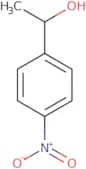
Formula:C24H34O2Purity:Min. 95%Color and Shape:PowderMolecular weight:354.53 g/mol4-Nitrophenylmethylcarbinol
CAS:4-Nitrophenylmethylcarbinol is a nitro compound that has been isolated from the nitration of 4-nitrophenol. It is used as a reagent to synthesize β-unsaturated ketones. The inhibitory effect of 4-nitrophenylmethylcarbinol is due to the presence of two nitro groups and one methyl group on its structure. This compound has been shown to have an inhibitory effect on glucose 6-phosphate dehydrogenase, which functions in cellular respiration by catalyzing the conversion of glucose 6-phosphate to glucose 1,6-bisphosphate. The inhibition of this enzyme leads to a reduction in the formation of ATP and NADPH, which are essential for cell growth. 4-Nitrophenylmethylcarbinol also has reductase activities that allow it to reduce phosphotriesters (e.g., DNA) and dehydrogenase deficiency (e.g., py
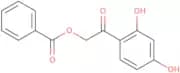
Formula:C8H9NO3Purity:Min. 95%Color and Shape:Orange Clear LiquidMolecular weight:167.16 g/molω-Benzoyloxy resacetophenone
CAS:Omega-benzoyloxy resacetophenone (OBOP) is a high quality reagent that is used as a building block for the synthesis of complex compounds. OBOP can be used as an intermediate for the production of fine chemicals and research chemicals. It is also a versatile building block that can be used in reactions to produce speciality chemicals. OBOP is soluble in most organic solvents and has a melting point of 140-142 degrees Celsius. The chemical formula for OBOP is C14H14O3.
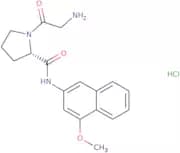
Formula:C15H12O5Purity:Min. 95%Color and Shape:PowderMolecular weight:272.25 g/molGly-pro-4-methoxy-β-naphthylamide hydrochloride
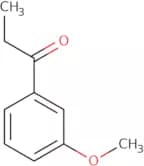
CAS:Gly-pro-4-methoxy-β-naphthylamide hydrochloride is a fine chemical that is useful as a versatile building block and intermediate. It is a research chemical that has been used in the production of other compounds, such as drugs, pesticides, and dyes. This compound is also used to synthesize certain polymers and plastics. Gly-pro-4-methoxy-β-naphthylamide hydrochloride has CAS number 100929-90-6, but it can be found under many other names including 4-(2′,5′dimethylphenyl)-1-(2′hydroxyethyl)piperazine (CAS 105999).Formula:C18H22ClN3O3Purity:Min. 95 Area-%Color and Shape:PowderMolecular weight:363.84 g/mol3'-Methoxypropiophenone
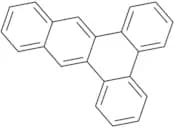
CAS:3'-Methoxypropiophenone is an acylating agent that is used in the synthesis of racemic and optically active phenylacetic acids. It can be prepared by the reaction of ketones with methoxypropiolic acid, which is catalyzed by a base such as sodium ethoxide. 3'-Methoxypropiophenone also has been shown to undergo transformation reactions with hydrogenolysis and salt formation. The deprotection step involves removal of a protective group such as dimethylamine or diastereomer.Formula:C10H12O2Purity:Min. 95%Color and Shape:PowderMolecular weight:164.2 g/mol1,2,3,4-Dibenzanthracene
CAS:1,2,3,4-Dibenzanthracene is a polycyclic aromatic hydrocarbon that is used as a fluorescent probe in fluorescence spectrometry. 1,2,3,4-Dibenzanthracene is a substrate for cytochrome P450 enzymes. The rate of metabolism is dependent on the enzyme concentration and the pH. 1,2,3,4-dibenzanthracene has been shown to inhibit protein synthesis in rat liver microsomes and hamster V79 cells. It also binds to hematopoietic cells through receptor binding and inhibits DNA synthesis by interacting with nitrogen atoms.
Formula:C22H14Purity:Min. 95%Color and Shape:PowderMolecular weight:278.35 g/mol2-Nitrophenylhydrazine
CAS:2-Nitrophenylhydrazine is a drug that is used as an anti-inflammatory agent. It is a nonsteroidal anti-inflammatory drug (NSAID) that acts by blocking the production of prostaglandins in the body, preventing inflammation and pain. 2-Nitrophenylhydrazine can be used to treat conditions such as arthritis, gout, and rheumatoid arthritis. This drug also has the ability to remove organic contaminants from water. 2-Nitrophenylhydrazine binds with fatty acids in wastewater treatment plants, forming an insoluble complex that precipitates out of solution. The compound inhibits the activity of hydrogen bond and methyl ethyl groups, which are needed for the biosynthesis of polyunsaturated fatty acids like phytanic acid and diphenyl ether.
Formula:C6H7N3O2Purity:Min. 95%Color and Shape:PowderMolecular weight:153.14 g/molTyrosinase
CAS:Copper-containing enzyme that catalyzes the first step in the synthesis of melanin
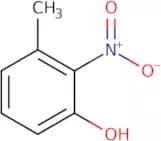
Color and Shape:Powder3-Methyl-2-nitrophenol
CAS:3-Methyl-2-nitrophenol is a hydroxy group that contains a reactive methylene group. It has been shown to be formed by the reaction of nitric acid with alcohols or amines. The rate of formation is influenced by the steric interactions and intramolecular hydrogen bonds present in the reactants. 3-Methyl-2-nitrophenol can react with other molecules to form various reaction products, such as 2-methylphenol, nitrobenzene, and picric acid. 3-Methyl-2-nitrophenol also has phytotoxic properties, which may be due to its ability to inhibit root growth and chlorophyll production in plants.Formula:C7H7NO3Purity:Min. 95%Molecular weight:153.14 g/mol4,5-Dihydronaphtho[1,2-d][1,3]thiazol-2-amine
CAS:Please enquire for more information about 4,5-Dihydronaphtho[1,2-d][1,3]thiazol-2-amine including the price, delivery time and more detailed product information at the technical inquiry form on this pageFormula:C11H10N2SPurity:Min. 95%Molecular weight:202.28 g/molSimvastatin hydroxy acid ammonium salt
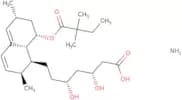
CAS:Simvastatin is a hydrated, acylated statin that is used as a lipid-lowering drug. It inhibits HMG-CoA reductase, an enzyme that plays a central role in cholesterol biosynthesis. The reaction solution can be activated by mixing with an acyltransferase and the desired acyl group. Simvastatin has a toxicity profile that includes myopathy, rhabdomyolysis, and liver failure. Simvastatin also inhibits lipoprotein lipase and prevents the hydrolysis of triglycerides to fatty acids and glycerol. This leads to reduced levels of low-density lipoproteins (LDLs) and increased levels of high-density lipoproteins (HDLs). Simvastatin is converted into an amide form by enzymatic cleavage, which may lead to metabolic inhibition.Formula:C25H43NO6Purity:Min. 98 Area-%Color and Shape:White PowderMolecular weight:453.61 g/mol4-Methylphenylnitropropene
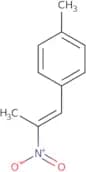
CAS:4-Methylphenylnitropropene is a psychostimulant drug that has been shown to have a high binding affinity for dopamine transporters. It is also known to increase the level of dopamine in the synaptic cleft and can be used as a research tool for understanding the function of dopamine in neuronal synapses. 4-Methylphenylnitropropene has been shown to cause an increase in locomotor activity and is able to induce euphoria when administered to rats. This drug is not thought to cause any physical dependence, although it may lead to psychological dependence.
Formula:C10H11NO2Purity:Min. 95%Color and Shape:PowderMolecular weight:177.2 g/mol4-Hydroxy-7-methylamino-2-naphthalenesulfonicacid
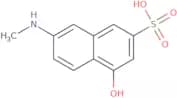
CAS:4-Hydroxy-7-methylamino-2-naphthalenesulfonic acid is used as a diazo dye in the textile industry. This compound is used to produce diazotization and then cyanuric chloride by the reaction of 4-hydroxy-7-methylamino-2-naphthalenesulfonic acid with sodium nitrite and hydrochloric acid. The condensate from this reaction is dissolved in an alkaline solution, which reacts with sodium bicarbonate to produce a reactive physicochemical substance that can be used for dyeing fabrics.Formula:C11H11NO4SPurity:Min. 96 Area-%Color and Shape:Slightly Brown PowderMolecular weight:253.28 g/mol2,6-Di-tert-butyl-p-cresol
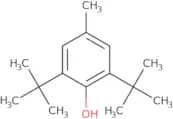
CAS:2,6-Di-tert-butyl-p-cresol (BPC) is a phenolic compound that has been shown to scavenge anion radicals. It has also been shown to be nontoxic in acute toxicity studies using rats and mice. BPC is used as a model system for the study of polymerase chain reactions, as well as for the study of other biological processes. The rate constant for the reaction between BPC and squamous cell carcinoma cells is 0.0029 min−1, which is much higher than the rate constant for hydrogen peroxide (0.0004 min−1).
Formula:C15H24OPurity:Min. 95%Color and Shape:White PowderMolecular weight:220.35 g/mol3’-Deoxy-3’-fluoro-6-thioinosine
CAS:Please enquire for more information about 3’-Deoxy-3’-fluoro-6-thioinosine including the price, delivery time and more detailed product information at the technical inquiry form on this page
Purity:Min. 95%Biotin-PEG4-propionic acid
CAS:Biotin-PEG4-propionic acid is a PEG compound with two different functional groups (also known as heterobifunctional). Unlike homobifunctional PEG compounds (same functional group on both ends), this type of compounds are more versatile as have two different anchor points. Biotin-PEG4-propionic acid is used as a linker and spacer to add a PEG moiety, via pegylation (a bioconjugation technique) to proteins, peptides, oligonucleotides, small molecules and nanoparticles.Formula:C21H37N3O8SPurity:Min. 95%Color and Shape:PowderMolecular weight:491.6 g/mol1,6-Dihydroxy-naphthalene
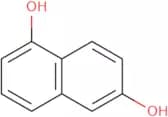
CAS:1,6-Dihydroxy-naphthalene is a fluorescent compound that has been used as a cross-linking agent for proteins and as an analytical method for determining the concentration of naphthalene. It has been shown to inhibit protein synthesis by acting as an enzyme inhibitor, preventing the formation of peptide bonds in the ribosome. 1,6-Dihydroxy-naphthalene also has cationic surfactant properties and inhibits the growth of bacteria by binding to bacterial 16S ribosomal RNA, inhibiting protein synthesis. The chemical diversity of this molecule is due to intramolecular hydrogen bonding between its two hydroxyl groups. This bond can be broken by amines such as amino acids or ammonia, which are found in proteins.Formula:C10H8O2Purity:Min. 98 Area-%Color and Shape:White Green PowderMolecular weight:160.17 g/mol










![4,5-Dihydronaphtho[1,2-d][1,3]thiazol-2-amine](/_next/image/?url=https%3A%2Fstatic.cymitquimica.com%2Fproducts%2F3D%2Fthumb-webp%2FFD127118.webp&w=3840&q=75)