Pharmaceutical Standards
Pharmaceutical standards are a comprehensive set of reference materials essential for ensuring the safety, efficacy, and quality of pharmaceutical products. This category includes standards for active pharmaceutical ingredients (APIs), which are the core components responsible for therapeutic effects. Additionally, it covers compounds and metabolites relevant to both the pharmaceutical and veterinary industries, providing benchmarks for the accurate measurement and analysis of these substances. Nitrosamine control standards are crucial for detecting and mitigating potentially harmful nitrosamines in drug formulations. Toxicology standards help assess the safety and potential adverse effects of pharmaceutical compounds. Furthermore, enzyme activators and inhibitors standards are vital for research and development, enabling precise studies of biochemical pathways and drug mechanisms. These pharmaceutical standards are indispensable tools for regulatory compliance, quality control, and research, ensuring that pharmaceutical products meet stringent safety and effectiveness criteria.
Subcategories of "Pharmaceutical Standards"
- APIs for research and impurities(274,823 products)
- Enzyme Activators and Inhibitors(2,827 products)
- Nitrosamines(2,605 products)
- Pharmaceutical and Veterinary Compounds and Metabolites(2,869 products)
- Toxicology(13,652 products)
Found 7836 products of "Pharmaceutical Standards"
Sort by
Purity (%)
0
100
|
0
|
50
|
90
|
95
|
100
rec Oncostatin M (human)
CAS:<p>Please enquire for more information about rec Oncostatin M (human) including the price, delivery time and more detailed product information at the technical inquiry form on this page</p>Purity:Min. 95%D-(+)-Camphoric acid
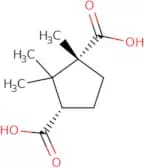
CAS:<p>D-(+)-Camphoric acid is a chiral compound that has been synthesized and studied for its anticancer activity. It was found to be effective against cancer cells in the presence of metal cations, such as copper, nickel, and zinc. D-(+)-Camphoric acid can be used as a test compound to investigate the mechanism of action of drugs that target the lysosomal membrane. It is also useful in determining homochirality by x-ray diffraction studies. This compound has been shown to have an adsorption kinetic behaviour that is dependent on pH and ionic strength, which can be determined by luminescence experiments. D-(+)-Camphoric acid is an enantiopure chemical with a reaction time of 5 minutes at room temperature and is available in crystalline form. The crystal x-ray diffraction data for this compound has been published and it exhibits anticancer activity.</p>Formula:C10H16O4Color and Shape:White PowderMolecular weight:200.23 g/molBenzylurea
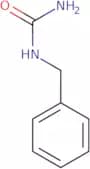
CAS:Benzylurea is a synthetic peptide hormone that is used in the treatment of bladder disorders. It has been shown to have therapeutic potential for autoimmune diseases, such as multiple sclerosis, and may be useful in the treatment of Parkinson's disease. Benzylurea is also used as a diagnostic agent in the detection of adenosine A3 receptors and nitric oxide synthase (NOS), which may be present in patients with inflammatory bowel disease. This drug has high chemical stability, low water permeability, and binding affinity for the oxytocin receptor. It can also inhibit binding to the nitro group and carbonyl group.Formula:C8H10N2OPurity:Min. 95%Molecular weight:150.18 g/molγ-Carotene
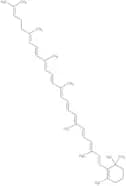
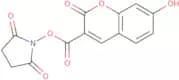
CAS:Gamma-carotene is a polycarboxylic acid that is a major food component. It has been shown to have neuroprotective effects in the brains of mice and may be important for the prevention of dementia. Gamma-carotene is found in plants, where it acts as a photosynthetic pigment, absorbing light energy and converting it into chemical energy. It also functions as an antioxidant, which protects cells from damage by free radicals. The biosynthesis of gamma-carotene starts with geranylgeranyl diphosphate (GGDP), which is then converted to phytoene by phytoene synthase. This reaction involves removal of two hydrogen atoms from GGDP, followed by the addition of two acetate groups. The next step in the pathway is conversion to lycopene by lycopene cyclase, and finally to beta-carotene by beta-carotenoid dehydrogenase.Formula:C40H56Purity:Min. 95%Color and Shape:Dark Red SolidMolecular weight:536.87 g/mol7-Hydroxycoumarin-3-carboxylic N-succinimidylester
CAS:<p>7-Hydroxycoumarin-3-carboxylic acid N-succinimidylester is a fluorescent probe that is used to monitor the distribution of molecules in cells. It is used as a molecular imaging agent and has been used to image tissues in living animals. This probe can be detected by fluorescence microscopy and confocal microscopy, which are techniques that use light at specific wavelengths to detect the presence of this compound. The emission spectrum of 7-hydroxycoumarin-3-carboxylic acid N-succinimidylester varies depending on its environment, with a maximum emission wavelength of 640 nm when it is in acidic conditions and a maximum emission wavelength of 650 nm when it is in basic conditions.</p>Formula:C14H9NO7Purity:Min. 95%Molecular weight:303.22 g/mol3'-Bromo-4'-fluoro-β-methyl-β-nitrostyrene
CAS:<p>3'-Bromo-4'-fluoro-beta-methyl-beta-nitrostyrene is a chemical compound with the molecular formula C9H5BrFN2O. It can be used as an intermediate in the synthesis of other chemical compounds. 3'-Bromo-4'-fluoro-beta-methyl-beta-nitrostyrene can also be used to produce research chemicals, speciality chemicals, and complex compounds. This compound has a high quality and is useful for research purposes.</p>Formula:C9H7BrFNO2Purity:Min. 95%Color and Shape:PowderMolecular weight:260.06 g/molCefprozil EP impurity C
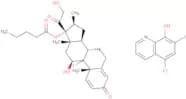
CAS:<p>Cefprozil EP impurity C is a fine chemical and research chemical. It is a versatile building block that can be used in the synthesis of various compounds, such as novel antibiotics, anti-cancer agents, and other pharmaceuticals. This compound is a useful intermediate that may be used to produce speciality chemicals such as pharmaceuticals, agrochemicals, or polymers. Cefprozil EP impurity C has been shown to react with amines to form ureas.</p>Formula:C11H11N3O3Purity:Min. 95%Color and Shape:Yellow PowderMolecular weight:233.22 g/mol(11β,16β)-9-Fluoro-11,21-dihydroxy-16-methyl-17-((1-oxopentyl)oxy)-Pregna-1,4-diene-3,20-dione mixt. with 5-chloro-7-iodo-8-qu inolinol
CAS:Controlled Product<p>Clioquinol is a topical corticosteroid that is used to treat skin disorders such as pemphigoid, psoriasis, and eczema. It is also used to treat the inflammation associated with acne. Clioquinol has been shown to be effective in treating bacterial infections of the skin by inhibiting the growth of bacteria. This drug also has anti-inflammatory properties and can be used for the treatment of various inflammatory skin conditions. Clioquinol is not absorbed through the skin and does not affect the blood's ability to clot.</p>Formula:C36H42ClFINO7Purity:Min. 95%Molecular weight:782.08 g/molL-Asparagine methyl ester hydrochloride
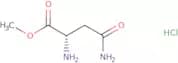
CAS:L-Asparagine methyl ester hydrochloride is a pediatric drug that is used in the treatment of oral mucositis, which is a side effect of chemotherapy. L-Asparagine methyl ester hydrochloride can be administered by mouth, and provides relief for patients with mucosal ulceration, pain or discomfort. It has also been shown to have anti-inflammatory properties, which help to relieve symptoms of oral mucositis caused by steroids. In addition it has been shown to prevent the development of lymphoblastic leukemia in mice. L-Asparagine methyl ester hydrochloride inhibits the growth of cancer cells through its effects on lymphocytes and lymphoblasts.Formula:C5H10N2O3·HClPurity:Min. 95%Color and Shape:PowderMolecular weight:182.61 g/mol4'-Hydroxy-2'-methylacetophenone
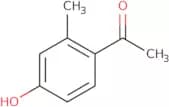
CAS:<p>4'-Hydroxy-2'-methylacetophenone is a synthetic sesquiterpene lactone that is used in cosmetics and as an active ingredient in skin care products. This compound has been shown to have medicinal values, with the ability to inhibit the growth of bacteria, fungi, and viruses. It also has carbon tetrachloride (CCl) solubilizing properties and can be used for fatty acid analysis. 4'-Hydroxy-2'-methylacetophenone is available as a sample preparation reagent for gas chromatography. The chemical composition of this compound includes a hydroxy group, which may be important for its biological activity. A linear regression analysis on the inhibitory concentration values showed that this compound has an IC50 value of 2.6 µg/mL.</p>Formula:C9H10O2Purity:Min. 95%Color and Shape:Off-White Clear LiquidMolecular weight:150.17 g/molD-erythro-Sphingosine (sulfate)
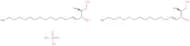
CAS:<p>Protein kinase C inhibitor in platelets</p>Formula:C18H37NO2H2SO4Purity:Min. 95%Color and Shape:White To Off-White SolidMolecular weight:348.53 g/molCholesterol oleyl carbonate
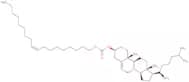
CAS:Controlled Product<p>Cholesterol oleyl carbonate is a triazine compound with an asymmetric carbon atom. It has been shown to be effective in inhibiting the proliferation of human osteosarcoma cells and myeloid leukemia cells, as well as other cell lines. Cholesterol oleyl carbonate also has anti-inflammatory properties, which may be due to its inhibition of prostaglandin synthesis.</p>Formula:C46H80O3Purity:Min. 95%Color and Shape:PowderMolecular weight:681.13 g/molPerinaphthenone
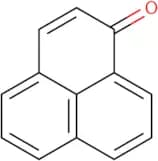
CAS:<p>Perinaphthenone is a potent inducer of the benzalkonium chloride-resistant (BAR) phenotype. It is an antimicrobial agent that acts by inhibiting the polymerase chain reaction (PCR), which is essential for DNA replication. The mechanism of action of perinaphthenone involves hydroxyl group transfer reactions, which are responsible for its potent inducers of BAR. In addition, perinaphthenone has been shown to inhibit mitochondrial membrane potential and reactive oxygen species generation in human neutrophils, making it a promising drug candidate for infectious diseases. <br>The high values achieved by this molecule suggest that it may be useful as a model system to study the molecular basis of antimicrobial resistance.</p>Formula:C13H8OPurity:Min. 95%Molecular weight:180.2 g/mol4-Ethoxycinnamic acid
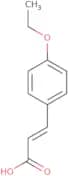
CAS:<p>4-Ethoxycinnamic acid is a phenolic compound that is found in many plants and fruits. It has been shown to have bioactivities such as anti-inflammatory, anti-allergic, and anticancer activities. 4-Ethoxycinnamic acid has been shown to inhibit tyrosinase activity by interacting with the enzyme's active site. This inhibition reduces the production of melanin, which may be due to its ability to inhibit dopamine oxidation or the conversion of dopachrome into dopaquinone. 4-Ethoxycinnamic acid also inhibits prolyl hydroxylase activity, which can lead to increased collagen synthesis and reduced inflammation.</p>Formula:C11H12O3Purity:Min. 95%Color and Shape:PowderMolecular weight:192.21 g/molL-Pyroglutamic acid-beta-naphthylamide
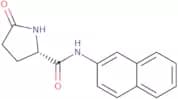
CAS:<p>L-Pyroglutamic acid-beta-naphthylamide is a cell nucleus pressor that has been shown to stimulate locomotor activity in rats. It is a highly selective agonist at the 5-HT2 receptor, which is involved in the regulation of energy metabolism and feeding behaviour. L-Pyroglutamic acid-beta-naphthylamide also stimulates cholinergic and serotonergic systems. This drug also inhibits bacterial growth by binding to the receptor site on bacterial cell nuclei, thereby preventing DNA synthesis and locomotor activity. L-Pyroglutamic acid-beta-naphthylamide is an antimicrobial agent that can be used to treat infections caused by bacteria resistant to erythromycin. The antimicrobial effect of this drug is due to its ability to bind to the receptor site on bacterial cell nuclei, thereby preventing DNA synthesis and locomotor activity.</p>Formula:C15H14N2O2Purity:Min. 98 Area-%Color and Shape:White PowderMolecular weight:254.28 g/molDirect Red 16
CAS:Direct Red 16 is a dye that reacts with acids to form an intensely red compound. It is used in research and as a reagent for the production of other dyes. Direct Red 16 is also used as a building block in the synthesis of complex molecules, such as pharmaceuticals and dyes.Formula:C26H17N5Na2O8S2Purity:Min. 95%Molecular weight:639.57 g/mol1,8-Naphthalic anhydride
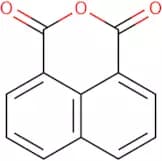
CAS:<p>1,8-Naphthalic anhydride is a potent inducer of dinucleotide phosphate (NADPH), which is important for the biosynthesis of fatty acids, proteins and carbohydrates. It also inhibits the enzyme activities of both antimicrobial agents and infectious diseases. 1,8-Naphthalic anhydride has been shown to be effective against solid tumours in treatment trials. This drug may lead to neuronal death by inhibiting ATP production in the mitochondria. The x-ray crystal structure shows that this drug binds to NADPH and water molecules in the active site of the enzyme, forming a covalent bond with NADPH. 1,8-Naphthalic anhydride has also been shown to have anti-inflammatory properties due to its ability to inhibit toll-like receptor 4 signaling pathways.</p>Formula:C12H6O3Purity:Min. 98 Area-%Color and Shape:Off-White PowderMolecular weight:198.17 g/molThevetiaflavone
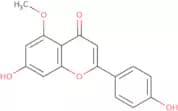
CAS:Thevetiaflavone is a bioactive phytochemical that is found in Thevetia peruviana, a plant native to South America. This compound inhibits the activity of P-glycoprotein, which is an important protein for the transport of many drugs. Thevetiaflavone has been shown to increase mitochondrial membrane potential and inhibit neuronal death in fetal bovine brain cells, as well as protect against oxidative damage in rat brains. It also has anti-inflammatory properties and can reduce the uptake of acetate by inhibiting carthamus tinctorius (a type of yeast). Thevetiaflavone may be useful for treating ischemic brain damage.Formula:C16H12O5Purity:Min. 95%Color and Shape:PowderMolecular weight:284.26 g/molN-Butyroyl phytosphingosine
CAS:N-Butyroyl phytosphingosine is a versatile building block that is used in fine chemicals, cosmetics, and research. It is a complex compound with a variety of applications. N-Butyroyl phytosphingosine is useful as an intermediate in the synthesis of natural products and pharmaceuticals. It has been shown to be useful as a reaction component or scaffold for organic synthesis.Formula:C22H45NO4Purity:Min. 95%Color and Shape:White PowderMolecular weight:387.6 g/molL-Aspartic acid
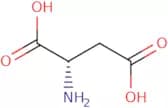
CAS:<p>L-Aspartic acid is an amino acid that plays a role in the biochemical reactions of energy metabolism. This amino acid is also important for the synthesis of proteins, such as enzymes and structural proteins. L-Aspartic acid is synthesized from oxaloacetate by transamination. It can also be synthesized from glutamate by the action of aspartate aminotransferase using pyridoxal phosphate as a cofactor. L-Aspartic acid has been shown to play a role in neuronal death, particularly in primary sclerosing cholangitis, and may have potential therapeutic use for this condition. L-Aspartic acid has been used as a model system to study polymerase chain reaction (PCR) methods and analytical methods in biochemistry research.</p>Formula:C4H7NO4Purity:Min. 95%Color and Shape:White Off-White PowderMolecular weight:133.1 g/mol1,2-Benzanthracene
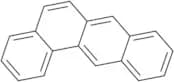
CAS:<p>1,2-Benzanthracene is a model system for the study of the biological properties of benzenes. It has been shown to have mitochondrial membrane potential and inhibitory effects on the activities of enzymes such as sodium carbonate transferase and phosphofructokinase. 1,2-Benzanthracene also inhibits the growth of mouse tumor cells in culture through interference with protein synthesis. 1,2-Benzanthracene has been shown to be a skin carcinogen in animals. It can be used as a fluorescent probe for detection of benzenes in environmental samples, including wastewater treatment plants.</p>Formula:C18H12Purity:Min. 95%Color and Shape:PowderMolecular weight:228.29 g/mol2,5-Dimethylbenzoic acid methyl ester
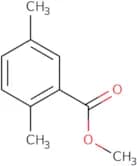
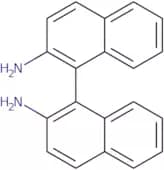
CAS:<p>2,5-Dimethylbenzoic acid methyl ester is an organic compound that belongs to the class of diketones. It is a crystalline solid with a melting point of about 120 °C. The compound is used for the synthesis of other chemicals and as a precursor to pharmaceuticals. 2,5-Dimethylbenzoic acid methyl ester can be produced by photocycloaddition, which involves uv irradiation and heat. This reaction produces two isomers: trans-2,5-dimethylbenzoic acid methyl ester and cis-2,5-dimethylbenzoic acid methyl ester. Trans-2,5-dimethylbenzoic acid methyl ester has been shown to undergo conformational change when heated to 120 °C, while cis-2,5-dimethylbenzoic acid methyl ester does not show this effect.</p>Formula:C10H12O2Purity:Min. 95 Area-%Color and Shape:PowderMolecular weight:164.2 g/mol(R)-(+)-2,2'-Diamino-1,1'-binaphthalene
CAS:<p>(R)-(+)-2,2'-Diamino-1,1'-binaphthalene is a diammonium salt that is synthesized from fatty acids. This molecule is used in the detection of cancer cells in tissue samples. (R)-(+)-2,2'-Diamino-1,1'-binaphthalene has been shown to be an effective agent against cancer cells and can be used as a diagnostic tool for tissues with cancer cells. The mechanism of action of (R)-(+)-2,2'-Diamino-1,1'-binaphthalene is not yet clear; however it may involve intramolecular hydrogen transfer reactions or coordination chemistry.</p>Formula:C20H16N2Purity:Min. 98 Area-%Color and Shape:White PowderMolecular weight:284.35 g/mol2'-Cyano-4-(dibromomethyl)biphenyl
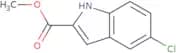
CAS:<p>2'-Cyano-4-(dibromomethyl)biphenyl is a reactive component that belongs to the group of speciality chemicals. It can be used as a building block in organic synthesis and as an intermediate in the production of fine chemicals. 2'-Cyano-4-(dibromomethyl)biphenyl has been used for the synthesis of various complex compounds, such as an anti-inflammatory drug, an anti-diabetic drug, and a chemotherapeutic agent.</p>Formula:C14H9Br2NPurity:Min. 97 Area-%Color and Shape:Off-White PowderMolecular weight:351.04 g/mol5-Chloroindole-2-carboxylic acid methyl ester
CAS:5-Chloroindole-2-carboxylic acid methyl ester is a potent inhibitor of the enzyme tyrosine kinase in cell culture, with an IC50 value of 0.5 nM. It has been shown to inhibit the growth of cancer cells (e.g., MDA-MB231, MCF-7) in vitro and in vivo. The IC50 values for inhibition of MDA-MB231 and MCF-7 cells are 0.1 and 10 nM, respectively. 5-Chloroindole-2-carboxylic acid methyl ester binds to the ATP binding site on tyrosine kinase, preventing ATP from binding and inhibiting phosphorylation of the receptor protein. This allows the receptor's downstream signaling pathways to be blocked, which leads to cell growth inhibition by arresting cell cycle progression at G0/G1 phase or inducing apoptosis.Formula:C10H8ClNO2Purity:Min. 95%Molecular weight:209.63 g/molFmoc-L-homotyrosine
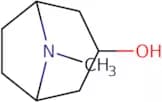
CAS:<p>Fmoc-L-homotyrosine is a tyrosine kinase inhibitor. Tyrosine kinases are enzymes that catalyze the transfer of phosphate groups from ATP to tyrosine residues in proteins, which play a role in many cellular processes. Fmoc-L-homotyrosine binds to the ATP binding site in the active site of these enzymes, preventing phosphorylation and thus preventing protein function. This compound has been shown to inhibit neurotensin receptors in vitro and has also been shown to be an endogenous ligand for this receptor. Fmoc-L-homotyrosine binds to allosteric sites on the neurotensin receptor, causing conformational changes that activate transduction pathways and increase signaling. The mechanism of inhibition is not yet fully understood but is thought to be due to steric hindrance or allosteric binding.</p>Formula:C25H23NO5Purity:Min. 95%Molecular weight:417.45 g/molTropine
CAS:<p>Tropine is a natural alkaloid that is derived from plants in the Solanaceae family including Atropa belladonna and Hyoscyamus niger. Tropine has been shown to have a number of physiological effects, including receptor binding, enzyme activities, and physiological effects. It has been used as an analytical method for determining sodium citrate, nitrogen atoms, and ester linkages. Tropine also has a ph optimum of 9-10 which means it should be dissolved in acidic solutions or diluted with a buffer solution before use. The reaction mechanism of tropine is not yet known, but it has been shown to contain fatty acid groups that are intramolecularly hydrogenated.</p>Formula:C8H15NOPurity:Min. 95%Color and Shape:White PowderMolecular weight:141.21 g/mol3-(tert-butyl)-1-(4-nitrophenyl)indeno[2,3-d]pyrazol-4-one
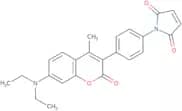
CAS:Please enquire for more information about 3-(tert-butyl)-1-(4-nitrophenyl)indeno[2,3-d]pyrazol-4-one including the price, delivery time and more detailed product information at the technical inquiry form on this pagePurity:Min. 95%7-Diethylamino-3-(4'-maleimidylphenyl)-4-methylcoumarin
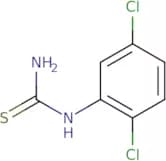
CAS:7-Diethylamino-3-(4'-maleimidylphenyl)-4-methylcoumarin is a fluorescent probe that can be used to measure the cytosolic calcium concentration. This probe binds to heparin, which is a positive ionic charge and has been shown to cause an increase in cytosolic calcium levels in cultured cells. 7-Diethylamino-3-(4'-maleimidylphenyl)-4-methylcoumarin has been used to successfully monitor changes in cytosolic calcium levels in response to pharmacological agents, such as the monoclonal antibody TNF-α. 7-Diethylamino-3-(4'-maleimidylphenyl)-4-methylcoumarin has also been used as a marker for tissue culture studies, where it was found that this molecule binds to the ryanodine receptor and alters its redox potential.Formula:C24H22N2O4Purity:Min. 95%Color and Shape:PowderMolecular weight:402.44 g/mol2,5-Dichlorophenylthiourea
CAS:<p>Please enquire for more information about 2,5-Dichlorophenylthiourea including the price, delivery time and more detailed product information at the technical inquiry form on this page</p>Purity:Min. 95%1,2-Naphthoquinone-4-sulfonic acid sodium salt
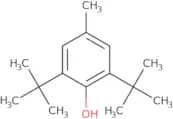
CAS:1,2-Naphthoquinone-4-sulfonic acid sodium salt is a fluorescent probe that reacts with the hydroxyl groups of amino acids and proteins. It has been used to measure glucose levels by injecting it into a living organism and examining the fluorescence emitted in response to an excitation wavelength. The redox potential of this molecule is -0.29 volts, which indicates that it is nucleophilic. 1,2-Naphthoquinone-4-sulfonic acid sodium salt can be used as a dye for labeling amines and other compounds with strong electron withdrawing groups. This compound is often used as a reagent in the synthesis of pharmaceutical preparations such as ceftriaxone. 1,2-Naphthoquinone-4-sulfonic acid sodium salt also reacts with hydrochloric acid to produce amines such as benzeneamine or ethylamine.Formula:C10H5O5S·NaPurity:Min. 98 Area-%Color and Shape:Yellow PowderMolecular weight:260.2 g/mol2,6-Di-tert-butyl-p-cresol
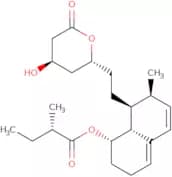
CAS:<p>2,6-Di-tert-butyl-p-cresol (BPC) is a phenolic compound that has been shown to scavenge anion radicals. It has also been shown to be nontoxic in acute toxicity studies using rats and mice. BPC is used as a model system for the study of polymerase chain reactions, as well as for the study of other biological processes. The rate constant for the reaction between BPC and squamous cell carcinoma cells is 0.0029 min−1, which is much higher than the rate constant for hydrogen peroxide (0.0004 min−1).</p>Formula:C15H24OPurity:Min. 95%Color and Shape:White PowderMolecular weight:220.35 g/molMevastatin
CAS:<p>Mevastatin is a drug that inhibits the synthesis of cholesterol and has been used to treat hypercholesterolemia. It binds to the hydroxyl group at position 3 on the mevalonate molecule, which prevents the formation of 3-hydroxy-3-methylglutaryl coenzyme A (HMG CoA) and consequently reduces the production of cholesterol. Mevastatin has been shown to inhibit mitochondrial functions in wild-type strain yeast cells and myeloma cell lines, which may be due to receptor activity. In addition, it has been shown to induce neuronal death in a polymerase chain reaction assay by inhibiting DNA synthesis.</p>Formula:C23H34O5Purity:Min. 95%Color and Shape:PowderMolecular weight:390.51 g/molFmoc-β-(7-methoxy-coumarin-4-yl)-Ala-OH
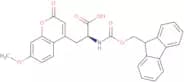
CAS:Fmoc-b-(7-methoxy-coumarin-4-yl)-Ala-OH is a reagent with the CAS No. 524698-40-6, which is used in organic synthesis. It is a versatile building block and useful intermediate that can be used to synthesize other organic compounds. Fmoc-b-(7-methoxy-coumarin-4-yl)-Ala-OH is also used as a reaction component in the synthesis of peptides and proteins, as well as in the preparation of polymers. It has been shown to be an effective building block for complex compounds.Formula:C28H23NO7Purity:Min. 95%Color and Shape:PowderMolecular weight:485.48 g/molFlutropium bromide
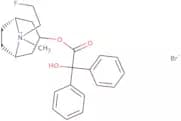
CAS:Flutropium bromide is an analog of the drug pergolide mesylate. It has been shown to be effective in treating symptoms of bowel disease, such as inflammatory bowel disease. Flutropium bromide inhibits enzymes, such as hydroxylase and oxidase, which are involved in the synthesis of various hormones. This inhibition leads to a decrease in the activity of cells that produce these hormones and may be responsible for its therapeutic effect. Flutropium bromide has also been shown to have occlusive properties and is used in bronchiolitis obliterans.Formula:C24H29BrFNO3Purity:Min. 95%Molecular weight:478.39 g/molRosuvastatin sodium
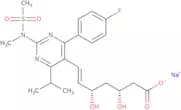
CAS:<p>Rosuvastatin sodium salt is a statin drug that inhibits the enzyme HMG-CoA reductase. It is used to lower cholesterol and triglyceride levels in the blood, and to prevent heart attacks and strokes. Rosuvastatin sodium salt has been shown to have anti-inflammatory activity in human liver cells, which may be due to its ability to suppress the release of proinflammatory cytokines. Rosuvastatin sodium salt has also been shown to have synergistic effects with other drugs such as desipramine hydrochloride in primary cells, which may be due to its ability to inhibit the activity of cytochrome P450 enzymes. This drug is metabolized by alkali hydrolysis into rosuvastatin acid, which is then converted into an active form by polymorphic esterases in the liver. The active form can then be hydrolyzed by plasma esterases into inactive metabolites.<br>Rosuvastatin sodium salt is a crystalline powder</p>Formula:C22H28FN3O6S•NaPurity:Min. 96 Area-%Color and Shape:White PowderMolecular weight:504.53 g/molβ-Pinene
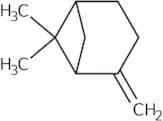
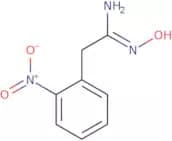
CAS:β-Pinene is a monoterpene that is found in many essential oils and has a variety of uses. It can be isolated from the acetate extract of pine needles or synthesized from pinene oxide. β-Pinene can also be synthesized by reacting caproic acid with sodium carbonate and phosphotungstic acid in the presence of cationic polymerization initiators, such as polyethylenimine, to form polymers. β-Pinene is used in the production of various chemical substances including particle boards, adhesives, varnishes, paints, lacquers, and resins. It has also been shown to have antiviral properties against herpes simplex virus.Formula:C10H16Purity:Min. 95%Color and Shape:Clear LiquidMolecular weight:136.23 g/mol1-(Hydroxyimino)-2-(2-nitrophenyl)ethylamine
CAS:<p>Please enquire for more information about 1-(Hydroxyimino)-2-(2-nitrophenyl)ethylamine including the price, delivery time and more detailed product information at the technical inquiry form on this page</p>Formula:C8H9N3O3Purity:Min. 95%Color and Shape:PowderMolecular weight:196.18 g/mol2-Amino-5-chloro-2'-fluorobenzophenone
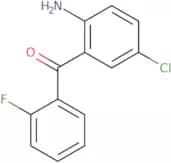
CAS:<p>2-Amino-5-chloro-2'-fluorobenzophenone is a phenoxazine that has been used as an analytical reagent. It is also a fluorescent compound and an anxiolytic drug. 2-Amino-5-chloro-2'-fluorobenzophenone can be found in urine samples, where it may be the result of biotransformation by bacteria in the intestine or chemical reactions with nicotine or hydrochloric acid. The molecular electrostatic potentials for 2-amino-5-chloro-2'-fluorobenzophenone are calculated from vibrational spectra and the crystal x-ray diffraction pattern of its crystals. The chromatographic conditions for 2-amino-5-chloro-2'-fluorobenzophenone are determined by clinical chemistry and biodegradability, which is assessed using nmr spectra.</p>Formula:C13H9ClFNOPurity:Min. 95%Color and Shape:PowderMolecular weight:249.67 g/molReboxetine mesylate
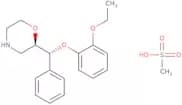
CAS:Controlled ProductReboxetine mesylate is a drug that belongs to the class of tricyclic antidepressants. It is a selective and potent inhibitor of neuronal reuptake of norepinephrine (noradrenaline). Reboxetine also interacts with neurokinin-1 receptor, which may affect locomotor activity and hippocampal formation, resulting in effects to memory and learning. It has been shown to be effective in the treatment of symptoms related to depression and Parkinson's disease.Formula:C20H27NO6SPurity:Min. 98 Area-%Color and Shape:PowderMolecular weight:409.5 g/mol3'-Methoxypropiophenone
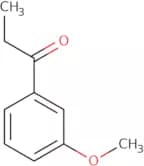
CAS:<p>3'-Methoxypropiophenone is an acylating agent that is used in the synthesis of racemic and optically active phenylacetic acids. It can be prepared by the reaction of ketones with methoxypropiolic acid, which is catalyzed by a base such as sodium ethoxide. 3'-Methoxypropiophenone also has been shown to undergo transformation reactions with hydrogenolysis and salt formation. The deprotection step involves removal of a protective group such as dimethylamine or diastereomer.</p>Formula:C10H12O2Purity:Min. 95%Color and Shape:PowderMolecular weight:164.2 g/molCresyl Violet acetate
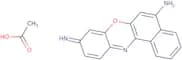
CAS:Controlled Product<p>Cresyl violet acetate is a dye that is used in histology to stain tissue sections. It binds to basic proteins, such as those found in the cytoplasm and nucleus, and has a strong affinity for nucleic acids. Cresyl violet acetate can be used to identify inflammatory lesions and other biological samples. The dye has been shown to induce neuronal death by reducing the redox potentials of neurons through the activation of Toll-like receptors (TLRs). Basic proteins are also involved in oral hypoglycaemic activity.</p>Formula:C18H15N3O3Purity:Limit? 65.%Color and Shape:PowderMolecular weight:321.33 g/molDL/meso-Lanthionine
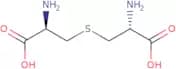
CAS:<p>DL/meso-Lanthionine is a mixture of two amino acids, L-Lysine and L-Methionine. It has been shown to be effective in the treatment of bowel disease caused by Clostridium difficile and other bacteria that produce toxins. This drug also has a protective effect on neuronal cells by inhibiting their death. DL/meso-Lanthionine binds to penicillin-binding proteins in the bacterial cell wall, preventing them from binding with the enzyme cell wall synthesis that is required for cell wall biosynthesis, inhibiting protein synthesis and cell division. DL/meso-Lanthionine also inhibits ATPase activity and the expression of atp-binding cassette transporters. These effects are similar to those observed with penicillin, methicillin, erythromycin, vancomycin, clindamycin, and bacitracin.</p>Formula:C6H12N2O4SPurity:Min. 95%Color and Shape:White PowderMolecular weight:208.24 g/mol4-Nitrophthalimide
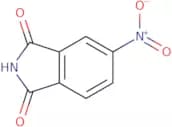
CAS:<p>4-Nitrophthalimide is a nitroimidazole compound that has been shown to be active against bacterial strains belonging to the group P2. It is also soluble in organic solvents such as chloroform, ethanol, and acetone. 4-Nitrophthalimide has been used for experimental solubility data and as a pharmaceutical preparation. The reaction of 4-nitrophthalimide with diazonium salt produces 3-nitrophthalic anhydride, which is then hydrolyzed by hydrochloric acid to form nitrobenzene. This reaction can be monitored using fluorescence resonance spectroscopy.</p>Formula:C8H4N2O4Purity:Min. 95%Color and Shape:PowderMolecular weight:192.13 g/molTibolone
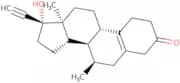
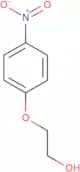
CAS:Controlled Product<p>Tibolone is a synthetic steroidal estrogen with both estrogenic and progestogenic activity. It has been shown to be effective in the treatment of postmenopausal symptoms, especially those related to the breast. Tibolone is also used for prevention of osteoporosis and to prevent recurrence of hormone-dependent cancers such as breast cancer or endometrial cancer. Tibolone binds to both estrogen receptor subtypes (ERα and ERβ) and progesterone receptor (PR), but with higher affinity for ERβ. This leads to increased levels of circulating estradiol and progesterone when compared to other estrogens such as nomegestrol acetate or conjugated equine estrogen. The drug also decreases expression of genes that are regulated by the response element (RE) in ERβ-positive cells, which may contribute to its anti-cancer effects. Tibolone has been shown to be statistically more effective than nomegestrol acetate in reducing hot flashes</p>Formula:C21H28O2Purity:Min. 95%Color and Shape:PowderMolecular weight:312.45 g/mol2-(4-Nitrophenoxy)ethanol
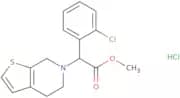
CAS:<p>2-(4-Nitrophenoxy)ethanol (NPEO) is a water soluble, synthetic compound that has been shown to have anti-tumor properties. NPEO was found to be toxic to tumor cells in vitro and inhibits the growth of tumor cells in vivo. NPEO also inhibits the synthesis of DNA and RNA, which are important for cell division. This inhibitory effect may lead to the death of cancer cells by interfering with their ability to grow and divide.</p>Formula:C8H9NO4Purity:Min. 95%Color and Shape:PowderMolecular weight:183.16 g/molClopidogrel related compound B
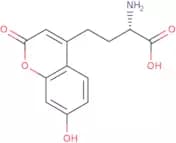
CAS:Clopidogrel related compound B is a sweetener that is used in the pharmaceutical industry. It has shown to have bacteriophage activity and is stable to duplication. This compound also has a genetic code that can be altered by duplications. Clopidogrel related compound B is an orally active molecule and it can be administered as an osmotic or chiral agent. This compound also functions as a surfactant, which contributes to its ability to act as a platelet-aggregating agent. The drug has been shown to be transducible in vitro with high efficiency, making it a good candidate for transduction therapy.Formula:C16H17Cl2NO2SPurity:Min. 95%Color and Shape:PowderMolecular weight:358.28 g/molL-(7-Hydroxycoumarin-4-yl) ethylglycine
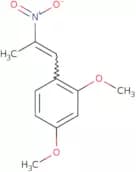
CAS:<p>L-(7-Hydroxycoumarin-4-yl) ethylglycine is a molecule that has been used as a model system to study the binding of inhibitors to enzymes. L-(7-Hydroxycoumarin-4-yl) ethylglycine binds to the enzyme synthetase and inhibits its activity. The inhibition of this enzyme prevents the formation of ATP, which is necessary for the synthesis of proteins. L-(7-Hydroxycoumarin-4-yl) ethylglycine also blocks transcription and translation by binding to DNA binding proteins and inhibiting ribosome function respectively. This agent is an antimicrobial agent that has shown activity against gram positive bacteria such as Staphylococcus aureus, Enterococcus faecalis, and Bacillus cereus, as well as gram negative bacteria such as Escherichia coli, Salmonella typhimurium, Pseudomonas aerugin</p>Formula:C13H13NO5Purity:Min. 98 Area-%Color and Shape:Red PowderMolecular weight:263.25 g/mol1-(2,4-Dimethoxyphenyl)-2-nitropropene
CAS:<p>1-(2,4-Dimethoxyphenyl)-2-nitropropene is a versatile building block that can be used in the synthesis of a wide range of compounds. It is a high quality chemical with a CAS number of 15804-78-1. This compound has been used as an intermediate to synthesize other compounds such as 2-amino-3,5,6-trimethylbenzaldehyde and 1-(2,4-dimethoxyphenyl)-2-(pyrrolidin-1-yl)propene. The compound is also useful as a reagent for reaction components in organic chemistry and biochemistry.</p>Formula:C11H13NO4Purity:Min. 95%Color and Shape:PowderMolecular weight:223.23 g/molBiotin hydrazide
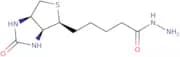
CAS:<p>Biotin hydrazide is a chromatographic analysis reagent that is used to modify biotin. It can be used as a model system for the study of the interactions between biotin and proteins. Biotin hydrazide reacts with α1-acid glycoprotein, which results in an increase of the conjugate's reactivity. It also has reactive properties and can catalyze oxidative reactions, making it suitable for analytical purposes. This reagent is used in electrochemical impedance spectroscopy to evaluate the effects of carbonylation on protein structure and function.</p>Formula:C10H18N4O2SPurity:Min. 95%Color and Shape:PowderMolecular weight:258.34 g/mol






![3-(tert-butyl)-1-(4-nitrophenyl)indeno[2,3-d]pyrazol-4-one](/_next/image/?url=https%3A%2Fstatic.cymitquimica.com%2Fproducts%2F3D%2Fthumb-webp%2FFB169695.webp&w=3840&q=75)