Pharmaceutical Standards
Pharmaceutical standards are a comprehensive set of reference materials essential for ensuring the safety, efficacy, and quality of pharmaceutical products. This category includes standards for active pharmaceutical ingredients (APIs), which are the core components responsible for therapeutic effects. Additionally, it covers compounds and metabolites relevant to both the pharmaceutical and veterinary industries, providing benchmarks for the accurate measurement and analysis of these substances. Nitrosamine control standards are crucial for detecting and mitigating potentially harmful nitrosamines in drug formulations. Toxicology standards help assess the safety and potential adverse effects of pharmaceutical compounds. Furthermore, enzyme activators and inhibitors standards are vital for research and development, enabling precise studies of biochemical pathways and drug mechanisms. These pharmaceutical standards are indispensable tools for regulatory compliance, quality control, and research, ensuring that pharmaceutical products meet stringent safety and effectiveness criteria.
Subcategories of "Pharmaceutical Standards"
- APIs for research and impurities(274,845 products)
- Enzyme Activators and Inhibitors(2,827 products)
- Nitrosamines(2,605 products)
- Pharmaceutical and Veterinary Compounds and Metabolites(2,869 products)
- Toxicology(13,652 products)
Found 7836 products of "Pharmaceutical Standards"
Sort by
Purity (%)
0
100
|
0
|
50
|
90
|
95
|
100
Hydroxy naphthol blue disodium
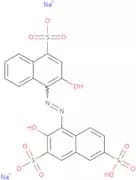
CAS:<p>Hydroxy naphtol blue is a synthetic azo dye, characterised for containing the functional group R N=N R. The hydroxy naphtol blue disodium and trisodium salt are used as indicators to determine the content of alkaline earth and lanthanides spectrophotometrically, showing at maximum a wavelength of ~ 650 nm (λmax = 647.6 nm). The best example of the use of hydroxy naphtol blue sodium salt is to determine the hardness of water by measuring the concentration of calcium and magnesium. At alkaline or basic pH, the hydroxy naphtol blue forms a pink/red complex with the metal ions and, after titration with EDTA, hydroxy naphtol blue is liberated, turning the solution blue which indicates the endpoint.</p>Formula:C20H14N2O11S3·2NaColor and Shape:PowderMolecular weight:600.51 g/mol3-Fluoro-5-hydroxy-4-methylbenzoic acid methyl ester
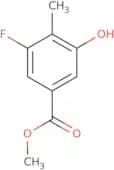
CAS:3-Fluoro-5-hydroxy-4-methylbenzoic acid methyl ester is a high quality, versatile building block. It is used as a reagent and as a speciality chemical in the research laboratory. This compound is also an intermediate for the synthesis of other chemicals. 3-Fluoro-5-hydroxy-4-methylbenzoic acid methyl ester can be used in the synthesis of complex compounds that are useful scaffolds for drug development.Formula:C9H9FO3Color and Shape:PowderMolecular weight:184.16 g/mol2',4',4-Trimethoxychalcone
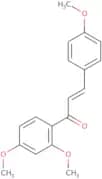
CAS:2',4',4-Trimethoxychalcone is a natural product that inhibits the enzyme activity of phospholipase A2, lipoxygenase, and cyclo-oxygenase. It also has high resistance to hydrochloric acid, chloride, and blood pressure. 2',4',4-Trimethoxychalcone has shown protein inhibition effects in vitro, as well as potent transport inhibitor activity against particles. This compound is synthesized using solid-phase chemistry on an immobilized resin.Formula:C18H18O4Purity:Min. 95%Color and Shape:PowderMolecular weight:298.33 g/mol1-(1-(5-(2'-Fluoroethyl)-2-Thienyl)-Cyclohexyl)Piperidine
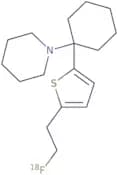
CAS:Controlled Product1-(1-(5-((2'-fluoroethyl)cyclohexyl)-piperidin-1-yl)cyclohexane-1,2,3,4-tetraol is a magnetic nanoparticle that has high specificity and can be used to detect hydroxyapatite. It is synthesized by the reaction of 2-fluoroethanol with 1,3-bis(diphenylphosphino)-propane (dppp) in the presence of potassium carbonate. The reaction solution spontaneously forms a monolayer on a surface such as ceramics or glass. This monolayer shows potential use in detecting hydroxyapatite and other calcium compounds in bone lesions, as well as for desorption and optical properties.Formula:C17H26FNSPurity:Min. 95%Molecular weight:295.46 g/molPhenyl 1,4-dihydroxy-2-naphthoate
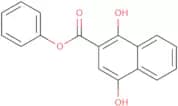
CAS:<p>Phenyl 1,4-dihydroxy-2-naphthoate is a suzuki cross-coupling agent that can be used in organic synthesis. It is an electron rich phenyl derivative and can be used as an alternative to the miyaura reaction. Phenyl 1,4-dihydroxy-2-naphthoate has been shown to react with alkyl or aryl halides, typically at room temperature. This product has been shown to react with electron rich olefins under sterically demanding conditions and is often used in cross coupling reactions.</p>Formula:C17H12O4Purity:Min. 95%Color and Shape:PowderMolecular weight:280.27 g/molSorbitan monolaurate
CAS:<p>Sorbitan monolaurate is a natural compound that can be isolated from the seeds of the Cucurbitaceae family. It is used in sample preparation for biocompatible polymers, as well as for detergent compositions. Sorbitan monolaurate has been shown to act as an absorption enhancer, which may be due to its ability to form hydrogen bonds with other molecules and its capacity to interact with sodium citrate. Sorbitan monolaurate also has biological properties such as the inhibition of autoimmune diseases, malonic acid production, and bacterial growth.</p>Formula:C18H34O6Purity:Min. 95%Color and Shape:Slightly Yellow Clear LiquidMolecular weight:346.46 g/molImidazolidinyl urea
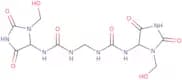
CAS:<p>Imidazolidinyl urea is a preservative that has been used in the laboratory for decades. It is also used in cosmetics and personal care products to prevent bacterial and fungal contamination. Imidazolidinyl urea is an antimicrobial agent that exhibits high resistance to many bacteria, yeast, and molds. Imidazolidinyl urea is not active against Gram-positive bacteria, such as Clostridium difficile or Staphylococcus aureus. This chemical can be used as a preservative in biological samples at concentrations of 0.1% - 1%.</p>Formula:C11H16N8O8Color and Shape:PowderMolecular weight:388.29 g/mol2-Amino-3-nitrophenol
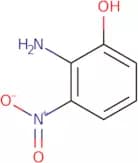
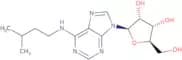
CAS:<p>2-Amino-3-nitrophenol is an inhibitor of matrix metalloproteinases that is active against a broad spectrum of pro-inflammatory and destructive enzymes. It has been used to inhibit the activity of matrix metalloproteinases in vitro and in vivo, with a wide range of applications in the fields of biochemistry, cell biology, and medicine. This compound has been shown to be effective against type strain C. albicans and C. glabrata strains, as well as other fungi such as Aspergillus niger, A. fumigatus, A. terreus, and A. flavus. 2-Amino-3-nitrophenol may have antifungal activity due to its ability to inhibit the synthesis of hyaluronic acid by these fungi.</p>Formula:C6H6N2O3Purity:Min. 95%Color and Shape:PowderMolecular weight:154.12 g/molN-(3-Methylbutyl)adenosine
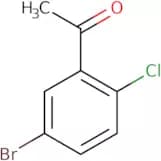
CAS:<p>3-Methylbutyl adenosine is a nucleoside that is a component of the adenosine phosphates, which are important for protein synthesis. 3-Methylbutyl adenosine is found in plants and has been shown to be synthesized by the oxidative deamination of pyridinium. This compound has been shown to have anticancer activity, but it also induces hemolysis. The reaction products of 3-methylbutyl adenosine with ferroptosis and cancer cells have not yet been determined.</p>Formula:C15H23N5O4Purity:Min. 95%Color and Shape:White PowderMolecular weight:337.37 g/mol5'-Bromo-2'-chloroacetophenone
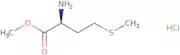
CAS:5'-Bromo-2'-chloroacetophenone is a chemical intermediate that is used in the synthesis of many organic compounds. It is a brominated ketone that has a variety of reactions and can be used as a building block or as an intermediate. 5'-Bromo-2'-chloroacetophenone is also used in research and development, as well as in high-quality chemical production.Formula:C8H6BrClOPurity:Min. 95%Color and Shape:Clear LiquidMolecular weight:233.49 g/molL-Methionine methyl ester hydrochloride
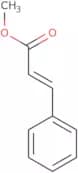
CAS:<p>L-Methionine methyl ester hydrochloride is an amide that has been used in the treatment of bowel diseases. It has been shown to have a polymerase chain reaction (PCR) diagnostic application for the detection of DNA duplexes and intramolecular hydrogen bonds. L-Methionine methyl ester hydrochloride inhibits the activity of enzymes such as protein kinase, phosphodiesterase, and proteases. L-Methionine methyl ester hydrochloride also has receptor activities and can be used as a diagnostic agent for malignant brain tumors or congestive heart failure. It is also able to block radiation and positron emission tomography (PET) scanning.</p>Formula:C6H13NO2S·HClPurity:Min. 98 Area-%Color and Shape:PowderMolecular weight:199.7 g/molMethyl cinnamate
CAS:<p>Methyl cinnamate is a plant-derived compound that has been shown to have antimicrobial activity against Candida glabrata. This compound inhibits the polymerase chain reaction by binding to the DNA monomer and blocking its synthesis. Methyl cinnamate also synergizes with eugenol, which is a natural product found in cloves, nutmeg, and cinnamon. The mechanism of this synergy has not yet been identified.<br>Methyl cinnamate has been shown to inhibit 3T3-L1 preadipocytes proliferation by downregulating the expression of PPARγ, which is a transcription factor that regulates adipogenesis.</p>Formula:C10H10O2Purity:Min. 95%Color and Shape:Solidified MassMolecular weight:162.19 g/mol1,3,3-Trimethylindolino-b-naphthopyrylospiran [Photochromic Compound]
CAS:<p>1,3,3-Trimethylindolino-b-naphthopyrylospiran is a photochromic compound that is soluble in ethanol solutions. It's hydrophobic and binds to the cavity of a surface method. When the environment changes, such as temperature or light exposure, the molecule undergoes a change in its optical properties. The interaction between 1,3,3-trimethylindolino-b-naphthopyrylospiran and β-cyclodextrin enhances its photochromism. This compound has been shown to decolorize and can be used in materials that are sensitive to UV light.</p>Purity:Min. 95%Color and Shape:White To Light (Or Pale) Yellow Red SolidMolecular weight:327.42Niclosamide ethanolamine salt
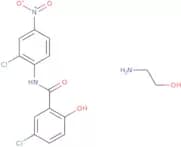
CAS:<p>Chemically a chlorinated salicylanilide, niclosamide is clinically used as an anthelmintic agent. The action of niclosamide has been proven to proceed by inhibiting the STAT3 signaling pathway. Recently, niclosamide, has been considered as an antiproliferative agent in cancer treatment, e.g. melanoma and colorectal cancer. In 2021, niclosamide has been tested for the treatment of COVID-19 patients.</p>Formula:C15H15Cl2N3O5Color and Shape:PowderMolecular weight:388.2 g/mol3,5-Dimethoxycinnamic acid methyl ester
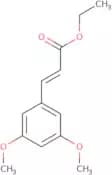
CAS:<p>Please enquire for more information about 3,5-Dimethoxycinnamic acid methyl ester including the price, delivery time and more detailed product information at the technical inquiry form on this page</p>Formula:C12H14O4Purity:Min. 95%Molecular weight:222.24 g/mol2,4,6-Tribromo-3-cresol
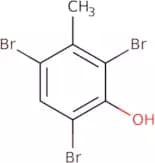
CAS:<p>2,4,6-Tribromo-3-cresol is a functional group that is used as an anti-fungal agent. This compound has been shown to be active against many fungi and bacteria, including Candida albicans and Escherichia coli. The particle size of 2,4,6-tribromo-3-cresol is 0.1 microns in diameter and it has a boiling point of 240 degrees Celsius. This product is also used in the production of sealants for dental restorations and as an additive to pharmaceuticals. 2,4,6-Tribromo-3-cresol can also be used as a delta opioid receptor agonist for the treatment of cancer or autoimmune diseases such as lupus erythematosus.</p>Formula:C7H5Br3OPurity:Min. 95%Color and Shape:PowderMolecular weight:344.83 g/mol4-Fluorocinnamaldehyde
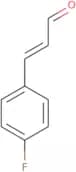
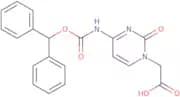
CAS:<p>4-Fluorocinnamaldehyde is a reactive molecule that can be used in the catalytic asymmetric synthesis of 4-fluoroalkylbenzenes, which are used as intermediates in the production of pharmaceuticals. It reacts with hydroxymethyl groups to form 4-fluoroalkylbenzene derivatives, which are substrates for asymmetric reactions. This compound has been shown to react with amines and thiols to form Michael acceptors and Michael donors respectively. The crystallographic data obtained from this molecule shows that it belongs to space group P2 and its crystal system is orthorhombic. It also has optical properties that make it suitable for use as an optical material or nanowires.</p>Formula:C9H7FOPurity:Min. 80%Color and Shape:Clear LiquidMolecular weight:150.15 g/molNb-N-(benzhydryloxycarbonyl)cytosine)-1-acetic acid
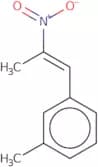
CAS:<p>Nb-N-(benzhydryloxycarbonyl)cytosine)-1-acetic acid is a speciality chemical that is used as a reagent, building block, and scaffold for organic synthesis. This compound can be used in various reactions to produce complex compounds with high purity. Nb-N-(benzhydryloxycarbonyl)cytosine)-1-acetic acid is an excellent starting material for the production of fine chemicals, research chemicals, and versatile building blocks. It is also a useful intermediate for the production of pharmaceuticals and other useful compounds.</p>Formula:C20H17N3O5Purity:Min. 98 Area-%Color and Shape:White PowderMolecular weight:379.37 g/mol3'-β-Dimethyl-β-nitrostyrene
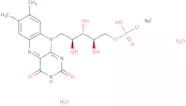
CAS:<p>3'-beta-Dimethyl-beta-nitrostyrene is a versatile building block that can be used in organic synthesis. It is a high quality, useful intermediate and reaction component for use in the pharmaceutical industry. 3'-beta-Dimethyl-beta-nitrostyrene has been employed as a building block in the synthesis of complex compounds. This compound is an excellent reagent, which makes it useful as a speciality chemical. 3'-beta-Dimethyl-beta-nitrostyrene is an important scaffold for research chemicals and can be used to synthesize new compounds.</p>Formula:C10H11NO2Purity:Min. 95%Molecular weight:177.2 g/molRiboflavin 5'-phosphate sodium salt dihydrate
CAS:Riboflavin 5'-phosphate sodium salt dihydrate is a fine chemical that belongs to the group of complex compounds. It is a versatile building block, which can be used as a reaction component in research or as an intermediate for the production of other chemicals. Riboflavin 5'-phosphate sodium salt dihydrate has many applications, such as being a useful scaffold for the preparation of new molecules and being a reagent for reactions involving nucleotides. This compound also has high quality and is often used in speciality chemicals.Formula:C17H20N4NaO9P·2H2OPurity:(Uv) 73.0 To 79.0%Color and Shape:PowderMolecular weight:514.36 g/molEthyl 3-nitrocinnamate
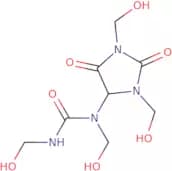
CAS:<p>Ethyl 3-nitrocinnamate is a synthetic compound that belongs to the group of stilbene derivatives. It has been used as an intermediate in the synthesis of other compounds. Ethyl 3-nitrocinnamate is not naturally occurring and can be synthesized by isomerization of cinnamic acid and nitration of ethyl cinnamate. The stereochemical and stereoselective properties of this compound can be utilized for the synthesis of other compounds. Nitrobenzaldehyde reacts with nitrovinyl chloride to form oxetane, which then reacts with acetonitrile to produce ethyl 3-nitrocinnamate.</p>Formula:C11H11NO4Purity:Min. 95%Color and Shape:PowderMolecular weight:221.21 g/molDiazolidinyl urea
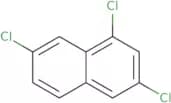
CAS:<p>Diazolidinyl urea is a preservative used in cosmetics and pharmaceuticals. It is an antimicrobial agent that causes cell lysis by inhibiting the respiratory synthesis of bacteria. Diazolidinyl urea has been shown to be effective against Gram-positive and Gram-negative bacteria, yeast, and mold. The analytical method for diazolidinyl urea is well established, with detection limits of 0.1 ppm. Diazolidinyl urea is stable under normal conditions, but can be degraded by heat or pH changes. This preservative also inhibits microbial growth by reducing the availability of p-hydroxybenzoic acid (pHBA) and formaldehyde as substrates for bacterial metabolism. Diazolidinyl urea also prevents the formation of biofilms on wet surfaces and exhibits some anti-inflammatory effects.</p>Formula:C8H14N4O7Color and Shape:PowderMolecular weight:278.22 g/mol1,3,7-Trichloronaphthalene
CAS:<p>This validated method for the analysis of 1,3,7-trichloronaphthalene is based on a validated experimental method. It uses a set of structural coefficients and an experimental value to calculate the bioconcentration factor (BCF). The BCF is then used to calculate the optimum vector, which is found by using descriptors and structural factors. The experimental values are also used to determine the vector. This method has been validated experimentally and theoretically.</p>Formula:C10H5Cl3Purity:Min. 95%Color and Shape:PowderMolecular weight:231.5 g/mol4-Chloro-3-nitrophenylacetamide
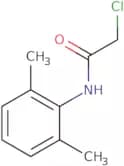
CAS:<p>4-Chloro-3-nitrophenylacetamide is a chemical compound that can be used as a reagent, useful scaffold for research, and a high quality research chemical. CAS No. 5540-60-3, this versatile building block is useful for the synthesis of complex compounds and fine chemicals.</p>Formula:C8H7ClN2O3Purity:Min. 98 Area-%Color and Shape:PowderMolecular weight:214.61 g/mol2-Chloro-2',6'-dimethylacetanilide
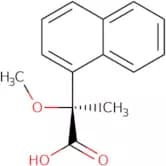
CAS:2-Chloro-2',6'-dimethylacetanilide is a synthetic drug that is used as an intermediate for the manufacture of diazepam. It has been shown to be effective in reducing the severity of symptoms and mortality rate of patients with severe influenza, also known as "pandemic flu". This compound has been shown to be effective in protecting animals from the effects of carbon monoxide poisoning. It has also been used in medicines such as covid-19, which is used for the treatment of Parkinson's disease. 2-Chloro-2',6'-dimethylacetanilide can be found in a number of other pharmaceuticals, such as antidepressants and antibiotics.Formula:C10H12ClNOPurity:Min. 95%Color and Shape:White PowderMolecular weight:197.66 g/mol(S)-2-Methoxy-2-(1-naphthyl)propanoic acid
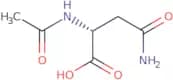
CAS:(S)-2-Methoxy-2-(1-naphthyl)propanoic acid is a chiral molecule that can exist in two different forms, each of which has the same physical and chemical properties. The two enantiomers are not optically active, meaning they have the same degree of rotation when passed through a polarizing filter. It is an organic compound that is used as a flavoring agent in food chemistry and as a bioactive compound. (S)-2-Methoxy-2-(1-naphthyl)propanoic acid also has been shown to function as an attractant for hemipteran insects such as mosquitoes, although it is not clear if this property is due to its aromatic or enantiomeric structure.Formula:C14H14O3Purity:Min. 95%Color and Shape:PowderMolecular weight:230.26 g/molNalpha-Acetyl-D-asparagine
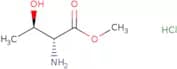
CAS:<p>Nalpha-Acetyl-D-asparagine is a chiral amino acid that has been used to study the synthesis of peptides. It is soluble in water and can be used as a substrate for the enzymatic reaction of glyoxylate with ammonium sulfate. The Nalpha-acetyl group increases the affinity of this amino acid for sephadex g-100, a chromatographic material. This product can be prepared using a preparative column packed with silica gel and an eluent containing ammonium sulfate. It also has optical properties that make it useful for determining concentration and purity.</p>Formula:C6H10N2O4Purity:Min. 95%Molecular weight:174.15 g/molH-D-allo-Threonine methyl ester hydrochloride
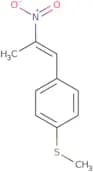
CAS:<p>H-D-allo-Threonine methyl ester hydrochloride is a speciality chemical that is used in research and development. It is an intermediate for the synthesis of other compounds, such as pharmaceuticals, pesticides, and fragrances. H-D-allo-Threonine methyl ester hydrochloride has been shown to be useful in the production of methanol and ethanol. This compound also has high quality and can be used as a reagent for other reactions.</p>Formula:C5H11NO3•HClPurity:Min. 95%Color and Shape:PowderMolecular weight:169.61 g/mol1-(4-(Methylthio)phenyl)-2-nitropropene
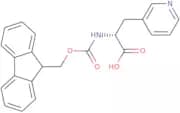
CAS:<p>Please enquire for more information about 1-(4-(Methylthio)phenyl)-2-nitropropene including the price, delivery time and more detailed product information at the technical inquiry form on this page</p>Formula:C10H11NO2SPurity:Min. 95%Color and Shape:PowderMolecular weight:209.27 g/molFmoc-3-(3'-pyridyl)-D-alanine
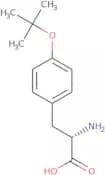
CAS:Fmoc-3-(3'-pyridyl)-D-alanine is a building block for the synthesis of a wide variety of compounds. This compound has been shown to be an excellent and versatile starting material for the synthesis of complex compounds. Fmoc-3-(3'-pyridyl)-D-alanine is also a useful intermediate in organic synthesis and can be used as a reagent or in research. It has CAS number 142994-45-4.Formula:C23H20N2O4Purity:Min. 95%Color and Shape:PowderMolecular weight:388.42 g/molO-tert-Butyl-L-tyrosine
CAS:<p>O-tert-Butyl-L-tyrosine is a biostable, low molecular weight, hydrophobic, and diffraction active compound. It can be used as a solvent for chiral and non-chiral compounds. O-tert-Butyl-L-tyrosine has been shown to have biological function in the synthesis of peptides, proteins, and amides. This compound also has an effect on gelation and is often used in organic solvents.</p>Formula:C13H19NO3Purity:Min. 95%Color and Shape:SolidMolecular weight:237.29 g/molTimosaponin B II
CAS:Timosaponin B II is a natural compound that inhibits the activity of cytochrome P450 enzymes. It has been shown to induce autophagy in a dopamine-dependent manner, which may be due to its ability to decrease mitochondrial membrane potential and increase phase transition temperature. Timosaponin B II also induces neurotrophic factors and matrix effects, which are beneficial for the treatment of inflammatory conditions, neurodegenerative diseases, and metabolic disorders. The drug has been shown to have pharmacokinetic properties that are similar to those of timosaponin I. The molecular weight of the molecule was determined by LC-MS/MS analysis as 527.2 amu. Timosaponin B II is not metabolized by cytochrome P450 enzymes or glucuronidases, but it is hydrolyzed by esterases or glutathione reductase.Formula:C45H76O19Purity:Min. 95%Color and Shape:White PowderMolecular weight:921.07 g/molCinnamamide
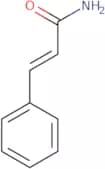
CAS:Cinnamamide is a natural compound that is structurally related to the amino acid lysine and has been shown to regulate skin cell proliferation. Cinnamamide has also been found to be an effective inhibitor of the mitochondrial membrane potential in human erythrocytes. It has been shown to inhibit the production of reactive oxygen species (ROS) and reverse oxidative damage in cells, which may reduce the risk of developing autoimmune diseases. Cinnamamide is also able to prevent cell death caused by epidermal growth factor (EGF) withdrawal and induce apoptosis in HL-60 cells.Formula:C9H9NOPurity:Min. 95%Color and Shape:White Off-White PowderMolecular weight:147.17 g/molPoly(3-hydroxybutyric acid-co-3-hydroxyvaleric acid)
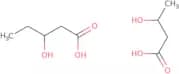
CAS:<p>Poly(3-hydroxybutyric acid-co-3-hydroxyvaleric acid) is a biodegradable polymer that has been shown to have high water vapor permeability and low values for water uptake and swelling. The polymer is also biocompatible, with no cytotoxicity or hemolysis. Poly(3-hydroxybutyric acid-co-3-hydroxyvaleric acid) was synthesized by ring opening polymerization of 3-hydroxybutyric acid and 3-hydroxyvaleric acid. The polymer has shown synergistic effects when used in combination with other polymers, such as polyvinyl alcohol. Poly(3-hydroxybutyric acid-co-3-hydroxyvaleric acid) can be used in tissue culture as a scaffold for the growth of animal cells.</p>Color and Shape:PowderTiotropium bromide
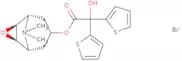
CAS:<p>Muscarinic antagonist; bronchodilator</p>Formula:C19H22BrNO4S2Purity:Min. 95%Color and Shape:PowderMolecular weight:472.42 g/mol6-Fluoroserotonin
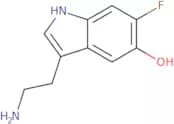
CAS:Controlled Product<p>The 6-Fluoroserotonin is a selective serotonin uptake inhibitor that has been used to study the serotonin transporter. It has been shown to inhibit the uptake of 5-hydroxyindoleacetic acid and 5-hydroxytryptamine, which is mediated by the serotonin transporter. The 6-Fluoroserotonin is also able to bind to clomipramine and zimelidine with high affinity. Analysis of the chromatographic profile of this compound revealed two peaks, one at 3.2 minutes and another at 4.7 minutes, corresponding to the two diastereoisomers of 6-fluoroserotonin.</p>Formula:C10H11FN2OPurity:Min. 95%Molecular weight:194.21 g/mol3,3',5,5'-Tetramethylbenzidine dihydrochloride dihydrate
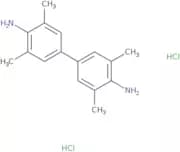
CAS:<p>3,3',5,5'-Tetramethylbenzidine dihydrochloride dihydrate is a hydrophilic, non-fluorescent, and water-soluble chemical that is used as an enzyme-linked immunosorbent assay (ELISA) substrate. It has been shown to be reactive with peroxide and hydrogen peroxide in vitro and in vivo. 3,3',5,5'-Tetramethylbenzidine dihydrochloride dihydrate also has peroxidase-like activity when interacting with monomers to form polymers. The monomers are recombinantly human proteins that have been modified to increase the molecule's solubility. This increased solubility increases the interaction of the monomers with oxidants such as hydrogen peroxide or peroxides.</p>Formula:C16H20N2·2HCl·2H2OPurity:Min. 95%Color and Shape:PowderMolecular weight:349.3 g/mol4-Chloro-3-nitrobenzoic acid methyl ester
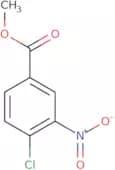
CAS:4-Chloro-3-nitrobenzoic acid methyl ester is a chemical compound that inhibits the synthesis of nucleic acids. It binds to the functional groups of DNA, preventing replication and transcription. 4-Chloro-3-nitrobenzoic acid methyl ester also inhibits protein synthesis by inhibiting ribosomal RNA which is required for translation. This agent has been shown to induce apoptotic cell death in leukemia cells, HL60 cells, and other types of cancer cells in vitro. 4-Chloro-3-nitrobenzoic acid methyl ester has a potent inhibitory activity against replicons in vitro and is a synthetic molecule with two sulfoxide functional groups.Formula:C8H6ClNO4Purity:Min. 95%Color and Shape:PowderMolecular weight:215.59 g/mol4-Nitrocinnamaldehyde
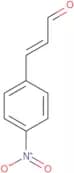
CAS:<p>4-Nitrocinnamaldehyde is a diazonium salt that is used as an efficient method for the synthesis of nitro compounds. Nitro compounds are used in the production of explosives, insecticides, and herbicides. 4-Nitrocinnamaldehyde reacts with hydrochloric acid to produce trifluoroacetic acid, which is then reacted with an organic compound to produce a nitro compound. This reaction has been shown to be irreversible and not sensitive to functional groups. 4-Nitrocinnamaldehyde binds to the enzyme cytochrome P450 reductase, inhibiting its function. The binding of 4-nitrocinnamaldehyde to enzymes such as pyruvate kinase and acetylcholinesterase has also been observed in binding experiments.</p>Formula:C9H7NO3Purity:Min. 95%Color and Shape:PowderMolecular weight:177.16 g/molTropaeolin O sodium salt
CAS:<p>Tropaeolin O sodium salt is a reactive dye that possesses the ability to form hydrogen bonds with hydroxyl groups. Tropaeolin O sodium salt has been used in pharmaceutical preparations as a dye for serum and urine samples. It is also used as an indicator for the presence of fatty acids in human serum. The reactive dye is cationic and can be used to detect anionic surfactants, such as sodium dodecyl sulfate, which are commonly found in detergents and soaps. Tropaeolin O sodium salt exhibits synchronous fluorescence when it reacts with hydroxyl ions. This property can be useful for detecting the presence of hydrochloric acid in a sample or identifying p-hydroxybenzoic acid (a product of human metabolism) in urine samples.</p>Formula:C12H9N2O5SNaPurity:Min. 95%Color and Shape:PowderMolecular weight:316.27 g/molNaphthyl glycidylether
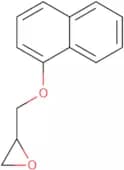
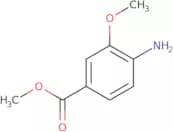
CAS:Naphthyl glycidylether is a chemical compound with chemical stability, which makes it useful for the manufacture of ethers and epoxides. It has been used as an acid catalyst and in the synthesis of polycarboxylic acids. Naphthyl glycidylether is also used to produce genotoxic impurities that are not removed by sterilants or metal hydroxides. This substance can be found as an impurity in some disinfectants, such as mercuric chloride, which can cause toxicity when ingested. In order to determine if naphthyl glycidylether is present in a material, a plate test can be performed to detect its presence.Formula:C13H12O2Purity:(%) Min. 95%Color and Shape:Colorless Clear LiquidMolecular weight:200.23 g/mol4-Amino-3-methoxybenzoic acid methyl ester
CAS:<p>4-Amino-3-methoxybenzoic acid methyl ester is a reactive molecule that has been used as a radiotracer for positron emission tomography (PET). It is also used in the synthesis of oligodeoxynucleotides and hybridization probes. 4-Amino-3-methoxybenzoic acid methyl ester is not soluble in water, but it can be dissolved in organic solvents such as acetone or methanol. This compound has shown to have anticancer activity and may be useful for treating cancers of the brain, breast, colon, lung, prostate, and stomach.</p>Formula:C9H11NO3Purity:Min. 95%Color and Shape:PowderMolecular weight:181.19 g/mol1,3-Dipropylurea
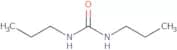
CAS:<p>1,3-Dipropylurea is a nucleophilic organic compound. It is soluble in organic solvents such as benzyl alcohol, nitrous oxide, and ethylene glycol. It also has a constant boiling point of 215°C at atmospheric pressure. The reaction rate for the formation of 1,3-dipropylurea from benzaldehyde and propylene oxide is dependent on the solvent used. The yields are higher in polar solvents such as nitrous oxide or ethylene glycol than in nonpolar solvents like benzene or hexane. This reaction can be catalyzed by cyanoborohydride and the use of a base such as sodium hydroxide or potassium tert-butoxide speeds up the reaction rate considerably.</p>Formula:C7H16N2OPurity:Min. 97 Area-%Color and Shape:PowderMolecular weight:144.21 g/mol(2-Naphthyloxy)acetyl chloride
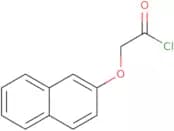
CAS:<p>(2-Naphthyloxy)acetyl chloride is an inhibitor of alcohol dehydrogenase, which is the enzyme that catalyzes the conversion of ethanol to acetaldehyde. It has been shown to be active against grapevine, but not against the yeast Saccharomyces cerevisiae. (2-Naphthyloxy)acetyl chloride inhibits alcohol dehydrogenase with a potency comparable to hexanol and ethylene glycol. It also inhibits esterases, which may account for its inhibitory effect on vinifera l. (2-Naphthyloxy)acetyl chloride has been shown to be more selective in inhibiting both alcohol and aldehyde dehydrogenases than hexanol or ethylene glycol.</p>Formula:C12H9ClO2Purity:Min. 95%Color and Shape:Off-White PowderMolecular weight:220.65 g/mol2-(2,4-Dinitrophenoxy)ethanol
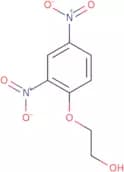
CAS:<p>2-(2,4-Dinitrophenoxy)ethanol is a glycol ether that has been shown to be an effective nucleophile in nucleophilic substitution reactions. It is a colorless liquid with a boiling point of between 204°C and 205°C. 2-(2,4-Dinitrophenoxy)ethanol reacts with deionized water in the presence of ethylene to produce a crystalline precipitate. The product can be recrystallized from ethanol/water or purified by chromatography on silica gel. This chemical can also be used as an activated nucleophile in the synthesis of spirocyclic compounds and isomeric ketones. 2-(2,4-Dinitrophenoxy)ethanol is toxic and may cause severe skin burns if it comes into contact with unprotected skin. It is also environmentally hazardous when released into the environment because it breaks down slowly and may accumulate in soil or water systems.</p>Formula:C8H8N2O6Purity:Min. 95%Color and Shape:PowderMolecular weight:228.16 g/mol1,5-Naphthalenedisulfonic acid tetrahydrate
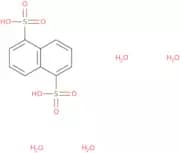
CAS:<p>1,5-Naphthalenedisulfonic acid tetrahydrate is an acidic molecule that has been observed in the form of nanodots. It has a molecular weight of 212.2g/mol and a water solubility of 0.01g/L at 20°C. 1,5-Naphthalenedisulfonic acid tetrahydrate is soluble in ethanol and methanol, but insoluble in acetone, diethyl ether, ethyl acetate, and chloroform. 1,5-Naphthalenedisulfonic acid tetrahydrate is a hydrogen bond acceptor and donor in its interactions with other molecules. It interacts synergistically with 3,5-dinitrosalicylic acid to produce a red coloration when dissolved in water or alcohols.</p>Formula:C10H6(SO3H)2•(H2O)4Purity:Min. 95%Color and Shape:PowderMolecular weight:360.36 g/mol4-(Chloromethyl)benzoic acid methyl ester
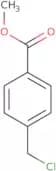
CAS:<p>4-(Chloromethyl)benzoic acid methyl ester is a synthetic compound that inhibits the DPP-IV enzyme, which is involved in the breakdown of the incretin hormones glucagon-like peptide-1 (GLP-1) and glucose-dependent insulinotropic polypeptide (GIP). Its structure consists of a benzene ring with a chloromethyl group on one side and an ester group on the other. 4-(Chloromethyl)benzoic acid methyl ester has been shown to be more potent than other known DPP-IV inhibitors. It has also been shown to have genotoxic impurities and chronic treatment effects, such as cancer.</p>Formula:C9H9ClO2Purity:Min. 95%Color and Shape:PowderMolecular weight:184.62 g/molMethyl 4-nitrocinnamate
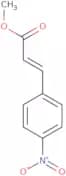
CAS:<p>Methyl 4-nitrocinnamate is a potential drug candidate for the treatment of cancer. Methyl 4-nitrocinnamate is an analog of cinnamic acid and has been shown to inhibit tumor growth in experimental models. The structural modifications that have been made to methyl 4-nitrocinnamate allow it to be more potent than cinnamic acid. This compound has also shown activity against other types of cancer cells, including breast, colorectal, and prostate cancers. Methyl 4-nitrocinnamate binds to diphenolase enzymes and inhibits their activity, which may lead to its anticancer effects.</p>Formula:C10H9NO4Purity:Min. 95%Color and Shape:PowderMolecular weight:207.18 g/mol7-Methoxycoumarin-3-carboxylicacid
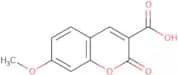
CAS:<p>7-Methoxycoumarin-3-carboxylic acid (MC) is a potent inhibitor of metalloendopeptidases and cyclic peptide receptors. MC has been shown to inhibit protein synthesis, leading to apoptotic cell death. It has also been reported to have anti-inflammatory properties, which may be due to its inhibition of prostaglandin synthesis. The fluorophore 7-methoxycoumarin is derived from the natural product coumarin and can be used as a fluorescent probe for hydrogen bonding in molecular modeling studies.</p>Formula:C11H8O5Purity:Min. 95%Color and Shape:PowderMolecular weight:220.18 g/mol4-Hydroxy-7-methylamino-2-naphthalenesulfonicacid
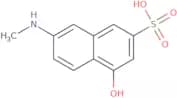
CAS:4-Hydroxy-7-methylamino-2-naphthalenesulfonic acid is used as a diazo dye in the textile industry. This compound is used to produce diazotization and then cyanuric chloride by the reaction of 4-hydroxy-7-methylamino-2-naphthalenesulfonic acid with sodium nitrite and hydrochloric acid. The condensate from this reaction is dissolved in an alkaline solution, which reacts with sodium bicarbonate to produce a reactive physicochemical substance that can be used for dyeing fabrics.Formula:C11H11NO4SPurity:Min. 96 Area-%Color and Shape:Slightly Brown PowderMolecular weight:253.28 g/mol


![1,3,3-Trimethylindolino-b-naphthopyrylospiran [Photochromic Compound]](/_next/image/?url=https%3A%2Fstatic.cymitquimica.com%2Fproducts%2F3D%2Fthumb-webp%2FFT62466.webp&w=3840&q=75)