Glycoscience
Subcategories of "Glycoscience"
- Aminosugars(108 products)
- Glyco-Related Antibodies(284 products)
- Glycolipids(46 products)
- Glycosaminoglycans (GAGs)(55 products)
- Glycosides(422 products)
- Monosaccharides(6,674 products)
- Oligosaccharides(4,042 products)
- Polysaccharides(517 products)
Found 11404 products of "Glycoscience"
3,4:5,6-Di-O-Isopropylidene-2-O-tert.butyldimethylsilyl-L-idonic acid methyl ester
3,4:5,6-Di-O-isopropylidene-2-O-(tert.butyldimethylsilyl)-L-idonic acid methyl ester is an organosilicon compound that is used in the preparation of oligosaccharides and polysaccharides. This compound has a CAS number of 2134160-04-6 and can be custom synthesized to meet your needs. 3,4:5,6-Di-O-isopropylidene-2-O-(tert.butyldimethylsilyl)-L-idonic acid methyl ester is available at a purity of 99% or greater, which makes it ideal for modification to produce monosaccharides or other types of sugar derivatives.Purity:Min. 95%N-(2-Furylacetonitrile)-2,3,4,6-tetra-O-pivaloyl-b-D-glucopyranoside
The compound is a custom synthesis. It is a polysaccharide that has been modified by methylation and glycosylation, as well as being click-modified at the C6 position. The compound is a complex carbohydrate with an Oligosaccharide in the center. The CAS number for this compound isFormula:C32H48N2O10Purity:Min. 95%Molecular weight:620.73 g/molBenzyl-2,3-anhydro-a-D-ribopyranoside
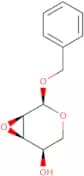
CAS:Benzyl-2,3-anhydro-a-D-ribopyranoside is a monosaccharide that is synthesized by the modification of the sugar benzyl 2,3-anhydro-a-D-ribofuranose. It is a white powder. Benzyl-2,3-anhydro-a-D-ribopyranoside is used as a reagent in glycosylation and methylation reactions. It has CAS No. 61134–24–5 and molecular weight of 230.22 g/mol. The molecule contains an anhydro group at C1 and hydroxyl groups at C6 and C8 positions. This product is soluble in water and ethanol.Formula:C12H14O4Purity:Min. 95%Molecular weight:222.24 g/mol2-Methoxycarbonylphenyl β-D-glucopyranoside
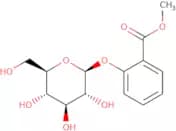
CAS:2-Methoxycarbonylphenyl b-D-glucopyranoside is a modification that can be used to synthesize complex carbohydrates. It is an oligosaccharide, which consists of a series of monosaccharides linked together by glycosidic bonds. The synthesis of this compound requires the use of methylation and fluorination reactions. This product has high purity and can be used for a variety of purposes, including as a sugar or as a polysaccharide.
Formula:C14H18O8Purity:Min. 95%Color and Shape:PowderMolecular weight:314.29 g/mol6-Deoxy-1,2:3,4-di-O-isopropylidene-6-iodo-α-D-galactopyranose
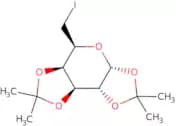
CAS:This is a carbohydrate compound with the CAS number 4026-28-2. It is a modification of the sugar galactose, which has been modified by a process called fluorination. This modification has increased its stability and resistance to hydrolysis.
Formula:C12H19IO5Purity:Min. 95%Color and Shape:White to off-white solid.Molecular weight:370.18 g/mol(3aS, 4S, 6aR) Tetrahydro- 2, 2, 6a- trimethyl- 4H- 1, 3- dioxolo[4, 5- c] pyrrole- 4- methanol
(3aS, 4S, 6aR) Tetrahydro- 2, 2, 6a- trimethyl- 4H- 1, 3- dioxolo[4, 5- c] pyrrole- 4- methanol is a synthetic compound that is a member of the class of compounds known as tetrahydropyrroloquinolines. It is a monosaccharide sugar with an alkyl group at C6 and an amine group at C2. The compound has been shown to inhibit bacterial growth by inhibiting DNA synthesis. This inhibition leads to the production of less nucleotides and nucleic acids necessary for DNA replication. The methylation at C2 is critical for this inhibitory effect.Purity:Min. 95%1,2-O-Isopropylidene-α-D-glucofuranurono-6,3-lactone
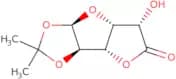
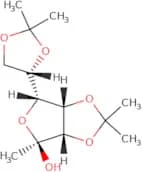
CAS:1,2-O-Isopropylidene-a-D-glucofuranurono-6,3-lactone is a compound with hepatocyte growth factor activity that is used in the diagnosis of liver diseases. It can also be used as a reagent for the detection of lactones and as an industrial chemical. 1,2-O-Isopropylidene-a-D-glucofuranurono-6,3-lactone has been shown to activate the hepatocyte growth factor receptor (HGFR) and induce cell proliferation in human hepatocytes. This compound is not toxic to cells at concentrations up to 100 mM.Formula:C9H12O6Purity:Min. 98%Color and Shape:PowderMolecular weight:216.19 g/mol(5S, 8S, 9S) -8- [(4R) - 2, 2- Dimethyl- 1, 3- dioxolan- 4- yl] - 9- hydroxy- 2, 2- dimethyl- 1, 3, 7- trioxaspiro[4.4] nonan- 6- on e
(5S, 8S, 9S) -8- [(4R) - 2, 2- Dimethyl- 1, 3- dioxolan- 4- yl] - 9- hydroxy- 2, 2- dimethyl- 1, 3, 7- trioxaspiro[4.4] nonan- 6- on e is a Glycosylation product that is prepared by the modification of a monosaccharide with a fluorinated methyl group. This chemical has been custom synthesized and its CAS number is not available. It is a complex carbohydrate with high purity and it can be modified to produce other oligosaccharides.Purity:Min. 95%1,2-O-Isopropylidene-3-O-benzyl-D-allofuranose
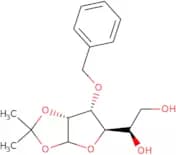
CAS:Chiral resource for synthesis of bioactive sugars and antiviral nucleosidesFormula:C16H22O6Purity:Min. 95%Color and Shape:PowderMolecular weight:310.34 g/mol5-O-Carbomethoxy-1,2-O-isopropylidene-a-D-xylofuranose
CAS:5-O-Carbomethoxy-1,2-O-isopropylidene-a-D-xylofuranose is a compound that is found in the venom of the Chinese scorpion Buthus martensii. This compound has been shown to induce death in mice.Formula:C10H16O7Purity:Min. 95%Color and Shape:PowderMolecular weight:248.23 g/mol(2S,3S,4R,5R)-3,4-O-Benzylidene-2-cyano-N-(4-methoxybenzyl)-3,4,5-trihydroxy-piperidine
The modification of a polysaccharide with an oligosaccharide, which is the process of adding one or more sugar residues to the polysaccharide. This can be done enzymatically or chemically. The addition of a carbohydrate residue to another carbohydrate-bearing molecule. This can be done enzymatically or chemically. The synthesis of an organic compound that contains only carbon, hydrogen, and oxygen atoms in its molecular structure. This can be done enzymatically or chemically. The process of adding a methyl group to an organic compound. This can be done enzymatically or chemically. A monosaccharide is a simple sugar that cannot be hydrolyzed into simpler sugars by chemical means. It is one of the three main types of biomolecules found in living things (along with lipids and nucleic acids). Methylation is a chemical reaction involving the transfer of a methyl group from one chemical entity to another one; for example, from methanol to dimPurity:Min. 95%4,6-O-Benzylidene-1,2,3-tri-O-pivaloyl-a-D-mannopyranose
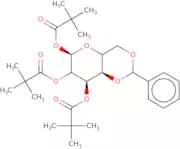
4,6-O-Benzylidene-1,2,3-tri-O-pivaloyl-a-D-mannopyranose is an oligosaccharide that is synthesized by the fluorination of a monosaccharide. It can be used for glycosylation and polysaccharide synthesis. The product has a CAS number of 53487-04-9 and a high purity level of 98%.Formula:C28H40O9Purity:Min. 95%Molecular weight:520.61 g/molN-Benzyl-3,5-dideoxy-3,5-imino-1,2-O-isopropylidene-D-arabinofuranose
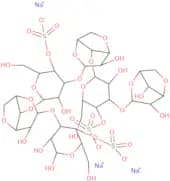
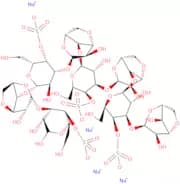
N-Benzyl-3,5-dideoxy-3,5-imino-1,2-O-isopropylidene-D-arabinofuranose is a high purity custom synthesis sugar that has been modified with fluorination and glycosylation. The CAS number for this molecule is 51459-06-8 and it is an oligosaccharide. This molecule can be methylated or modified with other sugars to create complex carbohydrates.Purity:Min. 95%Neocarrahexaose-41,3,5-tri-O-sulfate sodium
CAS:Neocarrahexaose-41,3,5-tri-O-sulfate sodium salt is a high purity custom synthesis that has been modified with a click modification and fluorination. It can also be glycosylated and methylated. The CAS number for this product is 133628-76-9. This product is a saccharide that belongs to the group of complex carbohydrates.Formula:C36H56O37S3•Na3Purity:Min. 95%Color and Shape:White SolidMolecular weight:1,245.98 g/mol7-Azido-7-deoxy-2,3:5,6-di-O-isopropylidene-D-glycero-D-allo-heptono-1,4-lactone
7-Azido-7-deoxy-2,3:5,6-di-O-isopropylidene-D-glycero-D-alloheptono-1,4lactone is a methylation product of saccharide and polysaccharides. It is a modification of the natural molecule with an azide group. It has CAS number 47927–03–9. 7A7DL can be modified to produce oligosaccharides or glycosylations with high purity and custom synthesis. It can be fluorinated to produce complex carbohydrates.Purity:Min. 95%3,5-Dideoxy-3,5-imino-1,2-O-isopropylidene-N-methyl-6-O-tert.butyldimethylsilyl-b-L-glucofuranose
3,5-Dideoxy-3,5-imino-1,2-O-isopropylidene-N-methyl-6-O-tert.butyldimethylsilyl-b-L-glucofuranose is a modified sugar that is used as a chemical intermediate for the synthesis of saccharides, oligosaccharides, and other carbohydrate molecules. It can be synthesized from 3,5,-dichloroisonicotinic acid by the reaction with sodium methylate in methanol. This compound has been shown to form glycosidic bonds with sugars such as glucose and galactose and is used in click chemistry reactions.Purity:Min. 95%Daidzein 7-β-D-glucuronide potassium salt
CAS:Daidzein 7-β-D-glucuronide potassium salt is a synthetic compound with a sugar moiety. The sugar moiety can be any type of sugar, including monosaccharides, disaccharides, and polysaccharides. Daidzein 7-β-D-glucuronide potassium salt has been modified with fluorination, glycosylation, methylation, or polysaccharide modification. It has been used in the synthesis of saccharide complexes and is typically combined with other saccharides to form oligosaccharides or polysaccharides.Formula:C21H17KO10Purity:Min. 95%Color and Shape:PowderMolecular weight:430.36 g/molD-Galactosamine-2-N-sulphate sodium salt
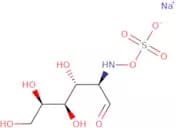
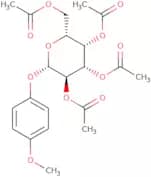
CAS:D-Galactosamine-2-N-sulphate sodium salt is a glycosylation agent that is used to modify saccharides. It has the ability to attach sugars to the chemical structure of other molecules and can be used in the synthesis of oligosaccharides. D-Galactosamine-2-N-sulphate sodium salt can be fluorinated, methylated, and modified with click chemistry reactions. This product is CAS No. 188296-31-3 and has a monomer weight of 613.6 g/mol. This product is available for custom synthesis and has a purity of >99% by HPLC analysis.Formula:C6H12NO8SNaPurity:Min. 95%Color and Shape:PowderMolecular weight:281.21 g/mol4-Methoxyphenyl 2,3,4,6-tetra-O-acetyl-β-D-galactopyranoside
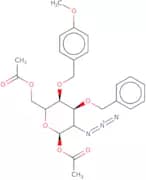
CAS:4-Methoxyphenyl 2,3,4,6-tetra-O-acetyl-b-D-galactopyranoside is a white crystalline powder. It is soluble in water and ethanol. This chemical has been used as a reagent for the methylation of saccharides and oligosaccharides with 4-methoxybenzene sulfonate. It is also an excellent substrate for click chemistry reactions.Formula:C21H26O11Purity:Min. 95%Color and Shape:White to off-white solid.Molecular weight:454.42 g/mol1,6-Di-O-acetyl-2-azido-2-deoxy-3-O-benzyl-4-O-(4-methoxybenzyl)-a-D-glucopyranose
CAS:1,6-Di-O-acetyl-2-azido-2-deoxy-3-O-benzyl-4-O-(4-methoxybenzyl)-a-D-glucopyranose is a modification of the alpha anomer of a glucopyranoside. It is a synthetic compound that has been used in carbohydrate research. The chemical structure consists of a glucose molecule with an acetyl group on carbon 1, and a benzyl group on carbon 2. This modification has been shown to inhibit bacterial growth, specifically Mycobacterium tuberculosis and Mycobacterium avium complex. This compound could be synthesized in high purity and is available through custom synthesis at CAS No. 635683-74-8.Formula:C25H29N3O8Purity:Min. 95%Molecular weight:499.51 g/mol2,3,4,6-Tetra-O-acetyl-a-D-mannopyranosyl trichloroacetimidate
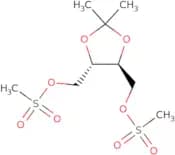
CAS:Glycosyl-donor for syntheses of mannosyl-glycoconjugatesFormula:C16H20Cl3NO10Purity:Min. 80 Area-%Color and Shape:Clear Liquid PowderMolecular weight:492.69 g/mol(-)-2,3-O-Isopropylidene-L-threitol-1,4-dimethane sulfonate
CAS:(-)-2,3-O-Isopropylidene-L-threitol-1,4-dimethane sulfonate is a methylated saccharide that can be used as a raw material for the synthesis of oligosaccharides. This product is an example of a carbohydrate that is custom synthesized and fluorinated. The glycosylation reaction will produce a higher purity product.Formula:C9H18O8S2Purity:Min. 95%Molecular weight:318.37 g/mol(2R, 3S, 4S) -N-Benzyl-3- fluoro- 4- (hydroxymethyl) - 2- azetidinecarboxylic acid
(2R, 3S, 4S)-N-Benzyl-3-fluoro-4-(hydroxymethyl)-2-azetidinecarboxylic acid is a synthetic sugar that is custom synthesized for pharmaceutical applications. It has a purity of 98% and is available in different quantities. The drug can be modified with fluorination, glycosylation, methylation, and modification. (2R, 3S, 4S)-N-Benzyl-3-fluoro-4-(hydroxymethyl)-2-azetidinecarboxylic acid can be used as a sugar or carbohydrate in the synthesis of oligosaccharide or monosaccharide. It has an CAS number of 58614-82-1 and can be found in the Glycosylations and Synthetic sections of the catalog.Purity:Min. 95%N-[2-(4'-Chlorophenylacetonitrile)]-2,3,4,6-tetra-pivaloyl-D-glucopyranoside
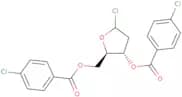
CAS:N-[2-(4'-Chlorophenylacetonitrile)]-2,3,4,6-tetra-pivaloyl-D-glucopyranoside is a synthetic monosaccharide that has been modified with fluorine. The synthesis of this compound involves the glycosylation of 2,3,4,6-tetra-pivaloyl-D-glucopyranoside with methyl 3-(4'-chlorophenyl)acetonitrile. This product is an oligosaccharide that has been used as a model for complex carbohydrates and as a sugar donor in click chemistry. It is soluble in water and ethanol and has a purity level of ≥98%.Formula:C34H49ClN2O8Purity:Min. 95%Molecular weight:649.23 g/mol1-Chloro-3,5-di-O-(4-chlorobenzoyl)-2-deoxy-D-ribofuranose
CAS:Research on 1-chloro-3,5-di-O-(4-chlorobenzoyl)-2-deoxy-D-ribofuranose has shown that this compound has high antibacterial activity against a broad spectrum of Gram positive and Gram negative bacteria. In addition to its role as an antibacterial agent, this compound can also be used as a research reagent for the detection of genetic mutations in bacteria. This compound is not soluble in acetone or chloroform, but is soluble in water.Formula:C19H15Cl3O5Purity:Min. 95%Color and Shape:White PowderMolecular weight:429.68 g/mol2, 5- Anhydro- 3- deoxy-D- xylo- hexonic acid 1-propyl ester
2,5-Anhydro-3-deoxy-D-xylo-hexonic acid 1-propyl ester is a modification of the oligosaccharide xylan. The compound has been synthesized using chemical methods and can be used as a raw material in the production of other products. 2,5-Anhydro-3-deoxy-D-xylo-hexonic acid 1-propyl ester has been custom synthesized to produce high purity and is available with CAS number. It is a monosaccharide that can be methylated and glycosylated and is a polysaccharide made up of sugars (sucrose, glucose, fructose) with various types of saccharides (sugar).Purity:Min. 95%Methyl 5-amino-5-deoxy-a-D-ribofuranoside
CAS:Methyl 5-amino-5-deoxy-a-D-ribofuranoside is a synthetic monosaccharide that has been modified with fluorination and glycosylation. It belongs to the group of saccharides, which are carbohydrates. Methyl 5-amino-5-deoxy -a-D-ribofuranoside is used in the synthesis of oligosaccharides and polysaccharides. The compound has a molecular weight of 268.3 g/mol and a CAS number of 262600-85-1.Formula:C6H13NO4Purity:Min. 95%Molecular weight:163.17 g/mol2-Acetamido-2-deoxy-D-galacturonamide
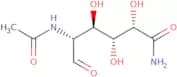
CAS:2-Acetamido-2-deoxy-D-galacturonamide is a potential drug candidate that exhibits potent activity against gram-negative bacteria. It has been shown to exhibit structural similarity to the antigen in the outer membrane of bacteria, and is an amide with a potential use as a protein glycosylation inhibitor. 2-Acetamido-2-deoxy-D-galacturonamide has been shown to be effective against P. aeruginosa, which is a major cause of hospital acquired infections. This drug candidate inhibits the synthesis of proteins by interfering with the biosynthesis of peptidoglycan, which is an essential component of the bacterial cell wall and outer membrane. 2-Acetamido-2-deoxy-D-galacturonamide also can be used for detection sensitivity testing and identification of bacterial strains by hydrogen fluoride treatment or expressed recombinant proteins.Formula:C8H14N2O6Purity:Min. 95%Color and Shape:PowderMolecular weight:234.21 g/mol2-O-Benzyl-3,4-O-benzylidene-2-C-methyl-D-arabino-1.5-lactone
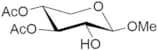
2-O-Benzyl-3,4-O-benzylidene-2-C-methyl-D-arabino-1.5lactone is a fluorinated monosaccharide that is synthesized by the glycosylation of 1,5 D arabinofuranose. It has been used for the synthesis of oligosaccharides and polysaccharides with a variety of sugar modifications. This product is available in high purity and can be custom synthesized to meet your needs.Purity:Min. 95%Methyl 3,4-di-O-acetyl-β-D-xylopyranoside
CAS:Acetyl protected xylosideFormula:C10H16O7Purity:Min. 95%Color and Shape:PowderMolecular weight:248.2 g/mol(2S, 3R, 4R) -3- Fluoro- 4- (hydroxymethyl) - 1- (phenylmethyl) -2- azetidinecarboxylic acid
CAS:This is a synthetic carbohydrate with a fluorinated azetidinecarboxylic acid moiety. The monosaccharide is an L-rhamnose derivative, which has been methylated and glycosylated at the C-5 position. This sugar has been modified by Click chemistry to introduce a reactive group at the C-3 position. The oligosaccharides are composed of D-glucose, L-galactose, and L-fucose, which have been modified by fluorination and polysaccharide modification. This compound can be custom synthesized to suit your needs.Purity:Min. 95%2,3,4,6-Tetra-O-benzoyl-D-mannopyranose
CAS:2,3,4,6-Tetra-O-benzoyl-D-mannopyranose is a methylated saccharide with a molecular weight of 596. It is easily modified and can be used in the synthesis of complex carbohydrates. This product has been synthesized by Click chemistry and it is fluorinated. The purity of this product is >99%. CAS No. 627466-98-2.Formula:C34H28O10Purity:Min. 95%Color and Shape:PowderMolecular weight:596.58 g/molEthyl 4,6-O-benzylidene-2-O-levulinoyl-b-D-thioglucopyranoside
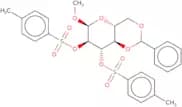
Ethyl 4,6-O-benzylidene-2-O-levulinoyl-b-D-thioglucopyranoside is a highly functionalized glycoside that is synthesized from levulinic acid as the starting material. It is an important chemical intermediate for various applications in biotechnology and medicine. Ethyl 4,6-O-benzylidene-2-O-levulinoyl-b-D-thioglucopyranoside can be used to modify saccharides, oligosaccharides, and polysaccharides with fluorine or methyl groups. This product has been custom synthesized to specifications and is of high purity.Formula:C20H26O7SPurity:Min. 95%Molecular weight:410.48 g/molMethyl 4,6-O-benzylidene-2,3-di-O-(p-toluenesulfonyl)-α-D-glucopyranoside
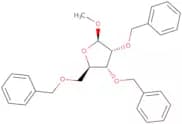
CAS:Methyl 4,6-O-benzylidene-2,3-di-O-(p-toluenesulfonyl)-a-D-glucopyranoside is a custom synthesis that has been modified with fluorination, methylation, and click modification. It is a monosaccharide that can be found in saccharides and polysaccharides. This product is also a synthetic carbohydrate with the CAS number of 6884-01-1. Methyl 4,6-O-benzylidene-2,3-di-O-(p-toluenesulfonyl)-a -D -glucopyranoside has been shown to have antihyperglycemic properties by inhibiting the action of alpha amylase on starch. This product also inhibits the activity of alpha amylase on glycogen and lactose.Formula:C28H30O10S2Purity:Min. 95%Molecular weight:590.66 g/molMethyl 2,3,5-tri-O-benzyl-β-D-ribofuranoside
CAS:Methyl 2,3,5-tri-O-benzyl-b-D-ribofuranoside is a glycosylation reagent that can be used in the synthesis of oligosaccharides and polysaccharides. It is used to modify saccharides with fluorine or methyl groups and can be used to synthesize complex carbohydrates. Methyl 2,3,5-tri-O-benzyl-b-D-ribofuranoside is also an intermediate for click chemistry reactions. This product has high purity and can be custom synthesized to meet customers' needs.Formula:C27H30O5Purity:Min. 95%Color and Shape:Pale yellow oil.Molecular weight:434.52 g/mol2,6-Dimethyl-b-cyclodextrin - Technical
CAS:This beta-cyclodextrin (β-CD) derivative is a functionalized cyclic oligosaccharide composed of seven glucose units, characterized by a hydrophilic exterior and a lipophilic cavity (bigger than α-CD and smaller than γ-CDs), which allows it to encapsulate various guest molecules. This structural feature facilitates its use in multiple applications, including pharmaceuticals, food enhancement, and cosmetics. In the pharmaceutical industry, it enhances the solubility and stability of poorly water-soluble drugs, improving their bioavailability and efficacy while also masking unpleasant tastes. The food sector utilizes it as a stabilizer for flavors, colors, and nutrients, extending shelf life by protecting sensitive ingredients from degradation. In cosmetics, it serves as a complexing agent for fragrances and active components, ensuring their stability and controlled release. Its use expands to many other fields, including nanotechnology for drug delivery systems, environmental remediation for extracting organic pollutants, textiles for slow-release fragrances, and analytical chemistry for chiral separation.Formula:C56H98O35Purity:Min. 98%Color and Shape:White PowderMolecular weight:1,331.36 g/molMethyl 4,6-O-benzylidene-2,3-di-O-benzyl-a-D-glucopyranoside
CAS:Methyl 4,6-O-benzylidene-2,3-di-O-benzyl-a-D-glucopyranoside is a synthetic compound that is used as an intermediate in the production of other chemicals. The compound has been shown to be resistant to methylation and glycosylation. It has also been modified with a click chemistry reaction and fluorinated. Methyl 4,6-O-benzylidene-2,3-di-O-benzyl-a-D -glucopyranoside is a carbohydrate with a molecular formula of C12H24O14 and a molecular weight of 594.8 g/mol.Formula:C28H30O6Purity:Min. 95%Color and Shape:White PowderMolecular weight:462.53 g/molMethyl 2,4-Di-O-acetyl-3-deoxy-3-fluoro-b-D-xylopyranoside
CAS:Methyl 2,4-Di-O-acetyl-3-deoxy-3-fluoro-b-D-xylopyranoside is a synthetic, fluorinated glycosylation product. It is used in the synthesis of complex carbohydrates, and has been shown to be useful for click modification. This product has been custom synthesized by our company, and can be ordered in high purity.Formula:C10H15FO6Purity:Min. 95%Molecular weight:250.22 g/mol2,3,4,6-Tetra-O-benzyl-b-D-glucopyranosyl Fluoride
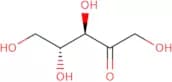
CAS:2,3,4,6-Tetra-O-benzyl-b-D-glucopyranosyl Fluoride (TBG) is a drug that has antibiotic properties. It inhibits bacterial growth by binding to the D-glucose residue in the cell wall of gram positive bacteria, which prevents the synthesis of peptidoglycan and thus inhibits protein synthesis. TBG binds to the hydroxyl group on the stannic chloride to form an insoluble complex. The stannic chloride is then converted into a soluble complex with fluoride ion. TBG can be used as an antibiotic for gram positive bacteria such as Staphylococcus aureus and Streptococcus pyogenes.Formula:C34H35FO5Purity:(%) Min. 96%Color and Shape:PowderMolecular weight:542.64 g/molD-Ribulose, 0.5-1.0 mol/L aqueous solution
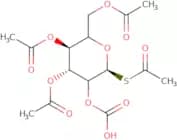
CAS:D-Ribulose is a type of sugar that belongs to the carbohydrate family. It is not metabolized by humans and is used as an energy source by certain bacteria. D-Ribulose is a substrate for bacterial xylitol dehydrogenase, which produces the intermediate xylitol. This product can be used in probiotic bacteria or as an antioxidant compound in biological samples such as coli k-12. D-Ribulose also has conformational properties that are different from other sugars, which may be due to its lack of hydroxyl groups on the ring. The reaction mechanism for this product has been identified and involves hydrogen fluoride (HF) and ribitol dehydrogenase to produce ribulose and hydrogen gas.Formula:C5H10O5Purity:Min. 98 Area-%Color and Shape:PowderMolecular weight:150.13 g/mol2,3,4,6-Tetra-O-acetyl-1-S-acetyl-b-D-thiogalactopyranose
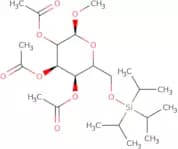
2,3,4,6-Tetra-O-acetyl-1-S-acetyl-b-D-thiogalactopyranose is a synthetic sugar that is used in the synthesis of complex carbohydrates. It has been modified with methylation and acetylation reactions. The CAS number for this compound is 112724-71-8.Formula:C15H20O11SPurity:Min. 95%Molecular weight:408.38 g/molMethyl 2,3,4-tri-O-acetyl-6-O-triisopropylsilyl-a-D-glucopyranoside
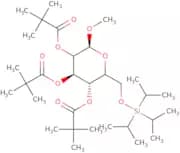
CAS:Methyl 2,3,4-tri-O-acetyl-6-O-triisopropylsilyl-a-D-glucopyranoside is a glycosylation product of D-glucose and methyl 2,3,4,6 triacetate. This product is a fluorinated sugar with the following chemical structure:Formula:C22H40O9SiPurity:Min. 95%Molecular weight:476.64 g/molD-Sedoheptulose-7-phosphate barium salt
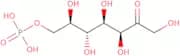
CAS:Substrate of phosphofructokinase; pentose phosphate pathway intermediateFormula:C7H13O10PBaPurity:Min. 75 Area-%Color and Shape:White PowderMolecular weight:425.47 g/mol2,3,4-Tri-O-acetyl-1,6-anhydro-b-D-galactopyranose
CAS:2,3,4-Tri-O-acetyl-1,6-anhydro-b-D-galactopyranose is a sugar that has been modified with fluorination. This modification is done in an effort to increase the solubility of this product. It is also used as the backbone for other sugars in order to create complex carbohydrates or polysaccharides. In addition, 2,3,4-Tri-O-acetyl-1,6-anhydro-b-D-galactopyranose can be methylated and glycosylated in order to modify its properties. This product is available for custom synthesis and has a purity level of 99%.
Formula:C12H16O8Purity:Min. 95%Color and Shape:PowderMolecular weight:288.25 g/mol1,6-Bis- O- Tert.butyldimethylsilyl- 3, 4- O-isopropylidene)-2,5-O-methanesulfonyl-D- mannitol
1,6-Bis-O-tert.butyldimethylsilyl-3,4-O-isopropylidene)-2,5-O-methanesulfonyl-D-mannitol is a sugar that is used as a starting material for the synthesis of glycosides. This compound has been shown to react with click chemistry and undergo fluorination, glycosylation, methylation, and modification reactions. It has been shown to be useful in the synthesis of oligosaccharides and monosaccharides. The chemical formula for 1,6-Bis-O-tert.butyldimethylsilyl-3,4-O-[isopropylidene)-2,5 - O]-methanesulfonyl--D--mannitol is C14H30OSiMesO8S2.Purity:Min. 95%Methyl 3,5-di-O-acetyl-2,4-anhydro-D-arabinonate
Methyl 3,5-di-O-acetyl-2,4-anhydro-D-arabinonate is a custom synthesis of a complex carbohydrate. It is modified with methylation, glycosylation and click modification. This product has been fluorinated to provide high purity and is used in the preparation of other saccharides. Methyl 3,5-di-O-acetyl-2,4-anhydro-D-arabinonate belongs to the category of carbohydrates and sugars. This product is made up of a saccharide that contains three carbon atoms (C3H7O6) and one oxygen atom (O). The chemical formula for this compound is C3H5(COOC2H5)3.Purity:Min. 95%Methyl 4-azido-2,3-di-O-benzoyl-4-deoxy-6-O-trityl-α-D-glucopyranoside
CAS:Methyl 4-azido-2,3-di-O-benzoyl-4-deoxy-6-O-trityl-a-Dglucopyranoside is a synthetic carbohydrate. It is used in the synthesis of complex carbohydrates. Methyl 4-azido-2,3-diObenzoyl4deoxy6OtritylAglucopyranoside is an intermediate in the chemical synthesis of oligosaccharides and polysaccharides. This product is custom synthesized to meet customer specifications.Formula:C40H35N3O7Purity:Min. 95%Color and Shape:White to off-white solid.Molecular weight:669.72 g/mol5-O-tert-Butyldimethylsilyl-2,3-O-isopropylidene-D-ribofuranose
CAS:5-O-tert-Butyldimethylsilyl-2,3-O-isopropylidene-D-ribofuranose is a stereoselective, unsubstituted aryl group. It is used in the synthesis of deodorants and antiperspirants. This compound has been shown to have an effect on perspiration by reducing the amount of sweat produced by the apocrine glands. The mechanism of action may be related to its ability to inhibit c1-c4 esters that are involved in the synthesis of odoriferous substances. 5-O-tert-Butyldimethylsilyl-2,3-O-isopropylidene-D-ribofuranose also inhibits bacterial growth by binding to DNA gyrase and topoisomerase IV, which are enzymes that maintain the integrity of bacterial DNA.Formula:C14H28O5SiPurity:Min. 95%Color and Shape:White PowderMolecular weight:304.45 g/mol(3aS, 6aS) -Dihydro- 2, 2, 6a- trimethyl-furo[3, 4- d] - 1, 3- dioxol- 4(3aH) - one
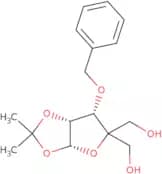
(3aS, 6aS) -Dihydro-2,2,6a-trimethyl-furo[3,4-d]-1,3-dioxol-4(3aH)-one is a white crystalline powder that is soluble in chloroform and ether. It can be used as a synthetic intermediate for the preparation of other products. It has been shown to be effective in methylation reactions on saccharides and polysaccharides. This product is available with custom synthesis options and can be modified with click chemistry or fluorination. This product is also available with high purity levels and fluorescence properties.Purity:Min. 95%3-O-Benzyl-4-(hydroxymethyl)-1,2-O-isopropylidene-α-D-ribofuranose
CAS:Synthetic building block for nucleic acid research
Formula:C16H22O6Purity:Min. 98 Area-%Color and Shape:White PowderMolecular weight:310.34 g/mol1-Deoxy-3,4:6,7-Di-O-isopropylidene L-gulo-hept-2-ulose
CAS:1-Deoxy-3,4:6,7-Di-O-isopropylidene L-gulo-hept-2-ulose is a synthetic sugar that can be used to synthesize oligosaccharides. It is a methylated derivative of the natural sugar galactose and has been modified with fluorine atoms at C1 and C3 positions. This product is offered as a custom synthesis and can be ordered in high purity. Methylation of 1,2,3,4 tetra-, penta-, hexa-, or octa-saccharides is a way to introduce new chemical functionalities into the molecule. This process can be achieved through the use of methyl donors such as methanol or dimethyl sulfate. In this case, the methyl groups are introduced on the oxygen atom of glucose at position 3, 4, 6 or 7. The result is a new type of sugar called an oligosaccharidePurity:Min. 95%5-Azido-5-deoxy-2-C-(hydroxymethyl)-L-lyxono-1.4-lactone
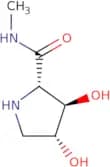
5-Azido-5-deoxy-2-C-(hydroxymethyl)-L-lyxono-1.4-lactone (5AZDOL) is a modified oligosaccharide with a molecular weight of 558. It is synthesized from L-lyxonic acid, which is obtained from the hydrolysis of L-xylose. The methylation and glycosylation reactions are carried out in the presence of DMSO and ammonium hydroxide respectively. The final product is purified by crystallization and characterized by IR and NMR spectroscopy. 5AZDOL has CAS No. 607634-06-7, an M 1 monosaccharide, an Oligosaccharide, a Carbohydrate, a complex carbohydrate, and Synthetic.br>br>Purity:Min. 95%(2S, 3R, 4R) -3, 4- Dihydroxy- N- methyl- 2- pyrrolidinecarboxami de
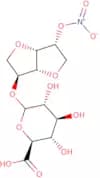
CAS:(2S, 3R, 4R) -3, 4-Dihydroxy-N-methyl-2-pyrrolidinecarboxamide is a synthetic sugar that has been synthesized for the modification of complex carbohydrates. The compound has a CAS number of 1394841-58-7 and can be used to decrease the rate of glycosylation reactions by removing hydroxyl groups from saccharides or oligosaccharides. This compound is typically synthesized by methylation and glycosylation. It is also possible to click modify this product with an azide group. Click modifications are reversible and produce no side products.Purity:Min. 95%Isosorbide 5-mononitrate 2-b-D-glucuronide
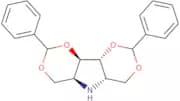
CAS:Isosorbide 5-mononitrate 2-b-D-glucuronide is a reconstituted form of Isosorbide 5-mononitrate. It is used in the treatment of congestive heart failure and angina pectoris. The drug is a nitrovasodilator that relaxes smooth muscle cells, increasing blood flow to the heart. It has been shown to be effective in reducing the frequency of angina attacks and improving exercise tolerance. Isosorbide 5-mononitrate 2-b-D-glucuronide may also have beneficial effects on other cardiovascular diseases such as coronary heart disease, heart attack, or high blood pressure.Formula:C12H17NO12Purity:Min. 95%Molecular weight:367.26 g/mol1,3:4,6-Di-O-benzylidene-2,5-dideoxy-2,5-imino-L-iditol
CAS:1,3:4,6-Di-O-benzylidene-2,5-dideoxy-2,5-imino-L-iditol is a synthetic oligosaccharide that can be used as a glycosylation probe. It has been shown to have high purity and good stability in the presence of strong acids and bases. The methyl group on the benzene ring can be replaced with other functional groups such as fluoro or chloro. This product is also available in custom synthesis for those who need it.Formula:C20H21NO4Purity:Min. 95%Color and Shape:White PowderMolecular weight:339.39 g/mol1,2-Di-O-benzyl-4,6-O-benzylidene-a-D-mannopyranoside
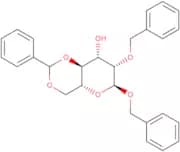
CAS:1,2-Di-O-benzyl-4,6-O-benzylidene-a-D-mannopyranoside is a custom synthesis that belongs to the class of polysaccharides. It is a synthetic modification of D-mannose. The 1,2 position on the glucose moiety has been fluorinated and the 6 position on the mannose moiety has been methylated. This sugar is a monosaccharide with a molecular weight of 587. The glycosylation pattern includes saccharide units linked by glycosidic bonds between the 1 and 2 positions on adjacent sugars in linear or branched chains. This product can be used as an intermediate for other syntheses or as a pharmaceutical drug.Formula:C27H28O6Purity:Min. 95%Molecular weight:448.51 g/mol3-Deoxy-D-arabino-hexonic acid calcium salt
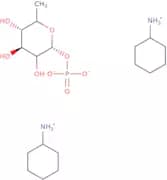
CAS:3-Deoxy-D-arabino-hexonic acid calcium salt is a synthetic, modified monosaccharide that is used as a glycosylation or polysaccharide modification. It has been shown to have high purity and can be custom synthesized to meet the needs of your application. 3-Deoxy-D-arabino-hexonic acid calcium salt has been shown to have strong anti-tumor activity and is an important part of cancer treatment. This compound can be methylated for use in click chemistry reactions.Formula:C12H24CaO12Purity:Min. 95%Molecular weight:400.39 g/molb-L-Fucose-1-phosphate bis(cyclohexylammonium) salt
CAS:b-L-Fucose-1-phosphate bis(cyclohexylammonium) salt is a synthetic, fluorinated monosaccharide that is used in the synthesis of oligosaccharides, polysaccharides and glycoproteins. The compound can be modified using click chemistry. It has been synthesized by reacting b-D-fucose with 2 equivalents of cyclohexylamine in the presence of BF3.Formula:C6H11O8P·2C6H14NPurity:Min. 95%Color and Shape:White PowderMolecular weight:442.48 g/molMethyl 2,3,4,6-tetra-O-acetyl-α-D-glucopyranoside
CAS:Methyl 2,3,4,6-tetra-O-acetyl-a-D-glucopyranoside is a custom synthesis. It is a fluorinated sugar that can be modified with methyl groups and acetyl groups. Methyl 2,3,4,6-tetra-O-acetyl-a-D-glucopyranoside has been used in the synthesis of oligosaccharides and saccharides. This compound can also be glycosylated with other sugars to form complex carbohydrates.Formula:C15H22O10Purity:Min. 95%Color and Shape:PowderMolecular weight:362.33 g/mol4-Methylphenyl β-D-thiogalactopyranoside
CAS:4-Methylphenyl β-D-thiogalactopyranoside is a custom synthesis. The chemical is an Oligosaccharide, Polysaccharide, Modification, saccharide, Methylation, Glycosylation, Carbohydrate that has been Fluorinated and Synthetically Modified. It is a High purity product with the CAS No. 28244-98-6.Formula:C13H18O5SPurity:Min. 95%Color and Shape:White Off-White PowderMolecular weight:286.35 g/mol3,4:5,6-Di-O-Isopropylidene-L-idonic acid methyl ester
3,4:5,6-Di-O-Isopropylidene-L-idonic acid methyl ester (DIPIM) is a synthetic carbohydrate that is used in the modification of saccharides and oligosaccharides. DIPIM is a fluorinated monosaccharide that can be synthesized by the click chemistry reaction. It is highly pure, with a purity level of 99.9%. DIPIM has been shown to react with glycosyl acceptors to form glycosyl derivatives. This compound also has potential in the design of new therapeutic agents for cancer treatment.Purity:Min. 95%Neocarraoctaose-4¹,4³,4⁵,4⁷-tetra-O-sulfate sodium
CAS:Neocarraoctaose-41,3,5,7-tetra-O-sulfate sodium salt is a synthetic carbohydrate compound that is used in the synthesis of oligosaccharides and polysaccharides. The chemical name of this product is Neocarraoctaose-41,3,5,7-tetra-O-sulfate sodium salt. It has a molecular weight of 598.34 g/mol and a CAS number of 133647-94-6. This product can be synthesized by methylation, custom synthesis, click modification and fluorination.
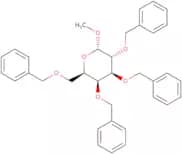
Formula:C48H74O49S4•Na4Purity:Min. 95%Color and Shape:PowderMolecular weight:1,655.3 g/molMethyl 2,3,4,6-tetra-O-benzyl-α-D-galactopyranoside
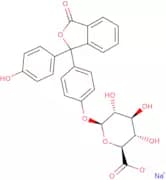
CAS:Methyl 2,3,4,6-tetra-O-benzyl-α-D-galactopyranoside (MBGT) is a pharmaceutical that belongs to the class of aziridines. It has shown high light emission properties at temperatures between 25 and 50 °C. MBGT has been used as a shift reagent for the analysis of carbohydrates and glycols. The spectral shift exhibited by MBGT is due to the resonance stabilization of the molecule's excited state. This effect is increased by hydrogen peroxide, which acts as an oxidant and stabilizes the excited state via electron transfer. A bathochromic shift was observed in aqueous solutions at pH 4.5 when methyl 2,3,4,6-tetra-O-benzyl-α-D-galactopyranoside was combined with potassium hydroxide or sodium hydroxide as a base.Formula:C35H38O6Purity:Min. 98 Area-%Color and Shape:PowderMolecular weight:554.67 g/molPhenolphthalein b-D-glucuronic acid sodium salt
CAS:beta-glucuronidase substrateFormula:C26H22O10NaPurity:Min. 95 Area-%Color and Shape:Yellow PowderMolecular weight:517.44 g/mol2-Azidoethyl 2-O-(2-acetamido-2-deoxy-b-D-glucopyranosyl)-a-D-mannopyranoside
2-Azidoethyl 2-O-(2-acetamido-2-deoxy-b-D-glucopyranosyl)-a-D-mannopyranoside is a carbohydrate that is a modification of the saccharide oligosaccharide. It has been synthesized by custom synthesis and has high purity, methylation, glycosylation and click modification.Formula:C16H28N4O11Purity:Min. 95%Molecular weight:452.41 g/molMethyl 2,3-di-O-p-toluenesulfonyl-a-D-glucopyranoside
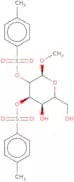
Methyl 2,3-di-O-p-toluenesulfonyl-a-D-glucopyranoside is a high purity, custom synthesis sugar that is used in glycosylation and modification. It has a CAS number of 83792-07-4 and can be synthesized from methyl p-toluenesulfonate, D-glucose, and sodium hydroxide. Methyl 2,3-di-O-p-toluenesulfonyl-a-Dglucopyranoside has been shown to react with fluorine to form fluoro derivatives. This compound reacts with glycosylations and modifications such as methylation or acetylation. It is also an oligosaccharide that is composed of monosaccharides and saccharides.
Formula:C21H26O10S2Purity:Min. 95%Molecular weight:502.56 g/mol(2S,3R,4R,5S)-3-O-Benzyl-3,4,5-trihydroxypiperidine-2-carboxylic acid
(2S,3R,4R,5S)-3-O-Benzyl-3,4,5-trihydroxypiperidine-2-carboxylic acid is a synthetic compound. It is a fluorinated glycosylated oligosaccharide with the molecular formula C14H21FNO6. This compound has been modified with methylation, monosaccharide and polysaccharide modifications. It is also a complex carbohydrate that can be custom synthesized and purified to high purity. CAS No.: 366864-11-1Purity:Min. 95%2,4,7,8,9-Penta-O-acetyl N-acetylneuraminic acid
CAS:2,4,7,8,9-Penta-O-acetyl N-acetylneuraminic acid is a modification of the carbohydrate 2,4,7,8,9-penta-O-acetyl N-acetylneuraminic acid. It is a complex carbohydrate that is custom synthesized to meet the needs of specific customers. This product can be used for the synthesis of oligosaccharides and polysaccharides in glycosylation reactions. It can also be modified with methylation and fluorination. 2,4,7,8,9-Penta-O-acetyl N-acetylneuraminic acid has high purity and is monosaccharide. It also has an acetate group on its sugar chain at position 9. This product can be used as a sugar or in click chemistry reactions because it contains an amine group at position 8.Formula:C21H29NO14Purity:Min. 95%Color and Shape:PowderMolecular weight:519.45 g/molN- (2, 5-Anhydro- 3- azido- 3- deoxy-4,6-di-O-acetyl- D- altronoyl) - 2, 5- anhydro- 3- amino- 3- deoxy-4,6-di-O-acetyl- D- altronic acid methyl ester
N- (2, 5-Anhydro- 3- azido- 3- deoxy-4,6-di-O-acetyl- D- altronoyl) - 2, 5- anhydro- 3- amino -3,6 di O acetyl -D altronic acid methyl ester is a glycosylation compound that is synthesized by modifying the corresponding nitrophenol with methylamine. It has a CAS number of 1205843.Purity:Min. 95%Ethyl 3,5,6-tri-O-benzyl-D-glucofuranoside
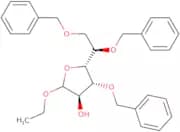
CAS:Ethyl 3,5,6-tri-O-benzyl-D-glucofuranoside is a modification of the natural carbohydrate D-glucose and has been synthesized by methylation. This product has a purity of 99% and is made up of three monosaccharides: D-glucose, D-mannose, and D-galactose. It also contains an oligosaccharide chain that consists of 6 sugar units. Ethyl 3,5,6-tri-O-benzyl-D-glucofuranoside is insoluble in water but soluble in acetone. The molecular weight of this product is 522.2 g/mol.Formula:C29H34O6Purity:Min. 95%Color and Shape:Yellow Clear LiquidMolecular weight:478.58 g/mol2,3-O-Isopropylidene-1-O-methyl-D-ribosic acid
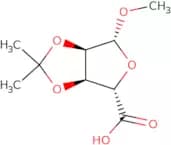
CAS:2,3-O-Isopropylidene-1-O-methyl-D-ribosic acid is a synthetic glycosylate that can be used to modify saccharides and oligosaccharides. It is a methylated form of ribose and has been shown to inhibit the glycosylation reactions of glycogen. 2,3-O-Isopropylidene-1-O-methyl-D-ribosic acid is also known to react with fluorine in order to produce a variety of fluorinated carbohydrates. This product has high purity and can be used for custom synthesis of carbohydrates. The CAS number for this product is 54622-95-6.Formula:C9H14O6Purity:Min. 95%Color and Shape:PowderMolecular weight:218.2 g/mol3-O-Benzyl 4-C-(methanesulfonyloxymethyl)-5-O-methanesulfonyl-1,2-O-isopropylidene-a-D-ribofuranose
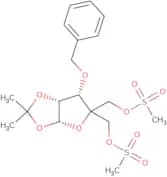
CAS:3-O-Benzyl 4-C-(methanesulfonyloxymethyl)-5-O-methanesulfonyl-1,2-O-isopropylidene-a-D-ribofuranose is an Oligosaccharide with a CAS number of 293751-01-6. It has been synthesized by Click modification and has a purity of greater than 98%. The glycosylation is custom synthesis. Glycosylations are modifications to saccharides that are added to the sugar chain in order to increase the biological activity or improve the pharmacokinetics of the drug.Formula:C18H26O10S2Purity:Min. 98 Area-%Color and Shape:White PowderMolecular weight:466.53 g/mol5-Azido- 5, 6- dideoxy- 2, 3- O-isopropylidene- D- gulonic acid-1,4-lactone
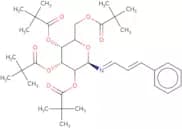
CAS:5-Azido-5,6-dideoxy-2,3-O-isopropylidene-D-gulonic acid-1,4-lactone is a carbohydrate that belongs to the group of saccharides. It is a synthetic sugar that has been modified with fluorine atoms on the 2 and 3 position of the sugar. 5-Azido-5,6-dideoxygulonic acid 1,4lactone has been shown to be resistant to enzymatic degradation by α amylase and β amylase. The compound also has a high level of purity (>98%) and custom synthesis capabilities.Purity:Min. 95%N-(Phenyl-1-propenyl)imino-2,3,4,6-tetra-O-pivaloyl-D-glucopyranoside
N-(Phenyl-1-propenyl)imino-2,3,4,6-tetra-O-pivaloyl-D-glucopyranoside (NPG) is a synthetic oligosaccharide. It is an Methylation and Click modification of the natural glycosylation product of glucose with pivalic acid. NPG has been shown to inhibit the Glycosylation enzyme by methylating it and preventing it to be able to catalyze the attachment of a sugar molecule to an amino acid residue. This inhibition prevents the production of complex carbohydrates in bacteria. NPG is also fluorinated at the 2,3,4,6 positions on the glucose ring which allows for better binding to bacterial cells. NPG has been shown to bind specifically to mycobacterial cell wall glycolipids and inhibit their synthesis as well as other bacterial cells such as staphylococcus aureus.Formula:C35H51NO9Purity:Min. 95%Molecular weight:629.78 g/molEthyl 2,4,6-tri-O-benzoyl-b-D-thiogalactopyranoside
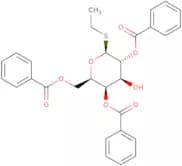
CAS:Ethyl 2,4,6-tri-O-benzoyl-b-D-thiogalactopyranoside is a custom synthesis that is a modification of an oligosaccharide. It is a glycosylation and carbonylation product of an ethyl 2,4,6-tri-O-(benzoyl)-b-D-thioglucopyranoside. This product has been fluorinated and methylated. Ethyl 2,4,6-tri-O-(benzoyl)-b-D-thiogalactopyranoside is a polysaccharide with a complex carbohydrate structure. It has been modified by glycosylation and carbonylation.Formula:C29H28O8SPurity:Min. 95%Color and Shape:White Off-White PowderMolecular weight:536.59 g/molMethyl 2,3,4-tri-O-benzyl-α-D-glucopyranoside
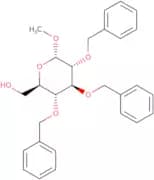
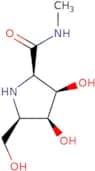
CAS:Resource for the 6-O-modification of Glc e.g. in glucuronic acid synthesisFormula:C28H32O6Purity:Min. 95%Color and Shape:White PowderMolecular weight:464.55 g/mol(2R, 3R, 4S, 5R) -3, 4- Dihydroxy- 5- (hydroxymethyl) - N- methyl-2- pyrrolidinecarboxami de
CAS:(2R, 3R, 4S, 5R) -3, 4- Dihydroxy- 5- (hydroxymethyl) - N- methyl-2- pyrrolidinecarboxami de is an Methylation product of 2-pyrrolidinone. It is a white to off-white solid. This product has been modified with Click chemistry to create a glycosylation site at the C6 position. It is soluble in water and alcohols. The CAS number for this product is 1591783-03-7.Purity:Min. 95%Methyl 5-Acetamido-N-benzyl-5,6-dideoxy-2,6-imino-3-O-benzyl-L-galactofuranoside
Methyl 5-Acetamido-N-benzyl-5,6-dideoxy-2,6-imino-3-O-benzyl-L-galactofuranoside is a modified carbohydrate with a methyl group at the C5 position. It is synthesized by modification of the saccharide and has a CAS number. This compound is used as a custom synthesis for synthesis of complex carbohydrates.Purity:Min. 95%Methyl 2,3,4-tri-O-pivaloyl-6-O-triisopropylsilyl-a-D-galactopyranoside
Methyl 2,3,4-tri-O-pivaloyl-6-O-triisopropylsilyl-a-D-galactopyranoside is a glycosylated sugar that can be custom synthesized or purchased. This product is a fluorinated oligosaccharide with a methyl group at C2. The chemical name for this modified sugar is O-(3,4,5,6-tetra-O-(1,1,1,3,3,3,-hexafluoroethoxy)propyl)-a-D-galactopyranose. It can be used in glycosylation reactions to modify the saccharides and it has an average purity of 99%. Methyl 2,3,4-tri-O-pivaloyl-6-O--triisopropylsilyl--a--D--galactopyranoside has a CASFormula:C31H58O9SiPurity:Min. 95%Molecular weight:602.87 g/mol2,5-Anhydro-4-azido-4-deoxy-L-xylonic acid methyl ester
CAS:2,5-Anhydro-4-azido-4-deoxy-L-xylonic acid methyl ester is a custom synthesized carbohydrate that has been modified with glycosylation and methylation. This product can be used as a sugar or polysaccharide in the synthesis of complex carbohydrates. 2,5-Anhydro-4-azido-4-deoxy-L-xylonic acid methyl ester is an intermediate in the production of high purity monosaccharides for use in the manufacture of fluorinated saccharides. 2,5-Anhydro-4-azido-4-deoxy--L--xylonic acid methyl ester is also available from other suppliers.Purity:Min. 95%2- Azido- 2- deoxy- 2- C- methyl-D- ribonic acid g- lactone
2-Azido-2-deoxy-2-C-methyl-D-ribonic acid g-lactone is a glycoside that can be used as a monosaccharide or an oligosaccharide. It's custom synthesis allows for the modification of saccharides, such as fluorination and methylation, to create complex carbohydrates. This product has been shown to have high purity with a CAS number in the range of 108411-41-8.Purity:Min. 95%2,3,4,6-Tetra-O-acetyl-b-D-glucopyranosyl amine
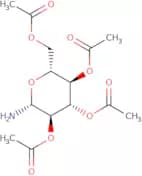
CAS:2,3,4,6-Tetra-O-acetyl-b-D-glucopyranosyl amine is an artificial carbohydrate with a fluorinated sugar. It is synthesized by reacting 2,3,4,6-tetra-O-acetyl-b-D-glucopyranosyl chloride with ammonia and methyl iodide. The compound can be used to modify the sugar residues of glycosides or polysaccharides. It has been shown to have high purity and can be used in the synthesis of complex carbohydrates.Formula:C14H21NO9Purity:Min. 98 Area-%Color and Shape:White PowderMolecular weight:347.32 g/molD-Gluconic acid magnesium (II) hydrate
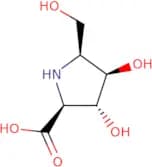
CAS:D-Gluconic acid magnesium (II) hydrate is a proton that is used as an enzyme inhibitor. It has been shown to inhibit glutamate pyruvate transaminase, which is involved in the production of inflammatory cytokines such as TNF-α and IL-1β. D-Gluconic acid magnesium (II) hydrate also inhibits creatine kinase, which plays an important role in the production of inflammatory cytokines. This compound has been shown to be effective at inhibiting bowel disease and inflammatory diseases.Formula:C6H11O7Mg·xH2OPurity:Min. 95%Color and Shape:PowderMolecular weight:207.3 g/mol(3R, 4R, 5S) -3, 4- Dihydroxy- 5- (hydroxymethyl) - L- proline
CAS:(3R, 4R, 5S) -3, 4- Dihydroxy- 5- (hydroxymethyl) - L- proline is a fluorinated monosaccharide that is synthesized from D-glucose and D-alanine. It can be modified to form oligosaccharides or polysaccharides with various glycosylations, methylations, and click modifications. This compound has shown promising results in cancer research studies and is available at high purity.Purity:Min. 95%1,3,4,6-Tetra-O-acetyl-2-[[2-(acetylthio)acetyl]amino]-2-deoxy-D-galactopyranose
CAS:1,3,4,6-Tetra-O-acetyl-2-[[2-(acetylthio)acetyl]amino]-2-deoxy-D-galactopyranose is a modified GalNAc analogueFormula:C18H25NO11SPurity:Min. 95%Color and Shape:PowderMolecular weight:463.46 g/mol3-Azidopropyl 2-acetamido-2-deoxy-3,4,6-tri-O-acetyl-b-D-glucopyranoside
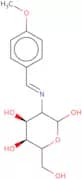
3-Azidopropyl 2-acetamido-2-deoxy-3,4,6-tri-O-acetyl-b-D-glucopyranoside is a synthetic carbohydrate. It is a modification of the natural saccharide 3,4,6 tri O acetyl b D glucopyranoside. The modification in this case is the addition of an azide group to one of the hydroxyl groups on the sugar. This product has a CAS number and can be custom synthesized to meet your specific needs. It is available in high purity and can be modified by methylation or glycosylation.Purity:Min. 95%2-Deoxy-2-(4-methoxybenzyliden)imino-D-glucose
CAS:2-Deoxy-2-(4-methoxybenzyliden)imino-D-glucose is a modified carbohydrate that is used for the synthesis of oligosaccharides, polysaccharides, and glycosaminoglycans. This compound is also used as a substrate for methylation reactions. It can be synthesized from D-glucose by the addition of a 2-(4-methoxybenzylidene) group to the 2′ position of the carbon atom on the anomeric carbon. The structure of this compound has been determined by X-ray crystallography.Formula:C14H19NO6Purity:Min. 95%Color and Shape:White to off-white solid.Molecular weight:297.3 g/molN-(4-Chlorobenzyliden)imino-2,3,4,6-tetra-O-pivaloyl-D-glucopyranoside
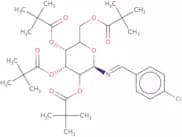
This product is a complex carbohydrate that is custom synthesized by our experts. It is made of Oligosaccharide, Carbohydrate, Custom synthesis, Synthetic, High purity, CAS No., Monosaccharide, Methylation, Glycosylation and Polysaccharide. This product has the following properties: Fluorination, saccharide.Formula:C33H48ClNO9Purity:Min. 95%Molecular weight:638.19 g/molD-Galacturonic acid monohydrate
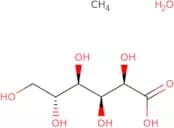
CAS:Please enquire for more information about D-Galacturonic acid monohydrate including the price, delivery time and more detailed product information at the technical inquiry form on this page
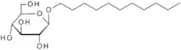
Formula:C6H12O8Molecular weight:212.16 g/molUndecyl b-D-glucopyranoside
CAS:Undecyl b-D-glucopyranoside is a potentiometer that can be used in fields such as modification and implementation. This compound has been shown to be stable and efficient, with a result that is implemented.
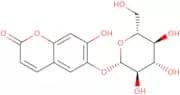
Formula:C17H34O6Purity:Min. 95%Color and Shape:White to off-white solid.Molecular weight:334.45 g/molEsculin - Anhydrous
CAS:Esculin is a natural product obtained from the plant Aesculus hippocastanum. Esculin has been shown to have anti-inflammatory properties in experimental models. It also has been shown to inhibit the activity of both human and animal renin, suppressing kidney fibrosis. Esculin was found to be more effective than indomethacin in preventing the progression of renal disease induced by the model system of chronic kidney disease. Esculin also has antioxidant properties and can reduce oxidative stress caused by free radicals, which may contribute to its anti-inflammatory effects. Esculin is a coumarin derivative that can be used as a chromatographic stationary phase for separation and identification of various chemical compounds.Formula:C15H16O9Purity:Min. 98 Area-%Color and Shape:PowderMolecular weight:340.28 g/molN,N-Bis[3-D-gluconamidopropyl]cholamide
CAS:N,N-Bis[3-D-gluconamidopropyl]cholamide is a potent inhibitor of the cytochrome P450 enzyme. It has been shown to bind to peptides and monoclonal antibodies. This drug also inhibits the acyl chain elongation in the chemical process that produces prostaglandins, leading to their depletion. N,N-Bis[3-D-gluconamidopropyl]cholamide is also an inhibitor of plant α subunit, which is involved in the synthesis of fatty acids and phytohormones. This agent has a high affinity for solanum tuberosum (potato) and can be used as a marker for this species. The kinetic energy of particles enhanced by N,N-bis[3-D-gluconamidopropyl]cholamide was found to be dependent on the fatty acid content of the molecule. The optimumFormula:C42H75N3O16Purity:Min. 95.0 Area-%Color and Shape:PowderMolecular weight:878.06 g/molLauryl maltose neopentyl glycol
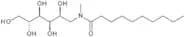
CAS:Amphiphilic detergentFormula:C47H88O22Purity:Min. 97 Area-%Color and Shape:White Off-White PowderMolecular weight:1,005.19 g/molN-Decanoyl-N-methylglucamine
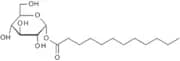
CAS:N-Decanoyl-N-methylglucamine is a fatty acid that is used as a cationic surfactant in detergents and cleaning products. It has been shown to have conformational properties that can be influenced by the acyl chain length. N-Decanoyl-N-methylglucamine has also been shown to bind to antibodies and other proteins, which may lead to antibody response or changes in their conformation. N-Decanoyl-N-methylglucamine binds to receptors on cells, triggering cell lysis and monoclonal antibody production. The optimum pH for this chemical is between 5 and 6, and it has been shown to undergo titration calorimetry at temperatures greater than 100°C.Formula:C17H35NO6Purity:Min. 95%Color and Shape:White PowderMolecular weight:349.47 g/mol1-Oxododecyl α-D-glucopyranoside
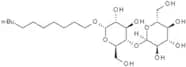
CAS:1-Oxododecyl a-D-glucopyranoside is a synthetic, high purity, and complex carbohydrate that has been synthesized with methylation, saccharide, polysaccharide, click modification and modification. This product is custom synthesized to order for the synthesis of oligosaccharides. 1-Oxododecyl a-D-glucopyranoside is available in CAS No. 64395-91-1 and has been fluorinated for stability and modification.Formula:C18H34O7Purity:Min. 95%Color and Shape:White To Off-White SolidMolecular weight:362.46 g/molUndecyl a-D-maltopyranoside
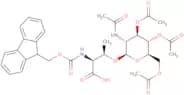
CAS:Undecyl a-D-maltopyranoside is a fluorescent dye that is used in immunohistochemical and immunocytochemical techniques. It has been shown to have excellent photostability, and is also useful for the detection of sulfides. This dye emits light at 520 nm when excited with laser light. The emission spectrum can be changed by adding other dyes, such as fluorescein or rhodamine, to the molecule. The addition of these dyes can also increase its photostability, which makes it an excellent candidate for use in confocal microscopy techniques. Undecyl a-D-maltopyranoside has been shown to react with proteins through an immunoreaction technique.Formula:C23H44O11Purity:Min. 95%Color and Shape:PowderMolecular weight:496.59 g/mol2-Acetamido-3,4,6-tri-O-acetyl-2-deoxy-β-D-glucopyranosyl-Fmoc threonine
CAS:Custom synthesis, Modification, Fluorination, Methylation, Monosaccharide, CAS No. 160168-40-1, Click modification, Oligosaccharide, Synthetic, saccharide, Polysaccharide, Glycosylation, sugarFormula:C33H38N2O13Purity:Min. 95 Area-%Molecular weight:670.66 g/molOctanoyl D-glucopyranoside
CAS:Octanoyl D-glucopyranoside is a potent inhibitor of histidine-mediated endocytosis and the activation of NF-κB signaling in human osteoarthritic chondrocytes. It has also been shown to inhibit viral replication by adenovirus. Octanoyl D-glucopyranoside inhibits the activity of several enzymes, including protein kinase C (PKC), nf-kappa B (NF-κB), and photolyase, which are all involved in inflammation. This compound also inhibits transcription, polymerization, and genotype expression. Octanoyl D-glucopyranoside has been shown to be effective against necrosis factor alpha (TNFα) and interleukin 1 beta (IL1β).
Formula:C14H26O7Purity:Min. 95%Color and Shape:White to off-white solid.Molecular weight:306.35 g/molDodecyl α-D-maltopyranoside
CAS:Dodecyl a-D-maltopyranoside is a solubilized fat that has an optimum pH of 11. It is soluble in chloroform, ethanol, and water. The molecular weight of dodecyl a-D-maltopyranoside is 587.87 g/mol. Dodecyl a-D-maltopyranoside can be used as an absorption marker for lipids in the human liver, wheat germ, and chloroplasts. Dodecyl a-D-maltopyranoside contains two monomers and four subunits. Dodecyl a-D-maltopyranoside can be used to measure the density of lipids in the cell membrane by nmr spectra.Formula:C24H46O11Purity:Min. 95%Color and Shape:PowderMolecular weight:510.62 g/molN,N-Dimethyldodecylamine N-oxide
CAS:N,N-Dimethyldodecylamine N-oxide, also known as lauryldimethylamine oxide (LDAO), is an amine oxide nonionic surfactant with a C12 alkyl chain used widely in cosmetics, washing, cleaning and personal care products. LDAO has antimicrobial properties and is effective against common bacteria such as S. aureus and E. coli.
Formula:C14H31NOPurity:Min. 98%Color and Shape:White Off-White PowderMolecular weight:229.4 g/mol


![(3aS, 4S, 6aR) Tetrahydro- 2, 2, 6a- trimethyl- 4H- 1, 3- dioxolo[4, 5- c] pyrrole- 4- methanol](/_next/image/?url=https%3A%2Fstatic.cymitquimica.com%2Fproducts%2F3D%2Fthumb-webp%2FMT168716.webp&w=3840&q=75)
![(5S, 8S, 9S) -8- [(4R) - 2, 2- Dimethyl- 1, 3- dioxolan- 4- yl] - 9- hydroxy- 2, 2- dimethyl- 1, 3…](/_next/image/?url=https%3A%2Fstatic.cymitquimica.com%2Fproducts%2F3D%2Fthumb-webp%2FMD170670.webp&w=3840&q=75)





![N-[2-(4'-Chlorophenylacetonitrile)]-2,3,4,6-tetra-pivaloyl-D-glucopyranoside](/_next/image/?url=https%3A%2Fstatic.cymitquimica.com%2Fproducts%2F3D%2Fthumb-webp%2FMC08449.webp&w=3840&q=75)









![(3aS, 6aS) -Dihydro- 2, 2, 6a- trimethyl-furo[3, 4- d] - 1, 3- dioxol- 4(3aH) - one](/_next/image/?url=https%3A%2Fstatic.cymitquimica.com%2Fproducts%2F3D%2Fthumb-webp%2FMD170601.webp&w=3840&q=75)





![1,3,4,6-Tetra-O-acetyl-2-[[2-(acetylthio)acetyl]amino]-2-deoxy-D-galactopyranose](/_next/image/?url=https%3A%2Fstatic.cymitquimica.com%2Fproducts%2F3D%2Fthumb-webp%2FMT145185.webp&w=3840&q=75)


![N,N-Bis[3-D-gluconamidopropyl]cholamide](/_next/image/?url=https%3A%2Fstatic.cymitquimica.com%2Fproducts%2F3D%2Fthumb-webp%2FDB18793.webp&w=3840&q=75)