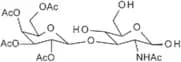
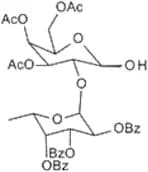
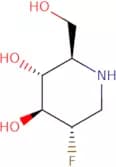
Glycoscience
Glycoscience is the study of carbohydrates and their derivatives, as well as the interactions and biological functions they participate in. This field of research is crucial for understanding a wide variety of biological processes, including cell recognition, signaling, immune response, and disease development. Glycoscience has important applications in biotechnology, medicine, and the development of new drugs and therapies. At CymitQuimica, we offer a wide selection of high-quality, high-purity products for glycoscience research. Our catalog includes monosaccharides, oligosaccharides, polysaccharides, glycoconjugates, and specific reagents, designed to support researchers in their studies on the structure, function, and applications of carbohydrates in biological systems. These resources are intended to facilitate scientific discoveries and practical applications in various areas of bioscience and medicine.
Subcategories of "Glycoscience"
- Aminosugars(108 products)
- Glyco-Related Antibodies(282 products)
- Glycolipids(46 products)
- Glycosaminoglycans (GAGs)(55 products)
- Glycosides(419 products)
- Monosaccharides(6,621 products)
- Oligosaccharides(3,681 products)
- Polysaccharides(503 products)
Found 11041 products of "Glycoscience"
Sort by
Purity (%)
0
100
|
0
|
50
|
90
|
95
|
100
p-Nitrophenyl 2-Acetamido-2-deoxy-β-D-glucopyranoside
CAS:Controlled Product<p>Applications Useful substrate for the rapid colorimetric assay of N-Acetyl-beta-glucosaminidase in human urine.<br>References Muruhn, D.: Clin. Chim. Acta, 73, 453 (1976)<br></p>Formula:C14H18N2O8Color and Shape:NeatMolecular weight:342.301D-Glucose-1,2-13C2
CAS:<p>Applications Labelled D-Glucose is a simple sugar that is present in plants. A monosaccharide that may exist in open chain or cyclic conformation if in solution. It plays a vital role in photosynthesis and fuels the energy required for cellular respiration. D-Glucose is used in various metabolic processes including enzymic synthesis of cyclohexyl-α and β-D-glucosides. Can also be used as a diagnostic tool in detection of type 2 diabetes mellitus and potentially Huntington's disease through analysis of blood-glucose in type 1 diabetes mellitus.<br>References Wang, R., et al.: J. Mol. Catal. B. Enz., 56, 131 (2009); Springhorn, C. et al.: J. Clin. Endocrinol. Metab., 97, 4640 (2012); Hashimoto, K. et al.: J. Clin. Endocrinol. Metab., 97, 3016 (2012); Avelange, M. et al.: Plant. Phys., 94, 1157 (1990); Cramer, C. et al.: J. Chem. Soc., 115, 5745 (1993);<br></p>Formula:C2C4H12O6Color and Shape:NeatMolecular weight:182.14Ethyl-2,2,2-d3-malonic Acid
CAS:Controlled Product<p>Applications Ethyl-2,2,2-d3-malonic Acid (CAS# 70907-93-6) is a useful isotopically labeled research compound.<br></p>Formula:C5H5D3O4Color and Shape:NeatMolecular weight:135.13Sialyl Lewis X
CAS:Controlled Product<p>Applications Antigen which binds to endothelial adhesion molecule, E-selectin.<br>References Fukushima, K., et al.: Cancer Research, 44, 5279 (1984), Zein, N., et al.: Science, 240, 1198 (1988), Phillips, M.L., et al.: Science, 250, 1130 (1990), Walz, G., et al.: P.N.A.S. U.S.A., 88, 6224 (1991), Walker, S., et al.: P.N.A.S. U.S.A., 89, 4608 (1992)<br></p>Formula:C31H52N2O23Color and Shape:Off White SolidMolecular weight:820.742-Acetamido-2-deoxy-D-mannono-1,4-lactone
CAS:Controlled Product<p>Applications 2-Acetamido-2-deoxy-D-mannono-1,4-lactone (cas# 28876-37-1) is a compound useful in organic synthesis.<br></p>Formula:C8H13NO6Color and Shape:NeatMolecular weight:219.192-Deoxy-L-ribose
CAS:Controlled Product<p>Applications 2-Deoxy-L-ribose is an isomer of 2-Deoxy-D-ribose (D252000) which induces apoptosis by inhibiting the synthesis and increasing the efflux of glutathione.<br>References Fico, A., et al.: Free Radical Biology & Medicine, 45, 211 (2008)<br></p>Formula:C5H10O4Color and Shape:NeatMolecular weight:134.135α-Pregnan-11β,17α,21-triol-3,20-dione-1,2,4,5-d4
CAS:Controlled Product<p>Applications 5alpha-Pregnan-11beta,17alpha,21-triol-3,20-dione-1,2,4,5-d4 (CAS# 252976-11-7) is a useful isotopically labeled research compound.<br></p>Formula:C21H28D4O5Color and Shape:NeatMolecular weight:368.51Benzyl 2-Acetamido-3,4,6-tri-O-benzyl-2-deoxy-a-D-glucopyranoside
CAS:Controlled ProductFormula:C36H39NO6Color and Shape:NeatMolecular weight:581.706-Deoxy-3-O-[(1,1-dimethylethyl)dimethylsilyl]-1,2-O-(1-methylethylidene)-6-nitro-α-D-glucofuranose
CAS:Controlled ProductFormula:C15H29NO7SiColor and Shape:NeatMolecular weight:363.479n-Hexane-1,1,1,2,2,3,3-d7
CAS:Controlled Product<p>Applications n-Hexane-1,1,1,2,2,3,3-d7 (CAS# 32740-31-1) is a useful isotopically labeled research compound.<br></p>Formula:C6H7D7Color and Shape:NeatMolecular weight:93.223-Deoxy-3-fluoro-D-mannose
CAS:Controlled Product<p>Applications Shown to be metabolized in yeast.<br>References Biochem. J., 209 (3), 677-685 (1983)<br></p>Formula:C6H11FO5Color and Shape:NeatMolecular weight:182.15D-Glucosamine-13C Hydrochloride
CAS:Controlled Product<p>Applications Isotope Labelled Derivative of D-Glucosamine (G514950), an amino sugar and a prominent precursor in the biochemical synthesis of glycosylate proteins and lipids.<br>References Zupanets, I.A. et al.: Klin. Farmat., 15, 67 (2011); Vajarudal, Y., et al.: Clin. Ther., 3, 336 (1981); Setnikar, I., et al.: Arzneim.-Forsch., 36, 729 (1986);<br></p>Formula:CC5H13NO5·ClHColor and Shape:NeatMolecular weight:216.625Sucralfate (Technical Grade)
CAS:<p>Applications An inhibitor of peptic hydrolysis and stomach acidity. Used as an anti-ulcerative.<br>References Mayberr, J.F., et al.: Brit. J. Clin. Pract., 32, 291 (1978); Brogden, R.N., et al.: Drugs, 27, 194 (1984);<br></p>Formula:C12H54Al16O75S8Color and Shape:NeatMolecular weight:2086.741,2,3,4,6-Penta-O-acetyl-α-D-mannopyranose
CAS:<p>Applications 1,2,3,4,6-Penta-O-acetyl-α-D-mannopyranose (cas# 4163-65-9) is a compound useful in organic synthesis.<br></p>Formula:C16H22O11Color and Shape:Off White SolidMolecular weight:390.343,5-Dimethyl-d6-cyclohexanone-3,4,4,5-d4 (mixture of isomers)
CAS:Controlled Product<p>Applications 3,5-Dimethyl-d6-cyclohexanone-3,4,4,5-d4 (mixture of isomers) (CAS# 1219804-55-3) is a useful isotopically labeled research compound.<br></p>Formula:C8H4D10OColor and Shape:NeatMolecular weight:136.265-Azido-6-(tert-butyldimethylsilyl)-2,3-O-isopropylidene L-Gulono-1,4-lactone
CAS:Controlled Product<p>Applications 5-Azido-6-(tert-butyldimethylsilyl)-2,3-O-isopropylidene L-Gulono-1,4-lactone (cas# 118464-49-6) is a compound useful in organic synthesis.<br></p>Formula:C15H27N3O5SiColor and Shape:NeatMolecular weight:357.48Benzyl-2,3,4,5,6-d5 Acetate
CAS:Controlled Product<p>Applications Benzyl-2,3,4,5,6-d5 Acetate (CAS# 1398065-57-0) is a useful isotopically labeled research compound.<br></p>Formula:C9H5D5O2Color and Shape:NeatMolecular weight:155.21DL-Arabinose
CAS:<p>Applications DL-Arabinose, is a building block of polysaccharide (CCPa-1) from fungus Coprinus comatus Gray, which has potential application as natural antitumor agent with immunomodulatory activity. Arabinose is also used as a culture medium for certain bacteria.<br>References Xiao-Gang, J., et al.: Int. J. Bio. Macromol., 58, 349 (2013);<br></p>Formula:C5H10O5Color and Shape:NeatMolecular weight:150.13Tetradecanoic-12-d1 Acid
CAS:Controlled ProductFormula:C14H27DO2Color and Shape:NeatMolecular weight:229.381,3-Bis-(1,6-anhydro-2,3-O-isopropylidene-β-D-mannopyranose-4-yloxy)-2-propylamine
CAS:Controlled Product<p>Applications Used in the synthesis of novel bis(D-mannose) compounds.<br>References Holman, G.D., et al.: Carbohydrate Res., 135, 337 (1985),<br></p>Formula:C21H33NO10Color and Shape:NeatMolecular weight:459.492-Acetamido-2-deoxy-4-O-(α-L-fucopyranosyl)-D-glucopyranose
CAS:Controlled Product<p>Applications Oligosaccharide which participates in cell adhesion between bacterial and eukaryotic cells<br>References Perret, S., et al.: Biochem. J., 389, 325 (2005), Marotte, K., et al.: ChemMedChem., 2, 1328 (2007),<br></p>Formula:C14H25NO10Color and Shape:NeatMolecular weight:367.35Ethyl-α-13C-benzene
CAS:Controlled Product<p>Applications Ethyl-alpha-13C-benzene (CAS# 287399-32-0) is a useful isotopically labeled research compound.<br></p>Formula:C7C)H10Color and Shape:NeatMolecular weight:107.16D-Gentiobiose
CAS:Controlled Product<p>Applications D-Gentiobiose is incorporated in the chemical structure of Crocin (C794945); a natural carotenoid derived from the flowers crocus and gardenia, that has been shown to be a potent antioxidant. Also shown to have an antiproliferative action against cancer cells in vitro. Possible antidepressant properties.<br>References Zheng, Y. Q., et al.: Brain Res., 1138, 86 (2006); Hosseinzadeh, H., et al.: PTR, 24 (5), 726 (2010); Ochiai, T., et al.: Biochim. Biophys. Acta., 1770(4), 578 (2006)<br></p>Formula:C12H22O11Color and Shape:NeatMolecular weight:342.30Methyl α-D-Mannopyranoside
CAS:Controlled ProductFormula:C7H14O6Color and Shape:WhiteMolecular weight:194.18Ethyl 2-Deoxy-2-(1,3-dihydro-1,3-dioxo-2H-isoindol-2-yl)-3,6-bis-O-(phenylmethyl)-1-thio-β-D-glucopyranoside
CAS:Controlled ProductFormula:C30H31NO6SColor and Shape:NeatMolecular weight:533.644-Chloro-2,6-dimethoxy-5-nitropyrimidine
CAS:Controlled Product<p>Applications 4-Chloro-2,6-dimethoxy-5-nitropyrimidine is an intermediate in the synthesis of Lumazine (L473800) fluorophore.<br>References Chen, J.H., et al.: J. Org. Chem., 69, 6996 (2004); Cushman, M., et al.: J. Org. Chem., 69, 601 (2004);<br></p>Formula:C6H6ClN3O4Color and Shape:NeatMolecular weight:219.58Benzyl 3’-Sulfo-β-D-lactoside Sodium Salt
CAS:Controlled Product<p>Stability Hygroscopic<br>Applications Benzyl 3’-Sulfo-β-D-lactoside Sodium Salt (cas# 431898-95-2) is a compound useful in organic synthesis.<br></p>Formula:C19H27O14S·NaColor and Shape:NeatMolecular weight:534.46Methyl-1-thio-β-D-galactopyranoside
CAS:Controlled Product<p>Applications Inhibition of β-glucosidase.<br>References Barkley, M.D., et al.: Biochemistry, 14, 1700 (1975), Gonzalez, J.B., Biotechnol. Lett., 4, 369 (1982)<br></p>Formula:C7H14O5SColor and Shape:NeatMolecular weight:210.25D-Maltotriose Peracetate
CAS:Controlled Product<p>Applications Protected Maltotriose.<br>References Brayer, G., et al.: Biochem., 39, 4778 (2000),<br></p>Formula:C40H54O27Color and Shape:NeatMolecular weight:966.84trans-Stilbene-d10 (rings-d10)
CAS:Controlled ProductFormula:C14H2D10Color and Shape:NeatMolecular weight:190.312-Acetamido-2,4-dideoxy-4-fluoro-α-D-glucopyranose
CAS:Controlled ProductFormula:C8H14FNO5Color and Shape:NeatMolecular weight:223.20α-D-Glucopyranuronic Acid Methyl Ester 2,3,4-Tribenzoate 1-Methanesulfonate
CAS:Controlled Product<p>Applications α-D-Glucopyranuronic Acid Methyl Ester 2,3,4-Tribenzoate 1-Methanesulfonate is a reactant in organic synthesis. It is used in the preparation of novel quaternary glucuronyl reagent for preparation of tertiary amines.<br>References Araya, I. & Akita, H.: Heterocycles., 75, 1213 (2008)<br></p>Formula:C29H26O12SColor and Shape:NeatMolecular weight:598.57D-Glucarate Monopotassium
CAS:Controlled ProductFormula:C6H9KO8Color and Shape:NeatMolecular weight:248.23L-Glucose
CAS:Controlled Product<p>Applications L-Glucose is the enantiomer of D-Glucose (G595000), a naturally occurring carbohydrate used in an abundance of cellular processes. L-Glucose is a synthetic sugar used in the formation of L-Glucose Pentaacetate (G596510), a potential therapeutic agent regarding type II diabetes. In addition, L-glucose can be used as a colon cleansing agent for before a colonoscopy procedure.<br>References Malaisse, W. et al.: Int. J. Mol. Med., 2, 383 (1998); Raymer, G. et al.: Gastrointest. Endosc., 58, 30 (2003); Wang, R., et al.: J. Mol. Catal. B. Enz., 56, 131 (2009),<br></p>Formula:C6H12O6Color and Shape:WhiteMolecular weight:180.156(8S-cis)-8-Acetyl-10-[[(1,1-dimethylethyl)dimethylsilyl]oxy]-7,8,9,10-tetrahydro-6,8,11-trihydroxy-1-methoxy-5,12-naphthacenedione
CAS:Controlled Product<p>Applications (8S-cis)-8-Acetyl-10-[[(1,1-dimethylethyl)dimethylsilyl]oxy]-7,8,9,10-tetrahydro-6,8,11-trihydroxy-1-methoxy-5,12-naphthacenedione is an tert-butyldiphenylsilyl protected degredation product of Doxorubicin (D194500), an anthracycline antibiotic related to the rhodomycins.<br>References Matsumoto, T., et al.: Chem. Pharma. Bull., 34, 4613 (1986);<br></p>Formula:C27H32O8SiColor and Shape:NeatMolecular weight:512.191-Deoxy-D-xylulose 5-Phosphate
CAS:Controlled ProductFormula:C5H11O7PColor and Shape:NeatMolecular weight:214.11Octyl Tetra-2,3,4,6-O-acetyl-β-D-thioglucopyranoside
CAS:Controlled Product<p>Applications Octyl Tetra-2,3,4,6-O-acetyl-β-D-thioglucopyranoside (cas# 85618-26-4) is a compound useful in organic synthesis.<br></p>Formula:C22H36O9SColor and Shape:NeatMolecular weight:476.58N-Azidoacetylglucosamine, Acetylated
CAS:Controlled ProductFormula:C16H22N4O10Color and Shape:NeatMolecular weight:430.367Octyl-d17 2-(Acetylamino)-2-deoxy-4-O-β-D-galactopyranosyl-β-D-glucopyranoside
CAS:Controlled ProductFormula:C22D17H24NO11Color and Shape:NeatMolecular weight:512.6662-Acetamido-4,6-O-benzylidene-2-deoxy-b-D-glucopyranosyl Azide
CAS:Controlled Product<p>Applications 2-Acetamido-4,6-O-benzylidene-2-deoxy-beta-D-glucopyranosyl Azide 168397-51-1 (cas# 168397-51-1) is a useful research chemical.<br></p>Formula:C15H18N4O5Color and Shape:NeatMolecular weight:334.33D-Galactose-1-13C
CAS:Controlled Product<p>Applications Isotope labelled D-galactose (G155250), A C-4 epimer of Glucose (G595000) found in milk and sugar beets as well as being synthesized by the body. Potential use in oral therapy for nephrotic syndrome in focal and segmental glomerulosclerosis.<br>References De Smet, E. et al.: Nephrol. Dial. Transplant., 24, 2938 (2009); Kivele, R. et al.: Carb. Pol., 85, 645 (2011);<br></p>Formula:CC5H12O6Color and Shape:NeatMolecular weight:181.152-Acetamido-2-deoxy-D-galactopyranose-1,3,4,6-tetra-O-acetate
CAS:Controlled ProductFormula:C16H23NO10Color and Shape:NeatMolecular weight:389.354-O-a-D-Mannopyranosyl-D-mannose
CAS:Controlled Product<p>Stability Hygroscopic<br>Applications 4-O-α-D-Mannopyranosyl-D-mannose is used in the preparation of immunostimulants, useful as materials for foods as well.<br>References Imamura, L., et al.: Biol. Pharm. Bull., 17, 596 (1994), ,Perrin, S., et al.: J. Appl. Microbiol., 90, 859 (2001), Olano-Martin, E., et al.: J. Appl. Microbiol., 93, 505 (2002), Gibson, G., et al.: J. Food Sci., 69, 141 (2004),<br></p>Formula:C12H22O11Color and Shape:NeatMolecular weight:342.30Isolevoglucosenone
CAS:Controlled Product<p>Applications Isolevoglucosenone (cas# 307991-08-8) is a compound useful in organic synthesis.<br></p>Formula:C6H6O3Color and Shape:NeatMolecular weight:126.11Benzyl α-D-Mannopyranoside
CAS:Controlled Product<p>Applications Benzyl α-D-Mannopyranoside (cas# 15548-45-5) is a compound useful in organic synthesis.<br>References Rutschow, S., et al.: Bioorg., Med. Chem., 10, 4043 (2002), Duvet, S., et al.: Glycobiol., 14, 841 (2004),<br></p>Formula:C13H18O6Color and Shape:NeatMolecular weight:270.28Methyl α-D-Galactopyranoside
CAS:Controlled ProductFormula:C7H14O6Color and Shape:NeatMolecular weight:194.182-O-(α-D-Glucopyranosyl)-D-galactose
CAS:Controlled Product<p>Applications 2-O-(α-D-Glucopyranosyl)-D-galactose (cas# 7368-73-2) is a compound useful in organic synthesis.<br>References Gent, P.A., et al.: J. Chem. Soc., 1, 1446 (1974)<br></p>Formula:C12H22O11Color and Shape:NeatMolecular weight:342.30D-Galacturonic Acid-13C6
CAS:Controlled Product<p>Applications D-Galacturonic Acid-13C6 is labelled D-Galacturonic Acid (G186500, Monohydrate) which is used in the synthesis of N-(D-galacturonoyl) amino acids and dipeptides.<br>References Klaus, U., et al.: Environ. Sci. Technol., 34, 3514 (2000),<br></p>Formula:C6H10O7Color and Shape:NeatMolecular weight:200.0953-O-Benzoyl-N-acetyl-α-D-galactosaminyl-1-O-N-(Fmoc)serine Phenacylester
CAS:Controlled Product<p>Applications A useful glycopeptide intermediate.<br></p>Formula:C41H40N2O12Color and Shape:NeatMolecular weight:752.76Uridine 5’-Diphospho-N-acetylglucosamine-13C,d3
CAS:Controlled ProductFormula:C16CH24D3N3O17P2Color and Shape:NeatMolecular weight:611.36Uridine 5’-Diphospho-N-acetylglucosamine-d3
CAS:Controlled ProductFormula:C17H24D3N3O17P2Color and Shape:NeatMolecular weight:422.4874-Nitrophenyl 2-Acetamido-2-deoxy-4-O-α-L-fucopyranosyl)-β-D-glucopyranoside
CAS:Controlled Product<p>Applications 4-Nitrophenyl 2-Acetamido-2-deoxy-4-O-α-L-fucopyranosyl)-β-D-glucopyranoside (cas# 259143-52-7) is a compound useful in organic synthesis.<br></p>Formula:C20H28N2O12Color and Shape:NeatMolecular weight:488.442-Deoxy-D-ribose 5-Phosphate Disodium Salt
CAS:Controlled ProductFormula:C5H9Na2O7PColor and Shape:NeatMolecular weight:258.074α-D-Mannose 1-Phosphate
CAS:Controlled Product<p>Applications α-D-Mannose 1-Phosphate is used in the synthesis of non-natural mannoglucans by α-glucan phosphorylase-catalyzed enzymatic copolymerization;Also, it is derived from D-Mannose (M168000), which is a carbohydrate that is important in the glycosylation of molecules in a variety of cellular processes. It is involved in N and O glycosylation of bovine why protein products, used in infant formulas. It is also responsible for the O-glycosylation of the T helper cell-derived cytokine interlukin-17A, an important cell-signaling molecule.<br>References Baba, R., et al.: Carbohydr. Polym., 151, 1034-1039 (2016); van Leeuwen, S. et al.: J. Agri. Food Chem., 60, 12553 (2012); Geoghegan, K. et al.: Prot. Express. Purif., 87, 27 (2013);<br></p>Formula:C6H13O9PColor and Shape:NeatMolecular weight:260.1362-Acetamido-3-O-benzyl-4,6-O-benzylidene-2-deoxy-β-D-glucopyranosyl Azide
CAS:Controlled ProductFormula:C22H24N4O5Color and Shape:NeatMolecular weight:424.45sn-Glycerol 3-Phosphate Bis(cyclohexylammonium) Salt
CAS:<p>Applications sn-Glycerol 3-Phosphate Bis(cyclohexylammonium) Salt is a standard used for measuring the level of glycerol-3-phosphate produced by the hydrolysis of phosphatidic acid. Glycerol 3-phosphate (G3P) is an important intermediate of carbohydrate and lipid metabolic pathways.<br>References Morita, S., et al.: J. Lipid Res., 50, 1945 (2009); Feesner, W., et al.: Angewandte Chemie, 106, 217 (1994)<br></p>Formula:C15H35N2O6PColor and Shape:Off-WhiteMolecular weight:370.424-O-β-D-Mannopyranosyl-D-mannose
CAS:Controlled ProductFormula:C12H22O11Color and Shape:NeatMolecular weight:342.2962-(Acetylamino)-2-deoxy-D-glucopyranose 3,4,6-Triacetate
CAS:Controlled Product<p>Applications 2-(Acetylamino)-2-deoxy-D-glucopyranose 3,4,6-Triacetate (cas# 34051-43-9) is a compound useful in organic synthesis.<br></p>Formula:C14H21NO9Color and Shape:NeatMolecular weight:347.32D-Glucosamine-2-N-Sulfate Sodium Salt
CAS:<p>Applications D-Glucosamine-2-N-sulfate sodium salt (cas# 38899-05-7) is a useful research chemical.<br></p>Formula:C6H13NO5·2ClNa·H2O4SColor and Shape:NeatMolecular weight:573.31Acedoben Acyl-β-D-glucuronide
CAS:Controlled ProductFormula:C15H17NO9Color and Shape:NeatMolecular weight:355.2976-Sialyl-D-glucose Sodium Salt (α/β mixture)
CAS:Controlled ProductFormula:C17H28NNaO14Color and Shape:NeatMolecular weight:493.392Deoxygalactonojirimycin-15N Hydrochloride
CAS:Controlled Product<p>Applications Proven to be an extremely potent and selective a-D-galactosidase inhibitor.<br>References Paulsen, H., et al.: Chem. Ber., 113, 2601 (1980),<br></p>Formula:C6H14Cl15NO4Color and Shape:NeatMolecular weight:200.63L-Mannose
CAS:Controlled Product<p>Applications L-Mannose (cas# 10030-80-5) is a compound useful in organic synthesis.<br></p>Formula:C6H12O6Color and Shape:NeatMolecular weight:180.16Methyl 2-Acetamido-2-deoxy-α-D-glucopyranoside
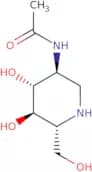
CAS:Controlled ProductFormula:C9H17NO6Color and Shape:NeatMolecular weight:235.23N-[(3S,4R,5S,6R)-4,5-Dihydroxy-6-(hydroxymethyl)-3-piperidinyl]-acetamide
CAS:Controlled ProductFormula:C8H16N2O4Color and Shape:NeatMolecular weight:204.22p-Nitrophenyl 2-Acetamido-2-deoxy-(4-O-2-acetamido-2-deoxy-β-D-glucopyranosyl)-α-D-galactopyranoside
Controlled Product<p>Applications p-Nitrophenyl 2-Acetamido-2-deoxy-(4-O-2-acetamido-2-deoxy-β-D-_x000D_glucopyranosyl)-α-D-galactopyranoside is a compound useful in organic synthesis.<br>References Medina, M. et al.: Cancer Res. 59,1061-1070, (1999)<br></p>Formula:C22H31N3O13Color and Shape:NeatMolecular weight:545.49β-D-Glucopyranosylamine
CAS:Controlled Product<p>Applications beta-D-Glucopyranosylamine<br></p>Formula:C6H13NO5Color and Shape:NeatMolecular weight:179.17Retigabine N-β-D-Glucoside
CAS:Controlled ProductFormula:C22H28FN3O7Color and Shape:NeatMolecular weight:465.472D-Mannose-6-O-sulphate Sodium Salt
CAS:Controlled Product<p>Applications D-Mannose-6-O-sulphate Sodium Salt (cas# 204575-08-6) was a product of esterase-catalyzed regioselective deacylation and acid-catalyzed rearrangement from per-acetylated derivatives.<br>References Horrobin, T., et al.: J. Chem. Soc. Perkin 1, 1069 (1998)<br></p>Formula:C6H11O9SNaColor and Shape:NeatMolecular weight:282.2N-(β-D-Glucopyranosyl)-N’-[(2-methanethiosulfonyl)ethyl] Urea
CAS:Controlled Product<p>Stability Moisture Sensitive<br>Applications US Pat. 7033765<br></p>Formula:C10H20N2O8S2Color and Shape:NeatMolecular weight:360.406-O-[(1,1Dimethylethyl)diphenylsilyl]-2,3,4-tris-O-D-gluconic Acid δ-lactone
CAS:Controlled ProductFormula:C43H46O6SiColor and Shape:NeatMolecular weight:686.925-Acetamino-4-hydroxy-2-(4-nitro-phenoxy)-6-(1,2,3-trihydroxy-propyl)-tetrahydro-pyran-2-carboxylic Acid Methyl Ester
CAS:Controlled Product<p>Applications 5-Acetamino-4-hydroxy-2-(4-nitro-phenoxy)-6-(1,2,3-trihydroxy-propyl)-_x000D_tetrahydro-pyran-2-carboxylic Acid Methyl Ester (cas# 59694-35-8) is a compound useful in organic synthesis.<br></p>Formula:C18H24N2O11Color and Shape:NeatMolecular weight:444.395-Hydroxy-2’-deoxycytidine-13C,15N2
CAS:Controlled Product<p>Applications 5-Hydroxy-2’-deoxycytidine-13C,15N2 is the Isotope labelled analogue of 5-Hydroxy-2’-deoxycytidine (H946650), a substrate for uracil DNA N-glycosylase and has been used to study the oxidation of DNA due to exposure to reactive oxygen species.<br>References Ganguly, M., et al.: Biochem., 51, 2018 (2012); Foresta, M., et al.: Free. Rad. Biol. Med., 48, 681 (2010); Daviet, S., et al.: DNA Repair., 6, 8 (2007);<br></p>Formula:C813CH13N15N2O5Color and Shape:NeatMolecular weight:246.21-Bromopentadecane-1,1,2,2-d4
CAS:Controlled Product<p>Applications 1-Bromopentadecane-1,1,2,2-d4 (CAS# 1219798-87-4) is a useful isotopically labeled research compound.<br></p>Formula:C15H27D4BrColor and Shape:NeatMolecular weight:295.34L-Ribose
CAS:Controlled Product<p>Applications It is produced by microorganism fermentation of glucose in a fermentation culture medium without adding calcium carbonate.<br>References Ostrowski, S., et al.: Science, 305, 71 (2004), Vavilin, D., et al.: Biochim. Biophys. Acta, 1708, 91 (2005), Fletcher, J., et al.: Anal. Chem., 79, 2199 (2007), Weissleder, R., et al.: Nature, 452, 580 (2008),<br></p>Formula:C5H10O5Color and Shape:NeatMolecular weight:150.13Coumarin 307
CAS:Controlled Product<p>Applications Coumarin 307 is a suitable candidate for use as a laser dye.<br></p>Formula:C13H12F3NO2Color and Shape:NeatMolecular weight:271.235Glyceryl Tri(hexadecanoate-2,2-d2)
CAS:Controlled Product<p>Applications Glyceryl Tri(hexadecanoate-2,2-d2) (CAS# 241157-06-2) is a useful isotopically labeled research compound.<br></p>Formula:C51H92D6O6Color and Shape:NeatMolecular weight:813.38N-Acetylneuraminic Acid Methyl Ester
CAS:Controlled Product<p>Applications Derivative of Neuraminic Acid<br>References Oetke, C., et al.: J. Biol. Chem., 277, 6688 (2002),<br></p>Formula:C12H21NO9Color and Shape:White To Off-WhiteMolecular weight:323.302-Nitrobenzonitrile-d4
CAS:Controlled Product<p>Applications 2-Nitrobenzonitrile-d4 (CAS# 1219795-50-2) is a useful isotopically labeled research compound.<br></p>Formula:C7D4N2O2Color and Shape:NeatMolecular weight:152.15Lacto-N-tetraose-BSA
<p>Lacto-N-tetraose-BSA is a carbohydrate that contains four monosaccharides. It has been shown to be an autoantibody in patients with myasthenia gravis and can cause muscle weakness by binding to the muscle protein, actin. Lacto-N-tetraose-BSA has also been found to bind with nerve tissue and may be involved in the development of sclerosis. This carbohydrate is also negatively charged and agglutinates red blood cells. When used for immunofluorescence, it shows a strong reaction against glycoconjugates on the surface of neurons and nerve tissue. Lacto-N-tetraose-BSA binds specifically to bovine serum albumin (BSA) containing antibodies, which are produced by immune cells called B cells. The binding sites are located on the outer part of the molecule, near the sugar residues.</p>Purity:Min. 95%Color and Shape:Powder4-Toluoyl-2-O-benzyl-4,6-O-benzylidene-a-D-thiomannopyranoside
CAS:<p>4-Toluoyl-2-O-benzyl-4,6-O-benzylidene-a-D-thiomannopyranoside is an oligosaccharide that contains a sugar moiety. It is synthetically derived from a sugar, such as D-glucose. This compound has been modified with fluorination and methylation. The resulting product is water soluble and can be used as a reagent in glycosylation reactions to form complex carbohydrates.</p>Formula:C27H28O5SPurity:Min. 95%Molecular weight:464.57 g/molMethyl 6-deoxy-3,4-O-isopropylidene-a-D-galactopyranoside
CAS:<p>Methyl 6-deoxy-3,4-O-isopropylidene-a-D-galactopyranoside is a saccharide that has been modified by a click reaction. It is used in the synthesis of complex carbohydrates and in the modification of glycosylations. This product is manufactured using high purity reagents and can be purchased with custom synthesis options. Methyl 6-deoxy-3,4-O-isopropylidene-a-D-galactopyranoside has CAS number 71772-35-5.</p>Formula:C10H18O5Purity:Min. 95%Molecular weight:218.25 g/molMethyl 2-deoxy-4,6-o-(phenylmethylene)-α-D-ribo-hexopyranoside benzoate
CAS:<p>Please enquire for more information about Methyl 2-deoxy-4,6-o-(phenylmethylene)-α-D-ribo-hexopyranoside benzoate including the price, delivery time and more detailed product information at the technical inquiry form on this page</p>Formula:C21H22O6Purity:Min. 95%Molecular weight:370.4 g/mol1,2,3,4,6-Penta-O-pivaloyl-b-D-glucopyranose
CAS:<p>1,2,3,4,6-Penta-O-pivaloyl-b-D-glucopyranose is a glycosylation that is used in the synthesis of complex carbohydrates. This product can be custom synthesized to meet your needs. It is also available in high purity and with a CAS No. of 81058-26-6.</p>Formula:C31H52O11Purity:Min. 95%Molecular weight:600.74 g/mol2-Dodecylhexadecyl-D-xylopyranoside
CAS:<p>2-Dodecylhexadecyl-D-xylopyranoside is a synthetic sugar with a 2,6-dideoxy configuration. It is a modified sugar that can be fluorinated and glycosylated. This product has been synthesized using click chemistry, which means it has been prepared by the reaction of an azide and an alkyne in a one-pot process. This sugar has CAS No. 446264-03-5 and Methylation, Modification, Oligosaccharide, Monosaccharide, saccharide, Carbohydrate as its properties.</p>Formula:C33H66O5Purity:Min. 95%Color and Shape:Colourless solid.Molecular weight:542.87 g/molBenzyl 2-acetamido-3-O-allyl-4,6-O-benzylidene-2-deoxy-a-D-glucopyranoside
CAS:<p>This is a custom synthesis of a complex carbohydrate. The compound is an oligosaccharide, polysaccharide, or modification of saccharides. It is composed of one or more sugars and has undergone methylation, glycosylation, and/or carbamylation. This product can be used for the production of pharmaceuticals, cosmetics, and other chemical products. It has a CAS No. 60920-72-1 and can be purchased in high purity with fluoroination as a synthetic modification on the sugar moiety.</p>Formula:C25H29NO6Purity:Min. 95%Molecular weight:439.5 g/mol2,3,4-Tri-O-benzoyl-a-L-rhamnopyranosyl fluoride
CAS:<p>The 2,3,4-Tri-O-benzoyl-a-L-rhamnopyranosyl fluoride is a complex carbohydrate that is custom synthesized. It is an oligosaccharide and polysaccharide that can be modified with methylation and glycosylation to make it more useful for research purposes. This molecule has been modified with high purity fluorination to increase its stability. Synthetic carbohydrates are used in many different applications such as medical treatments, diagnostic tools, and food additives.</p>Formula:C27H23FO7Purity:Min. 95%Molecular weight:478.47 g/mol3,4,6-Tri-O-acetyl-2-O-(2,3,4-tri-O-benzoyl-a-L-fucopyranosyl)-D-galactopyranosyl trichloroacetimidate
<p>3,4,6-Tri-O-acetyl-2-O-(2,3,4-tri-O-benzoyl-a-L-fucopyranosyl)-D-galactopyranosyl trichloroacetimidate is a sugar. It is a complex carbohydrate that is a polysaccharide made up of three monosaccharides: D-, L-, and erythro-. This molecule has been fluorinated at the C3 position. The CAS number for this compound is 123787−06−1. 3,4,6-Tri-O-acetyl-2-O-(2,3,4-tri-O--benzoyl--a--L--fucopyranosyl)-D--galactopyranosyl trichloroacetimidate is custom synthesized and has high purity.</p>Formula:C41H40Cl3NO16Purity:Min. 95%Molecular weight:909.11 g/mol3,4,5,6-Tetra-O-acetyl-myo-inositol-1,2-thiocarbonate
CAS:<p>3,4,5,6-Tetra-O-acetyl-myo-inositol-1,2-thiocarbonate is a carbohydrate that has been modified with fluorination and methylation. This compound can be used in the synthesis of oligosaccharides, monosaccharides, and glycosylations. 3,4,5,6-Tetra-O-acetyl-myo-inositol is synthesized by reacting myo-inositol with carbon disulfide and sodium hydroxide to form the intermediate methyl ester followed by hydrolysis to produce the final product. The purity of 3,4,5,6-Tetra-O-acetyl-myo-inositol is greater than 98%.</p>Formula:C15H18O10SPurity:Min. 95%Molecular weight:390.36 g/mol1,3,4,6-Tetra-O-acetyl-2-(6-deoxy-a-L-galactopyranosyl)-a-D-galactopyranose
CAS:<p>1,3,4,6-Tetra-O-acetyl-2-(6-deoxy-a-L-galactopyranosyl)-a-D-galactopyranose is a glycoside, which is a type of carbohydrate that contains both an alcohol and a sugar. It is synthesized by the reaction of 1,3,4,6-tetra-O-acetyl mannitol with 6 deoxyglucuronic acid. This product can be used as a custom synthesis for pharmaceuticals or in other fields. The purity of this product is greater than 98%.</p>Formula:C20H30O14Purity:Min. 95%Molecular weight:494.44 g/molL-Rhodinose
CAS:<p>L-Rhodinose is a sugar that can be found in plants, bacteria, and fungi. It has been shown to have many biological properties, including activation of the receptor binding site. L-Rhodinose is used as a model system for studying glycosidic bonds. The effective dose of L-rhodinose is not yet known. Studies have shown that L-rhodinose may be useful in treating cancer cells or preventing tumor growth. L-rhodinose has also been shown to have anti-inflammatory effects and can induce apoptosis.</p>Formula:C6H12O3Purity:Min. 95%Molecular weight:132.16 g/molFluoxetine D-glucuronide (mixture of isomers)
CAS:<p>Fluoxetine D-glucuronide is a glycosylated, fluorinated, custom-synthesized compound. It is composed of the methyl ester and glucuronide moiety of fluoxetine. The synthesis of this compound starts with the oxidation of fluoxetine to form an aldehyde intermediate. This intermediate is then condensed with chloroacetic acid to form the desired product. Fluoxetine D-glucuronide has shown efficacy in animal models for its ability to inhibit serotonin reuptake and block 5HT2A receptors. This drug is also used as a tracer in positron emission tomography (PET) imaging studies for serotonin transporters.</p>Purity:Min. 95%Rhein acyl-b-D-glucuronide
CAS:<p>Rhein acyl-b-D-glucuronide is a fluorinated monosaccharide, which can be synthesized from glucose. This product is a complex carbohydrate that is synthesized from glucose and has been modified with methyl groups to provide high purity. It is also an oligosaccharide and can be custom synthesized for your needs. The chemical formula for Rhein acyl-b-D-glucuronide is C6H14O5F2O4.</p>Formula:C21H16O12Purity:Min. 95%Molecular weight:460.34 g/molO-Desmethyl galanthamine b-D-glucuronide
CAS:<p>O-Desmethyl galanthamine b-D-glucuronide is a synthetic carbonyl glycoside. It is an acetylated monosaccharide with a fluorinated sugar. O-Desmethyl galanthamine b-D-glucuronide is prepared by the click modification of N-acetylgalactosamine and D,L-galactose with ethyl diazoacetate in the presence of copper(I) iodide. The methylation of the hydroxyl group on the C2 position of the sugar moiety and glycosylation at the C3 position are also carried out to produce this compound.</p>Formula:C22H27NO9Purity:Min. 95%Molecular weight:449.45 g/molCarboxymethyl-dextran sodium salt 10-20% COOH - Average molecular weight 70000
CAS:<p>Drug carrier for cancer therapy & imaging, biocompatible, soluble, biodegradable</p>Purity:Min. 95%Color and Shape:White PowderBenzyl 4-O-(2,3,4,6-tetra-O-benzyl-a-D-galactopyranosyl)-2,3-di-O-benzyl-6-O-benzoyl-b-D-galactopyranoside
<p>Benzyl 4-O-(2,3,4,6-tetra-O-benzyl-a-D-galactopyranosyl)-2,3-di-0benzyl 6-O-benzoyl-b-D-galactopyranoside is a synthetic carbohydrate that belongs to the class of oligosaccharides. It has been modified by fluorination and methylation. This compound is also glycosylated and click modified.</p>Formula:C68H68O12Purity:Min. 95%Molecular weight:1,077.26 g/mol6-Bromo-6-deoxy-b-cyclodextrin
CAS:<p>This beta-cyclodextrin (β-CD) derivative is a functionalized cyclic oligosaccharide composed of seven glucose units, characterized by a hydrophilic exterior and a lipophilic cavity (bigger than α-CD and smaller than γ-CDs), which allows it to encapsulate various guest molecules. This structural feature facilitates its use in multiple applications, including pharmaceuticals, food enhancement, and cosmetics. In the pharmaceutical industry, it enhances the solubility and stability of poorly water-soluble drugs, improving their bioavailability and efficacy while also masking unpleasant tastes. The food sector utilizes it as a stabilizer for flavors, colors, and nutrients, extending shelf life by protecting sensitive ingredients from degradation. In cosmetics, it serves as a complexing agent for fragrances and active components, ensuring their stability and controlled release. Its use expands to many other fields, including nanotechnology for drug delivery systems, environmental remediation for extracting organic pollutants, textiles for slow-release fragrances, and analytical chemistry for chiral separation.</p>Formula:C42H63Br7O28Purity:Min. 95%Color and Shape:White PowderMolecular weight:1,575.26 g/mol1,2,4,6-Tetra-O-acetyl-3-chloro-3-deoxy-D-glucopyranose
CAS:<p>1,2,4,6-Tetra-O-acetyl-3-chloro-3-deoxy-D-glucopyranose (1) is a synthetic oligosaccharide that has been modified with a fluorine atom at the 6 position of the glucose moiety. This modification has been shown to have increased stability in acidic environments. Glycosylation can be achieved by reacting 1 with an appropriate glycosylant such as bromoacetyl bromide or chloroacetyl chloride. The saccharide unit may also be methylated at the 2 and 4 positions of the glucose moiety to confer protection against enzymatic degradation. Click modification can be used to attach other molecules such as proteins or peptides to 1,2,4,6-tetra-O-acetyl-3-chloro-3-deoxy--D--glucopyranose via a covalent bond between</p>Formula:C14H19ClO9Purity:Min. 95%Molecular weight:366.75 g/mol2,3,4,6-Tetra-O-benzyl-(+)-1-deoxynojirimycin
CAS:<p>2,3,4,6-Tetra-O-benzyl-(+)-1-deoxynojirimycin is a synthetic atypical carbohydrate that has been shown to have anti-hyperglycemic and anti-hyperlipidemic effects. It is a benzylated derivative of the natural product 1-deoxynojirimycin. This compound has been shown to be effective in treating metabolic disorders such as polycystic ovary syndrome and hypercholesterolemia. 2,3,4,6-Tetra-O-benzyl-(+)-1-deoxynojirimycin may act by mimicking the actions of insulin and binding to insulin receptors on cells. This binding prevents the insulin receptor from being phosphorylated by an enzyme called protein kinase A (PKA), thereby inhibiting the action of PKA.</p>Formula:C34H37NO4Purity:Min. 95%Molecular weight:523.66 g/mol4'-Hydroxypropranolol-4'-O-b-D-glucuronide
CAS:<p>Propranolol is a drug that belongs to the class of beta blockers, which are used to control high blood pressure in women and neonates. Propranolol is metabolized by glucuronidation and hydroxylation into 4'-hydroxypropranolol-4'-O-b-D-glucuronide. The hydroxy group on propranolol is metabolized by hydroxylation in the liver. This metabolic pathway leads to the formation of 4'-hydroxypropranolol-4'-O-b-D-glucuronide, which is excreted through urine samples and plasma concentrations. The hydroxy group on propranolol is also metabolized by glucuronidation, leading to the formation of low bioavailability of propranolol in humans. Propranolol has been shown to inhibit platelet aggregation at higher doses, but its effects on platelet aggregation are not predictable at lower doses.</p>Formula:C22H29NO9Purity:Min. 95%Molecular weight:451.47 g/molTrimethylsilyl-meso-inositol
CAS:<p>Trimethylsilyl-meso-inositol is a metabolite of inositol and can be found in biological samples. It has been detected by GC-MS profiling, chromatograms, and profiles. Trimethylsilyl-meso-inositol has been used as an experimental compound to study the effects of electron irradiation on bacterial DNA. This metabolite has also been identified as a volatile substance. There are no known sources or nature of this molecule, but it is reproducible.</p>Formula:C24H60O6Si6Purity:Min. 95%Molecular weight:613.24 g/molN-(e-Aminocaproyl)-a-D-galactopyranosyl amine
<p>N-(e-Aminocaproyl)-a-D-galactopyranosyl amine is a glycosylated, fluorinated, saccharide that is custom synthesized by our company. It can be used as an intermediate in the synthesis of various oligosaccharides and polysaccharides. This product is very soluble in water and can be used for glycosylation reactions. The purity of this product is greater than 99%.</p>Formula:C12H24N2O6Purity:Min. 95%Color and Shape:White To Off-White SolidMolecular weight:292.33 g/mol4-Acetamido-2,6-anhydro-3,4-dideoxy-D-glycero-D-galactonon-2-enonic acid
CAS:<p>The product is a custom-made synthetic sugar. It is Fluorinated and Methylated. The product has been synthesized for glycosylation, methylation, and click modification. The product can be used in the synthesis of complex carbohydrates.</p>Formula:C11H17NO8Purity:Min. 95%Molecular weight:291.25 g/mol1-Methylene-5-a-androstan-3-a-ol-17-one glucuronide
<p>1-Methylene-5-a-androstan-3-a-ol-17-one glucuronide is a synthetic, modified sugar that is used for the synthesis of complex carbohydrates. It is available in high purity and can be custom synthesized according to customer specifications. 1 Methylene 5 a androstan 3 a ol 17 one glucuronide can be fluorinated, glycosylated, or methylated to meet the needs of different customers. This product has CAS No. 9002-00-6 and is available on request.</p>Formula:C26H37O8·Na·2H2OPurity:Min. 95%Molecular weight:536.59 g/mol1-O-Acetyl-2-deoxy-3,5-di-O-toluoyl-b-D-erythropentofuranose
CAS:<p>1-O-Acetyl-2-deoxy-3,5-di-O-toluoyl-b-D-erythropentofuranose is a monosaccharide that belongs to the group of complex carbohydrates. It is synthetically derived and has been modified with fluorination and acetylation. 1OATBDE is used as a selective labeling agent for glycosyls in glycoconjugates.</p>Purity:Min. 95%1,3,4,6-Tetra-O-acetyl-2-deoxy-2-trifluoroacetamido-D-glucopyranose
CAS:<p>1,3,4,6-Tetra-O-acetyl-2-deoxy-2-trifluoroacetamido-D-glucopyranose is a carbohydrate that has been modified with fluorine and acetyl groups. It is used as a precursor to other saccharides. The compound is synthesized by the reaction of 1,3,4,6-tetra -O-acetyl glucose with trifluoroacetic anhydride in methylene chloride. It can be custom synthesized for research purposes. This product has high purity and is sold in both liquid and powder form.</p>Formula:C16H20F3NO10Purity:Min. 95%Molecular weight:443.33 g/molHeparin disaccharide II-H disodium salt
CAS:<p>Heparin disaccharide II-H disodium salt is a complex carbohydrate with the chemical formula C3H6Na2O14. It has a molecular weight of 617.8 and a melting point of 204.5°C. The compound has been modified by methylation, glycosylation, fluorination, and click modification. It is a synthetic oligosaccharide with high purity and custom synthesis.</p>Formula:C12H18NNaO13SPurity:Min. 95%Molecular weight:439.33 g/mol2,3,4-Tri-O-acetyl-D-xylopyranose
CAS:<p>2,3,4-Tri-O-acetyl-D-xylopyranose is a lactide sugar that is found in the cell walls of many plants. It is synthesized from D-xylose by enzymatic condensation with acetylated L-malic acid and has been shown to be biodegradable. 2,3,4-Tri-O-acetyl-D-xylopyranose has been shown to have physical properties that are similar to those of cellulose, such as crystallization and solubility in water. The compound also has an NMR spectrum that contains peaks at δ = 0.8 (triplet), 1.1 (singlet) and 1.5 ppm (doublet). The hydrophobic group on the molecule is thought to contribute to its hydrophilicity.</p>Formula:C11H16O8Purity:Min. 95%Molecular weight:276.24 g/mol3-O-Acetyl-1,2-O-isopropylidine-6-O-trityl-a-D-galactofuranose
CAS:<p>3-O-Acetyl-1,2-O-isopropylidine-6-O-trityl-a-D-galactofuranose is a synthetic compound with a molecular weight of 514.5. It is an oligosaccharide with a glycosylation modification and fluorination. The compound can be used as a research tool in the study of glycosylation, methylation, click modification, polysaccharide synthesis, fluorination, saccharide modifications and sugar modifications. 3-O-Acetyl-1,2-O-isopropylidine-6-[trityl]-a-[D]galactofuranose can also be used for custom synthesis; this product is available in high purity.</p>Formula:C30H32O7Purity:Min. 95%Molecular weight:504.57 g/mol3'-Sialyllacto-N-biose
<p>3'-Sialyllacto-N-biose is a regiospecific, biochemically defined carbohydrate. It is a component of the glycan chains that are present on the surface of cell membranes. Lacto-n-biose has been shown to have inhibitory activity against the growth of Mycobacterium tuberculosis and Mycobacterium avium complex bacteria.</p>Purity:Min. 95%Color and Shape:PowderN-Benzyl-2,3,4,6-tetra-O-benzyl-1,5-dideoxy-imino-L-iditol
CAS:<p>N-Benzyl-2,3,4,6-tetra-O-benzyl-1,5-dideoxy-imino-L-iditol is a synthetic oligosaccharide with the formula CH(CH)COH. It can be used in the synthesis of glycosides and polysaccharides. This compound has been shown to have antihypertensive activity.</p>Formula:C41H42NO4Purity:Min. 95%Molecular weight:613.8 g/mol2-Deoxy-3,5-di-O-toluoyl-b-D-ribofuranosyl cyanide
<p>2-Deoxy-3,5-di-O-toluoyl-b-D-ribofuranosyl cyanide is a fluorinated sugar that is synthesized from 2,6-dichloro-1,4,5,8,-tetraoxybenzene and 3,5-di-O-toluoyl bromide. It is a carbohydrate that belongs to the family of oligosaccharides.</p>Formula:C22H21NO5Purity:Min. 95%Molecular weight:379.41 g/molN-Boc-1,5-imino-D-glucitol
CAS:<p>N-Boc-1,5-imino-D-glucitol is a complex carbohydrate that is synthesized by the N-Boc protection group. It is an oligosaccharide with a molecular weight of about 190 daltons and it can be modified at the C1 position to produce various saccharides. N-Boc-1,5-imino-D-glucitol has been shown to be effective as a glycosylation agent for protein modification and for its ability to form stable complexes with other complex carbohydrates. This compound has also been used in the synthesis of polysaccharides and as a fluorination reagent.</p>Formula:C11H21NO6Purity:Min. 95%Molecular weight:263.29 g/mol1,6-Anhydro-4-O-(2,3,4,6-tetra-O-acetyl-a-D-mannopyranosyl)-b-D-mannopyranose
CAS:<p>1,6-Anhydro-4-O-(2,3,4,6-tetra-O-acetyl-a-D-mannopyranosyl)-b-D-mannopyranose is a modified oligosaccharide that is a carbohydrate. This product is custom synthesized and has high purity. It is a monosaccharide with methylation and glycosylation. The CAS number for this product is 6765035505.</p>Formula:C20H28O14Purity:Min. 95%Molecular weight:492.44 g/molBenzyl 2-acetamido-2-deoxy-3-O-(2,3,4,6-tetra-O-acetyl-b-D-galactopyranosyl)-a-D-glucopyranoside
CAS:<p>Benzyl 2-acetamido-2-deoxy-3-O-(2,3,4,6-tetra-O-acetyl-b-D-galactopyranosyl)-a-D-glucopyranoside is a carbohydrate that belongs to the group of saccharides. It is a member of the class of oligosaccharides and has a CAS number of 60831-31-4. This compound is synthesized from benzyl 2,3,4,6 tetra acetyl b D galactopyranoside in which a sugar molecule has been added to the end of the chain. Benzyl 2 acetamido 2 deoxy 3 O (2,3,4,6 tetra O acetyl b D galactopyranosyl) a D glucopyranoside is also known as 2 alpha -D glucopyranose or α -D glucopyranose. This</p>Formula:C29H39NO15Purity:Min. 95%Molecular weight:641.62 g/molD-Glucose-6-13C
CAS:<p>D-Glucose-6-13C is a carbohydrate that can be used as a metabolic energy source. Unlabelled D-Glucose is the most abundant monosaccharide in nature and can be found as an anhydrous dextrose in many types of food. It can also be used as a reference to measure blood glucose levels, which are important for diagnosing diabetes mellitus.</p>Formula:CC5H12O6Purity:Min. 98 Area-%Color and Shape:PowderMolecular weight:181.15 g/molD-Arabinose-5-13C
CAS:<p>D-Arabinose-5-13C is a fluorinated monosaccharide that has been used in the synthesis of oligosaccharides and polysaccharides. It can be custom synthesized to meet customer specifications. D-Arabinose-5-13C is a white, crystalline powder that is soluble in water. This compound can be methylated or glycosylated for further modification.</p>Formula:C5H10O5Purity:Min. 95%Molecular weight:151.12 g/molInositol nicotinate
CAS:<p>Inositol nicotinate is a combination of two substances, inositol and nicotinate. It is used to reduce the risk of heart disease by lowering low-density lipoprotein-cholesterol (LDL) levels. Inositol nicotinate has been shown to increase the surface area of mitochondria, which may be due to its ability to inhibit the release of fatty acids from fat cells. Inositol nicotinate also increases magnesium levels in cells and induces mitochondrial functions. This drug has been tested in cell culture for its effects on skin cells and found that it can reduce the amount of x-linked adrenoleukodystrophy protein (XALD), a substance that accumulates in patients with X-linked adrenoleukodystrophy, an inherited disorder that causes progressive damage to the nervous system. The drugs also have been shown to have beneficial effects on cholesterol metabolism, reducing LDL cholesterol levels, as well as inhibiting platelet aggregation.</p>Formula:C42H30N6O12Purity:Min. 95%Color and Shape:White PowderMolecular weight:810.72 g/mol3,5-O-Isopropylidene-L-arabinose
<p>3,5-O-Isopropylidene-L-arabinose is used as a synthetic sugar that is often used in the production of glycoproteins. It is also a component of complex carbohydrates and polysaccharides. 3,5-O-Isopropylidene-L-arabinose may be modified with methylation or fluorination to create derivatives that are more reactive than the parent compound. This product is available in high purity and can be custom synthesized to meet your specifications.</p>Purity:Min. 95%Globotriose 2-(2-carboxyethylthio)ethane
<p>Globo series antigen</p>Formula:C23H40O18SPurity:Min. 95%Molecular weight:636.62 g/molBenzyl 3-O-(2-acetamido-2-deoxy-b-D-glucopyranosyl)-2-O-benzyl-4,6-O-benzylidene-a-D-mannopyranoside
<p>Benzyl 3-O-(2-acetamido-2-deoxy-b-D-glucopyranosyl)-2-O-benzyl-4,6-O-benzylidene-a-D-mannopyranoside is a monosaccharide that is used in the synthesis of glycosylated proteins and peptides. It is a complex carbohydrate with an Oligosaccharide chain. This product has been fluorinated and custom synthesized to be high purity and available for immediate shipping.</p>Formula:C35H41NO11Purity:Min. 95%Molecular weight:651.72 g/mol1,2,3,5,6-Penta-O-propanoyl-D-glucofuranose
CAS:<p>Penta-O-propanoyl-D-glucofuranose is a custom synthesis of penta-O-propanoic acid and D-glucose. It is an oligosaccharide that is synthesized by the reaction of penta-O-propanoic acid with D-glucose in the presence of an acid catalyst, such as hydrochloric acid, sulfuric acid, or phosphoric acid. Penta-O-propanoyl-D-glucofuranose has been used to modify saccharides by methylation, glycosylation, or carbamylation. This product has a CAS number of 307531–77–7 and can be found on ChemSpider.</p>Formula:C21H32O11Purity:Min. 95%Molecular weight:460.47 g/molMethyl 2-acetamido-2-deoxy-6-O-(b-D-galactopyranosyl)-b-D-glucopyranoside
<p>Methyl 2-acetamido-2-deoxy-6-O-(b-D-galactopyranosyl)-b-D-glucopyranoside is a carbohydrate that is modified by the addition of a methyl group to the C3 position. The glycosylation of this carbohydrate can be achieved by using a variety of methods, including Click chemistry and Methylation. This product has been custom synthesized for high purity and can be used in various applications, such as Glycosylation and Polysaccharide synthesis.</p>Formula:C15H27NO11Purity:Min. 95%Molecular weight:397.38 g/molD-Mannono-D-lactam
CAS:<p>D-Mannono-D-lactam is a synthetic, sugar-based molecule. The compound is an antibiotic that inhibits bacterial growth by binding to the 50S ribosomal subunit of bacteria. It is active against a wide range of Gram-positive and Gram-negative bacteria, including methicillin resistant Staphylococcus aureus (MRSA), as well as Mycobacterium tuberculosis and Mycobacterium avium complex. D-Mannono-D-lactam has shown antiinflammatory properties, which may be due to its inhibition of prostaglandin synthesis.</p>Formula:C6H11NO5Purity:Min. 95%Color and Shape:White SolidMolecular weight:177.16 g/molCarboxymethyl cellulose sodium - Viscosity 2000-4000 mPa·s
CAS:<p>Food additive; soil suspension polymer in detergents; thickening agent</p>Purity:Min. 95%Color and Shape:PowderDL-Arabitol
CAS:<p>DL-Arabitol is the D-isomer of xylitol. It is a sugar alcohol that can be found in the form of a white crystalline powder. DL-Arabitol is an important ingredient in many foods and in some pharmaceuticals. This product has been shown to react with ribitol dehydrogenase, which is an enzyme that catalyzes the conversion of ribose-5-phosphate to ribulose 5-phosphate, and c. glabrata, which is a fungus that causes infection in humans. The analytical method for DL-Arabitol consists of measuring the amount of arabinitol in human serum or urine by gas chromatography with mass spectrometry detection (GCMS).</p>Formula:C5H12O5Purity:Min. 95%Color and Shape:White PowderMolecular weight:152.15 g/mol2,3,4,5-Tetra-O-acetyl-1,6-dibromo-1,6-dideoxy-D-mannitol
CAS:<p>2,3,4,5-Tetra-O-acetyl-1,6-dibromo-1,6-dideoxy-D-mannitol is a methylated oligosaccharide obtained by the chemical modification of mannitol. This product has a CAS number of 15410-49-8 and can be used as a saccharide in pharmaceuticals. It is also used as a reagent in the synthesis of polysaccharides. This product is also known to have high purity and can be modified to suit specific needs. 2,3,4,5-Tetra-O-acetyl-1,6-dibromo-1,6-dideoxy--D--mannitol may be useful for the treatment of diabetes mellitus type 2 and hyperglycemia.</p>Formula:C14H20Br2O8Purity:Min. 95%Molecular weight:476.11 g/mol2-Acetamido-1,6-di-O-benzyl-3-O-(2,3,4-tri-O-benzyl-b-L-fucopyranosyl)-2-deoxy-4-O-(b-D-galactopyranosyl)-a-D-glucopyranoside
CAS:<p>CAS No. 71208-05-4 is a complex carbohydrate that belongs to the group of oligosaccharides, polysaccharides and modifications of saccharides. This compound was synthesized by methylation, glycosylation, carbamoylation and fluorination. It is available in high purity and with low impurities.</p>Formula:C55H65NO15Purity:Min. 95%Molecular weight:980.13 g/molNGA5FB N-Glycan
<p>NGA5FB is a custom synthesis, modification, and fluorination of a glycan. It is a monosaccharide with a methylation and click modification on the terminal glucose. This glycan is synthesized with an oligosaccharide saccharide that contains a complex carbohydrate. The CAS No. for this product is 2279-97-0.</p>Purity:Min. 95%6-Deoxy-6-Fluorocyclomaltoheptaose
CAS:<p>The 6-deoxy-6-fluorocyclomaltoheptaose is a low molecular weight compound that has been found to have anti-amylase activity. This substance is characterized by its chromatographic techniques, which can be used to identify the chemical structure of the molecule. The 6-deoxy-6-fluorocyclomaltoheptaose has been found to consist of an amylase inhibitor and an enzyme substrate. It exhibits specificity for the catalytic site of amylase, which is located in subsite 1, and it attacks this substrate at the 6-position of glucose. This substance is not as potent as other amylase inhibitors such as d-glucose, but it does show greater specificity for amylase than other substances with similar structures.</p>Formula:C42H69FO34Purity:Min. 95%Molecular weight:1,136.98 g/molCarboxymethyl cellulose sodium - Viscosity 4000-6000 mPa·s
CAS:<p>Please enquire for more information about Carboxymethyl cellulose sodium - Viscosity 4000-6000 mPa·s including the price, delivery time and more detailed product information at the technical inquiry form on this page</p>Hexasaccharide dp6
<p>Hexasaccharide dp6 is a synthetic hexasaccharide that mimics heparin. It binds to the antithrombin III and pentasaccharide in human plasma, which are proteins that inhibit blood clotting. Hexasaccharide dp6 also has affinity for peptides from HIV-1 and anti-HIV activity. Hexasaccharide dp6 can be used to prevent coagulation or as an antithrombotic agent.</p>Formula:C36H93N15O57S9Purity:Min. 95%Molecular weight:1,936.78 g/mol1,2, 4,6-Tetra-O-acetyl-3-O-carbamoyl- D-mannopyranose
CAS:<p>1,2,4,6-Tetra-O-acetyl-3-O-carbamoyl-D-mannopyranose is a synthetic sugar that belongs to the class of glycosides. It can be used in the synthesis of oligosaccharides and polysaccharides. This product is custom synthesized on request and can be modified with fluorination, methylation or click modification. It is available in high purity and has a CAS number of 99748-11-5.</p>Formula:C15H21NO11Purity:Min. 95%Molecular weight:391.33 g/molNaltrexone 3-D-glucuronide-D4
<p>Naltrexone 3-D-glucuronide-D4 is a carbohydrate. It is a glycosylation product of naltrexone. The compound has been synthesized by the methylation of naltrexone and the glycosylation of the resultant product with glucose. Naltrexone 3-D-glucuronide-D4 is a high purity, custom synthesis, synthetic carbohydrate with a CAS number.</p>Purity:Min. 95%(S)-Naproxen acyl-b-D-glucuronide
CAS:<p>Naproxen is a non-steroidal anti-inflammatory drug (NSAID) that is used to relieve pain and reduce inflammation. The NSAIDs are metabolized in the liver by oxidation, reduction, hydrolysis, or conjugation with glucuronic acid. Naproxen undergoes a number of metabolic transformations including fragmentation, which can be detected using an MS/MS analyzer. Naproxen acyl-b-D-glucuronide is an oxidative metabolite of naproxen that has been shown to have high uptake into mammalian cells and bioconcentrates in fish. This metabolite has also been shown to be metabolized in the liver by conjugation with glucuronic acid.</p>Formula:C20H22O9Purity:Min. 95%Molecular weight:406.38 g/mol1-(4-methoxy-phenoxy)-a-D-talopyranose
<p>Methylation: The process of adding a methyl group to a molecule.<br>Saccharide: A carbohydrate that is composed of sugar units, such as glucose or sucrose.<br>Polysaccharide: A carbohydrate consisting of many sugar units linked together. <br>CAS No.: Chemical Abstracts Service number assigned to a chemical compound, which provides unique identification and allows for the tracking of chemical substances. <br>Modification: The process of altering the physical properties of an organic molecule by adding or removing functional groups. <br>Oligosaccharide: A carbohydrate consisting of three to ten sugar units linked together.<br>Carbohydrate: One type of macronutrient that contains carbon, hydrogen, and oxygen atoms in a ratio of 1:2:1 and can be classified as either simple or complex carbohydrates. <br>Sugar: Carbohydrates that are composed solely of one type of monosaccharide unit and typically have a sweet taste.</p>Purity:Min. 95%3,4-Di-O-acetyl-5-azido-5-deoxy-1,2-O-isopropylidene-b-D-fructose
CAS:<p>3,4-Di-O-acetyl-5-azido-5-deoxy-1,2-O-isopropylidene--b-D--fructose is a custom synthesis of 5,6′,7′,8′,9′,10′,11′,12′diOacetylated bromo glycoside. It is a synthetic polysaccharide with a high degree of purity and a wide range of applications. The compound has been shown to have antihypertensive activities in vivo and in vitro. This product can be modified to suit the needs of customers.</p>Formula:C13H19N3O7Purity:Min. 95%Molecular weight:329.31 g/mol3-Deoxy-D-glucosone-bis(benzoylhydrazone)
CAS:<p>3-Deoxy-D-glucosone-bis(benzoylhydrazone) is a synthetic compound that has been used in the synthesis of saccharides and oligosaccharides. This reagent can be used for the methylation of glycosyl groups, as well as the modification of carbohydrate chains to produce complex carbohydrates. 3-Deoxy-D-glucosone-bis(benzoylhydrazone) is a white powder with a molecular weight of 239. It is soluble in methanol, ethanol, acetone, and chloroform. The CAS number for this compound is 32443-70-2.</p>Formula:C20H22N4O5Purity:Min. 95%Molecular weight:398.41 g/mol2-Acetamido-2-deoxy-b-D-galactopyranosyl serine
<p>2-Acetamido-2-deoxy-b-D-galactopyranosyl serine is a glycosylation agent that can be used as a sugar donor in glycoprotein synthesis. This product is available as custom synthesis and has been modified with fluorination, saccharide, and modification. It also has CAS number: 3897-78-5. 2 Acetamido-2 deoxy b D galactopyranosyl serine is a monosaccharide that is synthesized from D galactose and L serine. It can be used to produce complex carbohydrates for Methylations, Click modifications, Polysaccharides, or Fluorinations.</p>Purity:Min. 95%6-O-Benzoyl-1,2,3-tri-O-benzyl-4-O-(2,3,4,6-tetra-O-benzyl-a-D-galactopyranosyl)-b-D-galactopyranoside
<p>6-O-Benzoyl-1,2,3-tri-O-benzyl-4-O-(2,3,4,6-tetra-O-benzyl-a -D-galactopyranosyl)-b -D -galactopyranoside is an oligosaccharide that has been custom synthesized by our company. It is a complex carbohydrate with a molecular weight of 1,216. The CAS number for this product is 105838-36-5. This product also has a high degree of purity and can be used in Click modification and Modification reactions. 6 O Benzoyl 1 2 3 tri O benzyl 4 O</p>Formula:C68H68O12Purity:Min. 95%Molecular weight:1,077.26 g/molD-[6-13C]Galacturonic acid potassium salt
<p>D-[6-13C]Galacturonic acid potassium salt is a synthetic, water-soluble complex carbohydrate with a molecular weight of 744.2. It is used as a fluorescence probe in magnetic resonance imaging (MRI) and also has applications in the synthesis of oligosaccharides and polysaccharides. D-[6-13C]Galacturonic acid potassium salt is soluble in water and has an average pH of 5.0. This compound is available for custom synthesis with high purity and can be found under CAS number 144561-27-4.</p>Purity:Min. 95%4-Methylumbelliferyl 6-O-(tert-butyldiphenylsilyl)-b-D-galactopyranoside
CAS:<p>4-Methylumbelliferyl 6-O-(tert-butyldiphenylsilyl)-b-D-galactopyranoside is a fluorescent saccharide that is useful as a reagent for the detection of glycosidases and glycosyltransferases. It is also used to detect the presence of sialic acid residues on glycoconjugates, as well as to determine the terminal sugars in glycoconjugates. This product has been shown to bind to 3'-terminal sialic acid residues on N-glycans, but not to terminal galactose residues.</p>Formula:C32H36O8SiPurity:Min. 95%Molecular weight:576.71 g/molMomordicoside G
CAS:<p>Momordicoside G is a plant-derived compound that belongs to the group of monoterpenoids. It has been shown to stimulate cell growth and differentiation in vitro by binding to epidermal growth factor (EGF) and colony-stimulating factor (CSF) receptors. Momordicoside G has also been shown to inhibit pentobarbital sodium-induced lung cell lysis, which may be due to its ability to induce synthesis of fatty acids. This molecule has been found in a variety of model organisms, including bacteria and yeast. The fluorescence emission spectrum of momordicoside G has been reported and it was shown that this molecule binds to DNA polymerase. Studies have also shown that momordicoside G can inhibit RNA extraction from lung fibroblasts, which may be due to its ability to bind with RNA polymerase II.</p>Formula:C37H60O8Purity:Min. 95%Molecular weight:632.87 g/mol2,3,4,6-Tetra-O-acetyl-a-D-mannopyranosyl isothiocyanate
CAS:<p>2,3,4,6-Tetra-O-acetyl-a-D-mannopyranosyl isothiocyanate (TMIT) is a custom synthesis that has been modified to include a fluorine atom. TMIT is a polysaccharide that has been modified by methylation and glycosylation. This compound has been synthesized from the natural carbohydrate D-mannopyranose. TMIT is known for its ability to inhibit protein glycosylation in bacteria cells. It also has high purity with an Oligosaccharide CAS No. 93221-21-7 and modification of saccharides with the addition of methyl groups. The chemical structure of TMIT can be found at 2,3,4,6-Tetra-O-acetyl-a-D-mannopyranosyl isothiocyanate (TMIT).</p>Formula:C15H19NO9SPurity:Min. 95%Molecular weight:389.38 g/molHepta-O-acetyl-b-Lactosyl-N-Fmoc-L-threonine
CAS:<p>Hepta-O-acetyl-b-Lactosyl-N-Fmoc-L-threonine is a substance that can be used for the diagnosis of radiation exposure. It is a liquid that is injected into the body, where it accumulates in tissues such as bone marrow. The presence of Hepta-O-acetyl-b-Lactosyl-N-Fmoc-L-threonine in bone marrow cells can be detected using an imaging technique called balloon injury. This liquid also has synergistic effects with radiation and may be useful for the treatment of diseases such as thrombolysis.</p>Formula:C45H53NO22Purity:Min. 95%Molecular weight:959.9 g/mol2,3,4,6-Tetra-O-acetyl-b-D-mannopyranose
CAS:<p>2,3,4,6-Tetra-O-acetyl-b-D-mannopyranose (2,3,4,6TOA) is a methylated form of b-D-mannopyranose. This compound can be synthesized by the click reaction between an aldehyde group and an amine group. The modification of 2,3,4,6TOA with acetyl groups at the 2-, 3-, 4-, and 6-positions provides a novel carbohydrate that has not been previously reported in the literature. 2,3,4,6TOA is one of many oligosaccharides that are used as building blocks for complex carbohydrate synthesis.<br>2,3,4,6TOA has high purity and is available for custom synthesis. It's potential application includes glycosylation reactions or as a substrate for fluorination reactions.</p>Purity:Min. 95%4-(Methylnitrosamino)-1-(3-pyridyl)-1-butanone-N-b-D-glucuronide
CAS:<p>4-(Methylnitrosamino)-1-(3-pyridyl)-1-butanone-N-b-D-glucuronide is a high purity, custom synthesis, sugar modified, fluorinated, glycosylated and carbonylated synthetic compound. It belongs to the class of saccharides and has a CAS No. 350508-26-8. This complex carbohydrate has been shown to have antiarthritic activities in rats.</p>Formula:C16H21N3O8Purity:Min. 95%Molecular weight:383.35 g/molβ-D-Glucopyranosyl taraxinic ester
CAS:<p>β-D-Glucopyranosyl taraxinic ester is a cytotoxic natural product that has been shown to inhibit the growth of tumor cells in vitro. β-D-Glucopyranosyl taraxinic ester inhibits the synthesis of nucleic acids, proteins, and lipids. It also inhibits the proliferation of lymphoid cells in vitro. The IC50 values for β-D-glucopyranosyl taraxinic ester are 0.04 mM for mouse tumor cells and 0.07 mM for human tumor cells.<br> β-D-Glucopyranosyl taraxinic ester has been shown to inhibit the growth of tumor cell lines in vitro, such as K562 and P388 leukemia cell lines, HeLa cervical carcinoma, and A549 lung carcinoma cell lines. This compound induces apoptosis by increasing caspase activity and decreasing bcl2 levels in these cancer cells.</p>Formula:C21H28O9Purity:Min. 95%Molecular weight:424.44 g/mol2,3,4-Tri-O-acetyl-L-fucal
CAS:<p>2,3,4-Tri-O-acetyl-L-fucal is a synthetic oligosaccharide. It is a glycosylated sugar that contains three acetyl groups and four hydroxyl groups. The acetylation pattern of 2,3,4-tri-O-acetyl-L-fucal can be customized to suit the customer's needs. This compound is a fluorinated version of L-fucose and has been synthesized using an innovative click chemistry method. The synthesis of 2,3,4-tri-O-acetyl L -fucal has been completed in high purity and with high yield by our skilled chemists. It is also a complex carbohydrate that can be modified for different applications.</p>Formula:C12H16O7Purity:Min. 95%Molecular weight:272.25 g/mol3'-a-Sialyl-N-acetyllactosamine-sp-biotin
CAS:<p>3'-a-Sialyl-N-acetyllactosamine-sp-biotin is a custom synthesis, modification, fluorination, methylation, monosaccharide, synthetic, click modification, oligosaccharide, saccharide and polysaccharide. It has CAS No. 870892-22-1 and a molecular weight of 590. It is used to modify proteins with glycosylation sites.</p>Formula:C44H74N6O22SPurity:Min. 95%Color and Shape:White PowderMolecular weight:1,071.15 g/molBenzyl 2-acetamido-4,6-O-benzylidene-2-deoxy-3-O-methyl-a-D-glucopyranoside
CAS:<p>Benzyl 2-acetamido-4,6-O-benzylidene-2-deoxy-3-O-methyl-aDglucopyranoside is a synthetic oligosaccharide with a complex carbohydrate structure. It is custom synthesized by glycosylation and polysaccharide modification to produce a high purity product. Click chemistry modifications, methylations, and fluorination are used for the synthesis of benzyl 2-acetamido-4,6-Obenzylidene -2deoxy -3OmethylaDglucopyranoside. The CAS number for this product is 116696–66–3.</p>Formula:C23H27NO6Purity:Min. 95%Molecular weight:413.46 g/mol1,6-Anhydro-2-azido-4-O-benzyl-2-deoxy-b-D-glucopyranose
CAS:<p>1,6-Anhydro-2-azido-4-O-benzyl-2-deoxy-b-D-glucopyranose is a synthetic sugar that has been modified with a methyl group at the C6 position. This modification allows the sugar to be used in glycosylation reactions and as a site for Click modification. It is also an important building block for oligosaccharide synthesis. 1,6-Anhydro-2-azido-4-O-benzyl-2--deoxy--b--D--glucopyranose is available in high purity and can be custom synthesized to meet your needs. CAS No.: 55682 47 8</p>Formula:C13H15N3O4Purity:Min. 95%Color and Shape:PowderMolecular weight:277.28 g/molBenzyl 2,3-O-[(1S,2S)-1,2-dimethoxy-1,2-dimethyl-1,2-ethanediyl]-b-D-arabinopyranoside
CAS:<p>Benzyl 2,3-O-[(1S,2S)-1,2-dimethoxy-1,2-dimethyl-1,2-ethanediyl]-b-D-arabinopyranoside is a modification of an oligosaccharide. It is a carbohydrate that is synthesized through the methylation and glycosylation of a monosaccharide. This product has high purity and CAS No. 887370-09-4. It is also fluorinated and saccharide.</p>Formula:C18H26O7Purity:Min. 95%Molecular weight:354.39 g/mol1,2,3,4-Tetra-O-acetyl-6-O-(2,3,4,6-tetra-O-acetyl-a-D-mannopyranosyl)-D-mannopyrannose
CAS:<p>1,2,3,4-Tetra-O-acetyl-6-O-(2,3,4,6-tetra-O-acetyl-aD-mannopyranosyl)-D-mannopyrannose is a tetrasaccharide that can be synthesized by modifying the sugar moiety of 1,2,3,4-tetra-O-[(2,3,4)-triacetyl]-6-[(1R)-1-(2,3,4,-triacetyl)glycoloyl]aD mannopyranose. This modified sugar moiety is then reacted with methyl fluoride to produce 1. It has been shown to inhibit the growth of bacteria and fungi.</p>Formula:C28H38O19Purity:Min. 95%Molecular weight:678.59 g/mol1,4-Dibenzoyl-2,3:5,6-di-O-isopropylidene myo-inositol
CAS:<p>1,4-Dibenzoyl-2,3:5,6-di-O-isopropylidene myo-inositol is a synthetic saccharide with the chemical formula C8H12FO4. It is a white crystalline solid that is soluble in water and methanol. This product can be used for custom synthesis of complex carbohydrates and as a reagent for fluoroquinolone resistance. It has been shown to inhibit bacterial growth by binding to DNA gyrase and topoisomerase IV, which are enzymes that maintain the integrity of bacterial DNA.</p>Purity:Min. 95%[1-13C]Maltose monohydrate
<p>13C labeled maltose is a useful analytical standard for Carbon NMR spectroscopy</p>Formula:CC11H22O11·H2OPurity:Min. 95%Molecular weight:361.3 g/mol4,6-Di-O-(3,4,6-tri-O-acetyl-2-deoxy-2-phthalimido b-D-glucopyranosyl)-1,3-6-tri-O-benzyl-a-D-mannopyranoside
CAS:<p>4,6-Di-O-(3,4,6-tri-O-acetyl-2-deoxy-2-phthalimido b-D-glucopyranosyl)-1,3-6-tri-O-benzyl a -D -mannopyranoside is a carbohydrate that has been modified with fluorine. It is an oligosaccharide composed of three monosaccharides linked by glycosidic bonds. The modification of the carbohydrate with fluorine was achieved through a click chemistry reaction between the 4’ and 6’ position of the glucose moiety. This product is used in custom synthesis and high purity applications.</p>Formula:C67H68N2O24Purity:Min. 95%Molecular weight:1,285.26 g/molMethyl 2,6-di-O-benzoyl-3,4-di-O-[bis(3,5-dimethylphenyl)]phosphino-a-D-glucopyranoside
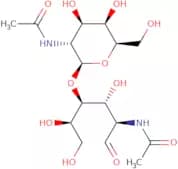
CAS:<p>Methyl 2,6-di-O-benzoyl-3,4-di-O-[bis(3,5-dimethylphenyl)]phosphino-a-D-glucopyranoside is a custom synthesis of a modified sugar that has been fluorinated and methylated. This compound is also known by its CAS number 158214-06-3. The compound is a monosaccharide and an oligosaccharide. It is synthesized from saccharides and polysaccharides such as sugar and complex carbohydrates. Methyl 2,6-di-O-benzoyl-3,4 di O-[bis(3,5 dimethylphenyl)]phosphino a D glucopyranoside has many applications in the field of biochemistry and medicine.</p>Formula:C53H56O8P2Purity:Min. 95%Molecular weight:882.95 g/mol2-Acetamido-4-O-(2-acetamido-2-deoxy-b-D-galactopyranosyl)-2-deoxy-D-glucopyranose
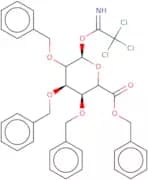
CAS:<p>A di-acetamido LacNAc analogue</p>Formula:C16H28N2O11Purity:Min. 95%Color and Shape:White PowderMolecular weight:424.4 g/mol2,3,4-Tri-O-benzyl-a-D-glucuronic acid benzyl ester trichloroacetimidate
CAS:<p>2,3,4-Tri-O-benzyl-a-D-glucuronic acid benzyl ester trichloroacetimidate is a glycosyl donor set up for oligosaccharide assembly.</p>Formula:C36H34Cl3NO7Purity:Min. 95%Molecular weight:699.02 g/mol(S)-Naproxen acyl-b-D-glucuronide benzyl ester
CAS:<p>(S)-Naproxen acyl-b-D-glucuronide benzyl ester is a custom synthesis of a sugar, Click modification, and fluorination. This synthetic compound has shown anti-inflammatory properties and is used to treat pain in the treatment of osteoarthritis. The drug is also used to treat other conditions such as rheumatoid arthritis and gouty arthritis.</p>Formula:C27H28O9Purity:Min. 95%Molecular weight:496.51 g/molBenzyl 2-acetamido-2-deoxy-4,6-O-isopropylidene-D-galactopyranoside
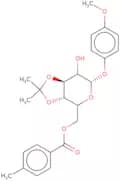
CAS:<p>Benzyl 2-acetamido-2-deoxy-4,6-O-isopropylidene-D-galactopyranoside is a modified odorant that binds to the olfactory receptors in the insect antenna. This compound is used as a research tool for studying the detection of odors. It can be used to identify compounds that act as insect attractants or repellents. The binding assays are performed in vitro using recombinant proteins and fluorescence assays. Binding studies have been shown to reveal mutants with altered binding properties to benzyl 2-acetamido-2-deoxy-4,6-O-isopropylidene -D--galactopyranoside.</p>Formula:C18H25NO6Purity:Min. 95%Molecular weight:351.39 g/mol4-Methoxyphenyl 3,4-O-isopropylidene-6-O-toluoyl-b-D-galactopyranoside
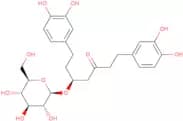
<p>4-Methoxyphenyl 3,4-O-isopropylidene-6-O-toluoyl-b-D-galactopyranoside is a synthetic compound that can be used as a methyl donor for glycosylation reactions. It is a high purity product with a purity of 99% and can be used in custom synthesis. This product has been modified to include fluorination at the C4 position of the phenyl ring. The CAS number for this product is 56987-54-2.</p>Formula:C24H28O8Purity:Min. 95%Molecular weight:444.49 g/molHirsutanonol 5-O-glucoside
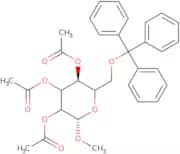
CAS:<p>Hirsutanonol 5-O-glucoside is an antral suppressant. It controls symptoms and parameters of the disease. It is a biopsy that has been carried out in patients with symptoms of gastric ulcer disease. The biopsy samples were stained with haematoxylin and eosin, and histological investigation showed that the interstitial cells are stained. Hirsutanonol 5-O-glucoside is also a symptomatic drug that can be used to investigate the correlation between gastric ulcer disease and gender.</p>Purity:Min. 95%Methyl 2,3,4-tri-O-acetyl-6-O-trityl-a-D-galactopyranoside
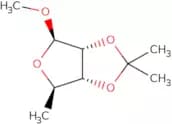
CAS:<p>Methyl 2,3,4-tri-O-acetyl-6-O-trityl-a-D-galactopyranoside is a glycosylation agent that can be used in the synthesis of saccharides. It is a triacetate derivative that can be synthesized from D-galactose and methyl triflate. Methyl 2,3,4-tri-O-acetyl-6-O-trityl-a-D galactopyranoside is soluble in water and has an acetyl content of 98%.</p>Formula:C32H34O9Purity:Min. 95%Molecular weight:562.62 g/molMethyl 5-deoxy-2,3-O-isopropylidene-b-D-ribofuranoside
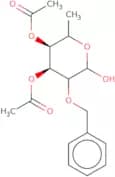
CAS:<p>Intermediate in the synthesis of capecitabine</p>Formula:C9H16O4Purity:Min. 95%Molecular weight:188.22 g/mol3,4-Di-O-acetyl-2-O-benzyl-L-rhamnopyranoside
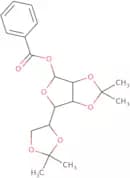
<p>3,4-Di-O-acetyl-2-O-benzyl-L-rhamnopyranoside is a custom synthesized, fluorinated, methylated, monosaccharide that can be used as a synthetic building block for the synthesis of saccharides. This compound has been shown to have a CAS number and is classified as an oligosaccharide. 3,4-Di-O-acetyl-2-O-benzyl-L-rhamnopyranoside is recommended for use in glycosylation reactions. It has been shown to react with other saccharides at the C1 position in the presence of various conditions such as mild alkaline or acid conditions.</p>Formula:C17H22O7Purity:Min. 95%Molecular weight:338.35 g/mol1-O-Benzoyl-2,3:5,6-di-O-isopropylidene-D-talofuranose
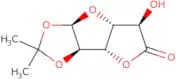
CAS:<p>1-O-Benzoyl-2,3:5,6-di-O-isopropylidene-D-talofuranose is a synthetic carbohydrate that has the same structure as pyranose. It can be modified and used in click chemistry and glycosylation reactions. The compound has been shown to have good stability, high purity, and good solubility in organic solvents. It is a complex carbohydrate that can be custom synthesized to meet customer specifications. 1-O-Benzoyl-2,3:5,6-di-O-isopropylidene-D-talofuranose is an oligosaccharide with the molecular formula C10H14O4 and a molecular weight of 200.24 g/mol.</p>Formula:C19H24O7Purity:Min. 95%Molecular weight:364.39 g/mol1,2-O-Isopropylidene-b-L-idofuranosylurono-6,3-lactone
CAS:<p>This product is a high purity, custom synthesis of 1,2-O-isopropylidene-b-L-idofuranosylurono-6,3-lactone. It is a sugar that can be modified with fluorination, glycosylation, and methylation. This product has a CAS No. 29514-28-1 and is used in the synthesis of oligosaccharides and monosaccharides. It is also used as a complex carbohydrate in saccharide chemistry.</p>Formula:C9H12O6Purity:Min. 95%Molecular weight:216.19 g/mol1,2,3-Tri-O-benzyl-4-O-(2,3,4,6-tetra-O-benzyl-a-D-galactopyranosyl)-b-D-galactopyranoside
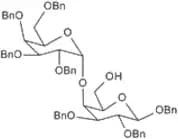
<p>1,2,3-Tri-O-benzyl-4-O-(2,3,4,6-tetra-O-benzyl-a-D-galactopyranosyl)-b-D-galactopyranoside is an oligosaccharide with a galactosamine residue at the nonreducing end. It is a triacylglycerol that has been methylated and fluorinated. This product can be used as a sugar for synthesis of complex carbohydrates or for modification of monosaccharides. The high purity of this product makes it suitable for use in pharmaceuticals and other applications requiring high purity.</p>Formula:C61H64O11Purity:Min. 95%Molecular weight:973.15 g/molMethyl 6-O-trityl-a-D-galactopyranoside
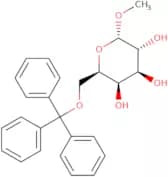
CAS:<p>Methyl 6-O-trityl-a-D-galactopyranoside is a custom synthesis, Click modification, and Oligosaccharide. It is a polysaccharide that consists of monosaccharides linked together with glycosidic bonds. This substance can be modified by fluorination and has a high purity. Methyl 6-O-trityl-a-D-galactopyranoside has CAS No. 35920-83-3 and is available in the form of white crystals.</p>Formula:C26H28O6Purity:Min. 95%Molecular weight:436.51 g/molPhenyl 2,3,4-tri-O-benzoyl-b-D-thiogalactopyranoside
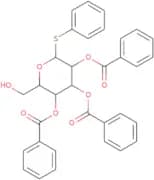
CAS:<p>Phenyl 2,3,4-tri-O-benzoyl-b-D-thiogalactopyranoside is a methylation product of b-D-thiogalactopyranoside. It has CAS No. 139608-11-0 and a molecular weight of 536.2. This compound is an Oligosaccharide with a molecular formula of C8H8O7 and a molecular weight of 432.1. Phenyl 2,3,4-tri-O-benzoyl-b-D-thiogalactopyranoside is also known as Methyl 3,4-(Benzoyloxy)galactoside or Methyl 3,4-(Benzoic acid)galactoside. This compound is soluble in water and ethanol and has the appearance of a white to off white powder at room temperature.</p>Purity:Min. 95%1,3:1,4 b-Glucotriose (A)
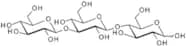
CAS:<p>1,3:1,4 b-Glucotriose (A) is a custom synthesis that is available with a purity of ≥98%. It is a fluorinated polysaccharide with a complex structure that can be modified to produce different variations. The methylation status of the compound can be customized as well. This product is an oligosaccharide and polysaccharide sugar that contains one glucose unit. It has been synthesized from the monosaccharide sugar and it can be used for chemical modification or for research purposes.</p>Formula:C18H32O16Purity:Min. 95%Color and Shape:White PowderMolecular weight:504.44 g/mol4-O-b-(2,3,4,6-Tetra-O-acetyl-D-galactopyranosyl)-1,6-anhydro-2,3-O-isopropylidene-b-D-mannopyranose
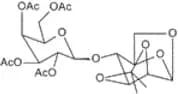
CAS:<p>4-O-b-(2,3,4,6-Tetra-O-acetyl-D-galactopyranosyl)-1,6-anhydro-2,3-O-isopropylidene-b-D-mannopyranose is a custom synthesis of a monosaccharide. This monosaccharide is synthesized by the fluorination and methylation of 4,6 anhydro b D mannose followed by the click modification of the hydroxyl groups. The chemical name for this monosaccharide is 1,6 anhydro 2,3 O isopropylidene b D mannopyranose. It has a molecular weight of 390. The CAS number for this monosaccharide is 5346 69 0. 4,6 anhydro b D mannose is found in polysaccharides such as glycosaminoglycans</p>Formula:C23H32O14Purity:Min. 95%Molecular weight:532.49 g/mol4-Chlorophenyl-2,3,4,6-tetra-O-acetyl-b-D-glucopyranoside
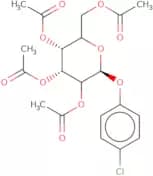
CAS:<p>4-Chlorophenyl-2,3,4,6-tetra-O-acetyl-b-D-glucopyranoside is a custom synthesis of an Oligosaccharide. It is a synthetic compound that contains a sugar that is attached to a 4 chlorophenol. The glycosylation process has been completed with the addition of an acetate group. This product is fluorinated at the 2 and 4 positions with chlorine gas and methylated at the 6 position. The modification process has been completed with click chemistry, which involves the reaction of an azide and an alkyne to form a 1,3 dipole. The complex carbohydrate has been modified by adding a saccharide group to the Carbonyl group on the right side of the molecule.</p>Formula:C20H23ClO10Purity:Min. 95%Molecular weight:458.9 g/molRiboflavin galactoside
CAS:<p>Riboflavin galactoside (RGG) is a fluorescent compound that can be used as a marker for cell proliferation. It is particularly useful in immunohistochemical techniques, which are used to detect the presence of antigens in tissue. RGG is sensitive to light, and thus it can be detected using techniques such as disintegrations per minute (DPM). RGG has been shown to be an efficient cellular target for amplifying RNA in cells. This compound also interacts with molecules that are involved in cellular growth and development, including antibodies.</p>Formula:C23H30N4O11Purity:Min. 95%Molecular weight:538.5 g/mol7-Hydroxy coumarin b-D-glucuronide methyl ester
CAS:<p>7-Hydroxy coumarin b-D-glucuronide methyl ester is a custom synthesis used in the modification of saccharides. This compound can be used to modify monosaccharides, oligosaccharides, and polysaccharides. It has been shown to fluorinate, methylate, and click-modify saccharides. 7-Hydroxy coumarin b-D-glucuronide methyl ester is also known as CAS No. 1176514-11-6.</p>Formula:C16H16O9Purity:Min. 95%Molecular weight:352.29 g/mol2-Deoxy-D- arabino- hexonic acid calcium
CAS:<p>2-Deoxy-D-arabino-hexonic acid calcium is a fluorinated monosaccharide with a molecular weight of 348.09 g/mol. It can be used for the synthesis of oligosaccharides, glycosylations, and polysaccharides. Click modification, methylation, sugar modification are all possible modifications for this compound. This product has been custom synthesized by our company and is available in high purity.</p>Formula:C6H12O6·xCaPurity:Min. 95%N-(5-Carboxypentyl)-deoxynojirimycin
CAS:<p>N-(5-Carboxypentyl)-deoxynojirimycin is a synthetic glycosylation agent that is used in the preparation of oligosaccharides, polysaccharides and saccharide complexes. This compound is also a potential therapeutic agent for cancer, as it can inhibit tumor cell growth by inhibiting protein synthesis. N-(5-Carboxypentyl)-deoxynojirimycin can be used as an intermediate in the synthesis of other fluorinated sugars. When modified with methyl groups, this compound has shown anticancer activity against human breast cancer cells.</p>Formula:C12H23NO6Purity:Min. 95 Area-%Color and Shape:Beige PowderMolecular weight:277.31 g/molEthyl 4,6-O-benzylidene-2-deoxy-2-phthalimido-b-D-thioglucopyranoside
CAS:<p>Ethyl 4,6-O-benzylidene-2-deoxy-2-phthalimido-b-D-thioglucopyranoside is a custom synthesis of Methylated Oligosaccharides. This product is an off white powder that has a purity of 99% with a molecular weight of 518.1 g/mol and an empirical formula C14H12N4O8. This product is soluble in water and DMSO and insoluble in ethanol, ether, and chloroform. Ethyl 4,6-O-benzylidene-2-deoxy-2-phthalimido b -D thioglucopyranoside can be used as a synthetic intermediate for the modification of saccharides or polysaccharides. It can also be used in the production of monosaccharides or sugar derivatives.</p>Formula:C23H23NO6SPurity:Min. 95%Color and Shape:PowderMolecular weight:441.5 g/moliso-Lacto-N-neooctaose
CAS:<p>Iso-lacto-N-neooctaose is a prebiotic oligosaccharide that can be found in breast milk. Iso-lacto-N-neooctaose is a carbohydrate molecule with a high degree of polymerisation that is resistant to digestion by human enzymes, which means it reaches the gut microbiota where it can stimulate the growth of beneficial bifidobacteria. Iso-lacto-N-neooctaose has been shown to have bioactive properties in humans and infants, including antihypertensive effects, antiulcerogenic effects, and immunomodulatory effects. Studies have also shown that this compound may help prevent colorectal cancer by increasing the population of bifidobacteria in the colon.</p>Formula:C54H91N3O41Purity:Min. 95%Molecular weight:1,438.3 g/molMethyl 3-O-(2-acetamido-2-deoxy-a-D-galactopyranosyl)-b-D-galactopyranoside
CAS:<p>Methyl 3-O-(2-acetamido-2-deoxy-a-D-galactopyranosyl)-b-D-galactopyranoside is a custom synthesis, complex carbohydrate. It belongs to the group of oligosaccharides and polysaccharides. This product is a sugar with high purity, which can be fluorinated. The CAS number for this compound is 128396-53-2.</p>Formula:C15H27NO11Purity:Min. 95%Color and Shape:PowderMolecular weight:397.38 g/mol1,2-o-Isopropylidene-β-L-idofuranuronic acid 5-o-pivaloate 6,3-lactone
CAS:<p>Please enquire for more information about 1,2-o-Isopropylidene-β-L-idofuranuronic acid 5-o-pivaloate 6,3-lactone including the price, delivery time and more detailed product information at the technical inquiry form on this page</p>Formula:C14H20O7Purity:Min. 95%Molecular weight:300.3 g/molD-Mannose-3-13C
CAS:<p>Please enquire for more information about D-Mannose-3-13C including the price, delivery time and more detailed product information at the technical inquiry form on this page</p>Formula:C6H12O6Purity:Min. 95%Molecular weight:181.15 g/mol2-Acetamido-2-deoxy-3-O-(b-D-gluco-4-enepyranosyl uronic acid)-6-sulfo-D-galactopyranose disodium salt
<p>This is a custom synthesis of a complex carbohydrate. The CAS number, polysaccharide, modification, saccharide and methylation are all listed. This is a high purity product that has been fluorinated and synthesized with a click modification. It is glycosylated and modified with methyl groups. This product is made from sugar, which is also listed.</p>Formula:C14H19NO14S·2NaPurity:Min. 95%Molecular weight:503.34 g/molUDP-4-azido-4-deoxy-D-glucose
CAS:<p>UDP-4-azido-4-deoxy-D-glucose is an analogue of UDP-glucose with an azide group at the 4 position. In the presence of α-lactalbumin, UDP-4-azido-4-deoxy-D-glucose show pronounced inhibition of lactose synthesis in a concentration dependent manner.</p>Purity:Min. 95%2-Acetamido-3-O-(2,3,4,6-tetra-O-acetyl-b-D-galactopyranosyl)-2-deoxy-D-glucopyranose
CAS:<p>2-Acetamido-3-O-(2,3,4,6-tetra-O-acetyl-b-D-galactopyranosyl)-2-deoxy-D-glucopyranose is a custom synthesis of an oligosaccharide. It is fluorinated at the 2 position and methylated on the 3 position. This glycosylation product has been shown to be resistant to degradation by enzymes that hydrolyze glycosidic bonds.</p>Formula:C22H33NO15Purity:Min. 95%Molecular weight:551.5 g/mol2-Acetamido-1,2-dideoxynojirimycin hydrochloride
CAS:<p>2-Acetamido-1,2-dideoxynojirimycin hydrochloride is used in the treatment of human ovarian carcinoma. It has been shown to inhibit glycosidase enzymes with binding constants in the micromolar range. 2-Acetamido-1,2-dideoxynojirimycin hydrochloride has been shown to be a potential inhibitor of mammalian cell transport involving complex oligosaccharides. This drug also inhibits the enzymatic degradation of glycoproteins and other proteins by glycosidases. 2-Acetamido-1,2-dideoxynojirimycin hydrochloride is a synthetic analog of nijirimycin, which is a naturally occurring antibiotic obtained from cultures of Streptomyces nijirimensis. The clinical significance of this drug is that it can be used as an antiangiogenic agent and chemo sensitizing</p>Formula:C8H16N2O4·HClPurity:(%) Min. 97%Color and Shape:White PowderMolecular weight:204.22 g/mol3,4,6-Tri-O-acetyl-2-O-(2,3,4-tri-O-benzoyl-a-L-fucopyranosyl)-D-galactopyranose
<p>3,4,6-Tri-O-acetyl-2-O-(2,3,4-tri-O-benzoyl-a-L-fucopyranosyl)-D-galactopyranose (TFP) is a fluorinated carbohydrate synthesized by the reaction of 3,4,6 trihydroxyacetophenone with 2,3,4 trihydroxypentanediol and acetyl chloride. TFP is a complex carbohydrate that can be used to modify proteins and glycoproteins. The methylation of TFP has been shown to decrease the binding affinity between lectins and glycoproteins.</p>Formula:C39H40O16Purity:Min. 95%Molecular weight:764.73 g/mol1,2-Dideoxy-2-fluoronojirimycin
CAS:<p>1,2-Dideoxy-2-fluoronojirimycin is a synthetic alkenyl compound that inhibits the HIV-1 virus by competitively inhibiting the enzyme reverse transcriptase. It has been shown to inhibit the synthesis of viral DNA and RNA. 1,2-Dideoxy-2-fluoronojirimycin is an aralkyl compound with a hydroxyl group at position 1 and a fluorine atom at position 2. It also has sulfinyl groups in positions 3 and 4. The natural product is synthesised from glucose via glycosidase inhibition. This compound has shown potent antiviral activity against HIV-1 strains with high levels of resistance to other compounds such as AZT.</p>Formula:C6H12NO3FPurity:Min. 95%Molecular weight:165.16 g/mol2,3,4-Tri-O-acetyl-α-L-fucopyranosyl bromide
CAS:<p>2,3,4-Tri-O-acetyl-alpha-L-fucopyranosyl bromide is a methylated alpha-L-fucopyranosyl bromide that is used as a glycosylation reagent for the synthesis of complex carbohydrates. It is also used in Click chemistry and has been shown to be an effective and selective glycosylation agent.<br>2,3,4-Tri-O-acetyl-alpha-L-fucopyranosyl bromide is available at high purity and can be custom synthesized to your specifications. This compound has CAS number 16741-27-8 and is listed on the FDA Inactive Ingredient Database (IID).</p>Formula:C12H17BrO7Molecular weight:353.16 g/molRef: 3D-T-5921
1gTo inquire5gTo inquire250mgTo inquire500mgTo inquire2500mgTo inquire-Unit-ggTo inquire1-Deoxy-L-erythrulose
CAS:<p>1-Deoxy-L-erythrulose is an electron acceptor that is a non-essential cofactor for the enzyme reductoisomerase. It binds to the active site of the enzyme and stabilizes its conformation, which leads to the formation of a dianion. 1-Deoxy-L-erythrulose also acts as an activator for phosphite, which is a transition state analog. This activation leads to the formation of ATP and NADPH as products.</p>Formula:C4H8O3Purity:Min. 95%Molecular weight:104.1 g/mol1,2-O-Isopropylidene-5-O-p-toluenesulfonyl-a-D-xylofuranose
CAS:<p>1,2-O-Isopropylidene-5-O-p-toluenesulfonyl-a-D-xylofuranose is a carbohydrate that belongs to the group of oligosaccharides. It is a synthetic saccharide that can be used in the production of various glycosylated and methylated compounds. This compound can be custom synthesized to order, with high purity and low price. The synthesis of 1,2-O-Isopropylidene-5-O-p-toluenesulfonyl-a-D -xylofuranose is accomplished through a click modification reaction between 1,2:5,6:7,8:9,10:11:12:13:14:15:16:17-(1H,6H)-heptaoxacyclooctadecane and pyridine.</p>Formula:C15H20O7SPurity:Min. 95%Molecular weight:344.39 g/mol2-Methylphenyl 2-acetamido-3,4,6-tri-O-acetyl-2-deoxy-b-D-glucopyranoside
CAS:<p>2-Methylphenyl 2-acetamido-3,4,6-tri-O-acetyl-2-deoxy-b-D-glucopyranoside is a high purity custom synthesis that has undergone a click modification (a reaction in which an azide group is transferred from an alkyne group to an electron rich atom such as nitrogen). The product has been fluorinated and modified with the addition of a saccharide group. This complex carbohydrate can be used in the synthesis of oligosaccharides or polysaccharides. It is also used as a sugar substitute.</p>Formula:C21H27NO9Purity:Min. 95%Molecular weight:437.44 g/mol3-Chloro-3-deoxy-D-glucose
CAS:<p>3-Chloro-3-deoxy-D-glucose is a synthetic compound that has been used to study substituent effects on the transport of molecules across membranes. 3-Chloro-3-deoxy-D-glucose is hydrophobic and can be transported across membranes by a passive diffusion mechanism. It is also capable of transporting other hydrophobic compounds, such as l-arabinose, across membranes. 3-Chloro-3-deoxyglucose contains a transition metal halogeno group and has an affinity for divalent cations, which may explain its ability to bind with the sugar d -xylose.</p>Formula:C6H11ClO5Purity:Min. 95%Color and Shape:PowderMolecular weight:198.6 g/molMethyl 3,6-dideoxychloroacetamido-a-D-mannopyranoside
CAS:<p>Methyl 3,6-dideoxychloroacetamido-a-D-mannopyranoside is a complex carbohydrate that has been modified by fluorination and methylation. It is an important building block in the synthesis of oligosaccharides and polysaccharides. This product is also used in click chemistry, where it can be reacted with a variety of thiols to form new linkages. Methyl 3,6-dideoxychloroacetamido-a-D-mannopyranoside can also be used to modify saccharides or sugars by click chemistry. This compound is highly pure and custom synthesized to customer specifications.</p>Formula:C9H14ClNO5Purity:Min. 95%Molecular weight:251.66 g/mol
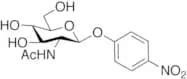

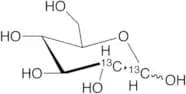
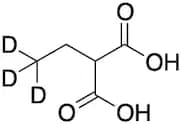
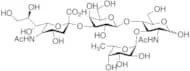
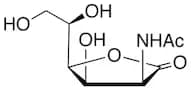
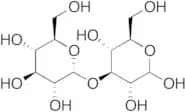
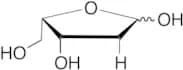
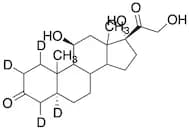
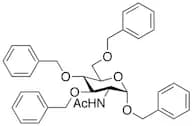
![6-Deoxy-3-O-[(1,1-dimethylethyl)dimethylsilyl]-1,2-O-(1-methylethylidene)-6-nitro-α-D-glucofuranose](/_next/image/?url=https%3A%2Fstatic.cymitquimica.com%2Fproducts%2FTR%2Fthumb-webp%2FD235240.webp&w=3840&q=75)
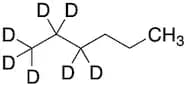
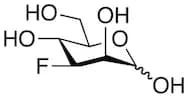
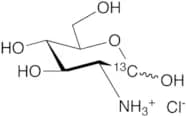

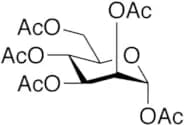
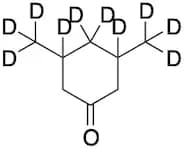
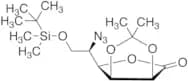
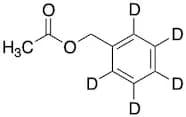
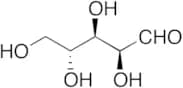
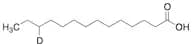
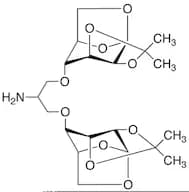
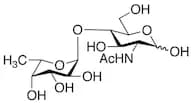
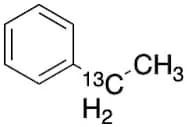
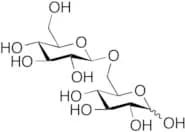
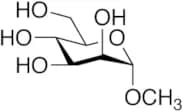
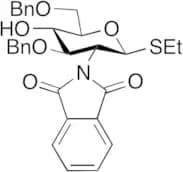
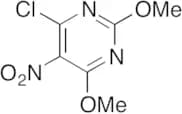
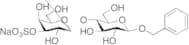
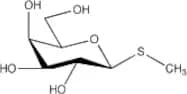
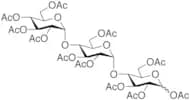
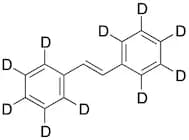
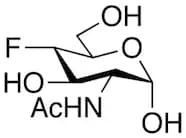
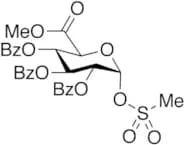
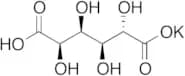
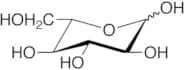
![(8S-cis)-8-Acetyl-10-[[(1,1-dimethylethyl)dimethylsilyl]oxy]-7,8,9,10-tetrahydro-6,8,11-trihydroxy…](/_next/image/?url=https%3A%2Fstatic.cymitquimica.com%2Fproducts%2FTR%2Fthumb-webp%2FA173810.webp&w=3840&q=75)
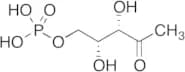
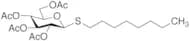
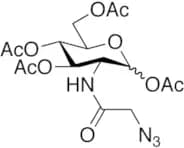
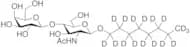
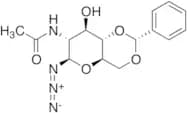
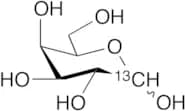
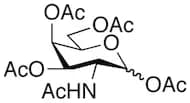
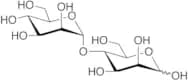
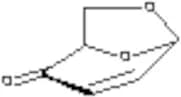
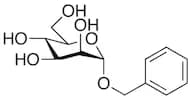
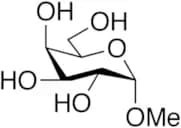
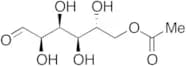
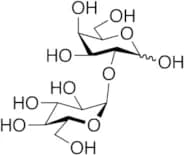
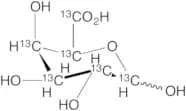
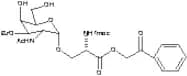
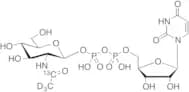
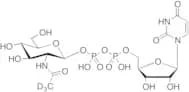
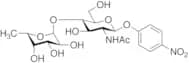
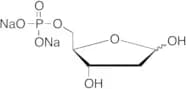
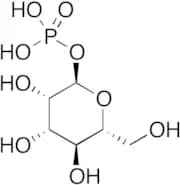
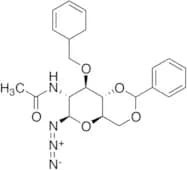
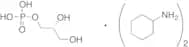
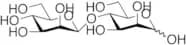
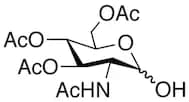

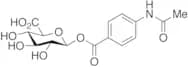
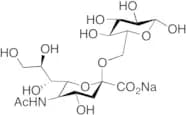
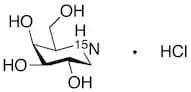
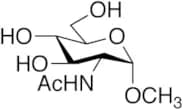
![N-[(3S,4R,5S,6R)-4,5-Dihydroxy-6-(hydroxymethyl)-3-piperidinyl]-acetamide](/_next/image/?url=https%3A%2Fstatic.cymitquimica.com%2Fproducts%2FTR%2Fthumb-webp%2FD454790.webp&w=3840&q=75)
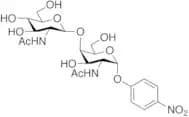
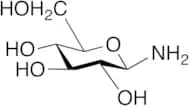
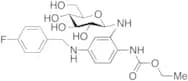

![N-(β-D-Glucopyranosyl)-N’-[(2-methanethiosulfonyl)ethyl] Urea](/_next/image/?url=https%3A%2Fstatic.cymitquimica.com%2Fproducts%2FTR%2Fthumb-webp%2FG441000.webp&w=3840&q=75)
![6-O-[(1,1Dimethylethyl)diphenylsilyl]-2,3,4-tris-O-D-gluconic Acid δ-lactone](/_next/image/?url=https%3A%2Fstatic.cymitquimica.com%2Fproducts%2FTR%2Fthumb-webp%2FD480803.webp&w=3840&q=75)
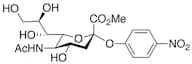
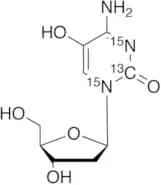
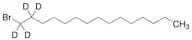
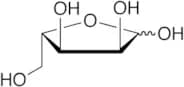
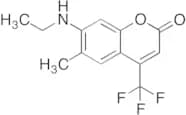
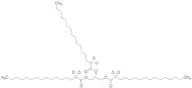
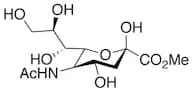
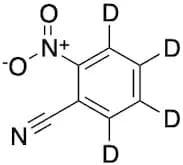


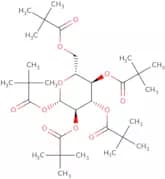
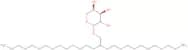
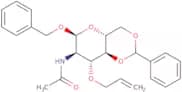
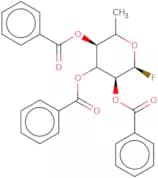
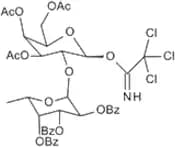
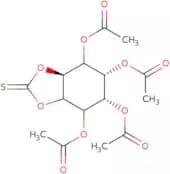
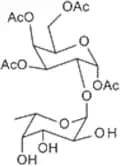
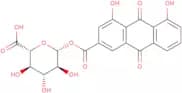

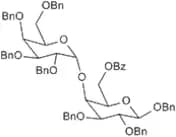

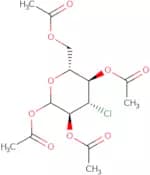
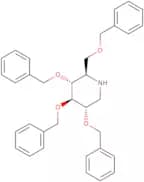
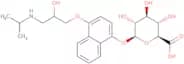

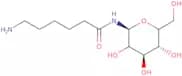
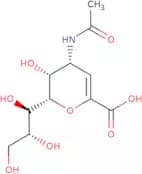
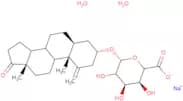
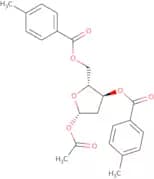
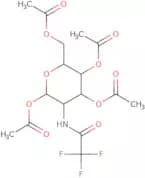
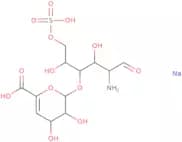
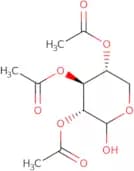
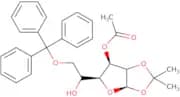
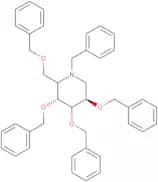
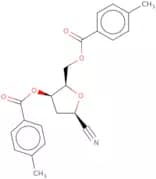
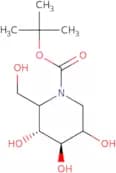
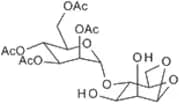
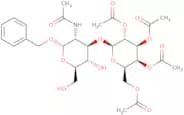
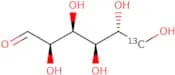
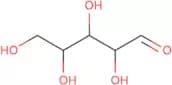
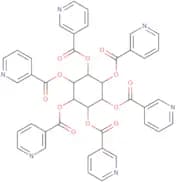
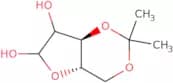
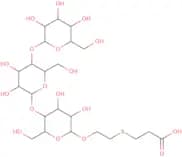
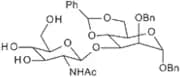
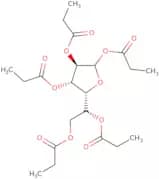
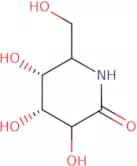
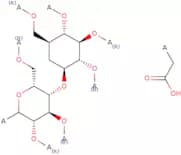

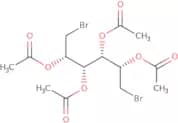
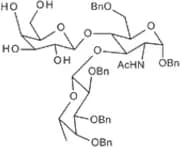
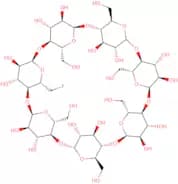

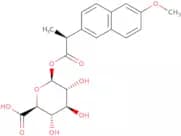
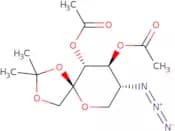
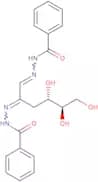

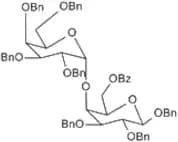
![D-[6-13C]Galacturonic acid potassium salt](/_next/image/?url=https%3A%2Fstatic.cymitquimica.com%2Fproducts%2F3D%2Fthumb-webp%2FMG170938.webp&w=3840&q=75)


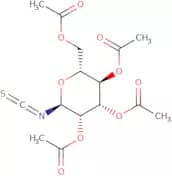
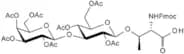
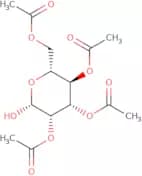

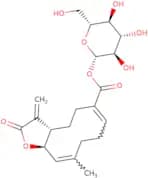
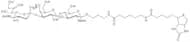
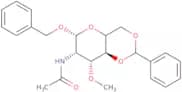

![Benzyl 2,3-O-[(1S,2S)-1,2-dimethoxy-1,2-dimethyl-1,2-ethanediyl]-b-D-arabinopyranoside](/_next/image/?url=https%3A%2Fstatic.cymitquimica.com%2Fproducts%2F3D%2Fthumb-webp%2FMB16615.webp&w=3840&q=75)
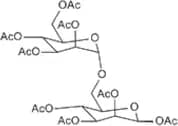
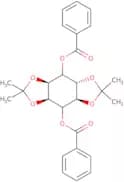
![[1-13C]Maltose monohydrate](/_next/image/?url=https%3A%2Fstatic.cymitquimica.com%2Fproducts%2F3D%2Fthumb-webp%2FOM76731.webp&w=3840&q=75)
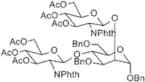
![Methyl 2,6-di-O-benzoyl-3,4-di-O-[bis(3,5-dimethylphenyl)]phosphino-a-D-glucopyranoside](/_next/image/?url=https%3A%2Fstatic.cymitquimica.com%2Fproducts%2F3D%2Fthumb-webp%2FMM166795.webp&w=3840&q=75)