Glycoscience
Glycoscience is the study of carbohydrates and their derivatives, as well as the interactions and biological functions they participate in. This field of research is crucial for understanding a wide variety of biological processes, including cell recognition, signaling, immune response, and disease development. Glycoscience has important applications in biotechnology, medicine, and the development of new drugs and therapies. At CymitQuimica, we offer a wide selection of high-quality, high-purity products for glycoscience research. Our catalog includes monosaccharides, oligosaccharides, polysaccharides, glycoconjugates, and specific reagents, designed to support researchers in their studies on the structure, function, and applications of carbohydrates in biological systems. These resources are intended to facilitate scientific discoveries and practical applications in various areas of bioscience and medicine.
Subcategories of "Glycoscience"
- Aminosugars(108 products)
- Glyco-Related Antibodies(282 products)
- Glycolipids(46 products)
- Glycosaminoglycans (GAGs)(55 products)
- Glycosides(419 products)
- Monosaccharides(6,621 products)
- Oligosaccharides(3,681 products)
- Polysaccharides(503 products)
Found 11041 products of "Glycoscience"
Sort by
Purity (%)
0
100
|
0
|
50
|
90
|
95
|
100
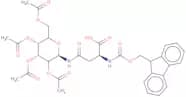
2,3,4,6-Tetra-O-acetyl-b-D-glucopyranosyl-(N2-Fmoc)-L-Asparagine
CAS:<p>2,3,4,6-Tetra-O-acetyl-b-D-glucopyranosyl-(N2-Fmoc)-L-Asparagine is a bifunctional compound that is used as an intermediate in the synthesis of other compounds. It is a white solid that can be purified by recrystallization from hot water.</p>Formula:C33H36N2O14Purity:Min. 95%Molecular weight:684.65 g/molMethyl L-rhamnopyranoside
CAS:<p>Methyl L-rhamnopyranoside is a sugar that is the product of the reaction between l-rhamnose and acetone. This compound has been used as a chiral building block for the synthesis of other sugars, such as D-arabinose and D-lyxose. The yield of this reaction depends on the concentration of potassium thioacetate and temperature. This compound can be obtained in two forms: (1) anomeric form, which is an intermediate in the synthesis of carbohydrates and (2) crystalline form, which is a white solid with melting point at 157.3°C. The anomeric form has a stereogenic center at carbon atom 3, whereas the crystalline form does not have any stereogenic centers. Methyl L-rhamnopyranoside also reacts with chlorination reagents to produce chlorinated derivatives, such as 2-chloro-3-(3′,4′-dimeth</p>Formula:C7H14O5Purity:Min. 95%Color and Shape:PowderMolecular weight:178.18 g/molMethyl 2-acetamido-2-deoxy-3-O-(b-D-galactopyranosyl)-b-D-glucopyranoside
CAS:<p>Methyl 2-acetamido-2-deoxy-3-O-(b-D-galactopyranosyl)-b-D-glucopyranoside is a modification of the carbohydrate, which is a complex carbohydrate. It has been synthesized using Custom synthesis and Oligosaccharide. This product is highly pure, with a purity of 99%. Methyl 2-acetamido-2-deoxy-3-O-(b-D-galactopyranosyl)-b-Dpglucopyranoside is used in the synthesis of Monosaccharide and Methylation. It can also be used in Glycosylation and Polysaccharide as well as for sugar or Fluorination.</p>Formula:C15H27NO11Purity:Min. 95%Color and Shape:White To Off-White SolidMolecular weight:397.38 g/molSennoside b calciumsalt
CAS:<p>Sennoside b is a natural compound found in the plant Senna obtusifolia and has been shown to have an effect on myeloma cells, as well as on enzyme activities and energy metabolism. Sennoside b has also been shown to inhibit phospholipase A2 (PLA2) activity and prostaglandin E2 (PGE2) levels in a mouse myeloma cell line. The pathogenic mechanism of sennoside b is unclear, but it may be due to its locomotor activity-reducing effects or due to its effect on gut motility. The optimum extraction process for sennoside b is not clear, but it should be carried out with care due to its chemical stability. Sennoside b has also been shown to have beneficial effects on hepatic steatosis and bowel disease, thus making it a potential treatment for these conditions. Multivariate logistic regression analysis was used to identify factors that may predict</p>Formula:C42H36CaO20Purity:Min. 95%Molecular weight:900.8 g/mol1,2,3,4,5,6-Hexa-O-acetyl-L-iditol
CAS:<p>1,2,3,4,5,6-Hexa-O-acetyl-L-iditol is a synthetic compound that is used as a reagent in the synthesis of oligosaccharides and polysaccharides. It is also used to modify the saccharide chains of complex carbohydrates. 1,2,3,4,5,6-Hexa-O-acetyl-L-iditol has been shown to react with both DNA and RNA. The methylation reaction can be achieved by treatment with formaldehyde or sodium cyanoborohydride. This compound has been modified by fluorination to create monosaccharides such as fluorohexitol and fluoroarabitol.</p>Formula:C18H26O12Purity:Min. 95%Molecular weight:434.4 g/molCetearyl glucoside
CAS:<p>Cetearyl glucoside is a fatty alcohol that is used as a skin conditioning agent and emollient. It has been shown to be stable in vivo and in vitro, with a phase transition temperature of around 34°C. Cetearyl glucoside is also soluble in water, making it suitable for use in products that have a high water content, such as lotions. Cetearyl glucoside can be used as an excipient or carrier to increase the bioavailability of active ingredients (e.g., vitamins) and offers protection against chemical degradation. This product is also non-comedogenic, meaning it will not clog pores and cause acne breakouts. The fatty acid component of cetearyl glucoside can be derived from soybean oil or from other sources such as castor oil or coconut oil. The fatty acid component can also be derived from animal sources such as lanolin or wool fat.</p>Purity:Min. 95%9-Amino-N-acetylneuraminic acid
CAS:<p>9-Amino-N-acetylneuraminic acid (9AAN) is a neuraminidase inhibitor. It blocks the activity of neuraminidase, which is an enzyme that hydrolyzes sialic linkages in glycoproteins and glycolipids. 9AAN prevents the release of influenza virus particles from infected cells. This drug can also inhibit toxins that target the nervous system, such as botulinum neurotoxin and tetanus toxin. 9AAN has been shown to have a stabilizing effect on the conformation of proteins and has been used to study conformational changes in enzymes involved in metabolism. 9AAN is synthesized by recombinant DNA technology and acts as a competitive inhibitor for the enzymatic reaction.</p>Formula:C11H20N2O8Purity:Min. 95%Color and Shape:PowderMolecular weight:308.29 g/molN-(4'-Sulfamidophenyl)-1,2:3,4-di-O-isopropylidene-a-D-galactopyranosyluronamide
CAS:<p>N-(4'-Sulfamidophenyl)-1,2:3,4-di-O-isopropylidene-a-D-galactopyranosyluronamide is a chemical compound that belongs to the class of carbohydrates. It is a high purity chemical with custom synthesis and modification capabilities. This product can be used in glycosylation, methylation, and oligosaccharide synthesis. N-(4'-Sulfamidophenyl)-1,2:3,4-di-O-isopropylidene-a-D-galactopyranosyluronamide has been shown to have anti cancer properties when combined with other compounds.</p>Formula:C18H23NO8SPurity:Min. 95%Molecular weight:413.44 g/mol6-O-Tosyl-D-glucopyranose
CAS:<p>6-O-Tosyl-D-glucopyranose is an Oligosaccharide, Carbohydrate and Custom synthesis. It is a complex carbohydrate. This product is a monosaccharide that has been methylated, glycosylated, and polysaccharide modified. The CAS No. for this product is 26391-80-0 and its molecular weight is 598.6 g/mol. This product can be used in the synthesis of 6-O-Tosyl-D-[3H]glucopyranose (CAS No. 131552-01-8) which can be used as a radioactive marker in biological research or in the diagnosis of diseases such as cancer.</p>Purity:Min. 95%Phenyl a-L-thiorhamnopyranoside
CAS:<p>Phenyl a-L-thiorhamnopyranoside is a monosaccharide that is synthesized by the methylation of alpha-D-glucose. It is a custom synthesis that is used in the synthesis of oligosaccharides, polysaccharides, and sugar drugs. Phenyl a-L-thiorhamnopyranoside can be fluorinated to create an active form that has antibacterial activity. This compound has shown no signs of toxicity in animal studies and has been used as a food additive.</p>Formula:C12H16O4SPurity:Min. 95%Molecular weight:256.32 g/mol(S,S)-(-)-1,4-Dimethoxy-2,3-butanediol
CAS:<p>(S,S)-(-)-1,4-Dimethoxy-2,3-butanediol is an organic compound with the chemical formula CH(OCH)CHOH. This colorless liquid is a chiral molecule that can exist in two enantiomeric forms. The asymmetric carbon atom (C-1) is of high stereoselectivity and has been shown to undergo nucleophilic attack by a wide variety of nucleophiles. The reaction product can be either the corresponding enolate or enolates depending on whether the nucleophile is a base or acid. In addition, this compound yields a stereoselective synthesis of chiral products when reacted with carbonyls.</p>Formula:C6H14O4Purity:Min. 95%Molecular weight:150.17 g/mol1-Pyrenyl-2,3,4-tri-O-acetyl-b-D-glucuronide methyl ester
<p>1-Pyrenyl-2,3,4-tri-O-acetyl-b-D-glucuronide methyl ester is a custom synthesis product that can be used to modify oligosaccharides and polysaccharides. This product is a fluorinated sugar that has been modified with acetyl groups at the 1 and 4 positions of the pyrene ring. It is an Oligosaccharide, Polysaccharide, saccharide, Carbohydrate and Monosaccharide. The complex carbohydrate modification provides high purity and high quality. The 1-Pyrenyl-2,3,4-tri-O-acetyl-b-D-glucuronide methyl ester is useful in Click chemistry applications as well as in other chemical reactions such as polymerization and condensation reactions.</p>Formula:C29H26O10Purity:Min. 95%Molecular weight:534.51 g/mol5-Azido-5-deoxy-L-altrofuranose
<p>5-Azido-5-deoxy-L-altrofuranose is a synthetic, fluorinated monosaccharide. It is a modification of the sugar molecule with the addition of a methyl group at the 5th carbon in the furanose ring. The complex carbohydrate is synthesized by glycosylation and polysaccharide synthesis. It can be used for click chemistry modifications to other molecules.</p>Formula:C6H11N3O5Purity:Min. 95%Molecular weight:205.17 g/mol3-Deoxy-1,2:5,6-di-O-isopropylidene-a-D-glucofuranose
CAS:<p>3-Deoxy-1,2:5,6-di-O-isopropylidene-a-D-glucofuranose is an oligosaccharide that belongs to the group of polysaccharides. It is a methylated saccharide with a high degree of purity and can be custom synthesized for use as a carbohydrate in pharmaceuticals. 3-Deoxy-1,2:5,6-di-O-isopropylidene-a-D-glucofuranose is used in the synthesis of glycosylations and has been shown to have antiviral activity against Epstein Barr virus by inhibiting viral protein synthesis.</p>Formula:C12H20O5Purity:Min. 95%Molecular weight:244.29 g/molMethyl 2,4,6-tri-O-methyl-a-D-glucopyranoside
CAS:<p>Methyl 2,4,6-tri-O-methyl-a-D-glucopyranoside is a sugar that has been modified by the addition of a methyl group to the hydroxyl group at the C2 position. The chemical name for this sugar is methyl 2,4,6-tri-O-methyl-β--glucopyranoside. This modification of the sugar molecule can be achieved through either a Click or an Oligosaccharide synthesis approach.<br>Methyl 2,4,6-tri-O-methyl-a-D--glucopyranoside is used in various applications including as a synthetic intermediate for saccharides or as a carbohydrate building block for glycosylations. Methyl 2,4,6--tri--O--methyl--β--glucopyranoside is also used in fluorination reactions to produce fluoro sugars and can be used as a custom synthesis service with high purity</p>Purity:Min. 95%16a-Hydroxyestrone 16-b-D-glucuronide
CAS:<p>16a-Hydroxyestrone 16-b-D-glucuronide is a conjugate of the hydroxyestrone and glucuronic acid. It is a metabolite of estradiol, which is the most potent estrogen produced by the human body. The compound has been found in urine, saliva, and breast milk. 16a-Hydroxyestrone 16-b-D-glucuronide is an inactive steroid that can be conjugated with glucuronic acid to form a water soluble molecule that can be excreted in the urine or bile.</p>Formula:C24H30O9Purity:Min. 95%Molecular weight:462.49 g/molNeuAc-a2,3-Gal-b-1,4-Glc-GlycineNH2
<p>NeuAc-a2,3-Gal-b-1,4-Glc-GlycineNH2 is a carbohydrate that belongs to the group of saccharides. It is an oligosaccharide that has been synthesized via a custom synthesis. This product is high purity and has been modified with methylation, glycosylation, and click modification.</p>Formula:C25H43N3O19Purity:Min. 95%Color and Shape:PowderMolecular weight:689.62 g/mol4-Nitrophenyl 2-benzoyl-4,6-O-benzylidene-a-D-mannopyranoside
CAS:<p>4-Nitrophenyl 2-benzoyl-4,6-O-benzylidene-a-D-mannopyranoside is a glycosylated sugar that has been modified with methyl groups and fluorine atoms. It is a synthetic, monosaccharide oligosaccharide that can be custom synthesized to suit your needs. This product is CAS No. 94063-92-0 and it is available in high purity.</p>Formula:C26H23NO9Purity:Min. 95%Molecular weight:493.46 g/molMethyl (4'-O-hexanoyldaidzein-7-yl-b-D-2'',3'',4''-tri-O-acetylglucopyranosid)urinate
CAS:<p>Methyl (4'-O-hexanoyldaidzein-7-yl-b-D-2'',3'',4''-tri-O-acetylglucopyranosid)urinate is a synthetic glycosylate that has a number of sugar moieties attached to its uronic acid group. It can be used for the preparation of oligosaccharides, sugar derivatives, and fluorinated saccharides. This product is available in high purity and can be custom synthesized.</p>Formula:C34H36O14Purity:Min. 95%Molecular weight:668.64 g/mol3-Methylphenyl 2-acetamido-3,4,6-tri-O-acetyl-2-deoxy-b-D-glucopyranoside
CAS:<p>3-Methylphenyl 2-acetamido-3,4,6-tri-O-acetyl-2-deoxy-b-D-glucopyranoside is a synthetic chemical compound. It has been shown to have antiviral activity and inhibit the growth of bacteria.</p>Formula:C21H27NO9Purity:Min. 95%Molecular weight:437.44 g/molIsopropyl 2-acetamido-2-deoxy-b-D-glucopyranoside
CAS:<p>Isopropyl 2-acetamido-2-deoxy-b-D-glucopyranoside is a chromatographic agent used in liquid chromatography. It is a reaction product of polysaccharides and fatty acids, which are extracted from fruits. Isopropyl 2-acetamido-2-deoxy-b-D-glucopyranoside has been shown to inhibit the growth of typhimurium and other viruses in cell culture. The safety profile of this compound has not been established in humans and should be tested before use in vivo.</p>Formula:C11H21NO6Purity:Min. 95%Molecular weight:263.29 g/molMethyl 2,3,4-tri-O-acetyl-β-L-thiofucopyranoside
CAS:<p>Methyl 2,3,4-tri-O-acetyl-b-L-thiofucopyranoside is a ferrite that is important for the growth of cells. It can be used as a growth factor to promote the growth of cells. Covid®-19 pandemic A/Aureus strain is resistant to this drug and it has been shown to inhibit cellular transformation in human epidermal cells. The drug also reduces the size and number of cancerous lesions in mice by inhibiting tumor angiogenesis. Methyl 2,3,4-tri-O-acetyl-b-L-thiofucopyranoside can cause an overload of Ca2+ ions in the cell, which may lead to apoptosis or necrosis.</p>Formula:C13H20O7SPurity:Min. 95%Molecular weight:320.36 g/molL-Idaric acid 1,4-lactone
CAS:<p>L-Idaric acid 1,4-lactone is a synthetic glycosylidic sugar that can be modified with fluorine compounds to create a variety of derivatives. It is used as a monomer in the synthesis of oligosaccharides, polysaccharides, and complex carbohydrates. L-Idaric acid 1,4-lactone can also be synthesized from methyl erythritol tetraacetate and glycerol in the presence of acetic anhydride.</p>Formula:C6H8O7Purity:Min. 98%Color and Shape:White PowderMolecular weight:192.12 g/molAllyl 3-O-benzyl-a-L-rhamnopyranoside
CAS:<p>Allyl 3-O-benzyl-a-L-rhamnopyranoside is an oligosaccharide that is a modification of the disaccharide, allyl 3-O-benzyl-a-D-galactopyranoside. Allyl 3-O-benzyl-a-L-rhamnopyranoside has been synthesized from D-(+)-glucose and L-(+)-rhamnose. The compound has a molecular weight of 756.40 g/mol. It is a white to off white powder that is soluble in water, but insoluble in ethanol at low concentrations. It can be used as a carbohydrate or sugar for research purposes.</p>Formula:C16H22O5Purity:Min. 95%Molecular weight:294.35 g/mol2-(4-Methoxybenzyl)phenyl6-O-(ethoxycarbonyl)-β-D-glucopyranoside
CAS:<p>Canagliflozin is a type of antidiabetic agent that is used to treat patients with type 2 diabetes. This drug works by decreasing the reabsorption of glucose in the kidneys, which increases the excretion of glucose, and thus reduces blood sugar levels. Canagliflozin also lowers blood pressure and has been shown to reduce cholesterol levels. It is an inhibitor of SGLT-1, a transporter protein in the kidney that is responsible for renal glucose reabsorption. The use of canagliflozin has been studied in animal models, where it was found to significantly increase glomerular filtration rate (GFR) and decrease blood pressure. It is recommended that canagliflozin be taken together with other anti-diabetic medications, such as insulin or metformin, due to its potential side effects on GFR and blood pressure.</p>Formula:C23H28O9Purity:Min. 95%Molecular weight:448.46 g/molMethyl (methyl 3-deoxy-D-arabino-hept-2-ulopyranosid)onate-7-(diphenyl phosphate)
CAS:<p>Methyl (methyl 3-deoxy-D-arabino-hept-2-ulopyranosid)onate-7-(diphenyl phosphate) is a carbohydrate that belongs to the group of oligosaccharides. It is synthesized from an alditol acetate precursor and can be modified with fluorination, methylation, glycosylation, or click chemistry. Methyl (methyl 3-deoxy-D-arabino-hept-2-ulopyranosid)onate-7-(diphenyl phosphate) is used in various industrial applications as a reagent for the synthesis of complex carbohydrates. This compound has CAS No. 91382–79–5.</p>Formula:C21H25O10PPurity:Min. 95%Molecular weight:468.39 g/mol1,5-Dideoxy-D-xylulose
CAS:<p>1,5-Dideoxy-D-xylulose is a synthetic compound that has been modified to make it resistant to methylation and other modifications. It can be used as a raw material for the production of complex carbohydrates and saccharides, such as oligosaccharides and polysaccharides. 1,5-Dideoxy-D-xylulose is widely used in the modification of saccharides and carbohydrates. It is important in the production of high purity monosaccharides, which are used in the synthesis of pharmaceuticals. This product is also often used for fluorination reactions.</p>Formula:C5H10O3Purity:Min. 95%Molecular weight:118.13 g/molMethyl 3-acetamido-4,6-O-benzylidene-2,3-dideoxy-a-D-ribo-hexopyranoside
CAS:<p>Methyl 3-acetamido-4,6-O-benzylidene-2,3-dideoxy-a-D-ribohexopyranoside is an organic compound. It is a fluorescent glycosylation reagent used in the synthesis of oligosaccharides and polysaccharides. The modification of this product can be customized to suit your needs. This product is available in high purity and with a CAS No. 23819-31-0.</p>Formula:C16H21NO5Purity:Min. 95%Molecular weight:307.35 g/mol1-Deoxy-L-altronojirimycin hydrochloride
CAS:<p>L-altronojirimycin is a diterpene glycoside that belongs to the group of natural products that have inhibitory properties against lipid peroxidation. It has been shown to decrease the concentration of 1,2-dipalmitoylglycerophosphocholine (DPPC) in primary cells and reduce the rate of lipid peroxidation in a concentration-dependent manner. L-altronojirimycin inhibits the activity of enzymes such as acetylcholinesterase and phospholipase A2, which are involved in inflammation. This drug has also been shown to have cardioprotective effects and inhibit mutations in cardiac muscle cells. L-altronojirimycin has been tested for its long-term efficacy and shown to be effective against both bowel disease and cardiac effects.</p>Formula:C6H13NO4•HClPurity:Min. 95%Color and Shape:PowderMolecular weight:199.63 g/molDisialylated pentaose type I
<p>Disialylated pentaose type I (DSI-1) is a disaccharide sugar that is synthesized in high purity by custom synthesis. It is a complex carbohydrate that consists of five monosaccharides: glucose, galactose, mannose, fucose and N-acetylneuraminic acid. DSI-1 has been shown to have glycosylation and methylation activity. This product has been modified with fluorination and saccharide modification, as well as Click chemistry. Disialylated pentaose type I is used in the pharmaceutical industry as an intermediate for the production of glycoconjugates and in the food industry to produce artificial sweeteners.</p>Formula:C42H67N3O32Na2Purity:Min. 95%Molecular weight:1,171.96 g/mol3,5:6,7-Di-O-isopropylidene-D-glycero-D-gulo-heptonic acid-γ-lactone
CAS:<p>3,5:6,7-Di-O-isopropylidene-D-glycero-D-gulo-heptonic acid-gamma-lactone is a synthetic sugar that has been modified with methyl groups. The chemical can be used in the synthesis of saccharides and polysaccharides. It is also possible to use this chemical as a click modification agent for proteins or other biomaterials. This product has a CAS number of 6605-22-7 and can be synthesized in high purity. The product is fluorinated and complex carbohydrates.</p>Formula:C13H20O7Purity:Min. 95%Molecular weight:288.29 g/molMaltosyl-ascorbic acid
<p>Maltosyl-ascorbic acid is a glycosylated form of ascorbic acid that has been shown to have synergistic effects with thiobarbituric acid and ethanal. Maltosyl-ascorbic acid also exhibits antioxidative activity and is able to inhibit the formation of thiobarbituric acid-reactive substances and α-tocopherol in lipids. Maltosyl-ascorbic acid has been shown to have antioxidant effects in stearothermophilus, which may be due to its ability to reduce lipid peroxidation. Maltosyl-ascorbic acid is also able to inhibit the transfer of alpha-tocopherol from lipoproteins into cells, which may be due to its antioxidative effect.</p>Purity:Min. 95%2-Deoxy-2-fluoro-b-D-galactopyranosyl azide
CAS:<p>2-Deoxy-2-fluoro-b-D-galactopyranosyl azide is a synthetic modification of the sugar 2,3,4,6-tetraacetamido-2,3,4,6-tetraazido-b-D-galactopyranose. It is used as a chemical probe for the study of glycosylation reactions and carbohydrate synthesis. 2-Deoxy-2-fluoro b D galactopyranosyl azide has been shown to be an efficient reagent for the methylation of saccharides. This compound is also used in the modification of polysaccharides.<br>Methylation reactions are often used to prepare modified carbohydrates that are difficult to synthesize by other methods. These compounds can be used as chemical probes for studying glycosylation reactions and carbohydrate synthesis.</p>Formula:C6H10FN3O4Purity:Min. 95%Molecular weight:207.16 g/molMethyl 3,4-O-isopropylidene-b-L-erythro-pentopyranosid-2-ulose
CAS:<p>Methyl 3,4-O-isopropylidene-b-L-erythro-pentopyranosid-2-ulose is a monosaccharide that has been synthesized using the Click chemistry. This compound is a fluorinated sugar and has been custom synthesized for the purpose of glycosylation. The synthesis of this compound was accomplished by first protecting the hydroxyl group with an acetate ester, followed by methylation of the hydroxyl group with dimethylchloromethylphosphonate. The resulting product was then subjected to acidolysis in order to cleave off the acetate ester and liberate free 3,4-O-isopropylidene b-L-erythro pentopyranosid 2 (1) as shown below:</p>Formula:C9H14O5Purity:Min. 95%Molecular weight:202.2 g/molR,S-Flurbiprofen-acyl-b-D-glucuronide
CAS:<p>R,S-Flurbiprofen-acyl-b-D-glucuronide is a custom synthesis of an oligosaccharide that has been modified by fluorination and methylation. This saccharide is synthesized from R,S-flurbiprofen using the click modification. It is a polysaccharide with glycosylation at the sugar level. The carbohydrate chain also contains monosaccharides and complex carbohydrates.</p>Formula:C21H21FO8Purity:Min. 95%Molecular weight:420.39 g/mol1,4:3,6-Dianhydro-2,5-di-O-methyl-L-mannitol
<p>1,4:3,6-Dianhydro-2,5-di-O-methyl-L-mannitol is a carbohydrate that belongs to the group of polysaccharides. It is a methylated saccharide that can be modified with Click chemistry or glycosylsation. This product has high purity and can be custom synthesized for specific applications. It is also available in fluorinated form and as a complex carbohydrate.</p>Formula:C8H14O4Purity:Min. 95%Molecular weight:174.19 g/mol3-O-tert-Butyldimethylsilyl-4,6-O-p-methoxybenzylidene-D-glucal
CAS:<p>3-O-tert-Butyldimethylsilyl-4,6-O-p-methoxybenzylidene-D-glucal is a glycosylation agent that is used to modify complex carbohydrates and polysaccharides. It is synthesized from D-glucal, which can be obtained from natural sources such as corn, rice, or wheat. 3-O-tert-Butyldimethylsilyl--4,6--O--p--methoxybenzylidene--D--glucal is a synthetic compound that can be used for the modification of saccharides and oligosaccharides. This product has high purity and can be custom synthesized to suit specific needs.</p>Purity:Min. 95%1,2,4,6-Tetra-O-acetyl-3-O-benzyl-b-D-glucopyranose
CAS:<p>Hypromellose is a polymer that is made from cellulose. It is used as an excipient in pharmaceutical formulations, such as tablets and capsules. Hypromellose can also be used as a food additive for thickening, stabilizing, and suspending. It has a molecular weight of about 20000 Daltons and may have the following side effects: mild gastrointestinal discomfort, diarrhea, nausea, or vomiting.</p>Formula:C21H26O10Purity:Min. 95%Color and Shape:PowderMolecular weight:438.43 g/molRhein D-Glucuronide (mixture of 1 & 8 Isomers)
<p>Rhein D-Glucuronide is a mixture of 1 and 8 isomers. It is a natural product that has been modified by methylation and saccharide modification. The CAS number for Rhein D-Glucuronide is 7062-00-2. This product can be custom synthesized to meet your needs. Rhein D-Glucuronide has the following properties: Polysaccharides, Click modification, Modification, Oligosaccharides, Custom synthesis, Glycosylation, High purity, Carbohydrate sugar, Synthetic and Fluorination. Rhein D-Glucuronide is a complex carbohydrate with high purity.</p>Purity:Min. 95%2-Acetamido-1,4-imino-1,2,4-trideoxy-L-arabinitol
CAS:<p>2-Acetamido-1,4-imino-1,2,4-trideoxy-L-arabinitol is a competitive inhibitor of the enzyme arabinitol dehydrogenase. This compound has been shown to be an enantiomer of 1,4-imino-1,2,4-trideoxyglucitol and inhibits the growth of Mycobacterium tuberculosis in vitro assays. 2AITDG also has inhibitory properties against macrophage cells and noncompetitive inhibitors against glycoprotein glycoconjugates. 2AITDG binds to endoplasmic reticulum chaperones such as BiP/Grp78 to inhibit protein folding and cellular proliferation. It may also inhibit protein synthesis by binding to ribosomes or blocking the activity of factors involved in transcription and translation.</p>Formula:C7H14N2O3Purity:Min. 95%Molecular weight:174.2 g/mol3-Azido-5-O-benzoyl-3-deoxy-1,2-O-isopropylidene-a-D-ribofuranose
<p>3-Azido-5-O-benzoyl-3-deoxy-1,2-O-isopropylidene a D-ribofuranose (3ABI) is a synthetic monosaccharide that can be synthesized via a custom synthesis. 3ABI is an oligosaccharide that has the ability to modify glycosylation and polysaccharide synthesis. The fluorination of this sugar provides it with high purity and stability. 3ABI has been shown to have a CAS number of 44793-23-2.</p>Formula:C15H17N3O5Purity:Min. 95%Molecular weight:319.31 g/molAllyl 2-acetamido-3,6-di-O-benzyl-2-deoxy-b-D-glucopyranoside
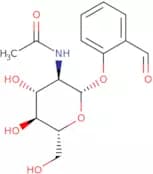
CAS:<p>Allyl 2-acetamido-3,6-di-O-benzyl-2-deoxy-b-D-glucopyranoside is a synthetic sugar that is used in the modification of complex carbohydrates. It is an Oligosaccharide that has a Glycosylation and fluorination. Allyl 2-acetamido-3,6-di-O-benzyl-2-deoxy-b--D--glucopyranoside contains a methyl group on the C1 position, which can be modified at the C1 position to produce various derivatives. Click chemistry reactions are also possible with this compound. The chemical name for this compound is 65730–02–1 and it has CAS number 65730–02–1.</p>Formula:C25H31NO6Purity:Min. 95%Molecular weight:441.53 g/mol2-Hydroxybenzylbeta-D-glucopyranoside
CAS:<p>2-Hydroxybenzylbeta-D-glucopyranoside is a fluorinated monosaccharide that has been custom synthesized for the glycosylation of complex carbohydrate. It is a synthetic compound that features a click modification and methylation. This product is offered in high purity and is available for custom synthesis.</p>Formula:C13H18O7Purity:Min. 95%Molecular weight:286.28 g/mol5-Deoxy-3,4-di-O-methyl-D-arabinose
<p>5-Deoxy-3,4-di-O-methyl-D-arabinose is a custom synthesis that is a complex carbohydrate. It has been modified by methylation and glycosylation. This product is soluble in water and can be used as a saccharide or sugar. The product has been fluorinated and modified with click chemistry to provide high purity.</p>Purity:Min. 95%5-Deoxy-D-lyxono-1,4-lactone
CAS:<p>5-Deoxy-D-lyxono-1,4-lactone is an oligosaccharide that is a sugar derivative. It has been synthesized by the introduction of fluorine at the C2 position of glucopyranose with methylation at the C3 position and glycosylation at the C6 position. 5-Deoxy-D-lyxono-1,4-lactone has been shown to be useful in protein labeling and detection.</p>Formula:C5H8O4Purity:Min. 95%Molecular weight:132.12 g/molEthyl 2,3,6-tri-O-benzyl-b-D-thioglucopyranoside
CAS:<p>Ethyl 2,3,6-tri-O-benzyl-b-D-thioglucopyranoside is a monosaccharide with a chemical formula of C8H11O5. It has been synthesized from benzyl bromide and D-thioglucose in the presence of sodium hydroxide and potassium carbonate. The compound is used in the synthesis of oligosaccharides and polysaccharides. Ethyl 2,3,6-tri-O-benzyl-b-D-thioglucopyranoside has been shown to have a purity greater than 99% by high performance liquid chromatography (HPLC) analysis.</p>Formula:C29H34O5SPurity:Min. 95%Molecular weight:494.64 g/mol2,3,4,6-Tetra-O-acetyl-b-D-glucopyranosyl ethylxanthate
CAS:<p>2,3,4,6-Tetra-O-acetyl-b-D-glucopyranosyl ethylxanthate is a synthetic carbohydrate that has been modified with acetyl groups. This modification is used to produce a carbohydrate that is more resistant to hydrolysis by enzymes. 2,3,4,6-Tetra-O-acetyl-b-D-glucopyranosyl ethylxanthate is one of many glycosides that have been modified with acetyl groups and fluorinated. This modification can be used for the synthesis of high purity carbohydrates.</p>Formula:C17H24O10S2Purity:Min. 95%Color and Shape:White To Off-White SolidMolecular weight:452.5 g/molMethyl 1-(5-fluoro-1H-2-oxopyrimidin-4-yl)-b-D-glucopyranuronate
CAS:<p>Methyl 1-(5-fluoro-1H-2-oxopyrimidin-4-yl)-b-D-glucopyranuronate is an anticancer drug that inhibits β-glucuronidase. Methyl 1-(5-fluoro-1H-2-oxopyrimidin-4-yl)-b-D-glucopyranuronate is a colorless solid that has been recrystallized, purified, and analyzed for its chloride content. The function of this compound has been tested in vitro using tissue cultures and animal models. The reaction vessel used for the test was an acetonitrile solution with a pH between 7 and 8. The methylester form of methyl 1-(5-fluoro-1H--2--oxopyrimidin 4--yl)-b--D--glucopyranuronate reacts with sulphite to produce a green product with a colorimetric method</p>Formula:C11H13FN2O8Purity:Min. 95%Molecular weight:320.23 g/molD-Mannitol - EP
CAS:<p>Mannitol is a sugar alcohol occurring widely in plants and they are exudates, for example, in olive and plane trees (Collins, 2006). It is produced commercially by the catalytic hydrogenation of fructose (Zelin, 2019). Mannitol is used extensively in food and pharmaceutical industries because of its unique functional properties. It is about 50% as sweet as sucrose and has a desirable cooling effect often used to mask bitter tastes. Mannitol is non-cariogenic and has a low caloric content. Mannitol is an osmotic diuretic that is metabolically inert in humans and is used for: the promotion of diuresis before irreversible renal failure becomes established, the promotion of urinary excretion of toxic substances, as an Antiglaucoma agent, and as a renal function diagnostic aid (OâNeil, 2013). Additonally, in 2020, mannitol was approved by the FDA as add-on maintenance therapy for the control of pulmonary symptoms associated with cystic fibrosis in adult patients (McKenna, 2020).</p>Formula:C6H14O6Purity:Min. 97 Area-%Color and Shape:White PowderMolecular weight:182.17 g/molNGA2FB N-Glycan
CAS:<p>NGA2FB N-Glycan is a monosaccharide that is synthetically fluorinated on the 2-position of the sugar. It is an oligosaccharide that contains a complex carbohydrate, which is a glycosylation of a polysaccharide with a click modification at the methyl group on the sugar. This product can be custom synthesized to order and offers high purity.</p>Formula:C64H107N5O45Purity:Min. 95%Molecular weight:1,666.54 g/mol4-Methylumbelliferyl 2,3,4,6-tetra-O-acetyl-a-D-mannopyranoside
CAS:<p>The expression profile of 4-methylumbelliferyl 2,3,4,6-tetra-O-acetyl-a-D-mannopyranoside was analyzed in human cells. The gene expression levels were analyzed and compared to the profiles from other cell types. Analysis showed that this compound is expressed at high levels in the zingiberaceae family of plants.</p>Formula:C24H26O12Purity:Min. 95%Molecular weight:506.46 g/mol1,2-O-Isopropylidene-5-O-p-toluoyl-a-D-xylofuranose
CAS:<p>1,2-O-Isopropylidene-5-O-p-toluoyl-a-D-xylofuranose is a glycosylation product of orotic acid with 5,6-dihydroxybenzoic acid. It is a white solid that can be used for the synthesis of various saccharides. 1,2-O-Isopropylidene-5-O-p-toluoyl-a-D -xylofuranose is an effective reagent for the methylation of carbohydrates and also shows high reactivity with fluorine. This compound has a CAS number of 7509660 and has been modified with click chemistry to form an oligosaccharide. 1,2 -O -Isopropylidene -5 -O p -toluoyl -a D xylofuranose is synthesized by custom synthesis and has a purity</p>Purity:Min. 95%Neocarrabiose (b anomer, crystalline)
CAS:<p>Neocarrabiose is a complex carbohydrate that is synthesized by the methylation of carrageenan. It has a molecular weight of about 1,000 Daltons and consists of a linear chain of alternating units of D-galactose and D-glucuronic acid. Neocarrabiose is used in the production of polysaccharides such as heparin, glycosaminoglycans, and polysulfated glycosaminoglycans. The enzyme modification process converts the anomeric configuration to L-arabinofuranose in order to produce polysaccharides with high purity.</p>Formula:C12H20O10Purity:Min. 95%Molecular weight:324.28 g/molPhenyl 2,3-di-O-benzyl-4,6-O-benzylidene-b-D-thioglucopyranoside
CAS:<p>Phenyl 2,3-di-O-benzyl-4,6-O-benzylidene-b-D-thioglucopyranoside is an oligosaccharide that can be used to modify carbohydrate polymers. It is synthesized from the reaction of phenyl 2,3-di-O-benzylglycosides with boron trifluoride etherate and dithioglycolate in acetic acid. This material has a purity of >98% and can be used as a sugar modification agent for glycoproteins.</p>Formula:C33H32O5SPurity:Min. 95%Molecular weight:540.67 g/molAllyl 4,6-O-benzylidene-a-D-glucopyranoside
CAS:<p>Allyl 4,6-O-benzylidene-a-D-glucopyranoside is a custom synthesis of an oligosaccharide. It is a complex carbohydrate that belongs to the group of saccharides. This product is methylated and glycosylated, and contains a hexose sugar (glucose) at its reducing end. Allyl 4,6-O-benzylidene-a-D-glucopyranoside has been fluorinated with hydrogen fluoride gas in order to increase its purity. This product is synthesized by click chemistry and has CAS number 65987-12-4.</p>Formula:C16H20O6Purity:Min. 95%Molecular weight:308.33 g/mol[UL-13C18]Maltotriose hydrate
<p>Maltotriose hydrate is a synthetic glycosylation product that is synthesized by the fluorination of maltotriose. Maltotriose hydrate is a sugar with a 3-D structure that is similar to maltodextrin, but with one less glucose residue. Maltotriose hydrate can be used in the synthesis of oligosaccharides and polysaccharides and has been shown to have high purity. Maltotriose hydrate can be modified by a variety of reactions, such as methylation, monosaccharide modification, or click chemistry. It has an CAS number and can be custom synthesized for clients' needs.</p>Formula:C18H32O16·xH2OPurity:Min. 95%Color and Shape:White SolidMolecular weight:522.3 g/mol3,2',3',4'-Tetra-O-acetyl-6,6'-di-O-triisopropylsilyl-lactal
<p>3,2',3',4'-Tetra-O-acetyl-6,6'-di-O-triisopropylsilyl-lactal is a modification of the carbohydrate saccharide. This synthetic compound has been prepared by reacting 2,5-dichloro-1,4-benzoquinone with methyl 3,2',3',4'-tetraacetoxychalcone in the presence of triethylsilane. It can be used as an intermediate for the synthesis of oligosaccharides and complex carbohydrates.</p>Formula:C38H68O13Si2Purity:Min. 95%Molecular weight:789.11 g/molMethyl 2,3,4-tri-O-benzyl-b-D-glucuronide benzyl ester
CAS:<p>Methyl 2,3,4-tri-O-benzyl-b-D-glucuronide benzyl ester is a custom synthesis that can be used as a glycosylation or methylation reagent. It has been shown to be an effective click modification reagent and can be used in the synthesis of complex carbohydrates. This compound is a carbohydrate that has been modified with fluorination and methylation. This compound has saccharide units and is a sugar. It is soluble in water and ethanol.</p>Formula:C35H36O7Purity:Min. 95%Molecular weight:568.66 g/molRhamnolipids C12-C12
CAS:<p>rhamose based 'green' surfactant</p>Formula:C30H56O9Purity:Min. 95%Molecular weight:560.77 g/mol4-Methoxyphenyl 4-O-(3-O-allyl-b-D-galactopyranosyl)-3-O-allyl-b-D-glucopyranoside
<p>4-Methoxyphenyl 4-O-(3-O-allyl-b-D-galactopyranosyl)-3-O-allyl-b-D-glucopyranoside is a custom synthesis product that is used as a synthetic intermediate in the modification of complex carbohydrates. This product is a fluorinated sugar, with a high purity and high quality. It has been modified to include methyl groups at specific positions on the sugar molecule. The CAS number for this product is 8721401.</p>Formula:C25H36O12Purity:Min. 95%Molecular weight:528.55 g/mol2,3,4-Tri-O-acetyl-a-D-xylopyranosyl trichloroacetimidate
CAS:<p>2,3,4-Tri-O-acetyl-a-D-xylopyranosyl trichloroacetimidate is a methylated and fluorinated complex carbohydrate. It is an acetylated sugar that has been modified with the addition of trichloroacetimidate. The chemical name for 2,3,4-Tri-O-acetyl-a-D-xylopyranosyl trichloroacetimidate is 4′-(triethoxy)trityloxymethyl 2,3,4-tri-O-acetyl a -D -xylopyranoside. This product may be used as an intermediate in the synthesis of oligosaccharides and polysaccharides. It is also used to modify saccharides and sugar monomers.</p>Formula:C13H16Cl3NO8Purity:Min. 95%Color and Shape:White/Off-White SolidMolecular weight:420.63 g/mol4-Methoxyphenyl 3-O-benzyl-2-deoxy-2-phthalimido-b-D-glucopyranoside
CAS:<p>4-Methoxyphenyl 3-O-benzyl-2-deoxy-2-phthalimido-b-D-glucopyranoside is an antiviral agent that inhibits the replication of papilloma virus and other viruses. It binds to the viral DNA at a site that is not affected by other antiviral agents, preventing the viral DNA from being copied into RNA. 4MPBG also induces coagulation and cell expression in human cells and has been shown to inhibit the production of amyloid beta (Aβ) in Alzheimer's disease. This drug is not active against organisms such as bacteria, yeast, or fungi. The drug was originally synthesized as a potential pharmaceutical for cancer treatment, but it did not exhibit any cytotoxic effects on cancer cells.</p>Formula:C28H27NO8Purity:Min. 95%Molecular weight:505.52 g/molFusidic acid acyl glucuronide
CAS:<p>Fusidic acid acyl glucuronide is a high purity, custom synthesis, click modification of fusidic acid. It has been modified by fluorination and methylation. Fusidic acid acyl glucuronide is an Oligosaccharide, Polysaccharide, saccharide, sugar with a CAS No. 13013-66-6. It is a complex carbohydrate that has been synthesized using high purity, monosaccharides and polysaccharides.</p>Formula:C37H56O12Purity:Min. 95%Molecular weight:692.83 g/molBlood group A trisaccharide-APE-[biotin]-BSA
<p>ABO trisaccharide conjugated to BSA via Biotin & an aminophenyl ethyl spacer</p>Purity:Min. 95%a-D-1,5-Difluoroglucose
CAS:<p>a-D-1,5-Difluoroglucose is a synthetic sugar that is used in the modification of complex carbohydrates. It is fluorinated to give a stable compound that can be methylated and glucosylated. The compound has been shown to have high purity and a long shelf life.</p>Formula:C6H10F2O5Purity:Min. 95%Molecular weight:200.14 g/mol1,3,5-Tri-O-acetyl-2-deoxy-a-D-ribofuranose
CAS:<p>1,3,5-Tri-O-acetyl-2-deoxy-a-D-ribofuranose is a monosaccharide with a modified sugar residue that is obtained by the fluorination of 1,3,5-triacetyl-2,6'-dideoxyglucose. It is a complex carbohydrate that can be used as an additive in food and beverage products. The chemical formula for 1,3,5-triacetyl-2,6'-dideoxyglucose is C10H14O8 and the molecular weight is 392.24 g/mol.</p>Formula:C11H16O7Purity:Min. 95%Molecular weight:260.24 g/molEstrone D5 b-D-glucuronide
<p>Estrone D5 b-D-glucuronide is a synthetic compound. It is a methylated estrone derivative with the D5 configuration of the steroid nucleus. Estrone D5 b-D-glucuronide is also known as estrone 5-O-(2,3,4,5,6-pentafluorobenzoyl)glucuronide and has CAS number 70630-03-6. This compound is used in research on oligosaccharides and polysaccharides because it can be used to modify the sugar moiety at the reducing end of the saccharide chain. It can also be used to synthesize complex carbohydrate structures with fluorinated substituents. The chemical structure is shown below:</p>Purity:Min. 95%Phenyl 4,6-O-benzylidene-3-O-(4-methoxybenzyl)-a-D-thiomannopyranoside
CAS:<p>Phenyl 4,6-O-benzylidene-3-O-(4-methoxybenzyl)-a-D-thiomannopyranoside is a custom synthetic sugar with a molecular weight of 514.87 and an empirical formula of C11H12FNO8. It has fluorination at the 2-, 3-, 4-, and 6-positions and methylation at the 2-, 3-, 4-, 5-, and 6-positions. Phenyl 4,6-O-benzylidene-3-O-(4-methoxybenzyl)-a-D-thiomannopyranoside is a modification of the natural product that is used in the synthesis of Oligosaccharides, Glycosylations, and Click modifications. This product is available for sale to qualified buyers.</p>Purity:Min. 95%Pectic galactan - From lupin
<p>Lupin seeds contain a β-(1,4)-linked linear galactan with a small number of 6-linked residues. These polysaccharides are useful tools in biochemical enzyme assays and in vitro diagnostic analysis.</p>Purity:Min. 95%3,4,6-Tri-O-acetyl-1,2-O-isopropylidene-b-D-fructofuranose
CAS:<p>3,4,6-Tri-O-acetyl-1,2-O-isopropylidene-b-D-fructofuranose is a modification of the monosaccharide fructose. It is a complex carbohydrate that can be synthesized using custom synthesis or by modifying the monosaccharide fructose. 3,4,6-Tri-O-acetyl-1,2-O-isopropylideneb -D -fructofuranose has high purity and is available in the form of an oligosaccharide. This compound can be methylated and glycosylated and has CAS No. 7651289 5. 3,4,6 Tri O acetyl 1 2 O isopropylidene b D fructofuranose is used for research purposes as a methylating agent and for glycosylation reactions in order to modify saccharides such as sugars or polysacchar</p>Formula:C15H22O9Purity:Min. 95%Molecular weight:346.4 g/mol3'-Sialyllactose-GEL
<p>3'-Sialyllactose-GEL is a custom synthesis of a complex carbohydrate. It has CAS No. and is a polysaccharide that has been modified by methylation, glycosylation, and click modification. 3'-Sialyllactose-GEL is a high purity product with fluorination. It is synthetic and has a molecular weight of 1,000 Daltons.</p>Purity:Min. 95%Carbomethoxyethylthioethyl 4-O-(4-O-[6-O-{a-D-glucopyranosyl}-a-D-glucopyranosyl]-a-D-glucopyranosyl)-b-D-glucopyranoside
CAS:<p>Carbomethoxyethylthioethyl 4-O-(4-O-[6-O-{a-D-glucopyranosyl}-a-D-glucopyranosyl]-a-D-glucopyranosyl)-b-D-glucopyranoside is a synthetic carbohydrate with a molecular weight of 1406. It has been custom synthesized and modified to contain fluorine, methyl, and saccharide groups. Carbomethoxyethylthioethyl 4-O-(4 -O-[6 -O-[a -D - glucopyranosyl] - a - D - glucopyranosyl] - a - D - glucopyranosyl) b - D - glucopyranoside has been shown to be useful in the synthesis of oligosaccharides and polysaccharides.</p>Formula:C30H52O23SPurity:Min. 95%Molecular weight:812.79 g/molD-Ribal
CAS:<p>D-Ribal is a drug that inhibits the growth of tumor cells by binding to epidermal growth factor receptor (EGFR), which is found on the surface of most cells in the body. This binding prevents EGFR from binding to epidermal growth factor, which is needed for cell division and proliferation. The effect of D-Ribal can be enhanced if used in combination with other drugs that inhibit EGFR signaling pathways. D-Ribal has been shown to be effective against urothelial carcinoma and bladder cancer, but not against primary tumors such as breast cancer or prostate cancer.</p>Formula:C5H8O3Purity:Min. 95%Molecular weight:116.12 g/mol5-Deoxy-3,4-di-O-methyl-D-ribose
<p>5-Deoxy-3,4-di-O-methyl-D-ribose is a fluorinated monosaccharide that has been synthesized from D-ribose and 5-deoxyadenosine. It can be found in glycosylated polysaccharides or as the methylated derivative. This product is custom synthesized for research purposes, and is not intended for use in humans. It is available in high purity, with a CAS number of 6042-92-0.</p>Purity:Min. 95%2,3,4,6-Tetra-O-acetyl-b-D-galactopyranosyl-(N2-Fmoc)-L-serine pentafluorophenyl ester
CAS:<p>2,3,4,6-Tetra-O-acetyl-b-D-galactopyranosyl-(N2-Fmoc)-L-serine pentafluorophenyl ester is a carbohydrate that has been modified. This sugar has a CAS number of 243469-45-6 and is classified as an oligosaccharide. Carbohydrates are saccharides that are made up of monosaccharides. The modification of this carbohydrate is fluorination. Fluorination is the process by which a fluorine atom replaces an atom in another compound, typically hydrogen or chlorine. The synthesis of this carbohydrate was custom. Custom synthesis refers to the production of chemicals according to specifications provided by the customer for specific purposes. This carbohydrate has high purity, methylation, glycosylation and click modification.</p>Formula:C38F5H34NO14Purity:Min. 95%Molecular weight:823.68 g/molMonofucosyl-para-lacto-N-hexaose I
<p>Monofucosyl-para-lacto-N-hexaose I is an oligsaccharide that is found in human milk</p>Formula:C46H78N2O35Purity:Min. 95%Molecular weight:1,219.12 g/molMethyl 3-acetamido-4,6-O-benzylidene-2,3-dideoxy-a-D-arabino-hexopyranoside
CAS:<p>Methyl 3-acetamido-4,6-O-benzylidene-2,3-dideoxy-a-D-arabino-hexopyranoside is a custom synthesis of an oligosaccharide with a complex carbohydrate structure. It is a high purity compound with methylation and glycosylation modifications. This compound has a fluoroination modification that makes it resistant to hydrolysis by esterases and glucuronidases. It can be used in the synthesis of saccharides and polysaccharides.</p>Formula:C16H21NO5Purity:Min. 95%Molecular weight:307.35 g/mol3,4,5,6-Tetra-O-acetyl-D-myo-inositol
CAS:<p>3,4,5,6-Tetra-O-acetyl-D-myo-inositol is a carbohydrate that can be used as a monosaccharide or an oligosaccharide. It is produced by the modification of inositol with acetate and fluoride. The compound has been shown to have anti-inflammatory properties and can be used as a drug target for treating inflammation. 3,4,5,6-Tetra-O-acetyl-D-myo-inositol is also methylated and glycosylated.</p>Formula:C14H20O10Purity:Min. 95%Molecular weight:348.3 g/molGenistein D4-7-O-glucoside
<p>Genistein D4-7-O-glucoside is a custom synthesis of genistein. The modification of the sugar molecule with fluorine and methyl groups, as well as the addition of an oligosaccharide chain, has been completed. This product is under CAS No. which will be provided to qualified customers upon request. Genistein D4-7-O-glucoside is a complex carbohydrate that has been modified by Oligosaccharide and saccharide, with glycosylation occurring at Carbohydrate.</p>Purity:Min. 95%1,2,3,4-Tetra-O-benzoyl-L-fucopyranose
CAS:<p>Tetra-O-benzoyl-L-fucopyranose is a glycosylate nucleoside that is synthesized from the sugar L-fucose. It is an activated form of fucose, which can be used for the synthesis of guanosine diphosphate. Tetra-O-benzoyl-L-fucopyranose has been used to synthesize large amounts of guanosine diphosphate, which is a nucleoside that participates in the synthesis of DNA and RNA.</p>Formula:C34H28O9Purity:Min. 95%Molecular weight:580.58 g/mol4-Methoxyphenyl 4,6-O-Benzylidene-b-D-galactopyranoside
CAS:<p>4-Methoxyphenyl 4,6-O-Benzylidene-b-D-galactopyranoside is a diagnostic agent that reacts with the magnesium salt of 4,6-O-benzylidene b-D-galactopyranoside to form a bright red complex. The reaction of the complex with the magnesium oxide is rapid and highly specific for this substrate. The intensity of color can be measured spectrophotometrically at a wavelength of 420 nm. This product may be used in medical research to diagnose Alzheimer's Disease or other neurological disorders that are characterized by impaired cognition and memory.</p>Formula:C20H22O7Purity:Min. 95%Molecular weight:374.38 g/molGlycyl-lacto-N-fucopentaose I
<p>Glycyl-lacto-N-fucopentaose I is an oligosaccharide that is a modified form of the carbohydrate, glycogen. It has been synthesized and its structure determined through the use of nuclear magnetic resonance spectroscopy. Glycyl-lacto-N-fucopentaose I is a complex carbohydrate with a molecular weight of 6,280 Da. The chemical formula for it is C194H290O60F6N8O6. This compound is soluble in water, ethanol, methanol, acetone and acetic acid. Glycyl-lacto-N-fucopentaose I has CAS No. 122959-00-5 and one monosaccharide unit methylated with one glycosylation site and one polysaccharide unit with two sugar units fluorinated.</p>Formula:C34H59N3O25Purity:Min. 95%Molecular weight:909.84 g/molBenzyl N-acetyl-4,6-O-benzylidene-a-isomuramic acid
CAS:<p>Benzyl N-acetyl-4,6-O-benzylidene-a-isomuramic acid is a high purity custom synthesis. It is a sugar that has been modified by click chemistry, fluorination, glycosylation, and methylation. The modification of this compound includes the addition of an acetamide group to the hydroxyl group on carbon 2 and a benzylidene acetal at carbon 4. This compound has been synthesized to be used as a monosaccharide or an oligosaccharide in complex carbohydrates.</p>Formula:C25H29NO8Purity:Min. 95%Molecular weight:471.5 g/molNicotine-N-(4-deoxy-4,5-didehydro)-b-D-glucuronide
CAS:<p>Nicotine-N-(4-deoxy-4,5-didehydro)-b-D-glucuronide is a synthetic glycosylated nicotine derivative. It is a white to slightly yellow powder that is soluble in water and alcohol. Nicotine-N-(4-deoxy-4,5-didehydro)-b-D-glucuronide has been shown to be effective against methicillin resistant Staphylococcus aureus (MRSA) and Clostridium perfringens, although is not active against acid fast bacteria such as Mycobacterium tuberculosis or Mycobacterium avium complex. This product has been custom synthesized with the goal of providing high purity and modification.</p>Formula:C16H20N2O5Purity:Min. 95%Molecular weight:320.34 g/mol5-Deoxy-1,2-O-isopropylidene-5-[(2S-pyridin-4-yl-pyrrolidine)-1-yl]-a-D-xylofuranose
CAS:<p>5-Deoxy-1,2-O-isopropylidene-5-[(2S-pyridin-4-yl-pyrrolidine)-1-yl]-a-D-xylofuranose is a synthetic glycoside that can be used in the synthesis of complex carbohydrates. The compound is fluorinated and has been custom synthesized to include methylation and click modification. 5DIOXFURANOSE can be used in the synthesis of saccharides and oligosaccharides with various applications, including drug development and medical research.</p>Formula:C17H24N2O4Purity:Min. 95%Molecular weight:320.39 g/molMethyl 4,6-dichloro-4,6-dideoxy-a-D-glucopyranoside
<p>Methyl 4,6-dichloro-4,6-dideoxy-a-D-glucopyranoside is a fluorinated carbohydrate that belongs to the class of monosaccharides and is synthetically produced. Methyl 4,6-dichloro-4,6-dideoxy-a-D-glucopyranoside is an oligosaccharide that has been modified with a click reaction. This product can be used in glycosylation reactions with polysaccharides or as an intermediate for the production of other modified sugars. Methyl 4,6-dichloro-4,6-dideoxy--D--glucopyranoside has high purity and CAS No. 8013695.</p>Formula:C7H12Cl2O4Purity:Min. 95%Molecular weight:231.08 g/mol3,6-Di-O-triisopropylsilyl-D-glucal
CAS:<p>3,6-Di-O-triisopropylsilyl-D-glucal is a synthetic monosaccharide. It has a molecular weight of 368.76 g/mol and chemical formula C14H22O8Si. 3,6-Di-O-triisopropylsilyl-D-glucal is soluble in water and ethanol.<br>It is used for the synthesis of oligosaccharides and polysaccharides, as well as for modification of sugar moieties on glycoproteins and glycolipids. 3,6-Di-O-triisopropylsilyl-D-glucal can be used for the preparation of complex carbohydrate structures by glycosylation or polysaccharide structures by methylation. 3,6-Di-O-triisopropylsilyl--D--glucal can also be used to synthesize sugar mo</p>Formula:C24H50O4Si2Purity:Min. 95%Molecular weight:458.82 g/mol3-[(2,3,4,6-Tetra-O-acetyl-b-D-glucopyranosyl)thio]-propanoic acid
CAS:<p>3-[(2,3,4,6-Tetra-O-acetyl-b-D-glucopyranosyl)thio]-propanoic acid is a modification of an oligosaccharide. It is a complex carbohydrate that has been modified with methylation and glycosylation. This product is synthesized from the raw material, which is a high purity monosaccharide or polysaccharide. 3-[(2,3,4,6-Tetra-O-acetyl-b-D-glucopyranosyl)thio]-propanoic acid has CAS No. 325410 2 and Mw of 835.5 g/mol. The molecular weight and purity are determined by high performance liquid chromatography (HPLC). The product is soluble in water and ethanol.</p>Formula:C17H24O11SPurity:Min. 95%Molecular weight:436.43 g/molUlvan - Ulva rotondata-Summer
CAS:<p>Ulvans are structural polysaccharides present in the cell walls of green algae such as Ulva armoricana, Ulva rotondata, Ulva rigida, Ulva lacterca and Ulva pertusa. They are highly sulphated and contain rhamnose 3-sulphate, xylose, xylose 2-sulphate, glucuronic acid and iduronic acid residues. Ulvan has several potentially valuable functionalities such as gel formation for agricultural and food applications. It has also an anticoagulant, antioxidant, antihyperlipidemic and antitumor activities that are attractive for pharmaceutical applications.<br>The image was kindly provided by Prof Mike Guiry from Cork who runs ‘The Seaweed Site’.</p>Purity:Min. 95%Color and Shape:Powder3,5,6-Tri-O-benzyl-D-glucofuranose
CAS:<p>3,5,6-Tri-O-benzyl-D-glucofuranose is a crystalline and white or off-white powder. It is soluble in water and toluene, but insoluble in chlorinated solvents. The chemical has been synthesized from benzoic acid and D-glucose. 3,5,6-Tri-O-benzyl-D-glucofuranose is used as a reagent for the synthesis of polyhydroxybutyrate (PHB) polymers that are biodegradable and can be used as thermoplastic polyesters. This compound has been shown to be potentially hazardous to the environment due to its high reactivity with chloride ions in the presence of benzyl alcohols.</p>Formula:C27H30O6Purity:Min. 95%Molecular weight:450.54 g/mol2,3-O-Cyclohexylidene-b-D-ribofuranose
CAS:<p>2,3-O-Cyclohexylidene-b-D-ribofuranose is a monosaccharide that is used in the synthesis of complex carbohydrates. This compound possesses a cyclic structure that contains an oxygen atom at the 2 position and a hydroxyl group at the 3 position. It has been modified by fluorination, methylation, glycosylation, and click chemistry. The chemical name for this compound is 2,3-O-Cyclohexylideneb-D-ribofuranose.</p>Formula:C11H18O5Purity:Min. 95%Molecular weight:230.26 g/mol2,3,4,6-Tetra-O-acetyl-b-D-glucopyranosyl salicylate
CAS:<p>2,3,4,6-Tetra-O-acetyl-b-D-glucopyranosyl salicylate is a synthetic oligosaccharide that can be custom synthesized with high purity. It is used in the glycosylation of polysaccharides and sugars to produce complex carbohydrates. The product is used as a Click modification substrate for methylating sugar moieties. It has CAS No. 32748-59-7 and can be purchased from Acros Organics.</p>Formula:C21H24O12Purity:Min. 95%Molecular weight:468.41 g/molD-Lyxo-5-hexulosonic acid
CAS:<p>D-Lyxo-5-hexulosonic acid is a substrate molecule and an intermediate in the synthesis of the pentose phosphate pathway, which provides NADPH and ribose-5-phosphate for biosynthesis. D-Lyxo-5-hexulosonic acid is also involved in the biosynthesis of galacturonic acid, which is a component of bacterial cell walls. This compound was found to be an inhibitor of corrosion, but it can also act as a stabilizer in foods, pharmaceuticals, and cosmetics. D-Lyxo-5-hexulosonic acid may be used as a growth factor for cells in culture and has been shown to inhibit the replication of bacteria such as Salmonella enterica serovar Typhi.</p>Formula:C6H10O7Purity:Min. 95%Molecular weight:194.14 g/mol6-O-(2,3,4,6-Tetra-O-acetyl-a-D-mannopyranosyl)-1,2,3,4-tetra-O-benzyl-a-D-mannopyranoside
<p>6-O-(2,3,4,6-Tetra-O-acetyl-a-D-mannopyranosyl)-1,2,3,4-tetra-O-benzyl-a-D-mannopyranoside is an oligosaccharide with a complex carbohydrate structure. This chemical is a custom synthesis and it has high purity. 6-O-(2,3,4,6-Tetra-O-acetyl-a-D-mannopyranosyl)-1,2,3,4-- tetra--O--benzyl--A--mannopyranoside is used as an intermediate for the production of other compounds. The CAS number for this compound is</p>Formula:C48H54O15Purity:Min. 95%Molecular weight:870.93 g/molAllyl 2,3,4,6-tetra-O-benzyl-a-D-glucopyranoside
CAS:<p>Allyl 2,3,4,6-tetra-O-benzyl-a-D-glucopyranoside is a synthetic monosaccharide. It can be used in the synthesis of complex carbohydrates by glycosylation and polysaccharide modification. It can also be used for click chemistry modification, methylation, and sugar modifications. Allyl 2,3,4,6-tetra-O-benzyl-a-D-glucopyranoside is of high purity and is available for custom synthesis.</p>Formula:C37H40O6Purity:Min. 95%Molecular weight:580.71 g/mol6,6'-Di-O-tert-butyldiphenylsilyl-lactal
CAS:<p>6,6'-Di-O-tert-butyldiphenylsilyl-lactal is an oligosaccharide that has been modified with a click modification. This chemical is synthesized from lactal and contains three monosaccharides. The monosaccharides are 6,6'-di-O-tert-butyldiphenylsilyl-lactal and two different sugars. It is a white to off white solid that is soluble in water. The chemical can be used for glycosylation reactions or for other modifications of carbohydrates.</p>Purity:Min. 95%1,2,3,4-Tetra-O-acetyl-D-xylopyranose
CAS:<p>1,2,3,4-Tetra-O-acetyl-D-xylopyranose is a molecule that is derived from D-xylose. It has been shown to inhibit the growth of fungi such as T. rubrum and L. candidum by acetylation of l-threonine at the C2 position. This molecule can be recycled and its inhibitory activity can be increased through acetylation of the hydroxymethyl group on the C4 position. The mechanism of inhibition is not known but it may be due to steric hindrance or peracylation.</p>Formula:C13H18O9Purity:Min. 95%Molecular weight:318.28 g/mol10,11-Dihydro-10-hydroxycarbamazepine O-b-D-glucuronide
CAS:<p>10,11-Dihydro-10-hydroxycarbamazepine O-b-D-glucuronide is a sugar that is synthesized by the modification of 10,11-dihydrocarbamazepine. It has been shown to inhibit the growth of Mycobacterium tuberculosis in a dose dependent manner. This compound has also been shown to inhibit the synthesis of DNA and RNA in bacterial cells, which may be due to its ability to inhibit glycosylation and methylation reactions.</p>Formula:C21H22N2O8Purity:Min. 95%Molecular weight:430.41 g/molBenzyl 2,3-O-[(1S,2S)-1,2-dimethoxy-1,2-dimethyl-1,2-ethanediyl]-4-nitrobenzoyl-a-L-xylopyranoside
CAS:<p>This product is a custom synthesis. The structure is a complex carbohydrate with an oligosaccharide component. The product is synthesized from methylated benzyl 2,3-O-[(1S,2S)-1,2-dimethoxy-1,2-dimethyl-1,2-ethanediyl]-4-nitrobenzoyl-a-L-xylopyranoside and then modified by fluorination and click chemistry. The saccharide component consists of a monosaccharide and multiple polysaccharides.</p>Formula:C25H29NO10Purity:Min. 95%Molecular weight:503.5 g/mol2.5-Dimethyl-4-hydroxy-3(2H)-furanone-b-D-glucoside-6'-malonate
CAS:<p>2.5-Dimethyl-4-hydroxy-3(2H)-furanone-b-D-glucoside-6'-malonate is a methylated monosaccharide with a molecular formula of C8H10O3 and a molecular weight of 208.18 g/mol. It is synthesized by the reaction of 3,4,5-trimethoxybenzaldehyde with 2,5-dimethylhydroquinone in the presence of sodium carbonate and malonic acid under refluxing conditions. 2.5-Dimethyl-4-hydroxy-3(2H)-furanone-b-D glucoside 6'-malonate has been used in the synthesis of oligosaccharides and polysaccharides. This product is available for custom synthesis, click modification, fluorination and saccharide modification.</p>Formula:C15H20O11Purity:Min. 95%Molecular weight:376.31 g/molMethyl 2,3,6-tri-O-acetyl-4-deoxy-4-fluoro-a-D-galactopyranoside
CAS:<p>Methyl 2,3,6-tri-O-acetyl-4-deoxy-4-fluoro-a-D-galactopyranoside is a modification of the naturally occurring carbohydrate, galactose. It is synthesized from 4-fluoro galactose and acetyl chloride in the presence of sodium methoxide. This compound can be used as an intermediate for the synthesis of oligosaccharides or polysaccharides. Methyl 2,3,6-tri-O-acetylgalactopyranoside is a monosaccharide that has been modified by methylation and glycosylation. It can also be fluorinated to form methyl 2,3,6,-tri-,O-(2'-deoxy)galactopyranoside.</p>Formula:C13H19FO8Purity:Min. 95%Molecular weight:322.28 g/molMonofucosyl-para-lacto-N-neohexaose IV
CAS:<p>Monofucosyl-para-lacto-N-neohexaose IV is a monofucosylated glycan consisting of a single pyranose ring. It is a synthetic oligosaccharide that has been modified with Click chemistry to introduce an alkyne group at the reducing end. The alkyne group can be further modified by nucleophilic substitution reactions, such as fluorination, or glycosylation. Monofucosyl-para-lacto-N-neohexaose IV is used in the synthesis of complex carbohydrates.</p>Formula:C46H78N2O35Purity:Min. 95%Molecular weight:1,219.1 g/mol2-Bromo-2-deoxy-3,4,5,7-tetra-O-benzoyl-a-D-gluco-heptulopyranosononitrile
CAS:<p>2-Bromo-2-deoxy-3,4,5,7-tetra-O-benzoyl-a-D-glucoheptulopyranosononitrile is a sugar. It is a synthetic compound that can be used in the synthesis of glycosylated saccharides and oligosaccharides. 2-Bromo-2-deoxy-3,4,5,7 tetra O benzoyl a D glucoheptulopyranosononitrile has been shown to have antibacterial activity against Clostridium perfringens. This compound also has the ability to inhibit protein synthesis in E coli cells.</p>Formula:C35H26BrNO9Purity:Min. 95%Molecular weight:684.49 g/molMethyl 2-O-allyl-3-O-benzyl-4,6-O-benzylidene-a-D-mannopyranoside
CAS:<p>Methyl 2-O-allyl-3-O-benzyl-4,6-O-benzylidene-a-D-mannopyranoside is a synthetic sugar that contains an aldose and a ketose. It has been used for the synthesis of oligosaccharides and monosaccharides. Methyl 2-O-allyl-3-O-benzyl -4,6 -O -benzylidene -a -D -mannopyranoside has been shown to have antiadhesive properties when used in combination with other sugars.</p>Formula:C24H28O6Purity:Min. 95%Molecular weight:412.48 g/molAmitriptilyne N-b-D-glucuronide
<p>Amitriptilyne N-b-D-glucuronide is a fluorinated, monosaccharide that is used in synthetic oligosaccharides and polysaccharides. This product can be custom synthesized to meet customer specifications. Amitriptilyne N-b-D-glucuronide is an oligosaccharide with a complex carbohydrate structure. It can be modified by glycosylation, methylation, and click chemistry. The CAS number for this product is 122470-06-8. The sugar content of this product ranges from 98% to 99%. The purity of this product is greater than 99%.</p>Purity:Min. 95%7-b,17-a-Dimethyl-5-b-androstane-3-a,17-b-diol glucuronide
<p>7-b,17-a-Dimethyl-5-b-androstane-3-a,17-b-diol glucuronide is a custom synthesis that can be modified in the fluorination, methylation, and monosaccharide. This compound has a CAS No. and it is a polysaccharide with a glycosylation of sugar. It is also an oligosaccharide with saccharides. 7-b,17-a Dimethyl 5 b androstane 3 a,17 b diol glucuronide is classified as a complex carbohydrate.</p>Formula:C27H43O8·NaPurity:Min. 95%Molecular weight:518.62 g/mol1,2:3,4-Di-O-isopropylidene-b-D-arabinopyranose
CAS:<p>1,2:3,4-Di-O-isopropylidene-b-D-arabinopyranose is a synthetic carbohydrate that can be modified with fluorination or methylation. It is a high purity and custom synthesis product.</p>Formula:C11H18O5Purity:Min. 95%Molecular weight:230.26 g/molGM1-Pentasaccharide, APD-HSA conjugate
<p>GM1 pentasaccharide, APD-HSA has a core tetrasaccharide structure (Galβ1,3GalNAcβ1,4Galβ1,4Glc) with a single sialic acid residue linked α2,3 to the inner galactose residue. Human serum albumin (HSA) is attached β to position 1 of the reducing glucose moiety via an acetylphenylenediamine (APD)â¯linker (Ledeen, 2009). This type of conjugate has been useful in the study of the role of GM1 ganglioside in the diarrheal response caused by cholera toxin (Cervin, 2018).</p>Purity:Min. 95%a-D-Xylopyranosyl azide
CAS:<p>a-D-Xylopyranosyl azide is a sugar that can be synthesized from the reaction of 1,2-dichloroethane with 2,3,4,6-tetra-O-acetyl-a-D-xylopyranose. This compound has a high purity and can be custom synthesized to order. It is used in glycosylation reactions to modify saccharides and oligosaccharides. It has been shown to be useful for click modification and fluorination reactions.</p>Purity:Min. 95%Lasofoxifene b-D-glucuronide
CAS:<p>Lasofoxifene b-D-glucuronide is a synthetic, nonsteroidal estrogen that was developed to avoid the side effects of other estrogens. It is a prodrug that is hydrolyzed in vivo to lasofoxifene and then undergoes methylation and glucuronidation. Lasofoxifene b-D-glucuronide has been shown to inhibit tumor growth in animals by reducing the number of cancer cells and blocking their spread. This drug also prevents bone loss by inhibiting the production of osteoclasts, which are cells that break down bone tissue.</p>Formula:C34H39NO8Purity:Min. 95%Molecular weight:589.68 g/mol1,2,6-Tri-O-galloylglucose
CAS:<p>1,2,6-Tri-O-galloylglucose is a natural compound that has been shown to have inhibitory effects on the human immunodeficiency virus (HIV) enzyme serine protease. This inhibits the viral replication process by preventing the protease from cleaving viral polyproteins. The compound also inhibits complement activation and has antioxidant properties. 1,2,6-Tri-O-galloylglucose is active against leukemia cells and has been shown to be more effective at lower pH levels. It also has an inhibitory effect on ellagitannins and anticomplement activity.</p>Formula:C27H24O18Purity:Min. 95%Molecular weight:636.47 g/mol1,2,3,4,5,6-Hexa-O-acetyl-myo-inositol
CAS:<p>Myo-inositol is a naturally occurring organic compound that belongs to the group of sugars and polyols. It has been isolated from plants, where it is found in the form of its solubilized acetate ester. Myo-inositol is important as a component of cell membranes, as well as being an essential part of intracellular signaling pathways. This compound has also been shown to have an inhibitory effect on cervical cancer cells and can be used in the treatment of this condition. Myo-inositol binds iron and has been shown to have anti-inflammatory properties.</p>Formula:C18H24O12Purity:Min. 95%Molecular weight:432.16 g/molMethyl 2,3,4,6-tetra-O-acetyl-b-D-mannopyranoside
CAS:<p>Methyl 2,3,4,6-tetra-O-acetyl-b-D-mannopyranoside is a high purity methylated glycosylated oligosaccharide. This product has been custom synthesized on demand using state of the art technology and is available in a variety of purities and modifications.<br> Methyl 2,3,4,6-tetra-O-acetyl-b-D-mannopyranoside is used as a fluorescent probe for carbohydrate binding proteins. It has also been used in the synthesis of glycoproteins.</p>Formula:C15H22O10Purity:Min. 95%Molecular weight:362.33 g/molNorethindrone b-D-glucuronide
CAS:<p>Norethindrone b-D-glucuronide is a synthetic steroid that has been modified to include a sugar group. This modification increases the solubility of the compound, which is necessary for its use as a progestogen in oral contraceptives. Norethindrone b-D-glucuronide is an orally active contraceptive that contains two sugar molecules that are attached to the hormone norethindrone. One sugar molecule is linked to the C2 carbon and the other is linked to the C3 carbon of norethindrone, forming a glucuronide ester. The glucuronide esters are more soluble than unconjugated norethindrone and this increased solubility allows for better absorption through mucous membranes.</p>Formula:C26H34O8Purity:Min. 95%Molecular weight:474.54 g/mol1,2,3-Tri-O-benzoyl-4,6-O-(4-methoxybenzylidene)-a-D-mannopyranose
<p>1,2,3-Tri-O-benzoyl-4,6-O-(4-methoxybenzylidene)-a-D-mannopyranose is a carbonyl compound that is an intermediate in the synthesis of saccharides. The chemical modification of this compound can be used to synthesize complex carbohydrates. This compound has been fluorinated and methylated to produce a variety of derivatives with different properties. It also has been glycosylated and click modified for use in research and development.</p>Formula:C35H30O10Purity:Min. 95%Molecular weight:610.61 g/molMethyl 3,6-di-O-benzyl-2-deoxy-2-phthalimido-b-D-glucopyranoside
CAS:<p>Methyl 3,6-di-O-benzyl-2-deoxy-2-phthalimido-b-D-glucopyranoside is a custom synthesis product that is used to modify saccharides. This compound is an oligosaccharide and polysaccharide that can be fluorinated to form a complex carbohydrate. Methyl 3,6-di-O-benzyl-2-deoxy-2-phthalimido-b-D--glucopyranoside has been shown to react with monosaccharides and sugars in the presence of base to form a modified sugar.</p>Formula:C29H29NO7Purity:Min. 95%Molecular weight:503.54 g/molHydroxy pioglitazone (M-VII) b-D-glucuronide
CAS:<p>Hydroxy pioglitazone (M-VII) b-D-glucuronide is a synthetic, fluorinated glucuronide of hydroxy pioglitazone. It has been shown to inhibit the activity of bacterial dna gyrase and topoisomerase IV enzymes.</p>Formula:C25H28N2O10SPurity:Min. 95%Molecular weight:548.56 g/molMethyl β-D-glucuronide sodium
CAS:<p>Methyl β-D-glucuronide sodium is a synthetic sugar that is used as a building block for the synthesis of glycoconjugates. This compound has been shown to be an efficient reagent for the introduction of click modifications into saccharides and oligosaccharides in order to produce glycosylations. Methyl β-D-glucuronide sodium is also used in the modification of polysaccharides, such as starch, cellulose, and chitin.</p>Formula:C7H11NaO7Purity:Min. 95%Color and Shape:PowderMolecular weight:230.15 g/molBlood Group H-BSA - 15 atom spacer
<p>The H-BSA-15-atom spacer is a synthetic polymer that can be modified to create a glycolipid or glycopeptide. The H-BSA-15-atom spacer is an oligosaccharide with a molecular weight of 3,500 daltons and has been custom synthesized for this use. This product is highly purified and does not contain any other substances, such as proteins. It has been fluorinated to increase its resistance to degradation by enzymes. Glycosylation and click modification have also been performed on the H-BSA-15 atom spacer.</p>Purity:Min. 95%Color and Shape:PowderTri-fucosyl-Lewis Y-heptasaccharide-APE, HSA
<p>Tri-fucosyl-Lewis Y-heptasaccharide-APE, HSA is a complex carbohydrate that has been custom synthesized and glycosylated. It was modified with methylation and fluorination to create a high purity product. This complex carbohydrate has a CAS number of 107386-00-6 and is composed of sugar molecules. It is a polysaccharide with the following structure:</p>Purity:Min. 95%4-Methoxyphenyl 3-O-allyl-4,6-O-benzylidene-2-O-(4-methylbenzoyl)-b-D-galactopyranoside
<p>4-Methoxyphenyl 3-O-allyl-4,6-O-benzylidene-2-O-(4-methylbenzoyl)-b-D-galactopyranoside is a custom synthesis of saccharide, CAS No. 90423-62-9. This compound has been modified by fluorination and methylation. It has also been shown to be useful for click modification, oligosaccharides, saccharides, and polysaccharides.</p>Formula:C31H32O8Purity:Min. 95%Molecular weight:532.58 g/molBenzyl b-D-galactopyranoside
CAS:<p>Benzyl b-D-galactopyranoside is a synthetic compound that can be used in the synthesis of complex carbohydrates. This compound has been modified with fluorination, methylation and click chemistry. The monosaccharide benzyl b-D-galactopyranoside is an important building block for the glycosylation of saccharides and polysaccharides. This compound can also be used as a fluorescent probe for complementary DNA hybridization in microarrays.</p>Purity:Min. 95%Methyl-2,3-dideoxy-3-fluoro-5-O-(4-phenylbenzoyl)-a-D-erythro-pentofuranoside
CAS:<p>A mutant is a modified form of a gene that can be either natural or artificial. This gene has been modified by the introduction of an additional chemical group, such as methyl, at a specific position in the DNA sequence. The new compound is not found in nature and may have beneficial effects on the organism. The control system for this experiment is programmable and allows for the introduction of multiple mutations to be introduced simultaneously into a single gene. This technique has been shown to create mutants with neurological disorders, including protein overload, which occurs when there are too many proteins made by one particular gene.</p>Purity:Min. 95%6-O-tert-Butyldimethylsilyl-D-galactal
CAS:<p>6-O-tert-Butyldimethylsilyl-D-galactal has been used as a methylating agent in the synthesis of complex carbohydrates. It is a synthetic modification of D-galactal, which is an oligosaccharide and polysaccharide consisting of galactose residues. The chemical name for 6-O-tert-Butyldimethylsilyl-D-galactal is 6-(tert-butyldimethylsilyloxy)-1,2,3,4,6,7,-hexahydrobenzo[a]pyrene. This compound is soluble in organic solvents and can be used to modify other carbohydrates. It has a molecular weight of 578.9 g/mol and CAS number 124751-19-5.</p>Purity:Min. 95%3-Hydroxymethyl mefenamic acid acyl b-D-glucuronide
CAS:<p>3-Hydroxymethyl mefenamic acid acyl b-D-glucuronide is a Carbohydrate, Modification, saccharide, Oligosaccharide with CAS No. 152832-29-6. This compound has the following structure:</p>Formula:C21H23NO9Purity:Min. 95%Molecular weight:433.41 g/molBlood Group H type I trisaccharide, spacer-biotin conjugate
<p>This is a custom-synthesized oligosaccharide that was modified to include a spacer and biotin. It has been synthesized by methylation and click modification, which are chemical reactions that produce monomeric units with high purity. The oligosaccharide was then fluorinated to give it a desired property. The oligosaccharide is composed of three sugar units: glucose, galactose, and mannose. This product is intended for use in research purposes only.</p>Purity:Min. 95%Di[3-deoxy-D-manno-octulosonyl]-lipid A sodium salt - 0.5mg/ml aqueous solution
CAS:<p>Essential component of lipopolysaccharide in most Gram-negative bacteria and the minimal structural component to sustain bacterial viability. It serves as the active component of lipopolysaccharide to stimulate potent host immune responses through the complex of Toll-like-receptor 4 and myeloid differentiation protein 2.</p>Formula:C110H198N2Na4O39P2Purity:Min. 95%Color and Shape:PowderMolecular weight:2,326.65 g/molDiosmetin-d3-3'-O-glucuronide
CAS:<p>Diosmetin-d3-3'-O-glucuronide is a synthetic sugar derivative that is used as a building block for the synthesis of oligosaccharides and polysaccharides. Diosmetin-d3-3'-O-glucuronide can be fluorinated and methylated, which makes it useful for click chemistry reactions, because it can be easily modified to create new structures. This product is available in high purity with custom synthesis options.</p>Formula:C22H17D3O12Purity:Min. 95%Molecular weight:479.4 g/molUDP-N-acetyl-D-glucosamine
CAS:<p>UDP-N-acetyl-D-glucosamine is a nucleotide that is found in the cell membrane of Gram-positive bacteria. It has been shown to inhibit the growth of bacteria by binding to the 50S ribosomal subunit. This binding prevents the formation of an antibiotic-inhibitor complex with the enzyme cell wall synthesis that is required for cell wall biosynthesis, inhibiting protein synthesis and cell division. UDP-N-acetyl-D-glucosamine has also been shown to be a substrate for glycosylation enzymes, which are involved in the production of glycogen, chitin, and other polysaccharides.</p>Formula:C17H27N3O17P2Purity:Min. 95%Color and Shape:PowderMolecular weight:607.35 g/molLevofloxacin acyl-b-D-glucuronide
CAS:<p>Levofloxacin acyl-b-D-glucuronide is a metabolite of levofloxacin and belongs to the class of fluoroquinolone antibiotics. It has been shown to be effective against rhesus monkeys in efficacy studies. Levofloxacin acyl-b-D-glucuronide is eliminated via the urine, with >90% excreted within 24 hours. The majority of this drug is excreted as an active n-oxide form with a half-life of 8 hours.</p>Formula:C24H28FN3O10Purity:Min. 95%Molecular weight:537.49 g/molGM2-Oligosaccharide-spacer-NH2 ammonium
<p>GM2-Oligosaccharide-spacer-NH2 ammonium is a complex carbohydrate with an oligosaccharide spacer and a hydrophobic NH2 group. The product is custom synthesized to your specifications and is available in high purity. It can be modified with fluorination or click chemistry. GM2-Oligosaccharide-spacer-NH2 ammonium is used in the synthesis of polysaccharides, saccharides, and carbohydrates. Some of its applications include modifying proteins, monosaccharides, and sugars.</p>Formula:C44H75N7O27·NH3Purity:Min. 95%Molecular weight:1,151.13 g/mol5-Amino-5-deoxy-1,2-O-isopropylidene-6-O-trityl-a-D-galactofuranose
CAS:<p>5-Amino-5-deoxy-1,2-O-isopropylidene-6-O-trityl-a-D-galactofuranose is a fluorinated analog of the natural sugar galactose. This compound has been used as a substrate for the synthesis of modified oligosaccharides and polysaccharides. It is also used in research for its ability to act as a methylation reagent. 5ADOGF has been modified with click chemistry to form 5-(2,3,4,5,6,7,8,9,10) -aminopropylidene-[beta]-D-[alpha]-D-[beta]-D-[alpha]-D-[beta]-D-[alpha] -galactofuranose (APGDF). The CAS number for this compound is 109681-00-7.</p>Formula:C18H31NO5Purity:Min. 95%Molecular weight:461.55 g/molFluorescein isothiocyanate-dextran - Average MW 10,000
CAS:<p>Fluorescein dextran (FD) is widely used as both an anterograde and retrograde tracer in neurons and for numerous other applications. It is biologically rather inert having α-1,6-linked glucose residues resistant to cleavage by most endogenous cellular glycosidases. It has low immunogenicity and makes an ideal long-term tracer for live cells. FD also serves as a valuable marker for cell loading of macromolecules by micro-injection, vesicular fusion, and electroporation, as well as for the uptake and internal processing of exogenous materials by phagocytotic and endocytic pathways.</p>Purity:Min. 95%Benzyl 4-O-(2-acetamido-2-deoxy-3,4,6-tri-O-acetyl-b-D-glucopyranosyl)-N-acetyl-a-D-muramic acid methyl ester
<p>This substance is a custom synthesis, which is created in the laboratory. The modification of this product has been done by fluorination, methylation, and monosaccharide synthesis. This substance is a synthetic compound that belongs to the group of oligosaccharides. It is a saccharide that contains an oxygen atom and belongs to the group of complex carbohydrates. It has been shown to be effective against cancer cells in vitro and has been used as a diagnostic agent for breast cancer.</p>Formula:C33H46N2O16Purity:Min. 95%Molecular weight:726.72 g/molm-Topolin-9-glucoside
CAS:<p>M-topolin-9-glucoside is a synthetic sugar that has been modified by the introduction of fluorine atoms at C-2, C-3, and C-4. This sugar is used to study the interactions between carbohydrates and proteins. It is also used for the synthesis of oligosaccharides as well as for glycosylation and methylation reactions. M-topolin-9-glucoside is a monosaccharide that has been glycosylated and methylated. It can be used as a replacement for glucose in some reactions due to its stability and low cost.</p>Formula:C18H21N5O6Purity:Min. 95%Color and Shape:PowderMolecular weight:403.39 g/molIsofagomine hydrochloride
CAS:<p>Inhibitor of lysosomal acid β-glucosidase (GlcCerase/glucocerebrosidase) with IC50 in nanomolar range for wildtype and mutant enzyme. It behaves as pharmacological chaperon by binding to instable GlcCerase active site at neutral pH values and facilitating the protein folding. In acidic lysosomes, isofagomine gets release from the enzyme active site. This results in increased levels of functional glucocerebrosidase and brings therapeutic benefits to patients with Gaucher disease.</p>Formula:C6H13NO3·HClPurity:Min. 95%Color and Shape:PowderMolecular weight:183.63 g/molLactose-sp-biotin
<p>Lactose-sp-biotin is a complex carbohydrate that has been modified with biotin. It is synthesized by the click modification of lactose and spacer arm, followed by glycosylation with biotin. Lactose-sp-biotin is soluble in water, which makes it suitable for use as a food additive. This product can also be used for labeling and identification of biomolecules in various fields such as fluorescence, immunoassay, or immunohistochemistry.</p>Formula:C31H54N4O14SPurity:Min. 95%Color and Shape:PowderMolecular weight:738.85 g/mol4-O-(2-O-Methyl-b-D-galactopyranosyl)-D-glucopyranose
CAS:<p>4-O-(2-O-Methyl-b-D-galactopyranosyl)-D-glucopyranose is a disaccharide. The lacto-n-biose unit is a nonreducing sugar that contains an alpha, beta unsaturated 1,6 glycosidic bond and a lactose molecule. 4-O-(2-O-Methyl-b-D-galactopyranosyl)-D-glucopyranose has been found to stimulate the synthesis of galectin in vitro, which may be due to its ability to bind to lectins. This disaccharide can also cause denaturation at high temperatures.</p>Formula:C13H24O11Purity:Min. 95%Molecular weight:356.32 g/molBenzyl 2-acetamido-2-deoxy-D-glucopyranoside
CAS:<p>Benzyl 2-acetamido-2-deoxy-D-glucopyranoside is a fluorinated glycosylation reagent that has been developed for the synthesis of complex carbohydrates, oligosaccharides, and saccharides. This compound is also useful in the modification of natural products and as a synthetic intermediate. Benzyl 2-acetamido-2-deoxy-D-glucopyranoside is an excellent substrate for Click chemistry, which can be used to modify saccharide units. The purity of this product is high, with no detectable impurities.</p>Formula:C15H21NO6Purity:Min. 95%Molecular weight:311.33 g/mol(4R)-Benzyl-4-deoxy-4-C-nitromethyl-b-D-arabinopyranoside
CAS:<p>(4R)-Benzyl-4-deoxy-4-C-nitromethyl-b-D-arabinopyranoside is a custom synthesis of an oligosaccharide. It is a polysaccharide, which are complex carbohydrates that consist of many sugar molecules linked together. The saccharide in this compound has been modified with methylation and glycosylation, which are important modifications for the structure and function of saccharides. This compound also contains a carbohydrate modification called click chemistry, where two molecules are connected by a copper ion. There is high purity in this compound and it has been fluorinated to increase its biological stability.<br>Molecular Formula: C11H14O6N2O3<br>Molecular Weight: 282.25<br>CAS Number: 383173-71-5<br>Purity: >99%</p>Formula:C13H17NO6Purity:Min. 95%Molecular weight:283.28 g/molb-D-Lactosyltrichloroacetimidate heptaacetate
CAS:<p>b-D-Lactosyltrichloroacetimidate heptaacetate is a glycosylation product of the b-D-lactose and trichloroacetic anhydride. This compound is used in the synthesis of oligosaccharides and polysaccharides. It has been shown to be a fluorinated, methylated, or click modified monosaccharide or disaccharide which can be prepared through custom synthesis, or by modification of existing saccharides. This compound has been found to have high purity with a CAS number of 1142022-76-1.</p>Formula:C28H36Cl3NO18Purity:Min. 95%Molecular weight:780.94 g/molParicalcitol 25-b-D-glucuronide
CAS:<p>Paricalcitol 25-b-D-glucuronide is a synthetic analogue of calcitriol, which is the active form of vitamin D. It is a high-purity glycosylate with an average molecular weight of 522.5 Da and a purity of >98%. Paricalcitol 25-b-D-glucuronide has been shown to be effective in prevention or treatment of secondary hyperparathyroidism in patients with chronic kidney disease (CKD). This compound has shown to inhibit calcium absorption in the gut and increase urinary excretion of calcium. It also increases serum phosphate levels, which may lead to increased calcium phosphate deposition in bone. Paricalcitol 25-b-D-glucuronide is methylated at the 25 position, which prevents it from being metabolized by the liver. This modification allows for higher concentrations to be administered without causing toxicity.</p>Formula:C33H52O9Purity:Min. 95%Molecular weight:592.76 g/molLacto-N-neotetraosa-APD-HSA
<p>Lacto-N-neotetraosa-APD-HSA is a synthetic monosaccharide that is structurally similar to tetrasaccharide and pentasaccharide. It can be synthesized by click chemistry and has been modified by fluorination and acetylation. Lacto-N-neotetraosa-APD-HSA has a high purity and is an excellent candidate for applications in the food industry, such as sugar substitutes.</p>Purity:Min. 95%8-D-Glucopyranosyl-7,8,9,10-tetrahydro-6,10-methano-6H-pyrazino[2,3-h][3]benzazepine
<p>Please enquire for more information about 8-D-Glucopyranosyl-7,8,9,10-tetrahydro-6,10-methano-6H-pyrazino[2,3-h][3]benzazepine including the price, delivery time and more detailed product information at the technical inquiry form on this page</p>Formula:C19H23N3O5Purity:Min. 95%Molecular weight:373.4 g/mol2-Acetamido-1,3,4,6-tetra-O-acetyl-2-deoxy-D-gluconhydroximo-1,5-lactone
CAS:<p>2-Acetamido-1,3,4,6-tetra-O-acetyl-2-deoxy-D-gluconhydroximo-1,5-lactone is a custom synthesis. It is a modification of natural sugars. It has fluorination and methylation to make the product more stable. The product is an oligosaccharide that is a saccharide with two monosaccharides attached together. It is made up of complex carbohydrates.</p>Formula:C16H22N2O10Purity:Min. 95%Molecular weight:402.35 g/mol2-Azido-4,6-O-benzylidene-N-Boc-1,2,5-trideoxy-1,5-imino-D-glucitol
CAS:<p>2-Azido-4,6-O-benzylidene-N-Boc-1,2,5-trideoxy-1,5-imino-D-glucitol is a synthetic carbohydrate that has been modified with fluorine. The modification has been shown to have an inhibitory effect on the growth of cancer cells. 2-Azido-4,6-O-benzylidene can be used for the synthesis of glycosides and polysaccharides. It can also be used as a click modification agent for proteins.</p>Formula:C14H24N4O5Purity:Min. 95%Molecular weight:328.36 g/molDihydroresveratrol 3-O-glucoside
CAS:<p>Dihydroresveratrol 3-O-glucoside is a synthetic, monosaccharide, oligosaccharide, complex carbohydrate with the molecular formula C6H10O5. It has CAS No. 100432-87-9 and is custom synthesized. Dihydroresveratrol 3-O-glucoside is glycosylated and polysaccharided with a high purity.</p>Purity:Min. 95%1,2,4,6-Tetra-O-acetyl-3-O-benzyl-a-D-mannopyranose
CAS:<p>Tetra-O-acetyl-3-O-benzyl-a-D-mannopyranose is a modification of mannose. It is a complex carbohydrate that belongs to the class of oligosaccharides and has CAS No. 65827-58-9. The molecular weight of this compound is 462.76 g/mol. Tetra-O-acetyl-3-O-benzyl mannopyranose is synthesized for use as an analytical reagent to study the glycosylation and methylation reactions in carbohydrates, as well as for use in diagnostic kits for the detection of penicillinase and erythromycin resistance genes. This product has high purity, custom synthesis, and can be used as a monosaccharide or polysaccharide sugar in glycosylation reactions. Tetra O acetyl 3 O benzyl mannopyranose can also be fluorinated</p>Formula:C21H26O10Purity:Min. 95%Molecular weight:438.43 g/molSinapic acid acyl-β-D-glucoside
CAS:<p>a functionalised glucoside</p>Formula:C17H22O10Purity:Min. 95%Molecular weight:386.35 g/mol1,2,3,4-Tetra-O-benzoyl-D-glucuronide methyl ester
CAS:<p>1,2,3,4-Tetra-O-benzoyl-D-glucuronide methyl ester is an Oligosaccharide that is synthesized by the glycosylation of benzoyl chloride with a sugar. The reaction is catalyzed by base and proceeds in a two step process. The first step is the addition of the sugar to the benzoyl chloride followed by a second addition to form the 1,2,3,4-tetra-O-benzoyl-D-glucuronide methyl ester. The product can be obtained in high purity and custom synthesis can be provided on request. This product can be modified according to your specifications.</p>Formula:C35H28O11Purity:Min. 95%Molecular weight:624.59 g/mol7-Xylosyl-10-deacetyltaxol
CAS:<p>7-Xylosyl-10-deacetyltaxol is a plant chemical that is found in the needles of the Taxus cuspidata tree. This compound has been shown to inhibit prostate cancer cells and has been clinically used as an adjuvant agent for cancer treatment. 7-Xylosyl-10-deacetyltaxol binds to prostate cancer cells and inhibits their growth, which may be due to its ability to inhibit cell cycle progression at the G2/M phase transition. It also has a strong inhibitory effect on test samples from human prostate cancer cells. In addition, it inhibits enzyme activities that are involved in the biosynthesis of membrane lipids, such as phospholipase A2, arachidonate 12-lipoxygenase, and cyclooxygenase 2. 7-Xylosyl-10-deacetyltaxol also inhibits enzyme activities in cell culture that are involved in the synthesis of carbon</p>Formula:C50H57NO17Purity:Min. 95%Molecular weight:943.98 g/molMaltose solution
CAS:<p>The maltose solution we offer is a 20% solution in water and of high purity and can be customized to meet your needs.</p>Formula:C12H22O11Purity:Min. 95%Molecular weight:342.3 g/molForosamine
CAS:<p>Forosamine is a spinosyn analog that has been shown to be an effective control agent against bacterial strains. It is a β-amino acid and has a chemical structure similar to the natural spinosyns. Forosamine has been shown to have a broad spectrum of activity against animal health-related bacteria, including those resistant to other antibiotics. Forosamine’s mode of action is not well understood, but it may involve the inhibition of protein synthesis. Forosamine's molecular modeling suggests that the molecule contains a hydroxyl group, which may be responsible for its antibacterial activity.</p>Purity:Min. 95%Methyl D-galactopyranoside
CAS:<p>Methyl D-galactopyranoside is a lectin that binds to galactose residues in the glycosidic linkage of oligosaccharides. Methyl D-galactopyranoside is used in functional theory to determine the number of lysine residues on the dodecyl chain. This lectin has been shown to bind to anomeric linkages, which are different types of sugar molecules that have a carbon atom at the same position. The binding of this lectin to oligosaccharides can be detected by matrix-assisted laser desorption ionization mass spectrometry (MALDI MS). Methyl D-galactopyranoside has also been shown to have high salt and carbohydrate binding properties, as well as binding with galactose, trimethyl, and hydroxymethyl groups.</p>Formula:C7H14O6Purity:Min. 95%Color and Shape:PowderMolecular weight:194.18 g/molEthynyl estradiol 3-b-D-glucuronide
CAS:<p>Ethynyl estradiol 3-b-D-glucuronide is a synthetic derivative of the endogenous estrogen, 17β-estradiol. It is a glycosylated, complex carbohydrate with a methylation and fluorination modification. Ethynyl estradiol 3-b-D-glucuronide is synthesized by reacting ethynyl estradiol with β-D-glucuronic acid to form an ester linkage between the sugar and steroid molecules. This process also produces an Oligosaccharide as well as Monosaccharides. The synthesis of this compound can be customized for specific needs and is available in high purity.</p>Formula:C26H32O8Purity:Min. 95%Color and Shape:PowderMolecular weight:472.53 g/mol6-O-(a-D-Maltotriosyl)-D-glucopyranose tetradecaacetate
<p>6-O-(a-D-Maltotriosyl)-D-glucopyranose tetradecaacetate is a carbohydrate that belongs to the class of saccharides. It is synthesized from D-glucose by glycosylation and methylation. 6-O-(a-D-Maltotriosyl)-D-glucopyranose tetradecaacetate is a complex carbohydrate with a high purity and custom synthesis. It can be used in click chemistry, due to its reactive group on the C6 position.</p>Formula:C52H70O35Purity:Min. 95%Molecular weight:1,255.09 g/molChitosan - non-animal origin
CAS:<p>Chitosan is the deacetylated form of chitin. The polysaccharide is deacetylated in order to render it soluble, which is then possible at pH values of less than 7 (normally in dilute acid). This then allows the material to be used in a number of industrial applications as a binder and film former.</p>Formula:(C6H11NO4)nBlood Group A type I linear trisaccharide
CAS:<p>GalNAca1-3Galb1-3GlcNAc</p>Formula:C22H38N2O16Purity:Min. 95%Molecular weight:586.54 g/mol1,2,3-Tri-O-benzyl-4,6-O-(4-methoxybenzylidene)-a-D-mannopyranoside
<p>Ai Product Descriptions 50 Creative</p>Formula:C35H36O7Purity:Min. 95%Molecular weight:568.66 g/mol1,2,3,4-Tetra-O-isobutyryl-b-D-glucuronide methyl ester
CAS:<p>1,2,3,4-Tetra-O-isobutyryl-b-D-glucuronide methyl ester is a custom synthesis that is used to modify oligosaccharides and polysaccharides. It is a high purity product with a purity of >99%. This product has been fluorinated and modified to create a complex carbohydrate. 1,2,3,4-Tetra-O-isobutyryl-b-D-glucuronide methyl ester is an example of a sugar that has been synthesized in the lab.</p>Formula:C23H36O11Purity:Min. 95%Color and Shape:White PowderMolecular weight:488.53 g/mol1,3,5-Tri-O-benzoyl-2-O-(trifluoromethanesulfonyl)-a-D-ribofuranose
CAS:<p>1,3,5-Tri-O-benzoyl-2-O-(trifluoromethanesulfonyl)-a-D-ribofuranose is a nucleoside that is phosphorylated by the enzyme deoxycytidine kinase to form 1,3,5-tri-O-benzoyl-2'-O-(trifluoromethanesulfonyl)-a-[D]ribofuranosyl phosphate. This compound has been shown to activate immune cells in vitro and in vivo. The activation of immune cells may be due to its ability to inhibit the expression of enzymes that are required for DNA synthesis. 1,3,5-Tri-O-benzoyl-2'-O-(trifluoromethanesulfonyl)-a-[D]ribofuranosyl phosphate also inhibits the expression of enzymes involved in DNA replication and cell proliferation.</p>Formula:C27H21F3O10SPurity:Min. 95%Color and Shape:PowderMolecular weight:594.51 g/molHepta-O-acetyl-β-Lactosyl-N-Fmoc-L-serine
CAS:<p>Hepta-O-acetyl-β-Lactosyl-N-Fmoc-L-serine is a methylated and saccharide modified polysaccharide that is synthesized by the click chemistry reaction. It has been used in the synthesis of complex carbohydrates, such as glycosides. Hepta-O-acetyl-β-Lactosyl-N-Fmoc-L-serine is an oligosaccharide with a molecular weight of 1,400 Da. The fluorination of this product helps to increase its purity. This product can be custom synthesized to meet your needs.</p>Formula:C44H51NO22Purity:Min. 95%Color and Shape:Off-White PowderMolecular weight:945.88 g/mol(3αR,3βR,4αS,5S,5αS)-3β-[[[(1,1-Dimethylethyl)diphenylsilyl]oxy]methyl]hexahydro-2,2-dimethylcyclopropa[3,4]cyclopenta[1,2-d]-1,3-di oxol-5-ol
CAS:<p>(1R,2R,3S,4S,5S)-1-(tert-Butyldiphenyl)silyloxymethyl-2,3-dioxy-O,O-isopropylidenebicyclo[3.1.0]hexan-4-ol is a sugar derivative that is used in the synthesis of saccharides and oligosaccharides. It can be fluorinated using the Click modification to create synthetic sugars for use in glycosylation reactions. This compound can be custom synthesized to meet your needs and specifications.</p>Formula:C26H34O4SiPurity:Min. 95%Color and Shape:PowderMolecular weight:438.63 g/molPhenylpropyl 2-acetamido-2-deoxy-b-D-glucopyranoside
CAS:<p>Phenylpropyl 2-acetamido-2-deoxy-b-D-glucopyranoside is a modified monosaccharide. It has been fluorinated and methylated, and is synthesized by the click reaction. Phenylpropyl 2-acetamido-2-deoxy-b-D-glucopyranoside can be used as a building block for complex carbohydrates.</p>Formula:C17H25NO6Purity:Min. 95%Molecular weight:339.38 g/molVitamin D2 b-D-glucuronide sodium salt
CAS:<p>Vitamin D2 b-D-glucuronide sodium salt is a custom synthesis, modification, and fluorination of vitamin D2. The monosaccharide is methylated, then it is modified with a click chemistry to create the sugar. This sugar is then glycosylated with a polysaccharide, which results in the final product. It has CAS No. 85701-30-0 and has properties as both a saccharide and carbohydrate.</p>Formula:C34H51NaO7Purity:Min. 95%Molecular weight:594.75 g/molSodium L-rhamnonate
CAS:<p>Sodium L-rhamnonate is an organic compound that is a monosaccharide with the molecular formula CHONa. It can be synthesized from D-ribose, which is a pentose sugar, and rhamnose, which is a hexose sugar. Sodium L-rhamnonate has been used in click chemistry to modify oligosaccharides and glycosylate proteins. This compound also has applications in pharmaceuticals and as a food additive.</p>Formula:C6H11NaO6Purity:Min. 95%Molecular weight:202.14 g/mol4-O-Acetyl-3,6-di-O-benzyl-D-glucal
CAS:<p>4-O-Acetyl-3,6-di-O-benzyl-D-glucal is a custom synthesized compound with high purity. This product is a complex carbohydrate that can be used as a monosaccharide or sugar. It has been modified with fluorination and methylation to produce a compound that is resistant to degradation by enzymes and oxidation. The CAS number for this product is 165524-87-8.</p>Formula:C22H24O5Purity:Min. 95%Molecular weight:368.43 g/molPBS 57
CAS:<p>PBS 57 is a pluripotent cell-derived protein that has been shown to be a potent vaccine adjuvant. PBS 57 is derived from the plasma of pregnant women and contains the following antigenic determinants: glucose, human albumin, and human immunoglobulin G. PBS 57 can stimulate both humoral and cellular immunity in mice with deficiencies in antibody production or T cells. PBS 57 has also been shown to have strong pro-inflammatory cytokine activity, which may be due to its ability to induce galacturonic acid release from macrophages.</p>Formula:C50H96N2O9Purity:Min. 95%Molecular weight:869.31 g/molGalactan - from gum arabic
CAS:<p>A linear β-(1,4)-galactan from Acacia gum. Other linear β-(1,4)-galactans have been isolated from lemon peel, potato tubers and Norwegian spruce compresssion wood.</p>Purity:Min. 95%Color and Shape:White PowderN-Acetyl-D-[1-13C]neuraminic acid
CAS:<p>N-Acetyl-D-[1-13C]neuraminic acid is a monosialoganglioside that is synthesized in the human body. It is used to study the metabolic pathways of polysialic acid, which is a polysaccharide consisting of sialic acid and neuraminic acid. N-Acetyl-D-[1-13C]neuraminic acid has been shown to be effective in treating cancer and inflammatory disorders. In addition, it can be used as a diagnostic agent for glycan studies and diabetes neuropathy.</p>Formula:C11H19NO9Purity:Min. 95%Color and Shape:PowderMolecular weight:309.27 g/molMethyl 2,3,4-tri-O-benzyl-L-fucopyranoside
CAS:<p>Methyl 2,3,4-tri-O-benzyl-L-fucopyranoside is a fluorinated sugar that belongs to the category of carbohydrates. This compound is synthesized from D-galactose and 3,4,5-tri-O-benzyl L-fucose by glycosylation with methyl 2,3,4-tri-O-benzyl L-fucopyranoside. The synthetic route starts with an acetic acid esterification of D-galactose with benzaldehyde in the presence of pyridine and triethylamine to yield methyl 2,3,4-triacetoxybenzoate. A reaction with 3,4,5 trihydroxyphenylacetic acid in the presence of pyridine and triethylamine leads to a glycosylation between the two compounds. The resulting product is then subjected to hydrogenolysis using palladium on</p>Formula:C28H32O5Purity:Min. 95%Molecular weight:448.55 g/mol2,3,5-Tri-O-benzoyl-b-D-ribofuranosyl isothiocyanate
CAS:<p>2,3,5-Tri-O-benzoyl-b-D-ribofuranosyl isothiocyanate is a synthetic compound consisting of a benzoyl group attached to the 2' position of the ribose sugar. This modification has been shown to increase the stability of oligosaccharides and complex carbohydrates in aqueous solutions. 2,3,5-Tri-O-benzoyl-b-D-ribofuranosyl isothiocyanate can be used for the fluorination of saccharides and oligosaccharides. It can also be used for glycosylation or methylation reactions with monosaccharides or polysaccharides.</p>Formula:C27H21NO7SPurity:Min. 95%Molecular weight:503.52 g/mol3-Indolyl b-D-glucopyranoside trihydrate
CAS:<p>Precursor of the uremic toxin indoxyl sulfate</p>Formula:C14H17NO6·3H2OPurity:Min. 95%Molecular weight:349.33 g/molBiotin-dextran MW 10000
<p>Biotin dextran is widely used as both an anterograde and retrograde tracer in neurons and for numerous other applications. It is biologically rather inert having α-1,6-linked glucose residues resistant to cleavage by most endogenous cellular glycosidases. It has low immunogenicity and makes an ideal long-term tracer for live cells. Biotin dextran also serves as a valuable marker for cell loading of macromolecules by microinjection, vesicular fusion, and electroporation, as well as for the uptake and internal processing of exogenous materials by phagocytotic and endocytic pathways.</p>Purity:Min. 95%Color and Shape:PowderDibromodulcitol
CAS:<p>Dibromodulcitol (DBD) is a water soluble compound that is used in analytical chemistry to measure the concentration of bromine. It has been used as a radioprotectant and is also an analog of the natural hormone, epidermal growth factor. DBD can be measured by colorimetric methods or by enzyme-linked immunosorbent assay (ELISA). This chemical is found in wastewater and has been shown to inhibit the growth of cancer cells through its effects on fatty acid metabolism. DBD has also been shown to have pharmacokinetic properties, as it can be detected in biological samples for up to 2 hours after injection.</p>Formula:C6H12Br2O4Purity:Min. 95%Molecular weight:307.97 g/mol4-Methylphenyl 4,6-o-benzylidene-2,3-di-o-(4-methoxybenzyl)-β-D-thiogalactopyranoside
CAS:<p>Please enquire for more information about 4-Methylphenyl 4,6-o-benzylidene-2,3-di-o-(4-methoxybenzyl)-β-D-thiogalactopyranoside including the price, delivery time and more detailed product information at the technical inquiry form on this page</p>Formula:C36H38O7SPurity:Min. 95%Molecular weight:614.7 g/molNeu5Troc[1Me,4789Ac]a(2-3)Gal[26Bn]-b-MP
CAS:<p>Neu5Troc[1Me,4789Ac]a(2-3)Gal[26Bn]-b-MP is a fatty acid that is localized in the microstructural component of the brain. The wild-type mice were given a diet containing Neu5Troc[1Me,4789Ac]a(2-3)Gal[26Bn]-b-MP and their brains were examined for changes in serotonin levels. Structural analysis showed that this fatty acid was not incorporated into serotonin receptors in the brain. Carbides were found to be responsible for the observed effects on serotonin levels.</p>Formula:C48H56Cl3NO20Purity:Min. 95%Molecular weight:1,073.31 g/molN-ω-(2-Acetamido-2-deoxy-b-D-glucopyranosyl)-N-a-Boc-L-asparagine
CAS:<p>N-omega-(2-Acetamido-2-deoxy-b-D-glucopyranosyl)-N-aBocL-asparagine is a custom synthesis of an oligosaccharide that has been modified by fluorination, methylation and Click chemistry. This product is also a monosaccharide, saccharide or carbohydrate that is used in the modification of proteins. It has CAS No. 137255-40-4 and can be used as a synthetic building block for the synthesis of various saccharides with glycosylation reactions.</p>Formula:C17H29N3O10Purity:Min. 95%Molecular weight:435.43 g/molMemantine N-cellobioside
CAS:<p>Reductive amination of memantine with disaccharide.</p>Formula:C24H41NO10Purity:Min. 95%Molecular weight:503.58 g/molLewis Y tetrasaccharide-sp-biotin
CAS:<p>Lewis Y tetrasaccharide-sp-biotin is a biotinylated oligsaccharide</p>Formula:C45H77N5O22SPurity:Min. 95%Color and Shape:PowderMolecular weight:1,072.18 g/mol3',4'-O-Carbonyl-6,6'-di-O-tert-butyldimethylsilyl lactal
CAS:<p>3',4'-O-Carbonyl-6,6'-di-O-tert-butyldimethylsilyl lactal is a fluorinated carbohydrate that can be used as a building block for the synthesis of oligosaccharides. It is an important sugar in glycosylation, click chemistry and methylations. This compound has been shown to have high purity and is available for custom synthesis.</p>Formula:C25H46O10Si2Purity:Min. 95%Molecular weight:562.8 g/molHydroxypropyl cellulose - Average MW 100,000
CAS:<p>In water, hydroxypropyl cellulose forms liquid crystals with many mesophases depending on concentration. These mesophases include isotropic, anisotropic, nematic and cholesteric, the latter resulting in many colors such as violet, green and red. Pharmaceutical applications include treatments for medical conditions such as dry eye syndrome (keratoconjunctivitis sicca), recurrent corneal erosions, decreased corneal sensitivity, exposure and neuroparalytic keratitis. It is also used as a binder in tablets. Hydroxypropylcellulose is also used as a thickener, a binder and emulsion stabiliser in foods with E number E463. HPC is used as a support matrix for DNA separations by capillary and microchip electrophoresis.</p>Purity:Min. 95%N-Acetyl-D-[UL-13C6]glucosamine
CAS:<p>N-Acetyl-D-[UL-13C6]glucosamine is a complex carbohydrate that contains a sugar at the end of a glycosidic bond. This product is modified with methylation, glycosylation, and fluorination. It has CAS No. 127959-06-2, High purity, and is custom synthesized for your specific needs.</p>Formula:C6C2H15NO6Purity:Min. 95%Molecular weight:227.21 g/mol4-Aminobenzyl b-D-thiogalactopyranoside
CAS:<p>4-Aminobenzyl b-D-thiogalactopyranoside is a chemical compound that belongs to the group of glycosylation, complex carbohydrate, Methylation, Click modification, Polysaccharide, Fluorination, saccharide, Modification and sugar. It is a synthetic product that can be modified according to customer requests. 4-Aminobenzyl b-D-thiogalactopyranoside is an oligosaccharide that has been custom synthesized for high purity. This product can be used in various applications such as pharmaceuticals and biochemistry research.</p>Formula:C13H19NO5SPurity:Min. 95%Color and Shape:PowderMolecular weight:301.36 g/molD-Myo-inositol-1,3,4,5-tetraphosphate
CAS:<p>D-myo-inositol-1,3,4,5-tetraphosphate (IP4) is a molecule that is involved in the regulation of cell metabolism and signal transduction. It is synthesized from myo-inositol by the enzyme inositol monophosphatase and hydrolyzed by inositol hexaphosphate kinase to form D-myo-inositol. IP4 can bind to receptors which span the plasma membrane and interact with intracellular Ca2+ channels. This binding results in an increase of cytosolic Ca2+ levels, which may be due to IP4’s ability to activate phosphatidylinositol turnover. IP4 is also involved in the regulation of neuronal death and infectious diseases such as HIV.</p>Purity:Min. 95%2N-Fmoc-4N-(2,3,4,6-tetra-O-acetyl-b-D-glucopyranosyl)-L-aparagine
CAS:<p>2N-Fmoc-4N-(2,3,4,6-tetra-O-acetyl-b-D-glucopyranosyl)-L-aparagine is a modified carbohydrate that is used as a starting material for the synthesis of oligosaccharides and polysaccharides. It is synthesized by reacting 2N-Fmoc-L-serine with 4N-(2,3,4,6-tetraO-(acetyl)-bDglucopyranosyl)-Laparagine. The OAc group provides protection for the amino functions and can be removed in the presence of acid to yield an unprotected L(+)-serine. This product has high purity and can be purchased in various custom synthesis quantities.</p>Formula:C33H36N2O14Purity:Min. 95%Molecular weight:684.66 g/mol2,3-O-Isopropylidene-1,6-di-O-p-toluenesulfonyl-a-L-sorbofuranose
CAS:<p>2,3-O-Isopropylidene-1,6-di-O-p-toluenesulfonyl-a-L-sorbofuranose is a synthetic sugar that has been modified with fluorine. It has a molecular weight of 594.65 and melting point of 190°C. The compound is used as a precursor for the synthesis of oligosaccharides and polysaccharides.</p>Formula:C23H28O10S2Purity:Min. 95%Molecular weight:528.59 g/mol1-Amino-1-deoxy-D-lyxitol hydrobromide
CAS:<p>1-Amino-1-deoxy-D-lyxitol hydrobromide is a synthetic monosaccharide with an aldehyde group at the 1 position. It belongs to the group of oligosaccharides and is a component of glycosyls, which are complex carbohydrates. This chemical has been modified by fluorination, methylation, and click chemistry. The chemical is available in high purity and can be custom synthesized to order.</p>Purity:Min. 95%rac-Lotaustralin
<p>Lotaustralin is a glycosylated, fluorinated, methylated, and modified synthetic compound. Lotaustralin has been shown to inhibit the growth of bacteria by binding to the ribosomes in bacterial cells. It also inhibits the production of inflammatory cytokines and lipopolysaccharide in mice. Lotaustralin is made synthetically through custom synthesis and modification. The purity of the drug exceeds 99%.</p>Formula:C11H19NO6Purity:Min. 95%Molecular weight:261.27 g/mol4-Methoxyphenyl 3,4-O-isopropylidene-b-D-galactopyranoside
CAS:<p>4-Methoxyphenyl 3,4-O-isopropylidene-b-D-galactopyranoside is a synthetic, conjugated prodrug that is metabolized to its active form by esterases. It has been shown to inhibit the h2 receptor and coagulation in vitro. 4-Methoxyphenyl 3,4-O-isopropylidene-b-D-galactopyranoside has also been shown to be a diagnostic marker for lymphocytic leukemia cells.</p>Formula:C16H22O7Purity:Min. 95%Molecular weight:326.34 g/mol3-O-Methyl-4-O-(3-O-methyl-a-D-mannopyranosyl)-D-mannopyranose
<p>3-O-Methyl-4-O-(3-O-methyl-a-D-mannopyranosyl)-D-mannopyranose is a synthetic sugar that can be modified to synthesize various oligosaccharides, polysaccharides, and complex carbohydrates. This fluorinated sugar has been modified with methyl groups at the 3' and 4' positions. It can be used for fluoroamination of glycosylation, Click chemistry, or other modifications. 3OM4OM3OM is soluble in water and glycerol, making it ideal for use in biological experiments. The chemical name for this compound is O-(3′,4′-dimethoxytrityl)-β--D--mannopyranosyl) -α--D--mannopyranoside and its CAS Registry Number is 836896-81-1.</p>Purity:Min. 95%L-Sorbosone
CAS:<p>L-Sorbosone is an antioxidant that can be used as a food additive or dietary supplement. It has been shown to have antioxidative properties and has the ability to inhibit oxidation reactions. The optimum concentration of L-sorbosone is 0.1 milligrams per liter and it is effective at inhibiting chemical reactions in a wide range of pH levels, from 2 to 8. L-Sorbosone belongs to the genus sorbose, which is a sugar alcohol that does not contain an aldehyde group. It also converts sorbose into dehydroascorbic acid and inhibits the enzyme activities of two important enzymes involved in cell culture, namely glutathione reductase and cytochrome p450, which are necessary for maintaining cellular redox balance.</p>Formula:C6H10O6Purity:Min. 95%Molecular weight:178.14 g/mol3,4,6-Tri-O-acetyl-2-deoxy-2-phthalimido-a-D-galactopyranosyl fluoride
CAS:<p>3,4,6-Tri-O-acetyl-2-deoxy-2-phthalimido-a-D-galactopyranosyl fluoride is a synthetic glycoside of anhydrogalactose. It is a white crystalline powder and is soluble in water. 3,4,6-Tri-O-acetyl-2-deoxygalactofuranose has been used to study the reaction of glycosides with fluorinating agents. This product can be custom synthesized.</p>Formula:C20H20FNO9Purity:Min. 95%Molecular weight:437.37 g/mol4'-O-(b-D-2,3,4,6-Tetra-O-acetyl-glucopyranosyl)-4-nitrophloretin
CAS:<p>4'-O-(b-D-2,3,4,6-Tetra-O-acetyl-glucopyranosyl)-4-nitrophloretin is a custom synthesis with Modification. This product was prepared by fluorination and methylation of 4'-O-(b-D-2,3,4,6-tetra-O-[1,2:1,3]triazolium chloride)-4' nitrophloretin. The molecular formula is C21H18N8O12 and molecular weight is 524.32. CAS No. 82628-87-3.</p>Formula:C29H31NO15Purity:Min. 95%Molecular weight:633.55 g/mol3,6-Di-O-benzoyl-D-galactal
CAS:<p>3,6-Di-O-benzoyl-D-galactal is a complex carbohydrate with CAS No. 130323-36-3 and a molecular weight of 538. It is an oligosaccharide that can be modified by methylation, glycosylation, or carbamylation. This product can also be fluorinated to form 3,6-di-O-(4'-fluoro)benzoyl-D-[2]galactal.</p>Purity:Min. 95%2,3,4,6-Tetra-O-acetyl-b-D-glucopyranosyl-N-Fmoc-L-threonine
CAS:<p>2,3,4,6-Tetra-O-acetyl-b-D-glucopyranosyl-N-Fmoc-L-threonine is a Fluorination compound that is synthesized by the modification of natural carbohydrate. It's CAS number is 130548-92-4 and it's molecular weight is 464.8 Da. The purity of this compound is > 98% and the chemical formula is C24H36N2O10. 2,3,4,6-Tetra-O-acetyl-b-D-glucopyranosyl -N - Fmoc - L - threonine can be used in Polysaccharide synthesis for click modifications or methylations.</p>Formula:C33H37NO14Purity:Min. 95%Molecular weight:671.66 g/mol5-Deoxy-D-arabinose
CAS:<p>5-Deoxy-D-arabinose is a phenylhydrazone compound that is soluble in water and alcohol. It has a molecular weight of 176.20, and its chemical formula is C6H8N2O3. The substance has been shown to be an inhibitor of the bacterial enzyme d-threose synthase, which catalyzes the formation of d-threose from D-ribose 5-phosphate and glycerone phosphate. This substance also inhibits fungal pteridine reductase; however, it does not inhibit mammalian pteridine reductase. 5-Deoxy-D-arabinose has analogues that are biologically active.</p>Formula:C5H10O4Purity:Min. 95%Molecular weight:134.13 g/molAllyl 2-acetamido-3,4,6-tri-O-acetyl-2-deoxy-b-D-glucopyranoside
CAS:<p>Allyl 2-acetamido-3,4,6-tri-O-acetyl-2-deoxy-b-D-glucopyranoside is a synthetic glycoside that can be used as a building block for the synthesis of oligosaccharides and polysaccharides. It has been shown to have high purity and custom synthesis. This molecule is fluorinated at the 3 position and glycosylated at the 4 position. Allyl 2-acetamido-3,4,6-tri-O-acetyl-2-deoxy-b-D--glucopyranoside is also methylated at the 6 position.</p>Formula:C17H25NO9Purity:Min. 95%Molecular weight:387.39 g/mol1,4-β-D-Cellotriitol
CAS:<p>1,4-b-D-Cellotriitol is a methylated cellobiose with a 1,4 glycosidic linkage. It is an oligosaccharide that can be used for the synthesis of complex carbohydrates. This product has a high purity and is custom synthesis.</p>Formula:C18H34O16Purity:Min. 95%Molecular weight:506.45 g/mol2-Formylphenyl 2-acetamido-2-deoxy-b-D-glucopyranoside
CAS:<p>2-Formylphenyl 2-acetamido-2-deoxy-b-D-glucopyranoside is a custom synthesis that is modified with a fluorination. It is an oligosaccharide that contains a methylation and glycosylation. This product is an Oligosaccharide, which is a complex carbohydrate. The synthesis of this product is high purity and has been synthesized by the methylation and glycosylation of monosaccharides. This compound has been synthesized from high purity chemicals, including saccharides, such as glucose or fructose. The compound's CAS number is 15430-78-1.</p>Formula:C15H19NO7Purity:Min. 95%Molecular weight:325.31 g/mol


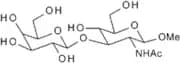
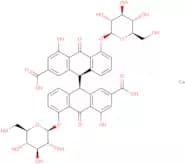

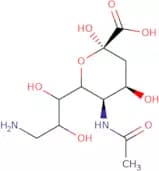
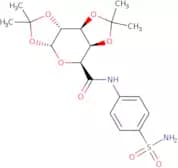
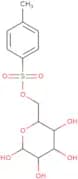

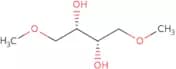
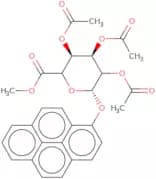

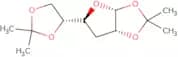

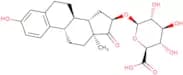
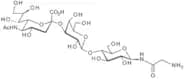
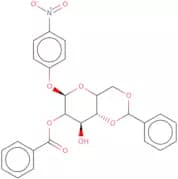

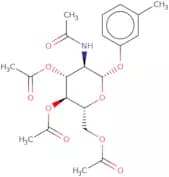
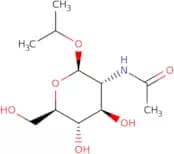
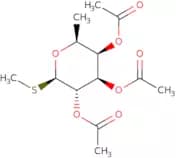

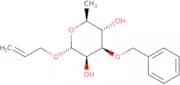
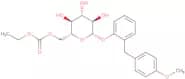
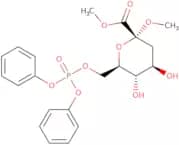
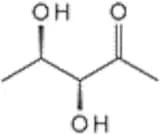
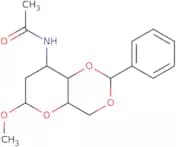
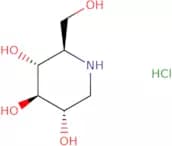
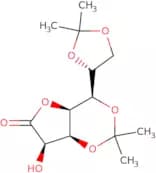
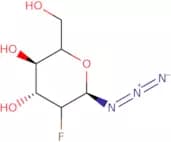
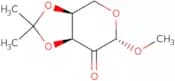
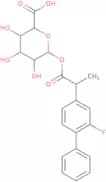


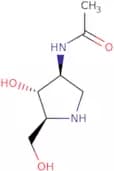
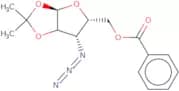
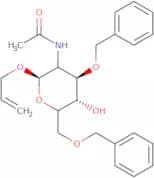
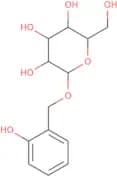
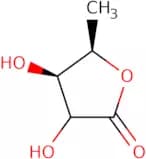
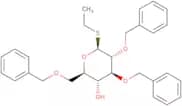


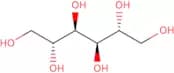
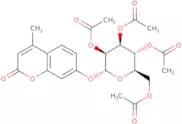


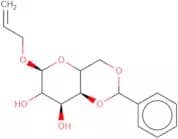
![[UL-13C18]Maltotriose hydrate](/_next/image/?url=https%3A%2Fstatic.cymitquimica.com%2Fproducts%2F3D%2Fthumb-webp%2FOM45239.webp&w=3840&q=75)

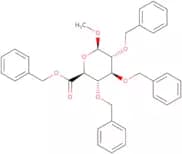
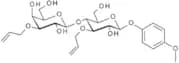
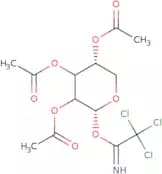
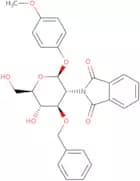
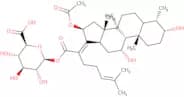
![Blood group A trisaccharide-APE-[biotin]-BSA](/_next/image/?url=https%3A%2Fstatic.cymitquimica.com%2Fproducts%2F3D%2Fthumb-webp%2FOT02519.webp&w=3840&q=75)
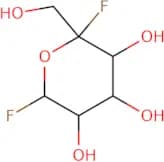
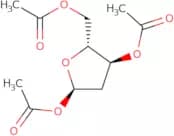
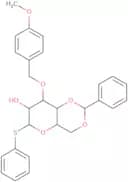
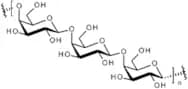

![Carbomethoxyethylthioethyl 4-O-(4-O-[6-O-{a-D-glucopyranosyl}-a-D-glucopyranosyl]-a-D-glucopyranos…](/_next/image/?url=https%3A%2Fstatic.cymitquimica.com%2Fproducts%2F3D%2Fthumb-webp%2FOC06493.webp&w=3840&q=75)
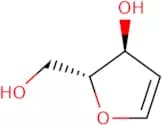
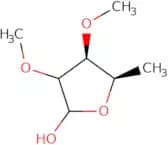
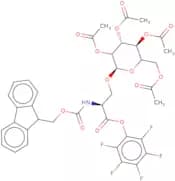
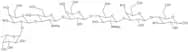
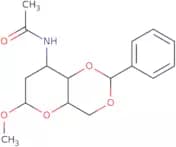
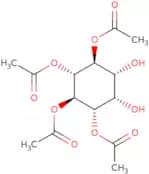

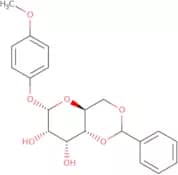

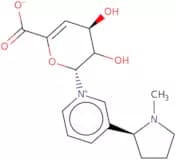
![5-Deoxy-1,2-O-isopropylidene-5-[(2S-pyridin-4-yl-pyrrolidine)-1-yl]-a-D-xylofuranose](/_next/image/?url=https%3A%2Fstatic.cymitquimica.com%2Fproducts%2F3D%2Fthumb-webp%2FMD07489.webp&w=3840&q=75)
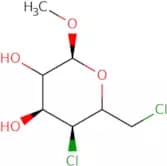
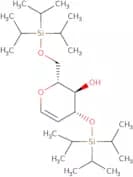
![3-[(2,3,4,6-Tetra-O-acetyl-b-D-glucopyranosyl)thio]-propanoic acid](/_next/image/?url=https%3A%2Fstatic.cymitquimica.com%2Fproducts%2F3D%2Fthumb-webp%2FMT01467.webp&w=3840&q=75)

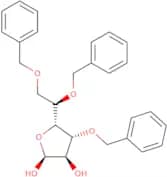
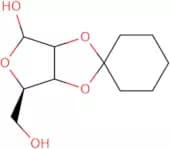

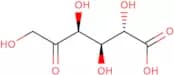
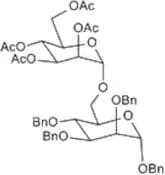
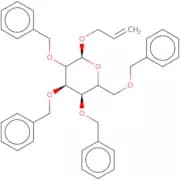
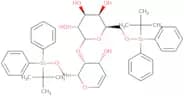
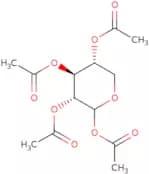
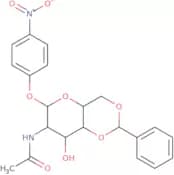
![Benzyl 2,3-O-[(1S,2S)-1,2-dimethoxy-1,2-dimethyl-1,2-ethanediyl]-4-nitrobenzoyl-a-L-xylopyranoside](/_next/image/?url=https%3A%2Fstatic.cymitquimica.com%2Fproducts%2F3D%2Fthumb-webp%2FMB16613.webp&w=3840&q=75)
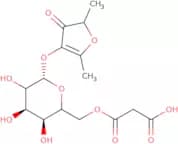
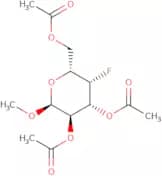

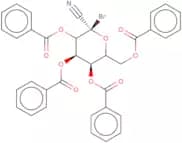
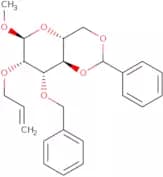


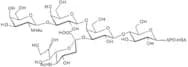
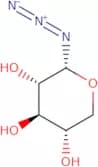

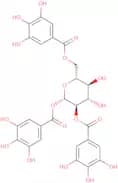
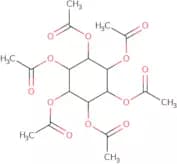


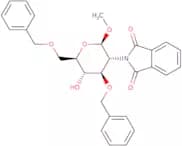
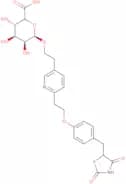
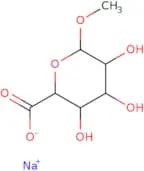
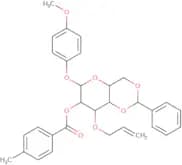

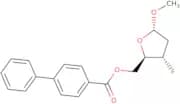

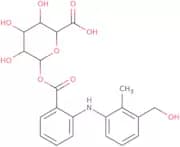
![Di[3-deoxy-D-manno-octulosonyl]-lipid A sodium salt - 0.5mg/ml aqueous solution](/_next/image/?url=https%3A%2Fstatic.cymitquimica.com%2Fproducts%2F3D%2Fthumb-webp%2FOD29173.webp&w=3840&q=75)
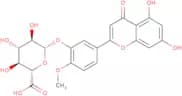
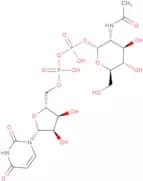
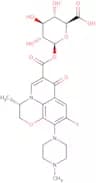
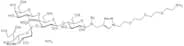
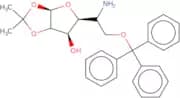
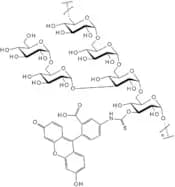
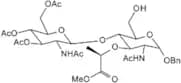
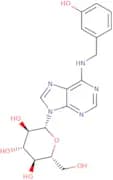
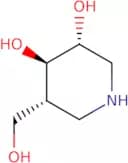



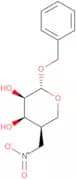

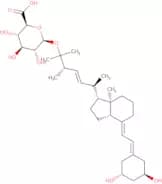
![8-D-Glucopyranosyl-7,8,9,10-tetrahydro-6,10-methano-6H-pyrazino[2,3-h][3]benzazepine](/_next/image/?url=https%3A%2Fstatic.cymitquimica.com%2Fproducts%2F3D%2Fthumb-webp%2FMG183915.webp&w=3840&q=75)
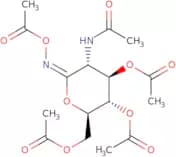
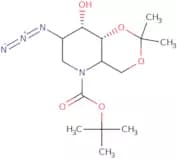

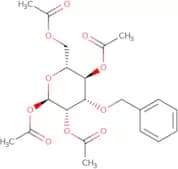
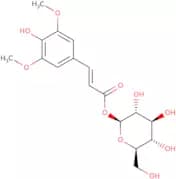
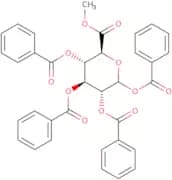
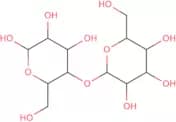
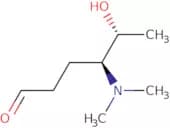
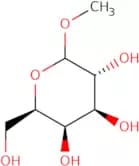
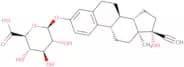
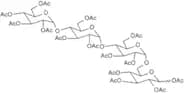

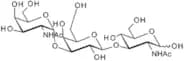
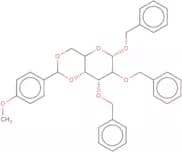

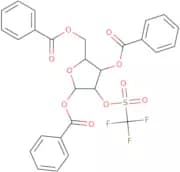
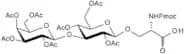
![(3αR,3βR,4αS,5S,5αS)-3β-[[[(1,1-Dimethylethyl)diphenylsilyl]oxy]methyl]hexahydro-2,2-dimethylcyclo…](/_next/image/?url=https%3A%2Fstatic.cymitquimica.com%2Fproducts%2F3D%2Fthumb-webp%2FMB159555.webp&w=3840&q=75)
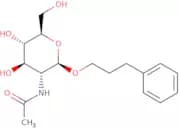

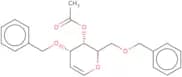
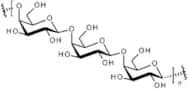
![N-Acetyl-D-[1-13C]neuraminic acid](/_next/image/?url=https%3A%2Fstatic.cymitquimica.com%2Fproducts%2F3D%2Fthumb-webp%2FMA15642.webp&w=3840&q=75)
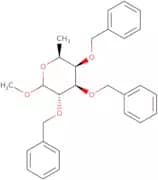
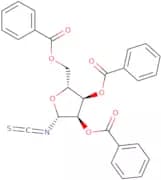
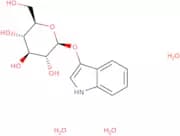

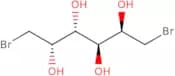
![Neu5Troc[1Me,4789Ac]a(2-3)Gal[26Bn]-b-MP](/_next/image/?url=https%3A%2Fstatic.cymitquimica.com%2Fproducts%2F3D%2Fthumb-webp%2FON60599.webp&w=3840&q=75)
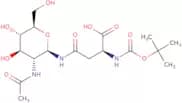
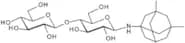
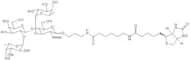
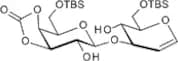
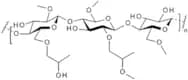
![N-Acetyl-D-[UL-13C6]glucosamine](/_next/image/?url=https%3A%2Fstatic.cymitquimica.com%2Fproducts%2F3D%2Fthumb-webp%2FMA44797.webp&w=3840&q=75)