Antimicrobials
Subcategories of "Antimicrobials"
- Antibiotics(4,138 products)
- Antifungals(906 products)
- Antiparasitics(700 products)
- Antivirals(766 products)
Found 2431 products of "Antimicrobials"
[5-[(3aS,4S,6aR)-Hexahydro-2-oxo-1H-thieno[3,4-d]imidazol-4-yl]-1-oxopentyl]-3-(2-pyridinyldithio)-L-alanine
CAS:Controlled ProductApplications [5-[(3aS,4S,6aR)-Hexahydro-2-oxo-1H-thieno[3,4-d]imidazol-4-yl]-1-oxopentyl]-3-(2-pyridinyldithio)-L-alanine is an intermediate in the synthesis of Biotinyl Pyridinyldithio N-Hydroxysuccinimide Alanine Ester (B397300), which is an antimicrobial bisulfide prodrug.
References Ponpipom, et al.: J. Med. Chem., 24, 1388 (1981), Hausch, F., et al.: Bioconjug. Chem., 8, 885 (1997), Seelig, B., et al.: Chem. Biol., 6, 167 (1999),Formula:C18H24N4O4S3Color and Shape:NeatMolecular weight:456.62,7-Dibromonapthalene
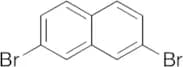
CAS:Controlled ProductApplications 2,7-Dibromonapthalene acts as a reagent for the expedient synthesis of aminopropoxy-functionalized bis(aryltriazoly) arylenes via click chemistry and their antimicrobial and hemolytic activity.
Not a dangerous good if item is equal to or less than 1g/ml and there is less than 100g/ml in the package
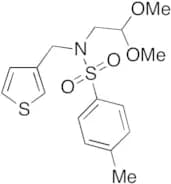
References Fu, T., et al.: ACS Med. Chem. Lett., 4, 841 (2013)Formula:C10H6Br2Color and Shape:NeatMolecular weight:285.96N-(2,2-Dimethoxyethyl)-4-methyl-N-(3-thienylmethyl)benzenesulfonamide
CAS:Controlled ProductFormula:C24H34O6Color and Shape:NeatMolecular weight:418.5232,2'-Methylenebis(4-bromophenol)
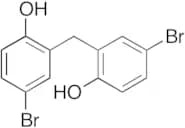
CAS:Controlled ProductApplications 2,2'-Methylenebis(4-bromophenol) can be derived from bromophenols from the red alga Odonthalia corymbifera and display potential antimicrobial activity. It is used as an intermediate in the synthesis of Albuterol Dimer (A514515) which is an impurity of the drug Albuterol used to treat asthma.
References Oh, K., et al.: Bioorg. Med. Chem. Lett., 18, 104 (2008); Haddad, N., et al.: Tetrahedron Lett., 43, 1135 (2002);Formula:C24H34O4Color and Shape:NeatMolecular weight:386.524Ethyl Bromoacetate-1,2-13C2
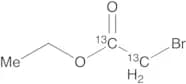
CAS:Formula:C2C2H7BrO2Color and Shape:Clear Colourless OilMolecular weight:168.994,7-Difluoro-1,3-isobenzofurandione (Technical Grade, ~90%)
CAS:Controlled ProductStability moisture sensitive
Applications 4,7-Difluoro-1,3-isobenzofurandione is used in the synthesis of phthalic compounds, phthalazines, and quinones with antimicrobial activity.
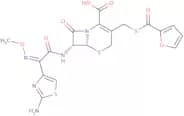
References Cardia, M. et al.: J. Hetero. Chem., 40, 1011 (2003); Krohn, K.. et al.: Sci. Synth., 28, 367 (2006); Vina, D. et al.: Tetrahedron, 65, 1574 (2009);Formula:C8H2F2O3Purity:~90%Color and Shape:NeatMolecular weight:184.1Ceftiofur
CAS:Ceftiofur is a third-generation cephalosporin antibiotic with action on bacterial cell wall synthesis and is used for treating bacterial infections in veterinary medicine.
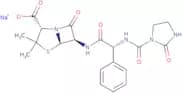
Formula:C19H17N5O7S3Purity:Min. 95%Color and Shape:Off-White PowderMolecular weight:523.57 g/molAzlocillin sodium salt
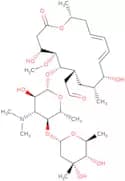
CAS:Azlocillin sodium salt is a penicillin antibiotic and is used for the treatment of bacterial infections. It inhibits bacterial cell wall synthesis.Formula:C20H23N5O6SNaPurity:Min. 90 Area-%Color and Shape:White PowderMolecular weight:484.48 g/molKitasamycin
CAS:Kitasamycin is a macrolide antibiotic with a mode of action that inhibits bacterial protein synthesis by binding to the 50S ribosomal subunit. It is used for treating bacterial infections in veterinary medicine.
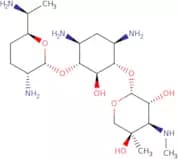
Formula:C40H67NO14Purity:Min. 95%Color and Shape:White PowderMolecular weight:785.96 g/molGentamicin C2a
CAS:Gentamicin C2a is an aminoglycoside antibiotic, which is a complex of compounds derived from the fermentation of the bacterium *Micromonospora purpurea*. Its mode of action involves binding to the bacterial 30S ribosomal subunit, thereby inhibiting protein synthesis and resulting in the bactericidal effect on susceptible strains. The disruption of protein synthesis prevents the growth and replication of bacteria, effectively killing them.
Purity:Min. 95%Color and Shape:PowderAcetyl daclatasvir
CAS:Acetyl daclatasvir is a direct-acting antiviral agent, which is chemically derived from a series of small-molecule inhibitors. The source of this compound lies in rational drug design, focusing on targeting specific viral proteins involved in the replication of hepatitis C virus (HCV). Its mode of action involves inhibiting the NS5A protein, a non-structural protein essential for HCV RNA replication and virion assembly. By binding to NS5A, acetyl daclatasvir disrupts the replication complex, effectively halting the virus's ability to multiply within the host cells.Purity:Min. 95%Ampicillin trihydrate
CAS:Antibiotic of penicillin class; inhibits bacterial cell wall biogenesisFormula:C16H19N3O4S·3H2OColor and Shape:White PowderMolecular weight:403.45 g/mol(4''R)-4''-(Acetylamino)-4''-deoxyavermectin B1
CAS:(4''R)-4''-(Acetylamino)-4''-deoxyavermectin B1 (Eprinomectin) is a macrocyclic lactone that inhibits invertebrate nerve function. It is a derivative of avermectin B1 and has been used to control malaria-transmitting mosquitoes. Eprinomectin has veterinary uses for cattle and other livestock to treat mosquitoes, lice, mites, ticks and flies. The drug is effective against the larvae and adult stages of the mosquito life cycle, but not oviposition (egg laying) by adults.Formula:C50H75NO14Purity:Min. 95%Color and Shape:White Slightly Yellow PowderMolecular weight:914.13 g/molCephalexin hydrate, Antibiotic for Culture Media Use Only
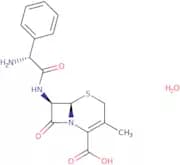
CAS:Cephalexin hydrate is a first-generation cephalosporin antibiotic with action on bacterial cell wall synthesis and is used for treating respiratory tract infections, skin infections, and urinary tract infections.Formula:C16H17N3O4S·H2OPurity:Min. 95 Area-%Color and Shape:White PowderMolecular weight:365.41 g/molLuliconazole
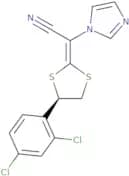
CAS:Broad spectrum imidazole antifungalFormula:C14H9Cl2N3S2Purity:Min. 95%Color and Shape:Off-White To Yellow SolidMolecular weight:352.9615Destomycin A
CAS:Destomycin A is an antibiotic, which is derived from the bacterium Streptomyces species. This compound exhibits a broad-spectrum mode of action by inhibiting protein synthesis in bacterial cells, thus impeding their growth and proliferation. Destomycin A targets the ribosomal subunits within bacterial cells, leading to disruption in their ability to synthesize essential proteins, ultimately contributing to its bacteriostatic effects.Formula:C20H37N3O13Purity:Min. 97 Area-%Color and Shape:White PowderMolecular weight:527.52 g/molLanoconazole
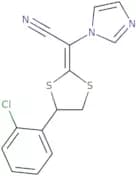
CAS:Anti-fungal; sterol demethylase inhibitorFormula:C14H10ClN3S2Purity:Min. 98 Area-%Color and Shape:White PowderMolecular weight:319.83 g/molTinidazole
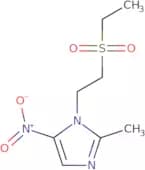
CAS:Tinidazole is a nitroimidazole antibiotic with action on DNA synthesis disruption in anaerobic bacteria and protozoa and is used for treating infections like giardiasis, amebiasis, and trichomoniasis.Formula:C8H13N3O4SPurity:Min. 95%Color and Shape:PowderMolecular weight:247.27 g/molAzamulin
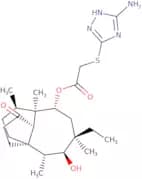
CAS:Azamulin is a semi-synthetic antibiotic belonging to the class of pleuromutilins, which is derived from natural fermentation products of the basidiomycete fungi genus Clitopilus. Its mode of action involves potent selective inhibition of cytochrome P450 3A4 enzymes. This enzyme family is essential for the oxidation of organic substances, and Azamulin's role as an inhibitor makes it valuable for studying drug metabolism and interactions in vitro.Formula:C24H38N4O4SPurity:Min. 95%Color and Shape:SolidMolecular weight:478.65 g/molDibekacin sulfate
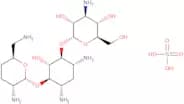
CAS:Dibekacin sulfate is an aminoglycoside antibiotic with action on bacterial protein synthesis inhibition and is used for treating severe gram-negative bacterial infections.
Formula:C18H39N5O12SPurity:Min. 670 Μg/MgColor and Shape:White PowderMolecular weight:549.59 g/molrec beta-Defensin 2 (human)
CAS:rec beta-Defensin 2 (human) is a recombinant peptide, which is a human-derived antimicrobial protein. It is sourced through recombinant DNA technology, enabling the production of a synthetic version of the natural peptide found in epithelial cells. Its mode of action involves disrupting microbial cell membranes, leading to cell lysis, in addition to modulating the immune response by interacting with immune cells and enhancing the production of cytokines.Purity:Min. 95%Thiabendazole
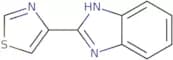
CAS:Thiabendazole is a benzimidazole anthelmintic with action on parasitic worms by inhibiting energy metabolism and is used for treating infections like threadworm and roundworm.Formula:C10H7N3SPurity:Min. 95%Color and Shape:PowderMolecular weight:201.25 g/molAmikacin anhydrous
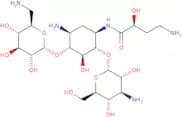
CAS:Inhibitor of protein synthesis; aminoglycosideFormula:C22H43N5O13Purity:Min. 95 Area-%Color and Shape:White PowderMolecular weight:585.6 g/molToltrazuril
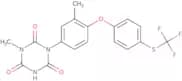
CAS:Toltrazuril is an anticoccidial agent with action on protozoal parasites by disrupting their intracellular development and is used for treating coccidiosis in livestock and poultry.Formula:C18H14F3N3O4SPurity:Min. 95%Color and Shape:White PowderMolecular weight:425.38 g/molThiacetazone
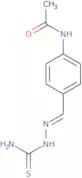
CAS:Thiacetazone is an antitubercular agent with action on mycolic acid synthesis in Mycobacterium tuberculosis and is used for treating tuberculosis in combination with other drugs.Formula:C10H12N4OSPurity:Min. 95%Color and Shape:PowderMolecular weight:236.29 g/molMyriocin
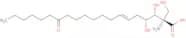
CAS:Myriocin is a potent fungal metabolite that is an inhibitor of sphingolipid biosynthesis. It is originally sourced from the ascomycete fungus *Isaria* sinclairii. Myriocin functions by specifically inhibiting serine palmitoyltransferase, the key enzyme in the de novo sphingolipid biosynthesis pathway, effectively reducing the production of ceramides and sphingomyelins. This mechanism of action makes Myriocin a significant tool in the study of sphingolipid metabolism and signaling pathways.Formula:C21H39NO6Purity:Min. 95%Color and Shape:PowderMolecular weight:401.54 g/molDoxorubicin hydrochloride, 10 mg/ml aqueous solution
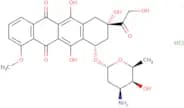
CAS:Doxorubicin hydrochloride, 10 mg/ml aqueous solution, is a chemotherapeutic agent, which is an anthracycline antibiotic derived from the bacterium *Streptomyces peucetius var. caesius*. Its mode of action involves the intercalation into DNA, disrupting the replication and transcription processes crucial for cancer cell proliferation. Additionally, it generates free radicals that cause further damage to cellular structures and inhibit topoisomerase II, thereby preventing the unwinding of DNA necessary for replication.Formula:C27H29NO11•HClPurity:Min. 95%Color and Shape:PowderMolecular weight:579.98 g/molActinomycin V
CAS:An analogue of Actinomycin D and an antitumor agent. Due to lower hepatotoxicity, Actinomycin V is more often used than Actynomycin D in chemotherapy and shows great efficiency against human breast cancer cells.Formula:C62H84N12O17Purity:Min. 95%Color and Shape:PowderMolecular weight:1,269.4 g/molMonensin methyl ester
CAS:ester of Monensin. Monensin is a polyether antibiotic isolated from Streptomyces cinnamonensis. It is widely used in ruminant animal feeds.
Formula:C37H64O11Purity:Min. 98 Area-%Molecular weight:684.91 g/mol2,3-Dichloro-6-nitroaniline
CAS:Controlled ProductApplications 2,3-Dichloro-6-nitroaniline is used as a reagent in the synthesis of 3-alkyl-, 3-halomethyl- and 3-carboxyethylquinoxaline-2-ones which have potential antimicrobial activity.
Not a dangerous good if item is equal to or less than 1g/ml and there is less than 100g/ml in the package
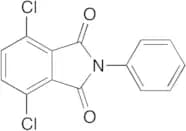
References Carta, A., et al.: Farmaco, 58, 1251 (2003)Formula:C6H4Cl2N2O2Color and Shape:NeatMolecular weight:207.014,7-Dichloro-2-phenyl-1H-isoindole-1,3(2H)-dione
CAS:Controlled ProductApplications 4,7-Dichloro-2-phenyl-1H-isoindole-1,3(2H)-dione is an intermediate in the synthesis of phthalic compounds, phthalazines, and quinones with antimicrobial activity.
References Marriott, G. J., et al.: J. Chem. Soc., 134 (1939); Katayama, H., et al.: Tetrahedron., 63, 6642 (2007);Formula:C14H7Cl2NO2Color and Shape:NeatMolecular weight:292.12Berberrubine Chloride
CAS:Stability Hygroscopic
Applications Berberrubine Chloride is a novel alkaloid with novel nitric-oxide donating activity. Antitumor and an antimicrobial agent.
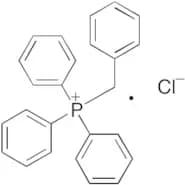
References Chen, J. et al.: Eur. J. Med. Chem., 132, 173 (2017); Jeyakkumar, P. et al.: Bioorg. Med. Chem. Lett., 27, 1737 (2017);Formula:C19H16ClNO4Color and Shape:NeatMolecular weight:357.79Benzyltriphenylphosphonium Chloride
CAS:Controlled ProductApplications Benzyltriphenylphosphonium Chloride was used as a reagent in the organic synthesis of several compounds including that of stabilised phosphonium ylides containing saturated oxygen heterocycles. Also used in the synthesis of novel substituted cis-stilbene derivatives which display antimicrobial activity.
Not a dangerous good if item is equal to or less than 1g/ml and there is less than 100g/ml in the package
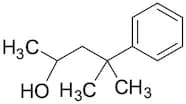
References Aitken, R., et al.: Org. Biomol. Chem., 14, 1794 (2016); Jain, D., et al.: World J. Pharm. Sci., 4, 1473 (2015);Formula:C25H22P·ClColor and Shape:NeatMolecular weight:388.9Dimethyl Phenylbutanol
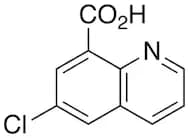
CAS:Controlled ProductFormula:C12H18OColor and Shape:ColourlessMolecular weight:178.276-Chloro-8-quinolinecarboxylic Acid
CAS:Controlled ProductApplications A 6-substituted 8-quinolinecarboxylic acid as antimicrobial and genotoxic agent.
References Weyer, R., et al.: Arzneim.-Forsch., 24, 269 (1974),Formula:C10H6ClNO2Color and Shape:NeatMolecular weight:207.611,14-Tetradecanediol
CAS:Controlled ProductApplications 1,14-Tetradecanediol is a bioactive component of Hybanthus enneaspermus with anti-microbial activity against microbes.
References Anand, T., et al.: Int. J. Pharm. Pharm. Sci., 4, 646 (2012)Formula:C14H30O2Color and Shape:NeatMolecular weight:230.39(1R,2S,3R)-1-(2-Quinoxalinyl)-1,2,3,4-butanetetrol
CAS:Controlled ProductApplications (1R,2S,3R)-1-(2-Quinoxalinyl)-1,2,3,4-butanetetrol is an intermediate in the synthesis of 2-Quinoxalinecarboxylic Acid (Q765265), a residue of Carbadox (C175825) which is an antimicrobial drug.
References Harms, A.E., et al.: Org. Proc. Res. Develop., 8, 666 (2004);Formula:C12H14N2O4Color and Shape:NeatMolecular weight:250.25Pentadecanal
CAS:Controlled ProductStability Air Sensitive
Applications Pentadecanal is found in the essential oil of verbascum thapsus. L, a species of mullein that is native to europe and is known to possess antimicrobial activitiy.
References Morteza-Semnani, K., et al.: J. Essential. Oil. Plants., 15, 373 (2012); Silva, R., et al.: Food. Chem. Toxicol., 53, 240 (2013);Formula:C15H30OColor and Shape:NeatMolecular weight:226.4Silver Bromide
CAS:Controlled ProductApplications Silver Bromide is used in the spectroscopic study of silver halides in montmorillonite and their antibacterial activity, also used in the antimicrobial compositions for use in wound care products.
References Sohrabnezhad, S., et al.: J. Photochem. Photobiol., 163, 150 (2016); Adams, L. L., et al.: From U.S. Pat. Appl. Publ. (2016), US 20160220728 A1 20160804Formula:AgBrColor and Shape:NeatMolecular weight:187.77L-Psicose
CAS:Controlled ProductApplications An epimer of L-Fructose that is a potential inhibitor of microbial activity in bovine lactoperoxidase system. A metabolite of Allitol.
References Al,-Baari, A.N. et al.: J. Food Prod., 74, 134 (2011); Carr, J.G. et al.: Phytochem., 7, 1 (1968);Formula:C6H12O6Color and Shape:NeatMolecular weight:180.16Ethyl 2-chloro-2-(2-(4-chlorophenyl)hydrazono)acetate
CAS:Controlled ProductApplications (Z)-Ethyl 2-chloro-2-(2-(4-chlorophenyl)hydrazono)acetate is a reagent used in the preparation of pyrimidine and pyrimidinone-based compounds for their use as antimicrobials.
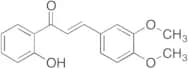
References Abbas, I et al.: J. Hetero. Chem., 54, 3447 (2017);Formula:C10H10Cl2N2O2Color and Shape:NeatMolecular weight:261.12'-Hydroxy-3,4-dimethoxychalcone
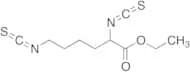
CAS:Controlled ProductFormula:C17H16O4Color and Shape:NeatMolecular weight:284.31(2S)-2,6-Diisothiocyanato-Hexanoic Acid Ethyl Ester
CAS:Controlled ProductFormula:C10H14N2O2S2Color and Shape:NeatMolecular weight:258.36Dihydropyran
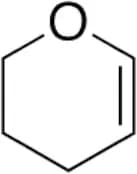
CAS:Controlled ProductStability Volatile
Applications 2,3-Dihydropyran is used in the synthesis of potent and selective myeloperoxidase inhibitors useful as antimicrobial oxidants. Also is used to synthesize novel and selective σ1 receptor ligands.
References Soubhye, J. et al.: J. Med. Chem., 56, 3943 (2013); Diaz, J. et al.: J. Med. Chem., 56, 3656 (2013);Formula:C5H8OColor and Shape:NeatMolecular weight:84.12a,a'-Dilaurin
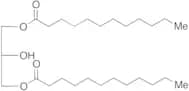
CAS:Controlled ProductStability Hygroscopic
Applications α,α'-Dilaurin is a possible antimicrobial agent against gram-posistive organisms.
References Kabara, J., et al.; Antimicrob. Agents Chemother., 2, 23 (1972); Conley, A., et al.: Antimicrob. Agents Chemother., 4, 501 (1973)Formula:C27H52O5Color and Shape:NeatMolecular weight:456.73,6-Dichlorophthalic Anhydride
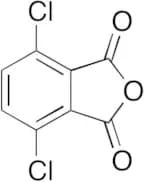
CAS:Stability Moisture Sensitive
Applications 3,6-Dichlorophthalic Anhydride is an intermediate in the synthesis of phthalic compounds, phthalazines, and quinones with antimicrobial activity.
References Hansongnern, K., et al. Appl. Magnetic. Resonance., 23, 333 (2003);Formula:C8H2Cl2O3Color and Shape:NeatMolecular weight:217.0063-Methyl-1-(triphenylphosphoranylidene)butan-2-one
CAS:Controlled ProductFormula:C23H23OPColor and Shape:NeatMolecular weight:346.4Di-2-(Hydroxyphenyl)acetamido Cefprozil (Mixture of E/Z isomers)
Controlled ProductStability Light Sensitive
Applications Di-2-(Hydroxyphenyl)acetamido Cefprozil is an impurity in the synthesis of Cefprozil (C243910), semisynthetic oral cephalosporin consisting of approx. 90:10 Z/E isomeric mixture. Antibacterial.
References Jones, R.N., et al.: Diagn. Microb. Infect. Dis., 9, 11 (1988), Barbhaiya, R.H., et al.: Antimicrob. Agents Chemother., 34, 1204 (1990)Formula:C26H26N4O7SColor and Shape:NeatMolecular weight:538.574'-Chlorobiphenyl-4-carbaldehyde
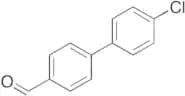
CAS:Controlled ProductFormula:C13H9ClOColor and Shape:NeatMolecular weight:216.664-Chlorocinnamic Acid
CAS:Controlled ProductApplications 4-Chlorocinnamic Acid is a derivative of Cinnamic Acid (C442030) and plays an important role in the development of plants. 4-Chlorocinnamic Acid may also show potential antimicrobial, antioxidant, anti-inflammatory, and antitumoral activity.
References Jitareanu, A., et al.: Not. Bot. Horti. Agrobo., 39, 130 (2011)Formula:C9H7ClO2Color and Shape:NeatMolecular weight:182.6
![[5-[(3aS,4S,6aR)-Hexahydro-2-oxo-1H-thieno[3,4-d]imidazol-4-yl]-1-oxopentyl]-3…](/_next/image/?url=https%3A%2Fstatic.cymitquimica.com%2Fproducts%2FTR%2Fthumb-webp%2FH291770.webp&w=3840&q=75)