Terpenoids
Terpenoids, also known as isoprenoids, are the largest class of naturally occurring organic compounds, derived from five-carbon isoprene units. They are found in a variety of plants and are known for their aromatic properties, as well as their roles in plant defense and signaling. Terpenoids have been widely studied for their therapeutic effects, including anti-inflammatory, antimicrobial, and anticancer properties. They are used in pharmaceuticals, cosmetics, and food industries for their health benefits and aromatic qualities. At CymitQuimica, you will find a wide selection of terpenoids, essential for research in plant biology, pharmacology, and natural product synthesis.
Subcategories of "Terpenoids"
- Diterpenes (C₂₀)(671 products)
- Hemiterpenes (C₅)(21 products)
- Monoterpenes (C₁₀)(709 products)
- Sesquiterpenes (C₂₅)(451 products)
- Tetraterpenes (C₄₀)(63 products)
- Triterpenes (C₃₀)(1,130 products)
Found 1423 products of "Terpenoids"
Sort by
Purity (%)
0
100
|
0
|
50
|
90
|
95
|
100
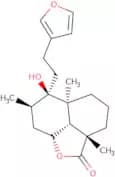
Marrubiin
CAS:Marrubiin is a plant-derived alkaloid, which is extracted from the white horehound (Marrubium vulgare) plant. This diterpenoid compound acts primarily through its ability to stimulate gastric secretion, which in turn influences the respiratory system by increasing the production of fluid mucus. This action facilitates the expectoration of phlegm, making Marrubiin useful in treating conditions that involve excessive mucus buildup in the airways, such as chronic bronchitis and asthma.Formula:C20H28O4Purity:Min. 95%Color and Shape:PowderMolecular weight:332.43 g/molSteviolbioside
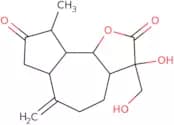
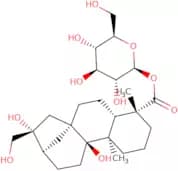
CAS:<p>Steviolbioside is a high-intensity sweetening compound, classified as a steviol glycoside. It is derived from the plant Stevia rebaudiana, a member of the Asteraceae family, which is native to South America. The mode of action of Steviolbioside involves interacting with sweet taste receptors on the human tongue, specifically the TAS1R2 and TAS1R3 receptor heterodimer, mimicking the sweetness perceived from traditional sugars but without eliciting a caloric response.</p>Formula:C32H50O13Purity:Min. 95%Color and Shape:PowderMolecular weight:642.73 g/mol11,13-Dihydroxy-3-oxo-10(14)guaien-12,6-olide - Cynara cardunculus (artichoke)
CAS:<p>11,13-Dihydroxy-3-oxo-10(14)guaien-12,6-olide is a bioactive compound, which is a phytochemical derived from Cynara cardunculus, commonly known as the artichoke. This compound belongs to a class of organic compounds known as sesquiterpene lactones. It is primarily sourced from the leaves and flower buds of the artichoke plant, which are rich in various polyphenolic and terpenoid components.</p>Formula:C15H20O5Purity:Min. 95%Color and Shape:PowderMolecular weight:280.32 g/molDeoxygedunin
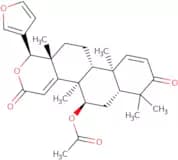
CAS:<p>Deoxygedunin is a natural limonoid, which is a type of chemical compound often derived from plant sources, particularly in the Meliaceae family. This compound is primarily isolated from the seeds of the Indian neem tree (Azadirachta indica) and the African mahogany tree (Khaya senegalensis). It exhibits its biological effects through activation of the Nrf2 pathway, an essential cellular defense mechanism against oxidative stress. By promoting the expression of antioxidant proteins, deoxygedunin enhances cellular resilience to oxidative damage.</p>Formula:C28H34O6Purity:Min. 95%Molecular weight:466.57 g/molZederone
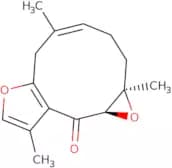
CAS:<p>Zederone is a bioactive sesquiterpene, which is a type of terpenoid compound. It is primarily sourced from the rhizomes of several Curcuma species, particularly Curcuma zedoaria. These plants are native to regions of Asia and have been used in traditional medicine for various purposes.</p>Formula:C15H18O3Purity:Min. 98 Area-%Color and Shape:Off-White PowderMolecular weight:246.3 g/molGnidimacrin
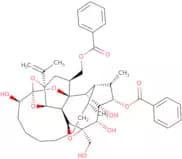
CAS:<p>Gnidimacrin is a natural diterpenoid ester, which is derived from the plant genus *Gnidia*. It is known for its intricate molecular structure and potent biological activities. As a plant-derived compound, it is sourced primarily from the shrubs native to Africa and Asia, belonging to the Thymelaeaceae family.</p>Formula:C44H54O12Purity:Min. 95%Molecular weight:774.89 g/molCofaryloside
CAS:Please enquire for more information about Cofaryloside including the price, delivery time and more detailed product information at the technical inquiry form on this pageFormula:C26H42O10Purity:Min. 95%Molecular weight:514.61 g/molMedicagenic acid 3-O-glucoside
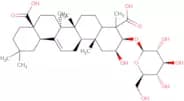
CAS:<p>Medicagenic acid 3-O-glucoside is a bioactive phytochemical compound, which is a type of saponin glucoside. It is derived from the genus Medicago, particularly from species such as alfalfa, known for their medicinal and nutritional properties. The mode of action of Medicagenic acid 3-O-glucoside involves interactions with cellular membranes, where it can influence permeability and modulate immune responses. These interactions are attributed to its surfactant properties that enable the saponin to disrupt lipid bilayers and influence signal transduction pathways that mediate inflammatory and immune processes.</p>Formula:C36H56O11Purity:Min. 95%Color and Shape:PowderMolecular weight:664.82 g/mol10-epi-Elemol
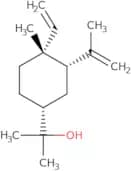
CAS:<p>10-epi-Elemol is a sesquiterpene alcohol, which is derived from natural plant sources, primarily obtained through the essential oils of particular species. Its molecular structure includes a complex arrangement of carbon rings and an alcohol group, characterizing it as a prominent component among sesquiterpenes.</p>Formula:C15H26OPurity:Min. 95%Molecular weight:222.37 g/molGinsenoside Rd
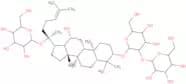
CAS:<p>Ginsenoside Rd is a bioactive compound, classified as a saponin, which is derived from the roots of Panax ginseng. This ginsenoside is a dammarane-type triterpenoid saponin and is one of the major active components found in ginseng extracts. The mode of action of Ginsenoside Rd involves multiple biochemical pathways, including anti-inflammatory, antioxidant, and neuroprotective effects. It modulates signaling pathways such as MAPK and PI3K/Akt, resulting in diverse biological activities.</p>Formula:C48H82O18Purity:Min. 95%Color and Shape:White PowderMolecular weight:947.18 g/mol8(17)14-Labdadiene-13,18-diol, picea sitchensis (sitka spruce)
CAS:<p>8(17)14-Labdadiene-13,18-diol is a diterpene, a class of chemical compounds known for their diverse structural traits and biological activities. This compound is derived from Picea sitchensis, commonly known as Sitka spruce, which is native to the western regions of North America. The diterpene structure of 8(17)14-Labdadiene-13,18-diol is significant due to its potential biological interactions.</p>Formula:C20H34O2Purity:Min. 95%Molecular weight:306.48 g/molMonotropein
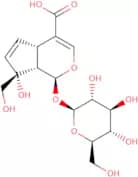
CAS:<p>Monotropein is a bioactive compound, which is an iridoid glycoside derived from natural sources such as plants in the Gentianaceae and Rubiaceae families. Its mode of action primarily involves anti-inflammatory and antioxidant pathways, exerting effects through modulation of specific molecular targets like NF-kB and various oxidative stress-related enzymes. These actions contribute to its efficacy in reducing inflammation and protecting against cellular oxidative damage.</p>Formula:C16H22O11Purity:Min. 95 Area-%Color and Shape:PowderMolecular weight:390.34 g/molGinkgolide B
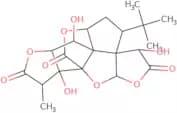
CAS:<p>Ginkgolide B is a diterpenoid lactone, which is a secondary metabolite isolated from the leaves of the Ginkgo biloba tree. This compound is primarily sourced from the extract of Ginkgo biloba, a plant that has been utilized for centuries in traditional medicine systems.</p>Formula:C20H24O10Purity:Min. 90 Area-%Color and Shape:White PowderMolecular weight:424.4 g/molCurcumol
CAS:<p>Curcumol is a bioactive compound, which is a sesquiterpenoid alcohol primarily extracted from the rhizome of the plant Curcuma wenyujin, a member of the Zingiberaceae family. The source plant is native to parts of Asia and has been traditionally used in herbal medicine. The mode of action of Curcumol involves modulation of multiple biochemical pathways, including anti-inflammatory and antioxidant pathways. It has been observed to influence cellular signaling cascades that regulate apoptosis, cell proliferation, and angiogenesis, making it a compound of interest in oncology research.</p>Formula:C15H24O2Purity:Min. 95%Color and Shape:PowderMolecular weight:236.35 g/molSoyasaponin Bb
CAS:<p>Soyasaponin Bb is a naturally occurring saponin, which is a type of glycoside, derived from soybeans (Glycine max). It is primarily sourced from the seeds and roots of the soybean plant. The mode of action of soyasaponin Bb involves its ability to interact with lipid membranes, affecting cellular pathways and exerting antioxidant and anti-inflammatory effects. Additionally, it has been shown to modulate cholesterol metabolism and exhibit potential anticancer activities through apoptosis induction and inhibition of tumor cell proliferation.</p>Formula:C48H78O18Purity:Min. 94.0 Area-%Molecular weight:943.12 g/molRef: 3D-Q-100575
1gTo inquire50mgTo inquire100mgTo inquire250mgTo inquire500mgTo inquire-Unit-mgmgTo inquireGinsenoside Re
CAS:<p>Ginsenoside Re is a naturally occurring saponin, which is a bioactive compound sourced primarily from the root of Panax ginseng. It operates through multiple biochemical pathways, including the modulation of immune responses, anti-inflammatory effects, and protective antioxidant activities. Ginsenoside Re exerts its actions by interacting with cellular receptors, influencing signaling pathways such as the PI3K/Akt and MAPK pathways, ultimately impacting gene expression and cellular responses.</p>Formula:C48H82O18Purity:Min. 98 Area-%Color and Shape:White PowderMolecular weight:947.18 g/molPonicidin
CAS:<p>Ponicidin is a natural product, which is a diterpenoid compound derived from the plant *Isodon rubescens*. It exhibits a mode of action characterized by its ability to interfere with cellular processes through apoptosis induction and inhibition of cell proliferation. This occurs via the modulation of specific signaling pathways, including the suppression of NF-κB activity and the promotion of caspase activation.</p>Formula:C20H26O6Purity:Min. 95%Color and Shape:PowderMolecular weight:362.43 g/molDubione B
CAS:Please enquire for more information about Dubione B including the price, delivery time and more detailed product information at the technical inquiry form on this pagePurity:Min. 95%Brusatol
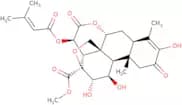
CAS:<p>Inhibitor of protein synthesis and Nrf2-mediated chemoresistance</p>Formula:C26H32O11Purity:Min. 97 Area-%Color and Shape:White PowderMolecular weight:520.53 g/molTotarol - 98%
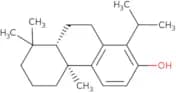
CAS:<p>Natural diterpene; anti-microbial</p>Formula:C20H30OPurity:Min. 98 Area-%Color and Shape:PowderMolecular weight:286.45 g/mol