Terpenoids
Terpenoids, also known as isoprenoids, are the largest class of naturally occurring organic compounds, derived from five-carbon isoprene units. They are found in a variety of plants and are known for their aromatic properties, as well as their roles in plant defense and signaling. Terpenoids have been widely studied for their therapeutic effects, including anti-inflammatory, antimicrobial, and anticancer properties. They are used in pharmaceuticals, cosmetics, and food industries for their health benefits and aromatic qualities. At CymitQuimica, you will find a wide selection of terpenoids, essential for research in plant biology, pharmacology, and natural product synthesis.
Subcategories of "Terpenoids"
- Diterpenes (C₂₀)(671 products)
- Hemiterpenes (C₅)(21 products)
- Monoterpenes (C₁₀)(708 products)
- Sesquiterpenes (C₂₅)(448 products)
- Tetraterpenes (C₄₀)(63 products)
- Triterpenes (C₃₀)(1,130 products)
Found 1423 products of "Terpenoids"
Sort by
Purity (%)
0
100
|
0
|
50
|
90
|
95
|
100
27-Deoxyactein
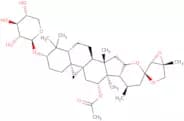
CAS:<p>27-Deoxyactein is a triterpene glycoside, which is primarily derived from the roots of the black cohosh plant, Cimicifuga racemosa. This compound is extracted through meticulous phytochemical processes aimed at isolating active constituents from the plant material. The mode of action of 27-Deoxyactein involves modulating estrogenic activity and interacting with specific cellular pathways to exert anti-inflammatory and antioxidant effects. Additionally, it has been shown to impact bone metabolism and immune function in various in vitro and in vivo studies.</p>Formula:C37H56O10Purity:Min. 95%Color and Shape:White PowderMolecular weight:660.83 g/mol2'-Hydroxylupalbigenin
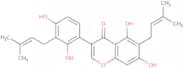
CAS:<p>2'-Hydroxylupalbigenin is a naturally occurring flavonoid, which is isolated from the plant species Lupinus. This compound is characterized by its hydroxylated structure, which contributes to its diverse bioactivities. Flavonoids, as a class of polyphenolic compounds, are well-known for their potential roles in plant defense and have significant pharmacological profiles.</p>Formula:C25H26O6Purity:Min. 95%Molecular weight:422.47 g/molEffusanin E
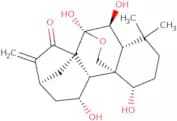
CAS:<p>Effusanin E is a specialized natural compound that falls under the category of secondary metabolites. It is derived from microorganisms, specifically isolated from bacterial sources, which include soil-dwelling bacteria known for their unique biosynthetic capabilities. This compound's mode of action primarily involves inhibiting the growth of certain pathogenic bacteria. It achieves this by disrupting vital bacterial processes, potentially targeting aspects of cell wall synthesis or protein production, although the exact mechanisms may vary and require further elucidation.</p>Formula:C20H28O6Purity:Min. 95%Molecular weight:364.43 g/molSaikosaponin A
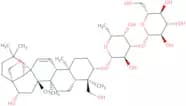
CAS:<p>Saikosaponin A is a triterpene saponin, which is a bioactive compound extracted from the roots of the Bupleurum species, primarily Bupleurum falcatum. As a phytochemical, it interacts with cell membranes to exert its effects. Saikosaponin A is known to modulate inflammatory pathways by inhibiting the production of pro-inflammatory cytokines and influencing the NF-κB signaling pathway. Additionally, it can enhance immune responses by regulating T-cell proliferation and differentiation.</p>Formula:C42H68O13Purity:Min. 95%Color and Shape:White Off-White PowderMolecular weight:780.98 g/molGeniposide
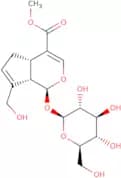
CAS:<p>Geniposide is an iridoid glycoside compound, which is primarily sourced from the fruit of Gardenia jasminoides Ellis, a traditional medicinal plant. This compound is a significant component of various herbal preparations and plays a pivotal role in the plant's reputed therapeutic properties. Geniposide’s mode of action involves multiple biochemical pathways, notably including anti-inflammatory, antioxidant, and cholagogue effects. Its ability to influence these pathways allows it to modulate various physiological and pathological processes in the body.</p>Formula:C17H24O10Purity:Min. 95 Area-%Color and Shape:White PowderMolecular weight:388.37 g/molβ-Caryophyllene
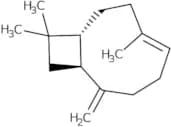
CAS:<p>Beta-Caryophyllene is a bicyclic sesquiterpene, which is a natural product found in essential oils derived from various plants, including black pepper, cloves, and cannabis. This compound is characterized by its unique ability to selectively bind to cannabinoid receptor type 2 (CB2), acting as a full agonist. Unlike typical cannabinoids, beta-Caryophyllene does not interact substantially with CB1 receptors, making it non-psychoactive.</p>Formula:C15H24Purity:Min. 80%Color and Shape:Clear LiquidMolecular weight:204.35 g/molSaikosaponin B2
CAS:<p>Saikosaponin B2 is a naturally occurring triterpenoid saponin, which is a secondary metabolite primarily sourced from the roots of Bupleurum species. These plants are widely used in traditional Chinese medicine, valued for their diverse pharmacological activities. The mode of action of Saikosaponin B2 involves modulation of inflammatory pathways, specifically through the inhibition of pro-inflammatory cytokines and reduction of oxidative stress. It also exhibits potential in modulating immune responses and possesses hepatoprotective effects.</p>Formula:C42H68O13Purity:Min. 95%Color and Shape:White Off-White PowderMolecular weight:780.98 g/mol20(R)Ginsenoside Rh2
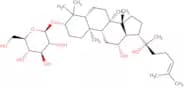
CAS:<p>20(R)Ginsenoside Rh2 is a bioactive compound, specifically a ginsenoside, which is derived from the roots of Panax ginseng. This compound is categorized as a rare saponin, produced through the enzymatic or acidic hydrolysis of protopanaxadiol-type ginsenosides found naturally in ginseng. Its mode of action involves modulating various cellular pathways, including signaling pathways related to apoptosis, inflammation, and immune responses. It has been shown to exert anticancer effects through induction of apoptosis, inhibition of cell proliferation, and disruption of cell cycle progression in cancer cells. Additionally, it may influence the immune system by enhancing or regulating immune cell activity.</p>Formula:C36H62O8Purity:Min. 98 Area-%Color and Shape:PowderMolecular weight:622.87 g/molHarpagide
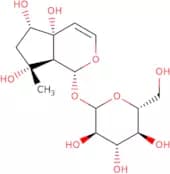
CAS:<p>Harpagide is a bioactive compound classified as an iridoid glycoside, which is extracted primarily from the roots of the plant *Harpagophytum*, commonly known as the "devil’s claw." This compound plays a significant role in the plant's secondary metabolism, contributing to its defense mechanisms.</p>Formula:C15H24O10Purity:Min. 95%Color and Shape:PowderMolecular weight:364.35 g/mollnuchinenolide B
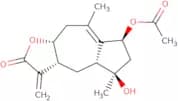
CAS:<p>Lnuchinenolide B is a bioactive compound, which is a type of natural product often isolated from various plant species. This compound has garnered interest due to its origins in diverse botanical sources. Its mode of action is typically associated with its interaction at the molecular level with specific biological targets, potentially inhibiting or modulating particular enzymatic activities or receptor pathways. Such interaction underscores its capacity to influence biological processes, making it a compound of interest in pharmacological research.</p>Formula:C17H22O5Purity:Min. 95%Molecular weight:306.35 g/molβ-Eudesmol
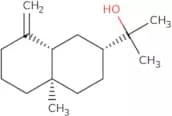
CAS:<p>Beta-Eudesmol is a sesquiterpenoid alcohol, which is a naturally occurring compound found in several essential oils extracted from plants, particularly those belonging to the genus Zingiberaceae. It is a major component in some aromatic species, manifesting as a colorless or pale yellow viscous liquid at room temperature.</p>Formula:C15H26OPurity:Min. 95%Color and Shape:White PowderMolecular weight:222.37 g/molSantalol, α and β isomers
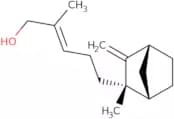
CAS:<p>Santalol, alpha and beta isomers are terpenes that belong to the class of natural compounds. They are found in the essential oils of sandalwood tree (Santalum album) and have been shown to have various biological activities, including anti-skin cancer activity in vivo models. Santalol has been shown to inhibit the production of epidermal growth factor by human prostate cancer cells. This compound also has an effect on oral pathogens, such as Streptococcus mutans and Lactobacillus acidophilus, which may be due to its ability to bind with bacterial receptors.</p>Formula:C15H24OPurity:(%) Min. 70%Color and Shape:Colorless Clear LiquidMolecular weight:220.35 g/molEpibetulinic acid
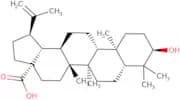
CAS:<p>Epibetulinic acid is a naturally occurring triterpenoid acid, which is a derivative of betulinic acid. This compound is primarily sourced from the bark of birch trees, specifically from the Betula genus. It is a pentacyclic compound characterized by its typical lupane skeleton. Epibetulinic acid is noted for its diverse biological activities, underscoring its potent mode of action as a modulator of various cellular pathways.</p>Formula:C30H48O3Purity:Min. 98 Area-%Color and Shape:White PowderMolecular weight:456.7 g/molFrondoside A hydrate
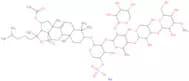
CAS:<p>Frondoside A hydrate is a bioactive compound, specifically a triterpenoid glycoside, which is derived from the sea cucumber species Cucumaria frondosa. It exhibits promising biological activities primarily due to its unique chemical structure, which includes a sugar moiety attached to a steroidal backbone.</p>Formula:C60H95O29SNa·xH2OPurity:Min. 95%Color and Shape:White SolidCryptotanshinone
CAS:<p>Cryptotanshinone is a naturally occurring bioactive compound, which is an abietane diterpenoid sourced from the roots of *Salvia miltiorrhiza*, commonly known as Danshen. This compound exhibits a distinct mode of action characterized by its inhibition of the STAT3 signaling pathway, which is crucial in the regulation of gene expression involved in cell growth and survival. Furthermore, Cryptotanshinone demonstrates the ability to modulate various other molecular targets, such as the androgen receptor, rendering it valuable in the pharmacological landscape.</p>Formula:C19H20O3Purity:Min. 98 Area-%Color and Shape:PowderMolecular weight:296.36 g/molBetulinic acid
CAS:<p>Betulinic acid is a pentacyclic triterpenoid, which is derived from the bark of birch trees among other plants. This compound exerts its effects primarily through the induction of apoptosis in cancer cells, interference with viral replication, and modulation of inflammatory pathways. Its mode of action includes mitochondrial membrane potential disruption, inhibition of topoisomerase, and interaction with the NF-kB signaling pathway.</p>Formula:C30H48O3Purity:Min. 95%Color and Shape:White PowderMolecular weight:456.7 g/molCitronellal
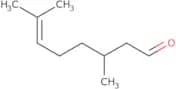
CAS:<p>Citronellal is a monoterpenoid, which is derived from natural sources such as the oils of citronella, lemongrass, and other related plants. It is chemically characterized by its role in the biosynthetic pathway of several essential oils.</p>Formula:C10H18OPurity:Min. 95%Color and Shape:Colorless PowderMolecular weight:154.25 g/mol(-)-Perillyl alcohol
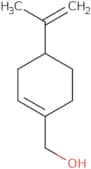
CAS:<p>(-)-Perillyl alcohol is a monoterpene alcohol, which is a naturally occurring compound primarily extracted from the essential oils of lavender, peppermint, and other plants in the Lamiaceae family. It is characterized by its ability to interfere with cellular processes, notably through its modulation of signaling pathways and induction of apoptosis, as well as inhibition of cell proliferation.</p>Formula:C10H16OPurity:Min. 90%Color and Shape:Clear LiquidMolecular weight:152.23 g/molEburicoic acid
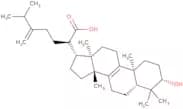
CAS:Controlled Product<p>Eburicoic acid is a lanostane-type triterpenoid, which is a secondary metabolite primarily obtained from fungi, notably those in the Polyporaceae family. This compound features a complex molecular structure characteristic of triterpenoids, which are known for diverse biological activities. The source of eburicoic acid is crucial in understanding its biosynthesis and ecological roles within its native fungal hosts.</p>Formula:C31H50O3Purity:Min. 95%Color and Shape:PowderMolecular weight:470.73 g/molMethyl lucidenate P
CAS:<p>Methyl lucidenate P is a natural triterpenoid compound, which is derived from various species of the Ganoderma fungus, particularly Ganoderma lucidum, known commonly as reishi or lingzhi. This compound is structurally characterized by the presence of a methyl ester group, contributing to its unique biochemical properties. Methyl lucidenate P acts by interfering with several cellular pathways, including apoptosis induction and angiogenesis inhibition, which are crucial for its potential anticancer activities. It disrupts cell proliferation and promotes programmed cell death in various cancer cell lines.</p>Formula:C30H44O8Purity:Min. 95%Molecular weight:532.67 g/mol