Lignans
Found 295 products of "Lignans"
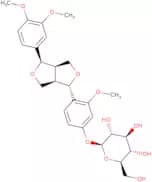
Phillyrin
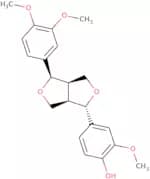
CAS:Phillyrin is a lignan compound, which is a bioactive chemical derived from the seeds and fruits of the plant Forsythia suspensa, a traditional medicinal herb. This compound is recognized for its multifaceted mode of action, primarily through its anti-inflammatory, antioxidant, and antimicrobial properties. Phillyrin functions by modulating signaling pathways, inhibiting oxidative stress, and suppressing pro-inflammatory cytokine production, making it significant in the field of pharmacology.Formula:C27H34O11Purity:Min. 95%Color and Shape:PowderMolecular weight:534.55 g/mol(-)-Arctigenin
CAS:(-)-Arctigenin is a lignan compound, which is naturally derived from certain plant species, primarily found in the seeds of Arctium lappa, commonly known as burdock. The compound exhibits a diverse mode of action, primarily noted for its ability to inhibit the proliferation of cancer cells through apoptosis induction, cell cycle arrest, and modulation of various signaling pathways. Additionally, it exerts antiviral effects by targeting viral replication processes and exhibits anti-inflammatory properties by downregulating pro-inflammatory cytokines.
Formula:C21H24O6Purity:Min. 94.0 Area-%Molecular weight:372.41 g/molRef: 3D-Q-100825
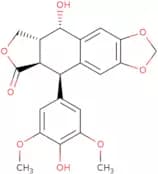
1gTo inquire5gTo inquire250mgTo inquire500mgTo inquire2500mgTo inquire-Unit-ggTo inquire4'-Demethylepipodophyllotoxin
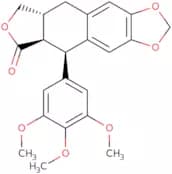
CAS:4'-Demethylepipodophyllotoxin is a semisynthetic lignan, derived from the toxin podophyllotoxin, which is extracted from the roots and rhizomes of Podophyllum species, such as Podophyllum peltatum. The compound acts primarily as a topoisomerase II inhibitor. By binding to and stabilizing the enzyme-DNA complex, it prevents the re-ligation of DNA strands, which ultimately leads to breaks in the DNA and triggers apoptosis in rapidly dividing cancer cells.
Formula:C21H20O8Color and Shape:PowderMolecular weight:400.38 g/mol(+)-Pinoresinol
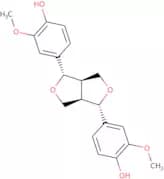
CAS:(+)-Pinoresinol is a chiral lignan compound, which is primarily found in various plant sources such as flaxseed, sesame seeds, and olive oil. It plays a significant role in the plant's defense mechanisms by contributing to the formation of the plant cell wall and acting as an antioxidant.
Formula:C20H22O6Purity:Min. 97 Area-%Color and Shape:PowderMolecular weight:358.39 g/mol(+/-)-Matairesinol
CAS:(+/-)-Matairesinol is a lignan compound, which is a type of phytoestrogen. It is primarily sourced from various plant species, such as flaxseeds, sesame seeds, and whole grains. This compound is an important constituent of the plant's defense mechanisms and contributes to their overall health properties.Formula:C20H22O6Purity:Min. 95%Color and Shape:PowderMolecular weight:358.39 g/molMagnolol
CAS:Magnolol is a bioactive compound, which is a type of lignan extracted from the bark of the magnolia tree, primarily Magnolia officinalis. It exhibits a diverse range of pharmacological activities, primarily attributed to its anti-inflammatory and antioxidant properties. Through the modulation of various signaling pathways, including the NF-κB pathway, magnolol effectively inhibits the activation of inflammatory mediators and scavenges free radicals.Formula:C18H18O2Purity:Min. 95%Color and Shape:PowderMolecular weight:266.33 g/mol(+/-)-Syringaresinol
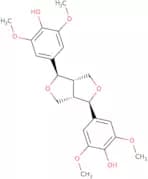
CAS:(+/-)-Syringaresinol is a type of lignan, which is a category of polyphenolic compounds. It is primarily sourced from various plant materials, including seeds, roots, and barks of certain tree species. These naturally occurring compounds are integral to the plant's defense mechanisms and provide various ecological benefits.
Formula:C22H26O8Purity:Min. 95%Color and Shape:White PowderMolecular weight:418.44 g/molDehydropodophyllotoxin
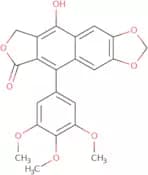
CAS:Dehydropodophyllotoxin is a lignan compound, which is derived from the roots and rhizomes of the plant genus Podophyllum. It exhibits its activity primarily as an inhibitor of microtubule assembly. Microtubules are essential components of the cell cytoskeleton, playing a critical role in cell division and intracellular transport. By interfering with microtubule dynamics, dehydropodophyllotoxin disrupts mitosis, leading to cell cycle arrest and potential apoptosis in rapidly dividing cancer cells.Formula:C22H18O8Purity:Min. 95%Color and Shape:PowderMolecular weight:410.37 g/molEnterodiol
CAS:Enterodiol is a phytoestrogenic compound, specifically classified as a plant-derived lignan metabolite, which originates from the consumption and subsequent gut microbial transformation of lignans found in dietary fiber-rich foods such as flaxseeds, whole grains, and certain vegetables. The mode of action involves its conversion by intestinal microbiota into enterodiol from precursors such as secoisolariciresinol diglucoside. Once absorbed, enterodiol can interact with estrogen receptors, exhibiting weak estrogenic activity, which contributes to its role as a selective estrogen receptor modulator.Formula:C18H22O4Purity:Min. 95%Color and Shape:White PowderMolecular weight:302.36 g/molSchizantherin B
CAS:Schizantherin B is a natural diterpenoid compound, which is isolated from the traditional Chinese medicinal plant Schizandra chinensis. It exhibits numerous biological activities due to its complex molecular structure. The primary mode of action of Schizantherin B involves modulation of multiple signaling pathways, which contributes to its anti-inflammatory, antioxidant, and neuroprotective effects. Researchers have also identified its role in inhibiting cell proliferation and inducing apoptosis in various cancer cell lines.Formula:C28H34O9Purity:Min. 95%Color and Shape:PowderMolecular weight:514.56 g/mol(+)-Sylvatesmin
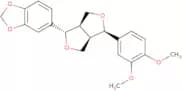
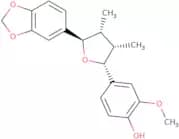
CAS:(+)-Sylvatesmin is a type of arylnaphthalene lignan, which is a naturally occurring organic compound. It is derived from certain coniferous trees and is typically found as a secondary metabolite within these plants. These lignans are known for their complex polyphenolic structures, which are biosynthesized from phenylpropanoid precursors.Formula:C21H24O6Purity:Min. 95%Color and Shape:PowderMolecular weight:372.41 g/mol4-Deoxypodophyllotoxin
CAS:4-Deoxypodophyllotoxin is a natural lignan, which is a type of secondary metabolite. It is primarily sourced from the roots and rhizomes of several plants belonging to the Podophyllum species, such as Podophyllum hexandrum. This compound exhibits its mode of action by interfering with microtubule assembly, thus disrupting cell division and leading to apoptotic cell death. Its effectiveness at halting mitosis makes it a subject of interest in cancer research.
Formula:C22H22O7Purity:Min. 95%Color and Shape:White PowderMolecular weight:398.41 g/molFargesin
CAS:Fargesin is a naturally occurring compound that is a bioactive constituent of Magnolia flowers. It is derived from the dried buds of Magnolia fargesii, a plant traditionally used in herbal medicine. The compound exhibits a mode of action that involves anti-inflammatory and anti-allergic properties. It operates through the inhibition of the release of pro-inflammatory mediators, thereby reducing inflammation and allergic responses.
Formula:C21H22O6Purity:Min. 95%Color and Shape:PowderMolecular weight:370.4 g/molAsatone
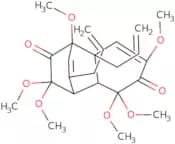
CAS:Asatone is a synthetic compound, categorized within a class of specialized chemical analogs, which is derived from intricate organic synthesis techniques. Its origin lies in a complex multi-step chemical process that involves the manipulation of reactive intermediates under controlled conditions to yield the desired molecular structure.Formula:C24H32O8Purity:Min. 95%Molecular weight:448.51 g/molChicanin
CAS:Please enquire for more information about Chicanin including the price, delivery time and more detailed product information at the technical inquiry form on this pagePurity:Min. 95%Matairesinol 4'-O-b-gentiobioside
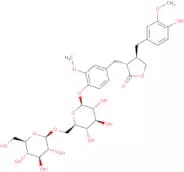
CAS:Matairesinol 4'-O-b-gentiobioside is a lignan glycoside, which is a class of phytoestrogens found in various plant species. It is derived from natural sources such as seeds, cereals, and vegetables. The compound is metabolized in the human body by intestinal microflora, transforming into enterolignans, which exhibit estrogen-like activity. This mode of action includes the modulation of estrogen receptors, thereby influencing various physiological processes.Purity:Min. 95%Matairesinoside
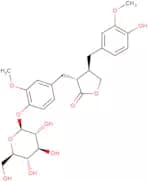
CAS:Matairesinoside is a naturally occurring phenolic compound, which is primarily extracted from certain plant species known for their medicinal properties, such as the Daphne genus. It functions through modulation of various biochemical pathways, exhibiting antioxidant, anti-inflammatory, and potential anti-cancer activities. These actions are mediated via its ability to scavenge free radicals, inhibit pro-inflammatory cytokines, and modulate cellular apoptosis pathways.Formula:C26H32O11Purity:Min. 95%Molecular weight:520.53 g/molDimethyl epipodophyllotoxin
Dimethyl epipodophyllotoxin is a semisynthetic anticancer agent, which is a derivative of the naturally occurring compound podophyllotoxin, isolated from the rhizomes of Podophyllum species, typically sourced from North American and Himalayan caustic plants. This compound functions primarily as a topoisomerase II inhibitor, disrupting DNA replication and transcription by stabilizing the DNA-enzyme complex and preventing the re-ligation of DNA strands.
Purity:Min. 95%Podophyllol
CAS:Podophyllol is a naturally occurring lignan, which is derived from the roots and rhizomes of plants belonging to the genus Podophyllum, such as Podophyllum peltatum and Podophyllum emodi. It acts primarily as an antimitotic agent, disrupting microtubule formation during cell division, which makes it effective against rapidly dividing cells.Formula:C22H26O8Purity:Min. 95%Molecular weight:418.44 g/molKadsurin A
CAS:Kadsurin A is a naturally occurring lignan, which is a type of secondary metabolite. Derived from various plant sources, particularly those belonging to the Piperaceae family, this compound has been identified in plants used traditionally for medicinal purposes. Kadsurin A exhibits a range of bioactivities due to its ability to interact with multiple biological targets.Formula:C21H24O6Purity:Min. 95%Molecular weight:372.15729