Flavonoids
Subcategories of "Flavonoids"
- Anthocyanidins(46 products)
- Anthocyanin(46 products)
- Catechin(88 products)
- Chalcones(237 products)
- Pterocarpan(28 products)
Found 2409 products of "Flavonoids"
Sophoraflavanone I
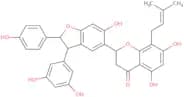
CAS:Sophoraflavanone I is a naturally occurring flavonoid compound, which is derived from the roots of the Sophora species, a genus of flowering plants in the family Fabaceae. This compound is predominantly extracted from the roots of Sophora flavescens, also known as Chinese Sophora.Formula:C39H38O9Purity:Min. 95%Molecular weight:650.7 g/mol5,3'-Dihydroxyflavone
CAS:5,3'-Dihydroxyflavone is a flavonoid compound, which is a class of polyphenolic molecules. It is derived from various plants, where it occurs naturally as part of the complex biochemical repertoire involved in defense mechanisms and signaling processes. This compound acts as an antioxidant, neutralizing free radicals and reducing oxidative stress. It also exhibits potential neuroprotective effects by modulating specific signaling pathways and interacting with enzymes linked to inflammation and cellular health.
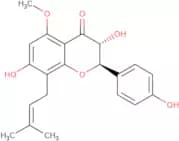
Formula:C15H10O4Purity:Min. 95%Molecular weight:254.24 g/mol3,7,4'-Trihydroxy-5-methoxy-8-prenylflavanone, (2R,3R)-
CAS:3,7,4'-Trihydroxy-5-methoxy-8-prenylflavanone, (2R,3R)- is a prenylated flavonoid compound, which is a type of naturally occurring polyphenol. These compounds are known for their complex structures and biological activities, frequently contributing to the therapeutic properties of various plants. The source of this flavanone is often plants belonging to the Fabaceae family, including the roots and other parts of certain legumes, where it accumulates as part of the plant’s secondary metabolism.Purity:Min. 95%Vitexin-2''-xyloside
CAS:Vitexin-2''-xyloside is a bioactive flavonoid glycoside, which is derived from various plant sources such as Hawthorn and Passiflora species. This compound is part of a class of natural products known for their significant pharmacological activities. The mode of action primarily involves antioxidative mechanisms, where it mitigates oxidative stress by scavenging free radicals and modulating antioxidant enzyme activity. Additionally, it exhibits anti-inflammatory effects through the inhibition of pro-inflammatory cytokines and pathways.Formula:C26H28O14Purity:Min. 95%Molecular weight:564.49 g/mol4'-Hydroxywogonin
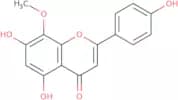
CAS:4'-Hydroxywogonin is a bioactive flavonoid, which is derived primarily from the roots of the plant *Scutellaria baicalensis*. This compound is a naturally occurring flavone, a subclass of flavonoids, known for its potential therapeutic properties. The mode of action of 4'-Hydroxywogonin involves its ability to modulate various cellular signaling pathways. It is particularly noted for its anti-inflammatory and antioxidant effects, which are mediated through the inhibition of pro-inflammatory cytokines and the scavenging of free radicals, respectively.Formula:C16H12O6Purity:Min. 95%Color and Shape:SolidMolecular weight:300.26 g/molAlpinumisoflavone-4'-methyl ether
CAS:Alpinumisoflavone-4'-methyl ether is a methoxyisoflavone, which is a type of naturally occurring phenolic compound. It is derived from specific plant sources, including certain species within the Fabaceae family, known for their rich isoflavonoid content. These compounds are synthesized in plants as part of their defense mechanisms against environmental stresses and pathogens.Formula:C21H18O5Purity:Min. 95%Color and Shape:PowderMolecular weight:350.36 g/molSophoraflavanone H
CAS:Sophoraflavanone H is a prenylated flavonoid, which is a natural compound isolated primarily from plants of the Sophora species. The source of this bioactive compound is predominantly the root extracts of these plants, which have been traditionally utilized in herbal medicine systems for their therapeutic properties.Formula:C34H30O9Purity:Min. 95%Molecular weight:582.6 g/mol3,7,4'-Trihydroxy-5-methoxy-8-prenylflavanone, (2R,3S)-
3,7,4'-Trihydroxy-5-methoxy-8-prenylflavanone, (2R,3S)- is a naturally occurring prenylated flavanone, which is primarily sourced from various plant species. This compound is part of the larger flavonoid family and is often found in certain medicinal plants known for their wide range of therapeutic properties. Its structure comprises a flavanone backbone, modified by hydroxyl, methoxy, and prenyl groups that contribute to its distinctive chemical profile.Purity:Min. 95%Isomedicarpin
CAS:Isomedicarpin is a flavonoid compound, which is naturally derived from plant sources. It is isolated predominantly from certain species within the Leguminosae family, where these compounds often play a role in the plant's defense mechanisms. The mode of action of isomedicarpin involves disrupting microbial cell membranes and interfering with essential biochemical pathways, which contributes to its antimicrobial efficacy.Formula:C16H14O4Purity:Min. 95%Molecular weight:270.28 g/molGlyasperin C - Glycyrrhiza uralensis (liquorice)
CAS:Glyasperin C is a bioactive compound derived from Glycyrrhiza uralensis, commonly known as liquorice. This product is a phytochemical isolated from the roots of the liquorice plant, a member of the Fabaceae family. Glycyrrhiza uralensis has been traditionally utilized in various medicinal practices, primarily due to its diverse range of biologically active constituents.Formula:C21H24O5Purity:Min. 95%Molecular weight:356.41 g/mol3',5-Dihydroxy-4',6,7-trimethoxyflavanone
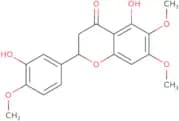
CAS:3',5-Dihydroxy-4',6,7-trimethoxyflavanone is a naturally occurring flavonoid, which is a type of polyphenolic compound. This product is primarily sourced from various plant species known to produce flavonoids as secondary metabolites. Its mode of action involves the inhibition of specific enzymes and modulation of signaling pathways, which can lead to antioxidant and anti-inflammatory effects.Formula:C18H18O7Purity:Min. 95%Molecular weight:346.3 g/molWighteone
CAS:Please enquire for more information about Wighteone including the price, delivery time and more detailed product information at the technical inquiry form on this pageFormula:C20H18O5Purity:Min. 95%Molecular weight:338.35 g/mol5,7,4'-Trihydroxyisoflavanone
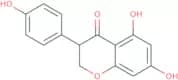
CAS:5,7,4'-Trihydroxyisoflavanone is a bioactive isoflavonoid, which is typically derived from various plant sources, including legumes and certain medicinal herbs. This compound belongs to the class of natural products known as isoflavonoids, which are structurally characterized by the presence of a 3-phenylchroman skeleton.Formula:C15H12O5Purity:Min. 95%Color and Shape:White to beige solid.Molecular weight:272.25 g/molPratensein 7-O-glucoside
CAS:Pratensein 7-O-glucoside is a naturally occurring flavonoid glucoside, which is extracted from various plant sources such as red clover, Trifolium pratense. This compound is formed when the flavonoid pratensein is glycosylated at the 7th position with glucose. As a member of the isoflavone group, Pratensein 7-O-glucoside may exert its effects primarily through antioxidant mechanisms, neutralizing reactive oxygen species and reducing oxidative stress.Formula:C22H22O11Purity:Min. 95%Molecular weight:462.4 g/mol8-Prenylquercetin
CAS:8-Prenylquercetin is a prenylated flavonoid, a compound that belongs to the larger class of polyphenols. It is typically derived from various plant sources, often synthesized from quercetin, which is abundant in fruits and vegetables. The addition of a prenyl group is believed to enhance its biological activity and lipophilicity compared to non-prenylated flavonoids.Formula:C27H30O11Purity:Min. 95%Molecular weight:530.52 g/mol6-Methoxy-3,5,7,4'-tetrahydroxyflavone
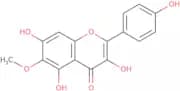
CAS:6-Methoxy-3,5,7,4'-tetrahydroxyflavone is a natural flavonoid derivative, which is primarily sourced from various plants known for their high polyphenolic content. It plays a significant role in the plant's defense mechanism due to its ability to scavenge free radicals and protect against oxidative stress. This compound exerts its mode of action through its potent antioxidant and anti-inflammatory capabilities, primarily by modulating signaling pathways and inhibiting the activity of enzymes involved in inflammation.
Formula:C16H12O7Purity:Min. 95%Molecular weight:316.26 g/molLeucoside
CAS:Leucoside is a biochemical compound, which is derived from activated human leucocytes. This product is obtained through a meticulous extraction process that isolates specific bioactive molecules. Its mode of action involves the modulation of immune responses, potentially by influencing cytokine signaling pathways. Leucoside interacts with immune cells, potentially enhancing or dampening specific activities to achieve desired immunomodulatory effects.Purity:Min. 95%2,3-Dihydrohinokiflavone
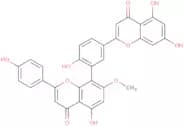
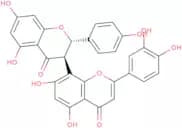
CAS:2,3-Dihydrohinokiflavone is a natural bioflavonoid compound, which is typically derived from various plant sources, particularly those native to East Asia. This compound belongs to the broader flavonoid family, known for their antioxidant properties. Its mode of action involves modulating various signaling pathways, which can lead to anti-inflammatory and antioxidant effects. It achieves this by inhibiting the production of pro-inflammatory cytokines and scavenging free radicals, thus reducing oxidative stress in biological systems.Formula:C30H20O10Purity:Min. 95%Molecular weight:540.47 g/mol2-(3,4-Dihydroxyphenyl)-3,7-dihydroxy-4H-chromen-4-one hydrate
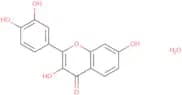
CAS:2-(3,4-Dihydroxyphenyl)-3,7-dihydroxy-4H-chromen-4-one hydrate is a flavonoid compound, which is a polyphenolic molecule derived primarily from plant sources, particularly fruits, vegetables, and certain herbs. This compound functions as a potent antioxidant, neutralizing free radicals and reducing oxidative stress at the cellular level by donating hydrogen atoms, which plays a critical role in protecting biological macromolecules from damage and contributing to cellular homeostasis.Formula:C15H10O6·H2OPurity:Min. 95%Molecular weight:304.25 g/molPicoxystrobin
CAS:Picoxystrobin is a synthetic fungicide, belonging to the strobilurin chemical class, which is derived from naturally occurring compounds found in certain fungi. It functions by inhibiting mitochondrial respiration in fungal cells, specifically targeting the cytochrome bc1 complex in the electron transport chain. This mode of action disrupts energy production, effectively halting the growth and reproductive capabilities of pathogenic fungi.
Formula:C18H16F3NO4Purity:Min. 98 Area-%Molecular weight:367.32 g/molRef: 3D-J-003622
1kgTo inquire50gTo inquire100gTo inquire250gTo inquire500gTo inquire-Unit-ggTo inquireSotetsuflavone
CAS:Sotetsuflavone is a flavonoid-based compound, which is a type of product derived from natural plant sources, specifically certain species in the Cycad family. It is characterized by its complex chemical structure, which enables it to interact with various biological systems. The mode of action of Sotetsuflavone involves modulation of signaling pathways and interaction with specific cellular receptors, which can influence enzymatic activity and gene expression. These interactions suggest its potential in influencing oxidative stress and inflammatory responses.
Formula:C31H20O10Purity:Min. 95%Molecular weight:552.48 g/molKaempferol -3,7-di-O-glucoside
CAS:Kaempferol-3,7-di-O-glucoside is a naturally occurring flavonoid, which is commonly derived from various plant sources, including fruits, vegetables, and medicinal herbs. As a flavonoid, it appears predominantly in the form of glycosides, where kaempferol is conjugated with sugar moieties, enhancing its solubility and bioavailability.
Formula:C27H30O16Purity:Min. 95%Molecular weight:610.52 g/molCirsimarin
CAS:Cirsimarin is a natural flavonoid compound, which is extracted from certain plant species, primarily in the Asteraceae family. It functions by modulating various biochemical pathways through its potent anti-inflammatory, antioxidant, and hepatoprotective activities. Cirsimarin exerts its effects by scavenging free radicals, inhibiting inflammatory mediators, and supporting liver function through upregulation of detoxifying enzymes.Formula:C23H24O11Purity:Min. 95%Color and Shape:PowderMolecular weight:476.43 g/mol6,3'-Diprenylgenistein
CAS:6,3'-Diprenylgenistein is a prenylated isoflavonoid compound, which is derived from certain plants, notably those within the legume family. This phytochemical is characterized as an isoflavone, a class of naturally occurring organic compounds related to flavonoids, distinguished by the inclusion of prenyl groups that potentially enhance its biological activity and bioavailability.Formula:C25H26O5Purity:Min. 95%Molecular weight:406.47 g/mol2'-Methoxybiochanin A
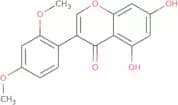
CAS:2'-Methoxybiochanin A is a naturally occurring isoflavone, which is predominantly derived from the plant Trifolium pratense, commonly known as red clover. This compound is characterized by its unique chemical structure that includes a methoxy group, which differentiates it from other isoflavones. The mode of action of 2'-Methoxybiochanin A involves its interaction with estrogen receptors, as well as its ability to modulate various biological pathways linked to inflammation and oxidative stress.
Formula:C17H14O6Purity:Min. 95%Color and Shape:PowderMolecular weight:314.29 g/molCinnamtannin B-1
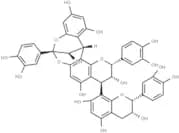
CAS:Cinnamtannin B-1 (LDN 0022358) is an A-type proanthocyanidin contained in several plant species such as Vaccinium vitis-idaea, Laurus nobilis L., CinnamomumFormula:C45H36O18Purity:99.72%Color and Shape:SolidMolecular weight:864.76Diosmetin-7-neohesperidoside
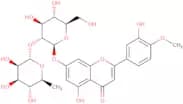
CAS:Diosmetin-7-neohesperidoside is a flavonoid glycoside, which is a secondary metabolite predominantly found in citrus fruits. This compound acts through various biochemical pathways, importantly exhibiting potent antioxidant and anti-inflammatory activities. Its mode of action involves the scavenging of free radicals and modulation of enzyme activities that contribute to inflammatory responses.Formula:C28H32O15Purity:Min. 95%Molecular weight:608.54 g/mol3,5-Dihydroxyflavone
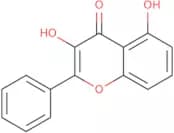
CAS:3,5-Dihydroxyflavone is a flavonoid compound, which is a type of natural product commonly found in plants. This compound is derived from various plant sources, where it serves as a secondary metabolite involved in plant defense mechanisms. 3,5-Dihydroxyflavone exerts its effects through several mechanisms, including modulating oxidative stress and interacting with cellular signaling pathways. Its antioxidant properties allow it to scavenge free radicals, thereby protecting cells from oxidative damage. Additionally, it can influence various enzymes and receptors involved in cellular processes, leading to a range of biological effects.Formula:C15H10O4Purity:Min. 95%Color and Shape:Off-White PowderMolecular weight:254.24 g/molDemethylretusin
CAS:Demethylretusin is a naturally occurring flavonoid, which is derived primarily from various plant sources, including soybeans and other legumes. It functions as a bioactive compound with the capability to modulate multiple biochemical pathways. The mode of action of Demethylretusin involves interacting with cellular receptors and enzymes, ultimately influencing cell signaling pathways and exhibiting antioxidative, anti-inflammatory, and potential anticancer properties.Formula:C15H10O5Purity:Min. 95%Color and Shape:PowderMolecular weight:270.24 g/molKaempferol-3-O-glucorhamnoside
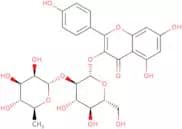
CAS:Kaempferol-3-O-glucorhamnoside is a bioactive flavonoid glycoside, which is a naturally occurring compound found in a variety of plants. It serves as a significant molecule in the study of plant biochemistry and pharmacology. This compound is sourced from various plant species such as tea, broccoli, and other common vegetables and fruits, where it contributes to the plant's defense mechanisms against environmental stresses.Formula:C27H30O15Purity:Min. 95%Color and Shape:PowderMolecular weight:594.52 g/mol3'-Prenylnaringenin
CAS:3'-Prenylnaringenin is a potent phytoestrogen, a type of compound that is found in hops (Humulus lupulus), specifically in the female flowers or cones. This prenylflavonoid is particularly notable for its strong estrogenic activity attributed to its binding affinity to estrogen receptors. As such, it functions as an agonist, modulating estrogen receptor-mediated pathways and influencing gene expression related to estrogenic activity.Purity:Min. 95%Myricetin-3-galactoside
CAS:Myricetin-3-galactoside is a flavonoid glycoside, which is a type of secondary metabolite originating from various plant sources, including fruits, vegetables, and certain herbs. This compound forms when the flavonol, myricetin, is glycosylated with a galactose molecule. Its structure enhances the stability and solubility of myricetin, thereby modulating its bioavailability and biological activity.Formula:C21H20O13Purity:Min. 95%Color and Shape:Slightly Yellow PowderMolecular weight:480.38 g/molMorelloflavone
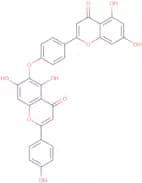
CAS:Morelloflavone is a natural biflavonoid compound, which is primarily isolated from the Garcinia species, belonging to the Clusiaceae family. This compound is derived from plant sources that have been traditionally used in various medicinal systems. Morelloflavone exhibits its mode of action through multiple biochemical pathways, prominently including its antioxidant activity. It effectively scavenges free radicals, thereby protecting cells from oxidative stress, which is implicated in numerous pathological conditions.Purity:Min. 95%Kaempferol-7,4'-dimethyl ether
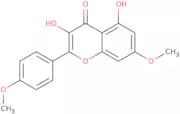
CAS:Kaempferol-7,4'-dimethyl ether is a flavonoid derivative, which is a naturally occurring compound predominantly found in certain plant species. As a derivative of kaempferol, it is an O-methylated flavonoid, often isolated from various members of the Leguminosae family. Its mode of action involves interacting with multiple biological pathways, typically exhibiting antioxidant and anti-inflammatory properties. This potent flavonoid modulates signaling pathways and can influence cellular energy metabolism, often impacting reactive oxygen species (ROS) levels.Formula:C17H14O6Purity:Min. 95 Area-%Color and Shape:PowderMolecular weight:314.29 g/mol3'-Methoxy-3,7,4'-trihydroxyflavone
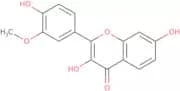
CAS:3'-Methoxy-3,7,4'-trihydroxyflavone is a naturally occurring flavonoid compound, which is derived from various plant sources, such as fruits, vegetables, and medicinal herbs. This compound is known for its potent antioxidant activity, which is primarily achieved through the scavenging of reactive oxygen species and the inhibition of oxidative stress pathways.Formula:C16H12O6Purity:Min. 95%Color and Shape:PowderMolecular weight:300.26 g/molHinokiflavone
CAS:A cytotoxic biflavonoid from Toxicodendron succedaneum, Juniperus sp., and Chamaecyparis obtusa (hinoki).
Formula:C30H18O10Purity:Min. 97 Area-%Color and Shape:PowderMolecular weight:538.46 g/molIsovitexin
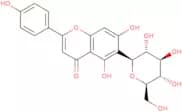
CAS:Isovitexin is a naturally occurring flavonoid compound, specifically a C-glycosyl flavone, which is found in a variety of plants, including green tea, passionflower, and barley leaves. Derived from these botanical sources, isovitexin is characterized by its structural complexity, contributing to its biological activity. The mode of action of isovitexin involves its ability to scavenge free radicals and inhibit oxidative stress. It exhibits strong antioxidant properties that allow it to stabilize reactive oxygen species (ROS), thereby preventing cellular damage. Additionally, isovitexin has been studied for its potential anti-inflammatory and neuroprotective effects, attributed to its influence on signaling pathways and enzyme activities related to inflammation and cell survival. Isovitexin is primarily utilized in the context of scientific research to explore its pharmacological potentials. Researchers study its application in fields such as neuroprotection, cardioprotection, and its role in mitigating the effects of metabolic disorders. Its broad spectrum of activity makes it a compound of interest in both the development of therapeutic agents and the enhancement of nutritional supplements.Formula:C21H20O10Purity:Min. 98 Area-%Color and Shape:Off-White Yellow PowderMolecular weight:432.38 g/molDimoxystrobin
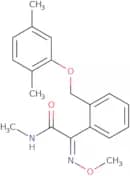
CAS:Dimoxystrobin is a fungicidal compound, which is a synthetic chemical derived from the strobilurin class of fungicides. It is sourced from natural antifungal compounds originally discovered in certain mushroom species. Dimoxystrobin's mode of action involves inhibiting mitochondrial respiration in fungi by binding to the Qo site of the cytochrome bc1 complex. This interference disrupts energy production in fungal cells, leading to their effective control and eventual death.Formula:C19H22N2O3Purity:Min. 95%Molecular weight:326.39 g/mol(+)-Pinocembrin
CAS:(+)-Pinocembrin is a flavonoid compound, which is a naturally occurring phytochemical. It is predominantly sourced from propolis, a resinous substance produced by bees, and also found in various plants such as honey and ginger root. The mode of action of (+)-Pinocembrin involves its potent antioxidant and antimicrobial properties. It acts by scavenging free radicals, thereby protecting cells from oxidative stress, and it also interferes with microbial cell membranes, leading to antimicrobial effects.Formula:C15H12O4Purity:Min. 98 Area-%Color and Shape:PowderMolecular weight:256.25 g/mol4'-Hydroxy-7-methoxyisoflavone
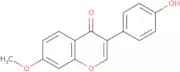
CAS:4'-Hydroxy-7-methoxyisoflavone is a naturally occurring isoflavone, which is a type of phytoestrogen found in various plants. It is synthesized typically from plant sources and is part of a broader class of compounds known for their presence in legumes, especially soy and red clover. The mode of action of 4'-Hydroxy-7-methoxyisoflavone is primarily through its interaction with estrogen receptors, where it can exhibit weak estrogenic activity. This attribute allows it to modulate estrogenic signaling pathways, influencing cellular processes related to growth and metabolism.Formula:C16H12O4Purity:Min. 95%Color and Shape:PowderMolecular weight:268.26 g/molIsoflavone - 40%
CAS:Isoflavone - 40% is a phytochemical compound, specifically classified as a type of polyphenolic plant-derived compound. It is sourced primarily from soybeans and other legumes, where it naturally occurs as part of the plant's secondary metabolites. The mode of action of isoflavones involves their ability to mimic estrogen. Due to their structural similarity to estrogen, isoflavones can bind to estrogen receptors and exert weak estrogenic effects, which are particularly relevant in humans and animals.Formula:C15H10O2Purity:Min. 95%Color and Shape:Off-White Clear LiquidMolecular weight:222.24 g/molIsoscutellarein
CAS:Isoscutellarein is a flavonoid compound, which is naturally derived from various plant sources, including herbs and certain vegetables. It functions primarily as an antioxidant, scavenging free radicals and reducing oxidative stress within biological systems. This activity is attributed to its ability to donate hydrogen atoms or electrons, thus stabilizing reactive oxygen species (ROS).
Formula:C15H10O6Purity:Min. 95 Area-%Color and Shape:PowderMolecular weight:286.24 g/molVelutin
CAS:Velutin is a natural flavonoid, which is derived from the leaves of certain plant species, specifically from the Asteraceae family. This compound demonstrates a unique mode of action by modulating various signaling pathways involved in inflammation and oxidative stress. Velutin effectively inhibits the activation of nuclear factor kappa-light-chain-enhancer of activated B cells (NF-κB) and reduces the expression of pro-inflammatory cytokines, contributing to its anti-inflammatory properties.
Formula:C17H14O6Purity:Min. 95%Color and Shape:PowderMolecular weight:314.29 g/mol5-Hydroxy-7,8-dimethoxyflavanone
CAS:5-Hydroxy-7,8-dimethoxyflavanone is a naturally occurring flavanone, which is typically sourced from various plant species known for their bioactive compounds. This compound falls under the category of flavonoids and exhibits distinct structural features that contribute to its biochemical activities. The source plants for this flavanone are often part of traditional medicinal systems, owing to their rich profile of secondary metabolites.
Formula:C17H16O5Purity:Min. 95%Molecular weight:300.3 g/mol3,7-Dimethoxy-3',4',5-Trihydroxyflavone
CAS:3,7-Dimethoxy-3',4',5-Trihydroxyflavone is a flavonoid compound, which is derived from various plant sources known for their bioactive compounds. These plants are rich in polyphenolic substances, contributing to the compound's complex structure and functionality. The mode of action of 3,7-Dimethoxy-3',4',5-Trihydroxyflavone involves its ability to act as a potent antioxidant. It scavenges free radicals and reduces oxidative stress by neutralizing reactive oxygen species at the molecular level. Additionally, its molecular configuration allows for interactions with cellular signaling pathways, potentially influencing various biochemical processes.Formula:C17H14O7Purity:Min. 95%Molecular weight:330.29 g/molAlpinumisoflavone
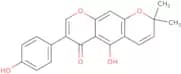
CAS:Alpinumisoflavone is a naturally occurring isoflavone, which is derived from plants, particularly those in the Leguminosae family. Structurally, isoflavones are a class of phytoestrogens, plant-derived compounds with estrogenic activity. Alpinumisoflavone exerts its effects primarily through its antioxidant and anti-inflammatory activities. It modulates key signaling pathways by interacting with cellular components to reduce oxidative stress and inhibit inflammatory responses, making it a valuable compound in studying cellular protection mechanisms.
Formula:C20H16O5Purity:Min. 95%Color and Shape:White PowderMolecular weight:336.34 g/mol6-Methoxyflavone
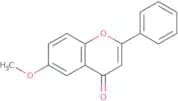
CAS:6-Methoxyflavone is a flavonoid compound, which is a naturally occurring product found in certain plants. It is characterized by the presence of a methoxy group attached to the flavone backbone. This compound is typically extracted from plant sources such as citrus fruits and certain herbs that have a high content of polyphenolic compounds. Its mode of action involves modulating various biochemical pathways, including the inhibition of specific enzymes and interaction with cellular receptors, potentially affecting oxidative stress and inflammation pathways.Formula:C16H12O3Purity:Min. 95%Color and Shape:White PowderMolecular weight:252.26 g/molBaicalin 7-b-D-glucuronide
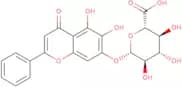
CAS:Baicalin 7-b-D-glucuronide is a flavonoid metabolite, which is primarily derived from the root of the plant *Scutellaria baicalensis*, commonly known as Chinese skullcap. This compound occurs as part of the extensive array of flavonoids in traditional medicinal plants used in various ethnic medicine systems.Formula:C21H18O11Purity:Min. 95 Area-%Color and Shape:White PowderMolecular weight:446.36 g/molQuercetagetin-7-O-glucoside
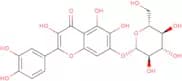
CAS:Quercetagetin-7-O-glucoside is a flavonoid glycoside, which is a type of phytochemical compound. It is derived from various plant sources, notably plants in the Asteraceae family. The compound consists of the flavonoid quercetagetin and a glucose molecule, forming a glycoside linkage. Its mode of action primarily involves antioxidant activity, where it scavenges free radicals and chelates metal ions, thus potentially reducing oxidative stress in biological systems.Formula:C21H20O13Purity:Min. 95%Molecular weight:480.38 g/molJamaicin
CAS:Jamaicin (AnCoA4), an isoflavone derived from the chickweed plant, is an inhibitor of the STIM1-Orai1 channel that blocks calcium ion influx.Formula:C22H18O6Purity:99.32%Color and Shape:SolidMolecular weight:378.37