Flavonoids
Flavonoids are a group of plant metabolites with antioxidant properties that contribute to the color of fruits and flowers. They play a significant role in protecting plants from UV radiation and pathogens. Flavonoids are studied for their potential health benefits, including anti-inflammatory, antiviral, and anticancer properties. They are widely researched in the fields of pharmacology, nutrition, and molecular biology.
Subcategories of "Flavonoids"
- Anthocyanidins(46 products)
- Anthocyanin(46 products)
- Catechin(88 products)
- Chalcones(237 products)
- Pterocarpan(28 products)
Found 2408 products of "Flavonoids"
Sort by
Purity (%)
0
100
|
0
|
50
|
90
|
95
|
100
5-O-Methyl quercetin
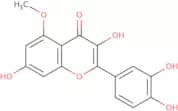
CAS:5-O-Methyl quercetin is a flavonoid compound, which is derived from various plant sources, particularly found in certain fruits, vegetables, and medicinal herbs. It is a methylated form of quercetin, a well-known polyphenolic antioxidant. As a natural derivative, its mode of action includes modulation of various signaling pathways, exhibiting both anti-inflammatory and antioxidant properties through its interaction with intracellular signaling molecules and enzymes such as kinases and transcription factors.Formula:C16H12O7Purity:Min. 95%Color and Shape:Off-White PowderMolecular weight:316.26 g/molalpha-Naphthoflavanol
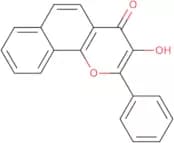
CAS:<p>**Alpha-Naphthoflavanol** is a synthetic compound, which is categorized as a flavanol derivative. It is synthesized from the naphthalene compound, a polycyclic aromatic hydrocarbon, through a series of chemical reactions involving hydroxylation and other functional group modifications. This compound is designed to specifically interfere with biological pathways by acting as an inhibitor or modulator in cellular processes.</p>Formula:C19H12O3Purity:Min. 95%Molecular weight:288.30 g/molDihydrorobinetin
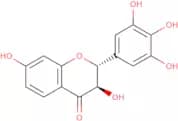
CAS:<p>Dihydrorobinetin is a flavonoid derivative, which is a naturally occurring compound found in certain plant sources. It belongs to the larger group of polyphenolic compounds known for their diverse biological activities. Dihydrorobinetin is primarily extracted from plants such as locust trees, where it occurs as a secondary metabolite.</p>Formula:C15H12O7Purity:Min. 95%Color and Shape:PowderMolecular weight:304.25 g/mol5,7,8,2'-Tetramethoxyflavone
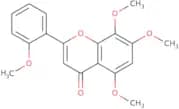
CAS:<p>5,7,8,2'-Tetramethoxyflavone is a naturally occurring flavone compound, which is classified as a polyphenolic molecule commonly found in certain plant species. As a flavonoid, it is derived from plant sources, often extracted from species within the Rutaceae family, among others. These compounds are known for their complex biosynthetic pathways, which involve modified phenylpropanoid and acetate pathways.</p>Formula:C19H18O6Purity:Min. 95%Molecular weight:342.34 g/mol4'-O-Methyl quercetin
CAS:<p>4'-O-Methyl quercetin is a naturally occurring flavonoid, which is a derivative of quercetin. It is primarily sourced from various plants where it functions as part of the plant’s defense mechanism. This compound exhibits its mode of action by influencing cellular pathways, particularly those involved in oxidative stress and inflammation. It achieves this by modulating signaling pathways and interacting with cellular receptors, thereby exerting antioxidant and anti-inflammatory effects.</p>Formula:C16H12O7Purity:Min. 95%Color and Shape:Yellow SolidMolecular weight:316.26 g/mol7,2'-Dibenzyloxy-3',4'-dimethoxyisoflavone
CAS:<p>7,2'-Dibenzyloxy-3',4'-dimethoxyisoflavone is a synthetic isoflavone derivative, which is primarily synthesized from organic intermediates using specialized chemical procedures. This compound belongs to the isoflavone class, a group of compounds often studied for their potential bioactive properties. The mode of action of 7,2'-Dibenzyloxy-3',4'-dimethoxyisoflavone involves interactions with cellular signaling pathways, which could influence various biological activities, such as enzyme inhibition or receptor binding.</p>Formula:C31H26O6Purity:Min. 95%Molecular weight:494.53 g/mol7,8-Methylenedioxy-4'-methoxyisoflavone
CAS:7,8-Methylenedioxy-4'-methoxyisoflavone is a synthetic isoflavone, which is a type of organic compound typically derived from plant sources, known for their diverse biological activities. This compound is structurally characterized by a methoxy group and a methylenedioxy bridge, contributing to its unique chemical behavior. Although synthetic, its structure is inspired by naturally occurring isoflavones found in plants such as soy.Formula:C17H12O5Purity:Min. 95%Molecular weight:296.27 g/mol3-Hydroxyflavone
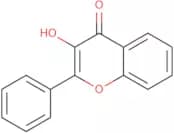
CAS:<p>3-Hydroxyflavone is a naturally derived flavonoid compound found in various plants. As a member of the flavonoid family, it is synthesized through the phenylpropanoid pathway, starting from phenylalanine or tyrosine in plants. Its unique structure allows it to interact with a range of biological targets through its antioxidant, anti-inflammatory, and enzyme modulation properties. The mode of action primarily involves the scavenging of free radicals and reactive oxygen species, as well as the inhibition of specific enzymes such as cyclooxygenases and lipoxygenases. These actions contribute to its protective effects against oxidative stress and inflammation.</p>Formula:C15H10O3Purity:Min. 95%Color and Shape:PowderMolecular weight:238.24 g/mol8-Hydroxy-7-methoxyflavone
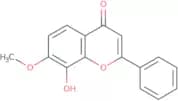
CAS:<p>8-Hydroxy-7-methoxyflavone is a naturally occurring flavonoid compound, which is isolated from various plant sources known for their bioactive properties. Flavonoids are a diverse group of phytonutrients found in many fruits, vegetables, and other plants, and are well-studied for their roles in plant pigmentation and health benefits.</p>Formula:C16H12O4Purity:Min. 95%Color and Shape:White PowderMolecular weight:268.26 g/mol3',4',5,6,7,8-Hexamethoxyflavone
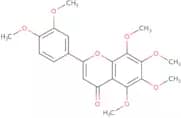
CAS:<p>3',4',5,6,7,8-Hexamethoxyflavone is a polymethoxylated flavone, which is a type of specialized chemical compound known as a flavonoid. It naturally occurs in certain plants, particularly those within the citrus family, serving as a secondary metabolite. Polymethoxylated flavones like this one are of interest due to their potential interaction with various biological pathways.</p>Formula:C21H22O8Purity:Min. 98 Area-%Color and Shape:PowderMolecular weight:402.39 g/molTricin 4'-methyl ether
CAS:<p>Tricin 4'-methyl ether is a bioactive flavonoid, which is a phytochemical compound primarily derived from various plant sources such as rice, wheat, and maize. This compound is known for its antioxidant properties due to its phenolic structure, which allows it to scavenge free radicals and reduce oxidative stress. Additionally, Tricin 4'-methyl ether exhibits potential anti-inflammatory effects by modulating the activity of specific enzymes and pathways involved in inflammation.</p>Formula:C18H16O7Purity:Min. 95%Color and Shape:PowderMolecular weight:344.32 g/mol(+)-trans-Taxifolin
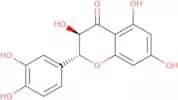
CAS:<p>(+)-trans-Taxifolin is a flavonoid compound, which is a type of plant secondary metabolite. It is naturally found in various plant sources, including the bark of Douglas fir (Pseudotsuga menziesii) and Siberian larch (Larix sibirica), as well as in milk thistle. The primary mode of action of this compound is its antioxidant activity, which involves scavenging free radicals and reducing oxidative stress within cells. This activity is facilitated by its ability to donate hydrogen atoms or electrons to neutralize reactive oxygen species, thus preventing cellular damage.</p>Formula:C15H12O7Purity:Min. 95%Color and Shape:PowderMolecular weight:304.25 g/molIsosativan
CAS:Isosativan is a targeted therapeutic compound, which is derived from specific plant alkaloids. These alkaloids originate from a unique botanical source known for its rich pharmacological properties. The mode of action for Isosativan involves interacting with specific cellular receptors, thereby modulating biochemical pathways that are crucial for maintaining cellular homeostasis and function. By doing so, it exhibits effects that can alter physiological responses, making it a valuable tool for research and therapeutic interventions.Formula:C17H18O4Purity:Min. 95%Color and Shape:PowderMolecular weight:286.32 g/mol4'-Geranyloxyisoliquiritigenin
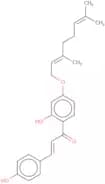
CAS:<p>4'-Geranyloxyisoliquiritigenin is a prenylated chalcone, which is naturally derived from certain plants, especially those belonging to the Fabaceae family. It is a bioactive compound that emerges from the prenylation of isoliquiritigenin, a chalcone found in licorice root. This modification enhances the lipophilicity and bioavailability of the molecule.</p>Formula:C25H28O4Purity:Min. 95%Molecular weight:392.49 g/molCupressuflavone
CAS:<p>Cupressuflavone is a naturally occurring biflavonoid compound, which is an organic molecule composed of two flavonoid units linked together. Its source is predominantly from the Cupressaceae family, specifically from plants such as cypress trees. This compound is characterized by its potent antioxidant properties, which allow it to scavenge free radicals and reduce oxidative stress in biological systems.</p>Formula:C30H18O10Purity:Min. 95%Molecular weight:538.46 g/molDillenetin
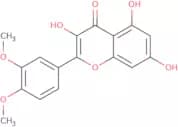
CAS:<p>Dillenetin is a flavonoid compound, which is derived from natural plant sources, particularly found in the genus Dillenia. It exhibits significant bioactivity with a mode of action primarily involving the modulation of cell signaling pathways. Dillenetin is known to bind to specific enzymes and receptors, influencing cellular processes such as proliferation, apoptosis, and oxidative stress responses.</p>Formula:C17H14O7Purity:Min. 95%Color and Shape:PowderMolecular weight:330.29 g/molVicenin III
CAS:<p>Vicenin III is a natural flavonoid compound, which is a type of polyphenolic metabolite commonly found in various plant species. It is primarily extracted from herbaceous plants and certain fruits and vegetables, where it acts as a secondary metabolite contributing to the plant's defense mechanisms. The compound exerts its effects through antioxidant properties, which involve scavenging free radicals and reducing oxidative stress at the cellular level. Additionally, it demonstrates anti-inflammatory activity by modulating key signaling pathways and inhibiting pro-inflammatory mediators.</p>Formula:C26H28O14Purity:Min. 95%Color and Shape:PowderMolecular weight:564.49 g/molOrobol 5,7,3',4'-tetramethyl ether
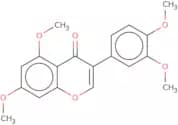
CAS:<p>Orobol 5,7,3',4'-tetramethyl ether is a flavonoid derivative compound, which is synthesized from natural flavonoid sources such as plants. This compound operates primarily through its antioxidant properties, scavenging free radicals and reducing oxidative stress, which may contribute to its potential therapeutic activities.</p>Formula:C19H18O6Purity:Min. 95%Color and Shape:PowderMolecular weight:342.34 g/mol4',5,7,8-Tetrahydroxyflavanone
CAS:4',5,7,8-Tetrahydroxyflavanone is a naturally occurring flavonoid, which is a type of polyphenolic compound found in various plants. These compounds are well-regarded for their potential health benefits and are often derived from natural sources such as fruits, vegetables, and certain herbs. The mode of action of 4',5,7,8-Tetrahydroxyflavanone involves its interaction with free radicals, effectively neutralizing them due to its antioxidant properties. By mitigating oxidative stress, it may exert a protective effect at the cellular level.Formula:C15H12O6Purity:Min. 95%Molecular weight:288.25 g/molButin
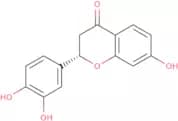
CAS:<p>Butin is a flavonoid compound, which is naturally derived from certain plants and is characterized by a chalcone structure. This compound acts as an antifungal agent by disrupting the cell membrane integrity of pathogenic fungi, ultimately inhibiting their growth and reproduction. The mechanism is thought to involve interference with key enzymatic pathways essential for cell wall synthesis, though precise molecular interactions are still under investigation.</p>Formula:C15H12O5Purity:Min. 95%Color and Shape:PowderMolecular weight:272.25 g/mol