Flavonoids
Flavonoids are a group of plant metabolites with antioxidant properties that contribute to the color of fruits and flowers. They play a significant role in protecting plants from UV radiation and pathogens. Flavonoids are studied for their potential health benefits, including anti-inflammatory, antiviral, and anticancer properties. They are widely researched in the fields of pharmacology, nutrition, and molecular biology.
Subcategories of "Flavonoids"
- Anthocyanidins(46 products)
- Anthocyanin(46 products)
- Catechin(88 products)
- Chalcones(237 products)
- Pterocarpan(28 products)
Found 2408 products of "Flavonoids"
Sort by
Purity (%)
0
100
|
0
|
50
|
90
|
95
|
100
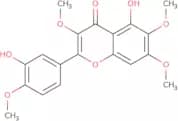
Vitexicarpin
CAS:<p>Vitexicarpin is a type of flavonoid compound, which is derived from plants in the Vitex genus, commonly known as the chaste tree. This naturally occurring bioactive compound acts primarily through the inhibition of various signaling pathways involved in inflammation and cancer progression. Its mechanism often targets pathways such as NF-kB and MAPK, which play crucial roles in inflammatory responses and cellular proliferation.</p>Formula:C19H18O8Purity:Min. 95%Color and Shape:PowderMolecular weight:374.34 g/molKaempferol-3-sophoroside-7-glucoside
CAS:<p>Kaempferol-3-sophoroside-7-glucoside is a flavonoid glycoside, which is a type of bioactive compound commonly found in various plant species. It is typically isolated from plant sources known for high flavonoid content, such as vegetables, fruits, and certain medicinal herbs. The compound's mode of action is primarily characterized by its ability to engage in redox reactions, thereby exerting antioxidative effects. This antioxidative action is facilitated via the scavenging of free radicals and reactive oxygen species, contributing to its role in cellular protection.</p>Formula:C33H40O21Purity:Min. 95%Molecular weight:772.66 g/molNaringin hydrate
CAS:<p>Naringin hydrate is a flavonoid compound, which is found predominantly in citrus fruits such as grapefruits. This compound is a glycoside, sourced primarily from the peels and seeds of these fruits, playing a role as a natural constituent of the fruit's phytonutrient profile. The mode of action of naringin hydrate involves its ability to modulate a variety of biological pathways. It exhibits antioxidant properties by scavenging free radicals and enhancing the body’s endogenous antioxidant enzymes. Additionally, naringin hydrate demonstrates anti-inflammatory actions through the inhibition of pro-inflammatory cytokines and the modulation of signaling pathways such as NF-kB and MAPK.</p>Formula:C27H32O14•H2OPurity:Min. 95%Color and Shape:PowderMolecular weight:598.55 g/molPatulin
CAS:<p>Patulin is a mycotoxin, which is a toxic secondary metabolite produced by certain species of fungi, particularly those within the genera Penicillium, Aspergillus, and Byssochlamys. It is predominantly sourced from moldy fruits, especially apples and apple-derived products, where these fungi thrive and synthesize the compound. The mode of action of patulin involves disrupting cellular processes by forming covalent adducts with proteins and nucleic acids, ultimately leading to cellular damage and oxidative stress.</p>Formula:C7H6O4Purity:Min. 95%Color and Shape:White PowderMolecular weight:154.12 g/molScutellarin
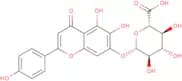
CAS:<p>Scutellarin is a bioactive flavonoid compound, which is derived primarily from the plant Scutellaria baicalensis and other species within the Scutellaria genus. As a naturally occurring phytochemical, Scutellarin exerts its effects through multiple biological pathways, including antioxidant, anti-inflammatory, and anti-apoptotic activities.</p>Formula:C21H18O12Purity:Min. 95%Color and Shape:Yellow PowderMolecular weight:462.36 g/molKaempferol 3-O-b-D-glucuronide
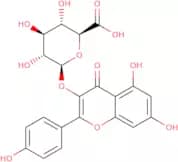
CAS:<p>Kaempferol 3-O-b-D-glucuronide is a bioactive flavonoid glucuronide, which is a naturally occurring compound found in various plants, fruits, and vegetables. It is formed through the glucuronidation of the parent compound, kaempferol, a process which enhances its solubility and bioavailability. This compound exhibits significant antioxidant activity through its ability to scavenge free radicals and reduce oxidative stress within biological systems.</p>Formula:C21H18O12Purity:Min. 95%Color and Shape:PowderMolecular weight:462.36 g/molSalvigenin
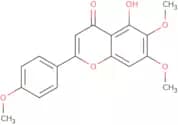
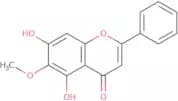
CAS:<p>Salvigenin is a flavone compound, which is found in various species of the Salvia plant. It is a naturally occurring phytochemical characterized by its potential to modulate biological pathways. Salvigenin primarily acts by interacting with biochemical pathways, exhibiting antioxidant and anti-inflammatory activities. These activities are thought to result from its ability to modulate enzyme activity, influence signaling pathways, and scavenge free radicals.</p>Formula:C18H16O6Purity:Min. 95%Color and Shape:Off-White PowderMolecular weight:328.32 g/mol3'-Hydroxyflavanone
CAS:<p>3'-Hydroxyflavanone is a naturally occurring flavonoid compound, which is derived from various plant sources, including citrus fruits and some leguminous plants. Its chemical structure contains a flavanone backbone with a hydroxyl group at the 3' position, contributing to its unique properties and biological activity.</p>Formula:C15H12O3Purity:Min. 95%Color and Shape:White PowderMolecular weight:240.25 g/molSwertisin
CAS:<p>Swertisin is a naturally occurring flavonoid, which is extracted primarily from medicinal plants like Swertia and Enicostemma species. This compound is a C-glycosyl flavone, found in various herbs traditionally used in different cultural medicinal practices. The mode of action of Swertisin involves its interaction with cellular pathways, leading to anti-inflammatory, antioxidant, and potential anti-diabetic effects. These bioactivities are primarily mediated through modulation of enzyme activity and gene expression related to oxidative stress and inflammation.</p>Formula:C22H22O10Purity:Min. 98 Area-%Color and Shape:PowderMolecular weight:446.4 g/mol7-Benzyloxy-2',4'-dimethoxyisoflavone
CAS:<p>7-Benzyloxy-2',4'-dimethoxyisoflavone is a synthetic isoflavone, which is a type of phenolic compound. Isoflavones are derived from plants, commonly found in soybeans and other legumes, and are often synthesized in laboratories for research and pharmaceutical purposes. These compounds are known for their structural similarity to estrogens and their ability to act as phytoestrogens.</p>Formula:C24H20O5Purity:Min. 95%Molecular weight:388.41 g/mol3-Hydroxy-5,7-dimethoxyflavone
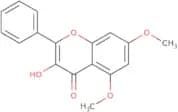
CAS:<p>3-Hydroxy-5,7-dimethoxyflavone is a naturally occurring flavonoid, which is primarily derived from various plant sources. This compound belongs to a class of polyphenolic substances known as flavonoids, which are commonly found in fruits, vegetables, and certain herbs. Flavonoids such as 3-Hydroxy-5,7-dimethoxyflavone are known for their diverse biological activities due to their unique structural configurations and ability to interact with various biological targets.</p>Formula:C17H14O5Purity:Min. 95%Molecular weight:298.29 g/molIcarisid II - Bio-X ™
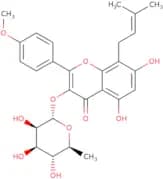
CAS:<p>Icariside II is a natural product derived from Epimedium brevicornu Maxim (E. brevicornu) that exhibits various beneficial properties as a small molecule drug candidate. It has been shown to induce apoptosis in K562 cells, making it a potential treatment for leukemia. Icariside also regulates MAPK signaling, which plays a crucial role in cell growth and differentiation. Moreover, it has been found to promote osteogenesis, making it a promising candidate for bone health. With its unique properties and potential therapeutic applications, Icariside II is an interesting candidate for small molecule studies and drug development research.This product is part of our Bio-X ™ Range. These products are aimed at life science researchers who need high quality ready-to-use products for assay development, screening or other R&D work. With a solubility datasheet and convenient vials, all of our Bio-X ™ products are in stock across our global warehouses for rapid delivery and ease of use.</p>Formula:C27H30O10Purity:Min. 95%Color and Shape:PowderMolecular weight:514.5 g/mol2'-Methoxyflavonol
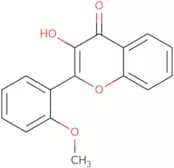
CAS:<p>2'-Methoxyflavonol is a methoxyflavonoid, which is a type of polyphenolic compound. It is derived from natural sources, primarily plants where flavonoids are commonly found. These compounds are known for their wide range of biological activities.</p>Formula:C16H12O4Purity:Min. 95%Color and Shape:White PowderMolecular weight:268.26 g/molPhaseollinisoflavan
CAS:<p>Phaseollinisoflavan is a naturally occurring isoflavone compound, which is derived from the legume plant, Phaseolus vulgaris, commonly known as the common bean. Its mode of action primarily involves the inhibition of enzymatic activity, particularly affecting pathways related to oxidative stress and various metabolic processes. This isoflavone exerts its effects by modulating signal transduction pathways, which are critical in cellular response mechanisms.</p>Formula:C20H20O4Purity:Min. 95%Molecular weight:324.37 g/molOroxylin A
CAS:<p>Oroxylin A is a natural flavonoid compound, which is derived from the root of Scutellaria baicalensis, commonly known as Baikal skullcap. It is primarily recognized for its bioactive properties, attributed to its modulation of various biochemical pathways. Oroxylin A acts by inhibiting the activity of certain enzymes, such as cyclooxygenase, and influencing signaling pathways like NF-kB, which are integral to inflammatory responses. It also exhibits potent neuroprotective effects by interacting with GABA_A receptors, thereby influencing neurotransmission.</p>Formula:C16H12O5Purity:Min. 98 Area-%Color and Shape:PowderMolecular weight:284.26 g/mol3',4',7-Trihydroxyflavone
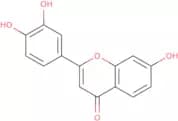
CAS:<p>3',4',7-Trihydroxyflavone is a naturally occurring flavonoid compound, which is derived from a variety of plant sources. It is a type of secondary metabolite commonly found in fruits, vegetables, and certain herbs. This compound exerts its effects primarily through its antioxidant properties, which involve scavenging free radicals and modulating oxidative stress pathways in biological systems.</p>Formula:C15H10O5Purity:Min. 95%Color and Shape:Slightly Yellow PowderMolecular weight:270.24 g/mol3',4',5',5,7-Pentamethoxyflavone
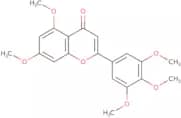
CAS:<p>3',4',5',5,7-Pentamethoxyflavone is a synthetic flavonoid compound, which is derived from the structural modification of naturally occurring flavonoids found in various plants. The compound is specifically produced for research and development purposes, exploring its biological and pharmacological potential. The mode of action involves interaction with various cellular pathways, including modulation of enzyme activity, influence on cell signaling pathways, and potential antioxidant properties due to its polyphenolic structure.</p>Formula:C20H20O7Purity:Min. 95%Color and Shape:PowderMolecular weight:372.37 g/molQuercetin-7,4'-diglucoside
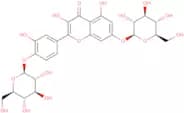
CAS:<p>Quercetin-7,4'-diglucoside is a flavonoid glycoside, which is a bioactive compound derived from various plants, particularly in fruits, vegetables, and certain leaves. It functions through its ability to modulate cellular pathways related to oxidative stress and inflammation, acting as a potent antioxidant and anti-inflammatory agent. These modes of action are primarily attributed to its capacity to scavenge free radicals and attenuate the expression of pro-inflammatory cytokines by interfering with signaling pathways, such as NF-κB and MAPK.</p>Formula:C27H30O17Purity:Min. 90%Color and Shape:Clear LiquidMolecular weight:626.52 g/molNeoschaftoside
CAS:<p>Neoschaftoside is a naturally occurring bioactive compound, which is an acylated flavonoid C-glycoside. It is primarily sourced from various plant species, including members of the Poaceae and Fabaceae families. The compound functions through its antioxidant and anti-inflammatory properties, interacting with cellular pathways to mitigate oxidative stress and modulate immune responses. These actions make neoschaftoside a compound of interest in pharmacological research, particularly in the study of chronic diseases where inflammation and oxidative damage are key pathological features. Its applications extend to potential therapeutic development in areas such as cardiovascular health, neuroprotection, and metabolic disorders. The ongoing investigation into its modes of action and bioavailability continues to reveal insights into its efficacy and potential as a natural therapeutic agent.</p>Formula:C26H28O14Purity:Min. 95%Molecular weight:564.49 g/molQuercetin hydrate
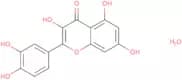
CAS:Inhibitor of HSP70 and HSP27 expressionFormula:C15H10O7·xH2OPurity:Min. 95%Color and Shape:Yellow Green PowderMolecular weight:302.24 g/mol