Chalcones
Found 206 products for "Chalcones".
- Lower prices
- Higher prices
- Lower purities
- Higher purities
- Faster estimated delivery
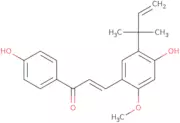
Licochalcone A
CAS:Licochalcone A is a bioactive compound, which is a flavonoid derived from the roots of Glycyrrhiza inflata, a species of licorice. It exhibits a unique mode of action by inhibiting the activation of nuclear factor-kappa B (NF-κB) and mitigating the production of pro-inflammatory cytokines. Additionally, it has been found to scavenge reactive oxygen species (ROS), contributing to its antioxidant effects.
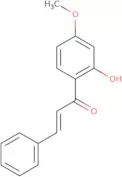
Formula:C21H22O4Purity:Min. 97 Area-%Color and Shape:PowderMolecular weight:338.4 g/mol2'-Hydroxy-4'-methoxychalcone
CAS:2'-Hydroxy-4'-methoxychalcone is a synthetic chalcone derivative, which is a type of flavonoid. This compound originates from the chalcone class, characterized by an open-chain flavonoid structure. The source of chalcones is primarily botanical, derived from plants, though they can also be synthesized in laboratories for research and application purposes.
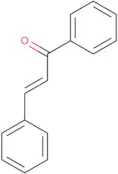
Formula:C16H14O3Purity:Min. 95%Molecular weight:254.28 g/molChalcone
CAS:Chalcone is a flavonoid precursor, which is a naturally occurring compound found in various plants. It is primarily sourced from the biosynthetic pathway of flavonoids, where it acts as an intermediate in the formation of more complex structures like flavones and anthocyanins. Chalcones are characterized by their open-chain arrangement of the flavonoid structure, consisting of two aromatic rings linked by a three-carbon α,β-unsaturated carbonyl system.
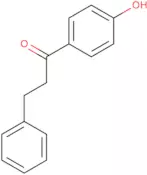
Formula:C15H12OPurity:Min. 95%Color and Shape:PowderMolecular weight:208.26 g/mol4'-Hydroxydihydrochalcone
CAS:4'-Hydroxydihydrochalcone is a dihydrochalcone compound, which is derived primarily from certain plant sources, particularly the seeds of apples and the bark of the sweet chestnut. It functions through its structural resemblance to certain natural compounds found in plants that allow it to potentially exert sweetening effects. The mechanism involves the binding to sweet taste receptors, which elicits a sweet taste sensation in humans without the caloric content associated with sugars.
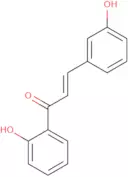
Formula:C15H14O2Purity:Min. 95%Molecular weight:226.27 g/mol3,2'-Dihydroxychalcone
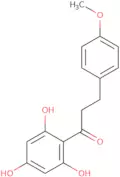
CAS:3,2'-Dihydroxychalcone is a naturally occurring flavonoid, which is derived from various plant sources, particularly in fruits and vegetables known for their rich polyphenolic content. As a member of the chalcone family, this compound exhibits a distinctive chemical structure characterized by two aromatic rings connected by a three-carbon α,β-unsaturated carbonyl system. The presence of hydroxyl groups contributes to its potential antioxidant properties, allowing it to effectively scavenge free radicals and mitigate oxidative stress.Formula:C15H12O3Purity:Min. 95%Color and Shape:PowderMolecular weight:240.25 g/mol4-Methoxy-2',4',6'-trihydroxydihydrochalcone
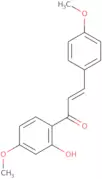
CAS:4-Methoxy-2',4',6'-trihydroxydihydrochalcone is a dihydrochalcone derivative, which is a type of flavonoid. This compound originates mainly from the modification of natural compounds found in certain plants, specifically apples and other fruits, and is structurally related to the more commonly known sweetening agent, phlorizin. Its mode of action involves binding to taste receptors, primarily T1R2/T1R3, which are responsible for sweet taste perception. This interaction enhances the sweet taste, making it a potent non-nutritive sweetener. Due to its sweetening properties without adding calories, 4-Methoxy-2',4',6'-trihydroxydihydrochalcone is studied for potential applications in food and beverage industries where sugar reduction is essential. It also shows potential in pharmaceutical formulations to improve the palatability of medicinal compounds. Moreover, its antioxidant properties may contribute to health benefits, though further research is required to fully understand its potential therapeutic uses.Formula:C16H16O5Purity:Min. 96 Area-%Color and Shape:PowderMolecular weight:288.3 g/mol4,4'-Dimethoxy-2'-hydroxychalcone
CAS:4,4'-Dimethoxy-2'-hydroxychalcone is a bioactive flavonoid compound, which is typically derived from plant sources such as those belonging to the family of Leguminosae. This compound operates through multifaceted mechanisms, primarily exerting its effects via modulation of cellular oxidative stress pathways and the inhibition of specific enzymes involved in inflammatory processes. By scavenging free radicals and interacting with cellular signaling pathways, it demonstrates potent antioxidant and anti-inflammatory properties.
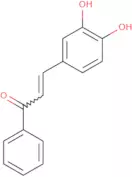
Formula:C17H16O4Purity:Min. 95%Color and Shape:PowderMolecular weight:284.31 g/mol3,4-Dihydroxychalcone
CAS:3,4-Dihydroxychalcone is a biologically active flavonoid compound, which is commonly derived from natural sources such as certain plants, including apples and other fruits. It possesses a chemical structure characterized by two hydroxyl groups at positions 3 and 4 on the aromatic ring, contributing to its bioactivity. The mode of action of 3,4-Dihydroxychalcone is primarily through its antioxidant properties, where it scavenges free radicals and reduces oxidative stress in biological systems. This action influences a multitude of signaling pathways, thereby modulating cellular processes related to inflammation, apoptosis, and cell proliferation.
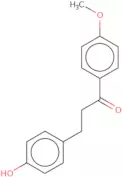
Formula:C15H12O3Molecular weight:240.25 g/mol4'-Hydroxy-4-methoxydihydrochalcone
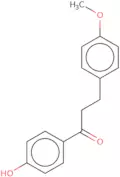
CAS:4'-Hydroxy-4-methoxydihydrochalcone is a dihydrochalcone compound, which is derived from the natural phenolic structures found in various plants, notably those in the apple family (Rosaceae). This compound is characterized by the saturation of the chalcone linkage and the presence of both hydroxyl and methoxy substituents, which can modulate its physicochemical and biological properties.
Formula:C16H16O3Purity:Min. 95%Color and Shape:PowderMolecular weight:256.3 g/mol2',6'-Dihydroxy-4,4'-dimethoxydihydrochalcone
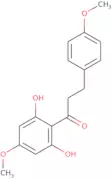
CAS:2',6'-Dihydroxy-4,4'-dimethoxydihydrochalcone is a chalcone derivative, which is a type of flavonoid compound. It is extracted from the leaves of the Aspalathus linearis plant, commonly known as Rooibos, native to South Africa. This compound exhibits its mode of action primarily through antioxidative mechanisms, scavenging free radicals and reducing oxidative stress at the cellular level.Formula:C17H18O5Purity:Min. 95%Color and Shape:Slightly Yellow PowderMolecular weight:302.32 g/mol4,2'-Dihydroxy-4',6'-dimethoxychalcone
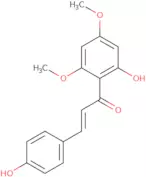
CAS:4,2'-Dihydroxy-4',6'-dimethoxychalcone is a chalcone derivative, which is a type of phenolic compound. Chalcones are natural products that belong to the flavonoid family and are often biosynthesized by plants as secondary metabolites. The source of such compounds is typically plant species, particularly those found in traditional herbal remedies, where they play a role in the plant's defense mechanisms.Formula:C17H16O5Purity:Min. 95%Color and Shape:PowderMolecular weight:300.31 g/mol4-Methoxy-2',4',6',3-tetrahydroxydihydrochalcone
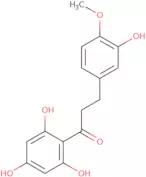
CAS:4-Methoxy-2',4',6',3-tetrahydroxydihydrochalcone is a dihydrochalcone, which is a type of polyphenolic compound. It is derived from plant sources, commonly found in certain fruits and flowers. This compound exhibits antioxidant properties by scavenging free radicals, thereby reducing oxidative stress within biological systems. The efficacy of its mode of action is attributed to its molecular structure, enabling it to donate hydrogen atoms and stabilize radical species.Formula:C16H16O6Purity:Min. 95%Color and Shape:PowderMolecular weight:304.29 g/molLicochalcone C
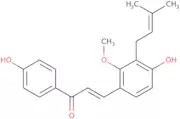
CAS:Licochalcone C is a flavonoid compound that is derived from the root of Glycyrrhiza inflata, a plant commonly known as Chinese licorice. This compound exhibits its mode of action primarily through antioxidant and anti-inflammatory pathways. It achieves these effects by modulating key signaling molecules, such as mitogen-activated protein kinases (MAPKs) and the nuclear factor-kappa B (NF-κB) pathway, which are crucial in cellular responses to oxidative stress and inflammation.Formula:C21H22O4Purity:Min. 95%Color and Shape:PowderMolecular weight:338.4 g/mol4-Hydroxy-4'-methoxychalcone
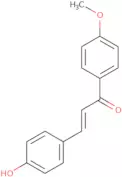
CAS:4-Hydroxy-4'-methoxychalcone is a naturally occurring chalcone, which is a type of organic compound featuring two aromatic rings connected by a three-carbon α,β-unsaturated carbonyl system. This compound can be sourced from plants in the Fabaceae family, particularly in species known for their rich flavonoid content. The mode of action of 4-Hydroxy-4'-methoxychalcone involves the modulation of various biochemical pathways, as these chalcones often exhibit antioxidant, anti-inflammatory, and antimicrobial activities. Such modes of action are attributed to their capacity to interact with cellular components, interfere with enzyme activities, and disrupt oxidative stress mechanisms.
Formula:C16H14O3Color and Shape:PowderMolecular weight:254.28 g/mol2,2'-Dihydroxychalcone
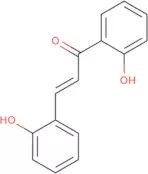
CAS:2,2'-Dihydroxychalcone is a naturally-derived phenolic compound, which is primarily sourced from various plant species, including those within the genus Glycyrrhiza. This compound functions through its antioxidative mode of action, where it effectively scavenges free radicals and mitigates oxidative stress. Its molecular structure allows it to donate hydrogen atoms, thereby stabilizing reactive oxygen species and preventing cellular damage.Formula:C15H12O3Purity:Min. 95%Color and Shape:PowderMolecular weight:240.25 g/molBavachalcone
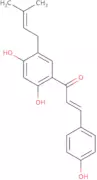
CAS:Bavachalcone is a bioactive compound that is a type of chalcone. It is derived from the seeds of the plant *Psoralea corylifolia*, commonly known as babchi, which is a well-known source of various phytochemicals. Bavachalcone acts by modulating multiple molecular pathways, including antioxidant and anti-inflammatory pathways, making it a compound of interest in pharmacological research.Formula:C20H20O4Purity:Min. 95%Color and Shape:PowderMolecular weight:324.37 g/mol4-Hydroxy-4'-methoxydihydrochalcone
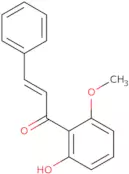
CAS:4-Hydroxy-4'-methoxydihydrochalcone is a specialized flavor enhancer, which is a derivative of the natural compound found in certain fruits, specifically related to the flavonoid family. This compound is derived from plant sources, often isolated or synthesized from natural precursors associated with apples. Its mode of action involves inhibiting specific bitter taste receptors, thereby enhancing the perception of sweetness in various consumables.Formula:C16H16O3Purity:Min. 95%Molecular weight:256.3 g/mol2'-Hydroxy-6'-methoxychalcone
CAS:2'-Hydroxy-6'-methoxychalcone is a chalcone derivative, which is a type of flavonoid known for its diverse biological activities. This compound is isolated from certain plant species, where it serves a role in the plant's defense mechanisms against pathogens and environmental stressors.Formula:C16H14O3Purity:Min. 95%Molecular weight:254.28 g/molNaringin chalcone
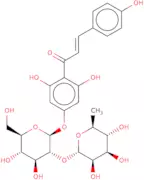
CAS:Naringin chalcone is a flavonoid derivative, which is a naturally occurring compound primarily found in citrus fruits, especially grapefruits. It is derived from naringin, a flavanone glycoside, through a series of bioconversion or chemical synthesis processes. The compound acts through various biochemical pathways, primarily exhibiting antioxidant and anti-inflammatory properties. Its antioxidant action involves scavenging free radicals and upregulating the body's endogenous defense systems, thus reducing oxidative stress. Additionally, it modulates inflammatory responses by inhibiting specific signaling pathways that lead to the production of pro-inflammatory cytokines.
Formula:C27H32O14Purity:Min. 95%Color and Shape:PowderMolecular weight:580.53 g/mol2',4'-Dihydroxy-4-methoxydihydrochalcone
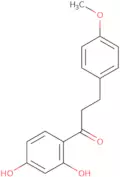
CAS:2',4'-Dihydroxy-4-methoxydihydrochalcone is a natural sweetener, which is derived from citrus fruits, particularly from the peels of oranges and other similar citrus species. This compound belongs to the class of dihydrochalcones, which are known for their distinctive sweetening properties. The mode of action of this compound involves interaction with taste receptors on the tongue, offering a sweetness perception that is considerably more potent than sucrose, while contributing negligible caloric value.Formula:C16H16O4Purity:Min. 95%Molecular weight:272.3 g/mol