Chalcones
Found 206 products for "Chalcones".
- Lower prices
- Higher prices
- Lower purities
- Higher purities
- Faster estimated delivery
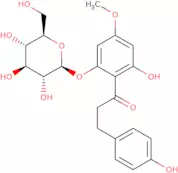
Nothofagin
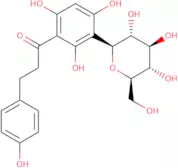
CAS:Nothofagin is a polyphenolic compound, which is a type of plant-derived flavonoid, primarily found in the heartwood of red beech trees (Nothofagus species). This compound is naturally sourced from these trees, where it plays a role in the plant's defense mechanism against oxidative stress.Formula:C21H24O10Purity:Min. 98 Area-%Color and Shape:White Off-White PowderMolecular weight:436.41 g/mol3,4-Dimethoxychalcone
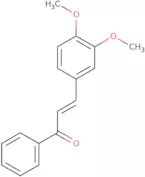
CAS:3,4-Dimethoxychalcone is a synthetic organic compound, which is derived from the chalcone family of compounds. Chalcones are naturally occurring in many plant species and serve as intermediates in the biosynthesis of flavonoids and isoflavonoids. 3,4-Dimethoxychalcone features two methoxy groups on the aromatic rings, which may enhance its biological activity and solubility compared to unsubstituted chalcones.
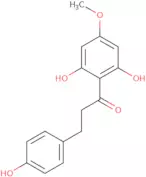
Formula:C17H16O3Purity:Min. 95%Molecular weight:268.31 g/mol4-Methoxy-2',4',6',3-tetrahydroxydihydrochalcone
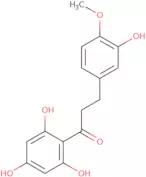
CAS:4-Methoxy-2',4',6',3-tetrahydroxydihydrochalcone is a dihydrochalcone, which is a type of polyphenolic compound. It is derived from plant sources, commonly found in certain fruits and flowers. This compound exhibits antioxidant properties by scavenging free radicals, thereby reducing oxidative stress within biological systems. The efficacy of its mode of action is attributed to its molecular structure, enabling it to donate hydrogen atoms and stabilize radical species.Formula:C16H16O6Purity:Min. 95%Color and Shape:PowderMolecular weight:304.29 g/mol2',3,4,4',6'-Pentahydroxychalcone
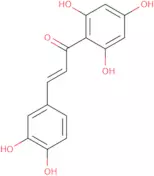
CAS:2',3,4,4',6'-Pentahydroxychalcone is a polyphenolic compound, which is a type of flavonoid known for its extensive hydroxylation. This compound is primarily derived from natural plant sources, often found in fruits, vegetables, and some specific botanicals commonly used in traditional medicine. The compound's structure, featuring multiple hydroxyl groups, contributes to its notable biochemical activitiesFormula:C15H12O6Purity:Min. 95%Molecular weight:288.25 g/molPhloretin
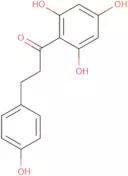
CAS:Phloretin is a dihydrochalcone, which is a type of polyphenol, derived primarily from apple tree leaves and the bark of certain fruit trees. It exhibits its biological activity through its ability to disrupt various cellular processes, including inhibiting specific enzyme activities and interfering with the transport of glucose across cell membranes. This is primarily due to its ability to penetrate cellular lipid bilayers, allowing it to interact with intracellular molecules effectively.
Formula:C15H14O5Purity:Min. 98 Area-%Color and Shape:Off-White PowderMolecular weight:274.27 g/mol3,2'-Dihydroxychalcone
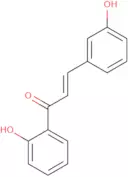
CAS:3,2'-Dihydroxychalcone is a naturally occurring flavonoid, which is derived from various plant sources, particularly in fruits and vegetables known for their rich polyphenolic content. As a member of the chalcone family, this compound exhibits a distinctive chemical structure characterized by two aromatic rings connected by a three-carbon α,β-unsaturated carbonyl system. The presence of hydroxyl groups contributes to its potential antioxidant properties, allowing it to effectively scavenge free radicals and mitigate oxidative stress.Formula:C15H12O3Purity:Min. 95%Color and Shape:PowderMolecular weight:240.25 g/mol4',3,4-Trihydroxychalcone
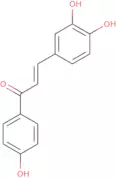
CAS:4',3,4-Trihydroxychalcone is a naturally-derived flavonoid, which is a type of polyphenolic compound. It is primarily sourced from plants, notably in the root and bark of certain species such as licorice. Flavonoids like 4',3,4-Trihydroxychalcone are known for their bioactive properties, which include antioxidative and anti-inflammatory effects. The mode of action involves the scavenging of free radicals and modulation of signaling pathways involved in inflammatory responses, which helps in reducing oxidative stress and inflammation.Formula:C15H12O4Purity:Min. 95%Color and Shape:PowderMolecular weight:256.25 g/mol4-Hydroxy-4'-methoxydihydrochalcone
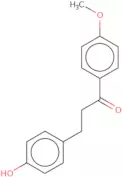
CAS:4-Hydroxy-4'-methoxydihydrochalcone is a specialized flavor enhancer, which is a derivative of the natural compound found in certain fruits, specifically related to the flavonoid family. This compound is derived from plant sources, often isolated or synthesized from natural precursors associated with apples. Its mode of action involves inhibiting specific bitter taste receptors, thereby enhancing the perception of sweetness in various consumables.Formula:C16H16O3Purity:Min. 95%Molecular weight:256.3 g/mol2'-Hydroxy-6'-methoxychalcone
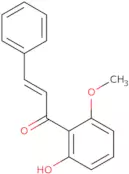
CAS:2'-Hydroxy-6'-methoxychalcone is a chalcone derivative, which is a type of flavonoid known for its diverse biological activities. This compound is isolated from certain plant species, where it serves a role in the plant's defense mechanisms against pathogens and environmental stressors.Formula:C16H14O3Purity:Min. 95%Molecular weight:254.28 g/mol2',4',6',3,4-Pentahydroxychalcone
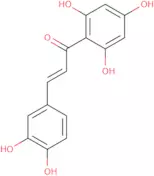
CAS:2',4',6',3,4-Pentahydroxychalcone is a natural flavonoid compound, which is derived from various plant sources, typically those found in certain fruits, vegetables, and herbs known for their bioactive properties. This compound is part of the broader chalcone family, known for their diverse biological activities.Formula:C15H12O6Purity:Min. 95%Color and Shape:PowderMolecular weight:288.25 g/molNaringin chalcone
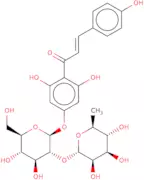
CAS:Naringin chalcone is a flavonoid derivative, which is a naturally occurring compound primarily found in citrus fruits, especially grapefruits. It is derived from naringin, a flavanone glycoside, through a series of bioconversion or chemical synthesis processes. The compound acts through various biochemical pathways, primarily exhibiting antioxidant and anti-inflammatory properties. Its antioxidant action involves scavenging free radicals and upregulating the body's endogenous defense systems, thus reducing oxidative stress. Additionally, it modulates inflammatory responses by inhibiting specific signaling pathways that lead to the production of pro-inflammatory cytokines.
Formula:C27H32O14Purity:Min. 95%Color and Shape:PowderMolecular weight:580.53 g/mol2',6'-Dihydroxy-3',4'-dimethoxychalcone
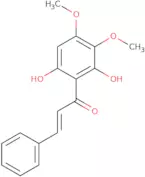
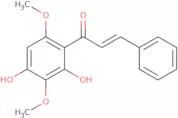
CAS:2',6'-Dihydroxy-3',4'-dimethoxychalcone is a type of chalcone, which is a polyphenolic compound. Chalcones are extracted from various plant sources and are characterized by their aromatic ketone structure. This specific chalcone is naturally derived and often studied for its biological activity.Formula:C17H16O5Purity:Min. 95%Color and Shape:PowderMolecular weight:300.31 g/mol2',4'-Dihydroxy-3',6'-Dimethoxychalcone
CAS:2',4'-Dihydroxy-3',6'-Dimethoxychalcone is a chalcone derivative, which is a type of flavonoid compound. It is synthesized through organic chemistry methodologies, often derived from plant sources where chalcones naturally occur in various species. The mode of action for this compound involves the modulation of biological pathways, primarily through interactions with enzymes and receptors. These interactions can lead to effects such as antioxidation, anti-inflammatory, and potential antitumor activities.Formula:C17H16O5Purity:Min. 95 Area-%Molecular weight:300.31 g/mol2',4'-Dihydroxy-4-methoxydihydrochalcone
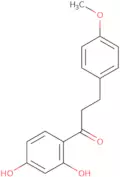
CAS:2',4'-Dihydroxy-4-methoxydihydrochalcone is a natural sweetener, which is derived from citrus fruits, particularly from the peels of oranges and other similar citrus species. This compound belongs to the class of dihydrochalcones, which are known for their distinctive sweetening properties. The mode of action of this compound involves interaction with taste receptors on the tongue, offering a sweetness perception that is considerably more potent than sucrose, while contributing negligible caloric value.Formula:C16H16O4Purity:Min. 95%Molecular weight:272.3 g/mol2,4,4'-Trihydroxychalone
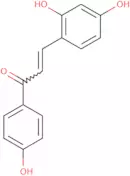
CAS:2,4,4'-Trihydroxychalcone is a flavonoid compound classified as a polyphenolic molecule, identifiable in numerous plants. This compound naturally occurs in plant sources, acting as part of the plant's defensive mechanism. It is synthesized by plants through a series of enzymatic reactions within the phenylpropanoid pathway, contributing to its role as an antioxidant.
Formula:C15H12O4Purity:Min. 95%Molecular weight:256.25 g/mol4',4-Dimethoxydihydrochalcone
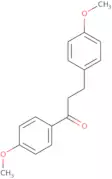
CAS:4',4-Dimethoxydihydrochalcone is a synthetic sweetener, which is predominantly sourced from plant-based flavonoids, specifically from the bark of apple trees or derived chemically from citrus fruits. It functions by interacting with taste receptor cells on the tongue, where its molecular structure allows it to mimic sweetness, thereby enhancing flavor without contributing significant caloric content.Formula:C17H18O3Purity:Min. 95%Molecular weight:270.32 g/mol3-Hydroxyphloretin-4'-glucoside
CAS:3-Hydroxyphloretin-4'-glucoside is a polyphenolic compound, which is a glucoside derivative of phloretin. It is naturally sourced from apples and other related fruits, known for their rich polyphenolic content. This compound exhibits significant antioxidant activity due to its ability to scavenge free radicals, thereby protecting cells from oxidative damage and maintaining cellular integrity.
Formula:C21H24O11Purity:Min. 95%Color and Shape:PowderMolecular weight:452.41 g/molAsebotin
CAS:Please enquire for more information about Asebotin including the price, delivery time and more detailed product information at the technical inquiry form on this page
Formula:C22H26O10Purity:Min. 95%Color and Shape:PowderMolecular weight:450.44 g/molDihydroisosakuranetin
CAS:Dihydroisosakuranetin is a flavonoid, a type of polyphenolic compound, which is primarily sourced from various plants, including citrus fruits and medicinal herbs. As a natural product, it belongs to a broader class of bioactive phytochemicals known for their potential health benefits. The mode of action of dihydroisosakuranetin mainly involves its antioxidant activity, which enables it to scavenge free radicals and reduce oxidative stress at the cellular level. This compound has shown the ability to modulate several signaling pathways, thereby exerting anti-inflammatory and protective effects on cells and tissues.
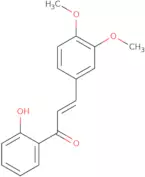
Formula:C16H16O5Purity:Min. 95%Molecular weight:288.3 g/mol2'-Hydroxy-3,4-dimethoxychalcone
CAS:2'-Hydroxy-3,4-dimethoxychalcone is an organic compound classified as a chalcone, which is a type of flavonoid. This chalcone is typically synthesized through the Claisen-Schmidt condensation of appropriate benzaldehydes and acetophenones, often derived from plant sources or via chemical synthesis in the laboratory setting.Formula:C17H16O4Purity:Min. 98 Area-%Color and Shape:PowderMolecular weight:284.31 g/mol