Backbone Sugars and Nucleobases
Found 1002 products of "Backbone Sugars and Nucleobases"
Guanine
CAS:Guanine (2-Aminohypoxanthine) is a purine base that is a constituent of nucleotides occurring in nucleic acids.Formula:C5H5N5OPurity:99.89%Color and Shape:Several Desmotropic Forms; Usually Amorphous SolidMolecular weight:151.132-Deoxy-D-Ribose 5-Phosphate-13C5 Disodium Salt
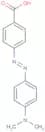
CAS:Formula:C5H9O7P2·2NaMolecular weight:217.06 2*22.99Dabcyl acid
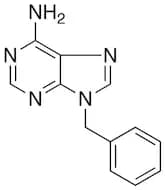
CAS:Dabcyl acid (DABCYL) is the original dark fluorescence quencher.Formula:C15H15N3O2Purity:99.27%Color and Shape:SolidMolecular weight:269.39-Benzyladenine
CAS:Controlled ProductApplications A useful intermediate in the synthesis of 1-substituted adenines.
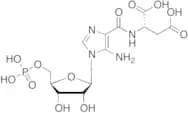
References Laufer, S., et al.: J. Med. Chem., 48, 710 (2005), Lambertucci, C., et al.: Bioorg. Med. Chem., 17, 2812 (2009),Formula:C12H11N5Color and Shape:NeatMolecular weight:225.25N-Succinyl-5-aminoimidazole-4-carboxamide Ribose 5’-Phosphate
CAS:Applications N-Succinyl-5-aminoimidazole-4-carboxamide Ribose 5’-Phosphate is a metabolite of Purine. Since adenosine is a potent inhibitor of neuronal function, depressing the release of several excitatory transmitters and causing direct hyperpolarization of neurons, it was possible that the symptoms seen in adenylosuccinate lyase (ASase) deficient patients could reflect an interference of succinylpurines with neurotransmission.
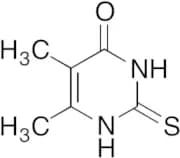
References Gollub, E.G., et al.: J. Bacteriol., 78, 320 (1959), Srivastava, P.C., et al.: J. Med. Chem., 17, 1207 (1974),Formula:C13H19N4O12PColor and Shape:NeatMolecular weight:454.285,6-Dimethylthiouracil
CAS:Applications 5,6-Dimethylthiouracil is a heterocyclic building block.
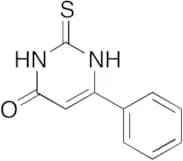
Formula:C6H8N2OSColor and Shape:Off-WhiteMolecular weight:156.216-Phenyl-2-thiouracil
CAS:Applications 6-Phenyl-2-thiouracil is a reagent used in the synthesis of antifungal agents.
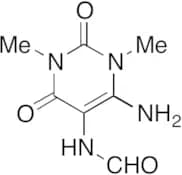
References Gullapelli, K. et al.: Int. J. Pharm. Biol. Sci., 4, 59 (2014);Formula:C10H8N2OSColor and Shape:Off-WhiteMolecular weight:204.2486-Amino-5-1,3-dimethyl-5-(formamido)uracil
CAS:Controlled ProductApplications 6-Amino-5-1,3-dimethyl-5-(formamido)uracil is a substitued uracilic metabolite of methylxanthine and is also a metabolite of Theophylline (T343850). 6-Amino-5-1,3-dimethyl-5-(formamido)uracil has been used for the synthesis of 8-arylaminotheophyllines.
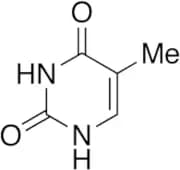
References Peri, G., et. al.: Toxicol. Lett., 18, 133 (1983); Celardo, A., et. al.: Eur. J. Drug Metab. Ph., 10, 279 (1985); Senga, K., et. al.: J. Heterocyclic Chem., 15, 641 (1978)Formula:C7H10N4O3Color and Shape:NeatMolecular weight:198.18Thymine
CAS:Controlled ProductImpurity Zidovudine EP Impurity C
Applications Thymine (Zidovudine EP Impurity C) is a nitrogenous base component in the nucleic acid of DNA.
References Keum, Y., et al.: App. Microbiol. Biotechnol., 80, 863 (2008); Redzic, Z., et al.: Neurochem. Res., 34, 566 (2009); Lanevskij, K., et al.: J. Pharm. Sci., 98, 122 (2009); Rajendar, B., et al.: Bioorg. Med. Chem., 17, 351 (2009);Formula:C5H6N2O2Color and Shape:WhiteMolecular weight:126.116-Benzyl-2-thiouracil
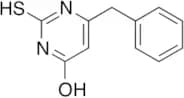
CAS:Controlled ProductApplications 6-Benzyl-2-thiouracil (cas# 6336-50-1) is a useful research chemical.
Formula:C11H10N2OSColor and Shape:Off-WhiteMolecular weight:218.27N6-(2-Isopentenyl)adenine
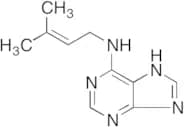
CAS:Controlled ProductApplications N6-(2-Isopentenyl)adenine can be used in biological study for cytokinins stimulated expression of stress-related proteins and transcripts in Arabidopsis thaliana with isopentenyltransferase overexpression.
References Skalak, J., et al.: J. Exp. Bot., 67, 2861-2873 (2016)Formula:C10H13N5Color and Shape:White To Off-WhiteMolecular weight:203.246-Amino-1,3-dipropyl-5-nitrosouracil
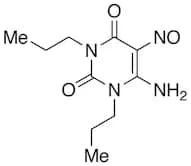
CAS:Controlled ProductStability Stable at RT
Applications An intermediate used for the sythesis of xanthine derivatives.
References Daly, J.W., et al.: J. Med. Chem., 28, 487 (1985), Erickson, R.H., et al.: J. Med. Chem., 34, 3405 (1991),Formula:C10H16N4O3Color and Shape:NeatMolecular weight:240.26Guanidinoacetic Acid
CAS:Applications Guanidinoacetic Acid is an important marker for renal failure, in kidney transplantation, and for the renal metabolic activity.
References Zugno, A., et al.: Neurochem. Res., 33, 1804 (2008), Debray, F., et al.: Neurol., 71, 44 (2008), da Silva, R., et al.: Am. J. Physiol., 296, E256 (2009),Formula:C3H7N3O2Color and Shape:WhiteMolecular weight:117.112-Thiouracil
CAS:Applications Reagent used in the preparation of Antithyroid agents.
References Toropov, A., et al.: Eur. J. Med. Chem., 45, 3581 (2010), Daniels, C., et al>.: J. Bacteriol., 192, 2169 (2010), Castillo-Garit, J., et al.: Eur. J. Pharm. Sci., 39, 30 (2010),Formula:C4H4N2OSColor and Shape:ColourlessMolecular weight:128.151,3-Diethyl-5-nitroso-6-aminouracil
CAS:Controlled ProductApplications 1,3-Diethyl-5-nitroso-6-aminouracil (cas# 89073-60-9) is a compound useful in organic synthesis.
Formula:C8H12N4O3Color and Shape:NeatMolecular weight:212.212,3’-Anhydrothymidine
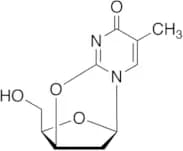
CAS:Controlled ProductApplications An intermediate in the preparation of thymidine derivatives
References el Kouni, M., et al.: Biochem. Pharmacol., 51, 1687 (1996),Formula:C10H12N2O4Color and Shape:NeatMolecular weight:224.215-Hydroxymethyl-2’-deoxyuridine
CAS:Controlled ProductStability Hygroscopic
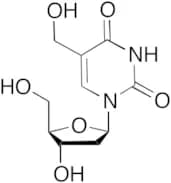
Applications 5-Hydroxymethyl-2’-deoxyuridine acts as a biomarker for the diagnosis for oxidative stress in humans. Used as a diagnostic to for propensitiy for the development of breast cancer.
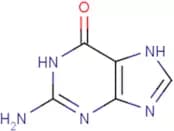
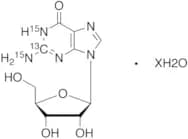
References McAnulty, L. et al.: App. Physiol. Nutr. Metab., 36, 976 (2011); Djuric Z. et al.: Cancer Epidemiol. Biomarkers. Prev., 10, 147 (2001); Frenkel, K. et al.: 7, 49, (1998);Formula:C10H14N2O6Color and Shape:White To Off-WhiteMolecular weight:258.228Guanine
CAS:Impurity Aciclovir EP Impurity B
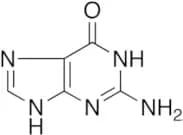
Applications Guanine is one of the five nucleobases incorporated into biological nucleic acids. Guanine, along with adenine and cytosine, is present in both DNA and RNA, whereas thymine is usually seen only in DNA, and uracil only in RNA. Aciclovir EP Impurity B.
References Geslain, R., et al.: J. Biol. Chem., 284, 27760 (2009); Manini, P., et al.: Toxicol. Lett., 190, 41 (2009); Gong, B., et al.: Biochem., 48, 11961 (2009); Sugimoto, M., et al.: J. Agric. Food Chem., 58, 374 (2010);Formula:C5H5N5OColor and Shape:White To Off-WhiteMolecular weight:151.13N2-Acetylguanine
CAS:Controlled ProductApplications Protected guanine
References Tretyakova, N., et al.: Chem. Res. Toxicol., 20, 284 (2007), Rana, S., et al.: Bioorg. Med. Chem. Lett., 19, 670 (2009),Formula:C7H7N5O2Color and Shape:NeatMolecular weight:193.165,6-Dihydro Thymine
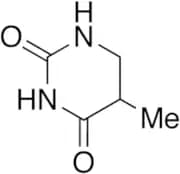
CAS:Controlled ProductApplications 5,6-Dihydrothymine is a derivative of Thymine, a nucleobase in the nucleic acid of DNA . 5,6-Dihydrothymine is a radiolysis product of DNA.
References Hubbard, K. et al.: Biochemistry, 28, 4382 (1989); Cadet, J. et al.: Int. J. Rad. Biol. Rel. Stud. Phys. Chem. Med., 39, 119 (1981);Formula:C5H8N2O2Color and Shape:NeatMolecular weight:128.132-Thiouridine
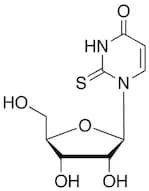
CAS:Controlled ProductApplications Modified nucleotide, essential for normal cell growth in some bacterial species. This compound is also able to chelate several metal ions.
References Ikeuchi, Y., et al.: Mol. Cell, 21, 97 (2006), Odani, A., et al.: J. Inorg. Biochem., 101, 727 (2007), Wohlgamuth-Benedum, J., et al.: J. Biol. Chem., 284, 23947 (2009),Formula:C9H12N2O5SColor and Shape:NeatMolecular weight:260.276-Methyl-2-thiouracil
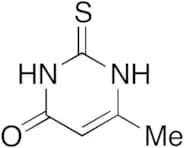
CAS:Controlled ProductApplications 6-Methyl-2-thiouracil is a derivative of methylthiouracil (M330710), a competitive inhibitor of Nitric Oxide Synthase (NOS). Potential anti-inflammatory agent.
References Palumbo, A. et al.: Biochem. Bioph. Res. Co. 282, 793(2001), Ku, S. et al.: Toxicol. App. Pharmacol., 288, 374 (2015);Formula:C5H6N2OSColor and Shape:WhiteMolecular weight:142.189-(2-Propenyl)adenine
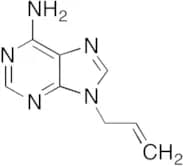
CAS:Controlled ProductApplications 9-(2-Propenyl)adenine is an N-substituted purine used in the preparation of mesityl dihydroisoxazolyl homo-N-nucleosides.
References Thalassitis, A. et al.: Bioorg. Med. Chem. Lett., 19, 6433 (2009); Chiacchio, U. et al.: Tetrahedron, 60, 441 (2004)Formula:C8H9N5Color and Shape:NeatMolecular weight:175.191,3-Diethyl-6-aminouracil
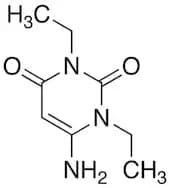
CAS:Controlled ProductApplications 1,3-Diethyl-6-aminouracil (cas# 41740-15-2) is a compound useful in organic synthesis.
Formula:C8H13N3O2Color and Shape:NeatMolecular weight:183.21Adenine Hemisulfate
CAS:Controlled ProductStability Hygroscopic
Applications Adenine Hemisulfate can be one of the factors that influence in vitro growth and shoot multiplication of pomegranate. It can be used in biological study along with varied levels of sucrose, light intensity, and MS medium hydrogen ion concentration where those factors can all significantly influence multiplication and growth of Punica granatum shoots.
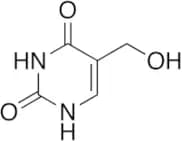
References Singh, P., & Patel, R., M.: Bioscan, 9, 1031-1035 (2014)Formula:C5H5N5·SO4H2Color and Shape:NeatMolecular weight:368.335-Hydroxymethyluracil
CAS:Controlled ProductApplications 5-Hydroxymethyluracil (cas# 4433-40-3) is a compound useful in organic synthesis.
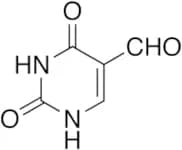
Formula:C5H6N2O3Color and Shape:NeatMolecular weight:142.115-Formyl Uracil
CAS:Controlled ProductApplications Nucleoside derivatives of 5-substituted uracil have been explored for their potential application as anti-viral agents and in the treatment of tumors.
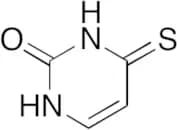
References Ressner, E.C., et al.: J. Med. Chem., 19, 1, 194 (1976)Formula:C5H4N2O3Color and Shape:NeatMolecular weight:140.14-Thiouracil
CAS:Applications 4-Thiouracil is a derivative of Uracil (U801000), which is a nitrogenous base in RNA nucleic acid. 4-Thiouracil is used for tagging in cell type-specific RNA isolation from intact complex tissues.
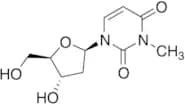
References Miller, M., et al.: Nat. Methods, 6, 439 (2009); Seth, P., et al.: J. Med. Chem., 53, 8309 (2010); Cui, H., et al.: Eur. J. Med. Chem., 45, 5140 (2010);Formula:C4H4N2OSColor and Shape:NeatMolecular weight:128.1522'-Deoxy-N3-methyluridine
CAS:Controlled ProductApplications 2'-Deoxy-N3-methyluridine (cas# 24514-32-7) is a useful research chemical.
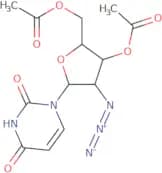
Formula:C10H14N2O5Color and Shape:NeatMolecular weight:242.233’,5’-Di-O-acetyl-2’-azido-2’-deoxyuridine
CAS:Please enquire for more information about 3’,5’-Di-O-acetyl-2’-azido-2’-deoxyuridine including the price, delivery time and more detailed product information at the technical inquiry form on this pagePurity:Min. 95%Hypoxanthine monosodium salt
CAS:Hypoxanthine is a nucleotide, which is a building block of DNA and RNA. It is a useful intermediate for the production of other chemicals and drugs. Hypoxanthine can be used as a reagent in biochemical research, to study the effects of hypoxia on cells, or as a catalyst in organic synthesis. Hypoxanthine monosodium salt is an important building block for complex compounds with many uses. It is also used as a reaction component in many chemical reactions as well as being a versatile scaffold for drug design.Formula:C5H4N4NaOPurity:Min. 97 Area-%Color and Shape:White PowderMolecular weight:159.1 g/molN2-Acetylguanine
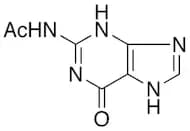
CAS:N2-Acetylguanine is a reactive compound that inhibits the growth of cancer cells in leukemia. It is an antimicrobial agent that has significant cytotoxicity against leukemia cells and other bacterial cells. N2-Acetylguanine reacts with dihydrozeatin to form acyclic nucleoside phosphonate, which inhibits the synthesis of DNA, RNA, and protein. This reaction yields a high yield of this product in a short period of time. The modification process also creates a more efficient method for synthesizing this compound. N2-Acetylguanine can be used to treat dyslipidemia by decreasing cholesterol levels in the blood and can also be used as an active substance in the treatment of diabetes mellitus type II and insulin resistance.Formula:C7H7N5O2Purity:Min. 95%Color and Shape:PowderMolecular weight:193.17 g/mol6-Methyluracil
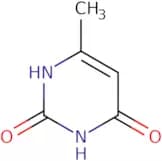
CAS:6-Methyluracil is an antimetabolite that inhibits protein synthesis and is therefore used in the treatment of infectious diseases. 6-Methyluracil has two hydroxyl groups, which are located in adjacent positions on the ring. The optimum concentration for this drug is 3-10 μM, which can be achieved with a malonic acid buffer solution at pH 7.4. 6-Methyluracil reacts with sodium succinate to form an acid complex, which may have antiinflammatory activity. 6-Methyluracil has been shown to inhibit prostaglandin synthesis and exhibits a reaction with radiation to produce photoproducts that can be detected by analytical chemistry.Formula:C5H6N2O2Purity:Min. 95%Color and Shape:PowderMolecular weight:126.12 g/mol5-Bromouracil
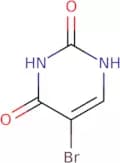
CAS:5-Bromouracil is a cytotoxic agent that inhibits the synthesis of DNA by inhibiting the enzyme thymine-5-bromo-2'-deoxyribonucleotide synthetase. It also has genotoxic effects on the organism, which can be observed in transfection experiments with human lymphocytes and polymerase chain reaction (PCR) experiments. 5-Bromouracil binds to the hydroxyl group of thymine and interacts with the nucleic acid bases, blocking the process of DNA synthesis. This drug is used to treat cancer in humans, but it is also toxic to eosinophils, which are white blood cells that produce chemicals such as peroxidases that help fight infections. The mechanism of action for 5-Bromouracil is not yet fully understood.Formula:C4H3BrN2O2Purity:Min. 95%Color and Shape:Yellow PowderMolecular weight:190.98 g/mol1,3-Dimethyluracil
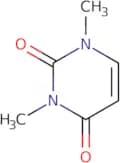
CAS:1,3-Dimethyluracil is a uracil derivative that is used as a hydrogen-bond donor, which helps to repair DNA. It has been shown to have a kinetic isotope effect in the deuterium isotope effect studies. The carbonyl group of 1,3-dimethyluracil can form hydrogen bonds with the guanine base in DNA and lead to the formation of an adduct. This adduct can be repaired by nucleotide excision repair when it forms a dimer with another 1,3-dimethyluracol molecule or by base excision repair when it forms a dimer with another purine or pyrimidine base. Aqueous solutions of 1,3-dimethyluracil are stable for short periods of time but decompose rapidly on heating. X-ray crystal structures show that 1,3-dimethyluracil binds to hydrochloric acid and x-ray crystallographic analysisFormula:C6H8N2O2Purity:Min. 95%Color and Shape:Off-White Slightly Brown PowderMolecular weight:140.14 g/mol7-Methylxanthine
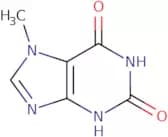
CAS:Controlled Product7-Methylxanthine is a purine alkaloid that is the primary metabolite of caffeine. It is structurally related to theobromine, which is found in chocolate. 7-Methylxanthine has been shown to have hypoglycemic effects and may be useful for the treatment of myopia. The optimum concentration of 7-methylxanthine for inhibiting carotenoid biosynthesis has been determined as 10 μM. It also inhibits axial elongation in cultured chick retinal cells by reducing carotenoid levels and increasing p-hydroxybenzoic acid levels in the retina. The analytical method for quantifying 7-methylxanthine relies on high performance liquid chromatography with ultraviolet detection (HPLC/UV).Formula:C6H6N4O2Purity:Min. 96 Area-%Color and Shape:White PowderMolecular weight:166.14 g/mol8-Methylxanthine
CAS:8-Methylxanthine is a metabolite of caffeine and theophylline. It has been shown to be a pro-inflammatory cytokine that stimulates the production of other pro-inflammatory cytokines such as interleukin (IL)-1β, IL-6, and tumor necrosis factor alpha (TNFα). 8-Methylxanthine is also a substrate for cytochrome P450 enzyme activity, which is responsible for metabolizing many drugs and other chemicals in the body. This compound has been detected in human liver and urine samples. 8-Methylxanthine has cytotoxic properties and may serve as an antioxidant. Mass spectrometric detection methods are used to identify this compound in biological fluids.Formula:C6H6N4O2Purity:Min. 95%Color and Shape:PowderMolecular weight:166.14 g/mol7-[4-[4-(4-Fluorobenzoyl)Piperidin-1-Yl]Butyl]-1,3-Dimethylpurine-2,6-Dione
CAS:Controlled Product7-[4-[4-(4-Fluorobenzoyl)Piperidin-1-Yl]Butyl]-1,3-Dimethylpurine-2,6-Dione is a drug that belongs to the group of adenosine receptor antagonists. It has been shown to inhibit phosphodiesterase activity and is used as a pharmaceutical dosage. 7-[4-[4-(4-Fluorobenzoyl)Piperidin-1-Yl]Butyl]-1,3-Dimethylpurine-2,6-Dione has been shown to bind to the 5HT2C receptor in vitro. This drug may have therapeutic potential for obesity and type 2 diabetes mellitus treatment.Formula:C23H28FN5O3Purity:Min. 95%Molecular weight:441.5 g/mol2-Chloroinosine 3',4',6'-triacetate
CAS:2-Chloroinosine 3',4',6'-triacetate is a reagent, useful intermediate, fine chemical, and speciality chemical. It is used as an important building block in organic synthesis. 2-Chloroinosine 3',4',6'-triacetate can be used as a versatile building block for the synthesis of many other compounds. The high quality and usefulness of this compound make it a good choice for research chemicals.Formula:C16H17ClN4O8Purity:Min. 95%Color and Shape:White to pale yellow solid.Molecular weight:428.78 g/mol3’-Deoxy-3’-fluoro-6-thioinosine
CAS:Please enquire for more information about 3’-Deoxy-3’-fluoro-6-thioinosine including the price, delivery time and more detailed product information at the technical inquiry form on this page
Purity:Min. 95%6-Mercaptopurine
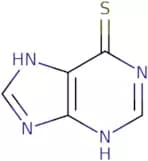
CAS:6-Mercaptopurine is an antigen binding molecule that is biocompatible with the human body. It binds to 6-mercaptopurine and inhibits the oxidation of proteins. The inhibition of protein oxidation has been shown to decrease disease activity in patients with inflammatory bowel disease. 6-Mercaptopurine also inhibits the production of inhibitor molecules, which are responsible for the development of cardiac effects such as arrhythmias and cardiomyopathy. 6-Mercaptopurine has inhibitory properties against polymerase chain reactions, which may be due to its ability to bind with protein thiols at high rates.Formula:C5H4N4SPurity:Min. 98 Area-%Color and Shape:PowderMolecular weight:152.18 g/mol6-Chlorouracil
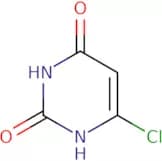
CAS:Intermediate in the synthesis of alogliptinFormula:C4H3ClN2O2Color and Shape:White Slightly Yellow PowderMolecular weight:146.53 g/molXanthine sodium salt monohydrate
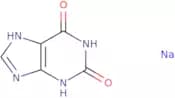
CAS:Xanthine sodium salt monohydrate is a dietary supplement that is used to treat metabolic disorders such as hyperuricemia and gout. It also has antiviral effects against herpes simplex virus-1 (HSV-1) and type-2 (HSV-2). Xanthine sodium salt monohydrate inhibits the production of viral DNA polymerase, which causes cell death by inhibiting the synthesis of proteins vital for cell division. Xanthine sodium salt monohydrate can be used to inhibit the growth of cancer cells in vitro. The mechanism of action is not yet fully understood, but it is thought that xanthine may inhibit phosphodiesterase activity or have a direct effect on the cell membrane.Formula:C5H3N4NaO2•H2OPurity:Min. 95 Area-%Color and Shape:PowderMolecular weight:192.11 g/mol6-Azathymine
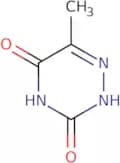
CAS:6-Azathymine is a compound that belongs to the group of amides. It has shown bacterial strain specificity and can be used for the treatment of infections caused by Group P2 bacteria. 6-Azathymine inhibits the enzyme activity of toll-like receptor, which is responsible for immune response and inflammation. It also has been shown to inhibit photosynthetic activity in plants. This drug may also be useful for eye disorders, such as retinitis pigmentosa and macular degeneration. 6-Azathymine is activated by hydroxyl groups, which leads to its toxicity at high concentrations.
Formula:C4H5N3O2Color and Shape:PowderMolecular weight:127.1 g/mol9-Methylxanthine
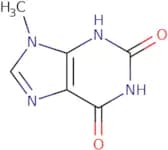
CAS:Controlled Product9-Methylxanthine is a purine alkaloid that is structurally related to caffeine. It is used as a bronchodilator and to treat cardiac arrhythmias. 9-Methylxanthine has been shown to have an effect on the rate of DNA replication by binding to the enzyme xanthosine phosphorylase, which converts xanthosine monophosphate (XMP) to xanthosine diphosphate (XDP). The drug's effect on other nucleobases, such as adenosine monophosphate (AMP), cannot be ruled out. 9-Methylxanthine also has a strong affinity for macrochelates, which are compounds that contain chelating agents with a large number of ethylenediaminetetraacetic acid (EDTA) groups. This property is due to the high number of nitrogen atoms in the molecule and its ability to form hydrogen bonds between water moleculesFormula:C6H6N4O2Purity:Min. 95%Color and Shape:PowderMolecular weight:166.14 g/mol2-Fluoroadenine
CAS:2-Fluoroadenine is an inhibitor of DNA synthesis, which is used to study the effect of carcinogens on the cell cycle. It is a potent inducer of G2/M arrest in HL-60 cells, and has been shown to be cytotoxic to a number of different carcinoma cell lines. 2-Fluoroadenine disrupts collagen gel networks by binding to nitrogens in the protein matrix. This inhibits the glycosylation process that stabilizes collagen networks. The use of 2-fluoroadenine as a chemotherapeutic agent has been studied in animal models and clinical trials. 2-Fluoroadenine has been shown to inhibit mitochondrial membrane potential, leading to apoptosis caused by oxidative stress.Formula:C5H4FN5Purity:Min. 98 Area-%Color and Shape:Off-White PowderMolecular weight:153.12 g/mol5,6-Diamino-1,3-dimethyl uracil hydrate
CAS:5,6-Diamino-1,3-dimethyl uracil hydrate is a purine derivative that inhibits the growth of cancer cells by blocking the enzyme ribonucleotide reductase. This leads to a decrease in DNA synthesis, protein synthesis, and cell division. The anticancer activity of 5,6-Diamino-1,3-dimethyl uracil hydrate is due to its ability to inhibit the formation of ATP and the GTP cycle. It also has a potent inhibitory effect on the structural analysis of DNA and RNA. 5,6-Diamino-1,3-dimethyl uracil hydrate has been shown to produce apoptotic effects in many types of cancer cells. This drug also has specific agonist properties for G protein coupled receptors that are responsible for activating apoptosis.Formula:C6H10N4O2·xH2OPurity:Min. 95%Color and Shape:PowderMolecular weight:170.17 g/mol5-Methoxyuracil
CAS:5-Methoxyuracil is a labile, colorless and crystalline compound that occurs spontaneously in the presence of oxygen. It has a chemical structure similar to thiourea, with one methyl group substituted for the amino group on the heterocycle. 5-Methoxyuracil is used as a precursor for synthesis of thymine and uracil. It also acts as an antioxidant, preventing reactive oxygen species from causing cellular damage. 5-Methoxyuracil can be used in regenerative medicine to increase the production of messenger RNA (mRNA) and ribosomal RNA (rRNA). This drug is used as a prebiotic agent and can be synthetically produced by dimethylation of uridine followed by ethyl formate oxidation.Formula:C5H6N2O3Purity:Min. 95%Color and Shape:PowderMolecular weight:142.11 g/molN2-Pivaloylguanine
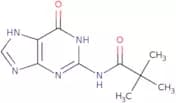
CAS:N2-Pivaloylguanine is a versatile building block that can be used in the synthesis of many complex compounds. It has been shown to be an excellent reagent for the synthesis of heterocyclic molecules, and is also used as a reactant in a number of chemical reactions. N2-Pivaloylguanine is a high quality, useful intermediate that can be used to make other compounds, such as pharmaceuticals and agrochemicals. It is also a useful scaffold for the synthesis of research chemicals.Formula:C10H13N5O2Purity:Min. 95%Color and Shape:Yellow PowderMolecular weight:235.24 g/mol3’,5’-Bis-O-benzoyl-2’-Deoxy-2’-fluoro-4-deoxy-arabinouridine
CAS:Please enquire for more information about 3’,5’-Bis-O-benzoyl-2’-Deoxy-2’-fluoro-4-deoxy-arabinouridine including the price, delivery time and more detailed product information at the technical inquiry form on this pagePurity:Min. 95%3’,5’-Bis-O-benzoyl-2’-deoxy-2’-fluoro-β-D-arabino-6-azidouridine
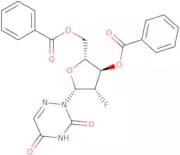
CAS:Please enquire for more information about 3’,5’-Bis-O-benzoyl-2’-deoxy-2’-fluoro-beta-D-arabino-6-azidouridine including the price, delivery time and more detailed product information at the technical inquiry form on this pagePurity:Min. 95%9-Deazaguanine
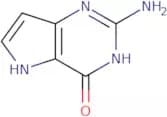
CAS:9-Deazaguanine is an analog of guanine, which has inhibitory properties. It reacts with the hydrogen bond of the enzyme and prevents its reaction with a substrate. 9-Deazaguanine binds to the target enzymes trifluoroacetic acid (TFA) and hydrogen bond interactions with water molecules. The reaction mechanism is based on the competitive inhibition of TFA, which is an important enzyme in DNA synthesis. 9-Deazaguanine inhibits the growth of k562 cells by inhibiting protein synthesis at specific sites in the ribosome. 9-Deazaguanine also shows inhibitory properties against autoimmune diseases and infectious diseases because it inhibits immune system reactions that are mediated by antibodies and T cells.
Formula:C6H6N4OPurity:Min. 95%Color and Shape:PowderMolecular weight:150.14 g/molAdenine hydrochloride
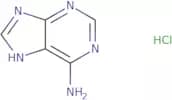
CAS:Purine nucleobase; component of nucleic acids and coenzymesFormula:C5H6ClN5Purity:Min. 98 Area-%Color and Shape:Off-White PowderMolecular weight:171.59 g/mol5,6-Diamino-1,3-dipropyluracil
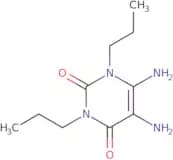
CAS:5,6-Diamino-1,3-dipropyluracil (DAU) is a synthetic drug that acts as an adenosine receptor antagonist. DAU binds to the adenosine receptors in the brain and inhibits the binding of adenosine, which may result in an anti-congestive effect. DAU has been found to be a potent inhibitor of the A2A adenosine receptor at nanomolar concentrations. This inhibition may be due to its ability to form covalent bonds with the receptor or its affinity for or blocking of agonist binding sites on the receptor. It also has been shown to have affinity for dopamine receptors, although it is not yet known if this activity contributes to its anti-congestive effects.Formula:C10H18N4O2Purity:Area-% Min. 95 Area-%Color and Shape:PowderMolecular weight:226.28 g/mol8-Aminopurine
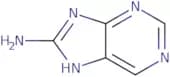
CAS:8-Aminopurine is an aminopurine that is used as a research tool in magnetic resonance spectroscopy. The proton magnetic resonance spectrum of 8-aminopurine shows two characteristic peaks at 3.0 and 4.2 ppm, which are assigned to the aminopurine tautomers (3-HPA, 4-HPA). The kinetic stability of 8-aminopurine in water is pH dependent and has been shown to be strongly dependent on the presence of aldehyde oxidase (AO) activity. AO activity can be inhibited by the addition of dimethylformamide or other non-specific inhibitors such as 2,6-dichloroisonicotinic acid.
Formula:C5H5N5Purity:Min. 95%Color and Shape:White PowderMolecular weight:135.13 g/mol













![7-[4-[4-(4-Fluorobenzoyl)Piperidin-1-Yl]Butyl]-1,3-Dimethylpurine-2,6-Dione](/_next/image/?url=https%3A%2Fstatic.cymitquimica.com%2Fproducts%2F3D%2Fthumb-webp%2FFF99814.webp&w=3840&q=75)