Nucleotides
Subcategories of "Nucleotides"
Found 2637 products of "Nucleotides"
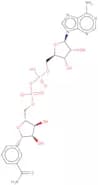
b-Nicotinamide adenine dinucleotide phosphate disodium salt
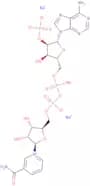
CAS:Coenzyme and regenerating electron donor in catabolic processesFormula:C21H26N7Na2O17P3Purity:Min. 93 Area-%Color and Shape:White PowderMolecular weight:787.4 g/mol3'-Azido-3'-deoxyuridine
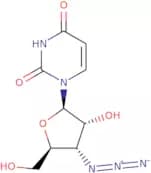
CAS:3'-Azido-3'-deoxyuridine is a nucleoside analog that is used as a substrate for DNA synthesis in the cell. 3'-Azido-3'-deoxyuridine is transported across the blood-brain barrier by a sodium-independent transporter and accumulates in the carotid artery, where it is converted to uridine. This drug has been shown to be activated at the site of infection and may have regiospecific activity against bacteria. 3'-Azido-3'-deoxyuridine has an imidazole ring and dinucleoside structure, which are important for its activity as a terminal half-life enhancer and anticancer agent. 3'-Azido-3'-deoxyuridine has also been used in liquid chromatography to purify nucleic acids research products.Formula:C9H11N5O5Purity:Min. 95%Color and Shape:PowderMolecular weight:269.21 g/molUridine-2',3'-cyclic monophosphate sodium salt
CAS:Uridine-2',3'-cyclic monophosphate sodium salt (CAS No. 15718-50-0) is a novel anticancer agent that has been shown to inhibit the growth of cancer cells in vitro and in vivo. It is a nucleoside analog that inhibits the synthesis of DNA by inhibiting ribonucleotide reductase and deoxyribonucleotide reductase, two enzymes involved in the production of DNA. Uridine-2',3'-cyclic monophosphate sodium salt is also an antiviral agent used to treat herpesvirus infections, such as herpes simplex type 1 and 2. This drug binds to viral RNA polymerase, which prevents viral replication by preventing mRNA synthesis.Formula:C9H10N2NaO8PPurity:Min. 98 Area-%Color and Shape:PowderMolecular weight:328.15 g/mol4-Thiouridine
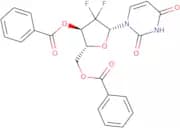
CAS:4-Thiouridine (4-SU) is a photoactivatable ribonucleoside analogue that is widely used for RNA analysis, including short-range RNA-RNA crosslinking and nascent RNA labelling. 4-SU is typically used to modify RNA oligonucleotides, or in structure studies of RNA-protein complexes. The crosslinking thiol moiety is attached directly to the nucleotide base, thus 4-SU differs from the nucleoside uridine only by a single sulfur substitution. This means it can be incorporated into an RNA chain with minimal structural perturbation and with similar base-pairing properties, reducing the likelihood that substitution will significantly impair RNA interactions or activities.Formula:C9H12N2O5SPurity:Min. 98 Area-%Color and Shape:PowderMolecular weight:260.27 g/mol3',5'-Di-O-benzoyl-2'-deoxy-2',2'-difluorouridine
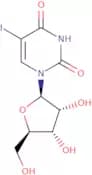
CAS:An intermediate for the preparation of modified oligonucleotides and other uridine derivatives containing a 2',2'-difluoro modification.Formula:C23H18F2N2O7Purity:Min. 95%Color and Shape:White PowderMolecular weight:472.4 g/mol5-Iodouridine
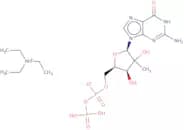
CAS:5-Iodouridine is a pyrimidine nucleoside that is found in the human body. It is used as a starting material for the synthesis of 5-iodo-2'-deoxyuridine, which has been shown to have biological properties. 5-Iodouridine binds to the dna template and prevents radiation from altering it's conformation. This binding has been shown to be specific for ultraviolet (UV) radiation, with little absorption at visible wavelengths. The biological effects of 5-iodouridine are dependent on its acidic pH and hydrogen bonding ability. In vitro assays have demonstrated that this compound can inhibit prostate cancer cells from proliferating and may be useful in treating cervical cancer.Formula:C9H11IN2O6Purity:Min. 95%Color and Shape:White PowderMolecular weight:370.1 g/mol2'-C-Methylguanosine 5'-diphosphate triethylammonium salt
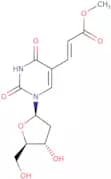
2'-C-Methylguanosine 5'-diphosphate triethylammonium salt is a synthetic nucleotide analog for use in researchFormula:C11H16N5O11P2·C18H45N3Purity:Min. 95%Color and Shape:PowderMolecular weight:759.79 g/molE-5-(2-Carbomethoxyvinyl)-2'-deoxyuridine
CAS:E-5-(2-Carbomethoxyvinyl)-2'-deoxyuridine is a nucleoside that is a modified form of uridine. It is a nucleotide analog that inhibits the synthesis of DNA and RNA and can be used to treat cancer. E-5-(2-Carbomethoxyvinyl)-2'-deoxyuridine is an activator that activates the phosphoramidites in the synthesis of DNA and RNA. This drug can also be used as antiviral therapy for herpes simplex virus type 1, influenza virus, and HIV. E-5-(2-Carbomethoxyvinyl)-2'-deoxyuridine has been shown to have anti-inflammatory properties by inhibiting prostaglandin synthesis.Formula:C13H16N2O7Purity:Min. 95%Color and Shape:White to off-white solid.Molecular weight:312.28 g/mol5-O-[[[(1S)-1-Methyl-2-(1-methylethoxy)-2-oxoethyl]amino]-phenoxyphosphinyl]-cytidine
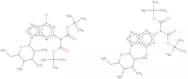
CAS:5-O-[[[(1S)-1-Methyl-2-(1-methylethoxy)-2-oxoethyl]amino]-phenoxyphosphinyl]-cytidine is a modified nucleoside analog that inhibits the synthesis of DNA and RNA. It has been shown to have antiviral, anticancer, and antiinflammatory activities. 5-O-[[[(1S)-1-Methyl-2-(1-methylethoxy)-2-oxoethyl]amino]-phenoxyphosphinyl]-cytidine is a ribonucleoside that can be used as a building block for the production of deoxyribonucleosides (i.e., as an activator). This product also has high purity and quality, as well as being novel in structure.Formula:C21H29N4O9PPurity:Min. 95%Color and Shape:White to off-white solid.Molecular weight:512.45 g/molN2-Diboc-7/9-(2,3,4,6-tetra-O-acetyl-D-mannopyranosyl)-6-chloro-2-aminopurine
N2-Diboc-7/9-(2,3,4,6-tetra-O-acetyl-D-mannopyranosyl)-6-chloro-2-aminopurine is a nucleoside that is modified with a chlorine group. The modification of the nucleoside may enhance its anticancer activity. N2-Diboc-7/9-(2,3,4,6-tetra-O-acetyl-D-mannopyranosyl)-6-chloro-2 aminopurine has been shown to inhibit the growth of virus and cancer cells by inhibiting DNA synthesis. It has also been shown to induce apoptosis in human leukemia cells.Formula:C21H30ClN5O9Purity:Min. 95%Color and Shape:White to beige solid.Molecular weight:531.94 g/molCytidine-2'-monophosphate sodium
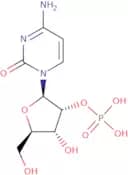
CAS:Cytidine-2'-monophosphate sodium (CMP) is a nucleotide that is used as a monophosphate or diphosphate. It can be used to synthesize DNA and RNA. CMP also has antiviral, anticancer, and high purity properties. CMP is an activator of DNA polymerases and helps in the synthesis of DNA. It has novel properties that make it different from other nucleotides, such as its modified sugar moiety.Formula:C9H12Na2N3O8PPurity:Min. 90%Color and Shape:PowderMolecular weight:367.18 g/mol5'-O-DMT-2'-O-methyl-N6-phenylacetyladenosine
5'-O-DMT-2'-O-methyl-N6-phenylacetyladenosine is a synthetic nucleoside with anticancer properties. It is modified to be more resistant to phosphodiesterase which blocks the synthesis of DNA and RNA. This drug has been shown to activate the immune system, inhibit tumor growth, and inhibit viral replication. It has been shown to be effective in animal models against leukemia and lymphoma. The high quality pure chemical will be used for use in research purposes only.Purity:Min. 95%6-O-Methylinosine
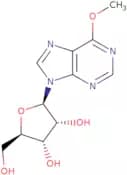
CAS:6-O-Methylinosine is a modified nucleoside that is used in the synthesis of recombinant proteins. It is synthesized from the reaction of methylphosphate and 6-O-methylguanosine. The phosphate group of the 6-O-methylguanosine molecule reacts with methylphosphate in an acid or neutral environment, while it reacts with phosphoric acid in a basic environment. This reaction can be monitored by measuring the amount of free phosphate groups present after the reaction. The rate of this reaction can be increased by increasing temperature and pH. 6-O-Methylinosine has been shown to have anticancer activity, which may be due to its ability to inhibit enzyme catalysis and modify DNA structure.Formula:C11H14N4O5Purity:Min. 95%Color and Shape:White PowderMolecular weight:282.25 g/mol7-Deaza-2'-deoxyguanosine
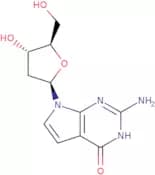
CAS:7-Deaza-2'-deoxyguanosine is an analog of guanosine that has been shown to inhibit the activity of telomerase. This enzyme synthesizes a sequence of DNA called a telomere, which protects the ends of chromosomes from deterioration and prevents chromosomal end-to-end fusion. 7-Deaza-2'-deoxyguanosine has an inhibitory effect on the polymerase chain reaction (PCR) in mammalian cells and inhibits the transcription-polymerase chain reaction (PCR) in vitro. It has also been shown to be potent against cancer cells. 7-Deaza-2'-deoxyguanosine is synthesized by solid phase synthesis, which is a chemical process that involves attaching one molecule to another molecule with similar structure, using organic solvents as intermediates.Formula:C11H14N4O4Purity:Min. 95%Color and Shape:White PowderMolecular weight:266.26 g/mol2-Amino-6-chloro-9-(2'-deoxy-b-D-ribofuranosyl)purine
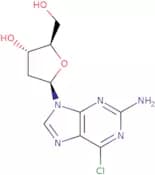
CAS:2-Amino-6-chloro-9-(2'-deoxy-b-D-ribofuranosyl)purine is a purine nucleoside where the purine base has a 2-amino group at position 2 and a chlorine at position 6. The sugar is 2'-deoxy, meaning it is like the sugar found in DNA, lacking the 2'-hydroxyl group that is present in RNA. The amino and chloro groups on the purine base modify how this molecule behaves in biological systems making it useful in research applications.Formula:C10H12ClN5O3Purity:Min. 97 Area-%Color and Shape:White PowderMolecular weight:285.69 g/mol5-Methyluridine
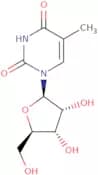
CAS:5-Methyluridine is a nucleoside that is used to inhibit the replication of cells. It is also used for the treatment of cancer, infectious diseases, and other conditions. 5-Methyluridine inhibits cellular replication by binding to ribothymidine and uridine in the nucleus. The inhibition of cellular proliferation is due to a lack of dna synthesis and RNA synthesis. This nucleoside has been shown to have inhibitory properties against mouse tumor cells grown in vitro, as well as the wild-type strain grown in vivo. 5-Methyluridine may be useful for the treatment of cancer tissues because it can suppress the growth of tumors by inhibiting their ability to replicate.Formula:C10H14N2O6Purity:Min. 98 Area-%Color and Shape:White PowderMolecular weight:258.23 g/molTrifluorothymidine
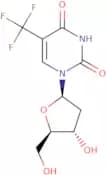
CAS:Treats herpes-associated keratitis and keratoconjunctivitis; antineoplasticFormula:C10H11F3N2O5Purity:Min. 95%Color and Shape:PowderMolecular weight:296.2 g/molCytidine-5'-diphosphate trisodium
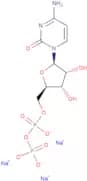
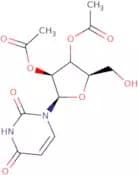
CAS:Cytidine-5'-diphosphate trisodium (CDP-Tris) is a copolymerization agent that contains a formamide molecule, which is used to increase the viscosity of the polymer. It is also used as a hydrogen bond donor and acceptor in the synthesis of polymers. CDP-Tris can be used for DNA replication and repairs damaged DNA by binding to 7-methylguanine, one of the most common lesions found in DNA. This agent has been shown to be effective in diluting crude cell extracts from E. coli bacteria. CDP-Tris is also used to synthesize polymers with 3-methylcytidine monomers that contain nitrogen atoms. These polymers are then used as substitutes for natural polymers such as cellulose and starch, which can be difficult to process because they are hydrophobic.Formula:C9H12N3Na3O11P2Purity:Min. 95 Area-%Color and Shape:White Yellow PowderMolecular weight:469.12 g/mol2',3'-Di-O-acetyl-D-uridine
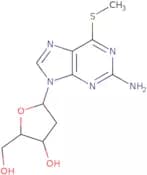
CAS:2',3'-Di-O-acetyl-D-uridine is a nucleoside for use in research applicationsFormula:C13H16N2O8Purity:Min. 98 Area-%Color and Shape:White PowderMolecular weight:328.27 g/mol2'-Deoxy-6-methylthioguanosine
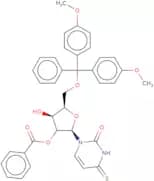
CAS:2'-Deoxy-6-methylthioguanosine is a novel nucleoside and nucleotide analog with antiviral and anticancer activities. It has been shown to inhibit the replication of DNA by inhibiting the activity of DNA polymerase. The target of this drug is not related to any virus or bacterial species, but it inhibits the growth of cancer cells in vitro. The synthesis of 2'-deoxy-6-methylthioguanosine can be achieved by modifying commercially available phosphoramidites.Formula:C11H15N5O3SPurity:Min. 95%Color and Shape:PowderMolecular weight:297.33 g/mol2'-O-Benzoyl-5'-O-DMT-4-thiouridine
2'-O-Benzoyl-5'-O-DMT-4-thiouridine is a phosphoramidite monophosphate nucleoside analog. It has antiviral and anticancer properties, and has been shown to activate the immune system in mice. 2'-O-Benzoyl-5'-O-DMT-4-thiouridine is also novel because it is structurally different from all other nucleosides that have been studied for antiviral and anticancer activity. This drug can be used as an activator of DNA synthesis in vitro.Formula:C37H34N2O8SPurity:Min. 95%Color and Shape:Yellow SolidMolecular weight:666.76 g/mol3',5'-O-(1,1,3,3-Tetraisopropyldisiloxane-1,3-diyl)-2'-ketouridine
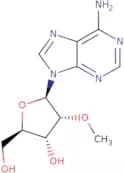
CAS:Used as a protected 2'-ketouridine nucleoside in the synthesis of modified RNA oligonucleotides. The 1,1,3,3-tetraisopropyldisiloxane-1,3-diyl (TIPDS or TBDPSi2) group protects the 3' and 5' hydroxyl groups, while the 2'-keto (or 2'-oxo) modification introduces a specific functional group at the 2' position of the ribose sugar.Formula:C21H36N2O7Si2Purity:Min. 95%Color and Shape:White PowderMolecular weight:484.69 g/mol2'-O-Methyladenosine
CAS:2'-O-Methyladenosine (2'-OMeA) is a nucleoside that is a low-energy analog of adenosine. It has been shown to be an effective inhibitor of protein synthesis in vitro, by inhibiting RNA polymerase in the process of transcription. 2'-OMeA has also been shown to inhibit virus replication in vitro and to have potent inhibitory activity against human immunodeficiency virus type 1 (HIV-1). 2'-OMeA inhibits viral replication by binding to the viral ribonucleotide reductase enzyme and blocking the conversion of ribonucleotides into deoxyribonucleotides. The chemical structures of 2'-OMeA are similar to those found in fatty acids and can be detected using chemical ionization mass spectroscopy. The sequence for 2'-OMeA was determined through sequencing methods including NMR spectroscopy and nuclear magnetic resonance data analysis.Formula:C11H15N5O4Purity:Min. 98 Area-%Color and Shape:White Off-White PowderMolecular weight:281.27 g/molInosine 5'-diphosphate disodium salt
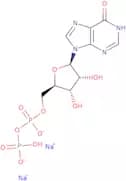
CAS:Inosine-5'-diphosphate disodium salt (IDPS) is a nitro compound that is used in the synthesis of antibacterial drugs. It is also used in the production of polymers and as a precursor to other organic compounds. IDPS has been shown to have antibacterial activity against halogeno bacteria, such as buprestidae, and many Gram-positive bacteria, including encapsulated strains. IDPS has been shown to be effective against both damaged cells and healthy cells in culture. The mechanism of action may involve inhibition of protein synthesis by blocking the ribosomes or by interfering with DNA replication. This drug also inhibits growth rate of japonica rice and heterocycles.Formula:C10H12N4Na2O11P2Purity:Min. 90.0 Area-%Color and Shape:White PowderMolecular weight:472.15 g/molBucladesine calcium salt
CAS:Protein kinase A inhibitor; cAMP agonistFormula:C18H24N5O8PCaPurity:Min. 95%Color and Shape:PowderMolecular weight:489.42 g/mol5-Hydroxymethylcytidine
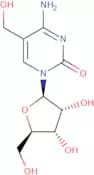
CAS:5-Hydroxymethylcytidine is a nucleoside that has been shown to inhibit the activity of RNA polymerase by forming hydrogen bonds with the enzyme. It is used in vitro to study the role of messenger RNA in regulating gene expression, and also as a probe for transcriptase activity. 5-Hydroxymethylcytidine has also been shown to have a biological function in solid tumours and may be an analytical method for detecting cancer.Formula:C10H15N3O6Purity:Min. 95 Area-%Color and Shape:White PowderMolecular weight:273.24 g/mol5-Fluorocytidine
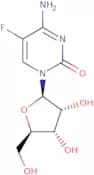
CAS:5-Fluorocytidine (5FC) is an antiviral drug that inhibits the synthesis of DNA. 5FC is a prodrug that is converted to cytosine in vivo, and then incorporated into viral DNA by polymerase chain reactions. The incorporation of 5FC into viral DNA prevents replication and transcription, which can lead to the death of cells infected with HIV. In addition, 5FC has been shown to be effective in treating chronic viral hepatitis and bowel diseases such as Crohn's disease. It also has potential use as a drug target for cancer treatments. 5FC has been shown to inhibit transcription activators in murine hepatoma cells and inhibit the growth of tumors in transfection experiments using human colon cancer cells. This antiviral agent has also been shown to have antimicrobial activity against Gram-positive bacteria, including Clostridium difficile, Staphylococcus aureus, Streptococcus pyogenes and Enterococcus faecFormula:C9H12FN3O5Purity:Min. 99 Area-%Color and Shape:White PowderMolecular weight:261.21 g/molOrotidine
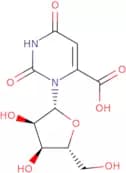
CAS:Orotidine is a decarboxylase inhibitor. It inhibits the enzyme that converts orotate to uridine and the enzyme that converts orotate to decarboxylase. Orotidine has been shown to inhibit the growth of opportunistic fungal organisms and may be useful in treating infections caused by these pathogens. Orotidine is an analytical method for measuring the activity of orotidase, which catalyzes conversion of orotate to uridine. The enzyme form of orotidase found in human erythrocytes is very sensitive to inhibition by picolinic acid, which is used as a substrate for this reaction.
Formula:C10H12N2O8Purity:Min. 95 Area-%Color and Shape:White PowderMolecular weight:288.21 g/mol2'-Deoxypseudoisocytidine
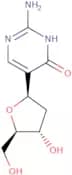
CAS:2'-Deoxypseudoisocytidine is a synthetic nucleoside that is structurally similar to pseudoisocytidine. It is used as an anti-cancer agent in labeling studies. The compound exhibits cytotoxic activity against tumor cells and inhibits the growth of cultured human cancer cell lines. 2'-Deoxypseudoisocytidine has been shown to be effective in preventing the growth of brain tumors in mice by targeting DNA synthesis, which may be due to its ability to act as an analog of cytosine and bind to DNA. This drug also has potential for use as a chemotherapeutic agent for leukemia and other cancers.Formula:C9H13N3O4Purity:Min. 95%Color and Shape:PowderMolecular weight:227.22 g/mol2'-Chloro-2'-deoxycytidine
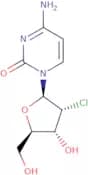
CAS:2'-Chloro-2'-deoxycytidine is a synthetic nucleoside analog. It is a modified deoxycytidine with a chlorine atom at the 2'-position of the deoxyribose sugar. This molecule can be used in research applicationsFormula:C9H12ClN3O4Purity:Min. 95%Color and Shape:PowderMolecular weight:261.66 g/mol5'-O-DMT-5-iodo-2'-O-methyluridine
CAS:5'-O-DMT-5-iodo-2'-O-methyluridine is an activator and antitumor agent that is used in the synthesis of 5'-O-DMT-5-iodo-2'-O-(2,4,6-trimethoxybenzoyl)uridine for cancer research. This chemical is a novel synthetic nucleoside with a high purity and quality that can be used to synthesize deoxyribonucleosides, nucleosides, and phosphoramidites. It has a CAS number of 588691-24-1. 5'-O-DMT-5-iodo-2'-O-(2,4,6 trimethoxybenzoyl)uridine can be used as an antiviral agent against HIV and other retroviruses.Formula:C31H31IN2O8Purity:Min. 98 Area-%Color and Shape:PowderMolecular weight:686.49 g/mol2',3'-Dideoxy-2',3'-didehydroadenosine
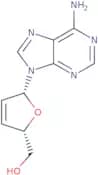
CAS:2′,3′-Dideoxy-2′,3′-didehydroadenosine, abbreviated to d4A, is a synthetic purine nucleoside analog. Possible applications are its use to study antiviral activity.Formula:C10H11N5O2Purity:Min. 95%Color and Shape:Off-White PowderMolecular weight:233.23 g/mol3'-Amino-3'-deoxythymidine
CAS:Also known as AMT, this is a catabolite of the nucleoside analog zidovudine (AZT), a drug used to treat HIV infection.Formula:C10H15N3O4Purity:Min. 98 Area-%Color and Shape:PowderMolecular weight:241.24 g/molAdenosine-3'-monophosphate
CAS:Adenosine-3'-monophosphate is a nucleotide that is an important precursor in the synthesis of proteins. The ribosome, which is a large macromolecular complex that catalyzes protein synthesis, binds to the 3' end of the mRNA and adds adenosine-3'-monophosphate to the growing polypeptide chain. Adenosine-3'-monophosphate plays an important role in bacterial ribosomal RNA termination and protein synthesis. It also has sequence analysis capabilities and helps determine the sequence of subunits in the ribosome by providing a terminal nucleotide.Formula:C10H14N5O7PPurity:Min. 95%Color and Shape:White PowderMolecular weight:347.22 g/mol5'-(N-Cyclopropyl)carboxamidoadenosine
CAS:5'-(N-Cyclopropyl)carboxamidoadenosine (5' CAPA) is a cyclic nucleotide analog. It has been shown to have photochemical properties and can be used as a fluorescent probe for the detection of DNA. 5' CAPA binds to the α subunit of RNA polymerase and inhibits transcription, which may result in reduced expression of proteins involved in growth control. Structural analysis has revealed that 5' CAPA binds to the catalytic site of the enzyme, sterically interfering with ATP binding. The inhibitory effect is reversible by removal of 5' CAPA from the reaction solution or by addition of cytosolic calcium chelators. 5' CAPA was found to have no effect on phycocyanin production by phytoplankton when added at concentrations up to 1 mM and did not affect transcription-polymerase chain reactions or regulatory processes in bacterial cells. 5'-(N-CyFormula:C13H16N6O4Purity:Min. 95%Molecular weight:320.31 g/mol5'-O-DMT-5-methyluridine
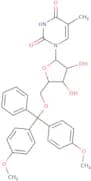
CAS:5'-O-DMT-5-methyluridine is a mesylate that is used as a chemical building block in the synthesis of unmodified, modified, and conjugate nucleosides. 5'-O-DMT-5-methyluridine can be used to modify ribonucleotides and derivates. It has been shown to be useful for labeling DNA probes with fluorescein and rhodamine dyes. 5'-O-DMT-5-methyluridine also has affinity for nucleophile groups such as phosphate, hydroxyl and amino groups. This compound is used in the incorporation of labeled polypeptides into proteins by ligation.Formula:C31H32N2O8Purity:Min. 95%Molecular weight:560.59 g/molAdenosine 5'-monophosphate
CAS:AMP plays a crucial role in cellular metabolic processes, including the synthesis of RNA and the regulation of enzymes like AMP-activated protein kinase (AMPK)
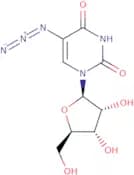
Formula:C10H14N5O7PPurity:Min. 98 Area-%Color and Shape:White Off-White PowderMolecular weight:347.22 g/mol5-Azidouridine
CAS:5-Azidouridine is used for nucleotide labelling and promptly reacts via a click reaction with a terminal alkyne or cyclooctyne conjugated to a reporter (fluorophore or biotine). The formed labelled nucleotide has a stable triazole linker. 5-Azidouridine has been used in living cell fluorescent imaging of cancer cells.
Formula:C9H11N5O6Purity:Min. 95%Color and Shape:PowderMolecular weight:285.21 g/molThionicotinamide adenine dinucleotide
CAS:Thionicotinamide adenine dinucleotide is a cofactor in the production of ATP, and is also used as a reagent for determining the activity of dehydrogenases. It is produced by the oxidation of thionocinamide ribonucleotide, which is synthesized from dihydroxyacetone phosphate and phosphoric acid. Thionicotinamide adenine dinucleotide binds to NADP+, which acts as a hydrogen acceptor, and transfers two electrons to it. The nadph then donates an electron to the dehydrogenase, which converts a substrate into its product in a redox reaction.Formula:C21H27N7O13P2SPurity:Min. 95%Color and Shape:Yellow PowderMolecular weight:679.49 g/mol2'-Deoxy-L-cytidine 3'-O-L-valinyl ester 2HCl
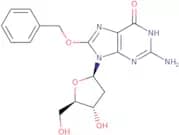
CAS:2'-Deoxy-L-cytidine 3'-O-L-valinyl ester 2HCl is a nucleoside analog that is converted to its active form by intracellular dephosphorylation. It inhibits viral DNA polymerase, thereby preventing the replication of the virus. This drug has been shown to be effective against hepatitis B virus and influenza A virus. The triphosphate form of 2'-deoxy-3'-O-L-valinyl cytidine 2HCl is used as an antiviral agent in the treatment of chronic hepatitis and for prophylaxis against influenza A.Formula:C14H22N4O5·2HClPurity:Min. 95%Color and Shape:Off-White PowderMolecular weight:399.27 g/mol8-Benzyloxy-2'-deoxyguanosine
CAS:8-Benzyloxy-2'-deoxyguanosine is a dinucleoside that is synthesised from uracil and hydrogenated 8-hydroxyquinoline. The synthesis of 8-benzyloxy-2'-deoxyguanosine was achieved by cyclic photocyclization of 2,4,6-trichlorobenzaldehyde with 2,4,6-trimethoxyphenylacetone in the presence of sodium nitrite. This compound has been used for the quantification of DNA damage caused by irradiation or sodium chloride. 8-Benzyloxy-2'-deoxyguanosine has also been shown to inhibit the polymerase chain reaction (PCR) amplification of oligodeoxynucleotides.Formula:C17H19N5O5Purity:Min. 95%Color and Shape:Off-White To Brown SolidMolecular weight:373.36 g/mol8-Chloroadenosine-5'-monophosphate triethylammonium, about 28 mg/ml aqueous solution
CAS:8-Chloroadenosine-5'-monophosphate triethylammonium is a novel phosphoramidite that is used in the synthesis of DNA. 8-Chloroadenosine-5'-monophosphate triethylammonium has been shown to activate antiviral and anticancer drugs with high specificity. It is also used as a reagent for the synthesis of deoxyribonucleosides and nucleosides. 8-Chloroadenosine-5'-monophosphate triethylammonium has high purity and can be used in the synthesis of DNA, RNA, and other nucleosides.Formula:C10H13ClN5O7P•(C6H15N)2Purity:Min. 95%Color and Shape:Clear LiquidMolecular weight:584.05 g/mol2'-Deoxy-5'-O-DMT-N2-isobutyryl-a-guanosine
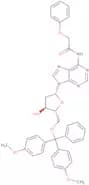
CAS:2'-Deoxy-5'-O-DMT-N2-isobutyryl-a-guanosine is a nucleoside that is synthesized from 2'-deoxyribonucleosides and activated with diphosphate. It is an antiviral and anticancer agent that inhibits viral DNA polymerases, leading to the inhibition of viral replication. 2'-Deoxy-5'-O-DMT-N2-isobutyryl-a-guanosine has also been shown to inhibit cancer cell growth in vitro by inhibiting the synthesis of cellular DNA. This nucleoside has high purity and quality as it is made synthetically and has novel properties because it contains modified groups.Formula:C35H37N5O7Purity:Min. 95%Color and Shape:White to off-white solid.Molecular weight:639.71 g/mol2'-Deoxy-5'-O-DMT-N6-phenoxyacetyladenosine
CAS:2'-Deoxy-5'-O-DMT-N6-phenoxyacetyladenosine is a novel phosphoramidite nucleoside that is an antiviral and anticancer agent. It can be used as a monophosphate or diphosphate. 2'-Deoxy-5'-O-DMT-N6-phenoxyacetyladenosine has been shown to inhibit the replication of DNA, RNA, and protein synthesis. This compound also has an activating effect on the immune system by inducing lymphocyte proliferation and increasing NK activity. It inhibits the growth of viruses such as HIV and influenza A virus. The purity of 2'-Deoxy-5'-O-DMT-N6-phenoxyacetyladenosine is high, with a CAS number of 11052282-2.Formula:C39H37N5O7Purity:Min. 95%Color and Shape:PowderMolecular weight:687.76 g/mol3',5'-Di-O-(tert-butyldimethylsilyl)-2'-deoxyguanosine
CAS:3',5'-Di-O-(tert-butyldimethylsilyl)-2'-deoxyguanosine is a synthetic nucleoside with antiviral properties. It is a monophosphate that can be used to activate other nucleosides. This product has been shown to inhibit human immunodeficiency virus (HIV) reverse transcriptase in vitro and in vivo, as well as the replication of other viruses such as herpes simplex virus (HSV).Formula:C22H41N5O4Si2Purity:Min. 95%Color and Shape:PowderMolecular weight:495.76 g/mol3',5'-Di-O-acetyl-5-bromo-2'-deoxyuridine
CAS:Please enquire for more information about 3',5'-Di-O-acetyl-5-bromo-2'-deoxyuridine including the price, delivery time and more detailed product information at the technical inquiry form on this pageFormula:C13H15BrN2O7Purity:Min. 95%Color and Shape:PowderMolecular weight:391.18 g/mol2,3'-Anhydro-5'-O-tert-butyldiphenylsilylthymidine
2,3'-Anhydro-5'-O-tert-butyldiphenylsilylthymidine is a synthetically modified thymidine analog for use in researchPurity:Min. 95%Color and Shape:White to off-white solid.1-(2'-O-4-C-Methylene-b-D-ribofuranosyl)thymine
CAS:1-(2'-O-4-C-Methylene-b-D-ribofuranosyl)thymine is a nucleoside analog with a modified ribofuranosyl sugar, which includes a 2'-O-4'-C-methylene bridge that constrains the sugar conformation.Formula:C11H14N2O6Purity:Min. 95%Color and Shape:PowderMolecular weight:270.24 g/mol2-Azidoadenosine
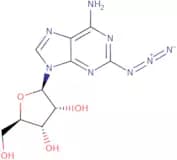
CAS:2-Azidoadenosine is a nucleoside analog of adenosine, where the 2'-hydroxyl group of the ribose sugar is replaced with an azido group (–N₃). This substitution imparts unique chemical properties, notably enabling molecules to undergo bioorthogonal reactions, such as click chemistry, which involves the cycloaddition of the azide group with alkynes.
Formula:C10H12H8O4Purity:Min. 95%Color and Shape:PowderMolecular weight:308.25 g/mol6-Methylmercapto-9-(b-D-ribofuranosyl)purine
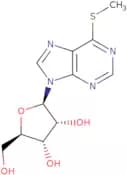
CAS:6-Methylmercapto-9-(b-D-ribofuranosyl)purine (6MMPR) is a nucleotide analog that is synthesized through the process of ribosylation. It has been shown to be reactive and inflammatory in the colon, which may be due to its role as an enzyme inhibitor. 6MMPR inhibits target enzymes such as 2-methylthio-6-chloropurine riboside, which are involved in DNA synthesis and repair. This drug also has anti-inflammatory properties, which may be due to its ability to inhibit the production of inflammatory cytokines by activated immune cells. 6MMPR is used for the treatment of bowel diseases such as Crohn's disease and ulcerative colitis.Formula:C11H14N4O4SPurity:Min. 95%Color and Shape:White PowderMolecular weight:298.32 g/mol



![5-O-[[[(1S)-1-Methyl-2-(1-methylethoxy)-2-oxoethyl]amino]-phenoxyphosphinyl]-cytidine](/_next/image/?url=https%3A%2Fstatic.cymitquimica.com%2Fproducts%2F3D%2Fthumb-webp%2FNM46513.webp&w=3840&q=75)