Nucleotides
Subcategories of "Nucleotides"
Found 2637 products of "Nucleotides"
N6-Isopentenyladenosine-5'-monophosphate disodium
CAS:N6-Isopentenyladenosine-5'-monophosphate sodium salt is an adenosine conjugate acid. It is a monomer of polyribonucleotide chain, which is necessary for the formation of ribonucleic acid (RNA) and deoxyribonucleic acid (DNA). N6-Isopentenyladenosine-5'-monophosphate sodium salt is a conjugate base that has the ability to bind to DNA. This binding prevents the formation of a complex with RNA polymerase, thereby inhibiting transcription and replication.
Formula:C15H22N5O7P•Na2Purity:Min. 95 Area-%Color and Shape:PowderMolecular weight:461.32 g/molAdenosine 3',5'-cyclic monophosphate
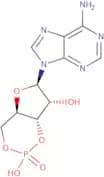
CAS:Second messenger in intracellular signal transduction
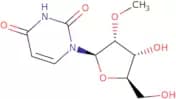
Formula:C10H12N5O6PPurity:(%) Min. 95%Color and Shape:White PowderMolecular weight:329.21 g/mol2'-O-Methylpseudouridine
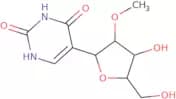
CAS:2'-O-methylpseudouridine is a modified nucleoside that belongs to the group of modified nucleosides. It is found in ribonucleic acid (RNA) and deoxyribonucleic acid (DNA). 2'-O-methylpseudouridine is a derivative of pseudouridine and can be categorized as a modified nucleotide. The chemical structure of this compound has been shown using reversed-phase high-performance liquid chromatography. This technique can help identify modifications in RNA, such as 5-carbamoylmethyluridine. 2'-O-methylpseudouridine is an epigenetic marker that may be used to study tissues or sequences.Purity:Min. 95%Color and Shape:PowderMolecular weight:258.23 g/mol5-Methylcytidine
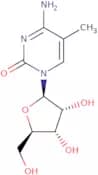
CAS:5-Methylcytidine is a nucleoside that is found in DNA and RNA. It is used in structural biology to probe the structure of DNA. 5-Methylcytidine binds to the enzyme methyl transferase, which catalyzes the transfer of a methyl group from S-adenosylmethionine to produce 5-methyluridine. This reaction occurs in long-term toxicity studies using primary cells, such as lymphocytes and fibroblasts. 5-Methylcytidine has been shown to inhibit tumour growth in mice by binding to nuclear dna polymerase and blocking transcription. The binding site for this drug on the polymerase is located at the same site as that for nucleoside analogues like azidothymidine (AZT) and zidovudine (AZT).
Formula:C10H15N3O5Purity:Min. 95%Color and Shape:White PowderMolecular weight:257.24 g/mol2'-O-(2-Methoxyethyl)uridine
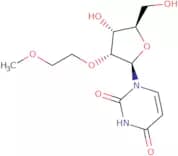
CAS:2'-O-(2-Methoxyethyl)uridine is a nucleoside analog that inhibits the synthesis of DNA, RNA and protein. It can be used as an antimetabolite to treat cancer and prevents tumor growth by interfering with cell division. 2'-O-(2-Methoxyethyl)uridine is often used in combination with other chemotherapeutic drugs. This drug is not active against bacteria and does not inhibit the growth of bacteria. The major disadvantage of this drug is its lack of efficacy against tumors, which may be due to the lack of penetration through the cell membrane or damage to DNA caused by radiation, abiotic factors, or malfunctioning enzymes. 2'-O-(2-Methoxyethyl)uridine has been shown to cause damage to cells by altering their metabolism and affecting the function of their mitochondria. Damage can cause cells to die through apoptosis or necrosis.Formula:C12H18N2O7Purity:Min. 95 Area-%Color and Shape:PowderMolecular weight:302.28 g/mol1-(b-D-Arabinofuranosyl)uracil
CAS:1-(b-D-Arabinofuranosyl)uracil is a nucleoside analog containing uracil, a nitrogenous base found in RNA, and a β-D-Arabinofuranose sugar. This compound could be used to study its effects on DNA/RNA synthesis.
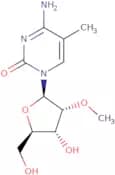
Formula:C9H12N2O6Purity:Min. 95%Color and Shape:White PowderMolecular weight:244.2 g/mol2'-O-Methyl-5-methylcytidine
CAS:2'-O-Methyl-5-methylcytidine is a nucleoside that is categorized as a modified nucleic acid. It is structurally similar to cytidine, but has an additional methyl group. 2'-O-Methyl-5-methylcytidine stabilizes the conformational structure of nucleic acids and can be used to regulate the activity of enzymes. This modified nucleoside has been shown to have thermophilic characteristics when it interacts with human cells. The stability of 2'-O-Methyl-5-methylcytidine increases with increasing temperature, making it possible for this molecule to regulate gene expression in organisms that live at high temperatures.Formula:C11H17N3O5Purity:Min. 95%Color and Shape:White Off-White PowderMolecular weight:271.27 g/molL-Adenosine
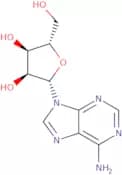
CAS:L-Adenosine is a nucleoside that is naturally synthesized in the body and is also found in certain foods. It has a variety of functions, including as an adenosine receptor agonist, a transport agent, and a substrate for metabolic pathways. In addition to its function as an adenosine receptor agonist, L-adenosine can be transported into mammalian cells by facilitated diffusion. The uptake of L-adenosine into cells is dependent on the concentration of extracellular adenosine and its concentration-response curve has been determined experimentally. L-Adenosine also acts as an inhibitor of phosphodiesterase enzyme which increases cAMP levels in cells. This increase in cAMP leads to increased calcium ion influx into the cell, which may lead to activation of protein kinase A (PKA) and protein kinase C (PKC). L-Adenosine has been shown to have cardiac effects at high concentrations. These effects may be
Formula:C10H13N5O4Purity:Min. 95%Color and Shape:White PowderMolecular weight:267.24 g/molS-(5'-Adenosyl)-L-homocysteine dihydrate
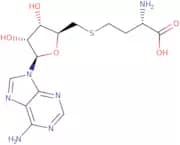
CAS:S-(5'-Adenosyl)-L-homocysteine dihydrate is the active form of homocysteine. It has been shown to inhibit the growth of HL-60 cells and induce apoptosis in these cells. S-(5'-Adenosyl)-L-homocysteine dihydrate binds to dsDNA as a methyltransferase inhibitor, which leads to DNA methylation and inhibits DNA binding. The inhibition of DNA binding prevents transcription, leading to cell death. This drug has also been shown to have an anti-atherosclerotic effect in a model system by inhibiting the adenosine receptor.Formula:C14H20N6O5S•(H2O)2Purity:Min. 98 Area-%Color and Shape:PowderMolecular weight:420.44 g/mol3-(3-Amino-3-carboxypropyl)uridine
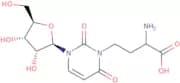
CAS:3-(3-Amino-3-carboxypropyl)uridine is an uridine analog that is used in the study of protein synthesis. It can be used to determine the amino acid sequence of a protein, or to identify proteins with similar sequences. 3-(3-Amino-3-carboxypropyl)uridine can also be used to study enzymatic reactions, such as those involved in the synthesis of polypeptides. This molecule has been shown to produce disulfide bonds and form covalent bonds with other molecules. The three-dimensional structure of this molecule has been determined by NMR spectroscopy and X-ray crystallography.
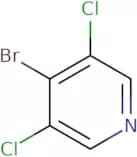
Formula:C13H19N3O8Purity:Min. 95%Color and Shape:PowderMolecular weight:345.31 g/mol4-Bromo-3,5-dichloropyridine
CAS:4-Bromo-3,5-dichloropyridine is a reactive intermediate that is used as a reagent in organic synthesis. It has low basicity and reacts with lithium to form the lithium salt. The salt can be deprotonated to form the bromide anion, which is more reactive than the chloride anion. 4-Bromo-3,5-dichloropyridine can also be used for the selective isomerization of ketones and related compounds. Bromine is added to prevent side reactions with oxygen. The intermediates are generated at the site of reaction by using an excess of diisopropylamide over bromination agent.
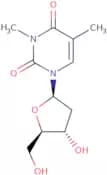
Formula:C5H2BrCl2NPurity:Min. 95%Molecular weight:226.89 g/molN3-Methylthymidine
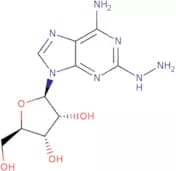
CAS:N3-Methylthymidine is a metalloprotease inhibitor that has been shown to inhibit the activity of epidermal growth factor (EGF). N3-Methylthymidine is also an effective inhibitor of HIV infection. The inhibitory effect on HIV infection is due to the competitive inhibition of viral protease and subsequent degradation of viral proteins. N3-Methylthymidine inhibits the synthesis and release of infectious herpes simplex virus particles. This drug also inhibits the growth of human tumor cells in culture by inhibiting cell proliferation, most likely due to its ability to inhibit EGF. An analytical method for determining the concentration of this drug in plasma using chemical ligation has been developed.Formula:C11H16N2O5Purity:Min. 95%Color and Shape:White PowderMolecular weight:256.26 g/mol2-Hydrazinoadenosine
CAS:2-Hydrazinoadenosine is an active analogue of adenosine. It is a potent agonist for the adenosine receptor subtypes A1 and A2A with high affinity. 2-Hydrazinoadenosine has been shown to inhibit cardiac contractility in animal models, as well as to produce hypotension, bradycardia, and bronchodilation in humans. This drug also has a functional effect on the heart by binding to adenosine receptors, which leads to the inhibition of catecholamine release. This drug is used clinically as an antiarrhythmic agent and a vasodilator in coronary artery disease.
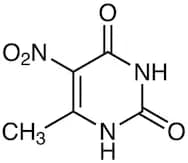
Formula:C10H15N7O4Purity:Min. 95%Color and Shape:PowderMolecular weight:297.27 g/mol6-Methyl-5-nitrouracil
CAS:Formula:C5H5N3O4Purity:>95.0%(T)(HPLC)Color and Shape:Light orange to Yellow to Green powder to crystalMolecular weight:171.11Polycytidylic acid
CAS:Polycytidylic acid is a single stranded RNA analog which is combined with Polyinosinic acid to form a stable duplex structure known as Polyinosinic acid-polycytidylic acid (Poly I:C). PolyI:C stimulates the secretion of pro-inflammatory cytokines and type I interferon through its interaction with endosomal Toll-like receptor 3 (TLR-3) and the cytoplasmic receptors melanoma differentiation-associated gene 5 (MDA-5) and retinoic acid-inducible gene I (RIG-I). This immunostimulant activity makes Poly I:C a useful vaccine adjuvant and is used in vaccine formulations. Poly I:C and its stabilized analogs (e.g., poly-ICLC) are also being actively researched for their dual role in oncology: directly targeting tumors and acting as immune potentiators. For example Poly I:C can induce apoptosis in tumor cells and stimulate immunogenic cell death and is therefore being explored alongside chemotherapy, radiotherapy, and checkpoint inhibitors, helping to overcome resistance mechanisms and strengthen treatment outcomes. We can supply PolyI:C to all stages of your project - from R&D and preclinical phases right up to GMP commercial manufacture. Contact our team for custom Poly I:C products.
For more on poly I:C read out blog 'Poly I:C: A Vaccine Adjuvant With Oncological Potential.'Purity:Min. 95%2'-Deoxy-a-guanosine
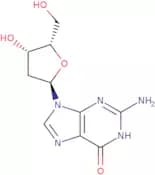
CAS:2'-Deoxy-a-guanosine is a nucleoside that is modified by the substitution of its ribose sugar with deoxyribose. It is used in anticancer and antiviral research. This chemical has been shown to inhibit DNA synthesis and RNA polymerase activity. 2'-Deoxy-a-guanosine has also been shown to have an anti-inflammatory effect, which may be due to its inhibition of prostaglandin synthesis.Formula:C10H13N5O4Purity:Min. 95%Color and Shape:PowderMolecular weight:267.25 g/molGuanosine 3',5'-bisdiphosphate lithium salt - 100mM aqueous solution
CAS:Regulates gene transcription; inhibits the synthesis of tRNA and rRNAFormula:C10H17N5O17P4·xLiPurity:Min. 85 Area-%Color and Shape:Colorless PowderMolecular weight:602.16 g/molUridine 3'-monophosphate disodium salt
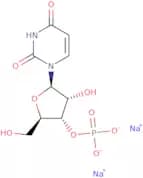
CAS:Uridine 3'-monophosphate disodium salt is a nucleotide that is part of the pyrimidine family. It is synthesized from uridine and phosphoric acid in a reaction that requires hydrogen bonding and the presence of an enzyme. Uridine 3'-monophosphate disodium salt has been shown to inhibit the production of eosinophil cationic protein, which may be due to its ability to denature proteins. This drug also has an effect on the synthesis of proteins by inhibiting enzymes such as acetylcholinesterase and catalase. The synthesis of glycosidic bonds is also inhibited, which may lead to an increase in body mass index (BMI).Formula:C9H11N2Na2O9PPurity:Min. 95%Color and Shape:White PowderMolecular weight:368.15 g/molUridine
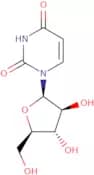
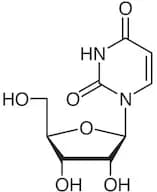
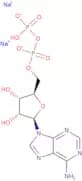
CAS:Formula:C9H12N2O6Purity:>98.0%(T)(HPLC)Color and Shape:White powder to crystalMolecular weight:244.20Adenosine 5'-Diphosphate Disodium Salt
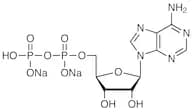
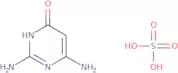
CAS:Formula:C10H13N5Na2O10P2Purity:>93.0%(HPLC)Color and Shape:White to Light yellow powder to crystalMolecular weight:471.172,4-Diamino-6-hydroxypyridine sulphate
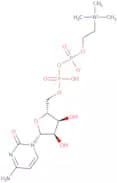
CAS:2,4-Diamino-6-hydroxypyridine sulphate is a nucleoside for use in research applicationsFormula:C4H6N4O•(H2SO4)xPurity:Min. 95%Color and Shape:PowderMolecular weight:224.2 g/molCytidine 5'-diphosphocholine
CAS:Cytidine 5'-diphosphocholine is a nucleotide that is a precursor of uridine 5'-triphosphate and cytidine 5'-monophosphate, which are important for DNA synthesis. Cytidine 5'-diphosphocholine is used in the preparation of samples for experiments. This compound has been shown to induce neuronal death in an experimental model. It has also been shown to inhibit polymerase chain reactions and affect the activity of enzymes such as alpha-7 nicotinic acetylcholine receptors and glutamate decarboxylase. Cytidine 5'-diphosphocholine has been found to have no effect on basic fibroblast cells, but it does have physiological effects on human erythrocytes.Formula:C14H26N4O11P2Purity:Min. 98 Area-%Color and Shape:White PowderMolecular weight:488.32 g/mol2'-Deoxy-L-uridine
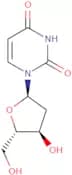
CAS:2'-Deoxy-L-uridine is a nucleoside that is found in the human body. It phosphorylates l-thymidine, which is a natural substrate, and this reaction prevents the formation of diphosphate from d-ribose 5'-monophosphate. 2'-Deoxy-L-uridine is an exogenous substance that inhibits cell growth by affecting protein synthesis and DNA replication. 2'-Deoxy-L-uridine has been shown to be more efficient than wild type uridine in inhibiting cell growth in vitro at concentrations of 1 mM or greater. The enantiomers of 2'-deoxy-L-uridine affect cell growth differently, with the (R)-enantiomer being more potent than the (S)-enantiomer.
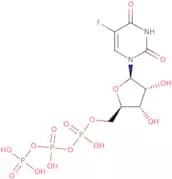
Formula:C9H12N2O5Purity:Min. 95%Color and Shape:White PowderMolecular weight:228.2 g/mol5-Fluorouridine-5'-triphosphate sodium salt
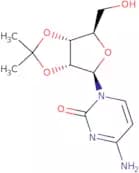
CAS:5-Fluorouridine-5'-triphosphate sodium salt is an analog of uridine that has been used in the treatment of metastatic colorectal cancer. It is a prodrug that is metabolized to 5-fluorouracil, its active form. 5-Fluorouridine-5'-triphosphate sodium salt inhibits the synthesis of thymidylate, one of the precursors to DNA, and blocks the production of nucleotides. This results in cell lysis and death by apoptosis. The drug also inhibits epidermal growth factor receptor (EGFR), which may contribute to its antitumor effects.Formula:C9H14N2O15P3FPurity:Min. 95%Molecular weight:502.13 g/mol2',3'-O-Isopropylidenecytidine
CAS:2',3'-O-Isopropylidenecytidine is a nucleoside for use in research applications
Formula:C12H17N3O5Purity:Min. 95%Color and Shape:PowderMolecular weight:283.28 g/mol2'-O-Methylinosine
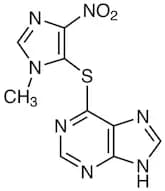
CAS:2'-O-Methylinosine is a nucleoside that is structurally related to inosine. It has been shown to induce apoptotic cell death in HIV-infected cells by inhibiting the synthesis of rRNA and by inhibiting the activity of the transcriptase enzyme. 2'-O-Methylinosine has also been shown to inhibit the replication of RNA viruses, such as herpes simplex virus and cytomegalovirus, and it can be used as an experimental model for studying apoptosis. 2'-O-Methylinosine can be synthesized from inosine using a chromatographic method that utilizes hydroxylamine. The chemical structure of this nucleoside is amphipathic, which allows it to bind both DNA and RNA strands.Formula:C11H14N4O5Purity:Min. 99 Area-%Color and Shape:White PowderMolecular weight:282.25 g/molAzathioprine
CAS:Formula:C9H7N7O2SPurity:>98.0%(T)(HPLC)Color and Shape:Light yellow to Yellow to Green powder to crystalMolecular weight:277.26Adenosine 5'-diphosphate disodium salt
CAS:Adenosine 5'-diphosphate disodium salt is a sodium salt of adenosine 5'-diphosphate. It is found in the extract of plants such as salvianolic acid and rhizoma gastrodiae, as well as in dinucleotide phosphate. This product has been shown to have cardioprotective effects against ischemia reperfusion injury in animal models. It also has congestive heart failure activity, which may be due to its ability to relax vascular smooth muscle and increase the diameter of lymphatic vessels. Adenosine 5'-diphosphate disodium salt has been shown to inhibit the binding of serotonin (5-hydroxytryptamine) to 5-HT2 receptors, which are present in heart tissue.
Formula:C10H13N5Na2O10P2Purity:Min. 95 Area-%Color and Shape:White PowderMolecular weight:471.16 g/mol5-Aza-7-deazaguanosine
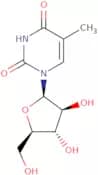
CAS:5-Aza-7-deazaguanosine is a nucleoside analogue that has antiviral activity against herpes simplex virus, influenza, and other DNA viruses. 5-Aza-7-deazaguanosine is an analog of guanosine with the addition of a 7-deaza group on the nitrogen atom. This drug inhibits viral replication by inhibiting the polymerase function of the viral NS5B protein, which is essential for DNA synthesis. The structure activity relationship studies have shown that this compound has anti-hepatitis B virus activity, but not against hepatitis C virus. 5-Aza-7-deazaguanosine has been shown to be effective in animal models as well as in humans without any significant toxicity issues.Formula:C10H13N5O5Purity:Min. 95%Color and Shape:PowderMolecular weight:283.24 g/mol1-(β-D-Arabinofuranosyl)thymine
CAS:1-(β-D-Arabinofuranosyl)thymine is a nucleoside analog. It has a similar structure to thymidine. It has possible applications in research into the specificity and kinetics of thymidine kinases and has demonstrated antiviral activity against some viruses.Formula:C10H14N2O6Purity:Min. 95%Color and Shape:White PowderMolecular weight:258.23 g/mol8-Chloro-2'-deoxyadenosine
CAS:8-Chloro-2'-deoxyadenosine is a nucleoside analogue and a disinfectant that inhibits the synthesis of DNA. It has been used to control active viruses and to induce apoptotic cell death in cancer cells. 8-Chloro-2'-deoxyadenosine binds to viral RNA and DNA, preventing viral replication by inhibiting the activity of reverse transcriptase, which is an enzyme that copies the virus's genetic information from RNA into DNA. This drug has also been shown to be effective for the treatment of HIV infection. 8-Chloro-2'-deoxyadenosine disrupts DNA synthesis and cellular metabolism by blocking transcription and protein synthesis.Formula:C10H12ClN5O3Purity:Min. 95%Color and Shape:PowderMolecular weight:285.69 g/molAdenosine 5'-diphosphate bis(cyclohexylammonium) salt
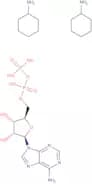
CAS:Adenosine 5'-diphosphate bis(cyclohexylammonium) salt is a novel antiviral agent that has been shown to be an activator of the adenylate cyclase enzyme. It also inhibits DNA and RNA synthesis in viruses, which prevents viral replication. Adenosine 5'-diphosphate bis(cyclohexylammonium) salt is active against cancer cells and has been shown to inhibit tumor growth and prolong survival in animal models. This compound can be synthesized by reacting the monophosphate with phosphoramidites or deoxyribonucleosides.Formula:C10H15N5O10P2·2C6H13NPurity:Min. 98 Area-%Color and Shape:PowderMolecular weight:625.55 g/mol2'-Deoxyinosine-5'-monophosphate disodium salt
CAS:2'-Deoxyinosine-5'-monophosphate disodium salt is a synthetic nucleoside, phosphoramidite, and diphosphate that is used in the synthesis of DNA. It has been shown to have antiviral effects against HIV and herpes simplex virus type 2 (HSV-2). This drug also has anticancer activity and is an activator of novel nucleosides.Formula:C10H11N4Na2O7PPurity:Min. 98 Area-%Color and Shape:White PowderMolecular weight:376.17 g/mol8-Amino[1''-(N''-dansyl)-4''-aminobutyl]-5'-(1-aziridinyl)-5'-deoxy adenosine
CAS:8-Amino-[1''-(N''-dansyl)-4''-aminobutyl]-5'-(1-aziridinyl)-5'-deoxyadenosine is a novel nucleoside phosphoramidite that has antiviral and anticancer activity. It is currently under development as a potential treatment for Hepatitis C, HIV and cancer. 8-Amino-[1''-(N''-dansyl)-4''-aminobutyl]-5'-(1-aziridinyl)-5'-deoxyadenosine is an activator of the enzyme ribonucleotide reductase, which converts ribonucleotides to deoxyribonucleotides. It also inhibits the synthesis of DNA and RNA by inhibiting the enzyme DNA gyrase and topoisomerase IV. 8-Amino-[1''-(N''-dansyl)-4''-aminobutylFormula:C28H37N9O5SPurity:Min. 95%Color and Shape:PowderMolecular weight:611.72 g/mol2'-O-Methyluridine
CAS:2'-O-Methyluridine is a chemical compound that is used in the synthesis of RNA. It is an analog of uridine and has been shown to have antiviral and anticancer properties. 2'-O-Methyluridine inhibits protein synthesis by competing with uridine for the active site of the enzyme ribonucleotide reductase, which converts ribonucleotides to dNMPs. This compound also inhibits RNA synthesis by disrupting the pairing of adenine and cytosine residues in RNA strands. 2'-O-Methyluridine has been shown to inhibit growth in some types of cancer cells, including colorectal adenocarcinoma cells. It may also be useful as a chemotherapeutic agent against HIV, as it inhibits virus replication by inhibiting reverse transcription and DNA synthesis.
Formula:C10H14N2O6Purity:Min. 98 Area-%Color and Shape:White Off-White PowderMolecular weight:258.23 g/mol5'-O-DMT-N2-isobutyrylguanosine
CAS:5'-O-DMT-N2-isobutyrylguanosine is a novel phosphoramidite monophosphate, which has been modified with an isobutyryl group. This compound was synthesized in order to be used as a nucleoside analogue and antimetabolite for the treatment of cancer. It also has antiviral properties and inhibits the replication of DNA by inhibiting transcription. 5'-O-DMT-N2-isobutyrylguanosine is an anticancer agent that can be used to treat tumors that are resistant to other chemotherapy drugs. It also inhibits the growth of cells by preventing the synthesis of proteins needed for cell division.
Formula:C35H37N5O8Purity:Min. 95%Color and Shape:White PowderMolecular weight:655.7 g/mol2'-Amino-2'-deoxyadenosine-5'-triphosphate sodium salt - aqueous solution
CAS:2'-Amino-2'-deoxyadenosine-5'-triphosphate sodium salt - aqueous solution is a modified ATP analog, where the ribose has a 2'-amino substitution. This compound has potential research applicationsFormula:C10H17N6O12P3·xNaPurity:Min. 95 Area-%Color and Shape:PowderMolecular weight:506.2 g/molQueuosine
CAS:Queuosine is a modified nucleoside found in the tRNA of both eukaryotic and prokaryotic organisms. It is primarily sourced from the gut microbiota and obtained through dietary intake, as humans lack the biosynthetic machinery to produce it endogenously. Queuosine plays a crucial role in cellular processes by contributing to the accuracy of protein synthesis, impacting cellular growth and maintenance. Its importance extends to understanding the molecular mechanisms underpinning various physiological processes and the potential for dysregulation in diseases. Ongoing research is exploring queuosine's implications in cellular metabolism, including its role in cancer biology and neurobiology. Understanding the pathways and effects of queuosine incorporation into tRNA may provide insights into novel therapeutic avenues for targeting metabolic disorders and diseases associated with translational fidelity.Formula:C17H23N5O7Purity:Min. 95 Area-%Color and Shape:PowderMolecular weight:409.39 g/molN6-Cyclopentyladenosine
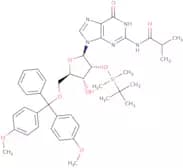
CAS:N6-Cyclopentyladenosine is a nucleoside analog that binds to the kappa-opioid receptor. The physiological effects of this drug are mediated through its interaction with the kappa-opioid receptor, which is found in the central nervous system and mediates many of the effects of morphine. N6-Cyclopentyladenosine has been shown to increase blood flow and heart rate in humans. This drug also inhibits tetrazolium dye uptake by papillary muscle cells, suggesting that it may have cardiotonic effects. N6-Cyclopentyladenosine has been used as an analytical probe for adenosine, which is metabolized by cyclic AMP and cyclic GMP phosphodiesterases into adenosine 3',5'-cyclic monophosphate (cAMP).Formula:C15H21N5O4Purity:Min. 95%Color and Shape:PowderMolecular weight:335.36 g/mol2'-O-(tert-Butyldimethylsilyl)-5'-O-DMT-N2-isobutyryl-guanosine
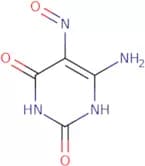
CAS:2'-O-(tert-Butyldimethylsilyl)-5'-O-DMT-N2-isobutyryl-guanosine is a synthetic nucleoside that has been modified with a tert-butyldimethylsilyl group. This modification is used to improve the efficiency of coupling reactions between nucleosides and phosphoramidites in oligonucleotide synthesis. The 2'-O-(tert-Butyldimethylsilyl)-5'-O-DMT-N2-isobutyryl guanosine is also used as a chromophore in spectroscopy experiments and as a ligand in metal coordination chemistry.Formula:C41H51N5O8SiPurity:Min. 98 Area-%Color and Shape:Off-White PowderMolecular weight:769.96 g/mol4-Amino-2,6-dihydroxy-5-nitrosopyrimidine
CAS:4-Amino-2,6-dihydroxy-5-nitrosopyrimidine is a molecule that has been shown to be an effective inhibitor of the enzyme tyrosinase in the oxidation of tyrosine to DOPA, which is a precursor of melanin. It is believed that vibrational and structural changes during these reactions are responsible for the inhibitory effects. 4-Amino-2,6-dihydroxy-5-nitrosopyrimidine has also been shown to have anti cancer effects on glioma cells. This molecule binds to copper ions, forming a chelate ring that can stabilize reactive intermediates and terminate free radicals. The chlorine atom on this molecule may be responsible for its cytotoxic effects by reacting with nucleophilic sites on proteins. The functional groups on this molecule react with acid catalysts, such as protonation or dehydration reactions.Formula:C4H4N4O3Purity:Min. 98 Area-%Color and Shape:PowderMolecular weight:156.1 g/mol2-Chloroadenosine hemihydrate
CAS:2-Chloroadenosine hemihydrate is a synthetic purine nucleoside analog, closely related to adenosine, with a chlorine atom substituted at the 2-position on the adenine ring. This molecule has potential application in research.Formula:C10H12ClN5O4H2OPurity:Min. 95%Color and Shape:PowderMolecular weight:310.69 g/mol2'-Deoxy-4-thiouridine
CAS:2'-Deoxy-4-thiouridine is a pyrimidine nucleoside for a range of applications
Formula:C9H12N2O4SPurity:Min. 98 Area-%Color and Shape:PowderMolecular weight:244.27 g/mol2'-Deoxyadenosine 5'-O-thiophosphate sodium salt
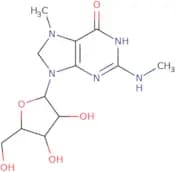
CAS:2'-Deoxyadenosine 5'-O-thiophosphate sodium salt is a synthetic nucleotide that has antiviral, anticancer and antitumor properties. It is a modified deoxyribonucleoside and it activates the synthesis of DNA by acting as an activator. This drug is not found in nature and it has shown to inhibit the growth of human breast cancer cells in cell culture.Formula:C10H14N5O5PSPurity:Min. 95%Molecular weight:347.29 g/molN2,7-Dimethylguanosine
CAS:N2,7-Dimethylguanosine is a modified nucleotide that is an intermediate in the biosynthesis of guanine. This modification is catalyzed by an enzyme called methyltransferase, which transfers a methyl group from S-adenosylmethionine to the guanine base. N2,7-dimethylguanosine has been shown to be involved in epigenetic regulation and translation regulation as well as having a biological function as an acceptor for aminoacylation. N2,7-dimethylguanosine can be detected with mass spectrometry and can also be immobilized onto solid supports for use in biochemical pathways. br> N2,7-dimethylguanosine is synthesized from S-adenosylmethionine (SAM) and 5'-methylthioadenosine (MTA) by a series of reactions involving methyltetrahydrofolate reductase and methyFormula:C12H18N5O5Purity:Min. 95%Color and Shape:White PowderMolecular weight:312.3 g/molGuanosine 5'-monophosphate disodium salt
CAS:Guanosine 5'-monophosphate disodium salt (GMPDS) is an antiviral agent that inhibits the synthesis of viral nucleic acids by competitive inhibition of the enzyme ribonucleotide reductase. GMPDS has been shown to inhibit the replication of a number of RNA viruses, including influenza A and B, herpes simplex virus type 1, and human immunodeficiency virus type 1. This drug also has been shown to decrease cyclic adenosine monophosphate (cAMP) levels in cells by inhibiting phosphodiesterase activity. GMPDS is used for treatment of infectious diseases such as influenza A, herpes, and HIV-1.Formula:C10H12N5Na2O8PPurity:Min. 98 Area-%Color and Shape:White Off-White PowderMolecular weight:407.18 g/molCytidine 5'-triphosphate disodium dihydrate
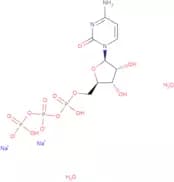
CAS:Cytidine 5'-triphosphate (CTP) disodium dihydrate prevents the action of aspartate carbamoyltransferase, an enzyme involved in pyrimidine biosynthesis. CTP serves as a molecule of high energy and acts as a coenzyme in glycerophospholipid biosynthesis and protein glycosylation.Formula:C9H16N3O14P3•(H2O)2•Na2Purity:Min. 95%Color and Shape:PowderMolecular weight:565.17 g/mol2'-O-(2-Methoxyethyl)cytidine
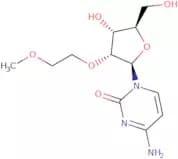
CAS:2'-O-(2-Methoxyethyl)cytidine is a nutrient that is used to maintain the dry weight of Lactobacillus acidophilus cultures. It is also used as a texturizing agent in food products. 2'-O-(2-Methoxyethyl)cytidine has been shown to increase the rate of lactose hydrolysis and reduce the viscosity of yogurt by activating L. acidophilus. 2'-O-(2-Methoxyethyl)cytidine is also used as a dietary supplement for people with intestinal disorders, such as irritable bowel syndrome. It can be found in sodium salts and n-methyl-d-glucamine.Formula:C12H19N3O6Purity:Min. 95%Color and Shape:PowderMolecular weight:301.3 g/mol9-(2'-Deoxy-2'-fluoro-β-D-arabinofuranosyl)guanine
CAS:9-(2'-Deoxy-2'-fluoro-b-D-arabinofuranosyl)guanine is a nucleoside phosphorylase inhibitor that is used to treat inflammatory bowel disease. It has been shown to be effective in treating women with inflammatory bowel disease, and has no significant side effects. 9-(2'-Deoxy-2'-fluoro-b-D-arabinofuranosyl)guanine inhibits the bacterial enzyme nucleoside phosphorylase, which is responsible for the conversion of guanosine triphosphate (GTP) to guanosine diphosphate (GDP). This inhibition prevents the synthesis of DNA and RNA by blocking the conversion of GTP and GDP into AMP and GMP. The drug binds to the active site of nucleoside phosphorylase, which is located in the bacterial cytoplasmic membrane. 9-(2'-Deoxy-2'-fluoroFormula:C10H12FN5O4Purity:Min. 97 Area-%Color and Shape:PowderMolecular weight:285.24 g/molCytidine-5-carboxylic acid sodium
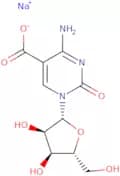
CAS:Cytidine-5-carboxylic acid sodium salt is a nucleoside that is used as an activator for the synthesis of phosphoramidites. It is also used in anticancer and antiviral research as a component of DNA. Cytidine-5-carboxylic acid sodium salt is available in high purity, with a monophosphate form and diphosphate forms available.Formula:C10H13N3O7•NaPurity:Min. 95%Color and Shape:PowderMolecular weight:310.21 g/mol









![8-Amino[1''-(N''-dansyl)-4''-aminobutyl]-5'-(1-aziridinyl)-5'-deoxy adenosine](/_next/image/?url=https%3A%2Fstatic.cymitquimica.com%2Fproducts%2F3D%2Fthumb-webp%2FNA16503.webp&w=3840&q=75)