Nucleosides
Found 3569 products of "Nucleosides"
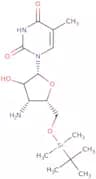
3'-Amino-5'-O-tert-butyldimethylsilyl-3'-deoxythymidine
CAS:3'-Amino-5'-O-tert-butyldimethylsilyl-3'-deoxythymidine is a novel synthetic nucleoside that has been shown to have anticancer and antiviral activities. The compound is an activator of the immune system, which may be due to its ability to stimulate the production of interferon and other cytokines. 3'-Amino-5'-O-tert-butyldimethylsilyl-3'-deoxythymidine can also inhibit viral DNA polymerases. This nucleoside has been shown to inhibit the growth of leukemia cells in culture by inhibiting ribonucleotide reductase activity.Formula:C16H29N3O5SiPurity:Min. 95%Molecular weight:371.51 g/mol2’,3’-Bis-O-tert-butyldimethylsilyl-5’-O-DMT-uridine
CAS:2’,3’-Bis-O-tert-butyldimethylsilyl-5’-O-DMT-uridine is a high purity, novel nucleoside that has antiviral properties. It is a phosphoramidite monophosphate that is synthesized by reacting 5’-O-DMT uridine with bis(2,2,2-trichloroethyl)dimethylsilane and 2,6,8,-trioxabicyclo[3.3.1]nonane in the presence of triethylamine. This product can be used as an activator for DNA synthesis or to synthesize deoxyribonucleosides.Purity:Min. 95%8-Bromoguanosine 3',5'-cyclic monophosphate sodium salt
CAS:Activator of cGMP-dependent protein kinasesFormula:C10H10BrN5NaO7PPurity:Min. 95%Color and Shape:PowderMolecular weight:446.08 g/mol2’-Deoxy-N6-isopentenyladenosine
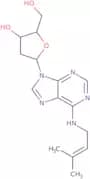
CAS:2’-Deoxy-N6-isopentenyladenosine (2’-DIA) is a monophosphate nucleoside that has antiviral properties. It activates DNA polymerase and inhibits tumor proliferation by inhibiting the synthesis of RNA and DNA. 2’-DIA is an analog of adenosine, which is used in the anticancer drug gemcitabine. 2’-DIA is synthesized through the condensation of 6-(2'-deoxyisopentenyl)adenosine with diphosphate. This compound also functions as a ribonucleotide, meaning it can be incorporated into RNA chains to form new proteins.Purity:Min. 95%8-Chloro-2'-deoxyguanosine
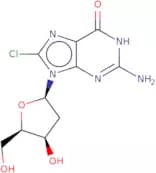
CAS:8-Chloro-2'-deoxyguanosine is a reactive oxygen species that can cause oxidative damage to DNA. This compound is generated by the hypochlorous acid (HOCl) in cells and can be found in human tissues. 8-Chloro-2'-deoxyguanosine can also be generated by the HOCl in diabetic patients, where it has been shown to cause oxidative damage to DNA. 8-Chloro-2'-deoxyguanosine is a product of the reaction between hydrogen peroxide and catalase, and it is activated by HOCl. It has been shown to be carcinogenic in animal models, where it causes DNA damage that leads to cancer.Formula:C10H12ClN5O4Purity:Min. 95%Color and Shape:PowderMolecular weight:301.69 g/molPseudothymidine
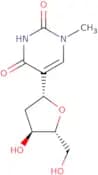
CAS:Pseudothymidine is the nucleobase analog of thymidine. It is a synthetic substance that has been used in the polymerase chain reactions (PCRs) to form DNA molecules. Pseudothymidine is not naturally found in cells and can be used as a substitute for thymidine during PCR to make more copies of DNA sequences. It has been shown that pseudothymidine can be incorporated into DNA without disrupting the polymerase chain reaction. The thermal denaturation of pseudothymidine is 10 °C lower than that of thymidine, allowing it to be used at higher temperatures with less risk of degradation.Formula:C10H14N2O5Purity:Min. 95%Color and Shape:PowderMolecular weight:242.23 g/mol1-[(5E)-3-O-[(Bis-diisopropylamino)(2-cyanoethoxy) phosphino]-5,6-dideoxy-6-(diethoxyphosphinyl)-2-O-methyl-β-D- ribo-hex-5-enofu ranosyl]uracil
5-Deoxy-2'-O-methylcytidine is a phosphoramidite nucleoside that has antiviral, anticancer, and antifungal properties. It is used as an activator in the synthesis of oligonucleotides and as a reagent for the synthesis of other nucleotide analogues. 5-Deoxy-2'-O-methylcytidine has been shown to have a novel mechanism of action, which targets DNA polymerase alpha and inhibits replication. This drug also has antiangiogenic activity, which may be due to its ability to inhibit the production of VEGF.Purity:Min. 95%trans-Zeatin-o-glucoside riboside
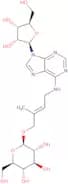
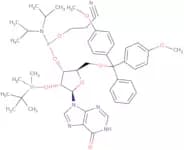
CAS:Trans-Zeatin-o-glucoside riboside is a nucleotide that is found in protonemata and is involved in the regulation of cell division, cytokinin production, and responses to light. It is a cytokinin that regulates the pathways of nitrogen metabolism and other metabolic pathways. Trans-Zeatin-o-glucoside riboside has been detected at detectable levels in cells, tissues, and fluids. It has been shown to be involved in the evolution of plants. It has been shown to regulate cell division by inhibiting the phosphorylation of fibrillarin protein kinase, which leads to an increase in cyclins D1/D2 with no change in cyclin E1/E2. This nucleotide may also play a role in regulating cytokinin production by binding to DNA and influencing gene transcription.Formula:C21H31N5O10Purity:Min. 95 Area-%Color and Shape:PowderMolecular weight:513.5 g/mol2'-O-tert-Butyldimethylsilyl-5'-O-DMT-inosine 3'-CE phosphoramidite
CAS:2'-O-tert-Butyldimethylsilyl-5'-O-DMT-inosine 3'-CE phosphoramidite is a modified ribonucleoside with antiviral and anticancer properties. Its DNA synthesis inhibitory activity has been shown in vitro. It is capable of inhibiting the growth of cells infected with influenza A virus, herpes simplex virus type 2, and human lymphocytic leukemia cells. This compound can also be used to produce synthetic oligonucleotides for research purposes. SELECTIVE: The following description should only be used for products that are specifically designed for one gender or age group:Formula:C46H61N6O8PSiPurity:Min. 96 Area-%Color and Shape:PowderMolecular weight:885.07 g/mol3'-O-[(Propan-2-ylidene)amino]-thymidine 5'-triphosphate
CAS:3'-O-[(Propan-2-ylidene)amino]-thymidine 5'-triphosphate is an antiviral and anticancer agent that is used for the synthesis of DNA and RNA. It is a novel nucleoside analog that has been modified to be activated by phosphoramidite chemistry. 3'-O-[(Propan-2-ylidene)amino]-thymidine 5'-triphosphate is synthesized from 2,6-diisopropylaniline, methyl 3-(aminomethyl)-1H-pyrrole-2,4-dicarboxylate, and propylamine in cyclohexane at reflux.Formula:C13H22N3O14P3Purity:Min. 95%Molecular weight:537.25 g/mol2'-Deoxy-N6-DMF-5'-O-MMT-adenosine 3'-CE phosphoramidite
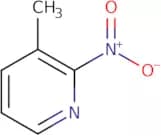
CAS:2'-Deoxy-N6-DMF-5'-O-MMT-adenosine 3'-CE phosphoramidite is a high purity, diphosphate nucleotide analog. It is an anticancer drug that inhibits DNA synthesis and can be used to treat cancer. The 2'-deoxy-N6-DMF moiety has been shown to inhibit the activity of DNA polymerase and other enzymes involved in DNA replication. This compound also has a novel mechanism of action that is not present in any other known anticancer drugs. CAS No. 195375-66-7.br>br>2'-Deoxy-N6-DMF 5'-O-MMT adenosine 3'-cephosphoramidite is often used as a building block for oligonucleotide synthesis because it is resistant to the removal of phosphate groups by alkaline phosphatases. The lack of phosphate groups makes this compound more stable than standard nucleotidesFormula:C42H51N8O5PPurity:Min. 95%Molecular weight:778.9 g/mol3-Methyl-2-nitropyridine
CAS:3-Methyl-2-nitropyridine is a high yield byproduct of formamide, which can be activated to form an intermediate for the synthesis of nucleosides. The kinetics and labeling of this intermediate were studied using a transfer experiment. 3-Methyl-2-nitropyridine is acidic, with a pKa value of 3.6, and is reactive towards nucleophiles. It is also catalytic, yielding methyl groups and dioxane as products when heated at temperatures between 180°C and 220°C. In addition, it undergoes nucleophilic substitutions at methoxy groups.
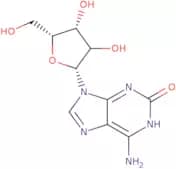
Formula:C6H6N2O2Purity:Min. 95%Color and Shape:PowderMolecular weight:138.12 g/mol9-(b-D-Arabinofuranosyl)isoguanine
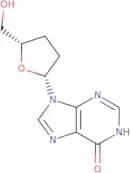
CAS:9-(b-D-Arabinofuranosyl)isoguanine is a modified nucleoside that has antiviral activity. It is synthesized by substituting the 2'-hydroxyl group of deoxyribose with an arabinofuranose, which can be phosphorylated to form 9-(b-D-arabinofuranosyl)isoguanine 5'-monophosphate. This novel antiviral agent inhibits the synthesis of viral DNA and RNA, and is effective against a wide range of viruses in vitro. The drug was shown to have anticancer activities in animal models and has been patented for use as a chemotherapeutic agent against leukemia, lymphoma, and other cancers.Formula:C10H13N5O5Purity:Min. 95%Color and Shape:White PowderMolecular weight:283.25 g/mol2',3'-Dideoxyinosine
CAS:2',3'-Dideoxyinosine is a purine analog that can suppress human immunodeficiency virus (HIV) replication after intracellular metabolic conversionFormula:C10H12N4O3Purity:Min. 95 Area-%Color and Shape:White Off-White PowderMolecular weight:236.23 g/mol5'-O-Pixylthymidine
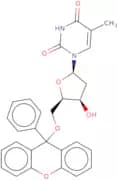
5'-O-Pixylthymidine is a modified nucleoside that has been shown to have anticancer and antiviral activity. It is an analog of thymidine, which is a deoxynucleoside. 5'-O-Pixylthymidine can be converted into diphosphate form by addition of phosphoramidites or ribonucleosides. This nucleotide can also be used as a building block for the synthesis of oligonucleotides, which are synthetic DNA molecules with therapeutic applications.Formula:C29H26N2O6Purity:Min. 95%Molecular weight:498.53 g/mol9-(3',5'-Di-O-acetyl-2'-O-methyl-b-D-ribofuranosyl)-6-chloropurine
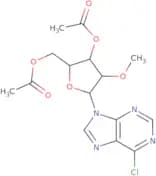
CAS:9-(3',5'-Di-O-acetyl-2'-O-methyl-b-D-ribofuranosyl)-6-chloropurine is a novel and high quality antiviral monophosphate deoxyribonucleoside. It is synthesized from 2'-deoxyadenosine monophosphate, 2'-deoxycytidine monophosphate, and 6-chloropurine by the phosphorylation of nucleosides with a modified phosphoramidite method. The polymerase chain reaction (PCR) amplification of HIV DNA was inhibited with this compound in vitro. This drug also has anticancer activity when it is used in combination with other chemotherapeutic drugs such as gemcitabine, cisplatin, and paclitaxel.Purity:Min. 95%2-Chloro-N6-cyclopentyladenosine hemihydrate
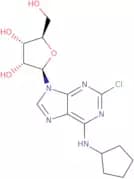
CAS:2-Chloro-N6-cyclopentyladenosine hemihydrate is a synthetic adenosine analog with potential research applicationsFormula:C15H20ClN5O4H2OPurity:Min. 98 Area-%Color and Shape:PowderMolecular weight:378.81 g/molN6-Benzyladenosine 5'-monophosphate sodium salt monohydrate
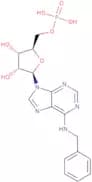
CAS:N6-Benzyladenosine 5'-monophosphate sodium salt is a nucleoside that is not identified. It has been shown to be metabolized by adenosine deaminase and may have antitumor activity. N6-Benzyladenosine 5'-monophosphate sodium salt is also a radioactively labeled adenine analog that has been used in the study of metabolic pathways.
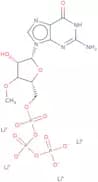
Formula:C17H18N5Na2O7P·H2OPurity:Min. 97 Area-%Color and Shape:PowderMolecular weight:499.32 g/mol3'-O-Methylguanosine 5'-triphosphate lithium
CAS:3'-O-Methylguanosine 5'-triphosphate lithium is a nucleotide that has been synthesized and characterized. It is a biochemical regulatory molecule that is involved in the synthesis of DNA, RNA, and proteins. 3'-O-Methylguanosine 5'-triphosphate lithium binds to the guanine nucleotide binding protein G, which acts as an allosteric activator of the enzyme ribonucleotide reductase. The reconstituted enzyme system containing 3'-O-methylguanosine 5'-triphosphate lithium has demonstrated a high level of fidelity in the replication of dna templates.
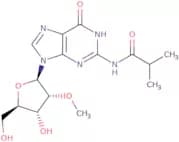
Formula:C11H18N5O14P3•Li4Purity:Min. 95%Color and Shape:PowderMolecular weight:564.97 g/molN2-Isobutyryl-2'-O-methylguanosine
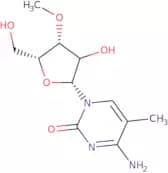
CAS:N2-Isobutyryl-2'-O-methylguanosine (IBOG) is a modified nucleoside that can be used as an activator for DNA synthesis. IBOG is a high purity, high quality chemical with CAS No. 63264-29-9 and has antiviral and anticancer properties.Formula:C15H21N5O6Purity:Min. 95%Color and Shape:White To Yellow SolidMolecular weight:367.36 g/mol3'-O-Methyl-5-methylcytidine
CAS:3'-O-Methyl-5-methylcytidine is a nucleoside with antiviral and anticancer properties. It has been shown to be an activator of RNA polymerase, the enzyme that catalyzes the transcription of DNA into RNA. 3'-O-Methyl-5-methylcytidine binds to the active site of RNA polymerase and is able to stimulate transcription in vitro. This drug has also been shown to have high purity and high quality.Formula:C11H17N3O5Purity:Min. 95%Color and Shape:PowderMolecular weight:271.27 g/molN4-Benzoyl-2’,3’-di-O-tert-butyldimethylsilyl-5’-O-DMT-N4-methylcytidine
N4-Benzoyl-2’,3’-di-O-tert-butyldimethylsilyl-5’-O-DMT-N4-methylcytidine is a modified nucleoside that is used as an antiviral agent. It inhibits the activity of reverse transcriptase, which is an enzyme that catalyzes the conversion of RNA into DNA. This nucleoside inhibits viral replication and prevents the production of new viruses in cells infected by HIV. N4-Benzoyl-2’,3’-di-O -tert -butyldimethylsilyl -5’ -O -DMT -N4 methylcytidine also inhibits DNA synthesis by inhibiting the activity of DNA polymerases. This drug has been shown to be effective against cancer cells and may have anticancer properties.Purity:Min. 95%6-Amino-1-(2'-deoxy-b-D-ribofuranosyl)-4-hydrazino-1H-pyrazolo[3,4-d]pyrimidine
6-Amino-1-(2'-deoxy-b-D-ribofuranosyl)-4-hydrazino-1H-pyrazolo[3,4-d]pyrimidine (6ADRP) is a synthetic nucleoside that is used as an activator of ribonucleosides and diphosphates in DNA synthesis. 6ADRP has antiviral activity against HIV and herpes simplex virus type 1. It binds to the viral DNA polymerase and prevents the addition of nucleotides to the growing DNA strand. 6ADRP is phosphorylated by T7 kinase to form the active metabolite, 6-amino-1-(2'-deoxy-[alpha]-D-ribofuranosyl)-5'-triphosphate (6ATP), which inhibits viral replication by preventing the formation of RNA primers.Purity:Min. 95%2'-Azido-2'-deoxy-5'-O-DMT-uridine
CAS:2'-Azido-2'-deoxy-5'-O-DMT-uridine is a nucleoside that has been modified with an azido group at the 2' position. The azido group is used to modify DNA and RNA nucleosides, which are monophosphate, ribonucleosides, and deoxyribonucleosides. This drug may be used as an activator of DNA synthesis or as a antiviral agent. It has been shown to inhibit HIV replication in vitro.Purity:Min. 95%2'-O-Acetyl-3'-deoxy-3'-fluoro-5-methoxy-5'-O-toluoyluridine
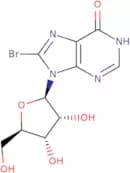
CAS:2'-O-Acetyl-3'-deoxy-3'-fluoro-5-methoxy-5'-O-toluoyluridine is a modified nucleoside that has antiviral, anticancer and antimalarial activities. This compound has been synthesized as a monophosphate derivative of the natural nucleoside uridine. It is an activator of DNA polymerase, which helps to synthesize DNA in cells. 2'-O-Acetyl-3'-deoxy-3'-fluoro-5-methoxy-5'-O-toluoyluridine also has anticancer activity due to its ability to inhibit the replication of the human tumor virus KSHV.Purity:Min. 95%8-Bromoinosine
CAS:8-Bromoinosine is a potent chemical probe that can be used to study the molecular mechanism of cGMP-dependent protein kinase (PKG). 8-Bromoinosine reacts with the acceptor site in PKG, which is located at the base of the active site cleft. Electrons from hydrogen bond donor sites on 8-bromoadenosine are transferred to chloride ion and the resulting 8-bromoinosine chloride complex is an effective inhibitor of PKG. It has been shown that stereoselectivity plays a role in this reaction mechanism.
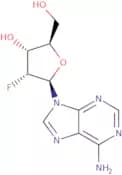
Formula:C10H11BrN4O5Purity:Min. 95%Color and Shape:PowderMolecular weight:347.13 g/mol2'-Deoxy-2'-fluoroadenosine
CAS:2’-Deoxy-2’-fluoro nucleosides and nucleotides have been shown to demonstrate anti-viral activity against influenza, SARS and HIV. More specifically the phosphonate of 2'-Deoxy-2'-fluoroadenosine has been evaluated as an inhibitor of Hepacivirus C (HCV).Formula:C10H12FN5O3Purity:Min. 95%Color and Shape:White PowderMolecular weight:269.24 g/mol6-Chloro-7-deaza-9-(b-D-ribofuranosyl)purine
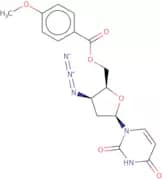
CAS:6-Chloro-7-deaza-9-(b-D-ribofuranosyl)purine is a novel nucleoside that has been shown to be an efficient activator of the transcription factor NFκB in vitro. 6-Chloro-7-deaza-9-(b-D-ribofuranosyl)purine is synthesized by phosphoramidite chemistry and purified by HPLC. It has been demonstrated to inhibit the replication of human immunodeficiency virus (HIV) in a dose dependent manner, which may be due to its ability to inhibit the synthesis of viral DNA and RNA. This product is highly pure and can be used for many purposes, including as a synthetic building block for DNA or as an antiviral drug.Formula:C11H12ClN3O4Purity:Min. 95%Color and Shape:White PowderMolecular weight:285.69 g/mol5'-O-p-Anisoyl-3'-azido-2',3'-dideoxyuridine
5'-O-p-Anisoyl-3'-azido-2',3'-dideoxyuridine is a compound that inhibits DNA synthesis and viral replication. It is an antiviral agent that inhibits the activation of virus by blocking the incorporation of deoxyribonucleotide triphosphates into viral DNA chains. This compound also has anticancer activity, which may be due to its ability to inhibit RNA synthesis in tumor cells.Formula:C17H17N5O6Purity:Min. 95%Molecular weight:387.35 g/molN4-Benzoyl-5'-O-benzoyl-2'-O-tert-butyldimethylsilylcytidine 3'-CE phosphoramidite
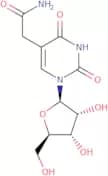
N4-Benzoyl-5'-O-benzoyl-2'-O-tert-butyldimethylsilylcytidine 3'-CE phosphoramidite is a novel nucleoside that has been modified by the addition of a benzoyl group to the 5' position of the ribonucleotide moiety. N4-Benzoyl-5'-O-benzoyl-2'-O-tert-butyldimethylsilylcytidine 3'-CE phosphoramidite is an anticancer and antiviral agent that inhibits viral replication by competitive inhibition of DNA polymerase. N4-Benzoyl-5'-O-benzoyl -2'-O -tert -butyldimethylsilylcytidine 3'-CE phosphoramidite is active against HIV, herpes virus, and cytomegalovirus. This compound also inhibits the synthesisFormula:C38H52N5O8PSiPurity:Min. 95%Molecular weight:765.93 g/mol5-Carbamoylmethyluridine
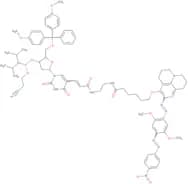
CAS:5-Carbamoylmethyluridine is a nucleoside that is structurally related to uridine. It is synthesized from uridine by methyl esterification with carbamic acid and methoxycarbonyl chloride. 5-Carbamoylmethyluridine interacts with actin filaments and has been shown to alter the expression of messenger RNA in eukaryotes. 5-Carbamoylmethyluridine also acts as a competitive inhibitor of the formation of a ternary complex, which includes ATP, GTP, and UTP, at the level of ribonucleotide reductase. This inhibition leads to decreased synthesis of messenger RNA in cells.Formula:C11H15N3O7Purity:Min. 95 Area-%Color and Shape:White PowderMolecular weight:301.25 g/molBBQ-650-DT CEP
CAS:BBQ-650-DT CEP is an antiviral compound that is a phosphoramidite derivative of cytidine. BBQ-650-DT CEP has been shown to inhibit the replication of human immunodeficiency virus type 1 (HIV-1) and other retroviruses in vitro, and to inhibit tumor cell proliferation in vivo. BBQ-650-DT CEP also inhibits the synthesis of RNA and DNA, which may have anticancer properties. This compound has been shown to be active against leukemia cells, lymphoma cells, and various breast cancer cell lines. It has also been shown to induce apoptosis in leukemia cells.Formula:C76H89N12O15PPurity:Min. 95%Molecular weight:1,441.6 g/mol1-(2’-Deoxy-2’-fluoro-b-D-arabinofuranosyl)-N3-(2S)-(2-amino-3-carbonyl]propyluracil
CAS:1-(2’-Deoxy-2’-fluoro-β-D-arabinofuranosyl)-N3-(2S)-(2-amino-3-carbonyl]propyluracil is a novel, anticancer drug. It is active against both RNA and DNA viruses, such as HIV, influenza virus and herpes virus. 1-(2’-Deoxy-2’-fluoro-β-D-arabinofuranosyl)-N3-(2S)-(2-amino-3-carbonyl]propyluracil has been shown to be an activator for phosphoramidites in aqueous solution. This compound is of high purity with CAS No. 2072145–25–4. It is also a synthesized, monophosphate nucleoside that can be used in the production of modified nucleosides for therapeutic purposes or as antiviral agentsPurity:Min. 95%2,4,6-Trichloro-5-methylpyrimidine
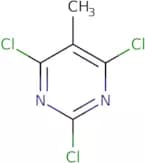
CAS:2,4,6-Trichloro-5-methylpyrimidine is a nucleoside for use in research applicationsFormula:C5H3Cl3N2Purity:Min. 95%Color and Shape:PowderMolecular weight:197.45 g/mol3'-O-Acetyl-5'-O-DMT-5-iodo-2'-O-methyuridine
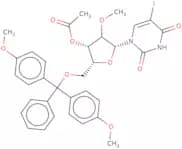
CAS:3'-O-Acetyl-5'-O-DMT-5-iodo-2'-O-methyuridine is a novel nucleoside analog with antiviral and anticancer activities. It is an activator that binds to the ribonucleotide reductase enzyme, which is essential for the production of RNA and DNA. This compound has been shown to inhibit the growth of several cancer cells in vitro.Purity:Min. 95%Cytarabine hydrochloride
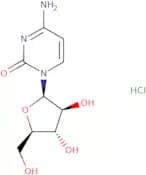
CAS:Anti-viral; anti-neoplasticFormula:C9H13N3O5·HClPurity:Min. 98 Area-%Color and Shape:White PowderMolecular weight:279.68 g/mol5'-O-p-Anisoyl-2'-deoxyuridine 3'-CE phosphoramidite
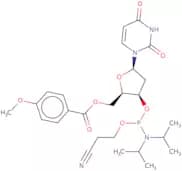
5'-O-p-Anisoyl-2'-deoxyuridine 3'-CE phosphoramidite is an anticancer nucleoside analog that inhibits viral replication. It is a modified nucleoside with a 5' anisoyl group and a 2' deoxyuridine moiety. This compound is synthesized by reacting the 5'-O-p-anisoyl-2'-deoxyuridine 3'-cyclohexylphosphate with phosphorus oxychloride to form the 5'-O-p-anisoyl-2'-deoxyuridine 3'-cyanoethyl phosphoramidite, which can be used for the synthesis of DNA or RNA. The phosphoramidite can also be used as an activator in polymerase chain reactions (PCR).Formula:C26H35N4O8PPurity:Min. 95%Molecular weight:562.55 g/molN4-Acetyl-5'-O-DMT-2'-O-methylcytidine
CAS:N4-Acetyl-5'-O-DMT-2'-O-methylcytidine is a cytidine analogue that has been synthesized to be used as an enzyme-linked probe. It is labelled with biotin and can be detected by binding to an antibody which has been labelled with a fluorescent tag. Cytidine analogues are synthesized on a solid phase and then cleaved from the support material. The spacer arm is added to the 5' end of the nucleotide and the 3'-OH group is modified with 2'-O-methyl groups. N4-Acetyl-5'-O-DMT-2'-O-methylcytidine has been shown to be sensitive in techniques such as solid phase synthesis, nucleic acid research, and immunoassays.Formula:C33H35N3O8Purity:Min. 95%Color and Shape:Off-White PowderMolecular weight:601.65 g/mol2'-Deoxy-5'-O-pixyluridine
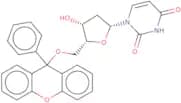
2'-Deoxy-5'-O-pixyluridine (2DPU) is a novel, synthetic nucleoside that is an active ingredient in antiviral and anticancer drugs. 2DPU has been shown to inhibit the replication of human immunodeficiency virus type 1 (HIV-1) by inhibiting the viral enzyme HIV reverse transcriptase. The phosphoramidite form of 2DPU is used as a building block for DNA synthesis and for the synthesis of other nucleosides. The monophosphate form of 2DPU is used in the synthesis of antiviral drugs, including acyclovir, zidovudine, and ribavirin.Formula:C28H24N2O6Purity:Min. 95%Molecular weight:484.51 g/mol2,8-Dimethyladenosine
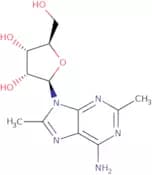
CAS:2,8-Dimethyladenosine is a methylated derivative of the purine nucleoside adenosine, in which methyl groups are added at the 2-position and 8-position of the adenine base.Formula:C12H17N5O4Purity:Min. 95%Color and Shape:White PowderMolecular weight:295.29 g/mol5'-O-DMT-thymidine 3'-O-succinate triethylammonium salt
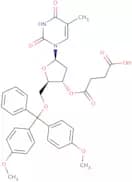
CAS:5'-O-DMT-thymidine 3'-O-succinate triethylammonium salt is a novel antiviral agent that inhibits viral replication by competing with natural nucleosides for incorporation into the viral DNA or RNA. The 5'-O-DMT group prevents the elimination of thymidine from the monophosphate form. This product has a high purity and quality, as well as potent antiviral activity against HIV and other viruses.Formula:C35H36N2O10·xC6H15NPurity:Min. 95%Color and Shape:PowderMolecular weight:745.86 g/mol3’-Deoxy-5-fluoro-3’-methyluridine
CAS:3’-Deoxy-5-fluoro-3’-methyluridine is a nucleoside that has antiviral and anticancer properties. It is synthesized from 5-fluorouracil, which is a prodrug that is activated by 3’-deoxy-5-fluoro-3’-methyl uridine to produce 5′,6′ difluorodeoxyadenosine. This compound can be used in the treatment of hepatitis B virus and hepatitis C virus infections. 3’-Deoxy-5-fluoro-3’ methyluridine has also been shown to inhibit the growth of cancer cells in vitro.Purity:Min. 95%1-(2'-O-4-C-Methylene-b-D-ribofuranosyl)adenine
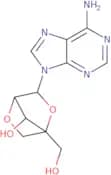
CAS:1-(2'-O-4-C-Methylene-b-D-ribofuranosyl)adenine is an important compound in the field of nucleoside chemistry and has potential applications in researchFormula:C11H13N5O4Purity:Min. 95%Color and Shape:White PowderMolecular weight:279.25 g/mol2'-Deoxy-5-formylcytidine
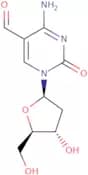
CAS:2'-Deoxy-5-formylcytidine is a nucleoside analog that is used as a chemotherapeutic agent. It is cytotoxic to cells by binding to DNA and preventing the synthesis of DNA, RNA, and protein. The drug has been shown to induce cellular senescence in human fibroblasts, which can be reversed by the addition of deuterium. 2'-Deoxy-5-formylcytidine also inhibits the production of reactive oxygen species (ROS) by inducing the expression of antioxidant enzymes such as superoxide dismutase 2 and glutathione peroxidase 1. The oxidation products are misincorporated into DNA strands, leading to intramolecular hydrogen bonds with cytosine bases. These modifications lead to denaturation of DNA and inhibition of transcription and replication. 2'-Deoxy-5-formylcytidine also interacts with oligodeoxynucleotides, which leads to misincFormula:C10H13N3O5Purity:Min. 97 Area-%Color and Shape:White PowderMolecular weight:255.23 g/mol7-Deaza-2'-deoxyxanthosine
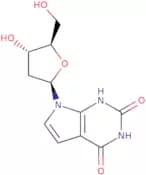
CAS:7-Deaza-2'-deoxyxanthosine is an oligodeoxynucleotide that is a substrate for the enzyme dUTPase. The allyl group on 7-deaza-2'-deoxyxanthosine is used to attach it to the 3' end of DNA, where it acts as a competitive inhibitor of RNA synthesis. The ethyl group at the end of the molecule is used to attach it to the 5' end of DNA, where it inhibits transcription and replication by binding with RNA polymerase. 7-Deaza-2'-deoxyxanthosine has been shown to be effective in preventing stenosis following coronary bypass surgery, as well as in treating heart disease by reducing levels of xanthosine.
Formula:C11H13N3O5Purity:Min. 95%Color and Shape:Beige PowderMolecular weight:267.24 g/mol5-Methoxycarbonylmethyluridine
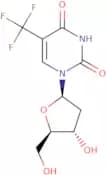
CAS:5-Methoxycarbonylmethyluridine is a nucleoside that is a precursor in the synthesis of other nucleotides. It has been shown to have potential as a biomarker for various diseases, such as metabolic disorders and hepatic steatosis. 5-Methoxycarbonylmethyluridine also inhibits the activity of methyltransferases, which are enzymes that catalyze the transfer of methyl groups from S-adenosylmethionine to substrates. It is also used as a model system for polymerase chain reaction in cancer research, because it has been shown to inhibit DNA replication by blocking the incorporation of uracil into DNA. 5-Methoxycarbonylmethyluridine has been found at high levels in fetal bovine serum and eukaryotic cells, but not in prokaryotes or cancerous tissues.Formula:C12H16N2O8Purity:Min. 95%Color and Shape:PowderMolecular weight:316.26 g/molTrifluorothymidine
CAS:Treats herpes-associated keratitis and keratoconjunctivitis; antineoplasticFormula:C10H11F3N2O5Purity:Min. 95%Color and Shape:PowderMolecular weight:296.2 g/molN4-Acetyl-2'-deoxy-5'-O-DMT-5-methylcytidine 3'-CE phosphoramidite
CAS:N4-Acetyl-2'-deoxy-5'-O-DMT-5-methylcytidine 3'-CE phosphoramidite is a novel nucleoside and deoxyribonucleoside that has been synthesized by the chemical modification of cytidine. It is an anticancer drug and antiviral agent, which has been shown to activate DNA polymerase, inhibit RNA synthesis and have antiviral activities against HIV, HSV, CMV, and VZV. N4-Acetyl-2'-deoxy-5'-O-DMT-5-methylcytidine 3'-CE phosphoramidite has high purity with low impurities (0.1% DMSO), making it a valuable nucleoside for use in synthesis of ribonucleotide analogues.Formula:C42H52N5O8PPurity:Min. 97 Area-%Color and Shape:White Off-White PowderMolecular weight:785.86 g/mol1-(2'-Deoxy-2'-fluoro-b-D-arabinofuranosyl)-5-ethyluracil
CAS:1-(2'-Deoxy-2'-fluoro-b-D-arabinofuranosyl)-5-ethyluracil is a nucleoside analog with modifications to alter its biological activity. It contains a β-D-arabinofuranose sugar instead of the standard β-D-deoxyribose in natural nucleosides and the fluorine (F) at the 2'-position increases resistance to enzymatic degradation and alters its biological activity. The 5-ethyl modification on the uracil ring enhances its interaction with viral polymerases.Formula:C11H15FN2O5Purity:Min. 95%Color and Shape:White PowderMolecular weight:274.25 g/mol1-(b-D-Xylofuranosyl)-2-thiouracil
CAS:1-(b-D-Xylofuranosyl)-2-thiouracil is a synthetic nucleoside that inhibits viral and cancer cell growth. It is an analog of the natural nucleoside thymidine, with an extra oxygen atom at position 2. The molecule forms a monophosphate, which is converted to a diphosphate by phosphoramidate synthase. This diphosphate is then incorporated into DNA, where it inhibits the activity of DNA polymerase and deoxyribonucleases, leading to inhibition of DNA synthesis. 1-(b-D-Xylofuranosyl)-2-thiouracil also has antiviral properties as it can inhibit viral replication by blocking the incorporation of nucleotides into the growing DNA strand.Formula:C9H12N2O5SPurity:Min. 95%Molecular weight:260.27 g/mol


![1-[(5E)-3-O-[(Bis-diisopropylamino)(2-cyanoethoxy) phosphino]-5,6-dideoxy-6-(diethoxyphosphinyl)-2…](/_next/image/?url=https%3A%2Fstatic.cymitquimica.com%2Fproducts%2F3D%2Fthumb-webp%2FNB162929.webp&w=3840&q=75)
![3'-O-[(Propan-2-ylidene)amino]-thymidine 5'-triphosphate](/_next/image/?url=https%3A%2Fstatic.cymitquimica.com%2Fproducts%2F3D%2Fthumb-webp%2FNP145591.webp&w=3840&q=75)


![6-Amino-1-(2'-deoxy-b-D-ribofuranosyl)-4-hydrazino-1H-pyrazolo[3,4-d]pyrimidine](/_next/image/?url=https%3A%2Fstatic.cymitquimica.com%2Fproducts%2F3D%2Fthumb-webp%2FNA162940.webp&w=3840&q=75)




![1-(2’-Deoxy-2’-fluoro-b-D-arabinofuranosyl)-N3-(2S)-(2-amino-3-carbonyl]propyluracil](/_next/image/?url=https%3A%2Fstatic.cymitquimica.com%2Fproducts%2F3D%2Fthumb-webp%2FND162854.webp&w=3840&q=75)